Buscar:tom jobim

Estilos
Todo
  • 1
EDU LOBO & ANTON JOBIM - Edu & Tom

Edu Lobo&Anton Jobim

Edu & Tom

12inchMJJ411CC
KLIMT
10.09.2021

Edu Lobo has to be considered one of the great mysteries of MPB. Already in the early hours of Bossa Nova, he has mainly worked for the renewal and development of the Brazilian Bossa Nova post. Edu Lobo remains a character in the shadows, discreet but effective. Known as a writer "complex and sophisticated", he is part of the circle of composers "melodist" like Tom Jobim, Marcos Valle and Francis Hime. On this 1981 album the duo with Anton Jobim works perfectly, offering classical repertoire played in sobriety. The complicity between the two composers is sincere and it is quite fascinating to see that they interchanged easily their seats.

Reservar10.09.2021

debe ser publicado en 10.09.2021

Sessa - Grandeza LP

Sessa

Grandeza LP

12inchMEX3651
MEXICAN SUMMER
12.06.2026

Grandeza, the debut album by Sao Paulo’s Sessa, points to new, subtle directions for modern Brazilian music – a deep, minimalist, almost insinuated use of the rich textures that define the songwriting history of Brazil, one which Sessa now joins among its most promising new voices. His songs are sung in Portuguese, with visceral, sensual lyrics in the vein of Caetano Veloso, and the melodic flourishes of Tom Jobim and Arthur Verocai.

However, the music gets a deliberate minimalist treatment rarely found in contemporary Brazilian music, more reminiscent of the bareness of Leonard Cohen, with touches of tropicalia, psychedelia, and the mystic jazz of Moondog and Pharoah Sanders. Recorded in various locations between São Paulo and New York City.

Reservar12.06.2026

debe ser publicado en 12.06.2026

ELIZIO DE BUZIOS - TAMANQUEIRO

Elizio De Buzios

TAMANQUEIRO

7"-VinylND011
NEW DAWN
22.12.2021

Reissue of Elizio De Buzios's "Tamanquiro". Remastered and pressed on 45 RPM!

Sitting a good 90-minute drive away from Rio de Janeiro’s crowded beaches and packed tourist hot-spots, Campo Grande is not a neighbourhood that attracts travellers from around the World. Traditionally it is home to the city’s lower middle-class, whose aspirations of moving up the social ladder were played out in a suburb that has always been solidly working-class.

Campo Grande is home to Elizio De Buzios, a Brazilian musician who started playing music in the late 1970s and early 1980s. De Buzios began as a drummer, before learning to play guitar and starting to compose and sing his own music. When he turned 18, De Buzios joined a local band formed by some of his friends and other like-minded local musicians: Sol da Terra. The band mostly played samba in neighbourhood bars and small venues around Camp Grande, but De Buzios was interested in more than just samba. While he naturally admired great samba composers such as Cartola and Beth Carvalho, his musical pass went far beyond Brazil’s national music. He also loved MPB and bossa-nova and at home he listed to Joäo Bosco, Milton Nascimento, Luis Melodia, Tom Jobim, and many bossa-nova singers.

In 1980 De Buzios was noticed by a local representative of international major label Polygram, who gave him the opportunity to record two songs. He was excited, so started searching for inspiration for the songs he would eventually lay down. He found that inspiration close to home while passing a neighbourhood shop which made and sold clogs. After noticing a display of then fashionable Portuguese clogs outside the store, De Buzios popped inside to talk to the owner. It turned out that he was a tamanqueiro – as clog-makers are traditionally called in his native Portugal – and was as passionate about music as he was about the footwear he made. Thus inspired, De Buzios returned home to work more on the lyrics and music.

The next day, he headed into the studio to record the song, with Vale Ribeiro, who later went on to produce tracks for Marcos Valle, behind the desk. With Ribeiro’s assistance, De Buzios managed to record two songs in one day: ‘Tamanqueiro’ and ‘Sou Um Louco’, a ballad with English lyrics blended into the mostly Portuguese text. From the start, it was clear that ‘Tamanqueiro’ would be the single’s A-side. Incredibly catchy and funky, with some subtle disco elements, the song remained distinctively Brazilian thanks to the use of the cuíca. Listening back all these years on, De Buzios’ lyrics seem almost spontaneous, carry the track forward, and make it almost impossible not to sing along. Its infectiousness and funkiness made it an instant hit with the first few people to hear it.

When it was released, responses to the song were enthusiastic, even if it never became the Brazil-wide smash it should have been. It resonated well in the local clubs and on the radio, but unfortunately the marketing was handled by an inexperienced Polygram employee who failed to adequately promote the track. As a result, the record sank without trace and De Buzios’ dreams of stardom evaporated. Having just started a family, he realized he could not live off the uncertainty of being a musician. Instead, he got a job at city hall as a civil servant, a role he continued until his retirement a few years ago. ‘Tamanqueiro’ and ‘Sou Um Louco’ remain the only two songs he ever recorded.

In the early 2000s, with the rise of diggers’ culture, ‘Tamanqueiro’ slowly surfaced again. It became a sought after, hard to find seven-inch single, finding its way onto the airwaves once more and into the ears of a new generation of listeners. Some started appreciating the song so much that it was referred to as the “best-Jorge-Ben-song-Jorge-Ben-never-recorded”. And they are right: ‘Tamanqueiro’ does have that Jorge Ben-straight-forwardness. It’s a completely honest song that’s almost impossible not to fall in love with. Thanks to this remastered reissue on Rush Hour, De Buzios may now get the props his sole record so richly deserves.

Now for the good news: De Buzios is still singing in local bars and clubs in and around Campo Grande. He is surprised, but also incredibly proud, that the record he had almost forgotten about is appreciated so much by a group of music lovers he didn’t even know existed. But above all, he is happy that more than 40 years after the recording session, the record lives on – not only on this re-release, but also in his weekend sets in the bars of Campo Grande.

Disponible

En el almacen y preparando para el envío

Bebel Gilberto - Tudo LP

Bebel Gilberto

Tudo LP

12inchMOVLP3656
Music On Vinyl
08.05.2026
  • A1: Somewhere Else
  • A2: Nada Não
  • A3: Tom De Voz
  • A4: Novas Idéias
  • A5: Harvest Moon
  • A6: Tudo
  • B1: Saudade Vem Correndo
  • B2: Areia
  • B3: Tout Est Bleu
  • B4: Lonely In My Heart
  • B5: Vivo Sonhando
  • B6: Inspiração

Tudo is an album by world renowned Grammy-nominated singer/songwriter Bebel Gilberto, originally released in 2014.

Gilberto, daughter of bossa nova immortal João Gilberto, is one of the most internationally famous and beloved of Brazilian musicians. Tudo, which means "everything" in English, showcases Bebel's ethereal vocals and wistful, dreamy song writing in each of the 12 tracks.
Bebel reunites with Mario Caldato Jr., who produced her first landmark album Tanto Tempo.

With Bebel singing in French, English, and Portuguese, Tudo is a shimmering, sweet summery collection that includes original songs along with songs by João Gilberto, Antonio Carlos Jobim and Neil Young, as well as soulful duet with Seu Jorge.

The gorgeous melodies are shaped by touches of electronica and Bebel's intimate vocals hint at a fantastical Rio de Janeiro, a style that has earned her a devoted fanbase worldwide.

Tudo is available on black vinyl and includes a 4-page booklet with pictures and lyrics.

Reservar08.05.2026

debe ser publicado en 08.05.2026

Various - Tchic Tchic: French Bossa Nova 1963-1974  Colored Edition LP 2x12"
  • A1: Les Masques - Il Faut Tenir (1969)
  • A2: Isabelle Aubret - Casa Forte (1971)
  • A3: Christianne Legrand - Hlm Et Ciné Roman (1972)
  • A4: Jean Constantin - Pas Tant D'chichi Ponpon (1972)
  • A5: Billy Nencioli & Baden Powell - Si Rien Ne Va (1969)
  • B1-: Marpessa Dawn - Le Petit Cuica (1963)
  • B2: Jean-Pierre Sabar - Vai Vai (1974)
  • B3: Sophia Loren - De Jour En Jour (1963)
  • B4: Isabelle - Jusqu’à La Tombée Du Jour (1969)
  • B5: Sylvia Fels - Corto Maltesse (1974)
  • C1: Frank Gérard - Comme Une Samba (1972)
  • C2: Ann Sorel - La Poupée Des Favellas (1971)
  • C3: Charles Level - Un Enfant Café Au Lait (1971)
  • C4: Andrea Parisy - Les Mains Qui Font Du Bien (1970)
  • C5: Audrey Arno - Quand Jean-Paul Rentrera (1969)
  • C6: Aldo Frank - T’as Vu Ce Printemps (1970)
  • D1: Christianne Legrand - Cent Mille Poissons Dans Ton Filet (1972)
  • D2: Clarinha - Lemenja (1970)
  • D3: Hit Parade Des Enfants - Aquarela (1976)
  • D4: Jean-Pierre Lang - Tendresse (1965)
  • D5: Magalie Noël - Une Énorme Samba (1970)
  • D6: Françoise Legrand - La Lune

Ever since the late 1950s bossa-nova revolution, Brazil’s influence on French music has been undeniable. Pierre Barouh, Georges Moustaki and a vast array of lesser known artists, all made the Musica Popular Brasileira (MPB) an axis of promotion at the service of a cool and metaphysical, modern and mixed Brazilian lifestyle. Some were seduced by the poetic languors of the bossa, some were looking for fun, and others just loved the American hybridization of jazz-bossa, jazz-samba.


What is bossa nova? One of its creators, Joao Gilberto said: "Its style, cadence, everything is samba. At the very start, we didn't call it bossa nova, we sang a little samba made up of a single note - Samba de uma nota so .... The discussion around the origins of bossa nova is therefore useless”. It is nevertheless useful to remember that these magnificent Brazilian songs, which the guitarist describes as samba, were shifted and balanced around improbable chords. "I like things that lean, the in-betweens that limp with grace," said Pierre Barrouh, quoting Jean Cocteau.


With emotion, arrangements for violin and supple guitar licks, bossa nova rapidly changed. A transformation that can be heard in the Tchic, tchic, French Bossa Nova 1963-1974 compilation, the result of a cultural reappropriation, which traveled through the United States and supplemented itself in France.

A musical revolution that has remained significant, bossa nova was born in Rio. From 1956 to 1961, Brazil lived through its golden years. In five years, the country had invented its modernist style. Elected president in 1956, Juscelino Kubitschek de Oliveira, an elegant man with a broad forehead, brandished a promising slogan: "Fifty years of progress in five years". He quickly got to work. Not worried about increasing debt, he launched the project for a new federal capital, Brasilia, designed by the communist architect Oscar Niemeyer. Volkswagen opened state-of-the-art factories and created the “fusquinha”, the Beetle. In Rio, the Vespa made its first appearance. The Arpoador Surf Club crew run into the “girl” from Ipanema, Helô Pinheiro - the tanned garota ("chick"), between a flower and mermaid, who at 17 walked by the Veloso bar, where the fiery author and composer, Tom Jobim and Vinicius de Moraes, were getting drunk on whiskey. From then on, bossa symbolized cool.

In 1958, Joao Gilberto recorded Chega de Saudade, which the directors of Philips denied, calling it "music for fagots". The marketing director, who believed in it, secretly pressed 3000 78-inch vinyls and distributed them at schools around Rio, creating a tidal wave.

American jazzmen then took over. In particular, trumpeter Dizzy Gillespie and guitarist Charlie Byrd. In November 1962, the Brazilian Ministry of Foreign Affairs funded a "Bossa-Nova" concert at Carnegie Hall in New York, inviting the genre’s pioneers. Unprepared, the show soon turned to disaster. But the troupe was invited to the White House by Jackie Kennedy. The first lady loved "the new beat" and in particular Maria Ninguem, a song by Carlos Lyra, later covered by Brigitte Bardot.

In Brazil, the 1964 military coup quickly ended this euphoria. The destructive atmosphere that ensued pushed many Brazilian musicians to leave, if not to exile. Thus, Tom Jobim, Sergio Mendes and Joao Gilberto arrived to the United States. In New York, Joao Gilberto met saxophonist Stan Getz. At the time, he was married to the Bahianese Astrud Weinert Gilberto, who had a German father. She had never sung before, but she knew how to speak English. Getz therefore asked her to replace her husband on The Girl From Ipanema. The Getz/Gilberto record with Tom Jobim on piano, was released in March 1964. Phil Ramone, the "pope of pop" was in charge of sound.

Bossa nova arrived in Paris through the classic “guitar-voice” channel (Pierre Barouh, Baden Powell, Moustaki…) But France loved jazz and Paris had already welcomed its American contributors. All these good people were to pass through Saint-Germain-des-Prés. The cabaret l'Escale became the Mecca of Latin American sound where one could find Pierre Barrouh and his friends, such as the Camara Trio, samba-jazz aces, whose only record was published by the Saravah label. With a band strangely called Les Masques (a band that included Nicole Croisille and Pierre Vassiliu, among others), the Camara Trio recorded an interesting Brazilian Sound, including the track Il faut tenir which is present on this tasty compilation of rarities.

Other enlightened musicians can also be found on the compilation, such as Jean-Pierre Sabar (songwriter for Hardy, Auffray, Leforestier ...) and the French pop rock organist Balthazar. In 1975, Sabar recorded Aurinkoinen Musiikkimatka on a Finnish label, which featured the crazy Vai, Vai, included on this record. We are now following the footsteps of Brazilian electronic musicians such as Sergio Mendes, Eumir Deodato or Marcos Valle who created funk and disco sounds on their keyboards and synthesizers. A style that influenced Véronique Sanson when she wrote Jusqu’à la Tombée de la nuit in 1969 for Isabelle de Funès, the niece of Louis and a great friend of Michel Berger - Sanson did end up singing this track on her 1992 Sans Regret record.


The pinnacle of exoticism and travel, Sylvia Fels’ Corto Maltese includes bongos, sea mist and ocean sounds. The title was taken from Jacky Chalard’s concept album written in 1974, Je suis vivant, mais j’ai peur (I am alive, but I am scared), based on Gilbert Deflez’s science fiction novel.


However, bossa nova extended the scope of popularity. "In the 1970s, I was a fan of Sergio Mendes, Getz / Gilberto. I fell in love with this music that I knew because I had been an orchestral singer, " explained Isabelle Aubret, who in 1971 delivered a composite record of covers by the very funky Jorge Ben, Orfeu Negro, Tom Jobim, Vinicius de Morais and Jean Ferrat. "I recorded this album for Meys Records in Paris, far from Brazil, with wonderful musicians, François Raubert, Roland Vincent, Alain Goraguer...". The latter wrote the arrangements for Casa Forte, a very percussive title borrowed from Edu Lobo, one of the initiators of the bossa who spent time in California. "Jazz and bossa came together and produced very rhythmic music. I love singing, it allows me to dream, to have fun, to feel a high on stage, and these songs brought me joy, made me swing, my singing felt like a dance.”


The world tours of French singers and their desire for the tropics, often brought them to Rio with its hills, forests, caipirinhas and tanned bodies. There are surprises though, like this Iemenja (Iemenja is the goddess of the sea in the Afro-Brazilian candomblé religion). Not unlike the composer and musician Jean-Pierre Lang, based in Sao Paulo, Claire Chevalier taught Brazil to Brazil. In 1970, the singer and painter published a 45-inch vinyl, Mon mari et mes amants (My husband and my lovers), under the improbable pseudonym of Clarinha (little Claire). She was then living in Rio, with her husband, Joël Leibovitz, who founded a band called Azimuth, and who owned a record label specialized in "sambas enredos" songs for samba school parades.


For its B side, she asked Pierre Perret to come up with lyrics for a song composed by Carlos Imperial: "Oh goddess of the sea, o goddess Iemenja, I bring a white rose to adorn your long hair ..." . "Perret came to see us, and we had fun, remembers Joël Leibovitz. We wrote Lemenja for fun, we recorded it at the Havaí studio, behind the Central do Brasil the central station. Erlon Chaves, the arranger who worked with Elis Regina, joined us" adding his share of Afro-Brazilian percussions and funky brass to the mix.

There is a common misunderstanding in Franco-Brazilian history: that bossa, admittedly hedonistic, is perceived as funny, even though the poets who wrote the texts are often philosophizing on the human condition. Its French interpreters pull it towards a carnival inspired universe, far removed from its fundamental essence. Thus, Jean Constantin covered the famous Samba da minha terra, an ode to the art of samba written by the classic Bahian composer Dorival Caymmi, renaming it with the enticing title of Pas tant de tchi tchi pompon: "On your pier there is no tchi tchi / when you arch your back, you know everything is alright ”(lyrics by Gérard Calvi). This expedited bossa aims for the absurd, but retains a certain elegance.

Indeed, Jean Constantin was not an idiot, the rather large man had a huge mustache and liked fantasy, (Les pantoufles à papa, Le pacha, inspired by cha-cha-cha-cha, salsa and jazz) but he was also the lyricist of Mon manège à moi interpreted by Edith Piaf, the composer of Mon Truc en plume by Zizi Jeanmaire and the soundtrack of François Truffaut’s 400 Blows. Le Poulpe, published in 1970, from which this bossa is extract, was arranged by Jean-Claude Vannier, an accomplice of Serge Gainsbourg’s Melody Nelson. In short: "There is enough of samba / By looking at the parasol / Because my poor cabeza / Is going to die in the sun".

Even the American actress Marpessa Down, who was at the heart of the bossa nova revolution with her role as Euridyce in Marcel Camus’ film Orfeu Negro, winner of the 1959 Cannes Palme d'or, fed the clichée with Je voudrais parler au petit cuica - "Tell me how you manage to always make people want to dance / It's true, I must admit that I cannot resist your magic" - in consequence, once can hear the cuica, a little drum inherited from the Bantu.


But bossa nova had many angles. Societal, of course, pushing actresses who were symbols of women's liberation like Brigitte Bardot, Jeanne Moreau, or Sophia Loren to engage in the exercise of accelerated bossa. In February of 1963, Sophia Loren made a record in French in Rome, Je ne t'aime plus, featuring the song De jour en jour, a bossa written by two Italians, Armando Trovajoli and Tino Fornai, which was released a little later by Barclay. Bossa accompanied the 1960s, a decade of moral liberation. Ann Sorel, who interpreted La Poupée des favellas, caused a sensation with L’amour à plusieurs, a provocative song written by Frédéric Bottom and Jean-Claude Vannier. As for the actress Andrea Parisy, she displayed her bourgeois cheekiness in Marcel Carné's Les Tricheurs before interpreting Les mains qui font du bien. And Magalie Noël, the friend of Boris Vian, who sung Johnny fais-moi mal, was hired to sing Une énorme Samba, composed by Alain Goraguer (arranger to Gainsbourg, Bobby Lapointe and Jean Ferrat) with lyrics by Frédéric Botton.

But in the end, of what wood is bossa nova made of? The answer is given by Christianne Legrand, daughter of Raymond the conductor, and sister to Michel the composer: "With me, with jà" - jà means "immediately" in Portuguese. In 1972, the singer, an expert in vocal jazz and a member of the Double Six, published Le Brésil de Christianne Legrand. Two songs included on the Tchic Tchic compilation that demonstrate how bossa, jazz, funk, rock, etc. work like a swiss army knife: the music is used to denounce broken systems, or miracles, HLM et ciné roman, Cent mille poissons dans ton filet, two songs from the O Cafona soundtrack, a successful telenovela broadcast, at the time in black and white, on TV Globo. The first was adapted in French by the fighter and friend of the Legrand tribe, Agnès Varda. The second is content with a play on words, jostling them into a summer fun.


Véronique Mortaigne

Reservar17.04.2026

debe ser publicado en 17.04.2026

Various Artists - Brazil Greastest Hits LP 2x12"
  • Joao Gilberto - Bim Bom
  • Elizete Cardoso - Outra Vez
  • Luiz Bonfa - Copacabana
  • Antônio Carlos Jobim & Roberto Paiva - Eu E O Meu Amor
  • Joao Donato - Tim-Dom-Dom
  • Carlos Lyra - Você E Eu (You And Me)
  • Baden Powell - Improviso Em Bossa Nova
  • Salinas - Tenha Fé, Pois Amanha Um Lindo Dia Vai Nascer
  • Stan Getz & Charlie Byrd - Desafinado
  • Sérgio Mendes - Oba-La-La
  • Pery Ribeiro - Garota De Ipanema
  • Orlandivo - Onde Anda O Meu Amor
  • Shorty Rogers & His Giants - Chega De Saudade (No More
  • Sylvia Telles - Corcovado
  • Grant Green - Brazil
  • Maysa - Agua De Beber
  • Quincy Jones & His Orchestra - Soul Bossa Nova
  • Trio Mocoto - Nao Adianta
  • David K (Feat. Rolando Faria) - Mas Que Nada (David K R
  • Tom & Joy - Para Bailar
  • Seu Jorge - Carolina
  • Salome De Bahia - Outro Lugar (Edit)
  • Carlinhos Brown - Brasil Brasil (Ole Ole)
  • Caetano Veloso - Hino Da Bahia
  • Suba (Feat. Cibelle) - Felicidade
  • Marcelinho Da Lua (Feat. Seu Jorge) - Cotidiano (Buzzin
  • Bebel Gilberto - August Day Song
  • Negrocan - Cada Vez (Grant Nelson Vocal Mix Edit)

Mit Brazil Greatest Hits veröffentlicht Wagram eine musikalische Reise durch die farbenfrohe Welt Brasiliens - von zeitlosen Bossa-Nova-Klassikern bis zu modernen Latin-Grooves. Auf zwei sorgfältig zusammengestellten Vinyl-LPs versammeln sich legendäre Aufnahmen und internationale Club-Favorites, die den Spirit von Rio, die Leichtigkeit des Samba und den warmen Sound des Tropenlands einfangen. Die erste LP präsentiert ikonische Stimmen und Instrumentalstücke der goldenen Bossa-Nova-Ära - voller Eleganz, Rhythmus und Melodie. Auf LP 2 geht es moderner und tanzbarer weiter: brasilianische Funk-Einflüsse, Remix-Perlen und energiegeladene Tracks zeigen, wie lebendig und vielfältig die Musikszene Brasiliens bis heute ist.

Reservar27.02.2026

debe ser publicado en 27.02.2026

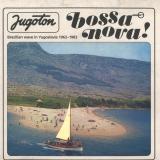
Various - Jugoton Bossa Nova  2x12"

Various

Jugoton Bossa Nova 2x12"

2x12inchEVERLAND-YU009LP
Everland
20.01.2026
 
20

Rich musical history of Yugoslavia reveals a long-lasting love for the music of Latin America.
Entwined in Afro-Cuban rhythms, ballrooms were shakin', swayin' and swingin', gathering musicians who were heavily into jazz bands and orchestras, most notably in Ljubljana, Zagreb, and Belgrade. Jazz could be heard on the streets of Split way back in 1919 when dancing became a symbol of freedom. Radio was the most loved household item, newest sheet music was in demand and collecting records was hip like today. In the aftermath of Second World War, jazz went underground but little by little, things changed and Ella, Satchmo, Dizzy and Miles came to visit, among others. Music festivals shaped the music for entertainment and variety of popular styles showed influences from all over the world. In the early sixties, one particular rhythm crashed on the coast of the Adriatic Sea: the rhythm of bossa nova!

In the whirlwind of various musical styles, Latin American music still played important part of the scene in the early sixties Yugoslavia. Beguine, tango, rhumba, samba, calypso, mambo and cha-cha-cha all found their place on the festivals inspired by famous Sanremo, festival of Italian popular song that largely shaped the musical taste of Europe. It was the era of instrumental rock, R & B and rock'n'roll - sounds of "imperialist America" now played freely on imported and hand-made electric guitars. While dancing halls had been turning into concert venues, bossa nova has come! Eydie Gorme with Blame It on the Bossa Nova and Paul Anka with Eso Besso (That Kiss!) tried to make us learn some new dance moves but it was Joao Gilberto's gentle singing and his new way of playing samba songs, along with Tom Jobim's modern dissonant harmonies and poetry of Vinicius de Moraes that created the magic. When American alto saxophonist and flautist Bud Shank visited Zagreb and Ljubljana in 1963 (with Boško Petrović in his quintet) "it was the first time we heard bossa nova!" remembers Stjepan Braco Fučkar. Jugoton, the biggest record company in Yugoslavia, released 4-track EP Bossa Nova by Bogdan Dimitrijević and his ensemble that same year! While not being fully accepted or understood completely, the archives of Jugoton reveal to us various interpretations of this new trend from their vast catalogue.

No en stock

Haga su pedido ahora y le encargaremos el artículo en nuestro proveedor.


Ültimo hace: 4 Meses
STACEY KENT - SONGS FROM OTHER PLACES
  • A1: I Wish I Could Go Travelling Again, Songwriter – Jim Tomlinson, Kazuo Ishiguro
  • A2: Bonita, Songwriter – Antonio Carlos Jobim, Gene Lees, Ray Gilbert
  • A3: Craigie Burn, Songwriter – Jim Tomlinson, Kazuo Ishiguro
  • A4: Les Voyages, Songwriter – Raymond Lévesque
  • A5: American Tune, Songwriter – Paul Simon
  • B6: Tango In Macao, Songwriter – Jim Tomlinson, Kazuo Ishiguro
  • B7: Blackbird, Arranged By – Art Hirahara, Songwriter – Lennon-Mccartney
  • B8: My Ship, Songwriter – Ira Gershwin, Kurt Weill
  • B9: Imagina, Songwriter – Antonio Carlos Jobim, Chico Buarque
  • B10: Landslide, Songwriter – Stevie Nicks
Reservar26.06.2025

debe ser publicado en 26.06.2025

Ken Serio Quartet - Brooklyn Oasis LP 2x12"
  • 1: Changes
  • 2: Dindi
  • 3: Oceans In The Sky
  • 4: For Micheal
  • 5: Brooklyn Oasis
  • 6: In Your Own Sweet Way
  • 7: Hard Eights
  • 8: Skylark

Veteran Drummer Ken Serio has been a staple on the New York
studio scene for over 30 years
and has appeared on over 70 CDs,
as well as 18 as a leader. His new release Brooklyn Oasis is his most ambitious release to date and features Jazz Legend Ron Carter
on Bass as well as Tomoko Ohno
on Piano, and Saxophist Dave Mullen. Recorded October
24th at The Acoustic Studio in Brooklyn NY, and produced by
Bob Cowley, it features two
originals The title track
“Brooklyn Oasis” penned
by Ohno, as well as "For Micheal
" a heartfelt tribute to the late
Micheal Brecker by Dave Mullen
. Liner notes by Jazz journalist
Bill Millkowski, and also Hammond great Brian Charette. Other songs include the McCoy Tyner burner “
Changes”, “Dindi”, the Jobim classic,“Hard Eights” by Lyle Mays
, “In Your Own Sweet Way”, by
Dave Brubeck, and the lovely “
Skylark” by Hoagie Carmicheal.

Reservar16.05.2025

debe ser publicado en 16.05.2025

Sonia Santos / João Donato - Poema Ritmico Do Malandro

Back in stock due to popular demand, the 23rd release in our signature Brazil 45’s series served up a double header of classics from Sonia Santos and João Donato.

First up, 'Poema Ritmico Do Malandro (Balanço Do Crioulo)' is a beautiful track from the instantly recognisable Sonia Santos. A song that drifts from classic to psychedelic samba, laden with strings, horns and crowd noise. First released on 7” by Copacabana in 1971, but never on an album, originals fetch up to £100 per copy. A different version of this song also appears on the truly excellent Zito Righi Alucinolandia LP.

On the B side, 'Cala Boca Menino' is taken from João Donato’s much sought after and requested Quem É Quem LP. Quirky percussion, bubbling keys, horns and a hypnotic vocal. Donato is a hugely prolific force in Brazilian music and worked with the likes of including Tom Jobim, Astrud Gilberto, Cal Tjader, Dom Um Romao and Gilberto Gil amongst others. ‘Cala Boca Menino’ was released on a 7” in 1973 in Brazil, but is very difficult to find at a reasonable price and in good condition these days.

No en stock

Haga su pedido ahora y le encargaremos el artículo en nuestro proveedor.


Ültimo hace: 12 Meses
Dora Morelenbaum - Pique LP

Dora Morelenbaum

Pique LP

12inchMRBLP275
Mr Bongo
05.11.2024

Pique is the sensational debut solo album from Dora Morelenbaum, one of the key talents spearheading Brazil’s new musical wave. A member of the Latin Grammy award-winning band, Bala Desejo, Dora showcases a new side to her solo productions on this special LP. Whereas Dora’s first solo EP, Vento de Beirada, was a leap of faith, Pique sees her soaring as one of Brazil’s standout stars, emboldened, emphatic but ever elegant. Building bridges between past and present, it’s a funkier, more groove-based affair, weaved together with those signature, slower, celestial tracks. Touching on disco, MPB, soul, R&B and jazz, the album is enriched with an indie pop aesthetic courtesy of fellow Brazilian star and co-producer, Ana Frango Elétrico.

With an ethereal, enveloping air few can match, Dora’s gift shines through both the serene and the spirited songs contained within. The blissful, sun-soaked ‘Não Vou Te Esquecer’ opens, before the funk-fuelled, feel-good ‘Venha Comigo’ and ‘Sim, Não.’ give a glimpse of the creativity bursting from the production partnership between Dora and Ana Frango Elétrico. Elsewhere, the album reclines into hazy lean-back realms via ‘A Melhor Saída’ and ‘Petricor’, virtuoso jazz funk in the form of ‘VW Blue’ and radiant MPB through the album’s title track ‘Pique’.

The drumming is tight, fresh and swung, the horns and strings deftly arranged, as funk-driven basslines and strutting guitars mesh with playful production touches that give an added vibrancy to the record. It is an album that exhibits every side of Dora and one she has been involved in from the ground up, from the songwriting, singing, arrangement and production to booking the studio time and sourcing the artwork designer, Maria Cau Levy.

An exchange of musical ideas powers every great scene and Rio’s contemporary landscape is no different - a family of interconnected musicians and friends that collaborate on each other’s productions. Pique is graced by a wealth of these leading Brazilian lights including her Bala Desejo bandmates Lucas Nunes, Julia Mestre and Zé Ibarra, as well as Guilherme Lirio, Alberto Continentino and Tom Veloso to name just a handful. This exchange crosses generations merging tradition with modernity. In a full circle moment, Dora’s parents Paula and Jaques Morelenbaum, who featured in countless recordings from Tom Jobim's Nova Banda and Ryuichi Sakamoto to Gal Costa and Gilberto Gil, join on the album through backing vocals and arrangement.

Pique sees Dora embrace a freedom through fresh forms, showcasing the depth and diversity of her creative artistry. An infinitely listenable release that nods to Brazilian greats like Gal Costa, Banda Black Rio and Lincoln Olivetti, fused with the indie pop edge of Ana’s production. The result is truly unique and sure to be a future Brazilian classic.

No en stock

Haga su pedido ahora y le encargaremos el artículo en nuestro proveedor.


Ültimo hace: 5 Meses
Dora Morelenbaum - Pique LP

Dora Morelenbaum

Pique LP

12inchMRBLP275R
Mr Bongo
18.10.2024

Pique is the sensational debut solo album from Dora Morelenbaum, one of the key talents spearheading Brazil’s new musical wave. A member of the Latin Grammy award-winning band, Bala Desejo, Dora showcases a new side to her solo productions on this special LP. Whereas Dora’s first solo EP, Vento de Beirada, was a leap of faith, Pique sees her soaring as one of Brazil’s standout stars, emboldened, emphatic but ever elegant. Building bridges between past and present, it’s a funkier, more groove-based affair, weaved together with those signature, slower, celestial tracks. Touching on disco, MPB, soul, R&B and jazz, the album is enriched with an indie pop aesthetic courtesy of fellow Brazilian star and co-producer, Ana Frango Elétrico.

With an ethereal, enveloping air few can match, Dora’s gift shines through both the serene and the spirited songs contained within. The blissful, sun-soaked ‘Não Vou Te Esquecer’ opens, before the funk-fuelled, feel-good ‘Venha Comigo’ and ‘Sim, Não.’ give a glimpse of the creativity bursting from the production partnership between Dora and Ana Frango Elétrico. Elsewhere, the album reclines into hazy lean-back realms via ‘A Melhor Saída’ and ‘Petricor’, virtuoso jazz funk in the form of ‘VW Blue’ and radiant MPB through the album’s title track ‘Pique’.

The drumming is tight, fresh and swung, the horns and strings deftly arranged, as funk-driven basslines and strutting guitars mesh with playful production touches that give an added vibrancy to the record. It is an album that exhibits every side of Dora and one she has been involved in from the ground up, from the songwriting, singing, arrangement and production to booking the studio time and sourcing the artwork designer, Maria Cau Levy.

An exchange of musical ideas powers every great scene and Rio’s contemporary landscape is no different - a family of interconnected musicians and friends that collaborate on each other’s productions. Pique is graced by a wealth of these leading Brazilian lights including her Bala Desejo bandmates Lucas Nunes, Julia Mestre and Zé Ibarra, as well as Guilherme Lirio, Alberto Continentino and Tom Veloso to name just a handful. This exchange crosses generations merging tradition with modernity. In a full circle moment, Dora’s parents Paula and Jaques Morelenbaum, who featured in countless recordings from Tom Jobim's Nova Banda and Ryuichi Sakamoto to Gal Costa and Gilberto Gil, join on the album through backing vocals and arrangement.

Pique sees Dora embrace a freedom through fresh forms, showcasing the depth and diversity of her creative artistry. An infinitely listenable release that nods to Brazilian greats like Gal Costa, Banda Black Rio and Lincoln Olivetti, fused with the indie pop edge of Ana’s production. The result is truly unique and sure to be a future Brazilian classic.

No en stock

Haga su pedido ahora y le encargaremos el artículo en nuestro proveedor.


Ültimo hace: 18 Meses
JORGE BEN & TOQUINHO / JOÃO DONATO - CAROLINA, CAROL BELA / A RÃ

Jorge Ben is a name that any lover of Brazilian music will be very familiar with. He is widely regarded as the James Brown of Brazilian music and is famed for writing the Brazilian anthem ‘Mas Que Nada'. For the duet ‘Carolina, Carol Bela' he teamed up with the singer and guitarist Toquinho. Toquinho is best known for his collaborations, as composer and performer, with bossa nova poet Vinicius de Moraes.

'Carolina, Carol Bela' featured on the album Toquinho by Toquinho. It was originally released in 1970 on the small independent Brazilian label, RGE. The song was sampled by DJ Marky and XRS for their Drum & Bass track ‘LK’ (V Recordings, 2002). This went on to be a huge chart hit across the world, and a number one hit in the UK.

João Donato is a Brazilian jazz and bossa nova pianist. He has collaborated with many of the greats of Brazilian Music, including Tom Jobim, Astrud Gilberto and Gilberto Gil. He was one of the few Brazilian artists who went over to perform in the States during the bossa nova boom of the late 60’s. The song ‘A Rã’ was originally released on his seminal album Quem é quem, (EMI, 1973), an album that is full of great tracks and was considered as one of the 100 best albums of all time by the Rolling Stone magazine.

No en stock

Haga su pedido ahora y le encargaremos el artículo en nuestro proveedor.


Ültimo hace: 74 Días
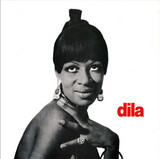
DILA - DILA

Dila

DILA

12inchFORDIS05
FAR OUT RECORDINGS
31.07.2024

Repress!

Far Out Recordings proudly presents the first and only album from the mysterious Brazilian vocal sensation Dila (pronounced “Jee-la”). Having reportedly died in a car crash shortly after the album’s release in 1971, there is very little known about the woman behind the voice. But the joyous music Dila left behind, gives us a picture as good as any, of a powerful feminine soul at the top of her game.

The liner notes on the elusive original LP, written by composer Arnoldo Medeiros attest: “Friend, look out! Because when this girl starts to sing, you’re in trouble. Hold the railing so you don’t fall down the stairs, because she’s coming this way and shaking up everything.”

Arranged and produced by Durval Ferreira, alongside his studio band affectionately known as “Os Grillos” (The Crickets), Dila (1971) is a rare glimpse into the authentic soulful Samba sound of Rio’s favelas in the late sixties and early seventies.

A blast of funky, percussive Brazilian breaks, scorching hot brass and swing-laden piano, the music is as iconic as the album’s stark cover, as is clear on opener ‘Inez’, composed by The Crickets’ bassist Romildo. There’s a fantastic interpretation of the Ivan Lins classic ‘Madalena’ (made famous by Elis Regina), a moving version of the Tom Jobim and Vinicius De Moraes classic ‘O Morro Não Tem Vez’, and a number of sunny original compositions by Arnold Madeiros, who’s other writing credits include music for Marcos Valle, Wanderlea, Evinha and Dom Salvador.

With original LPs extremely hard to come by, this rare treasure of Brazilian soul, which fans of Gal Costa, Celia, Evinha and Elis Regina will love, gets a much-deserved official reissue: remastered and pressed to 180g vinyl.

No en stock

Haga su pedido ahora y le encargaremos el artículo en nuestro proveedor.


Ültimo hace: 6 Años
Bill Withers & Studio Rio - Lovely Day

Bill Withers&Studio Rio

Lovely Day

7"-VinylMRB7222
Mr Bongo
06.05.2024

As mood changers go, this track is up there with the best. Last year whilst DJing with miche at Shapes festival in the snow-capped mountains of Switzerland, a breathtaking yet ominous Alpine sky suddenly became a picture postcard moment. The clouds parted and a double rainbow formed, as miche dropped Studio Rio's bossa nova remake of Bill Withers’ all-time classic 'Lovely Day'. From there, the dancefloor shifted gears and morphed into full-swing feel-good vibes, in a beautiful, spontaneous moment nobody could have planned for.

Mr Bongo now proudly presents a reissue of this brilliant, bossa-channelling Bill Withers reinterpretation from Studio Rio’s 2014 release ‘The Brazil Connection’. Masterminded by the German Grammy award-winning Berman Brothers, the project was born out of their deep love of Brazilian music. “Our goal was to bring the Brazilian joie de vivre to iconic performances by well-known artists. What would these classic songs sound like had they been recorded in the studios of Rio de Janeiro in the first place, with the best Brazilian musicians and arrangers?” the brothers reflect.

Capturing the life force of Brazil, the beating heart that is its music, they set out to find the musicians who would fit best with their concept. Landing in Rio in 2013 a series of coincidences led to them being introduced to their idols Marcos Valle and Roberto Menescal, who both agreed to come on board. The Berman Brothers also wanted to find some of the musicians who recorded with one of Brazil’s most influential composers Tom Jobim. “Fifty years after Jobim made the music that really defines bossa nova, we found that many of his sidemen were still active, including Paulo Braga of Jobim’s famed rhythm section. It was magic; everything just fell into place.”

There's no question that the original of ‘Lovely Day’ is up there as one of the most feel-good, spirit-lifting anthems of all time. Here the brothers, with the help of a whole host of Brazil’s finest musicians, rework Bill’s soul-fuelled groove into a bossa nova slice of sunshine. With the blessing of Bill and Sony, they were given access to the original multitracks so they could incorporate Bill’s vocals perfectly into the new arrangement.

Joy-injected horns and bouncing double bass blend with the smile-inducing samba flavour of Pretinho da Serrinha’s cavaquinho playing. Tying it all together Torcuato Marinao who worked with the likes of Gal Costa, Gilberto Gil and Caetano Veloso, completes the line-up as arranger of the songs.

The perfect end-of-the-night track, mood lifter or soul warmer, remakes don’t get much better than this.

No en stock

Haga su pedido ahora y le encargaremos el artículo en nuestro proveedor.


Ültimo hace: 16 Meses
ANTONIO CARLOS JOBIM - Brazil's Greatest Composer  LP

Brazilian songwriter, composer, arranger, singer, and pianist/guitarist Antônio Carlos Jobim, known in Brazil as Tom Jobim, was a primary force behind the creation of the bossa nova style. Moreover, his songs (most of which had lyrics by poet, diplomat and bohemian Vinícius de Moraes) have become true classics and have transcended the genre, as they continue to be played and recorded by countless singers and instrumentalists within Brazil and throughout the world. This release contains a representative collection of Jobim's songs in classic versions performed by some of the most remarkable bossa nova artists, and in many cases presenting Jobim himself as accompanist, conductor or arranger. 180-GRAM VIRGIN VINYL - 17 TRACKS - LIMITED EDITION

Reservar01.05.2024

debe ser publicado en 01.05.2024

Fabiano Do Nascimento - Lendas

Fabiano Do Nascimento

Lendas

12inchNA5236LP
NOW AGAIN
14.07.2023

Lendas is the Brazilian guitarist Fabiano do Nascimento’s fifth album for Now-Again Records. Like his previous albums Prelúdio and Ykytu, Lendas features do Nascimento’s compositions, this time with orchestral arrangements by Vittor Santos and also special participation by Arthur Verocai. Vittor Santos is a composer, arranger, trombonist and music producer from Rio de Janeiro, who has worked in Brazilian music for over thirty years. Do Nascimento and Santos met in Rio in 2017 during the recording of Do Nascimento’s hero, and 70s and 80s Brasilian guitar catalyst Carioca Freitas album Aquarelas. The two bonded over a mutual appreciation for Do Nascimento’s uncle Lúcio and the Bossa Nova star Leny Andrade, both of whom largely influenced Do Nascimento’s musical foundation. In Santos, Do Nascimento found an arranger who was sensitive enough in his orchestrations that he could create an orchestral dialogue between stacks of strings and Do Nascimento’s plaintive plucking. It was only natural to invite the highest regarded, now legendary, 1970s Brasilian arranger, Arthur Verocai, to contribute. Verocai, who had worked with Do Nascimento on his forays in Los Angeles, was pleased to participate. In this way, the circle of old and new, so crucial in Do Nascimento’s work, comes together and flows outwards. “Lendas” translates from Portuguese as "legends,” but the literal translation itself doesn’t describe this album. With Lendas, Do Nascimento recalls memories from places that no longer exist; from fever dreams in the Amazon; from parts of the world we might never see or engage, but can imagine through music. Fabiano Do Nascimento’s Brazilian guitar meets a full orchestra arranged by Vittor Santos and with special participation by Arthur Verocai and his string quartet. Lush yet lively, standing alongside Jorge Ben’s work with Verocai, and Tom Jobim and Baden Powell’s work with Vinicius de Moraes..

No en stock

Haga su pedido ahora y le encargaremos el artículo en nuestro proveedor.


Ültimo hace: 2 Años
VARIOUS - BRAZILIAN RARE GROOVE 2x12"
Reservar03.03.2023

debe ser publicado en 03.03.2023

Oscar Peterson - Motions & Emotions

Reissue of Oscar Peterson's 1969 album 'Motions & Emotions' pressed
on blue vinyl
On 'Motions & Emotions' Oscar Peterson presents jazz versions of popular pieces
from pop, easy listening and classic songwriters, as the quartet of long- time
companions are washed in rich orchestral colours. Arranged and conducted by a
magician of the guild, the great Claus Ogerman, who had previously worked for
Tom Jobim. The Brazilian is also represented with his standard "Wave", in which
the orchestra builds a luminous tropical backdrop for Peterson's fantastically
dragged phrasing. Peterson and Ogerman pay tribute to another great orchestra
leader, Henry Mancini, in "Sally's Tomato" with feather- light trilling brilliance.
Jimmy Webb's "By The Time I Get To Phoenix" experiences a metamorphosis
almost into the classical - Ogerman opens infinite sound spaces here with the
distantly indulging strings. Bobby Gentrys "Ode To Billy Joe" cleverly abducts
Countryfolk into Bigband Jazz by means of fiery keyboard playing.
Finally the hits: from soul comes Bobby Hebb's "Sunny", whose theme the pianist
here cleverly harmonises out to then decorate it bluesy in dialogue with the wind
instruments. Burt Bacharach's "This Guy's In Love With You" shines with a
leisurely late night mood and a pompous finale. Yesterday" is provided with a
sparkling bossa substructure, while the second Beatles homage "Eleanor Rigby"
oscillates between loose groove, deep melancholy and swing. Peterson plus
quartet plus orchestra: Enthusiastic detail work also in the popular sector.
"The question about favourite albums is basically not an easy one, except in my
case, because Motions & Emotions by Oscar Peterson is actually my absolute
favourite album. I think Motions & Emotions might even be the perfect
instrumental album." - Till Brönner (German Jazz trumpeter and professor)

Reservar04.03.2022

debe ser publicado en 04.03.2022

Oscar Peterson - Motions & Emotions

Reissue of Oscar Peterson's 1969 album 'Motions & Emotions' pressed
on blue vinyl
On 'Motions & Emotions' Oscar Peterson presents jazz versions of popular pieces
from pop, easy listening and classic songwriters, as the quartet of long- time
companions are washed in rich orchestral colours. Arranged and conducted by a
magician of the guild, the great Claus Ogerman, who had previously worked for
Tom Jobim. The Brazilian is also represented with his standard "Wave", in which
the orchestra builds a luminous tropical backdrop for Peterson's fantastically
dragged phrasing. Peterson and Ogerman pay tribute to another great orchestra
leader, Henry Mancini, in "Sally's Tomato" with feather- light trilling brilliance.
Jimmy Webb's "By The Time I Get To Phoenix" experiences a metamorphosis
almost into the classical - Ogerman opens infinite sound spaces here with the
distantly indulging strings. Bobby Gentrys "Ode To Billy Joe" cleverly abducts
Countryfolk into Bigband Jazz by means of fiery keyboard playing.
Finally the hits: from soul comes Bobby Hebb's "Sunny", whose theme the pianist
here cleverly harmonises out to then decorate it bluesy in dialogue with the wind
instruments. Burt Bacharach's "This Guy's In Love With You" shines with a
leisurely late night mood and a pompous finale. Yesterday" is provided with a
sparkling bossa substructure, while the second Beatles homage "Eleanor Rigby"
oscillates between loose groove, deep melancholy and swing. Peterson plus
quartet plus orchestra: Enthusiastic detail work also in the popular sector.
"The question about favourite albums is basically not an easy one, except in my
case, because Motions & Emotions by Oscar Peterson is actually my absolute
favourite album. I think Motions & Emotions might even be the perfect
instrumental album." - Till Brönner (German Jazz trumpeter and professor)

Reservar04.03.2022

debe ser publicado en 04.03.2022

Various - Hillbillies In Hell: Volume XII

A desperate, desert-baked Midnight Highway of Lost Souls, Cuckolds, Wastrels, blistering Righteous Anthems and delirious Apocalyptic Fever-Dreams. This sublime collection of knowns and unknowns, battered Nashville legends and forgotten backwoods-poets features tales of Grisly Barroom Homicides, Jilted Lustmords, Grim Divorcees in Bedlam and Fiery Suburban Infanticides. Often originally waxed and distributed in unrewarding amounts, these Troubled Troubadours sing of Cowardice, Infidelity, Spurned Lover's Suicide Pacts, Tortured Jailbirds, Vengeful Inebriates and dubious Parenting Skills.
Years in the making – ‘Hillbillies In Hell’ (Volume XII) presents 16 timeless tribulations - Sinful Seductresses, Grinding Poverty, Nihilistic Murderous Horrors, Satan's Eternal Maze of Hardships and Temptations and God's blazing Light of Redemption.
A dank yet at times uplifting stash of marginal 45s - some of these sides are impossibly rare and are reissued here for the very first time. All for your prurient listening pleasure…

. Elton Britt - Lost Highway
, Porter Wagoner - Fairchild
, Justin Tubb - The Great River Road Mystery
, Sanford Clark - It's Nothing To Me
, Johnny Paycheck - You'll Recover In Time
, Stonewall Jackson - Somebody's Always Leaving
, Porter Wagoner And Dolly Parton - The Party
, Buddy Starcher - When Payday Comes
, Tommy Curtis And Bill Taylor - Devil's Stumbling Block
, Jody Reynolds - Devil Girl
, Henson Cargill - Going Backwards
, Lorrie Collins - Another Man Done Gone
, Bobby Braddock - Revelation
, Stonewall Jackson And The Brentwood Children's Choir - That's All This Old World Needs
, The Speer Family - You Can't Run Away From God
, The Singing Rambos - When Payday Comes",Witness...

Various Artists ‘In Bed With Marina’
Classic Indie/Chamber-Pop
2LP MA90 (Marina Records) £15.50
Deal: B/C: 4015698905656

THIS ONE MISSED THE DEADLINE FOR THE OFFICIAL RSD LISTINGS BUT WILL BE AN **UNOFFICIAL RSD DROP 2 ** RELEASE...LIMITED +NON-RETURNABLE..

Celebrating its 25th anniversary, this classic Marina compilation from 1996 makes its first appearance on vinyl. Packaged in a deluxe gatefold cover, In Bed With Marina features track-by-track notes, lots of photographs, two vinyl-only bonus cuts and a gorgeous poster.
Enjoy 24 stunning tracks on two groovy LPs incl. many unreleased cuts and exclusive contributions by Edwyn Collins, Shack, Teenage Fanclub, The Pearlfishers, Cowboy Mouth, The Bathers, Harpers Bizarre, Sugartown, Paul Quinn & The Independent Group, Jazzateers, Antonio Carlos Jobim, Malcolm Ross, The Secret Goldfish, and many others.

Reservar03.08.2021

debe ser publicado en 03.08.2021

JOAO GILBERTO - O Amor, O Sorriso E A Flor

First released in Brazil in 1960 this is Joao Gilberto's second studio effort. A seminal album that just one year later introduced Bossa Nova to the United States. Joao Gilberto, one of the true masters of the genre, displays a great selection of songs including various Tom Jobim's classic gems such as "Samba de Uma Nota Só" ("One Note Samba"), "Corcovado" and "Outra Vez". An essential piece of work in the whole history of Brazilian music.

Reservar05.05.2021

debe ser publicado en 05.05.2021

WERTHER - Altercat

Werther

Altercat

12inchALT007
ALTERCAT RECORDS
07.04.2020

1970’s best-kept Bossa Nova secret. Surrounded by mystery for nearly 50 years due to its obscurity, this is one of the most honest, personal and unpretentious albums of it's genre.

A selection of 12 exquisitely crafted songs supported by measured, subtle arrangements. The list of musicians born or raised in the Tijuca district of Rio de Janeiro is long and illustrious and includes names that have shaped Brazilian music: Tom Jobim, Roberto Carlos, Tim Maia, Milton Nascimento, Jorge Ben or Erasmo Carlos – to mention but a few.

We can now add to that list another name: Werther. In 1970, a man by that name recorded an album unique in its personality, its honesty, and its lack of pretense. In a time when Bossa Nova had become a global phenomenon and its main characters were already household names in Brazil, Werther assembled a collection of songs that uncannily – almost naively – remind us of the time when Bossa Nova was just a group of youngsters making music. His songs are about simple things: bohemian life, the sea, love.

Despite Werther and his friends being only in their teens, without any previous experience recording music, those working behind the scenes were not equally amateur. Producer Peter Keller had already worked with Aloysio De Oliveira in the quintessential Bossa Nova label Elenco, and was also an initial partner in Roberto Quartin’s cult label Forma.

Studio owner Bill Horne was a very loved character in the Rio jazz scene who had regularly taken part in the legendary meetings in Nara Leão’s apartment and befriended some of Brazil’s most respected musicians. Some of these musicians were, for example, Naná Vasconcelos and Edison Machado, who provided small contributions to Werther’s album.

No en stock

Haga su pedido ahora y le encargaremos el artículo en nuestro proveedor.


Ültimo hace: 5 Años
Eumir Deodato - Os Catedraticos 73

One of Brazil's most prolific artists, Eumir Deodato has participated in the creation of over 450 albums, racked up 16 platinum records, won a Grammy (and received two more nominations), and sold over 250 million records in the USA alone. Over the course of his career, he has written for, arranged music by and played with artists including Frank Sinatra, Tom Jobim, Kool & The Gang, Earth, Wind & Fire, Marcos Valle, Aretha Franklin and Bjork, among others.

At the height of Deodato's productivity in the early 70s, Os Catedraticos 73 was recorded between Rio de Janeiro and New York, featuring a Brazilian rhythm section comprising Azymuth drummer Ivan 'Mamão' Conti, percussion master Orlandivo, and Sergio Barroso on bass, while the horn section features some of the big apple's top players from the CTI in-house brass.

A firm favourite with rare-groove enthusiasts and fans of Latin jazz alike, Deodato melds the musical sensibility of post-bossa nova Brazilian jazz with North American soul & funk, and the explosive Latin influences of '70s New York. Os Catedraticos 73 certainly swings harder than some of Deodato's earlier releases and opening track 'Arranha Ceu' (Skyscrapers) is a euphoric dance floor classic, which has been lighting up clubs for years.

With the blessing of Deodato himself, this official Far Out reissue has been remastered and pressed to 180g vinyl, with replica original artwork from the OG Equipe release.

No en stock

Haga su pedido ahora y le encargaremos el artículo en nuestro proveedor.


Ültimo hace: 7 Años
Rodrigo Tavares - Congo

Rodrigo Tavares

Congo

12inchHMRLP002
Hive Mind Records
28.08.2018

Hive Mind Records are delighted to present Congo, the debut album from Brazilian guitarist and composer Rodrigo Tavares.

Maintaining a meditative mood across it's nine instrumental pieces, Congo blends composition and improvisation with subtly experimental yet sophisticated arrangements that evoke the mood and rhythms of classic Brazilian artists such as João Gilberto, Dorival Caymmi, Tom Jobim, Milton Nascimento and Caetano Veloso.

Rodrigo's work draws on elements of jazz, post rock, minimalist composition and disparate global sounds to create a deep listening experience that falls between genres and wilfully defies categorisation. Congo is a lush soundworld that rewards exploration and will appeal to fans of music as diverse as Joshua Abrams and Natural Information Society, Collocutor, BadBadNotGood, Slint or late Talk Talk, as much as it does to lovers of classic Brazilian music.

Hive Mind Records are proud to be releasing Congo on vinyl in gatefold sleeve designed by Brazilian graphic artist, Andrea Gomes, and featuring the original painting of celebrated Brazilian artist, Cristiano Lenhardt.

No en stock

Haga su pedido ahora y le encargaremos el artículo en nuestro proveedor.


Ültimo hace: 5 Años
Various - ¡Desafinado! Spanish Bossa Nova (1963-1975)'

Mid last century. Commercial Music is a machine that generates dances that run each other over in the urge to reach the audiences and mark their place in time and history.

A never-ending list of choreographies co-habit: hully gully, madison, rock, limbo, twist and a long etcetera, until a new dance, bossa nova takes over the dance floors. Joao Gilberto, Tom Jobim or Vinicius de Moraes reach stardom in Brazil with this mix of samba and jazz, but the genre doesn't explode internationally until a few American jazzmen decide to import it. From there it reaches Europe, via France, thanks to Sacha Distel, the first on the continent to record an EP completely dedicated to this phenomenon.

It is 1962.

Shortly after in Spain, the number of artists including original or adapted tracks in their albums, escalate: Tony Vilaplana, Mina, Duo Dinámico, Latin Combo, Los 4 Brujos, Gina Baró, Grau Carol, Salomé or Marisol, who popularizes the new trend by recording 'Marisol rumbo a Río', a blockbuster film partially filmed in Brazil. The maestro Augusto Algueró writes the films soundtrack.

For this compilation we have consciously dug into the archives of three Barcelona based labels like Belter, Discophon and Olympo to serve Spanish sung bossa nova songs that have never, inexplicably, been released on vinyl, all songs are recorded during those two (musically speaking) prodigious decades: the twentieth centuries sixties and seventies.

No en stock

Haga su pedido ahora y le encargaremos el artículo en nuestro proveedor.


Ültimo hace: 7 Años
Joao Selva - Natureza

Joao Selva

Natureza

12inchFVR133LP
Favorite
30.06.2017

avorite Recordings proudly presents Natureza, first album of Joao Selva. The story of Natureza is made of the meeting between two passionate artists who are Jonathan "Matuto" Da Silva and Bruno "Patchworks" Hovart.Born and raised in Ipanema and son of a pastor, Jonathan Da Silva grew up in a community of ex-prisoners and converted artists. He made his first guitar notes before his 10th birthday, under the watchful eye of Wanda Sa (muse of the bossa nova), and influenced by a father who in addition to his work, was also a true music lover with a collection, where black music, rock and classical meet. From the age of 18, Jonathan began a life of entertainer, traveling the world to offer shows for disadvantaged children and intensively practicing the Brazilian traditional music arts (Capoeira Angola, Maracatu, Samba de Roda, Coco de Roda...). It was later in France and in Lyon that he put down his instruments. There he formed the trio Forro de Rebeca in 2008, touring the all country and winning many praise in media. The trio recently joined forces with American producer Maga Bo on the project Sociedade Recreativa, whose album was released in 2016 on The Jarring Effects label.Bruno Hovart is a recognized producer, multi-instrumentalist, and remixer. After passing through Angers, Birmingham and London, he's based in Lyon since 2001. Bassist and guitarist for various bands, he switched to production in the mid-90s. Passionate about music and tireless creator, Bruno has practiced in almost every imaginable style, when it comes to groove music, collecting many aliases and projects for more than 10 years: Patchworks, Voilaaa, Uptown Funk Empire, Mr President, Taggy Matcher, Mr. Day, Hawa, John Milk, Lightnin 3, The Dynamics or Metropolitan Jazz Affair ... Nothing resists and escapes his talent and production skills. Thus, when he discovered and met Jonathan and his music, Bruno saw an immediate opportunity to broaden the spectrum of his discography a little more, by looking at Brazil. Beyond its traditional heritage, Brazil has always been a land of extremely varied music, influenced by the international scene. Soul, Jazz and American Pop did inspire many local stars such as Chico Buarque, Carlos Jobim, Gilberto Gil, Tom Zé, or Erasmo Carlos. Both fervent lovers of this movement and these names, it's with the idea to pay them a faithful tribute, that Jonathan and Bruno began the Joao Selva adventure. Together they gave birth to Natureza and embark us for a trip into the heart of the Tropicalist Pop influences of Jorge Ben and Caetano Veloso, the intoxicating Funk of Tim Maia, and the social poetry of Vinicius de Moraes.

No en stock

Haga su pedido ahora y le encargaremos el artículo en nuestro proveedor.


Ültimo hace: 5 Años
Toni Tornado / Som Trs - O Journaleiro / Homenagem A Mongo

Sao Paulo born Toni Tornado was considered the Brazilian James Brown by many.

His career began as 'Tony Checker', lip syncing to rock 'n' roll hits and touring extensively outside of Brazil. Whilst in New York he met Tim Maia and became involved in the 'Black Rio' movement. Toni also worked with Ed Lincoln and Antonio Adolfo amongst many others. He had a successful acting career and starred in many soap opera's.

'O Journaleiro' is a tearing funk track with tough drums and big vocals. Taken from his hard to find and expensive to acquire debut LP, 'BR-3', released by Odeon Brazil in 1971.

This track has never been released on 7".

Som Tres was a jazz ensemble formed by legendary Brazilian musician César Camargo Mariano, who also formed Sambalanço Trio.

Cesar's collaborations with many of Brazil's most important singers, notably Wilson Simonal and Elis Regina, have brought him worldwide acclaim; the historic 1973 album Elis and Tom, made with Antonio Carlos Jobim, features Cesar as arranger, pianist and musical director.

Som Tres recorded eight albums between 1966 and 1971. 'Homenagem a Mongo' is taken from the sought after 'Som 3' LP from 1969 on Odeon Brazil. It has never been released on a 7".

No en stock

Haga su pedido ahora y le encargaremos el artículo en nuestro proveedor.


Ültimo hace: 10 Años
  • 1
Artículos por página
N/ABPM
Vinyl