Suche:salsa con salsa

Styles
Alle
MIKE GUAGENTI - SALSA CON CHARANGA
  • Salsa Con Charanga
  • Sonaremo El Tambo
  • Delirio
  • La Peluca
  • La Puerta Del Dolor
  • A Los Muchachos De Belén
  • Ensaya Chamaco
  • El Tibiri Tabara

"Salsa con charanga" is really a feast for all salsa music lovers, a true jewel, which deserved much better when it originally came out in 1978. In addition to being a great salsa album, has the distinction that was released on Orfeon, a Mexican record label, due to the diligent work of the extraordinary producer Bobby Marin, and which miraculously received air play when powerhouse Fania label and few others ruled radio in the salsa music world. It comprises eight great, solid tracks; some, new interpretations from other albums in which Mike Guagenti participated with his handsome and captivating voice - a crooner with a salsero soul -, that, at times, could remind us of the late Tito Rodríguez, and even Ray Ramos. "The Mike Guagenti album," as indicated by Marin, "is a compilation of recordings by other artists. Originally a salsa album, I brought in Cuban Pupi Legarreta (violin and flute) and [Panamanian] Mauricio Smith (flute) to give it a charanga sound." With the exception of the cut 'Salsa con charanga,' which is an instrumental, the rest feature vocals by Guagenti. "Salsa con charanga" has developed a cult following, and finding a copy of the original could be quite expensive. Luckily, this officially licensed and restored edition will fill that void.

vorbestellen25.04.2025

erscheint voraussichtlich am 25.04.2025


Last In: vor 2026 Jahren
Mike GUAGENTI - SALSA CON CHARANGA

“Salsa con charanga” is really a feast for all salsa music lovers, a true jewel, which deserved much better when it originally came out in 1978. It comprises eight great, solid tracks; some, new interpretations from other albums in which Mike Guagenti participated with his handsome and captivating voice - a crooner with a salsero soul -, that, at times, could remind us of the late Tito Rodríguez, and even Ray Ramos.

It In addition to being a great salsa album, has the distinction that was released on Orfeon, a Mexican record label, due to the diligent work of the extraordinary producer Bobby Marin, and which miraculously received air play when powerhouse Fania label and few others ruled radio in the salsa music world. It comprises eight great, solid tracks; some, new interpretations from other albums in which Mike Guagenti participated with his handsome and captivating voice - a crooner with a salsero soul -, that, at times, could remind us of the late Tito Rodríguez, and even Ray Ramos. "The Mike Guagenti album," as indicated by Marin, "is a compilation of recordings by other artists. Originally a salsa album, I brought in Cuban Pupi Legarreta (violin and flute) and Panamanian Mauricio Smith (flute) to give it a charanga sound." With the exception of the cut ‘Salsa con charanga,’ which is an instrumental, the rest feature vocals by Guagenti. “Salsa con charanga” has developed a cult following, and finding a copy of the original could be quite expensive. Luckily, this officially licensed and restored edition will fill that void.

vorbestellen28.03.2025

erscheint voraussichtlich am 28.03.2025


Last In: vor 2026 Jahren
Various - SALSA CON ESTILO - DANCE FLOOR GEMS FROM THE VAULTS LP 2x12"

Erkundet das lebendige Erbe von Ansonia Records mit "Salsa Con Estilo", einer 2-LP-Compilation, die die Entwicklung der Salsamusik von ihren Wurzeln bis zum Höhepunkt nachzeichnet sowie eine Geschichte der New Yorker Salsa-Szene anhand der Musik aus dem Katalog des Labels bietet. Ansonia Records, ein wichtiges Familienunternehmen in der New Yorker Latino-Community, spielte eine bedeutende Rolle bei der Gestaltung der Latin-Musikszene. Unter der Leitung von Rafael "Ralph" Pérez veröffentlichte das Label vielfältige Klänge aus der Karibik und darüber hinaus, verpflichtete legendäre Musiker wie Arsenio Rodríguez und Myrta Silva. Die erste LP, "Roots of Salsa", stellt die tanzbarstenen Rhythmen und großen Refrains des Labels vor, die als Vorlage für viele folgende Salsa-Bands dienten. Die zweite LP, "Salsa Boom", endeckt versteckte Perlen des Salsa-Booms der 1970er Jahre vor, in dem sich Ansonia Records gegen größere Konkurrenten behaupten konnte."Salsa Con Estilo" ist nicht nur eine musikalische Reise durch die Entwicklung der Salsa, sondern auch ein Zeugnis des nachhaltigen Einflusses von Ansonia Records auf die New Yorker Salsa-Szene, die ihren Namen für immer in die Annalen der lateinamerikanischen Musikgeschichte eingetragen hat.

nicht am Lager

Bestelle jetzt und wir bestellen den Artikel für dich beim Lieferanten.


Last In: vor 75 Tagen
ALFREDO GUTIERREZ Y LOS CAPORALES DEL MAGDALENA - ASI ES... CON SALSA! LP

First time reissue of a legendary and undeservedly obscure salsa collector’s album from 1969. Led by rebel accordionist Alfredo Gutiérrez and featuring singer Lucho Pérez of Sonora Dinamita fame, “Así es… Con salsa!” is just that: raw, heavy duty NYC salsa performed through a Colombian “Costeño” tropical filter, with trombone, accordion and deep bass. Contains three hot bonus tracks in the same style and insert with liner notes. “¡Así es… Con salsa!”, by Colombia’s Alfredo Gutiérrez y Los Caporales del Magdalena, is a legendary collector’s album, yet still undeservedly obscure (and perhaps sonically surprising) for the uninitiated. It’s an experimental mash-up of seemingly disparate genres from different origins that on paper would seem to be at cross purposes. Yet at the same time the release is a masterpiece of raw pan-Latin fusion from the dawn of Colombian salsa that holds its own as a bonafide heavy duty pioneering record of the genre, despite its outsider status. Probably the most shocking musical element is Alfredo Gutiérrez’s fiery accordion, an unexpected instrument in the idiom of salsa, as it’s usually associated with the tropical music of Gutiérrez’s Caribbean home region of Sucre. Gutiérrez has always been a provocateur, never shying away from the controversial or outlandish, which has earned him the richly deserved sobriquet, “El Rebelde Del Acordeón” (The Rebel of The Accordion). Gutiérrez started Los Caporales in 1968 as a rival to Discos Fuentes supergroup Los Corraleros de Majagual, and the band had made three popular albums prior to “¡Así es… Con salsa!”, yet most of the repertoire on those records consisted of typical Colombian tropical and coastal rhythms and genres, none were purposely devoted to the newly minted genre of salsa. From the start, Gutiérrez lays down a salsa manifesto when the album kicks off with ‘Guadelupe no va’, a four-minute workout with pile-driving force that demonstrates the uncompromising power of this 14 piece orchestra. The listener is instantly hooked by the rawness of the sound, the bouncy energy, heavy brass and piano arrangements and the looseness of the improvisational sections. Gutiérrez was given the green light by Codiscos A&R head Humberto Moreno to dedicate an album to New York style salsa, giving more prominence to the voice and compositions of Lucho Pérez, an already proven expert in Cuban genres who previously had been only one among many vocalists in the band. Several tunes on the record are remakes of older compositions by Lucho Pérez from his early tenure with Discos Fuentes group La Sonora Dinamita, the new versions are much more raw and menacing, as if put through a Bronx filter. The band was made up of Codiscos’ regular stable of ace studio musicians from Medellín for the recording date. The album was both a success and also not abnormal in its mixing of salsa and costeño Colombian sounds, as there were several other similar hybrid records by other artists at the time. Both the desperation of the lyrics (about not being able to afford anything) and Lucho Pérez’ forceful delivery leave an indelible impression of street wise authenticity, which is backed up by the fact that both band members grew up poor

nicht am Lager

Bestelle jetzt und wir bestellen den Artikel für dich beim Lieferanten.


Last In: vor 3 Jahren
ANDERS ENGE - HEART OF GAS EP

Time for more tracks from around that different corner! The EP kicks off with Reel Des Jumelles, some kind of hommage to accordion dance music that moves with a steady forward leaning house beat, winding staircase melodies and some well-paced tom fills. Arrak is more of a slow, howling midnight creeper. The B-side consists of two cuts from Anders’s live repertoire, meaning deep modular bass n’bleeps, dubby chords and some drum box autorhytm presets (merengue, salsa…) thrown in for good measure. Includes digital download code, and the digital version comes with two fabulous remixes by HEROES. Alexi Delano and Daniel ”Fagge” Fagerström! Edition of 100, mastered by Andrea Merlini.

vorbestellen31.03.2026

erscheint voraussichtlich am 31.03.2026


Last In: vor 2026 Jahren
Steve Hernandez Y Su Orquesta Latinoamericana - The Booga Mambo Beat LP

Long considered a "Holy Grail" of Latin vinyl, The Booga Mambo Beat (1967) by Steve Hernández y Su Orquesta Latinoamericana returns.

This LP has puzzled collectors for decades: who was Steve Hernández, the shadowy figure behind this powerful orchestra including top Puerto Rican and New York musicians?

Arranged by Ray Santos and featuring vocalist Vitín Avilés, the album delivers a unique mix of mambo, boogaloo, descarga, proto-salsa and 1950s big-band swing. A rare bridge between the Palladium sound and the emerging salsa era. Originally self-released and barely promoted, the record became a cult favorite among DJs and collectors.

Sourced directly from the original master tapes, discovered in outstanding condition, this edition is pressed on 180-gram vinyl and includes extensive liner notes by Pablo E. Yglesias (DJ Bongohead).and a digital download code.


A must-have archival release for collectors, DJs, and anyone fascinated by the hidden corners of Latin music history.

Auf Lager

Bei uns am Lager und sofort versandfertig

Fruko Y Sus Tesos / The Latin Brothers - A La Memoria Del Muerto / Buscándote 7"

Fresh on the Discos Panorama series, we head back to Colombia with the undisputed king Fruko y Sus Tesos, pairing him with another all-time classic on the flip from The Latin Brothers. Two heavyweight dancefloor cuts, one essential 7inch.

On the A-side, Fruko does what he does best — driving, percussive salsa built for movement, locked-in rhythm section, sharp horns, and that unmistakable swing that’s kept his records in DJ bags for decades. On the flip, “Buscándote” from The Latin Brothers brings a slower, more melodic touch without losing any punch — real music.

Both sides feature the presence of the legendary Piper Pimienta Díaz on vocals. His voice is raw, expressive, and instantly recognisable. A true legend of the game.

Part of PANORAMA’s Discos Panorama series, this release continues the label’s focus on Colombian salsa at its most vital and dancefloor-ready. Carefully selected, respectfully remastered, and pressed for DJs and collectors alike — music that’s been doing the work for years, now brought back where it belongs.

vorbestellen03.04.2026

erscheint voraussichtlich am 03.04.2026


Last In: vor 2026 Jahren
Alma Negra - Free EP

Alma Negra

Free EP

12inchTOYT193
TOY TONICS
10.04.2026

Coming in hot on Berlin's Toy Tonics label: a new EP by the talented duo ALMA NEGRA!

Founded in 2013, Alma Negra is a Swiss collective centered around the brother duo Dersu and Diego Figueira, whose diverse roots in Switzerland and Cape Verde inform their sound. The project was launched with the ambitious vision to explore the world's diverse rhythms and drive musical innovation by mixing different styles. Their work is anchored in a process of digging and sampling, skillfully blending traditional sounds-from Fela Kuti-influenced Nigerian afrobeat and Angolan Lamento to Caribbean Zouk and the Maloya sound of Réunion-into a contemporary dance music context.

The Figueira brothers' eclectic DJ sets embody this ethos, peppering disco and house with salsa, samba, jazz, and Afro-Caribbean carnival rhythms, all under their guiding motto: "As long as it's Funky."

Since 2014, Alma Negra has made an important contribution to intercultural exchange in their hometown of Basel. Their international presence began in 2015 with their first shows abroad in countries like France, the Netherlands, and Portugal. From 2016 to 2019, their reach expanded significantly, with performances in major hubs like London, Paris, and Berlin, as well as Istanbul, Tel Aviv, and Tunisia. Highlights from this period include sets at the Montreux Jazz Festival, Dimensions Croatia, and Fuse Club in Brussels. Their standing is further cemented by releases on respected labels like Heist Recordings, Sofrito, and Basic Fingers, alongside remixes from an elite group of peers, including Soulphiction, Kuniyuki, and Yuksek.

Parallel to their studio and DJ work, the project expanded into the Alma Negra Live Band, formed with jazz musicians from Basel. While the band is currently on hiatus, this collaboration made live instrumentation increasingly central to their productions, creating a dynamic they feel is essential for any dancefloor. The live band has performed in cities like London and Hamburg and has led to collaborations with artists such as French singer Pat Kalla and jazz trumpeter Bodo Maier.

vorbestellen10.04.2026

erscheint voraussichtlich am 10.04.2026


Last In: vor 2026 Jahren
Various - Tchic Tchic: French Bossa Nova 1963-1974  Colored Edition LP 2x12"
  • A1: Les Masques - Il Faut Tenir (1969)
  • A2: Isabelle Aubret - Casa Forte (1971)
  • A3: Christianne Legrand - Hlm Et Ciné Roman (1972)
  • A4: Jean Constantin - Pas Tant D'chichi Ponpon (1972)
  • A5: Billy Nencioli & Baden Powell - Si Rien Ne Va (1969)
  • B1-: Marpessa Dawn - Le Petit Cuica (1963)
  • B2: Jean-Pierre Sabar - Vai Vai (1974)
  • B3: Sophia Loren - De Jour En Jour (1963)
  • B4: Isabelle - Jusqu’à La Tombée Du Jour (1969)
  • B5: Sylvia Fels - Corto Maltesse (1974)
  • C1: Frank Gérard - Comme Une Samba (1972)
  • C2: Ann Sorel - La Poupée Des Favellas (1971)
  • C3: Charles Level - Un Enfant Café Au Lait (1971)
  • C4: Andrea Parisy - Les Mains Qui Font Du Bien (1970)
  • C5: Audrey Arno - Quand Jean-Paul Rentrera (1969)
  • C6: Aldo Frank - T’as Vu Ce Printemps (1970)
  • D1: Christianne Legrand - Cent Mille Poissons Dans Ton Filet (1972)
  • D2: Clarinha - Lemenja (1970)
  • D3: Hit Parade Des Enfants - Aquarela (1976)
  • D4: Jean-Pierre Lang - Tendresse (1965)
  • D5: Magalie Noël - Une Énorme Samba (1970)
  • D6: Françoise Legrand - La Lune

Ever since the late 1950s bossa-nova revolution, Brazil’s influence on French music has been undeniable. Pierre Barouh, Georges Moustaki and a vast array of lesser known artists, all made the Musica Popular Brasileira (MPB) an axis of promotion at the service of a cool and metaphysical, modern and mixed Brazilian lifestyle. Some were seduced by the poetic languors of the bossa, some were looking for fun, and others just loved the American hybridization of jazz-bossa, jazz-samba.


What is bossa nova? One of its creators, Joao Gilberto said: "Its style, cadence, everything is samba. At the very start, we didn't call it bossa nova, we sang a little samba made up of a single note - Samba de uma nota so .... The discussion around the origins of bossa nova is therefore useless”. It is nevertheless useful to remember that these magnificent Brazilian songs, which the guitarist describes as samba, were shifted and balanced around improbable chords. "I like things that lean, the in-betweens that limp with grace," said Pierre Barrouh, quoting Jean Cocteau.


With emotion, arrangements for violin and supple guitar licks, bossa nova rapidly changed. A transformation that can be heard in the Tchic, tchic, French Bossa Nova 1963-1974 compilation, the result of a cultural reappropriation, which traveled through the United States and supplemented itself in France.

A musical revolution that has remained significant, bossa nova was born in Rio. From 1956 to 1961, Brazil lived through its golden years. In five years, the country had invented its modernist style. Elected president in 1956, Juscelino Kubitschek de Oliveira, an elegant man with a broad forehead, brandished a promising slogan: "Fifty years of progress in five years". He quickly got to work. Not worried about increasing debt, he launched the project for a new federal capital, Brasilia, designed by the communist architect Oscar Niemeyer. Volkswagen opened state-of-the-art factories and created the “fusquinha”, the Beetle. In Rio, the Vespa made its first appearance. The Arpoador Surf Club crew run into the “girl” from Ipanema, Helô Pinheiro - the tanned garota ("chick"), between a flower and mermaid, who at 17 walked by the Veloso bar, where the fiery author and composer, Tom Jobim and Vinicius de Moraes, were getting drunk on whiskey. From then on, bossa symbolized cool.

In 1958, Joao Gilberto recorded Chega de Saudade, which the directors of Philips denied, calling it "music for fagots". The marketing director, who believed in it, secretly pressed 3000 78-inch vinyls and distributed them at schools around Rio, creating a tidal wave.

American jazzmen then took over. In particular, trumpeter Dizzy Gillespie and guitarist Charlie Byrd. In November 1962, the Brazilian Ministry of Foreign Affairs funded a "Bossa-Nova" concert at Carnegie Hall in New York, inviting the genre’s pioneers. Unprepared, the show soon turned to disaster. But the troupe was invited to the White House by Jackie Kennedy. The first lady loved "the new beat" and in particular Maria Ninguem, a song by Carlos Lyra, later covered by Brigitte Bardot.

In Brazil, the 1964 military coup quickly ended this euphoria. The destructive atmosphere that ensued pushed many Brazilian musicians to leave, if not to exile. Thus, Tom Jobim, Sergio Mendes and Joao Gilberto arrived to the United States. In New York, Joao Gilberto met saxophonist Stan Getz. At the time, he was married to the Bahianese Astrud Weinert Gilberto, who had a German father. She had never sung before, but she knew how to speak English. Getz therefore asked her to replace her husband on The Girl From Ipanema. The Getz/Gilberto record with Tom Jobim on piano, was released in March 1964. Phil Ramone, the "pope of pop" was in charge of sound.

Bossa nova arrived in Paris through the classic “guitar-voice” channel (Pierre Barouh, Baden Powell, Moustaki…) But France loved jazz and Paris had already welcomed its American contributors. All these good people were to pass through Saint-Germain-des-Prés. The cabaret l'Escale became the Mecca of Latin American sound where one could find Pierre Barrouh and his friends, such as the Camara Trio, samba-jazz aces, whose only record was published by the Saravah label. With a band strangely called Les Masques (a band that included Nicole Croisille and Pierre Vassiliu, among others), the Camara Trio recorded an interesting Brazilian Sound, including the track Il faut tenir which is present on this tasty compilation of rarities.

Other enlightened musicians can also be found on the compilation, such as Jean-Pierre Sabar (songwriter for Hardy, Auffray, Leforestier ...) and the French pop rock organist Balthazar. In 1975, Sabar recorded Aurinkoinen Musiikkimatka on a Finnish label, which featured the crazy Vai, Vai, included on this record. We are now following the footsteps of Brazilian electronic musicians such as Sergio Mendes, Eumir Deodato or Marcos Valle who created funk and disco sounds on their keyboards and synthesizers. A style that influenced Véronique Sanson when she wrote Jusqu’à la Tombée de la nuit in 1969 for Isabelle de Funès, the niece of Louis and a great friend of Michel Berger - Sanson did end up singing this track on her 1992 Sans Regret record.


The pinnacle of exoticism and travel, Sylvia Fels’ Corto Maltese includes bongos, sea mist and ocean sounds. The title was taken from Jacky Chalard’s concept album written in 1974, Je suis vivant, mais j’ai peur (I am alive, but I am scared), based on Gilbert Deflez’s science fiction novel.


However, bossa nova extended the scope of popularity. "In the 1970s, I was a fan of Sergio Mendes, Getz / Gilberto. I fell in love with this music that I knew because I had been an orchestral singer, " explained Isabelle Aubret, who in 1971 delivered a composite record of covers by the very funky Jorge Ben, Orfeu Negro, Tom Jobim, Vinicius de Morais and Jean Ferrat. "I recorded this album for Meys Records in Paris, far from Brazil, with wonderful musicians, François Raubert, Roland Vincent, Alain Goraguer...". The latter wrote the arrangements for Casa Forte, a very percussive title borrowed from Edu Lobo, one of the initiators of the bossa who spent time in California. "Jazz and bossa came together and produced very rhythmic music. I love singing, it allows me to dream, to have fun, to feel a high on stage, and these songs brought me joy, made me swing, my singing felt like a dance.”


The world tours of French singers and their desire for the tropics, often brought them to Rio with its hills, forests, caipirinhas and tanned bodies. There are surprises though, like this Iemenja (Iemenja is the goddess of the sea in the Afro-Brazilian candomblé religion). Not unlike the composer and musician Jean-Pierre Lang, based in Sao Paulo, Claire Chevalier taught Brazil to Brazil. In 1970, the singer and painter published a 45-inch vinyl, Mon mari et mes amants (My husband and my lovers), under the improbable pseudonym of Clarinha (little Claire). She was then living in Rio, with her husband, Joël Leibovitz, who founded a band called Azimuth, and who owned a record label specialized in "sambas enredos" songs for samba school parades.


For its B side, she asked Pierre Perret to come up with lyrics for a song composed by Carlos Imperial: "Oh goddess of the sea, o goddess Iemenja, I bring a white rose to adorn your long hair ..." . "Perret came to see us, and we had fun, remembers Joël Leibovitz. We wrote Lemenja for fun, we recorded it at the Havaí studio, behind the Central do Brasil the central station. Erlon Chaves, the arranger who worked with Elis Regina, joined us" adding his share of Afro-Brazilian percussions and funky brass to the mix.

There is a common misunderstanding in Franco-Brazilian history: that bossa, admittedly hedonistic, is perceived as funny, even though the poets who wrote the texts are often philosophizing on the human condition. Its French interpreters pull it towards a carnival inspired universe, far removed from its fundamental essence. Thus, Jean Constantin covered the famous Samba da minha terra, an ode to the art of samba written by the classic Bahian composer Dorival Caymmi, renaming it with the enticing title of Pas tant de tchi tchi pompon: "On your pier there is no tchi tchi / when you arch your back, you know everything is alright ”(lyrics by Gérard Calvi). This expedited bossa aims for the absurd, but retains a certain elegance.

Indeed, Jean Constantin was not an idiot, the rather large man had a huge mustache and liked fantasy, (Les pantoufles à papa, Le pacha, inspired by cha-cha-cha-cha, salsa and jazz) but he was also the lyricist of Mon manège à moi interpreted by Edith Piaf, the composer of Mon Truc en plume by Zizi Jeanmaire and the soundtrack of François Truffaut’s 400 Blows. Le Poulpe, published in 1970, from which this bossa is extract, was arranged by Jean-Claude Vannier, an accomplice of Serge Gainsbourg’s Melody Nelson. In short: "There is enough of samba / By looking at the parasol / Because my poor cabeza / Is going to die in the sun".

Even the American actress Marpessa Down, who was at the heart of the bossa nova revolution with her role as Euridyce in Marcel Camus’ film Orfeu Negro, winner of the 1959 Cannes Palme d'or, fed the clichée with Je voudrais parler au petit cuica - "Tell me how you manage to always make people want to dance / It's true, I must admit that I cannot resist your magic" - in consequence, once can hear the cuica, a little drum inherited from the Bantu.


But bossa nova had many angles. Societal, of course, pushing actresses who were symbols of women's liberation like Brigitte Bardot, Jeanne Moreau, or Sophia Loren to engage in the exercise of accelerated bossa. In February of 1963, Sophia Loren made a record in French in Rome, Je ne t'aime plus, featuring the song De jour en jour, a bossa written by two Italians, Armando Trovajoli and Tino Fornai, which was released a little later by Barclay. Bossa accompanied the 1960s, a decade of moral liberation. Ann Sorel, who interpreted La Poupée des favellas, caused a sensation with L’amour à plusieurs, a provocative song written by Frédéric Bottom and Jean-Claude Vannier. As for the actress Andrea Parisy, she displayed her bourgeois cheekiness in Marcel Carné's Les Tricheurs before interpreting Les mains qui font du bien. And Magalie Noël, the friend of Boris Vian, who sung Johnny fais-moi mal, was hired to sing Une énorme Samba, composed by Alain Goraguer (arranger to Gainsbourg, Bobby Lapointe and Jean Ferrat) with lyrics by Frédéric Botton.

But in the end, of what wood is bossa nova made of? The answer is given by Christianne Legrand, daughter of Raymond the conductor, and sister to Michel the composer: "With me, with jà" - jà means "immediately" in Portuguese. In 1972, the singer, an expert in vocal jazz and a member of the Double Six, published Le Brésil de Christianne Legrand. Two songs included on the Tchic Tchic compilation that demonstrate how bossa, jazz, funk, rock, etc. work like a swiss army knife: the music is used to denounce broken systems, or miracles, HLM et ciné roman, Cent mille poissons dans ton filet, two songs from the O Cafona soundtrack, a successful telenovela broadcast, at the time in black and white, on TV Globo. The first was adapted in French by the fighter and friend of the Legrand tribe, Agnès Varda. The second is content with a play on words, jostling them into a summer fun.


Véronique Mortaigne
vorbestellen17.04.2026

erscheint voraussichtlich am 17.04.2026


Last In: vor 2026 Jahren
Kapote presents - Wildstyle House Vol. 1 (LP 2x12")

Kapote presents

Wildstyle House Vol. 1 (LP 2x12")

2x12inchTOYT180
TOY TONICS
27.02.2026

WILDSTYLE HOUSE is a new compilation series where Toy Tonics invites producers and DJs that have a very special, funky, unique sound to make one new track. The compilation should show the variability and diversity of house and disco TODAY. Like the wild music mix you can hear at the Toy Tonics events and the way Toy Tonics DJs combine many different styles of "4 to the floor" music into one new soulful, multi-style, and warm-sounding blended "genre." It's about the groove, about a new soul sound, the human feel, the organic and Y2K-inspired dance music that is growing and appeals to a new generation of dance music lovers.

This first part of the compilation includes unreleased music by:

Afro-funk and salsa-house producer talents ELADO, MUSTA, and ALMA NEGRA.

Garage house maestros MELON BOMB and Italian musician DANIEL MONACO (known for his New Wave disco and proto-house releases on Rush Hour and his work for Antal).

MARLA KETHER, the London bass player and DJ, who is known for her work with Little Simz, Oscar Jerome, and Loyle Carner, and has now started to release her own tracks.

Argentinian singer, musician, and DJ ALOT, combining proto-house vibes with Spanish rap.

Funk house producer and edit maestro PAUL OLDER, who is starting to become one of the key names of the new soul house scene (supported by DJs like Folamour, David Penn, Seth Troxler, Kirollus, Breakbot...).

And also Toy Tonics' own GEE LANE, KAPOTE, and ARPY BROWN contributed new tracks.

Auf Lager

Bei uns am Lager und sofort versandfertig

El Sabor De Nacho - Que Se Sepa 7"

We keep the fire burning with PAN009, a scorching slice of Latin soul from Puerto Rico’s own Nacho Sanabria, better known as El Sabor De Nacho. Originally released in 1973, his version of “Que Se Sepa” takes the Roberto Roena classic and injects it with a new energy — fiery brass, driving percussion, and that unmistakable swagger that defines the golden age of salsa.

Born in Cataño, Puerto Rico in 1929, Nacho Sanabria grew up surrounded by the rhythms of bomba and plena, performing on stage as early as age nine. After relocating to New York in the late 1940s, he became a key figure in the Latin dance scene, performing with groups like Sonora Boricua, Orquesta Panamericana, and later Rafael Cortijo’s Combo. By the mid-1960s, Sanabria formed his own band, El Sabor De Nacho, combining tight horn arrangements, sharp percussion, and his signature charismatic delivery. His 1970s recordings — including Alma Primitiva and Salsa Caliente — stand as shining examples of Puerto Rican salsa at its peak.

Sanabria’s version isn’t a straight cover — it’s his own Puerto Rican interpretation, full of character and swing. The rhythm section stays tight and earthy, the horns punch with intent, and his vocal delivery brings that effortless charm only a seasoned bandleader could deliver. A proper Latin soul mover that sits somewhere between the barrio and the dancefloor, perfect for warm evenings and deeper DJ sets.

Rescued from obscurity and lovingly restored for today’s floors, PANORAMA Records continues its mission to reintroduce rare and essential music to new generations. From deep funk, jazz and global grooves to Latin dancefloor heat, the label’s 45s series shines a light on overlooked gems that still sound fresh today. Supported by tastemakers like Gilles Peterson, Patrick Forge, and the Mr Bongo DJs, this one’s destined to move both hips and feet.

Auf Lager

Bei uns am Lager und sofort versandfertig

Various - Latin Fire!  Cumbia–Salsa–Afro-Funk 2x12"
 
20

Soul Jazz Records delve into the vast vaults of Discos Fuentes, one of the oldest and largest record companies in Latin America, known as "the Motown of Colombia". Discos Fuentes played a major role in spreading Afro-Latin sounds both to Colombia and around the world and this album explores that legacy. Latin Fire! features legendary Colombian artists such as Fruko, The Latin Brothers, Michi Sarmiento, Afrosound, Pedro Laza, Wganda Kenya and more and showcases the wide-ranging variety of styles that Discos Fuentes made unique to their sound. The album features music from the golden era of Fuentes; from late 50s and 1960s Cumbia through to the emergence of heavyweight and hardcore salsa and Afro-funk in the 1970s and up to the early 1980s.

Auf Lager

Bei uns am Lager und sofort versandfertig

EDDIE PALMIERI - The Sun Of Latin Music LP

Eddie Palmieri's The Sun Of Latin Music (1974) is a landmark album that pushed the boundaries of salsa and Afro-Caribbean jazz. With this record, Palmieri won the first-ever Grammy for Best Latin Recording, cementing his reputation as a bold innovator. The album features dense polyrhythms, blazing horn arrangements, and exploratory piano work that blurs the line between traditional Latin dance music and avant-garde jazz. It’s celebratory and deeply complex—an album as much for the head as for the hips.

Anchored by tracks like “Un Día Bonito” and “Nada de Ti,” the record showcases Palmieri's willingness to experiment with song structure and harmonic language while staying grounded in the groove. His band, including the powerhouse vocals of Lalo Rodríguez (just 16 at the time), delivers performances that are fiery and technically dazzling. The Sun Of Latin Music isn’t just a classic of salsa—it’s a daring artistic statement that redefined the possibilities of the genre.

Auf Lager

Bei uns am Lager und sofort versandfertig

Various - Latin Fever Vol.4 7"

Original Gravity Records Ignites the Summer with Latin Fever Vol. 4

Available on Limited Edition Vinyl & Digital Platforms

Original Gravity Records turns up the heat once again with the explosive release of Latin Fever Vol. 4 — the highly anticipated fourth instalment in the label’s signature Latin groove series. Packed with sizzling salsa, fiery guajira, and vintage Latin soul, this EP is a globe-spanning collaboration anchored in the UK and powered by musicians from Peru, Cuba, the USA, and Italy.

From the opening tumbao of El Tumbao Del Solar by Abramo & Néstor, to the irresistible charisma of Chévere Girl by Luchito & Néstor, this record is a celebration of rhythm, culture, and cross-continental energy. Flip the wax, and you’ll find La Vieja Escuela serving up Vacilar Mi Guajira — a classic throwback dancefloor gem — before Néstor Álvarez brings the party home with the brass-heavy burner La Fiesta Se Va.

With drums, bass, and production led by OG’s own Neil Anderson and a tight brass section along with standout soloists from both sides of the Atlantic, Latin Fever Vol. 4 is pure analog fire — recorded with heart, soul, and serious groove.

Whether you're a crate digger, DJ, or just a lover of Latin rhythms, this is one for the shelf and the stereo.

Get it while it's hot. This is Latin Fever — and it's contagious.

Auf Lager

Bei uns am Lager und sofort versandfertig

Gladkazuka - Acid Floresta 2x12"

"Acid Floresta" is the result of a process of sonic recognition and translation. A term that has taken shape over the past few years to name a search that, in reality, began more than a decade ago: the intersection between foreign rhythms and the music that inhabits the streets, with its social dynamics and its irreducible vitality.


This album is born from the observation and listening of the everyday sounds that shape the sonic identity of the neighborhood: the corner store, the metro, the billiard hall, the street corner. Spaces where music is not a choice but a constant pulse of life. The percussion of the street, the echo of a distant radio, the spontaneous phrasing of a conversation—these become raw material. From there, the process moves to the studio, where bass, synthesizers, drum machines, and samplers serve as tools of translation: what begins as a documentation of reality transforms into a musical interpretation.


At this point, a tension emerges between what is learned and what is felt. For years, tropical music and vallenato were part of a sonic landscape that coexisted with external influences, generating both distance and affinity. But within that push and pull—between the familiar and the unknown—a common thread was revealed: sabor. Not as a genre, but as an essence, a vital and irreplace able force.


"Acid Floresta" is structured in three and the performative stage, where music returns to the streets, closing the cycle. It is in this final moment that its true nature emerges: in the shared vibration, in danceability, in what connects beyond geography and context.

The album proposes a dialogue between intimacy and collective experimentation, between latineo and electronic music, between the raw and the processed. A space where the music of the streets and the music of the floresta converge to create a new sonic memory.

Auf Lager

Bei uns am Lager und sofort versandfertig

New Regency Orchestra - New Regency Orchestra LP

Announcing the debut album from one of London’s most electrifying acts, New Regency Orchestra. An 18-piece Afro-Cuban big band, inspired by the musical melting pot of NYC in the 1950s, but with the punch and power of a whole host of London’s best Latin and jazz musicians. Blowing new life into these compositions, the album is a reimagining of some of the finest music from that golden era. From early 1950s René Hernandez and Tito Puente, through to the 1970s salsa of Rafael Labasta and Orlando Marin, produced and performed with fresh fire.

NRO is the brainchild of its artistic director, and the man behind Total Refreshment Centre and Church of Sound, Lex Blondin. Through a long-held passion for jazz, Lex discovered the explosive Afro-Cuban rhythms of mid-1940s NYC via the godfather of Afro-Cuban jazz, Mario Bauzá. A time when two musical worlds collided in a fusion of creativity and energy, jazz luminaries like Dizzy Gillespie and Charlie Parker joining forces with Cuban greats like Machito and Chano Pozo. This vibrant sound was music to dance to and found a home at The New York Palladium, a formative space of freedom and expression that was key to the scene’s development.

Although dance-focussed in their makeup, those early recordings are not often heard in modern club environments and Lex dreamt of retelling their story with a contemporary dynamism. A slice of serendipity followed, as a slot at a new festival opened up and Lex jumped at the chance to make this idea a reality, an 18-piece big band breathing new life into these beloved songs.

Enlisting the expertise of some of the capital’s finest talent, Lex and co-captain Andy Wood, of Como No fame, put together a world-class line-up of talent. Bringing in Eliane Correa as musical director and bandleader, a fluid and interchanging 18-piece band was formed.

The album itself is a hand-picked selection of timeless Afro-Cuban jazz classics, reimagined with NRO’s unbridled energy. It contains ten incredible instrumental tracks including 'Pregon' with its anthemic horn stabs and the addictive head nod bounce of 'Mambo Rama', alongside two scorching vocal numbers in 'Papa Boco' and 'Labasta Llego'. Coupling a heavyweight rhythm section with a wall of horns, they provide a fresh spin on songs from Tito Puente and Chico O'Farrill, René Hernandez through to Rafael Labasta.

“Some of the tunes like Tito Puente’s ‘Mambo Rama’ and ‘Scarlet Mambo’ might sound like they went to a gym as extra drums and bass synth were added to them whilst the tune ‘Sahib & Tito’ is a mix of Tito’s ‘Mambo Buda’ and Sahib Shihab’s ‘Nus’. Our intention is to be both respectful to the innovators and inventors of this incredible music and to pay our dues, but also to add something special from London where the city’s new jazz scene connects with its Latin American musicians and the musical influences around us.”

This pure collective joy, shared experience and music you can’t help but move to.

Auf Lager

Bei uns am Lager und sofort versandfertig

PIBO MÁRQUEZ Y LA COLOMBIANA ORQUESTA - 5TO ANIVERSARIO

Joel “Pibo” Márquez is a renowned Venezuelan percussionist, who specializes in salsa and Latin jazz. He has been part of projects of artists such as Chico Free-man, Arturo Sandoval, David Valentin, Dominic Miller, Cheick Tidiani Seck, Juanes, Alfredo De La Fe, Guayacán Orquesta and Aterciopelados. 5to Aniversario

This album draws inspiration from the sounds of 1970s New York salsa and en- gages with the contemporary language of Colombian salsa. Featuring a four-trombone arrangement, it showcases solo performances and musical inter-ludes. The album also includes collaborations with prominent figures in today's salsa scene, such as Ray Bayona, Eliazar Medina, Marcial Istúriz, and Wason Bra-zobán, among others.

Auf Lager

Bei uns am Lager und sofort versandfertig

MARTÍN LOPEZ Y SUS ESTRELLAS - COCINANDO LP

In 1969, singer and police lieutenant Pedro Gregorio López started recording a series of instrumental tracks and songs on the MAG record label in Peru, ranging from guaracha to cumbia, all cooked with musical eclecticism and simmered to appeal to a wide audience. Many of these musical ingredients combined on the 1971 album entitled "Cocinando", in reference to the similarities between Peruvian cooking and tropical music. López began his career as a singer and orchestra conductor many years earlier, when he joined the backing singers for Lucho Macedo's Sonora. After completing his police training, he adopted the stage name Martín López, in order to preserve the anonymity his job required. Between 1969 and 1971 Martín López y sus Estrellas recorded all the tracks comprised on this album, including salsa, guarachas, rumbas, chichas and boleros, proving their knowledge and mastery of the tropical music lexicon. It is not surprising since the orchestra was made up of the most talented label’s session stars: including the double bassist Joe di Roma, singer Pablo Villanueva "Melcochita", percussionists Ñiko Estrada and Coco Lagos, and trumpeter Tito Chicoma. "Cocinando" is an epic historical treasure that captures the explosive impact of the tropical music movement on Peruvian culture.

Auf Lager

Bei uns am Lager und sofort versandfertig

Idrissa Soumaoro - Diré

Idrissa Soumaoro

Diré

12inchMRB-ML01-019
Mieruba Record Label
03.06.2024

‘Diré’, Idrissa Soumaoro new album, comes as a surprise to Malian and international audiences. Composer, singer, guitarist and master of the kamalen n’goni Idrissa Soumaoro presents here a beautiful collection of songs on his third album, Diré, named in honor of the town where he met his wife and where his first daughter, who is no longer with us, was born.
In 1971, after his studies at the INA in Bamako, Idrissa was transferred to Diré to teach music at the lPEG (Pedagogical Institute of General Education). He was 22 years old when he arrived in Diré. Idrissa has always been nostalgic for this beautiful place in the 333 Saints of Timbuktu region. As Idrissa sings in ‘Diré taga’ (Going to Diré), the track that opens the album, the city evokes deep emotions for the artist, as if it were a long-lost friend or lover. Celebrating the memory of the city of Diré leads the artist to retrace stories and lived situations that marked and animated him in years gone by: ‘I really miss the people, the colleagues, the friends and that period. Despite the time that has flown by, I would ardently wish to see Diré again’. Today, at the difficult time Mali is experiencing, remembering the city of Diré in the 1970s also means for the artist not giving up hope for peace: ‘The memory of Diré, a beautiful town in northern Mali, strengthens my hope for peace, union and real independence for the happiness of my people’; as he sings in ‘Sababou’, ‘Without hope, there is no life. Together we will succeed’.
The ten highly original compositions of the album are strongly based upon traditional music of Mali, but Idrissa’s life experiences, travels, education, collaborations and personal musical career have led him to compose and perform music with other influences. As Idrissa quotes: ‘My inspiration generally comes from the donso n'goni, a Bambara instrument played by and for hunters throughout Mali. This is a pentatonic instrument, similar to the blues exported to the USA by black African slaves. I've also spent so much time playing a variety of music that my music also reflects rumba, salsa (as well as Bamanan blues and a few derivatives: jazz, country, soul, rhythm and blues) etc. I have looked for and hope to have found my own form of expression from these influences’.
Throughout the album, his strong, clear voice sings in French, Bambara and English. It rides seamlessly upon a complex rhythmic sea of distinctly West African stringed instrumentation and percussion with accents of flute and balafon. There are keyboards in a few songs, but these, happily, do not dominate the music as we hear so often in today’s music. This album presents the music of a mature artist who has ‘been there, done that’ and returned to celebrate his country, his roots and his dreams in a flawlessly produced collection of songs of love, reassurance, fatherly advice and hope.
The album already has a long history: it was initiated in 2012 by Marc-Antoine ‘Marko’ Moreau, former producer and manager of Amadou and Mariam. Moreau had plans to produce the album and invited Idrissa Soumaoro to start recording in Manjul's studio in Bamako. When Moreau suddenly passed away, work on the album was still missing. The pandemic still added time for the production to continue. With the help of Climax Orchestra, arrangements and orchestrations were finalized in France. At the artist's behest, 'Diré' will finally be presented to the public by Mieruba, the independent label based in Ségou, the home of the blues in Mali. 'Let's stand together so that Mali can flourish': from conception to production and distribution, this is the message that 'Diré' carries.

Auf Lager

Bei uns am Lager und sofort versandfertig

Mama Sissoko - Live

Mama Sissoko

Live

12inchMRBML01020
Mieruba Record Label
31.05.2024

A veteran of the great Malian orchestra, the Super Biton de Ségou, Mama Sissoko is an accomplished musician. His music traverses Mandingo, Bambara, Sarakolé, Songhai, Bobo, Peul, Malinke and Bozo traditions, all while flirting with jazz. On stage, Mama Sissoko is a purist who engages with the audience bringing his energy, urgent vocals and truly inspired guitar solos throughout the concert. ‘Live' brings together recordings from a concert given in Paris at La Villette in 1998 and takes us back to a high point in Mama Sissoko's career.

In ‘Live’, we find tracks from Mama Sissoko's second solo album 'Soleil de Minuit', which was released in 1999 by Buda Music. As on the album, the different guitars overlap without compromising the unity of the music, rendering an earthy atmosphere despite being very complex. The recording of this concert was superb. We can hear every note, every nuance, every instrument and voice in the many-layered compositions.

As on the album ‘Soleil de Minuit’, this live recording opens the session with ‘Diarabi’, followed by ‘Safiatou’. Both are up-tempo love songs in which Mama Sissoko's powerful voice sings with all of the passion that such love songs deserve over a clean rhythm driven by the percussion of several guitars. The heavy bassline of ‘Safiatou’ adds to the urgency of the song. After these two beautiful renditions, the energy continues with the guitar-driven ’Fisiriwale’ and then a surprisingly original version of Super Biton’s famous song, ‘Iri’. We are then treated to a lively version of his ‘Soleil de Minuit’, called out by the artist as a ‘salsa Africana’ with a shout out given to Cuban salsa mid-way through when he calls the song ‘El Sol de Medianoche’ in perfect Spanish.
Throughout this concert, Mama Sissoko’s deep and melodic voice seems to emanate effortlessly from his body and soul. Multiple guitars back up his signature solos adding depth to the music that harkens back to the traditional music of Mali. Perfect examples of this are given in the songs ‘Douga’, ‘Manssane’ and ‘Hommage a K’. The last song, before a rousing second version of ‘Soleil de Minuit’, is ‘Boma Ma’, a truly modern rendition of a traditional Malian hunters’ song with multiple guitars, shakers, lively djembe and an outstanding vocal duet with Toussaint Sainé, Mama Sissoko’s long time musical collaborator.

Accompanied by incredible musicians, including Toussaint Sainé, his partner in the Super Biton orchestra, "Live" plays in the timeless way of Malian music. What's more, it gives us the gift of its most direct and powerful dimension, that of live music, as if 20 years hadn't passed.

Auf Lager

Bei uns am Lager und sofort versandfertig

Johnny Burgos - Hit Me Like / Get Back

Singer, songwriter and producer Johnny Burgos returns with veteran producer Jeremy Page (Kendra Morris, Czarface, MF Doom) for "Hit Me Like," the
instrumental is dripping with retro soul nostalgia, serving up the drums and bass-forward and funky, under
a blanket of buttery guitar chords. The production carries Burgos' silky smooth and heartfelt delivery
effortlessly, offering a brilliant take on a timeless-sounding, soul-inspired love song.

Singer, songwriter, and producer Johnny Burgos returns with

veteran soul producer, Jeremy Page, (Kendra Morris, Czarface, MF Doom, That Handsome

Devil) for "Get Back." The fourth single off of the duo's upcoming album titled, 'All I Ever Wonder,' is a vulnerable retrospective of a love gone cold, with hopes of rekindling the

magic that once kept its flame alive. In true Neo Soul form, the song is driven heavily by the

drum and bass groove, distinctly reminiscent of an early 2000's J Dilla beat. Page's signature

colorful chords evoke the struggle in Burgos' story, as he confronts his inability to accept the fate

of his relationship and let go of the magic it once embodied.

Johnny Burgos is a Brooklyn - born singer, songwriter, producer & engineer. His brand of retro-soul embodies a

raw uncompromising sound revealing beauty from pain, hope from despair, and the will to keep fighting.

Influenced by his uncle and world-class percussionist, Andre Martinez, growing up Johnny developed a

fascination with the percussive rhythms of salsa and soul music, eventually manifesting into a devoted passion

for hip-hop production using an Akai MPC. With influences from Michael Jackson, OutKast, J Dilla, Lauryn Hill

and D'Angelo, Johnny's music draws upon the core principles of R&B, while encompassing elements of

hip-hop, funk, pop, salsa, and reggae. Collaborations include artists such as DJ Skizz, Mobb Deep & M.O.P.,

Marco Polo, Frans Mernick, and Liza Colby (The Gold Setting) and his band Bridge City Hustle, with whom he

toured nationally.

As a solo artist Johnny debuted with back-to-back brand endorsements from French's Mustard and Samsung

US, using them as a platform to launch his 2018 EP Love Through it All. In March 2021 his debut album Gone

Into The Grey received critical acclaim and has since been added to multiple editorial playlists by Spotify, Apple

Music and Tidal, resulting in an ever-growing listening fan base. In 2022, Burgos' song "Wild About You" was

then used as the soundtrack for Neiman Marcus' It's Your Moment global streaming campaign.

Auf Lager

Bei uns am Lager und sofort versandfertig

Various - Crosstown Rebels present SPIRITS V (2x12")

Repress!

The release of Crosstown Rebels’ SPIRITS compilation is always a bastion moment for the label. The first edition came to prominence in 2017 and we’ve been graced with an annual compilation ever since, showcasing a consistent habit to champion established artists and breakthrough ones alike. Now, Crosstown Rebels’ lauded SPIRITS series will see the light of day once more in June, with the release of SPIRITS V.

NYC-native Layla Benitez leads proceedings with Fides, a progressive-leaning, introspective number that retains an inherent danceability throughout. It kicks off the compilation with a driving energy, one that’s perfectly matched by Trabajar - the Crosstown Rebels debut of recent Hot Creations inductee Mr.Diamond.

A techy-inspired cut, punchy four-four drum patterns create a distinctive late-night feel, as UK-talent Denney soon arrives with Kill The Soundboy. Showcasing the groove-laced house sound with which he’s become best known, the near seven-minute piece is sure to light up many a club setting this year, paving the way for Talk To Me. It’s a collaborative venture between Munich-based artist ASK:ME and El Muerto, with Soulfoot featuring on vocals. Retaining a vintage Detroit style, the fast-paced tempo creates a natural excitement before Romanian-born mainstay GruuvElement’s gifts us the minimal-toned Boom Room.

Building with tribal-like percussion and salsa-inspired instrumentals, it’s a playful excursion into dance music’s outer realms, paving the way for young Peruvian producer Chinonegro with My Moment. Whether it be the pluck of a guitar string or a jazzy trumpet solo, there’s an inherent authenticity to the six-minute piece, as a mid-track breakdown gives way to whispering hats and a rhythmic underlying backbone.

The penultimate offering comes from French-born, London-based regular Maglia, who serves up the enchanting Rayiys. The chirping of birds resides atop an ever-changing bassline, leaving us open and ready for the VA’s closing saga: Thanks Moon, by Spain’s I AM JAS. A heady combination of beautiful lyrical contributions combines with softly moving electronic elements, to leave us in a state of calm, inward reflection. Rounding off proceedings on a note of quietude, it reminds us of the final moments in clubland, transporting our psyche to sunrise, fond memories and everything in between.

Over a period of nineteen years, Damian Lazarus’ Crosstown Rebels has evolved into a world-renowned institution, garnering global audiences thanks to a consistent schedule of quality releases. In years since it’s earliest beginnings, the likes of Maceo Plex, Art Department, Seth Troxler, Ali Love, Mathew Jonson, Pier Bucci, Acid Pauli, Dennis Kurtel, Francesca Lombardo, Glimpse, Aphrohead, Fur Coat and a plethora of other figureheads have all found their home on the label.

The roster is international, showcasing how Crosstown has shaped a truly global scene. Releases are born in different continents by artists who hail from different countries, resulting in a sound that resonates worldwide. Perhaps most pivotal to the label’s success is its musical output: no part is governed by boundary or genre. It’s underpinned by a truly eclectic sound, one that reflects the diversity of Damian’s love for music itself. An album from drum and bass icon DJ Krust here, a maiden LP from Audiojack there… traversing genres has been Damian’s forte for decades - and Crosstown epitomises that as a result.

Auf Lager

Bei uns am Lager und sofort versandfertig

La Fantastica - From Ear To Ear LP

Now-Again Records presents catalog-wide reissues of Latin music propellant Joe Bataan’s legendary Ghetto Records. Next up in the series - La Fantastica. This brash, big band Latin orchestra from Brooklyn debuted on Ghetto Records with an underground Salsa album which also contains the beguiling, English-language Psychedelic Soul of "Latin Blues." Ghetto Records was Joe Bataan’s way to get over on “The Man” and out of the ‘hood, a bold move by an artist looking for independence and creative control in an industry that had exploited his talents and treated him like chattel. As Bataan puts it today, “Ghetto Records was part of my journey, a stepping stone to everything else that I’ve done. I learned enough that it enabled me to get out of the box with my thinking, it showed me how to deal with adversity.” Like many dreams and schemes born of the street, this one was audacious, perhaps even reckless to a fault. Hatched from desperation yet full of hope Ghetto Records came crashing down shortly after its inception. The seven albums in its discography languished out of print - until now. These are the definitive reissues of these albums, licensed from Joe Bataan, with his oversight and input into a 16 page oversize book by Pablo Yglesias that details Bataan’s larger-than-imagination life and his little Latin label that could.

Auf Lager

Bei uns am Lager und sofort versandfertig

EL CLAN ANTILLANO - EL CLAN ANTILLANO LP

Debut album of heavy Colombian salsa by the obscure and short-lived El Clan Antillano. Founded in 1975 by singer Jacky Carazo and radio personality / composer Mike Char and backed by a studio orchestra comprised mostly of Fruko Y Sus Tesos band members. The record has been remastered from the original tapes, with an additional three bonus cuts taken from two rare 45 singles, including the sought after track ‘Alma’. First time reissue. 180g Vinyl.

El Clan Antillano was an obscure, short-lived salsa group started in 1975 by singer Jacky “El Caballo” Carazo, originally from Cartagena, and radio host / song composer Mike Char, from Barranquilla. The band was active only until 1977, with a mere two albums to its name. Carazo and Char, “los amigos costeños” (friends from the Caribbean coastal area) created El Clan Antillano as a fresh start after the previous group Carazo had been the lead singer for, El
Afrocombo, had become inactive.

Char primary passion was music, especially songwriting. One of his skills in this area was adapting foreign songs, often in a different language, rhythm, arrangement or genre, and refashioning the tune in an uptempo Caribbean dance mode as a salsa or cumbia. This formula, as well as his own original compositions, soon brought him success not only with costeño friends like Carazo and Vicentini, but also with Medellín’s Fruko, allowing him to make a name for himself with record labels in that city. It was at this juncture, in 1975, that El Clan Antillano was born. This is their first album and was recorded with local studio musicians. It’s been said that most on the first album were from Fruko Y Sus Tesos (the voice of Joe Arroyo can be heard on coro) as well as others involved with various groups like La Protesta (de Colombia) and Juan Piña’s La Revelación.

The album kicks off with ‘Donde ‘sta? Donde ‘sta?’, a medley of costeño lyrical phrases quoting various popular porros. Gradually changing the vibe, this is followed by Enrique Aguilar’s ‘El baile del
ratón’, a humorous cumbia that changes into a salsa halfway through. As if El Clan Antillano were not entirely confident about featuring purely salsa from the start, the same cumbia/salsa hybrid formula is used in the third piece, a faithfully rendered version of Eddie Palmieri’s ‘Mi cumbia’.

‘Estás equivocada’ rocks hard like the best Venezuelan salsa of the time. ‘Esta mañana’ is a cover version of an obscure bolero from Curaçao’s Erwin Castaneer with Super Combo Castaneer. ‘En la oscuridad’ is an interesting mashup of Puerto Rican bomba and New York style pachanga. ‘El despertar’ is a sunny sounding pop song reinvented as a Nelson y sus Estrellas style salsa/cumbia hybrid with a fantastic ‘montuno’ section.

Up next is a hard salsa jam in the ‘pregón’ (street vendor’s cry) genre, written by Fruko Y Sus Tesos percussionist Álvaro Velásquez (composer of ‘El preso’). The original album track list closes out with a fantastic rendition of Puerto Rican singer/composer Bobby Capó’s classic ‘El negro bembón’ that the world first leaned to love through Cortijo y Su Combo. Three bonus tracks have been added to the album as it was originally very short. Interestingly, there were four songs from two 45 singles cut by the band that were never included on either long play. While the ephemeral El Clan Antillano may not be as well known as the groups it’s related to, namely El Afrocombo and Fruko Y Sus Tesos, it certainly deserves credit as a worthy participant in the historical evolution of salsa colombiana.

Auf Lager

Bei uns am Lager und sofort versandfertig

FRUKO Y SUS TESOS - EL VIOLENTO LP

The 1973 album “El Violento” was the fifth full-length salsa LP led by Julio Ernesto Estrada Rincón, aka Fruko, and the second credited to Fruko Y Sus Tesos. Though it did not contain hits like ‘A la memoria del muerto’ or ‘El Preso’, it’s a collector’s item today in places like the US, Europe and Japan, perhaps precisely because it is obscure yet full to the brim with unrelentingly hard and heavy salsa bangers that never let up from start to finish (hence the title, which translates as “The Violent One”). A mix of originals and interesting covers, the LP is “all killer and no filler”, purposely designed to set the dance floor ablaze. It features Fruko’s two main vocalists that took over from the first pair of Humberto “Huango” Muriel and “Píper Pimienta” Díaz, namely the beloved duo of Álvaro “Joe” Arroyo and Wilson “Saoko” Manyoma. Los Tesos were a talented “wild bunch” who listened to their fearless leader, with Fruko holding down the bottom end on electric bass, Hernán Gutiérrez in the piano chair, the Villegas brothers on hand percussion (Jesús tickling the bongos and Fernando slapping the congas), augmented by Rafael Benítez on timbales and an ace horn section of Freddy Ferrer and Gonzálo Gómez (trombones) and Jorge Gaviria and Salvador Pasos (trumpets). The super aggressive sound comes directly from the South Bronx playbook of Willie Colón. The snarling trombones and soaring trumpet are somewhat sweetened by a nice little Puerto Rican cuatro guitar solo. Sonically lightening the mood somewhat, ‘Nadando’ (‘Swimming’) is a bouncy tune in the ‘Mercy’ genre (basically a hybrid of pop, funky soul, cumbia and salsa, in the style of Nelson y Sus Estrellas), gleefully sung by Joe Arroyo. The beats are complex and ever changing, with a little bit of mozambique, conga, bomba, jala jala and of course salsa thrown in for good measure. The side closes out with a brilliant, uptempo salsa reworking of the venerable ranchera chestnut, ‘Tú, sólo tú’. Side two explodes with the frenetic descarga jam session ‘Salsa na’ ma’—which is exactly that: nothing more than the hottest “sauce” to make the dancers go crazy. Fruko’s tune is dedicated to the Latin community in New York that listens to salsa from everywhere and dances to it so fervently on the weekend. The relentless percussion propels the listener along at breakneck speed as if hurtling down the Bronx Expressway, demonstrating that Fruko y Sus Tesos have mastered the ‘violent’ form of urban salsa that was having its transnational moment in the early 1970s. While “El Violento” may not be as well known as some Fruko records, it certainly deserves a new look and should be assessed on its own merits as a very powerful, confident entry in the historical evolution of Colombian salsa dura.Sleeve

Auf Lager

Bei uns am Lager und sofort versandfertig

GABRIELE DEIANA - GEORGINA’S RUMBA LP

Georgina's Rumba is a magnum opus in the field of latin music in the broadest sense. Gabriele Deiana Sardinian guitarist, composer, arranger, producer and lyricist brings together 36 musicians for this work, including the winners of the Latin Grammy 2021 Alain Perez and Ivan "Melon" Lewis. 15 Cubans, 12 Spanish gypsies, 5 Spanish and 3 Venezuelans give life to a musical biographical journey that ranges from latin jazz to bolero, salsa, flamenco-jazz, tropical, nordic
argentine style, son montuno and modern flamenco.

The record also features former members of the Paco de Lucia sextet including Jorge Pardo and Carles Benavent. The best of the best of each genre. The vinyl format is gatefold and contains a 6 pages insert 30cm x 30cm with photos and the history of the album.


A true and fascinating novel in that began in 1992. The cover is a hand-painted watercolor by the illustrator Gianluigi Concas and contains an encrypted rebus that can be solved by reading the novel in the insert.

Auf Lager

Bei uns am Lager und sofort versandfertig

LOLA'S DICE - PURA MALDAD LP

Edition of 500 copies. Comes with download code and insert.

' Funkadelic touring the vast Caribbean coastline of Venezuela, together with Afrosound and Grupo Bota, with endless supplies of Aguardiente and other substances, in a “Back to the future” setting. ' ....?

Lola's Dice's debut album is the result of a radical musical transmutation, marked by the phenomenon of massive Venezuelan emigration. The songs contained in "Pura maldad" expose the current point of that process with amazing detail. Rhythms that were considered exclusively "traditional" and almost untouchable back home (Tamborera, Gaita) get twisted, stretched and pushed beyond any imaginary limit, while being combined with healthy doses of Disco, Funk, Electro, Techno and their Caribbean counterparts, Merengue, Salsa and Compass.

Having taken their first steps in the key of Funk-Rock, things first took a turn after the leader Javier Bohorquez met Venezuelan producer Alex Figueira (Fumaça Preta, Conjunto Papa Upa, etc) at a show and he handed him a business card. The tropical psychedelic sound Figueira was specialized on spoke immediately to Javier, as it did combine many of the crazy and groovy elements he loved from the most "out there" Funk (a la Funkadelic), with the countless Caribbean rhythms he had been exposed to, having grown up in Venezuela.

After the first EP "Viaje al centro del ritmo", where everything acquired a decisive tropical tone, a further eccentric exploration of the music of their homeland became inevitable. The subsequent single "Cacri 'e Playa / Sr Cartujo" clearly showed where things were moving towards.

“Pura Maldad” is a true tropical lysergic trip, and while you see vibrant colors and things move in very strange ways, the sun never seizes to shine. Despite its profoundly experimental character, the album proves very useful to anyone in need of getting a party started, maintained or fully blown up, depending at what point of the evening it’s played.

Artwork by Colombian artist Kevin Simón Mancera.

Produced by Alex Figueira at Heat Too Hot, Amsterdam.

Auf Lager

Bei uns am Lager und sofort versandfertig

Various - Nervous Records 30 Years (Part 2) 4x12"
 
17
auch erhältlich

Black Vinyl


Nervous Records, the iconic label synonymous with the rise of house from the streets of New York City, will mark 30 years in the music industry by releasing the celebratory compilation LP ‘Nervous Records: 30 Years’ on October 1st (Part 1) and October 15th (Part 2).

Featuring original mixes of the label’s biggest tracks, plus remixes by some of its most celebrated acts, ‘Nervous Records: 30 Years’ is both a celebration of the past and of the future. Featuring a who’s who of electronic dance music, the long player sees names including Louie Vega, David Morales Darius Syrossian, Tensnake, Monki, Franky Rizardo, Danny Howard and more take on iconic Nervous cuts: ‘You Make Me Feel Mighty Real’, ‘Treat Me Right’, ‘Future Groove’, ‘Feel Like Singing’, ‘Get Up Everybody’, ‘Break You’, ‘Hot’, ‘End This Hate’, ‘Unspeakable Joy’, ‘Can Ya Tell Me’, ‘Jerk It’, ‘The Anthem’, ‘It Makes A Difference’, ‘Learn 2 Luv’ and ‘Don’t You Ever Give Up’.

The album marks one of the most enduring, extraordinary legacies to grace America’s illustrious music history, not just in electronica but far beyond. Founded in 1991 by Michael and his father Sam Weiss, and recognizable immediately by its distinctive character logo, the label grew rapidly, in no small part due to Michael Weiss’ practically unmatched passion for discovering new music.

“Louie Vega and Kenny Dope woke me at 4am on Tuesday night, Wednesday morning from their studio telling me they had something really different that I needed to hear,” Michael recollects. “I asked if they could play it over the phone. They said if I wanted to hear it I had to come to the studio. So of course I got myself up, got dressed and went there. That “really different track” ended up being ‘The Nervous Track’, a tune that became our signature release and was also highly instrumental in the emergency of London’s ‘Broken Beat’ movement.”

The label’s willingness to take chances on fresh sounds and innovative concepts rising up from the melting pot sidewalks of NYC ensured a body of work that has become a living musical history of the city. House cuts ‘Unspeakable Joy’ and ‘Nitelife’ (Kim English), ‘Get Up (Everybody)’ (Byron Stingily) and ‘Feel Like Singing’ (Sandy B) bump up against hip-hop anthems like ‘Who Got Da Props’ (Black Moon) and “Bucktown” (Smif-n-Wessun) and reggae cut ‘Take It Easy’ (Mad Lion); soulful flows from Mood II Swing (Kim English ‘Learn 2 Luv’, Loni Clark “Rushing”), Armand Van Helden (‘The Anthem’) and Nuyorican Soul (‘Mind Fluid’) sit alongside seminal techno singles like Winx’ ‘Don’t Laugh’. The young artists and producers who joined the Nervous Records’ family have gone on to become some of the most hallowed and celebrated dance acts of all time: Louie Vega, Kenny Dope, David Morales, Tony Humphries, Roger Sanchez, Armand Van Helden, Kerri Chandler, Kim English, Byron Stingily, Josh Wink, to name just a handful.

“We did a release with Josh Wink under his Winx alias entitled ‘Nervous Build-Up’,” Michael said. “It did well and it was obvious how talented Josh was. Subsequent to that release I was pretty persistent in asking him to continue to play me his new demos. During one phone conversation he said, “Mike I’m gonna play you something over the phone but don’t laugh when you hear it.” That demo ended up being ‘Don’t Laugh’, which became one of our biggest international hits and still to this day is one of America’s earliest and most impactful techno hits.”

As much a celebration of the label’s future as it is of their past, Nervous Records: 30 Years is but a marker in the imprints’ history, a clear sign of where they’ve been and also where they’re going. With 30 years behind them, the label’s determination to unearth new raw diamonds in the rough is as unwavering as ever.

“I’ve always been one to look at what others are doing (the industry at large) and think, “ok, are they doing this specific thing for a reason, or doing it because everyone else is doing the same thing” and make my decision based on that,” says Nervous Records’ General Manager Andrew Salsano. “In an age where data metrics and analytics reign supreme, I remain steadfast that they should be complementary to your decision and not the sole indicator to make one. So many songs today are written with 15 second hooks in mind for social media, and while there’s nothing wrong with that business model you will always be chasing the wave instead of carving out your own path and identity.

“My primary focus for the sound of the label has and will continue to revolve around signing good songs and music that has the ability to react at the street level first. The best results come from artists that are firstly given a bit of local love that grows into a global impact. Fresh ideas that express child-like curiosity and artists showing vulnerability in their music are also something I look for, artists and producers that are not making music with certain markets in mind, but rather their own style and signature that is unique but able to straddle the fine line of underground and overground.”

Still as raw, as underground and as finely tuned to the dance floor as they ever have been, perhaps the secret to the success - and the longevity - of Nervous Records has something to do with that hard, dogged, no-holds-barred NYC edge that runs through the veins of the label. With the next generation of producers rising from the clubs of New York, one thing is certain; Nervous Records will be there to find them, nurture them and bring them to the world at large, over the next decade and beyond.

Auf Lager

Bei uns am Lager und sofort versandfertig

Anané - Tell Me That I'm Dreaming (Remixes)

Louie Vega and Dave Lee remix Anané’s single ‘Tell Me That I’m Dreaming’ on Nervous Records this summer.

The powerful yet intimate voice of Anané Vega, owner of Nulu Music, radiates rhythm, soul and style. Billboard Magazine described Anané as “combining earthiness with glamour and roots-deep house music knowledge with pop wise diversity” - a quote that her music and fashion adhere to effortlessly.

‘Tell Me That I’m Dreaming’ sees Anané join the legendary NYC label's roster as she combines funky electronic, funk-infused grooves and a compelling voice that gracefully floats over Louie Vega’s sensual production. A leader in global dance music and Grammy Award Winner, Louie Vega has painted an award-winning career from a palette mixed with everything from house, salsa and afro-beat, to jazz, hip hop, gospel and soul. Vega continues to lay down genuinely timeless music, rightfully earning him the title as one of The Kings of House Music.

Renowned UK artist Dave Lee blends low-slung disco rhythms, irresistible slap bass and acid zaps in his remix that sits wonderfully above Anané’s vocals that inspire strength and pure love.

Auf Lager

Bei uns am Lager und sofort versandfertig

TORBJÖRN LANGBORN & THE FEEL LIFE ORCHESTRA - FEEL LIFE (DIMITRI FROM PARIS REMIX)

Since 2019 the collective of Parisian partygoers, Pardonnez-Nous, have decided to launch their own label. Just like their parties, their goal is to shine a light on dancing music.

Constantly looking for new tracks to enlighten the dancefloors, their outings are in line with the vision of deejaying defended by its founders. Finding forgotten pieces that are the geneses of dance music and mixing them with more contemporary sounds. Re-editions, edits, remixes or original productions the label doesn’t just stick to one style but aspires to represent all the music of partying!

Mexico, Peru, Surinam, and of course Sweden: in 1986, musicians from around the world responded to the Swedish composer, arranger and multi-instrumentalist Torbjörn Langborn’s invitation. His idea was to bring together the two groups he played with: a jazz quintet, and his salsa ensemble.

The cocktail was explosive: after several days recording at the Humlan studio in Stockholm, Torbjörn Langborn & the Feel Life Orchestra produced an eponymous album, combining, in Langborn’s words, “disco and funk with congas and Batá percussions.” The B side was a three-part gem nearly seven minutes long titled “Feel Life”, where he gives free rein to his talent as a jazz pianist. Thirty years later, we asked the famous remixer Dimitri from Paris to express is talent to produce a new version of this classic music track. "Pardonnez-nous", here it is.

Auf Lager

Bei uns am Lager und sofort versandfertig

CELIA CRUZ - QUEEN OF CUBA

CELIA CRUZ

QUEEN OF CUBA

12inch3497096
Wagram
06.03.2026
  • 1: Celia Cruz - Yerbero Moderno
  • 1: 2Celia Cruz Con La Sonora Matancera - Tuya, Y Mas Que Tu
  • 1: 3Celia Cruz - Matiagua
  • 1: 4Celia Cruz - Mi Soncito
  • 1: 5Celia Cruz - Yembe Laroco
  • 1: 6Celia Cruz Con La Sonora Matancera - Así Quiero Morir
  • 1: 7Celia Cruz Con La Sonora Matancera - Pa' La Paloma
  • 1: 8Celia Cruz - Cao Cao Maní Picao
  • 1: 9Celia Cruz - Burundanga
  • 1: 0Celia Cruz - Melao De Caña
  • 1: Celia Cruz Con La Sonora Matancera - Caramelos
  • 1: 2Celia Cruz Con La Sonora Matancera - Chango Ta' Veni
  • 1: 3Celia Cruz Con La Sonora Matancera - Mi Amor...buenas N
  • 1: 4Celia Cruz Con La Sonora Matancera - Me Voy A Pinar Del
  • 1: 5Celia Cruz Con La Sonora Matancera - Saludo A Elegua
  • 1: 6Celia Cruz - Mata Siguaraya

Mit Queen of Cuba präsentiert Wagram eine sorgfältig kuratierte Vinyl-Ausgabe, die dem unvergleichlichen Werk von Celia Cruz gewidmet ist. Die "Königin des Salsa" prägte über Jahrzehnte die kubanische Musik und machte sie weltweit bekannt. Dieses Album vereint einige ihrer bedeutendsten Aufnahmen, die den unverwechselbaren Klang und die Energie des Son, Rumba und Salsa widerspiegeln. Titel wie Burundanga, Yerbero Moderno, Cao Cao Maní Picao und Mata Siguaraya zeigen die Vielfalt ihres Repertoires und ihre charismatische Stimme, die Generationen begeistert hat.

vorbestellen06.03.2026

erscheint voraussichtlich am 06.03.2026


Last In: vor 2026 Jahren
ROBERTO Y SU NUEVO MONTUNO - EL NUEVO MONTUNO LLEGÓ LP
  • A1: El Nuevo Montuno Llego
  • A2: Llamé A Chango
  • A3: Monina Y Ramon 4:00
  • A4: Balanceate 6:50
  • B1: Triste Arrabal
  • B2: Me Queda Un Guaguanco
  • B3: Dichoso 3:30
  • B4: Oye Tu Son Borinquen

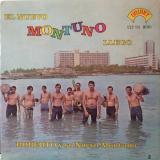
Roberto y su Nuevo Montuno recorded their first album, “El Nuevo Montuno Llegó” (1970), when Roberto Berríos was just 22 years old. This was also the debut release on Haddock’s own Uniart label. Berríos remembers that they did the recording in two sessions, splitting it up into four tracks per visit. The engineer was the famed Pedro “Pedrito” Henríquez, who recorded El Gran Combo, Roberto Roena and many others. The band had a mix of tasty, powerful originals, from Tony Cintrón’s title track that announced the band had arrived, ‘El Nuevo Montuno Llegó,’ to Quique Dávila’s mournful ‘Triste Arrabal.’ Then there was the hit Santería themed tune, ‘Llamé a Changó,’ which was a song that Quique Dávila brought to the band, but had been originally composed by Carlos Pinto, though Quique was given the credit. Dávila also composed ‘Me Queda Un Guaguancó,’ which is Roberto’s favorite song on the record (as well as a fan favorite), with Papo sounding like his friend Héctor Lavoe, and Quique Dávila’s proud manifesto declaring that Puerto Rico now had its own son montuno, ‘Oye Tu Son, Borinquen,’ featuring the pianist’s tasty but brief solo. The cover versions came from the group’s earliest period when most of their repertoire consisted of renditions of beloved but lesser known tunes, and include Louie Ramírez’s ‘Balancéate’ (a favorite of Roberto’s from Ray Barretto’s songbook), Bobby Valentín’s ‘Monina y Ramón’ (recorded during his stint with Willie Rosario), and a bolero indelibly sung by Cheo Feliciano when he was with the Joe Cuba Sextet, ‘Dichoso,’ written by Joe Cuba’s talented pianist, Nick Jiménez. Some of the arranging was done by Cintrón and some by Dávila, though Quique had some help from his old friend from El Combo Moderno, Freddie Miranda, who at that time was with Roberto Roena’s Apollo Sound. Roberto says that the arrangements of the cover tunes were made specifically to be different and more contemporary sounding than the originals. “El Nuevo Montuno Llegó” has become a legendary salsa dura classic from Puerto Rico and we are thrilled to present this first legitimately licensed and remastered vinyl reissue. It includes detailed liner notes that reveal the untold story of the band and their debut album, and rare photos.

vorbestellen27.02.2026

erscheint voraussichtlich am 27.02.2026


Last In: vor 2026 Jahren
K. Alexi - Warehouse Trax

K. Alexi

Warehouse Trax

12inchDE-331
Dark Entries
23.02.2026

Chicago legend K. Alexi returns to Dark Entries with Warehouse Trax, an EP of previously unreleased acid and house mayhem. K’Alexi Shelby’s illustrious career has included releases on legendary labels such as Trax, DJ International, and Transmat, as well as collaborations with high-profile artists like Marshall Jefferson and Pet Shop Boys. But his musical journey began at the young age of 12, when he befriended Ron Hardy and Frankie Knuckles while frequenting the Music Box and Warehouse. In high school, he began writing songs and honing his poetic craft. “I recognized I had a gift to say what I was thinking. I would study Prince and Marvin Gaye, figure out what they meant and put my spin on it. The power of the word. I was writing love notes for all my boys in high school and making a killing. I would know what to say and what they should do.”

Dark Entries previously reissued Shelby’s debut record, Essence of a Dream, which was recorded under the name Risque III in 1987. Warehouse Trax follows with six tracks recorded in Chicago between 1991 and 1994. The material here has all the hallmarks of classic K’Alexi. Salsa-inflected rhythms, emotive basslines, and hip-house vibes are displayed on tracks like the high-octane “Jungle Line” or the low-key tearjerker “Protect and Survive.” There are also some unexpected surprises in store. “Aaaah” comes out of the gate swinging with hard-hitting beats and apocalyptic ravey vocal pads evocative of the edgier material on Saber Records or Djax Up Beats, and the surprisingly contemporary-sounding “Klub Dred” delivers half-time dub with stuttering vocal samples. Warehouse Trax comes in a retro-styled sleeve designed by Eloise Shir-Juen Leigh. This is essential material for devotees of classic house sounds.

nicht am Lager

Bestelle jetzt und wir bestellen den Artikel für dich beim Lieferanten.


Last In: vor 30 Tagen
Various - ACID JAZZ CLASSICS VOL.2 LP 2x12"
 
19

After the excellent response to the first volume, Acid Jazz Classics returns with the second volume.
The Acid Jazz sound born in the 1990s, which harked back to the Soul Funk of the 1970s, found in IRMA one of the labels most dedicated to
this world, and still releases music that can be categorized under this name.
From songs from the 1990s with artists like Jestofunk, Bossa Nostra, Black & Brown, Gazzara, Italian Secret Service, LTJ Xperience, Sarah
Jane Morris, to the present day with artists like The Smoke Orchestra, Yuts and Culture, Fusion Funk Foundation, Micky More & Andy Tee,
Belladonna, and many others.
19 tracks on a double vinyl, some of them never before released on vinyl, all rigorously perfect for both the club and listening.
In fact, some tracks are little club gems:
"Say It Again" by Jestofunk in its very first version from 1993;
Belladonna - Black Jazz, one of her most requested songs ever released on vinyl;
Key Tronics Ensemble - You For Me, the Montuno Salsa version performed for years by Little Louie Vega at many of his gigs;
the Micky More & Andy Tee remix of Sarah Jane Morris's Hold On To Love!

nicht am Lager

Bestelle jetzt und wir bestellen den Artikel für dich beim Lieferanten.


Last In: vor 12 Tagen
Carwyn Ellis & Rio 18 - Haf LP

Carwyn Ellis & Rio 18

Haf LP

12inchBWR084V
Bubblewrap
06.02.2026
  • Como Yo Amo
  • Tonnau Ar Tonnau
  • Whistling Sands
  • Bella Estrella
  • Shades Of Red
  • Haf
  • Gwenyn Y Owanwyn
  • Lâgrimas Frias
  • Keep On Smiling
  • Nos Da

Haf is the third album from Carwyn Ellis & Rio 18 in little over a year, no mean feat in and of itself but especially considering Carwyn’s work with other artists (including Edwyn Collins and the North Mississippi Allstars) this year too.

The album picks up where their last (Fontana Rosa) left off, with around half the album being recorded analog to tape at Gizzard Studios in London, with one last tune remaining from their sessions at the legendary (but now closed) Toerag Studios.

There are echoes here of their first album, Joia! - the recordings were once again instigated by the great Brazilian producer and multi-instrumentalist who happened to be visiting London earlier in the year. He suggested doing something.... so they did. And there is a return to more definite Brazilian influences too - Tonnau Ar Tonnau is an homage to ‘Onda’ by Cassiano, Keep On Smiling has a distinct samba / chorro feel. Gwenyn y Gwanwyn (about helping a bee out if you see it struggling) is very much a nod to the psychedelic samba funk of Antonio Carlos e Jocafi. But other Latin styles still loom large: on the sultry salsa of Bella Estrella or the melancholic Andean ballad, Lagrimas Frias.

Anglo-Brazilian singer Nina Miranda features on the Lalo Schifrin goes samba Shades of Red, while new addition to the Rio 18 family (at least on record), Miriam Isaac adds a real RnB edge to the record, along with some beautiful duets: the Salsoul banger Como Te Amo and the gorgeous Whistling Sands (about a beach in North Wales) are standouts.

In reverse to how Carwyn made the first two Rio 18 albums, Haf was recorded in London
and Wales and mixed over five hectic days in Rio. Three days later, it was mastered and at
the pressing plant. Time doesn’t wait for Carwyn Ellis & Rio 18!!

Finally, the song ‘Haf’ and the album itself are dedicated to Haf Morris, Carwyn’s late music teacher - he says, “her focus, guidance and patience shaped me like no other. I hope she’s enjoyed my musical journey, from wherever she’s watching. Diolch, Haf”.

vorbestellen06.02.2026

erscheint voraussichtlich am 06.02.2026


Last In: vor 2026 Jahren
Ricardo Marrero & The Group - A Taste

When percussionist, pianist and vibe player Ricardo Marrero recorded the ultra-rare Latin jazz meets funk LP “A Taste” in 1976, little did he know that decades later that sealed copies of the original album would exchange hands among collectors for thousands of dollars. A veteran of the New York salsa and Latin jazz scene since the mid-1970s, Marrero has worked with luminaries such as The Fania All-Stars, Pete “El Conde” Rodriguez, The 5 Stairsteps, Dave Valentin, Angela Bofill and most recently - Ruben Blades. Full of up-tempo funky gems and sizzling slow burners, “A Taste” also includes Marrero’s crossover hit “Babalonia” that received quite a bit of airplay in the mid-1970s. Originally pressed in a very limited quantity on Don King and Lloyd Price’s TSG Records, and with little or no promotion, “A Taste” nevertheless pushed the boundaries of New York City salsa forward and has subsequently become one of the rarest, sought after and expensive records the vinyl world has ever seen. Suffice it to say that the music on this obscure jewel is priceless, featuring some of the greatest players of the era, directed by the great maestro Marrero on keyboards, percussion, vibraphone and vocals with the legendary Dave Valentin (flute, percussion, coro), Ralphy De Jesus (bongos, percussion, quinto), Erasto Bernard (congas), Tito Marrero (drums, timbales, percussion), George Oldziey (flugelhorn, trumpet), Nancy O’Neil (lead vocals, coro), John “Figgy” Figueroa (tenor saxophone, soprano saxophone, baritone saxophone), Sean Mahony (trombone) and John Dearth (trumpet). A taste of Ricardo Marrero & The Group is one that’s sure to satisfy.

- Debut album by percussionist, Pianist, Vibraphonist and two time Grammy Award winner
- Rare 1970 melange of Latin Jayy, Soul, Funk and Salsa from New York City
- Features legendary flutist Dave Valentin

nicht am Lager

Bestelle jetzt und wir bestellen den Artikel für dich beim Lieferanten.


Last In: vor 28 Tagen
The Mars Volta - Noctourniquet

The Mars Volta

Noctourniquet

2x12inch4250795604969
CLOUDS HILL
30.01.2026
  • A1: The Whip Hand
  • A2: Aegis
  • A3: Dyslexicon
  • B1: Empty Vessels Make The Loudest Sound
  • B2: The Malkin Jewel
  • B3: Lapochka
  • C1: In Absentia
  • C2: Imago
  • C3: Molochwalker
  • C4: Trinkets Pale Of Moon
  • D1: Vedamalady
  • D2: Noctourniquet
  • D3: Zed And Two Naughts

Noctourniquet And then everything went black, at least for a while, at least for The Mars Volta. In the months and years following their fifth full-length, Octahedron, Omar kept on at his usual fearsome creative pace. In fact, he ramped up his output considerably, starting up his own Rodriguez Lopez Productions label and releasing a slew of solo albums. It was a practice he’d begun shortly after De-Loused’s release, with his solo debut A Manual Dexterity: Soundtrack Volume One, but as the decade reached its close, Omar grew to rely upon his solo recordings as an outlet for his prolific creativity, these albums often exploring musical pastures far beyond even The Mars Volta’s wide-ranging parameters. Before choosing to release music under his own name, Omar would always play it to Cedric first, to see if the frontman thought it had potential to become Mars Volta music. Shortly after Octahedron’s completion, Cedric flagged one batch of tracks Omar had cut with Deantoni Parks, a brilliant drummer and composer who’d briefly occupied the Mars Volta drumstool in-between Jon Theodore and Thomas Pridgen’s tenures, and whose volcanic creativity and unique, unpredictable approach to rhythm and composition had quickly made him one of Omar’s favourite artistic foils.

As with the music that made up Octahedron, the new tracks Cedric had optioned for The Mars Volta often veered far from the riotous, Grand Guignol visions of their earlier releases. It possessed the punchy, song-based focus of Octahedron, though this was a considerably darker, more menacing strain of pop, with synthesisers figuring heavily in the productions. Cedric took the tracks in 2009 and set about writing songs to the music. But no more new Mars Volta music would be heard until 2012. The years that passed in-between were nonetheless momentous, and busy, witnessing an unexpected reunion of the members of At The Drive-In, and Cedric joining his own side-project, Anywhere. But there wasn’t any sign of life within the Mars Volta until Omar, Cedric and their bandmates took to the road for a series of live shows in the spring of 2011, billed as The Omar Rodriguez-Lopez Group, debuting the songs that would become Noctourniquet. The album followed the next year, and it remains one of The Mars Volta’s finest, its electronic textures staking out unfamiliar but fertile new ground.

An unsettling, subtly turbulent listen, Noctourniquet found Cedric sketching out a story about “some sort of device that stops the darkness from bleeding”, drawing influence variously from the nursery rhyme Solomon Grundy, the Greek myth of Hyacinthus and the song Birth, School, Work, Death by British underground rockers The Godfathers. It was an album of dystopian futurism, signalled by the paranoid cyber-rock of opener The Whip Hand and its unnerving chorus, “That’s when I disconnect from you”. But it was also an album of inspired, unexpected moves and uncanny invention, like how Dyslexicon seemed to eerily evoke Blondie’s Rapture, before rushing headlong into its bruising chorus, tempos shifting restlessly throughout like quaking earth beneath the listener’s feet, or how Aegis put a brave new spin on The Mars Volta’s trademark rewiring of salsa’s overdriven passions, or how Cedric had never sounded as scary as he did on The Malkin Jewel’s mutant burlesque shuffle. Tracks like Molochwalker were sleek and concise in a way The Mars Volta had never really attempted before – which was all part of Omar’s plan.

“It had all been guitar, guitar, guitar, overdubs, everything fighting for space in the same frequency,” he explains. “So for Noctourniquet, it was all about subtracting elements, of sticking to how I made demos.” Deantoni’s presence helped revivify the group, playing against cliché and expectation, and taking each song in unexpected directions. “I’d beatbox a rhythm for him to play, to go with my guitar part, and he’d come back with three or four alternate options. It was so great.” Similarly, Cedric had never sung better than on Noctourniquet, staking out a fearsome spectrum from the chilling Tom Waitsian growl of The Malkin Jewel to the keening, beautiful vocalisation on Vedamalady, rising to match some of Omar’s most deft, most immediately effective and melodic songs yet. Indeed, Noctourniquet is the sound of a band discovering new ways to do familiar things, renewing their commitment to their mission, finding fresh inspiration a decade in, and shaking off any complacency that might have come with ten years of acclaim and success.

vorbestellen30.01.2026

erscheint voraussichtlich am 30.01.2026


Last In: vor 2026 Jahren
ARSENIO RODRIGUEZ - COMO SE GOZA EN EL BARRIO (2LP)
  • Dame Un Cachito Pa' Huelé
  • Dundunbanza
  • Como Se Goza En El Barrio
  • Esas No
  • La Gente Del Bronx
  • Mambo En La Cueva
  • Que Negra P'acelerá
  • Blanca Paloma
  • Mami Me Gustó
  • El Dolorcito De Mi China
  • Hay Fuego En El 23
  • Besame Aquí
  • La Fonda De Bienvenido
  • No Quiero
  • Juégame Limpio
  • Pimienta
  • Cambia El Paso
  • Que Me Manda La Niña
  • Pobre Chinito
  • Baila Simón
  • El Reloj De Pastora
  • Sabor De Pachanga
  • Hachero Pa' Un Palo
  • Errante Y Bohemio
  • El Divorcio
  • Papa Upa
  • Lo Que Le Pasó A Luisita
  • No He Visto A Caridad
  • Suéltala
  • Adiós Carmelina
  • Emilio Dolores

The Godfather Of Salsa - HAVANNA & NYC RECORDINGS 1946-1962! Grosso! again presents this compilation from "El Ciego Maravilloso", the authentic godfather of salsa. His early Havana & NYC recordings. The tracks have been remastered and restored and some are available on vinyl after many years. Format and selection designed for DJs, collectors and latin lovers. Ignacio de Loyola Rodríguez Scull aka Arsenio Rodríguez (30 August, 1911, Güira de Macurijes, Matanzas, Cuba - 30 December, 1970, Los Angeles, CA, USA) was a Cuban musician, bandleader and prolific composer who developed the son montuno and other Afro-Cuban-based rhythms. Today he is seen as one of the most important figures in Latin music, with his influence reaching beyond the Spanish speaking world to also include African popular music of the 20th Century, though when he died he was not widely known by the public for his contributions and influence. He is also recognized (along with Israel 'Cachao' López and Dámaso Pérez Prado) as one of the creators of mambo, what Rodríguez himself often referred to as "ritmo diablo". Some of his best-known, and most-often covered recordings from the 1950s and early 1960s are included here, among them "Dame un cachito pa' huele'," "Dundunbanza," "El reloj de pastora," "Cambia El Paso," and "Hay Fuego En El 23."

vorbestellen13.01.2026

erscheint voraussichtlich am 13.01.2026


Last In: vor 2026 Jahren
Artikel pro Seite:
N/ABPM
Vinyl