
Сделать предзаказ27.02.2026
он должен быть опубликован на 27.02.2026
Последний логин: 2026 г. назад
он должен быть опубликован на 27.02.2026

x 500 only very limited ONE OFF PRESSING
Two gems from the vaults of the Semper camp. Taken from the mega rare Themes for television, sport and Aerobics' released on the Pixie Records. Dynamite Cuts is releasing these two as a limited edition.
DYNAM7010
Track A - Pretty Lady' wonderful synth vibe with a whole lot of soul, no drums or heavy grooves, just a rare touch of smooth sunshine on a 45.
Track B - Universe (Exterritorial Search Contact Tones)' Its all about this beauty, a magic moment in time. So much soul in such a short track. Has Hudson and Duke vibe, never before on 45 vinyl must have vinyl both taken from Master tapes
Закажите сейчас, и мы закажем товар для вас у нашего поставщика.

Alongside with the release of the new album “Tote Winkel”, Sankt Otten will be delighting us with another limited vinyl bonus release. “Hymnen und Helden” (hymns and heroes) is a collection of cover versions created over the last few years. As the album title suggests, it pays homage to self-proclaimed musical hymns and heroes from the seventies and eighties.
HYMNEN UND HELDEN – track by track: A well-known Moog sequence leads us on the way into the cover album. Giorgio Moroders 1977 disco classic “I feel love” has been tackled here. Sankt Ottens instrumental interpretation starts out familiar, but ends in a slightly disturbing disharmony of mellotron and ebow guitar.
The instrumental version of the melancholy Wipers anthem from 1983 starts with a rather unusually fast 808 beat for Sankt Otten. The 80s electronic echoes suit the punk rock earworm “Doom Towen” surprisingly well.
Without Deutsch Amerikanische Freundschaft, more unusual electronic music would hardly have been conceivable in Germany in the early 1980s. “Alles ist gut” tribute to this band and singer Gabi Delgado-Lopez, who passed away in 2020 and with whom they shared the festival stage in 2015. Gabi‘s lyrics are rendered by text- to-speech software with the voice of an unknown Claudia.
“Wishing (If I had a photograph of you)” was made famous in 1982 by A Flock of Seagulls. This record was regularly played on Stephan Ottens turntable back then. Reason enough to remember this with “Sehnen (Hät- te Ich von dir eine Fotografie)”. The recordings for this album were made in 2007 and have been updated and completed in the last year. Carsten Sandkämper, who was also featured on Sankt Ottens debut album “Eine kleine Traurigkeit”, contributed the vocals and lyrics.
The Swiss band Grauzone became famous with the NDW hit “Eisbär”. Instead of this title, they took on the B-side of this single with “Ich liebe sie”. A synthpop love song full of innocence, stylishly sung by Carsten San- kämper and refined with Kraftwerk-like choral sounds and an herbaceous motorik beat.
The band has enjoyed a personal friendship with Harald Grosskopf since their collaboration in 2013 on the album “Messias Maschine”. With “So weit, so gut”, they take on his little hit from the album “Synthesist”, which is one of the gems of the synthesizer albums of the eighties.
“Kriegsmaschinen, fahrt zur Hölle” is an anti-war song from 1974 by Günter Schickert, the Berlin master of the echo guitar. Unfortunately, the lyrics are still relevant. Oliver Klemm contributes the delay guitars and Stephan Otten puts the lyrics through a vocoder. Sankt Otten compress the 17-minute original to just under 5 minutes and move it musically from the 70s to the 80s.
Sankt Otten’s adaptation of David Bowies “Heroes” is equipped with warm Juno 106 sounds, ebow guitar and synthesizer pads. The German “Helden” version, known from the movie Christiane F. – Wir Kinder vom Bahnhof Zoo, is sung in a touching way by Carsten Sandkämper.
New York-based Rafael Anton Irisarri was responsible for mastering the record. As part of the series with graphic covers, this die-cut artwork was also created by Mexican designer Daniel Castrejon. The one time only vinyl pressing, limited to 350 copies, comes in a beautifully designed die-cut cover and colored vinyl. The Osnabrück duo Sankt Otten, founded in 1999, have been releasing on Denovali since 2009. The band has dedicated itself to the holy trinity of Krautrock, Ambient and contemporary Electronics.
d Sehnen [Haette ich von Dir eine Fotografie]
Закажите сейчас, и мы закажем товар для вас у нашего поставщика.

Don Leisure has cemented his name as one of the most forward-thinking and experimental beatmakers & producers within the current musical ecosystem. As well as being 50% of Darkhouse Family (alongside Earl Jeffers) he has collaborated with the likes of Angel Bat Dawid, Gruff Rhys, DJ Spinna and First Word label-mates Amanda Whiting & Tyler Daley (Children of Zeus). Garnering serious support from Lauren Laverne, Tom Ravenscroft, Huw Stephens, Gilles Peterson, Huey Morgan, The Vinyl Factory, Clash, Uncut and many more. Following the release of ‘Cynnau Tân (feat. Carywyn Ellis)’ (which gained support across BBC Radio from Tom Ravenscroft, Zakia & Huw Stephens) Welsh beatmaker Don Leisure announces the release of a new album ‘Tyrchu Sain’) as he returns with a new single ‘Tyrchu’ due for release on 22nd January 2025. ‘Tyrchu’ features the soft-spoken vocal stylings of Gruff Rhys over a gently rolling, tape saturated and expertly chopped instrumental, creating (in Gruff’s own words) ‘Shiny new beat-treasures with ghostly reflections of Welsh pop’s past - skillfully dug from Sain Records’ deepest veins’
A dedicated student of music, over the years, Don has amassed a vast encyclopaedic knowledge of music genres and subcultures, including a fascination with Welsh psychedelic folk music from the mid-20th century. This introduction was made by respected musician, producer & selector Andy Votel’s 2005 two-part compilation series ‘Welsh Rare Beat’ (in collaboration with Gruff Rhys and Don Thomas), comprising twenty-five tracks from Sain Records’ back catalogue. Now the oldest independent record label in Wales, Sain is a wildly influential bastion of home-grown Welsh talent, co-founded by Welsh-language folk singer Dafydd Iwan, whose music has seen a cultural resurgence in recent years with his 1983 song Yma o Hyd (We’re Still Here) becoming a huge anthem for Wales football fans. Set up in the Welsh capital, many of Sain’s early releases were recorded at Rockfield Studios in Monmouthshire, but in the early 1970s the record company moved to the Caernarfon area and opened their first recording studio in 1974 near Llandwrog. Announcing a huge digitisation project throughout 2024, Sain Records took on the mammoth task of painstakingly digitising their entire back catalogue spanning 55 years, working in partnership with the National Library of Wales the resulting archive then be submitted for to the National Library of Wales in Aberystwyth, preserving them for future generations to enjoy. Taking this period of rediscovery as an opportunity to reimagine their impressive inventory, Sain invited Don Leisure to dig into their musical treasure chest, creating a sprawling sonic tapestry from the dusty gems within. On this exhilarating excursion, Sain Records founder Dafydd Iwan explains: ‘Imagine someone gave you access to over 50 years of Welsh popular music – almost all of it unknown to you before. It would be a strange experience of discovery, an unknown territory which could baffle and excite. This happened to Jamal (Don Leisure) – and he was captivated by a world of music he barely knew existed, and when he was asked to distill the experience into one album, he immediately warmed to the idea. And this is the result – a kaleidoscope of sounds to encapsulate a half century of Welsh music. To call it unique would be superfluous: no-one could ever recreate this album. Listen, and enjoy.’.
The resulting product is ‘Tyrchu Sain' (translating to ‘Digging Sain’), a fearless and exploratory album, which sees Don put his signature unparalleled and unpredictable skills to work, weaving together moments of forgotten beauty into celestial and otherworldly compositions. The record features appearances by artists from Wales who have a similar obsession as Don Leisure in these classic Welsh rarities including Gruff Rhys, Carwyn Ellis, Earl Jeffers Amanda Whiting and Boy Azooga. A shimmering patchwork quilt of sound, ‘Tychru Sain’ traverses a shifting landscape of acid folk, eerie vocal melodies and interstellar soundscapes, propelled forth by crisp, head nod-inducing drums and grainy textures. Breathing new life into compositions lost to time, and paving a path for new listeners to discover the magic that lies within.
он должен быть опубликован на 20.02.2026

Als direkte Folge des großen Interesses der Beatles an experimenteller Musik und anderen avantgardistischen
Kunstformen gründete Apple Records im Februar 1969 das kurzlebige Tochterlabel Zapple. Es sollte ein Forum für ungezügelte Klangexperimente bieten, oder, wie es damals hieß, für „noch abgefahrenere Sounds“.
Georges „Electronic Sound“ und John Lennons und Yoko Onos „Unfinished Music No. 2: Life With the
Lions“, beide im Mai 1969 erschienen, waren Zapples einzige Veröffentlichungen vor der Schließung des
Labels. Das von George gemalte Cover von „Electronic Sound“ zeigt seinen Moog IIIp (der später von den
Beatles auf vier Stücken ihres Albums „Abbey Road“ verwendet wurde) mit den vier Modulen, aus denen
der Klang synthetisiert wurde. Jede Seite der LP „Electronic Sound“ enthielt ein experimentelles, längeres
Werk.
George Harrisons „Wonderwall Music“, erschienen im November 1968, war das erste Soloalbum eines
Beatles-Mitglieds und die erste LP, die von Apple Records veröffentlicht wurde. Der Soundtrack zu Joe
Massots Spielfilmdebüt „Wonderwall“ ist ein überwiegend instrumentales Album, das einen komplexen und
lebendigen Klangteppich aus westlicher Rockmusik und Kompositionen im Stil der indischen Klassik bildet.
1992 erinnerte sich George: „Ich entschied mich für eine Art Mini-Anthologie indischer Musik, weil ich die
Öffentlichkeit für indische Musik begeistern wollte.“
он должен быть опубликован на 20.02.2026

Als direkte Folge des großen Interesses der Beatles an experimenteller Musik und anderen avantgardistischen
Kunstformen gründete Apple Records im Februar 1969 das kurzlebige Tochterlabel Zapple. Es sollte ein Forum für ungezügelte Klangexperimente bieten, oder, wie es damals hieß, für „noch abgefahrenere Sounds“.
Georges „Electronic Sound“ und John Lennons und Yoko Onos „Unfinished Music No. 2: Life With the
Lions“, beide im Mai 1969 erschienen, waren Zapples einzige Veröffentlichungen vor der Schließung des
Labels. Das von George gemalte Cover von „Electronic Sound“ zeigt seinen Moog IIIp (der später von den
Beatles auf vier Stücken ihres Albums „Abbey Road“ verwendet wurde) mit den vier Modulen, aus denen
der Klang synthetisiert wurde. Jede Seite der LP „Electronic Sound“ enthielt ein experimentelles, längeres
Werk.
George Harrisons „Wonderwall Music“, erschienen im November 1968, war das erste Soloalbum eines
Beatles-Mitglieds und die erste LP, die von Apple Records veröffentlicht wurde. Der Soundtrack zu Joe
Massots Spielfilmdebüt „Wonderwall“ ist ein überwiegend instrumentales Album, das einen komplexen und
lebendigen Klangteppich aus westlicher Rockmusik und Kompositionen im Stil der indischen Klassik bildet.
1992 erinnerte sich George: „Ich entschied mich für eine Art Mini-Anthologie indischer Musik, weil ich die
Öffentlichkeit für indische Musik begeistern wollte.“
он должен быть опубликован на 20.02.2026

Zum ersten Mal auf Vinyl erhältlich: "Bryan Adams - Live in Lisbon" ist ein mitreißendes, ausverkauftes Konzert aus dem Jahr 2005 im Pavilhao Atlântico in Lissabon. Ursprünglich als DVD-Konzertfilm veröffentlicht und später auch digital erhältlich, enthält diese neue Vinyl-Edition 18 der größten Hits von Bryan Adams, die neu gemastert und für Vinyl neu geschnitten wurden. Das bei Bad Records erschienene Set umfasst 18 Titel auf 2 LPs in einer Gatefold-Hülle.
он должен быть опубликован на 20.02.2026

Lucid Express sind fünf junge Träumer aus Hongkong, die mitreißenden, bittersüßen Rock machen, der zum Träumen einlädt. Ihr zweites Album "Instant Comfort", das Nachfolger ihres selbstbetitelten Debütalbums aus dem Jahr 2021 ist, enthält ihre bisher komplexesten Arrangements. Lucid Express holten den Shoegaze-Autor Kurt Feldman (The Pains of Being Pure at Heart, The Depreciation Guild) für das Mixing und Mastering an Bord - das Ergebnis ist ein noch klarerer und mitreißenderer Sound der Band. Über Discord zusammengekommen, entstand ,Instant Comfort" in marathongleichen nächtlichen transpazifischen Sessions zwischen der Band in Hongkong und Feldman in New York City - ein gemeinsames Streben nach Perfektion, das sich von Mitternacht bis zum Sonnenaufgang abspielte. Durchdrungen von gleichermaßen schleichender Melancholie und hoffnungsvoller Romantik, werden in diesen neuen Songs verwirrende Gefühle zugelassen. Luftige Melodien werden von einer schweren Gitarrenwand untermalt: siehe ,Promise Me" und ,Something Blue". Lucid Express waren schon mit Punchlove und Blushing in den USA auf Tour und hat auf renommierten Festivals in Asien und Amerika gespielt, darunter Clockenflap, LEVITATION und Slide Away.
он должен быть опубликован на 20.02.2026

Black & White Swirl Vinyl. Mit ihren Wurzeln fest in der Punkrock- und Hardcore-Szene des Cass Corridor in Detroit der frühen 80er Jahre verankert, erreichten John Brannon (Negative Approach) und Larissa Strickland (L-7) zuerst zusammen mit der eingespielten Rhythmusgruppe aus Kevin Strickland und Jim Kimball, und nachdem Kevin und Jim die Band verlassen hatten (um Mule zu gründen) mit Ron Sakowski (Necros) am Bass und Todd Swalla (Necros) am Schlagzeug, eine ganz neue Ebene. Inspiriert von The Birthday Party und den Stooges der Funhouse-Ära sowie frühen Blues- und Jazzkünstlern, waren die Laughing Hyenas ein heftiger, schwefeliger Noise-Knaller. Die düsteren und hypnotischen Bassriffs und der Tribal-Swing bildeten den perfekten Rahmen für Larissas (sie hatte erst ein paar Monate vor der Gründung der Band angefangen, Gitarre zu spielen) schneidendes, zerklüftetes, ja fast schon mörderisches Gitarrenspiel und John Brannons teuflisches Heulen. Wenn es eine Band gibt, die eine LP mit Live-Material verdient hat, dann sind es die Laughing Hyenas. Wie Aaron Dilloway es so schön gesagt hat: "Die Laughing Hyenas waren die gruseligste Band, die ich je gesehen habe." Dieses Set wurde von John Brannon sorgfältig aus seinem persönlichen Archiv an Kassetten zusammengestellt. Die Aufnahmen wurden von Bobby Emmett übertragen, gemischt und gemastert, bekannt für seine Arbeit mit The Sights, Sturgill Simpson und zuletzt Jack White.
он должен быть опубликован на 20.02.2026

Yellow Vinyl
Mit ihrem neuen Meisterwerk "Beautiful Distortion" melden sich THE GATHERING am 29.04.2022 eindrucksvoll zurück!
Satte 10 Jahre haben sich THE GATHERING, die mit Alben wie "Mandylion", "How To Measure A Planet?" oder "Souvenirs" zu internationalen Ikonen atmosphärischer Rockmusik wurden, für ihr neustes Werk Zeit gelassen, denn nach über 16 Jahren im Hamsterrad von Tourneen, die sich mit Albumaufnahmen abwechselten, um dann die nächste Tournee zu bestreiten, und dem Weggang ihres langjährigen Bassisten Marjolein Kooijman in 2013, brauchten die Musiker einfach mal eine Pause, um ihre Batterien wieder aufzuladen und sich um ihre Familien zu kümmern.
Ihr 25jähriges Bandbestehen 2014 haben THE GATHERING dennoch mit allen aktuellen und ehemaligen Bandmitgliedern im Doornroosje Club in Nijmegen groß gefeiert, um sich danach wieder in ihre selbst auferlegte musikalische Klausur zu begeben.
2018 dann war die Band wieder startklar. In Hugo Prinsen Geerligs, der bereits von 1989 bis 2003 die vier Saiten bei THE GATHERING bediente, fand man einen neuen Bassisten und die Gruppe begann, neue Songs zu schreiben und Konzerte zu spielen, bis 2020 die Pandemie zuschlug und alles um weitere zwei Jahre verzögerte.
Das 11.Studioalbum von THE GATHERING knüpft stilistisch an den Vorgänger "Disclosure" von 2012 an. Acht Titel, im für die Band typischen, satten Electro-Rock-Sound - auch als Trip Rock bekannt - , getoppt von wunderbaren Gesangsmelodien und der warmen Stimme von Sängerin Silje Wergeland machen "Beautiful Distortion" zum wahrscheinlich dynamischsten und melodischsten THE GATHERING-Album in ihrer über 30jährigen Bandgeschichte.
Produziert und gemixt wurde "Beautiful Distortion" von Attie Bauw (u.a. Judas Priest, Scorpions), der bereits bei den THE GATHERING-Alben "Home" und "How To Measure A Planet?" an den Reglern saß. Für das Mastering zeichnet Maor Appelbaum (u.a. Faith No More) verantwortlich.
Die Musik wurde von der Band im Arnold Muhren Studio in Volendam (NL) eingespielt, alle Gesangsparts wurden im Bergen Lydstudio in Norwegen aufgenommen.
"Beautiful Distortion" wurde in Dolby Atmos gemischt und kann auf allen Plattformen, die Dolby Atmos Mixe anbieten, gestreamt werden.
Sämtliche Bandmitglieder waren von Anfang an am kreativen Prozess und den Aufnahmen beteiligt, sowohl einzeln, online, als auch persönlich und gemeinsam, wann immer es möglich war. Es war zwar eine Herausforderung, während der Pandemie und den damit verbundenen Maßnahmen ein Album über zwei Länder hinweg zu schreiben und aufzunehmen, doch THE GATHERING haben auch dies mit Bravour gemeistert.
он должен быть опубликован на 20.02.2026

Multiplatin-Superstar Hilary Duff kündigt ihr erstes Album seit mehr als zehn Jahren an. luck…or something erscheint am 20. Februar 2026 über Atlantic Records. HIER kann man das Album ab sofort vorbestellen/vorab speichern. „Oft werde ich gefragt, wie ich nach all den Jahren in dieser Branche noch mit einem halbwegs klarem Kopf durchs Leben gehe“, sagt Hilary. Es ist Glück – aber in dem ‚…or something‘ steckt auch eine Menge Gewicht. Vieles, was ich erlebt habe, steckt darin, und genau das hat mich zu der gemacht, die ich bin.“ Im Januar bringt Hilary ihr neues Album mit der „Small Rooms, Big Nerves“-Tour auf die Bühne – eine Serie intimer Konzerte, die innerhalb kürzester Zeit ausverkauft war. Die ersten Headliner-Shows seit über zehn Jahren starten am 19. Januar 2026 im historischen O2 Shepherd’s Bush Empire in London. Es folgen Toronto (HISTORY, 24. Januar), New York (Brooklyn Paramount, 27. Januar) und Los Angeles (The Wiltern, 29. Januar). Nachdem die Shows so schnell ausverkauft waren, bedankte sich Hilary bei ihren Fans mit einer persönlichen Instagram-Nachricht hier ansehen. Das sechste Studioalbum luck…or something enthält unter anderem die gefeierte Single „Mature“, die bereits überall verfügbar ist. Duff schrieb den Track zusammen mit ihrem Ehemann, dem Grammy-ausgezeichnten Songwriter und Produzenten Matthew Koma (Britney Spears, P!nk) sowie der Hitmakerin Madison Love (Halsey, Ava Max). Der sarkastische, autobiografisch gefärbte Track kombiniert Erinnerungen an romantische Missgeschicke in der Jugend mit einer schillernden Produktion – genau jene Mischung aus Witz und Verletzlichkeit, die Duff seit jeher auszeichnet. Nur eine Woche nach Veröffentlichung hatte „Mature“ bereits über 5 Millionen Streams, dazu kommen über 2,5 Millionen Views des Musikvideos bei YouTube. Hier kann man den Clip ansehen, bei dem Lauren Dunn (Olivia Rodrigo, Dove Cameron, Saweetie) Regie führte. Anfang der Woche veröffentlichte Hilary zudem ein „Behind the Scenes“-Video vom Dreh – hier ansehen.
он должен быть опубликован на 20.02.2026

L.A.-based soul singer Leela James started out singing backup vocals on Hip-Hop albums in the late 90s and early 2000s. In 2004, she recorded the song "No Tears" on Pete Rock's "Soul Survivor 2", shortly after she signed a deal with Warner Bros Records and released her debut album A Change is Gonna Come, named after her cover of the Sam Cooke song. A true soul singer, with a voice comparable to Mavis Staples and Betty Wright, Leela enlisted Commissioner Gordon to oversee production, which included tracks by Kanye West, Raphael Saadiq, Wyclef Jean, and Chucky Thompson. The lead single, "Music," is an ode to the soul singers of yesterday, with a Hip-Hop feel. She performs a soulful R&B cover of No Doubt's "Don't Speak" and alternates between funky uplifting tracks like "Good Time" and "Soul Food" with downtempo, soulful ballads like "When You Love Somebody" and "My Joy." Leela James departed from Warner after the release of her debut and went on to release seven more studio albums. It's been twenty years since A Change is Gonna Come was released in June of 2005, and Get On Down is proud to present this underrated gem for the first time on vinyl. The album is pressed on "Golden Pearl" colored vinyl and packaged in a gatefold jacket, limited to 1000 copies. It's been a long time coming, but this is a must-have for neo-soul and R&B music lovers.
он должен быть опубликован на 20.02.2026

Toronto-based musician and producer David Psutka’s long dormant Egyptrixx alias returns, with How Tidal. A compendium of sorts, which retells the story so far, reworks of highlights from his catalogue sit alongside brand new tracks, serving as a bridge between the past and the future, preceding more fresh music in 2026.
With the originals still sounding remarkably current, a straight best-of wouldn’t have been out of question, but ever the tinkering student of sound, Psutka thought he’d break them apart, just to see how he could put them back together again.
The music on is How Tidal is cutting-edge and futuristic, but never difficult, instead offering accessible gems where multiple strains of bass music are infused with a zingy, techno-pop bounce, whilst ambient moments gift sonic lozenges for maximum contentment. Psutka creates optimistically welcoming environments, where synthetic birds chirrup in cyan skies over babbling rainbow brooks, as 15 inch subwoofers boom by.
Egyptrixx gained renown across the 2010s with his hard hitting yet tranquil experimental dance music dubbed ‘celestial jeep music for a Saturn moon’. Colourful sound design was braided with dancefloor structures, creating an exhilarating tension between melodic and dissonant, euphoric and inward. The debut album Bible Eyes was released in March of 2011 to critical acclaim.
As Egyptrixx, Psutka has released four studio albums, collaborated, remixed, and toured with some of the biggest names in electronic music.
The widely acclaimed moniker is foundational to Psutka’s complex body of work that encompasses multiple solo projects, plus a diverse range of collaborative work. He has performed live at Sonar Festival, Roskilde, Mutek, MOMA PS1 Warm-UP and CTM Festival, and presented sound installations at Galeria Civica Commune di Modena and Art Gallery of Ontario (AGO).
In 2015, Psutka launched Halocline Trance as a home for his various sound projects, events and collaborations. In recent years, the label has quietly established itself as a platform that facilitates many of Canada’s most exciting creative music projects.
Закажите сейчас, и мы закажем товар для вас у нашего поставщика.

Der in Berlin lebende syrische Musiker Khaled Kurbeh gibt sein Debüt bei Research Records mit Likulli Fadain Eqaéh Jedem Raum seinen eigenen Rhythmus, einem Klangteppich aus Sounds, die er über vier Jahre im Rahmen seiner Praxis muhawalat Versuche, Variationen und hawamesh Ränder geschrieben, aufgeführt und aufgenommen hat: ein Ausdruck von Gesten, klanglichen Fußnoten und Beobachtungen aus dem Alltag.
Kurbehs erste Veröffentlichung seit sieben Jahren weicht von seinem weitgehend akustischen Debüt "Aphorisms" ab, einer Zusammenarbeit mit dem Oud-Spieler Raman Khalaf und einem Ensemble mit Elementen aus Maqam und Jazz.
Likulli Fadain Eqaéh Jedem Raum seinen eigenen Rhythmus präsentiert eine Sammlung zehn elektroakustischer Kompositionen – grübelnd und experimentell mit Anklängen an Musique concrète. Die Trackliste impliziert eine Reisebeschreibung. Feldaufnahmen von Schwalben und dem Knacken und Entschalen von Sonnenblumenkernen im Zwischenspiel Nuzha I Exkursion I werden durch eine spärliche Komposition aus Low-End-Synth, Harmonium, Klavier und präpariertem Fender Rhodes, gespielt mit Schlägeln, auf Darb I–II Pfad I–II kontrastiert. Beckenmuster und bewegte Glockenklänge erklingen auf Jauqét Ajras Chor der Glocken, während Streichinstrumente auf al-Ajraf [Die Klippen] zittern und stottern. Die Veröffentlichung fängt vier Jahre sich überschneidender Klangwanderungen ein und balanciert fein die Spannungen von Harmonie und Dissonanz, Stille und Resonanz, Textur und Rhythmus – aufgenommen im Innen- und Außenbereich.
Das Gatefold-Cover zeigt Kunstwerke von Ida Lawrence und enthält ein Booklet mit zehn gemalten Variationen einer Szene. Auf der Außenseite erstrecken sich Wege unter einem dramatisch akzentuierten und lebendigen Himmel; im Inneren erscheint dieselbe Landschaft immer wieder in unterschiedlichem Licht.
Likulli Fadain Eqaéh [Jedem Raum seinen eigenen Rhythmus] erscheint im Sommer 2025 bei Research Records, Naarm/Melbourne. Ein weiteres Solo-Klavieralbum von Kurbeh, aufgenommen in seinem Studio in Berlin-Kreuzberg, erscheint noch in diesem Jahr.
Закажите сейчас, и мы закажем товар для вас у нашего поставщика.

Gemastert und restauriert von den Original-Master-Transfers durch Patrick W. Engel bei TEMPLE OF DISHARMONY im Dezember 2021. Geschnitten von SST Germany auf Neumann-Maschinen für optimale Qualität auf allen Ebenen. Die ultimative audiophile Neuauflage dieses zeitlosen Thrash-Klassikers! Infernäl Mäjesty aus Toronto, Kanada, formierten sich 1986 zunächst unter dem Namen Overlord; ihr erstes Demo brachte ihnen im Underground und bei der einschlägigen Presse gleich genug Bekanntheit ein, um einen Deal mit Roadrunner Records an Land zu ziehen. Das selbstproduzierte Debüt „None Shall Defy“ wurde 1987 veröffentlicht und hat sich seitdem zu einem veritablen Kultklassiker gemausert. Thrasher in der ganzen Welt betrachten „None Shall Defy“ als eines der besten Thrash-Alben überhaupt, und als die beste Kanadische Scheibe auf ihrem Gebiet – sengend, aggressiv und ultra-heavy; trotzdem hat der Infernäl Mäjesty-Erstling bisher nie die gebührende Aufmerksamkeit erfahren. Das muss sich ändern, und dank des Re-release auf High Roller Records gibt es nun die Chance, dieses Stück Thrash-Geschichte (wieder) zu entdecken. Wenn man sich vor Augen hält, dass Infernäl Mäjesty sich nur ein Jahr vor Erscheinen des Albums gegründet hatten, werden seine hohe Qualität, das große musikalische Können und die extrem durchdachten Songstrukturen noch ein Stück beeindruckender. Während der Sound das Albums vielleicht schon auf vorbildliche Weise das Harte, das Klare und das Finstere ausbalanciert, wurde es von Patrick W. Engel (Temple of Disharmony) noch einmal sorgfältig remastered, um das Beste aus “None Shall Defy” herauszuholen. Was Reviewer niemals zu erwähnen vergessen ist, wie unglaublich evil das Album ist; nicht nur was den Sound angeht, sondern auch in der Art und Weise, wie die Band ihre Songs rüberbringt – es ist technisch, aber die Technik ist stets songdienlich; die Riffs werden ohne Ende variiert, es herrscht definitiv kein Mangel an brillanten Ideen, an komplexen Tempiwechseln und an starken Soli.
Darüber hinaus sind die Lyrics schön finster und streckenweise extrem blasphemisch – was will man mehr?
он должен быть опубликован на 13.02.2026

Kezia Gill hat sich schnell zu einer der renommiertesten Country-Künstlerinnen Großbritanniens entwickelt und wird für ihre kraftvolle Stimme sowie die Qualität und Ehrlichkeit ihrer Songtexte gefeiert. Sie ist bereits ausgiebig in ganz Großbritannien aufgetreten und hat bei Festivals in Europa, den USA und Australien gespielt. Dabei setzt sie weiterhin neue Maßstäbe und vertritt stolz die britische Country- und Roots-Musik auf der internationalen Bühne.
Allein im Jahr 2025 trat sie beim renommierten Country 2 Country Festival in London und Glasgow auf, gefolgt von weiteren großen Festivals (Splendour, The Long Road). Außerdem besuchte sie Frankreich, Dänemark und die Niederlande und war zuletzt Co-Headliner einer Tournee mit Imogen Clark in Australien. Die vorherige Single „Dublin's Outta Whiskey“ wurde von Bob Harris in der Country Show auf BBC Radio 2 vorgestellt und sofort bei Planet Rock und Absolute Radio Country in die A-Liste aufgenommen. Sie markierte auch den Beginn einer neuen Zusammenarbeit mit Snakefarm, der weltweiten Heimat von Marty Stuart, Mark Morton und Austin Meade und dem britischen Label für einige der größten Namen der Country-Musik in den USA und Kanada (Eric Church, Brothers Osborne, Darius Rucker, Josh Ross usw.). Die Single „If Heaven Has A Honkytonk”, eine von Kezia’s Lieblingskompositionen wurde von der US-Künstlerin Alyssa Bonagura mitgeschrieben, produziert und gemischt und ist eine von Herzen kommende Hommage an das reiche Erbe der Country-Musik. Kezia wird im Februar 2026 auch eine Headliner-Tournee durch Großbritannien starten, unterstützt von Bonagura.
„All On Red“ ist ein mutiger Neuanfang in der Karriere einer Künstlerin, die bereits Auszeichnungen und Nominierungen der British Country Music Association („Entertainer of the Year“ / „UK Female Artist of the Year“) erhalten hat und sich für ein Musikgenre einsetzt, das vor allem in Großbritannien stark im Kommen ist.
он должен быть опубликован на 13.02.2026

Nach ihrem ARIA-nominierten Debütalbum "The Stranger In The Mirror" meldet sich das australische Jake Mason Trio mit seinem zweiten Album zurück. Auf "The Modern Ark" schöpft das Trio aus der goldenen Ära des Orgel-Jazz (Jimmy Smith, McDuff, McGriff) und entwickelt dabei einen unverwechselbaren, modernen Sound. Aufgenommen in Melbourne mit Vintage-Equipment, fängt die LP die Leidenschaft und Finesse einer Band mit über 30 Jahren gemeinsamer Geschichte ein. Zu den Highlights zählen der Grammy-prämierte Sänger Kurt Elling auf dem cineastischen Titeltrack sowie die australische Ikone Kate Ceberano auf der Soul-Jazz-Ballade "Stop Searching For Love". Mit bereits gesicherter internationaler Presseunterstützung und Touren in Australien und Europa ist "The Modern Ark" für 2026 bestens aufgestellt.
он должен быть опубликован на 13.02.2026

Tilaye Gebre is one of Ethiopia’s most soulful saxophone giants, with a musical legacy that’s hard to surpass. A founding member of the Equators, later renamed the Dahlak Band, he was a key figure in Ethiopia’s vibrant hotel music scene and a sought-after musician and arranger for artists like Aster Aweke, Mahmoud Ahmed, Tilahun Gessesse, and Muluken Melesse.
Tilaye — still going strong — was at the epicenter of the Ethiopian music scene during one of the most turbulent periods in the country’s history. Tilaye’s musical trajectory, regardless of the forms it has taken over the decades, is simply ceaseless. The road to a musical career spanning six decades started out winding, and the first steps came almost as a fluke.
With the Dahlak Band, Tilaye had managed to secure a musical residency at the legendary Ghion Hotel, where they honed their skills and developed their musical expression to unparalleled levels. From the late sixties onwards, Dahlak Band lit up Addis Ababa with a mixture of James Brown and Wilson Pickett tunes, rhythm and blues, soul, funk, and the sound of the disco era — mixed with modern Ethiopian styles — serving up majestic concoctions with full-range instrumentation, featuring trumpet, keyboard, saxophone, bass, drums, and guitar. Through their hotel sessions, Tilaye developed further as an arranger, arranging fellow band member Muluken Melesse’s first solo album, Muluken Melesse with the Dahlak Band (Kaifa Records – LPKF 39), recorded during the turbulent years of 1975–1976, following the fall of Haile Selassie. Everything was in flux in this transitional period, but a constant was how Tilaye stood in the spotlight. On that record, there’s a loose vibe to the soundscape that lets Tilaye’s skills shine, while all the other musical contributions coalesce into a slowly cooking atmosphere where the groove at times fluctuates into psychedelic territory, making the music stand out from most contemporaries.
Most of their recorded output came from one-take live cassette recordings at the Ghion, or from music shops at that time — one microphone at the front, hit record: no EQ, no reverb, just some delay. Some of the Dahlak Band’s releases featured Tilaye as frontman, such as Tilaye’s Saxophone with the Dahlak Band from the late 1970s — typical of a rare groove on the Ethiopian scene — with excursions into reggae territory, including the band’s characteristic sound featuring Tilaye Gebre (tenor and alto saxophone), Dawit Yifru (organ), David Kassa (electric guitar), Shimelis Beyene (trumpet), Moges Habte (tenor saxophone), Abera Feyissa (bass guitar), Tesfaye Tessema (drums), and Muluken Melesse (cowbell). The Dahlak Band’s output was so prodigious that they simply couldn’t be pigeonholed.
No saxophonist in Ethiopia influenced the sound of popular music more than Tilaye in the 1970s, yet his recordings have been hard to come by for ages, which has meant that newcomers to the scene have gems to uncover in retrospect. Arguably, Tilaye shifted gears when he relocated to the U.S. to such an extent that his musicianship became even more renowned, accompanying the greatest of his contemporaries internationally. Tilaye is one of Ethiopia’s all-time greats, with a musical legacy — both as musician and arranger — that’s hard to surpass. It’s a wonder to be able to enjoy a recording like this half a century later.
Закажите сейчас, и мы закажем товар для вас у нашего поставщика.
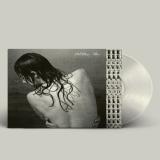
Im Gegensatz zu den früheren Alben der Lost Boys, die innerhalb eines bestimmten Zeitraums produziert wurden, entstand „Pale Bloom“ langsam und versuchte, einen Schöpfungsmythos in seinem Bernstein einzufrieren – eine Ursprungsgeschichte, die uralt und komplex ist, voller Geheimnisse und Metaphern, die weder einer Klärung noch eines Endes bedarf. Jede Veröffentlichung der Lost Boys wagt sich in neues musikalisches und lyrisches Terrain vor. Von allen greift „Pale Bloom“ am weitesten zurück in die Kindheit und findet unbewusst die Rhythmen und Erzählstile, die in den Zwängen einer religiösen Erziehung verwurzelt sind. Beim Durchforsten der vergessenen Akkorde, Refrains und Melodien aus alten Kinderreimen und Volksliedern entdeckten sie den Wunsch, diese überlieferten Klänge in Richtung persönlicherer Wahrheiten zu verändern. Dieser Impuls ist auf dem gesamten Album präsent und in Krugers ebenso klangvoller wie euphorischer Stimme zu hören, wenn sie die verschiedenen lyrischen Formen um ihre eigene Sehnsucht, Trauer und Begierde herumlegt und sie darauf vorbereitet, in der üppigen und großzügigen Subversion der erinnerten Rhythmen der Band zu landen. Im Gegensatz zu ihrem Auftritt auf „Heaving“ und „A Human Home“ sind die Streicher hier weniger affektiert und haben einen eher düsteren und ernsten Charakter angenommen. Sie streben nach einer komplexen Art von Himmel, der durch das Gewicht und die Bodenständigkeit der Grooves ermöglicht wird, die sowohl stoisch als auch ausdrucksstark sind. Die Gitarren bewegen sich frei zwischen weitläufigen, voluminösen Räumen und sind ebenso knirschend wie sanft. Kruger nahm das Album mit ihren Bandkollegen und ihrem engen Mitarbeiter André Leo über einen Zeitraum von sechs Monaten in verschiedenen Studios in Berlin auf. Das Album wurde von Simon Ratcliffe gemischt.
он должен быть опубликован на 13.02.2026

After the excellent response to the first volume, Acid Jazz Classics returns with the second volume.
The Acid Jazz sound born in the 1990s, which harked back to the Soul Funk of the 1970s, found in IRMA one of the labels most dedicated to
this world, and still releases music that can be categorized under this name.
From songs from the 1990s with artists like Jestofunk, Bossa Nostra, Black & Brown, Gazzara, Italian Secret Service, LTJ Xperience, Sarah
Jane Morris, to the present day with artists like The Smoke Orchestra, Yuts and Culture, Fusion Funk Foundation, Micky More & Andy Tee,
Belladonna, and many others.
19 tracks on a double vinyl, some of them never before released on vinyl, all rigorously perfect for both the club and listening.
In fact, some tracks are little club gems:
"Say It Again" by Jestofunk in its very first version from 1993;
Belladonna - Black Jazz, one of her most requested songs ever released on vinyl;
Key Tronics Ensemble - You For Me, the Montuno Salsa version performed for years by Little Louie Vega at many of his gigs;
the Micky More & Andy Tee remix of Sarah Jane Morris's Hold On To Love!
Закажите сейчас, и мы закажем товар для вас у нашего поставщика.

Rob Smith, RSD is not only a successful dubstep producer and pioneer of the Bristol sound, but also a very popular deejay travelling the world sharing his music. Coming from a reggae background and well-versed in sound system culture, Rob kept some of his best productions for his exclusive use when deejaying, the only way you would hear these gems was being played in one of Rob's sets. Fortunately, we've managed to persuade Rob to let Reggae Archive Records share these dubplate specials with a wider audience on a limited-edition vinyl LP. Compiled and sequenced in conjunction with Rob, the LP features nine tracks newly edited and mastered by Rob to enhance the bass playback on vinyl - it's cut heavy!
The tracks were recorded between 2006 and 2011, a time when one strand of dubstep heavilyembraced reggae and dub. Rob calls these tracks reggae infused dubstep and that's what they are, but Reggae Archive Records is a reggae label and this selection of dubstep tracks will most certainly appeal just as much to reggae and dub fans. Fusing dubstep beats, reggae samples, and seriously heavy basslines, this is a joyous celebration of musical cross fertilisation that has been tried and tested in clubs worldwide. In keeping with the dubplate origins of the tracks, we have designed the labels to replicate an old school acetate, while the sleeve pays tribute to seventies pre-releases albums with a replica stamp giving just the artist and title on a plain white sleeve with aged effect.
Закажите сейчас, и мы закажем товар для вас у нашего поставщика.

Originally released in 2005, this standout EP returns as part of the much-anticipated reissue campaign from cult New York imprint Drugsex — a label that quickly became a treasured name among heads who lived and breathed the underground. Born from the creative partnership between UK producers Rob Pearson and Simon Copleston, Drugsex carved out its own raw, hypnotic corner of the international tech house movement.
For the second instalment in the reissue series, label head Rob Pearson teams up with Daniel Poli under their Distant Strangers moniker — a project that, even back then, was whispered about among selectors for its deep, rolling grooves and stripped-back intensity. Both artists had already made their mark with releases on some of the most respected labels of the era — from Rekids and Swag Records to Evasive Records, Rescue Recordings, and beyond.
The pair’s first collaboration, the Lost Souls EP, became a highly limited, in-demand underground gem, pressed in small quantities and played by those in the know. This follow-up, crafted at Online Studios in Croydon, took their sound to the next level — two original tracks built for dancefloors that like things hypnotic, physical and uncompromising.
On the A-side, Virtual Morality is a slick and driving slice of tech house pressure. Crisp percussion, rolling low-end and a subtle but addictive hook make it a peak-time weapon that never goes out of style. Flip it over for Take Us In Deeper — a track that lives up to its name with a shadowy groove, atmospheric layers and a perfectly balanced push and pull that draws dancers further into the late-night haze.
Adding even more weight to the release, Adam Collins — known for his work with Omni AM and Euphoria Records — steps in with a remix of Virtual Morality on B2. His version injects an unmistakable acid edge, elevating the original into a tripped-out, floor-focused burner that fits as comfortably in a basement sweatbox as it does on a sunrise terrace.
Nearly two decades later, these tracks still carry the same raw power and effortless groove that made them cult favourites in the first place. This reissue isn’t just a nod to the past — it’s a reminder of why this sound endures.
Закажите сейчас, и мы закажем товар для вас у нашего поставщика.

When percussionist, pianist and vibe player Ricardo Marrero recorded the ultra-rare Latin jazz meets funk LP “A Taste” in 1976, little did he know that decades later that sealed copies of the original album would exchange hands among collectors for thousands of dollars. A veteran of the New York salsa and Latin jazz scene since the mid-1970s, Marrero has worked with luminaries such as The Fania All-Stars, Pete “El Conde” Rodriguez, The 5 Stairsteps, Dave Valentin, Angela Bofill and most recently - Ruben Blades. Full of up-tempo funky gems and sizzling slow burners, “A Taste” also includes Marrero’s crossover hit “Babalonia” that received quite a bit of airplay in the mid-1970s. Originally pressed in a very limited quantity on Don King and Lloyd Price’s TSG Records, and with little or no promotion, “A Taste” nevertheless pushed the boundaries of New York City salsa forward and has subsequently become one of the rarest, sought after and expensive records the vinyl world has ever seen. Suffice it to say that the music on this obscure jewel is priceless, featuring some of the greatest players of the era, directed by the great maestro Marrero on keyboards, percussion, vibraphone and vocals with the legendary Dave Valentin (flute, percussion, coro), Ralphy De Jesus (bongos, percussion, quinto), Erasto Bernard (congas), Tito Marrero (drums, timbales, percussion), George Oldziey (flugelhorn, trumpet), Nancy O’Neil (lead vocals, coro), John “Figgy” Figueroa (tenor saxophone, soprano saxophone, baritone saxophone), Sean Mahony (trombone) and John Dearth (trumpet). A taste of Ricardo Marrero & The Group is one that’s sure to satisfy.
- Debut album by percussionist, Pianist, Vibraphonist and two time Grammy Award winner
- Rare 1970 melange of Latin Jayy, Soul, Funk and Salsa from New York City
- Features legendary flutist Dave Valentin
Закажите сейчас, и мы закажем товар для вас у нашего поставщика.
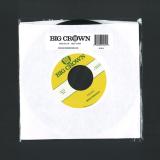
Supercoole Debüt-7"-Single von Marco Benevento, einem echten Klaviervirtuosen, der schon seit seinem siebten Lebensjahr spielt. Seine Karriere hat ihn schon oft um die ganze Welt geführt, wodurch er eine umfangreiche Diskografie und einen Ruf als gefragter Session-Musiker aufgebaut hat. Leon Michels, Mitbegründer von Big Crown und Grammy-Gewinner, hat Marco zum ersten Mal während der Aufnahmen zum Album ,Adult Themes" von El Michels Affair ins Boot geholt. Seitdem hat er sein Talent in unzähligen Big Crown-Projekten eingebracht. Außerhalb des Labels ist Marcos unverwechselbarer Stil unter anderem auf Alben von Clairo, Kevin Morby und Freddie Gibbs zu hören. Aber genug davon, was er für andere gemacht hat - diese Veröffentlichung zeigt Marco von seiner besten Seite: Er macht sein eigenes Ding und das richtig gut. Die A-Seite ,Frizzante" ist pure Feierlichkeit, eingefangen auf Vinyl, die darauf wartet, von der Nadel befreit zu werden. Es ist ein energiegeladener, gut gelaunter Kracher, bei dem Marco Melodien mit sich selbst über einem unerbittlichen Groove austauscht. Von der ersten Note an zieht dich der mitreißende Topline-Riff in seinen Bann und macht Platz für kaskadenartige Klavierläufe, üppige Bläserarrangements und Schichten von E-Piano und Synthesizern, die die Energie immer weiter steigen lassen. Es gibt keine Pause, keine Entspannung - nur einen richtigen Soul-Jazz-Tanz. Auf der 2. Seite zeigt Marco mit ,Turnadot" eine ganz andere Seite seines Sounds, zusammen mit der italienischen Sängerin Marianne Mirage. Der Song ist eindringlich schön und filmisch und passt perfekt zwischen Portishead und Serge Gainsbourg. Mariannes Gesang schwebt über Marcos perfekt ausgewogenem Arrangement - seine Produktion ist sowohl zurückhaltend als auch ausdrucksstark und macht den Song universell fesselnd, unabhängig davon, ob man Italienisch spricht oder nicht.
Закажите сейчас, и мы закажем товар для вас у нашего поставщика.

Killer Groove Records proudly presents the debut 45 by Italian cinematic funk trio Atabasca. A syncopated journey where funk, psychedelia, and cinematic groove merge into a timeless narrative suspended between rhythm and vision.
"Cacopoulos" and "Kundela Mawedi" mark the birth of Atabasca's sonic universe: the first two singles from the upcoming self-titled debut album,which will be released on March 27 in limited-edition LP, CD digipack, and digital formats.
On the A-side, "Cacopoulos" is an impetuous, visionary ride that fuses the power of instrumental groove with the evocative imagery of library music and Italian golden-age soundtracks. From the first beat, listeners are drawn into a dry, dusty landscape driven by a primal drum groove and the acid twang of a guitar that evokes the spirit of classic Westerns. Indeed, "Cacopoulos" pays homage to I Quattro dell'Ave Maria (Ace High) and to the legendary Eli Wallach, the sly outlaw who turns deception into revenge, a subtle yet powerful nod that ties the trio's sound to imagery steeped in dust, dreams, and redemption.
On the flip side, the sound of an old lap steel guitar evokes the gentle waves of the sea, opening the doors to "Kundela Mawedi", a dreamy track with exotic tones and heavenly atmospheres. The sonic journey unfolds through hypnotic rhythms and echoes of ancient cultures, where ethereal voices and warm, entrancing bass lines intertwine with psychedelic riffs and evocative guitar melodies, merging into a soundscape rich in warmth and mystery. The chorus, with its unexpected choral chant, adds a spark of magic. An elegant twist that gently stirs the dreamlike mood and transports the listener into a new sonic dimension, steeped in mysticism and tribal vibrations. "Kundela Mawedi" is more than just a song: it's a sensory experience, a musical ritual where tradition meets psychedelia, sand meets sea, and the soul dances upon the waves of time.
Recorded in a single take, the session captures the raw energy and natural atmosphere of the performance. Artistic production was handled by the trio alongside Andrea Fabrizii (digger, musician, producer, and catalogue curator for CAM Sugar), while Riccardo Ricci mastered the tracks at Velvet Room Mastering Studio in Brighton.
A killer double-sider, blending psychedelic and funk moods with percussive, jazzy textures. A must-have gem for every groove-loving DJ.
Like a desert blooming within the evergreen forests of the planet's far north, a unique, alien, disruptive environment: this is the vision behind Atabasca, the project of Luca Mongia (guitars, lap steel, keyboards, vocals), Paolo Mazziotti (bass, keyboards, vocals), and Valerio Pompei (drums, percussion, vocals). Individually active for over twenty years on both national and international scenes, the three musicians came together in 2023 to create a project that merges experience, experimentation, and creative freedom. Their music is imaginative and at times dreamlike, blending the classic concept of the instrumental trio with the worlds of film scoring and sound design.
Atabasca's sound moves through jazz-funk, world, and cinematic territories, weaving together afrobeat, desert, and psychedelic influences into a personal and timeless language. Each piece is a scene; each sound, a fragment of a world, a journey between reality and imagination where groove, texture, and organic timbre merge into a singular sonic ecosystem: a perpetually shifting balance that generates new inner landscapes.
Fans of Khruangbin, Surprise Chef, and instrumental psych-funk, take note!
Закажите сейчас, и мы закажем товар для вас у нашего поставщика.

Voivod wurde 1982 in Jonquière, Quebec, von Sänger Denis „Snake“ Belanger, Gitarrist Denis „Piggy“ D'Amour, Bassist Jean-Yves „Blacky“ Thériault und Schlagzeuger Michael „Away“ Langevin gegründet und nahm eine Reihe von Demos auf, bevor Brian Slagel auf die Band aufmerksam wurde und einen Vertrag mit Metal Blade Records unterzeichnete. Das Ergebnis war das furiose Debütalbum „War And Pain“, das im August 1984 veröffentlicht wurde. Zu dieser Zeit teilten sich alle vier Mitglieder eine Wohnung in Montreal und lebten von 150 Dollar Sozialhilfe pro Woche. Da sie die Schule bereits hinter sich hatten, konnten sie fast jeden Tag proben, was zur Entstehung ihres zweiten Albums „Rrröööaaarrr“ führte. Während der Aufnahme des Albums wurde fast die gesamte Ausrüstung aus dem Proberaum gestohlen. Um Geld aufzutreiben, organisierte die Band zusammen mit ihrem Manager Maurice Richard das legendäre „World War III“-Festival. Dort lernten sie Karl-Ulrich Walterbach kennen, der Voivod davon überzeugte, bei seinem Label Noise Records zu unterschreiben. Nach „Rrröööaaarrr“ von 1986 hieß Voivods zweites Album für Noise „Killing Technology“ und gilt weithin als der größte kreative und klangliche Sprung der Band. Es wurde in West-Berlin unter den wachsamen Augen von Harris Johns aufgenommen und kam 1987 auf den Markt. Weniger hektische Kompositionen wie „Tornado“, „Ravenous Medicine“ oder „Killing Technology“ hoben die Kanadier schnell von ihren Thrash-Zeitgenossen ab. „Rrröööaaarrr„ haben wir mit unserem Tontechniker in einer heruntergekommenen Schule ohne Geld selbst produziert“, erklärt Michael Langevin in dem Buch „Damn The Machine. The Story Of Noise Records“ des amerikanischen Autors David E. Gehlke. „Plötzlich hatten wir ein professionelles Umfeld, ein richtiges Studio mit einem richtigen Produzenten und ein Label, das die Finanzierung sicherstellte. Es ging Schritt für Schritt. Für „Killing Technology“ haben wir vielleicht ein bisschen langsamer gemacht. Wir konnten die Rollen spielen, und es hat viel Abwechslung. Es ist mein Lieblingsalbum und in meinen Ohren die perfekte Mischung aus Thrash, Prog und Hardcore. Es ist definitiv ein entscheidendes Album.“
он должен быть опубликован на 30.01.2026

The journey through French-speaking pop archives continues with this fifth volume, packed with fuzz, gimmicks, and dissent. Far from the charts, the selected tracks display a great creative freedom, often backed by corrosive humor. Welcome to the surprising, kaleidoscopic, and colorful world of the late sixties and early seventies, Wizzz!
Born in Montauban, Robert Pico stumbled into music by chance when he met René Vaneste, then artistic director at Pathé-Marconi. René brought him to Paris to record his first 45 RPM EP in 1964. A year later, Pierre Perret introduced him to Vogue, where he recorded his second album with Claude Nougaro’s orchestra. Sylvie Vartan then introduced him to RCA, where he recorded four singles, including the astonishing "Chien Fidèle," a track backed by a hair-rising fuzz guitar. Alongside his solo career, he also composed for other artists like Alain Delon (the song was recorded but remains unreleased), Magali Noël, Bourvil, and Georges Guétary. In the Paris of the sixties, he mingled with Mireille Darc, Elsa Martinelli, Marie Laforêt, France Gall, Françoise Hardy, Petula Clark, Régine, Dani, Serge Gainsbourg, Joe Dassin, Franck Fernandel, Charles Level, and Roland Vincent. Despite his efforts and winning a Grand Prix Sacem for his final record, Robert Pico didn’t achieve the expected success in show business and decided to leave Paris and return to the Southwest, where he devoted himself to writing. He is the author of 23 books (including Delon et Compagnie, Jean-Marc Savary Editions 2025, a memoir about his youth and his many encounters). Today, he is relieved to never have become a celebrity and devotes himself to his work with passion.
In 1969, the Franco-Italian movie Erotissimo was released, directed by Gérard Pirès (who later directed Taxi in 1998, written and produced by Luc Besson). This pop comedy features Annie Girardot, Jean Yanne, Francis Blanche, Serge Gainsbourg, Nicole Croisille, Jacques Martin, and Patrick Topaloff. The soundtrack was written by Michel Polnareff and William Sheller, with lyrics by Jean-Lou Dabadie. "La Femme Faux-cils," performed by Annie Girardot. It recounts the feelings of a rich CEO's wife who seeks to develop her sex appeal under the influence of advertisement and magazines. Groovy, sparkling and light, this track, with ITS lush arrangements humorously critiques consumer society and feminine beauty standards.
“Je suis l’Etat” (1967) is the flagship track of the first EP by singer-songwriter Spauv Georges, aka Georges Larriaga, better known as Jim Larriaga (1941-2022). Born into a family of bakers, the young man was initially planning to become a hairdresser when he discovered English-speaking music through Elvis Presley and the Beatles. After this revelation, he decided he would become a songwriter and gave himself five years to succeed. He recorded his first two EP’s independently for RCA under the pseudonym Spauv Georges; meaning “that poor George”, a nickname given to him by the mother of her friend Jean-Pierre Prévotat (future drummer of the Players, Triangle, or Johnny Hallyday). Portraying a depressed and eccentric young man, Spauv Georges created corrosive and amusing songs that didn’t reach a wide audience, despite a TV appearance with Jean-Christophe Averty.
Supported by his loyal friend and fellow songwriter Jean-Max Rivière, Georges Larriaga met the future singer Carlos in the early '70s, then Sylvie Vartan’s assistant. He wrote songs for Carlos, including the popular "La vie est belle," "Y’a des indiens partout," and "La cantine", which went onto become a huge hit in 1972. He also composed for Claude François (“Anne-Marie”, 1971), Charlotte Julian (“Fleur de province”, 1972), helped launch child singer Roméo (who sold 4 million records), and later wrote the hit "Pas besoin d’éducation sexuelle" (1975) for the young Julie Bataille. In 1971, Jim recorded an album for Disc'Az: “L’univers étrange et fou de Jim Larriaga”, which featured pop gems like “La maison de mon père”.
The story of the song "Zoé" began when Pierre Dorsay, artistic director at Vogue Records, asked Swiss singer and musician Pierre Alain to write a song for a new female singer. The inspiration came when he realized that Zoé (the artist's name) was also the name of France's first atomic battery, created in 1948, which consisted of uranium oxide immersed in heavy water! The lyrics reflect a bubbling energy that must be handled with caution, while the instrumentation echoes this atomic theme, notably with the use of a theremin.
Zoé’s career lasted only as long as a single 45 RPM, but it seems Christine Fontane was the vocalist behind this pseudonym, who is known for several EPs, a good "popcorn" album in 1964, and a handful of children’s singles in the '70s. Regardless, the photograph on the cover is of a different girl entirely.
Later, Pierre Alain continued his career, writing songs for himself, Marie Laforêt, Danièle Licari, Alice Dona, Arlette Zola (3rd place in Eurovision 1982), and achieving multiple gold and platinum records in Canada. Also an inventor with several patents, president of the Romande Academy, and head of the French Alliance in Geneva, he now composes atonal music, books, and poetry. Moreover, he is also the host of "Les Mardis de Pierre Alain" at "Le P'tit Music'Hohl" in Geneva.
Filled with oriental choruses and fuzz guitar, "Fou" is from Jacques Da Sylva's only EP released by Vogue in 1967. Despite the quality of this recording, all traces of this singer disappear after this first effort.
Valentin is a baroque pop singer born in Belgium. He is the songwriter and composer of most of the tracks on his three singles released in the late 60s in Canada. A legend says that he reincarnated himself as Jacky Valentin during the 1970s for a rock'n'roll revival career in Belgium, but his older brother sadly debunked this story. Valentin's first two singles were arranged by Claude Rogen, a Parisian session pianist who had come to Canada to promote the song “Mister A Gogo”, a cover of David Bowie’s “Laughing Gnome”, adapted by singer Delphine, his wife at the time. Far from his usual network, Claude Rogen arranged music for Polydor, including the arrangements for “Je suis un vagabond” in 1969, a jerk tune with string arrangements and a furious optimism.
Jacques Malia wrote, composed, and recorded his only 45 EP for Festival in 1966. “Histoire de gitan” is an incredible beat track with bohemian scat that tells the story of a gypsy musician who came to Paris to make it in the Music-Hall, to no avail. The hero of the song and its author probably shared a similar fate, as Jacques Malia faded into anonymity after this remarkable attempt.
Bernard Jamet recorded two EPs for Barclay in the late sixties and co-wrote several songs with Christine Pilzer, Pascal Danel, and prolific songwriters Michel Delancray and Mya Simile. The track “Raison Légale” (1968), his masterpiece, immerses the listener in a courtroom right when a murderer is being judged, with jerk rhythm and free arrangements. A unique, paranoid, judicial, and psychedelic oddity.
Jean-Pierre Lebrot-Millers started his career in show business in 1967 as a singer and songwriter for the Philips label. After three singles, he wrote several songs of a new kind with his friend Pierre Halioche, in the midst of the sexual liberation movement and the democratization of drugs. With provocative lyrics, “Les filles du hasard” and “Barbara au Chapeau Rose” were released on a Philips singles in 1968. The character of Barbara was inspired by a queen of Parisian nightlife during the psychedelic years: model Charlotte Martin, who dated Eric Clapton from 1965 to 1968, then Jimmy Page from 1970 to 1983. Jean-Claude Petit’s arrangements, with a table-filled intro, soul brass, and Hendrixian guitar, emphasize the flamboyance of a hedonistic and sexy character, whose dog is named Junkie because “Junkie est un nom exquis”! The track was recorded live in three takes with a full orchestra.
Upon its release, the record was censored by Europe 1 and RTL due to its references to drug use. Jean-Pierre Lebrot was then banned from the airwaves and later dismissed by his record label. He changed his artist name to Jean-Pierre Millers, while his companion Pierre Halioche became D. Dolby for a new dreamy composition, “Chilla”, which Jean-Pierre produced himself with arrangements by Jean Musy. Once again, the song was immediately censored everywhere. After this setback, he decided to stop singing and started taking on odd jobs to support his Swedish wife and their son until the day he met Jean-Pierre Martin, then production manager at Decca, who had worked with Manu Dibango. Martin offered Jean-Pierre Lebrot-Millers, then employed at Rank Xerox, the position of artistic director at Decca. He accepted and became, a year later, promotion director (radio, press, TV). He worked on Julio Iglesias’s first album for Decca, which became a massive hit and allowed him to meet Claude Carrère. The latter asked him to write new songs and find their performers, much like a “talent scout.” It’s through him that Jean-Pierre discovered Julie Pietri and Corinne Hermès. He composed “Ma Pompadour” for Ringo, Sheila’s husband, and took the microphone again for the syncope hit “Rendez-Vous” in 1982.
That same year, Jean-Pierre Lebrot-Millers tried to release a track for which he had heavily gone into debt: “Si la vie est un cadeau”. Having recorded it in London, he presented it to numerous professionals, all of whom refused to get involved. The same thing happened with Antenne 2 and the Sacem when he proposed the song as France’s entry for Eurovision. He then met Haïm Saban, who was producing cartoon soundtracks and had just launched the Goldorak theme song. Saban, having listened to the song, declared it had the potential to become a hit. He sent Jean-Pierre and Corinne Hermès to meet the CEO of the Luxembourg radio and television network. The latter received them, asked to hear a verse and chorus a cappella in his office, and immediately hired them to represent Luxembourg at Eurovision 1983. They reworked the arrangements and recorded a new version with Haïm Saban as co-producer. The song ended up winning Eurovision 1983, a great comeback for our hero. He continued producing and hung out with the band Nacash in Belgium when a couple came to introduce their daughter for an impromptu audition in a hotel room. The girl sang “Les démons de minuit” while dancing to a radio cassette. Impressed, he had her take singing lessons for a year and composed a song for her (for which he had the melody and title, but no lyrics). This required him to go on the hunt for a lyricist, who ended up being Guy Carlier. They recorded the song, which was initially a ballad, at Bernard Estardy’s CBE studio, and gave the singer a new name: Melody. They showed the song around their industry network without success. Later, Estardy called Jean-Pierre to suggest changing the rhythm and making it pop-rock. Orlando, Dalida’s brother, liked the result and decided to co-produce the track. “Y’a pas que les grands qui rêvent » became a classic hit. The song has since been covered by Juliette Armanet (as a ballad, like the original) and Valentina.
Born into an aristocratic Breton family, Hervé Mettais-Cartier worked as a DJ at Queen Kiss, a nightclub in Poitiers, where he formed the band Les Concentrés with Michel (an actor) and Christian (a radio technician). Together, they created a repertoire of whimsical songs (“Ma bique est morte”, “J’suis un salaud”, “Fils de dégénéré”...) that they performed on stage dressed in white (in homage to “concentrated milk”). They performed at Bliboquet and Olympia in 1968 for the 10th edition of the “Relais de la chanson Française” organized by L’Humanité-Dimanche and Nous les Garçons et les Filles, sponsored by Pepsi Cola. Winners in the author-composer category, alongside Danish singer Dorte, their visibility allowed them to record a 45, and appear on television in Jean-Christophe Averty’s show. The A-side of the disc features Bruno le ravageur, a casatchok dedicated to Bruno Caquatrix, the director of Olympia, nicknamed in the song “Coq Atroce” or “croque-actrices”. The B-side is dedicated to “Fils de dégénéré”, a quirky tribute to Hervé's aristocratic roots, mixing absurdity with sophisticated vocal harmonies.
After Les Concentrés, Hervé Mettais-Cartier formed the duo La Paire et sa Bêtise with his friend Olivier Robert. They performed in Parisian cabarets and toured with Pierre Vassiliu. In the late 1970s, Hervé began a solo career. He recorded two albums for the Motors label in 1978 and 1979, which did not achieve their anticipated success due to lack of promotion. In 1980, he met Bernadette, with whom he started a family and created a “Chansons à voir” (songs to see) show that he performed until his death at the end of 2024.
Publicité comes from the final EP by the Missiles (Ducretet Thomson, 1966), a disc that also includes “La (nouvelle) guerre de cent ans”, featured on Volume 4 of our Wizzz! series. Please refer to the booklet for the story of the band.
“He’s 1.82 meters tall, 28 years old, weighs 135 kg, is black and Belgian”: this is the description of singer Hegesippe on the back of his sole single (Decca, 1967). He appears on the album cover wearing a Greek toga, like a hippie gag – we are at the end of the year 1967. In “Le crédo d’Hegesippe”, this former bodyguard of Antoine and the Charlots plays the delightful card of the thick brute converted to Flower-Power and non-violence, with arrangements by Jean-Daniel Mercier, aka Paul Mille.
“Ethéro-disco” was released on a promotional record for clients of the Maréchal company (Liège, Belgium) for the New Year 1979. Over a funky rhythm, celebrity impersonations (Brigitte Bardot, Jacques Dutronc, Fernandel…) deliver an enigmatic text about pharmaceutical products like ether, bismuth, and aspartate. The track was composed by Dan Sarravah (responsible for Joanna's “Hold-up inusité” featured on Wizzz! Volume 3) and Tony Talado, who was also a singer (one 45 in 1967), songwriter (with over a dozen credits between 1964 and 1985 in various styles from surf music to disco), author (Devenez Végétarien, Dricot Editions, 1985), ad designer, and psychologist.
Décollez-les is on the A-side of Mamlouk's only single, a pseudonym for Marsel Hurten, who is known for his work on several EPs in the late sixties, as well as composing music for Hervé Vilard’s “Capri, c’est fini”, Claude Channes' “La Haine”, Annie Philippe’s “On m’a toujours dit”, and Nancy Holloway’s “Panne de Cœur”.
This strange song, with Afrobeat horns and absurd dialogues between a chef and his kitchen staff, is the result of a collaboration between Marsel Hurten and one of his neighbors, a photographer from Pavillon-sous-Bois (93), where the musician settled after returning from the Algerian War. A music video was shot to promote the record.
Marsel Hurten was born in Tourcoing (59) into a musical family. At a young age, he joined the brass band founded by his grandfather, playing the piston before studying trumpet at the conservatory, as well as teaching himself how to play the guitar. As an orchestra musician, he toured in France, Belgium, Germany, and England. He released a series of solo 45’s between 1965 and 1968 for the DMF and Az labels before stopping recording to focus on working for other artists (Gilles Olivier, Noëlle Cordier…).
“L’amour nu” (Vogue, 1971) is the work of the short-lived Belgian band Mozaïque. The track, written by singer Jacques Albin, closely resembles another of his compositions, “Carré Blanc”, which he recorded in 1969 for Disc’AZ.
Represented by the Lumi Son micro-label based in Marignane (Côte d'Azur), Jean-Marc Garrigues released two 45 RPMs in the late sixties, defending the French jerk sound. The song “Je dis Non” is a short, joyful ode to youth, pop music, and rebellion.
Songwriter and performer Jacques Penuel released three singles. The first one, “Astronef 328” (Fontana, 1969), features a dizzying series of chords punctuated by sound effects, a sci-fi story, and arrangements by Jean-Claude Vannier.
We would like to sincerely thank Pierre Alain, Moon Blaha, Marsel Hurten, Bastien Larriaga, Jean-Pierre Lebrot-Millers, Bernadette Mettais-Cartier, Robert Pico, Olivier Robert, Claude Rogen, Micky Segura.
Закажите сейчас, и мы закажем товар для вас у нашего поставщика.

Auf ihrem Debütalbum ist eine lange Liste von Elite-Musikern aus der Daptone-Familie zu hören, die alle mit ihrem Talent dazu beigetragen haben, Pazners kreative Vision zu verwirklichen. Das Album wurde mit großem Beifall aufgenommen und erlangte schnell den Ruf als eines der besten Instrumental-Soul-Alben des Jahrzehnts – mit Rezensionen von Pitchfork, American Songwriter, Brooklyn Vegan, Rolling Stone u.v.a.. Im digitalen Bereich wurde das Projekt durch ein unglaublich starkes organisches Wachstum bei den DSPs unterstützt, wobei die Streaming-Zahlen alle Erwartungen übertrafen und es zu einem Durchbruchserfolg sowohl für Daptone als auch für Pazner machten. Nach dem Erfolg seines Debütalbums verbrachte Pazner die nächsten Jahre damit, den musikalischen Kosmos zu erkunden – er schrieb Songs mit Lee Fields und begleitete ihn als Keyboarder auf Tournee. In dieser Zeit gründete er auch eine Familie. Diese Reihe von einschneidenden Lebensereignissen bereitete den Boden für das kommende Album „In Search of a Revival“ (Daptone Records).
Dieses Mal, ganze 10 Jahre nach der Veröffentlichung des selbstbetitelten Debütalbums, komponierte, arrangierte und produzierte Pazner das gesamte Album selbst. Mit einer Mischung aus Musikern, die bereits auf dem Debüt zu hören waren, sowie einer Handvoll Freunden und Mitwirkenden, die er auf seiner musikalischen Reise kennengelernt hat, bildete er ein 17-köpfiges Ensemble aus den besten Musikern der Szene. Während „The Olympians“ stark vom klassischen Soul-Stil von Curtis Mayfield und James Brown beeinflusst war, lehnt sich „In Search of a Revival“ an die goldene Ära der Wrecking Crew, die üppigen Texturen der Gold Star Studios, Vintage-Filmmusik und die eher unbekannten Ecken der cineastischen Klanglandschaften an. Von den kaskadenartigen Harfenklängen, die „Sirens of Jupiter“ eröffnen, bis hin zur treibenden Horns von „Sagittarius By Moonlight“ liefern The Olympians einen ganz eigenen neuen Sound: einen alten Traum vom fernen Griechenland, gemalt in üppigen, filmischen Arrangements über harten Rhythmen. In Search of a Revival ist auf dem besten Weg, ein weiterer Daptone-Klassiker zu werden – ein Album, das nicht nur die Traditionen des Instrumental-Soul würdigt, sondern auch einen kühnen neuen Standard für das Genre in den kommenden Jahren setzt.
он должен быть опубликован на 30.01.2026

Auf ihrem Debütalbum ist eine lange Liste von Elite-Musikern aus der Daptone-Familie zu hören, die alle mit ihrem Talent dazu beigetragen haben, Pazners kreative Vision zu verwirklichen. Das Album wurde mit großem Beifall aufgenommen und erlangte schnell den Ruf als eines der besten Instrumental-Soul-Alben des Jahrzehnts – mit Rezensionen von Pitchfork, American Songwriter, Brooklyn Vegan, Rolling Stone u.v.a.. Im digitalen Bereich wurde das Projekt durch ein unglaublich starkes organisches Wachstum bei den DSPs unterstützt, wobei die Streaming-Zahlen alle Erwartungen übertrafen und es zu einem Durchbruchserfolg sowohl für Daptone als auch für Pazner machten. Nach dem Erfolg seines Debütalbums verbrachte Pazner die nächsten Jahre damit, den musikalischen Kosmos zu erkunden – er schrieb Songs mit Lee Fields und begleitete ihn als Keyboarder auf Tournee. In dieser Zeit gründete er auch eine Familie. Diese Reihe von einschneidenden Lebensereignissen bereitete den Boden für das kommende Album „In Search of a Revival“ (Daptone Records).
Dieses Mal, ganze 10 Jahre nach der Veröffentlichung des selbstbetitelten Debütalbums, komponierte, arrangierte und produzierte Pazner das gesamte Album selbst. Mit einer Mischung aus Musikern, die bereits auf dem Debüt zu hören waren, sowie einer Handvoll Freunden und Mitwirkenden, die er auf seiner musikalischen Reise kennengelernt hat, bildete er ein 17-köpfiges Ensemble aus den besten Musikern der Szene. Während „The Olympians“ stark vom klassischen Soul-Stil von Curtis Mayfield und James Brown beeinflusst war, lehnt sich „In Search of a Revival“ an die goldene Ära der Wrecking Crew, die üppigen Texturen der Gold Star Studios, Vintage-Filmmusik und die eher unbekannten Ecken der cineastischen Klanglandschaften an. Von den kaskadenartigen Harfenklängen, die „Sirens of Jupiter“ eröffnen, bis hin zur treibenden Horns von „Sagittarius By Moonlight“ liefern The Olympians einen ganz eigenen neuen Sound: einen alten Traum vom fernen Griechenland, gemalt in üppigen, filmischen Arrangements über harten Rhythmen. In Search of a Revival ist auf dem besten Weg, ein weiterer Daptone-Klassiker zu werden – ein Album, das nicht nur die Traditionen des Instrumental-Soul würdigt, sondern auch einen kühnen neuen Standard für das Genre in den kommenden Jahren setzt.
он должен быть опубликован на 30.01.2026

2026 Repress
Wer auf Hardrock und traditionellen Heavy Metal steht, sollte sich den Namen Wings Of Steel genau merken. Die beiden ersten Alben der amerikanischen Band, »Gates Of Twilight« (2023) und »Winds Of Time« (2025), fanden in der Szene großen Widerhall.
Wings Of Steel nehmen ihren Anfang, als sich Sänger Leo Unnermark und Gitarrist/Bassist Parker Halub beim Musikstudium in Los Angeles über den Weg laufen. Beide verbindet dieselbe Vision und ähnliche musikalische Vorlieben. 2019 beginnen sie, gemeinsam Songs zu schreiben. 2022 erscheint die erste, selbstbetitelte EP von Wings Of Steel.
Wings Of Steel erhalten in der Fachpresse durchweg wohlwollende Kritiken, speziell in Kontinentaleuropa, wo das deutsche Rock Hard den Gesang von Leo Unnermark bewundernd als Kreuzung aus Geoff Tate und Bruce Dickinson beschreibt.
Über High Roller Records erscheint die ursprünglich von der Band in Eigenregie produzierte Debüt-EP mit den Songs „Stormchild“, „Wings Of Steel“, „Rhythm Of Desire“, „Khamsin Riders“ und „Black Out The Street“ nun zum ersten Mal offiziell als internationale Lizenzpressung.
Die ideale Gelegenheit also, um sich mit dem frühen Material dieser herausragenden neuen Band vertraut zu machen.
он должен быть опубликован на 30.01.2026

High Roller Records, Picture Disc, limitiert auf 500 Stück, handnummeriert, Deluxe-Plastiktüte, Kartoneinlage. Alle Titel wurden im September 2022 von Patrick W. Engel bei TEMPLE OF DISHARMONY gemastert. Geschnitten von SST Germany auf Neumann-Maschinen für optimale Qualität auf allen Ebenen... Die ultimative audiophile Neuauflage dieses zeitlosen französischen Metal-Klassikers!
он должен быть опубликован на 30.01.2026

High Roller Records, Picture Disc, limitiert auf 500 Stück, handnummeriert, Deluxe-Plastiktüte, Kartoneinlage. Alle Titel wurden im September 2022 von Patrick W. Engel bei TEMPLE OF DISHARMONY gemastert. Geschnitten von SST Germany auf Neumann-Maschinen für optimale Qualität auf allen Ebenen... Die ultimative audiophile Neuauflage dieses zeitlosen französischen Metal-Klassikers!
он должен быть опубликован на 30.01.2026

Since 2018, BBE Music’s J Jazz Series of compilations and album reissues has been at the forefront in focussing attention on the hitherto cloistered and rarified world of Japanese jazz. True to the ethos of the series, curators Tony Higgins and Mike Peden have once again dug up a truly rare gem in the form of a 45 from the mysterious Christal Zone, originally released in 1971 only as a promo and reissued here for the very first time. Several years before pianist Tohru Aizawa and brothers Tetsuya and Kyoichiro Morimura formed the now-celebrated Tohru Aizawa Quartet — whose 1975 private- press spiritual jazz LP Tachibana Vol 1 has become a cornerstone of the J Jazz canon and previously reissued by BBE — they were already venturing into bold, experimental territory. Their 1971 single Rai Rai, released as a promotional 7-inch on Liberty Records under the short-lived moniker Christal Zone was written and arranged by koto player and composer Hideakira Sakurai. An almost unclassifiable hybrid of jazz, Japanese folk, Algerian raï, and free improvisation. Sakurai’s visionary approach dominates the track, blending traditional Japanese instrumentation with a dense polyrhythmic groove that evokes not only avant-garde jazz but also the raw street energy of Algerian raï — celebratory, unfiltered, and joyfully unrestrained. The story behind the recording of Rai Rai is as spontaneous as the music itself. While casually rehearsing at Sakurai’s villa, the group was overheard by producer Kunihiko Murai, who was so stunned by what he heard that he arranged a studio session for them the very next day. The resulting 7-inch — Rai Rai / Kanashiyana, released under the one-off Christal Zone name — is now one of the rarest artefacts in Japanese jazz, with original copies fetching astronomical prices among collectors. BBE Music has faithfully reproduced the original artwork and packaging to celebrate this extraordinary and super rare piece of J Jazz history. A piece that bridges the ancient and the future, Japan and North Africa, in under four minutes of controlled chaos. A truly one-of-a-kind artefact, Rai Rai is a manifesto from a generation unafraid to rip up the rulebook and follow their own path.
он должен быть опубликован на 30.01.2026

Alan Vegas selbstbetiteltes Debüt-Soloalbum kam 1980 raus, zur gleichen Zeit, als Suicide ihr zweites Album "Suicide: Alan Vega and Martin Rev" veröffentlichten. Während Suicides Plattenlabel ZE Records das Duo in Richtung eines synthetischen Disco-Sounds drängen wollte, der von Moroders Produktion von Donna Summers "I Feel Love" inspiriert war, zog es Vega in eine andere Richtung. Er wollte tiefer in die Wurzeln seiner eigenen musikalischen Identität eintauchen, die von Blues, Rockabilly, frühem Rock ,n' Roll und seiner anhaltenden Liebe zu Elvis Presley geprägt war. Vega nutzte die Zeit zwischen den Aufnahmen mit Suicide, um seine selbst geschriebenen Songs auszuarbeiten, begann mit der Produktion seines ersten Albums und trat live auf, um diesen Sound weiterzuentwickeln. Wie auch in seiner bildenden Kunst schichtete Vega Klänge auf minimalistische, dynamische und bewusste Weise. Das Ergebnis war ein einzigartiges Album, das aus rohen Materialien entstand und tief in Vegas künstlerischer Vision verwurzelt war. Tracks wie die klassische Hymne "Jukebox Babe" mit ihrem schwungvollen Rhythmus und ihrer minimalistischen Selbstsicherheit fingen diesen Ansatz perfekt ein und wurden in Frankreich zu einem Hit. "Kung Foo Cowboy" hat einen südstaatlichen Touch und lehnt sich stark an den Blues an, während der goldene Pop-Glanz von "Ice Drummer" mit melodischem, aber klagendem Gesang, marschierenden Trommeln und einem geschmackvollen Mundharmonika-Solo überzeugt. "Bye Bye Bayou" ist ein eindringlicher Mutant-Rockabilly-Song, der den Rock der 50er Jahre mit Vegas exzentrischem Performance-Stil verbindet und später in der Coverversion von LCD Soundsystem aus dem Jahr 2009 neu interpretiert wurde, wodurch Vegas Solowerk einer neuen Generation vorgestellt wurde. In ähnlicher Weise würdigte die Coverversion von "Ice Drummer" durch The Flaming Lips Vegas Außenseitergeist. Jetzt von Josh Bonati anhand der Originalbänder neu gemastert und erstmals auf Streaming-Diensten verfügbar, wurde Alan Vega von Sacred Bones Records originalgetreu neu aufgelegt, wobei die rohe Intensität von Vegas Originalaufnahmen erhalten blieb und sie gleichzeitig für Hörer auf der ganzen Welt neu zugänglich gemacht wurden. "Alan Vega" ist mehr als ein Solo-Debüt, es ist eine Erklärung der künstlerischen Unabhängigkeit und Freiheit eines der einflussreichsten und kompromisslosesten Künstler New Yorks. Ohne die intensive Elektronik von Suicide, aber mit Vegas Außenseiter-Energie und Schärfe, übersetzt das Album den frühen Rock 'n' Roll durch einen Art-Punk-Filter, der sich als eigenständiges Kult-Meisterwerk bewährt hat.
Закажите сейчас, и мы закажем товар для вас у нашего поставщика.

Alan Vegas selbstbetiteltes Debüt-Soloalbum kam 1980 raus, zur gleichen Zeit, als Suicide ihr zweites Album "Suicide: Alan Vega and Martin Rev" veröffentlichten. Während Suicides Plattenlabel ZE Records das Duo in Richtung eines synthetischen Disco-Sounds drängen wollte, der von Moroders Produktion von Donna Summers "I Feel Love" inspiriert war, zog es Vega in eine andere Richtung. Er wollte tiefer in die Wurzeln seiner eigenen musikalischen Identität eintauchen, die von Blues, Rockabilly, frühem Rock ,n' Roll und seiner anhaltenden Liebe zu Elvis Presley geprägt war. Vega nutzte die Zeit zwischen den Aufnahmen mit Suicide, um seine selbst geschriebenen Songs auszuarbeiten, begann mit der Produktion seines ersten Albums und trat live auf, um diesen Sound weiterzuentwickeln. Wie auch in seiner bildenden Kunst schichtete Vega Klänge auf minimalistische, dynamische und bewusste Weise. Das Ergebnis war ein einzigartiges Album, das aus rohen Materialien entstand und tief in Vegas künstlerischer Vision verwurzelt war. Tracks wie die klassische Hymne "Jukebox Babe" mit ihrem schwungvollen Rhythmus und ihrer minimalistischen Selbstsicherheit fingen diesen Ansatz perfekt ein und wurden in Frankreich zu einem Hit. "Kung Foo Cowboy" hat einen südstaatlichen Touch und lehnt sich stark an den Blues an, während der goldene Pop-Glanz von "Ice Drummer" mit melodischem, aber klagendem Gesang, marschierenden Trommeln und einem geschmackvollen Mundharmonika-Solo überzeugt. "Bye Bye Bayou" ist ein eindringlicher Mutant-Rockabilly-Song, der den Rock der 50er Jahre mit Vegas exzentrischem Performance-Stil verbindet und später in der Coverversion von LCD Soundsystem aus dem Jahr 2009 neu interpretiert wurde, wodurch Vegas Solowerk einer neuen Generation vorgestellt wurde. In ähnlicher Weise würdigte die Coverversion von "Ice Drummer" durch The Flaming Lips Vegas Außenseitergeist. Jetzt von Josh Bonati anhand der Originalbänder neu gemastert und erstmals auf Streaming-Diensten verfügbar, wurde Alan Vega von Sacred Bones Records originalgetreu neu aufgelegt, wobei die rohe Intensität von Vegas Originalaufnahmen erhalten blieb und sie gleichzeitig für Hörer auf der ganzen Welt neu zugänglich gemacht wurden. "Alan Vega" ist mehr als ein Solo-Debüt, es ist eine Erklärung der künstlerischen Unabhängigkeit und Freiheit eines der einflussreichsten und kompromisslosesten Künstler New Yorks. Ohne die intensive Elektronik von Suicide, aber mit Vegas Außenseiter-Energie und Schärfe, übersetzt das Album den frühen Rock 'n' Roll durch einen Art-Punk-Filter, der sich als eigenständiges Kult-Meisterwerk bewährt hat.
он должен быть опубликован на 23.01.2026

Die japanische Metalcore-Band Crystal Lake wird ihr neuestes Album "The Weight of Sound" über Century Media Records veröffentlichen. Das Quintett ist seit langem ein bekannter Name in der internationalen Metalcore-Szene. Mit Einflüssen sowohl aus dem Metalcore als auch aus dem Hardcore verschmilzt ihr Sound die Intensität beider Genres zu einem einzigartig schweren und mitreißenden Stil, der besonders bei ihren elektrisierenden Live-Auftritten zum Tragen kommt. Während die Band intensiv auf Tour war, wurde das erste Stück ihres neuesten Albums, "BlüdGod" (feat. Taylor Barber), bereits im Mai 2024 veröffentlicht.
Die aus Japan stammende Band hat sich eine globale Fangemeinde aufgebaut, tourt weltweit und gewinnt durch ihre kraftvolle und energiegeladene Musik an Zugkraft. Das Quintett, das seine Musik in englischer Sprache veröffentlicht, hat es geschafft, sich im Laufe der Jahre eine internationale Fangemeinde aufzubauen und seit 2002 insgesamt 6 Alben zu veröffentlichen.
Ihr neuestes Album, "The Weight of Sound'", ist weniger von bestimmten Aspekten inspiriert als vielmehr eine Reflexion über die Reise der Band und ihre Lebensweise im Laufe ihrer Geschichte, wie Gründer YD erzählt: "Bevor ich es realisiert habe, war Crystal Lake 23 Jahre lang aktiv. Die Leute sagen oft: "Die Zeit vergeht wie im Flug", aber die Wahrheit ist, dass wir eine lange Geschichte mit Freunden, Bandkollegen und anderen Musikern aufgebaut haben, die Blut, Schweiß und unzählige Kämpfe geteilt haben, um diese Band aufzubauen. Das ist eine unbestreitbare Tatsache und mein Stolz. Jede Note, die wir spielen, wird zur Harmonie, und diese Harmonie wird zur Musik. Diese Musik gemeinsam mit Kameraden zu spielen, das macht eine Band aus. Und die Musik, die eine Band macht, kann eine neue Kultur hervorbringen. Unser neues Album 'The Weight of Sound' ist ein Spiegelbild dieser Lebensweise."
Das Gefühl von Gemeinschaft und Zusammengehörigkeit spiegelt sich auf dem Album auch in den verschiedenen Beiträgen wider, an denen die Band mitgearbeitet hat - vom Eröffnungstrack "Everback" feat. David Simonich von Signs of The Swarm bis hin zum düsteren, aber verführerischen "Dystopia", bei dem Jesse Leach von Killswitch Engage mitwirkt. Mit "BlüdGod" (feat. Taylor Barber), das ursprünglich im Mai 2024 veröffentlicht wurde, spiegelt das Album eine ziemlich lange Reise und einen langen Entstehungsprozess wider, der das Warten für Fans und neue Hörer gleichermaßen wert war. Gemischt und gemastert von Jeff Dune (Knocked Loose, Make Them Suffer, Currents), enthält "The Weight of Sounds" alle Elemente der Härte und bleibt dabei den rohen Emotionen, die die Band in ihren Texten ausdrückt, treu. Mit insgesamt 11 Tracks wird "The Weight of Sound" von Crystal Lake sicherlich schwer sein - musikalisch und emotional.
он должен быть опубликован на 23.01.2026

Rare as fish knees, roots gem!
“Me Look Like A Lion But Me Humble Like A Man”
Fredrick Dookie & Desmond Silpatt were cousins and close friends who though not prolific, created one stunning reggae tune which has been near impossible to find for over 40 years.
Like artists from Supercat to Sheila Rickards, Freddie & Dessie are of Indo-Jamaican descent. They gravitated to music from an early age.
Recorded at Aquarius and arranged by Wire Lindo, the track features back up vocals from a young Beres Hammond.
"I have loved this song for a very long time and this exclusive reissue has been in the works for several years since I tracked down one half of the duo Dessie aka Desmond Silpatt who is now based in Florida." says Chris from Shella Records.
Freddie who provides the song’s hypnotic vocal was a devout Rasta man who sadly passed away in 2019. He is survived by Dessie, a renaissance man, inventor and author who has penned thousands of songs in his time.
Закажите сейчас, и мы закажем товар для вас у нашего поставщика.

Black Vinyl
Das Album enthält Material aus allen Songwriting-Phasen der Band, einiges davon stammt aus den Zeiten von „Deprived“ und „Bringer of Drought“ sowie natürlich aus „Foreordained“, erklärt Gitarrist Samuel Dufour.
„Gateway“ wurde von dem langjährigen Mitarbeiter Xavier Berthiaume (Gevurah, Sanctvs) während derselben Session wie „Foreordained“ aufgenommen, gemischt und gemastert, wodurch die beiden Alben einen einheitlichen Klang erhalten und „Gateway“ die etablierten Erzählungen abschließen kann. „Wir betrachten es als das Ende eines Kapitels für die Band“, fährt Dufour fort. „Das heißt nicht, dass unser zukünftiges Material sich komplett von unserem bisherigen unterscheiden wird, ganz im Gegenteil, aber wir haben beschlossen, es beim nächsten Mal ein wenig anders anzugehen, indem wir neue Elemente hinzufügen, die bisher in unserer Musik noch nicht vorkamen, verschiedene Dynamiken ausprobieren und mit einer neuen Stimmung experimentieren.
Thematisch baut „Gateway“ auf Ideen auf, die erstmals auf „Foreordained“ untersucht wurden: „Der Song ‚Revival‘ aus ‚Foreordained‘ inspirierte das Thema des Albums, nämlich die Tatsache, dass Menschen seit Anbeginn der Zeit versuchen, ewig zu leben – oder ihr Leben auf unnatürliche Weise zu verlängern –, oft aus Gründen, die noch absurder sind als das Streben nach ewigem Leben selbst“, erläutert Dufour.
„Wir haben dies als Hauptthema verwendet und das Konzept weiterentwickelt, indem wir die abstoßendsten Formen der Grausamkeit untersucht haben, zu denen Menschen fähig sind – selbst wenn sie die Wissenschaft als Mittel einsetzen, um die Barbarei gegenüber ihren Feinden zu verlängern.“ Visuell setzt das Album die Zusammenarbeit von Phobocosm mit Lauri Laaksonen (Desolate Shrine, Convocation, Pestilent Hex) fort. „Auf den ersten Blick sieht man, dass es sich um ein Tor zu etwas Unheilvollem handelt, aber was dahinter liegt, bleibt dem Hörer überlassen.“ Phobocosm wird „Gateway“ mit ausgewählten Auftritten in Nordamerika unterstützen, gefolgt von Terminen in Europa im Jahr 2026.
он должен быть опубликован на 23.01.2026

"Collision Drive" ist Alan Vegas zweites Solo-Studioalbum, das ursprünglich 1981 rausgekommen ist. Während sein Debütalbum den Grundstein für eine rohe, minimalistische Interpretation von Rockabilly und Blues gelegt hat, erweitert Collision Drive" die Palette mit einer raueren, vielschichtigen und ungefilterten Energie. Hier greifen Vegas Texte universelle Themen auf, die in seiner Faszination für das Straßenleben, Science-Fiction, Politik, Comics, Liebe und die Geheimnisse des Universums verwurzelt sind. Es ist ein Album, das vor Gefühl und Rebellion pulsiert und das gesamte Spektrum menschlicher Erfahrungen sowie Vegas sich weiterentwickelnde Vision zeigt. Alan erfand sich immer wieder neu, schuf und verfeinerte seine Meisterschaft der Variation und behielt dabei seine eigene unvergleichliche und unverwechselbare Ästhetik bei. Klanglich ist dieses Album dynamischer als sein erstes. Collision Drive" verzichtete auf Drum Machines zugunsten eines Live-Drummers und holte eine Hardrock-Band als Begleitung hinzu, wodurch es eine andere Sichtweise auf Vegas künstlerische Vision bot. Der schmerzhafte Punk-Rockabilly von Magdalena 82" entfaltet sich mit einer hypnotischen Mischung aus Gitarren-Slides und frenetischer Energie, während Vegas Cover von Be Bop A Lula" Gene Vincents Klassiker in ein aggressiv aufgeladenes, manisches Heulen verwandelt. Andere Tracks wie der treibende kosmische Rock 'n' Roll Raver" dringen in Psychobilly-Gefilde vor. Vega war unerbittlich innovativ und beschritt ständig neue Wege. Hier werden wir Zeugen seines vollständigen Aufstiegs in seine eigene Mythologie: teils Rockabilly-Outlaw, teils kosmischer Prediger, teils visionärer Außenseiter. Collision Drive" ist breiter angelegt als sein Debüt, aber genauso kompromisslos und eine mutige und persönliche Erkundung von Klang und Identität. Roh, elektrisierend und bahnbrechend bleibt es ein Kult-Meilenstein des Outsider-Rock und ein Prüfstein für die Entwicklung des Art-Punk und des experimentellen Pop von einer der furchtlosesten Ikonen New Yorks. Collision Drive" wurde von Josh Bonati anhand der Originalbänder neu gemastert und erscheint nun in einer ehrfürchtigen Neuauflage bei Sacred Bones.
он должен быть опубликован на 23.01.2026

"Collision Drive" ist Alan Vegas zweites Solo-Studioalbum, das ursprünglich 1981 rausgekommen ist. Während sein Debütalbum den Grundstein für eine rohe, minimalistische Interpretation von Rockabilly und Blues gelegt hat, erweitert Collision Drive" die Palette mit einer raueren, vielschichtigen und ungefilterten Energie. Hier greifen Vegas Texte universelle Themen auf, die in seiner Faszination für das Straßenleben, Science-Fiction, Politik, Comics, Liebe und die Geheimnisse des Universums verwurzelt sind. Es ist ein Album, das vor Gefühl und Rebellion pulsiert und das gesamte Spektrum menschlicher Erfahrungen sowie Vegas sich weiterentwickelnde Vision zeigt. Alan erfand sich immer wieder neu, schuf und verfeinerte seine Meisterschaft der Variation und behielt dabei seine eigene unvergleichliche und unverwechselbare Ästhetik bei. Klanglich ist dieses Album dynamischer als sein erstes. Collision Drive" verzichtete auf Drum Machines zugunsten eines Live-Drummers und holte eine Hardrock-Band als Begleitung hinzu, wodurch es eine andere Sichtweise auf Vegas künstlerische Vision bot. Der schmerzhafte Punk-Rockabilly von Magdalena 82" entfaltet sich mit einer hypnotischen Mischung aus Gitarren-Slides und frenetischer Energie, während Vegas Cover von Be Bop A Lula" Gene Vincents Klassiker in ein aggressiv aufgeladenes, manisches Heulen verwandelt. Andere Tracks wie der treibende kosmische Rock 'n' Roll Raver" dringen in Psychobilly-Gefilde vor. Vega war unerbittlich innovativ und beschritt ständig neue Wege. Hier werden wir Zeugen seines vollständigen Aufstiegs in seine eigene Mythologie: teils Rockabilly-Outlaw, teils kosmischer Prediger, teils visionärer Außenseiter. Collision Drive" ist breiter angelegt als sein Debüt, aber genauso kompromisslos und eine mutige und persönliche Erkundung von Klang und Identität. Roh, elektrisierend und bahnbrechend bleibt es ein Kult-Meilenstein des Outsider-Rock und ein Prüfstein für die Entwicklung des Art-Punk und des experimentellen Pop von einer der furchtlosesten Ikonen New Yorks. Collision Drive" wurde von Josh Bonati anhand der Originalbänder neu gemastert und erscheint nun in einer ehrfürchtigen Neuauflage bei Sacred Bones.
он должен быть опубликован на 23.01.2026
