quête:colours

Genres
Tout
Philip George - Bad Thing

Philip George

Bad Thing

12inchRELIANCE06
Reliance
03.04.2026

Reliance is one of the many labels in Burnski's orbit. Its sixth outing comes from Philip George who seems to be a newly emerging producer. His sound doesn't suggest that, though, as it's an accomplished, fulsome blend of bassline, garage and house that is full of character. 'Bad Thing' brings hefty low-end power with bounce to spare and the slightest of vocal touches to set things aflame. 'Labyrinth' is a little more roomy with space for the pads to breathe and the drums to get you locked in. 'Irresistible' has a cool retro undercurrent with bright neon colours and endless vibes in the garage-house grooves. Another useful weapon.

pré-commande03.04.2026

il devrait être publié sur 03.04.2026


Last In: 2026 years ago
BCUC - The road is never easy

BCUC – Bantu Continua Uhuru Consciousness – have been channeling the spirit of Soweto for over twenty years. Indigenous funk, hip-hop consciousness, and punk rock energy fused into something utterly original and deeply rooted. Their mantra: Music for the people, by the people, with the people. From humble beginnings rehearsing in a shipping container, a stone's throw from the church where Desmond Tutu organized the escape of the most wanted anti-Apartheid activists, they kept believing in their dream of self-empowerment. Today they command festival stages worldwide: Glastonbury West Holts, Roskilde, Afropunk Brooklyn, WOMAD, Fusion, Sziget, FMM Sines, Beaches Brew, Boomtown, Colours of Ostrava, Couleur Café – to name just a few. In 2023, BCUC were honoured with the prestigious WOMEX Artist Award, an accolade usually reserved for more established artists, in recognition of their fearless work and transcendent live performances.

THE ROAD IS NEVER EASY

The Road Is Never Easy is BCUC's fifth album and their debut on Outhere Records. On this new offering, BCUC take listeners on another Afro-psychedelic journey into the soul of Soweto. It feels like a gospel sermon colliding with a punk concert, "guaranteed to touch untapped corners of your soul" (OkayAfrica). BCUC's music is deeply rooted in history and echoes the voices of the ones who came before. The road was never easy for the people of Soweto who originally came to work in the mines of Egoli, the City of Gold, Johannesburg. When apartheid finally ended after a long struggle, it was hoped that life would improve. But more than 30 years later, many of those initial hopes and dreams are still waiting to be fulfilled. This album is about that struggle. The album contains 10 brand new songs – a record for BCUC, whose previous albums featured an average of 3 songs. It represents the culmination of more than two decades of performing together and building a reputation as a powerful live act. These ten songs encapsulate that same live energy, each one building gradually and drawing you into BCUC's Afro-psychedelic stream of consciousness. It's a seismic tour de force through life in Soweto today. Songs like Amakhandela (Breaking All the Chains) connect history to daily life: "How is this precious metal inflicting so much pain in us," sing BCUC, "this government has been telling us we are free, but we don't benefit from being free." The album also talks about all the hopes and dreams that remain: "I have too many wishes and dreams in my head," BCUC sing in Um duma khanda, "I think I am losing my mind". The album ends with the soothing Matla a rona ke Bophelo, "our strength is life", praising the spirits and thanking the elders for protection. The Road Is Never Easy is about the harsh reality of life in Soweto, where "people always carry heavy loads". BCUC are street poets trying to deal with that burden: sometimes revolutionary, sometimes soothing, but always hopeful and compassionate. "When you are from Soweto you can't retreat nor surrender." (Sebenzela)

RECORDING

The album was largely recorded in Munich, Germany during tour breaks over two sessions, each three days long. It took place in a small studio located in a German WW II bunker converted into rehearsal spaces. The songs were recorded in one take altogether in one room, with only a few overdubs added, mainly backing vocals, by BCUC at Fourways studio in Johannesburg. BCUC have created their own distinctive way of writing, or rather, finding and creating their songs. The recording process is like an improvised live performance. They bring their ideas into a zone where the music, the rhythm and the spirits take over until the song starts to form. In this Afro-psychedelic zone BCUC create their unique poetry that feeds on the dreams still dreamt, the hopes, the fears and the temptations lingering everywhere. BCUC's songs need to breathe and time to build. The right take was the one when the song took over, and just like their live performances, no one knew beforehand where the song would take them. During the recording, BCUC just let it all flow out: inner turmoil, cries of rebellion, but also resilience and a search for healing, love, unity and compassion. You don't have to be from Soweto to feel the deep meaning and impact of this music. In these times of so much hate and division, BCUC are like a campfire for people to gather around.

PRODUCTION & ARTWORK

"BCUC have a unique magic," says Outhere's Jay Rutledge, who produced the album. "It blew our minds. It's like punk and pure gospel at the same time. Their music can make you dance and it can make you cry, all at the same time. And when the song is over, you feel you're not alone in this world anymore. We felt compelled to do this." The album cover is based on a matchbox design, matches being a common household item in South Africa even today. "These were the matches people used to burn government buildings and cars," explain BCUC. Little messages, addresses, or phone numbers used to be scribbled on the back of these boxes; each one a reminder of the strength, resilience, and resistance that once drove the struggle for freedom in Soweto. BCUC keep this flame burning. The Road Is Never Easy is a heavy spiritual road trip, a deep dive into the subconscious of Soweto and a quest for truth, justice and sanity in this crazy world. BCUC tackle the harsh realities of the voiceless, guided by the spirit world of their ancestors. Rather than reinforcing stereotypes of poverty, BCUC's portrayal of Africa is one rich in tradition, rituals and beliefs. "We bring fun and Afro-psychedelic fire from the hood," says vocalist Kgomotso Mokone.

pré-commande03.04.2026

il devrait être publié sur 03.04.2026


Last In: 2026 years ago
aus & The Humble Bee - Chalybeate LP

aus & The Humble Bee

Chalybeate LP

12inchFLAU109LP
flau
18.03.2026

Chalybeate documents a month long stay by Tokyo based producer aus in Ikaho, one of Japan's most established Onsen (hot spring) towns, during autumn 2024.

Working from field-recordings captured inside multiple ryokan baths, aus synthesized the subterranean movement of the onsen's with local details: the bubbling of source water, the hoozuki lantern plants and wind chimes placed at each inn, and the surrounding insects and birds. Rather than portraying Ikaho as a landscape, the recordings trace the town's respiration.

The material was first presented on site as an installation unfolding across eight different baths, where visitors listened while soaking in roten-buro (open air hot baths). The project drew wide attention for proposing listening as a bodily act, inseparable from heat, moisture, and duration.

Chalybeate re constructs that installation as an album. The recordings were left to sit for a year within Ikaho's air and humidity, allowing the sound itself to slowly change. The title refers to Ikaho's iron rich mineral water, known as "Golden Water," which oxidizes upon contact with air and leaves rust colored traces in its baths. Following this process, the album's sound was repeatedly re submerged and re worked, gradually absorbing a corroded texture.

Tape hiss, gentle distortion, and subtle fluctuations rise quietly, like steam.
What remains is not documentation but residue.

Mixing was handed over to Manchester based producer The Humble Bee by Craig Tattersall, known for his work with The Boats and The Remote Viewer, after aus exhausted himself traversing Ikaho's steep stone steps. The exchange mirrors the work itself: from bathtub to hot spring, from sound to something that surrounds the body.

Woodwind like tape noise and the movement of water dissolve into one another.
The music does not arrive all at once. It settles slowly, as if lowering into warm water.

En stock

Disponible en stock et prêt pour l'expédition

Various - Club Sweat Vol. 1

Various

Club Sweat Vol. 1

12inchSWEATSV060
SWEAT IT OUT
13.03.2026

Our brand new Club Sweat compilation series has landed with Vol. 001 - a meticulously curated vinyl EP that captures some of our favourite releases from 2025.

The A-side features Watermät & James Mac’s magnetic Afro House dancefloor-filler ‘Make A Livin’, followed by the legendary Mousse T. with‘Some Kinda Feeling’ and the future-forward collaboration between Don Diablo & Tseba ‘The Devil Works Hard’.

The B-side begins with the beloved Whitesquare remix of Metroplane’s classic anthem ‘Be Where I Am’, before dropping into Sian’s gritty and hypnotic ‘Get Raw’ with Sacha Robotti & JOPLYN, concluding with Gabss’ atmospheric rework of Crooked Colours’ ‘I Can’t Forget You’.

A snapshot of Sweat It Out’s current influence in the global dance scene what a way to kick off 2026!


d B1: Metroplane, Alex Metric, Aeroplane - Be Where I Am (feat. Daniel Wilson) Whitesquare Remix

En stock

Disponible en stock et prêt pour l'expédition

Dead Fader - Broke

Dead Fader

Broke

12inchKIMOCHI60
Kimochi
13.03.2026

The label suggests these sounds are something akin to if Tim Hecker met Hudson Mohawke "in a 16-bit video arcade," and we're not going to disagree. Dead Fader is now based in Berlin, but his sound remains out of this world with vapourware trails, glossy synth textures and skeletal rhythms all drenched in trippy colours and low-key melancholy. Ambient, minimal and suspensory synthscapes all drift by with far-sighted reverie encouraged before more weighty rhythms like 'Clowning' and 'fade Out' driving things with extra momentum.

En stock

Disponible en stock et prêt pour l'expédition

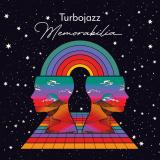
Turbojazz - Memorabilia LP

Following his acclaimed debut album Whateverism, Italian producer Turbojazz returns with Memorabilia, a heartfelt tribute to the roots of dance music culture and a personal journey through memory, community, and sound.
The album delivers a rich and diverse palette of house and soulful grooves, music to dance with both your feet and your ears, and features a heavyweight lineup of collaborators including Robert Owens, Rona Ray, Javonntte, Cor.Ece, Bad Colours, Doni Nicole, alongside longtime allies Veezo and Broke One.
Crafted with reverence and a forward-thinking spirit, Memorabilia is more than an album. It is a message to the dance music world that culture lives on through those who carry it forward.

pré-commande17.04.2026

il devrait être publié sur 17.04.2026


Last In: 2026 years ago
BEN VINCE - STREET DRUID

BEN VINCE

STREET DRUID

12inchWHYT094LP
AD 93
27.02.2026

Saxophonist and producer Ben Vince announces the release of his sixth album, Street Druid, the first in almost six years via AD 93.

Street Druid merges acoustic, manipulated and electronic sound and it has saxophone, synth, voice, guitars and drum machine, and features drum kit from Moses Boyd. It features artwork by Byzantia Harlow. It is at once tender, psychedelic and fierce. It is not interested in genre or category. It lasts just under 45 minutes.

A prelude for the future, hands join to cast a peace spell. Consciousness is vast water seeking divine essence and meaning where colours merge and refract. The street druid walks through the night, a benevolence in the darkness, guiding you home. Immersed in noise, life can feel empty, like hollow vessels, a sentient interlude. At times we are found in Gaia’s rhythm, kinetic and rebuilt, transcending through the impact of sound on the body. Every moment is a new change, a new challenge, a new life, we must ride the wave if we are not to be caught adrift or drown. Trying to keep hope intact, we must not retreat into fear, recognise we all live here in Longville and stop the fire before it engulfs us all.

En stock

Disponible en stock et prêt pour l'expédition

NAT BIRCHALL QUARTET - Path Of Enlightenment LP

Some words from Nat about the music – “For this recording I composed some songs using more “exotic” (for want of a better word) modes,
which I have always meant to explore in more depth but never really got around to very much. The first song for instance, Red, Gold & Green, uses an Ethiopian scale.
The title comes from the colours of the Ethiopian flag, which is also symbolic in Rastafari so has a kind of double meaning, like a lot of my songs.The title track, Path of Enlightenment, uses several modes,
starting in a major key then moving to the Phrygian mode, then to a minor key. The piano solo is in a 28 bar minor blues form. Menat is based on a mode of the Byzantine scale,
I’m not sure if it has a particular name or not. Amenhotep was the name of several Egyptian pharaohs,
Amenhotep IV being the original given name of Akhenaten.When I was writing this song it put me in mind of my song, Akhenaten, simply because they are both in 5/4 time,
so I decided to give this one a pharaonic name too. Spheshile is a Zulu word (and sometimes name) that means “beautiful gift”, the title was suggested by a friend from South Africa.
All this means nothing of course if the music doesn’t tell a story, I think the unfamiliar modes allowed us to speak of interesting things that may not have come to us otherwise.
Finally, I chose to use the quartet format for this recording because it occurred to me that it tends to make for a more cohesive group sound, and it had been a while since we recorded this way.”

pré-commande24.04.2026

il devrait être publié sur 24.04.2026


Last In: 2026 years ago
Boy With Apple - Navigation LP
  • 1: Come Down
  • 2: Simplicity
  • 3: Feeble
  • 4: Toxic Glue
  • 5: Outside My Window
  • 6: Gravedigger
  • 7: Contact High
  • 8: Colours
  • 9: Varholmsgatan
  • 10: Cigarettes & Cinnamon (Never End)
  • 11: Julia
  • 12: Wherever
pré-commande24.04.2026

il devrait être publié sur 24.04.2026


Last In: 2026 years ago
Wolfgang Voigt - Voigt Legacy / Megamix 1 LP

"Voigt Legacy - Megamix 1" is the promising title of a kind of "Best-Of Bassdrum-Hits" from the far-reaching Voigt universe. It is a compact megamix of seven selected tracks from some very rare live sets which have never been released before or never on vinyl. The mix features all-time classics such as "Fackeln Im Sturm" and "W.I.R.", as well as the long-out-of-print super-smasher "Die Schallplatte" and gems from the Protest, catalogue such as "Du Musst Nichts Sagen" and "Sound & Vision". This multifaceted collection of danceable tracks and looped horses is presented in a deluxe cover with glossy colours.

The art bridge is a natural choice because where there's a loop, there's a way. An abstract loop collage measuring 600 cm x 150 cm was created under the same title, "Voigt Legacy – Megamix 1", corresponding to the music and referencing the graphic symbolism of the titles, logos and cover artwork.

En stock

Disponible en stock et prêt pour l'expédition

KMRU - Kin LP 2x12"

KMRU

Kin LP 2x12"

2x12inchEMEGO319V
Editions Mego
18.02.2026

Editions Mego welcomes KMRU back to the fold. Kin is Kenyan born, Berlin based, sonic wizard Joseph Kamaru’s second release on Editions Mego, following on from the classic 2020 release Peel. Since the release and subsequent praise for Peel, the artist has been a staple on the electronic scene performing on numerous stages and festivals worldwide in tandem with a flood of media recognition. Kin could be construed as the second child following Peel. The project came out of initial discussions with Peter Rehberg about what a Peel sequel would sound like. Kamaru is quick to clarify that Kin is not that record; “I'll know when that record will come and when I'll make it. It's already happening... or maybe it lives within both of these Mego records”.

It is this deft ambiguity and vague tiptoeing around the concrete that encapsulates the ambiguous sound world of Kamaru’s vision.

Kin was started early 2021 in Nairobi with Kamaru exploring his noisier palette of sounds encompassing distortions reminiscent of the sounds he would muster from in his youth when playing guitar. He paused making this record for a year as soon as Peter died, then slowly returned to it through 2022 resulting in the immense new work we have here.

The charms within Kin lay as Easter eggs revealing the true identity behind the colourful sonics only after multiple deep listens. With Trees Where We Can See sets the tone by way of a warm swaying melody inviting the listener in for further investigation. In 2022 KMRU and Mego stalwart Fennesz toured the USA together resulting in a strong friendship and also, the second track here, Blurred. A neat Mego/Editions Mego loop as such. Blurred arranges twangy guitar strums alongside glistening glaciers of shimmering drones. They Are Here represents a darker hue as melancholic clouds of shadowy noir tap directly into the listener's nerve stream. Maybe takes a detour into a bristling euphoric electronic storm whilst We Are screeches in a pattern formation not unlike a highly abstracted Aphex Twin forcing its way out of a hard drive. By Absence concludes proceedings, operating as both exit music and a portal to further sonic investigation with acoustic bellowing residing amongst a kaleidoscopic backdrop.

Kin is a trip that rewards close repeated listens as all the colours and textures, nuance and narratives unveil themselves. This isn’t a record to be glossed over, magic rewards concentration.

Kin is a record to be Played slow and LOUD.

For Pita.

All tracks written, produced, mixed by Joseph Kamaru
Blurred co-written & produced with Christian Fennesz
Mastered by Stephan Mathieu at Schwebung Mastering
Photography: Joseph Kamaru
Layout & Design: Nik Void
Cut by Andreas Kauffelt at Schnittstelle, Berlin

En stock

Disponible en stock et prêt pour l'expédition

Khôra & Mas Aya - Primordial Mind

Khôra & Mas Aya

Primordial Mind

12inchMARIONETTE29LP
Marionette
08.05.2026

Primordial Mind forms the mysteries and intensity of inner life into eight mandalic instrumentals where Mas Aya and Khôra, artists who share 15 years of music making, orchestrate an inspired, prismatic palette of percussive and melodic sources. Each composition presented stages a vigorous meshwork of colours and textures, contrasting riveting polyrhythms with towering arrangements for flutes, synths, and processed acoustic instruments. Tendencies which the artists trace in their solo practices are amplified, blended, and refracted sublimely in unison, serving as energetic portals to the collective awareness.

Combining trans-ethnic scaling alongside a heady brew of rhythmic influences and advanced electronic processing, the recordings on this album operate with a tactility that vaults between free jazz, dub, raga, ambient, and ritual music. Assimilated powers of primal drum patterning and psychoactive, ceremonial melodies, invoke fourth world adjacencies with the work of Don Cherry, Jon Hassell, Popol Vuh et al. There is an alchemical, Buddhist/Taoist/Hindu inflection that guides the record’s narrative, formed through dialogue between the artists over lifelong shared interest in spiritual modalities generally and the tantric approaches of the global east in particular. The album title is derived from an unexcelled esoteric work known as the Kalachakra (Wheel of Time)Tantra and its associated commentary the Ornament of Stainless Light which detail forms of inner and outer transubstantiation within its complex cosmology and metaphysiology.

Mas Aya is the moniker of Brandon Miguel Valdivia, acclaimed Nicaraguan-Canadian composer, producer, and musician whose electronic and jazz inspired works creatively interlace Colombian, Cuban, and a wide array of traditional music. Khôra is the name of the occult entity that uses multi-instrumentalist, producer, and writer Matthew Ramolo to pronounce itself. Returning to Marionette following 2024's monumental Gestures of Perception, Primordial Mind reinforces the rigorous and magical approach to creation which defines Khôra’s two decades of sonic output. Brandon and Matthew met back in 2011 and the pair toured around eastern Europe with Toronto band Picastro in 2013, also performing as a duo with Brandon contributing drums to Khôra's opening sets. After a short spate composing and playing in the ensemble Bespoken together, they continued to discover shared inspiration in psych/art rock, jazz, experimental and electronic music, providing a fertile soil for friendship and collaboration resulting in their collaged, lo-fi album Tangled Roots in 2017. Mythic and talismanic, the duo's Marionette debut weaves a luminous tapestry of organic pulses, offering itself as a support for resonant meditation and a motor for lucid action and intuition.

Brandon Miguel Valdivia: Percussion, Flutes, Log Drum, Korg Lambda, Angklung, Tambor Alegre, Udu
Matthew Ramolo: Modular Synth, Archival Samples, Angklung, Guitar, Duduk, Bass, Percussion, Arrangements and Mix

pré-commande08.05.2026

il devrait être publié sur 08.05.2026


Last In: 2026 years ago
Kimyan - COLORIA (LP 2x12")

Kimyan

COLORIA (LP 2x12")

2x12inchPLUSPLUSPLUSLP4
[ + + + ]
15.05.2026

Austrian musician, painter, and filmmaker Kimyan (formerly Kimyan Law) combines sound and visual design in an impressively direct way to create a comprehensive artistic experience. He takes an open, intuitive approach to his compositions, connecting the
resonances of traditional instruments and rhythmic patterns from Central, North, East, and Sub-Saharan Africa with sophisticated production techniques. Kimyan's current album,
“Coloria,” in which he explores the concept of timbre in a multifaceted way, marks the pinnacle of his artistic development to date.
For his Live -concerts, Kimyan relies on the organic element of playing, using instruments such as electronic drum pads and MIDI controllers.
This gives his pieces a spontaneous, physical presence on stage that goes far beyond mere reproduction and makes his performances a lively interplay between improvisation and structure. In conjunction with his self-designed artwork and videos, corresponding audiovisual worlds are created in which cultural influences and identities, moods and timbres shine together radiantly. Kimyan's works tell stories in many colours, yet always in one language: his own.


[f] B2 Chara [Joy] 03:50

pré-commande15.05.2026

il devrait être publié sur 15.05.2026


Last In: 2026 years ago
Guilty Razors - Complete Recordings 1977 - 1978
  • A1: Hurts And Noises
  • A2: Wake Up
  • A3: I Don't Wanna Be A Rich
  • A4: Terrorist Bad Heart
  • A5: Provocate
  • A6: Lucifer Sam (Pink Floyd)
  • B1: Happy!?
  • B2: So Lazy
  • B3: I Feel Down
  • B4: Stupido
  • B5: Guilty
  • B6: Caroline Says (Loo Reed)

UILTY RAZORS, BONA FIDE PUNKS.


Writings on the topic that go off in all directions, mind-numbing lectures given by academics, and testimonies, most of them heavily doctored, from those who “lived through that era”: so many people today fantasize about the early days of punk in our country… This blessed moment when no one had yet thought of flaunting a ridiculous green mohawk, taking Sid Vicious as a hero, or – even worse – making the so-called alternative scene both festive and boorish. There was no such thing in 1976 or 1977, when it wasn’t easy to get hold of the first 45s by the Pistols or the Clash. Few people were aware of what was happening on the fringes of the fringes at the time. Malcolm McLaren was virtually unknown, and having short hair made you seem strange. Who knew then that rock music, which had taken a very bad turn since the early 1970s, would once again become an essential element of liberation? That, thanks to short and fast songs, it would once again rediscover that primitive, social side that was so hated by older generations? Who knew that, besides a few loners who read the music press (it was even better if they read it in English) and frequented the right record stores? Many of these formed bands, because it was impossible to do otherwise. We quickly went from listening to the Velvet Underground to trying to play the Stooges’ intros. It’s a somewhat collective story, even though there weren’t many people to start it.
The Guilty Razors were among those who took part in this initial upheaval in Paris. They were far from being the worst. They had something special and even released a single that was well above the national average. They also had enough songs to fill an album, the one you’re holding. In everyone’s opinion, they were definitely not among the punk impostors that followed in their wake. They were, at least, genuine and credible.

Guilty Razors, Parisian punk band (1975-1978). To understand something about their somewhat linear but very energetic sound, we might need to talk about the context in which it was born and, more broadly, recall the boredom (a theme that would become capital in punk songs) coupled with the desire to blow everything off, which were the basis for the formation of bands playing a rejuvenated rock music ; about the passion for a few records by the Kinks or the early Who, by the Stooges, by the Velvet mostly, which set you apart from the crowd.
And of course, we should remember this new wave, which was promoted by a few articles in the specialized press and some cutting-edge record stores, coming from New York or London, whose small but powerful influence could be felt in Paris and in a handful of isolated places in the provinces, lulled to sleep by so many appalling things, from Tangerine Dream to President Giscard d’Estaing...
In 1975-76, French music was, as almost always, in a sorry state ; it was still dominated by Johnny Hallyday and Sylvie Vartan. Local rock music was also rather bleak, apart from Bijou and Little Bob who tried to revive this small scene with poorly sound-engineered gigs played to almost no one.
In the working class suburbs at the time, it was mainly hard rock music played to 11 that helped people forget about their gruelling shifts at the factory. Here and there, on the outskirts of major cities, you still could find a few rockers with sideburns wearing black armbands since the death of Gene Vincent, but it wasn’t a proper mass movement, just a source of real danger to anyone they came across who wasn't like them. In August 1976, a festival unlike any other took place in Mont-de-Marsan – the First European Punk Festival as the poster said – with almost as many people on stage as in the audience. Yet, on that day, a quasi historical event happened, when, under the blazing afternoon sun, a band of unknowns called The Damned made an unprecedented noise in the arena, reminiscent of the chaotic Stooges in their early adolescence. They were the first genuine punk band to perform in our country: from then on, anything was possible, almost anything seemed permissible.

It makes sense that the four+1 members of Guilty Razors, who initially amplified acoustic guitars with crappy tape recorder microphones, would adopt punk music (pronounced paink in French) naturally and instinctively, since it combines liberating noise with speed of execution and – crucially – a very healthy sense of rebellion (the protesters of May 1968 proclaimed, and it was even a slogan, that they weren’t against old people, but against what had made them grow old. In the mid-1970s, it seemed normal and obvious that old people should now ALSO be targeted!!!).
At the time, the desire to fight back, and break down authority and apathy, was either red or black, often taking the form of leafleting, tumultuous general assemblies in the schoolyard, and massive or shabby demonstrations, most of the time overflowing with an exciting vitality that sometimes turned into fights with the riot police. Indeed, soon after the end of the Vietnam War and following Pinochet’s coup in Chile, all over France, Trotskyist and anarcho-libertarian fervour was firmly entrenched among parts of the educated youth population, who were equally rebellious and troublemakers whenever they had the chance. It should also be noted that when the single "Anarchy in the UK" was first heard, even though not many of us had access to it, both the title and its explosive sound immediately resonated with some of those troublemakers crying out for ANARCHY!!! Meanwhile, the left-wing majority still equated punks with reckless young neo-Nazis. Of course, the widely circulated photos in the mainstream press of Siouxsie Sioux with her swastikas didn’t necessarily help to win over the theorists of the Great Revolution. It took Joe Strummer to introduce The Clash as an anti-racist, anti-fascist and anti-ignorance band for the rejection of old-school revolutionaries to fade a little.

The Lycée Jean-Baptiste Say at Porte d’Auteuil, despite being located in the very posh and very exclusive 16th arrondissement of Paris, didn’t escape these "committed" upheavals, which doubled as the perfect outlet for the less timid members of this generation.
“Back then, politics were fun,” says Tristam Nada, who studied there and went on to become Guilty Razors’ frontman. “Jean-Baptiste was the leftist high-school in the neighbourhood. When the far right guys from the GUD came down there, the Communist League guys from elsewhere helped us fight them off.”
Anything that could challenge authority was fair game and of course, strikes for just about any reason would lead to increasingly frequent truancy (with a definitive farewell to education that would soon follow). Tristam Nada spent his 10th and 11th unfinished grades with José Perez, who had come from Spain, where his father, a janitor, had been sentenced to death by Franco. “José steered my tastes towards solid acts such as The Who. Like most teenagers, I had previously absorbed just about everything that came my way, from Yes to Led Zeppelin to Genesis. I was exploring… And then one day, he told me that he and his brother Carlos wanted to start a rock band.” The Perez brothers already played guitar. “Of course, they were Spanish!”, jokes their singer. “Then, somewhat reluctantly, José took up the bass and we were soon joined by Jano – who called himself Jano Homicid – who took up the rhythm guitar.” Several drummers would later join this core of not easily intimidated young guys who didn’t let adversity get the better of them.

The first rehearsals of the newly named Guilty Razors took place in the bedroom of a Perez aunt. There, the three rookies tried to cover a few standards, songs that often were an integral part of their lives. During a first, short gig, in front of a bewildered audience of tough old-school rockers, they launched into a clunky version of the Velvet Underground's “Heroin”. Challenge or recklessness? A bit of both, probably… And then, step by step, their limited repertoire expanded as they decided to write their own songs, sung in a not always very accurate or academic English, but who cared about proper grammar or the right vocabulary, since what truly mattered was to make the words sound as good as possible while playing very, very fast music? And spitting out those words in a language that left no doubt as to what it conveyed mattered as well.
Trying their hand a the kind of rock music disliked by most of the neighbourhood, making noise, being fiercely provocative: they still belonged to a tiny clique who, at this very moment, had chosen to impose this difference. And there were very few places in France or elsewhere, where one could witness the first stirrings of something that wasn’t a trend yet, let alone a movement.

In the provinces, in late 1976 or early 1977, there couldn’t be more than thirty record stores that were a bit more discerning than average, where you could hear this new kind of short-haired rock music called “punk”. The old clientele, who previously had no problem coming in to buy the latest McCartney or Aerosmith LP, now felt a little less comfortable there…
In Paris, these enlightened places were quite rare and often located nex to what would become the Forum des Halles, a big shopping mall. Between three aging sex workers, a couple of second-hand clothes shops, sellers of hippie paraphernalia and small fashion designers, the good word was loudly spread in two pioneering places – propagators of what was still only a new underground movement. Historically, the first one was the Open Market, a kind of poorly, but tastefully stocked cave. Speakers blasted out the sound of sixties garage bands from the Nuggets compilation (a crucial reference for José Perez) or the badly dressed English kids of Eddie and the Hot Rods. This black-painted den was opened a few years earlier by Marc Zermati, a character who wasn’t always in a sunny disposition, but always quite radical in his (good) choices and his opinions. He founded the independent label Skydog and was one of the promoters of the Mont-de-Marsan punk festivals. Not far from there was Harry Cover, another store more in tune with the new New York scene, which was amply covered in the house fanzine, Rock News (even though it was in it that the photos of the Sex Pistols were first published in France).
It was a favorite hang-out of the Perez brothers and Tristam Nada, as the latter explained. “It’s at Harry Cover’s that we first heard the Pistols and Clash’s 45s, and after that, we decided to start writing our first songs. If they could do it, so could we!”
The sonic shocks that were “Anarchy in the UK”, “White Riot” or the Buzzcocks’s EP, “Spiral Scratch” – which Guilty Razors' sound is reminiscent of – were soon to be amplified by an unparalleled visual shock. In April 1977, right after the release of their first LP, The Clash performed at the Palais des Glaces in Paris, during a punk night organised by Marc Zermati. For many who were there, it was the gig of a lifetime…
Of course, Guilty Razors and Tristam were in the audience: “That concert was fabulous… We Parisian punks were almost all dressed in black and white, with white shirts, skinny leather ties, bikers jackets or light jackets, etc. The Clash, on the other hand, wore colourful clothes. Well, the next day, at the Gibus, you’d spot everyone who had been at this concert, but they weren’t wearing anything black, they were all wearing colours.”

It makes sense to mention the Gibus club, as Guilty Razors often played there (sometimes in front of a hostile audience). It was also the only place in Paris that regularly scheduled new Parisian or Anglo-Saxon acts, such as Generation X, Siouxsie and the Banshees, the Slits, and Johnny Thunders who would become a kind of messed-up mascot for the venue. A little later, in 1978, the Rose Bonbon – formerly the Nashville – also attracted nightly owls in search of electric thrills… In 1977, the iconic but not necessarily excellent Asphalt Jungle often played at the Gibus, sometimes sharing the bill with Metal Urbain, the only band whose aura would later transcend the French borders (“I saw them as the French Sex Pistols,” said Geoff Travis, head of their British label Rough Trade). Already established in this small scene, Metal Urbain helped the young and restless Guilty Razors who had just arrived. Guitarist for Metal Urbain Hermann Schwartz remembers it: “They were younger than us, we were a bit like their mentors even if it’s too strong a word… At least they were credible. We thought they were good, and they had good songs which reminded of the Buzzcocks that I liked a lot. But at some point, they started hanging out with the Hells Angels. That’s when we stopped following them.”

The break-up was mutual, since, Guilty Razors, for their part, were shocked when they saw a fringe element of the audience at Metal Urbain concerts who repeatedly shouted “Sieg Heil” and gave Nazi salutes. These provocations, even still minor (the bulk of the skinhead crowd would later make their presence felt during concerts), weren’t really to the liking of the Perez brothers, whose anti-fascist convictions were firmly rooted. Some things are non-negotiable.
A few months earlier (in July 1978), Guilty Razors had nevertheless opened very successfully for Metal Urbain at the Bus Palladium, a more traditonally old-school rock night-club. But, as was sometimes the case back then, the night turned into a mass brawl when suburban rockers came to “beat up punks”.

Back then, Parisian nights weren’t always sweet and serene.

So, after opening as best as they could for The Jam (their sound having been ruined by the PA system), our local heroes were – once again – met outside by a horde of greasers out to get them. “Thankfully,” says Tristam, “we were with our roadies, motorless bikers who acted as a protective barrier. We were chased in the neighbouring streets and the whole thing ended in front of a bar, with the owner coming out with a rifle…”
Although Tristam and the Perez brothers narrowly escaped various, potentially bloody, incidents, they weren’t completely innocent of wrongdoing either. They still find amusing their mugging of two strangers in the street for example (“We were broke and we simply wanted to buy tickets for the Heartbreakers concert that night,” says Tristam). It so happened that their victims were two key figures in the rock business at the time: radio presenter Alain Manneval and music publisher Philippe Constantin. They filed a complaint and sought monetary compensation, but somehow the band’s manager, the skilful but very controversial Alexis, managed to get the complaint withdrawn and Guilty Razors ended up signing with Constantin with a substantial advance.

They also signed with Polydor and the label released in 1978 their only three-track 45, featuring “I Don't Wanna be A Rich”, “Hurts and Noises” and “Provocate” (songs that exuded perpetual rebellion and an unquenchable desire for “class” confrontation). It was a very good record, but due to a lack of promotion (radio stations didn’t play French artists singing in English), it didn’t sell very well. Only 800 copies were allegedly sold and the rest of the stock was pulped… Initially, the three tracks were to be included on a LP that never came to be, since they were dropped by Polydor (“Let’s say we sometimes caused a ruckus in their offices!” laughs Tristam.) In order to perfect the long-awaited LP, the band recorded demos of other tracks. There was a cover of Pink Floyd's “Lucifer Sam” from the Syd Barrett era – proof of an enduring love for the sixties’ greats –, “Wake Up” a hangover tale and “Bad Heart” about the Baader-Meinhof gang, whose actions had a profound impact on the era and on a generation seeking extreme dissent... On the album you’re now discovering, you can also hear five previously unreleased tracks recorded a bit later during an extended and freezing stay in Madrid, in a makeshift studio with the invaluable help of a drummer also acting as sound engineer. He was both an enthusiastic old hippie and a proper whizz at sound engineering. Here too, certain influences from the fifties and sixties (Link Wray, the Troggs) are more than obvious in the band’s music.

Shortly after a final stormy and rather barbaric (on the audience’s side) “Punk night” at the Olympia in June 1978, Tristam left the band ; his bandmates continued without him for a short while.

But like most pioneering punk bands of the era, Guilty Razors eventually split up for good after three years (besides once in Spain, they’d only played in Paris). The reason for ceasing business activities were more or less the same for everyone: there were no venues outside one’s small circuit to play this kind of rock music, which was still frightening, unknown, or of little interest to most people. The chances of recording an LP were virtually null, since major labels were only signing unoriginal but reassuring sub-Téléphone clones, and the smaller ones were only interested in progressive rock or French chanson for youth clubs. And what about self-production? No one in our small safety-pinned world had thought about it yet. There wasn’t enough money to embark on that sort of venture anyway.

So yes, the early days of punk in France were truly No Future!

pré-commande22.05.2026

il devrait être publié sur 22.05.2026


Last In: 2026 years ago
Toolate Groove - Librame EP

Toolate Groove

Librame EP

12inchMATE023
Mate
29.05.2026

Mate knows that you can't really beat the original deep house blueprint so the music it releases doesn't often try. Instead, it just tweaks and refines, colours a little around the edges, but always keeps musicality and soul at the centre. Toolate Groove is next up with a super tasteful offering that opens with quietly euphoric 'Librame' and also comes as a delicious dub. '97 Ride' (Club Mix) has a distinctly 90s feel with fun Rhodes jamming and swinging claps. The Destiny Dream Dub ups the heat with a smoking female vocal and more pronounced bassline then 'Fresh From Abidjan' brings some dusty breaks to a surging groove. As classy as it gets from front to back, frankly.

pré-commande29.05.2026

il devrait être publié sur 29.05.2026


Last In: 2026 years ago
THE WOODLEIGH RESEARCH FACILITY - Anamchara LP 2x12"

W.R.F. was formed in 2015 by Nina and late studio partner Andrew Weatherall to help wrangle the vast output recorded together beyond his solo releases.
Spotlighting nine tracks from the Apparently Solo series of EPs recorded between 2016- 2019 and released on Bandcamp in 2023, this lustrous time capsule marks the culmination of Walsh and Weatherall’s creative relationship born after they clicked at London’s earliest acid house clubs, becoming partners then managers of their Sabres Of Paradise/Sabrettes labels before taking different paths by the late '90s.
An accomplished musician, Nina had learned the art of studio technology by the time they reunited and started working together in 2012. Created at her Facility 4 Studio situated in the dangerous, gang-ridden no man’s land between Streatham and Mitcham, Anamchara captures the super-prolific creative stretch starting in 2015 that produced Weatherall’s Convenanza and Qualia solo sets, W.R.F.’s The Phoenix Suburb (And Other Stories) plus a whole lot more. According to Nina, Andrew envisioned the spectacular ‘Borderland’ as natural successor to ‘Smokebelch’, his most revered track. When it came to his remix, Nina enlisted renowned viola virtuoso Sarah Sarhandi and composed new harmonies with Pachelbel’s Canon in D Minor in mind.
The set also catches the breakthrough period when, through Nina’s careful coaxing, Andrew started using the computer system she’d set up to better express his musical visions by arranging the elements, grooves and melodies she sent him. Still considered the UK’s greatest DJ-producer, Andrew’s arrangements were inspired by his club-igniting sets. “This allowed me to mix the colours for his palette whilst he was painting the picture,” says Nina. Anamchara straddles the gamut of musical styles explored by W.R.F. at this time, from slower paced psychedelic “drug chug” outings ‘We Two’. ‘Heat To Meat Ratio’, ‘Hidden Watchers Part 1’ to banging acid house and techno sometimes inspired by the violence outside the studio door, including ‘SCHLAP’, ‘Crack-Ed’ and churning acid juggernaut ‘Yacidik’ (“After much dangling of the acid carrot, Andrew took a bite and, after one familiar raised eyebrow, never looked back,” says Nina).
Many tracks fly elements from the enormous sonic library Nina inherited from late partner Erick Legrand that she called The Akashic Library of Sound. Marking Andrew’s 2016 admission into the vault, ‘Rattly Old Puffin’ boasts Erick’s psychedelic guitar and tumbling drum loop Weatherall would run with, including on ‘Borderland’. “Erick was like our third member,” says Nina.
Bringing down the curtain, ‘Alma’’s exquisitely poignant melody that unfolds over thirteen time-stopping minutes was composed by Nina while navigating Erick’s birth and departure date anniversaries to accompany Andrew’s reading from Gordon Burn’s 1991 same-named novel at 2018’s Durham Literary Festival. Burn’s novel imagines early 60s popstrel Alma Cogan, who succumbed to cancer in 1966 surviving to reflect on fame. “Now it just makes me think of Erick. And every time I hear those well-placed cymbal crashes I can only think of the Captain himself.”
A beautiful grand finale for this astonishing selection of pure gold from the vaults.
Kris Needs / 2026

pré-commande29.05.2026

il devrait être publié sur 29.05.2026


Last In: 2026 years ago
PANTHERA - SYNTHESIZER HITS III EP

Panthera is back at the Bordello with his most energy-packed release to date. Synthsizer Hits III is forged in the heat of Hi-NRG, the romance of italo and the daring synthesizer hooks of 1980s Europe. A thick rasping beat pounds above a juddering arpeggiator line before hedonistic surges ignite “Fumare”, an achingly addictive opener. Vocals are toyed with, used to increase the potency of the chosen machines and sounds. A circling chant infects “Lucifera” as a joyous melody takes hold of this modern Summer anthem, euphoric notes ushering in the dawn while speakers and strobe throb. There is a palpable power that permeates the 12”. “The Magic Touch” sends strings sailing skyward as rich percussive textures take root below. From this fertile ground, a sensational ode to the synthesizer flowers. Vocoder lyrics, pulsating rhythms and keys that are truly fantastical. “Toccata” finishes this analogue celebration. Slow burning with disco inflections, this finale soon shows its true colours. Daring counter melodies frolic, from the elegant and refined to the brash and broad, in this mirrorball inspired last dance.

En stock

Disponible en stock et prêt pour l'expédition

NALBANDIAN THE ETHIOPIAN & EITHER/ORCHESTRA - NALBANDIAN THE ETHIOPIAN (ETHIOPIQUES)

The Éthiopiques series returns! Essential archive recordings from an extremely fruitful period in Ethiopian music.

Before “Swinging Addis” took over the world, there was Moussié Nerses Nalbandian — the Armenian-born composer who shaped modern Ethiopian music. Mentor, arranger, and pioneer, he laid the foundations of Ethio-jazz.

This Éthiopiques volume revives his forgotten legacy, recorded live by Either/ Orchestra First issue ever with new exclusive photos and in depth liner 8-page insert.

“Ethiopian jazzmen are the best musicians that we have seen so far in Africa.
They really are promising handlers of jazz instruments.”

Wilbur De Paris
(1959, after a concert in Addis Ababa)

አዲስ፡ዘመን። *Addis zèmèn* **A new era.**
The time is the mid-1950s and early 1960s, just before "Swinging Addis" bloomed – or rather boomed – onto the scene. Brass instruments are still dominant, but the advent of the electric guitar, and the very first electronic organs, are just around the corner. Rock’n'Roll, R’n’B, Soul and the Twist have not yet barged their way in. Addis Ababa is steeped in the big band atmosphere of the post-war era, with Glenn Miller's *In the* *Mood* as its world-wide theme song, neck and neck with the Latin craze that was in vogue at the same period. Life has become enjoyable once again, with the return of peace after the terrible Italian Fascist invasion of Ethiopia (1935-1941). The redeployment of modern music is part and parcel of the postwar reconstruction. *Addis zèmèn* – a new era – is the watchword of the postwar period, just as it was all across war-torn Europe.
The generation who were the young parents of baby boomers** were the first to enjoy this musical renaissance, before the baby boomers themselves took over and forever super-charged the soundtrack of the final days of imperial reign. Music is Ethiopia's most popular art form, and very often serves as the best barometer for the upsurge of energy that is critical for reconstruction. Whether it be jazz in Saint-Germain-des-Prés or the *zazous* who revolutionised both jazz and French *chanson* after the *Libération*, be it Madrid's post-Franco Movida, or Dada, the Surrealists and *les années folles* that followed World War I, the periods just after mourning and hardship always give rise to brighter and more tuneful tomorrows. Addis Ababa, as the country's capital, and the epicentre of change, was no exception to this vital rule.

**Two generations of Nalbandian musicians**
Nersès Nalbandian belonged to a family of Armenian exiles, who had moved to Ethiopia in the mid-1920s. The uncle Kevork arrived along with the fabled "*Arba Lidjotch*", the** "*40 Kids*", young Armenian orphans and musicians that the Ras Tafari had recruited when he visited Jerusalem in 1924, intending to turn their brass band into the official imperial band. If Kevork Nalbandian was the one who first opened the way of modernism, pushing innovation so far as to invent musical theatre, it was his nephew Nersès who would go on to become, from the 1940s and until his death in 1977, a pivotal figure of modern Ethiopian music and of the heights it. Going all the way back to the 1950s. Nothing less. And it is Nersès who is largely to thank for the brassy colours that so greatly contributed to the international renown of Ethiopian groove. While the younger generations today venture timidly into the genealogy of their country's modern music, often losing their way amidst a distinctly xenophobic historiographical complacency, many survivors of the imperial period are still around to bear witness and pay tribute to the essential role that "Moussié Nersès" played in the rise of Abyssinia's musical modernity.
Given the year of his birth (15 March 1915), no one knows for sure if Nersès Nalbandian was born in Aintab, today Gaziantep (Turkiye/former Ottoman Empire) or on the other side of the border in Alep, Syria... What is certain is that his family, like the entire Armenian community, was amongst the victims of the genocide perpetrated by the Turks. Alep, the place of safety – today in ruins.
Before Nersès then, there was uncle Kevork (1887-1963). For a quarter of a century, he was a whirlwind of activity in music teaching and theatrical innovation. *Guèbrè Mariam le Gondaré* (የጎንደሬ ገብረ ማርያም አጥቶ ማግኘት, 1926 EC=1934) is his most famous creation. This play included "ten Ethiopian songs" — a totally innovative approach. According to his autobiographical notes, preserved by the Nalbandian family, Kevork indicates that he composed some 50 such pieces over the course of his career. This shows just how much he understood, very early on, the critical importance of song as Ethiopia's crowning artistic form. Indeed, for Ethiopian listeners, the most important thing is the lyrics, with all their multifarious mischief, far more than a strong melody, sophisticated arrangements or even an exceptional voice. (This is also why Ethiopians by and large, and beginning with the artists and producers themselves, believed for a long time — and wrongly — that their music could not possibly be exported, and could never win over audiences abroad, who did not speak the country's languages).

Last but not least, one of Kevork's major contributions remains composing Ethiopia's first national anthem – with lyrics by Yoftahé Negussié.
Nersès Nalbandian moved to Ethiopia at the end of the 1930s, at the behest of his ground-breaking uncle. Proficient in many instruments (pretty much everything but the drums), conductor, choir director, composer, arranger, adapter, creator, piano tuner, purveyor of rented pianos,... he was above all an energetic and influential teacher. From 1946 onwards, thanks to Kevork's connexion, Nersès was appointed musical director of the Addis Ababa Municipality Band. In just a few years, Nersès transformed it into the first truly modern ensemble, thanks to the quality of his teaching, his choice of repertoire, and the sophistication of his arrangements. It was this group that would go on to become the orchestra of the Haile Selassie Theatre shortly after its inauguration in 1955, which was a major celebration of the Emperor's jubilee, marking the 25th anniversary of his on-again-off-again reign.

At some point or other in his long career, Nersès Nalbandian had a hand in the creation of just about every institutional band (Municipality Band, Police Orchestra, Imperial Bodyguard Band, Army Band, Yared Music School…), but it was with the Haile Selassie Theatre – today the National Theatre – that his abilities were most on display, up until his death in 1977. To this must be added the development of choral singing in Ethiopia, hitherto unknown, and a sort of secret garden dedicated to the memory of Armenian sacred music, and brought together in two thick, unpublished volumes. Shortly before his death (November 13, 1977), he was appointed to lead the impressive Ethiopian delegation at Festac in Lagos, Nigeria (January-February 1977).

His status as a stateless foreigner regularly excluded him from the most senior positions, in spite of the respect he commanded (and commands to this day) from the musicians of his era. Naturally gifted and largely self-taught, Nerses was tirelessly curious about new musical developments, drawing inspiration from the very first imported records, and especially from listening intensely to the musical programmes broadcast over short-wave radio – BBC *First*. A prolific composer and arranger, he was constantly mindful of formalising and integrating Ethiopian parameters (specific “musical modes”, pentatonic scale, and the dominance of ternary rhythms) into his “modernisation” of the musical culture, rather than trying to over-westernise it. It even seems very probable that *Moussié* Nerses made a decisive contribution to the development of tighter music-teaching methods, in order to revitalise musical education during this period of prodigious cultural ferment. Flying in the face of all the historiographical and musicological evidence, it is taken as sacrosanct dogma that the four musical modes or chords officially recognised today, the *qǝñǝt* or *qiñit* (ቅኝት), are every bit as millennial as Ethiopia itself. It would appear however that some streamlining of these chords actually took place in around 1960. It was only from this time onward that music teaching was structured around these four fundamental musical modes and chords: *Ambassel*, *Bati*, *Tezeta* and *Antchi Hoyé*. A historical and musical “details” that is, apparently, difficult to swallow, especially if that should honour a *foreigner*. Modern Ethiopian music has Nersès to thank for many of its standards and, to this day, it is not unusual for the National Radio to broadcast thunderous oldies that bear unmistakable traces of his outrageously groovy touch.

En stock

Disponible en stock et prêt pour l'expédition

Lucinee, LIFKA - First Contact EP

Distant Lifeforms’ First Contact EP marks the launch of the new techno imprint by Lucinee and Lifka. As a split release, it includes two tracks by each artist, forming four trippy and forceful cuts that explore the outer edges of deep-space sound. With hypnotic rhythms, dense atmospheres and relentless drive, First Contact invites listeners on a journey beyond matter and mind - a bold introduction to the label’s sonic identity.

En stock

Disponible en stock et prêt pour l'expédition

Unknown - Speedy House Vol. 2

Unknown

Speedy House Vol. 2

exclRSPEEDYHOUSE002
Rayonas Records
15.12.2025

Labas, ka tu ? I am ready to show you Rayonas - Speedy House Vol.2 !!

As the world time and us are becoming faster I decided to work on my OWN style and genre :
Speedy House - fast house music on 145-150bpm
it goes well with groovy / tribal 90s / techno.

Speedy House releases will be divided into VOL. sections.! i am not changing character just adding some Roller Skates to go faster and from speed light comes some colours on top of it.

En stock

Disponible en stock et prêt pour l'expédition

Jaan - Baghal

Jaan

Baghal

12inchWOE017
World Of Echo
21.11.2025

Operating on the fringes of pure improv, organised chaos, minimal composition, lo-fi electronics and Italian spaghetti westerns, wide-eyed and with a healthy dose of DIY aesthetics lies the world of Jaan. It’s a poetic & cosmic universe, exploring “discreet music” whilst wandering on the edges of the Cat People soundtrack & Brian Eno’s more experimental output, in which you might yourself find floating, wandering or in the middle of a market place.

Jaan is a collective of one, a deliberately anonymous activistic unit with strong ties to the international art scene. Purposefully bypassing the know-it-all of the the internet & embracing the bygone mystery of dusty old archives and deep-dive searching, remarkably little is known about this project. Jaan is lead by veteran experimental sonic alchemist Jaan; they operate between Greenland, the Middle East and Europe, with frequent associates Lisqa, Mashid & Schneorr N. acting as local hubs for collaboration and exploration.

The purpose of this wilful obscurity: full focus on the actual music, whether live events or on recordings. Which brings us to Baghali, their first for World of Echo. It’s a deeply personal album, much like slowly browsing old family albums filled with vaguely remembered tales, some still very much present, some faded, leaving but a ghost-like reflection of what once was. Baghali was compiled over the course of a year on the road, trapped in snow storms, waiting for cancelled flights and stuck rides. It’s made up of snippets of diary, quick recordings on road sides, abandoned buildings, garden ruins, vast desert and focussed studio sessions, following a collage-like aesthetic and steeped in an exploration of non-lineair storytelling. There’s broken memories, a sense of displacement and an occasional yearning for what can’t be again, clouded in fever and unrest, but there is also hope, wonderment and bright colours seeping through the cracks in the wall. Jaan weaves home-made instruments, old tape loops, broken synths, beat-up reeds, dusty beat boxes and the occasional doom guitar squall into a tapestry of fractured sound, with tracks following their own inherent logic rather than following formats. Sounds crash in and out, field recordings placing the listener firmly in an environment then throwing several perspectives at once onto them, with individual elements - a wandering clarinet, a lone mandoline, a beat out of place yet perfectly in place - slowly walking in and out & doing their thing.

The whole album is alive, breathes, takes a wrong turn, gets lost, somehow finds its way again - effortless and with a unique sense of space and flow.

Baghali is released digitally and on vinyl in an edition of 300 on 3rd October 2025.

En stock

Disponible en stock et prêt pour l'expédition

Inqoherent & Mykoz - Net Runners

Sealand returns with its fourth vinyl release, bringing together Mykoz, Inqoherent and RVOLT for a fierce and emotional journey through cutting-edge hardcore sounds.
The title track Net runners by Mykoz and Inqoherent has already been tearing up festivals across Europe - a high-impact banger built on distorted energy, razor-sharp percussion and a dark futuristic pulse that defines the Sealand spirit.
Inqoherent's Sense of Touch dives deeper, blending haunting melodies with relentless drive, while Mykoz's I'm Losing My Mind captures the tension between emotion and chaos in pure dancefloor form.
To close the record, RVOLT reshapes Mykoz's There Is A Storm Coming into a powerful, crossbreed/industrial remix - heavy, raw and built to destroy big systems.
Net runners marks a new chapter for Sealand: 12'' format vinyl, high quality full coloursleeve in a protective shrinkwrap sleeve

En stock

Disponible en stock et prêt pour l'expédition

Erik K Skodvin - Schächten

Erik K Skodvin's feature-length score to Thomas Roth's thriller "Schächten" feels like the epitome of all his musical projects, conjuring a dark cinematic trip through 1960's post-WWII Vienna in a film that touches on topics such as law, justice & revenge.

Releasing a soundtrack as a stand-alone album can be challenging; and "Schächten" is by no means a typical listening experience. The record contains 24 more or less short pieces evolving through dramatic movements, underlaying menace and deep emotive scenes. One thing that stands out is the linear atmosphere throughout the story which creates a wholeness that keeps your attention to the very end. Set in wintery Austrian landscapes in dimly saturated colours, the film's dramatic events with dark political undertones feels like a perfect situation for Skodvin's atmospheric collages - perhaps sounding closer than ever to his early works as Svarte Greiner or Deaf Center. Cello, violin, piano, analogue synth and plenty of hardly recognizable instrumentation come together in a record that feels very organic in its subdued tones. The score also features percussion by Andrea Belfi as well as a Chopin piano interpretation by Kelly Wyse to the bizarrely schizophrenic piece "Judenfreund".

With the contemporary world sliding into darkness again, listening to the soundtrack feels like coming to terms with ones own anxieties - something that in the end comes through as a cleansing experience. As quoted in the film "Everyone is their own devil. And we make this world our hell".

Short synopsis : "Vienna 1960s - The young Jewish business man Victor has to witness how the prosecution of a Nazi crime against his family fails. The political and legal system is still virtually run by former Nazis with large parts of society being entangled in the past. When Victor also loses his grief ridden father and his girlfriend’s family opposes their relationship and his identity, Victor begins to loose faith in formal justice and takes matters in his own hands."

En stock

Disponible en stock et prêt pour l'expédition

MFDOOM/NAS - NASTRADOOMUS T-Shirt Tweed

MFDOOM/NAS

NASTRADOOMUS T-Shirt Tweed

T-ShirtsHHS10XTSL-T_L
DANGERMOUSE
07.10.2025

Hot on the heels of the double vinyl release comes this stylish boutique piece of merchandise using the classic Nas/Doom face design logo. Comes in multiple sizes and some very cool colours just in time for the years summer festival season!

En stock

Disponible en stock et prêt pour l'expédition

MFDOOM/NAS - NASTRADOOMUS T-Shirt Tweed

MFDOOM/NAS

NASTRADOOMUS T-Shirt Tweed

T-ShirtsHHS10XTSL-T_XL
DANGERMOUSE
07.10.2025

Hot on the heels of the double vinyl release comes this stylish boutique piece of merchandise using the classic Nas/Doom face design logo. Comes in multiple sizes and some very cool colours just in time for the years summer festival season!

En stock

Disponible en stock et prêt pour l'expédition

MFDOOM/NAS - NASTRADOOMUS T-Shirt Lime

MFDOOM/NAS

NASTRADOOMUS T-Shirt Lime

T-ShirtsHHS10XTSL-L_L
DANGERMOUSE
07.10.2025

Hot on the heels of the double vinyl release comes this stylish boutique piece of merchandise using the classic Nas/Doom face design logo. Comes in multiple sizes and some very cool colours just in time for the years summer festival season!

En stock

Disponible en stock et prêt pour l'expédition

Agosta - For Today

Agosta

For Today

12inchSELP822
Space Echo Recordings
30.09.2025

“For Today” is a timeless album—a sonic journey that seamlessly blends electronic influences, Trip-Hop, Folk, Indie Rock,
and Psychedelia.
It unfolds like an immersive soundscape, rich in complex atmospheres, experimental textures, and a deep emotional
undercurrent. Agosta has envisioned a record that transcends trends and market conventions, crafting a cinematic, soulstirring experience that fuses the intensity of trip-hop, the purity of folk, and the swirling colours of psychedelia.
The result is music that stimulates the intellect as much as it stirs the heart. With a delicate, refined touch and melodic
depth, Agosta combines contemporary sounds with vintage warmth, pairing poetic lyrics with themes of love, introspection,
and the human experience.
A standout element of “For Today” is the presence of five tracks featuring female performers and writers. This
intergenerational collaboration brings a richness of perspective and emotional range to the album. Far from a simple gesture
of gender inclusion, it serves as an authentic integration of diverse voices, offering new layers of sensitivity and storytelling.
Where Agosta’s previous work leaned more toward instrumental composition, here the inclusion of female voices adds
lyrical nuance and depth. These contributions explore themes such as love, identity, relationships, and personal liberation—
offering a poetic yet grounded lens through which to experience the album’s contemporary sound.
In essence, “For Today” is a mature and cohesive work that defies the boundaries of traditional genres, creating a unique
and resonant sonic world.
Each track explores a different emotional and musical dimension, with meticulous attention to sound design and a clear
desire for emotional experimentation. The album balances the introspective depth of trip-hop with the lightness and
spirituality of folk, weaving in modern pop elements and touches of psychedelia and groove.
The result is a compelling, emotionally charged, and genre-blending experience—one that invites listeners not only to hear,
but to feel.
An absolute must-listen!

En stock

Disponible en stock et prêt pour l'expédition

EYES - My Degeneration LP

EYES

My Degeneration LP

12inchGUESS268
GUERSSEN
12.09.2025

Retrospective of British mod / fReakBeat / pop-aRt heroes the eYes including all their cult classic 45s (“When the night falls”, “i’m RoWed out”, “MY degeneRation”...) plus cool rare tRacks souRced fRoM demos and acetates.
foRmed in london in 1964, the eYes took the earlY feedback experiments and pop aRt iMage of bands like the Who one step further. the band wore dyed parkas in various pastel colouRs and bRightly colouRed rugBY shiRts with huge eye symBols on the chest.
theiR raw, eneRgetic sound and distinctive stYle comBined aggRessive, fuzz-dRiven guitaR riffs with catchy melodies and a Youthful defiance that captuRed the eneRgy of the london mod scene. theiR music bRidged rawness fReakBeat with the eMeRging psYchedelic sound that would dominate the latteR half of the decade.
tracks like the feedback-laden “When the night falls” oR the fuzzed-out “you’re too Much” sounded YeaRs ahead of its time and they would influence the mod, garage revival and indie / shoegaze scene of the folloWing decades.
the eYes only released a handful of singles betWeen 1965 and 1966. theY disBanded in 1967 and unfortunatelY they never released a full album during their shoRt lifespan. heRe it is!
*ReMastered sound / *eight-page color insert with liner notes by paul “smiler” andeRson and rare photos / memorabilia / *doWnload card

En stock

Disponible en stock et prêt pour l'expédition

Various - Edna Martinez Presents Picó: Sound System Culture From The Colombian Caribbean LP 2x12"
 
19

Berlin-based Colombian DJ, producer, and curator Edna Martinez presents a sonic journey into the electrifying world of Picó—the vibrant and dynamic sound system culture that has defined the streets of Cartagena and Barranquilla for decades. More than just a musical movement, Picó is a way of life, a bold expression of identity, community, and resistance. From its roots in the working-class neighbourhoods of Colombia’s Caribbean coast to its deep connections with Africa and the Caribbean, this compilation captures the pulse of a culture where music is played at full volume, rhythms travel across oceans, and dance is both a form of celebration and storytelling. For those unfamiliar, Picós are hand-painted sound systems, often adorned with dazzling colours and striking imagery, each with its own name and sonic identity. These mobile discos became the heart of neighbourhood bailes, where the sounds of champeta, highlife, soukous, mbaqanga, zouk, soca, and cumbia would turn every street corner, market, and terrace into a dancefloor. Initially built by local craftsmen using modified speaker components, Picós became legendary for their powerful bass and exclusivity, with DJs sourcing rare vinyl from African and Caribbean ports and rebranding them with unique piconemas—new names adapted to local slang, making the tracks instantly recognisable within the community.

This compilation brings together a carefully curated selection of these rare and sought-after tracks, tracing the deep-rooted musical exchanges between Colombia, West and Central Africa, and the Caribbean. Featuring artists like Los Corraleros De Majagual, Peacocks International Highlife Band, Pedro Lima, Zaïko Langa Langa, and more, the album also includes edits by Edna Martinez, reimagining these timeless rhythms for contemporary audiences while staying true to their original spirit.

Strut presents ‘Picó! Sound System Culture From The Colombian Carribbean’ across 2LP Vinyl, 1CD & Digital focusing on a celebration of the raw, undiluted energy of Picó culture. Through Edna Martinez’s curation, and extensive liner notes, this compilation offers a powerful and authentic glimpse into one of the most vibrant musical traditions of the Colombian Caribbean

En stock

Disponible en stock et prêt pour l'expédition

FUNKY BIJOU - 5

FUNKY BIJOU

5

12inchST025
Stereophonk
08.07.2025

The duo of DJ producers DJ Marrrtin and Deheb reunite after a five-year hiatus, during which they each pursued solo
projects. Deheb released the LP Jazz Mirrors, while Marrrtin put out a Disco Funk EP titled Aktshun, a hip-hop album La
Pie Bavarde in collaboration with Dayton, Ohio rapper Tino, and his third solo project Cyclothymix.
They return with a new 11-track album steeped in Jazz-Funk flavor, blending heavy breakbeats—recalling their earlier
albums that have been featured at major international breakdance events—with nods to their shared influences: Jazz, Latin
Funk, Hip Hop, Psychedelic Groove, Library Music, and Blaxploitation soundtracks. The record plays like an imaginary film
score, a sonic illustration of a relentless chase scene—picture The J.B.'s jamming with Piero Piccioni, accompanied by
Mongo Santamaria.

The album features a lineup of international collaborators, including:
Saucy Lady (USA) on Tambourine,
Felix (Fusik, USA) on Payback Run,
Roma Scotch (True Flavas Band, Russia),
Leo Debroise (Namas Trio, France),
Medline (My Bags, France),
Louise Chavanon, an incredible 18-year-old flutist from France,
and Antoine Laloux (The Selenites Band).
This album further develops the duo’s signature sound—a perfect blend of powerful grooves and deeply soulful musicality.

500 Copies , Covers hand made screenprinted and Hand Numbered
400 white with Black ink
100 with various colours

En stock

Disponible en stock et prêt pour l'expédition

MFDOOM/NAS - NASTRADOOMUS T-Shirt Light Blue

Hot on the heels of the double vinyl release comes this stylish boutique piece of merchandise using the classic Nas/Doom face design logo. Comes in multiple sizes and some very cool colours just in time for the years summer festival season!

En stock

Disponible en stock et prêt pour l'expédition

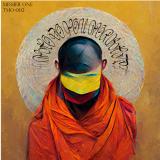
MESSIER ONE - WHO DO YOU WORSHIP?

The Messier Objects returns with the second release on their label containing ten new tracks from the new TMO alter ego ‘Messier One.’ The work combines nostalgic IDM, eerie ambient and dreamy dub techno into one mini-album, inspired by the brute forces of nature and the power of healing and regeneration.

Expect to feel the force of nature on the A-side, where tracks such as ‘Earth’s Signal 04’ and ‘The Greatest Ebb Current’ contain distorted and fuzzy pads, eerie and vague echoing vocals, and whitenoise patterns that somehow feel strangely calming. Together with the broken drum patterns on tracks such as ‘Who Do You Worship?’, and the distorted kicks on ‘Kaalo Asmi Loka Kshaya Kritpraviddho’, the A-side manages to create crude IDM and ambient patterns – resembling historic natural events as if you were there yourself.

On the B-side. the noisy and broken patterns from the previous six tracks are replaced with warm and meditative sounds. ‘Two Tides’ is filled with soothing arpeggiated soundscapes and echoing voices, and the organic jungle chants and mythical vocals in ‘Rebuilding Temples’ further continue the process of regeneration. The B-side is accompanied with two remixes from Messier808 (known from the first release), who brings his typical meditative 4x4 patterns to the table, accompanied by dreamy textures, cyclical melodies and illusive effects from a now ‘healed’ society.

This thoughtful release brings a complete story told in only ten chapters. As always, their releases are backed by breathtaking artworks using vibrant and organic colours, completing an intriguing mini-album.

pré-commande

Cet article n'a pas encore été publié. Vous pouvez pré-commander le produit maintenant.


Last In: 2026 years ago
Loscil - Lake Fire LP 2x12"

Loscil

Lake Fire LP 2x12"

2x12inchKRANK247LP
Kranky Records
21.05.2025

“Less than a month after one of the most violent fire events in the history of the continent, new shoots had burst through the scorched hardpan, nourished by the still-vital roots of those flayed and blackened trees.” John Vaillant, Fire Weather.

Loscil (aka Scott Morgan) returns to kranky with Lake Fire, a nine-track offering of ash-laden sonics that mine the tension within the cycle of destruction and rejuvenation.

Lake Fire is the result of a disjointed creative process. Originally conceived as a suite for electronics and ensemble, most of the original compositions were deserted, save for Ash Clouds, featuring James Meager on double bass. The remaining tracks were reshaped and remixed, built anew out of the remnants of the abandoned work. The result is a phoenix, an album burnt to the ground only to be reassembled out of its cinders. Fragments of the original lurk beneath a densely overpainted canvas of sound.

Infused into the resulting rearrangements are impressions from a road trip into the mountains marking a personal half-century milestone, surrounded by the ominous proximity of wildfires and dense smoke; celebrating life while the world burns. The album’s title comes from the striking irony that forest fires are often named after regional lakes - perhaps subconsciously referencing ancient lore. The cover photos were taken from this same trip, while sitting in a rowboat staring into the grey abyss of an opposing mountainside outside of Revelstoke, BC, obfuscated by smoke from a nearby lake fire.

Press quotes for previous solo release “Clara”:

"The sound sculptor Scott Morgan continues to astound.” Pop Matters

"A beautifully nuanced work, Clara is both revealing and mysterious -- and loscil fans wouldn't expect anything less.” Allmusic

press quotes for previous collaboration release with Lawrence English “Colours of Air”:

"As you might expect from the steady hands at the tiller, this is a cortex-hugging drone record of beauty and depth.” The Quietus

"One of the thrills of listening to this record is how its initially predictable veneer fades on subsequent listens to reveal layers of mischief underneath.” Resident Advisor

En stock

Disponible en stock et prêt pour l'expédition

Rayonas - Speedy House Vol. 1

Rayonas

Speedy House Vol. 1

exclRSPEEDYHOUSE001
Rayonas Records
09.05.2025

Rayonas - Speedy House
as the world time and us becoming faster i decided to work on my OWN style and genre :
Speedy House - fast house music on 145-150bpm
it goes well with groovy / tribal 90s / techno.

Speedy House releases will be divided in to VOL. sections.! i am not changing character just adding some Roller Skates to go faster and from speed light comes some colours on top of it.

En stock

Disponible en stock et prêt pour l'expédition

Project Gemini (large plants) - After The Dawn

The critically acclaimed Colours & Light, Project Gemini’s second album, takes on a new life in Deluxe Edition format. Firmly rooted in the mood and melodies of the original album, the Deluxe Edition features an unreleased album track, alternate versions and a whole host of remixes from friends of Project Gemini. To accompany the digital release, Jack Sharp’s (Wolf People/Large Plants) distinctive, distortion-heavy remix of ‘After The Dawn’, and the previously unreleased ‘Darkness Rising’, receive a special 7” pressing.

On the A side, Jack Sharp of the psychedelic, folk rock bands Wolf People and Large Plants, takes on ‘After The Dawn’. Sharp, who featured heavily on Colours & Light, dials up the distortion with this all-consuming, darker shade of a remix. Sucking you down into a wormhole of layered guitar reverberations and Paul’s spiralling, echoed vocals, it’s an intoxicating, driving hit of mind-bending, progressive rock.

Taken from the Colours & Light album recording session, the B side features ‘Darkness Rising’. A previously unreleased, original track that didn’t make it onto the album, Project Gemini leans in on the wah-wah fuzzed guitars, using it as the basis for a sonic brew of synths, percussion and bass-heavy, psychedelic rock synergy.

En stock

Disponible en stock et prêt pour l'expédition

Various - Crosstown Rebels present SPIRITS VII (2x12")

Damian Lazarus uncovers ‘SPIRITS VII’, the seventh chapter of Crosstown Rebels’ visionary annual compilation series. The eight-track package sees the Crosstown Rebels founder curate another stellar lineup of emerging and established talent for the latest instalment of the ongoing highly acclaimed series.

Since its debut in 2017, Damian Lazarus’ SPIRITS series has become a definitive platform for rising stars and established talent pushing cutting-edge sounds, consistently setting the tone for the year ahead. With the release of ‘SPIRITS VII’ this February, Crosstown Rebels continues its tradition of curating groundbreaking talent, delivering an impressive collection of tracks from both new and returning names. Building on the momentum of previous volumes, the eight-tracker offers an expertly crafted selection of deep grooves, hypnotic rhythms, and forward-thinking productions - providing a glimpse into the future of house and techno while staying true to the genre’s roots.

Opening the release, US-based duo Lisbona Sisters present ‘OK GURL’, a trippy and warping track with their original vocals that sets an otherworldly tone. Next, Netherlands-based SHARE follows releases on Mobilee and Abracadabra with ‘Oh Please…’, an acid-led cut with hooky vocals from Def Eff that leave a lasting impression. Next, Bonafique, part of the Maccabi House family, infuse ‘Desperadio’ with signature Middle Eastern influences and organic, rhythmic drums, while Dino Lenny delivers ‘I Have Sampled Father’, a playful yet off-kilter cut loaded with a kaleidoscope of diverse elements balanced by captivating grooves.

The journey continues with Upercent’s ‘Where Are You’, a dynamic composition characterised by soaring synths, sharp drums, and heavy bass licks. Collaborating on ‘Le Tourbillon’, Timo Maas & Inámo craft a hypnotic blend of grooves and sweeping melodies, perfect for late-hour moments. Recorded in his Ibiza studio, John Monkman energises the collection with ‘Colours’, a track brimming with intricate synth work, standout vocals, and dynamic sound design, before Enamour closes with ‘Jackpot’, a dreamy and hazy masterpiece featuring colourful sonics and enchanting soundscapes.

With its distinct ability to uncover hidden gems and elevate them to global recognition, Crosstown Rebels remains a leading force, and this latest edition of SPIRITS proves precisely why it remains at the forefront of the global electronic scene as one of its most vital imprints.

En stock

Disponible en stock et prêt pour l'expédition

Ultranoise - Color Filters EP

Unex Pected Records, the advanced sub-label of Mixcult Records, is proud to present its first release compiled by none other than Ultranoise, a master. The “Color Filters EP” UNX001 is a sonic tour that conveniently merges the current and past of electronic music offering an enthralling amalgam of progressive, tribal and garage influences in today’s jazzy wrapping.

From the moment the first beat drops until the closing note, it is clear that every Ultranoise composition has been crafted with love and attention to details, meaning that this album will not only make you feel nostalgic but also excited about what lies ahead. Each track on this record aims at attracting all those who love dancing; they come with entrancing melodies that are backed up by pulsating beats which can either be deep or infectious making one respond by simply moving.

Rediscover the old school essence of electronic music in new colours. If you are already a seasoned collector of vinyl records or if you want to attract more beauty into your ears as a beginner, then this piece should never be out of your shelves. Don’t be left out when Unex Pected Records’ debut ever comes calling.

This is a highly recommended album for any serious collector interested in adding some new life onto their dancefloor.

collecting

Order now. Collecting orders for repress.


Last In: 14 months ago
Trentemöller - Into The Great Wide Yonder 2x12"

2025 Repress

Wide Yonder’ is a truly remarkable album, offering as much depth and soul as it’s predecessor, yet sounding ultimately fresh and different. Above all, the ten tracks show an artist that’s willing to take risks, find in- spiration in new places and move beyond the sound of his previous album. Trentemøller: ‘Of course I didn’t want to make the same record twice. So the album is for me a logic development from ’The Last Resort’’. Instead he just started to collect new ideas, without thinking too much about the direction the music would take him: ‘The only thing I knew was that I’d want the music to sound more organic and analog.’ Compared to the intimate electronic mood pieces of ‘The Last Resort’, the ten tracks on the new album indeed have a more strange, mystic and dramatic vibe, with a lot of dynamics, distorted, driving twang- guitars, real and electronic drums mixed with haunting synths. With ‚Into The Great Wide Yonder‘ Trentemøller is not only exploring new moody and atmospheric universes, but combines his sense for glorious soundscapes with a firm melodic and tonal touch. The original chord progressions and feel for melodies is fundamental to him, and that‘s also the reason why most of the instruments are played by Trentemøller himself on this album. ‚I like the possibility to be surprised that chords and melodies change into something new. The music that I like most lets the themes and sounds come back in different disguises‘. The Danish multi instrumentalist and producer shows an unexpected talent for finding vocalists that fit the mood of his songs. The first single of the album, the beautifully tender ‘Sycamore Feeling’, featuring Marie Fisker, is a typical highlight. In fact, all the vocal tracks are stunning. Trentemøller chose to collaborate with the English artist Fyfe Dangerfield from UK based Guillemots and Danish singers Solveig Sandnes and Josephine Philip from the debuting Danish indie girlduo Darkness Falls. They all manage to add their own sound and flavour to the album, while their voices blend perfectly with Trentemøller’s atmospheric songs. This is an album that keeps growing for a long time, as every track works its way stealthily under your skin. The sound of ‘Into The Great Wide Yonder’ might be one step ahead of his previous work, but we still easily recognize the hand of Trentemøller, in this inspired collection of songs and atmospheres. The sonic richness, sharp contrasts and daring musical colours are vintage Trentemøller. Into The Great Wide Yonder’ might demand more from the listener than ‘The Last Resort’, as it ended up being quite a dramatic album. This album is more noisy, there’s more happening.‘ But getting to know the tracks definitely is a rewarding experience, as the album will keep growing and growing for a long time to come and its safe to say that Anders Trentemøller has managed to create

En stock

Disponible en stock et prêt pour l'expédition

Lex Amor - Forward Ever LP

Lex Amor

Forward Ever LP

12inchMO5LP
MODERN OAK
05.12.2024

"Forward Ever" ist die neue LP der preisgekrönten Londoner Rapperin, Produzentin und DJ Lex Amor. Ihr 2020 veröffentlichtes Debüt-Mixtape "Government Tropicana" wurde millionenfach gestreamt und verkaufte mehrere Vinylpressungen aus. Seitdem arbeitete Lex Amor mit diversen Künstlern (Kojey Radical, The Silhouettes Project), sowie angesehenen Plattformen (COLOURS, Boiler Room) und Markenpartnern (Alexander McQueen) zusammen. Medien wie Radio 1, BBC 6 Music, Kiss FM, Clash, Pitchfork und Line Of Best Fit sind voll des Lobes für sie.

En stock

Disponible en stock et prêt pour l'expédition

Articles par page:
N/ABPM
Vinyl