Blame The Mono makes a powerful debut on RAW with their latest EP, Pace Refinery. Capturing the Franco-British duo at a defining moment, this project sharpens their hybrid European identity into a focused and forward-looking statement. They remain a shining beacon of inventiveness, balancing driving club energy with refined textural detail. Spotify, Apple, etc: bfan.link/pace-refinery Mastering : Charles Accarissi released April 9, 2026
Cerca:charles
Sun Ra is better known to most as a musician than a poet, but he identified equally as both. My Words Are Music provides direct access to the sentiments of a poet who never called Earth home. The spoken word album hosts an inspired array of artists who personally chose their favorite Sun Ra poems to recite. Freed from the page, his poetry acquires an unexpected simplicity and poignance it possessed all along.
This all-star and intergenerational lineup of artists conjure wisdom from his words: spoken word elder Abiodun Oweyole of The Last Poets; rapper, and singer-songwriter Saul Williams; jazz experimentalist Melanie Charles; British-Trinidadian poet, novelist and musician Anthony Joseph; poet Mahogany L. Browne; poet, playwright, and conceptual artist Carl Hancock Rux; musician/digital composer L’Rain; singer, actor, and director Tunde Adibempe of TV on the Radio singer; British DJ and BBC radio host Zakia Sewell; ballistic hip-hop poet Jive Poetic; and longtime members of the Sun Ra Arkestra, Marshall Allen, Knoel Scott, and Tara Middleton.
Punctuated by impish electronic interludes composed and played by Marshall Allen, these voices bless Sun Ra’s poetry with new life My Words Are Music offers the opportunity to follow Sun Ra into a
better future. “Prepare for the journey,” he writes in his poem “The Cosmic Age”, “You have a rendezvous / With the living wisdom.” My Words Are Music is a project developed in conjunction with Living Sky, the all-instrumental Sun Ra Arkestra album released on Omni Sound in 2022
dovrebbe essere pubblicato su 21.09.2026
- 1: We Need You
- 2: 8 Degrees
- 3: C-Thru
- 4: Dancing Backwards
- 5: What Is A Man
- 6: All In The Shadows
- 7: Interlude
- 8: Good Year
- 9: Bright Penny
- 10: Alone All Day
- 11: Furnace Bird
- 12: Final Night
- 13: White Bike
Liam Hayes is an acclaimed American musical artist known for his songwriting and uncompromising approach to making records. He started cassette multitracking while a preteen and made his first real studio recording at twenty one. This started an obsession that ultimately led to his releasing a 7” single (Found A Little Baby/Three Quarters Blind Eyes) on a small US indie label. Those tracks garnered the attention of the UK music press, and on the strength of those songs a career was launched. The follow up was highly anticipated by critics and listeners alike, but rather than playing to expectations he delivered a highly personal album of solo piano/vocal songs (More You Becomes You). Not one to repeat himself, Hayes started off the millennium by serving up the extravagant pop/soul opus (Fed). Both records are now considered to be masterpieces.
Hayes’ songs are recognised for their exquisite melodies, poetic lyrics and distinctive vocals. He’s released seven albums, two singles and a soundtrack, and applies his craftsmanship to a variety of genres from orchestrated pop to stripped down rock. Comparisons to Brian Wilson, Laura Nyro, Carole King, Harry Nilsson, Badfinger (and even Prince) are numerous. His music takes the best of radio and stellar classic pop records of the 60’s and 70’s and brings it into the present.
Along with making records Hayes has appeared on screen performing his music in High Fidelity (directed by Stephen Frears) and A Glimpse Inside the Mind of Charles Swan III(directed by Roman Coppola) which he also wrote the soundtrack for.
In this, their first production for Hayes, are (executive producer) Terrence Washington and (multi-instrumentalist/producer/arranger) Vincent Carlo with additional contributions from Terrence’s father, legendary arranger TOM TOM 2084 (Chi-Lites, Phil Collins, Plush).
His latest album, Dancing Backwards, sees Liam stepping through the shadows in his life and into a new musical day.
dovrebbe essere pubblicato su 18.09.2026
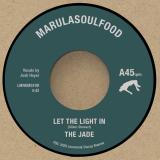
Lovemonk and Barcelona’s Marula Café bring back their Marula Soulfood 7" series with two standout tracks taken from The Jade’s debut album, "Love Harder". Behind The Jade is Oli Stewart, aka Casbah 73, leading a transatlantic ensemble of top-tier musicians equipped with heart and heat, bridging worlds while remaining firmly centered around home base Madrid.
‘Let The light In’ is a radiant burst of sunshine and a riotous cross-pollination of sounds. Nebraska’s Josh Hoyer delivers a powerhouse vocal performance, soaring over exuberant rhythms and fluid grooves that feel right at home in sweat-filled basement clubs or an open-air set as the sun dips low over the horizon. On the flip, ‘At The Queensboro’ is a beautiful jazz-funk instrumental that stretches out with elegance, giving its wonderful groove plenty of room to breathe. It was highlighted as one of BBC 6 Craig Charles’ favourite tracks of 2025.
dovrebbe essere pubblicato su 18.09.2026
Come Over Reshapes works because it never tries to smooth JdB's debut into something safe. It features seven artists from LA and the Midwest all taking his source material somewhere different as brooding, minimal jungle rubs up against dubbed-out weight and drifting psychedelic ambient. Despite the variety, the whole thing plays like a continuous narrative rather than a scattered remix comp. Some cuts are clearly built for the floor, others for the comedown room, and the sequencing respects both. Steffan Betke's mastering keeps everything sounding cohesive and like a thoughtful tribute record that expands on the original rather than just repackaging it.
dovrebbe essere pubblicato su 14.09.2026
- 1: NIGHT TRAIN
- 1: 2STUPID JERKS
- 1: 3ARE YOU DRINKING
- 1: 4LEAVE THE DRIVING
- 1: 5MITTEN IN DER NACHT
- 1: 6EXECUTION DAY
- 1: 7DITCH
- 1: 8SISTER
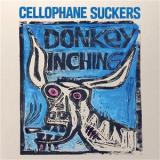
Donkey Inching', the Cellophane Suckers' ninth studio album, is set for release in September 2026. Unwavering and stubborn as a donkey, the Cellophane Suckers follow their very own path at their very own pace. The band, decried as "lead-swallowing" high-speed rock 'n' rollers, stoically let chords linger and celebrate feedback, reducing rather than harmonising, then picking up the speed when you least expect it and slowing down shortly afterwards to roll on in a Dadaist fashion the drums become a machine, the guitars increasingly embodying yin and yang. With "Execution Day", they pay tribute to Spencer P Jones, whom one might well cite as a musical influence, and Neil Young is also honoured, whose Wall of Sound goes down well with the Suckers. The fact that a text by Charles Bukowski is also "set to music" may be down to their love for red wine "Donkey Inching"... creeps stoically and stubbornly, like a donkey, into your ears. In July 2026, the Cellophane Suckers will once again be touring Brittany, and in September they'll be hosting a release party at the Sonic Ballroom in Cologne. Further concert weekends are planned for autumn/winter 2026...
dovrebbe essere pubblicato su 11.09.2026
- 1: When It Rains, It Pours
- 2: The Other Guy
- 3: Blues for the Lonely
- 4: What I Wanna Believe
- 5: Sandstorm
- 6: Empty Promises
- 7: El Paso Sugar
- 8: Axe To Grind
- 9: She's A Golddigger
- 10: Back to Life
In an era where pedalboards, laptops and samples have become commonplace, American blues-rock/metal guitarist and singer Eric Steckel goes against the grain and harkens his listeners back to the days when great guitars were played loudly through great amps. Hailed by many as the top rising star of Blues/Rock, Eric delivers a powerhouse performance that has left audiences in 30 countries (and counting) mesmerized. "My forthcoming new album, 'Sandstorm' is the most fun I’ve had making a record in my career thus far," comments Eric Steckel. "The incredible vibe in the studio brought forth tons of new and spontaneous material such as the title track 'Sandstorm' which instantly became my favorite track on this album and a perfect representation of this body of work." Eric has toured worldwide sharing the billing with Steve Vai, Gregg Allman, Johnny Winter, John Mayall, Ray Charles, Larry Carlton, Robben Ford, and others and was voted into Total Guitar magazine's list of "The 100 Greatest Blues Guitarists of All Time" and named one of "10 Future Blues Stars” by Guitar Player.
dovrebbe essere pubblicato su 11.09.2026
ODDBALL CREATIVES feat. Kameela Waheed & Colin Steele
Wondering & Wishing Like Me - Vocal b/w Instrumental (7")
Just featured on BBC6 Music in the CRAIG CHARLES FUNK & SOUL as part of the ODDBALL CREATIVES “Trunk of Funk Mix “ on Saturday 1st August - and already gaining great DJ feedback from the likes of Greg Caz, Laurent Garnier, Chris Bangs, Rocky, Chico Malo, Starla Recordings and many more ….
Another new collaboration on the Echo Labs label - the subsidiary of Echo Chamber Recordings set up to release tracks and remixes from other artists.
This one is a very special hook-up with Daniel Walls & Joseph Malik in Edinburgh with their new project under their “Oddball Creatives” production monicker. It was truly an honour that they reached out to Echo Chamber Recordings to bring this out on a vinyl 45 , fitting in perfectly with the foundation sounds of the label - combining classic timeless funk, jazz , Latin and soul with 21st Century production techniques
They have recruited the vocal talents of Philadelphia’s Kameela Waheed and the instrumental skills of Scottish jazz legend Colin Steele , to bring us the sound of the summer with a huge soul-jazz-funk cut. It combines elements of a classic early 70s groove with a subtle, up-to-date style, built around Joseph’s vocals and Kameela’s spoken rap.
On the flip you get the purely instrumental take - meaning you could extend the hypnotic groove even longer with two copies !
As ever, on Echo Labs there will be just 300 vinyl copies pressed for worldwide distribution
Ordina ora e ordineremo l'articolo per te presso il nostro fornitore.
- 1: BY AND LARGE
- 2: FALL IN
- 3: SHELF LIFE
- 4: PRETTY MOUTH
- 5: RODE (FOR JUSTIN)
- 6: HAT HEAD
- 7: CLOSET
- 8: BINDER
- 9: UNSOUND
- 10: STOOL
- 11: LETTER TO THE EDITOR
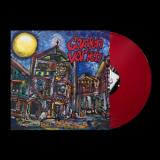
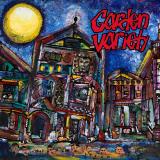
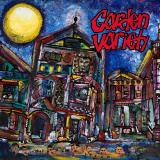
Der Wendepunkt von 1993 zwischen Pop-Punk und Emo lässt sich kaum besser veranschaulichen als durch das selbstbetitelte Debütalbum von Garden Variety. Während Billy und Bivouac mit dem Mainstream liebäugelten, machte dieses Trio aus Long Island einen Vorstoß in die Welt des Post-Hardcore. Kraftvoller Oktav- Gitarren-Chug, gepaart mit nächtlicher Zine-Arbeit im örtlichen Diner. Herzschmerz im Backbeat, ganz ohne Effekte. Danken Sie Charles Maggio für Ihre Lieblingsplatte, wenn Sie ihn das nächste Mal in der Paramus Mall sehen.
dovrebbe essere pubblicato su 04.09.2026
Der Wendepunkt von 1993 zwischen Pop-Punk und Emo lässt sich kaum besser veranschaulichen als durch das selbstbetitelte Debütalbum von Garden Variety. Während Billy und Bivouac mit dem Mainstream liebäugelten, machte dieses Trio aus Long Island einen Vorstoß in die Welt des Post-Hardcore. Kraftvoller Oktav- Gitarren-Chug, gepaart mit nächtlicher Zine-Arbeit im örtlichen Diner. Herzschmerz im Backbeat, ganz ohne Effekte. Danken Sie Charles Maggio für Ihre Lieblingsplatte, wenn Sie ihn das nächste Mal in der Paramus Mall sehen.
dovrebbe essere pubblicato su 04.09.2026
- A1: By And Large
- A2: Fall In
- A3: Shelf Life
- A4: Pretty Mouth
- A5: Rode (For Justin)
- B1: Hat Head
- B2: Closet
- B3: Binder
- B4: Unsound
- B5: Stool
- B6: Letter To The Editor
The 1993 split point between pop punk and emo is no better illustrated than by
Garden Variety’s self-titled debut. While Billy and Bivouac flirted with the mainstream, this Long Island trio proposed at the post-hardcore prom. Muscular octave guitar chug with a side of late night zine work at the local diner. Backbeat heartbreak, hold the FX. Thank Charles Maggio for your favorite record next time you see him at the Paramus mall.
dovrebbe essere pubblicato su 04.09.2026
The 1993 split point between pop punk and emo is no better illustrated than by
Garden Variety’s self-titled debut. While Billy and Bivouac flirted with the mainstream, this Long Island trio proposed at the post-hardcore prom. Muscular octave guitar chug with a side of late night zine work at the local diner. Backbeat heartbreak, hold the FX. Thank Charles Maggio for your favorite record next time you see him at the Paramus mall.
dovrebbe essere pubblicato su 04.09.2026
- 1: Explain
- 1: 2Land of the Many Eyes
- 1: 3Sunshine Unlimited
- 1: 4I am on the Other Side
- 1: 5Connects by Water
- 1: 6Funeral in my Brain
- 1: 7Behind the Door
- 1: 8War Zone
- 1: 9Cactus Mirror
- 1: 0Duck Walk
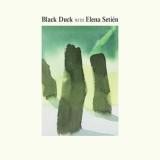
The Chicago trio of Black Duck is a natural fit for collaboration with acclaimed Basque musician Elena Setién. Black Duck"s bassist/guitarist Douglas McCombs, guitarist Bill MacKay and drummer Charles Rumback have been lauded for their adaptability as live performers and collaborators for decades, performing in countless ensembles from Tortoise to Brokeback to collaborations with Ryley Walker, Bill Callahan, James Singleton and many more. Setién honed her improvisational skills in duo Little Red Suitcase before going on to collaborate with the likes of Steve Gunn, Mary Lattimore, and Glenn Kotche (Wilco) to name a few. Black Duck and Elena Setién"s combined preternatural ability to converse at the boundaries of improvisation and composition makes for fertile ground in which every subtle gesture carries weight. On their debut, self-titled collaborative release, Black Duck and Elena Setién alchemize the ease of their live chemistry and their wealth of experience into a refined menagerie.
dovrebbe essere pubblicato su 28.08.2026
Nachdem Elvin Jones 1963 gemeinsam mit dem Bassisten Jimmy Garrison, seinem langjährigen Partner aus dem John Coltrane Quartet, für Impulse! Records das Septett-Album “Illumination!” eingespielt
hatte, legte der Schlagzeuger 1965 mit “Dear John C.” sein erstes Album als eigenständiger Bandleader
bei dem Label vor. Obwohl das Titelstück des Albums natürlich eine Hommage an Coltrane war, legte
Jones großen Wert darauf, eine gewisse Distanz zur modalen Musik zu schaffen, die er seinerzeit mit dem
Quartett des Tenorsaxofonisten spielte. Dies tat er zum einen durch die Zusammenstellung des Repertoires,
das neben Stücken von Charles Mingus, Duke Ellington sowie Charlie Parker und Dizzy Gillespie auch einige
klassische Popsongs umfasste. Zum anderen besetzte er sein Quartett nicht mit einem Tenorsaxofonisten,
sondern mit dem Altsaxofonisten Charlie Mariano, der sich zuvor in der West-Coast-Szene einen Namen
gemacht hatte
dovrebbe essere pubblicato su 28.08.2026
- 1: In exile
- 2: No man's land
- 3: Tear you up
- 4: That shore
- 5: Take your shot
- 6: Fend for yourself
- 7: The final thing on my mind
- 8: Where we stood
- 1: Strung out
- 2: Dawn again
- 3: Ritual
- 4: The toil
- 5: Hallucinations & delusions
- 6: The confined escape
- 7: Our shelter
Die britischen Alternativ- und Progressive-Rocker von The Pineapple Thief melden sich 2016 mit einem neuen Album zurück. »Your Wilderness« heißt der Nachfolger von »Magnolia« aus dem Jahr 2014.
Mit gerade einmal acht Songs handelt es sich dabei auf den ersten Blick fast schon um ein Minialbum. Bei näherem Hinsehen bzw. Hinhören stellt man aber fest, dass alle Songs zwischen 3:46 und 9:52 Minuten liegen, was eine Durchschnittslänge von rund 5 Minuten pro Song macht. Hier kommt also niemand zu kurz.
Im Gegensatz zu früheren Alben haben sich The Pineapple Thief für »Your Wilderness« zum ersten Mal einen ganzen Haufen illustrer Gäste eingeladen.
Zunächst einmal ist Schlagzeuger Gavin Harrison mit von der Partie, der dem einen oder anderen bereits durch seine Mitgliedschaft bei der Band Porcupine Tree bekannt sein dürfte. Für einige Klarinettenparts stand zudem niemand Geringeres als John Helliwell von Supertramp zur Verfügung. Geoffrey Richardson von den legendären Caravan steuerte unterdessen das Streichquartett bei, das auf dem Album zu hören ist. An der Gitarre unterstützte Darran Charles von Godsticks. Zu guter Letzt sorgte ein vierköpfiger Chor für die Backgroundgesänge.
Produziert wurde »Your Wilderness« komplett in Eigenregie der Band, mit Ausnahme der Drumparts, die Harrison in seinem eigenen Studio einspielte.
Mit »No Man’s Land« haben The Pineapple Thief auch bereits die erste Single des neuen Albums vorgestellt. Und die lässt erahnen, dass die Band sich trotz neuem Personal musikalisch treu bleibt – zur Freude vieler Fans.
dovrebbe essere pubblicato su 28.08.2026
John Tchicai (1936 – 2012) was one of the most important free improvising saxophonists of the 20th Century: an artist of rare vision and aptitude whose lines soared and stood out even in the most hallowed company, and whose body of work as a leader / composer is among the most singular and distinct within the entire canon of that music. But Tchicai’s importance doesn’t end there. Born in Copenhagen, Denmark, to a Danish mother and a Congolese father, his life and career represent a crucial bridge between the European and American traditions of free jazz. Initially trained on violin as a child, Tchicai shifted his focus to the clarinet and alto saxophone during his mid-teens, and began touring Europe as a professional musician by his early 20s, which landed him at a socialist youth festival in Helsinki, Finland, where he met the trumpeter Bill Dixon and saxophonist Archie Shepp. Impressed by what they heard, Dixon and Shepp encouraged the young saxophonist to move to New York, and in so doing changed the history of jazz forever.
Tchicai’s arrival in New York marks the rare occurrence of a European player joining the intimate circle that was first wave of American free jazz. Following his landing in the city in November of 1962, in addition to regularly sitting in with Don Cherry’s group, Tchicai began playing with Bill Dixon's band alongside Archie Shepp and Roswell Rudd, forming the nucleus of the foundation of the New York Contemporary Five - one of the most important groups of the era - which counted Tchicai, Shepp, Cherry, Don Moore, and J. C. Moses as its members. From the ashes of this group, Tchicai would go on to found the legendary ensemble, New York Art Quartet, with Roswell Rudd, Milford Graves, and Lewis Worrell, as well as working within Albert Ayler's band, recording “New York Eye and Ear Control”, Shepp’s band, recording “Four for Trane”, the ensemble that recorded John Coltrane's “Ascension”, and the Jazz Composer's “Orchestra”.
By the time he decided to return to Denmark in 1966, had Tchicai chosen to record little else, his legacy within the history of music would have been ensured. Incredibly ambitious, his arrival home marked the beginning of an incredible period of activity which saw him radically expanding his creative explorations, which by the end of the decade would include becoming a founding member of Amsterdam's Instant Composers Pool and helping to record John Lennon and Yoko Ono's “Unfinished Music No.2: Life with the Lions”. This, however, was proceeded the formation of a new orchestra, Cadentia Nova Danica, led by Tchicai, dedicated to radical cross-disciplinary exploration. Remaining together between 1966 and 1971, the group and its shifting membership regularly fell into collaboration with artists and composers, notably Musica Elettronica Viva, who existed beyond the realms of jazz, as well as participating within multi-media events that incorporated the visual realms.
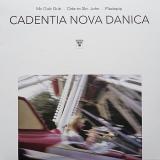
Cadentia Nova Danica’s only two LPs - “Cadentia Nova Danica” (Polydor, 1968), and “Afrodisiaca” (MPS, 1969) - are effectively Tchicai recorded efforts as a leader, and are legendary. There’s little mystery, once heard, why the later landed on Thurston Moore’s iconic “Top Ten from the Free Jazz Underground”, published by Grand Royal in 1996. Sadly, despite playing extensively during their five year run, with exception of a CD documenting a performance at Jazzhus Montmartre, in 1966, until now there has been no other publicly available recordings that allow us to capture a glimpse of this astounding band at work. Alga Marghen / Formalibera’s vinyl pressing of a never before released body of recordings, made in Copenhagen between 1969 and 1970, changes that in the most exciting of ways.
Comprising three pieces - “Mc Gub Gub, (I–VIII)”; “Ode to Skt. John”; and “Pladepip” - the material on this stunning LP comes from two specific events. The first, which encompasses the first side, “Mc Gub Gub, (I–VIII)” was recorded by Cadentia Nova Danica - in this instance, Tchicai, Sune Weimar, Theo Rahbek, Christian Kyhl, Niels Holt, Jørgen Thorup, Michael Schou, Morgens Bollerup, Allan Gregersen, Ole Matthiessen, Pierre Dørge, Willy Jaegert, Anthony Barnett, and Jon Finsen - on May 29th, 1969, at the ABC-Theatre in Copenhagen. Penned by Tchicai, the piece is a sprawling, evolutionary composition at the outer reaches of free jazz, rooted in large blocks of colliding tonality and rhythm - a sound only accessible to larger ensembles - that push territories explored by Charles Mingus to previously unimagined heights, threaded by moments of hard blown fire. Writhing like a stormy sea - skronking and devilish - “Mc Gub Gub, (I–VIII)” is a work of profound complexity that singlehandedly illuminates not only Tchicai’s singular vision as a composer, but also the power and uniqueness of Cadentia Nova Danica during the band’s most vital period.
The two pieces - “Ode to Skt. John” and “Pladepip” - taking up the flip side, were recorded on February 21st, 1970, at the Danish Broadcasting Corporation’s Radio House, and are the outcome of Cadentia Nova Danica’s extended residency there between 1969 and 1970. In many ways, these two recordings offer some of the best insights into the broad collaborative approaches that defined the band, in this case encountering them working with Danish experimental composer, Svend Erik Werner, who was among the earliest in his country to embrace stylistic pluralism and the use historical forms within a modern context. “Ode to Skt. John” - based on aspects of Gregorian music - was penned by Werner, incorporating heady improvisation by the members of Cadentia Nova Danica, this time made up by Tchicai, Sune Weimar, Hugh Steinmetz, Theo Rahbek, Christian Kyhl, Michael Schou, Morgens Bollerup, Ole Kühl, Torben Enghoff, Mauritz Tchikai, Kjeld Ipsen, Willy Jaegert, Ole Matthiessen, Ole Thilo, Pierre Dørge, Steffen Andersen, Jon Finse, and Clause Bøje. The piece is a fascinating binary of the composed and improvised, utilising the band’s large scale to introduce a remarkable sound within its slow progressions and furious, driving free moments, in this incredible meeting of worlds.
The album’s final piece, “Pladepip”, is arguably its most historically significant: an entirely singular piece, unlike anything in Tchicai’s recorded canon as his foray into musique concréte. Drawing upon two recordings of full-band improvisations by Cadentia Nova Danica, for its creation Tchicai also gouged the surfaces of 78rpm records in his collection to skip and create repeated phrases and patterns, creating a stunning sound collage of hard angles and abrupt phrase, that creates a striking counterpoint to the band’s flowing improvisations that bookend those passages. The result is an engrossing listen and easily one of the most unique and culturally important gestures in the entire history of musique concréte.
Truly incredible, Alga Marghen / Formalibera’s vinyl pressing of this never before released body of recordings, made by John Tchicai’s Cadentia Nova Danica, in Copenhagen between 1969 and 1970, offers an unprecedented window into one of the most important groups working in Europe during that period, significantly expanding their rare and slim discography to date. Accompanied by extensive exploratory liner notes by veteran jazz writer, Ed Hazell, this is easily one of the most historically important archival releases of the year and is impossible to recommend enough. Absolutely essential on every count.
dovrebbe essere pubblicato su 28.08.2026
- A1: FAHRENHEIT FAIR ENOUGH
- A2: TTV
- A3: LOTUS ABOVE WATER
- B1: JOHN THOMAS ON THE INSIDE IS NOTHING BUT FOAM
- B2: LIFE IS ALL ABOUT TAKING THINGS IN AND PUTTING THINGS OUT
- C1: YOUR FACE REMINDS ME OF WHEN I WAS OLD
- C2: WHAT'S THE USE OF FEET IF YOU HAVEN'T GOT LEGS
- D1: INTRODUCTORY NOMENCLATURE
- D2: FAHRENHEIT FAR AWAY
Die späten 1990er Jahre waren eine fruchtbare Zeit in der amerikanischen Elektronik- Underground-Szene. Eine wachsende Zahl von Künstlern, verteilt über das ganze Land, beteiligte sich an der jüngsten Runde eines jahrzehntelangen transatlantischen musikalischen Dialogs. An der Schnittstelle von Hip-Hop, Elektronik und Soul versuchten diese Künstler, ihren eigenen Weg zu gehen. Im September 2001 schlossen sich Telefon Tel Aviv aus New Orleans, die Highschool-Freunde Joshua Eustis und der verstorbene Charles Cooper, schlossen sich diesem Dialog mit ihrem Debütalbum ,Fahrenheit Fair Enough" an, das bei Hefty Records erschien. Als Herzensprojekt war ,Fahrenheit" ein Versuch des Duos, ,etwas Sinnvolles beizutragen ", sagt Eustis heute, ,etwas eindeutig Amerikanisches und irgendwie auch Südstaatliches." Zum fünfzehnten Jahrestag der Veröffentlichung bringt Ghostly International ,Fahrenheit Fair Enough mit einer Vinyl-Ausgabe und zusätzlichem digitalem Bonusmaterial neu auf. Als sie Ende der 1990er Jahre in New Orleans lebten, standen Eustis und Cooper im Bann zweier musikalischer Strömungen: amerikanischer Klassiker - New Orleans' Bounce, Detroits Techno, Chicagos House - und britischer Electronica - Autechre, Aphex Twin, Jega. Aufgenommen im Laufe eines Jahres in Eustis' Kindheitszimmer im Stadtteil Riverbend in New Orleans, lotete ,Fahrenheit" das Potenzial amerikanischer elektronischer Musik in einer Zeit der Hoffnung aus. Die Tracks sollten ,sich ständig weiterentwickelnde Skulpturen" sein. Fasziniert von IDM, wollten die beiden ,etwas Schwung hineinbringen , es ein wenig lockerer gestalten, es aber auch hyperromantisch klingen lassen." Eustis und Cooper hatten sich ursprünglich eine ,harte Club-Platte" vorgestellt, doch stattdessen wurde ,Fahrenheit" von Fans und Kritikern, die seine stilistischen Wurzeln falsch interpretierten, als zartes Stück Electronica wahrgenommen. Die Musik klingt im Jahr 2016 umso relevanter, da der Weg, den Eustis und Cooper damals anstrebten, heute Realität ist. Und weil heute jeder darauf hört, was der Süden zu sagen hat." ,Wir wollten einfach nur sehen, ob wir es hinbekommen", erinnert sich Eustis. ,Wir wussten es nicht. Unser Ziel war es, etwas zu schaffen, auf das wir stolz sein konnten." Zum 25-jährigen Jubiläum dieser bahnbrechenden Elektronik-LP, einem Meilenstein der amerikanischen Elektronikmusik, erscheint eine Deluxe-Obi- Edition als Doppel-Vinyl in einer neuen Watercolor- Variante. Joshua Eustis und der verstorbene Charlie Cooper schufen einen Klassiker, der an der Schnittstelle von IDM, Experimental- und Bass-Musik ansiedelt und eine neue Generation von Künstlern (Loraine James, Kelly Moran u. a.) beeinflusste. Das Album kehrt nun endlich für eine neue Generation zurück.
Ordina ora e ordineremo l'articolo per te presso il nostro fornitore.
- 1: SHACKLED BY LUST
- 1: 2FEAR ON MY OWN TIME
- 1: 3EGOISMUS
- 1: 4HAARE
- 1: 5BLAU GEFL ECKT
- 1: 6DIE ZUNGE
- 1: 7POTHOLE
- 1: 8LIEBE IM KAPITALISTISCHEN REICH
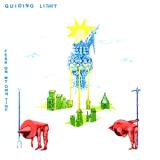
Die Instrumentalgruppe von Guiding Light hatte bereits ihre ersten Songs fertig, als sie Elise Cook als Sängerin ansprachen - und die hatte wie durch ein Wunder schon fertige Texte parat. Dieser Moment des Schicksals führte zu ihrer ersten EP, elf Minuten und fünfzig Sekunden voller Raserei, die ihren Post-Punk-Sound für kulturell Neugierige definierten. Heute entstehen Cooks Melodien im selben Raum wie das präzise Klimpern von John Morales' Gitarre, der bissige Bass von Rachel Kirk und die hämmernde Intensität von Charles Powell am Schlagzeug. Das Ergebnis ist ,Fear On My Own Time", ein neues Album einer Band, die weiß, was sie kann, und immer besser wird. Man merkt kaum, dass die Aufnahmen in zwei Sessions im Abstand von sechs Monaten entstanden sind, denn man spürt die Dringlichkeit in der Arbeit. So wie Wut zum Handeln antreibt, wird Energie zur Reaktion. Die Erzählung von ,Fear On My Own Time" gewinnt an Umfang, während Reflexionen über eine Trennung zu Erkenntnissen über zwischenmenschliche Verbindungen führen. Selbstkritik speist sich aus Ego, Verwirrung und unverblümter Ehrlichkeit, doch die Wurzel dieser Probleme liegt in einem viel größeren Thema. Die letzten beiden Songs gipfeln in einem Aufruf gegen den Faschismus und zeigen, wie uns - nachdem wir niedergeschlagen wurden - unsere Unfähigkeit, verletzlich zu sein, auseinander treibt. Man muss nicht die für Guiding Light übliche deutsche Sprache sprechen, um das zu verstehen - tatsächlich enthält das Album ihre ersten ins Englische übersetzten Songtexte: ,In the cage - only together we find the key." Wenn wir alle zu Guiding Light tanzen würden, wäre die Welt ein besserer Ort. - Sydney Salk
dovrebbe essere pubblicato su 21.08.2026
- 01: Del Ray and the Roamers - La Macarena
- 02: Bandidos - Bandido
- 03: Charles Wright and the Malibus - Latinia
- 04: Los Cuatro Soles - 16 Toneladas
- 05: Carl - Mexican Rock
- 06: Lalo Guerrero - Pound Dog
- 07: Sami Cee & the Penzmen - Malaguena
- 08: Roland Kave & his Fabulous Los Diablos - Boss Bossa Nova
- 09: Los Babys - Jinentes en el Cielo
- 10: Paty y Mary - Espana En Cha Cha Cha
- 11: Roger King Mozian - Flamenkiko
- 12: Las Cuatro Lunas - Mezcal
- 13: Los Chefs y Camareros - Los Chefs y Camareros
- 14: Sonny Ace & the Twisters - Fever
- 15: Los Hombres Borrachos - Mentiroso Sucio
- 16: Rosco Gordon - Torro
¡Hola amigos! ¡Dieciséis guarniciones de chile picante, peyote loco y tequila helado! ¡Hermoso!
If there's one thing I'm good at it's finding records. It doesn't matter where in the world I am, I find records, the best records, the rarest records. And always in Mint condition. I have a knack for it. One place I like to hunt for records is South of the Border, in Mexico. You can find great records there, way out in those pequeños pueblos del desierto. Another great thing you can find is cactus.
Mexico is famous for cactus. You got your Ariocarpus, your Turbinicarpus, your Mammillaria. You got cactus of all kinds, big and small. Little ones like Eplithelantha, psychedelic ones like the peyote Lophophora, and rare ones like Aztekium. But my favourite is Mammillaria humboldtii. Now this one is very hard to find. The villagers over in Hidalgo know where it is, and they go high up in the mountains to look for it.
Now these guys, they take their time. But when they come down from those mountains, they bring back the most beautiful specimens. I really mean it, they're beautiful. They're like clumps of fluffy white golf balls, and they have these cute little pink flowers. Beautiful I tell ya. I pay precio alto for a good specimen of Mammillaria humboldtii.
dovrebbe essere pubblicato su 21.08.2026
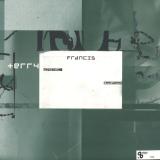
Following the acclaimed release of the Digitec LP, this companion EP digs even deeper into the archives of one of UK tech house’s most influential figures.
As a pivotal force in shaping the late '90s and early 2000s underground, the longtime Fabric resident and close friend of Sushitech finally opened his vaults to reveal a treasure trove of rare classics, forgotten sessions and unreleased material.
This follow-up offers collectors a further glimpse into that archive, featuring meticulously remastered editions of the elusive Funky Future and Bonjour Charles two stripped-back, dubwise London tech house cuts that became permanent fixtures of Terry’s legendary Fabric sets! Timeless, understated and unmistakably Terry Francis.
Ordina ora e ordineremo l'articolo per te presso il nostro fornitore.
- Superette
- Johnny Hodges
- Another Love Song
- Canadian Sunset
- Charles Christopher
- Visions of Gaudi
- Here's To My Lady
- Just Us
Originally released in 1989 as an early milestone for the label, this landmark session teams the legendary alto saxophonist - then at the absolute peak of his powers at age 57 - with the incomparable Tommy Flanagan Trio . A titan of the genre for over 60 years, Woods masterfully combined a lush, beautiful tone with a complete command of the bebop vocabulary. Backed by veteran pianist Tommy Flanagan, former Oscar Peterson Trio bassist George Mraz, and a young, up-and-coming Kenny Washington on drums, the quartet delivers a timeless set of acoustic jazz that sounds as vital and vibrant today as it did nearly four decades ago.
dovrebbe essere pubblicato su 14.08.2026
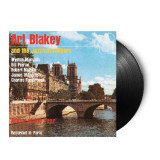
- A1: Cheryl
- A2: Ms. B.C
- A3: In Case You Missed It
- B1: Little Man
- B2: Witch Hunt
- B3: Soulful Mister Timmons
Art Blakey, whose career spanned nearly 50 years of Black music history, exemplifies the timeless role of the drums in jazz. This Album of the Year LP, originally released in 1981, features the Jazz Messengers: trumpeter Wynton Marsalis, saxophonists Robert Watson and Bill Pierce, pianist James Williams, and bassist Charles Fambrough, alongside drummer and bandleader Art Blakey.
The album was recorded in Paris, and tracks include “Cheryl” (written by Charlie Parker), “Soulful Mister Timmons,” and “Little Man,” among others. The accompanying liner notes were written by Ted Panken.
dovrebbe essere pubblicato su 14.08.2026
First Word Records proudly bring you the sophomore EP from Ruby Wood - ‘No Rain, No Flowers’.
Ruby is a singer / songwriter hailing from Huddersfield, West Yorkshire in the UK. Her soulful yet distinctive voice has enabled her to front numerous projects over the years; perhaps best known as lead vocalist of the critically acclaimed Submotion Orchestra, since 2009.
Her first solo EP ‘Sincerely’ dropped back in 2023, and received love from the likes of Jamie Cullum, Craig Charles, Jyoty, Huey Morgan, Wordplay & saw Ruby named Mi-Soul Radio's 'One to Watch'.
The follow-up EP ‘No Rain, No Flowers’ is a personal tale of growth through adversity. Reflecting on long-term love, fleeting intimacy, grief, and the relationships that shape us. Rather than offering answers, the 8-track EP sits with life as it is. Imperfect, cyclical and shared. The title speaks to the belief that difficult experiences are not separate from growth, but essential to it.
Musically, the project encompasses contemporary flavours within the realms of r&b, soul and hip hop. It features an impressive collective of vocal collaboraters; Illa J, Devin Tracy, Abnormal Sleepz & PRIDO. Each bring their own distinct perspective, whilst complimenting the EP’s introspective tone; favouring warmth, restraint & lyrical authenticity. All are backed by a smooth sonic backdrop of beautifully rich instrumentation, produced primarily by Rob Mitchell of Abstract Orchestra.
Ruby has performed live shows with Nightmares on Wax & Abstract Orchestra as well as with r&b legend Bryson Tiller at his sell-out UK gigs, including Wembley Arena & Manchester Apollo. This is additionally to touring with Bonobo & Nubiyan Twist, and collaborating with the likes of Krept & Konan, Alfa Mist, GLXY and Roska, to name a few.
The diversity of her career, ranging from the intimate to the large-scale performances, gives Ruby a unique balance of vulnerability and musical depth, prioritising authenticity over spectacle. As a solo artist, her work is rooted in honest lived experiences, leading to a focus on songs that resonate long after first listen.
This EP offers a reflection of where Ruby is at now, informed by where she’s been before. It’s a project that embraces imperfection, recognising that those experiences that challenge us the most, shape us the deepest.
Ordina ora e ordineremo l'articolo per te presso il nostro fornitore.
- 1: THE ARRIVAL (INTRO)
- 2: BECKONING THE VOID OF ETERNAL SILENCE
- 3: SA NAGBA AMRU
- 4: THROUGH THE BARREN HALLS OF GRIEVING EMPTINESS
- 5: INTO DARK DOMAINS
- 6: ANHELA ODOR MORTUORUM (THE ADEPTS)
- 7: FROM ROTTING BURIAL SHROUDS
- 8: TURNING THE STONES OF TORMENT
- 9: THE WHISPERING CATHEDRAL
- 10: EPILOGUE
New Jersey malevolents FUNEBRARUM uncloak their third full-length; the sheer magnitude of "Beckoning The Void Of Eternal Silence" rains down world-ending Doom tenebrosity with searing scowls of Death Metal assailment. With a perturbed atmosphere writhing around the entire record, the pulsation of which "Beckoning The Void Of Eternal Silence" breeds is an expertly calculated Deathdoom craftsmanship and yet emitting at times a surreal bridging between extreme genres in orchestra-like precision. The core DNA of FUNEBRARUM has remained intact albeit the exalted darkness have shaped themselves to be cut from a different cloth. Recorded at Elektric City Recording (Ascended Dead, Coffin Rot, etc) by Charles Koryn with additional recording and mixing duties by Stephen DeAcutis at Sound Spa Studios (Ripping Corpse, Evoken, Disma, etc). Mastered by Daryl Kahan at Winterdark. Cover artwork by Daryl Kahan.
dovrebbe essere pubblicato su 31.07.2026
dovrebbe essere pubblicato su 30.07.2026
A restless soul with a wide-open heart, Johnny Delaware was born in South Dakota, but he spent his 20s on the road, drifting between Nashville, Albuquerque, and Austin before landing in Charleston, SC, where he recorded his 2013 debut, Secret Wave. The album earned glowing reviews, with the Charleston City Paper declaring Delaware their Songwriter of the Year, but before he could record a follow-up, another local project he helped co-found, Susto, began taking off. Over the course of the next decade, the band would become one of the most critically acclaimed names in indie roots music, garnering raves from Rolling Stone and Spin and touring with the likes of The Lumineers, Band of Horses, and The Head and the Heart. In 2022, Delaware finally released his sophomore effort, Energy of Light, which he recorded after moving to Mexico City, and two years later, he followed it up with Para Llevar, which Glide Magazine hailed as “a swirl of indie rock, Americana and psychedelic folk.”
On his newest collection, On God’s Time, Delaware returns to the sounds he grew up on in South Dakota, crafting a lush, cinematic meditation on mortality and meaning that’s firmly rooted in the spiritual realm of the cosmic drifter. Produced by Delaware, the album reckons with death as a means of appreciating life, exploring love and loss and gratitude and regret through the eyes of a host of larger-than-life characters all navigating their way through a world of tragic beauty and infinite wonder.
dovrebbe essere pubblicato su 24.07.2026
Two supreme House Grooves from the world renowned “Maestro” of the dancefloor in the continuing build-up to the Louie Vega “Expansions In The NYC” album release. With “Another Day In My Life” Louie Vega incorporates elements of the classic jam “Never Had A Love So Good” by Charles Johnson (fully cleared and licensed from the legendary Henry Stone Music Company), and creates a driving and infectious soul-infused club anthem that ruled the DJ download platforms prior to its vinyl release. On the AA side, Louie works with his long time collaborator Axel Tosca as well as legendary Chicago DJ / Vocalist Mike Dunn to create his own very soulful and New York flavored interpretation of the renowned 1999 Deep Burnt song by Pepe Bradock, done of course with Pepe Bradocks blessings and appreciation.
Ordina ora e ordineremo l'articolo per te presso il nostro fornitore.
- A1: Les Masques - Il faut tenir (1969)
- A2: Isabelle Aubret - Casa Forte (1971)
- A3: Christianne Legrand - HLM et Ciné Roman (1972)
- A4: Jean Constantin - Pas tant d'chichi ponpon (1972)
- A5: Billy Nencioli & Baden Powell - Si rien ne va (1969)
- B1-: Marpessa Dawn - Le petit Cuica (1963)
- B2: Jean-Pierre Sabar - Vai Vai (1974)
- B3: Sophia Loren - De jour en jour (1963)
- B4: Isabelle - Jusqu’à la tombée du jour (1969)
- B5: Sylvia Fels - Corto Maltesse (1974)
- C1: Frank gérard - Comme une samba (1972)
- C2: Ann Sorel - La poupée des Favellas (1971)
- C3: Charles Level - Un enfant café au lait (1971)
- C4: Andrea Parisy - Les mains qui font du bien (1970)
- C5: Audrey Arno - Quand Jean-Paul rentrera (1969)
- C6: Aldo Frank - T’as vu ce printemps (1970)
- D1: Christianne Legrand - Cent mille poissons dans ton filet (1972)
- D2: Clarinha - Lemenja (1970)
- D3: Hit Parade des Enfants - Aquarela (1976)
- D4: Jean-Pierre Lang - Tendresse (1965)
- D5: Magalie Noël - Une énorme Samba (1970)
- D6: Françoise Legrand - La Lune
Ever since the late 1950s bossa-nova revolution, Brazil’s influence on French music has been undeniable. Pierre Barouh, Georges Moustaki and a vast array of lesser known artists, all made the Musica Popular Brasileira (MPB) an axis of promotion at the service of a cool and metaphysical, modern and mixed Brazilian lifestyle. Some were seduced by the poetic languors of the bossa, some were looking for fun, and others just loved the American hybridization of jazz-bossa, jazz-samba.
What is bossa nova? One of its creators, Joao Gilberto said: "Its style, cadence, everything is samba. At the very start, we didn't call it bossa nova, we sang a little samba made up of a single note - Samba de uma nota so .... The discussion around the origins of bossa nova is therefore useless”. It is nevertheless useful to remember that these magnificent Brazilian songs, which the guitarist describes as samba, were shifted and balanced around improbable chords. "I like things that lean, the in-betweens that limp with grace," said Pierre Barrouh, quoting Jean Cocteau.
With emotion, arrangements for violin and supple guitar licks, bossa nova rapidly changed. A transformation that can be heard in the Tchic, tchic, French Bossa Nova 1963-1974 compilation, the result of a cultural reappropriation, which traveled through the United States and supplemented itself in France.
A musical revolution that has remained significant, bossa nova was born in Rio. From 1956 to 1961, Brazil lived through its golden years. In five years, the country had invented its modernist style. Elected president in 1956, Juscelino Kubitschek de Oliveira, an elegant man with a broad forehead, brandished a promising slogan: "Fifty years of progress in five years". He quickly got to work. Not worried about increasing debt, he launched the project for a new federal capital, Brasilia, designed by the communist architect Oscar Niemeyer. Volkswagen opened state-of-the-art factories and created the “fusquinha”, the Beetle. In Rio, the Vespa made its first appearance. The Arpoador Surf Club crew run into the “girl” from Ipanema, Helô Pinheiro - the tanned garota ("chick"), between a flower and mermaid, who at 17 walked by the Veloso bar, where the fiery author and composer, Tom Jobim and Vinicius de Moraes, were getting drunk on whiskey. From then on, bossa symbolized cool.
In 1958, Joao Gilberto recorded Chega de Saudade, which the directors of Philips denied, calling it "music for fagots". The marketing director, who believed in it, secretly pressed 3000 78-inch vinyls and distributed them at schools around Rio, creating a tidal wave.
American jazzmen then took over. In particular, trumpeter Dizzy Gillespie and guitarist Charlie Byrd. In November 1962, the Brazilian Ministry of Foreign Affairs funded a "Bossa-Nova" concert at Carnegie Hall in New York, inviting the genre’s pioneers. Unprepared, the show soon turned to disaster. But the troupe was invited to the White House by Jackie Kennedy. The first lady loved "the new beat" and in particular Maria Ninguem, a song by Carlos Lyra, later covered by Brigitte Bardot.
In Brazil, the 1964 military coup quickly ended this euphoria. The destructive atmosphere that ensued pushed many Brazilian musicians to leave, if not to exile. Thus, Tom Jobim, Sergio Mendes and Joao Gilberto arrived to the United States. In New York, Joao Gilberto met saxophonist Stan Getz. At the time, he was married to the Bahianese Astrud Weinert Gilberto, who had a German father. She had never sung before, but she knew how to speak English. Getz therefore asked her to replace her husband on The Girl From Ipanema. The Getz/Gilberto record with Tom Jobim on piano, was released in March 1964. Phil Ramone, the "pope of pop" was in charge of sound.
Bossa nova arrived in Paris through the classic “guitar-voice” channel (Pierre Barouh, Baden Powell, Moustaki…) But France loved jazz and Paris had already welcomed its American contributors. All these good people were to pass through Saint-Germain-des-Prés. The cabaret l'Escale became the Mecca of Latin American sound where one could find Pierre Barrouh and his friends, such as the Camara Trio, samba-jazz aces, whose only record was published by the Saravah label. With a band strangely called Les Masques (a band that included Nicole Croisille and Pierre Vassiliu, among others), the Camara Trio recorded an interesting Brazilian Sound, including the track Il faut tenir which is present on this tasty compilation of rarities.
Other enlightened musicians can also be found on the compilation, such as Jean-Pierre Sabar (songwriter for Hardy, Auffray, Leforestier ...) and the French pop rock organist Balthazar. In 1975, Sabar recorded Aurinkoinen Musiikkimatka on a Finnish label, which featured the crazy Vai, Vai, included on this record. We are now following the footsteps of Brazilian electronic musicians such as Sergio Mendes, Eumir Deodato or Marcos Valle who created funk and disco sounds on their keyboards and synthesizers. A style that influenced Véronique Sanson when she wrote Jusqu’à la Tombée de la nuit in 1969 for Isabelle de Funès, the niece of Louis and a great friend of Michel Berger - Sanson did end up singing this track on her 1992 Sans Regret record.
The pinnacle of exoticism and travel, Sylvia Fels’ Corto Maltese includes bongos, sea mist and ocean sounds. The title was taken from Jacky Chalard’s concept album written in 1974, Je suis vivant, mais j’ai peur (I am alive, but I am scared), based on Gilbert Deflez’s science fiction novel.
However, bossa nova extended the scope of popularity. "In the 1970s, I was a fan of Sergio Mendes, Getz / Gilberto. I fell in love with this music that I knew because I had been an orchestral singer, " explained Isabelle Aubret, who in 1971 delivered a composite record of covers by the very funky Jorge Ben, Orfeu Negro, Tom Jobim, Vinicius de Morais and Jean Ferrat. "I recorded this album for Meys Records in Paris, far from Brazil, with wonderful musicians, François Raubert, Roland Vincent, Alain Goraguer...". The latter wrote the arrangements for Casa Forte, a very percussive title borrowed from Edu Lobo, one of the initiators of the bossa who spent time in California. "Jazz and bossa came together and produced very rhythmic music. I love singing, it allows me to dream, to have fun, to feel a high on stage, and these songs brought me joy, made me swing, my singing felt like a dance.”
The world tours of French singers and their desire for the tropics, often brought them to Rio with its hills, forests, caipirinhas and tanned bodies. There are surprises though, like this Iemenja (Iemenja is the goddess of the sea in the Afro-Brazilian candomblé religion). Not unlike the composer and musician Jean-Pierre Lang, based in Sao Paulo, Claire Chevalier taught Brazil to Brazil. In 1970, the singer and painter published a 45-inch vinyl, Mon mari et mes amants (My husband and my lovers), under the improbable pseudonym of Clarinha (little Claire). She was then living in Rio, with her husband, Joël Leibovitz, who founded a band called Azimuth, and who owned a record label specialized in "sambas enredos" songs for samba school parades.
For its B side, she asked Pierre Perret to come up with lyrics for a song composed by Carlos Imperial: "Oh goddess of the sea, o goddess Iemenja, I bring a white rose to adorn your long hair ..." . "Perret came to see us, and we had fun, remembers Joël Leibovitz. We wrote Lemenja for fun, we recorded it at the Havaí studio, behind the Central do Brasil the central station. Erlon Chaves, the arranger who worked with Elis Regina, joined us" adding his share of Afro-Brazilian percussions and funky brass to the mix.
There is a common misunderstanding in Franco-Brazilian history: that bossa, admittedly hedonistic, is perceived as funny, even though the poets who wrote the texts are often philosophizing on the human condition. Its French interpreters pull it towards a carnival inspired universe, far removed from its fundamental essence. Thus, Jean Constantin covered the famous Samba da minha terra, an ode to the art of samba written by the classic Bahian composer Dorival Caymmi, renaming it with the enticing title of Pas tant de tchi tchi pompon: "On your pier there is no tchi tchi / when you arch your back, you know everything is alright ”(lyrics by Gérard Calvi). This expedited bossa aims for the absurd, but retains a certain elegance.
Indeed, Jean Constantin was not an idiot, the rather large man had a huge mustache and liked fantasy, (Les pantoufles à papa, Le pacha, inspired by cha-cha-cha-cha, salsa and jazz) but he was also the lyricist of Mon manège à moi interpreted by Edith Piaf, the composer of Mon Truc en plume by Zizi Jeanmaire and the soundtrack of François Truffaut’s 400 Blows. Le Poulpe, published in 1970, from which this bossa is extract, was arranged by Jean-Claude Vannier, an accomplice of Serge Gainsbourg’s Melody Nelson. In short: "There is enough of samba / By looking at the parasol / Because my poor cabeza / Is going to die in the sun".
Even the American actress Marpessa Down, who was at the heart of the bossa nova revolution with her role as Euridyce in Marcel Camus’ film Orfeu Negro, winner of the 1959 Cannes Palme d'or, fed the clichée with Je voudrais parler au petit cuica - "Tell me how you manage to always make people want to dance / It's true, I must admit that I cannot resist your magic" - in consequence, once can hear the cuica, a little drum inherited from the Bantu.
But bossa nova had many angles. Societal, of course, pushing actresses who were symbols of women's liberation like Brigitte Bardot, Jeanne Moreau, or Sophia Loren to engage in the exercise of accelerated bossa. In February of 1963, Sophia Loren made a record in French in Rome, Je ne t'aime plus, featuring the song De jour en jour, a bossa written by two Italians, Armando Trovajoli and Tino Fornai, which was released a little later by Barclay. Bossa accompanied the 1960s, a decade of moral liberation. Ann Sorel, who interpreted La Poupée des favellas, caused a sensation with L’amour à plusieurs, a provocative song written by Frédéric Bottom and Jean-Claude Vannier. As for the actress Andrea Parisy, she displayed her bourgeois cheekiness in Marcel Carné's Les Tricheurs before interpreting Les mains qui font du bien. And Magalie Noël, the friend of Boris Vian, who sung Johnny fais-moi mal, was hired to sing Une énorme Samba, composed by Alain Goraguer (arranger to Gainsbourg, Bobby Lapointe and Jean Ferrat) with lyrics by Frédéric Botton.
But in the end, of what wood is bossa nova made of? The answer is given by Christianne Legrand, daughter of Raymond the conductor, and sister to Michel the composer: "With me, with jà" - jà means "immediately" in Portuguese. In 1972, the singer, an expert in vocal jazz and a member of the Double Six, published Le Brésil de Christianne Legrand. Two songs included on the Tchic Tchic compilation that demonstrate how bossa, jazz, funk, rock, etc. work like a swiss army knife: the music is used to denounce broken systems, or miracles, HLM et ciné roman, Cent mille poissons dans ton filet, two songs from the O Cafona soundtrack, a successful telenovela broadcast, at the time in black and white, on TV Globo. The first was adapted in French by the fighter and friend of the Legrand tribe, Agnès Varda. The second is content with a play on words, jostling them into a summer fun.
Véronique Mortaigne
Ordina ora e ordineremo l'articolo per te presso il nostro fornitore.
- A1: Oba, La Vem Ela
- A2: Ze Canjica
- A3: Domenica Domingava Num Domingo Linda Toda De Branco
- A4: Charles Jr
- A5: Pulo, Pulo
- B1: Apareceu Aparecida
- B2: O Telefone Tocou Novamente
- B3: Mulher Brasileira
- B4: Terezinha
- B5: Forca Bruta
Ordina ora e ordineremo l'articolo per te presso il nostro fornitore.
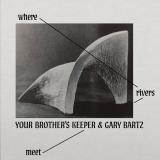
- A1: Cauldron
- A2: Ground Loop
- A3: Eclipse
- A4: Solar Flare
- B1: Locris
- B2: Petrichor
- B3: Mantra
Gary Bartz und das neue Londoner Ensemble Your Brother’s Keeper präsentieren mit "Where Rivers Meet" ein tiefgründiges und intuitives Studioalbum, das die seltene Begegnung zweier Generationen von Jazzmusikern einfängt. Das Album, das pünktlich zum 20-jährigen Jubiläum von Brownswood erscheint, vereint Bartz' Tradition mit der jungen, pulsierenden Szene Londons. Das Ergebnis ist Musik, die sich mit Offenheit und Intensität entfaltet, getragen von tiefem Zuhören und gemeinsamer Improvisation.
Im Zentrum des Projekts steht Bartz, eine der einflussreichsten Vertreter des modernen Jazz. Der Saxophonist, dessen Karriere sich über mehr als fünf Jahrzehnte erstreckt, machte sich einen Namen durch Auftritte mit Charles Mingus, Max Roach und Art Blakey, bevor er sich Miles Davis in dessen elektrisierender Phase der frühen 1970er-Jahre anschloss. Mit seinen gefeierten Aufnahmen mit der NTU Troop wurde er schnell zu einer prägenden Figur des Spiritual Jazz und schuf ein Werk, das Generationen von Musikern und Zuhörern gleichermaßen begeistert. Sein Spiel – lyrisch, tiefgründig und unverkennbar gefühlvoll – zählt nach wie vor zu den markantesten Stimmen des Jazz.
Das Album markiert zudem die Gründung von Your Brother’s Keeper, einem neuen Kollektiv um Schlagzeuger und Produzent Jake Long (Maisha), dessen musikalischer Dialog und die Improvisation tief in der Musik verwurzelt sind. Mit Ali MacSween (Piano, Synthesizer, modulare Effekte), Axel Kaner-Lidstrom (Trompete), Twm Dylan (Kontrabass), Tim Doyle (Percussion) und Chelsea Carmichael (Tenorsaxophon) sowie Long am Schlagzeug spiegelt die Gruppe eine Szene wider, die den Sound des zeitgenössischen Jazz im letzten Jahrzehnt maßgeblich geprägt hat.
Ordina ora e ordineremo l'articolo per te presso il nostro fornitore.
Mit gemeinsamen Aufnahmen mit den beiden amerikanischen Jazzlegenden Lee Konitz und Charles Lloyd
hatte sich der außergewöhnliche französische Pianist Michel Petrucciani in den frühen 1980er Jahren in die
internationalen Schlagzeilen gespielt. Auf “Power of Three”, seinem zweiten Album für Blue Note Records,
präsentierte sich der 23-jährige Pianovirtuose mal im Duo, mal im Trio mit zwei weiteren amerikanischen
Jazzgrößen: dem Gitarristen Jim Hall und dem Saxofonisten Wayne Shorter. Das 1986 beim Montreux
Jazz Festival live aufgenommene Album dokumentierte einen geradezu magischen Abend, an dem drei
Ausnahmemusiker aufeinandertrafen.
dovrebbe essere pubblicato su 03.07.2026
- A1: We Must Believe
- B1: Let The Music Play (feat Hannah Williams)
The CJP Band return to Supa Jams with two more tracks for your listening and dancing pleasure.
First up 'We Must Believe' channels disco (not) disco vibrations on a strings for days sea of spiritual spaceways. Soaring skyward on Boogie driven basslines and roaring sax solos.
This fresh cut nods to the psychedelic soul vocals of Rotary Connection, Idris Muhammad and The 5th Dimension, Carrying a powerful spiritual message of unity and transformation.
On the flip, Charles Earland 1976 jazz funk classic 'Let The Music Play' gets the CJP cover treatment.
A raw, Driving dancefloor burner, Powered by heavyweight drums, Deep Fender precision basslines, Flamboyant Brazilian percussion and crazy guitar and sax solos. Featuring Hannah Williams on guest vocals.
Hand Stamped Sleeve
Limited Pressing
Don't Sleep!
- A1: Frankie Valli & The Four Seasons - Sherry
- A2: Erroll Garner - Misty
- A3: Dean Martin - Ain't That A Kick In The Head
- A4: Dinah Shore - I'll Walk Alone
- A5: Jussi Björling with the RCA Victor Orchestra & Sir Thom
- A6: John Philip Sousa - Semper Fidelis
- A7: Proyecto TQ - Esto Es Guerra
- B1: Johnny Hartman - I See Your Face Before Me
- B2: Artie shaw & his Gramercy Five - Summit Ridge Drive
- B3: Ray Charles - You Are My Sunshine
- B4: Charlie Parker - April In Paris
- B5: Don Gibson - Sea Of Heartbreak
- B6: George Olsen And His Music - At Sundown
- B7: The Drum & Pipes & The Cape Town Highlanders - The Rowa
- C1: Tony Bennett - I Wanna Be Around
- C2: Frankie Valli - My Mother's Eyes
- C3: Duke Ellington - Satin Doll
- C4: Hank Snow - I've Been Everywhere
- C5: Perry Como - Catch A Falling Star
- C6: Dinah Washington - I'll Close My Eyes
- D1: Johnny Otis - Willie And The Hand Jive
- D2: Charlie Parker - Ornithology
- D3: Vera Lynn - I'm Forever Blowing Bubbles
- D4: Dinah Washington - Blue Gardenia
- D5: Marty Robbins - Don't Worry
- D6: Orchestra Dell'Angelicum Di Milano With Aladar Janes &
Mit diesem außergewöhnlichen Doppel-Vinyl lässt sich die Musik aus den ikonischsten Filmen von Clint Eastwood neu entdecken. Als Schauspieler, Regisseur und Produzent zählt Eastwood zu den prägenden Figuren der internationalen Filmgeschichte - und hat über Jahrzehnte hinweg ein ebenso markantes musikalisches Universum geschaffen. Diese sorgfältig kuratierte Sammlung vereint Originalaufnahmen aus seinen Filmen und spiegelt die enorme stilistische Bandbreite wider: von Jazz-Legenden wie Charlie Parker und Duke Ellington über Soul- und Pop-Klassiker bis hin zu Orchesterwerken und traditionellen Stücken. Die Auswahl zeigt eindrucksvoll, wie entscheidend Musik für die Atmosphäre von Eastwoods Filmen ist - mal subtil, mal prägend, immer charakteristisch. Gepresst als hochwertige Doppel-LP auf farbigem Vinyl, ist diese Edition zugleich Sammlerstück und klangstarke Hommage an eine einzigartige Film- und Musiktradition.
Ordina ora e ordineremo l'articolo per te presso il nostro fornitore.
- 1: Merveille
- 2: Nuna
- 3: The Stroll
- 4: Shangri La
- 5: Obelisk
- 6: Amber
- 7: Stekol
- 8: Tuntel
- 9: Slider
- 10: Lost Soul
- 11: Soul Found
Reverie is the first full-length collaboration between Ori Kaplan and Lihu Melamed - a cinematic, soul-soaked LP that drifts between modal jazz, cinematic scores and psychedelic rock, released on Batov Records.
Saxophonist and producer Ori Kaplan is best known as a founding member of Balkan Beat Box, for his work with Gogol Bordello and more recently, Shotnez, while Melamed brings a deep studio craft honed over years as an engineer, producer and multi-instrumentalist. Together, they create a record that feels both ancient and immediate: music that evokes old biblical films, sun-bleached Western soundtracks and 70s jazz explorations, while remaining playful, spontaneous and deeply human.
There’s a strong cinematic undercurrent throughout Reverie. Think Charles Heston wandering through an Old Testament epic; Ennio Morricone soundtracking a desert horizon; Nino Rota scoring Fellini’s Rome; or Pasolini filming in Ethiopia. Minor-key strings, modal structures and unhurried grooves sit alongside echoes of Mingus and Yusef Lateef, with Ori’s baritone sax and flutes guiding the listener through shifting scenes and moods.
dovrebbe essere pubblicato su 26.06.2026
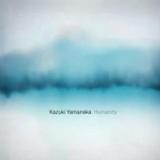
- Awake
- Inner Space
- Finding Peace
- Tears of Hiroshima
- Humanity
- It May Happen
- Flare
- Amalgamator
- Divinity
The recordings were made in a single day in New York City with a team of extraordinary musicians. He'd already established a firm creative partnership with bass legend Cameron Brown and award-winning pianist Russ Lossing over the past year during their time as recording artists in NYC, and he renewed his fruitful association with outstanding drummer Billy Mintz (Lee Konitz, Charles Lloyd, Alan Broadbent) to complete the quartet. These three have been vital to Kazuki's compositions that tell the story of his enforced absence from the scene during the pandemic and how he sought to centre himself in the midst of the disruption through contemplation and the development of an inward strength. Each track complements the next, alternately celebrating the deep jazz tradition and pushing hard at its boundaries, allowing each member of the quartet to display their extraordinary musicianship while creating a harmonious whole.
dovrebbe essere pubblicato su 26.06.2026
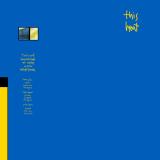
‘They went beyond punk before punk had properly started…the entire album is a controlled explosion of ideas. Nearly fifty years on, This Heat’s debut is something the world has still not completely caught up with.’ - Simon Reynolds
‘Over the years, there have been bands to play as aggressively, or even as strangely, but very few have been able to rise from their collective influences and histories to create music so singularly distinctive and inspiring.’ – Pitchfork 9/10
‘This Heat sounded like the future then ... and still do now.’ - Dan Snaith (Caribou)
Although widely considered to be Post-Punk’s finest, This Heat actually began performing and recording their music in 1976, the early days of London’s punk era. Within their two albums and an EP they perfected a strange and volatile new strain of avant-garde rock that time has proved to be massively influential, a blueprint for much that would follow: post-rock, math rock, homemade musique concrète, experimental electronica.
Numerous critics have recognised the band's influence on the music of Sonic Youth, Glenn Branca, Steven Wilson, Public Image Ltd., Radiohead, Swans, Shellac, Young Knives, Black Dice, Lightning Bolt and numerous other experimental and post-rock bands. Disbanding in 1982 they have left an undeniable legacy that has only continued to grow in stature and relevance.
The album This Heat, also known to fans and critics as the ‘Blue and Yellow’, was their eponymous debut release, recorded in sessions between February 1976 and September 1978 in a variety of studios including their own Cold Storage, a converted cold storage room in the Acme Studios complex. Innovating throughout, they combined loops and tape manipulation (producing for example the proto-drum and bass ‘24 Track Loop’) with live performance and haunting vocals to a complex, dissonant whole. The band recorded everything they ever did – including gigs – and tracks such as “Water” were entirely improvised in the studio.
Having recently passed the 50 year anniversary of their first gig, and the recording of material that appears on their debut album, the group’s surviving members Charles Bullen and Charles Hayward, true to their DIY roots, have set up an imprint to release their recordings for their growing fan base that is increasingly recognising their influential place in music history.
Ordina ora e ordineremo l'articolo per te presso il nostro fornitore.
- 1: THE SICKLE
- 2: LEFT HAND PATH
- 3: BHARANZAR PT. 1
- 4: CRESCENT MOON
- 5: RIGHT HAND PATH
- 6: BHARANZAR PT. 2
- 7: B.O.P
- 8: THE WITNESS
- 9: CODA
Transparent orangenes Vinyl. Unter dem Titel "II - Incarnate" legen SHAYTAN ihr zweites Album vor - und festigen ihren Mix aus Doom/Stoner und klassischem Heavy Metal mit orientalischen Einflüssen. Wo das Debüt "Chapter One" (2024) noch als Beschwörungsformel diente, steht das zweite Album für die Manifestation allen Übels in düsteren, aber auch melodischen Klängen. Musikalisch bleibt die Band ihren Wurzeln treu, erweitert den Sound aber durch noch atmosphärischere Klangbilder, die auch durch den intensiveren Einsatz von Hammondorgel und wuchtigeren Bass-Sound getragen werden. Die Produktion stammt von Charles Greywolf (Hammer King, Godslave).
dovrebbe essere pubblicato su 19.06.2026
- A1: Roadkill
- A2: Special Kind Of Woman
- A3: Let Me Down Easy
- A4: Glitter & Gold
- B1: Sharon
- B2: Love Is Getting Complicated
- B3: Baby, I'm For Real
- C1: I Cannot Believe In Tomorrow
- C2: Worried I'll Break Your Heart
- C3: Shoot Me With Your Love Gun
- D1: Daylight Miracles
- D2: California
- D3: Can't Fight The Tears
- D4: You Didn't Leave Me
Yellow Days' new album Rock And A Hard Place is a tour de force which sees George van den Broek returning to his soul roots, channelling everyone from Stevie Wonder to Gil Scott-Heron to his idol, Ray Charles, in a set of emotionally charged songs constructed with an attention to detail worthy of the Brill Building.
Beautifully sung, brilliantly played and almost glowing with intelligence, it's the sound of Yellow Days coming of age.
dovrebbe essere pubblicato su 12.06.2026
- 1: Behave
- 2: Whatcha Gonna Do
- 3: Blitz Can
- 4: Darts, Cards, Bingo
- 5: Red State
- 6: What Is Your Line
- 7: Twisted Ways
- 8: Tin Blankets
- 9: Bitter
- 10: Who's In Control
This is a record of noted pedigree. Nottingham is one of thee homes to god-tier hardcore punk. The scene there has evolved, revolved, mutated, and grown over the decades. It's DIY venues and recording studios are now of legend.
The catalogue number of WSR084 is no coincidence. As with Crass and their 'counting down to 1984' aesthetic, this is anarcho hardcore railing hard against the times. If you're not currently furious you're asleep and Blind Eye are spitting anger.
Taking inspiration from The Comes, Jerrys Kids, Aus-Rotten and Chaos UK, this album is a concise call to arms. Perfectly captured over a weekend towards the end of 2025 by Boulty at Stuck On A Name Studios, Mistrust Your Nation sees mid-tempo stompers mix with breakneck ragers, all pressed at 45rpm and sounding as hefty as the band playing in your front room.
Anmarie Spaziano's vocal is at once melodic and raging, giving new definition to “pissed off”. Steve Charlesworth's drums are second to none, they've never been equalled in over 40 years of doing this. Andrew Morgan's guitar on this record is wild: shredding equal parts cosmic noise and brutally-tight riffing whilst Matt Grundy's bass anchors the chaos, pushing every second onwards.
As a label we never tire of bands who have THAT THING. We struggle to describe it and to pin it down, but we know it and we feel it and we only deal with people who have it. When we put gigs on and Blind Eye share a bill with solo banjo player Jacken Elswyth (for example) the sound is clearly different, but the ethics are the same. We can see it and we can hear it and we hope you can too. We are a genre-free label. We are a label that deals only with righteous, inspiring people. Play this record loud. Let it help you through these hideous times - Wrong Speed HQ
dovrebbe essere pubblicato su 12.06.2026
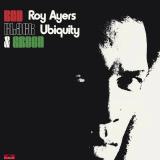
After years out of print, we are pleased to present this much-needed vinyl reissue of an essential album in Roy Ayers’ career. Pressed on 180g vinyl.
In the early 1970s, Roy Ayers formed his own band: Roy Ayers Ubiquity. Its lineup included artists well known to funk and soul fans such as Bernard Purdie, James Mason, and Edwin Birdsong.
This 1973 album presents Roy Ayers in the midst of a creative evolution toward a sound increasingly influenced by soul and funk, moving beyond the early phase of his musical career, which was more rooted in orthodox jazz.
On “Red Black & Green”, he teams up with highly accomplished collaborators such as keyboardist Harry Whitaker, arranger and producer William S. Fischer, and Strata-East musicians Charles Tolliver and Sonny Fortune. Here, however, the latter two do not venture into the spiritual jazz sounds so characteristic of their own recordings; instead, together they embrace a sophisticated funk groove where Ayers showcases his extraordinary vibraphone talent.
The album includes outstanding versions of ‘Ain’t No Sunshine’ and ‘Day Dreaming,’ as well as original compositions such as ‘Cocoa Butter,’ ‘Rhythms of Your Mind,’ and the superb title track, ‘Red Black & Green.’
Ordina ora e ordineremo l'articolo per te presso il nostro fornitore.