Search:beating me

Styles
All
Hotline TNT - Cartwheel LP

Will Anderson believes in true love—as both concept and catalyst, aspiration and inspiration. During his 34 years, the Hotline TNT founder and architect has found such love perhaps half-a-dozen times. Each instance has prompted some enormous swing of commitment, like a cross-country move or simply being honest about his budding attraction. It is a hopeful and vulnerable way to exist, a way to ensure maximum bruising during the fall of the breakup. And so far for Anderson, that is how it has always ended, whether the air has slowly seeped out of some once-full balloon or whether it has simply popped, those expanded feelings expelled in an instant. This tension is the brain, blood, and beating heart of Cartwheel, Hotline TNT’s second LP and an endlessly romantic testament to reaching for something that slips forever out of grasp. The byproduct of Anderson’s decades-long quest to pin down the surging sound long in his head, Hotline TNT has come to notice in the last four years through loose association with a feverish surge of shoegaze revivalism. And Hotline TNT indeed trucks in the touchstones you might expect: skywriting guitars that bathe in fluorescent hazes of distortion, blown-out drums that pound as though they’re trying to escape a concrete box, and honeyed vocals that try to rise above the chaotic mess in true-to-life mimesis.

out of Stock

Order now and we will order the item for you at our supplier.


Last In: 2 years ago
Patrick Watson - Wooden Arms LP

Originally released in Canada in 2006, and worldwide by 2007, Patrick Watson's breakthrough album has sold over 100,000 copies. Wooden Arms is Patrick Watson's highly anticipated follow-up to the critically acclaimed Close to Paradise, which vaulted the man and his band to international stardom in 2007. The Montreal band toured non-stop for two years following initial Canadian release of Close to Paradise in 2006, and in many ways Wooden Arms is the story and sound of a band waking up in strange places all around the world.

Whether it's the bicycle-city sound of Beijing,' or the warmth of a hole in the wall' in sweet New Orleans' on Big Bird in a Small Cage,' or the haunting European waltz of the title track, you can't help but feel in listening to Wooden Arms like you're on the road with the band. Sometimes it's dirty, sometimes it's wild, but it's never, ever boring.

Close to Paradise won Canada's prestigious Polaris Prize in 2007, turning more than a few heads in beating out offerings from Arcade Fire and Feist, among others. By the time it saw release in the United States, Europe and Japan, the band was flying all over the world, garnering rave reviews for the album and their blistering live show alike.

pre-order now17.11.2023

expected to be published on 17.11.2023

Courrier Sud - Garçon Voyage EP

Garçon Voyage is the first single in French from Courrier Sud's upcoming EP on Délicieuse Records. The song paints a fresco of that special and unsettling moment at the beginning of a relationship when one of the two falls in love, but isn't sure if they'll be loved in return. Its rhythm is heady like a beating heart, set to a mix of minimalist synths, somewhere between Metronomy and Flavien Berger.

out of Stock

Order now and we will order the item for you at our supplier.


Last In: 2 years ago
Courrier Sud - Garçon Voyage EP

Garçon Voyage is the first single in French from Courrier Sud's upcoming EP on Délicieuse Records. The song paints a fresco of that special and unsettling moment at the beginning of a relationship when one of the two falls in love, but isn't sure if they'll be loved in return. Its rhythm is heady like a beating heart, set to a mix of minimalist synths, somewhere between Metronomy and Flavien Berger.

out of Stock

Order now and we will order the item for you at our supplier.


Last In: 23 months ago
Hyperdawn - Steady LP

The central theme of Steady is perseverance. Each track is based on a personal story or a fleeting encounter with people these past few years, from close friends to total strangers, either at home or on night shift commutes. People navigating their own hardships, almost giving up but always struggling through. More broadly, it’s about multiplicity, and contradiction. These central figures displaying hope and determination within a city of development and neglect, uniformity and chaos - an unfiltered representation of a city with all its jagged edges, darkness, and shards of light. It's broken and disheveled, but never not beautiful, just like the people in it. Musically, Steady continues where Bleach (debut album) left off - a sonic language of glitch, decaying tape and analogue distortion through which hints of RnB and soulful ballads bleed through. With a greater emphasis on beats, albeit lopsided on pitch-shifted tape loops, Steady feels more self-assured, more confident, more recognisable. At the same time, it's never stable or predictable - choruses break down early, harmonies bend into beating microtones, tracks emerge before others have finished. The symphonic scope of Bleach is still retained in Steady though. This is music of motivic development, of micro and macro form, of meticulous refining. The work of two classically trained composers, the album's chaos is heavily considered and carefully shaped. Hours of improvisation sessions have since been painstakingly refined into ten distilled tracks, owing to Steady's three year gestation.

pre-order now20.10.2023

expected to be published on 20.10.2023

Alvin Lucier - Works for the Ever Present Orchestra Vol. II

Works for the Ever Present Orchestra Vol. II continues Black Truffle’s documentation of the late work of legendary American experimental composer Alvin Lucier, who sadly passed away in 2021 at the age of 90. Like the first volume of the series, the two works recorded here were written for The Ever Present Orchestra, an ensemble founded in Zürich in 2016 to perform Lucier’s work exclusively. At the core of the music Lucier wrote for the ensemble is the electric guitar, an instrument he began to explore in 2013. Played with e-bows, in these works electric lap steel guitars take on roles akin to the slow sweep pure wave oscillators heard in many of Lucier’s works since the early 1980s. This strikingly elegant pair of compositions would serve as an ideal introduction to Lucier’s late music for a listener as yet unfamiliar with its graceful exploration of beating patterns and other acoustic phenomenon.

The two pieces have quite different characters, exemplifying Lucier’s ability to harvest a remarkable range of musical results from closely related compositional procedures and concerns. In Arrigoni Bridge (2019), Lucier uses a technique familiar from earlier works such as Still Lives (1995), where sine waves traced the shapes of household objects. Here, three lap steel electric guitars (played by Oren Ambarchi, Bernhard Rietbrock, and Jan Thoben) follow the form of the Arrigoni Bridge that connects Middletown and Portland, Connecticut. The bridge’s two enormous steel arcs become slowly sweeping pitches, alongside which alto saxophone (Joan Jordi Oliver Arcos), violin (Rebecca Thies) and cello (Lucy Railton) sustain long tones, creating a variety of audible beating patterns depending on their distance from or proximity to the guitars. With its stately pacing, warm middle register tones, and rich timbral variety in the sustaining instruments, Arrigoni Bridge is a beautiful example of compositional reduction producing immersive results. Flips (2020), on the other hand, is more austere. Scored for two lap steel electric guitars (Rietbock and Thoben), double bass (Ross Wightman) and glockenspiel (Trevor Saint), the two acoustic instruments played with bows, the piece zooms in on the range of a major second (two semitones). The two guitars sweep in opposite directions within the range, crossing every four minutes; the double bass and glockenspiel sustain long tones, producing beats of different speeds determined by their distance from the guitar tones. This limitation of the tonal range means the music is often dissonant and forces the phenomenon of audible beating to the surface, resulting in a paradoxical music composed entirely of long tones yet alive with pulsating rhythm. Exemplifying Lucier’s ability to uncover near-infinite complexity within seemingly simple materials, Works for the Ever Present Orchestra Vol. II is a fitting tribute to one of the major figures of the experimental music tradition and a testament to the continuing power of his work.

out of Stock

Order now and we will order the item for you at our supplier.


Last In: 2 years ago
Shepherds Reign - Ala Mai LP 2x12"

'Ala Mai' is the second studio album from New Zealand's dynamic metal powerhouse, Shepherds Reign. Shepherds Reign’s unique blend of music, muscle and mayhem, is a supreme listening experience crossing genres, cultures and myriads of other borders. Early press has been glowing, with a 9/10 rating from Distorted Sound, 4.5/5 from Metal Epidemic and Classic Rock mag stating "Beneath the band's groove-metal bedrock lies a capacity for world-beating melodies"

pre-order now13.10.2023

expected to be published on 13.10.2023

Theo Lawrence - A Country Mile

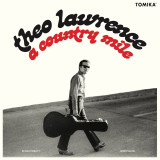
After supporting Alison Krauss & Robert Plant during summer '22 and going on tour alongside Charley Crockett across UK and Netherlands, French-Canadian singer-songwriter Theo Lawrence invites you to travel with him on the roads of Texas for an exclusive RSD release. Four performances captured on the spot, in a studio away from the city. Love songs flirting with bluegrass and rock'n'roll, straight out of a honky tonk where western waltzes follow one another. With this country hillbilly quartet (fiddle, lap steel and double bass), each of the instrumentalists is a reference. Together they form the beating heart of the Austin, TX music scene.

pre-order now29.09.2023

expected to be published on 29.09.2023

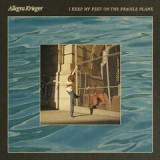
Allegra Krieger - I Keep My Feet on the Fragile Plane LP

It contains all the signatures of her best lyricism: delicate and precise phrasings, moments that flicker between beauty and banality, meaning that forms through the accretion of observations, memories, and unexpected adages. This is an album that is at once post-theistic and devoted to a relationship with the divine, each song blinking in and out of "the fragile plane," a place Krieger describes as "a middle ground in the universe," both abstract and peaceful, where time, bodies, and names don't exist.

Krieger initially collaborated with Luke Temple and Jeremy Harris to record her vocals and guitar to tape at Panoramic Studios in West Marin, CA. As the album continued to form, Krieger envisioned instruments - like the French and English horn (Nancy Ranger and Priscilla Reinhart), electric guitar (Jacob Drab), and pedal steel (Kevin Copeland) - as characters which would walk in and out of the soundscape. What emerged from conversations with composer Sammy Weissberg, are brass parts that have a dark, almost surreal logic: horns arise to emphasize a word or phrase, fall out completely, only to rush back with dissonant orchestrations that gesture simultaneously toward deterioration and generation.

While Krieger takes inspiration from Elliot Smith's honesty, Judee Sill's cosmic reaching, and Joni Mitchell's sharp noticing, the dream-like association, harmonic dissonance, and angular melodic ascensions in each song are singularly and delightfully Krieger's.

"I Keep My Feet on the Fragile Plane" is a daring collection of songs by an artist who scries with both the cold glass eye of truth and the beating heart of empathy; who portrays life in all its twisted complexities.

pre-order now08.09.2023

expected to be published on 08.09.2023

THE DEATH WHEELERS - CHAOS & THE ART OF MOTORCYCLE MADNESS LP
  • The Scum Always Rises To The Top
  • Morbid Bails
  • Les Mufflers Du Mal
  • Ride Into The Rot (Everything Lewder Than Everything Else)
  • Triple D (Dead, Drunk, Depraved)
  • Lucifer?S Bend
  • Brain Bucket
  • Open Road X Open Casket
  • Motortician
  • Interquaalude
  • Sissy Bar Strut (Nymphony 69)
  • Cycling For Satan Part Ii

Cursed to ride forever on this mortal plane after partaking in a satanic drug ritual, the Death Wheelers pledge allegiance to the god of hell and fire. However, in order to prove themselves to their newly anointed leader and for the spell to take effect, the club Will need to engage in a series of lewd acts of sex and violence across the country.Immortality comes at a price and you’re about to pay for it… The beating heart of The Death Wheelers is a rumbling engine. Since their self-titled debut in 2015 and in 2020’s cinematic-storytelling breakout, Divine Filth, the Canadian outfit have tapped into wind-through-hair freedom and careened down open roads of groove, not a cop in sight. Their third record, Chaos and the Art of Motorcycle Madness, more than lives up to its name on all fronts. With songs like “Morbid Bails” and “Lucifer’s Bend,” the in-the-know references abound, and The Death Wheelers draw from classic underground metal, scummer heavy rock and cast themselves into a cauldron of cultish biker devil worship, reveling in any and all post-apocalyptic dystopias with genuine glee at having just seen the world eat itself. You might hear some surf guitar. Crazy things can happen. A sample in “Triple D (Dead, Drunk and Depraved)” underscores the message: “We want to be free to ride our machines without being hassled by the man. And we want to get loaded.” That line, from Roger Corman’s 1966 film The Wild Angels, serves as a mission statement, and as “Lucifer’s Bend” starts by laughing about how you can’t get away from Satan, they might as well carve it into their forearms to be ready when the blast of distortion hits, as much Entombed as Motörhead, galloping and sinister, coated in road dust and blood. The band tells the story like this: “Cursed to ride forever on this mortal plane after partaking in a satanic drug ritual, the Death Wheelers pledge allegiance to the god of hell and fire. However, in order to prove themselves to their newly anointed leader and for the spell to take effect, the club will need to engage in a series of lewd acts of sex and violence across the country. Immortality comes at a price and you’re about to pay for it…” While forging songs adherent more to ideology than style, The Death Wheelers cast their biker cult in their own image, and on Chaos and the Art of Motorcycle Madness, they challenge death head-on as only those with no fear of it could hope to do.

pre-order now01.09.2023

expected to be published on 01.09.2023

EXISTENCE - GO TO HEAVEN

The story of Existence dates back to 2016 when a group of young Stockholm hardcore heads wanted to get into some good old Cro-Mags worship. After some changes in personnel, the current line-up of deranged idiots has been paving the way for a violent future since early 2017. They currently share members with several other bands, including Blood Sermon and Speedway and are all active in the local DIY community in different ways, for example running Alive and Well Fest. With an EP under their belt in 2018, several tours across Europe and beyond, as well as appearances on such stages as Outbreak, the sound began to evolve leading up to the masterpiece that is the debut LP, ‘Go to Heaven’. Clocking in at nearly 40 minutes we don't think anyone can truly be prepared for this insanely epic body of work. From Slayer, to Merauder, to H8000, to Arkangel to Integrity, this is a masterclass in metallic hardcore songwriting by the strong beating heart of Stockholm HC. Songs that take you on a journey from a classic metallic breakdown riff to acoustic guitar sections to sword samples needed a hand that was not afraid of the complexity, leading to Jonah Falco of Fucked Up on mixing duties giving this the depth that it deserved. At times introspective, and at other times classic brute force, the themes of the lyrics are well summed up with the painted artwork by Nora Löwenberg of a face behind shattered glass, exploring the multifaceted nature of humanity and the ever changing place of the self in today’s global world. So if this all sounds like your kind of hardcore, then listening to this LP will truly be… heaven.

pre-order now31.08.2023

expected to be published on 31.08.2023

Section 25 - Retrofit

Section 25

Retrofit

12inchFBN140
Factory Benelux
17.08.2023

Factory Benelux presents a limited (500 copies only) orange vinyl edition of Retrofit, the seventh studio album from post-punk trailblazers Section 25, originally released in 2010. First time on vinyl.

Recorded before the untimely death of founder member Lawrence Cassidy in February 2010, Retrofit saw cult Factory Records group Section 25 revisit key tracks from their 1980s back catalogue, remade and remodelled for the 21 st century using an appropriate mix of new and old technology.

‘Gathered here is a selection of Section 25 faves, re-recorded and re-thought. The idea is born from their invigorating live set – compelling use of technology to lift them (almost) free from the familiar shards of 80s underground. Shockingly, this newattack works. All this tightening appears to have tugged the band into a sense of Now, gloriously at odds with the contemporary norm’ (The Quietus)

‘Audacious and innovative’ (Record Collector)

‘Section 25 might just be the best band in the world. Since 1980 they’ve been forging music that is as beautiful as it is challenging, from the monochrome psychedelia of their first album through Zen guitarscapes, electronic epiphanies, the arguable invention of Acid House, and on to an unexpected rebirth in 2006. Even within the narrative of such an unusual band, Retrofit is an odd confection: not a best-of or remix album, but a retrospective in which tracks are remodelled as gleaming technosculptures with the most human of hearts.’ (Glasgow Herald)

Now released on vinyl for the very first time, FBN 140 is limited to just 500 copies pressed on orange vinyl. The digital copy contains 5 bonus tracks, including a blistering re-boot of Looking From A Hilltop by Stephen Morris of Joy Division/New Order.

out of Stock

Order now and we will order the item for you at our supplier.


Last In: 2 years ago
Codek - Tam Tam / Closer

Codek

Tam Tam / Closer

12inchDE165
Dark Entries
04.08.2023

REPRESS

Codek is the brainchild of Jean-Marie Salaun who grew up in Paris influenced by the folklore of the inner city. In 1978 he joined art rock group SpionS alongside Gregory Davidow and recorded two singles. Diving into the Paris post punk scene he met Claude Arto and designed the artwork for Claude's single on Celluloid Kwai Systeme / Betty Boop.' Robin Scott (M Pop Music') had produced the SpionS first single and wanted to collaborate further. With Claude, Jean-Marie wrote Me Me Me', intended for a choir, for M. Then SpionS split and Robin was off to Switzerland to record an album to follow-up his hit single. That left Jean-Marie alone in London, where he began working as Codek, a play on the brand name Kodak The Me Me Me' single was released by MCA Records in 1980. Back in Paris, now with some studio experience, Celluloid Records hired Jean-Marie to produce records for Artefact and Les Orphelins. Over the next 2 years he began working on ideas for the next Codek single Closer / Tam Tam'

Closer' started its life as an electric baseline played by Jean-Marie. Claude Arto sequenced the floating synthesizers. Laurent Grangier and Frédéric Lapierre of reggae band Immigration Act played the horns. The lyrics Hard to say. Easy to do. We don't need to say what we do' were a statement on creation as narration expressed Jean-Marie's ennui, I'm tired with it.' Tam Tam' was inspired by Burundi drummers playing on the plaza in front of Beaubourg where the song was recorded. Jean-Marie enlisted one of the drummers from the circle, Georges Atta Dikalo, to lay down percussion for the song. The female singers were from the French Caribbean and added falsetto tribal chants. JM was part of the the African night scene in Paris, remixing Xalam's Kanu' and Touré Kunda's Salaly Muhamed.' Claude achieved complex rhythmic patterns using a modular synthesizer and heavy processing. Jean-Marie recorded himself beating his chest for the thump noises. The recording of Tam Tam' and Closer' spanned over two years. They started on 16-track in Studio d'Auteuil, where JM blew the woofers, before resuming in Studio Centre Georges Pompidou with an added 8-track recorder. Jean-Marie was producing other bands, and a lot of this was recorded on "borrowed" studio time. The single was released in 1981 on West African Music, a tiny label from the Ivory Coast, and was re-released a year later by Island Records in the UK (where the B-side was re-named Tim Toum'). Both tracks were staples in the DJ sets of Beppe Loda and Daniele Baldelli, finding a spiritual home in the Cosmic scene of Italy.

Both songs have been remastered for vinyl by George Horn at Fantasy Studios in Berkeley. The jacket is an exact replica of the 1981 edition with artwork by Angela Boy, inspired by primitive electronics and African paintings. Each copy includes an doubles-sided insert with photos and liner notes by Jean-Marie Salaun.

pre-order now04.08.2023

expected to be published on 04.08.2023

Codek - Tam Tam Remixes EP

Codek is the brainchild of Jean-Marie Salaun who grew up in Paris influenced by the folklore of the inner city. In 1978 he joined art rock group SpionS and collaborated with Robin Scott (M 'Pop Music'). He began working as Codek, a play on the brand name Kodak with the 'Me Me Me' single released in 1980. In 1981 the 'Tam Tam'/'Closer' single was released on West African Music, a tiny label from the Ivory Coast, and re-released a year later by Island Records in the UK (where the B-side was re-named 'Tim Toum'). 'Tam Tam' was inspired by Burundi drummers playing in the plaza in front of Beaubourg where the song was recorded. Jean-Marie enlisted one of the drummers from the circle, Georges Atta Dikalo, to lay down percussion for the song. The female singers were from the French Caribbean and added falsetto tribal chants. Claude Arto achieved complex rhythmic patterns using a modular synthesizer and heavy processing. Jean-Marie recorded himself beating his chest for the thump noises. The recording of spanned over two years. They started on 16-track in Studio d'Auteuil, where Jean-Marie blew the woofers, before resuming in Studio Centre Georges Pompidou with an added 8-track recorder.

In 2017 we reissued the 'Tam Tam'/ 'Closer' single and shortly after the 24-track master tapes were discovered in Paris by original engineer Gérard Chiron. We arranged for graphic designer Maycec to pick up the tapes and immediately began to think of remixers for this project. First up is producer and DJ Daniele Baldelli who gave the original single a spiritual home in the Cosmic 80s scene of Italy. Here he's teamed up with Marco Dionigi for two remixes. Remix A goes full on funky disco baseline while Remix B a more balearic affair. We remember Justin sharing a memory of DJing the original Island Records promo at the Mudd Club in 1981 so we had to ask him for remix. He teamed up with his Whatever/Whatever production partner Bryan Mette and delivered an hypnotic pulsing house remix and an extended edit. All songs have been mastered for vinyl by George Horn at Fantasy Studios in Berkeley. The jacket is new twist designed by Eloise Leigh on the 1981 edition artwork by Angela Boy, inspired by primitive electronics and African paintings.

pre-order now04.08.2023

expected to be published on 04.08.2023

MIZMOR - PROSAIC

Mizmor

PROSAIC

12inchPFL302LP
Profound Lore
04.08.2023

MIZMOR, is a one-man heavy music exploration that began in 2012 as a
way of dealing with the mental and spiritual anguish mastermind A L N
feels as a person
More specifically, the content behind the project is that of the existential - primal
and innate musings about cause, purpose, self, and god. It is the search for light
and truth, or the fact that there is none. It comes from an embittered, burned,
confused, and broken heart. It is the fight for survival when reason and
foundation has turned to nothingness. It is the crashing down of towers of
falsehood and the freedom that comes through a certain kind of grief. Ultimately,
MIZMOR is the manifestation of my long-felt depression, and neither have an end
in sight.
In A.L.N.'s own words behind the new MIZMOR album "Prosaic":
"The idea behind "Prosaic" was to make an intentionally less conceptual, more
slice- of- life record. I wanted to make an album that was less precious and
obsessed-over, more honest and real; less grandiose and more human. I found it
an interesting challenge to find the line between 'you can do better' and 'you're
beating a dead horse.' I tried to make my process more efficient and even fun at
times. I simply wanted to share, but if that meant exacting all-out perfectionism, I
wasn't going to make a record. Right now I'm interested in making less selfindulgent music. The themes are the absurdity/futility/purpose/meaning of work,
mindfulness/ consciousness/ living in the present moment/ shedding illusions,
depression/ acceptance/ contentment. This is the first MIZMOR album without
any content relating to god/atheism. You also won't hear any shrieks."

pre-order now04.08.2023

expected to be published on 04.08.2023

Cavalera - Bestial Devastation  LP

Cavalera

Bestial Devastation LP

12inch4065629681470
Nuclear Blast
15.07.2023

In 1983 there came a sound from the depths of the Brazilian rainforest that was primal, ground-breaking, and completely ahead of its time. The roaring of amplifiers and the beating of drums was the sound of Max and Iggor Cavalera creating their debut cult-classics 'MORBID VISIONS' and 'BESTIAL DEVASTATION', and now it seems that after many years, the Cavalera brothers will be returning to their raw upstarts with a full re-recording of these beloved yet obscure albums.
When 'MORBID VISIONS' and 'BESTIAL DEVASTATION" were first spawned it was done in ramshackle conditions in Belo Horizonte, where the duo grew up. Max and Iggor were 14 and 13 years old during the original recording, and they had all the tenacity and energy of a pack of wild dogs. Only, their sound was not quite refined at that time, their adolescence bled through on those early records. It is well known that Max's guitars were completely out of tune on those sessions, and Iggor's drums often swung around tempos crazily. There's an air of youth and passion that could only be achieved by two teenagers that wanted to shock the world. Four decades later and it is plain to see that they certainly did gather the world's attention.
Despite the production being rough around the edges and the band still carving out their direction, there was a noticeable level of craftsmanship to the song structures and a clear indication that given their desire to thrash like maniacs, these kids from Brazil were going to tear the place up night after night. These albums still hold a dark, mystic and at times eerie quality to them that many have come to love over the years. For some, the music does not have to be delivered with perfect technical precision, the spastic live delivery is something to be cherished, and even with their guitars out of tune, they played like the gates of hell were opening. The crossroads of a shamanistic spiritual summoning at a back-alley metal show in downtown Belo Horizonte.
It is a task of heavy magnitude to try and cross the gap between the accomplished artists that they are today to the scrappy boys that they were when they first wrote these songs, but the duo have executed the performances flawlessly. The perfect bridge between the unbridled energy of the original sessions and the high-quality sound of a 21st century production. It is truly astounding to hear Max once again growl like a monster during "Troops Of Doom" and riff at insane speeds through "War" and "Crucifixion". Iggor's barbaric drumming on "Anti-Christ" is like the galloping hooves of a death-rider. Accompanied by bassist Igor Amadeus Cavalera (HEALING MAGIC, GO AHEAD AND DIE) and lead guitarist Daniel Gonzales (POSSESSED, GRUESOME) the quartet is a force to be reckoned with.
How this re-recording attained such a familiar tenacity is almost a mystery, like some spell that brought these albums back from the grave. Within the first few beats you can hear that the Cavalera’s have lost no momentum, attacking the songs at maximum speed and ferocity. In fact, it seems that the brothers have only empowered their connection through music over the decades. You can feel the spark that those two create, a dynamic sound rich with subtleties and ear-grabbing hooks. As Iggor counts in each song with his drumsticks, and Max's guitar feedbacks loudly as he approaches the microphone, there is palpable apprehension. It is apparent that when these two icons get together to play, they are going to electrify the room with their presence.
Few have had the incredible careers that Max and Iggor have achieved through their music. Even fewer had faith in the young boys that wrote 'MORBID VISIONS' and "BESTIAL DEVASTATION' all those years ago. Yet here they still stand ripping through their earliest works with decades of experience under their belts. For them, it is a breath of fresh air to finally give these songs the desired production that they deserve. They both feel that the fans also deserve a fresh look at these albums, a chance to appreciate them in a completely new light.
From start to finish 'MORBID VISIONS" and "BESTIAL DEVASTATION" are a torrential whirlwind of riffs, beats, and screams. A blast from the past that is sure to take every last listener back to the raucous live shows of the eighties.
Mysterious clouds form above an old cathedral, the summoning of dark magic is upon us, and the troops of doom march forth to announce the arrival of 'CAVALERA'!

pre-order now15.07.2023

expected to be published on 15.07.2023

Lukas De Clerck - CERCHI CERCHI

Lukas De Clerck

CERCHI CERCHI

12inchBLICKWINKEL0
blickwinkel
09.06.2023
 
3

Oorsprong is a tube, a line in a forest, a sound sculpture. Acoustics to be revealed. Activated by entering, it becomes a giant flute producing a tone that is so low, the body crashes into waves of pure pressure instead of sound. Untranslatable energy. CERCHI CERCHI by Lukas De Clerck (FKA: Bloedneus & de Snuitkever) is a quest in a forest to find traces of that untranslatable sound, its impact, its imprint, its memory. A hide and seek in which the body is concealed in the instrument, becoming its second voice, hidden but exposed.


I
whistling, organ pipe, voice
A whistle, a whisper, a play of breath. Echoes of a low pulse, colliding into each other.
Party in the background, a coach blows a whistle, a haunting scream echoes the whistling from inside, kids returning from a party.

II
voice, whistling
To give away your voice, a gesture. The initiative for an introduction.
Birds chirping, an F16 piercing through the sky.

III
kaval
A circular breath gently caresses a line of circles, making its surface ringing.
Birds chirping, voices of kids, kids shouting, the door of Oorsprong closes.

IV
oorsprong, two bass recorders
When tuning becomes rhythm, when rhythm becomes a beat of breath. A beat underneath the beating of tones. Feedback of flutes.
The clanging of 2 bass recorders, the ventilator of Oorsprong is turning on.

pre-order now09.06.2023

expected to be published on 09.06.2023

Hebi Katana - Impermanence LP

The 1st album released in August 2021 attracted attention in the overseas scene, and labels from various countries such as Italy, Argentina, US and Poland. More release realized. Only half a year after that, they completed the remarkable 2nd album. Based on the royal road doom sound and the music with the blues feeling derived from 70's, the band ensemble with more euphoric feeling gets a lot of attention. A full lineup of songs such as "Devastator", which freely grooves from a side-beating beat to double bass, and "Agua De Vida", which enhances smoke and trip feeling under the direction of Mr. Okazaki. In the mellow "Underneath the Sky" and "Running In my Vein", the taste that has withered moderately is impressive. With the help of an effectively crafted album composition, it can be argued that they have reached the next level in this work. Don't miss the further leap of "Tokyo samurai doom" !!

pre-order now02.06.2023

expected to be published on 02.06.2023

Tai Davis - No Computers Necessary

2023 Repress

Often called one of Chicago's talented hidden gems, singer/songwriter/DJ/producer Tai Davis means House in almost every sense. He's dropped vocals for established producers such as Paul Johnson, Stacy Kidd, and also Galactik Knights, Nate Caswell and Yakka. Preferring to use vintage analog gear, his classic house sound consistently packs dance floors worldwide!
Track Review: A1) ""Cosmic Groove"" This piece sends you on a trippy journey with a 'spacey' bassline accompanied with groovy drums, but the lush pads and lead synth puts this jam over the top- guaranteed to make the floor burn!
A2) ""Floating"" This is truly vintage-sounding acid with 2 overlapping powerful TB-303 patterns with NO distortion, haunting strings, and a beating drum track for extra thump!
B1) ""Falling Forever"" The mellow but depressing synth pads will definitely grab you, but the repetitive, hypnotizing bassline will keep you. Add a minimal, pounding 808 and it makes this track one to play over and over...and OVER. B2) ""Strobe Light"" A minimalist track with a basic but adequate house piano riff and a freaky synth lead. But the 'popping' claps over the pulsating 909 bass drum paired with an abnormal, repeating bassline makes this one sound like pure 90's house! A definite classic.

out of Stock

Order now and we will order the item for you at our supplier.


Last In: 8 months ago
Nathan Dawidowicz - Sanctuary of Ideas

Born in Milan to a Cameroonese father and a Polish/Lithuanian mother, Nathan Dawidowicz moved at the age of 6 to Jerusalem. He was spending his childhood in a Jewish ultra-orthodox environment playing the piano and dreaming of being a Fashion designer and musician. After waking up from the reality he was raised in, he moved to Venice and started to explore the "outside world" of the mental barriers of religion. Music and fashion were his medicine, and he quickly became addicted to musical textures and vinyl. His love for music brought him quickly to Berlin, where he currently lives and loves.

Sanctuary Of Ideas is a very personal and optimistic journey by Nathan Dawidowicz. His first solo album is a spiritual path, as cosmic and adventurous as Nathan`s trajectory, with beautiful twists and psychedelic twirls into Dawidowicz personal rabbit hole. A record full of memories and positive affirmations, filled with Jazzy yet psychedelic Cosmic and Krautrock elements. A fusion of inspiration - and a perfect reflection of Dawidowicz heritage.

Idea`s Eve is a stargate to our ancestral power. The source of our inspiration is connected to our past - to the spirits of our ancient memories. Dawidowicz leaves a lot of space to breathe in this magical opener. Enchanting melodies and bubbling sounds surround the listener while his voice keeps repeating a mantra of an ancient love spell. A track where you feel your DNA spiraling up the ladder of evolution. Yet so natural and healing.

Full Moon Dance is the spiritual continuation of the first track. A swirl of magical melodies, yet jazzy but truly cosmic walking up the ladder to another dimension, where warm moon rays and fluffy clouds surround love. The synth lines represent the playful and smooth moon rays reflected on a rhythmical heart-beating ground where tears can be joyfully spent to honor the emotions we usually oppress.

To close the EP, Nathan Dawidowicz worked a half a year to finalize the last track in full detail. 23 Minutes and 18 Seconds long is the Capricorn Rising Over Jerusalemite Temple. This story is where the listener is brought to a higher level of consciousness. Against the rules of our consumerist world, Nathan Dawidowicz focuses on a dramaturgy full of patience for our own lifetime. Acidic lines come and go, powerful synth solos trigger unknown brain parts, and an epic melody accompanies the listener and lets dark emotions melt in a brass-filled part where a voice tells us that time is on our side. The song ends with an epic twist and promises a new start, where our most lovely memories stay in a vortex of light. Beam me up Nathan.

out of Stock

Order now and we will order the item for you at our supplier.


Last In: 13 months ago
Sinemis - Dua

Sinemis

Dua

12inchINJA021
Injazero
31.03.2023

Circassian-Turkish Producer Sine Buyuka debuts new solo project Sinemis with lush, graceful album ‘Dua’, gently combining the ancestral Sufi music of her homeland with sophisticated techno-inflected ambient. Dua’s life began with a life-threatening illness. “I started feeling unwell last year and no one could figure out the reason,” Sine writes. “It was a scary time, not knowing and trying to manage symptoms while they slowly worsened. In late 2021, while I was visiting my family in Turkey during the Christmas break, I was taken into A&E. After more tests, I had a diagnosis and had surgery in January.” Following this, within the healing process - highly emotional as well as physical - Sine was drawn to the traditional Sufi music of Turkey and the Middle East. Ritualistic music to accompany ancient sema ceremonies, in which whirling dervishes enter a transcendental consciousness through ecstatic movement and repetition. With this influence at heart, Sine began work on ‘Dua’, with a newly-formed artist name to signify new, unfamiliar music from a celebrated electronic producer. For her, the album marks a significant step in her recovery. But it is also a potent marriage of contemporary and ancestral trancestates, interweaving sci-fi synthesis and floor shaking bass tones with mystic imagery, textures and timbres. A meditative, spiritual balm that melds field recordings, found sounds, ambient soundscapes, electronics and acoustic instrumentation to celebrate life and survival in challenging circumstances. The breathy, cinematic tones of album opener ‘Dua’ hover and shiver in preparatory stasis as broken-machine punctuation begins to dot rhythmically through the space. A yearning, repeated vocal sample - a living, beating heart inside the machine - characterises a crucial theme for the album: the marriage of digital instrumentation with the analogue, the human and the organic. Later, ‘Elegy’ reflects its title with heartbreaking chordal shifts and glitching birdsong, conjuring a sound world somewhere between KMRU and Max Richter. Key track ‘Gazel’ moves in glacial slo-mo, like whirling dervishes frozen in time at the peak of their trance. Euphoric ceremony made haunting and poignant without losing a mote of power…Across the album, the timbres of Sufi ritual are often captured by the otherworldly presence of the historic ney flute, said to be as old as the Holy Books. “Sufi music can be created using several different instruments but the ney flute is at the heart of it. The sounds emanating from this fascinating instrument kept capturing my imagination,” Sine tells us. Working both with samples and with Turkish musician Omar Faruk Tekbilek, Sine achieves a rare balance of reverence and recontextualisation for such a time-honoured instrument, here performed by a lifelong student of its intricacies and mysteries. In Sinemis’ hands, the processing and sonic treatment of the ney even sometimes renders it indistinguishable from Dua’s synthesis and sound-design

pre-order now31.03.2023

expected to be published on 31.03.2023

SSPS - THE LIFE & TIMES OF GIGI BLACK 4x12"

4x LP and Zine (ft. photos, historical text and track narrations by the artist) set. Nation bring it.
An essential delve in to the retrospective works of SSPS. Limited edition. No repress. HUGE TIP ON THIS!

" You can't fake the funk, as they say and SSPS is pure funk embodied in all he does, the man oozes the funk 24-7!
One of my earliest encounters with SSPS was at one of the infamous Rubulad parties out in Brooklyn....
the man was decked out extravagantly...a cross between Blowfly and some futuristic being zapped
down to earth directly from the P-Funk mothership. Who was this masked man?
The disco vampire, was beating fast disco tracks relentlessly while slamming in his 707 over the records in real time...
not an easy feat, the beauty of the imperfections making it that much more exciting hearing the gallop and wild energy
he was bringing to the crowd, we were eating it up. This is SSPS, fearless in his approach and execution,
a modernist looking to the future but rooted in the past, an artist committed to his art...
all presented with unhinged emotion. It's all or nothing...everything on the table....do or die...the true epitome of style!!!!

Declaring someone a "cult figure" or a "legend" is a huge weight to carry and is often a term that is carelessly thrown around,
but those of us who have dwelled in this "underground" over the last 30 years can say with confidence that SSPS is just that
to many of us, no questions asked, it's not up for debate.

Now, many years later we see the culmination of his electronic works from 2002-2021 committed to record in this 4xlp,
16 track boxed set (plus 45 page booklet) titled SSPS, "The Life and Times of GiGi Black" thus solidifying
Mr. Nicholson's place in the secret world of dance not dance music.

The only way to describe this offering is "full spectrum electronic musical madness" not to be categorized,
never to be pigeonholed, full of surprises and straight from the gut with a direct hit to the heart.
We could go on about the production processes, about his Furr City studio space or his cross country excursions
for work with a truck packed with paintings (but also his music equipment) plugging in and recording during his
pit stops in Motel 6's across the US. But again it doesn't do justice to simply have a small peek inside the man's mind...
the music is beyond the mind. The process is the process and nothing has or can stand in the way of what the SSPS
has done in his long musical life. Punk Rock, Hardcore, House, No-Wave, Industrial, Jakbeat/Slow-Beat and Noise.
it's all there for the taking, it's all intertwined. If you want it, you will find it within SSPS's works.

Nicholson's path is the embodiment of true culture within "dance music" cultivated from years of learning, experimenting,
and pushing the limits with total commitment and immersion. "The Life and Times of GiGi Black" is true life experience,
it is a reflection of someone delving deep into his craft and presenting it with care in opposition to the fast, disposable,
self gratifying click bait culture we see dominating the pages today. The proof is here, drop the needle, enter the world of SSPS.


n G2 1000 Truths Balearic Inaugural Mix

out of Stock

Order now and we will order the item for you at our supplier.


Last In: 3 years ago
JEF MERTENS - NO MATHEMATICS

Jef Mertens

NO MATHEMATICS

12inchK118
KRAAK
24.02.2023

CIRCLING RAGAS OF RESOUNDING POWER FROM THE BEATING HEART OF BELGIAN DRONEVOLK

Hailing from Geel, Jef Mertens has been researching, documenting and subtly exploring the experimental music scene in Belgium and beyond for the better part of two decades. As a filmmaker, he’s dug deep in the realm of Flemish primitive fringe (Dronevolk) and chronicled the makings of giants like Sonic Youth and Borbetomagus. After running the now-defunct free tape label Dadaist Tapes, Mertens comes with a release of his own: NO MATHEMATICS, the first record collab between KRAAK and Feeding Tube. It’s an entrancing debut, where shruti box and guitar conjoin to create circling ragas of solemn yet resounding force.

pre-order now24.02.2023

expected to be published on 24.02.2023

SAVER/FROKEDAL - SPLIT 10"

Saver/Frokedal

SPLIT 10"

10inchPELVC211
Pelagic Records
10.02.2023

Frokedal is a popular folk singer-songwriter whose haunting vocals have scored the music of various acclaimed bands over the past decade. The members of Sa^ver are veterans of the Norwegian heavy scene. Having toured all over the world playing renowned festivals like Roadburn and Psycho Las Vegas, they now fill and orchestrate the gap between eerie softness and furious anger as a three-piece atmospheric sludge metal ensemble. This split 10" sees each of these artists present a song from the respective other artist's back catalogue, finding a transcendental middle ground between the other artist's musical realm and their own sphere. Commenting on the beginning of her own musical career, Frokedal notes: "Because everyone has a computer these days there's no limit to how many times you can multi-track. I was sick of that. I hoped to go the other way - to remove as much as I could and be left with a beating heart." Remarkably, Sa^ver have done just that in their execution of Frokedal's track «Shot-Put», turning down their guitars to give space to clean vocals and laying bare the synths that are an integral part of their sound. Driven by deep drones and soft layered vocals, the Homeric simile of a meeting at the shot put becomes even more compelling, turning the folksy original into a haunting ambient rock opus. In turn, Frokedal lays bare the heart of «I Vanish» from Sa^ver's debut LP in a gently swaying but bewitching folk version. In a world somewhere between the triple harmony magic of The Staves and the polyphonic madness of Le Myste`re des Voix Bulgares, Anne Lise conjures the unsettling path towards obliteration. Many things can be said about the way these songs sound and even about how they transcend the originals in some ways, but the true beauty of this EP lies in the way both Frokedal and Sa^ver incline towards each other to find a middle ground that is yet unexplored in their respective careers. Coming together, they prove that beauty is found in the eye of the beholder, but transcendence is found in the eye of the storm! Limited (100 copies ww) Single Colour (Dark Blue) Edition!

pre-order now10.02.2023

expected to be published on 10.02.2023

Tony Conrad / Arnold Dreyblatt / Jim O'Rourke - Tonic 19-01-2001
 
2

Celebrating its one hundredth release, Black Truffle is honoured to present a major archival discovery: a stunning document of the only performance by the trio of Tony Conrad, Arnold Dreyblatt and Jim O’Rourke. Across a two-night programme organised by David Weinstein at legendary New York experimental venue Tonic in January 2001, Conrad, Dreyblatt and O’Rourke presented individual projects before performing a collaborative set each night, the first with members of Dreyblatt’s ensemble and the second the trio heard here. As Dreyblatt points out in the wonderfully informative and reflective liner notes written for this release, this was a collaboration across generations, reflecting the profound impact of Conrad’s pioneering minimalism on Dreyblatt and O’Rourke. Both Dreyblatt and O’Rourke came to this collaboration armed with a deep appreciation of Conrad’s music and the just intonation principles at its core, Dreyblatt having first encountered the incredible power of Conrad’s precisely tuned violin chords during his tenure as an archivist for La Monte Young in 1975, while O’Rourke had performed with Conrad in various settings since the mid-1990s (as well as admiring, reissuing, and performing Dreyblatt's music). The flyer for the concert promised ‘massive, ecstatic, pulsating overtones’, and the trio certainly delivered. From the moment this keening stream of bowed strings begins, it is clear, as Dreyblatt writes, that we are in ‘Tony’s sonic universe’, as massively amplified, slowly shifting combinations of precisely chosen pitches fill the room with complex beating patterns and ghostly difference tones. For more than twenty-five minutes, the music operates at a level of intensity comparable to classic recordings such as Conrad’s Four Violins, until the texture thins out slightly in the performance’s final quarter, allowing for the listener’s first recognition of the individual voices that make up this enormous, overwhelming harmonic edifice. The constant stream of bowed tones is broken by a beautifully rich pizzicato from Conrad on monochord, the sliding low tones and metallic shimmer of the other strings taking the set's final moments on an unexpected detour into spacious pastoral psychedelia.

Though produced by three individuals known for their own distinctive bodies of the work, this is egoless music, the perfect expression of Conrad's desire 'to move away from composing to listening', to 'working "on" the sound from "inside" the sound'. Historically important and overwhelming in sonic impact, this release also serves as a moving tribute to Tony Conrad from two musicians profoundly marked by the example set by his art and life.

out of Stock

Order now and we will order the item for you at our supplier.


Last In: 3 years ago
Kali Malone (featuring Stephen O’Malley & Lucy Railton) - Does Spring Hide Its Joy LP 3x12"

Does Spring Hide Its Joy is an immersive piece by composer Kali Malone featuring Stephen O’Malley on electric guitar, Lucy Railton on cello, and Malone herself on tuned sine wave oscillators. The music is a study in harmonics and non-linear composition with a heightened focus on just intonation and beating interference patterns. Malone’s experience with pipe organ tuning, harmonic theory, and long durational composition provide prominent points of departure for this work. Her nuanced minimalism unfolds an astonishing depth of focus and opens up contemplative spaces in the listener’s attention. Does Spring Hide Its Joy follows Malone’s critically acclaimed records The Sacrificial Code Ideal Recordings, 2019 & Living Torch [Portraits GRM, 2022]. Her collaborative approach expands from her previous work to closely include the musicians Stephen O’Malley & Lucy Railton in the creation and development of the piece. While the music is distinctly Malone’s sonic palette, she composed specifically for the unique styles and techniques of O’Malley & Railton, presenting a framework for subjective interpretation and non-hierarchical movement throughout the music. Does Spring Hide Its Joy is a durational experience of variable length that follows slowly evolving harmony and timbre between cello, sine waves, and electric guitar. As a listener, the transition between these junctures can be difficult to pinpoint. There’s obscurity and unity in the instrumentation and identities of the players; the electric guitar’s saturation timbre blends with the cello’s rich periodicity, while shifting overtone feedback develops interference patterns against the precise sine waves. The gradual yet ever-occurring changes in harmony challenge the listener’s perception of stasis and movement. The moment you grasp the music, a slight shift in perspective guides your attention forward into a new and unfolding harmonic experience. Does Spring Hide Its Joy was created between March and May of 2020. During this unsettling period of the pandemic, Malone found herself in Berlin with a great deal of time and conceptual space to consider new compositional methods. With a few interns left on-site, Malone was invited to the Berlin Funkhaus & MONOM to develop and record new music within the empty concert halls. She took this opportunity to form a small ensemble with her close friends and collaborators Lucy Railton & Stephen O’Malley to explore these new structural ideas within those various acoustic spaces. Hence, the foundation was laid for Does Spring Hide Its Joy. In Kali’s own words: “Like most of the world, my perception of time went through a significant transformation during the pandemic confinements of spring 2020. Unmarked by the familiar milestones of life, the days and months dripped by, instinctively blending with no end in sight. Time stood still until subtle shifts in the environment suggested there had been a passing. Memories blurred non-sequentially, the fabric of reality deteriorated, unforeseen kinships formed and disappeared, and all the while, the seasons changed and moved on without the ones we lost. Playing this music for hours on end was a profound way to digest the countless life transitions and hold time together.” Ideologic Organ is pleased to present Kali Malone’s Does Spring Hide Its Joy as a triple LP set of around two-hours duration. Mastered by Stephen Mathieu and cut at Schnittstelle Mastering, the record is pressed in perfect sound quality by Optimal in Germany. The album is packaged in a heavyweight laminated jacket with full-color printed inner sleeves, and also available as a three-hour triple CD. Kali Malone’s album “The Sacrificial Code” (2019) has sold over 6000 copies in vinyl and CD format. Kali Malone’s album “Living Torch” (June 2022) has sold over 4000 copies in vinyl and CD format.

pre-order now20.01.2023

expected to be published on 20.01.2023

O'Flynn X Frazer Ray - Shimmer LP (2x12")

Silver Vinyl

O'Flynn und Frazer Ray - zwei gefeierte britische Produzenten und DJs - kündigen ihr gemeinsames Album,„Shimmer“ auf Technicolour an. Das Album ist das Ergebnis der Liebe von O'Flynn und Frazer Ray (fka Soundbwoy Killah) für die britische Dance-Music-Szene, von Speed Garage bis hin zu Breaks und Hardcore, und ihr umfassendes Wissen und ihr Respekt für Underground-Kulturen und -Genres scheinen als direkter Einfluss durch. Insgesamt ist diese Herzensangelegenheit eine nostalgische Hommage an ikonische britische Nachtclubs und den Eskapismus, den sie bieten, selbst bei ihrer Abwesenheit während der Pandemie - „Musik für diese Räume zu machen während sie geschlossen sind, war eine Form des Eskapismus für uns - ähnlich wie ein Videospiel zu spielen oder ein Buch zu lesen, wir wollten einfach an einen anderen Ort transportiert werden.“.

O'Flynn hat sich in den letzten Jahren einen Namen in der britischen Electronic-Dance-Szene gemacht und bekam Support von Künstler*innen wie u.a. Four Tet, James Blake, Ben UFO, Gilles Peterson, die ihn in ihren jeweiligen Radioshows spielten, sowie von Bonobo, mit dem er auf dem Track „Otomo“ (aus Bonobos aktuellem Top 3-Album „Fragments“) zusammenarbeitete. Bereits 2017 veröffentlichte er bei Ninja Tune seine 12“ „Pluto’s Beating Heart“/ „Eleven“, bevor er 2019 sein von der Kritik gefeiertes Debütalbum „Aletheia“veröffentlichte, für das er eine 18-tägige UK-Tour absolvierte und vom Guardian als „One to watch“ bezeichnet wurde. Frazer Ray veröffentlichte ebenfalls 2019 sein Debütalbum, „Halcyon Daze“ (als Soundbwoy Killah), das auf Vinyl schnell ausverkauft war.

out of Stock

Order now and we will order the item for you at our supplier.


Last In: 2 years ago
ONYX - VERSUS EVERYBODY

Hailing from Queens, NY, the original members of Onyx were discovered by the legendary Jam Master Jay of Run-D.M.C Onyx released their ninth studio album, Onyx Versus Everybody. Almost 30 years since their debut, Onyx still have raw energy, undeniable boldness and their pulse on the culture. The 10-track LP is a cohesive body of work that is full of street tales featuring appearances by Big Twin, Ricky Bats, Harrd Luck and Termanology. If you're a diehard fan of Onyx, this is one of the group's best projects in their legendary career. According to Sticky Fingaz, the album was completed in just two weeks thanks, in part, to the group's new songwriting process. "We didn't really write anything," he recalls. "We wrote a little bit but you know, we got a new technique where we just vibe and get on it. We recorded everything in the Batcave. That's Fredro's studio." Fredro says their classic "Last Dayz" from their sophomore album, was the inspiration behind the production on their new album. "'Last Dayz' is a Hip Hop classic beat you know? It was in 8 Mile and that made it even more legendary so I wanted to get the vibe on the album," he says. "I know what I know when it comes to making beats and my style never changed. That's why it sounds like 1996 because I didn't change the way I make my beats. When it comes to producing, Fredro claims to have the hardest tracks in the game and he brought that same energy to the new album. "I don't get nothing from a beat machine," he added. "I don't even use a hi-hat. I got my own drums. I play my own drums. My shit is dirty. I need it to be dirty. My shit is filthy. I got the nastiest, grimest, beats in Hip Hop." With their signature hardcore lyricism and gritty production, Onyx Vs Everybody makes a strong case for being named among the best albums of 2022 so far, but that isn't the recognition they seek. "Onyx Vs Everybody is the hottest, grimmest, dirtiest album of the year," Sticky Fingaz boasts. "I don't want the best album of the year. They can have that. This is the grimmest album of the year." Coming off a Versuz beating Cypress Hill at the forum in LA and now on a international tour, for fans of Cypress Hill, Public Enemy, Run DMC

pre-order now16.12.2022

expected to be published on 16.12.2022

YO LA TENGO - I CAN HEAR THE HEART BEATING AS ONE LP (2x12")

25TH ANNIVERSARY in Yellow Vinyl

The eighth Studio Album by the Band, released on April 22, 1997. It was produced by Roger Moutenot and recorded at House of David in Nashville The Album expands the guitar-based pop of its predecessor Electr-O-Pura to encompass a variety of other music genres, including Bossa Nova, Krautrock and Electronic Music. Most of the Songs on the Album deal with melancholy emotions and range from short and fragile Ballads to long and open-ended dissonance.

out of Stock

Order now and we will order the item for you at our supplier.


Last In: 3 years ago
Knorkator - Ich Hasse Musik

Knorkator

Ich Hasse Musik

12inchKNORKE03SV
TUBARECKORZ
02.12.2022
  • A1: Der Ultimative Mann
  • A2: Ich Hasse Musik
  • A3: Try Again
  • A4: Ich Bin Überhaupt Nicht Da
  • A5: Mai Khao Djai
  • A6: Schmutzfink
  • B1: Schüchtern
  • B2: Aeger Sum
  • B3: Ma Baker
  • B4: Wie Weit Ist Es Bis Zum Horizont
  • B5: Makellos
  • B6: Schweigeminute (Hidden Track)
  • B7: Beating Around The Bush

Ich hasse Musik
Im Dezember 2022 wird das 4. von 10 großartig aufgebrezelten Vinyls einer historisch wertvollen Schallplatte wiedergeboren.
Zur Vorgeschichte: Im März 1857 gelang es einem Franzosen ein Kinderlied mit Hilfe eines großen Trichters einzufangen und mit einer Membran, die die Schwingungen auf eine Schweineborste übertrug, auf eine rußgeschwärzte Walze zu kratzen. Im Januar 2003 gelang es Deutschlands meister Band der Welt Knorkator 12 Lieder in nur 76 Minuten unterzubringen und auf jenes Polyvinylchlorid zu bannen. Es sieht aus wie das beste Gut und es klingt wie ein Tabellenführer.

pre-order now02.12.2022

expected to be published on 02.12.2022

Daniela Gesundheit - Alphabet of Wrongdoing Boxset 2x12

Limited Edition Double LP Box Set with 108 page Hardcover Libretto Book and CD (500 copies).

Alphabet of Wrongdoing was set in motion a few years ago when Daniela was invited by Toronto songwriter Jennifer Castle to sing “‘a couple of acapella prayers to clear the space” ahead of her LA show. It was the first time Daniela had sung Jewish ceremonial prayers outside of a ritual context. Audience members were enthralled and stayed for hours after the show to ask questions about what they had heard and experienced. The title of the project comes from the prayer Ashamnu, or Alphabet of Wrongdoing. In a ritual context, a congregation would stand and recite, in alphabetical order, beating their chests with each admittance, all of the ways they may have missed the mark in the past year. This communal act of forgiveness is a form of spiritual accounting. “This music is for challenging junctures,” says Daniela, “when we have more questions than answers. I consult tradition when I am at such an impasse; It provides an antidote to the constant content update or disappointment of the news cycle. To make an album of reimagined Jewish liturgy is my way of saying we can re-work, but we cannot obliterate; matter just does not behave that way. We know what we have destroyed, but we don’t yet know what we will create. This is me hitting pause before we re-build -- consulting tradition, listening to my tradition, in case it carries any hints.” The accompanying video was directed and filmed by Johnny Spence and features dancers Erin Poole and Devon Snell. The video depicts two figures dressed in warm pinks and reds traverse a stark, barren snowscape. They are followed and encircled by iridescent color trails that appear at times to be celebratory shadows, at times prayer shawls, at times pestering consciences. A dual Canadian-American citizen, Daniela Gesundheit is a vocalist, composer, and cantor. As a member of Snowblink, Daniela writes non-denominational devotional pop music. She is also a member of the band Hydra, a collaboration between Feist and LaForce. She was a featured vocalist alongside Brian Eno on Owen Pallet’s In Conflict and on astronaut Chris Hadfield’s Songs From a Tin Can- the first record ever to be recorded in space. She sings traditional Jewish liturgy for Shir Libeynu, the first queer-inclusive synagogue in Toronto and officiates lifecycle rituals throughout the US and Canada.

Track list: 1. Thirteen Qualities - Adonai Adonai 2. Our Father Our King - Avinu Malkeinu 3. In the New Year - B'Rosh Hashanah 4. My Cup Overflows - Cosi Revaya 5. All Our Vows - Kol Nidre 6. Alphabet of Wrongdoing – Ashamnu 7. Self-Seclusion – Hitbodedut 8. The Great Confession - Al Cheyt 9. All Our Departed - El Malei Rachamim 10. Psalm of David - Mizmor L'David 11. She is a Tree of Life - Etz Hayim Hi 12. Who is Like You - Mi Chamocha 13. Opposite the Seraphim 14. Priestly Blessing II - Birkat Kohanim 15. Blessing for New Experiences – Shehechiyanu 16. Filled With Motherlove the Thousands Within – Shema 17. Priestly Blessing - Birkat Kohanot 18. The Just Will Blossom Like the Date Palm - Psalm 92 - Tzadik Ka'Tamar

pre-order now25.11.2022

expected to be published on 25.11.2022

Eparapo - From London To Lagos (Remixes) [feat. Dele Sosimi]

Wah Wah 45s are proud to present a new set of remixes, as well as originals released on vinyl for the very first time, from Afrobeat supergroupEparapo. Having come togetherduring the unprecedented events of the pandemic and the Black Lives Matter movement, and despite being a project born from the privations of lockdown, their music is ultimately an expression of hope, resilience & resurgence.

The word "eparapo" means "join forces" in Yoruba, the language of Afrobeat. It's also the title of a track by the late, greatTony Allen- drummer for Afrobeat legendFela Kutiand lifelong friend and mentor of our very own "Afrobeat Ambassador",Dele Sosimi. Not only did Tony help to invent Afrobeat, he always looked for ways to push the boundaries, never content with recreating what had gone before but constantly expanding and developing the genre. This project hopes to pay homage to his legacy, and that of Fela Kuti himself. Its aim is to innovate, fuse and diversify while still retaining the essence of the music.

The force behind Eparapo is bassist, composer & producerSuman Joshi.He has been a member of Dele Sosimi's Afrobeat Orchestra for nearly a decade and has performed on stage with the likes of Tony Allen, Seun Kuti, Ginger Baker & Laura Mvula. He is also bassist with UK jazz ensemble Collocutor and fusion project Cubafrobeat.

Featured vocalist on both original tracks, and remixes, is the aforementioned Dele Sosimi - keyboard player and musical director for Fela's Egypt 80 as well as Wah Wah 45s recording artist on both his solo material and the recent collaboration with house music producer, Medlar.

The rest of the group comprises of bandleader ofAfrik Bawantuand percussionist for Ibibio Sound Machine and Keleketla,Afla Sackey; highly rated UK jazz vocalistSahra Gure; saxophonist, composer, producer and bandleader of the renowned forward thinking jazz outfit Collocutor,Tamar Obsorn; keyboard player, producer and front man for Lokkhi Terra and Cubafrobeat,Kishon Khan; one of the UK's finest and most in demand trumpeters,Graeme Flowers, who has played with Quincy Jones, Gregory Porter and many more; trombonist for Bellowhead and mainstay of Dele's Afrobeat Orchestra,Justin Thurgur; and finally drummer for Steamdown and Sons of Kemet, as well as the man behind the Nache project,Eddie Wakili Hick.

From London To Lagoswas inspired by a talk given by writerRoberto Savianoat the Hay Book Festival in 2016, just before the Brexit referendum. In it he described the UK as the "most corrupt country in the world". This was a reminder of how the leaders of so-called developed countries, conveniently suffering from colonial amnesia, still point disparagingly at the rest of the world and talk of "endemic corruption" and "Banana Republics". All the while the ill-gotten gains of organised crime syndicates, corrupt multinationals and military juntas across the globe are funnelled through financial centres such as London. Same trouble, different methods, greater scale. Of course the best way to divert the population from all this is to find distractions such as populist leaders who declare their countries "world beating" and scapegoats such as refugees, immigrants and other members of the underclasses. It has always been thus but it doesn't always have to be so.

This track was once more recorded remotely during lockdown and features an all star lineup of world class musicians from the UK Afrobeat and jazz scenes. Members of the Dele Sosimi Afrobeat Orchestra, Keleketla, Sons of Kemet and beyond have come together to create this powerhouse of a band. They encapsulate the meaning of "eparapo" and "join forces'' to fight a common enemy in the shape of corrupt and divisive ideologies.

Its remix comes fromWheelUP- the moniker of West London broken beat revivalist Danny Wheeler, who here delivers something of a smoother straight up Afro flavoured house workout that's sure to be heard across dance floors and festivals this summer. The Tru Thoughts signed artist adds gliding synths and tight drums that ride the original's hypnotic melody perfectly and make for a future club classic.

Black Lives Matterwas obviously inspired by the movement of the same name and was the first track to be released by Eparapo in late 2020. Dele's voice tell the story slave ships leaving West Africa in the fifteenth century, the brutal conditions that were experienced on board, and the continued suffering of the African diaspora today. As always, half of the artist's income for this song will be donated to the NAACP - a civil rights organisation in the United States, created for the advancement of black people by means of following judicial policies.


The remix here comes from Birmingham based producer signed to Jalapeno Records,Sam Redmore. Sam's love for breaks and beats comes into play well here, subtly chopping up the original to create a bass worrying version that still sends that very important message of justice and equality - Black Lives Matter!

a 01: From London to Lagos (WheelUP Remix) feat. Dele Sosimi

[c] 03: Black Lives Matter (Sam Redmore Remix) [feat. Dele Sosimi]

out of Stock

Order now and we will order the item for you at our supplier.


Last In: 3 years ago
DEUX FURIEUSES - Songs from Planet Earth LP

'Songs From Planet Earth' is Deux Furieuses' third full length album, the second with Xtra Mile Recordings. Written and recorded during the last two turbulent years, Songs From Planet Earth is a beating heart signal out from this world as we fall spinning into a vortex of pandemic, isolation, avoidable deaths, political corruption, personal mourning and ultimately survival. The album documents the journey from the city to the countryside like refugees in search of sanctuary. 'Bring Down The Government' jumps on the fuzz box to demand a reckoning for all the lives. Deux Furieuses are currently members of Brix Smith (from The Fall) band, playing guitar and drums. They are touring across the UK supporting PiL throughout June; Kendal Calling, Loud Women Festival appearances and further headline and support shows in November and December.

pre-order now11.11.2022

expected to be published on 11.11.2022

Laila Sakini - Paloma

Laila Sakini

Paloma

12inchLOVE124LP
Modern Love
11.11.2022

Laila Sakini's new album 'Paloma' arrives via Modern Love and is her most striking and ambiguous to date - a pointed and timely meditation on hope and hierarchies that riffs on Zbigniew Preisner's magical "The Double Life of Veronique" score and enduring outsider music tome "The Langley Schools Music Project". Subtly transcendent, fathoms-deep music.

When Laila Sakini's debut album ‘Vivienne’ arrived in 2020, it felt like the record we were waiting for to map out our tangled reactions to an uninvited reality. Never self-consciously strange, it revealed itself slowly and cautiously, like a shadow in the corner of the eye, or an alchemical symbol in a bowl of alphabet spaghetti. This time around Sakini has worked her unique world-building to an even finer point, forming six tracks around a theme that's so close to our heart it's almost beating in time. Initially inspired by Krzysztof Kieślowski's 1991 arthouse classic "The Double Life of Veronique", the cult Polish director's enduring modern fairytale that serves as a cosmic rumination on identity and choice. Detailing two identical women - both singers, both in love - the film lets one live as the other dies, forcing us to consider the implications of art and endurance in the face of life's myriad challenges.

Sakini takes Polish composer Zbigniew Preisner's influential score for the film and uses it as a jumping-off point for ‘Paloma’, bending the more grandiose moments into baroque awkwardness on opening track 'Fluer D'Oranger' and evoking the mood of scene-setting cues 'Weronika' and 'Véronique' on the recorder-led 'The Light That Flickers In The Mirror'. And while Preisner's score zeroed in on the musical virtuosity of the film's lead characters, Sakini reinterprets that as a metaphor for self-discovery. Playing piano, violin, glockenspiel, timbale, recorder, and occasionally singing, Sakini captures a mood of innocence that immediately transports the listener back to simpler times. Her music isn't self-consciously simplistic, but forcing herself to interface with instruments impulsively rather than studiously, her sounds are all heart, no filigree.

In spirit, it reminds us of cult Canadian album "The Langley Schools Music Project", a collection of 1970s recordings of school kids singing rudimentary renditions of pop songs in a school gymnasium. That album's genius was in the bottling of hope and innocence: the feeling of joy from hearing and wholesomely interacting with music that's known and loved without a sense of hierarchy or desire for cultural clout. Sakini subtly subverts this by evoking the amateur spirit in the most bewitching way; instead of sourcing her ideas from Bowie, Fleetwood Mac and the Beach Boys, her stock is the established art canon, and by reforming those sounds she makes an insightful comment on intellectualism and access. European classical music is all too often trapped behind the frosted glass of respectability and assumed skill - craft replaces spirit, and technique replaces soul. By approaching these gestures from a different angle, Sakini softens the edges sonically and intellectually, finding music that bubbles with emotion, and most strikingly - hope.

Her choice of instruments and the way she interacts with them allows us to feel as if we're not only listening but contributing. It's a bottom-up way of absorbing art that's traditionally been top-down, and a reminder that we're all part of the experience, whether we're humming along to the remnants of a theme as it dribbles out of an ear in the shower, or dreaming of spotlights in a parallel life that may or may not be real. Sakini's music is nostalgic in a sense, but nowhere near the buttered popcorn and high-fructose candy migraine of the Netflix/Spotify algorithm generation of regurgitated churn. She makes sounds that remind us of what time and experience may have stolen from us, and how we might recover it.

pre-order now11.11.2022

expected to be published on 11.11.2022

STELLAR LEGIONS - STELLAR LEGIONS LP

Stellar Legions is four experienced space cadets from the Antwerp interstellar legion, led by Captain Andrew Claes (STUFF., BRZZVLL, Internal Sun). With a sound rooted in jazz, improv, hip-hop, dub and electronic music, brace yourself for an intergalactic trip through colourful musical worlds and allow yourself to be carried away to indefinable, otherworldly but always hospitable beacons.

Alongside Claes, the delegates on duty are all heroes from the Allied star: Bram Weijters (Raymond Van Het Groenewoud, Crazy Men), Klaas De Somer (Tourist Lemc, Selah Sue) and Fre Madou (ex-DAAU, Namid). With them, come stories and artifacts from the multidimensional cosmos to our beloved mother planet Earth and this autumn, they passionately present their first omnibus 'Stellar Legions', released 21st October via the groove-obssessed Sdban Ultra label.

The album consists of eight tracks recorded in the studio and live, resulting in one big cosmic experience that exhilarates down to every last arrangement. From Claes' twisted sax on the semi-electronic ecstatic dream world that is an 'An Arp in Tunisia' to the jazzy snatches of 'Wessel' where De Somer's hurried drum patterns and Weijters frenzied keyboard solos catch light, Stellar Legions unites the adventure and improvisation of jazz with contemporary sounds.

At the core of the Stellar Legions sound is a rhythm section Sly & Robbie would have approved of: loose and sticky, grinding and unwinding: De Somer's drums fizz with expectation while the relentless bass strokes from Madou provide the beating pulse. It's fresh, it's raw and it keeps us listening, grooving and wanting more. Elsewhere, 'Odyssey' is a cataclysmic mix of feverish sounds and melodies that take you to an extra-terrestrial place, while the live recording of 'Alcyone', basks in a spatial mix of futuristic grooves and ethereal soundscapes before album closer 'Covix', results in a spacious and wonderfully atmospheric affair.

Electronics wizard Andrew Claes has recorded music in a wide range of styles ranging from free jazz outfit Chaos of the Haunted Spire (duo with Teun Verbruggen) to techno icon Marco Bailey and New Wave hero, Marcel Vanthilt. In addition, he has collaborated with Zach Danziger, Zap Mama, Brussels Jazz Orchestra, Hermes Ensemble, Mauro Pawlowski, Josse De Pauw and many others and released music with the electro-jazz collective AAN/EOP and his solo project, Internal Sun.

Claes is also a teacher of 'Live Electronics' at the Conservatory of Antwerp and a doctorate in the arts, where he is currently investigating the possibilities of an electro-acoustic saxophone. He also regularly gives workshops on the Belgian synthesizer microcontroller platform, Axoloti. His latest achievement is AI-driven robot-jazz project 'BotBop' with Dago Sondervan and Kasper Jordaens, which explores the possibilities and limits of 'computer aided music performance'. Their latest project 'Integers & Strings' premiered at the Sònar festival in Barcelona in November 2021.

pre-order now21.10.2022

expected to be published on 21.10.2022

Lee Tracy & Isaac Manning - Is it What You Want

As the sun sets on a quaint East Nashville house, a young man bares a piece of his soul. Facing the camera, sporting a silky suit jacket/shirt/slacks/fingerless gloves ensemble that announces "singer" before he's even opened his mouth, Lee Tracy Johnson settles onto his stage, the front yard. He sways to the dirge-like drum machine pulse of a synth-soaked slow jam, extends his arms as if gaining his balance, and croons in affecting, fragile earnest, "I need your love… oh baby…"

Dogs in the yard next door begin barking. A mysterious cardboard robot figure, beamed in from galaxies unknown and affixed to a tree, is less vocal. Lee doesn't acknowledge either's presence. He's busy feeling it, arms and hands gesticulating. His voice rises in falsetto over the now-quiet dogs, over the ambient noise from the street that seeps into the handheld camcorder's microphone, over the recording of his own voice played back from a boombox off-camera. After six minutes the single, continuous shot ends. In this intimate creative universe there are no re-takes. There are many more music videos to shoot, and as Lee later puts it, "The first time you do it is actually the best. Because you can never get that again. You expressing yourself from within."

"I Need Your Love" dates from a lost heyday. From some time in the '80s or early '90s, when Lee Tracy (as he was known in performance) and his music partner/producer/manager Isaac Manning committed hours upon hours of their sonic and visual ideas to tape. Embracing drum machines and synthesizers – electronics that made their personal futurism palpable – they recorded exclusively at home, live in a room into a simple cassette deck. Soul, funk, electro and new wave informed their songs, yet Lee and Isaac eschewed the confinement of conventional categories and genres, preferring to let experimentation guide them.

"Anytime somebody put out a new record they had the same instruments or the same sound," explains Isaac. "So I basically wanted to find something that's really gonna stand out away from all of the rest of 'em." Their ethos meant that every idea they came up with was at least worth trying: echoed out half-rapped exhortations over frantic techno-style beats, gospel synth soul, modal electro-funk, oddball pop reinterpretations, emo AOR balladry, nods to Prince and the Fat Boys, or arrangements that might collapse mid-song into a mess of arcade game-ish blips before rallying to reach the finish line. All of it conjoined by consistent tape hiss, and most vitally, Lee's chameleonic voice, which managed to wildly shape shift and still evoke something sincere – whether toggling between falsetto and tenor exalting Jesus's return, or punctuating a melismatic romantic adlib with a succinct, "We all know how it feels to be alone."

"People think we went to a studio," says Isaac derisively. "We never went to no studio. We didn't have the money to go to no studio! We did this stuff at home. I shot videos in my front yard with whatever we could to get things together." Sometimes Isaac would just put on an instrumental record, be it "Planet Rock" or "Don't Cry For Me Argentina" (from Evita), press "record," and let Lee improvise over it, yielding peculiar love songs, would-be patriotic anthems, or Elvis Presley or Marilyn Monroe tributes. Technical limitations and a lack of professional polish never dissuaded them. They believed they were onto something.

"That struggle," Isaac says, "made that sound sound good to me."

In the parlance of modern music criticism Lee and Isaac's dizzying DIY efforts would inevitably be described as "outsider." But "outsider" carries the burden of untold additional layers of meaning if you're Black and from the South, creating on a budget, and trying to get someone, anyone within the country music capital of the world to take your vision seriously. "What category should we put it in?" Isaac asks rhetorically. "I don't know. All I know is feeling. I ain't gonna name it nothing. It's music. If it grabs your soul and touch your heart that's what it basically is supposed to do."

=

Born in 1963, the baby boy of nine siblings, Lee Tracy spent his earliest years living amidst the shotgun houses on Nashville's south side. "We was poor, man!" he says, recalling the outhouse his family used for a bathroom and the blocks of ice they kept in the kitchen to chill perishables. "But I actually don't think I really realized I was in poverty until I got grown and started thinking about it." Lee's mom worked at the Holiday Inn; his dad did whatever he had to do, from selling fruit from a horse drawn cart to bootlegging. "We didn't have much," Lee continues, "but my mother and my father got us the things we needed, the clothes on our back." By the end of the decade with the city's urban renewal programs razing entire neighborhoods to accommodate construction of the Interstate, the family moved to Edgehill Projects. Lee remembers music and art as a constant source of inspiration for he and his brothers and sisters – especially after seeing the Jackson 5 perform on Ed Sullivan. "As a small child I just knew that was what I wanted to do."

His older brother Don began musically mentoring him, introducing Lee to a variety of instruments and sounds. "He would never play one particular type of music, like R&B," says Lee. "I was surrounded by jazz, hard rock and roll, easy listening, gospel, reggae, country music; I mean I was a sponge absorbing all of that." Lee taught himself to play drums by beating on cardboard boxes, gaining a rep around the way for his timekeeping, and his singing voice. Emulating his favorites, Earth Wind & Fire and Cameo, he formed groups with other kids with era-evocative band names like Concept and TNT Connection, and emerged as the leader of disciplined rehearsals. "I made them practice," says Lee. "We practiced and practiced and practiced. Because I wanted that perfection." By high school the most accomplished of these bands would take top prize in a prominent local talent show. It was a big moment for Lee, and he felt ready to take things to the next level. But his band-mates had other ideas.

"I don't know what happened," he says, still miffed at the memory. "It must have blew they mind after we won and people started showing notice, because it's like everybody quit! I was like, where the hell did everybody go?" Lee had always made a point of interrogating prospective musicians about their intentions before joining his groups: were they really serious or just looking for a way to pick up girls? Now he understood even more the importance of finding a collaborator just as committed to the music as he was.

=

Isaac Manning had spent much of his life immersed in music and the arts – singing in the church choir with his family on Nashville's north side, writing, painting, dancing, and working various gigs within the entertainment industry. After serving in the armed forces, in the early '70s he ran The Teenage Place, a music and performance venue that catered to the local youth. But he was forced out of town when word of one of his recreational routines created a stir beyond the safe haven of his bohemian circles.

"I was growing marijuana," Isaac explains. "It wasn't no business, I was smoking it myself… I would put marijuana in scrambled eggs, cornbread and stuff." His weed use originated as a form of self-medication to combat severe tooth pain. But when he began sharing it with some of the other young people he hung out with, some of who just so happened to be the kids of Nashville politicians, the cops came calling. "When I got busted," he remembers, "they were talking about how they were gonna get rid of me because they didn't want me saying nothing about they children because of the politics and stuff. So I got my family, took two raggedy cars, and left Nashville and went to Vegas."

Out in the desert, Isaac happened to meet Chubby Checker of "The Twist" fame while the singer was gigging at The Flamingo. Impressed by Isaac's zeal, Checker invited him to go on the road with him as his tour manager/roadie/valet. The experience gave Isaac a window into a part of the entertainment world he'd never encountered – a glimpse of what a true pop act's audience looked like. "Chubby Checker, none of his shows were played for Black folks," he remembers. "All his gigs were done at high-class white people areas." Returning home after a few years with Chubby, Isaac was properly motivated to make it in Music City. He began writing songs and scouting around Nashville for local talent anywhere he could find it with an expressed goal: "Find someone who can deliver your songs the way you want 'em delivered and make people feel what you want them to feel."

One day while walking through Edgehill Projects Isaac heard someone playing the drums in a way that made him stop and take notice. "The music was so tight, just the drums made me feel like, oh I'm-a find this person," he recalls. "So I circled through the projects until I found who it was.

"That's how I met him – Lee Tracy. When I found him and he started singing and stuff, I said, ohhh, this is somebody different."

=

Theirs was a true complementary partnership: young Lee possessed the raw talent, the older Isaac the belief. "He's really the only one besides my brother and my family that really seen the potential in me," says Lee. "He made me see that I could do it."

Isaac long being a night owl, his house also made for a fertile collaborative environment – a space where there always seemed to be a new piece of his visual art on display: paintings, illustrations, and dolls and figures (including an enigmatic cardboard robot). Lee and Issac would hang out together and talk, listen to music, conjure ideas, and smoke the herb Isaac had resumed growing in his yard. "It got to where I could trust him, he could trust me," Isaac says of their bond. They also worked together for hours on drawings, spreading larges rolls of paper on the walls and sketching faces with abstract patterns and imagery: alien-like beings, tri-horned horse heads, inverted Janus-like characters where one visage blurred into the other.

Soon it became apparent that they didn't need other collaborators; self-sufficiency was the natural way forward. At Isaac's behest Lee, already fed up with dealing with band musicians, began playing around with a poly-sonic Yamaha keyboard at the local music store. "It had everything on it – trumpet, bass, drums, organ," remembers Lee. "And that's when I started recording my own stuff."

The technology afforded Lee the flexibility and independence he craved, setting him on a path other bedroom musicians and producers around the world were simultaneously following through the '80s into the early '90s. Saving up money from day jobs, he eventually supplemented the Yamaha Isaac had gotten him with Roland and Casio drum machines and a Moog. Lee was living in an apartment in Hillside at that point caring for his dad, who'd been partially paralyzed since early in life. In the evenings up in his second floor room, the music put him in a zone where he could tune out everything and lose himself in his ideas.

"Oh I loved it," he recalls. "I would really experiment with the instruments and use a lot of different sound effects. I was looking for something nobody else had. I wanted something totally different. And once I found the sound I was looking for, I would just smoke me a good joint and just let it go, hit the record button." More potent a creative stimulant than even Isaac's weed was the holistic flow and spontaneity of recording. Between sessions at Isaac's place and Lee's apartment, their volume of output quickly ballooned.

"We was always recording," says Lee. "That's why we have so much music. Even when I went to Isaac's and we start creating, I get home, my mind is racing, I gotta start creating, creating, creating. I remember there were times when I took a 90-minute tape from front to back and just filled it up."

"We never practiced," says Isaac. "See, that was just so odd about the whole thing. I could relate to him, and tell him about the songs I had ideas for and everything and stuff. And then he would bring it back or whatever, and we'd get together and put it down." Once the taskmaster hell bent on rehearsing, Lee had flipped a full 180. Perfection was no longer an aspiration, but the enemy of inspiration.

"I seen where practicing and practicing got me," says Lee. "A lot of musicians you get to playing and they gotta stop, they have to analyze the music. But while you analyzing you losing a lot of the greatness of what you creating. Stop analyzing what you play, just play! And it'll all take shape."

=

"I hope you understood the beginning of the record because this was invented from a dream I had today… (You tell me, I'll tell you, we'll figure it out together)" – Lee Tracy and Isaac Manning, "Hope You Understand"

Lee lets loose a maniacal cackle when he acknowledges that the material that he and Isaac recorded was by anyone's estimation pretty out there. It's the same laugh that commences "Hope You Understand" – a chaotic transmission that encapsulates the duality at the heart of their music: a stated desire to reach people and a compulsion to go as leftfield as they saw fit.

"We just did it," says Lee. "We cut the music on and cut loose. I don't sit around and write. I do it by listening, get a feeling, play the music, and the lyrics and stuff just come out of me."

The approach proved adaptable to interpreting other artists' material. While recording a cover of Whitney Houston's pop ballad "Saving All My Love For You," Lee played Whitney's version in his headphones as he laid down his own vocals – partially following the lyrics, partially using them as a departure point. The end result is barely recognizable compared with the original, Lee and Isaac having switched up the time signature and reinvented the melody along the way towards morphing a slick mainstream radio standard into something that sounds solely their own.

"I really used that song to get me started," says Lee. "Then I said, well I need something else, something is missing. Something just came over me. That's when I came up with 'Is It What You Want.'"

The song would become the centerpiece of Lee and Isaac's repertoire. Pushed along by a percolating metronomic Rhythm King style beat somewhere between a military march and a samba, "Is It What You Want" finds Lee pleading the sincerity of his commitment to a potential love interest embellished by vocal tics and hiccups subtlely reminiscent of his childhood hero MJ. Absent chord changes, only synth riffs gliding in and out like apparitions, the song achieves a lingering lo-fi power that leaves you feeling like it's still playing, somewhere, even after the fade out.

"I don't know, it's like a real spiritual song," Lee reflects. "But it's not just spiritual. To me the more I listen to it it's like about everything that you do in your everyday life, period. Is it what you want? Do you want a car or you don't want a car? Do you want Jesus or do you want the Devil? It's basically asking you the question. Can't nobody answer the question but you yourself."

In 1989 Lee won a lawsuit stemming from injuries sustained from a fight he'd gotten into. He took part of the settlement money and with Isaac pressed up "Saving All My Love For You" b/w "Is It What You Want" as a 45 single. Isaac christened the label One Chance Records. "Because that's all we wanted," he says with a laugh, "one chance."

Isaac sent the record out to radio stations and major labels, hoping for it to make enough noise to get picked up nationally. But the response he and Lee were hoping for never materialized. According to Isaac the closest the single got to getting played on the radio is when a disk jock from a local station made a highly unusual announcement on air: "The dude said on the radio, 107.5 – 'We are not gonna play 'Is It What You Want.' We cracked up! Wow, that's deep.

"It was a whole racist thing that was going on," he reflects. "So we just looked over and kept on going. That was it. That was about the way it goes… If you were Black and you were living in Nashville and stuff, that's the way you got treated." Isaac already knew as much from all the times he'd brought he and Lee's tapes (even their cache of country music tunes) over to Music Row to try to drum up interest to no avail.

"Isaac, he really worked his ass off," says Lee. "He probably been to every record place down on Music Row." Nashville's famed recording and music business corridor wasn't but a few blocks from where Lee grew up. Close enough, he remembers, for him to ride his bike along its back alleys and stumble upon the occasional random treasure, like a discarded box of harmonicas. Getting in through the front door, however, still felt a world away.

"I just don't think at the time our music fell into a category for them," he concedes. "It was before its time."

=

Lee stopped making music some time in the latter part of the '90s, around the time his mom passed away and life became increasingly tough to manage. "When my mother died I had a nervous breakdown," he says, "So I shut down for a long time. I was in such a sadness frame of mind. That's why nobody seen me. I had just disappeared off the map." He fell out of touch with Isaac, and in an indication of just how bad things had gotten for him, lost track of all the recordings they'd made together. Music became a distant memory.

Fortunately, Isaac kept the faith. In a self-published collection of his poetry – paeans to some of his favorite entertainment and public figures entitled Friends and Dick Clark – he'd written that he believed "music has a life of its own." But his prescience and presence of mind were truly manifested in the fact that he kept an archive of he and Lee's work. As perfectly imperfect as "Is It What You Want" now sounds in a post-Personal Space world, Lee and Isaac's lone official release was in fact just a taste. The bulk of the Is It What You Want album is culled from the pair's essentially unheard home recordings – complete songs, half-realized experiments, Isaac's blue monologues and pronouncements et al – compiled, mixed and programmed in the loose and impulsive creative spirit of their regular get-togethers from decades ago. The rest of us, it seems, may have finally caught up to them.

On the prospect of at long last reaching a wider audience, Isaac says simply, "I been trying for a long time, it feels good." Ever the survivor, he adds, "The only way I know how to make it to the top is to keep climbing. If one leg break on the ladder, hey, you gotta fix it and keep on going… That's where I be at. I'll kill death to make it out there."

For Lee it all feels akin to a personal resurrection: "It's like I was in a tomb and the tomb was opened and I'm back… Man, it feels so great. I feel like I'm gonna jump out of my skin." Success at this stage of his life, he realizes, probably means something different than what it did back when he was singing and dancing in Isaac's front yard. "What I really mean by 'making it,'" he explains isn't just the music being heard but, "the story being told."

Occasionally Lee will pull up "Is It What You Want" on YouTube on his phone, put on his headphones, and listen. He remembers the first time he heard his recorded voice. How surreal it was, how he thought to himself, "Is that really me?" What would he say to that younger version of himself now?

"I would probably tell myself, hang in there, don't give up. Keep striving for the goal. And everything will work out."

Despite what's printed on the record label, sometimes you do get more than one chance.

out of Stock

Order now and we will order the item for you at our supplier.


Last In: 3 years ago
God Alone - ETC

God Alone

ETC

12inchPROS105591
Prosthetic Records
14.10.2022

God Alone are a 5 piece math/noise rock band hailing from Cork, Ireland comprised of students of the CIT Cork School Of Music. They combine the dense atmosphere of post metal with elements of indie, hardcore, jazz and dance music. They self released their debut EP "INTIVIM" in late 2016 to critical acclaim and subsequently released their first full length release: titled "Poll na mBrón”, an album based on events and stories from Our Lady's "Hospital" of Cork. Shortly after the release of their debut full length, they returned to the studio to create their most eclectic mix of sounds yet: their sophomore self titled EP, released in November 2019 which enabled them to embark on their first Ireland and UK headline tour. They have played numerous Irish festivals including Townlands Carnival, Monolith Festival and the Siege of Limerick and were recently crowned winners of the "Mammothfest Best Band Competition" of Mammothfest in Brighton, beating 200 bands across Ireland and the UK who battled through the heats. They are also currently booked to appear at ArcTanGent 2022 in the UK. Their self described "sad metal with some dancey bits" heard on their first single release "Dagda" has been described by Overblown as "a blast of visceral fury and dance floor filling interludes". They have been featured and interviewed on numerous media platforms including Hot Press, Totally Cork, Kerrang and Metal Hammer. Their latest release will see them push the boundaries of metal even further, until it cracks. "The band’s new self-titled EP hits that sweet spot in a way that makes God Alone memorable from the get-go." - KERRANG. “God Alone that you realize what makes the next generation of metal bands so special." - METAL HAMMER.

pre-order now14.10.2022

expected to be published on 14.10.2022

Lee Tracy & Isaac Manning - Is it What You Want LP

As the sun sets on a quaint East Nashville house, a young man bares a piece of his soul. Facing the camera, sporting a silky suit jacket/shirt/slacks/fingerless gloves ensemble that announces "singer" before he's even opened his mouth, Lee Tracy Johnson settles onto his stage, the front yard. He sways to the dirge-like drum machine pulse of a synth-soaked slow jam, extends his arms as if gaining his balance, and croons in affecting, fragile earnest, "I need your love… oh baby…"

Dogs in the yard next door begin barking. A mysterious cardboard robot figure, beamed in from galaxies unknown and affixed to a tree, is less vocal. Lee doesn't acknowledge either's presence. He's busy feeling it, arms and hands gesticulating. His voice rises in falsetto over the now-quiet dogs, over the ambient noise from the street that seeps into the handheld camcorder's microphone, over the recording of his own voice played back from a boombox off-camera. After six minutes the single, continuous shot ends. In this intimate creative universe there are no re-takes. There are many more music videos to shoot, and as Lee later puts it, "The first time you do it is actually the best. Because you can never get that again. You expressing yourself from within."

"I Need Your Love" dates from a lost heyday. From some time in the '80s or early '90s, when Lee Tracy (as he was known in performance) and his music partner/producer/manager Isaac Manning committed hours upon hours of their sonic and visual ideas to tape. Embracing drum machines and synthesizers – electronics that made their personal futurism palpable – they recorded exclusively at home, live in a room into a simple cassette deck. Soul, funk, electro and new wave informed their songs, yet Lee and Isaac eschewed the confinement of conventional categories and genres, preferring to let experimentation guide them.

"Anytime somebody put out a new record they had the same instruments or the same sound," explains Isaac. "So I basically wanted to find something that's really gonna stand out away from all of the rest of 'em." Their ethos meant that every idea they came up with was at least worth trying: echoed out half-rapped exhortations over frantic techno-style beats, gospel synth soul, modal electro-funk, oddball pop reinterpretations, emo AOR balladry, nods to Prince and the Fat Boys, or arrangements that might collapse mid-song into a mess of arcade game-ish blips before rallying to reach the finish line. All of it conjoined by consistent tape hiss, and most vitally, Lee's chameleonic voice, which managed to wildly shape shift and still evoke something sincere – whether toggling between falsetto and tenor exalting Jesus's return, or punctuating a melismatic romantic adlib with a succinct, "We all know how it feels to be alone."

"People think we went to a studio," says Isaac derisively. "We never went to no studio. We didn't have the money to go to no studio! We did this stuff at home. I shot videos in my front yard with whatever we could to get things together." Sometimes Isaac would just put on an instrumental record, be it "Planet Rock" or "Don't Cry For Me Argentina" (from Evita), press "record," and let Lee improvise over it, yielding peculiar love songs, would-be patriotic anthems, or Elvis Presley or Marilyn Monroe tributes. Technical limitations and a lack of professional polish never dissuaded them. They believed they were onto something.

"That struggle," Isaac says, "made that sound sound good to me."

In the parlance of modern music criticism Lee and Isaac's dizzying DIY efforts would inevitably be described as "outsider." But "outsider" carries the burden of untold additional layers of meaning if you're Black and from the South, creating on a budget, and trying to get someone, anyone within the country music capital of the world to take your vision seriously. "What category should we put it in?" Isaac asks rhetorically. "I don't know. All I know is feeling. I ain't gonna name it nothing. It's music. If it grabs your soul and touch your heart that's what it basically is supposed to do."

=

Born in 1963, the baby boy of nine siblings, Lee Tracy spent his earliest years living amidst the shotgun houses on Nashville's south side. "We was poor, man!" he says, recalling the outhouse his family used for a bathroom and the blocks of ice they kept in the kitchen to chill perishables. "But I actually don't think I really realized I was in poverty until I got grown and started thinking about it." Lee's mom worked at the Holiday Inn; his dad did whatever he had to do, from selling fruit from a horse drawn cart to bootlegging. "We didn't have much," Lee continues, "but my mother and my father got us the things we needed, the clothes on our back." By the end of the decade with the city's urban renewal programs razing entire neighborhoods to accommodate construction of the Interstate, the family moved to Edgehill Projects. Lee remembers music and art as a constant source of inspiration for he and his brothers and sisters – especially after seeing the Jackson 5 perform on Ed Sullivan. "As a small child I just knew that was what I wanted to do."

His older brother Don began musically mentoring him, introducing Lee to a variety of instruments and sounds. "He would never play one particular type of music, like R&B," says Lee. "I was surrounded by jazz, hard rock and roll, easy listening, gospel, reggae, country music; I mean I was a sponge absorbing all of that." Lee taught himself to play drums by beating on cardboard boxes, gaining a rep around the way for his timekeeping, and his singing voice. Emulating his favorites, Earth Wind & Fire and Cameo, he formed groups with other kids with era-evocative band names like Concept and TNT Connection, and emerged as the leader of disciplined rehearsals. "I made them practice," says Lee. "We practiced and practiced and practiced. Because I wanted that perfection." By high school the most accomplished of these bands would take top prize in a prominent local talent show. It was a big moment for Lee, and he felt ready to take things to the next level. But his band-mates had other ideas.

"I don't know what happened," he says, still miffed at the memory. "It must have blew they mind after we won and people started showing notice, because it's like everybody quit! I was like, where the hell did everybody go?" Lee had always made a point of interrogating prospective musicians about their intentions before joining his groups: were they really serious or just looking for a way to pick up girls? Now he understood even more the importance of finding a collaborator just as committed to the music as he was.

=

Isaac Manning had spent much of his life immersed in music and the arts – singing in the church choir with his family on Nashville's north side, writing, painting, dancing, and working various gigs within the entertainment industry. After serving in the armed forces, in the early '70s he ran The Teenage Place, a music and performance venue that catered to the local youth. But he was forced out of town when word of one of his recreational routines created a stir beyond the safe haven of his bohemian circles.

"I was growing marijuana," Isaac explains. "It wasn't no business, I was smoking it myself… I would put marijuana in scrambled eggs, cornbread and stuff." His weed use originated as a form of self-medication to combat severe tooth pain. But when he began sharing it with some of the other young people he hung out with, some of who just so happened to be the kids of Nashville politicians, the cops came calling. "When I got busted," he remembers, "they were talking about how they were gonna get rid of me because they didn't want me saying nothing about they children because of the politics and stuff. So I got my family, took two raggedy cars, and left Nashville and went to Vegas."

Out in the desert, Isaac happened to meet Chubby Checker of "The Twist" fame while the singer was gigging at The Flamingo. Impressed by Isaac's zeal, Checker invited him to go on the road with him as his tour manager/roadie/valet. The experience gave Isaac a window into a part of the entertainment world he'd never encountered – a glimpse of what a true pop act's audience looked like. "Chubby Checker, none of his shows were played for Black folks," he remembers. "All his gigs were done at high-class white people areas." Returning home after a few years with Chubby, Isaac was properly motivated to make it in Music City. He began writing songs and scouting around Nashville for local talent anywhere he could find it with an expressed goal: "Find someone who can deliver your songs the way you want 'em delivered and make people feel what you want them to feel."

One day while walking through Edgehill Projects Isaac heard someone playing the drums in a way that made him stop and take notice. "The music was so tight, just the drums made me feel like, oh I'm-a find this person," he recalls. "So I circled through the projects until I found who it was.

"That's how I met him – Lee Tracy. When I found him and he started singing and stuff, I said, ohhh, this is somebody different."

=

Theirs was a true complementary partnership: young Lee possessed the raw talent, the older Isaac the belief. "He's really the only one besides my brother and my family that really seen the potential in me," says Lee. "He made me see that I could do it."

Isaac long being a night owl, his house also made for a fertile collaborative environment – a space where there always seemed to be a new piece of his visual art on display: paintings, illustrations, and dolls and figures (including an enigmatic cardboard robot). Lee and Issac would hang out together and talk, listen to music, conjure ideas, and smoke the herb Isaac had resumed growing in his yard. "It got to where I could trust him, he could trust me," Isaac says of their bond. They also worked together for hours on drawings, spreading larges rolls of paper on the walls and sketching faces with abstract patterns and imagery: alien-like beings, tri-horned horse heads, inverted Janus-like characters where one visage blurred into the other.

Soon it became apparent that they didn't need other collaborators; self-sufficiency was the natural way forward. At Isaac's behest Lee, already fed up with dealing with band musicians, began playing around with a poly-sonic Yamaha keyboard at the local music store. "It had everything on it – trumpet, bass, drums, organ," remembers Lee. "And that's when I started recording my own stuff."

The technology afforded Lee the flexibility and independence he craved, setting him on a path other bedroom musicians and producers around the world were simultaneously following through the '80s into the early '90s. Saving up money from day jobs, he eventually supplemented the Yamaha Isaac had gotten him with Roland and Casio drum machines and a Moog. Lee was living in an apartment in Hillside at that point caring for his dad, who'd been partially paralyzed since early in life. In the evenings up in his second floor room, the music put him in a zone where he could tune out everything and lose himself in his ideas.

"Oh I loved it," he recalls. "I would really experiment with the instruments and use a lot of different sound effects. I was looking for something nobody else had. I wanted something totally different. And once I found the sound I was looking for, I would just smoke me a good joint and just let it go, hit the record button." More potent a creative stimulant than even Isaac's weed was the holistic flow and spontaneity of recording. Between sessions at Isaac's place and Lee's apartment, their volume of output quickly ballooned.

"We was always recording," says Lee. "That's why we have so much music. Even when I went to Isaac's and we start creating, I get home, my mind is racing, I gotta start creating, creating, creating. I remember there were times when I took a 90-minute tape from front to back and just filled it up."

"We never practiced," says Isaac. "See, that was just so odd about the whole thing. I could relate to him, and tell him about the songs I had ideas for and everything and stuff. And then he would bring it back or whatever, and we'd get together and put it down." Once the taskmaster hell bent on rehearsing, Lee had flipped a full 180. Perfection was no longer an aspiration, but the enemy of inspiration.

"I seen where practicing and practicing got me," says Lee. "A lot of musicians you get to playing and they gotta stop, they have to analyze the music. But while you analyzing you losing a lot of the greatness of what you creating. Stop analyzing what you play, just play! And it'll all take shape."

=

"I hope you understood the beginning of the record because this was invented from a dream I had today… (You tell me, I'll tell you, we'll figure it out together)" – Lee Tracy and Isaac Manning, "Hope You Understand"

Lee lets loose a maniacal cackle when he acknowledges that the material that he and Isaac recorded was by anyone's estimation pretty out there. It's the same laugh that commences "Hope You Understand" – a chaotic transmission that encapsulates the duality at the heart of their music: a stated desire to reach people and a compulsion to go as leftfield as they saw fit.

"We just did it," says Lee. "We cut the music on and cut loose. I don't sit around and write. I do it by listening, get a feeling, play the music, and the lyrics and stuff just come out of me."

The approach proved adaptable to interpreting other artists' material. While recording a cover of Whitney Houston's pop ballad "Saving All My Love For You," Lee played Whitney's version in his headphones as he laid down his own vocals – partially following the lyrics, partially using them as a departure point. The end result is barely recognizable compared with the original, Lee and Isaac having switched up the time signature and reinvented the melody along the way towards morphing a slick mainstream radio standard into something that sounds solely their own.

"I really used that song to get me started," says Lee. "Then I said, well I need something else, something is missing. Something just came over me. That's when I came up with 'Is It What You Want.'"

The song would become the centerpiece of Lee and Isaac's repertoire. Pushed along by a percolating metronomic Rhythm King style beat somewhere between a military march and a samba, "Is It What You Want" finds Lee pleading the sincerity of his commitment to a potential love interest embellished by vocal tics and hiccups subtlely reminiscent of his childhood hero MJ. Absent chord changes, only synth riffs gliding in and out like apparitions, the song achieves a lingering lo-fi power that leaves you feeling like it's still playing, somewhere, even after the fade out.

"I don't know, it's like a real spiritual song," Lee reflects. "But it's not just spiritual. To me the more I listen to it it's like about everything that you do in your everyday life, period. Is it what you want? Do you want a car or you don't want a car? Do you want Jesus or do you want the Devil? It's basically asking you the question. Can't nobody answer the question but you yourself."

In 1989 Lee won a lawsuit stemming from injuries sustained from a fight he'd gotten into. He took part of the settlement money and with Isaac pressed up "Saving All My Love For You" b/w "Is It What You Want" as a 45 single. Isaac christened the label One Chance Records. "Because that's all we wanted," he says with a laugh, "one chance."

Isaac sent the record out to radio stations and major labels, hoping for it to make enough noise to get picked up nationally. But the response he and Lee were hoping for never materialized. According to Isaac the closest the single got to getting played on the radio is when a disk jock from a local station made a highly unusual announcement on air: "The dude said on the radio, 107.5 – 'We are not gonna play 'Is It What You Want.' We cracked up! Wow, that's deep.

"It was a whole racist thing that was going on," he reflects. "So we just looked over and kept on going. That was it. That was about the way it goes… If you were Black and you were living in Nashville and stuff, that's the way you got treated." Isaac already knew as much from all the times he'd brought he and Lee's tapes (even their cache of country music tunes) over to Music Row to try to drum up interest to no avail.

"Isaac, he really worked his ass off," says Lee. "He probably been to every record place down on Music Row." Nashville's famed recording and music business corridor wasn't but a few blocks from where Lee grew up. Close enough, he remembers, for him to ride his bike along its back alleys and stumble upon the occasional random treasure, like a discarded box of harmonicas. Getting in through the front door, however, still felt a world away.

"I just don't think at the time our music fell into a category for them," he concedes. "It was before its time."

=

Lee stopped making music some time in the latter part of the '90s, around the time his mom passed away and life became increasingly tough to manage. "When my mother died I had a nervous breakdown," he says, "So I shut down for a long time. I was in such a sadness frame of mind. That's why nobody seen me. I had just disappeared off the map." He fell out of touch with Isaac, and in an indication of just how bad things had gotten for him, lost track of all the recordings they'd made together. Music became a distant memory.

Fortunately, Isaac kept the faith. In a self-published collection of his poetry – paeans to some of his favorite entertainment and public figures entitled Friends and Dick Clark – he'd written that he believed "music has a life of its own." But his prescience and presence of mind were truly manifested in the fact that he kept an archive of he and Lee's work. As perfectly imperfect as "Is It What You Want" now sounds in a post-Personal Space world, Lee and Isaac's lone official release was in fact just a taste. The bulk of the Is It What You Want album is culled from the pair's essentially unheard home recordings – complete songs, half-realized experiments, Isaac's blue monologues and pronouncements et al – compiled, mixed and programmed in the loose and impulsive creative spirit of their regular get-togethers from decades ago. The rest of us, it seems, may have finally caught up to them.

On the prospect of at long last reaching a wider audience, Isaac says simply, "I been trying for a long time, it feels good." Ever the survivor, he adds, "The only way I know how to make it to the top is to keep climbing. If one leg break on the ladder, hey, you gotta fix it and keep on going… That's where I be at. I'll kill death to make it out there."

For Lee it all feels akin to a personal resurrection: "It's like I was in a tomb and the tomb was opened and I'm back… Man, it feels so great. I feel like I'm gonna jump out of my skin." Success at this stage of his life, he realizes, probably means something different than what it did back when he was singing and dancing in Isaac's front yard. "What I really mean by 'making it,'" he explains isn't just the music being heard but, "the story being told."

Occasionally Lee will pull up "Is It What You Want" on YouTube on his phone, put on his headphones, and listen. He remembers the first time he heard his recorded voice. How surreal it was, how he thought to himself, "Is that really me?" What would he say to that younger version of himself now?

"I would probably tell myself, hang in there, don't give up. Keep striving for the goal. And everything will work out."

Despite what's printed on the record label, sometimes you do get more than one chance.

out of Stock

Order now and we will order the item for you at our supplier.


Last In: 3 years ago
Items per Page:
N/ABPM
Vinyl