
Сделать предзаказ13.10.2023
он должен быть опубликован на 13.10.2023
он должен быть опубликован на 13.10.2023

Закажите сейчас, и мы закажем товар для вас у нашего поставщика.

Tucky Buzzard
The Complete Tucky Buzzard 5 Lp Slipcase Box Set
- Having Come To The End Of The Psychedelic Path, The End Decided On A Change Of Musical Direction And A Change Of Name,
Arising From The Ashes As Tucky Buzzard In 1970 And Retaining The Line-up Of Guitarist Terry Taylor, Organist Nicky Graham,
Drummer Paul Francis, Bassist Dave Brown, And Vocalist Jimmy Henderson.
- The First Album, Recorded With Madrid Philharmonic Orchestra Directed By Waldo De Los Rios, Contained Some Last Vestiges
Of The Band's Previous Existence. But The Second Album, Produced By Old Associate Bill Wyman With Glyn Johns At Olympic
Studios Set Out The Band's Template Of Bluesy Rock, A Leading Genre At The Dawn Of The 70s. Mick Taylor Makes A Guest
Appearance.
- For The Fourth And Fifth Albums, The Band Was Signed To Deep Purple's Own Purple Records. Bill Wyman Continued In The
Producer's Chair, But The Departing Nicky Graham Was Replaced With A Second Guitarist.
- Strictly Limited To 750 Copies, And Housed In A Numbered Rigid Slipcase Featuring Photos From The Collection Of Terry Taylor
(bill Wyman's Right Hand Man In The Rhythm Kings For The Last 25+ Years), All The Original Sleeves (including Two Gatefolds)
Are Faithfully Reproduced. The Inner Sleeves Feature Extensive Annotation By Alan Robinson Based On Interviews With The Band.
он должен быть опубликован на 17.08.2018
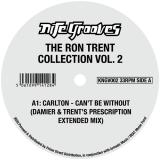
The Ron Trent Collection Vol. 2 continues the relaunch of the legendary Nite Grooves label, further exploring the deep house catalogue that helped shape New York’s underground sound.
Following the first volume, this second instalment highlights more productions and collaborations connected to house pioneer Ron Trent, featuring appearances from Carlton and DJ Roland Clark alongside Trent himself.
Including standout cuts such as Carlton’s Can’t Be Without (Damier & Trent’s Prescription Extended Mix) and DJ Roland Clark presents Urban Soul’s My Urban Soul (USG Club Mix), the release brings together a selection of timeless grooves and club-ready house productions.
With deep rhythms, soulful vocals and hypnotic arrangements, these tracks reflect the musical depth and dancefloor sensibility that has defined Ron Trent’s work across decades of house music.
As the second release in the relaunched Nite Grooves catalogue, this collection offers strong appeal for both deep house DJs and collectors of classic New York house.
Another essential chapter in the return of Nite Grooves and a strong catalogue addition for stores supporting deep and soulful house.
он должен быть опубликован на 02.10.2026

An absolute, hard-charging funk hammer from the Dap-Kings - an incredible instrumental co-written and co-produced by Dapper Bosco Mann and Kenny Dope! If "Nervous Like Me" has a title that reflects some kind of apprehension, the track is anything but! It's simply pummeling - with a rhythm that kicks out from some stealth bongo and rolling trap that build into some playful guitar and bass response until the horns crash and boom! The beats on the flip isolate the funky drums, providing a sizzling beat track.
он должен быть опубликован на 05.10.2026

This is the reissue of original 1993 Rephlex double vinyl album, completely remastered from DATs by Beau Thomas, with the original artwork, and photography by Richard James. µ-Ziq's Tango N'Vectif was released in 1993, a classic year for auteurist electronic music that didn't always fit on the dancefloor. Written by Mike Paradinas in his late teens with some help from Frank Naughton, it still stands up really well today and its influence on electronic music in the decades since is obvious. Across an expanse of ideas, taking influences from early Aphex, Detroit Techno and UK Hardcore, Mike created this spirited, funky, jerry-rigged, lo-fi version of rave; with crunchy drums and a knack for melody that fell somewhere between John Barry and classic TV themes. Without owning a computer, Mike had been writing techno, house and industrial tracks on and off since 1990, playing live keys alongside drum machine rhythms on his 4-track recorder. µ-Ziq started when Mike linked up with Frank who was also writing dance-influenced music, and importantly owned an Atari 1040ST computer with Cubeat software. They pooled their equipment and Mike would travel up to Frank's house a couple of miles away in Wimbledon to record together. By 1992, and after a false start when a proposed EP for Mark Pritchard and Tom Middleton's Evolution label got shelved, Mike had started at Kingston University where he deejayed and met like-minded people including a couple of guys who knew Aphex Twin who was also a student at Kingston too, and they passed Aphex a demo of Mike's material. A few days later Mike got a message from his mum to 'call Aphex Twin' and he gave Mike some advice, and seemed interested in releasing something. So when Frank and his family went on holiday that summer Mike borrowed his Atari and synths and wrote the majority of the Tango N'Vectif album during that 2 weeks. By the end of 1992 a release with Aphex Twin and Grant Wilson Claridge's Rephlex label had been agreed - Aphex had moved to the house in Clissold Crescent where he recorded a lot of his early classic albums and Mike went over to collect his advance, in the form of his very own Atari computer.
m 4PHI*1700 U/V
m 4PHI*1700 U/V
m 4PHI*1700 U/V
m 4PHI*1700 U/V
[m] 4PHI*1700 [U/V]
[m] 4PHI*1700 [U/V]
[m] 4PHI*1700 [U/V]
[m] 4PHI*1700 [U/V]
[m] 4PHI*1700 [U/V]
он должен быть опубликован на 09.10.2026

he Congos possess what all bands look for, that unique distinctive sound that draws the listener in. Alongside the great songs, lead singer Cedric Myton's singing, phasing and falsetto voice makes that just the case.
The Congos were formed by Cedric Myton (b. 1947, St Catherine, Jamaica) around the mid-Seventies when the
Rasta message was central to the reggae sound coming out of Kingston, Jamaica. But he had started out in the
Rocksteady era, when he formed the vocal group 'Tartans', taking lead vocal duties alongside Devon Russell, Prince Lincoln Thompson and Lindbergh Lewis.They cut 'Dance All Night' (1967) and 'Coming On Strong' (1968). The line-Up became The Royal Rasses and from this Cedric moved on to form the Congos on meeting Roydel Johnson, who had previously sang with Ras Michael and the Sons of Negas. Cedric's Rasta roots were firmly in place when he went to work with producer Lee Perry to cut the seminal album 'Heart Of The Congos' at Perry's just built, Black Ark Studios in 1977. Cedric Myton has carried on the mantle, cutting a set of tunes with the help of his good friend Mr Brent Dowe, who had previously sang lead vocals with the Melodians.This is the Dub set to the vocal album released on the Kingston
Sounds label called 'The Congos Feast'(KS008).With such strong songs, rhythms and vocals it always had the chemistry for a great dub set. Hope you agree and enjoy the dub excursion...
он должен быть опубликован на 09.10.2026
Ghost Dubs, real name Michael Fiedler, aka Jah Schulz, announces a rebirth with 'Damaged', his first album for The Bug's PRESSURE label..
Having recently dropped two criminally overlooked, experimental dub LPs, with his 'Dub Over Science' series, the German producer/bass specialist, now stretches his own parameters of outwardness still further, with these twelve fresh explorations of dub deviance. For those who feel the fusion of dub techno and ambient drone had creatively ended with the demise of the short lived, Berlin based Chain Reaction label. Ghost Dubs now upgrades, and extends that legendary blueprint's abstract methodology even further and deeper, floating away upon a wonderfully warm sea of hiss and static bliss. This is dub so atomized that it disintegrates within your eardrums. Its music, where the machines take over and virtually all traces of humanity are erased. But thankfully, the warmest soul still oozes seductively from the pores of Fiedler's robo riddims. Relentlessly hypnotic, seriously sedated, 'Damaged' celebrates the point of departure within it's mesmerising low end grooves. Album opener 'Chemical', provides an opiated slo-mo skank, which sounds like Plastikman's 'Consumed' era pulsations drenched heavily in sub aquatic fx. A triumph of surface noise surfing and sub woofer testing relentlessness, it provides the perfect intro to this compellingly immersive album. For batty shakers and headtrippers alike, there's added thrills aplenty, as Ghost Dub's richter scale tremor rhythms remain impressively massive, and the atmospheric depths of 'Damaged' appear tantalisingly oceanic. Throughout the duration of the dreamy selection, there is an obsessive balance of bewitching ambience and heavyweight bassbin shaking. The lead single 'Thin Line' itself provides a missing link between African Headcharge's early percussive body probes and Rhythm & Sound's addictive radiance, with the slightest hint of Burial's doomed romantic hauntology added for good taste. Alternately, and no less gracefully, 'Dub Lobotomy' bizarrely resembles Miles Davis 'Get Up with it' chopped, screwed, and relocated to a futuristic Kingston Town. Impressive indeed, Fiedler's mastery of live dubbing on his mixing desk shines accross the duration, and gives the album an improvised edge, and sense of peripheral chaos. Elsewhere, spooked steppars('Hot Wired'), haunting house ('True to life') and 4th World psychogeography('Undone'), combine to ensure there is a forever changing mixture of flavours percolating within the admirable consistancy of the overall sound.
With a tip of the cap, and nod of the head to Pole('Second Thoughts'), its no surprise then that PRESSURE would then turn to the great, Berlin based producer Stefan Betke, to master/cut this collection at his infamous Scape mastering room. And a fine job he did too, as high quality sound and levels are definitely maintained throughout.
If you like your melodies submerged, your dub narcotic, your basslines obese, and your beats evaporating, 'Damaged' provides the perfect prescription and entry point into Ghost Dub's spectral soundworld.
Есть у нас в наличии и готов к отправке
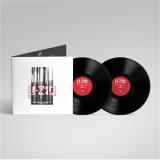
The Tango N'Vectif: Sessions 2LP contains tracks from the original CD version, the 2001 2CD reissue, remixes and alternate versions of album tracks, music from the Phi*1700 u/v EP on R&S and other exclusives, selected by Mike, completely remastered from DATs by Beau Thomas. µ-Ziq's Tango N'Vectif was released in 1993, a classic year for auteurist electronic music that didn't always fit on the dancefloor. Written by Mike Paradinas in his late teens with some help from Frank Naughton, it still stands up really well today and its influence on electronic music in the decades since is obvious. Across an expanse of ideas, taking influences from early Aphex, Detroit Techno and UK Hardcore, Mike created this spirited, funky, jerry-rigged, lo-fi version of rave; with crunchy drums and a knack for melody that fell somewhere between John Barry and classic TV themes. Without owning a computer, Mike had been writing techno, house and industrial tracks on and off since 1990, playing live keys alongside drum machine rhythms on his 4-track recorder. µ-Ziq started when Mike linked up with Frank who was also writing dance-influenced music, and importantly owned an Atari 1040ST computer with Cubeat software. They pooled their equipment and Mike would travel up to Frank's house a couple of miles away in Wimbledon to record together. By 1992, and after a false start when a proposed EP for Mark Pritchard and Tom Middleton's Evolution label got shelved, Mike had started at Kingston University where he deejayed and met like-minded people including a couple of guys who knew Aphex Twin who was also a student at Kingston too, and they passed Aphex a demo of Mike's material. A few days later Mike got a message from his mum to 'call Aphex Twin' and he gave Mike some advice, and seemed interested in releasing something. So when Frank and his family went on holiday that summer Mike borrowed his Atari and synths and wrote the majority of the Tango N'Vectif album during that 2 weeks. By the end of 1992 a release with Aphex Twin and Grant Wilson Claridge's Rephlex label had been agreed - Aphex had moved to the house in Clissold Crescent where he recorded a lot of his early classic albums and Mike went over to collect his advance, in the form of his very own Atari computer.
j 1PHI*1700 U/V (EXTENDED)
j 1PHI*1700 [U/V] (EXTENDED)
[j] 1PHI*1700 [U/V] (EXTENDED)
[j] 1PHI*1700 [U/V] (EXTENDED)
он должен быть опубликован на 13.11.2026
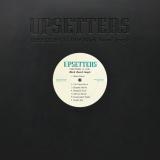
One of the most influential dub albums ever made. The remixing techniques used – radically new for 1973 – helped transform the role of the producer and the engineer to that of creative artists in their own right.
First released in Jamaica in December 1972, Upsetters 14 Dub Black Board Jungle is widely regarded as one of the first full-length dub albums and a true landmark in reggae history. Produced by the visionary Jamaican innovator Lee “Scratch” Perry, it marks the decisive moment when dub evolved from incidental B-sides into a fully realized long-playing art form. At a time when Jamaican sound system culture was flourishing, producers were beginning to strip down popular reggae tracks into instrumental “versions,” emphasizing the bass and drums for sound system deejays to toast over while adding echo and reverb effects to make things more interesting and dynamic. While King Tubby, who was in charge of mixing the tracks, was pioneering the technical foundations of dub, Perry expanded the approach by adding the hypnotic and psychedelic sound effects that made this record so rich in ideas, rendering the album more conceptually bold.
The album reworked previously released rhythm tracks by the Upsetters, which were recorded between 1970 and 1972, shortly before Perry opened his own studio – the legendary Black Ark Studio in Kingston. Their tight, groove-driven playing provided a solid backbone for these radical studio manipulations. Using the mixing desk as an instrument, tracks were deconstructed in real time – dropping vocals in and out, isolating drumbeats, pushing bass lines to the front of the mix, and sending fragments of sound spiraling into space through the heavy use of a spring reverb and tape delay effect units. Silence became as important as sound, and the interplay of rhythm and echo created a hypnotic, immersive listening experience.
Upsetters 14 Dub Black Board Jungle established dub as a genre defined by creative studio intervention. It demonstrated that the remix itself could be the main attraction, influencing generations of reggae producers and resonating far beyond into the techniques and aesthetics of post-punk, electronic music, hip-hop, and ambient sound design. By transforming the studio into a creative laboratory and elevating the “version” to an art form, this foundational album reshaped not only Jamaican music, but the whole of modern music production culture.
он должен быть опубликован на 20.11.2026

Mit On The Road Again – Best Of präsentiert Canned Heat eine Sammlung der bekanntesten Aufnahmen einer Band, die den Bluesrock der späten 60er- und 70er-Jahre entscheidend geprägt hat. Der unverwechselbare Sound der US-amerikanischen Kultband verbindet klassischen DeltaBlues mit kraftvollem Rock, boogiegeladenen Rhythmen und dem lässigen Geist endloser Highways. Rauer Gesang, markante Gitarrenläufe und der typische Shuffle-Groove machen diese Zusammenstellung zu einer Reise durch die wichtigsten Momente der Bandgeschichte.
Die Musik klingt dabei gleichzeitig erdig, frei und zeitlos – mal entspannt und bluesig, mal voller Energie und treibender Dynamik.
Diese Best-Of-Vinyl zeigt, warum Canned Heat bis heute als eine der prägendsten Bluesrock-Bands gilt. Perfekt für Fans klassischer Rockmusik, authentischer Blues-Sounds und legendärer Festival-Atmosphäre im Stil von Woodstock.
Есть у нас в наличии и готов к отправке
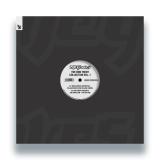
The Ron Trent Collection Vol. 1 launches the long-awaited return of the legendary Nite Grooves label, revisiting the deep house roots that helped define the sound of New York’s underground scene.
Kicking off the relaunch with house pioneer Ron Trent, this first volume brings together a selection of his productions and aliases from the label, including New African Orchestra, Lost Tymeez and USG.
With deep rhythms, rich percussion and hypnotic grooves, these tracks showcase the musical depth and spiritual house sound that has made Ron Trent one of the genre’s most respected producers.
As the first release in the relaunched Nite Grooves catalogue, this collection offers strong appeal for both deep house DJs and collectors of classic New York house.
A strong opening chapter for the return of Nite Grooves and an essential addition for stores supporting deep and soulful house.
Есть у нас в наличии и готов к отправке

There was nothing in contemporary music like Chris Isaak’s Heart Shaped World when it hit shelves in June 1989. More than three decades later, the singer-songwriter’s third album still sounds unique — and claims a backstory nearly as fascinating as the retro-leaning material and standout performances that propelled it to sales of more than 2.5 million copies. Home to the Top 10 smash “Wicked Game,” the set remains a masterful mood piece that invites you to pour a late-night drink, sit in a dimmed room, and relish Isaak’s elegant albeit raw ruminations on love, relationships, and questionable decisions.
Sourced from the original master tapes, pressed at Fidelity Record Pressing, strictly limited to 3,000 numbered copies, and featuring the bonus track “Diddley Daddy,” Mobile Fidelity's UltraDisc One-Step 180g 45RPM 2LP box set of Heart Shaped World unearths the staggering inner details, saturated tones, and brilliant atmospherics of the crisp production. It brings you up close and personal with Isaak’s spectacular singing — impeccably controlled, tense, brooding, steamy, smoldering, haunted — situated amidst stripped-down backdrops that allow every note to fully bloom and decay.
While Isaak’s ever-steady baritone remains the anchor, the contributions of his trusty backing band, the aptly named Silvertone, come across with just as much cool, command, and realism. The indispensable playing of guitarist James Calvin Wilsey particularly emerges with superb clarity and dimensionality. The character of his 1965 Fender Stratocaster, shivering twang of his spring-coiled fills, and his signature use of reverb, delay, and vibrato seamlessly match Isaak's patient deliveries and the band’s unhurried rhythms. Experienced on UD1S with ultra-black backgrounds and a nearly invisible noise floor, Heart Shaped World is in every regard a demonstration disc.
The premium packaging of this UD1S pressing befits its elevated status. Housed in a deluxe slipcase, it features foil-stamped jackets and faithful-to-the-original graphics. Aurally and visually, this reissue is for discerning listeners who desire to immerse themselves in everything involved with the album, not the least of which is the cover art depicting a lost-in-thought Isaak staring ahead and sitting in what appears to be an efficiency apartment. The image epitomizes the record’s lonesome temperaments and pensive themes.
Of course, if not for director David Lynch hand-picking two cuts from Heart Shaped World for his 1990 film Wild at Heart, the record would’ve probably suffered the same fate as Isaak’s prior efforts and gone unnoticed by the mainstream. Despite receiving raves from outlets such as NME, Chicago Tribune, and Rolling Stone upon its original release, the album stalled in the lower quadrants of the Billboard charts and, after a few weeks, dropped off.
Cue the ear of Lee Chesnut. Then the music director for a large Atlanta radio station, Chesnut heard the instrumental version of “Wicked Game” on Lynch’s soundtrack and started airing the album rendition at all hours of the day. Aided by a sensual video featuring Isaak and supermodel Helena Christensen, the song found its way into the public consciousness by early ‘91 and helped make Isaak a most unlikely mainstream star in an era where his techniques had little to nothing in common with popular tastes.
Despite its vintage vibes and shared DNA with legends such as Roy Orbison, Chet Baker, and Glen Campbell, Heart Shaped World transcends nostalgia, rockabilly, and throwback tropes. For all the melodrama and sadness at hand, Isaak’s gorgeously transparent singing dives deep underneath emotional surfaces. He mines subtleties that indicate his feelings go beyond heartbreak and anguish, and occasionally suggest frustration, menace, and anger. You can hear it in his quivering falsetto, and the slow and methodical ways he allows delicate whispers to break into shadowy phrasing that crosses over to the darker sides of romance and desire.
That approach bolsters the title track, which suggests calm yet moves on ominous currents — its simmering pace and snare-drum snappiness foreshadowing Isaak raising the volume and urgency during the coda. The southwestern-tinged “Wrong to Love You” plays with similar concepts of hesitation, unease, and discord, Isaak careful never to fully erupt and give anything away. His poised deliveries offer a master class in the art of insinuation and hurt on “Nothing’s Changed,” sent up with a wordless backing chorus and crackling guitar lines straight out of a Memphis blues joint.
Heart Shaped World further boosts its merit via its abundant stylistic variations, from the upbeat country-and-western trot of “I’m Not Waiting” and Spanish acoustic shimmer of the jazz-based ballad “Blue Spanish Sky” to the swinging horn-accompanied grooves of “Don’t Make Me Love You” and desert smokiness of the understated “Kings of the Highway.” On the latter, Isaak comes across as resigned and absolute. His singing and pain worm their way into your soul, and echo akin to the way the music prepares to strike when you least expect.
“Trouble going 'round,” Isaak croons right as the album begins. “Trouble going down.” Damn straight.
Этот продукт еще не вышел. Ты можешь сделать предзаказ, как только он появится на складе, продукт будет подготовлен к пересылке.
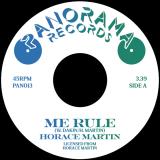
Back on PANORAMA Records, we turn to a beautiful slice of under-the-radar Jamaican reggae with Horace Martin – “Me Rule.”
Born in Kingston, Jamaica, Horace Martin was just 20 years old when he stepped into Channel One Studio to record the track in 1974. At the time he was building his name locally, performing in clubs and talent shows around the city while cutting sides in Kingston’s vibrant studio scene. “Me Rule” captures that moment perfectly — youthful confidence over a deep, steady rhythm.
This record earned its place among the deepest collectors: Proper rootsy dancefloor reggae that feels just as good today as it did when it first came out of Kingston.
On the flip, things open up with a dubbed-out version of the rhythm titled “Rule,” credited to Prince Huntly. Stripped back, the dub extends the track — echo, percussion, and bass doing the work.
As always, PANORAMA Records continues its search for overlooked gems from across the globe — records with history, character, and real musical weight. Carefully remastered and brought back on 7inch, PAN013 is another example of these records finding their way back to the turntable.
Есть у нас в наличии и готов к отправке

Rocksteady took over Orange Street ,Kingston, Jamaica around 1966,the same time that an extreme heat wave hit the Jamaican Island.
Some say the previous jerky Ska Rhythms proved too strenuous of an activity to partake in during the all night Sound Systems.
So it proved a winning formula to slow the beat down to a more leisurely pace.
Whatever the reasons were this two year period that ran until 1968 would see some of the power escape from the big three producers,Clement 'Coxonne 'Dodd,Prince Buster and Duke Reid...who up to that period ruled the airwaves. It was time to make room for a new wave of up and coming producers that also had something to offer the people.
So sit back and enjoy some Rocksteady straight from the dances of Jamaica...Hope you enjoy the set...............
Есть у нас в наличии и готов к отправке

Drum and bass reggae legends, Sly Dunbar and Robbie Shakespear, are the featured strongholds of The Revolutionaries, a conglomeration of many of reggae's finest studio musicians, brought together to create some of the best dub of the late 70's.
"Black Ash Dub" is a wonderful example of the group at its peak. Sly's drumming prowess is at its best on this lp, complete with his famous crash cymbals on the 4th beat in 4/4 time versus the 1st beat. His skills are legendary due in large part to the bass playing of Robbie. His grooves are intense, yet very supple, and perfectly augment Sly's grooves.
Each track is a tribute to a drug; the 2 major club hits are "Marijuana" and "Cocaine".
All cut at the legendary Channel One recording studio in Kingston and mixed by the genius touches of dub masters Scientist and Prince Jammy.
Originally released in 1980 on the mighty Trojan Records, "Black Ash Dub" is today widely heralded as one of the finest dub collections of the era and considered an essential addition to the collections of all serious fans of the genre.
PRODUCED BY: Jah Thomas RECORDED AT: Channel One MIXED BY: Prince Jammy, Scientist MUSICIANS BASS: Robbie, "Flabba" DRUMS: Sly Dunbar, "Santa" RHYTHM GUITAR: Bo Pee, Bingy Bunny HORNS: Bobby Ellis, Deadly Headley PIANO: Gladdy ORGAN: Ansel Collins PERCUSSION: Sticky, Skully
Есть у нас в наличии и готов к отправке

“Raggamuffin Soldier” was recorded at Channel One Recording Studio in 1983 with Soldgie as engineer and a rhythm track played by Jolly Stewart and Daniel “Axeman” Thompson. Growing up in the Waterhouse neighborhood of Kingston, Jolly Stewart obviously developed this singing style and gave us a killer early digital dancehall missile with pure conscious lyrics “Raggamuffin soldier, big ina your area...me no deal with badness, me nah deal inna war, me is a raggamuffin soldier...mi raggamuffin ina foreign, raggamuffin sit down pon di riddim...how you know the raggamuffin? Me no wear no gold chain, me no wear no gold ring...”. “Raggamuffin Soldier” was produced by Fitzroy Peterkin who also produced the digital lover tune "Angie".
The Waterhouse style is a particular style of singing that emerged in the late seventies and early eighties within the Jamaican reggae scene. The Waterhouse style is commonly described as a plaintive, groaning and fluctuating vocal style, often nasal and strident, characteristics that will give it a sound that is distinct from the rest of the reggae singers. The commonly recognized founders of the Waterhouse style are the singers Michael "Mykal" Rose, Junior Reid and Don Carlos. The name derives from the famous neighborhood of the same name in Kingston, the capital of Jamaica, the place where the three pioneers were born and emerged. The Waterhouse style influenced many dancehall reggae artists of the eightiesvsuch as Tenor Saw, Half Pint, Nitty Gritty, Anthony Red Rose, King Kong, Yami Bolo, Andrew Bees...
Vincent Stewart aka “Jolly Man” is a reggae singer from Kingston 11, born december 16 1960 at Hunts Bay Lane, 4 Miles, Jamaica. Jolly started singing at age 13, he was placed in an approve School for 3 years and at the age of 16 he was released.
He started his musical career in the late 70's with Ossie Thomas, Phllip Morgan and Tristan Palmer from Black Solidarity label. Jolly Stewart recorded his first song entitled "Money Pyaka" on the classic "Pretty Looks" riddim which was recorded for Oswald Thomas on Ganja Farm label and released in 1979. Tristan Palmer who has another tune "Disappointed Lover" on the same riddim backed by The Soul Syndicate made the link with Jolly Stewart because he liked his style of song writting.
Jolly Stewart wrote three songs for Black Solidarity label: "Collie Man", "Bad Minded" and "Symbol Of Justice". All three tracks were covered by Triston Palmer. As a song writter, Jolly Stewart is behind Yami Bolo's hit on Stalag riddim “When A Man Is In Love” released on Winston Riley's label Techniques.
Jolly Stewart then decided to move on with his singjay career. He ventured to Tuff Gong studio where he met two producers. One was Prince Jazzbo from Ujama label, and the other was John John who owned the Bun Fi Bun label. He recorded "Praise jah" for Ujama and "Poverty Rush" for Bun Fi Bun. Still not satisfied with how his career was heading, he moved on to Lannaman's Preparatory School. There he learned to play guitar from a man named Fred McMurray aka Faf and Donald Jackson. Later he learned to play the keyboards by watching other musicians.
In the late 80's and early 90's, Jolly Stewart recorded many songs for various labels such as “Do Me Like So” for Bunny Gemini's label “Bun Gem Records” in 1987, “Late Last Night” and “War” for producer Zelma Rust and his label Myotta Ruff.
He also recorded for Augustus Pablo on his label Rockers International just before he died in the late 90's but we never heard about this release so probably Addis Pablo have it on old master tapes in the Rockers International archives....only Jah knows!
Есть у нас в наличии и готов к отправке
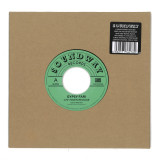
Reissue of the highly sought-after 7” from 1979 by Chicago
reggae outfit Gypsy Fari.
Gypsy Fari was a project born in the south side of Chicago
after a chance meeting between St Kitts expat Leroy Webster
and local music grad Kevin Coleman. The pair set out to blur
the boundaries of genre with their unique brand of music,
spearheaded by Webster’s Caribbean roots and fused with
the soul and blues the midwest is famous for.
A striking stand-out of the band’s repertoire comes via their
debut recording, laid down at Curtis Mayfield’s legendary
Curtom Studios. The EP opens with Chi-Town Reggae - a
super-charged blend of reggae and disco, led by Websters
infectious vocal, steeped in soul and powered by a relentless
rhythm section. Hail Jah follows closely, written on the hilltops
of the outskirts of Kingston, Jamaica, it’s a deadly roots reggae
missile that pays homage to Websters beginnings.
Once dubbed by a local news outlet “Gypsy Fari are to
Chicago reggae what Muddy Water is to Chicago blues” -
now remastered, repackaged and made available again for
the first time since its initial release
Есть у нас в наличии и готов к отправке
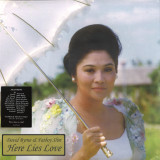
David Byrne & Fatboy Slim’s acclaimed 2010 album Here Lies Love receives its first-ever vinyl release to coincide with a new production opening on Broadway this summer. Here Lies Love is a double-disc song cycle – improbably poignant, decidedly surreal, surprisingly thought provoking – about the rise and fall of the Philippines' notorious Imelda Marcos. It was conceived by David Byrne; composed by Byrne and DJ/recording artist Fatboy Slim, AKA Norman Cook; and performed by a dream cast drawn from the worlds of indie rock, alt country, R&B and pop. Byrne's taste in collaborators is as imaginative as it is impeccable, including Cyndi Lauper (who recounts, to lighthearted disco beats, Imelda's courtship with Ferdinand Marcos), Steve Earle (as the power-hungry Ferdinand), Dap-Kings vocalist Sharon Jones (recalling Imelda's introduction into New York society) and Natalie Merchant (as spurned Imelda confidante Estrella, anticipating the onset of martial law). Along with vocals turns from such stars as Tori Amos and the B-52's Kate Pierson, Byrne works with rising indie rockers St. Vincent and My Brightest Diamond; New York chanteuses Nellie McKay and Martha Wainwright; and dance-music divas Róisín Murphy and Santigold. Byrne himself appears as the voice of imperialistic America on ‘American Troglodyte’, a send-up that wouldn't have seemed out of places in Talking Heads' True Stories.
Byrne originally envisioned this as a musical theatre piece, to be mounted in disco and nightclub settings, reflecting the globe-trotting Marcos' taste for such velvet-roped spots as Studio 54 and Regine's. In 2006, he performed work-in-progress versions to enthusiastic audiences at New York City's Carnegie Hall and the Adelaide Festival in Australia. While plans for a US theatrical production continued to evolve, he delivered this unique recording. The award-winning theatrical production eventually premiered at The Public Theater in New York in 2013, travelled to London’s National Theater for a sold-out run (2014–15), and was remounted at the Seattle Repertory Theater (2017).
Here Lies Love has an effervescent disco feel, redolent of Fatboy Slim's own dance-floor anthems, with warm undercurrents of the Latin rhythms that have percolated through Byrne's recent solo work. The sunny arrangements act in counterpoint to the reality of the Marcos' increasingly repressive regime, reflecting the imagined inner life of the glamour-obsessed Imelda. Explains Byrne, "For me, the darker side of the excesses are, for the most part, a matter of record. A lot of the audience is going to come with that knowledge already. What's more of a challenge is to get inside the head of the person who was behind all of that, and understand what made them tick." Byrne offers no judgment and avoids the obvious – there is no mention of Imelda's infamous shoe collection.
Many of Byrne's lyrics are, astonishingly enough, constructed from actual Imelda quotes, including the project's title, the words that Imelda, now returned to the Philippines from US-assisted exile in Hawaii, would like to have inscribed on her gravestone. In addition to his new liner note, Byrne illustrates the story with archival photos. In a detailed preface, he reveals what drew him to this subject and the bumpy route he took to launch the project and, ultimately, record this album. The booklet is indeed a page-turner, just as Here Lies Love is a wonderfully old-school album that rewards start-to-finish listening. Once again, Byrne – beloved as musician, thinker and bicyclist-about-town – reveals the breadth and singularity of his vision.
The new production of Here Lies Love will premiere at the Broadway Theatre in New York City. Performances begin June 17, ahead of an official opening night on July 20. Tony Award winner Alex Timbers (direction) and Olivier Award nominee Annie-B Parson (choreography) reunite with Byrne (concept, music, and lyrics) and Fatboy Slim (music) to bring Here Lies Love to Broadway, continuing a ten-plus year collaboration on the project. Tom Gandey and J Pardo contribute additional music. Here Lies Love is produced on Broadway by Hal Luftig, Patrick Catullo, Diana DiMenna for Plate Spinner Productions, Clint Ramos, and Jose Antonio Vargas. The staging at the Broadway Theatre will transform the venue’s traditional proscenium floor space into a dance club environment, where audiences will stand and move with the actors. A wide variety of standing and seating options will be available throughout the theatre’s reconstructed space. The producers of Here Lies Love said, “As a team of binational American producers – Filipinos among us – we are thrilled to bring Here Lies Love to Broadway! We welcome everyone to experience this singularly exuberant piece of theatre. The history of the Philippines is inseparable from the history of the United States, and as both evolve, we cannot think of a more appropriate time to stage this show. See you on the dance floor!”
David Byrne’s recent works include the launch of Reasons to be Cheerful, an online magazine focused on solutions-oriented stories about problems being solved all over the world (2019); Joan of Arc: Into the Fire, a theatrical exploration of the historical heroine that premiered at the Public Theater in New York (2017); The Institute Presents: NEUROSOCIETY, a series of interactive environments created in conjunction with PACE Arts + Technology that question human perception and bias (2016); Contemporary Color, an event inspired by the American folk tradition of color guard and performed at Brooklyn’s Barclays Center and Toronto’s Air Canada Centre (2015); Here Lies Love; Love This Giant, a studio album and worldwide tour created with St. Vincent (2012); and How Music Works, a book about the history, experience, and social aspects of music (2012).
Byrne curated Southbank Centre’s annual Meltdown festival in London in 2015. A co-founder of the group Talking Heads (1976–88), he has released eight studio albums as a solo artist and worked on multiple other projects, including collaborations with Brian Eno, Twyla Tharp, Robert Wilson, and Jonathan Demme, among others. He also founded the highly respected record label Luaka Bop. Recognition of Byrne’s various works include Obies, Drama Desk, Lortel, and Evening Standard awards for Here Lies Love; an Oscar, Grammy, and Golden Globe for the soundtrack to Bernardo Bertolucci’s The Last Emperor; and induction into the Rock and Roll Hall of Fame with Talking Heads. Byrne’s work as a visual artist has been published and exhibited since his college days, including photography, filmmaking, and writing. He lives in New York City. In addition to 2019’s cast album for American Utopia on Broadway, Nonesuch has released eight other David Byrne records since 2003, including 2018’s American Utopia studio album and two versions of his musical Here Lies Love.
q C6. Please Don't feat. Santi White Santigold
Есть у нас в наличии и готов к отправке

In the words of Bill Brewster - DJ History
‘At the turn of the 1990s, there were few more successful New York house producers than Victor Simonelli. Under a dizzying array of aliases – Solution, NY’s Finest, Groove Committee, Critical Rhythm and Cloud 9 being amongst the better-known – the Brooklyn-born DJ/producer delivered a string of underground club hits during the city’s early ’90s house boom.’
BTG presents “Victor Simonelli: The Early Years Vol 1” a collectors edition double Vinyl release - 2 X 12’s in each Vol
Launching the first Behind The Groove collectors edition vinyl series is New York’s finest Victor Simonelli with ‘The Early Years Vol 1 & 2’ double Vinyl releases. Featuring seminal house tracks such as Cloud 9’s ‘Do You Want Me’, Solution’s ‘Feel So Right’, Instant Exposure’s ‘Wanna Be With You’ and rare mixes of Raiana Page and EZ-AL, this collection brings together classic and rare Victor Simonelli cuts that reflect the early raw energy and buzz of the New York House scene. With ‘Vol 2” scheduled to follow shortly after, this is the most comprehensive collection of rare Simonelli cuts that firmly establishes his esteemed role in 90s House Music as well as introducing new fans to his inimitable sound.
Victor Simonelli is one of the early kings of NYC sampling In house music. The real deal - Victor danced at the legendary David Mancuso’s Loft sessions and developed a serious appreciation for good music. He interned for Arthur Baker at his renown Shakedown Studios (where Arthur worked with the iconic Afrika Bambatta on the seminal dance floor ’Planet Rock’ track) and went on to release hugely influential releases on seminal NYC labels 4th Floor and Nu Groove. Victor’s music was championed by the hugely celebrated iconic House Music DJ pioneers, Larry Levan and Tony Humphries at Paradise Garage & Zanzibar/WBLS/Kiss FM respectively.
Revered as a New York house heavyweight and prolific producer since the turn of the 1990s, Victor Simonelli grew up in Brooklyn, NYC, nurtured by a music loving family, with an avid record collecting father who also worked as a local party DJ. He took music lessons in piano, drums, guitar and bass, before discovering his first love, tuning into NY’s Radio Mix Shows on WBLS, WKTU and WRKS,98.7 Kiss FM) where he discovered the art of mixing and in his own words, ’I just simply got lost in the music’.
Graduating from NYC’s Centre For Media Arts, Victor got an internship in the legendary producer, Arthur Baker’s Shakedown Studios. Soon graduating to editing, mixing and then producing he worked for artists David Bowie, Quincy Jones, Debbie Harry, Sinead O’Connor and Talking Heads. Teaming up with fellow NYC producer Lenny Dee to become the Brooklyn Funk Essentials, they released records ‘Critical Rhythm’ and ‘Subliminal Aurra’ on 4th Floor before Victor went solo as Groove Committee releasing the classic ‘I Want You To Know’ on the legendary Nu Groove Records. Paradise Garage legend, Larry Levan broke ‘I Want You To Know’ rocking 2 copies on his last tour of Japan whilst King of NY House Music,Tony Humphries broke Victor’s new ‘Feels So Right’ across New York on his WBLS/Kiss FM Mastermix show and at his legendary Zanzibar club sessions. It was only a matter of time before Victor’s name became synonymous with quality House music ensuring a worldwide platform for his productions.
In the early 90s alongside his own productions, Victor Simonelli worked on high profile projects, including James Brown’s album, “Love Overdue” BeBe and CeCe Winans single featuring Mavis Staples “I’ll Take You There” and Quincy Jones’ “I’ll Be Good To You” featuring Chaka Khan and the legendary Ray Charles. Never straying too far from his clubland roots, Victor worked with Danny Tenaglia on his classic “The Harmonica Track”.
DJ gigs across the world started flooding in and Victor found himself recording for a dizzying array of labels including Tribal America, Sub-Urban, Bassline, King Street Sounds and Vibe, under a wide range of aliases. He also produced, wrote and remixed for artists such Nile Rodgers (Chic), Afrika Baambata, Hall & Oates, Frankie Knuckles, Kerri Chandler, Madonna and Michael Jackson. Famed for his own productions “It’s So Good” by Creative Force, “I Know A Place” as Sound Of One - the first release on Roger Sanchez One Records -, “Dirty Games” as well as the “Street Players Vol 1 EP”, Victor went on to set up Suburban Records with Tommy Musto and Bassline Records with two other partners. Notable releases on this label include “Do You Feel Me”, Connie Harvey’s gospel inspired, “Thank You Lord”, Urban Blues Project’s “Deliver Me”, Colonel Abrams “Not Gonna Let”, and Mone’s “Better Way”. Never ceasing to produce, DJ, run his own label and host radio shows like Groove Lift, Victor has worked with virtually every NYC producer and has nurtured a next generation talents including Angel Moraes, Jazz ‘N’ Groove, Urban Blues Project, Harlem Hustlers, Jay Jay and Julius Papp. Victor’s releases have also been used on M&S’s “Salsoul Nuggett” hit and Eddie Amador’s underground smash ‘House Music’.
In the late 90’s Victor launched his new Westside Productions, notable for the “Latin Impressions 1 & 2” releases, opened up a studio in Italy as he found himself increasingly working in Europe and now divides his time between New York and Italy. Suffice to say his unique sound of uplifting and spiritual music has kept him at the forefront of House Music and he is credited as one of its leading exponents with his string of classic releases and remixes.
Behind the Groove, branches out from its digital platform to embark on a programme of releases from the iconic pioneer producers of House Music. Esteemed for their high quality features and mixes that continue to explore, celebrate and venerate the contributions of highly respected, scene-shaping Labels, Artists, DJs and Special Events, BTG seeks to bring these talents and tales to the attention of the wider community. Unlocking the stories surrounding the pivotal roles they played and continue to play today in shaping the underground music scene we have come to know and love.
BTG presents “Victor Simonelli: The Early Years Vol 1” a collectors edition double Vinyl release, released on May 12th 2023. ‘Vol 2” follows on May 26th 2023 . These releases are the most comprehensive collection of rare Victor Simonelli cuts that firmly establish his esteemed role in 90s House Music and introduces new fans to his carefree sound.
Есть у нас в наличии и готов к отправке

In 1975, under the oppressive air of military dictatorship in Brazil, brothers Lelo and Zé Eduardo Nazario invited bassist Zeca Assumpção to join their musical experiments in a basement under Sao Paulo’s Teodoro Sampaio Street. As teenagers, the trio had already been playing together in Hermeto Pascoal’s Grupo, alongside guitarist Toninho Horta and saxophonist Nivaldo Ornelas, and it was while working together under Hermeto’s direction that the Paulista rhythm section (as they were then known) began to realise their own potential.
With many nightclubs and venues closed in the mid-70s and government censors dictating the output of radio, TV and art galleries, many Brazilian artists fled during the years of dictatorship. But underground, Grupo Um were fusing avant garde ideals with contemporary jazz and Afro Brazilian rhythm; making phenomenally free and expressive music - in stark contrast to the sterile, conservative conditions being imposed above ground.
Just like Hermeto Pascoal’s Viajando Com O Som from the following year, Starting Point was recorded over two days at Vice-Versa Studios, by revered engineer Renato Viola. The studio was one of the best in Sao Paulo and musicians communicated with engineers through cameras and a monitor, allowing the group complete immersion in the process. They also made use of the studio’s hemispherical tiled room, which served as an acoustic reverberation chamber.
The album begins with Zé Eduardo Nazario’s thunderous drum solo on “Porão da Teodoro”, before clearing the clouds with the lone Berimbau which opens “Onze Por Oito”. Built around a hypnotic electric bass line, heady Fender Rhodes improvisations, and more rip-roaring drums, it’s a rapturous, electrifying freak-jam in 11/8.
Like some invertebrate deep-sea curiosity, the free-form “Organica” is made up of Lelo Nazario’s playfully eerie prepared piano, with Zé Eduardo’s percussion flurries darting around Assumpçao’s double bass. The equally non-conformist, percussion-only piece “Jardim Candida” features many of Zé Eduardo’s home-made instruments, including a long saw blade played with vibraphone sticks and violin bow. While working with Hermeto, Zé Eduardo famously built his own all-in-one percussion set-up known as the “Barraca de Percussão” (Percussion Tent) - the first of its kind in Brazil, which he would also use on Hermeto Pascoal’s Viajando Com O Som and throughout his career.
“Suite Orquidea Negra'' (Black Orchid Suite) was written by Lelo Nazario as the score for an imaginary movie - the story of a rare, black orchid which produced a substance meant to cure all diseases, but which had mysteriously disappeared from the laboratory… “As a screenplay it’s not very good” reflects Lelo in jest, “but the music ended up being very interesting, the way its parts are chained to one another carries a little of the mystery I imagined for the movie.”
The album closes with the triumphant “Cortejo dos Reis Negros” (Procession of Black Kings) - a groovy variation on the Maracatu rhythm, with a two-note bassline underpinning piano improvisations, exultant wordless vocals, cuicas, slide-whistles and a very special guest appearance from Zé’s dog Bolinha.
Starting Point was to mark the inception of one of Brazil’s most daring instrumental groups. Their debut now sits in the lofty echelon of otherworldly 70s Brazilian music, alongside the likes of Marcos Resende & Index’s self-titled debut, Cesar Mariano & Cia’s Sao Paulo Brasil, Azymuth’s debut and indeed Hermeto Pascoal’s Viajando Com O Som. But just like all of those titles, which were either shelved or largely ignored at the time, Grupo Um - so radically ahead of their time - struggled to find a label to release their debut album. So Lelo kept the tapes safe in his archives, which is where they sat for almost half a century. Finally, almost fifty years later, this mesmerising piece of history is here, and it was only the beginning...
Grupo Um’s Starting Point will be released by Far Out Recordings, on vinyl LP, with an insert featuring unseen photos and liner notes by the Nazario brothers, as well as a CD on 17th February 2023.
Есть у нас в наличии и готов к отправке

By the close of the Sixties, record retailer and jukebox businessman Karl ‘J.J.’ Johnson was firmly established as one of Jamaica’s leading record producers, having released a string of best-selling rock steady and proto-reggae 45s by such noted local acts as Lee ‘Scratch’ Perry, the Rulers, Carl Dawkins, the Kingstonians and the Ethiopians. Early in 1969, Trojan Records released an album containing a dozen of Johnson’s latest recordings in the new reggae style. Entitled Reggae Power, the LP was dominated by regular hit-makers the Ethiopians.
Reggae Power is available as a limited edition of 1000 individually numbered copies on orange coloured vinyl.
Есть у нас в наличии и готов к отправке

Soul Jazz Records' are releasing their long-out-of-print album 'Hustle! Reggae Disco' in a new expanded 2017 edition which now features five extra tracks. This ground-breaking album features non-stop killer reggae versions of original funk and soul classics in a disco style. Reggae disco updates of seminal classics by Anita Ward ('Ring
My Bell'), Chaka Khan ('I'm Every Woman'), Michael Jackson 'Don't Stop 'til You Get Enough,' Sugarhill Gang ('Rappers Delight' here performed by Derrick Laro and Trinity for producer Joe Gibbs) and more, all showing the hidden but inseparable link between the dance floors of New York, Kingston and London.
New bonus tracks to this collection include Derrick Harriott's funky take on Eddie Drennon's 'Do It Nice and Easy', the classic disco reggae of Risco Connection's take on McFadden and Whitehead's 'Ain't No Stopping Us Now' and the London rare groove lovers rock take on Barbara Acklin's soul classic 'Am I The Same Girl'.
'Hustle! Reggae Disco' has been one of Soul Jazz Records' best-selling releases since its first release 15 years ago (and subsequently featured heavily in the early Grand Theft Auto games!). This new edition comes complete fully re-mastered and with all original titles plus new tracks. This new expanded edition now comes a triple album (+ download code), CD and digital album.
'The effect of American R&B and soul music on Jamaican reggae is well documented, but the story doesn't stop there, for disco (and more so now for rap and hip-hop) have also been subsumed into the reggae mix, and while one might suspect that the resulting hybrid would die of its own implausibility, the feral mix of disco with reggae rhythms is so darn infectious that it hardly matters. Once you take your brain out of the frame and just let your feet go, this collection is a dancer's delight all done up in full-blown disco style, but with huge dub-style rhythm tracks ... if you're looking for an impossibly infectious dance collection, this is
it.' All Music
Есть у нас в наличии и готов к отправке

From Berlin to Lagos: Jembaa Groove expand their sound on "Be A Lover"
Berlin-based outfit Jembaa Groove return with "Be A Lover", a four-track EP set for full release on 18 September via global soul imprint Agogo Records. Following two critically acclaimed albums and an intensive period of touring across Europe and the US — including a SXSW showcase and a widely acclaimed KEXP session — this latest release marks a new chapter in the band’s trajectory. Built around highlife rhythms and shaped by Afro-jazz and the more organic edges of Afrobeats, "Be A Lover" unfolds with a warm, languid and deeply soulful feel, capturing different strands of today’s multifaceted Afrofusion scene.
Here, the band strips back from a seven-piece ensemble to its two founding members, while at the same time opening outward into a deeply collaborative space. At its centre is a close creative partnership with celebrated Nigerian highlife revivalists The Cavemen., alongside contributions from London-based, Nigerian born soul artist Azekel, Lagos vocalist Tim Lyre, and Malian icon Fatoumata Diawara.
“This record has a different flavour,” says Owusu. “It’s really about collaboration — different feelings, different thoughts, different energies coming together.” While centred around the Lagos contemporary scene, the record is shaped by a wider diasporic network stretching across London, Lagos, Berlin and Amsterdam, cities producer and bass player Yannick Nolting describes as “the pillars where everything that is happening in today’s highlife and Afro-fusion scene.”
Formed in Berlin in 2020, Jembaa Groove began after a chance meeting between bassist, producer and composer Yannick Nolting and percussionist, vocalist and songwriter Eric Owusu. Drawing on their respective musical journeys — Nolting’s years working with Lusophone artists in Lisbon and Owusu’s deep roots in Ghana’s highlife tradition, including work with Pat Thomas and late highlife legend Ebo Taylor — the project quickly took shape: their debut album Susuma established a powerful, poly-rhythmic sound grounded in highlife, jazz and soul, while 2024’s "Ye Ankasa | We Ourselves" expanded that vision through collaborations with artists across Ghana and its diaspora, including UK based Ghanaian singer, rapper, percussionist, and arranger K.O.G and legendary Ghanaian highlife musician Gyedu-Blay Ambolley.
The collaborative spirit continues on "Be A Lover", most of which grew out of a meeting with sibling duo The Cavemen. at Supersonic Jazz Festival in Amsterdam in 2023, leading to a sustained exchange of ideas between Berlin and Lagos. With two acclaimed albums behind them, The Cavemen. have emerged as central figures in both Lagos’ alternative music scene and the wider contemporary highlife revival, bringing the genre to a new generation through a stripped-back, melody-driven sound. “There was some kind of magnetism towards Lagos,” says Nolting; for Owusu, who is Ghanaian but spent much of his life in Nigeria, the connection runs even deeper. “I feel lucky to be able to bring different cultures together and make something really beautiful,” he says. A key part of that process was a close working exchange between Nolting and The Cavemen.’s Kingsley Okorie, who effectively stepped into a co-producing role on three out of four of the tracks.
The one exception is opener No Pain No Gain, which features Nigerian-born, East London-based Azekel, whose smooth, R&B-leaning vocal moves through a slow-burning arrangement of bright keys, gently rising horns and atmospheric synths, anchored by Owusu’s organic percussion.
The title track Be A Lover, featuring Afro-fusion Lagos artist Tim Lyre, distills the EP’s central message into its most immediate form. Backed by syncopated percussion and a gently smouldering arrangement, Lyre’s voice moves with a laid-back, melodic ease, delivering a simple refrain: “be a lover, not a fighter.” “It’s a very simple message,” says Nolting, “It’s about showing more love, on a personal level but also more broadly… just show love.” That same sense of warmth runs throughout the record, reflecting its core idea.
On Obi, The Cavemen. take centre stage, with Kingsley Okorie leading through melancholic, plaintive vocals rooted in classic highlife. In contrast, his brother Benjamin James punctuates the track with high-pitched vocal interjections, heightening the emotional tension against a backdrop of slow, restrained instrumentation.
Waka follows with a more melodic, hook-led refrain from Eric Owusu, whose loose, almost conversational delivery creates a striking contrast with Fatoumata Diawara’s unmistakably powerful, raspy vocal. The collaboration grew out of a chance meeting while Owusu was on tour, with ideas exchanged quickly and Diawara returning a finished vocal within days. “We are so proud to have her. It’s a privilege” says Owusu. "Be A Lover" is a record shaped by connections like these — between people, scenes, and cities. “It was partly intention, partly destiny,” says Nolting. “We met these people along the way, and somehow Lagos was meant to come into our path.”
он должен быть опубликован на 18.09.2026

Tapper Zuki's debut album 'Man Ah Warrior' was originally released in 1973.It's classic Dee Jay style has been copied by many but bettered by few. An album that more than most shows that raw talent with little resources can still be a great, great thing.
Tapper Zukie (b.1956,David Sinclair , Kingston, Jamaica) was raised in the rough and tough West Kingston area of Jamaica between the districts of Trench Town and Greenwich Farm.
Living pretty much on the streets from an early age the youth including the young Tapper had no choice but to fall into the hands of the political parties that controlled the various ghetto areas of the town.
Fear of landing in even more trouble, a plan was devised by Tapper's Mother ,Brother ,Reggae producer 'Blackbeard' and family friend Bunny 'Striker' Lee .The plan was to send the wayward Tapper to England to cool his ways.
A UK tour with the number 1 Reggae Dee Jay U-Roy was already arranged on his arrival, Bunny Lee got the young Tapper to toast over a Slim Smith rhythm, the London crowd loved it
He also caught the eye of producer Larry Lawrence who took Tapper on and cut his first single 'Jump and Twist'
Nine further tracks were recorded for producer Clement Bushey that would result in this album 'man ah Warrior.
We hope this introduction to Tapper Zukie's music inspires you to look further into his catalogue of great music.
An artist ahead of his time, whose music has influenced many........
as Patti Smith stated 'Music of the Most High'............
Закажите сейчас, и мы закажем товар для вас у нашего поставщика.

Brixton Heights Records proudly presents the brand new single “Sweet Things”, a radiant lovers reggae release that blends classic roots, soulful warmth and contemporary finesse into a timeless feel‑good anthem.
Fronted by the legendary Keith Coley from The Silvertones, this masterfully crafted track features a heavyweight lineup of musicians and producers: Mafia & Fluxy on drums and bass, The Ital Horns on brass, Gavin Tate-Lovery on Saxophone and Gaudi on Piano and backing vocals, co-production and mixing. The track delivers a smooth, romantic groove rooted in classic Jamaican sound while feeling fresh and modern, making it equally at home on sound systems, radio playlists and summer sessions.
The Silvertones’ vocals remain rich, melodic and instantly recognisable, carrying the emotional warmth that has long defined their sound. The arrangement is layered with a bubbling organ, deep bass and tasteful percussions, guitars and keyboard, making The Brixton Heights Orchestra come together to create an irresistible groove.
Mixed and co‑produced by Gaudi at Metatron Studio in London (UK) and mastered at Anchor Studios in Kingston, Jamaica, “Sweet Things” is a celebration of romance, rhythm and authenticity.
In the B‑side the Brixton Heights Orchestra shines through in a full instrumental version of “Sweet Things”. The brass section takes centre stage throughout, weaving into the fabric of the song soaring trumpet lines, expressive saxophone melodies and rich trombone passages.
With the vocal removed, Gaudi shifts the focus on brass work, rhythm section and layered instrumentation, creating a continuum of different phrases, solos and riffs, carefully carved together into a reggae-jazz theme that executes in a cohesive and coherent way.
он должен быть опубликован на 04.09.2026

Magyar Posse’s third album Random Avenger out on vinyl for the first time ever in July via Svart Records Looking back, it was the golden age of Magyar Posse. The album Kings of Time had received a tremendous response from both critics and music lovers. The band was touring intensely in Finland and abroad. By now, the band was a well-oiled machine, ready to capture the successor to their celebrated second album. The band decided to follow a different path compared to the creation of Kings of Time: they would record their third album alongside the well-known, slightly eccentric engineer and producer Jani Viitanen. The recognizable Magyar Posse style was present in the pieces of Random Avenger, but something was slightly different. The new music was more rhythm-based, more riff-based and in places more joyous than the dynamic minor key avalanche of Kings of Time. Consciously or unconsciously, the band members saw that they had travelled the Slavic melancholy road as far as possible with the previous album. The success of Kings of Time felt like a positive push, not an extra pressure on their shoulders. It was only natural to strike again while the iron was hot. Many of the pieces had been already developed by the time Kings of Time was released, which eased the production of Random Avenger. After the meticulous but relatively swift mixing and mastering process, the band members were satisfied with the result. The only component that made some of them blush was the cover art – graphic designer Tom Backström had glaringly used photos of empty stages in forgotten community centres and the like. The beauty or the ugliness is once again in the eye of the beholder. Right after its release, Random Avenger got a very positive response, but not as overwhelming as Kings of Time – which was to be expected, as the previous Magyar Posse album had probably been the most universally praised Finnish album of the whole decade. Mikko Elo, musician / journalist, Pori, Finland, March 1st 2026
он должен быть опубликован на 31.07.2026

Magyar Posse’s third album Random Avenger out on vinyl for the first time ever in July via Svart Records Looking back, it was the golden age of Magyar Posse. The album Kings of Time had received a tremendous response from both critics and music lovers. The band was touring intensely in Finland and abroad. By now, the band was a well-oiled machine, ready to capture the successor to their celebrated second album. The band decided to follow a different path compared to the creation of Kings of Time: they would record their third album alongside the well-known, slightly eccentric engineer and producer Jani Viitanen. The recognizable Magyar Posse style was present in the pieces of Random Avenger, but something was slightly different. The new music was more rhythm-based, more riff-based and in places more joyous than the dynamic minor key avalanche of Kings of Time. Consciously or unconsciously, the band members saw that they had travelled the Slavic melancholy road as far as possible with the previous album. The success of Kings of Time felt like a positive push, not an extra pressure on their shoulders. It was only natural to strike again while the iron was hot. Many of the pieces had been already developed by the time Kings of Time was released, which eased the production of Random Avenger. After the meticulous but relatively swift mixing and mastering process, the band members were satisfied with the result. The only component that made some of them blush was the cover art – graphic designer Tom Backström had glaringly used photos of empty stages in forgotten community centres and the like. The beauty or the ugliness is once again in the eye of the beholder. Right after its release, Random Avenger got a very positive response, but not as overwhelming as Kings of Time – which was to be expected, as the previous Magyar Posse album had probably been the most universally praised Finnish album of the whole decade. Mikko Elo, musician / journalist, Pori, Finland, March 1st 2026
он должен быть опубликован на 31.07.2026

Mit seinem GRAMMY-Gewinn 2021 für seine Zusammenarbeit mit Esperanza Spalding hat sich der Komponist, Sänger und Multi-Instrumentalist Corey King still und leise zu einer der vielseitigsten Stimmen der zeitgenössischen Musik entwickelt. Seine Karriere umfasst Kooperationen mit so unterschiedlichen Künstlern wie Milton Nascimento, Gil Scott-Heron, Bonobo, DJ Premier und Iggy Pop und prägt einen Sound, der fließend zwischen Jazz, Soul, experimentellem Songwriting und filmischer Komposition wechselt. Auf ,Change the Wind" bündelt King diese Bandbreite zu einem fokussierten, zutiefst persönlichen Statement. Das Album, das in Jahren des Umbruchs und des Wandels entstanden ist, schafft einen Ausgleich zwischen Intimität und Weite und bewegt sich zwischen stiller Reflexion und ausladenden Arrangements mit voller Bandbesetzung. Themen wie Resilienz, Klarheit, und emotionale Neuausrichtung ziehen sich durch das gesamte Werk und verleihen der Platte einen Zusammenhalt, der sich eher gelebt als konzeptionell anfühlt. Im Kern steht ein tiefes Gefühl von Hingabe und Verletzlichkeit, das am deutlichsten in ,R.M.K." zu spüren ist, einem strahlenden Stück, das von der Geburt von Kings Tochter inspiriert wurde. Ohne sich in narrativen Details zu verlieren, verankert der Song das Album emotional und gibt den Ton für ein Werk vor, das sich mit Fürsorge, Verantwortung und der Zerbrechlichkeit von Verbindungen beschäftigt. An anderer Stelle erkundet King Liebe, Zweifel und persönliches Wachstum mit einer leichten, aber beständigen Hand, wobei sie Stimmung und Bewegung gegenüber explizitem Storytelling den Vorzug gibt. Musikalisch ist ,Change the Wind" reichhaltig, ohne schwerfällig zu wirken. Warmes Klavier, mehrstimmiger Gesang und kammermusikalische Bläserarrangements werden durchbrochen von Broken-Beat-Rhythmen und subtilen elektronischen Texturen. Manchmal neigt sich das Album zu Groove und Vorwärtsdrang, mit von Afrobeat geprägten Passagen und dynamischen Bläsersätzen, während es sich an anderer Stelle in spärliche, intime Räume zurückzieht. Beiträge von engen Mitwirkenden, darunter Spalding und der Trompeter Takuya Kuroda, verleihen dem Album Tiefe, ohne dessen zusammenhängendes Gefühl zu überwältigen. Anstatt einzelne Titel in den Vordergrund zu stellen, offenbart sich ,Change the Wind" als ein ganzheitliches Hörerlebnis, das sich allmählich entfaltet und mit der Zeit belohnt. Es ist ein Album über stetige Verwandlung, darüber, Klarheit in der Bewegung zu finden, und darüber, inmitten ständiger Veränderung an etwas Menschlichem festzuhalten.
он должен быть опубликован на 24.07.2026

With bloated souls and skeletal bodies the three mad kings of the end times walk among us, with empty eyes and insatiable hunger. Innocence thieves, blood collectors, bastard children of archaic dynasties built upon the broken bones of the weak. Their consorts are the rotten and the dead, their champions soulless, empty vessels gasping for validation as they bathe in the nectar of inflicted pain. They lead us not into temptation, but into degradation and the all-consuming fire. Born in the heat and shadows of the Australian underground, in Brisbane in 2014, Graveir have carved out a stronghold for themselves in their homeland's black metal scene. Bleak, violent and uncompromising, their music possesses a powerful individuality that sees them following their own path, lone wolves in a world of people searching frantically for a voice to tell them how to think and what to believe. After their powerful 2016 debut, Iconostasis and its critically acclaimed successor, King Of The Silent World, hailed as 'captivatingly hypnotic' by Metal Bite, Graveir are poised to unleash their third set of black prophecies - The Festering Triad. The Festering Triad begins with the sinister 'Lords Of Misrule', rising from the silence with guitars like an insect swarm before a lugubrious, dolorous shift into life and movement. The song holds you on the edge of oblivion, a constant aura of threat radiating from its broken beauty. There's a powerful underlying melody too, but it's corrupted and riddled with disease. And while this unsettling and disorientating introduction to The Festering Triad is still crawling through your veins, 'A Futile Exhortation' bursts into flame - as implacable and unstoppable as the passage of time, formed from the seething darkness on the edge of chaos and touched by something ancient and primal. You are now in the heart of darkness, jagged riffs circling like atavistic, feral presences, hammering blast beats disrupting natural rhythms. Nothing is as it should be. Nothing stays within the expected boundaries. This is a malicious attack on the laws that govern reality. 'A Thief In The Heart Of Man' flies at you in a howl of rage and bloodlust; you can feel its desperate need to tear you apart and the inherent danger is exhilarating. Title track, 'The Festering Triad' arrives swathed in an aura of decaying majesty, a triumvirate of wickedness wreathed in flame, marching onwards, entwined in black briars of unease - on into twisted soundscapes of fear and dizzying anxiety, through boiling malignancy and relentless intensity to the finale of 'The Rite Of Degradation', where portentous grandeur and bestial hunger combine in bewildering, schizophrenic fury. This album is fuelled by a determination to leave you broken, beaten and humbled - and it succeeds, absolutely.
он должен быть опубликован на 17.07.2026
King Tubby and Producer Bunny ‘Striker’ Lee are intertwined in the birth of Dub Music. After discovering a mistake that made a ‘serious joke’ (more of which later...) they went on to release the first pressings of this new musical genre namely ‘Dub Music’. Tubby’s vast knowledge of electronics and Bunny’s vast catalogue of rhythms would lay the foundations of what today is taken as a standard... the Remix / Version cuts to an existing vocal tune.
Osbourne ‘King Tubby’ Ruddock was born in Kingston, Jamaica on 28th January 1941 and grew up in the High Holborn Street area of downtown Kingston. He studied electronics at Kingston’s National Technical College and also on two correspondence courses from the U.S.A... When he had qualified Tubby began repairing radios and other electrical appliances in a shack in the back yard of his mother’s home. His work in the early days included winding transformers and building amplifiers for Kingston’s Sound Systems. Tubby built his first Sound System in 1957 playing jazz and Rhythm & Blues at local weddings and birthday parties. His reputation as a man who knew and understood both electronics and music grew steadily and as the sixties drew to a close. Tubby purchased his own basic two track equipment. He installed this alongside his dub cutting machine, a homemade mixing console and his impressive collection of Jazz albums in the back bedroom of his home at 18 Dromilly Avenue which he christened his music room.
Tubby and Striker were at Treasure Isle Studio’s one day while Ruddy from Spanish Town was working with the engineer Byron Smith....
“Tubby and myself was talking when Ruddy was cutting some dub but Smithy (engineer) made a mistake through we were talking and forgot to put in the voice. It was two track recording in those days. Ruddy said ‘No Man! Make it stay! and so they cut the rhythm. When I went over to Ruddy’s that Saturday night a dance was in progress and when they played the vocal to the tune... then he said we’re going to play ‘Part Two’. They never called it ‘Version’..and then he played the rhythm track. The song was a catchy song and everybody started to sing along and the deejay started to toast so everything went down well. On Monday morning I went up and I said ‘Tubbs the mistake we made was a serious joke. It mash up Spanish Town! The people went wild. So you have to start to do that now ‘cause when the man put on the ‘Part Two’ everyone start singing this song. It played about twenty times. I said you try Tubbs!’...Well the next Saturday night now when Tubby strung up down the farm U Roy said he’s going to play ‘Part Two’ but Tubby did it different now. He started with the voice then dropped it out and let the rhythm run and then he brought in the voice in the middle and from there Tubby started to get really popular.’’
Bunny ‘Striker’ Lee
Dynamic Sounds upgraded to sixteen track recording in 1972 and Tubby purchased, again with the help of a deal brokered by Bunny Lee. The old four track equipment and the MCI console from their Studio B. The four tracks now gave him far wider scope to work with and he began to create a new musical form where the bass and drum parts were brought up while the faders allowed Tubby to ease the vocal and rhythm in and out of the mix. It was only a matter of time before Tubby’s dub plate experiments began to make it on to vinyl and the first ever long-playing King Tubby releases would feature a collection of his mixes to a selection of Strikers rhythms. So please sit back and enjoy this historic set of sounds, mixed by King Tubby and Mr Prince Phillip Smart and another set of scorcher Bunny Lee rhythms.
Закажите сейчас, и мы закажем товар для вас у нашего поставщика.

Delroy Wilson’s rich vocal tones always added magic to any song put his way. The ‘Cool Operator’ as he was affectionately named, after he worked on a tune with the legendary Jamican producer Bunny Lee.
A match made in heaven that you will hear on the album where he was put against some of the finest rhythms made in what would be a high point in Reggae’s history.
Delroy Wilson (b.1948 Kingston, Jamaica) began his musical career at the school which was Coxonne Dodd’s Studio One label. His first release at the tender age of 13 was the Lee Perry produced ‘Joe Liges’. This Ska enhanced tune gave the young singer his first hit
and the follow up single ‘Spit in the Sky’ that also flew out the record store doors.
After a brief stop in 1969, Delroy began working for producer Sonia Pottinger’s Tip Top label which gave him more hits including ‘It Hurts’ and ‘Put Yourself in My Place’.
The 1970’s saw Delroy Wilson’s arrival at Bunny ‘Striker’ Lee’s door and what would turn into a winning formula, scoringhit after hit.
It is from this great period in Delroy’s career that we have compiled this selection of killer tracks, cut with drum and bass rhythm kings themselves Sly Dunbar and Robbie Shakespeare.
A great dub set mixed at the one and only King Tubby’s studio … We hope you enjoy the set …
Закажите сейчас, и мы закажем товар для вас у нашего поставщика.
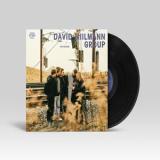
Danish quintet David Miilmann Group return with You Belong, their third album and a vibrant, uplifting statement built around guitarist David Miilmann"s distinctive slide guitar voice. Rooted in soul and blues but shaped within a genre-defying jazz context, the band brings a life-affirming energy to music that moves between groove, melody, and open improvisation with ease. Set for release on April Records on June 12th, 2026, You Belong centres on Miilmann"s approach to the guitar, drawing on the phrasing of singers like Curtis Mayfield, Freddie King and Aretha Franklin. His slide playing - developed as a way of emulating the human voice - sits at the core of the group"s sound, cutting through a warm, rhythmically grounded backdrop that blends jazz, rock, and Brazilian influences. At its core, the album captures a working band in motion. The five musicians move fluidly between composed material and looser, more exploratory sections, guided by close listening and a shared sense of direction. That chemistry comes into focus on "It"s Happening Again," a groove-led track steeped in a warm, 1970s-inspired production style. Built on a relaxed but propulsive feel, it captures the simple joy of time spent with close friends - familiar, unforced, and full of possibility. "The Day After" offers a more spacious counterpoint. Written as a reflection on those rare, quiet mornings following a meaningful moment - a concert, a celebration - it unfolds with a sense of ease and openness, led by Miilmann"s melodic slide guitar and supported by a restrained, attentive rhythm section. The band"s take on "My Favorite Things" reshapes the well-known material through their own ensemble sound, acknowledging the influence of John Coltrane while carving out a more textural, guitar-led approach. The album"s title, You Belong, points to the group"s broader outlook: an inclusive, community-driven approach to making music. That idea runs through both the compositions and the band"s dynamic - less about spotlighting individuals, more about building a collective sound. Since their debut Waiting for Myself (2021), David Miilmann Group have carved out a space with their emotionally direct, genre-fluid approach - earning two DMA Blues nominations, reaching the finals of the Jazz Competition, and receiving regular airplay on P8 Jazz. With You Belong, they refine that approach into something more defined: a warm, groove-driven sound shaped by song, feel, and the unmistakable voice of Miilmann"s slide guitar.
он должен быть опубликован на 03.07.2026

The mighty Channel One Studios,Kingston, Jamaica, has its place set in Reggae's Musical History.Its distinctive sound the studio created on opening its doors in 1972 to its closure in the early 1980's made it the Producers, Singers and Musicians studio of choice during this furtive period. Achieving that vibe and clarity, separated it from the other Kingston establishments.
Run by the Hookim Family's four sons, Jo Jo the eldest followed by Paulie, Ernest and Kenneth. Their father originally came from China and married a Chinese Jamaican lady and settled in the St Andrews district before moving to Kingston Town itself. The family business was built on jukeboxes and one armed bandit machines in and around Kingston. A lucrative venture until the gaming laws changed in 1970, outlawing the gaming machines. So the music side of the business would have to be expanded. So it was decided to open a studio to make the music to supply their already established Jukebox enterprise. The four brothers opened Channel One Recording Studios in 1972 at 29 Maxfield Avenue, Kingston 13. Initially as we stated the purpose of the studio was for the brothers use only, but this would soon change when the various Producers all looking for that Channel One sound came asking for studio time.
The brothers had used the services of Bill Garnet a renowned and well respected technical engineer on setting up the studio. They spent a lot of time laying out the space to get the right acoustics and picking the right quipment. They went with a four track API desk and the best quality microphones such as Neuman, Sony and AKG, vital in obtaining the quality sound and track separation that would prove so worthwhile after the music was recorded to give the best flexibility on the final mix downs. Jo Jo would take over the production duties after the initial hiring of Syd Bucknor a producer who had worked closely with Coxonne Dodds Studio 1 stable. The first release on the Channel One label would be 'Don't Give Up The Fight' by Stranger Cole and Gladstone 'Gladdy' Anderson.The initial two thousand run being swallowed up by their Jukebox interests and so the steady flow of hits would run up to the brake through hit of 1975 'Right Time' by the Mighty Diamonds.
1977 saw Jo Jo extending his stays in New York to a semipermanent status, returning mainly to oversee recording sessions and then taking the results back to America for worldwide distribution. His brother Paulies senseless killing in that year also added to Jo Jo's decision to spend more time with his Hit Bound Manufacturing set up in New York. The Channel One studio would be upgraded in 1979 to sixteen tracks and although Jo Jo and Ernest still covered the mixing and engineering duties Kenneth would now supervise sessions. An often untold part of Channel Ones history is the involvement of Producer Niney The Observer. The mid to late 1970's were heavy times both musically and politically and Maxfield Avenue was in the heart of this crossfire. Some artists and musicians were weary of using the establishment especially when sessions ended late at night and exiting the studio at these times could be somewhat dangerous. But Niney’s fearlessness seen him over running and in many cases running the all night sessions with his trusted set of musicians loosely called The Soul Syndicate. Having the run of the mighty Channel One studio's allowed Niney to build up and work on a stockpile of rhythms that he still has yet to unleash on the world. We have been lucky to select a bunch of material from Niney's vaults for this release. Some great unreleased rhythms and some different cuts to some tracks you might already know. Niney's work with Dennis Brown and his own distinctive heavy roots style productions have been documented and indeed his work on Channel Ones Yellowman releases stand tall also. We hope this fine set of Niney Productions set inside the hollowed walls of Channel One will sit beside them as they so richly deserve.
Закажите сейчас, и мы закажем товар для вас у нашего поставщика.

Strut proudly presents the first-ever reissue of a landmark 1974 Ghanaian highlife classic Sikyi Highlife by Dr K. Gyasi & His Noble Kings, originally released on Essiebons.
A defining recording of the era, Sikyi Highlife bridges tradition and innovation at a pivotal moment in Ghanaian music. Deeply rooted in the classic 1950s–’60s highlife sound, K. Gyasi drew inspiration from the ancient sikyi drum-dance of the Akan people of southern Ghana, shaping the album’s rhythms around its distinctive pulse.
The vocal arrangements echo the traditional Akan modal style, grounding the music firmly in Ghana’s cultural heritage. Yet Sikyi Highlife is equally forward-thinking. As electric guitars became standard in highlife during the 1960s, the 1970s ushered in further experimentation. The Noble Kings broke new ground as the first highlife guitar band to incorporate keyboards and a full horn section into their sound, expanding the genre’s sonic possibilities while retaining its rootsy spirit.
Gyasi’s approach was part of a broader indigenisation movement among Ghana’s electric highlife bands in the post-independence era. Inspired by the nation’s ‘African Personality’ ethos and reinforced by Afrocentric messages arriving from American soul and funk, artists began reclaiming traditional forms within modern arrangements. Contemporaries included Koo Nimo, who revived the older palmwine style, and drummer Nii Ashitey, whose Wulomei band pioneered a folklorised Ga highlife sound from 1973.
Like many musicians of his generation, Gyasi was a passionate supporter of Ghana’s independence movement. In 1963, he travelled as a musical ambassador alongside Ghana’s first president, Kwame Nkrumah, performing across North Africa and the USSR and carrying Ghanaian culture onto the world stage.
The Noble Kings’ mid-’70s line-up featured some of the country’s finest musicians, including guitarist Eric Agyeman (who led the band at the time), Thomas Frimpong on drums and vocals, Ernest Honny on organ, and bassist Ralph Karikari - who was renowned for his innovative technique of translating the rhythms and tonal language of the traditional talking drum onto electric bass.
Upon its original release, Sikyi Highlife became one of the biggest-selling albums of the 1970s for Essiebons, earning Gyasi the affectionate honorary title of “Dr” from his devoted fans. Today, the album remains an evergreen classic, still cherished across Ghana and beyond.
он должен быть опубликован на 15.05.2026

To celebrate the 20-year anniversary of our label Jamaican Recordings and to mark the sad one year passing of the musical maestro reggae producer Bunny `Striker’ Lee, we have pulled together a brand new collection of some great Bunny Lee rhythms.
Our label started way back with initial meetings with Bunny Lee and a promise to keep his music available, out on the streets. He will be sorely missed but will live on through his extraordinary musical legacy and we hope to add to this by including this release to the stable of an unbeatable catalogue.
Legendary record producer Bunny `Striker’ Lee’s vast selection of rhythms were ever present at any Sound Clash or Dance worth talking about in the early to mid-1970’s.
Where the version found on the b-side of a single or special dub cut on acetates, would be played to win over the people and conquer the dance. Bunny Lee was the undisputed rhythm master and on this special release he is also the MC telling the crowd how it is and that any rival sound system should watch out as he has the rhythms that can reign supreme. The band cutting these timeless rhythms were a group of top Jamaican musicians Bunny had put together called The Aggrovators.
The Aggrovators were a group of reggae musicians that usually featured Carlton `Santa’ Davis on drums playing alongside Robbie Shakespeare on bass, with other musicians added like Earl `Chinna’ Smith on guitar and Tommy McCook and Vin Gordon and Lennox Brown added for horn arrangements. Keyboards and organ duties normally fell
to musicians Ansel Collins and Bernard ‘Touter’ Harvey. The band was named after singer Eddie Grant had repeated the phrase to Bunny Lee on one of his many trips to England, that such and such artist was giving him `Aggro’. This was a term used in England in the 1970’s by the Skinhead followers of reggae music. A term shortened
from the word `Aggrovation’, meaning trouble, fighting or making the situation worse. Bunny Lee was so taken with this term that on returning to Jamaica, not only did he name his group of musicians the `Aggrovators’ but he also named his record shop situated at 101 Orange Street `Agro Records’.
We have compiled some great tracks recorded by this fantastic group of musicians. With the added extra magic of Mr Bunny Lee calling it out as only he can on the microphone.
Yes Run Sound Boy Run the version master is here…Respect
Закажите сейчас, и мы закажем товар для вас у нашего поставщика.

PMF007 has landed
We are honoured to welcome veteran artist Dennis Walks to the Poor Man’s Friend label. Having cut his teeth with Duke Reid in the mid to late 1960s, Dennis Walks has been recording consistently for over 60 years.
Best known for his massive hits “Drifter,” “Heart Don’t Leap,” and “Margaret,” alongside the great The Mudies, Dennis brings a smooth yet powerful voice rooted in R&B and doo-wop influences. Combined with his intricate and thoughtful songwriting, he remains one of our favourite artists from the rocksteady and early reggae era.
“What A Pressure” is a vibrant, horn-led early roots reggae cut that captures the raw spirit and sonic identity of Jamaica’s foundational studio era. Driven by an upbeat tempo and undeniable energy, the track is elevated by rich, full-bodied backing vocals that perfectly frame Dennis Walks’s unmistakable voice. His delivery carries a weight of experience, bringing to life a set of beautifully constructed conscious lyrics that speak with both urgency and soul.
At its core, the production is propelled by a deep, rolling bassline that locks tightly with a heavily saturated rhythm section, creating a warm, analog feel reminiscent of classic recordings from Kingston’s golden age. The horns cut through with authority, adding brightness and drive, while the overall arrangement maintains a tight, authentic groove.
он должен быть опубликован на 08.05.2026
Some grooves don’t rush to the dancefloor — they crawl there, slow and heavy, like smoke wrapping around a bassline. With Fragments of Reality, The Balek Band sculpt an electronic funk that lives between shadow and light — an end-of-the-world fever dream, a Barjavel-style Ravage where chaos turns nihilistic.
No sequencer grid here — just four musicians sharing the same room, shaping air and tension together: drums locked tight with a slap bass, a guitar dripping with echo and heat, and a one-man orchestra behind his machines, weaving acid lines and synth arpeggios while mixing the band live — drenching it in delay, reverb, and saturation, like a dub producer in a Kingston studio, Lee Scratch Perry or King Tubby conjuring ghosts through smoke.
This isn’t fusion — it’s friction. A living ritual where the TB-303 hums, and machines don’t dominate but converse with the human pulse. Each track feels like a night that refuses to end — that humid in-between where trance slips into languor, and the body starts to think for itself.
The record recalls the cosmic jazz of Alain Mion or Eddy Louiss meeting the fiery energy of West African afrobeat musicians freshly arrived in a smoky Belleville basement in the mid-’80s. When The Balek Band summon ghosts, it’s only to reshape them — bending the past into something futuristic, alive, and strangely refreshing. Both disciplined and delirious, Fragments of Reality feels like a promise at dawn: dark funk for the late hours, slow acid for warm blood.
This EP isn’t nostalgic, though it remembers. It’s a transmission from a parallel past — a moment when jazz players met drum machines and decided never to stop playing. Each note sweats, each rhythm breathes. You can almost see the light cutting through the haze, faces half-awake, half-possessed.
The Balek Band aren’t recreating a moment — they’re keeping it alive.
Flesh and cables. Impulse and patience.
A band, not a loop.
A trip, not a format.
Закажите сейчас, и мы закажем товар для вас у нашего поставщика.

Killer Groove Records proudly presents "Keep Your Step", the explosive comeback by Italian rock steady & early reggae ambassadors The Appetizers, a soulful celebration of reggae's timeless spirit.
"Keep Your Step" marks the band's much-awaited return, landing April 10th on limited edition LP, CD digipack and digital format featuring two exclusive bonus tracks.
The Appetizers deliver a masterclass in roots reggae music with their highly anticipated second studio album, bridging Jamaica's golden age with contemporary relevance. "Keep Your Step" is a heartfelt sonic journey where the band blends rocksteady and early reggae with funk and soul influences to create a sound that's both genuine and refreshingly modern.
The fourteen tracks move fluidly between infectious dancefloor fillers and socially conscious lyrics. From the laid-back swing of "Feel Like Dancing" to the hypnotic rhythm of "Thicker Than Water", the band demonstrates their versatility while remaining true to the roots of Jamaican sound. "A Message from The Meters" pays tribute to the legendary funk pioneers, while the instrumental "Catch This" and "Make It Reggay" highlight the band's musical prowess and the deep connections between reggae and funk.
Meanwhile, tracks like "Fussy Girl" and "Behind My Shoulders" explore love's complexities with humor and soul. The album's heart lies in its social consciousness. "Cool and Deadly", "The Life", "Stormy Weather" and the album title track "Keep Your Step" tell stories of perseverance through life's struggles.
With the hopeful anthem "We Shall Overcome," The Appetizers deliver a timely message about genuine human connection in a social media-dominated era. The digital edition closes with "Get Some Rollin'" and "Swing and Sway," rounding out the journey with two additional gems.
"Keep Your Step" pays homage to Jamaican music legends, from Jackie Mittoo and Tommy McCook to Toots & the Maytals, while carving out The Appetizers' own distinctive sound. This is a groove made for both the dance floor and the soul, proving that reggae's power to inspire, unite, and uplift remains as vital as ever.
The production stays true to The Appetizers' signature sound: organic tones, deep groove, and that live-room vibe you only get when real musicians are locked in together. Luca Monza and Claudio Mambrini, the band's core members, handled the artistic production. Mastering came courtesy of the great JJ Golden (Black Pumas, Sharon Jones & The Dap-Kings, Jr. Thomas & The Volcanos, The Frightnrs) at Golden Mastering in Ventura, California. JJ is one of the most trusted engineers working in this sound, ensuring every ounce of warmth and authenticity came through.
The Appetizers are a rocksteady and early reggae band formed in Milan in 2020 by musicians deeply embedded in the Italian and international reggae scene. Musicians from different paths united by a shared vision: recreating that vintage Caribbean and American sound with authenticity, respect and a forward-thinking edge.
Drawing inspiration from Jamaica's golden era and channeling the soul of Delroy Wilson, Alton Ellis, the early Wailers, and The Upsetters, The Appetizers carry forward the essence of bass culture with a pure, fully organic approach.
Their debut album Listen Up! (2022), released via Belgian imprint Badasonic Records (home to The Slackers, The Aggrolites, David Hillyard & Victor Rice), featured ten original tracks and a dub cut by Victor Rice. Distributed across Europe, the UK, the US, and Japan, it quickly earned international recognition among reggae connoisseurs and selectors worldwide.
Following extensive touring, including shows with The Slackers, Black Uhuru, Skip Marley, and more, the band returned to the studio to record "Keep Your Step", their second album produced by Killer Groove Records. Here the band expands its musical language, weaving together the spirit of historic Jamaican labels like Studio One and Treasure Isle with '60s funk, arriving at a warm, organic, and timeless sound: soul, Jamaican roots, and modern sensibility in perfect balance. Their lyrics explore heartbreak, social issues, and reflections on life and music, performed with dedication and respect for tradition while always pushing forward.
If you're into The Skatalites, The Ethiopians, and those classic Caribbean rhythms, this one's for you.
он должен быть опубликован на 10.04.2026

Blademasters is a new Melbourne instrumental project formed by Patrick Ryan (Cantrips) and Lachlan Stuckey (Surprise Chef). Built around the central conceit of "duelling" acoustic guitars - Ryan on steel-string and Stuckey on nylon-string - the project draws on 1960s and 1970s live studio recording traditions, foregrounding ensemble interplay, room sound, and performance-led arrangements. The wider lineup features musicians associated with Melbourne's instrumental soul and funk scene, including members of Surprise Chef, Cantrips, Karate Boogaloo and Ella Thompson's band.
Recorded live over a single day, Kings Knight / Live by the Blade was tracked with two acoustic guitars performing together in the room alongside bass and drums, with piano and vibraphone overdubs added sparingly. The release is influenced by David Axelrod's Pride (1970), particularly its fusion of cinematic orchestration, Latin and folk inflections, and deep rhythmic foundations. Both tracks share related harmonic material, presenting two contrasting but connected movements: the A-side's dramatic, tension-building opener and a more restrained, groove-led B-side. The release is presented on 7-inch vinyl with digital distribution.
Закажите сейчас, и мы закажем товар для вас у нашего поставщика.
