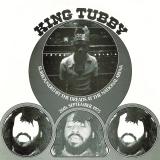
13
PRODUCED BY: Winston Edwards RECORDED AT: King Tubby's Recorded approximately 1973-1975, mixed by King Tubby.
Seminal dub album
vorbestellen05.10.2026
erscheint voraussichtlich am 05.10.2026
PRODUCED BY: Winston Edwards RECORDED AT: King Tubby's Recorded approximately 1973-1975, mixed by King Tubby.
Seminal dub album
erscheint voraussichtlich am 05.10.2026

After running a sound system and studying electronics overseas, Spanish Town-based Harry Mudie began releasing rhythm and blues recordings by local performers, enjoying more concerted success during the reggae era of the late 1960s and mid-1970s, crafting lasting hits with artists like Dennis Walks and the Spanish Town-based toaster I Roy.
The first volume of the Dub Conference series, made with King Tubby, has stripped-down cuts of some of Mudie’s greatest productions, including ‘Lorna’s Dance,’ a percussion and horns take of ‘Caught You In A Lie’, and a strings cut of the Heptones’ ‘Love Without Feeling.’
erscheint voraussichtlich am 05.10.2026

Bei uns am Lager und sofort versandfertig

Der Artikel ist noch nicht erschienen. Du kannst den Artikel jetzt vorbestellen, dieser ist nach Wareneingang für dich versandbereit.

Der Artikel ist noch nicht erschienen. Du kannst den Artikel jetzt vorbestellen, dieser ist nach Wareneingang für dich versandbereit.

Delroy Wilson’s rich vocal tones always added magic to any song put his way. The ‘Cool Operator’ as he was affectionately named, after he worked on a tune with the legendary Jamican producer Bunny Lee.
A match made in heaven that you will hear on the album where he was put against some of the finest rhythms made in what would be a high point in Reggae’s history.
Delroy Wilson (b.1948 Kingston, Jamaica) began his musical career at the school which was Coxonne Dodd’s Studio One label. His first release at the tender age of 13 was the Lee Perry produced ‘Joe Liges’. This Ska enhanced tune gave the young singer his first hit
and the follow up single ‘Spit in the Sky’ that also flew out the record store doors.
After a brief stop in 1969, Delroy began working for producer Sonia Pottinger’s Tip Top label which gave him more hits including ‘It Hurts’ and ‘Put Yourself in My Place’.
The 1970’s saw Delroy Wilson’s arrival at Bunny ‘Striker’ Lee’s door and what would turn into a winning formula, scoringhit after hit.
It is from this great period in Delroy’s career that we have compiled this selection of killer tracks, cut with drum and bass rhythm kings themselves Sly Dunbar and Robbie Shakespeare.
A great dub set mixed at the one and only King Tubby’s studio … We hope you enjoy the set …
Bestelle jetzt und wir bestellen den Artikel für dich beim Lieferanten.

2023 Repress
Dennis Brown has always been cited as Jamaica's favourite singer.
While Bob Marley set out to conquer the world, Dennis's popularity on the island grew with every year.
His most prolific period is said to be with producer Niney the Observer,who led the singer down a more Roots avenue.He put Dennis on some of his heaviest rhythms.
Throwing also into the pot the fact that these rhythms were also to be mixed by the Dubmaster himself King Tubby we are bound to get one of the best Dub albums around.
Here is where the Crown Prince of Reggae Meets Niney the Observer at King Tubbys.
It's from this period that we have focused on and it's these tracks that were taken to King Tubby's studio to produce this stunning album.
Hope you enjoy the set.......
G a7 | COME AGAIN DUB
J b2 | WOLF AND LEOPARDS DUB
Bestelle jetzt und wir bestellen den Artikel für dich beim Lieferanten.

“Tubby did three original dub albums, ‘Dub From The Roots’. ‘The Roots of Dub’ and the third is ‘Brass Rockers’ with Tommy McCook ‘pon the flying cymbals. Where he mixed it with the horn going in and out in a dub way and one named ‘Shalom Dub’ you can call Tubby’s too because he mixed the versions as they were off forty fives’’
Bunny ‘Striker’ Lee
King Tubby and Producer Bunny ‘Striker’ Lee are intertwined in the birth of Dub Music. After discovering a mistake that made a ‘serious joke’ (more of which later...) they went on to release the first pressings of this new musical genre namely ‘Dub Music’. Tubby’s vast knowledge of electronics and Bunny’s vast catalogue of rhythms would lay the foundations of what today is taken as a standard... the Remix / Version cuts to an existing vocal tune.
Osbourne ‘King Tubby’ Ruddock was born in Kingston, Jamaica on 28th January 1941 and grew up in the High Holborn Street area of downtown Kingston. He studied electronics at Kingston’s National Technical College and also on two correspondence courses from the U.S.A... When he had qualified Tubby began repairing radios and other electrical appliances in a shack in the back yard of his mother’s home. His work in the early days included winding transformers and building amplifiers for Kingston’s Sound Systems. Tubby built his first Sound System in 1957 playing jazz and Rhythm & Blues at local weddings and birthday parties. His reputation as a man who knew and understood both electronics and music grew steadily and as the sixties drew to a close. Tubby
purchased his own basic two track equipment. He installed this alongside his dub cutting machine, a home-made mixing console, and his impressive collection of jazz albums in the back bedroom of his home at 18 Dromilly Avenue which he christened his music room.
Tubby and Striker were at Treasure Isle Studio’s one day while Ruddy from Spanish Town was working with the engineer Byron Smith....
“Tubby and myself was talking when Ruddy was cutting some dub but Smithy (engineer) made a mistake through we were talking and forgot to put in the voice. It was two track recording in those days. Ruddy said ‘No Man! Make it stay! and so they cut the rhythm. When I went over to Ruddy’s that Saturday night a dance was in progress and when they played the vocal to the tune... then he said we’re going to play ‘Part Two’. They never called it ‘Version’..and then he played the rhythm track. The song was a catchy song and everybody started to sing along and the deejay started to toast so everything went down well. On Monday morning I went up and I said ‘Tubbs the mistake we made was a serious joke.It mash up Spanish Town! The people went wild. So you have to start to do that now ‘cause when the man put on the ‘Part Two’ everyone start singing this song. It played about twenty times. I said you try Tubbs!’...Well the next Saturday night now when Tubby strung up down the farm U Roy said he’s going to play ‘Part Two’ but Tubby did it different now. He started with the voice then dropped it out and let the rhythm run and then he brought in the voice in the middle and from there Tubby started to get really popular.’’
Bunny ‘Striker’ Lee
Dynamic Sounds upgraded to sixteen track recording in 1972 and Tubby purchased, again with the help of a deal brokered by Bunny Lee. The old four track equipment and the MCI console from their Studio B. The four tracks now gave him far wider scope to work with and he began to create a new musical form where the bass and drum parts were brought up while the faders allowed Tubby to ease the vocal and rhythm in and out of the mix. It was only a matter of time before Tubby’s dub plate experiments began to make it on to vinyl and the first ever long-playing King Tubby releases would feature a collection of his mixes to a selection of Strikers rhythms. So please sit back and enjoy this historic set of sounds. Lovingly restored and with a few extra gems added to the CD Editions. These releases were the first to carry the name of King Tubby and the first to credit the great musicians that contributed so much to the rhythms that made these albums possible.
Bestelle jetzt und wir bestellen den Artikel für dich beim Lieferanten.

2024 Reissue
“Tubby did three original dub albums, ‘Dub From The Roots’. ‘The Roots of Dub’ and the third is ‘Brass Rockers’ with Tommy McCook ‘pon the flying cymbals. Where he mixed it with the horn going in and out in a dub way and one named ‘Shalom Dub’ you can call Tubby’s too because he mixed the versions as they were off forty fives’’
Bunny ‘Striker‘ Lee
King Tubby and Producer Bunny ‘Striker’ Lee are intertwined in the birth of Dub Music. After discovering a mistake that made a ‘serious joke’ ( more of which later...) they went on to release the first pressings of this new musical genre namely ‘Dub Music’. Tubby’s vast knowledge of electronics and Bunny’s vast catalogue of rhythms would lay the foundations of what today is taken as a standard... the Remix / Version cuts to an existing vocal tune.
Osbourne ‘King Tubby’ Ruddock was born in Kingston, Jamaica on 28th January 1941 and grew up in the High Holborn Street area of downtown Kingston. He studied electronics at Kingston’s National Technical College and also on two correspondence courses from the U.S.A... When he had qualified Tubby began repairing radios and other electrical appliances in a shack in the back yard of his mother’s home. His work in the early days included winding transformers and building amplifiers for Kingston’s Sound Systems. Tubby built his first Sound System in 1957 playing jazz and Rhythm & Blues at local weddings and birthday parties. His reputation as a man who knew and understood both electronics and music grew steadily and as the sixties drew to a close. Tubby purchased his own basic two track equipment. He installed this alongside his dub cutting machine, a home made mixing console and his impressive collection of Jazz albums in the back bedroom of his home at 18 Dromilly Avenue which he christened his music room.
Tubby and Striker were at Treasure Isle Studio’s one day while Ruddy from Spanish Town was working with the engineer Byron Smith....
“Tubby and myself was talking when Ruddy was cutting some dub but Smithy (engineer) made a mistake through we were talking and forgot to put in the voice. It was two track recording in those days. Ruddy said ‘No Man! Make it stay! and so they cut the rhythm. When I went over to Ruddy’s that Saturday night a dance was in progress and when they played the vocal to the tune... then he said we’re going to play ‘Part Two’. They never called it ‘Version’..and then he played the rhythm track. The song was a catchy song and everybody started to sing along and the deejay started to toast so everything went down well. On Monday morning I went up and I said ‘Tubbs the mistake we made was a serious joke.It mash up Spanish Town! The people went wild. So you have to start to do that now ‘cause when the man put on the ‘Part Two’ everyone start singing this song. It played about twenty times. I said you try Tubbs!’...Well the next Saturday night now when Tubby strung up down the farm U Roy said he’s going to play ‘Part Two’ but Tubby did it different now. He started with the voice then dropped it out and let the rhythm run and then he brought in the voice in the middle and from there Tubby started to get really popular.’’
Bunny ‘Striker’ Lee
Dynamic Sounds upgraded to sixteen track recording in 1972 and Tubby purchased, again with the help of a deal brokered by Bunny Lee. The old four track equipment and the MCI console from their Studio B. The four tracks now gave him far wider scope to work with and he began to create a new musical form where the bass and drum parts were brought up while the faders allowed Tubby to ease the vocal and rhythm in and out of the mix. It was only a matter of time before Tubby’s dub plate experiments began to make it on to vinyl and the first ever long playing King Tubby releases would feature a collection of his mixes to a selection of Strikers rhythms. So please sit back and enjoy this historic set of sounds. Lovingly restored and with a few extra gems added to the CD Editions. These releases were the first to carry the name of King Tubby and the first to credit the great musicians that contributed so much to the rhythms that made these albums possible.
Bestelle jetzt und wir bestellen den Artikel für dich beim Lieferanten.

Born Osborne Ruddock in Kingston in 1941, he grew up around High Holborn Street in Kingston, before moving to the new Waterhouse district in 1955. His electronic genius grew from working and fixing radios and TV sets. A natural progression led to working with amplifiers, and starting his own sound system, 'Tubby's Home Town Hi-Fi'. A very competitive games i the late 60's. You were as good as the EXCLUSIVE records you played.
Tubby discovered during his time cutting discs for Duke Reid's Treasure Isle set up, that by dropping vocals/instruments in and out of the backing tracks, you could invent new versions of existing old tunes. These early versions tried and tested on his sound system went down so well that he invested in a four track mixing console with delay echo effects, sliders and phasing units and so began King Tubby's 'Studio Of Dub' at 18 Drummlie Avenue, Kinston 11 , Jamaica...His Home.....
This is where all the producers would bring their tracks for Tubby to put his magic over. Most tracks that came out in Jamaica from here on in would carry a 'Version' on it's B- Side more than likely a Tubby Dub.
One of the producers who used him the most was Bunny Striker Lee, who's labels Jackpot, Justice and Attack all carried Tubby's mixes/versions on their flip sides.
Our collection here, all taken from original master tapes you might have heard the tracks before but not these versions....Lost in the vaults till now. So sit back and enjoy the dub master at work.
RESPECT.... JAH FLOYD
Track 1 CHERRY'S DUB
We start off with a very early version of Eric Donaldson's 'Cherry O Baby'.
This version was recorded at Dynamic Sounds, in 1971 and has remained lost on master tape until now.
Track 2 FRENEMY DUB
This classic rhythm known as 'Mad Mad World' and 'Crying in the Ghetto' both voiced by Winston Jarret
got worked on by Tubby as an exclusive mix for his sound system. Released here for the first time featuring
the late, great Jacob Miller on dubbed vocal.
Track 3 FALLING FOR DUB
A version here of Cornell Campbell's 'My Whole World is Falling Down' Tubby in fine form.
Track 4 DUB ON THE STREET AGAIN
Yes my friend The Street Again finds Cornell Campbell's vocal dubbed King Tubby Style Nice Rockers drums from Sly Dunbar.
Track 5 DECEIVING THE DUB
Sly and Robbie dubbing up Delroy Wilson's ' So Long Jenny' with King Tubby at the boards
Bestelle jetzt und wir bestellen den Artikel für dich beim Lieferanten.

King Tubby the Dub Master, who's output was as prolific as it is sought after, and who's presence is surely missed. We would like to take you on another dub excursion. This time through some essential cuts made for the Producer / DJ Tappa Zukie. King Tubby always added something a little special to the tracks he worked on. Producers would often bring their already recorded tracks to his home studio at 18 Drummlie Avenue in the Kingston district of Waterhouse. The backing tracks which were laid at various other studios around Kingston. Like Channel 1and Randy's Studio 17, would then be voiced/Re-voiced at King Tubby's. Tubby and his team which included Prince Jammy and Philip Smart would be left to create the version cut.
Having listened to the track it would be striped back to the bone of bass and drums and rebuilt. Sprinkling his magic over the track by dropping the bass in and out, adding echo and emphasising various elements of the song. In some cases, dubbing the cut into something unrecognisable from its original sound.
The tracks would be aired on Tubby's Hometown Hi-Fi Sound System. Which acted much like a pre-release for the record to gauge the crowd’s reaction, before the tracks would be unleased on the public. We think we have sourced another fine collection of Tubby Cuts see also King Tubby's Lost Treasures JR001, comprising of work with Mr Tappa Zukie. Lost cuts to some of his own tracks like 'First Street Rock', alongside productions he undertook with the great Prince Allah, Junior Ross and the Spears. Also, the much-overlooked vocal group Knowledge. Some great rhythms, some great tracks, worked over by the greatest dub mixer of them all. Hope you enjoy the set as much as we have compiling it...
Respect Jah Floyd.
Bestelle jetzt und wir bestellen den Artikel für dich beim Lieferanten.

repress !
“Tubby did three original dub albums, ‘Dub From The Roots’. ‘The Roots of Dub’ and the third is ‘Brass Rockers’ with Tommy McCook ‘pon the flying cymbals. Where he mixed it with the horn going in and out in a dub way and one named ‘Shalom Dub’ you can call Tubby’s too because he mixed the versions as they were off forty fives’’
Bunny ‘Striker‘ Lee
King Tubby and Producer Bunny ‘Striker’ Lee are intertwined in the birth of Dub Music. After discovering a mistake that made a ‘serious joke’ ( more of which later...) they went on to release the first pressings of this new musical genre namely ‘Dub Music’. Tubby’s vast knowledge of electronics and Bunny’s vast catalogue of rhythms would lay the foundations of what today is taken as a standard... the Remix / Version cuts to an existing vocal tune.
Osbourne ‘King Tubby’ Ruddock was born in Kingston, Jamaica on 28th January 1941 and grew up in the High Holborn Street area of downtown Kingston. He studied electronics at Kingston’s National Technical College and also on two correspondence courses from the U.S.A... When he had qualified Tubby began repairing radios and other electrical appliances in a shack in the back yard of his mother’s home. His work in the early days included winding transformers and building amplifiers for Kingston’s Sound Systems. Tubby built his first Sound System in 1957 playing jazz and Rhythm & Blues at local weddings and birthday parties. His reputation as a man who knew and understood both electronics and music grew steadily and as the sixties drew to a close. Tubby purchased his own basic two track equipment. He installed this alongside his dub cutting machine, a home made mixing console and his impressive collection of Jazz albums in the back bedroom of his home at 18 Dromilly Avenue which he christened his music room.
Tubby and Striker were at Treasure Isle Studio’s one day while Ruddy from Spanish Town was working with the engineer Byron Smith....
“Tubby and myself was talking when Ruddy was cutting some dub but Smithy (engineer) made a mistake through we were talking and forgot to put in the voice. It was two track recording in those days. Ruddy said ‘No Man! Make it stay! and so they cut the rhythm. When I went over to Ruddy’s that Saturday night a dance was in progress and when they played the vocal to the tune... then he said we’re going to play ‘Part Two’. They never called it ‘Version’..and then he played the rhythm track. The song was a catchy song and everybody started to sing along and the deejay started to toast so everything went down well. On Monday morning I went up and I said ‘Tubbs the mistake we made was a serious joke.It mash up Spanish Town! The people went wild. So you have to start to do that now ‘cause when the man put on the ‘Part Two’ everyone start singing this song. It played about twenty times. I said you try Tubbs!’...Well the next Saturday night now when Tubby strung up down the farm U Roy said he’s going to play ‘Part Two’ but Tubby did it different now. He started with the voice then dropped it out and let the rhythm run and then he brought in the voice in the middle and from there Tubby started to get really popular.’’
Bunny ‘Striker’ Lee
Dynamic Sounds upgraded to sixteen track recording in 1972 and Tubby purchased, again with the help of a deal brokered by Bunny Lee. The old four track equipment and the MCI console from their Studio B. The four tracks now gave him far wider scope to work with and he began to create a new musical form where the bass and drum parts were brought up while the faders allowed Tubby to ease the vocal and rhythm in and out of the mix. It was only a matter of time before Tubby’s dub plate experiments began to make it on to vinyl and the first ever long playing King Tubby releases would feature a collection of his mixes to a selection of Strikers rhythms. So please sit back and enjoy this historic set of sounds. Lovingly restored and with a few extra gems added to the CD Editions. These releases were the first to carry the name of King Tubby and the first to credit the great musicians that contributed so much to the rhythms that made these albums possible.
Bestelle jetzt und wir bestellen den Artikel für dich beim Lieferanten.

3 cuts of the classic rhythm from Yabby You. ‘King Pharoah’s plague is coming down on the land’, righteous soulful rendition of old testament doctrine. Yabby always delivered his lyrics with authenticity and passion. This 3 track EP comes with the Tommy McCook cut and a thumping Tubbys dub. One of Yabby's most essential rhythms. Comes in a Pressure Sounds house disco bag. Rocking time is here!
Bestelle jetzt und wir bestellen den Artikel für dich beim Lieferanten.

Bestelle jetzt und wir bestellen den Artikel für dich beim Lieferanten.

2023 Repress
King Tubby's and Channel One were two of the great studios that produced so many of the great reggae rhythms in Kingston.Jamaica find themselves here for one night only battling for the trophy.
So who would be better placed to compare the Dub Soundclash from the two great studios then Bunny Lee himself.
Throwing rhythms over at Channel One who had enlisted the great DJ Jah Stitch to return the fire.
So sit back and enjoy two great institutions of the Reggae sound ,battling it out for sumpremacy.
The winner...we will leave that decision up to the listener.
But in this Dub Soundclash there is no loser...
All killer..No filler...Enjoy
Bestelle jetzt und wir bestellen den Artikel für dich beim Lieferanten.

Deejay Jah Thomas was one of the creative figures making a dramatic impact on the Kingston sound system scene of the late 1970s and early 80s, the rhythms he laid at Channel One studio with the Roots Radics helping to steer reggae towards the emerging dancehall style. Voicing and mixing his work at King Tubby’s studio, typically with the young upstart engineer known as Scientist, Thomas was another champion in the realm of dub, his re-makes of vintage Studio One and Treasure Isle rhythms part of the process. In A Dub Explosion is a thrilling comp of tough dubs, mixed by Scientist & the King. A great listening experience!
erscheint voraussichtlich am 02.06.2023

Two albums that shook the world! The release of these two ground-breaking dubs sets in 1975 altered the course of modern music forever. Dub From The Roots & Roots Of Dub make up a crucial selection of King Tubby’s mind-altering dub versions.
Produced by Bunny ‘Striker’ Lee – both albums are essential!
The ace reissue of these wicked dub albums collecting together classic 70's dub versions by dub pioneer and leader of ‘roots’ music in Jamaica, King Tubby! Tubby’s vast knowledge of electronics and Bunny’s vast catalogue of rhythms would lay the foundations of what today is taken as a standard. All the tracks on here are versions of classic tracks from Cornell Campbell, Johnny Clarke, Horace Andy, Linval Thompson, Derick Morgan & Hortense Ellis dubbed out by the King of Dub King Tubby!’
Bestelle jetzt und wir bestellen den Artikel für dich beim Lieferanten.

Two albums that shook the world! The release of these two ground-breaking dubs sets in 1975 altered the course of modern music forever. Dub From The Roots & Roots Of Dub make up a crucial selection of King Tubby’s mind-altering dub versions.
Produced by Bunny ‘Striker’ Lee – both albums are essential!
The ace reissue of these wicked dub albums collecting together classic 70's dub versions by dub pioneer and leader of ‘roots’ music in Jamaica, King Tubby! Tubby’s vast knowledge of electronics and Bunny’s vast catalogue of rhythms would lay the foundations of what today is taken as a standard. All the tracks on here are versions of classic tracks from Cornell Campbell, Johnny Clarke, Horace Andy, Linval Thompson, Derick Morgan & Hortense Ellis dubbed out by the King of Dub King Tubby!’
Bestelle jetzt und wir bestellen den Artikel für dich beim Lieferanten.

Mit einer brandneuen Vinyl Überspielung von Tonmeister Kevin Metcalfe (The Soundmasters, London) kommt die Wiederveröffentlichung des Klassikers von 1981 in top-a-top Soundqualität. Der Longplayer wurde im Channel One Studio von Soldgie Hamilton aufgenommen und in King Tubby's Studio von Jah Screw und dem Meister persönlich abgemischt. Als Produzenten für die Tracks fungierten Jah Screw und Ranking Joe. "Dangerous Dub" ist eine äußerst gelungene Präsentation von Sturgav Soundsystem Dub Specials auf Riddims wie dem "Heavenless", "Shank-I-Sheck" oder "Bandulo".
Bestelle jetzt und wir bestellen den Artikel für dich beim Lieferanten.

Rastafarianism came to prominence in the late 1960's/ 1970's and had a huge influence on the musical culture in Jamaica. The sentiments of the songs reflected the struggles of life, as reggae music always did but now with an added spiritual/conscious element to the lyrics. By the mid 1970's most, if not all the top flight singers were following the doctrine and growing their har to dreadlocks.
Everything was truly 'Dread'.
At the heart of this musical explosion was again Bunny 'Striker' Lee a man who was always at the heart of the action and many times in his career ahead of the musical game. As Bunny Lee's stable of singers were at this time nearly all Rasta's and with the worldwide acceptance of Bob Marley, in especially the foreign territories, this musical style was the way forward for reggae music in the mid 1970's. The visual focal point of this new turn in reggae music would be a call to all things 'Dread'. Add to the mix Bunny Lee's close working relationship with studio wizard King Tubby, again not a Rasta himself, but someone who could sonically bring what was needed to the table and enable the whole musical chemistry to fall into place.
Heavy rhythms were created to match the heavy and serious lyrics and 'Versions Galore' as they say were coming out fast and furious.
We have compiled a set of conscious tunes that not only match the 'Dread' criteria, but also are just great tunes. The great Jacob Miller's 'Zion Gates', Cornell Campbells 'Two Faced Rasta', Horace Andy's 'It's Gonna Be Dread' alongside Linval Thompson's 'Never Conquer Jah'. Two timeless cuts from the 'The Abyssinians' get a fresh outing by two great singers, firstly Don Carlos' cut to 'Satta Massaganna' and the prince of reggae himself, Dennis Brown works 'Declaration of Rights' in fine style. Johnny Clarke's 'Man like Me' and 'Dem Say Rasta' still sound as fresh today as when they were first laid down and Wayne Jarrett's 'Live On Jah' and Frankie Jones 'Satta and Praise Jah' add to this great selection. All great 'Dread' tunes that were cut or voiced at King Tubby's giving them that extra shine.
So if you are Rasta or not this is a great set of tunes to make you move and also like all of the best things in life, make you think.........
Track 14 WICKED BABYLON - LINVAL THOMPSON
Bestelle jetzt und wir bestellen den Artikel für dich beim Lieferanten.

The early days of the man affectionately known to his peers as Tubbs' are chronicled in some detail in the notes to this LP's predecessor and companion volume, not unreasonably titled "King Tubby's Classics Chapter 1". It's unlikely that anyone who buys Volume 2 will not already have Volume 1, but for the few who don't it's only fair that we start the note with a short précis of the early life and career of the boy born to be 'King ...
Bestelle jetzt und wir bestellen den Artikel für dich beim Lieferanten.

When dubwise music really started to come into its own in the early to mid 70s, it made overnight stars of backroom boys who had hitherto worked behind a mixing desk to serve those who were beginning to hoist reggae to an international stardom that it had long deserved, but that it had only achieved on short and non-sustained bursts until Chris Blackwell decided to throw a lot of promotion and money at the work of Bob Marley and his fellow Wailers in 1972. Of those men, there was no bigger star than the late Osbourne Ruddock, the great King Tubby’s and the man who, from a tiny home-made studio in the Waterhouse district of Kingston, Jamaica, did more than most to reposition the boundaries that production and mixing of Jamaican recordings.
erscheint voraussichtlich am 30.05.2022
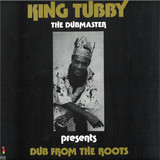
Tubby did three original dub albums, “Dub From The Roots, “The Roots Of Dub” and the third is “Brass Rockers” with Tommy McCook ’pon the flying cymbals. Where he mixed it with the horn going in and out in a dub way and one named “Shalom Dub” you can call Tubby’s too because he mixed the versions as they were off the forty fives.
King Tubby and Producer Bunny “Striker” Lee are intertwined in the birth of Dub Music. After discovering a mistake that made a “serious joke” (more of which later…) they went on to release the first pressings of this new musical genre namely “Dub Music”. Tubby’s vast knowledge of electronics and Bunny’s vast catalogue of rhythms would lay the foundations of what today is taken as a standard…. The Remix / Version cuts to an existing vocal tune.
Osborne “King Tubby” Ruddock was born in Kingston, Jamaican the 28th January 1941 and grew up in the High Holborn Street area of downtown Kingston. He studied electronics at Kingston’s National Technical College and also on two correspondence courses from the USA. When he had qualified, Tubby began repairing radios and other electrical appliances in a shack in the back yard of his mother’s home. His work in the early days included winding transformers and building amplifiers for Kingston’s Sound Systems. Tubby built his first Sound System in 1957 playing jazz and Rhythm and Blues at local weddings and birthday parties His reputation as a man who knew and understood both electronics and music grew steadily and as the sixties drew to a close. Tubby purchased his own basic two track equipment. He installed this alongside his dub cutting machine, a homemade mixing console and his impressive collection of Jazz albums in the back bedroom of his home at 18 Dromilly Avenue which he christened his music room.
Dynamic Sounds upgraded to sixteen track recording in 1972 and Tubby purchased, again with the help of a deal brokered by Bunny Lee. The old four track equipment and the MCI console from their Studio B. The four tracks now gave him far wider scope to work with and he began to create a new musical form where the bass and drum parts were brought up while the faders allowed Tubby to ease the vocal and rhythm in and out of the mix. It was only a matter of time before Tubby’s dub plate experiments began to make it on to vinyl and the first ever long playing King Tubby releases would feature a collection of his mixes to a selection of Striker’s rhythms. So please sit back and enjoy this historic set of sounds. Lovingly restored and with a few extra gems added to the CD editions. These releases were the first to carry the name of King Tubby and the first to credit the great musicians that contributed so much to the rhythms that made these albums possible.
Hope you enjoy the set……
Bestelle jetzt und wir bestellen den Artikel für dich beim Lieferanten.

King Tubby and Producer Bunny ‘Striker’ Lee are intertwined in the birth of Dub Music. After discovering a mistake that made a ‘serious joke’ they went on to release the first pressings of this new musical genre namely ‘Dub Music’. Tubby’s vast knowledge of electronics and Bunny’s vast catalogue of rhythms would lay the foundations of what today is taken as a standard...the Remix / Version cuts to an existing vocal tune. Sit back and enjoy this historic set of sounds. These releases were the first to carry the name of King Tubby and the first to credit the great musicians that contributed so much to the rhythms that made these albums possible.
erscheint voraussichtlich am 17.12.2021

• Horace Andy is a legendary Jamaican roots reggae singer-songwriter, known for his
distinctive vocal style, hit songs such as ‘Skylarking’, and his acclaimed collaborations with
Massive Attack.
• ‘The King Tubby Tapes’ was first issued on Jet Star Records’ ‘Charm’ imprint. The album
contains selections from Horace Andy’s 1979 album ‘Pure Ranking’ and a second LP of dub
remixes. Includes performances by legendary reggae session musicians such as Robbie
Shakespeare, Carlton “Santa” Davis, Tony Chin and Bernard “Touter” Harvey.
• Demon Records is proud to present the first vinyl reissue of ‘The King Tubby Tapes’, pressed
on 140g black vinyl.
erscheint voraussichtlich am 26.11.2021

King Tubby's Hometown Hi-Fi was one the great Sound Systems in Jamaica. It also proved a fantastic outlet for the Dub Plate Specials cut at Tubby's studio, providing exclusive cuts to be played out and to intice the dance's audience. The tracks at the time were mainly cut over producer Bunny 'Striker' Lee rhythms, that Bunny stored at Tubby's studio which was in fact his home, 18 Drumilly Avenue,Kingston, Jamaica.The versions were given exclusive plays at Tubby's sound
before some finding their way on to vinyl, as the b-side version cut to it's a-side vocal, proving so popular that the records were often brought for its version side over its vocal counterpart. King Tubby and Producer Bunny 'Striker' Lee are intertwined in the birth of Dub Music, after discovering a mistake that made a 'serious joke' (more of which later...) they went on to release the first pressings of this new musical genre namely 'Dub Music'. Tubby's vast knowledge of electronics and Bunny's vast catalogue of rhythms would lay the foundations of what today is taken as a standard... the Remix / Version cuts to an existing vocal tune. Osbourne 'King Tubby' Ruddock was born in Kingston, Jamaica on 28th January 1941 and grew up n the High Holborn Street area of downtown Kingston. He studied electronics at Kingston's
Source: Declaration of Rights / Johnny Clarke
Source: Top Ranking / Johnny Clarke
Source: The Stal-O-Watt / Cornell Campbell
Source: Power Of Love / Ronnie Davis
Source: African People / Johnny Clarke
Source: Pumps And Pride / Leroy Smart
Source: Girl I Love You / Johnny Clarke
Source: King Of The Arena / Johnny Clarke
Source: Stealing Stealing / Johnny Clarke
Source: Satta Dread Wayne Jarrett
Source: Crazy Baldhead / Johnny Clarke
Source: Dread A Dread / Johnny Clarke
Source: No Love / Leroy Smart
Bestelle jetzt und wir bestellen den Artikel für dich beim Lieferanten.

• King Tubby was the legendary producer and engineer who pioneered remixing and developed dub as an art form in the late 1960s and early 1970s. Today, he is considered to be one of the most important figures in Jamaican music and his influence can be heard in hip-hop, jungle, garage and dubstep.
• ‘Majestic Dub’ was first released in 1983 on the British reggae label Star. Recorded at King Tubby’s famous Kingston studio, it features performances by legendary reggae session musicians including Sly & Robbie, Noel “Skully” Simms, Uziah “Sticky” Thompson, Jackie Mittoo, Winston Wright, Earl "Chinna" Smith and Willie Lindo
• Demon Records is proud to present the first vinyl reissue of ‘Majestic Dub’, pressed on 140g black vinyl.
Bestelle jetzt und wir bestellen den Artikel für dich beim Lieferanten.

Bestelle jetzt und wir bestellen den Artikel für dich beim Lieferanten.

Bestelle jetzt und wir bestellen den Artikel für dich beim Lieferanten.

2 track Single from Cultural Roots / King Tubbys released by King Tubby's Dub Plate/Dub Store Records
Bestelle jetzt und wir bestellen den Artikel für dich beim Lieferanten.

Balmagie Jam Rock consists of 16 unreleased dub mixes from the dub master King Tubby. All the original songs were written and produced by Roy Cousins from the Royals. Featuring a virtual who's who of reggae from the classic era -- Sly & Robbie, Lloyd Parkes, Pablo Black, Lloyd Charmers, Ansel Collins, Earl Lindo, Tony Chin, Geoffery Chung, Ernest Rangin, Earl 'Chinna' Smith,Bobby Ellis, Tommy McCook and many more. With the voices of Prince Farl, I Roy, The Royals, and Baba Dread. Recorded between 1966 and 1979 at Dynamic, Channel One and Randy's studios, mixed and voiced at King Tubbv's.
Bestelle jetzt und wir bestellen den Artikel für dich beim Lieferanten.

Lowell Dunbar and Robert Shakespeare are the renowned Jamaican rhythm section that has worked with a range of international stars, including Bob Dylan, Mick Jagger, Joan Armatrading, Garland Jeffries and countless others. They first came to know each other in the early 1970s, when both were based in rival bands playing in clubs on Kingston's Red Hills Road and started working together at Channel One studio in the mid-1970s, when Sly was musical arranger for the Revolutionaries house band and Robbie the main bassist for Bunny Lee's Aggrovators. After a stint of international touring in Peter Tosh's Word, Sound and Power band, which exposed them to the tastes and markets of overseas audiences, the pair joined forces more concertedly with their Taxi label, producing hits with Gregory Isaacs, Dennis Brown, Sugar Minott and the Wailing Souls. At the same time, as the driving force behind the Compass Point All Stars, they brought Grace Jones to prominence worldwide and made Gwen Guthrie a star through reggaefied disco, and then brought Black Uhuru into the top spot in the wake of Bob Marley's passing. Then, when Jamaican music went digital with the 'Sleng Teng' craze of the mid-1980s, Sly and Robbie made the shift in that direction too, becoming among the most prominent producers as the 80s gave way to the 90s. Dubs For Tubs: A Tribute To King Tubby is a digital dub salute to the King issued shortly after his terrible murder; it is mostly comprised of synthesizer re-cuts of classic Jamaican rhythms, with 'Dub For Joy' being a tough re-working of the Heptones' 'Love Me Girl' and 'Dub To Make You Move And Groove' a take on their 'Party Time'; Dennis Brown's 'Here I Come' is here mutated to 'Dub For Roots People' and his 'Here I Come' anthem shifted into the spongy 'Dub For All Seasons.' An intriguing offshoot of 'Sleng Teng' is among the other highlights.
Bestelle jetzt und wir bestellen den Artikel für dich beim Lieferanten.

1976 rare dub album consists of robust Techniques rhythms dismantled and reconstructed by King Tubby to its perfection. Long-expected reissue of one of the most sought after dub albums.
Bestelle jetzt und wir bestellen den Artikel für dich beim Lieferanten.

King Tubby's Hometown Hi-Fi was one of the great Sound System in Jamaica.
It also proved a fantastic outlet for the Dub Plate Specials cut at Tubby's studio, providing exclusive cuts to be played out and to entice the dance's audience.
The tracks at the time were mainly cut over producer Bunny'Striker'Lee rhythms, that Bunny stored at Tubby's studio, 18 Drumilly Avenue, Kingston, Jamaica.
The versions were given eclusive plays at Tubby's sound before some finding their way on to vinyl, ass the b-side version cut to it's a-side vocal.
It proved so popular that the records were often brought fir its version side over its vocal counterpart.
We have compiled a selection of cuts that were all tried and tested on Tubby's Home Town Hi-Fi Sounf System and that worked a great set of Bunny Lee's rhythms in fine style.
Some of these cuts found a release as version b-sides but many on this set were exclusive Dub Plates unreleased until now.
As Cornell Campbell says on track one of the set 'King Tubby and Bunny Lee will never go away'
Hope you enjoy the set......
Bestelle jetzt und wir bestellen den Artikel für dich beim Lieferanten.

Bestelle jetzt und wir bestellen den Artikel für dich beim Lieferanten.

Linval Thompson is one of the great roots vocalists that ruled the dancehalls of Jamaica in the mid 1970’s. His distinctive vocal style and roots lyrics, that spoke of the struggles that faced the Rastas, hit a chord with the people of Jamaica, and provided a string of hits for him in the dancehalls. This in turn, would set a tone that he carried on through his musical career and future production work. Linval Thompson (b.1959, Kingston, Jamaica) was actually raised in Queens, New York. He cut his first record there at the age of 16 ‘No Other Woman’ with future Third World singer Bunny Ruggs. He also cut a couple of tracks for a US producer E Martin ‘’Jah Jah Deh’and ‘Weeping and Wailing’. In 1974 he returned to Jamaica and cut ‘Mama Say’ and a version of D Brown’s ‘Westbound Train’ for producer K Hobson which got Thompson noticed by producer Phil Pratt. Pratt took him to Lee Perry’s Black Ark studio’s where he cut ‘Kung Fu Man’. Thompson’s friendship with fellow singer Johnny Clarke led to a meeting with producer Bunny Lee. His first track cut for Lee was ‘Don’t Cut Off Your Dreadlocks’ and it became a big hit in Jamaica. Bunny Lee was the producer of the moment and Linval added to his long list of hit singles with ‘A Big Big Girl’, ‘Cool Down Your Temper’, ‘Ride On Dreadlocks’ and the title of this compilation ‘Jah Jah Is The Conqueror’. He seemed to hit a musical height working for Bunny Lee (who as he has done with many of his singers) encouraged Linval into production work himself. Which has led to another chapter in Linval’s story. Working with an array of artists including, Freddie McGregor, Johnny Osbourne, Barry Brown, Rod Taylor and many more. But it is his singing career that we focus on here and that great period in reggaes history the mid 1970’s where Linval delivered a string of classic hits that we have compiled for you here. Hope you enjoy the set.
Bestelle jetzt und wir bestellen den Artikel für dich beim Lieferanten.
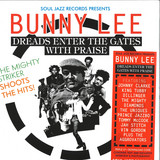
Johnny Clarke & King Tubby & Dillinger & Prince Jazzbo feat. Tommy McCook & The legendary Aggrovators & The Mighty Diamonds - Soul Jazz Records presents Bunny Lee: Dreads Enter the Gates with Praise - The Mighty Striker Shoots the Hits!
Soul Jazz Records presents this new collection featuring the heavy 70s roots reggae of Bunny
Lee - a living legend, one of the last of the great Jamaican record producers who helped shape
and define reggae music in the 1970s from a small island sound into an internationally
successful musical genre.
From teenage fan to young record plugger for Duke Reid, Sir Coxsone and other early
pioneering Jamaican musical entrepreneurs, Lee has spent his whole professional life inside the
Kingston music industry. In the 1970s he rose up to become one of the major record producers
in Jamaica alongside Lee 'Scratch' Perry and the other 'small axe' producers who broke the
dominance of the 'big tree' producers that had ruled Jamaican music in the 1960s.
Featuring some of the heaviest Jamaican artists, including Johnny Clarke, King Tubby, Dillinger,
Prince Jazzbo, Tommy McCook, The legendary Aggrovators (featuring Sly and Robbie), The
Mighty Diamonds and more, the album is a rollercoaster ride of rare, deep and classic 1970s
roots, dub and DJ sounds.
During this era, 'flying cymbals', crashing reverbs, dark echoing thunderclap gunshots and
other 'implements of sound' filled his record productions as Bunny Lee explored the outer limits
of dub with his friend King Tubby in the mix on wild versions that accompanied any 45. A
Bunny Lee record provides a creative and mysterious hidden guide to reggae music itself, a
double-sided three-minute intangible history lesson etched in wax.
Bunny Lee was one of the first Jamaican producers to travel to England in the late 1960s, at
the beginning of the nascent British reggae music industry as record companies such as
Trojan, Pama and others began licensing Jamaican music in the UK to supply the expanding
West Indian communities living up and down England. Lee encouraged other Jamaican
producers to do the same, including Lee Perry, Harry J and Niney The Observer and also
became a conduit between the British music industry and numerous younger Island-based
producers - a frequent flyer reggae ambassador, a musical courier exchanging tapes for
royalties.
Bunny Lee's first recordings in the late 1960s were mainly rock steady but as the 70s
approached the music soon began to mutate and slow down into 'reggae' as the sound became
heavier, more rootsy and the sound itself began to change with the explosion of dub.
Lee was at the forefront to this dramatic musical shift into roots reggae and by this time had
become a major producer, capable of working with whoever he chose as world-famous singers,
DJs and musicians lined up to work with the charismatic man. Lee also employed a fluid but
stable set of crack session musicians who he named The Aggrovators.
Most of the recordings featured here come from the mid 70s, a time when Bunny Lee was
definitely in the zone, releasing heavyweight singles at an almost unstoppable rate. Bunny
Lee's career stretches over five decades and he has upwards of 2,000 production credits on
vinyl.
This album comes with extensive sleevenotes, an interview with Bunny Lee and exclusive
photography. The album is available as a CD pack with 24-page booklet, massive triple LP vinyl
with digital download code, house inner and full notes, as well as digital album.
Bestelle jetzt und wir bestellen den Artikel für dich beim Lieferanten.

erscheint voraussichtlich am 31.01.2018

Bunny 'Striker' Lee's standing in the Jamaican recording business has remained unassailable for over four decades.Known by many aliases including 'Gorgon'.
The legend of the Gorgon originated in Greek mythology some three thousand years ago and has become a common image in art, literature and in Jamaica...Music.
The name actually derives from the ancient Greek word gorgos which means 'dreadful' ,appropriate when one considers that the avalanche of Gorgon inspired records came as a direct result of the influence of the Rastafarian movement on the Jamaican musical mainstream and the dread locked hair of the Rasta brethren was likened to that of the Gorgon sisters.
''About her shoulders she flung the tasselled aegis, fraught with terror...and therein is the head of the dread monster, the gorgon, dread,awful....'' Homer
Bestelle jetzt und wir bestellen den Artikel für dich beim Lieferanten.
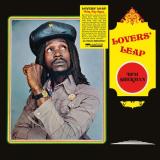
'Bim Sherman’s seminal second album from 1978 returns in true showcase style, complete with both vocal and dub versions.
'Recorded at Randy's and Channel One, the record features the legendary mixing touch of King Tubby's Studio, with Jammy at the controls. Rhythms are delivered by top-tier musicians from the Roots Radics and Soul Syndicate.
'Back in print with its original Jamaican album artwork!'
erscheint voraussichtlich am 30.09.2026
