
Reservar12.12.2025
debe ser publicado en 12.12.2025
debe ser publicado en 12.12.2025

It's another 45 Rocafort treatment!
"If There's a Will, There's a Way" was written by Don Covay and Donny Hathaway and released in 1972 on the American Janus Records label. Covay, a key figure in the 1960s and 1970s soul scene, was known for his gritty voice and songwriting for artists like Aretha Franklin and Wilson Pickett. Hathaway, on the other hand, was an influential soul singer, composer, and pianist often celebrated for his collaborations with Roberta Flack. This song blends both of their distinct styles: Covay's raw, Southern soul vibe and Hathaway's sophisticated, jazz-influenced arrangements. Like Donny Hathaway's live album released that same year in 1972, this track grabs you from the very first notes. A classic soul groove, with a powerful vocal delivery!
Notably, this track was later sampled by Pete Rock in his remix of "Lots of Lovin'" with C.L. Smooth, bringing the soulful essence of the original into the realm of 90s hip-hop.
On the b-side, another track from the fantastic Janus Records catalogue. Harvey Mandel's "Baby Batter," originally released in 1971 is a blend of funky blues and psychedelic rock vibes representing another popular genre from the early 70's in the USA. Mandel's signature guitar work shines throughout the track and the drum break in the introduction will please the hip-hop heads and 45 DJs out there.
Haga su pedido ahora y le encargaremos el artículo en nuestro proveedor.

Released in 1971, Get Off in Chicago captures the essence of an energetic concert featuring Harvey Mandel and key figures from the Chicago blues scene. Alongside Mandel, known for his innovative guitar playing, are renowned musicians such as John Bishop and Gregory E. Stinson, who contribute their talents on guitar. The rhythm section, with Peter Milo on drums and Nick Tountas on bass, anchors the tracks in a powerful groove. The album shows blazing solos, bold improvisations, and a collaborative spirit that transcends genres. This unique blend of blues, rock, and jazz highlights the collective genius of these talented artists.
debe ser publicado en 14.02.2025

En el almacen y preparando para el envío
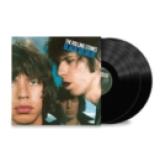
e 5Hey Negrita (Inspiration By Ron Wood) Steven Wilson Remix 2025
[f] 6Melody (Inspiration By Billy Preston) [Steven Wilson Remix 2025]
[e] 5Hey Negrita (Inspiration By Ron Wood) [Steven Wilson Remix 2025]
[f] 6Melody (Inspiration By Billy Preston) [Steven Wilson Remix 2025]
[e] 5Hey Negrita (Inspiration By Ron Wood) [Steven Wilson Remix 2025]
[f] 6Melody (Inspiration By Billy Preston) [Steven Wilson Remix 2025]
debe ser publicado en 14.11.2025

Haga su pedido ahora y le encargaremos el artículo en nuestro proveedor.

Die Geschichte von Canned Heat ist auch gleichzeitig die Geschichte von Exzessen, Drogenmissbrauch, psychischen Erkrankungen und Tablettensucht, verbunden mit der Affinität für bandinternen Begräbnisse. So sagte erst vor kurzem Drummer Adolfo "Fito" de la Parra in einem Interview: "Ich bin nach über 55 Jahren noch immer bei Canned Heat. Überhaupt noch am Leben zu sein, ist hier schon ein Triumph". Schließlich war Fito seit dem zweiten offiziellen Album der Band "Boogie With Canned Heat" mit dabei, das 1968 auf dem US-Label Liberty veröffentlicht wurde. 1970 erschien "Future Blues", das erste Album mit dem neuen Gitarristen Harvey Mandel. Mit "So Sad (The World"s in a Tangle)" enthält das Album den ersten Umweltschutz-Song der Band. Es handelt vom ständigen Smog über Los Angeles. "Let"s Work Together", eine Coverversion von Wilbert Harrisons "Let"s Stick Together" aus dem Jahre 1962, wurde für Canned Heat weltweit zu einem Top Ten Hit. Im gleichen Jahr folgte der Konzertmitschnitt ""70 Concert: Recorded Live In Europe". Aufgenommen an verschiedenen Orten während der Tournee durch Europa (u. a. der Londoner Royal Albert Hall), ist dies das erste offizielle Live-Album der Band und gleichzeitig das letzte Tondokument von Canned Heat mit Alan "Blind Owl" Wilson, der im September 1970 an einer Überdosis Tabletten starb. Mit "Final Vinyl" veröffentlichten Canned Heat vor kurzem ihr letztes Album; "Future Blues" und ""70 Concert: Recorded Live In Europe" gehören zu ihren essentiellen Alben, als die Band in ihrer Keybesetzung mit Al Wilson, Bob Hite, Fito de la Parra, Harvey Mandel und Larry Taylor Ende der 1960er / Anfang der 1970er Jahre den Zenit ihres Schaffens erreicht hatten. Wilsons Tod hinterließ eine Lücke, die nicht mehr zu schließen war, zumal auch Larry Taylor und Harvey Mandel kurz zuvor Canned Heat verlassen hatten, um sich John Mayalls "USA-Union"-Band anzuschließen.
debe ser publicado en 30.08.2024

Die Geschichte von Canned Heat ist auch gleichzeitig die Geschichte von Exzessen, Drogenmissbrauch, psychischen Erkrankungen und Tablettensucht, verbunden mit der Affinität für bandinternen Begräbnisse. So sagte erst vor kurzem Drummer Adolfo "Fito" de la Parra in einem Interview: "Ich bin nach über 55 Jahren noch immer bei Canned Heat. Überhaupt noch am Leben zu sein, ist hier schon ein Triumph". Schließlich war Fito seit dem zweiten offiziellen Album der Band "Boogie With Canned Heat" mit dabei, das 1968 auf dem US-Label Liberty veröffentlicht wurde. 1970 erschien "Future Blues", das erste Album mit dem neuen Gitarristen Harvey Mandel. Mit "So Sad (The World"s in a Tangle)" enthält das Album den ersten Umweltschutz-Song der Band. Es handelt vom ständigen Smog über Los Angeles. "Let"s Work Together", eine Coverversion von Wilbert Harrisons "Let"s Stick Together" aus dem Jahre 1962, wurde für Canned Heat weltweit zu einem Top Ten Hit. Im gleichen Jahr folgte der Konzertmitschnitt ""70 Concert: Recorded Live In Europe". Aufgenommen an verschiedenen Orten während der Tournee durch Europa (u. a. der Londoner Royal Albert Hall), ist dies das erste offizielle Live-Album der Band und gleichzeitig das letzte Tondokument von Canned Heat mit Alan "Blind Owl" Wilson, der im September 1970 an einer Überdosis Tabletten starb. Mit "Final Vinyl" veröffentlichten Canned Heat vor kurzem ihr letztes Album; "Future Blues" und ""70 Concert: Recorded Live In Europe" gehören zu ihren essentiellen Alben, als die Band in ihrer Keybesetzung mit Al Wilson, Bob Hite, Fito de la Parra, Harvey Mandel und Larry Taylor Ende der 1960er / Anfang der 1970er Jahre den Zenit ihres Schaffens erreicht hatten. Wilsons Tod hinterließ eine Lücke, die nicht mehr zu schließen war, zumal auch Larry Taylor und Harvey Mandel kurz zuvor Canned Heat verlassen hatten, um sich John Mayalls "USA-Union"-Band anzuschließen.
Haga su pedido ahora y le encargaremos el artículo en nuestro proveedor.

