
vorbestellen27.03.2026
erscheint voraussichtlich am 27.03.2026
erscheint voraussichtlich am 27.03.2026
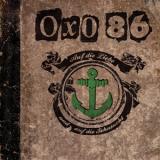
Neuaufgelegt! Hebt das Glas mit mir und gemeinsam trinken wir "Auf die Liebe und auf die Sehnsucht"! Das sechste Studioalbum aus dem Jahr 2013 gilt zurecht schlichtweg als Klassiker und hatte erheblichen Anteil am heutigen - nennen wir es ruhig - "Phänomenen OXO86". Mit ihrem einzigartigen Stil aus Gute-Laune Ohrwürmern gepaart mit subtilem Wortwitz, Punkrock, Bläsern und Sänger Willi's knochentrocken-verschmitztem Gesang, haben die Bernauer seitdem ein Alleinstellungsmerkmal weit über die üblichen Szenegrenzen hinaus. Millionen Streams der Album-Songs mit Hits wie "Bier und Reggae", "Samba Skinheads", "Saus und Braus" bis hin zum Titelsong zeigen dies deutlich. Die Vinyl-Auflagen von "Auf die Liebe und auf die Sehnsucht" sind allesamt in kurzer Zeit vergriffen gewesen und derzeit fast nur zu horrenden Sammlerpreisen erhältlich. Doppel-Vinyl mit dem Original-Album sowie der Kinderlieder-Bonus EP "If the Kids Are United" auf Seite C und wunderschönem Etching des beliebten Anker-Logos auf Seite D! Selbstredend auf 180g Vinyl, in schwarz oder trans-yellow/gold splatter, limitiert auf insgesamt 500 Exemplare!
erscheint voraussichtlich am 02.10.2026
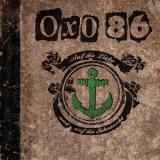
Neuaufgelegt! Hebt das Glas mit mir und gemeinsam trinken wir "Auf die Liebe und auf die Sehnsucht"! Das sechste Studioalbum aus dem Jahr 2013 gilt zurecht schlichtweg als Klassiker und hatte erheblichen Anteil am heutigen - nennen wir es ruhig - "Phänomenen OXO86". Mit ihrem einzigartigen Stil aus Gute-Laune Ohrwürmern gepaart mit subtilem Wortwitz, Punkrock, Bläsern und Sänger Willi's knochentrocken-verschmitztem Gesang, haben die Bernauer seitdem ein Alleinstellungsmerkmal weit über die üblichen Szenegrenzen hinaus. Millionen Streams der Album-Songs mit Hits wie "Bier und Reggae", "Samba Skinheads", "Saus und Braus" bis hin zum Titelsong zeigen dies deutlich. Die Vinyl-Auflagen von "Auf die Liebe und auf die Sehnsucht" sind allesamt in kurzer Zeit vergriffen gewesen und derzeit fast nur zu horrenden Sammlerpreisen erhältlich. Doppel-Vinyl mit dem Original-Album sowie der Kinderlieder-Bonus EP "If the Kids Are United" auf Seite C und wunderschönem Etching des beliebten Anker-Logos auf Seite D! Selbstredend auf 180g Vinyl, in schwarz oder trans-yellow/gold splatter, limitiert auf insgesamt 500 Exemplare!
erscheint voraussichtlich am 02.10.2026

The first wave of British punk was overrun with smart kids from upper-class backgrounds playacting at being working-class yobs. Sham 69 was different; every bit as thick-headed and provincial as the band sounded, they took a perversely populist pride in its lack of musical or intellectual sophistication, just like The Exploited and Anti-Nowhere League.
Side one of Tell Us The Truth was recorded live, and it perfectly captured the Cockney vibe, complete with football chants and a spontaneous chorus of "Knees Up, Mother Brown." Frontman Jimmy Pursey's banter with the audience is impressive, and all the songs are brimmed with straight-ahead live energy. The studio side is a template for brash UK punk rock: snotty, in-your-face, fast and loud.
Tell Us The Truth is now available on black vinyl.
erscheint voraussichtlich am 23.10.2026
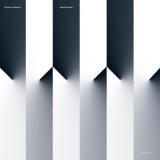
With the stunning Planes In Reverse, Sascha Funke, the Berlin-born producer and DJ, and long-time member of the Kompakt family, releases his first album in almost a decade, since 2017’s Lotos Land. It’s a welcome return for one of the most eloquent and elegant producers in electronic and dance music, someone who’s always been able to say more with less, and the ten tracks here, moving effortlessly between techno, house, minimalism, disco house, and home listening tunes, are all gorgeously sculpted miniatures. With guest appearances from partner Julienne Dessagne (Fantastic Twins), with whom Funke has also worked in Saschienne, there’s something homely and family about it, too; a family of sounds, a home of tone. There’s also something consummate about Planes In Reverse, as though Sascha Funke has perfected the album format. There’s no flab here, no excess – it plays out like a perfectly designed experience, ten tracks, coming in under fifty minutes, an album where every moment matters.
It’s full of variety, but everything has the unmistakable Funke thumbprint, one that was developed during the late ‘90s / early ‘00s minimal techno and microhouse moment, but which was always open to other ideas and other sounds, too. Planes In Reverse came together quickly for Funke: “Last winter, I had two or three new tracks, which gave me a core feeling: ‘Ah, this could be the direction of something like an album.’ Sometimes it can be very easy that you wrap it up and then it becomes something coherent and solid. This happened within two or three months; it was very fast and direct.” Everything fell into place – the ten tracks revealed themselves, the album sat together as a whole, and the final piece of the puzzle was returning home again to Kompakt, who have supported Sascha Funke from the very start, releasing his first single, “Campus”, back in 1999.
Planes In Reverse opens stealthily with “What You See”, where rhythms percolate and bass prowls while gaseous textures fill the sonic spectrum. It’s also the first appearance of Fantastic Twins on the album; here, she speaks a hypnotic mantra, a prelude to the title track, where Dessagne has a pure pop moment, her voice ecstatic and vibrant. Indeed, Planes In Reverse plays out like thesis and antithesis ending in synthesis, the tracks nestling next to each other even as they shuttle between sounds, genres, perspectives. There are some beautiful moments dropped throughout Planes In Reverse – the heavenly textures that make the title track feel so cloud-bound; the glassy and orbital tones that drop from the skies through the disco house inspired “Karat”; the clamour and clatter of hyper-edited voices shuffling through “Splitter”; or the field recordings of Sascha’s son football training session that drop “Zockers” into a different place and space, slowly giving way to a beautifully paced electro-pop mantra. “In Germany,when the kids play a computer game, or when they play football, we describe it as zocken. They’re the players, they’re the Zockers.“ Funke explains.
Planes In Reverse winds down with the beautiful “Kruso”, where ticklish, loving arpeggios careen around the room, and drift-work chords shimmer and shuttle between your ears. It’s a perfect comedown to an album that feels breathes in and out at an organic pace, nothing above 130 BPM, everything sitting together just so. Indeed, that’s the feeling you take away from Planes In Reverse; it sums up the spirit of Sascha Funke productions perfectly, while also existing beautifully as its own world dreamt unto itself. It’s Sascha Funke down to the very essence. Nothing unnecessary, nothing extraneous: Pure Funke.
erscheint voraussichtlich am 06.11.2026

What once slipped out under a veil of anonymity now steps into the light: the original mystery record was, in fact, Tuff City Kids. The duo’s playful fingerprints are all over it— equal parts homage and mischief.
Fast forward to today, and the circle closes with an EP that reimagines the spirit of that covert release, pushing it into sharper, modern focus. Where the first outing thrived on secrecy, this one thrives on revelation—same DNA, but recut for the present tense.
Bei uns am Lager und sofort versandfertig

Voted DJ Mag’s Underground Hero in 2022, DJ & producer Lauren Flax has been a fixture in Brooklyn’s electronic scene for two decades. On her latest project Liz & Lauren EP, she teams up with Liz Wight of shoegaze techno duo Pale Blue, whose sultry vocals explore questions of love and isolation to the tune of Detroit house and acidic techno.
Flax and Wight became fast friends in 2021 after being introduced by Pale Blue member & 2MR co-founder Mike Simonetti, who’d enlisted Flax to remix Pale Blue’s “Breathe.” Naturally, when Flax needed a vocalist for some tracks she was working on shortly after, she knew just who to call. “I was in my last year of grad school doing an internship in community mental health helping kids cope with the trauma of the pandemic,” Wight says of the time. She channelled this experience as she wrote and recorded the lyrics to Liz & Lauren EP from her home in Los Angeles.
As a result, the lyrics on Liz & Lauren EP are open-ended musings on connection, isolation, and convention. Lead single “Fix Everything” can be read both as an indictment of the trappings of marriage or, on Flax’s view, a rousing call to action, applicable to issues ranging from the degradation of the environment to the attack on LGBTQ+ rights in America. As the EP progresses, Wight’s airy vocals consider the pitfalls of love, from the destructive power of infatuation to the pain of outgrowing a relationship.
Sonically, Liz & Lauren EP feels like a natural progression from Flax’s first release on 2MR, 2021’s Out Of Reality, which saw her exploring a more minimalist production style for the first time in her work. “I Don’t Want To Hurt You” and “Fix Everything” pulse with bright, dynamic production, while slow burner “Return To Love” takes a sparser approach, anchored by a muted drumbeat and a simple, earworm synth refrain. “I’d Risk It All To Be With You” is a masterful balance of both; it even gets the club treatment on the EP’s closing remix, courtesy of Flax’s friends Mark Archer and Simon Neale (Shadow Child) of MASC.
Liz & Lauren EP is an impassioned collection that showcases both Flax and Wight’s artistry in equal measure. For both artists, it’s a testament to stepping outside the norm (DJing for Flax, performing in Pale Blue for Wight) and collaborating with others, the fruits of which are sure to be felt on the dancefloor for years to come.
Bei uns am Lager und sofort versandfertig

Felix Walworth wurde in der Broome Street geboren. Bevor sie zu einer festen Größe in der New Yorker DIY-Szene der 2010er Jahre wurden, bevor sie ihr Markenzeichen - das auf einem Keyboardständer montierte BMSS-Schlagzeug - einführten, bevor sie eindringliche Reflexionen über Identität schrieben, die ihnen eine Kult-Anhängerschaft unter den Kids auf Tumblr einbrachten, waren sie ein Kind, das in den verschiedenen Stadtbezirken aufwuchs und eine Stadt liebgewann, die schließlich bis zur Unkenntlichkeit veränderte. ,What's Up" ist Walworths viertes Album als Told Slant, unter diesem Namen haben sie seit 2012 eindringliche Alben mit weitläufigem, nervenblanken Indie-Rock veröffentlicht. Das ist ihr New-York-Album: eine Sammlung von Songs darüber, wie man zusehen muss, wie sich die Heimatstadt verändert, und wie man spürt, wie sie einen im Gegenzug selbst verändert hat. Es ist ein Album über die Hingabe an ein prekäres Musikleben und all die Schönheit und Demütigungen, die damit einhergehen. Während es auf den ersten drei Told-Slant-Alben um Selbstreflexion und den Versuch ging, als Künstler zu überleben, handelt ,What's Up" davon, was passiert, wenn man sich ,fast schon manisch dem Projekt des Selbstausdrucks und der Subkultur in einer der feindseligsten Umgebungen der Welt" verschrieben hat und sich mit all den Menschen, Orten und Träumen auseinandersetzen muss, die auf diesem Weg verloren gegangen sind. In Songs wie ,Manhattan", ,Draw Blood", ,Three Anchovies" und dem Titeltrack fängt Walworth Trauer, Wut, Hingabe und flüchtige Momente der Verbundenheit ein und zeichnet das Verschwinden geliebter Stadtviertel, DIY-Räume, Freundschaften und Lebensweisen mit gleichermaßen schwerer und humorvoller Hand nach.,What's Up" ist zudem das bisher kollaborativste und abenteuerlichste Album von Told Slant. Es entstand über einen Monat hinweg in einem provisorischen Studio im Upstate New York und wurde größtenteils auf einem Acht-Spur-Spulenband aufgenommen - damit ist es die erste überwiegend analoge Veröffentlichung des Projekts, an der Hannah Pruzinsky, Jonny Baker, Ceci Sturman, Hellen Ballentine, Emily Sprague, Mari Maurice und Elijah Wolf mitgewirkt haben. Die Songs entstanden zum Teil aus Walworths Arbeit als Porträt- und Straßenfotograf während der Pandemie, als er die Straßen, Parks, Veranstaltungsorte und Ladenfronten, die sein Leben geprägt hatten, erneut besuchte - nur um festzustellen, dass viele davon verschwunden waren. Dieses Gefühl des Verlusts zieht sich durch das gesamte Werk, das mit ,Still Water" (2012) begann, sich über ,Going By" (2016) und ,Point the Flashlight and Walk" (2020) fortsetzte und seit langem von schmerzlich ehrlichen Songs über Selbstfindung, Freundschaft, Sterblichkeit und den langsamen Verlust der Verbundenheit mit der Gemeinschaft geprägt ist. Auf ,What's Up" richtet Walworth diesen Blick nach außen und dokumentiert nicht nur ihre eigene Beziehung zu New York, sondern auch die Kosten des Bleibens, des Schaffens und des Glaubens an eine Stadt und eine Musikkultur, die sie mitgeprägt haben.
erscheint voraussichtlich am 04.09.2026
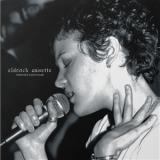
Femo der ersten Stunde für den Tanzboden - ohne Kompromisse. Kaum ein Jahr lang aktiv und nie über das Delaware Valley hinausgekommen, brachten Eldritch Anisette eine 7"-Single heraus und spielten zwei Dutzend Konzerte, bevor sie aus dem Bandalter herauswuchsen und sechs Momente herzlicher Jugendlichkeit hinterließen, die die Welt neu entdecken kann. 30 Jahre nach ihrem seelenvollen Album ,Complete Fairytales" versammelt die Band ihre fast vergessenen Nick Rotundo Sessions auf einer einzigen LP mit beiliegendem Textblatt, damit man mit den Kids entspannt mitschreien kann.
erscheint voraussichtlich am 26.06.2026

UILTY RAZORS, BONA FIDE PUNKS.
Writings on the topic that go off in all directions, mind-numbing lectures given by academics, and testimonies, most of them heavily doctored, from those who “lived through that era”: so many people today fantasize about the early days of punk in our country… This blessed moment when no one had yet thought of flaunting a ridiculous green mohawk, taking Sid Vicious as a hero, or – even worse – making the so-called alternative scene both festive and boorish. There was no such thing in 1976 or 1977, when it wasn’t easy to get hold of the first 45s by the Pistols or the Clash. Few people were aware of what was happening on the fringes of the fringes at the time. Malcolm McLaren was virtually unknown, and having short hair made you seem strange. Who knew then that rock music, which had taken a very bad turn since the early 1970s, would once again become an essential element of liberation? That, thanks to short and fast songs, it would once again rediscover that primitive, social side that was so hated by older generations? Who knew that, besides a few loners who read the music press (it was even better if they read it in English) and frequented the right record stores? Many of these formed bands, because it was impossible to do otherwise. We quickly went from listening to the Velvet Underground to trying to play the Stooges’ intros. It’s a somewhat collective story, even though there weren’t many people to start it.
The Guilty Razors were among those who took part in this initial upheaval in Paris. They were far from being the worst. They had something special and even released a single that was well above the national average. They also had enough songs to fill an album, the one you’re holding. In everyone’s opinion, they were definitely not among the punk impostors that followed in their wake. They were, at least, genuine and credible.
Guilty Razors, Parisian punk band (1975-1978). To understand something about their somewhat linear but very energetic sound, we might need to talk about the context in which it was born and, more broadly, recall the boredom (a theme that would become capital in punk songs) coupled with the desire to blow everything off, which were the basis for the formation of bands playing a rejuvenated rock music ; about the passion for a few records by the Kinks or the early Who, by the Stooges, by the Velvet mostly, which set you apart from the crowd.
And of course, we should remember this new wave, which was promoted by a few articles in the specialized press and some cutting-edge record stores, coming from New York or London, whose small but powerful influence could be felt in Paris and in a handful of isolated places in the provinces, lulled to sleep by so many appalling things, from Tangerine Dream to President Giscard d’Estaing...
In 1975-76, French music was, as almost always, in a sorry state ; it was still dominated by Johnny Hallyday and Sylvie Vartan. Local rock music was also rather bleak, apart from Bijou and Little Bob who tried to revive this small scene with poorly sound-engineered gigs played to almost no one.
In the working class suburbs at the time, it was mainly hard rock music played to 11 that helped people forget about their gruelling shifts at the factory. Here and there, on the outskirts of major cities, you still could find a few rockers with sideburns wearing black armbands since the death of Gene Vincent, but it wasn’t a proper mass movement, just a source of real danger to anyone they came across who wasn't like them. In August 1976, a festival unlike any other took place in Mont-de-Marsan – the First European Punk Festival as the poster said – with almost as many people on stage as in the audience. Yet, on that day, a quasi historical event happened, when, under the blazing afternoon sun, a band of unknowns called The Damned made an unprecedented noise in the arena, reminiscent of the chaotic Stooges in their early adolescence. They were the first genuine punk band to perform in our country: from then on, anything was possible, almost anything seemed permissible.
It makes sense that the four+1 members of Guilty Razors, who initially amplified acoustic guitars with crappy tape recorder microphones, would adopt punk music (pronounced paink in French) naturally and instinctively, since it combines liberating noise with speed of execution and – crucially – a very healthy sense of rebellion (the protesters of May 1968 proclaimed, and it was even a slogan, that they weren’t against old people, but against what had made them grow old. In the mid-1970s, it seemed normal and obvious that old people should now ALSO be targeted!!!).
At the time, the desire to fight back, and break down authority and apathy, was either red or black, often taking the form of leafleting, tumultuous general assemblies in the schoolyard, and massive or shabby demonstrations, most of the time overflowing with an exciting vitality that sometimes turned into fights with the riot police. Indeed, soon after the end of the Vietnam War and following Pinochet’s coup in Chile, all over France, Trotskyist and anarcho-libertarian fervour was firmly entrenched among parts of the educated youth population, who were equally rebellious and troublemakers whenever they had the chance. It should also be noted that when the single "Anarchy in the UK" was first heard, even though not many of us had access to it, both the title and its explosive sound immediately resonated with some of those troublemakers crying out for ANARCHY!!! Meanwhile, the left-wing majority still equated punks with reckless young neo-Nazis. Of course, the widely circulated photos in the mainstream press of Siouxsie Sioux with her swastikas didn’t necessarily help to win over the theorists of the Great Revolution. It took Joe Strummer to introduce The Clash as an anti-racist, anti-fascist and anti-ignorance band for the rejection of old-school revolutionaries to fade a little.
The Lycée Jean-Baptiste Say at Porte d’Auteuil, despite being located in the very posh and very exclusive 16th arrondissement of Paris, didn’t escape these "committed" upheavals, which doubled as the perfect outlet for the less timid members of this generation.
“Back then, politics were fun,” says Tristam Nada, who studied there and went on to become Guilty Razors’ frontman. “Jean-Baptiste was the leftist high-school in the neighbourhood. When the far right guys from the GUD came down there, the Communist League guys from elsewhere helped us fight them off.”
Anything that could challenge authority was fair game and of course, strikes for just about any reason would lead to increasingly frequent truancy (with a definitive farewell to education that would soon follow). Tristam Nada spent his 10th and 11th unfinished grades with José Perez, who had come from Spain, where his father, a janitor, had been sentenced to death by Franco. “José steered my tastes towards solid acts such as The Who. Like most teenagers, I had previously absorbed just about everything that came my way, from Yes to Led Zeppelin to Genesis. I was exploring… And then one day, he told me that he and his brother Carlos wanted to start a rock band.” The Perez brothers already played guitar. “Of course, they were Spanish!”, jokes their singer. “Then, somewhat reluctantly, José took up the bass and we were soon joined by Jano – who called himself Jano Homicid – who took up the rhythm guitar.” Several drummers would later join this core of not easily intimidated young guys who didn’t let adversity get the better of them.
The first rehearsals of the newly named Guilty Razors took place in the bedroom of a Perez aunt. There, the three rookies tried to cover a few standards, songs that often were an integral part of their lives. During a first, short gig, in front of a bewildered audience of tough old-school rockers, they launched into a clunky version of the Velvet Underground's “Heroin”. Challenge or recklessness? A bit of both, probably… And then, step by step, their limited repertoire expanded as they decided to write their own songs, sung in a not always very accurate or academic English, but who cared about proper grammar or the right vocabulary, since what truly mattered was to make the words sound as good as possible while playing very, very fast music? And spitting out those words in a language that left no doubt as to what it conveyed mattered as well.
Trying their hand a the kind of rock music disliked by most of the neighbourhood, making noise, being fiercely provocative: they still belonged to a tiny clique who, at this very moment, had chosen to impose this difference. And there were very few places in France or elsewhere, where one could witness the first stirrings of something that wasn’t a trend yet, let alone a movement.
In the provinces, in late 1976 or early 1977, there couldn’t be more than thirty record stores that were a bit more discerning than average, where you could hear this new kind of short-haired rock music called “punk”. The old clientele, who previously had no problem coming in to buy the latest McCartney or Aerosmith LP, now felt a little less comfortable there…
In Paris, these enlightened places were quite rare and often located nex to what would become the Forum des Halles, a big shopping mall. Between three aging sex workers, a couple of second-hand clothes shops, sellers of hippie paraphernalia and small fashion designers, the good word was loudly spread in two pioneering places – propagators of what was still only a new underground movement. Historically, the first one was the Open Market, a kind of poorly, but tastefully stocked cave. Speakers blasted out the sound of sixties garage bands from the Nuggets compilation (a crucial reference for José Perez) or the badly dressed English kids of Eddie and the Hot Rods. This black-painted den was opened a few years earlier by Marc Zermati, a character who wasn’t always in a sunny disposition, but always quite radical in his (good) choices and his opinions. He founded the independent label Skydog and was one of the promoters of the Mont-de-Marsan punk festivals. Not far from there was Harry Cover, another store more in tune with the new New York scene, which was amply covered in the house fanzine, Rock News (even though it was in it that the photos of the Sex Pistols were first published in France).
It was a favorite hang-out of the Perez brothers and Tristam Nada, as the latter explained. “It’s at Harry Cover’s that we first heard the Pistols and Clash’s 45s, and after that, we decided to start writing our first songs. If they could do it, so could we!”
The sonic shocks that were “Anarchy in the UK”, “White Riot” or the Buzzcocks’s EP, “Spiral Scratch” – which Guilty Razors' sound is reminiscent of – were soon to be amplified by an unparalleled visual shock. In April 1977, right after the release of their first LP, The Clash performed at the Palais des Glaces in Paris, during a punk night organised by Marc Zermati. For many who were there, it was the gig of a lifetime…
Of course, Guilty Razors and Tristam were in the audience: “That concert was fabulous… We Parisian punks were almost all dressed in black and white, with white shirts, skinny leather ties, bikers jackets or light jackets, etc. The Clash, on the other hand, wore colourful clothes. Well, the next day, at the Gibus, you’d spot everyone who had been at this concert, but they weren’t wearing anything black, they were all wearing colours.”
It makes sense to mention the Gibus club, as Guilty Razors often played there (sometimes in front of a hostile audience). It was also the only place in Paris that regularly scheduled new Parisian or Anglo-Saxon acts, such as Generation X, Siouxsie and the Banshees, the Slits, and Johnny Thunders who would become a kind of messed-up mascot for the venue. A little later, in 1978, the Rose Bonbon – formerly the Nashville – also attracted nightly owls in search of electric thrills… In 1977, the iconic but not necessarily excellent Asphalt Jungle often played at the Gibus, sometimes sharing the bill with Metal Urbain, the only band whose aura would later transcend the French borders (“I saw them as the French Sex Pistols,” said Geoff Travis, head of their British label Rough Trade). Already established in this small scene, Metal Urbain helped the young and restless Guilty Razors who had just arrived. Guitarist for Metal Urbain Hermann Schwartz remembers it: “They were younger than us, we were a bit like their mentors even if it’s too strong a word… At least they were credible. We thought they were good, and they had good songs which reminded of the Buzzcocks that I liked a lot. But at some point, they started hanging out with the Hells Angels. That’s when we stopped following them.”
The break-up was mutual, since, Guilty Razors, for their part, were shocked when they saw a fringe element of the audience at Metal Urbain concerts who repeatedly shouted “Sieg Heil” and gave Nazi salutes. These provocations, even still minor (the bulk of the skinhead crowd would later make their presence felt during concerts), weren’t really to the liking of the Perez brothers, whose anti-fascist convictions were firmly rooted. Some things are non-negotiable.
A few months earlier (in July 1978), Guilty Razors had nevertheless opened very successfully for Metal Urbain at the Bus Palladium, a more traditonally old-school rock night-club. But, as was sometimes the case back then, the night turned into a mass brawl when suburban rockers came to “beat up punks”.
Back then, Parisian nights weren’t always sweet and serene.
So, after opening as best as they could for The Jam (their sound having been ruined by the PA system), our local heroes were – once again – met outside by a horde of greasers out to get them. “Thankfully,” says Tristam, “we were with our roadies, motorless bikers who acted as a protective barrier. We were chased in the neighbouring streets and the whole thing ended in front of a bar, with the owner coming out with a rifle…”
Although Tristam and the Perez brothers narrowly escaped various, potentially bloody, incidents, they weren’t completely innocent of wrongdoing either. They still find amusing their mugging of two strangers in the street for example (“We were broke and we simply wanted to buy tickets for the Heartbreakers concert that night,” says Tristam). It so happened that their victims were two key figures in the rock business at the time: radio presenter Alain Manneval and music publisher Philippe Constantin. They filed a complaint and sought monetary compensation, but somehow the band’s manager, the skilful but very controversial Alexis, managed to get the complaint withdrawn and Guilty Razors ended up signing with Constantin with a substantial advance.
They also signed with Polydor and the label released in 1978 their only three-track 45, featuring “I Don't Wanna be A Rich”, “Hurts and Noises” and “Provocate” (songs that exuded perpetual rebellion and an unquenchable desire for “class” confrontation). It was a very good record, but due to a lack of promotion (radio stations didn’t play French artists singing in English), it didn’t sell very well. Only 800 copies were allegedly sold and the rest of the stock was pulped… Initially, the three tracks were to be included on a LP that never came to be, since they were dropped by Polydor (“Let’s say we sometimes caused a ruckus in their offices!” laughs Tristam.) In order to perfect the long-awaited LP, the band recorded demos of other tracks. There was a cover of Pink Floyd's “Lucifer Sam” from the Syd Barrett era – proof of an enduring love for the sixties’ greats –, “Wake Up” a hangover tale and “Bad Heart” about the Baader-Meinhof gang, whose actions had a profound impact on the era and on a generation seeking extreme dissent... On the album you’re now discovering, you can also hear five previously unreleased tracks recorded a bit later during an extended and freezing stay in Madrid, in a makeshift studio with the invaluable help of a drummer also acting as sound engineer. He was both an enthusiastic old hippie and a proper whizz at sound engineering. Here too, certain influences from the fifties and sixties (Link Wray, the Troggs) are more than obvious in the band’s music.
Shortly after a final stormy and rather barbaric (on the audience’s side) “Punk night” at the Olympia in June 1978, Tristam left the band ; his bandmates continued without him for a short while.
But like most pioneering punk bands of the era, Guilty Razors eventually split up for good after three years (besides once in Spain, they’d only played in Paris). The reason for ceasing business activities were more or less the same for everyone: there were no venues outside one’s small circuit to play this kind of rock music, which was still frightening, unknown, or of little interest to most people. The chances of recording an LP were virtually null, since major labels were only signing unoriginal but reassuring sub-Téléphone clones, and the smaller ones were only interested in progressive rock or French chanson for youth clubs. And what about self-production? No one in our small safety-pinned world had thought about it yet. There wasn’t enough money to embark on that sort of venture anyway.
So yes, the early days of punk in France were truly No Future!
Bestelle jetzt und wir bestellen den Artikel für dich beim Lieferanten.

Analog Fingerprints Vol. 0 is a compilation bringing together the early 2000s works of Marco Passarani under his Analog Fingerprints alias, collecting key tracks originally released on Rome’s Plasmek and Pigna labels.
For Numbers, the story starts long before the label itself. In their formative years, digging in Glasgow’s Rubadub, Passarani’s records felt like dispatches from a future city. Releases on his own Nature Records and on labels such as Generator and Interr-Ference Communications were mind blowing: rooted in Detroit techno, Chicago house and electro, yet pushing somewhere new. Much like fellow travellers Autechre, who would remix him in 2001, Passarani’s music balanced machine funk with restless experimentation.
Information was scarce, and you would hear these records first on the dancefloor or at listening stations in shops like Rubadub. Print fanzines like Ear and early web outposts such as Forcefield offered only fragments. But there was a palpable axis forming between Detroit techno and a new European wave of record labels including Skam, Rephlex, Clone, Viewlexx and Nature itself. It was the sound that defined Saturday nights at Rubadub’s ‘69’ parties in Paisley, just outside of Glasgow.
Passarani’s records, in particular, were instrumental in bringing together the future Numbers co-founders. Richard had already booked him pre-Numbers; meanwhile Calum (Spencer) and Jack (Jackmaster), then 16/17 year olds working alternate Saturdays in Rubadub, were so enamoured with the Roman sound that they travelled to Rome for the Bitz Festival in 2003 to seek out Passarani and Lory D at their source.
The first Analog Fingerprints release landed as a 12” on Plasmek in 2001, following the fractured, IDM-leaning 6 Katun material. For Passarani, the project marked a recalibration. A DJ first and foremost, he had moved into production via early computer setups, from a Commodore Amiga through primitive PC audio, Cubase and Logic, later experimenting with Ableton. The IDM scene had offered a playground for trial and error, but there was always a tension between abstraction and the dancefloor. Analog Fingerprints became the bridge: still intelligent, but with more dance than distance. After years of broken beats and complex arrangements, he wanted directness without surrendering identity.
Working closely with Francesco de Bellis and Mario Pierro in the Pigneto district, the trio formed Pigna as a vehicle for reclaiming a more accessible dance sound, deliberately steering away from the minimal wave beginning to dominate Europe. Sessions were fast, instinctive, often stretching late into the night with friends dropping by. It was a studio as social space, production as collective energy.
“In that constant search for balance, Analog Fingerprints was my way of expressing something closer to the classic dance floor. The track 'Tribute' - a tribute to my favourite early Detroit techno track of all time, 'First Bass' by Separate Minds - came after I realised I had almost lost my connection with the dance floor. The simplest step was to take inspiration from early Chicago and Detroit and twist it in our Roman ‘Pigna’ way. My goal was to create more accessible dancefloor tracks by mixing my unconscious Italo roots with my teenage love for that early US sound, ensuring the result was as far as possible from the minimal sound that was starting to dominate everywhere.” - Marco Passarani
Technically, the Analog Fingerprints tracks span a transitional era: Roland TR-909, SH-101 and Alpha Juno hardware met early software experiments. A Novation Drumstation rack stood in for the unattainable TR-808, syncing with TB-303 and TR-606. Yet the true secret weapon was Jeskola Buzz, a tracker-style modular environment that allowed step-by-step parameter control and strange melodic constructions, later exported into the audio sequencer. Even the lead on ‘Tribute’ came from an early PPG Wave-style plugin. It was hybrid thinking at a moment when digital tools still felt unstable but full of possibility for technologists like Passarani.
Behind the music sat Finalfrontier, a loose Roman collective orbiting Nature and Plasmek. Distribution and production were intertwined; importing obscure records into Italy built connections with like-minded outsiders across Europe and the US. Expensive phone bills and fax machines forged an “electronix network” that linked Rome to Clone, Viewlexx, Skam, Rephlex, Rubadub and Detroit’s Underground Resistance. There was a shared sense of survival and resistance, of operating against commercial systems.
Passarani recalls “The first time I found a sheet of paper inside an Underground Resistance 12” with info about upcoming releases... and a huge picture of Spock on the back. Imagine that: you love the music, you love Star Trek, and there’s someone on the other side of the ocean sharing those same values and sounds. It was the perfect match. We even gave our original company the suffix ‘Finalfrontier’: that says it all.”
Feedback in that era arrived physically: distributor faxes, conversations with visiting DJs, the experience of playing abroad and meeting kids who had connected with the records. Glasgow became a key node in a scattered outlier network. Passarani personally brought the first two Nature releases to Fat Cat in London, playing them in-store. Shortly after, a fax arrived from Rubadub in Glasgow requesting copies.
“I still remember that phone buzz and the fax paper slowly sliding out, with someone I didn’t know saying they wanted 75 copies of Nature 001. Or like the time we got a fax from the Rephlex crew just saying, “Hello Nature Records, Keep up the good work.” That was how we knew the message was getting through. It was a fantastic feeling; just one piece of thermal fax paper as an analog notification - the mood for the entire week would change.” - Passarani
The connection to Glasgow has since stretched across generations. As Passarani reflects, links often fracture as scenes renew themselves, but in Glasgow something different happened. New and old mixed seamlessly. There was a visible trust in what came before, and a willingness to carry it forward rather than discard it. Observed from Rome, it was deeply encouraging.
Analog Fingerprints Vol. 0 captures that moment of exchange: Rome to Glasgow, Detroit to Europe, experiment to dancefloor. It documents an artist recalibrating his sound and a network of scenes discovering one another in real time, connected by vinyl, faxes and shared intent.
Bestelle jetzt und wir bestellen den Artikel für dich beim Lieferanten.

*13 ripping songs totalling 33 minutes from the original 20-song 65 minute master reel tapes, recorded in early February 1978 for producers Flo & Eddie, the night before DMZ (the raw-assed pre-Lyres outfit that never made it!) spent 3 days trapped by a blizzard recording their Sire album. **4 page insert with info, pics and Rick Coraccio's ultra-detailed journal on how it all went down! ***LP includes DOWNLOAD CODE Kapital Ink zine: "In the annals of R&R history, as far as local American rock'n'roll scenes go, Boston is hardly ever looked upon in the same shining light as, say, NY, Detroit, San Francisco or even Austin or Seattle. Unlike those other towns, there's never even been a definitive book about the scene. Maybe it's because Boston is a perennial hard-luck place (just witness the Red Sox) with a serious New York inferiority complex hanging over its head. Boston is ignored by the industry at large, despite the fact that the city has spawned countless heavyweights in both a commercial (Aerosmith, Boston, the Cars) and aesthetic (Modern Lovers, Real Kids, Mission Of Burma) (Crypt editor note: and DMZ!! and LYRES!!) sense. Boston was the first US city to directly reflect the influence of the Velvet Underground, as epitomized by the Modern Lovers, who've proven to be almost as influential in their own right. Fast forward to the days of hardcore, and Boston was one of the pre-eminent strongholds of shave-head mania, shoring up its rep as an angry, intolerant New England outpost. Naturally the town has produced more than its share of local legends: Willie Alexander (who actually was in the Velvet Underground, albeit when the band was on its Lou Reed-less last legs); Jonathan Richman (geekus supremus no small thing considering the subsequent indie hordes, to whom he's a savior); and most of all, the great Real Kids, (Crypt editor note: and DMZ!! and LYRES!!) who could've been the equivalent of the MC5, Stooges or Flamin' Groovies in the annals of American rock if it hadn't been for a series of bad breaks but let's not get into that because it'll only reinforce Boston's eternal self-pitying plight. The fact is, the scene in Boston was more or less built by a string of bands who are so organically-interconnected that it seems like an act of God."
erscheint voraussichtlich am 30.01.2026

The Just Joans' new album Romantic Visions of Scotland finds the Glasgow band in characteristically melancholic form, pairing shambling indie pop with sharp observations on romantic pratfalls and everyday dis-appointments, all delivered with sardonic Scottish wit, fronted by siblings David and Katie Pope, whose wry lyrics and heartfelt vocals remain at the heart of the band’s distinctive sound.
Originally inspired by a grandiose exhibition title spotted on Glasgow buses in 2019 for a show at the Nation-al Museum of Scotland called Wild and Majestic: Romantic Visions of Scotland, the new album arrives six years later as a collection of semi-autobiographical snapshots from the Central Belt of Scotland. Whilst some of the details have been exaggerated for comic (or tragic) effect, the songs are based on personal experience of mundane failings, bitter regrets and missed opportunities that make up an unremarkable life.
Recurring themes of nostalgia for a bygone era and the fear of being left behind by lovers, friends and peers run throughout the album. Musically and lyrically, the band channels Village Green-era Kinks, with nods to The Television Personalities, The Smiths and Dolly Mixture.
In the past they have always recorded by themselves in a variety of bedrooms, living rooms – and the occasional toilet. For the first time they have abandoned their DIY recording practices to create what songwriter David Pope calls, “a corporate behemoth in an actual studio.” The album was recorded at Chem19 in Blan-tyre with Paul Savage, who is best known as a founding member of local legends The Delgados. He has also produced and recorded the likes of Teenage Fanclub, Arab Strap and Camera Obscura, and has captured a slightly more muscular version of the band while retaining their ramshackle charm.
The album artwork by vocalist and painter Katie Pope depicts Motherwell Train Station – an ordinary, boring place that speaks to the subject matter of the songs, but with a hint of potential escape. As David Pope ex-plains, “For me, the painting reminds me of the ending of Billy Liar in which Billy tries and fails to leave his hometown for the bright lights of London. Half the band also live in Motherwell, so it seemed appropriate.”
Funded by Creative Scotland, the recording allowed the band to bring in bass and cello arrangements, adding depth and a sheen of musical proficiency to their signature sound.
About The Just Joans - The Just Joans were formed in Glasgow in 2005 by songwriter David Pope. Early demos were collected together and released as a loose concept album, Last Tango in Motherwell, in 2006. Chris Elkin joined on guitar and was followed shortly after by David’s younger sister, Katie, on vocals and Fraser Ford on bass. Over the years they have released EPs and albums on WeePOP! and Fika Records and have gained a cult following as Scottish pop miserabilists.
The current line-up consists of Katie Pope (vocals), David Pope (vocals, guitar), Chris Elkin (lead guitar), Fraser Ford (bass), Arion Xenos (keyboards) and Jason Sweeney (drums).
Press Quotes:
“They fit snugly into the scratchy, low budget Scottish indie tradition of The Delgados and Arab Strap… There’s mischief in this miserabilism.” - Mojo 4*s
“Glasgow’s The Just Joans have documented the romantic pratfalls of a generation of indie kids with sardonic wit and a shambling musical style where Stephin Merrit lies down with The Vaselines.” - Uncut
“Funny and sad, it’s the kind of song that made Red House Painters, The Magnetic Fields and The Wedding Present’s early albums so easy to embrace; an unpretentious sharing of relatable gloom.” - Record Collector
erscheint voraussichtlich am 23.01.2026
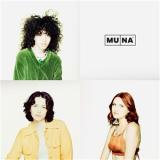
MUNA sind magisch. Welche andere Band hätte das verlorene Jahr 2021 mit Pailletten und Pompoms geprägt - und dich dabei ganz nebenbei zum Singen bringen können (und vielleicht sogar zu glauben), dass "Life's so fun, life's so fun" ist? All das während der vielleicht unruhigsten Phase deines Lebens? "Silk Chiffon", der Instant-Hit von MUNA mit Labelchefin Phoebe Bridgers, schlug wie ein doppelter Regenbogen in den grauen Himmel der anderthalbjährigen Pandemie ein. Pitchfork nannte es einen "Strudel von Schmetterlingen im Bauch", NPR einen "Queerwurm", der US-Rolling Stone "eine der süßesten Melodien des Jahres, die die Art von purer Pop-Seligkeit ausstrahlt, die so viele Bands anstreben, aber fast nie richtig hinbekommen." Für MUNAs Gitarristin und Produzentin Naomi McPherson war es ein "song for kids to have their first gay kiss to." Und so blühten mehrere Tausend verrückte Twitter- und TikTok-Memes auf. Seit Beginn ihrer Karriere haben MUNA den Schmerz als Fundament der Sehnsucht, als Zentrum der radikalen Wahrheit, als Teil des Erwachsenwerdens und als inhärenten Faktor der Erfahrung von Marginalität betrachtet - die Bandmitglieder gehören Queer- und Minderheitengemeinschaften an und spielen ihre Songs vor allem für diese. Gavin, McPherson und Josette Maskin - die Gitarristin von MUNA - verbindet eine bald zehnjährige Freundschaft. Sie begannen im College an der USC zusammen Musik zu machen und veröffentlichten 2017 mit der Single "I Know a Place" einen frühen Hit als eine aufgestaute Beschwörung zur LGBTQ-Zuflucht und Transzendenz. Jetzt, in ihren späten Zwanzigern, ist das Trio so etwas wie eine Familie geworden. Sie verbrachten einen Großteil der frühen Pandemie als eine Gruppe, die füreinander und für MUNA da war, selbst als sie sich über nix in Bezug auf Zukunft sicher sein konnten. Sie wurden von ihrem vorigen Label RCA gedroppt und es gab nur wenig Einkommen, kein Adrenalin, mit dem sie arbeiten konnten, keine Live-Shows mit Publikum, das sie an den Beistand erinnerte, den ihre Songs bieten können. "Muna", das selbstbetitelte dritte Album der Band, ist mehr als eine Rückkehr. Die Zeit der Unsicherheit und des offenen Hinterfragens der Band hat alles weggebrannt und ein Meisterwerk von einem Album hinterlassen - die kraftvolle, bewusste, dimensionale Leistung einer Band, die niemandem außer sich selbst etwas beweisen muss. Der Synth auf "What I Want" funkelt wie eine ROBYN-Tanzflächenhymne; "Anything But Me", das im 12/8-Takt galoppiert, erinnert an SHANIA TWAIN im Neonlicht der Achtziger; "Kind of Girl" mit seinem aufsteigenden, klagenden THE CHICKS-Refrain bittet darum, mit deinen besten Freund*innen bei maximaler Lautstärke gesungen zu werden. MUNA arbeiteten mit dem Quellcode des Pop, der das Herz berührt - das Album ist voller Sehnsucht und Offenbarung und hart erkämpfter Freiheit.
erscheint voraussichtlich am 12.12.2025

It’s been ten years since Drew Lustman aka FaltyDL last released on Planet Mu. In the meantime he's been running his own label Blueberry Records, been in-house producer for Mykki Blanco and has become a dad. The best things come out of play and it was Drew’s relationship with his young daughter that switched on this playful side of his music. The album in question, ‘Neurotica,’ expresses Drew’s fun in creating such energetic pieces people will want to move to. It's a dizzying sugar-rush at a high-speed bounce; the music is fresh and inviting and most important of all, joyful."Summer of ’24, we were in Catalonia. My girl, our young daughter, the old folks. Days by the village pool, afternoons on the dirtbike. At night, I made salads. Simple things. Good things. One afternoon, lying back, phone in hand, I saw a friend post a GRWM. The music behind it stopped me. A song grabbed hold. The track was ‘Secret’ by Mietze Conte, which is fast-paced euro-pop dance music, like soft fluffy gabber with childlike vocals. I hunted down the full version. Played it again. And again. Twenty times over the next few days. It unlocked something. The best music does that. Like the first time I heard Burial. Had to know what was happening under the surface. That time, it led to ‘Love Is A Liability’ in 2009. This time, it led to ‘Neurotica.’“ “I started to record, getting down fast, bright, sugar-rush sounds. 185 to 200 BPM. I wrote them quick—half a day per track. In between, I slowed things down. Gave space for breath. Mike Paradinas helped shape the album, his ear guiding the flow. I tested the tracks. Played them for kids barely out of diapers and grown folks who still move like they are. It worked, on all ages. I kept it simple. Only two rules: keep it moving and don’t look at my phone. Cut the vocals like I used to.” ‘Neurotica’ is FaltyDL with his mojo refreshed, a new life squared, do yourself a favour, crack a smile and feel the joy.
Bestelle jetzt und wir bestellen den Artikel für dich beim Lieferanten.
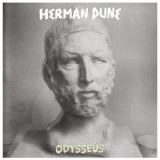
Nach 25 Jahren Herman Dune und 15 Alben freut sich BB*ISLAND, Odysseús zu präsentieren, eine neue Sammlung von Songs, die den Hörer auf eine Reise durch das turbulente Leben von David Ivar mitnimmt, eine Reise voller Sehnsucht, Schmerz, Liebe, Tod, Glaube und Erlösung. Es ist das erste Mal, dass Herman Dune mit einem externen Produzenten, David Garza, zusammenarbeitet. Das Set-up besteht fast ausschließlich aus akustischen Instrumenten, die live mit der Band in einem Raum aufgenommen wurden. Es ist Folk-Musik im typischen Stil von Herman Dune mit Anklängen an Americana, Country, jüdische und hispanische Traditionen, aber mit einer ganz neuen Wendung in Sound und Arrangements, vor allem im Vergleich zu seiner letzten rein akustischen Trilogie The Portable Herman Dune. David Herman Dune über die Produktion: "...David Garza getroffen zu haben war reiner Zufall. Ich mühte mich gerade mit einem Geigenarrangement für einen der Songs ab, als er sich in einem überfüllten Café in der Innenstadt von San Pedro an meinen Tisch setzte und mich fragte, woran ich gerade arbeitete. David, ein mit einem Grammy ausgezeichneter Produzent und Musiker, hatte mit Fiona Apple, Iron & Wine, John C. Reilly und den Milk Carton Kids gearbeitet und mit einigen meiner musikalischen Helden wie Lucinda Williams und Townes Van Zandt gespielt. Wir verstanden uns auf Anhieb, und er bot mir an, meine Songs zu produzieren. Wir begannen, die Stücke jeden Abend bei mir zu Hause zu spielen, und einmal pro Woche in einem französischen Restaurant namens Le Compagnon. David kannte die besten Musiker in L.A. - Leute wie Sebastian Steinberg am Kontrabass (Fiona Apple), Richard Edson (Schlagzeuger von Sonic Youth, Schauspieler in Jim Jarmuschs Stranger Than Paradise und Spike Lees Do The Right Thing), Odessa (violin, Edward Sharpe and the Magnetic Zeros) und Paul J. Cartwright (violin, Olivia Rodrigo). Als wir uns bereit fühlten, versammelten wir alle in meinem Haus für drei Tage Live-Sessions. Es war ein chaotischer, schöner Prozess, bei dem alle in einem Raum zusammen spielten, keine Kopfhörer, keine Overdubs - nur rohe, echte Musik. Aufgenommen und gemischt wurden die Sessions von Chris Sorem (ebenso Grammy-prämiert für seine Arbeit mit den mit den LA-Legenden Los Lobos). Chris brachte eine Wagenladung alter Mikrofone mit und konzentrierte sich auf "Raummikrofone" - djene, die die Atmosphäre des Raums einfangen. Er sagte, dies sei eine Technik, die auf Alben wie Buena Vista Social Club verwendet wurde, und es erzeugte eine Magie im Raum, die spürbar war. Sogar die traurigsten Lieder wurden lebendig mit so viel Freude, Energie und Elektrizität. Die Aufnahmen waren ungefiltert, organisch und hatten Seele. Als wir mit dem Abmischen begannen, waren wir alle vom Ergebnis erstaunt, wir hörten einen Moment in der Zeit, der sich gleichsam zeitlos anfühlte"
erscheint voraussichtlich am 13.06.2025

Die Modern Folk-Künstlerin Jensen McRae hat das Veröffentlichungsdatum ihres mit Spannung erwarteten zweiten Albums „I Don't Know How But They Found Me!“ bekannt gegeben, das am 25. April über Dead Oceans erscheinen wird. Zusammen mit der Ankündigung hat sie auch ihre neueste Single und das Video „Praying For Your Downfall“ veröffentlicht, ein Meisterwerk der Offenheit, das Witz und Charme verbindet, während McRae darüber nachdenkt, wie sie den Drang nach Rache an jemandem, der ihr das Herz gebrochen hat, loslassen kann.
Jensen McRae - Praying For Your Downfall (Official Video)
Vor dem Hintergrund von Herzschmerz, Selbstfindung und der Komplexität der Liebe ist „I Don't Know How But They Found Me!“ eine mutige Entwicklung für die junge Künstlerin. Das elf Titel umfassende Album, das in North Carolina mit Brad Cook (Waxahatchee, Bon Iver) aufgenommen wurde und an dem Nathan Stocker (Hippo Campus), Matthew McCaughan (Bon Iver) und ihr Bruder Holden McRae mitgewirkt haben, ist eine lebendige Sammlung von Songs, die von messerscharfen Texten und zeitlosen Pop-Melodien getragen werden. McRaes Stimme ist so vielseitig wie ihr Songwriting - mal flüsternd und strukturiert, dann wieder klar und hell. Es ist eine Stimme, die sowohl den Herzschmerz des Verlassenwerdens als auch die Stärke des Verlassens verkörpert.
Von Anfang an haben sich die Fans in Jensen McRae verliebt, für ihre scharfsinnigen, aufrüttelnden und klarsichtigen Songs. Ihr Songwriting ist verletzlich, ja, aber es ist auch stark, weil es sich nicht zurückhält. „I Don't Know How But They Found Me!“ zeigt McRaes Entwicklung von einer vielversprechenden jungen Künstlerin zu einer echten Songwriterin und Star. „Die tiefgreifendsten Entscheidungen meines Lebens“, sagt McRae, “haben sich oft wie Dinge angefühlt, die ich getan habe, bevor ich dazu bereit war, und in die ich hineinwachsen musste.“ „I Don't Know How But They Found Me!“ handelt davon, was folgt, wenn man dem widerstanden hat, von dem man dachte, dass es einen vernichten würde. Es geht darum, seine Grenzen kennenzulernen und zu erfahren, wozu man fähig ist. „Ich verband mich mit dem Gedanken, dass ich leicht unter dem Gewicht dessen, was mir widerfahren ist, hätte zusammenbrechen können, aber ich tat es nicht. Ich wusste es nicht einmal“, sagt sie, ‚aber ich war die ganze Zeit kugelsicher“. Jensen McRae ist in L.A. geboren und aufgewachsen und hat fast ihr ganzes Leben lang Musik studiert und gemacht. In der High School nahm sie am Grammy Camp teil und schloss ihr Studium an der USC Thornton School of Music mit einem Abschluss in Popular Music ab. McRaes Debütalbum „Are You Happy Now?“ schrieb sie größtenteils im Alter von 21 Jahren und war der erste Schritt zum Aufbau einer treuen Fangemeinde. „Are You Happy Now?“ navigiert die Identität von ihren tiefsten Grundlagen - dem Leben als junge, gemischtrassige schwarze und jüdische Frau - bis hin zu ihren persönlichsten Überlegungen - vertraue ich dir, vertraue ich mir selbst. McRaes Vertrauen in sich selbst hat sich mehrfach bestätigt, zuletzt und vielleicht am bekanntesten in Form des Songs „Massachusetts“. McRae postete eine Solo-Strophe und einen Refrain, kaum mehr als ein Stück eines Demos, und es fing Feuer im Internet. Covers, Duette und eine Lawine neuer Fans folgten, und McRae krönte den Moment mit einer fertigen Version und einer sommerlangen Tournee als Support von Noah Kahan. „I Don't Know How But They Found Me!“ nimmt McRaes mittlerweile beachtliche Fähigkeiten auf und macht sie massentauglich. „Savannah“ ist ein Song für alle, die schon lange dabei sind. Der pulsierende, an Country angelehnte Song erinnert sofort an das Beste von Phoebe Bridgers, wobei McRae in einem akrobatischen Flüsterton über einer federleichten akustischen Gitarre singt. Wenn „Savannah“ sein Crescendo erreicht, wird klar, dass McRae eine Künstlerin mit einer ganz eigenen Kraft ist, wenn sich Klavier und Gitarre überlagern und McRae eine Reihe bissiger Anklagen mit Schärfe und Überzeugung vorträgt: "You swore you'd raise our kids to end up just like you / well you're a false prophet / and that's a goddamn promise." Währenddessen ist „Let Me Be Wrong“ eine echte Hymne, eine beschwingte Ode an die Ablehnung von Perfektionismus. Wiederum auf einem einfachen Gesang und einer Akustikgitarre aufbauend, steigert sich „Let Me Be Wrong“ Schritt für Schritt in seinem Trotz; die Gitarren schichten sich, das Schlagzeug nimmt das Tempo auf, und McRae macht Platz für die Fehler aller. Wenn McRae knurrt „fuck those girls got everything“, ist das ein Schlag voller Kraft und Verletzlichkeit, der darum bettelt, unisono so laut wie möglich gebrüllt zu werden. Der ungewöhnliche Titel ihres zweiten Albums? Er stammt aus einer Zeile in McRaes Lieblingsfilm „Zurück in die Zukunft“. Ein Hauptdarsteller überlebt einen Kugelhagel, und dieses Bild hat McRae sehr beeindruckt. „Ich habe mich mit dem Gedanken angefreundet, dass ich leicht unter dem Gewicht dessen, was mir passiert ist, hätte zusammenbrechen können, aber das habe ich nicht. Ich wusste es nicht einmal“, sagt McRae, “aber ich war die ganze Zeit über kugelsicher.“
Bestelle jetzt und wir bestellen den Artikel für dich beim Lieferanten.

Die Modern Folk-Künstlerin Jensen McRae hat das Veröffentlichungsdatum ihres mit Spannung erwarteten zweiten Albums „I Don't Know How But They Found Me!“ bekannt gegeben, das am 25. April über Dead Oceans erscheinen wird. Zusammen mit der Ankündigung hat sie auch ihre neueste Single und das Video „Praying For Your Downfall“ veröffentlicht, ein Meisterwerk der Offenheit, das Witz und Charme verbindet, während McRae darüber nachdenkt, wie sie den Drang nach Rache an jemandem, der ihr das Herz gebrochen hat, loslassen kann.
Jensen McRae - Praying For Your Downfall (Official Video)
Vor dem Hintergrund von Herzschmerz, Selbstfindung und der Komplexität der Liebe ist „I Don't Know How But They Found Me!“ eine mutige Entwicklung für die junge Künstlerin. Das elf Titel umfassende Album, das in North Carolina mit Brad Cook (Waxahatchee, Bon Iver) aufgenommen wurde und an dem Nathan Stocker (Hippo Campus), Matthew McCaughan (Bon Iver) und ihr Bruder Holden McRae mitgewirkt haben, ist eine lebendige Sammlung von Songs, die von messerscharfen Texten und zeitlosen Pop-Melodien getragen werden. McRaes Stimme ist so vielseitig wie ihr Songwriting - mal flüsternd und strukturiert, dann wieder klar und hell. Es ist eine Stimme, die sowohl den Herzschmerz des Verlassenwerdens als auch die Stärke des Verlassens verkörpert.
Von Anfang an haben sich die Fans in Jensen McRae verliebt, für ihre scharfsinnigen, aufrüttelnden und klarsichtigen Songs. Ihr Songwriting ist verletzlich, ja, aber es ist auch stark, weil es sich nicht zurückhält. „I Don't Know How But They Found Me!“ zeigt McRaes Entwicklung von einer vielversprechenden jungen Künstlerin zu einer echten Songwriterin und Star. „Die tiefgreifendsten Entscheidungen meines Lebens“, sagt McRae, “haben sich oft wie Dinge angefühlt, die ich getan habe, bevor ich dazu bereit war, und in die ich hineinwachsen musste.“ „I Don't Know How But They Found Me!“ handelt davon, was folgt, wenn man dem widerstanden hat, von dem man dachte, dass es einen vernichten würde. Es geht darum, seine Grenzen kennenzulernen und zu erfahren, wozu man fähig ist. „Ich verband mich mit dem Gedanken, dass ich leicht unter dem Gewicht dessen, was mir widerfahren ist, hätte zusammenbrechen können, aber ich tat es nicht. Ich wusste es nicht einmal“, sagt sie, ‚aber ich war die ganze Zeit kugelsicher“. Jensen McRae ist in L.A. geboren und aufgewachsen und hat fast ihr ganzes Leben lang Musik studiert und gemacht. In der High School nahm sie am Grammy Camp teil und schloss ihr Studium an der USC Thornton School of Music mit einem Abschluss in Popular Music ab. McRaes Debütalbum „Are You Happy Now?“ schrieb sie größtenteils im Alter von 21 Jahren und war der erste Schritt zum Aufbau einer treuen Fangemeinde. „Are You Happy Now?“ navigiert die Identität von ihren tiefsten Grundlagen - dem Leben als junge, gemischtrassige schwarze und jüdische Frau - bis hin zu ihren persönlichsten Überlegungen - vertraue ich dir, vertraue ich mir selbst. McRaes Vertrauen in sich selbst hat sich mehrfach bestätigt, zuletzt und vielleicht am bekanntesten in Form des Songs „Massachusetts“. McRae postete eine Solo-Strophe und einen Refrain, kaum mehr als ein Stück eines Demos, und es fing Feuer im Internet. Covers, Duette und eine Lawine neuer Fans folgten, und McRae krönte den Moment mit einer fertigen Version und einer sommerlangen Tournee als Support von Noah Kahan. „I Don't Know How But They Found Me!“ nimmt McRaes mittlerweile beachtliche Fähigkeiten auf und macht sie massentauglich. „Savannah“ ist ein Song für alle, die schon lange dabei sind. Der pulsierende, an Country angelehnte Song erinnert sofort an das Beste von Phoebe Bridgers, wobei McRae in einem akrobatischen Flüsterton über einer federleichten akustischen Gitarre singt. Wenn „Savannah“ sein Crescendo erreicht, wird klar, dass McRae eine Künstlerin mit einer ganz eigenen Kraft ist, wenn sich Klavier und Gitarre überlagern und McRae eine Reihe bissiger Anklagen mit Schärfe und Überzeugung vorträgt: "You swore you'd raise our kids to end up just like you / well you're a false prophet / and that's a goddamn promise." Währenddessen ist „Let Me Be Wrong“ eine echte Hymne, eine beschwingte Ode an die Ablehnung von Perfektionismus. Wiederum auf einem einfachen Gesang und einer Akustikgitarre aufbauend, steigert sich „Let Me Be Wrong“ Schritt für Schritt in seinem Trotz; die Gitarren schichten sich, das Schlagzeug nimmt das Tempo auf, und McRae macht Platz für die Fehler aller. Wenn McRae knurrt „fuck those girls got everything“, ist das ein Schlag voller Kraft und Verletzlichkeit, der darum bettelt, unisono so laut wie möglich gebrüllt zu werden. Der ungewöhnliche Titel ihres zweiten Albums? Er stammt aus einer Zeile in McRaes Lieblingsfilm „Zurück in die Zukunft“. Ein Hauptdarsteller überlebt einen Kugelhagel, und dieses Bild hat McRae sehr beeindruckt. „Ich habe mich mit dem Gedanken angefreundet, dass ich leicht unter dem Gewicht dessen, was mir passiert ist, hätte zusammenbrechen können, aber das habe ich nicht. Ich wusste es nicht einmal“, sagt McRae, “aber ich war die ganze Zeit über kugelsicher.“
erscheint voraussichtlich am 25.04.2025

12” paddling pool blue vinyl, is an edition of 500. CD Digifile. Following the runaway success of their critically acclaimed 2021 second album Contender, the question for fast-rising London four-piece Fightmilk was always going to be “what next?” With a tight indie-pop sound that defined their early recordings, the answer was obvious to a band who seem hellbent on the notion of evolve or die… The band originally formed in 2015 in a Brixton pub garden by Lily and Alex, who had both, separately, just been dumped and thought being in an angry punk band would cheer them up. Then they found Nick and Healey to hold the rhythm down and make them sound good. With three albums under their belt, they’ve perfected their chaotic, melodic brand of joy and rage-filled pop with full-throated yelling and sparkling guitar riffs as their trademark. They’ve graduated from angsty whippersnappers in their mid-twenties to overgrown teenage 30-somethings with mild ongoing back and shoulder pain. Their previous 2 albums Not With That Attitude (2018) & Contender (2021) marked them out as an ambitious and rising prospect, and now on their forthcoming new album No Souvenirs the band eschew their former Britpop ties and edge further into DIY punk and heavier rock influences to reveal a leaner, meaner, more abrasive side to their cathartic lo-fi anthems. Whilst collectively diving into their passion for Jimmy Eat World, frontwoman Lily Rae made a conscious decision to strengthen her “big loud yell” with influence from Alicia Bognanno (Bully), Nat Foster (Press Club), and Missy Dabice (Mannequin Pussy). “My voice is the biggest it’s ever been and I’m constantly thrilled when people are surprised at how loud I am, considering I’m so small in stature,” she grins. “Lyrically I always look to Bruce Springsteen for inspiration but I also really enjoyed the angsty candour of Sour by Olivia Rodrigo, and Kacey Musgraves’ impeccable one-liners.” There are a few genre experiments on the record—Yo La Tengo in ‘Paddling Pool’, ‘Canines’ is part The Strokes and part Neu!, and ‘Back From Tour’ was heavily influenced by long term friends Johnny Foreigner. “You could probably make a case for ‘Inferno’ having a bit of Counting Crows to it, but we were never writing to emulate,” explains guitarist Alex. “The references and touchstones just happened along the way. As far as we’re concerned, they just sound like Fightmilk - and that’s a really nice place to be nearly a decade in.” “That said, we’ve also been REALLY picky with the songs that made it onto the album - there’s probably an-other album’s worth of songs that didn’t feel right, even if we loved them. We got really good at finding the “magic thing” in each song that made it work.” Spilling over with candid lyrics about death, doomed love, and dog bites, framed by endless punk energy and the kind of full-throated riff-rock that sounds just at home in a giant stadium as it does in a sticky-floored toilet bar, No Souvenirs is a triumphant return from the band, who are equally enthused by the album. “I only realised after we put the songs together how personal to me this album was,” explains Lily. “Not just because I’m writing about extremely specific sitcom episodes in my life (getting fired from bridesmaid duty, being bitten on the arse by a dog, being relentlessly asked when I’m going to have kids), but because whilst we were making it, I turned 30. It’s a significant age for women, especially in music, because aside from being something called a ‘geriatric millennial’, there’s an unspoken rule that there’s a cut-off point for you to have ‘made it’ and after that you have to settle down and be normal.” For Lily, writing for the album also aligned with the 10th anniversary of the death of a close friend, with the resulting track ‘No Souvenirs’ lending its title to the album as a whole. “It had taken me that long to write about it in a way I felt ok with. But I realised that I couldn’t have written it before,” she explains. “I needed that distance, and that maturity, to be able to articulate those feelings. It feels to me now like the album is about scorched earth, moving on, taking nothing with you for the next ‘thing’ - and realising that getting older is a privilege.” Bringing a huge amount of energy and joy with them whenever and wherever they hit a stage, interacting with the audience is a vital part of the Fightmilk live experience. “Without people singing and dancing at us we wouldn’t have gigs at all, so we want everyone to get involved!” says Lily of the band’s future tour plans
erscheint voraussichtlich am 15.11.2024

In a world of division, BEÃTFÓØT’s delayed second album is as an invitation to unite at a utopian celebration of life. Originally scheduled for release in October 2023 but postponed due to the ongoing Israel/Palestine war, the intrinsically-political ‘TOO CUTE’ has taken on more prominence than the Tel Aviv duo of Udi Naor and Adi Bronicki could have imagined.
“It's more urgent than ever for us to share this now, even though the album has been ready for a while,” says producer Naor. “BEÃTFÓØT are against any war, and believe that people should talk and not use violence - never,” he adds vehemently. “We feel the pain of Palestinians and Israeli loss of life, and are devastated by it. We hope the war will be finished soon and that peace and prosperity will come soon for both sides.”
While both Naor and vocalist Bronicki have been active in protests, charity work and community efforts over the past year - explicitly against the current government in Israel - such values of peace, acceptance, coexistence, inclusiveness and anti-hate from all sides are further instilled in the songs that form ‘TOO CUTE’.
“We're really trying to highlight that there are people here working tirelessly for a brighter future for our ill kids and our neighbour’s kids,” adds Naor, who is also co-founder of techno duo Red Axes. Having had to flee the country with his family, it’s through music that Naor and Bronicki have found hope.
In light of such conflict, the multi-layered yet sonically-bonkers record also enables escapism, which is needed more now than ever. Following their self-titled 2021 debut (released on DJ Tennis’ label Life and Death), ‘TOO CUTE’ is a refreshingly-ridiculous dark-rave rollercoaster which careers between hard-dance, big-beat, post-punk, techno, hyperpop, country and everything in between.
Things blast off at breakneck speed with the chaotic title track’s hyperpop snares, instantly-catchy lyrics (which feel ominously striking considering the war) and a stadium-ready chorus that erupts into rolling breakbeats, punishing EDM and even a nod to The Bloodhound Gang’s ‘The Magic Touch’. Somehow, we’re just three minutes into the record.
The tongue-in-cheek ‘HEART OF LEAD (TAKE IT OFF)’ still bangs despite its silliness, like if Kero Kero Bonito got in the studio with will.i.am. Later, ‘LEO’S SONG (THE SOCIAL MEDIA GUY)’s wittily satirical one-liners - “I just wanna get high with AI” - come thick and fast amid a barrage of glitches and guitars. ‘SUKC MY DIKC !!!’, meanwhile, pairs flute with pulsing hardstyle beats.
While their first record’s experimental explosion captured the pure carnage and energy of the BEÃTFÓØT universe in a conceptual fashion (though remaining polished in its own way), album two is primed to connect with a bigger audience thanks to its pop melodies, structures and songwriting.
Much of ‘TOO CUTE’ was written while the duo toured Europe for the first time, with rough sketches of tracks created in the moment during their incendiary live shows, and then recorded in planes and cars.
If their first record was a case of testing the vibes, album two is more assured and confident within their sonic world. “In the first album, we stepped into the club, metaphorically, and started making eye contact with everyone to figure out the energy,” Bronicki says. “But, this time round, I already had an idea of the story that I wanted to tell to these random people.”
And what is that story? “Radical silliness, or radical fun – that’s the essence of BEÃTFÓØT,” Naor confirms. “What we really want to do is goof around and have fun, and that brings out something very profound and honest,” he explains. A sense of nostalgic freedom is also at the album’s core, thanks to the removal of adult predetermined social constructs that decide how people should behave or look. “There’s a very honest and positive energy in holding onto your childlike wonder and trying to explore that with others,” Bronicki suggests, adding that “the adult world can be so wrong and angering”.
She feels this relates to both the album’s lyrics and the artistic state of mind that the duo always work to: “the goal is to feed a really thought-out and profound idea, but through a playful spoon,” she says. With this in mind, the recurring theme of ‘TOO CUTE’ stems from the duo’s “radical and lived experience of existing in a place that holds a lot of guilt and fear – because death is so imminent and prevalent in a very confronting way”. This is clearly represented on ‘FOOTYLICIOU$’, on which Bronicki screams “someone’s gonna die tonight!” before emphatically shouting “NOT ME!”
The album title is BEÃTFÓØT’s response to that: “We want to be a celebration of life, and that applies to all lives, of all backgrounds, including animals… that’s our guiding light,” Bronicki says.
“We create in the context of living in a country where the current government’s anti-democratic measures are limiting who is included in the celebration of life. Because different people are always being pushed out and excluded: whether it’s queers, Palestinians or people from different religions.”
BEÃTFÓØT - who have found a home among the LGBTQIA+ community - are fighting back against oppression. “We want everybody to come to the party and celebrate life together,” says Naor, setting out his and Bronicki’s mission… “and our goal is to widen that party as wide as it can go.”
c MANIAC ft. Princess Rani
e WHERE HAVE I BEEN ALL MY LIFE ft. Bugle Boy
c MANIAC ft. Princess Rani
[e] WHERE HAVE I BEEN ALL MY LIFE [ft. Bugle Boy]
[c] MANIAC [ft. Princess Rani]
[e] WHERE HAVE I BEEN ALL MY LIFE [ft. Bugle Boy]
Bestelle jetzt und wir bestellen den Artikel für dich beim Lieferanten.

In the early 1990s, before the era of social media dominance, skateboarding culture found its voice through magazines and VHS video releases, notably from brands like Santa Cruz and Powell Peralta. These videos not only shaped the skateboarding world but also influenced creativity across various industries worldwide.
In 1988 and 1989, two groundbreaking videos, "Shackle Me Not" and "Hokus Pokus," emerged from the fledgling skateboard company: H-Street, unleashed a seismic shift in street skateboarding. These videos are revered as iconic masterpieces, celebrated for their innovative skateboarding sequences and unforgettable soundtracks.
“What’s particularly interesting about Hokus Pokus was its soundtrack, largely comprised of demo cassettes, unsigned artists, and bands with loose ties to the brand. Some of the songs were goofy, others almost anthemic, and few sounded of their time. Perhaps it was the repetition or the fact that Matt Hensley could have skated to the sounds of a broken oven and it would have been iconic, but the songs in Hokus Pokus became a secret handshake for the hardcore—people who really gave a shit about skateboarding’s culture not just the act”.
Artless / Anthony Pappalardo
“When we were filming for Shackle Me Not we were still a brand new company and hardly anybody knew who we were and it was so brand new. I was so busy skating and I noticed there was like a movement in skateboarding, you could feel there was a change in the way, in the tide, not just white H-Street but with every company. I think that video, the H-Street video was saw raw, with the crazy music, and you know, just the wackiness of all of it, I think that feeling went out into the world, and kids everywhere understood you don’t need to live 20mn away from Del Mar to actually be part of what’s happening. I think that just opened up the world of skateboarding to more people”
Matt Hensley – Pro skater and Floggin Molly band member.
Fast forward 35 years, and H-Street, in collaboration with Paris (France) based label Stereo Ronin Records, embarks on a momentous project to release special edition vinyl soundtracks from these seminal videos. This exclusive release features meticulously remastered tracks, including new versions and previously unreleased gems on vinyl, making it a treasure trove for any skateboarding enthusiast.
Curated from bands like Kirk & The Jerks, Sub Society, Wonderful Broken Thing, Voluntários da Pátria and The Cry, representing the golden era of skateboarding music, this album promises an unparalleled experience for fans of Punk Rock, Indy Rock, and of course, skateboarding.
Working alongside RTM Studio in Paris, Stereo Ronin Records has undertaken a remastering journey, ensuring that this vinyl edition delivers a truly unique sonic experience, capturing the essence of a bygone era while resonating with contemporary audiences.
Bestelle jetzt und wir bestellen den Artikel für dich beim Lieferanten.

Die Indie-Folk -Band Mighty Oaks sind nach fast zwei Jahren Pause mit einem neuen Album und einer ausverkauften Tour zurück. Drei junge Männer aus drei Ländern kombinieren dreistimmige Harmonien, die einen einzigartigen Sound ergeben.
Nach 10 Jahren des Schreibens, Aufnehmens und ausgiebigen Tourens - mit Radio- und Chart-Erfolgen sowie Shows und Festivals von Seattle bis Budapest und von Træna bis Mailand - haben die Mighty Oaks-Mitglieder beschlossen, dass es Zeit war, eine Pause zu machen. Die neu gefundene Energie und Verbundenheit hat die Band nun dazu inspiriert, das nächste Kapitel so anzugehen, wie sie ihre gemeinsame Reise begonnen hat:
akustisch. Das neue Album High Times ist eine Sammlung von 12 reduzierten, authentischen, intimen Akustiksongs, die fast vollständig live inmitten der Ziegel und des Holzes von Ians Wohnzimmer in Berlin aufgenommen wurden.
Gemeinsame Fragen über Liebe und Freundschaft, über das Leben und die Sehnsucht ziehen sich durch das Album, verpackt in kompakte Geschichten, die den Hörer in einen Traum entführen, weit weg vom Alltag, so wie es die Musik tun sollte. Die Band wird im September ihr fünftes Album veröffentlichen und kurz darauf für sechs Wochen auf Tournee gehen.
erscheint voraussichtlich am 13.09.2024

FOR FANS OF: Manowar, Queensryche, Kamelot, Savatage, Running Wild, Vicious Rumors
Nach der bombastisch-epischen Veröffentlichung ‚The Passion Of Dionysus‘ im vergangenen Sommer wird nun am 23. August 2024 über
Steamhammer/SPV das allererste Virgin Steele-Album in einer besonderen Edition als Digi-CD und Gatefold-Doppel-Vinyl-LP sowie in digitaler Form
neu aufgelegt.
David DeFeis hat der Wiederveröffentlichung den zusätzlichen Spitznamen ‚The Anniversary Edition‘ verliehen, denn er hat das Album – basierend auf
den originalen Mehrspurbändern – vom ersten bis zum letzten Ton komplett neu abgemischt. Er erklärt: „Ich habe der Neuauflage diesen Titel
hinzugefügt, da es tatsächlich eine besondere Wiederveröffentlichung und ein großes Fest ist. Jeder Song wurde liebevoll restauriert und mit festem
Glauben, heißem Herz und hartem Stahl neu gemischt. Erstaunlicherweise waren die originalen Mehrspurbänder größtenteils in einem unerwartet
guten Zustand, auch wenn man hier und da ein paar kreative Entscheidungen treffen musste. Diese haben die Wiederauferstehung des Albums
allerdings in keiner Weise beeinträchtigt, sondern sogar dazu geführt, dass die Scheibe und ihre Songs noch stärker und interessanter klingen. Das
ursprüngliche Feuer wurde bewahrt, die klangliche Transparenz sogar verbessert. Nun erkennt man die explosiven Leistungen aller Beteiligten noch
deutlicher, fast so, als ob man am Tag der Aufnahmen im Studio persönlich anwesend war.
erscheint voraussichtlich am 23.08.2024

Seit über 20 Jahren zeigt diese chinesische Punkband der Obrigkeit den Stinkefinger. Derkompromisslose Sound wurde schnell über das Reich der Mitte hinaus bekannt und erreichte Europa und die USA. Nach nur 2 Alben, 10jähriger Pause und Best Of-Compilation erscheint nun endlich das dritte Studioalbum und es wurde verdammt nochmal Zeit! Ein Highlight der Bandhistory war der Auftritt 2009 als Special Guests auf der Chinatour von Sham 69. Kein Zufall, denn The NONAME liefern besten 80er UK Punk mit blitzschnellen Beats und eingängigen Refrains. "Believe In Chaos" klingt wie ein Tribute an The Clash, aber es geht auch härter und heftiger. Urgesteine der alternativen Musikszene aus aller Welt unterstützen die Chinakracher mit ihren Impulsen und bringen neue Nuancen ein. "Waiting For The Day" entstand zusammen mit der antifaschistischen spanischen Punkband Non Servium , die schon ihr 25-jähriges Bestehen feiern konnte. Die seit 2003 existierende Street Hardcoreband Acidez aus Mexiko rütteln mit "Anti" auf gegen Rassismus und fordern kreativen Widerstand. Aus Amiland kommen Big D & Kids Table, gegründet 1995, die bei "Scream To The World" besten Bostoner Skapunk beisteuern. Sie liefern zurmusikalischen Faust in die Fresse einen Sprechgesang mit fast poetischem Text. Melodiöser gehts bei "Warrior Of Faith" mit der Pariser Punk und Powerpop-Band "The Choices" zur Sache. Hymnenartig verarbeiten die schwedischen Streetpunks Perkele aus Göteborg, 1993 ins Leben gerufen, bei "Go Down In History" ihren Oi! zum Kampf gegen Unterdrückung. Kein Titel könnte besser zu den Songtexten passen als "Fortress Besieged". Ein schon marodes Unrechtsregime wird solange belagert bis es zusammenbricht. Der Aufruf zum Aufstand ist ein Schrei nach Veränderung und Freiheit aber auch eine Feier der Lebensfreude in einem chaotischen und aufregenden Dasein. Wer dieses Album versäumt verpasst ein Stück Punkgeschichte.
erscheint voraussichtlich am 12.07.2024

Fast metallic virtuoso pop punk from Santa Barbara, RKL takes their sarcasm very seriously. On Rock N"Roll Nightmare, RKL delivers an album of irreverent songs, blaming every track on society! Originally released in 1987 this album by the legendary band RKL is now available again, limited to 500 copies on green/orange a-side/b-side.
erscheint voraussichtlich am 14.06.2024

Mit "Eggsistentialism" kehrt das Psych-Punk-Pop Duo The Lovely Eggs nach einer fast vierjährigen Pause seit ihrem Indie-Nummer-Eins-Album "I am Moron" zurück. In dieser Zeit haben sie ihre eigene Fernsehsendung Eggs TV gemacht (mit Ian McKaye, Stewart Lee, Katie Puckrik, Maxine Peake, David Shrigley und anderen), ein Duett mit Iggy Pop gegeben, eine Menge ausverkaufter Konzerte und Festivals gespielt und eine Kampagne zur Rettung der Lancaster Music Co-op (ein gemeinschaftlicher Proberaum und Aufnahmestudio, in dem sie leben) geführt.Wie der Titel schon andeutet, erforscht "Eggsistentialism" eine viel persönlichere, introspektivere und nachdenklichere Seite der Welt von The Lovely Eggs und lässt die Eggs neue Klänge erforschen und in unerforschten musikalischen Gebieten experimentieren."Wir haben seit 2020 keine neue Platte mehr veröffentlicht und in der Zwischenzeit haben wir hier versucht, das Recht auf einen Lebensstil zu verteidigen, den wir hier in dieser Stadt in den letzten 30 Jahren als arbeitende Musiker genossen haben, die sich weigern, einen "normalen" Job zu bekommen. Es geht darum, an etwas zu glauben und nicht loszulassen. Aber dieser Unwille, aufzugeben, fordert letztendlich seinen Tribut. Es fängt an, dich zu zerstören, und das Album ist eine Art Dokumentation dieser Zerstörung und des Zusammenbruchs sowie der Stärke, die wir haben, um das alles zu überstehen. Letztendlich ist dies ein hoffnungsvolles Album über das Überleben." Aufgenommen zu Hause in Lancaster, produziert zusammen mit Dave Fridmann (u.a. MGMT, Sleater Kinney, Mercury Rev sowie Grammy für Flaming Lips), wurde das Album in den Tarbox Road Studios in New York mit von ihm und der Band abgemischt. Atemberaubendes Artwork wieder von Illustrator Casey Raymond.
erscheint voraussichtlich am 17.05.2024

Mit "Eggsistentialism" kehrt das Psych-Punk-Pop Duo The Lovely Eggs nach einer fast vierjährigen Pause seit ihrem Indie-Nummer-Eins-Album "I am Moron" zurück. In dieser Zeit haben sie ihre eigene Fernsehsendung Eggs TV gemacht (mit Ian McKaye, Stewart Lee, Katie Puckrik, Maxine Peake, David Shrigley und anderen), ein Duett mit Iggy Pop gegeben, eine Menge ausverkaufter Konzerte und Festivals gespielt und eine Kampagne zur Rettung der Lancaster Music Co-op (ein gemeinschaftlicher Proberaum und Aufnahmestudio, in dem sie leben) geführt.Wie der Titel schon andeutet, erforscht "Eggsistentialism" eine viel persönlichere, introspektivere und nachdenklichere Seite der Welt von The Lovely Eggs und lässt die Eggs neue Klänge erforschen und in unerforschten musikalischen Gebieten experimentieren."Wir haben seit 2020 keine neue Platte mehr veröffentlicht und in der Zwischenzeit haben wir hier versucht, das Recht auf einen Lebensstil zu verteidigen, den wir hier in dieser Stadt in den letzten 30 Jahren als arbeitende Musiker genossen haben, die sich weigern, einen "normalen" Job zu bekommen. Es geht darum, an etwas zu glauben und nicht loszulassen. Aber dieser Unwille, aufzugeben, fordert letztendlich seinen Tribut. Es fängt an, dich zu zerstören, und das Album ist eine Art Dokumentation dieser Zerstörung und des Zusammenbruchs sowie der Stärke, die wir haben, um das alles zu überstehen. Letztendlich ist dies ein hoffnungsvolles Album über das Überleben." Aufgenommen zu Hause in Lancaster, produziert zusammen mit Dave Fridmann (u.a. MGMT, Sleater Kinney, Mercury Rev sowie Grammy für Flaming Lips), wurde das Album in den Tarbox Road Studios in New York mit von ihm und der Band abgemischt. Atemberaubendes Artwork wieder von Illustrator Casey Raymond.
erscheint voraussichtlich am 17.05.2024

Still Kids is New Kids On The Block's first full-length studio album in 11 years. On the all new album, members Jonathan Knight, Jordan Knight, Joey McIntyre, Donnie Wahlberg and Danny Wood channel the New Kids’ beginnings, even as it pushes them into new territory as songwriters and as a band. The album features 14 new tracks including the lead single, “Kids," and is full of pop anthems, dance tracks, love songs, and grooves that will become fast favorites for the Blockheads.
erscheint voraussichtlich am 17.05.2024

Gimme, Gimme, Gimme Desire, an everlasting grip of that youthful energy, that fire and fury you felt playing a style of music that gives you a lifelong addiction and appreciation. If you’ve once been part of that certain something, that became part of your identity, it never lets you go. Drummer Sascha, bassist Jan, guitarists Philipp and Tobias know how it is getting older but still feeling the fire. The four friends shook up the scenes out of Frankfurt in the 90s and 00s. They played in different bands, they toured Europe and the US of A, they were mods, punks, hardcore kids. And they never lost their connection and love for their music. That’s why they got together some years back, rehearsing and writing songs just for the heck of it. Out of pure desperation the four of them were thinking about staying a goddamn instrumental band, maybe working with projections and shit to fog the fact that there was something initial missing: a singer. The road was calling their names, and they wanted to play shows and let you and you and you know what they got... So, they gave it one last try to find somebody to fill the void behind the mic. What helped was a platform – basically Tinder for musicians – to find that certain somebody. They kept it simple and only dropped one thing: #blackflag. On the other side of the screen there is Sam, a mystical, ghostly punkrock fairy. Sam shares that same hashtag, and she wants to sing. So, why not give it a try? Sam takes the offer, shows up in the rehearsal space, and the rest is history. Sam owns it. Sam is prepared. Sam can sing, scream, kick ass and has the lyrics to back it all up! On different occasions they now set stages on fire. They played a sweaty show in a packed Molotow cellar at Reeperbahn Festival, they joined the “Female Fronted Is Not A Genre” festival at legendary SO36 in Berlin and took the place by storm. They are ready. They were born ready. And they have that record to prove it. As any classic hardcore/punk LP it’s almost over before it started. Ten songs in twenty minutes. That’s the way. I Am A God sets the tone: “You think that I’m a girl?”, Sam asks, “Let me tell you I am a god/ And you know that I’m heaven sent.” What else would Sam be? The legendary hashtagged Californian hardcore icons drip out of every note here. This is old-school knowledge, played today. Fast, furious, and packed with energy. But it’s way more than just a bland tribute. It’s a middle-finger that finds its own direction. Salary Man allows itself a certain amount of melody – also carried by Sam who obviously can do more than bellow. Or Somewhere that shows that The Pill is a more dimensional band that can even Hüsker Dü things up if they are willing to. The Bitter Pill presents itself surprisingly angular and kind of melancholic. And What’s New almost makes its way into post-hardcore territory. Inbetween Switch and Off give you all the Greg Ginn vs. Dez Cadena your damaged souls were desperately striving for. The debut album Hollywood Smile will be released on April 5th, 2024 by Hamburg’s Sounds Of Subterrania.
erscheint voraussichtlich am 12.04.2024

1995 steuerten The Folk Implosion, die Band um Lou Barlow (Sebadoh, Dinosaur Jr) und John Davis den Löwenteilanteil zum Soundtrack des Harmony Korine Kultfilms "Kids" bei. Die zusammen mit Engineer/Produzent Wally Gagel entstandenen Songs lieferten einen unschätzbaren klanglichen Kontrapunkt zu dem radikalen Film, den sie begleiteten. Fast 30 Jahre später erscheint nun "Music for KIDS", ein Kompendium, das die zahlreichen Aktivitäten der Band zusammenfasst. Im Mittelpunkt stehen die Originalsongs sowie B-Seiten, unveröffentlichte Stücke und Remixe aus dieser Zeit. Die Tracks wurden neu gemastert und einige, wie der erfolgreichste Song des Duos "Natural One", sind zum ersten Mal auf Streaming-Diensten verfügbar. Die Neuauflage enthält außerdem zwei Remixe von den Dust Brothers und UNKLE sowie eine Instrumentalversion von "Nothing Gonna Stop".
erscheint voraussichtlich am 08.09.2023
A self- described "semi- professional" musician since he was 14, Barna played drums for Deaf West Theatre's Los Angeles production of Spring Awakening and on the national Broadway tour for The Producers, but it took a trip to Berlin's Club Legarré, and its English-speaking open mic, to find his own voice as a songwriter and performer. His new album is a collection of stories, vulnerable and
openhearted, of his New York. In his words, "It's a character study of the bar itself.
It's a safe space, but there's alcohol, drugs, sadness, and your own demons."
Recorded in Rochester, Seán wrote late into the night as producer (producer!) and his kids slept. Moving fast, Macri Park became the center of a song cycle documenting giddiness, grief, history, and everything in- between. He enlisted friends, including Counting Crows' Adam Duritz and David Immerglück, harpist and songwriter Mikaela Davis, Danielle Ponder, and Maria Taylor, to bring his world to life.
erscheint voraussichtlich am 26.05.2023

Originally released in 2007, None Shall Pass was the fifth studio album by Aesop Rock. It features production by Blockhead, El-P (Run The Jewels), Rob Sonic (Hail Mary Mallon), and Aesop Rock himself. Guest features include El-P (Run The Jewels), Cage, Breeze Brewin (Juggaknots), Rob Sonic (Hail Mary Mallon), and John Darnielle (The Mountain Goats). Created over a two year period following the release of his Fast Cars, Danger, Fire & Knives EP, the album would prove to be Aesop's final release on the now defunct Def Jux label. The critically acclaimed album debuted at #50 on Billboard's Top 200 chart and #35 on their Hip-Hop and R&B charts, and includes the title track "None Shall Pass" which has proven to be one of Aesop's most popular songs to date. None Shall Pass documents the vast amounts of personal change Aesop had been experiencing at this time while still deftly depicting scenes and stories relative to all ages of life.
Bestelle jetzt und wir bestellen den Artikel für dich beim Lieferanten.

Futurismo present their new anthology series: Altered Vision, beginning with SUBURBAN ANNIHILATION The California Hardcore Explosion / From The City To The Beach: 1978-1983.
This aggressive collection draws from California’s rich history of punk, more specifically hardcore: a new sound that eschewed melody for intensity, a sound that took punk harder and faster, a sound intrinsically American. Whilst hardcore was also burning over on the East Coast, it was in California that it had ignited and sprawled, a sonic punch in the face that raged socio-political disdain and total abandonment for commercialism, fuelled by a crumbling American Dream and the collapse of family values.
Suburban Annihilation takes you from the major cities, to the coastal towns, to the SoCal suburbs, showcasing some the most important bands of the West Coast. Blasting off with the Adolescents ‘I Hate Children’, it heads from the year zero of Middle Class’s ‘Out Of Vogue’ to the surf punk of Agent Orange’s ‘Bloodstains’, from the blues tinged outlaw of The Gun Club’s ‘She’s Like Heroin to Me’ to the classic anti-anthems: ‘Live Fast Die Young’ by the Circle Jerks, lifted from their seminal Group Sex album, and the hardcore staple ‘California ÜberAlles’ by the Dead Kennedys. Also present are so many other bands integral to the era: T.S.O.L, Wasted Youth, Germs, Social Distortion, Suicidal Tendencies, Negative Trend, Flipper and many more.
Though the music was designed to repel, this historical document has been lovingly designed to remind us that this genre created some of the most immediate and acutely-realised music ever produced. Making this collection of choice cuts essential for long-time fans of hardcore and punk, just as those new and inquisitive about one of the most angry and pissed off genres to have given birth in America.
This 2xLP comes in a choice of limited edition coloured vinyl, it has a tracklist co-curated by Henry Rollins, it contains liner notes by Lisa Fancher of Frontier, a bio by award winning author Benjamin Myers, and contains a booklet featuring an array of images by the legendary punk photographer Edward Colver.
erscheint voraussichtlich am 24.02.2023

Ltd edition Double Sky Blue Vinyl, Gatefold sleeve w/ spot gloss, liner notes + DL card. Classic Double Black vinyl, Gatefold sleeve w/ spot gloss, liner notes + DL card. Bending scuzzy boundaries, ‘Good Bad Not Evil’ is a coming-of-age garage rock classic record. Full of hedonistic delinquent anthems, the fourth studio album from Atlanta punks Black Lips reaches it’s 15 year anniversary. This deluxe edition includes unearthed photos and new liner notes from Jared Swilley and King Khan. The second disc features B-sides and rarities including ‘Cruising’, ‘I Wanna Dance With You’ and ‘Leroy Faster’. ‘Good Bad Not Evil’ perfectly encapsulates the disillusionment of the mid-00s America, slammed between warehouse parties, DIY generator shows and scattered party pics, which was recorded in a little house in Atlanta that had been converted into a studio called the Living Room. Referencing Shangri-Las in the title, this is where their knack for garage gems met Motown; with bass heavy grooves (later remixed by Diplo), a certified country twang and unabashed bravado. Instant hits like ‘Veni Vidi Vici’, ‘Cold Hands’, ‘Bad Kids’ and ‘O Katrina!’ immediately became Black Lips staples. This was a band caught in the eye of the storm, the touring continued, the parties didn’t stop, this was a band bending the scuzzy boundaries of their chosen genre. The record was hailed by the likes of Pitchfork, who proclaimed, “Black Lips are a go-to band for vintage lo-fi freaks, and their raucous live shows have helped them cross over outside of crusty dive bars. ‘Good Bad Not Evil’, however, is the record where naysayers, disinterested friends and acquaintances, people on the street, and anyone else within earshot has to sit up, shut up, and listen.” …and, shut up and listen they did. “A perfect tapestry of sordid pleasure.” NME // “The same rapturous energy as the Sonics and the 13th Floor Elevators.” The Guardian // Track List: Disc One – Good Bad Not Evil. A1 I Saw A Ghost (Lean) A2 O Katrina! A3 Veni Vidi Vici A4 It Feels Alright A5 Navajo A6 Lock and Key A7 How Do You Tell a Child That Someone Has Died B1 Bad Kids B2 Step Right Up B3 Cold Hands B4 Off The Block B5 Slime and Oxygen B6 Transcendental Light… Disc Two - B-Sides & Rarities. C1 Cruising C2 Make It C3 I Wanna Dance With You D1 Best Napkin I Ever Had D2 My Trouble D3 Leroy Faster D4 Buried Alive
erscheint voraussichtlich am 25.11.2022
Ltd edition Double Sky Blue Vinyl, Gatefold sleeve w/ spot gloss, liner notes + DL card. Classic Double Black vinyl, Gatefold sleeve w/ spot gloss, liner notes + DL card. Bending scuzzy boundaries, ‘Good Bad Not Evil’ is a coming-of-age garage rock classic record. Full of hedonistic delinquent anthems, the fourth studio album from Atlanta punks Black Lips reaches it’s 15 year anniversary. This deluxe edition includes unearthed photos and new liner notes from Jared Swilley and King Khan. The second disc features B-sides and rarities including ‘Cruising’, ‘I Wanna Dance With You’ and ‘Leroy Faster’. ‘Good Bad Not Evil’ perfectly encapsulates the disillusionment of the mid-00s America, slammed between warehouse parties, DIY generator shows and scattered party pics, which was recorded in a little house in Atlanta that had been converted into a studio called the Living Room. Referencing Shangri-Las in the title, this is where their knack for garage gems met Motown; with bass heavy grooves (later remixed by Diplo), a certified country twang and unabashed bravado. Instant hits like ‘Veni Vidi Vici’, ‘Cold Hands’, ‘Bad Kids’ and ‘O Katrina!’ immediately became Black Lips staples. This was a band caught in the eye of the storm, the touring continued, the parties didn’t stop, this was a band bending the scuzzy boundaries of their chosen genre. The record was hailed by the likes of Pitchfork, who proclaimed, “Black Lips are a go-to band for vintage lo-fi freaks, and their raucous live shows have helped them cross over outside of crusty dive bars. ‘Good Bad Not Evil’, however, is the record where naysayers, disinterested friends and acquaintances, people on the street, and anyone else within earshot has to sit up, shut up, and listen.” …and, shut up and listen they did. “A perfect tapestry of sordid pleasure.” NME // “The same rapturous energy as the Sonics and the 13th Floor Elevators.” The Guardian // Track List: Disc One – Good Bad Not Evil. A1 I Saw A Ghost (Lean) A2 O Katrina! A3 Veni Vidi Vici A4 It Feels Alright A5 Navajo A6 Lock and Key A7 How Do You Tell a Child That Someone Has Died B1 Bad Kids B2 Step Right Up B3 Cold Hands B4 Off The Block B5 Slime and Oxygen B6 Transcendental Light… Disc Two - B-Sides & Rarities. C1 Cruising C2 Make It C3 I Wanna Dance With You D1 Best Napkin I Ever Had D2 My Trouble D3 Leroy Faster D4 Buried Alive
erscheint voraussichtlich am 25.11.2022

Limited edition of 7500 picture disc copies. Spirituals is Santigold's first full-length album since 2016's 99¢, and was mostly recorded during the 2020 lockdown. "All of a sudden there I was with three small children out of school_just-turned-two-year-old twins and a six-year-old_I was cooking, cleaning, doing laundry and changing diapers from morning to night, with three little kids coming in and out of my bed throughout each night like musical chairs. I was losing touch with the artist me, stuck in a part of myself that was too small. I felt the other parts of me were shrinking, disappearing." Santigold struggled but succeeded in defining a space in which she could center herself and collaborate virtually with producers and contributors: Rostam, Boys Noize, Dre Skull, P2J, Nick Zinner, SBTRKT, JakeOne, Illangelo, Doc McKinney, Psymun, Ricky Blaze, Lido, Ray Brady, and Ryan Olson. "Recording this album was a way back to myself after being stuck in survival mode. It wasn't until I made the space to create that I realized I wasn't only creating music but a lifeline," she says. California was on fire, we were hiding from a plague, the social justice protests were unfolding. "I'd never written lyrics faster in my life. After having total writer's block, they started pouring out. I decided to create the future, to look towards where we are going, to create beauty and pull towards that beauty. I need that for myself, but it's also there for whoever else needs it."
Bestelle jetzt und wir bestellen den Artikel für dich beim Lieferanten.

Marshall McLuhan’s famous edict ‘the medium is the message’ has never been more apt than with regard to modern remix culture. Although the idea of the remix goes way back to the Jamaican dub pioneers and New York disco remixers of the 1970s, the form didn’t truly come into its own until the acid house explosion of the 1980s, when remixers’ credentials often subsumed — and sometimes surpassed — the original source material. Some, among them our lost friend Andrew Weatherall, used remixing as a springboard into multiple other directions, and became auteurs in their own right.
Forged in the white-hot heat of post-acid house Britain, these Heavenly remixes are perfectly weighted with respect and irreverence, the remixer in each case carefully chosen to add heft to the song (as on Al Breadwinner’s dubwise reworking of Mattiel’s ’Guns of Brixton’— the pairing more a game of chess than a best-of-three arm wrestle).
Although Heavenly was founded in the wake of huge upheavals in electronic music, it was still imbued with its own curious parallel life. I’ve always thought of Heavenly as one of the UK’s alt-pop labels; a place where brilliant pop bands live and record, if the general public would only realise. Some of them have ended up in the real, actual charts (Saint Etienne, Doves), but that’s missing the point about Heavenly, who are, like Factory and Fast Product before them, pop music’s conscience.
There is no sense of order to this compilation and we make no apologies. It’s the Heavenly way. Think of it as a present from Loki, the Norse god of mischief. You’ll find a smattering of older tracks: album openers Saint Etienne are taken on a Poseidon Adventure with Underworld, who inject ‘Cool Kids of Death’ with typically manic energy. Elsewhere, ’90s Brum duo Mother add dancefloor pzazz to Espiritu’s innate glamour on an all-funked-up reworking of ‘Los Americanos’, and Mark Lusardi’s remix of Moonflowers’ ‘Get Higher’ is an early Heavenly classic.
On ‘Terracotta Warrior’, a perfect, psyched-out, Mancunian union is created betwixt Jimi Goodwin and Andy Votel, whilst Goodwin cohort Simon Aldred, in his Cherry Ghost guise, receives a proper Tamla-Motowning from Richard Norris (aka Time & Space Machine) on an inspired cover of Cece Peniston’s glam-house hit, ‘Finally’.
There are several of Heavenly’s current darlings here too. One of the most exciting young British prospects, Yorkshire’s Working Men’s Club, effectively remix themselves, as Minsky Rock — WMC’s Syd Minsky-Sargeant and producer Ross Orton — cleave ‘X’ into a riotous industrial racket. Jagwar Ma’s Jono Ma takes the Kraftwerkian leitmotif on ‘Automatic’ and drives the Australian jazz-funkers Mildlife down an electro-convulsive psychedelic tunnel (thankfully no-one was harmed during the making of this remix); Sheffield’s DJ Parrot and Jarvis Cocker deliver one of the outstanding remixes of 2018, turning Baxter Dury’s ‘Miami’ into a lovelorn minor opera; and, making its first appearance on vinyl, David Holmes’ Unloved project is taken on a panoramic Welsh waltz thanks to Gwenno.
There may well be no rhyme, nor reason, to how these compilations have been put together, beyond the fact that they are assembled with love, an innate understanding of the power of great pop music, and a skilled marriage of song and remixer — but does one really need anything more than that for an album to make sense? I’d suggest not.
Bestelle jetzt und wir bestellen den Artikel für dich beim Lieferanten.

Heavy South African cut, unearthed by Dene from LCT, All about the massive title track ''Got My Magic Working''... Phat bassline, machinegun claps dipped in acid!
The origins of Amajika is a tale of two worlds colliding at the perfect moment and begin in KwaMushu Township outside Durban. Here would be where a young Tu Nokwe would set up a school to help teach other aspiring youngsters like herself in music, dance and acting. This would become known as the Amajika Youth and Children’s Art Project and would be run from the Nokwe home, a common hangout for artists at the time. Some boast 2000+ pupils going through this program while others claim it wasn’t more than a backyard dance group, but for the lucky group of kids that were members in the mid 80s it would be their chance at stardom.
It was during these years that a young aspiring playwright and musician Mbongeni Ngema had come across Tu and her group of gifted youngsters at the Nokwe family home. Although he was touring extensively at the time with the plays Woza Albert and Asinamali, the latter which eventually ended up on broadway, he would spend any time off from the tour with Tu and her dance troop. After being inspired by the American group New Edition, Mbongeni envisioned Amajika as the South African answer and decided to bankroll a studio session.
The session would take place in a private studio in Durban.The release of the first single would follow very shortly. The lead track, Tomati-So is a fun swinging groove over some basic programmed drums. The song is dedicated to Tu Nokwe sings of her unique style and kind heart. On his next tour Mbongeni would take the remaining masters with him to the US and had the track remixed. Although it never materialized in a release States side he did return with the remixed tape and release it in South Africa the following year. Much like Tomato So the song was an ode and would be dedicated to the man who was making all their dreams come true. Got My Magic Working sings of going overseas and being a star on Broadway and TV and the man who is making it all happen. All these true predictions are sung on top of a groovy acid bass by a clearly matured troop of artists.
During these years of working with Amajika, Mbongeni became very impressed with the exceeding talent of one of the members and decided to cast her in his upcoming musical Sarafina. The other children also wanted to be a part of the Broadway show but not everyone would get a role. This would be the end of Amajika as the next years would be dedicated to creating success on the musical stage. The growing kids that formed Amajika became young adults and pursued their own careers after the fact. Tu Nokwe would leave the country to return years later as the wife of Shaka Zulu on the big screen. To this day she is still very active both on stage and screen while Mbongeni is still writing and adding to the South African Musical Theatre catalog.
Fast forward 30 years from the original release to a smokey club where ESA hears Got My Magic Working played by Rush Hours Store’s own Bonnefooi. Instantly he inquires about the track from his homeland and feels it a perfect addition the repertoire of the Afro Synth band he is quietly cooking up. The band’s instrumental take ended up as the B side on a mysterious and limited white label released by Rush Hour in early 2020 but quickly sold out.
Here you have compiled the two title tracks from original Amajika singles along with the instrumental version by ESA’s Afro Synth Band for The complete Amajika experience, past to present.
Bestelle jetzt und wir bestellen den Artikel für dich beim Lieferanten.

On Fast Idol, LA-based Black Marble reaches back through time to connect with the forgotten bedroom kids of the analogue era, the halcyon days of icy hooks and warbly synths. Harmonies are piped in across the expanse of space, and lyrics capture conversations that seem to come from another room, repeat an accusation overheard, or speak as if in sleep of interpersonal struggles distilled down to one subconscious phrase. At the same time, percussive elements feel forward and cut through the mix with toms counting off the measures like a lost tribe broadcasting through the bass and tops of a basement club soundsystem.
erscheint voraussichtlich am 22.10.2021

Canyons are places of mystery and beauty. The interesting thing is, while they are one of the great wonders in the history of planet earth and attract scientists of all kinds of disciplines, they have also been a popular retreat for artists and musicians. You will have heard of Topanga Canyon, Rickie Lee Jones and Chicago recorded here. Laurel Canyon is even more well known, a mythical place where Crosby, Stills & Nash developed their unique vocal sound while hanging around Mama Cass' place. Or was it in Joni Mitchell's house on Lookout Mountain? Ok, you get the picture. There is something unexplainable, almost magical going on in canyons.
Maybe that's why Andy Platts and Shawn Lee were thinking of "Canyons" when they wrote and recorded their third album as Young Gun Silver Fox. With "West End Coast" and "AM Waves" these two very talented musicians, singers, songwriters, arrangers and producers already explored all things Westcoast, AOR, Softrock and Boogie. But - especially if you are a into the golden age of this sound running from circa 1976 to 1984 - you will be aware that there is no return once you started digging these unconditional musical delights with their timeless compositions, untouchable musicianship and refined arrangements. The great albums from that era appeared when punk broke and the musical establishment was shaken to the ground. Today they sound more up to date than ever. Who would have thought back then?
On "Canyons" Young Gun Silver Fox turned it up to eleven. They are nothing but "Kids" cruising in the fast lane, totally over the top searching for the "Dream Woman", touching down in Tokyo caught in a "Long Distance Love Affair", imagining the theme for a lost 70s TV series starring "Danny Jamaica", being on the winning side in a "Private Paradise", getting deep and soulful in "Things We Left Unsaid" and wondering how to spread "All This Love". Their bass lines, sound layers, brass arrangements and harmony vocals are immaculate. Everything fits perfectly. Just like this. "Who Needs Words" when everything is crystal clear? Exactly!
"Canyons", after all, are magical places of rare beauty. (Mr. Mellow - Porcaroc Club/Mr. Mellow's Sunday Scene/Soho Radio).
Bestelle jetzt und wir bestellen den Artikel für dich beim Lieferanten.
