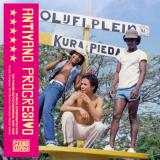
- A1: Quinteto Winoe - La Cumbanchera
- A2: Los Dangers - Punda Y Otrabanda
- A3: Sugar Ice Tea - Madua
- A4: Superfly Bros of St. Martin - Another Star
- B1: Grupo Enry - Ahi Viene El Sheriff
- B2: Los Honda - Nunca Volveras
- B3: Explosion - Remalloo
- B4: The Hornet's – The Hornet’s Revolution B5. Double You And Tee - Confusion
- C1: Lloyd And The Joys - The New York Business
- C2: Cryptus Confession - Rhythmotion
- C3: Brotherhood of Man - Big Lou
- D1: Lloyd And The Joys - That Look of You
- D2: Mystic Roots - Loose Yourself
- D3: St. Maarten's Rolling Tones - It's a Feeling
- D4: Cool Creations of St. Maarten - Wish Upon Love
Between the late 1960s and the mid-1980s, musicians across the Dutch Caribbean islands of Aruba, Curaçao, and Sint Maarten created music that crossed stylistic boundaries, forming a close-knit network shaped by common histories and identities, while rarely receiving wider recognition.
From the psychedelic funk of local stars Sugar Ice Tea and Cryptus Confession to the Latin influences of visiting musicians like Puerto Rican star Mon Rivera via Surinamese-influenced soul and the garage rock of Los Honda, the islands nourished a huge array of styles and talent.
Antiyano Progresivo unfolds against the backdrop of a rapidly transforming Caribbean. During the twentieth century, oil industries, migration and tourism reshaped the islands, creating unparalleled cultural exchange while deepening social divisions. African, Latin American, North American and European musical traditions intertwined with local forms, producing a rich and distinctive musical landscape. Tambú, tumba, calypso and Caribbean dance music coexisted alongside soul, funk, psychedelic rock, reggae, Latin music and American and British pop. Musicians moved fluidly between these styles, developing sounds that were unmistakably local while remaining connected to wider currents across the Caribbean and beyond.
The period also coincided with growing movements for cultural and political self-determination. Events such as Curaçao's Trinta di Mei uprising in 1969, the emergence of Black Power movements and increasing calls for greater autonomy fostered renewed pride in African heritage, local languages and cultural expression. These ideas resonated through music, inspiring artists to challenge conventions and create work that reflected changing identities.
expected to be published on 09.10.2026
