
out of Stock
Order now and we will order the item for you at our supplier.
Last In: 2 years ago
Order now and we will order the item for you at our supplier.

Rough Trade Records veröffentlicht eine remasterte Doppel-Vinyl-Neuausgabe von Love Is Overtaking Me. Die Sammlung vereint Folk-, Pop- und Country-Songs von Arthur Russell, darunter "Planted a Thought", "Close My Eyes" und "I Couldn"t Say It to Your Face". Die ursprüngliche Ausgabe erschien 2007. Für die neue Edition wurden frisch entdeckte Originalbänder verwendet und von Timothy Stollenwerk in Portland neu gemastert. Ergänzt wird das Release durch überarbeitetes Artwork von Molly Smith sowie ausführliche Linernotes von Tom Lee. Seit über zwanzig Jahren macht Audika Russells vielseitiges Werk zugänglich und hat maßgeblich dazu beigetragen, ihm posthum ein größeres Publikum zu erschließen. Heute gilt er als visionärer Künstler und Einfluss für viele zeitgenössische Musiker. Schon zu Lebzeiten arbeiteten zahlreiche Künstler mit ihm, darunter Produzent John Hammond. Auf dem Album finden sich außerdem Aufnahmen mit The Flying Hearts sowie Projekten wie The Sailboats, Turbo Sporty und Bright & Early. Aus über acht Stunden Material zusammengestellt, umfasst das Album Aufnahmen von 1973 bis 1991. Einige Stücke sind auch im Film Wild Combination: A Portrait of Arthur Russell von Matt Wolf zu hören.
expected to be published on 19.06.2026
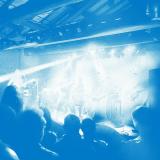
Nobody knew. Not the crowd packed into Circolo Kessel that Sunday evening, not even the six musicians on stage. When Giardini di Mirò played on March 19, 2023, it was supposed to be just another homecoming show in Cavriago, the kind of night where you play for the people who’ve known you longest. Some were missing from the audience, though: “Our closest friends stayed home to watch the football match tonight,” Jukka quipped from the stage. “But that’s fine, we’ll deal with them tomorrow.” In hindsight, even Juventus fans who celebrated their 1–0 victory over Inter made the wrong choice.
Seventy minutes in, all the instruments converged into a one-chord riff, driven by the drums and punctuated by screaming guitars. A repetitive rhythm that paired brutal volume with hypnotic precision. Even those at the back of the room felt it: that trance-like state where sound becomes physical. Then the wall of sound collapsed. Guitar feedback lingered in the air for a few seconds before fading into nothing.
This was the last sound Giardini di Mirò made. They haven’t played since, and there are no plans to do so again. But in that moment, nobody knew.
The closing song that night was also the opener of their debut full-length, recorded more than two decades earlier. Its title, A New Start, carries an unintended irony the band would likely appreciate. It is also oddly fitting that their final show took place in the same building where they began. Circolo Kessel, previously known as Calamita, served as the band’s rehearsal space for many years. Yet since their rise to becoming one of Europe’s defining post-rock acts, they had never performed a concert there.
In a fortunate coincidence, Markus Mathis – a longtime fan who had recorded several of their shows before – also captured this final concert using two room microphones and a feed from the mixing desk.
Quasi Casa is the complete, unfiltered document of that night: an “official bootleg” spanning over 70 minutes of purely instrumental music, drawing on material from across their entire career, from the earliest releases to Del Tutto Illusorio. It captures, with striking clarity, the intensity that defined the band’s live performances.
Rather than simply uploading the recording and calling it a day, the band chose to assemble a physical release as a parting gift to their fans. The double LP includes a 16-page booklet with extensive liner notes and visual material.
expected to be published on 19.06.2026
expected to be published on 26.06.2026

All songs written & arranged by Ora Cogan with the exception of Is Anything Wrong by Lhasa De Sela. High Noon & Holy Hells were written by Ora Cogan and arranged by Finn Smith, Ora Cogan and David Proctor. Katie Cruel is a traditional, arranged by Ora Cogan. Engineered by David Parry at Risque Disque September 2022 Mastered by Tom Deis at Pineapple Room Studio All songs mixed by Tom Deis except for Cowgirl, Dyed, Is Anything Wrong mixed by David Parry
expected to be published on 26.06.2026

Im Februar 2026 erscheint zum zwanzigjährigen Jubiläum Hard to Love a Man" von Magnolia Electric Co. als erweiterte Edition und zum ersten Mal auf Vinyl. Diese Jubiläumsausgabe der ersten EP der Band enthält drei zusätzliche Tracks: remasterte Demos von 31 Seasons in the Minor Leagues" (zuvor unter dem Titel Tonight I'm So Down" bekannt) und Lonesome Valley", aufgenommen in den Echo Park Studios in Indiana während der Hard to Love a Man"-Sessions, sowie One Thin Dime", aufgenommen während der Black Ram"-Sessions in den Sound of Music Recording Studios in Richmond, Virginia. Working-Class-Rock" ist ein Begriff, der häufig zur Beschreibung von The Magnolia Electric Co. verwendet wurde. Kategorisch hatte sich die Band ihren Platz unter gleichgesinnten Ikonen wie Bob Seger, CCR, Tom Petty und Bruce Springsteen gesichert, doch es handelte sich nicht nur um eine ästhetische Beschreibung, sie untermauerten dies mit ihrer Arbeitsmoral. Im Jahr 2005 waren The Magnolia Electric Co. erstaunlicherweise acht Monate unterwegs. Diese Tatsache wurde den Bandmitgliedern selbst am deutlichsten bewusst, da sie so lange von ihrem Zuhause und ihren Liebsten getrennt waren. Daher die Bedeutung des Titeltracks. Wenn Jason Molina die Perspektive der Person einnimmt, die er zurückgelassen hat, und in Hard To Love A Man" singt: "It was hard to love a man like you / Goodbye was half the words you knew / While you were waiting for me not to call / I sent my love", dann wird die Einsamkeit und Schuld der Trennung schmerzlich deutlich. Jennie Benfords verletzliche Stimme, gepaart mit Jason Groths fließender Gitarre und Mike Kapinus' klagender Orgel, unterstreicht dieses Gefühl eindrucksvoll, unterlegt vom charakteristischen, präzisen und geschmackvollen Rhythmusfundament von Mark Rice und Pete Schreiner, während Nicole Evans eine neue, dynamische Stimme hinzufügt. Hard To Love A Man" und der Live-Favorit Werewolves Of London" wurden mit Steve Albini in seinen Electrical Audio Studios aufgenommen, die übrigen Tracks entstanden während eines kurzen fünftägigen Heimaufenthalts in Indiana bei Echo Park Studios mit Paul Mahern, dessen Engineering-Resume schon damals Projekte wie The Blake Babies, Lisa Germano und John Mellencamp umfasst. Während die Magnolien weiter wuchsen und erblühten, ließ Jason Molina die Insassen das Irrenhaus regieren.
expected to be published on 27.06.2026
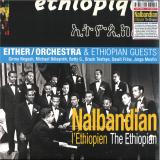
The Éthiopiques series returns! Essential archive recordings from an extremely fruitful period in Ethiopian music.
Before “Swinging Addis” took over the world, there was Moussié Nerses Nalbandian — the Armenian-born composer who shaped modern Ethiopian music. Mentor, arranger, and pioneer, he laid the foundations of Ethio-jazz.
This Éthiopiques volume revives his forgotten legacy, recorded live by Either/ Orchestra First issue ever with new exclusive photos and in depth liner 8-page insert.
“Ethiopian jazzmen are the best musicians that we have seen so far in Africa.
They really are promising handlers of jazz instruments.”
Wilbur De Paris
(1959, after a concert in Addis Ababa)
አዲስ፡ዘመን። *Addis zèmèn* **A new era.**
The time is the mid-1950s and early 1960s, just before "Swinging Addis" bloomed – or rather boomed – onto the scene. Brass instruments are still dominant, but the advent of the electric guitar, and the very first electronic organs, are just around the corner. Rock’n'Roll, R’n’B, Soul and the Twist have not yet barged their way in. Addis Ababa is steeped in the big band atmosphere of the post-war era, with Glenn Miller's *In the* *Mood* as its world-wide theme song, neck and neck with the Latin craze that was in vogue at the same period. Life has become enjoyable once again, with the return of peace after the terrible Italian Fascist invasion of Ethiopia (1935-1941). The redeployment of modern music is part and parcel of the postwar reconstruction. *Addis zèmèn* – a new era – is the watchword of the postwar period, just as it was all across war-torn Europe.
The generation who were the young parents of baby boomers** were the first to enjoy this musical renaissance, before the baby boomers themselves took over and forever super-charged the soundtrack of the final days of imperial reign. Music is Ethiopia's most popular art form, and very often serves as the best barometer for the upsurge of energy that is critical for reconstruction. Whether it be jazz in Saint-Germain-des-Prés or the *zazous* who revolutionised both jazz and French *chanson* after the *Libération*, be it Madrid's post-Franco Movida, or Dada, the Surrealists and *les années folles* that followed World War I, the periods just after mourning and hardship always give rise to brighter and more tuneful tomorrows. Addis Ababa, as the country's capital, and the epicentre of change, was no exception to this vital rule.
**Two generations of Nalbandian musicians**
Nersès Nalbandian belonged to a family of Armenian exiles, who had moved to Ethiopia in the mid-1920s. The uncle Kevork arrived along with the fabled "*Arba Lidjotch*", the** "*40 Kids*", young Armenian orphans and musicians that the Ras Tafari had recruited when he visited Jerusalem in 1924, intending to turn their brass band into the official imperial band. If Kevork Nalbandian was the one who first opened the way of modernism, pushing innovation so far as to invent musical theatre, it was his nephew Nersès who would go on to become, from the 1940s and until his death in 1977, a pivotal figure of modern Ethiopian music and of the heights it. Going all the way back to the 1950s. Nothing less. And it is Nersès who is largely to thank for the brassy colours that so greatly contributed to the international renown of Ethiopian groove. While the younger generations today venture timidly into the genealogy of their country's modern music, often losing their way amidst a distinctly xenophobic historiographical complacency, many survivors of the imperial period are still around to bear witness and pay tribute to the essential role that "Moussié Nersès" played in the rise of Abyssinia's musical modernity.
Given the year of his birth (15 March 1915), no one knows for sure if Nersès Nalbandian was born in Aintab, today Gaziantep (Turkiye/former Ottoman Empire) or on the other side of the border in Alep, Syria... What is certain is that his family, like the entire Armenian community, was amongst the victims of the genocide perpetrated by the Turks. Alep, the place of safety – today in ruins.
Before Nersès then, there was uncle Kevork (1887-1963). For a quarter of a century, he was a whirlwind of activity in music teaching and theatrical innovation. *Guèbrè Mariam le Gondaré* (የጎንደሬ ገብረ ማርያም አጥቶ ማግኘት, 1926 EC=1934) is his most famous creation. This play included "ten Ethiopian songs" — a totally innovative approach. According to his autobiographical notes, preserved by the Nalbandian family, Kevork indicates that he composed some 50 such pieces over the course of his career. This shows just how much he understood, very early on, the critical importance of song as Ethiopia's crowning artistic form. Indeed, for Ethiopian listeners, the most important thing is the lyrics, with all their multifarious mischief, far more than a strong melody, sophisticated arrangements or even an exceptional voice. (This is also why Ethiopians by and large, and beginning with the artists and producers themselves, believed for a long time — and wrongly — that their music could not possibly be exported, and could never win over audiences abroad, who did not speak the country's languages).
Last but not least, one of Kevork's major contributions remains composing Ethiopia's first national anthem – with lyrics by Yoftahé Negussié.
Nersès Nalbandian moved to Ethiopia at the end of the 1930s, at the behest of his ground-breaking uncle. Proficient in many instruments (pretty much everything but the drums), conductor, choir director, composer, arranger, adapter, creator, piano tuner, purveyor of rented pianos,... he was above all an energetic and influential teacher. From 1946 onwards, thanks to Kevork's connexion, Nersès was appointed musical director of the Addis Ababa Municipality Band. In just a few years, Nersès transformed it into the first truly modern ensemble, thanks to the quality of his teaching, his choice of repertoire, and the sophistication of his arrangements. It was this group that would go on to become the orchestra of the Haile Selassie Theatre shortly after its inauguration in 1955, which was a major celebration of the Emperor's jubilee, marking the 25th anniversary of his on-again-off-again reign.
At some point or other in his long career, Nersès Nalbandian had a hand in the creation of just about every institutional band (Municipality Band, Police Orchestra, Imperial Bodyguard Band, Army Band, Yared Music School…), but it was with the Haile Selassie Theatre – today the National Theatre – that his abilities were most on display, up until his death in 1977. To this must be added the development of choral singing in Ethiopia, hitherto unknown, and a sort of secret garden dedicated to the memory of Armenian sacred music, and brought together in two thick, unpublished volumes. Shortly before his death (November 13, 1977), he was appointed to lead the impressive Ethiopian delegation at Festac in Lagos, Nigeria (January-February 1977).
His status as a stateless foreigner regularly excluded him from the most senior positions, in spite of the respect he commanded (and commands to this day) from the musicians of his era. Naturally gifted and largely self-taught, Nerses was tirelessly curious about new musical developments, drawing inspiration from the very first imported records, and especially from listening intensely to the musical programmes broadcast over short-wave radio – BBC *First*. A prolific composer and arranger, he was constantly mindful of formalising and integrating Ethiopian parameters (specific “musical modes”, pentatonic scale, and the dominance of ternary rhythms) into his “modernisation” of the musical culture, rather than trying to over-westernise it. It even seems very probable that *Moussié* Nerses made a decisive contribution to the development of tighter music-teaching methods, in order to revitalise musical education during this period of prodigious cultural ferment. Flying in the face of all the historiographical and musicological evidence, it is taken as sacrosanct dogma that the four musical modes or chords officially recognised today, the *qǝñǝt* or *qiñit* (ቅኝት), are every bit as millennial as Ethiopia itself. It would appear however that some streamlining of these chords actually took place in around 1960. It was only from this time onward that music teaching was structured around these four fundamental musical modes and chords: *Ambassel*, *Bati*, *Tezeta* and *Antchi Hoyé*. A historical and musical “details” that is, apparently, difficult to swallow, especially if that should honour a *foreigner*. Modern Ethiopian music has Nersès to thank for many of its standards and, to this day, it is not unusual for the National Radio to broadcast thunderous oldies that bear unmistakable traces of his outrageously groovy touch.
On Stock and ready to ship
2026 Repress
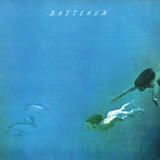
A notoriously jaw-dropping folk-funk classic, long treasured by the Balearic fraternity, the self-titled LP from the brothers Batteau nevertheless remains a criminally underheard gem. Appealing to fans stuck on Ned Doheny's scorching blue-eyed soul as well as Gene Clark's rich country-rock, it's an honour to present the first officially licensed vinyl reissue of this undoubted masterpiece of proto-Yacht-Rock.
Like a forgotten piece of baroque folk caught in 1973, Batteaux's eponymous album somehow sounds magically timeless. A full 45 years after the fact, it remains a mystery as to why they weren't better known. The lush production and virtuoso playing conforms with the ruling aesthetic of the time - well-crafted, melodic songs performed with precision and balance - whilst the shimmering AOR atmosphere and sun-dappled vocal washes align neatly with the best Crosby, Stills & Nash records.
Throughout, the beautifully penned tracks hold traces of Jimmie Spheeris, America and Seals & Crofts. The immaculately orchestrated percussion and additional instrumentation (electric piano and fiddle to name a few) are performed by perennially celebrated West-Coast cats including Tom Scott, John Guerin and Andy Newmark.
It's no surprise that the heavenly "High Tide" is such a Balearic touchstone. A free soul aqua-space groover, its sophisticated rhythms predict the swing of CSN's canonical "Dark Star" by a full four years. An alternative measure of its enduring magnificence can be gauged by MF Doom sampling Paul Horn's wonderful version, subsequently used by Ghostface Killah.
The highlights are many and memorable. Gorgeous opener "Tell Her She's Lovely" is the perfect example of the addictive, melody-driven songwriting which really should have earned them stardom. Moody ballad "Living's Worth Loving" is nothing short of heartbreaking whilst the chugging elegance of "Wake Me In The Morning" showcases their bewitching harmonies. The hypnotic yearning of "Lady Of The Lake" is an exquisitely string-drenched, piano-laced favourite that achieves a peculiar strutting-funk. It's that good.
This lovingly curated reissue enables a long overdue reappraisal of the hitherto buried genius of Batteaux. The serene aqua artwork which adorned the original jacket - their father worked on a dolphin-human communication project in Hawaii, hence the infamous design - and sumptuous inner sleeve have been faithfully restored. Whilst, with access to the original tapes, Simon Francis' sensitive mastering elevates the sound throughout and, as ever, it has been pressed at a reassuringly weighty 180g.
Order now and we will order the item for you at our supplier.
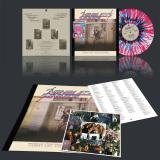
Purple Haze started out in Linköping in 1981. When singer Christer Göransson joined them towards the end of the year, they soon changed their moniker to Genocide (after the Judas Priest song of the same name) and supported local metal heroes Axewitch. A final name change was to follow: In August 1983, the band, now called Mindless Sinner, recorded a four-track demo entitled »Master Of Evil«, consisting of the title track, “Broken Freedom”, “Key Of Fortune” and “Screaming For Mercy”. This attracted Swedish label Fingerprint Records, and they in turn released the NWOBHM-inspired material as a mini-album with an awful cover and getting the band’s name wrong (spelling it Mindless Sinners). By then, the line-up of the band was Anders Karlsson (bass), Magnus Danneblad (guitar), Jerker Edman (guitar), Tommy Johansson (drums) and vocalist Christer Göransson. »Master Of Evil« originally saw the light of day on Fingerprint in January 1984. This was followed by the second album »Turn On The Power« in 1986 as Christer Göransson explains: “Well, »Turn On The Power« was actually recorded in October 1984, the same year as »Master Of Evil« was released. But the record label was almost out of business by 1985, so as a result »Turn On The Power« didn’t come out until January 1986, and shortly after the label went bust.” Just like on the debut, the cover was once again pretty weird. “Same story,” says the singer. “Blame the label again. We wanted a band photo for the cover but once more Fingerprint didn’t listen. We didn’t know who this girl was at all. And once again we saw the cover for the first time when we visited our local record store.” “I guess »Turn On The Power« was more of a straight heavy metal album compared to »Master Of Evil«,” describes Christer Göransson the band’s follow-up record, “better playing and better songs on »Turn On The Power«. Even though we love »Master Of Evil«. I guess it didn’t sell that much as the label went bankrupt, but the reactions were great.” Mindless Sinner played as much as they could in Sweden at the time but didn’t venture outside their home country. Over the years, their music has often been compared to the Tygers Of Pan Tang from England but Christer Göransson doesn’t see too many similarities: “We really love Tygers Of Pan Tang but I don’t think they were a big influence. It was more Judas Priest, Iron Maiden, Saxon, Black Sabbath, Ozzy Osbourne and Dio.” Shortly after the release of »Turn On The Power«, the band cut their name short to Mindless. According to Christer Göransson, this is why: “It was the sign of the times really. We wanted a more melodic kinda style and we just thought it was better to change the name to Mindless. But looking back now we should have stuck to our guns.”
expected to be published on 24.04.2026
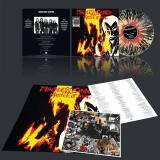
Purple Haze started out in Linköping in 1981. When singer Christer Göransson joined them towards the end of the year, they soon changed their moniker to Genocide (after the Judas Priest song of the same name) and supported local metal heroes Axewitch. A final name change was to follow: In August 1983, the band, now called Mindless Sinner, recorded a four-track demo entitled »Master Of Evil«, consisting of the title track, “Broken Freedom”, “Key Of Fortune” and “Screaming For Mercy”. This attracted Swedish label Fingerprint Records, and they in turn released the NWOBHM-inspired material as a mini-album with an awful cover and getting the band’s name wrong (spelling it Mindless Sinners). By then, the line-up of the band was Anders Karlsson (bass), Magnus Danneblad (guitar), Jerker Edman (guitar), Tommy Johansson (drums) and vocalist Christer Göransson. »Master Of Evil« originally saw the light of day on Fingerprint in January 1984. Christer Göransson takes us back to the early days of Mindless Sinner saying: “We wanted to record an album, but we couldn’t afford the studio cost. We were lucky to win a music contest, and the price money paid for the studio. I remember walking into the studio, and we thought it was like a spaceship in there, with all the buttons and flashing lights everywhere. We recorded the four songs that would become »Master Of Evil«. We then gave the tape to the Axewitch guys, and they played it to their record label at the time Fingerprint/Web Records and they liked it so much that they signed us as well.” Over the years, the music of Mindless Sinner has often been compared to the Tygers Of Pan Tang from England but Christer Göransson doesn’t see too many similarities: “We really love Tygers Of Pan Tang but I don’t think they were a big influence. It was more Judas Priest, Iron Maiden, Saxon, Black Sabbath, Ozzy, Dio etcetera. That kinda stuff.” In addition to the four tracks of the original edition of »Master Of Evil«, the current High Roller Records pressing also contains the five songs of the band’s first demo tape from early 1983 (including “Mindless Sinner”, “Higher And Higher”, “We All Go Back”, “Heavy Metal Will Never Die” and “City Games”). All nine tracks were mastered by Patrick W. Engel at his Temple Of Disharmony in November 2025. Cutting by SST Germany on Neumann machines for maximum quality on all levels ... The ultimate audiophile re-issue of this Swedish metal classic!
expected to be published on 24.04.2026

Out Loud is the debut solo album from Gary Klebe, guitarist/vocalist of the power-pop band Shoes. Formed in Zion, Illinois in 1974, Shoes was influenced by British Invasion groups of the 1960s and artists like Big Star, Bowie, the Move, Todd Rundgren, Nils Lofgren. The band first gained attention by self-releasing records on their own Black Vinyl Records label before signing to Elektra Records. Albums like Black Vinyl Shoes, Present Tense, and Tongue Twister earned them critical acclaim and cult-favorite status, with songs such as “Too Late,” “Tomorrow Night,” and “Your Imagination” becoming genre touchstones. Shoes’ melodic craftsmanship and independent spirit have made them hugely influential, inspiring generations of power-pop and indie rock bands.
expected to be published on 17.04.2026

Step into the ethereal soundscape of Mark Vernon's LP, "The Dramaturgy of Decay." Reminiscent of early fears surrounding recording technology, the album explores ghostly voices, distorted and elusive. Vernon's sonic cinema mirrors the decay found in ruined films, capturing the essence of disappearing places and voices. Amidst themes of death and environmental destruction, the album maintains a delicate balance with humor and familiarity. Through snippets of reworked audio letters, it unveils a soundscape of forgotten moments, extracting life from the transient. "The Dramaturgy of Decay" is a beautifully haunting reflection on time through sound--an otherworldly musical experience for the present.
Order now and we will order the item for you at our supplier.

Los Angeles-based artist Sam Wilkes is known for his genre-defying solo work and collaborations in the experimental and jazz community. His debut release for Psychic Hotline, 104.3 is part of the label's ongoing Singles Series. Stepping away from his bass guitar, Wilkes explores new territory on a borrowed Fender Stratocaster, lent to him by longtime friend Brian Robert Jones (Paramore, Vampire Weekend). On the very night he brought the guitar home, Wilkes recorded a live, loop-based version of Tom Petty's "Learning to Fly" in a single take, later layering in bass and background vocals. The whole thing started as an experiment; more about exploring an instrument than making a record. A few weeks later on his last night with the Strat, Wilkes recorded what would become the A-Side: his reimagining of Fleetwood Mac's "I Know I'm Not Wrong." "I just wanted to document what was happening without any other intention. Half of my time on bass is spent trying to make it sound not like a bass, so actually getting to play a different instrument felt incredibly liberating," says Wilkes. Both arrangements are intuitive and spontaneous. Captured without pretense, the result is a pair of understated songs, perfect for a summer drive. This release is the latest installment in our long-running Psychic Hotline Singles Series, which has featured standout tracks from artists like Kieran Hebden, Sam Gendel, Blake Mills, Flock of Dimes, Anjimile, and Bartees Strange. With each new entry, the series continues to showcase boundary-pushing work from across our extended creative family.
expected to be published on 07.11.2025

expected to be published on 31.10.2025

Human Leather have always been a ferocious live act, unbelievably loud for a 2 piece. Their gigs are often an overwhelming wall of sludge, howls and amphetamine-addled drums, with spectators flying joyously around the pit. Previous recordings did full justice to the impact of the live show; however, the second helping is something else. On Here Comes the Mind, There Goes the Body the sludge is still present, rising, and lapping at your ankles, but there's a new clarity showing off exactly how f*cking good those riffs are. There are ear worm riffs for days, shout along vocals that roar, shriek and reform into a Greek chorus, drums that thump you repeatedly in the chest and then the whole thing vanishes in just under 30 minutes, leaving you bruised, deafened and with Some Questions about your life. Squint your ears a bit and you'll hear the influences of bands like Karp, Torche and Big Business but they're thrown into a much crustier stew. The lyrics span a variety of political issues, not limited to the landed gentry, global warming and consumerist harbingers of doom. Importantly the songs are also not afraid to discuss class issues (unlike many political bands who you suspect have a much sturdier security net). While this could easily feel preachy, every line is delivered with the knowing wink of the underdog and good humour (I am going to smile every time I think of "clod damn" or "QVC Hands" staring up at me from the lyric sheet), and the vibes are as they've always been in difficult times - "we know we're fucked, tonight we mosh, tomorrow we march". And what is the point of a revolution you can't dance to? Speaking of dancing, the final track features an honest-to-god dance beat, acid squelches and disembodied vocal samples, pointing to an alternative universe in which Human Leather are a heavy electroclash band. Here comes the record of the year, bring what is left of your eardrums. You didn't need that body anyway
expected to be published on 19.09.2025

The definitive best of collection from “the only band that matters”, Hits Back was originally released in September 2013 and sequenced to replicate the set played by the band at the Brixton Fair Deal (now the Academy) on 10 July 1982, with the addition of some essential numbers that were not included in the set that night.
expected to be published on 29.08.2025

Vice Squad are 100% DIY and record everything in their home studio with guitarist/riffmaster Paul Rooney engineering and mixing. There is nothing sloppy here; the whole album is concise and intelligent with lightning-speed diction, passion, and intent. The glorious ‘If I Knew What I Know Now’ and ‘The World Is Wrong’ are examples of Vice Squad’s ability to write instantly catchy, witty songs, and the more gut-wrenching material from their last album, ‘Battle of Britain’, showcases some enormous riffs and a voice that is a million decibels from Beki's untried teen vocals. The album opens with the deliciously effervescent ‘If I Knew What I Know Now’, followed by the sparkling old-school tongue-twister ‘Out of Reach’. Next up is the visceral ‘Get A Life’, an angry anti-suicide note to the desperate, originally the title track from their 1998 comeback album. This is followed by a shimmering version of Vice Squad's old-school classic ‘Resurrection’. While the treatment of the old songs remains true to the original teenage renditions, the upgraded versions pack more of a punch with detuned guitars and growling bass. The tribal tom-toms of ‘Allergy’ underpin just over two minutes of punk protest about the delights of pollution and asthma. Then comes the sublime ‘Sniffing Glue’, a near-perfect punk love song that would be a huge hit if not for its subject matter. ‘Ordinary Girl’ is punk-pop perfection brimming with hook lines and harmonies, warmly mocking the life that could have been chosen instead of the grindstone at the sharp end of the music industry. ‘The World Is Wrong’ is anthemic, joyous, and wonderfully contrary, and one would expect nothing less from a band that has soldiered on and grown through the decades. It’s always great when bands lead by example. In these increasingly tough times where our survival is threatened by the gargantuan greed of a few individuals, it's important to continuously stick two fingers up to the grabbers and spoilers. 'The World Is Wrong' does just that in an impassioned, melodic, and optimistic style. 'Hold your head up, stand your ground, and don't let the bastards grind you down.' Then we roar into the final single Beki wrote with original and now sadly deceased guitarist Dave Bateman, ‘Citizen’, and continue with another teenage opus, the quite brutal ‘Scarred For Life’. ‘Voice of the People’ is a bulldozer of a song, all swagger and ballsy riffs, and the chorus, ‘Freedom of speech is against the law; now we’re all criminals,’ snarls its derision at red-handed red tape. ‘Punk Police’ sneers over a catchy-as-COVID guitar riff, and the lyrics, ‘Regulation cut, you must measure up, down on the street, PR companies, monied families, running the scene,’ call out the hierarchies that now permeate Punk. Baritone guitars add extra darkness to one of the first-ever animal rights songs, ‘Humane’, and I’m struck by how relevant the older songs are. Chocks away, and the awesome ’Spitfire’ takes flight like Motörhead on extra amphetamines. Merlin engines fade into ‘Born In A War’, the second in the triumvirate of conflict-themed songs, an absolute stonker with huge muscular riffs and lyrics that roar pure outrage. Then comes the ominous Last Rockers, with all the angst of the original plus added depth and resonance. Beki: ' "Last Rockers" is a typically depressive adolescent song about nuclear war and being too young to die but too late to live. I believed Punks were the ‘Last Rockers’, the final youth cult before the Apocalypse. I was obsessed with punk, and all I wanted to do was sing in a band and be part of the movement, so I would often romanticise the idea of punk in my lyrics.' The four bonus CD tracks kick off with ‘Coward’, another teen Bateman/Bond composition. ‘No You Don’t’ is just over two minutes of vocal acrobatics over a Dexedrine-driven Devo-esque chord sequence, and the frantically brilliant ‘I Dare To Breathe’ from ‘Battle of Britain’ continues the aural assault. Then the final sombre entreaty of ‘You Can’t Buy Back The Dead’ warns us that ‘Enough’s never enough; absolute power will corrupt; the war machine still rumbles on’ before fading into the future.
expected to be published on 18.07.2025

Best of' albums are invariably repackaged collections of old recordings, so Vice Squad's `Punk Rockers' is a breath of fresh air The songs have been lovingly recorded and remastered, keeping all the original fire and adding decades of experience gained from punishing tours and continuous songwriting Beki is the original architect of the songs and the Vice Squad name, and she is the sole surviving member of the original lineup to have continued as a full-time musician Vice Squad are 100% DIY and record everything in their home studio with guitarist/riffmaster Paul Rooney engineering and mixing. There is nothing sloppy here; the whole album is concise and intelligent with lightning-speed diction, passion, and intent. The glorious `If I Knew What I Know Now' and `The World Is Wrong' are examples of Vice Squad's ability to write instantly catchy, witty songs, and the more gut-wrenching material from their last album, `Battle of Britain', showcases some enormous riffs and a voice that is a million decibels from Beki's untried teen vocals. The album opens with the deliciously effervescent `If I Knew What I Know Now', followed by the sparkling old-school tongue-twister `Out of Reach'. Next up is the visceral `Get A Life', an angry anti-suicide note to the desperate, originally the title track from their 1998 comeback album. This is followed by a shimmering version of Vice Squad's old-school classic `Resurrection'. While the treatment of the old songs remains true to the original teenage renditions, the upgraded versions pack more of a punch with detuned guitars and growling bass. The tribal tom-toms of `Allergy' underpin just over two minutes of punk protest about the delights of pollution and asthma. Then comes the sublime `Sniffing Glue', a near-perfect punk love song that would be a huge hit if not for its subject matter. `Ordinary Girl' is punk-pop perfection brimming with hook lines and harmonies, warmly mocking the life that could have been chosen instead of the grindstone at the sharp end of the music industry. `The World Is Wrong' is anthemic, joyous, and wonderfully contrary, and one would expect nothing less from a band that has soldiered on and grown through the decades. It's always great when bands lead by example. In these increasingly tough times where our survival is threatened by the gargantuan greed of a few individuals, it's important to continuously stick two fingers up to the grabbers and spoilers. 'The World Is Wrong' does just that in an impassioned, melodic, and optimistic style. 'Hold your head up, stand your ground, and don't let the bastards grind you down.' Then we roar into the final single Beki wrote with original and now sadly deceased guitarist Dave Bateman, `Citizen', and continue with another teenage opus, the quite brutal `Scarred For Life'. `Voice of the People' is a bulldozer of a song, all swagger and ballsy riffs, and the chorus, `Freedom of speech is against the law; now we're all criminals,' snarls its derision at red-handed red tape. `Punk Police' sneers over a catchy-as-COVID guitar riff, and the lyrics, `Regulation cut, you must measure up, down on the street, PR companies, monied families, running the scene,' call out the hierarchies that now permeate Punk. Baritone guitars add extra darkness to one of the first-ever animal rights songs, `Humane', and I'm struck by how relevant the older songs are. Chocks away, and the awesome 'Spitfire' takes flight like Motörhead on extra amphetamines. Merlin engines fade into `Born In A War', the second in the triumvirate of conflict-themed songs, an absolute stonker with huge muscular riffs and lyrics that roar pure outrage. Then comes the ominous Last Rockers, with all the angst of the original plus added depth and resonance. Beki: ' "Last Rockers" is a typically depressive adolescent song about nuclear war and being too young to die but too late to live. I believed Punks were the `Last Rockers', the final youth cult before the Apocalypse. I was obsessed with punk, and all I wanted to do was sing in a band and be part of the movement, so I would often romanticise the idea of punk in my lyrics.'
expected to be published on 18.07.2025

Best of' albums are invariably repackaged collections of old recordings, so Vice Squad's `Punk Rockers' is a breath of fresh air The songs have been lovingly recorded and remastered, keeping all the original fire and adding decades of experience gained from punishing tours and continuous songwriting Beki is the original architect of the songs and the Vice Squad name, and she is the sole surviving member of the original lineup to have continued as a full-time musician Vice Squad are 100% DIY and record everything in their home studio with guitarist/riffmaster Paul Rooney engineering and mixing. There is nothing sloppy here; the whole album is concise and intelligent with lightning-speed diction, passion, and intent. The glorious `If I Knew What I Know Now' and `The World Is Wrong' are examples of Vice Squad's ability to write instantly catchy, witty songs, and the more gut-wrenching material from their last album, `Battle of Britain', showcases some enormous riffs and a voice that is a million decibels from Beki's untried teen vocals. The album opens with the deliciously effervescent `If I Knew What I Know Now', followed by the sparkling old-school tongue-twister `Out of Reach'. Next up is the visceral `Get A Life', an angry anti-suicide note to the desperate, originally the title track from their 1998 comeback album. This is followed by a shimmering version of Vice Squad's old-school classic `Resurrection'. While the treatment of the old songs remains true to the original teenage renditions, the upgraded versions pack more of a punch with detuned guitars and growling bass. The tribal tom-toms of `Allergy' underpin just over two minutes of punk protest about the delights of pollution and asthma. Then comes the sublime `Sniffing Glue', a near-perfect punk love song that would be a huge hit if not for its subject matter. `Ordinary Girl' is punk-pop perfection brimming with hook lines and harmonies, warmly mocking the life that could have been chosen instead of the grindstone at the sharp end of the music industry. `The World Is Wrong' is anthemic, joyous, and wonderfully contrary, and one would expect nothing less from a band that has soldiered on and grown through the decades. It's always great when bands lead by example. In these increasingly tough times where our survival is threatened by the gargantuan greed of a few individuals, it's important to continuously stick two fingers up to the grabbers and spoilers. 'The World Is Wrong' does just that in an impassioned, melodic, and optimistic style. 'Hold your head up, stand your ground, and don't let the bastards grind you down.' Then we roar into the final single Beki wrote with original and now sadly deceased guitarist Dave Bateman, `Citizen', and continue with another teenage opus, the quite brutal `Scarred For Life'. `Voice of the People' is a bulldozer of a song, all swagger and ballsy riffs, and the chorus, `Freedom of speech is against the law; now we're all criminals,' snarls its derision at red-handed red tape. `Punk Police' sneers over a catchy-as-COVID guitar riff, and the lyrics, `Regulation cut, you must measure up, down on the street, PR companies, monied families, running the scene,' call out the hierarchies that now permeate Punk. Baritone guitars add extra darkness to one of the first-ever animal rights songs, `Humane', and I'm struck by how relevant the older songs are. Chocks away, and the awesome 'Spitfire' takes flight like Motörhead on extra amphetamines. Merlin engines fade into `Born In A War', the second in the triumvirate of conflict-themed songs, an absolute stonker with huge muscular riffs and lyrics that roar pure outrage. Then comes the ominous Last Rockers, with all the angst of the original plus added depth and resonance. Beki: ' "Last Rockers" is a typically depressive adolescent song about nuclear war and being too young to die but too late to live. I believed Punks were the `Last Rockers', the final youth cult before the Apocalypse. I was obsessed with punk, and all I wanted to do was sing in a band and be part of the movement, so I would often romanticise the idea of punk in my lyrics.'
expected to be published on 18.07.2025
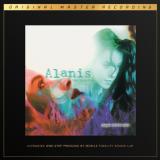
When Alanis Morissette took direct aim at an ex who wronged her on the eviscerating “You Oughta Know” in 1995, everything about the Top 10 song communicated it wasn’t the usual narrative about love gone south. Or the typical wounded singer wallowing in self pity. Morissette, and both the lead single from and her entire American major-label debut — the profoundly personal Jagged Little Pill — represented a sea change. They kickstarted a movement, one whose impact continues to echo throughout the mainstream nearly three decades later.
Ranked the 69th Greatest Album of All Time by Rolling Stone, included on the Rock and Roll Hall of Fame’s list of 200 Definitive Albums, and featured in several books about essential albums, Jagged Little Pill remains more than a blockbuster that has sold more than 17 million copies in the U.S. and 33 million units worldwide. It’s a statement, an attitude, a soundtrack for anyone seeking inspiration, an outlet, or permission to be themselves.
Sourced from the original master tapes, pressed at Fidelity Record Pressing on MoFi SuperVinyl, and strictly limited to 4,000 numbered copies, Mobile Fidelity’s UltraDisc One-Step 180g 45RPM 2LP box set of Jagged Little Pill presents the landmark effort in audiophile-grade sound for the first time. A key part of the record’s appeal and accessibility — Glen Ballard’s smooth production, touches that help Morissette’s exposed-nerve fare seem more accessible and melodic — comes through on this special 30th anniversary edition with an openness, presence, and dynamic explosiveness that make the vocalist’s songs that much more real and visceral.
The singer’s distinctive mezzo-soprano deliveries — the octave-rippling highs, dark-hued lows, dramatic crescendos, belted choruses, wispy reflections, occasional yodels — resonate with full-range ardor and depth. As crucial as anything on the record, Morissette’s confessional words take center stage like never before. Ditto the instrumentation and atmospherics that form the magnetic backgrounds of the songs. Key in on the contributions from Red Hot Chili Peppers Dave Navarro and Flea on “You Oughta Know” to Tom Petty & the Heartbreakers' co-founder Benmont Tench’s organ playing on six tracks.
The deluxe packaging of Mobile Fidelity’s Jagged Little Pill UD1S set underscores the work’s distinguished status. Housed in a slipcase, the LPs come in special foil-stamped jackets with faithful-to-the-original graphics that illuminate the splendor of the recording. Benefitting from an ultra-low noise floor, superior groove definition, and dead-quiet surfaces, this UD1S reissue is for listeners who prize sound quality and desire to engage themselves in everything involved with the album, including the now-iconic cover art that juxtaposes two portraits of the then-21-year-old singer-songwriter and features typewriter font.
That script — which suggests a raw, blood-on-the-floor document created without modern aids like spell check or language correction — hints at the heightened level of unvarnished intimacy, honesty, and catharsis Morissette offers throughout Jagged Little Pill. Named after a phrase uttered on the astute “You Learn,” the album explores the frank emotions, inherent contradictions, and wishful desires people feel everyday but are often too afraid to express. Morissette displays no such fear or shyness.
Akin to a woman reading from a diary, Morissette leaves nothing to the imagination as she skewers hypocrisy during the poignant “Forgiven,” seeks recompense on the vengeful “You Oughta Know,” and spills her guts on the soul-purging “All I Really Want.” For all the anger and bile ascribed to the singer and record, Jagged Little Pill is incredibly healthy and upbeat. Morissette uses the catchy pop-rock frameworks and moody ambience to suss out situations, to learn, to give hope. There’s the clever yearning of “Hand in My Pocket”; wry contrarianism of “Ironic”; kind-heartedness of “Hand over Feet”; the live-and-let-live spirit of “You Learn” – all positive and amiable.
Throughout Jagged Little Pill, the ever-approachable Morissette connects with listeners who recognize themselves in her — and has an intelligent conversation with anyone who wants to participate. It seemed almost everyone did. In addition to the mammoth sales that make the effort the 17th-best-selling album in American history, Jagged Little Pill collected four Grammy Awards, two American Music Awards, three Billboard Music Awards, and eight Juno Awards. In 2018, the record became the basis for a musical that netted 15 Tony nominations on Broadway.
Ironic? Anything but. Jagged Little Pill transcends generations, gender, and trends. As Morissette sings on the opening “All I Really Want,”, the album represents “deliverance” — “a place to find common ground.”
expected to be published on 03.07.2025
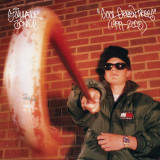
"Chasing the funky symphonies that filled my head and my dreams..."
December 25th, 2023 - an Instagram post. Stimulator Jones shared half a dozen FIRE tracks from his beat tape archive. We were immediately drawn to the rough hewn boom bap.
"I'd release that", Rob commented.
Hours of material was shared and the result is this: Cool Green Trees (1999-2005). A collection of beats and loops Stimulator Jones created between the ages of 14-20 at home in his basement, bedroom and computer room in Roanoke, Virginia.
You will not believe the profound soulful genius contained within these naive schoolboy melodies.
December 25th, 1998 - 25 years ago to the day and his much-coveted Yamaha SU10 sampler was finally bestowed upon young Stimmy AKA Sam Lunsford: "I immediately hooked up a CD Walkman to the input jack and looped the beginning two bars of Grover Washington Jr.'s "Mercy Mercy Me". I don't know what exactly was so thrilling about hearing two measures of music repeating over and over but it was so infectious and hypnotizing and enthralling to me. I'll never forget that ecstatic rush of making my first loop - an uncontrollable, gleeful smile plastered all over my face." When you hear the pocket breakbeat symphonies featured here on Cool Green Trees, you'll feel the same sense of frisson.
In the wake of his Stones Throw breakthrough - Exotic Worlds & Master Treasures - Stimulator Jones was pegged by many as a 90s throwback artist. However, he literally IS a 90s artist. He's been recording music most of his life and he's now 40. He created the bulk of Cool Green Trees as a teenager. Everything before 2004 was recorded when Sam was still in school. He was in 8th grade when he made the 1999 tracks - he didn't even have his learner's permit. This album is a snapshot of a young man in a simpler time. Things were still mysterious back then and he was flying blind, relying on his ears and having to figure things out for himself: "I had no road map for becoming a beatmaker. I have been collecting music since I was a kid, I am a lifelong digger and seeker of cool and interesting sounds. I was there in the golden age of Hip Hop, and while I may have been a suburban white kid in Roanoke, Virginia, I was tuned in and I bought so many classic albums when they came out. I was attracted to Hip Hop because of the musical and poetic quality. I was hypnotized by the rhythms, partially because I was a drummer. I didn't brag about collecting my breakbeat records or making beats - it was something I did in isolation. It wasn't something I generally wanted to bring attention to and it didn't really score me any cool points. I certainly wasn't flexing on social media about it."
Hell, he can do that now!
Opener "Pharoah Jones" was inspired by Yesterday's New Quintet and Madlib's ability to capture that classic 70s sound whilst playing all the instruments. Sam created this one stoned afternoon by laying down a 2 bar loop and a shaker loop on his Yamaha SU700 sampler. He hung a microphone from the ceiling and played his Yamaha Stage Custom drum kit over the top before adding ender Rhodes and playing his dad's Selmer tenor sax through an Electro Harmonix Memory Man echo pedal. Yes! Up next, "Ghost Gospel" utilises a dope loop from a gospel record and adds some soul-funk drums overtop, whilst working that filter knob. Says Sam: "The loop reminded me of something Ghostface would rap over. The sample was in 3/4 waltz time but I flipped it for a 4/4 groove, a technique I picked up from RZA. "Ill Feeling" uses sped-up pieces from a dusty old funk record and putting them over a classic NOLA drum loop; gain chopping up a slow, bluesy 3/4 time signature and bending it to a 4/4 groove. Classy shit. "Capital Punishment" features drums tapped in live, inspired by MF Doom's Special Herbs series. "Do Not Adjust" consists loops found on a compilation of 70s French music at Happy's Flea Market, a classic Roanoke digging spot.
The sublime, evocative title track, "Cool Green Trees" was created when Sam was still living at home. He dumped samples off his SU10 into the family desktop and arranged them in a demo version of Pro Tools: "This track was sort of my ode to the DJ Shadow style of sample based production. Super spacey, slow, and moody. The heavily filtered drums were inspired by Alec Empire's 'Low on Ice' album. I later added some scratches and sounds from a Spider Man storybook record." "Chill Scratch" snags the final bit of a bossanova record and pairs it with a drum loop before adding experimental scratching run through an Electro Harmonix Memory Man echo pedal. "Poisonous Fumes" was made using a sampler, mixer and a turntable; a kind of mixtape beat collage with added scratches and sounds from various records. Using dialogue from superhero records was a nod to Madlib. "Welcome Aboard The Starship" is dark, downtempo trip-hop with a spooky bent. Sam paired a slow, hard drum loop with a guitar sample grabbed off a psychedelic rock record. To finish, he added various backwards sounds and weird atmospheric effects and a little scratching. Swoon.
Side B opens with "Keep On Runnin", made on a borrowed Roland SP202 sampler. Having always loved the sound of the Lo-Fi filter on those machines, reminiscent of the Emu SP1200, Sam always imagined Del or another of the Hieroglyphics crew rapping over this beat. You can certainly hear why. "Sounds Impossible" sees Sam experimenting with layering multiple kick samples at different volumes to create patterns similar to those heard by Showbiz and Lord Finesse during their God-level 1995 period. "Painted Faces" was made by chopping up a REDACTED record which he had gotten from Happy's Flea Market and paired it with a REDACTED drum loop. By the time Sam recorded "The Knew Style", he had acquired a shitty old 1960s portable turntable off eBay. It didn't function properly when he bought it but his brother opened it up, cleaned it out and got it working: "I remember he told me that there was a bunch of sand inside of it when he opened it up, as if its previous owner had taken it to the beach. I would take that turntable on my Happy's Flea Market digs so I could preview records...that's how I found this loop."
"Chicken Wing Blues Sauce" loops up a classic blues joint and pairs it with some REDACTED drums. A bit of filtering and arranging et voilà! "Kool Breeze", from 1999, is one of Sam's oldest surviving beats, as is "Sexx Bullets". The Roots sampled the same record, leaving Sam frustrated yet vindicated. "Soul Child" was an early SU10 creation, looping a dusty old Soul Children 45 and pairing it with 70s rock drum loops to great effect. "Take Off Runnin" was another loop found digging with a portable turntable. Paired with some boom bap drums it makes for a hypnotic head-nod groove. "Centurian" was intended to be a little beat interlude a la Pete Rock. The sample is from a sun-dappled soft-psych record and it's paired with a Robin Trower drum loop that just happens to fit perfectly. Sometimes you slap things together kind of haphazardly and magic happens. "Bozack" was the first beat Sam made using Pro Tools, his first foray into using chopped sounds instead of loops, an exciting new world. "Church" is beat interlude using a Phil Upchurch loop with the "Long Red" drums - a favourite break of Dilla et al. Sam was really on a tear in late 2004, probably because he was unemployed and phoneless and able to just make beats all day. He made "Splash One" on a borrowed Yamaha SU700 and again was experimenting with tapping the drums in live with his fingers, instead of using a loop or sequenced pattern. Channeling 9th Wonder, Sam used a water splash sound effect from a Batman record as a percussive element, hence the title (also a 13th Floor Elevators reference). The main loop is a backwards portion of one of his favourite Roy Ayers songs.
"Hank" is another fun little beat interlude thing, created on a borrowed Roland SP202 sampler with the fantastic Lo-Fi effect that resembled the Emu SP1200 at a fraction of the price. "73 goatee", from 99, is another of his oldest surviving beats, created in his bedroom with his Yamaha SU10 and his brother's Vestax MR-300 4-track recorder: "This one will always feel special. I can remember having a feeling all the way back then on the night that I created it that this was a solid beat with a catchy loop. There was something in the Fender Rhodes melody that resonated with me emotionally, and I had never heard a producer sample that portion before. I felt like I had found my own unique sound, my own unique loop. It came from an Ahmad Jamal '73. I actually even recorded myself rapping and scratching over this beat way back then, I still have that version in all its imperfect sloppy glory."
Sam explains just how much these tracks mean to him: "They all have immense historical and sentimental value and I'm proud of them. These beats come from an innocent, simple time when I was just figuring out how to craft these sounds. They're something very personal to me. They are the initial part of a journey that I really was taking *alone*. There was no YouTube. I couldn't Google shit. I didn't even know any other beatmakers, producers or DJs in my town that could teach me anything. It was always just me, alone, in a room with some equipment - chasing the funky symphonies that filled my head and my dreams. What I was doing wasn't cool. Most of my peers thought I was a weirdo and couldn't care less. Creating these sounds was an anti-social endeavour. In a sense, I felt like it was me against the world, and all I had to instruct and assist me were the recordings produced by my heroes - RZA, DJ Premier, Erick Sermon, Beatminerz, Showbiz, Diamond D, Beatnuts, Prince Paul, The Bomb Squad, Pete Rock, Q-Tip, E-Swift, Mista Lawnge, DJ Shadow, Cut Chemist, Peanut Butter Wolf, El-P and so many more...I dedicate this collection to them, and to my older brother Joe who has always been a musical and technical guiding light for me.
This was a time before every kid was a self-described producer and beatmaker, before everyone had a DAW, before Kanye and "chipmunk soul", before Red Bull beat battles, before there was any social media beyond chat rooms and AOL Instant Messenger, before Soundcloud, before SP-404 mania, before lo-fi beats to study to, before Splice, before targeted ads for MIDI chord packs, etc. In 99 when I told people that I had a sampler and made beats I was mostly met with bewildered confusion and indifference. Kids and adults alike would wonder why I got this weird machine for Christmas instead of something worthwhile like a Playstation or a mountain bike or even a guitar for that matter because at least that could be used to make "real music". Back then, sampling was still not widely respected as an art form - it was seen as lazy, talentless and unoriginal at best and outright criminal theft at worst. I had gotten respect for playing drums and guitar and things of that nature but this was a step in the wrong direction in the eyes of many."
The cover photo is a picture of Sam standing on his back porch in the latter part of 1998, just before he got his first sampler. He was 13 years old, in 8th grade. His dad took the picture with his 35mm film camera: "I actually wanted to be pointing my dad's .22 pistol at the camera lens but he wouldn't let me. He gave me an old walking cane to use instead. The Tommy Hilfiger puffer jacket came from the lost and found at William Fleming High School where my mom worked as a secretary. I was thrilled when she brought it home because we never spent money on expensive name brand clothing like that - we were for the most part strictly a sale rack, bargain bin, thrift store, yard sale, flea market kind of family when it came to clothes. My watch is some cheap off-brand fake gold department store watch." Mastering for this vinyl edition was overseen by Be With regular Simon Francis and it was cut by the esteemed Cicely Balston at Abbey Road Studios to be pressed in the Netherlands by Record Industry.
Order now and we will order the item for you at our supplier.

[c] A3 Factory Girls; Engineer [Lucinda Williams Vocals] – Derrick O'Brien*; Featuring, Vocals – Lucinda Williams
[m] B5 The Spoken Wheel; Vocals [Guest] – Noel O'Donovan
[o] B7 Don't Let Me Die Still Wondering; Engineer [Horns] – Jake Posner; Horns – Lee Thornburg
expected to be published on 20.06.2025

Thy Burdens is a natural evolution of the Drunken Prayer catalog. The album is an homage to the fiery, sublime music of the church that means so much to the musicians who worked on it. Musically it's hard country-soul with horns, shouting and a lot of groove. The songs vary between the evergreen and the obscure. Represented here are tributes across the landscape: Thomas Dorsey, Martha Carson, Snooks Eaglin, Ralph Stanley, The Zion Travellers, Leon Payne, The Dixie Hummingbirds, Hank Williams, Odetta, Dylan, and traditionals that are too old to credit. The project was spearheaded by Drive-By Truckers' bassist Bobby Matt Patton who cut his teeth playing in fiery Pentecostal church bands around north Alabama, and Morgan Geer (Drunken Prayer) who learned a lot of the hymns they recorded from his great grandmother and father in Mobile, AL. This all started when Bobby Matt met Morgan at a shared gig in Chapel Hill, NC, where they found themselves instant friends and kindred spirits. After talking for a while the idea for this album was born. The inspiration, other than purely rocking the hell out, was a pull to get to the core values of the old songs. The incontrovertibly true and inconceivably vast principles of kindness, right and wrong, and social justice: Cosmic Gospel. Morgan started using the moniker "Drunken Prayer" after a chance conversation with Tom Waits on the importance of gospel music, regardless of religious beliefs. There are a handful of Drunken Prayer albums, all with semi-religious overtones and imagery, but this one is the first that's all gospel - a prophecy revealed. Thy Burdens was recorded at Dial Back Sound, Patton's studio in Water Valley, MS. There may be some ghosts but there's nothing haunted about this music. It's a joyful noise
expected to be published on 06.06.2025

With Horror Spectrum, Bunnies plunges headfirst into the shadowy abyss of their art-rock multiverse, unearthing sounds that slither, shimmer, and scream.
Equal parts psychedelic hallucination, krautrock ritual, and noise rock exorcism, this record feels like the sonic aftermath of mad scientists summoning ghosts through an analog synthesizer they excavated from a cursed tomb. It's less an album and more an experiment gone deliciously wrong—a séance that channels the chaotic energies of dimensions better left untouched.
From the extraterrestrial pulsations of “Eyer of Ire” to the technicolor bliss of “That Evil Ghoul,” Horror Spectrum is a seven-track odyssey that detonates the boundaries of Bunnies’ already unhinged catalog. These tracks drag you by the ankles into realms where sound has teeth, time melts into warped rainbows, and the music feels like it’s plotting something sinister. Few bands dare to tread where Bunnies boldly hop, but here they are, mapping out mythical soundscapes with the glee of cartographers lost in their own creation.
This freakish entity of a record is profoundly unsettling and weirdly exhilarating. Horror Spectrum is the sound of a band digging deep into their subconscious and inviting you to get lost in the labyrinth.
Will you find your way out?
And if it sounds this good, why not just stay?
expected to be published on 25.04.2025

Pieter Van Dessel is not one to stand still when it comes to music: the driving force behind Marble Sounds keeps challenging himself, exploring new horizons on every album. After the more melancholic eponymous fifth album, synths and drums take centre stage for a pure and almost electronic pop sound on sixth effort ‘Core Memory’. The result is sparkling and epic indie pop, often with driving synths and delicious melodies, like on opening track and first single An Emotional High, or If You Would Prove Me Wrong Now, which did very well in The Netherlands too: Marble Sounds made the cover of Spotify's leading ‘New Alternative’ playlist and played a live session for popular NPO Radio 2 show ‘Blokhuis’. Third single Give Or Take A Few is Van Dessel's answer to A Thousand Miles, Vanessa Carlton's smash hit from the beginning of this millennium. “And your thousand miles, I'd walk ’em too”, he sings in a touching ballad reminiscent of Eels and Tom Waits. Like with previous Marble Sounds records, Core Memory was produced by Van Dessel himself. It’s out on 7 March, followed by a release tour in Belgium and The Netherlands, playing lovely venues from Antwerp to Bruges and Utrecht to Maastricht.
expected to be published on 07.03.2025

Order now and we will order the item for you at our supplier.

„When you gonna stop running?“ fragen The Men in der ersten Zeile von „Pony“, dem ersten Song und der ersten Singleauskopplung aus dem
kommenden Album „Buyer Beware“ des New Yorker Rockquartetts. Machen Sie keinen Fehler - dies ist kein Zeichen einer existenziellen Krise,
sondern eher ein Aufruf zu den Waffen für eine Band, die noch nie lange stillgestanden hat. Nach eigenen Angaben ist „Buyer Beware“ ihr 15. Album
seit ihrem Debüt „We Are The Men“ (2009) und ihr viertes für Fuzz Club.
The Men haben eine Arbeitsmoral, die so altmodisch ist wie ihre Rockwurzeln, doch trotz der Hektik scheinen sie nie in Eile zu sein - ein Widerspruch,
der sich in ihrer Musik auf natürliche Weise auflöst, indem sie die rohe Wut des Punkrock mit der minimalistischen Strenge eines Steve Reich (oder,
außerhalb der Musik, Mark Rothko) in zenartiger Ausgewogenheit in Einklang bringen. "Buyer Beware“ ist die fünfte Zusammenarbeit von The Men
mit dem Tontechniker Travis Harrison (Guided by Voices, Built to Spill), der die Nuancen der Gruppendynamik - Nick Chiericozzi (Gitarre/Gesang),
Kevin Faulkner (Bass), Mark Perro (Gitarre/Gesang) und Rich Samis (Schlagzeug) - sehr gut einfängt. Durch die direkte Aufnahme auf Band fängt
Harrison das rohe, konfrontative Fieber ihrer Bühnenshows ein, ohne dabei ihre introspektiven Untertöne zu opfern. Das Ergebnis ist zweifelsohne ihr
aggressivstes Album seit „Leave Home“ (2011) und ihr psychedelischstes seit „Immaculada“ (2010)
expected to be published on 28.02.2025

expected to be published on 24.01.2025

You Never End is the third album from Valentina Magaletti, Tom Halstead and Joe Andrews (Moin) out via AD 93 on the 25th October. Its title alone expresses the teetering and shifting nature of both the album and band. This record marks the Moin’s shift into a new phase with vocal collaborations across the album from Olan Monk, james K, Coby Sey and Sophia Al-Maria.
The album’s collaborators all have voices that are alluring in their own right whilst hard to pin down: from james K’s ethereal, reverb drenched vocals, Coby Sey’s words that bounce and echo across London’s concrete streets and Olan Monk’s emotive songwriting, while artist Sophie Al-Maria’s voice and thoughts are known to stretch across her multidisciplinary practice as an artist, filmmaker and writer. The unique mystique of each collaborator is maintained throughout the record while simultaneously opening Moin up to new possibilities, in a gentle shifting alchemy.
Continuing their enigmatic re-configuring of the traditional band, Moin use a mix of conventional and unique production and compositional techniques. Subtly re-framing the current conversation about what band in 2024 needs to be, Moin walk the line between what's reassuringly familiar and what's unsettling and inquisitive. You Never End is a more sensitive record in sentiment, it re-contextualises grunge, shoegaze and indie rock with a weirdly comforting melancholy while still sounding direct and alive.
Showing Moin at their most accessible, the vocal collaborations bring the most articulate moments and lucid emotion while still remaining uniquely within Moin's established world. Alongside this, the record fine tunes the elements of electronic production that have always been a feature of the band's unique sound in a deeply subtle way. Elements are simpler and more direct, offering robust functional support as well as textural and emotional resonance. Together they show the potential for both practices to intertwine.
You Never End is both produced and mixed by Tom and Joe, demonstrating the extended range of control the pair have over the band's sound, and their ability to truly hold together Moin’s intricate world.
Order now and we will order the item for you at our supplier.

‚Himmel‘ sind am Ende nur eine menschliche Erfindung - genau wie die ‚Hölle‘. Alle Definitionen beruhen auf dem Wunsch der Menschheit, der
Realität zu entfliehen und eine Form der Sicherheit zu finden, die als Gegenstück zu dem höllischen Leben, das wir führen müssen, fungiert. Aber
schauen wir uns einmal selbst in die Augen: „Down The Heavens“.
11 Jahre nach ihrem letzten Album „And Babylon Fell“ melden sich DISPARAGED mit einem neuen Death Metal Magnum-Opus zurück. „Down The
Heavens“ beginnt mit einem leisen Atmen, bevor ‚Among The Chosen Ones‘ mit seinen brutalen Drums und schnellen Gitarrenstrokes alles in Schutt
und Asche legt, aber das ist nur eine Facette von DISPARAGEDs Songwriting. ‚The Throne‘ macht seinem Namen mit einem mächtigen Gitarrensolo
alle Ehre, und ‚Drown In Madness‘ hält das Brutalitätsniveau weiter hoch, fügt aber einen unwiderstehlichen Groove hinzu. Während sich der Sturm
mit ‚The Bridge‘ durch akustische Gitarren und Keyboard-Soundscapes für einen Moment beruhigt, wirkt das folgende ‚Sole Survivor Of The Flames‘
nur noch eindringlicher und epischer. Auf dem Album sind auch zwei illustre Gäste zu hören: Andy LaRocque (King Diamond) und Damir
Eskic (Destruction) fügen 'Another Day' und dem Titeltrack ihre ganz eigene Note hinzu. „Down The Heavens“ zeigt, dass Death Metal unerbittlich und
vielseitig zugleich sein kann. Ralph Beier (Gitarren), Tom Kuzmic (Gitarren und Gesang), Heinz Imhof (Drums) und Reto Hardmeier (Bass) haben ein
Muss für alle Extrem-Metaller geschaffen.
TERRITORY: Deutschland, Österreich, Belgien, Schweiz, Tschechische Republik, Frankreich, England, Italien, Irland, Niederlande, Polen
expected to be published on 08.11.2024

You Never End is the third album from Valentina Magaletti, Tom Halstead and Joe Andrews (Moin) out via AD 93. Its title alone expresses the teetering and shifting nature of both the album and band. This record marks the Moin"s shift into a new phase with vocal collaborations across the album from Olan Monk, james K, Coby Sey and Sophia Al-Maria.
Order now and we will order the item for you at our supplier.

Repress!
Post Punk inspired heat from London's Moin. TIP!
Moin is made of Joe Andrews and Tom Halstead (Raime / Blackest Ever Black) as well as long time collaborator and percussionist visionary Valentina Magaletti (Tomaga / Vanishing Twin). A serendipitous conversation brought the project to life. The band say simply: “The record was made as an experiment really, it felt like the right time to play on the fringes of this kind of music. The priority was to be direct at first and then change the edges perhaps. Make something to experience rather than something as a spectacle.”
Moot! a quick and painless album to create, allowed the musicians to re-appreciate the recording process, using a combination of live recording and studio techniques. As Andrews, Halstead and Magaletti come together as Moin, they’re freed from any past inhibitions or self-made parameters to explore uncharted territory. The album spans psychedelia, alternative rock and post-punk mixed with their signature electronics and sampling practice.
The band conclude: “All of this sounds very matter of fact, which is correct. It’s immediate music that isn’t pretending to be anything but.”
Order now and we will order the item for you at our supplier.

In August 2019, he collapsed on stage due to a hemorrhagic stroke, and doctors told him he might never perform again. After undergoing a series of operations to repair his Arteriovenous Malformation (AVM) and months of physiotherapy, White has proved them wrong, embarking on a nation-wide tour in support of his 2021 release 'The Optimystic'. New songs "Power of a Woman" and "Hurts the Healing" are the latest tastes of new music from White, who has received accolades including Rolling Stone's 10 Country Artists You Need to Know, The Grammy's Artist of Tomorrow and the British CMA Awards' International Song of the Year. He has shared the bill with Country music superstars like Luke Bryan, Eric Church and Zac Brown Band. In the summer of 2023, White went to a Rienzi, Mississippi studio with producer Jonathan Singleton to record his third full-length record, Low Country High Road
expected to be published on 18.10.2024

Following on from last years's "Mondo Organico" compilation, the latest Invisible Inc compilation EP "Mondo Ritmo" sets its sights firmly on rhythm and percussion.
Featuring a global array of artists hailing from Argentina to Senegal and everywhere in between, the influences and styles featured include latin, afro, dub, dancehall, experimental, acid and more.
Proven and tested dancefloor bombs are Mytron & Balam's opening track "Cabasa Loca" which label boss GK Machine has been spinning at his Wrong Party nights and elsewhere for the last 6 months or so...and the house/dancehall hybrid floor filler "Wicked Can't Run" by LA producer Tom Chasteen (Exist Dance/Dub Club) featuring legendary Jamaican DJ and toaster U Brown, and mixed by equally legendary producer/keyboardist David Harrow who first came to our attention through his regular keyboard contributions to all things On-U Sound related in the 1980s.
The rest of the tracks may not be peak time bangers but they are sure to please the more esoteric and adventurous dancefloors out there...it's an honour to have on board Calypso Records head honcho Thomass Jackson, Thomash (Voodoohop) and GATS (Suçuarana / Curuba) who together as Changa Boys bring in Senegalese drummer Ndiaxo dal Jaam, and last but not least a certain Machine with assistance on percussion from the mysterious Congo Caveman.
Order now and we will order the item for you at our supplier.

Achtung UFO Fans, aufgepasst! Wer in den zurückliegenden zwei Jahren befürchtet hatte, dass UFO-Frontmann Phil Mogg, einer der einflussreichsten
Rocksänger der Welt, nach dem Ende seiner Band und zwischenzeitlich gesundheitlichen Problemen komplett von der Bildfläche verschwindet, wird
nun erfreulicherweise eines Besseren belehrt. Nach einer kurzen Pause des kreativen Durchschnaufens präsentiert der Engländer mit der markanten
Stimme jetzt mit ‚Moggs Motel‘ seine neueste Veröffentlichung, die er zusammen mit Tony Newton (Bass & Keyboards) von Voodoo Six – die Band
war zuvor mit UFO auf Tournee – und seinem langjährigen Partner Neil Carter (Gitarre, Keyboards, Gesang) komponiert hat. Das Album wurde im
Studio von Iron Maiden-Bassist Steve Harris in Essex/UK aufgenommen. Während der Aufnahmen wurde das Line-Up durch Joe Lazarus (Schlagzeug)
und Tommy Gentry (Gitarre) vervollständigt. Die zwölf zeitlosen Songs der Scheibe zeigen unüberhörbar, dass Mogg anno 2024 nichts von seinem
künstlerischen Charisma, der einzigartigen Ausdruckskraft seiner Stimmbänder und seinem Spaß an ungezügelter Kreativität eingebüßt hat.
Veröffentlicht wird ‚Moggs Motel‘ am 6. September 2024 über Steamhammer/SPV als CD, Vinyl-LP und Download. Bereits vorab werden – quasi als
Appetizer – zwei Singles inklusive Videos ausgekoppelt: Am 28. Juni 2024 erscheint der Album-Opener ‚Apple Pie‘, gefolgt von ‚Sunny Side Of Heaven‘
am 16. August 2024.
expected to be published on 06.09.2024
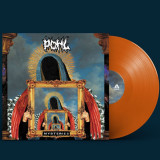
FFO: Melvins, Big Business, Torche, Karp, Lightning Bolt, Red Fang. Super limited vinyl, first press is transparent-y orange. Based in Sheffield, POHL is a stunning and brutal noise rock duo, featuring former Hey Colossus axeman Will Pearce on guitar/vocals, and drummer Dr Linda Westman of Toronto-based death metal two-piece, Old Hope. This July the band releases their debut album Mysteries; a sonic tome which draws as much from MF Doom as it does doom metal. It’s a swirling, cosmic onslaught of heavy motorik riffs and offhand musings about everything and nothing in equal measure. New single ‘The Whale’ summons the glorious thunder pop of Torche, the pithy lyricism of Karp and the DIY derring-do ethos of Guided by Voices. As guitarist/vocalist Will Pearce explains: “I suppose you could say that Mysteries is an album about grief. How we live with grief, and how we overcome it. When you’re trapped in the belly of the beast, and all seems lost - how do you come back from that? All I can say is that sometimes you eat the whale, and sometimes the whale eats you." Pearce, who played with Hey Colossus on their 2019 album Four Bibles and 2020’s Dances/Curses is thrilled to be teaming up once more with former bandmates Joe Thompson and Chris Summerlin and their Wrong Speed Records imprint. Recorded at the band’s own Cool World studio and mixed by serial collaborator and producer Wayne Adams, Mysteries is many things, often all at the same time. Veering from biblical allusions to fragmented Burroughsian cut-ups, it is at once mystical, profane, sacred, and scatological. Profoundly stupid, perhaps? Or just stupidly profound… either way, Mysteries demands your attention
expected to be published on 26.07.2024

Celebrated by fans and fellow musicians as being among the blues' most talented and exciting guitarists, Chris Cain is, according to Living Blues magazine, "turning out the best work of his career." Good Intentions Gone Bad debuts 13 striking new songs, with Cain delivering top-shelf performances on blistering shuffles, slow-burning blues and joyful soul. Fellow Alligator artist Tommy Castro guests on one track.
expected to be published on 19.07.2024

"Reissued for the first time on vinyl here’s the second album of Jamaican reggae singer George Faith, originally released on Hollywood records back in 1979.
"Wonderful soul reggae melodies backed by the likes of Sly & Robbie, Aston 'Family Man' Barrett, Tommy McCook, Earl 'Chinna' Smith and more. Produced by the one and only Bunny Lee at Harry J Studios and mixed by Scientist at King Tubby’s Studios!"
expected to be published on 30.06.2024

Antibody presents this new opus by Berlin based Japanese artist Tot Onyx (Tommi Tokyo, formerly of group A).» Satire Of Desire« is her second solo album to date. Here, performance and sound art meet post-industrial deconstructivism. It’s radical, ferocious, wonderfully free and powerful.
Written under the covid-19 pandemic, "Satire Of Desire" is her radical criticism on the man-made catastrophe and sonic response to the cacotopic world that seemed less realistic than the surreal dreams of flying turtles. »My dreams started to become more realistic than the empty streets of Berlin. That's when I began wondering the difference between dream and reality, conscious and subconscious, how we distinguish them and what that even means. That was the beginning of creating this album. The beginning of the future i was unwillingly stepping into.«
expected to be published on 14.06.2024

The phenomenal three-piece band includes members of Oranssi Pazuzu, K-X-P, Grave Pleasures and Aavikko
Svart Records is proud to release the debut album, I, from Haunted Plasma, a powerhouse of futuristic synth in symbiosis with the super violent atmospherics of kosmische Black Metal. Haunted Plasma is “man meets machine” in a cybernetic wasteland, set to a conceptual backdrop of William Gibson and Phillip K. Dick style mind-melt. The highly evolved creatives at the heart of Haunted Plasma’s sound, cite Terry Riley, Massive Attack, a contemporary take on Krautrock hypnosis, psychedelic Black Metal and 90s Techno, resulting in an orgy of mutant sound.
The phantoms at the beating nucleus of this unearthly machine are Juho Vanhanen (Oranssi Pazuzu, Grave Pleasures), Timo Kaukolampi (K-X-P, Op:l Bastards) and Tomi Leppänen (Circle, Aavikko, K-X-P), transmitting a music form evolved from a life of redefining sonic boundaries in their respective projects. Also featuring guest vocals from Mat McNerney (Hexvessel, Carpenter Brut, Grave Pleasures/Beastmilk), Pauliina Lindell (Vuono, Dust Mountain) and Ringa Manner (Ruusut, The Hearing). Haunted Plasma promises an extraterrestrial experience from some of the foremost contemporary musicians at the heart of the Finnish heavy and avant-garde musical underworld.
Haunted Plasma reveals:
“We are liberated futurists, embracing free-form and natural composition, mirroring the merciless forces of cosmic creation. We have a motto to stay true to our feelings, to spawn a sound that’s never been heard before. Servants of music. Energizing, radical and pure”
The first single from Haunted Plasma’s cascading debut, Reverse Engineer, is a creepy, slowly erupting, synthetic nightmare, of a downloaded being waking up in the wrong future. Ghostly vocals demand the listener to “give us what we want” in an Orwellian glimpse into the current dystopia we live in, where information is controlled, and thoughts are bought and sold. As McNerney intones the words “technology of power” he describes the threat of a malevolent and omnipresent artificial intelligence, as much as describing the oppressive and electromagnetic sonar pulse of Haunted Plasma’s sound itself. Psychedelic guitar hypnosis from Vanhanen snakes around Kaukolampi’s molten and morphing synths, while Leppänen’s uncanny man/machine rhythms pull our strings and animate their other-worldly mechanisms. Have a look at the official visualiser of "Reverse Engineer" on the Svart YouTube channel here
Culminating in the full-blown fast Krautrock of the final self-titled track, oozing with blistering noise elements and enigmatic vocals from Ringa Manner, the album's journey reaches its zenith, taking you to unknown territories on a Kubrikian space trip. I is a rare record of talented musicians coming together to create a completely new sound, which is entirely their own, boldly glowing, where no light has shone before. From the dreamy psychedelia of Echoes to the discombobulated Spectral Embrace, Haunted Plasma is a willful force of deliberate sound contortion.
Whether you want to give in to Haunted Plasma’s sound or not, you are being watched, you are being recorded and your every move is monitored. Haunted Plasma will enter your system on the 31st of May 2024. Turn on your phantom circuits and be prepared for an interdimensional excursion into Haunted Plasma’s alien dreams.
The debut album from Haunted Plasma will be packaged in a beautiful tip-on sleeve, swirling fog artwork, complete with 12” booklet and pressed on 3 exclusive vinyl colours: 300 copies on Standard Black Wax, 500 copies in Amber + Black Smoke and 200 copies of Svart exclusive Turquoise/Black Marble. The album will also be available on CD and digital platforms.
expected to be published on 31.05.2024
