
5
pas en stock
Commandez maintenant et nous commanderons l'article pour vous chez notre fournisseur.
Commandez maintenant et nous commanderons l'article pour vous chez notre fournisseur.
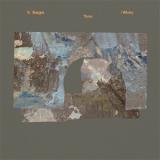
Tender / Wading zeigt Matthew Sage, alias M. Sage, in den Ausläufern und Weiden Colorados, wo er schreibt, aufnimmt und zu einem Stück seiner Heimat und Identität zurückkehrt, wobei ein Akt der Fürsorge den nächsten nach sich zieht. Das Album, das hauptsächlich auf Klavier und Klarinette aufgebaut ist und dann mit Gitarre, modularem Synthesizer, Percussion und Feldaufnahmen aus der Umgebung seines Zuhauses verziert wurde, ist eine weitreichende, ruhige Vision von Vitalität, radikaler Sanftheit und dem beruhigenden Gefühl, nach Hause zu kommen, auch wenn sich das Zuhause verändert hat. Seit den frühen 2010er Jahren hat Sage ein eigenwilliges Musikrepertoire zusammengestellt, das sich in verschiedene Klangrichtungen erstreckt, sich in Veröffentlichungen auf Geographic North, Orange Milk und Moon Glyph manifestiert und sowohl kritische Aufmerksamkeit als auch eine treue Zuhörerschaft für jede neue Wendung erlangt hat. 2023 debütierte Sage bei RVNG Intl. mit Paradise Crick, das zeitgleich mit seiner laufenden Arbeit im improvisierten Ambient-Jazz-Quartett Fuubutsushi erschien. Nun präsentiert er sein nächstes Soloalbum und seine neue Richtung. Tender / Wading folgt auf Sages Rückkehr nach Colorado nach fast einem Jahrzehnt in Chicago, wo er nun mit seiner jungen Familie dreißig Meilen außerhalb seiner Heimatstadt ein paar Hektar verwildertes Land bewirtschaftet. In einem ganzheitlichen Kontrast zu Cricks synthetischer Klangwelt schafft Sage Kunst aus dem Akt des Pflegens neuen Wachstums, hinterfragt Konstrukte des häuslichen Lebens und versteht die Spuren seines früheren Selbst durch die schmutzverschmierte, schweißvernebelte Linse der Gegenwart. Das Ergebnis ist sein bisher autobiografischstes Material, geprägt von Zeit und Veränderungen in der Wahrnehmung sowie bedeutungsvollen Details aus Sages psychischer Suche. Sage vergleicht das Gefühl, verschiedene Versionen von sich selbst zu sehen, mit der berühmten Hase-Ente-Theorie des Philosophen Ludwig Wittgenstein. ,Es ist dieselbe Zeichnung, aber je nachdem, wer man ist, wo man ist und wann man ist, sehen manche Menschen einen Hasen und manche eine Ente oder beides", erklärt Sage. Hier sind das Subjekt und der Betrachter, zurück in vertrauten Landschaften, als Partner und Elternteil, der Gestrüpp zurückschneidet, gedemütigt von invasiven Pflanzen, Schädlingsbefall und verdichtetem Lehmboden, seine Prioritäten haben sich grundlegend geändert. Und doch ist auch dieses andere Ich da: ein gewiefter Akademiker, der oft in Memes denkt und das Ziehen seines Handys in der Hosentasche spürt. ,In diesem Album geht es darum, diese Wahrnehmungsverschiebungen zu ergründen und ihnen Raum zu geben, beides zu tun: hüpfen und quaken." Es ist ein inneres Kind, das Sages intermediale Praxis in seinem Atelier leitet, einer Scheune, die nach dem großen Umzug im Jahr 2022 im Rahmen einer hausweiten DIY-Renovierung umgebaut wurde. Im Inneren werden Gedichte zu Zeichnungen, zu Skulpturen im Hinterhof und darüber hinaus, und alberne Ausflüge in den Vogelgesang oder die Freude an der Herausforderung, Klarinette zu lernen, weichen ernsthafter Musik. ,Ich glaube, ich habe entdeckt, dass es diese Linien gibt, die alles miteinander verbinden", sagt er. ,Und dieses Album ist voller hartnäckigem Optimismus und Hoffnung, aber auch der Bewusstheit, dass wir uns in einer späten Phase befinden, und dem Versuch, mit der Rhetorik dieser Phase umzugehen." Für Tender / Wading setzt Sage einen unverwechselbaren Sound ein: eine pastorale Art von Folk Kosmiche, kontemplativer elektroakustischer Barn Jazz für die Front Range, voller blasser Puddle Blues und rostigen Oil Drum Reds. Die meisten Songs entstanden auf einem 1910er Hamilton-Klavier, das kurioserweise in Chicago gebaut, von den Vorbesitzern zurückgelassen und von Mäusen bewohnt worden war. Die zufällige Begegnung mit dem Instrument fühlte sich kosmisch an, nicht nur wegen seiner Verbindung zur Windy City, sondern auch wegen Sages sich weiterentwickelnder Herangehensweise an das Songwriting nach Fuubutsushi. Er fühlt sich hinter den Tasten wohler und kehrt zurück zum Schlagzeug (seiner Jugendliebe). In einem passenden Raum für Holzblasinstrumente umarmt er das Elementare und Absichtliche und verleiht der Musik von Anfang an mehr strukturelles Gewicht und Wärme. Tender's M. Sage verbindet die Studioexperimente und Improvisationen seiner Vergangenheit mit einem geschärften Ohr für melodische Phrasierungen und Akkordwechsel und hat seine übliche Fülle an Demos auf neun finale Stücke reduziert. Seine charakteristischen Weltbilder bleiben erhalten, von Holzhauskröten, die in statischer Elektrizität schwimmen, über raschelndes Gras und Regen, der in die Dachrinnen plätschert, bis hin zu walzenden Sternbildern im Mondlicht. Während Cricks Universum aus magischem Realismus und digitaler Fantasie entstanden ist, greift Tender / Wading direkter auf menschliche Erfahrungen zurück. Er weist schnell Vorwürfe zurück, es handele sich um ein hochkonzeptionelles Album: ,Ich mache einfach die Musik, die ich selbst gerne in meinen Kopfhörern hören würde, während ich Unkraut jäte oder so." Es könnte beides sein, wie der Hase und die Ente behaupten würden: zutiefst persönlich und abstrakt, eine faszinierende und natürliche Wendung eines experimentellen Künstlers des 21. Jahrhunderts, dessen Vermächtnis sich in Echtzeit weiterentwickelt und wächst.
il devrait être publié sur 12.09.2025

Leif Vollebekk ist ein Philosophiestudent, der sich zum Troubadour entwickelt hat. Auf dem treffend benannten Album "Revelation" verbindet er Carl Jungs I Ging-Gedanken, Wittgensteins Liebe zur Sprache und die lyrische Poesie von Bob Dylan. Die 11 Tracks, darunter zwei orchestriert-cineastische Versatzstücke, erinnern an die erzählerischen Skills seiner Landsleute Leonard Cohen und Gordon Lightfoot, an den kristallinen Sound der Eagles und den üppigen Pop von Nick Drake und Scott Walker. Das vollendete Werk, organisch, erdig und handgemacht, verwebt Naturthemen zu einer Meditation über das Leben in einer sich ständig verändernden Gegenwart, durchzogen von existenziellen Zweifeln und der Suche nach einer höheren Macht.
il devrait être publié sur 27.09.2024

Special 10th Anniversary Edition In Brown Card Artboard Sleeve With Additional Lyric Print Insert
Slowdive singer and songwriter’s third solo album, which was originally released in November 2012. It is a stunning record and one which, upon its release, underlined the claims that Neil was one of the finest and most underrated British songwriters of recent times. It’s also a very special release in the Sonic Cathedral catalogue; the shoegaze label licensed the record from Jack Johnson’s Brushfire imprint for the UK and Europe and it was the start of a relationship that also gave us the Black Hearted Brother album in 2013 and, ultimately, brought about the reformation of Slowdive in 2014. But Palindrome Hunches is a very different beast. Both stately and understated, this moody and mesmerising collection of peculiarly British folk songs was made with the Band of Hope, a Wallingford, Oxfordshire based collective consisting of Ben Smith (violin), Drew Milloy (double bass), Paul Whitty (piano) and Tom Crook (guitar). Together with producer Nick Holton, banjo player Kevin Wells and backing singer Aimee Craddock, they recorded the album to tape over a few weekends in the music room of their local junior school. “At first we were going to record in a studio, but everything seemed too clean,” said Neil at the time. “We just went through the songs and recorded them live without very much rehearsal. We wanted to be spontaneous and simple and to keep the little mistakes that sneaked in.” This goes a long way to explaining the album’s humanity and intimacy, and also why it has had a quiet life of its own over the past decade, gradually growing in stature alongside Neil’s more high-profile activities with Slowdive; copies of the 2012 original and even the 2017 repress currently fetch up to triple figures on Discogs. The stunning opener ‘Digging Shelters’ was used to devastating effect in the posthumously released James Gandolfini movie Enough Said – a fitting home for a song that rubs shoulders here with ruminations about love and loss such as ‘Tied To You’ and ‘Spin The Bottle’ and, on ‘Wittgenstein’s Arm’, an Austrian pianist who had his right arm amputated in World War I and lost three of his brothers to suicide. The wordplay of the title track is almost light-hearted in comparison; “I wanted to write a song that was the same forwards and backwards, but it didn’t quite work out,” explained Neil, adding that he also chose ‘Palindrome Hunches’ for the album’s title because “I like the idea of things being reversible”. A couple years later, by reforming his old band, he proved that. And now, ten years on, it’s the perfect time to rewind to this understated, underrated classic. Side A 1 Digging Shelters 2 Bad Drugs and Minor Chords 3 Wittgenstein’s Arm 4 Spin The Bottle 5 Tied to You Side B 1 Love Is a Beast 2 Palindrome Hunches 3 Full Moon Rising 4 Sandy 5 Hey Daydreamer 6 Loose Change. Praise for Palindrome Hunches on its original release: ““Nope, it ain’t shoegaze as it's been codified and re-codified. But why be disappointed in someone following his muse to a logical conclusion when that path was always the one he walked on?” – Pitchfork An exquisite set of dark folk music” – The Times “Draws from the same understated, reflective well as John Martyn” – MOJO “‘Tied To You’ doesn’t merely evoke Nick Drake but withstands the comparison – evidence of the songs’ quality” – Financial Times “Halstead’s songs breathe the sort of honesty and goodness that’s harder and harder to find in the iTunes age” – The Independent “Given the chance, they could be songs that continue to enchant for many years to come” – The Line Of Best Fit
Commandez maintenant et nous commanderons l'article pour vous chez notre fournisseur.
