
pre-ordina ora10.09.2026
dovrebbe essere pubblicato su 10.09.2026
dovrebbe essere pubblicato su 10.09.2026
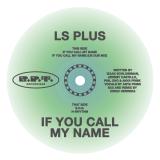
Are you into sophisticated pop music, Music from Memory, Dark Entries, and/or the general concept of a rock supergroup? Then the fifth release from Bar Part Time, LS Plus - If You Call My Name is one you'll probably want to pick up. The 2026 California Balearic equivalent of the Traveling Wilburies, LS Plus is made up of:
- Izaak and Anya from Loveshadow
- Phil Cho of Puli and SY3
- B.P.T. label boss Jeremy Castillo
- Diego Herrera of No You and Melody As Truth
The combination makes for the breeziest release you're likely to hear this year. It also features a US Dub Mix by Herrera himself for all you nighttime music listeners. Essential listening for people who are into Mood Hut, PPU, or drinking wine outside on a perfect summer night.
dovrebbe essere pubblicato su 02.10.2026
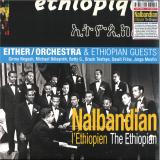
The Éthiopiques series returns! Essential archive recordings from an extremely fruitful period in Ethiopian music.
Before “Swinging Addis” took over the world, there was Moussié Nerses Nalbandian — the Armenian-born composer who shaped modern Ethiopian music. Mentor, arranger, and pioneer, he laid the foundations of Ethio-jazz.
This Éthiopiques volume revives his forgotten legacy, recorded live by Either/ Orchestra First issue ever with new exclusive photos and in depth liner 8-page insert.
“Ethiopian jazzmen are the best musicians that we have seen so far in Africa.
They really are promising handlers of jazz instruments.”
Wilbur De Paris
(1959, after a concert in Addis Ababa)
አዲስ፡ዘመን። *Addis zèmèn* **A new era.**
The time is the mid-1950s and early 1960s, just before "Swinging Addis" bloomed – or rather boomed – onto the scene. Brass instruments are still dominant, but the advent of the electric guitar, and the very first electronic organs, are just around the corner. Rock’n'Roll, R’n’B, Soul and the Twist have not yet barged their way in. Addis Ababa is steeped in the big band atmosphere of the post-war era, with Glenn Miller's *In the* *Mood* as its world-wide theme song, neck and neck with the Latin craze that was in vogue at the same period. Life has become enjoyable once again, with the return of peace after the terrible Italian Fascist invasion of Ethiopia (1935-1941). The redeployment of modern music is part and parcel of the postwar reconstruction. *Addis zèmèn* – a new era – is the watchword of the postwar period, just as it was all across war-torn Europe.
The generation who were the young parents of baby boomers** were the first to enjoy this musical renaissance, before the baby boomers themselves took over and forever super-charged the soundtrack of the final days of imperial reign. Music is Ethiopia's most popular art form, and very often serves as the best barometer for the upsurge of energy that is critical for reconstruction. Whether it be jazz in Saint-Germain-des-Prés or the *zazous* who revolutionised both jazz and French *chanson* after the *Libération*, be it Madrid's post-Franco Movida, or Dada, the Surrealists and *les années folles* that followed World War I, the periods just after mourning and hardship always give rise to brighter and more tuneful tomorrows. Addis Ababa, as the country's capital, and the epicentre of change, was no exception to this vital rule.
**Two generations of Nalbandian musicians**
Nersès Nalbandian belonged to a family of Armenian exiles, who had moved to Ethiopia in the mid-1920s. The uncle Kevork arrived along with the fabled "*Arba Lidjotch*", the** "*40 Kids*", young Armenian orphans and musicians that the Ras Tafari had recruited when he visited Jerusalem in 1924, intending to turn their brass band into the official imperial band. If Kevork Nalbandian was the one who first opened the way of modernism, pushing innovation so far as to invent musical theatre, it was his nephew Nersès who would go on to become, from the 1940s and until his death in 1977, a pivotal figure of modern Ethiopian music and of the heights it. Going all the way back to the 1950s. Nothing less. And it is Nersès who is largely to thank for the brassy colours that so greatly contributed to the international renown of Ethiopian groove. While the younger generations today venture timidly into the genealogy of their country's modern music, often losing their way amidst a distinctly xenophobic historiographical complacency, many survivors of the imperial period are still around to bear witness and pay tribute to the essential role that "Moussié Nersès" played in the rise of Abyssinia's musical modernity.
Given the year of his birth (15 March 1915), no one knows for sure if Nersès Nalbandian was born in Aintab, today Gaziantep (Turkiye/former Ottoman Empire) or on the other side of the border in Alep, Syria... What is certain is that his family, like the entire Armenian community, was amongst the victims of the genocide perpetrated by the Turks. Alep, the place of safety – today in ruins.
Before Nersès then, there was uncle Kevork (1887-1963). For a quarter of a century, he was a whirlwind of activity in music teaching and theatrical innovation. *Guèbrè Mariam le Gondaré* (የጎንደሬ ገብረ ማርያም አጥቶ ማግኘት, 1926 EC=1934) is his most famous creation. This play included "ten Ethiopian songs" — a totally innovative approach. According to his autobiographical notes, preserved by the Nalbandian family, Kevork indicates that he composed some 50 such pieces over the course of his career. This shows just how much he understood, very early on, the critical importance of song as Ethiopia's crowning artistic form. Indeed, for Ethiopian listeners, the most important thing is the lyrics, with all their multifarious mischief, far more than a strong melody, sophisticated arrangements or even an exceptional voice. (This is also why Ethiopians by and large, and beginning with the artists and producers themselves, believed for a long time — and wrongly — that their music could not possibly be exported, and could never win over audiences abroad, who did not speak the country's languages).
Last but not least, one of Kevork's major contributions remains composing Ethiopia's first national anthem – with lyrics by Yoftahé Negussié.
Nersès Nalbandian moved to Ethiopia at the end of the 1930s, at the behest of his ground-breaking uncle. Proficient in many instruments (pretty much everything but the drums), conductor, choir director, composer, arranger, adapter, creator, piano tuner, purveyor of rented pianos,... he was above all an energetic and influential teacher. From 1946 onwards, thanks to Kevork's connexion, Nersès was appointed musical director of the Addis Ababa Municipality Band. In just a few years, Nersès transformed it into the first truly modern ensemble, thanks to the quality of his teaching, his choice of repertoire, and the sophistication of his arrangements. It was this group that would go on to become the orchestra of the Haile Selassie Theatre shortly after its inauguration in 1955, which was a major celebration of the Emperor's jubilee, marking the 25th anniversary of his on-again-off-again reign.
At some point or other in his long career, Nersès Nalbandian had a hand in the creation of just about every institutional band (Municipality Band, Police Orchestra, Imperial Bodyguard Band, Army Band, Yared Music School…), but it was with the Haile Selassie Theatre – today the National Theatre – that his abilities were most on display, up until his death in 1977. To this must be added the development of choral singing in Ethiopia, hitherto unknown, and a sort of secret garden dedicated to the memory of Armenian sacred music, and brought together in two thick, unpublished volumes. Shortly before his death (November 13, 1977), he was appointed to lead the impressive Ethiopian delegation at Festac in Lagos, Nigeria (January-February 1977).
His status as a stateless foreigner regularly excluded him from the most senior positions, in spite of the respect he commanded (and commands to this day) from the musicians of his era. Naturally gifted and largely self-taught, Nerses was tirelessly curious about new musical developments, drawing inspiration from the very first imported records, and especially from listening intensely to the musical programmes broadcast over short-wave radio – BBC *First*. A prolific composer and arranger, he was constantly mindful of formalising and integrating Ethiopian parameters (specific “musical modes”, pentatonic scale, and the dominance of ternary rhythms) into his “modernisation” of the musical culture, rather than trying to over-westernise it. It even seems very probable that *Moussié* Nerses made a decisive contribution to the development of tighter music-teaching methods, in order to revitalise musical education during this period of prodigious cultural ferment. Flying in the face of all the historiographical and musicological evidence, it is taken as sacrosanct dogma that the four musical modes or chords officially recognised today, the *qǝñǝt* or *qiñit* (ቅኝት), are every bit as millennial as Ethiopia itself. It would appear however that some streamlining of these chords actually took place in around 1960. It was only from this time onward that music teaching was structured around these four fundamental musical modes and chords: *Ambassel*, *Bati*, *Tezeta* and *Antchi Hoyé*. A historical and musical “details” that is, apparently, difficult to swallow, especially if that should honour a *foreigner*. Modern Ethiopian music has Nersès to thank for many of its standards and, to this day, it is not unusual for the National Radio to broadcast thunderous oldies that bear unmistakable traces of his outrageously groovy touch.
Disponibile in Stock e pronto per la spedizione
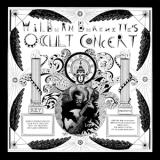
Das Debüt des transzendentalen Gitarrenmeisters aus dem Jahr 1971, remastered für all eure Sabbat-Bedürfnisse. 37 Minuten ambienter Gitarrenzauberei und der perfekte Soundtrack für das Erwachen des dritten Auges, Lichtalchemie oder Menschenopfer. Mit diesem Werk könnte man eine Sekte gründen. Der kalifornische Versandhandelsmystiker Master Wilburn Burchette wurde erstmals durch seine Anzeigen bekannt, die auf den hinteren Seiten des ,Fate Magazine", von ,Beyond Reality" und ,Gnostica News" versteckt waren. Im Angebot: Burchettes siebenteiliger, im Blockdruckverfahren hergestellter ,Psychic Meditation Course", der den Menschen beibringen sollte, wie man Musik hört. Passend zu seinen Lektionen verkaufte Burchette eine Reihe von Instrumentalplatten mit Gitarren- und Elektronikmusik, die mit kunstvollen, handgezeichneten Cover-Motiven versehen waren und Höranweisungen vom Meister selbst enthielten. Bereits seit seinem zwölften Lebensjahr war Burchette von der Parapsychologie fasziniert und verbrachte ebenso viel Zeit mit dem Lesen von Büchern über die Grundlagen der tibetischen Mystik wie mit dem Üben auf der Gitarre, deren Schwingungen er nutzte, um Klangbilder und -muster zu erschaffen. Nachdem er eine Zeit lang klassische Gitarre unterrichtet hatte, veröffentlichte Meister Wilburn Burchette in den sieben Jahren von 1971 bis 1977 sieben Alben, bevor er abrupt alles, was mit seinen musikalischen Erkundungen zu tun hatte, verbrannte und wegwarf.
dovrebbe essere pubblicato su 12.06.2026
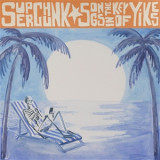
"Songs in the Key of Yikes" ist ein typisches Superchunk-Album: viszeral und zeitlos und verdammt eingängig - ein kathartischer Balsam für diese bedrückenden Zeiten. "Bruised Lung" - "No Hope" - "Care Less" - "Climb the Walls" - "Everybody Dies". Wenn man die Trackliste von "Songs in the Key of Yikes" überfliegt, fragt man sich unweigerlich: Sind Superchunk okay? In einer Welt, die wohl düsterer ist als die, die "Wild Loneliness" (2022) oder "What a Time to Be Alive" (2018) begrüßte, geht es uns da überhaupt noch gut? "Es war schon immer so, dass jeder etwas durchmacht, von dem man vielleicht nichts weiß", bemerkt Mac McCaughan. "Das gilt derzeit mehr denn je - aber es ist auch so, dass wir alle gemeinsam etwas durchmachen. Angesichts dessen, was nützt Kunst und wo findet man Glück? (Spoiler-Alarm: Ich weiß es nicht.)" Auf der Suche nach einer Antwort entfesselt "Songs in the Key of Yikes" einen Sound, der triumphierend und hell in der Dunkelheit ist, "Majesty Shredding" im Overdrive. Die Lead-Single ,Is It Making You Feel Something" gibt früh den Ton an, wobei die Band - McCaughan, Laura Ballance, Jim Wilbur und Laura King - aus dem Potenzial für Freude eine Hymne baut und in schlammverschmutzte Gewässer taucht und mit einer Perle wieder hochkommt. "No Hope" ist ähnlich widerstandsfähig, McCaughans Texte zeichnen ein niederschmetterndes Bild, bevor sie in den titelgebenden Refrain übergehen. Er wiederholt den Satz neun Mal, macht eine Pause und verwandelt die Stimmung vollständig, indem er den Gesang mit der Zeile "and here we are singing" unterbricht. Der Text ist scharf, gleichzeitig eine einfache Beobachtung und eine tiefgründige Aussage über das Sein, die erdrückenden Nächte und endlosen Tage, aber McCaughans Stimme findet eine gewisse Süße darin, durchgehalten zu haben und dies auch weiterhin zu tun. Paradoxerweise grenzt die Energie von "Songs in the Key of Yikes" an Euphorie und bricht manchmal sogar in sie aus, wie in "Stuck in a Dream", das wie eine oasenartige Fata Morgana zwischen "Everybody Dies" und "Train on Fire" auftaucht, ein voller Sprint, der die Menge begeistert und sich zum Pogen im Pit eignet. "Care Less" ist ein düsterer, komischer Spiegel dieser Energie, ein Garage-Jam, in dem ein scharfzüngiger McCaughan Zuflucht vor dem Sturm sucht, indem er so tut, als würde er nicht direkt vor seiner Tür toben. Diese Strategie funktioniert nicht. Natürlich funktioniert sie nicht. Es ist ein Song auf einem Superchunk-Album, und Superchunk-Alben sind Argumente gegen Engstirnigkeit und für Partys, die groß genug sind, um alle zu beherbergen. Dieses Album begrüßt nicht nur Laura King nach zwei Jahren als Tour-Schlagzeugerin in der Band, sondern enthält auch Beiträge von Rosali Middleman ("Bruised Lung" und "Everybody Dies"), Bella Quinlan und Holly Thomas von Quivers ("Cue") und der Tour-Bassistin Betsy Wright ("Care Less"). Das Album wurde von Paul Voran (The Menzingers, Hurray for the Riff Raff) und Eli Webb produziert und von Mike Montgomery (The Breeders, Protomartyr) gemischt. Gemeinsam kommen sie zu keinem Ergebnis darüber, was gute Kunst in Krisenzeiten ausmacht und schaffen gleichzeitig großartige Kunst.
dovrebbe essere pubblicato su 22.08.2025
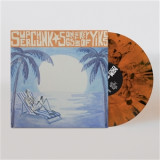
"Songs in the Key of Yikes" ist ein typisches Superchunk-Album: viszeral und zeitlos und verdammt eingängig - ein kathartischer Balsam für diese bedrückenden Zeiten. "Bruised Lung" - "No Hope" - "Care Less" - "Climb the Walls" - "Everybody Dies". Wenn man die Trackliste von "Songs in the Key of Yikes" überfliegt, fragt man sich unweigerlich: Sind Superchunk okay? In einer Welt, die wohl düsterer ist als die, die "Wild Loneliness" (2022) oder "What a Time to Be Alive" (2018) begrüßte, geht es uns da überhaupt noch gut? "Es war schon immer so, dass jeder etwas durchmacht, von dem man vielleicht nichts weiß", bemerkt Mac McCaughan. "Das gilt derzeit mehr denn je - aber es ist auch so, dass wir alle gemeinsam etwas durchmachen. Angesichts dessen, was nützt Kunst und wo findet man Glück? (Spoiler-Alarm: Ich weiß es nicht.)" Auf der Suche nach einer Antwort entfesselt "Songs in the Key of Yikes" einen Sound, der triumphierend und hell in der Dunkelheit ist, "Majesty Shredding" im Overdrive. Die Lead-Single ,Is It Making You Feel Something" gibt früh den Ton an, wobei die Band - McCaughan, Laura Ballance, Jim Wilbur und Laura King - aus dem Potenzial für Freude eine Hymne baut und in schlammverschmutzte Gewässer taucht und mit einer Perle wieder hochkommt. "No Hope" ist ähnlich widerstandsfähig, McCaughans Texte zeichnen ein niederschmetterndes Bild, bevor sie in den titelgebenden Refrain übergehen. Er wiederholt den Satz neun Mal, macht eine Pause und verwandelt die Stimmung vollständig, indem er den Gesang mit der Zeile "and here we are singing" unterbricht. Der Text ist scharf, gleichzeitig eine einfache Beobachtung und eine tiefgründige Aussage über das Sein, die erdrückenden Nächte und endlosen Tage, aber McCaughans Stimme findet eine gewisse Süße darin, durchgehalten zu haben und dies auch weiterhin zu tun. Paradoxerweise grenzt die Energie von "Songs in the Key of Yikes" an Euphorie und bricht manchmal sogar in sie aus, wie in "Stuck in a Dream", das wie eine oasenartige Fata Morgana zwischen "Everybody Dies" und "Train on Fire" auftaucht, ein voller Sprint, der die Menge begeistert und sich zum Pogen im Pit eignet. "Care Less" ist ein düsterer, komischer Spiegel dieser Energie, ein Garage-Jam, in dem ein scharfzüngiger McCaughan Zuflucht vor dem Sturm sucht, indem er so tut, als würde er nicht direkt vor seiner Tür toben. Diese Strategie funktioniert nicht. Natürlich funktioniert sie nicht. Es ist ein Song auf einem Superchunk-Album, und Superchunk-Alben sind Argumente gegen Engstirnigkeit und für Partys, die groß genug sind, um alle zu beherbergen. Dieses Album begrüßt nicht nur Laura King nach zwei Jahren als Tour-Schlagzeugerin in der Band, sondern enthält auch Beiträge von Rosali Middleman ("Bruised Lung" und "Everybody Dies"), Bella Quinlan und Holly Thomas von Quivers ("Cue") und der Tour-Bassistin Betsy Wright ("Care Less"). Das Album wurde von Paul Voran (The Menzingers, Hurray for the Riff Raff) und Eli Webb produziert und von Mike Montgomery (The Breeders, Protomartyr) gemischt. Gemeinsam kommen sie zu keinem Ergebnis darüber, was gute Kunst in Krisenzeiten ausmacht und schaffen gleichzeitig großartige Kunst.
dovrebbe essere pubblicato su 22.08.2025
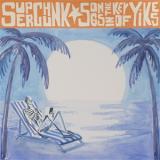
"Songs in the Key of Yikes" ist ein typisches Superchunk-Album: viszeral und zeitlos und verdammt eingängig - ein kathartischer Balsam für diese bedrückenden Zeiten. "Bruised Lung" - "No Hope" - "Care Less" - "Climb the Walls" - "Everybody Dies". Wenn man die Trackliste von "Songs in the Key of Yikes" überfliegt, fragt man sich unweigerlich: Sind Superchunk okay? In einer Welt, die wohl düsterer ist als die, die "Wild Loneliness" (2022) oder "What a Time to Be Alive" (2018) begrüßte, geht es uns da überhaupt noch gut? "Es war schon immer so, dass jeder etwas durchmacht, von dem man vielleicht nichts weiß", bemerkt Mac McCaughan. "Das gilt derzeit mehr denn je - aber es ist auch so, dass wir alle gemeinsam etwas durchmachen. Angesichts dessen, was nützt Kunst und wo findet man Glück? (Spoiler-Alarm: Ich weiß es nicht.)" Auf der Suche nach einer Antwort entfesselt "Songs in the Key of Yikes" einen Sound, der triumphierend und hell in der Dunkelheit ist, "Majesty Shredding" im Overdrive. Die Lead-Single ,Is It Making You Feel Something" gibt früh den Ton an, wobei die Band - McCaughan, Laura Ballance, Jim Wilbur und Laura King - aus dem Potenzial für Freude eine Hymne baut und in schlammverschmutzte Gewässer taucht und mit einer Perle wieder hochkommt. "No Hope" ist ähnlich widerstandsfähig, McCaughans Texte zeichnen ein niederschmetterndes Bild, bevor sie in den titelgebenden Refrain übergehen. Er wiederholt den Satz neun Mal, macht eine Pause und verwandelt die Stimmung vollständig, indem er den Gesang mit der Zeile "and here we are singing" unterbricht. Der Text ist scharf, gleichzeitig eine einfache Beobachtung und eine tiefgründige Aussage über das Sein, die erdrückenden Nächte und endlosen Tage, aber McCaughans Stimme findet eine gewisse Süße darin, durchgehalten zu haben und dies auch weiterhin zu tun. Paradoxerweise grenzt die Energie von "Songs in the Key of Yikes" an Euphorie und bricht manchmal sogar in sie aus, wie in "Stuck in a Dream", das wie eine oasenartige Fata Morgana zwischen "Everybody Dies" und "Train on Fire" auftaucht, ein voller Sprint, der die Menge begeistert und sich zum Pogen im Pit eignet. "Care Less" ist ein düsterer, komischer Spiegel dieser Energie, ein Garage-Jam, in dem ein scharfzüngiger McCaughan Zuflucht vor dem Sturm sucht, indem er so tut, als würde er nicht direkt vor seiner Tür toben. Diese Strategie funktioniert nicht. Natürlich funktioniert sie nicht. Es ist ein Song auf einem Superchunk-Album, und Superchunk-Alben sind Argumente gegen Engstirnigkeit und für Partys, die groß genug sind, um alle zu beherbergen. Dieses Album begrüßt nicht nur Laura King nach zwei Jahren als Tour-Schlagzeugerin in der Band, sondern enthält auch Beiträge von Rosali Middleman ("Bruised Lung" und "Everybody Dies"), Bella Quinlan und Holly Thomas von Quivers ("Cue") und der Tour-Bassistin Betsy Wright ("Care Less"). Das Album wurde von Paul Voran (The Menzingers, Hurray for the Riff Raff) und Eli Webb produziert und von Mike Montgomery (The Breeders, Protomartyr) gemischt. Gemeinsam kommen sie zu keinem Ergebnis darüber, was gute Kunst in Krisenzeiten ausmacht und schaffen gleichzeitig großartige Kunst.
dovrebbe essere pubblicato su 22.08.2025

Coral Grief, das Rocktrio aus Seattle, und Air Between Us, sein Debütalbum, sind treffend betitelt. Die ersten Töne von Sam Fasons Gitarre im Opener ,Starboard" treffen wie ein Windstoß Seeluft ins Gesicht. In nur wenigen Sekunden schwebt man, zu gleichen Teilen unter dem Himmel und über dem Meer. Es ist ein ähnliches Dazwischen, in dem Coral Grief gedeihen, denn sie konstruieren ein kunstvolles Geflecht aus doppelten Bedeutungen in dieser Hommage und Lobrede auf ihre Stadt und Community. Die Sängerin und Bassistin Lena Farr-Morrissey und Fason sind durch die psychische Chemie verbunden, die man nur durch jahrelanges gemeinsames Spielen in Bands entwickeln kann. Die Gitarre von Fason ist das Segel zu Farr-Morrisseys Anker, und hier schafft er Texturen, die so dicht sind wie der Wind. Das Bindeglied - der Motor in dieser nautischen Metapher - ist Schlagzeuger Cam Hancock, der von gemeinsamen Freunden wärmstens empfohlen wurde. Sein treibendes Spiel dient als Brücke der Ideen, als letztes Puzzlestück, als Meister der Dynamik und Übergängen, der ihre Songs in neue Gefilde treibt, ohne dabei aufzufallen. Gemeinsam lassen sie sich von Stereolab, Broadcast, Th' Faith Healers und Seefeel inspirieren, und umrahmen diese sehr spezifische Sorte von britischer Coolness auf eine einzigartige Weise wie es sie nur im pazifischen Nordwesten gibt. Um die Songs zum Leben zu erwecken, begab sich das Trio ins The Unknown - eine eine stillgelegte Kirche, die als Segelmanufaktur und Aufnahmestudio in Anacortes, WA dient. In Zusammenarbeit mit dem Toningenieur Nich Wilbur, der sich von fünf Matchas pro Tag ernährte, wurde der Arbeitsraum zu ihrem Workshop. ,Wir wollten die Dinge zu dritt angehen, aber auch, dass es so üppig und voll wie möglich klingt", erklärt Fason.
dovrebbe essere pubblicato su 18.07.2025

After three albums of reverberated guitar wandering, Master Wilburn Burchette's Psychic Meditation Music takes a turn towards the kosmiche. Two side-long synth explorations transport the listener to the avocado hues of 1974, expanding consciousness one oscillation at a time. Bug out your third eye!
Ordina ora e ordineremo l'articolo per te presso il nostro fornitore.

California mail-order mystic Master Wilburn Burchette was first known from his ads, hidden in the back pages of Fate Magazine, Beyond Reality, and Gnostica News. On his 1972 sophomore album, Burchette channels dreamy early music, druid folk, electric fingerstyle, psychedelic balladry, and new age ontology to create a visionary guitar technique all his own. This faithful reproduction includes the original 12-page full color instruction book for the secret method of piercing the psychic heart.
Ordina ora e ordineremo l'articolo per te presso il nostro fornitore.

New R&B discoveries continue to emerge and entertain the many followers of the New Breed musical cult; nobody finds more than the Kent connoisseurs.
Berna Dean’s two previously unheard recordings are by far her best. They were laid down at Cosimo Matassa’s New Orleans’ studios by GNP Crescendo but eschewed in favour of two relatively average sides. The great 50s R&B songwriter Jesse Stone provides a rocker for the much-admired Jimmy Breedlove and a super-catchy ‘This Morning’ for an unknown mixed vocal group that has a joyous gospel feel. Jesse also penned ‘Private Eye’, a classic early 60s story-song, for Buddy Wilkins which was issued on Al Sears’ Tri-Ess imprint.
The title track is used twice, on two very different Fraternity recordings. Kenny Smith’s version was issued in 1964 and has many followers, but the equally meritorious Coasters-inspired composition by the Citations is newly discovered. Win Menifee’s ‘I’m Runnin’ Around’ from the same Cincinnati label comes complete with a fascinating back-story.
There are three cover versions. Vermettya Royster’s ‘All Around The World’ is backed by James Brown’s 1961 band, while Roosevelt Lee's 1970 update of the 1947-originated ‘Hey Little Girl’ funks the tune up a la Godfather of Soul. The cover that will make the biggest noise is undoubtedly west coast band the Afterglows’ version of Barbara Lynn’s evergreen dancer ‘I’m A Good Woman’ – this is a future monster.
Golden Crest provides two fabulous male vocal group sides – the swinging ‘What’s On Your Mind’ by Eddie Daye’s Four Bars and the delightful harmonies of the appropriately-named, but unknown Delights ‘Mary Don’t You Weep’.
Blues still thrived into the 70s as Albert Washington’s mean and moody ‘Case Of The Blues’ proves. Smokey Wilson took the music into the late 70s with the storming ‘Goin’ Away Baby (Round Like An Apple)’, which benefits here from a 45-style edit. His Pioneer Club on 88th Street in South Central L A provides the atmospheric photo for this collection.
More early 60s movers come from Wilbur “Hi-Fi” White with ‘Don’t Look Now’, future hit songwriter Johnny Madara’s raucous ‘You Make Me Mad’ and Big Boy Groves ‘Bucket O’ Blood’ which brilliantly describes the kind of club these tracks would fit right into.
The LP version loses a few tracks, but so many collectors have strong preferences we’ve thrown the vinyl junkies a lifeline.
dovrebbe essere pubblicato su 27.06.2025

From the underground to festival main stages, they’ve built their reputation on sheer force of will, crushing live shows, and an unshakable foundation of heavy riffs and harder work.
Now, with their fourth studio album “Where Only The Truth Is Spoken”, Sheffield’s finest step into a new league. Recorded in California at Dave Grohl’s legendary Studio 606, the album was tracked through the iconic Neve 8078 console, the same desk that captured game-changing records like Nirvana’s “Nevermind,” Fleetwood Mac’s “Rumours,” and Tom Petty’s “Wildflowers.” For a band that’s always pushed forward without compromise, it was the perfect setting to carve out a record that represents everything Malevolence stands for.
The album marks a new level of songwriting precision without sacrificing the band’s trademark weight. Working alongside Grammy Award-winning producer Josh Wilbur (Lamb of God, Gojira, Trivium), the result is Malevolence at their most punishing, urgent, and anthemic.
dovrebbe essere pubblicato su 20.06.2025

From the underground to festival main stages, they’ve built their reputation on sheer force of will, crushing live shows, and an unshakable foundation of heavy riffs and harder work.
Now, with their fourth studio album “Where Only The Truth Is Spoken”, Sheffield’s finest step into a new league. Recorded in California at Dave Grohl’s legendary Studio 606, the album was tracked through the iconic Neve 8078 console, the same desk that captured game-changing records like Nirvana’s “Nevermind,” Fleetwood Mac’s “Rumours,” and Tom Petty’s “Wildflowers.” For a band that’s always pushed forward without compromise, it was the perfect setting to carve out a record that represents everything Malevolence stands for.
The album marks a new level of songwriting precision without sacrificing the band’s trademark weight. Working alongside Grammy Award-winning producer Josh Wilbur (Lamb of God, Gojira, Trivium), the result is Malevolence at their most punishing, urgent, and anthemic.
Ordina ora e ordineremo l'articolo per te presso il nostro fornitore.

Limitierte Auflage, weißes Vinyl + 36-seitiges Booklet. „King of a Land“ ist ein tiefgründiges und bewegendes Selbstporträt eines der beständigsten und beliebtesten Songwriter der Popmusik. Einzigartig und mitreißend zeichnen Yusufs neue Musik, Texte und Melodien ein lebendiges Bild einer Welt, in der kindliche Träume wieder in greifbare Nähe gerückt sind. Sein poetisches Geschichtenerzählen lädt den Hörer auf eine Reise zu den Toren eines alternativen Universums ein – in dem es durchaus Happy Ends gibt. Von der herrlich unerwarteten Hardrock-Intensität von „Pagan Run“ über die Tschaikowsky-inspirierte Orchestrierung von „How Good It Feels“, die zarte Akustikballade von „He Is True“ bis hin zum treibenden Phil-Spector-Gospel-Vibe von „Highness“, dem rollen-Americana-Groove im Stil der Traveling Wilburys von „All Nights, All Days“ und dem kunstvollen, atmosphärischen „Son Of Mary“ ist „King of a Land“ ein episches Werk. Das Album-Artwork stammt von Peter H. Reynolds, dem preisgekrönten Kinderbuchillustrator.
Neben dem Cover hat Peter für jeden Song Illustrationen zu den lyrischen Themen des Albums erstellt, die im 36-seitigen Vinyl-Booklet enthalten sind.
dovrebbe essere pubblicato su 20.06.2025

Opaque White Vinyl. After three albums of reverberated guitar wandering, Master Wilburn Burchette's Psychic Meditation Music takes a turn towards the kosmiche. Two side-long synth explorations transport the listener to the avocado hues of 1974, expanding consciousness one oscillation at a time. Bug out your third eye!
dovrebbe essere pubblicato su 13.06.2025

Nach fünfundzwanzig Jahren Musikkarriere mit fünf Grammy-Nominierungen, zwei RIAA-zertifizierten Goldenen Schallplatten und der jüngsten Veröffentlichung von 'Desolation: A Heavy Metal Memoir', einer ehrlichen Reflexion über sein Leben in der Musik und darüber hinaus, befindet sich Mark Mortons kreative Energie auf einem Allzeithoch.
'Without The Pain', sein zweites Soloalbum, ist eine Hommage an seine langjährige Liebe zum Südstaaten-Rock und wurde von seinem langjährigen Weggefährten Josh Wilbur produziert. Auf dem Album als Features vertreten sind einige der größten Namen aus Americana, Rock und Country:
Der Outlaw-Country-Star Cody Jinks liefert zwei kraftvolle Songs, darunter das eindringliche 'Brother'; Blackberry Smoke-Frontmann Charlie Starr tut sich bei 'Come December' mit Americana-Superstar Jason Isbell zusammen, während Jaren Johnston (The Cadillac Three) beim Eröffnungstrack 'Hell & Back' eine Performance voller Hingabe liefert.
Der Country-Hitmacher Travis Denning - ein aus Georgia stammender Künstler mit einer früheren Nummer 1 in den US-Country-Airplay-Charts - arbeitet an zwei bewegenden Stücken mit, die beide subtile und zarte Gitarrentexturen aufweisen und eine andere Dimension von Mortons Songwriting zeigen.
Troy Sanders (Mastodon) singt bei 'Nocturnal Sun', einer donnernden Doom-Klage und dem schwersten Stück des Albums, während Blues-Gitarren-Phänomen Tyler Bryant sich mit Morton bei dem psychedelischen Blues-Rummel 'Forever In The Light' ein Gitarrenduell mit Feuerwerk liefert.
Für Fans von: Lamb of God, The Cadillac Three, Whiskey Myers, Travis Denning, Clutch, Brothers Osbourne, Blackberry Smoke, Black Stone Cherry, Lynyrd Skynyrd
- Ltd. Col. LP: (Orange Vinyl)
dovrebbe essere pubblicato su 11.04.2025
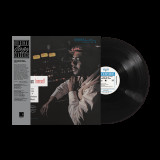
Released in 1957, Thelonious Himself is a solo album by Thelonious Monk. The only exception to this is the final track “Monk’s Mood”, where he is joined by John Coltrane and Wilbur Ware. The album was Monk’s fourth on Riverside and was given a coveted 5 stars by DownBeat magazine. This new edition of the album is released as part of the Original Jazz Classics Series on 180-gram vinyl pressed at RTI with all-analogue mastering from the original tapes at Cohearent Audio and a Stoughton Tip-On Jacket.
dovrebbe essere pubblicato su 28.03.2025

After a five-year absence following 2020’s creative elevator-punk explosion Roundelay, Ashley Eriksson, Eli Moore, and Andrew Dorsett of LAKE return with Bucolic Gone, a mature and polished album that is at once groovy, upbeat, meditative, and slow-rolled. As LAKE’s 10th official full-length release, Bucolic Gone is a cohesive work of sophisti-pop that embodies an adult, contemporary sound—intimate, serene, mournful, and hopeful in equal measure.
The multi-instrumental trio is joined by an impressive lineup of collaborators, including guest vocalists Nicholas Krgovich on “Glad Rags” and Daisy Jaberi of Suver with original lyrics on “Love Is Deeper.” Frequent contributors also make appearances: Karl Blau delivers standout shredding on “Ferrari,” Mark Buzard of The Format provides guitar textures across multiple tracks, and New York jazz musician Eric Vanderbuilt-Matthews contributes intricate woodwind arrangements. Steve Moore (Earth, Sunn O))),
First Aid Kit, Sufjan Stevens) adds trombone to “Love Is Deeper,” while legendary Canadian singer Jenn Grant lends her unique vocals to the outro of “Ferrari.” Recorded at The Anacortes Unknown Recording Studio by longtime collaborator Nicholas Wilbur and in the band’s own home studios, Bucolic Gone marks another step forward for Eli Moore in production and mixing. His meticulous attention to arrangement and balance—alongside an arsenal of distorted “whatchamacallits”—creates a rich, layered sound. Celebrating 20 years of ethereal, yearning pop songs, LAKE’s latest effort is their most produced but also most intimate album. Now signed to Don Giovanni Records, the band is ready to continue delivering jams. While the world has changed since LAKE’s last official release, Bucolic Gone shows that time has been on their side.
dovrebbe essere pubblicato su 07.03.2025

Recorded in 1957, this remarkable collaboration pairs Thelonious Monk’s angular piano style with Gerry Mulligan’s warm baritone saxophone. Backed by Wilbur Ware on bass and Shadow Wilson on drums, the quartet strikes a unique balance between Monk’s unpredictable harmonies and Mulligan’s melodic fluidity. Tracks like “Round Midnight” and “Straight, No Chaser” showcase their contrasting yet complementary approaches, blending complexity with swing. The interplay between Monk’s percussive chords and Mulligan’s smooth phrasing creates a dynamic, compelling listening experience. A jazz dialogue to savor.
dovrebbe essere pubblicato su 07.03.2025

The Numero Group guide to private issue new age. Featuring Laraaji, Iasos, Joanna Brouk, Don Slepian, Peter Davison, Master Wilburn Burchette, Jordan De La Sierra, David Casper, Robert Slap and 9 other pioneers of the Perrier underground. Adorned with Marcus Uzilevsky's Linear Landscapes, this 2xLP compilation is housed in a sturdy tip-on jacket and is accompanied by a 32-page booklet. The fourth world awaits.
Ordina ora e ordineremo l'articolo per te presso il nostro fornitore.

The Numero Group guide to private issue new age. Featuring Laraaji, Iasos, Joanna Brouk, Don Slepian, Peter Davison, Master Wilburn Burchette, Jordan De La Sierra, David Casper, Robert Slap and 9 other pioneers of the Perrier underground. Adorned with Marcus Uzilevsky's Linear Landscapes, this 2xLP compilation is housed in a sturdy tip-on jacket and is accompanied by a 32-page booklet. The fourth world awaits.
Ordina ora e ordineremo l'articolo per te presso il nostro fornitore.

Arthur Russell first visited The Gallery in 1976 with his then boyfriend Louis, who introduced him to Nicky Siano. Arthur became a regular at the space and one night as Siano was playing “Turn the Beat Around”, which had just been released, Arthur waved at him from outside the booth and asked to come in. Nicky opened the door and Arthur suggested they make a record like this together. This ended up being a huge step for Siano as it marked the first ever production by a DJ making a record from scratch.
Arthur had written a song and had an arrangement for it so they assembled a band featuring Wilbur Bascomb who was one of Nicky’s favorite bassists, as well as, Allan Schwartzberg, David Byrne, Miriam Valle, Peter Gordon and Peter Zummo who were all friends of Arthur’s. Russell played the cello and piano – and that was the band. They recorded throughout 1977 and the “Kiss Me Again” 12 inch was finally released in 1978 on Sire Records selling more than 300,000 copies.
Week–End Records is proud to release the first ever reissue by this outstanding disco production. Remastered from the original tapes. With liner notes by David Byrne, Nicky Siano, Peter Gordon and Peter Zummo.
Ordina ora e ordineremo l'articolo per te presso il nostro fornitore.

The Man With The Horn is the 1981 album by Miles Davis, which he recorded after persuasion by his nephew Vince Wilburn, a drummer in a Chicago group that played music that combined funk, soul, and fusion jazz. Miles also met the saxophonist Bill Evans, the bass guitarist Marcus Miller and called the drummer Al Foster. The studio result was a hybrid record, divided between the Chicago group’s pieces that he himself referred to as “bubble gum music” and a very free jazz-rock. However, it's less somber and dense than the damp jungles he wandered through without direction during the 1970s. The hit “The Man With The Horn” and its sugary-sweet refrain received a lot of airplay on FM stations. Jazz lovers, rejoicing in Miles’ return, delighted in the rest of the repertory. But it was Mike Stern’s incandescent solo on “Fat Time” that everyone relished. The Man With The Horn is available as limited edition of 1500 individually numbered copies on gold and black marbled vinyl.
dovrebbe essere pubblicato su 27.09.2024

Are you a mannequin in the eyes of your beloved? Does your partner compare your relationship to a factory that emits plumes of smoke? Are you in love with a seductive and destructive Credit Default Swap? Someone who sucks you in with skyrocketing short term erotic returns - only to ghost you until you crash so hard that you end up broke(n) in your own bed? Do you pay $300 an hour out of pocket to a psychiatrist who promises to help you strike a deal with a difcult parent - one that will produce more stable long term returns on your psychic investments? If so, then you, my friend, may be drowning in the sea of Love in the Time of Capital. It's where everyone would love to drown. It's a new album from John Davis of The Folk Implosion that fnds him backed with confdence by Eli Moore and Andrew Dorsett of the indie pop band Lake. It was recorded by Nich Wilbur at the Unknown, a cavernous recording studio in Anacortes, WA that has been a favorite destination for indie rockers around the nation. Ben Brodin recorded Megan Siebe playing strings on two tracks at his Hidden Branch studio in Omaha, and the album was mixed by Scott Solter in Durham NC. Arrangements are based on the classic power pop trio of drums, bass and electric guitar. Those elements are tastefully embellished with organs and pianos that call to mind records by classic rock bands like Tom Petty's Heartbreakers. That is, if the Heartbreakers were fltered through the Northwestern International Pop Underground tradition, and cast a critical eye on how commodity culture shapes the way we think of ourselves and our intimate relationships. The album also features four ballads, three drum and electric guitar free, for all you late night introspective heads.
dovrebbe essere pubblicato su 09.08.2024

dovrebbe essere pubblicato su 26.07.2024
Decoy is a 1984 album by the famous jazz musician Miles Davis, recorded in 1983. Robert Irving III on keyboards took over the role that Miles had assumed with a true sense of harmony and only a rudimentary mastery of synthetic sounds and movements. Irving shared the responsibilities of directing with the trumpet player’s nephew Vince Wilburn, Jr., but Al Foster continued to lead the tempo. John Scofield drew the funk of bassist Darryl Jones in the direction of chromatic abstraction. The two tracks that he co-wrote with Miles are fragments of solos: “That’s What Happened” reprising the beginning of his solo on “Speak” (Star People). Decoy offered a good balance between the dominant funk that subsequently took over and the jazz tradition, reflected by Scofield’s angularities, Marsalis’ freedom of tone and the breath of Miles’ playing that had recovered its full power. Decoy is available as a 40th anniversary edition of 2000 individually numbered copies on smokey coloured vinyl, housed in a gatefold sleeve.
dovrebbe essere pubblicato su 19.07.2024

Opaque Red Vinyl. California mail-order mystic Master Wilburn Burchette was first known from his ads, hidden in the back pages of Fate Magazine, Beyond Reality, and Gnostica News. On his 1972 sophomore album, Burchette channels dreamy early music, druid folk, electric fingerstyle, psychedelic balladry, and new age ontology to create a visionary guitar technique all his own. This faithful reproduction includes the original 12-page full color instruction book for the secret method of piercing the psychic heart.
dovrebbe essere pubblicato su 14.06.2024

Self-examination via the synthesizer from California's mysterious mail order mystic. 1976's Transcendental Music For Meditation is Burchette's deepest exploration with the karmic keyboard. As Burchette warned: Please do not listen to this album until you have prepared yourself!
dovrebbe essere pubblicato su 14.06.2024

Seven fretboard fantasias from California's mysterious mail order mystic. 1973's Guitar Grimoire is a collection of reverberant and original charms establishing Burchette as the white wizard of tremolo theurgy. Warning: Psychic energy shift probable!
dovrebbe essere pubblicato su 14.06.2024

Seven fretboard fantasias from California's mysterious mail order mystic. 1973's Guitar Grimoire is a collection of reverberant and original charms establishing Burchette as the white wizard of tremolo theurgy. Warning: Psychic energy shift probable!
dovrebbe essere pubblicato su 14.06.2024

On 1977's Mind Storm, the final album made prior to his emphatic retirement, Burchette employed "pink sound," a phenomenon known in acoustical science to open the mind to thrilling psychic revelations, setting down two side-long pieces forming a reflecting crystal ball for squalls of deep br ain imagery.
dovrebbe essere pubblicato su 14.06.2024
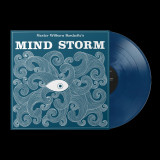
On 1977's Mind Storm, the final album made prior to his emphatic retirement, Burchette employed "pink sound," a phenomenon known in acoustical science to open the mind to thrilling psychic revelations, setting down two side-long pieces forming a reflecting crystal ball for squalls of deep br ain imagery.
dovrebbe essere pubblicato su 14.06.2024

Supernatural meditation, with a drum machine, from California's mysterious mail order mystic. 1975's Music Of The Godhead is the ambient alchemy that established Burchette as the white wizard of tremolo theurgy. Warning: Inner peace lik ely!
dovrebbe essere pubblicato su 14.06.2024

Supernatural meditation, with a drum machine, from California's mysterious mail order mystic. 1975's Music Of The Godhead is the ambient alchemy that established Burchette as the white wizard of tremolo theurgy. Warning: Inner peace lik ely!
dovrebbe essere pubblicato su 14.06.2024

Self-examination via the synthesizer from California's mysterious mail order mystic. 1976's Transcendental Music For Meditation is Burchette's deepest exploration with the karmic keyboard. As Burchette warned: Please do not listen to this album until you have prepared yourself!
dovrebbe essere pubblicato su 14.06.2024

Starting out as the Masterettes, a girl group formed by high school friends Brenda Reid, Carol Johnson, Lillian Walker and Sylvia Wilbur, the group switched focus and changed name after Wilbur was replaced by Brenda Reid’s husband, Herb Rooney, their breakthrough hit ‘Tell Him’ appearing in 1963 after Leiber & Stoller took charge. 1971’s Black Beauty, produced by Rooney, continued the post-L&S journey via the group’s own take of funky and melodic soul, approaching the style of the Staples Singers with plenty of emotive harmonies. If you like your soul switched on, hard-hitting and individual, you need Black Beauty in your collection.
dovrebbe essere pubblicato su 30.04.2024

The Exciters began as the Masterettes, a girl group formed by high school friends Brenda Reid, Carol Johnson, Lillian Walker, and Sylvia Wilbur. A single was cut for Brooklyn’s Le Sage label before Wilbur was replaced by Brenda’s husband, Herb Rooney, and after auditioning for Leiber & Stoller, the Exciters recorded the international smash ‘Tell Him’, a song so popular that it spawned foreign language renditions. Our edition of this marvellous debut LP includes the spectacular follow-up hit, ‘Do Wah Diddy,’ another immortal nugget of irresistible pop soul. Bright, light grooves for your dancing feet!
Questo articolo non è stato ancora rilasciato. È possibile pre-ordinare il prodotto ora.

Sparky Deathcap AKA Los Campesinos! multi-instrumentalist R N Taylor is the first to admit he’s an unlikely candidate for viral stardom. And yet, almost 15 years on from his final EP, Taylor’s alt-folk solo project is now getting a much-deserved reappraisal, entrancing a whole new generation of listeners. Championed by prominent Twitch streamer/YouTuber Wilbur Soot, his beautifully bruised pocket symphony ‘September’ has racked up over 36m streams on Spotify and soundtracked more than 750,000 creations on TikTok. Now, Los Campesinos!’s own indie imprint Heart Swells are delighted to release a newly mixed edition of its parent EP, Tear Jerky. Musically, you can trace the influence of Phil Elverum’s Microphones, of Magnolia Electric Co and Sufjan Stevens, and of Ys-era Joanna Newsom. From the beautifully lo-fi baroque-pop of ‘Glasgow Is A Punk Rock Town’ to ‘Send It To Oslo’s’ maximalist mix of analogue sounds, these ambitious yet intimate compositions prove the perfect foil for deeply autobiographical tales of heartbreak and recovery.
Questo articolo non è stato ancora rilasciato. È possibile pre-ordinare il prodotto ora.

Emmy-winning comedian, actor, writer, and producer Sarah Silverman returns with her first comedy special since 2013’s acclaimed Sarah Silverman: We Are Miracles. Recorded at The Wilbur Theater in Boston, Sarah Silverman: Someone You Love features the New England native showcasing her fearless chutzpah. Originally premiered on MAX on May, the special is now being made available on audio streaming services with a vinyl and CD release to follow.
dovrebbe essere pubblicato su 15.12.2023

180g virgin vinyl limited edition of 750 copies only - the complete album + 3 bonus tracks Once billed as "Europe's First Lady of Jazz," Dutch singer Rita Reys (1924-2013) was a legend overseas during the second half of the 20th century, and certainly one of the top European jazz singers. The LP 'The Cool Voice of Rita Reys'(considered her best record ever) presents her backed on one side by a band led by her husband, drummer Wessel Ilcken, and on the other side by Art Blakey's Jazz Messengers in two manifestations of the band featuring Donald Byrd, Hank Mobley, Horace Silver, Kenny Drew, Wilbur Ware, and others.
dovrebbe essere pubblicato su 27.11.2023
