Buscar:volk

Estilos
Todo
Johannes Volk - Lightweave

The second outing of Johannes Volk for Running Back picks up, where Extra Dimensions left us: traditional techno components, an inclination for melodies, 80s electro(nic) pop and aesthesia for ecstasy. Something for everyone’s taste and nothing tacky.
Lightweave is like the conversation that Giorgio Moroder and Wolfgang Voigt never had („I Feel Sägezahn“). With a power plant of a bass line that’s pretty much all you need.
The direct connection to the EPs artwork is Cubistic Pathway. Painted with acryl on canvas as a birthday present, it’s like the title tracks little and playful brother and a homage to 16bit platform games like Turrican or Contra.
Fragments of Moments is the sort of piano-not-piano-house stomper that classic techno DJs love, while Sense of Wonder is one of those songs without vocals that appeals to 80(8)s-kids and their offspring.
Last but not least, Emotional Message and its hypodermic breakbeat dates back to 2011, wears the heart on the sleeve, and screams tearjerker, bear hug or elevation. If you can’t get enough of that, there are three digital bonus tracks, that mix, re-mix and fixate the topics you just read about. Volk’s populi!

Disponible

En el almacen y preparando para el envío

KLEIN VOLK - IN WEELDE VERBRAST

Seven years after their debut ‘Gulden Onversneden’, Klein Volk once again puts bread on the table with ‘In Weelde Verbrast’, a tribute to the important afterthoughts of everyday life in times of utter seriousness. Amidst the vestiges of things taken for granted, Klein Volk felt the need to take root and delicately tend to their kinds of whim and naïveté - all balanced out in a garden of opportunity, for seasons to come.
Klein Volk is Marie Baeke, Timo Bonneure and Wesley Buysse.

Reservar30.03.2026

debe ser publicado en 30.03.2026

Volk Soup - 10p Jazz LP

The record captures the raw electricity of their live performances while revealing surprising moments of melody and restraint. Tracks like "Bastard," "Reptilian Brain" and "Professionalism Debunked" showcase the band's volatile edge, while "Holy Building Tourist" offers a brief but memorable shift in tone. The result is a cohesive and unpredictable debut that positions Volk Soup as one of the most inventive underground bands emerging from Leeds

Reservar16.01.2026

debe ser publicado en 16.01.2026

Volk Soup - Incompetent Hits: The Singles Vol . 1

Gathering Volk Soup’s early singles and B-sides, Incompetent Hits is a sordid encapsulation of the band’s early sound. While showing signs of their gradual escape from genre, this compilation pins down the raw energy the band are known for and offers up a mix of instinctive punk naiveté and ambitious bravura.

Reservar31.01.2025

debe ser publicado en 31.01.2025

Johannes Volk - Inner Fusion

Syncrophone Records unveils the sonic mastery of Johannes Volk with his thrilling new EP, "Inner Fusion." Available as a limited edition marbled 12'' vinyl, this collector's gem features four groundbreaking tracks that redefine techno.Volk guides listeners through a realm of pulsating rhythms and mesmerizing soundscapes, demonstrating his exceptional production prowess. "Inner Fusion" is an essential addition for any electronic music aficionado in search of innovative and cutting-edge sounds.

No en stock

Haga su pedido ahora y le encargaremos el artículo en nuestro proveedor.


Ültimo hace: 21 Días
Johannes Volk - Mutable Motor Units

We have the honour to welcome the German based Johannes Volk. Johannes debuts on Eternal Friction Records with a 4 track EP called "Mutable Motor Units". The result is a powerful EP, that clearly demonstrates Johannes Volk unique and personal approach to techno.

"Mutable Motor Units" is filled with powerful grooves, smooth leads and uplifting rhythms. We're very happy to welcome Johannes Volk to Eternal Friction Records. Who knows what the future will bring us. Hopefully these banging tunes can destroy some dancefloors.

No en stock

Haga su pedido ahora y le encargaremos el artículo en nuestro proveedor.


Ültimo hace: 2 Años
Takashi Kokubo - Digital Soundology #1 Volk von Bauhaus

Ambient and environmental Japanese scene has flourished stronger than ever in the last years. The pioneers of this sound and the creators of an innovative way of making and understanding ambient music, such as Hiroshi Yoshimura, Yoshio Ojima, Toshifumi Hinata or Takashi Kokubo have been championed and their works have been successfully unearthed by reissue labels.

Continuing in this endless path, Glossy Mistakes adds Takashi Kokubo’s brilliant “Volk Von Bauhaus” to its catalogue, with the Japanese masterpiece as the third official release of the Spanish label.

As most of 80’s Japanese ambient and environmental music, “Volk Von Bauhaus” is an audio impression designed to give a multi-sensory experience to the listener. An effort to make things audible, an exercise of understanding and soundtracking objects or situations. The main objective of this sound is to create an iconic musical landscape to accompany a specific place.

Though his name might be unfamiliar to many, Kokubo has crafted music that has impacted virtually all of Japan, from national mobile phone earthquake alerts to contactless card payment jingles. He was one of the first artists to create ambient music strictly through loops. As he mentioned when release this album, "this recording used no keyboard players, no multitrack tape recording techniques, no analog sounds”. A shift on the process of imagining sound.

“Volk Von Haus” is and ode to this ambient, new age and environmental music created in Japan throughout the 80’s. Throughout 9 cuts, Kokubo handcrafts his own sound and immerses the listener in a peaceful yet challenging adventure. The record is the first piece of his Digital Soundology series, and arguably his most interesting work due to the groundbreaking techniques he used.

"A revolutionary musical expression that shatters the old values”, explains Kokubo about this piece. And its just what we can hear when we play “Volk Von Haus”.

The album includes an unheard exclusive track by Takashi Kokubo an insert with an interview made by Takashi Kokubo. A true gem that must land in every ambient head’s musical library.

Remastered from master tapes by Frederic Stader.

No en stock

Haga su pedido ahora y le encargaremos el artículo en nuestro proveedor.


Ültimo hace: 5 Años
Johannes Volk - Soldered Minds

After contributing with a remix in 2018, made of concrete invite Johannes Volk for a full-length artist release. A scene veteran, Volk is known for his releases on Jeff Mills’ Axis Records, Patrice Scott’s Sistrum or Steffi’s Dolly imprint or for his live appearances in staple clubs Berghain, Tresor, Panorama Bar, Golden Pudel, or Corsica Studios to name a few.

Opener 'Soldered Minds' introduces a dense, energy-filled dynamic that’s both impactful and intriguing. Label chiefs Rebar give the track a 'Hum' remix treatment, adding layers of sizzle and flow that transform it into an afterhours-ready alternative. Undulating basslines stand at 'Magma In Slo-mo’s base, a track that offers a solid anchor and great tool for the dancefloor. The haunting, glitch-laden 'Asphalt Flowers' brings unpredictability with its jittery, uneasy atmosphere that, if played at the right time, is the perfect trigger for a descent into dance delirium.

No en stock

Haga su pedido ahora y le encargaremos el artículo en nuestro proveedor.


Ültimo hace: 4 Años
Johannes Volk - Cybernetic Ambush

Exploration is back! Johannes Volk continues the journey with a new 4 track EP on his own imprint. The title track is a long upbuilding peak time smasher with strong reminiscences of early Detroit Techno. A2 delivering raw and dirty machine madness with a subtle bleep funk around stomping drums. The flip side comes with 2 driving Dub Techno tracks, filled with heavy bass, emotional soundscapes and an complex sound architechture.

No en stock

Haga su pedido ahora y le encargaremos el artículo en nuestro proveedor.


Ültimo hace: 5 Años
Tristan Kino - Nastrond Ep (feat Johannes Volk Remix)

Tristan Kino releases his first vinyl EP on Short Black. 2 original deep techno weapons with a remixed dancefloor work out from Johannes Volk (Exploration Records) Having released on labels such as Tief, Dolly, Token & Suburban Avenue to name a few Johannes really step in to a full club sound. Driving and perfectly arranged for busy floor. Tristan Kino's originasl need no words. We are very happy to have them both on the label. Support local record stores, support techno!

No en stock

Haga su pedido ahora y le encargaremos el artículo en nuestro proveedor.


Ültimo hace: 8 Años
Johannes Volk - Mutual Codes 2x12

After 5 years of Exploration, it's time for the first album on the label. Johannes Volk proudly presents Mutual Codes, a conceptual album which contains 12 tracks between detroit infected techno and experimental classical compositions. Colourful synth adventures which take you on a journey to far away galaxies and beyond.

No en stock

Haga su pedido ahora y le encargaremos el artículo en nuestro proveedor.


Ültimo hace: 5 Años
Johannes Volk - Hydrofunk Ep

Volf's second EP for Dolly and it's on! Two fierce but club friendly rolling techno tracks featuring an epic Luke Hess remix. With their warm and euphoric chords 'Hydro Funk' and 'Shadow Section' will take you right back to the golden days of techno, reminding a bit of Aril Brikha and the likes. Detroit's Luke Hess on remix duties takes 'Hydro Funk' into even deeper territories. An hypnotic and melancholic, yet very driving detroit techno tool. Pure bliss on Dolly number 23.

No en stock

Haga su pedido ahora y le encargaremos el artículo en nuestro proveedor.


Ültimo hace: 9 Años
Johannes Volk - The Awakened Guardians

It's time to turn on the Strobe Lights and the Fog Machines! Exploration and Johannes Volk return with - The Awakened Guardians'. The title track on the A side sends you on a 7 minutes long journey, filled with a merciless bass, heavy dubs and a sinister atmosphere.
The B side starts with - Arcane', beginning with a simple groove and evolving into a complex synth monster. Last but not least we have - Indestructible', the track builds on subtle hi-hats, snare staccatos and a massive bass.

No en stock

Haga su pedido ahora y le encargaremos el artículo en nuestro proveedor.


Ültimo hace: 6 Años
Various - Genesis Tracks

Various

Genesis Tracks

12inchSIS022
Sistrum
19.11.2021

Sistrum ventures ever deeper into the cold, dark nights of winter, conjuring the hidden warmth that lies within each waveform. Genesis Tracks showcases a collection of deep techno talents who aren't afraid to stand their ground for purity of sound.
Track 1 - Modular One - Quasar
Chris Mitchell teams up with label boss, Patrice Scott for a lush, hypnotic groove of classic proportions. Warm square wave tones pulsate and crisp chord stabs shimmer as they punctuate the atmosphere. Sistrum sound, through and through.

Track 2 - Johannes Volk - Steam
Johannes Volk ups the tempo a bit to create a dirty, driving dancefloor number with Steam. Maintaining the Sistrum tradition of raw, no-nonsense techno music with depth, texture and soul, Johannes Volk makes his case eloquently through the use of rolling bass and slowly modulated chords.

Track 3 - Marco Zenker - Second Sight
Deeper yet we go, as Marco Zenker proceeds into the darkness with the booming, reverbed kicks of Second Sight. Slowly evolving synth textures rise and undulate, meshing with the rugged rhythm section to form a powerful groove that can only be defined as 'techno soul.'

Track 4 - Sharif Anderson - Future Acid Test
Closing the EP, Sharif Anderson offers his forward thinking take on the traditional acid motif. As the title implies, the sound is futuristic, but still retains the simple subtleties of yore. Give this track a proper sound system and watch it come alive before your ears.

No en stock

Haga su pedido ahora y le encargaremos el artículo en nuestro proveedor.


Ültimo hace: 4 Años
Kaiser (Italy) - Debris EP

Kaiser(Italy)

Debris EP

12inchMOC017
Made Of Concrete
25.05.2018

Italian club staple and producer Kaiser turns to MOC for his Debris EP, showcasing three agile Techno slices and a remix from Exploration Records chief Johannes Volk.

'Parachute' opens up the release in a spellbinding, energy-heavy manner, with its whirlwind groove and lead taking no prisoners. Next up is 'Debris', showing off an equally energetic prowess channeling zig zagging synths and a more melodic, yet still heavy strung bassline. 'Esplosione Di Colori', translated as 'color explosion' aptly translates into sound what is usually only possible for a paint canvas. A lighthearted, arpegio-ridden track in original, Johannes Volk works his magic, turning it into a versatile piece of raw, dubby Techno.

No en stock

Haga su pedido ahora y le encargaremos el artículo en nuestro proveedor.


Ültimo hace: 6 Años
Loom & Thread - Dispersion (LP)

Loom & Thread

Dispersion (LP)

12inchMACROM83
Macro Recordings
17.04.2026

With Dispersion, Loom & Thread return to the volatile architecture of the expanded piano trio - and quietly fracture it from within.

Daniel Klein (drums), Tobias Fröhlich (double bass) and Tom Schneider (keys, sampler) remain the sole agents on stage and in the final recording. The triangle holds. And yet, the field has expanded. For their second studio album, the trio fed their improvisations with the timbral signatures of guest saxophone and vibraphone players - not just as additional voices to be featured, but also as material to be absorbed, atomized and redistributed. The result is not augmentation but thorough refraction.

Where the debut album explored the recursive labyrinth of Schneider's live sampling of his own piano, Dispersion introduces an external grain into the feedback system. Breath and metal. Reed turbulence and struck resonance. The trio sampled extended improvisations by saxophone and vibes players: Victor Fox, Asger Nissen, Volker Heuken, and L&T's own Daniel Klein; dissected their attacks, overtones and decay curves, and integrated these fragments into the trio's internal circuitry. What emerges is a play of presences without bodies - instrumental ghosts circulating through the dense weave of rhythm and keys.

At first, one might hear the familiar relational tension: Klein's polyrhythmic elasticity interlocking with Fröhlich's tensile double bass figurations, Schneider poised at the hinge between tonal field and percussive impulse. But soon, the surface splinters - again. A vibraphone shimmer appears, yet no mallets are visible. A reed multiphonic surges through the texture, bending space between bass and drums. These events are neither quotations nor overlays; they are redistributed energies, dispersed across the trio's grammar. A digital multidimensional interplay ensues.

If the first album unfolded as a two-tiered game - live phrase and sampled reflection - Dispersion adds a further axis. The sampled materials from other improvisers are stripped of their erstwhile two-way interaction and reconstituted as malleable particles. Signifier detached from origin, resonance detached from gesture. The trio navigates a constantly shifting topology in which acoustic memory and electronic manipulation are indistinguishable.

Crucially, the album never abandons the physical urgency of three musicians reacting in real time. The additional timbral layers do not thicken the texture into opacity; rather, they introduce stark points and arrows of diffraction. Density opens into prismatic clarity. Lines splinter and regroup. What seems like a quartet or quintet collapses back into three bodies negotiating an expanded field.

Dispersion is not about addition but about distribution - of agency, of timbre, of temporal perspective. It is an album in which the trio setting becomes a site of multiplicity without surrendering its immediacy. A dissolution not only of the divide between present experience and memory, but between inside and outside, self and other.

Three musicians. Countless vectors. A music that fractures in order to cohere.

CREDITS:
Tom Schneider: piano & sampler
Tobi Fröhlich: double bass
Daniel Klein: drums & percussion

sample sources:
Victor Fox: tenor saxophone
Asger Nissen: alto saxophone
Volker Heuken: vibes
Daniel Klein: vibes

Recorded by Martin Dressler at Bauer Studios, Ludwigsburg.
Mixed & mastered by Martin Ruch.
Artwork by Viet Hoa Le.

Reservar17.04.2026

debe ser publicado en 17.04.2026

DIE KASSIERER - HABE BRILLE
  • 1: Im Jenseits Gibt Es Kein Bier
  • 2: Amerikanisches Intro
  • 3: Frau Bayersdorf
  • 4: Mein Vater War Ein Hurenbock
  • 5: So Leb Dein Leben
  • 6: Älterer Herr
  • 7: Ich Bin Jesus Und Kann Alles
  • 8: Außerirdischer, Wo Befindet Sich Dein After?
  • 9: Mit 'Nem Zeppelin Durchs Jenseits
  • 10: Frauenarzt
  • 11: Wenn Das Wasser Der Ruhr
  • 12: Deutsche Polizisten
  • 13: Ich Töte Meinen Nachbarn Und Verprügel Seine Leiche
  • 14: Menschenkatapult
  • 15: Überall Blühen Rosen
  • 16: Mach Die Titten Frei, Ich Will Wichsen
  • 17: Kein Geld Für Bier
  • 18: Kommandant Ashtar's Grußworte
  • 19: Proletentechno
  • 20: Habe Brille

Das dritte Album der Kassierer von 1996 ist wieder auf Vinyl erhältlich, Nachpressung von 500 Stück! "Habe Brille" ist benannt nach einem Stück aus einer Operette von Jacques Offenbach und der Titel deutet schon an, wohin die musikalische Reise geht: Es wird ein weiter Bogen geschlagen von der Klassik (hier brilliert Wölfi mit einem a capella Solo über acht Oktaven), Big Band-Einspielungen bis zu düsteren technoiden Maschinenklängen, wobei das Hauptgewicht selbstverständlich auf solidem Punkrock liegt. Die Kassierer überraschen mit ihren virtuos eingespielten Liedern auch verwöhnte Ohren und strafen all die Lügen, die ihnen musikalische Kompetenz absprechen wollen. Was wie ein Streifzug durch die Musikhistorie wirkt, bringt kurz vor der Jahrtausendwende die Vielfalt und Beliebigkeit aller Stile auf den Punkt und liefert nicht mehr und weniger ein Stück Zeitgeschichte. Dabei bleiben die vielen Ohrwürmer sofort im Gedächtnis und laden zum spontanen mitsingen ein. Das große Plus der Band liegt in ihrer konsequenten Konzentration auf die deutsche Sprache, deren Vielfalt sie tiefer ausschöpfen als jede andere Gruppe der Gegenwart. Die Musik der Kassierer läßt den Hörer niemals kalt, sie packt ihn, entwickelt ihre dämonische Kraft und läßt den Hörer als einen anderen zurück. Hier werden Grenzen der Wirklichkeit verzerrt und verschoben, hier wird die realität neu zusammengezimmert. "Habe Brille" bildet die Größe und die Ungeheuerlichkeit der Welt auf musikalische Weise ab. Die Kassierer sind Visionäre und Propheten des dritten Jahrtausends, sie sind Menschen von übermorgen, die mitten unter uns leben. "Nennt es infantil, nennt es genial, scheißegal, die KASSIERER kümmern sich einen Dreck drum - Hauptsache, es wird reagiert. (...) Musikalisch sind die KASSIERER hier unbestritten in Höchstform: von Swing über Volksmusik bis hin zu ihrem altgewohnten Primitiv-Punk ist alles dabei." - Ox-Fanzine / Ausgabe #24

Reservar17.04.2026

debe ser publicado en 17.04.2026

Various - Tchic Tchic: French Bossa Nova 1963-1974  Colored Edition LP 2x12"
  • A1: Les Masques - Il Faut Tenir (1969)
  • A2: Isabelle Aubret - Casa Forte (1971)
  • A3: Christianne Legrand - Hlm Et Ciné Roman (1972)
  • A4: Jean Constantin - Pas Tant D'chichi Ponpon (1972)
  • A5: Billy Nencioli & Baden Powell - Si Rien Ne Va (1969)
  • B1-: Marpessa Dawn - Le Petit Cuica (1963)
  • B2: Jean-Pierre Sabar - Vai Vai (1974)
  • B3: Sophia Loren - De Jour En Jour (1963)
  • B4: Isabelle - Jusqu’à La Tombée Du Jour (1969)
  • B5: Sylvia Fels - Corto Maltesse (1974)
  • C1: Frank Gérard - Comme Une Samba (1972)
  • C2: Ann Sorel - La Poupée Des Favellas (1971)
  • C3: Charles Level - Un Enfant Café Au Lait (1971)
  • C4: Andrea Parisy - Les Mains Qui Font Du Bien (1970)
  • C5: Audrey Arno - Quand Jean-Paul Rentrera (1969)
  • C6: Aldo Frank - T’as Vu Ce Printemps (1970)
  • D1: Christianne Legrand - Cent Mille Poissons Dans Ton Filet (1972)
  • D2: Clarinha - Lemenja (1970)
  • D3: Hit Parade Des Enfants - Aquarela (1976)
  • D4: Jean-Pierre Lang - Tendresse (1965)
  • D5: Magalie Noël - Une Énorme Samba (1970)
  • D6: Françoise Legrand - La Lune

Ever since the late 1950s bossa-nova revolution, Brazil’s influence on French music has been undeniable. Pierre Barouh, Georges Moustaki and a vast array of lesser known artists, all made the Musica Popular Brasileira (MPB) an axis of promotion at the service of a cool and metaphysical, modern and mixed Brazilian lifestyle. Some were seduced by the poetic languors of the bossa, some were looking for fun, and others just loved the American hybridization of jazz-bossa, jazz-samba.


What is bossa nova? One of its creators, Joao Gilberto said: "Its style, cadence, everything is samba. At the very start, we didn't call it bossa nova, we sang a little samba made up of a single note - Samba de uma nota so .... The discussion around the origins of bossa nova is therefore useless”. It is nevertheless useful to remember that these magnificent Brazilian songs, which the guitarist describes as samba, were shifted and balanced around improbable chords. "I like things that lean, the in-betweens that limp with grace," said Pierre Barrouh, quoting Jean Cocteau.


With emotion, arrangements for violin and supple guitar licks, bossa nova rapidly changed. A transformation that can be heard in the Tchic, tchic, French Bossa Nova 1963-1974 compilation, the result of a cultural reappropriation, which traveled through the United States and supplemented itself in France.

A musical revolution that has remained significant, bossa nova was born in Rio. From 1956 to 1961, Brazil lived through its golden years. In five years, the country had invented its modernist style. Elected president in 1956, Juscelino Kubitschek de Oliveira, an elegant man with a broad forehead, brandished a promising slogan: "Fifty years of progress in five years". He quickly got to work. Not worried about increasing debt, he launched the project for a new federal capital, Brasilia, designed by the communist architect Oscar Niemeyer. Volkswagen opened state-of-the-art factories and created the “fusquinha”, the Beetle. In Rio, the Vespa made its first appearance. The Arpoador Surf Club crew run into the “girl” from Ipanema, Helô Pinheiro - the tanned garota ("chick"), between a flower and mermaid, who at 17 walked by the Veloso bar, where the fiery author and composer, Tom Jobim and Vinicius de Moraes, were getting drunk on whiskey. From then on, bossa symbolized cool.

In 1958, Joao Gilberto recorded Chega de Saudade, which the directors of Philips denied, calling it "music for fagots". The marketing director, who believed in it, secretly pressed 3000 78-inch vinyls and distributed them at schools around Rio, creating a tidal wave.

American jazzmen then took over. In particular, trumpeter Dizzy Gillespie and guitarist Charlie Byrd. In November 1962, the Brazilian Ministry of Foreign Affairs funded a "Bossa-Nova" concert at Carnegie Hall in New York, inviting the genre’s pioneers. Unprepared, the show soon turned to disaster. But the troupe was invited to the White House by Jackie Kennedy. The first lady loved "the new beat" and in particular Maria Ninguem, a song by Carlos Lyra, later covered by Brigitte Bardot.

In Brazil, the 1964 military coup quickly ended this euphoria. The destructive atmosphere that ensued pushed many Brazilian musicians to leave, if not to exile. Thus, Tom Jobim, Sergio Mendes and Joao Gilberto arrived to the United States. In New York, Joao Gilberto met saxophonist Stan Getz. At the time, he was married to the Bahianese Astrud Weinert Gilberto, who had a German father. She had never sung before, but she knew how to speak English. Getz therefore asked her to replace her husband on The Girl From Ipanema. The Getz/Gilberto record with Tom Jobim on piano, was released in March 1964. Phil Ramone, the "pope of pop" was in charge of sound.

Bossa nova arrived in Paris through the classic “guitar-voice” channel (Pierre Barouh, Baden Powell, Moustaki…) But France loved jazz and Paris had already welcomed its American contributors. All these good people were to pass through Saint-Germain-des-Prés. The cabaret l'Escale became the Mecca of Latin American sound where one could find Pierre Barrouh and his friends, such as the Camara Trio, samba-jazz aces, whose only record was published by the Saravah label. With a band strangely called Les Masques (a band that included Nicole Croisille and Pierre Vassiliu, among others), the Camara Trio recorded an interesting Brazilian Sound, including the track Il faut tenir which is present on this tasty compilation of rarities.

Other enlightened musicians can also be found on the compilation, such as Jean-Pierre Sabar (songwriter for Hardy, Auffray, Leforestier ...) and the French pop rock organist Balthazar. In 1975, Sabar recorded Aurinkoinen Musiikkimatka on a Finnish label, which featured the crazy Vai, Vai, included on this record. We are now following the footsteps of Brazilian electronic musicians such as Sergio Mendes, Eumir Deodato or Marcos Valle who created funk and disco sounds on their keyboards and synthesizers. A style that influenced Véronique Sanson when she wrote Jusqu’à la Tombée de la nuit in 1969 for Isabelle de Funès, the niece of Louis and a great friend of Michel Berger - Sanson did end up singing this track on her 1992 Sans Regret record.


The pinnacle of exoticism and travel, Sylvia Fels’ Corto Maltese includes bongos, sea mist and ocean sounds. The title was taken from Jacky Chalard’s concept album written in 1974, Je suis vivant, mais j’ai peur (I am alive, but I am scared), based on Gilbert Deflez’s science fiction novel.


However, bossa nova extended the scope of popularity. "In the 1970s, I was a fan of Sergio Mendes, Getz / Gilberto. I fell in love with this music that I knew because I had been an orchestral singer, " explained Isabelle Aubret, who in 1971 delivered a composite record of covers by the very funky Jorge Ben, Orfeu Negro, Tom Jobim, Vinicius de Morais and Jean Ferrat. "I recorded this album for Meys Records in Paris, far from Brazil, with wonderful musicians, François Raubert, Roland Vincent, Alain Goraguer...". The latter wrote the arrangements for Casa Forte, a very percussive title borrowed from Edu Lobo, one of the initiators of the bossa who spent time in California. "Jazz and bossa came together and produced very rhythmic music. I love singing, it allows me to dream, to have fun, to feel a high on stage, and these songs brought me joy, made me swing, my singing felt like a dance.”


The world tours of French singers and their desire for the tropics, often brought them to Rio with its hills, forests, caipirinhas and tanned bodies. There are surprises though, like this Iemenja (Iemenja is the goddess of the sea in the Afro-Brazilian candomblé religion). Not unlike the composer and musician Jean-Pierre Lang, based in Sao Paulo, Claire Chevalier taught Brazil to Brazil. In 1970, the singer and painter published a 45-inch vinyl, Mon mari et mes amants (My husband and my lovers), under the improbable pseudonym of Clarinha (little Claire). She was then living in Rio, with her husband, Joël Leibovitz, who founded a band called Azimuth, and who owned a record label specialized in "sambas enredos" songs for samba school parades.


For its B side, she asked Pierre Perret to come up with lyrics for a song composed by Carlos Imperial: "Oh goddess of the sea, o goddess Iemenja, I bring a white rose to adorn your long hair ..." . "Perret came to see us, and we had fun, remembers Joël Leibovitz. We wrote Lemenja for fun, we recorded it at the Havaí studio, behind the Central do Brasil the central station. Erlon Chaves, the arranger who worked with Elis Regina, joined us" adding his share of Afro-Brazilian percussions and funky brass to the mix.

There is a common misunderstanding in Franco-Brazilian history: that bossa, admittedly hedonistic, is perceived as funny, even though the poets who wrote the texts are often philosophizing on the human condition. Its French interpreters pull it towards a carnival inspired universe, far removed from its fundamental essence. Thus, Jean Constantin covered the famous Samba da minha terra, an ode to the art of samba written by the classic Bahian composer Dorival Caymmi, renaming it with the enticing title of Pas tant de tchi tchi pompon: "On your pier there is no tchi tchi / when you arch your back, you know everything is alright ”(lyrics by Gérard Calvi). This expedited bossa aims for the absurd, but retains a certain elegance.

Indeed, Jean Constantin was not an idiot, the rather large man had a huge mustache and liked fantasy, (Les pantoufles à papa, Le pacha, inspired by cha-cha-cha-cha, salsa and jazz) but he was also the lyricist of Mon manège à moi interpreted by Edith Piaf, the composer of Mon Truc en plume by Zizi Jeanmaire and the soundtrack of François Truffaut’s 400 Blows. Le Poulpe, published in 1970, from which this bossa is extract, was arranged by Jean-Claude Vannier, an accomplice of Serge Gainsbourg’s Melody Nelson. In short: "There is enough of samba / By looking at the parasol / Because my poor cabeza / Is going to die in the sun".

Even the American actress Marpessa Down, who was at the heart of the bossa nova revolution with her role as Euridyce in Marcel Camus’ film Orfeu Negro, winner of the 1959 Cannes Palme d'or, fed the clichée with Je voudrais parler au petit cuica - "Tell me how you manage to always make people want to dance / It's true, I must admit that I cannot resist your magic" - in consequence, once can hear the cuica, a little drum inherited from the Bantu.


But bossa nova had many angles. Societal, of course, pushing actresses who were symbols of women's liberation like Brigitte Bardot, Jeanne Moreau, or Sophia Loren to engage in the exercise of accelerated bossa. In February of 1963, Sophia Loren made a record in French in Rome, Je ne t'aime plus, featuring the song De jour en jour, a bossa written by two Italians, Armando Trovajoli and Tino Fornai, which was released a little later by Barclay. Bossa accompanied the 1960s, a decade of moral liberation. Ann Sorel, who interpreted La Poupée des favellas, caused a sensation with L’amour à plusieurs, a provocative song written by Frédéric Bottom and Jean-Claude Vannier. As for the actress Andrea Parisy, she displayed her bourgeois cheekiness in Marcel Carné's Les Tricheurs before interpreting Les mains qui font du bien. And Magalie Noël, the friend of Boris Vian, who sung Johnny fais-moi mal, was hired to sing Une énorme Samba, composed by Alain Goraguer (arranger to Gainsbourg, Bobby Lapointe and Jean Ferrat) with lyrics by Frédéric Botton.

But in the end, of what wood is bossa nova made of? The answer is given by Christianne Legrand, daughter of Raymond the conductor, and sister to Michel the composer: "With me, with jà" - jà means "immediately" in Portuguese. In 1972, the singer, an expert in vocal jazz and a member of the Double Six, published Le Brésil de Christianne Legrand. Two songs included on the Tchic Tchic compilation that demonstrate how bossa, jazz, funk, rock, etc. work like a swiss army knife: the music is used to denounce broken systems, or miracles, HLM et ciné roman, Cent mille poissons dans ton filet, two songs from the O Cafona soundtrack, a successful telenovela broadcast, at the time in black and white, on TV Globo. The first was adapted in French by the fighter and friend of the Legrand tribe, Agnès Varda. The second is content with a play on words, jostling them into a summer fun.


Véronique Mortaigne

Reservar17.04.2026

debe ser publicado en 17.04.2026

Holodec - Tru Folk LP

Holodec

Tru Folk LP

12inchPHNTM59
Phantom Limb
17.04.2026

“An irresistibly narcotic sonic palette… Low-lit sounds for blissed-out ravers.” FACT LA electronic artist Holodec debuts on Phantom Limb with hypnotic new album TRU FOLK, a subtle and environmentally sensitive documentation of everyday life for distant synthesis, interwoven field recordings, and urban haze. Described as “both a folk record and an audio document” by Holodec - aka West Coast producer Jieh - TRU FOLK draws from 15 years of field recordings that capture a range of environments from city life to the domestic everyday. These audio narratives form the foundation of the considerately textured representation of the same spaces that make up the record - full of earthen, grounding synthesis, semipresent melodies, and smogged-out tonal palettes. It occupies a zone somewhere between tangible and dreamlike, treating sound as evidence of living rather than an escape from it.
Reservar17.04.2026

debe ser publicado en 17.04.2026

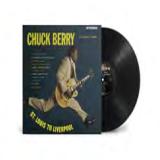
Chuck Berry - St. Louis To Liverpool

Wie Amerika selbst ist auch die Geschichte von Chess Records eine Geschichte von Chancen in neuen Ländern, in denen Grenzen zwischen Hautfarbe und Kultur überwunden wurden, um Rhythm and Blues-Musik
zu schaffen, die Zuhörer auf der ganzen Welt beeinflusste. Das beeindruckende Künstleraufgebot von Chess
– und seine Gründer – haben den Blues von Volksmusik zu populärem Sound weiterentwickelt und verändert.
Chess Records wurde 1950 von den polnischen Einwanderern Leonard und Phil Chess gegründet und entstand im Süden Chicagos, aber der Einfluss ist weltweit und über Generationen der Popmusik hinweg spürbar
– von Acts der British Invasion wie den Beatles, den Rolling Stones und Eric Clapton, die Chess-Künstler
als ihre Vorbilder nannten, bis hin zu den heutigen Stars wie Beyoncé, Jack White, Questlove und Bruce
Springsteen.
Am 17.04.2026 erscheinen die Alben von Chuck Berry ”St. Louis To Liverpool” und Etta James ”Tell
Mama” im Rahmen des 75.ten Bestehen von Chess Records

Reservar17.04.2026

debe ser publicado en 17.04.2026

Etta James - Tell Mama

Etta James

Tell Mama

12inch8837296
CHESS
17.04.2026

Wie Amerika selbst ist auch die Geschichte von Chess Records eine Geschichte von Chancen in neuen Ländern, in denen Grenzen zwischen Hautfarbe und Kultur überwunden wurden, um Rhythm and Blues-Musik
zu schaffen, die Zuhörer auf der ganzen Welt beeinflusste. Das beeindruckende Künstleraufgebot von Chess
– und seine Gründer – haben den Blues von Volksmusik zu populärem Sound weiterentwickelt und verändert.
Chess Records wurde 1950 von den polnischen Einwanderern Leonard und Phil Chess gegründet und entstand im Süden Chicagos, aber der Einfluss ist weltweit und über Generationen der Popmusik hinweg spürbar
– von Acts der British Invasion wie den Beatles, den Rolling Stones und Eric Clapton, die Chess-Künstler
als ihre Vorbilder nannten, bis hin zu den heutigen Stars wie Beyoncé, Jack White, Questlove und Bruce
Springsteen.
Am 17.04.2026 erscheinen die Alben von Chuck Berry ”St. Louis To Liverpool” und Etta James ”Tell
Mama” im Rahmen des 75.ten Bestehen von Chess Records

Reservar17.04.2026

debe ser publicado en 17.04.2026

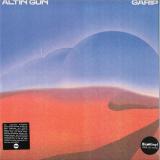
ALTIN GÜN - GARIP

ALTIN GÜN

GARIP

12inchGBLPIND182
Glitterbeat Records
01.04.2026

Altiin Gün, die türkisch-psychedelische Band aus Amsterdam, veröffentlicht ihr sechstes Studioalbum "Garip", ein ehrgeiziges und vielseitiges Werk, das als Hommage an die türkische Volksmusiklegende Neset Ertas (1938-2012) dient. "Garip" enthält zehn von Ertas" ikonischen Kompositionen, die von Altiin Gün auf einzigartige Weise neu interpretiert und musikalisch erweitert werden. Die Band verbindet dabei eine Vielzahl von Einflüssen, von der klassischen Anatolischen Volksmusik über Arabesque und Bollywood-Soundtracks bis hin zu westlichen Rock- und Synth-Vibes. Das Album ist eine kreative Weiterentwicklung des bereits etablierten Sounds von Altiin Gün, der Elemente aus Funk, Rock, und türkischer Folklore miteinander vereint. Mit hypnotischen Basslinien, kräftigen Schlagzeugrhythmen und filigranen Synthesizer-Arpeggien schafft "Garip" eine Atmosphäre, die die Essenz von Ertas" emotional aufgeladenen Liedern einfängt und gleichzeitig die experimentierfreudige Energie der Band widerspiegelt. Die Band, die für ihre packenden Live-Auftritte bekannt ist, beweist mit "Garip" einmal mehr, dass sie zu den innovativsten Vertretern der modernen türkischen Musikszene gehört.

Disponible

En el almacen y preparando para el envío

TAMIKREST - ASSIKEL LP
  • 01: Adagh Oyantid
  • 02: Inizdjam
  • 03: Iman Derhan Nasn
  • 04: Aiytma
  • 05: Imanin
  • 06: Eillal (Ft. Ibrahim Ag Alhabib)
  • 07: Tapsakin
  • 08: Adounia

Mit Assikel präsentiert die ikonische Sahara-Rockband Tamikrest ihr sechstes Studioalbum - ein Werk voller Tiefe, Intimität und atmosphärischer Wucht.

Live und direkt auf Analogband aufgenommen, fängt das Album die rohe Energie, die hypnotische Präsenz und das intuitive Zusammenspiel der Gruppe ein.

Seit fast zwanzig Jahren stehen Tamikrest für die Stimme und das kulturelle Bewusstsein der Kel Tamasheq. Ihre Songs erzählen von Widerstand, Gemeinschaft und Sehnsucht - geprägt von Exil, Verlust und der ungebrochenen Hoffnung ihres Volkes. Assikel ("Reise", "Voyage") markiert einen bewussten stilistischen Schritt: organischer, unmittelbarer, ehrlicher.

Zwischen Ishumar-Gitarren, schwebender Lap Steel, druckvollen Basslinien und poetischem Storytelling entsteht Musik, die gleichermaßen erdet wie entrückt.

Mit Gästen wie Ibrahim Ag Alhabib (Tinariwen) verstärkt das Album seine emotionale und kulturelle Resonanz. Tamikrest klingen 2026 konzentrierter, entschlossener und eindringlicher denn je. Assikel ist ein musikalisches Statement - kraftvoll, zeitlos und zutiefst menschlich. Musik für diesen Moment. Musik für Menschen, die Tiefe suchen.

Reservar15.05.2026

debe ser publicado en 15.05.2026

DUA SALEH - OF EARTH & WIRES
  • 5: Days
  • B Re A T H E
  • Flood (Feat. Bon Iver)
  • Cállate
  • Firestorm
  • I Do, I Do
  • Keep Away (Feat. Bon Iver)
  • Glow (Feat. Bon Iver)
  • Speed Up
  • Anemic (Feat. Gaidaa)
  • All Is Love (Feat. Aja Monet)

Der sudanesisch-amerikanische Künstler Dua Saleh setzt seinen unaufhaltsamen Aufstieg mit ,Of Earth & Wires" fort, einem durchweg warmherzigen, spirituellen und mitreißenden Album, das sich mit den Themen Heimat, Menschlichkeit und Erneuerung auseinandersetzt. Mit Beiträgen von Justin Vernon (Bon Iver), aja monet, Gaidaa und anderen verwebt und dekonstruiert Saleh Indie, R&B und elektronischen Pop mit Einflüssen aus sudanesischer Volksmusik, britischer Dance-Musik und elektronischer Popmusik. ,Of Earth & Wires" ist ein Album, das sich durch seine Vielseitigkeit und seine Fähigkeit auszeichnet, die Zuhörer in seinen Bann zu ziehen. Mit Beiträgen von Justin Vernon (Bon Iver), aja monet, Gaidaa und anderen verwebt und dekonstruiert Saleh Indie, R&B und elektronischen Pop mit Einflüssen aus sudanesischer Folk-Musik, UK Dance und Reggaeton - Klänge, die untrennbar mit ihrer Geschichte verbunden sind und durch eine ambitionierte, zukunftsorientierte Produktion und klare Lyrik zusammengehalten werden. Salehs gefühlvoller, kraftvoller und wandlungsfähiger Stil hat Fans von der New York Times bis zum NME überzeugt, ebenso wie ihre Durchbruchrolle in der Netflix-Serie ,Sex Education". Salehs gefühlvoller, kraftvoller und wandlungsfähiger Stil hat Fans von der New York Times bis zum NME gefunden, ebenso wie ihre Durchbruchrolle in der Netflix-Serie Sex Education, die das Debüt von Ghostly International im Jahr 2024, I SHOULD CALL THEM, zu einem echten Erfolg machte. Das mit Spannung erwartete Album ,Of Earth & Wires" ist sowohl ein Meilenstein in ihrer Karriere als auch ein dringender Dialog mit den Herausforderungen, denen man sich auf universeller Ebene gegenübersieht. Zusätzlich zu ihren musikalischen Aktivitäten ist Dua ein aufstrebender Schauspieler, der mit einer Durchbruchrolle in der beliebten Netflix-Serie ,Sex Education" bekannt wurde, in der er drei Staffeln lang die Rolle des Cal Bowman spielte.

Reservar15.05.2026

debe ser publicado en 15.05.2026

JONAS ENGELMANN - ANGRIFF AUF'S SCHLARAFFENLAND. EIN DEUTSCHPUNK-MIXTAPE.pun

1976 markiert das Erscheinungsjahr der ersten Punk-Singles - und 50 Jahre später feiern zwei Anthologien dieses Jubiläum mit einem einzigartigen Doppelblick auf die Geschichte des Genres. In Bored Teenagers und Angriff aufs Schlaraffenland wählen über 200 Musiker:innen, Autor:innen, Fanzine-Macher:innen, Journalist:innen, Punks, Ex- und Anti-Punks ihren persönlich wichtigsten Punk-Song. Sie fragen sich: Welcher Track hat mich geprägt? Welcher verkörpert Punk für mich am stärksten? Ob "Anarchy in the UK", "Nazis raus", "California über alles" oder "Für immer Punk" - über 400 sehr unterschiedliche Antworten zeigen, wie vielfältig Punk erlebt, erinnert und weitergeführt wird. Trotz aller Unterschiede verbindet die Beiträge eines: Punk ist für die Schreibenden auch nach fünf Jahrzehnten kein beliebiges Musikgenre. Die Texte erzählen von jugendlicher Aufbruchstimmung, radikalen Ideen und politischem Selbstverständnis, aber auch davon, wie lebendig Punk bis heute ist. Punk erscheint als musikalischer Aufruhr und ästhetischer Bruch, als DIY-Haltung, Hausbesetzung, Theorie und Praxis zugleich. Er kann feministisch, anarchistisch, widersprüchlich, laut, zärtlich oder rotzig sein - aber niemals langweilig. Während Angriff aufs Schlaraffenland die deutschsprachige Punkgeschichte beleuchtet, widmet sich Bored Teenagers zentralen Songs der internationalen Szene. Mit Beiträgen von u. a. Bela B, Simon Reynolds, Franz Dobler, Diedrich Diederichsen, Linus Volkmann, Hans Nieswandt, Bernd Begemann, Jim Avignon und vielen weiteren entsteht ein Panorama über Klassiker von Sex Pistols, X-Ray Spex, Mittagspause, Ramones, Clash und Slime, über Post-Punk von Wire, Gang of Four oder The Slits, über fast Vergessenes bis hin zu zeitgenössischen Acts wie Team Scheisse, Sleaford Mods oder Acht Eimer Hühnerherzen.

Reservar22.05.2026

debe ser publicado en 22.05.2026

ALTIN GÜN - GARIP

ALTIN GÜN

GARIP

12inchGBLP182
Glitterbeat Records
20.02.2026

Altin Gün, die türkisch-psychedelische Band aus Amsterdam, veröffentlicht ihr sechstes Studioalbum "Garip", ein ehrgeiziges und vielseitiges Werk, das als Hommage an die türkische Volksmusiklegende Neset Ertas (1938-2012) dient. "Garip" enthält zehn von Ertas" ikonischen Kompositionen, die von Altin Gün auf einzigartige Weise neu interpretiert und musikalisch erweitert werden. Die Band verbindet dabei eine Vielzahl von Einflüssen, von der klassischen Anatolischen Volksmusik über Arabesque und Bollywood-Soundtracks bis hin zu westlichen Rock- und Synth-Vibes. Das Album ist eine kreative Weiterentwicklung des bereits etablierten Sounds von Altin Gün, der Elemente aus Funk, Rock, und türkischer Folklore miteinander vereint. Mit hypnotischen Basslinien, kräftigen Schlagzeugrhythmen und filigranen Synthesizer-Arpeggien schafft "Garip" eine Atmosphäre, die die Essenz von Ertas" emotional aufgeladenen Liedern einfängt und gleichzeitig die experimentierfreudige Energie der Band widerspiegelt. Die Band, die für ihre packenden Live-Auftritte bekannt ist, beweist mit "Garip" einmal mehr, dass sie zu den innovativsten Vertretern der modernen türkischen Musikszene gehört.

Disponible

En el almacen y preparando para el envío

Abul Mogard & Rafael Anton Irisarri - Where Light Pauses in the Silence of the Sun

In spring 2025, Abul Mogard and Rafael Anton Irisarri created the source material for their second album, Where Light Pauses in the Silence of the Sun, during a three-day residency at Morphine Raum in Berlin. Functioning as both recording studio and performance venue, the space has no stage, with the audience gathered around the performers. Working within an open framework, the duo reshaped the music each evening while recording the performances live to multitrack. Rotary speakers, modular synthesizers and bowed guitar formed the core of their sonic language, captured through a 1970s mixing console and microphones placed around the room.

Back in Mogard’s studio in Rome, the material was further crafted as motifs were stretched, fragments isolated, and tempos dissolved. Irisarri recorded additional guitar textures and treatments in New York, while passages recorded by Martina Bertoni and Andrea Burelli in Berlin reinforced the harmonic centres and brought breath, refinement and a new sensibility to their compositions. The process continued as Mogard’s layering and subtraction reassembled everyone’s parts into the final arrangement.

The album opens with “In the Eastern Wild,” building from a sparse outline into a monumental formation of low-frequency weight, its internal motion shaped by the rotating Leslie speaker. “Over the Domes” widens into a broader acoustic field, where sustained modular tones meet waves of softly plucked guitar. The music then turns inward with “A Blue Descent,” centred on Bertoni’s cello, whose growling timbre introduces a melancholic depth.

At the album’s centre, “In a Quiet Radiance” unfolds around a slow guitar ostinato, its luminous stillness opening into a more expansive and reflective state. Across its ten-minute span, Burelli’s violin lines and Bertoni’s lower cello phrases gradually surface, weaving through the harmonic field. Mogard brings Burelli’s processed voice to the fore, its emotive, operatic presence becoming one of the record’s pivotal moments. “Of Blessed Ages” suspends the sonic flow, shifting between parallel major and minor chords as lingering, slowly decaying melodies shape the music’s internal drift. The closing “Among Shadows” settles into a darker resonance as layered textures recede.

Mogard and Irisarri’s shared language balances restraint and maximalism. UK magazine Crack describes the music as “a tidal wave held in suspension,” while Dutch newspaper de Volkskrant writes, “What a colossal sound, and how this music strikes at the emotions.” Reflecting on the residency sessions, Irisarri recalls: “At moments I genuinely couldn’t tell if a sound was coming from me or from Abul. It stopped feeling like two people making decisions and began to feel like we were inside a system moving on its own."

Marja de Sanctis’ cover artwork revisits the vessel sculpture from the duo’s first album, Impossibly Distant, Impossibly Close. There it appeared as raw, unfired clay. Here it has been fired in the kiln and finished with a glaze. Light gathers on its polished surface and spills into the surrounding space. As she explains, “I wanted to convey the idea of continuity within the duo, and the vessel became a kind of container for that idea. However, their music felt different this time, and with the collaboration of Martina and Andrea, I felt it should have a sleeker, softer, more glamorous look, very distant from the first raw appearance.” The transformation of the vessel from raw clay to fired form suggests a passage from immediacy toward permanence, mirroring the music’s gradual expansion.

Reservar26.06.2026

debe ser publicado en 26.06.2026

Abul Mogard & Rafael Anton Irisarri - Where Light Pauses in the Silence of the Sun

In spring 2025, Abul Mogard and Rafael Anton Irisarri created the source material for their second album, Where Light Pauses in the Silence of the Sun, during a three-day residency at Morphine Raum in Berlin. Functioning as both recording studio and performance venue, the space has no stage, with the audience gathered around the performers. Working within an open framework, the duo reshaped the music each evening while recording the performances live to multitrack. Rotary speakers, modular synthesizers and bowed guitar formed the core of their sonic language, captured through a 1970s mixing console and microphones placed around the room.

Back in Mogard’s studio in Rome, the material was further crafted as motifs were stretched, fragments isolated, and tempos dissolved. Irisarri recorded additional guitar textures and treatments in New York, while passages recorded by Martina Bertoni and Andrea Burelli in Berlin reinforced the harmonic centres and brought breath, refinement and a new sensibility to their compositions. The process continued as Mogard’s layering and subtraction reassembled everyone’s parts into the final arrangement.

The album opens with “In the Eastern Wild,” building from a sparse outline into a monumental formation of low-frequency weight, its internal motion shaped by the rotating Leslie speaker. “Over the Domes” widens into a broader acoustic field, where sustained modular tones meet waves of softly plucked guitar. The music then turns inward with “A Blue Descent,” centred on Bertoni’s cello, whose growling timbre introduces a melancholic depth.

At the album’s centre, “In a Quiet Radiance” unfolds around a slow guitar ostinato, its luminous stillness opening into a more expansive and reflective state. Across its ten-minute span, Burelli’s violin lines and Bertoni’s lower cello phrases gradually surface, weaving through the harmonic field. Mogard brings Burelli’s processed voice to the fore, its emotive, operatic presence becoming one of the record’s pivotal moments. “Of Blessed Ages” suspends the sonic flow, shifting between parallel major and minor chords as lingering, slowly decaying melodies shape the music’s internal drift. The closing “Among Shadows” settles into a darker resonance as layered textures recede.

Mogard and Irisarri’s shared language balances restraint and maximalism. UK magazine Crack describes the music as “a tidal wave held in suspension,” while Dutch newspaper de Volkskrant writes, “What a colossal sound, and how this music strikes at the emotions.” Reflecting on the residency sessions, Irisarri recalls: “At moments I genuinely couldn’t tell if a sound was coming from me or from Abul. It stopped feeling like two people making decisions and began to feel like we were inside a system moving on its own."

Marja de Sanctis’ cover artwork revisits the vessel sculpture from the duo’s first album, Impossibly Distant, Impossibly Close. There it appeared as raw, unfired clay. Here it has been fired in the kiln and finished with a glaze. Light gathers on its polished surface and spills into the surrounding space. As she explains, “I wanted to convey the idea of continuity within the duo, and the vessel became a kind of container for that idea. However, their music felt different this time, and with the collaboration of Martina and Andrea, I felt it should have a sleeker, softer, more glamorous look, very distant from the first raw appearance.” The transformation of the vessel from raw clay to fired form suggests a passage from immediacy toward permanence, mirroring the music’s gradual expansion.

Reservar26.06.2026

debe ser publicado en 26.06.2026

Abul Mogard & Rafael Anton Irisarri - Where Light Pauses in the Silence of the Sun

In spring 2025, Abul Mogard and Rafael Anton Irisarri created the source material for their second album, Where Light Pauses in the Silence of the Sun, during a three-day residency at Morphine Raum in Berlin. Functioning as both recording studio and performance venue, the space has no stage, with the audience gathered around the performers. Working within an open framework, the duo reshaped the music each evening while recording the performances live to multitrack. Rotary speakers, modular synthesizers and bowed guitar formed the core of their sonic language, captured through a 1970s mixing console and microphones placed around the room.

Back in Mogard’s studio in Rome, the material was further crafted as motifs were stretched, fragments isolated, and tempos dissolved. Irisarri recorded additional guitar textures and treatments in New York, while passages recorded by Martina Bertoni and Andrea Burelli in Berlin reinforced the harmonic centres and brought breath, refinement and a new sensibility to their compositions. The process continued as Mogard’s layering and subtraction reassembled everyone’s parts into the final arrangement.

The album opens with “In the Eastern Wild,” building from a sparse outline into a monumental formation of low-frequency weight, its internal motion shaped by the rotating Leslie speaker. “Over the Domes” widens into a broader acoustic field, where sustained modular tones meet waves of softly plucked guitar. The music then turns inward with “A Blue Descent,” centred on Bertoni’s cello, whose growling timbre introduces a melancholic depth.

At the album’s centre, “In a Quiet Radiance” unfolds around a slow guitar ostinato, its luminous stillness opening into a more expansive and reflective state. Across its ten-minute span, Burelli’s violin lines and Bertoni’s lower cello phrases gradually surface, weaving through the harmonic field. Mogard brings Burelli’s processed voice to the fore, its emotive, operatic presence becoming one of the record’s pivotal moments. “Of Blessed Ages” suspends the sonic flow, shifting between parallel major and minor chords as lingering, slowly decaying melodies shape the music’s internal drift. The closing “Among Shadows” settles into a darker resonance as layered textures recede.

Mogard and Irisarri’s shared language balances restraint and maximalism. UK magazine Crack describes the music as “a tidal wave held in suspension,” while Dutch newspaper de Volkskrant writes, “What a colossal sound, and how this music strikes at the emotions.” Reflecting on the residency sessions, Irisarri recalls: “At moments I genuinely couldn’t tell if a sound was coming from me or from Abul. It stopped feeling like two people making decisions and began to feel like we were inside a system moving on its own."

Marja de Sanctis’ cover artwork revisits the vessel sculpture from the duo’s first album, Impossibly Distant, Impossibly Close. There it appeared as raw, unfired clay. Here it has been fired in the kiln and finished with a glaze. Light gathers on its polished surface and spills into the surrounding space. As she explains, “I wanted to convey the idea of continuity within the duo, and the vessel became a kind of container for that idea. However, their music felt different this time, and with the collaboration of Martina and Andrea, I felt it should have a sleeker, softer, more glamorous look, very distant from the first raw appearance.” The transformation of the vessel from raw clay to fired form suggests a passage from immediacy toward permanence, mirroring the music’s gradual expansion.

Reservar26.06.2026

debe ser publicado en 26.06.2026

Artículos por página
N/ABPM
Vinyl