
pas en stock
Commandez maintenant et nous commanderons l'article pour vous chez notre fournisseur.
Last In: 9 months ago
Commandez maintenant et nous commanderons l'article pour vous chez notre fournisseur.

YES! Originally released in 2000, Mark de Clive-Lowe's Six Degrees captures the early essence of what would later be known as broken beat, club-jazz and future soul; bridging the sounds of 70s jazz-fusion, jungle, hip-hop, house and Afro-Cuban rhythms. With fender rhodes, synths and an MPC2000 at the core of his production, de Clive-Lowe blended live musicianship with beat-driven sensibilities in a way that was ahead of its time.
Originally released in New Zealand via Kog Transmissions, the album found its way onto the global stage when Universal Jazz UK picked it up. Now, 25 years later, Be With is proud to present a special anniversary vinyl reissue, celebrating a landmark album that laid the foundation for an international career spanning continents, collaborations, and countless musical evolutions. Limited to just 400 copies for the world, these are gonna fly.
In 1998, a 23-year-old Mark de Clive-Lowe set off on a year-long journey that would shape his career and musical identity. Fuelled by an insatiable curiosity and a grant from New Zealand supporting emerging artists, he traveled across the globe — digging through record stores in San Francisco, immersing himself in the rhythms of Havana, collaborating in London’s underground studios and experiencing the jazz legacy of New York. Along the way, he crossed paths with pioneers, mentors and kindred spirits who would deeply influence his sound.
Six Degrees is the sonic diary of that transformative year — a musical world tour distilled into one groundbreaking album. It's both a snapshot of a pivotal moment in de Clive-Lowe’s life and a timeless statement of creative exploration.
The jazzy jungle vibes of "Roundtrip" opens proceedings, inspired by de Clive-Lowe's deep love of drum & bass. It kicks off with a rhythm pattern picked up in Havana, combined with Lonnie Liston Smith-style Rhodes textures and a rolling jungle breakbeat. Sublime. Up next, "La Zorra" is a moving tribute to the folkloric 6/8 rhythms he was surrounded by in Cuba. Afro-Cuban music had a huge impact on his sound and this track reflects those deep grooves brilliantly. Hip-hop has also been a major influence since de Clive-Lowe's teenage years and Manuel Bundy’s scratches bring an essential turntable element to "Melodious Funk", giving it that raw boom-bap edge.
Underground favourite "El Día Perfecto" came about by de Clive-Lowe wanting to write something as catchy as Incognito’s "Colibri", combined with his deep love for Lonnie Liston Smith. Effortless as it sounds, it pretty much wrote itself, seemingly. "Cosmic Echoes" is a nod to house music, but on the chiller side. Named after Lonnie Liston Smith’s band, with bouncy bass, a steady 4/4 groove and chopped tabla percussion, the mood this track conjures up is special. The deeply soulful "Day By Day" became the biggest track from the album, partly thanks to DJ Spinna’s remix and Café del Mar featuring it on their compilation. Cherie Mathieson’s vocals shine here. The lyric came to de Clive-Lowe while hanging out at Cause Célèbre in Auckland: “Day by day, side by side, hand in hand, no turning back.”
"Restless" is a jazz-funk jam built on a classic drum break, heavily influenced by Roy Ayers and the Mizell Brothers. Named in homage to Phil Asher’s Restless Soul moniker, his impact on de Clive-Lowe's journey can’t be overstated. Following on, "Mindscape" is a darker, rawer drum & bass track. The chopped-up drum break and moody synths channel everything he loved about the deeper, more atmospheric side of the genre. "Control" continues the jungle influence — this one’s all about the heavy grooves and deep bass, inspired by nights out listening to Jumping Jack Frost and Grooverider in packed basement clubs.
"Por La Mañana" is a musical snapshot of walking the Malecón in Havana in the morning sun. The city had such a profound impact on de Clive-Lowe and this track captures some of that energy and movement. Penultimate gem "Motherland" is a nod to his Japanese heritage. The melody draws from Japanese scales, shifting between moody introspection and uplifting harmony. Built on a chopped live drum break he recorded in Tokyo years earlier. We end with "El Día Perfecto (Reprise)", a stripped-down reprise featuring percussion, vocoder, Rhodes and synths — leaving the listener with a warm, uplifting final moment.
Speaking to Be With, de Clive Lowe explained just how much celebrating the 25-year anniversary of this album means to him: "Since then, I’ve released so much more music, but Six Degrees still resonates — it captures a really special moment in my life. A turning point, a fork in the road that ultimately changed everything. It’s amazing to reflect on where this journey has taken me, and I’m incredibly grateful for it. I still remember the night I finished "El Día Perfecto". I took a minidisc of it to my friend Cian’s DJ set at Galatos in Auckland. He plugged it in, and I watched the dancefloor move to something I’d just created hours earlier — it was a magical moment.
When Six Degrees was first released, the internet was still in its early days. There was no YouTube, no streaming, no instant global access to new sounds. The album was my way of bringing together all the music and places I had experienced over that year, blending them into something uniquely mine. It introduced me to listeners around the world and opened the doors to a career that would take me to more countries, collaborations and experiences than I ever imagined.
25 years later, I’m so grateful for everything this record set in motion. It’s a document of a moment in time, but it still feels alive — and I’m thrilled to share it again in this special anniversary edition."
Mastering for this 25 year vinyl edition was overseen by Be With regular Simon Francis and it was cut by the esteemed Cicely Balston at Abbey Road Studios to be pressed in the Netherlands by Record Industry. The original artwork has been lovingly brought back to life by de Clive-Lowe himself, with updated liner notes written specially for this landmark reissue.
Commandez maintenant et nous commanderons l'article pour vous chez notre fournisseur.

EVERYBODY LOVES THE SUNSHINE is more than a classic. It is “THE” summer anthem, one of the most covered and sampled Soul tunes by Roy Ayers and the Ubiquity family. This vinyl re-release has been eagerly awaited by music lovers worldwide. This version was originally recorded as a cover version, produced by Soulciety Records for their label band project named The Soulsociety. The performance was recorded with the original songwriter and producer of the song, Mr. legendary vibes controller and Soul superstar Roy Ayers. This recording follows the original 70s feel and instrumentation of the 1976 version, but this time also features Roy Ayers prominently on lead vocals.
Another big difference compared to all other versions by Roy and Ramp is the fact that this version is arranged and produced as a midtempo track. It will fit perfectly into any DJs set with a focus on Soul, Funk or Hip Hop. For the first time ever, this classic is now available on a SEDSOULCIETY RECORDINGS 7” vinyl with full cover artwork, including the previously unreleased instrumental version on the flip side with added extra vibes by the master himself.
Commandez maintenant et nous commanderons l'article pour vous chez notre fournisseur.

The incredibly elusive band Sault release their debut album 5 on Vinyl via independent record label Forever Living Originals. The record fuses African, soul, funk and post-punk vibes amongst other flavours. With support from Radio 6's Lauren Laverne and USA's KWRC and KEXP, the band are set to go from strength to strength becoming one of the most prolific bands of 2020 with a barrage of material up their sleeves
Dean Josiah Cover aka Inflo has been composing for Michael Kiwanuka, The Kooks, Tom Odell, The Jungle and Little Simz
Commandez maintenant et nous commanderons l'article pour vous chez notre fournisseur.

Originally released in South Africa in 1984 and produced by Jabu Sibumbe of Stimela fame. Difficult to find on vinyl, which saw only small pressings at the time of release, these works are now remastered and reissued for the first time.
This original versions show off some of the glossy disco & boogie-funk vibes that were being produced in South Africa in the mid-eighties, inspired by sounds being imported from the US and Europe at that time.
Joi N'Juno steps up for his first remix on Canopy, channelling the attitude of Quincy & Niles to create a dynamic arrangement that takes the original and reinvents it for modern disco-house dancefloors. Live synth, keys and horns add to the crisp and warm production for what looks to become a modern day classic.
Razor N Tapes' JKriv stays truer to the original and with his characteristic production finesse modernises the originals to tastefully update them for contemporary sound systems, bringing just the right balance of past and present to add a new dimension to these boogie gems
Commandez maintenant et nous commanderons l'article pour vous chez notre fournisseur.

"Thermae" and "The Atrium" have been streamed over 450k times across DSPs since being released in the fall
Support from BBC 2's Jamie Cullum (Best in Jazz), BBC Radio's Huey Morgan (including Huey's Album and Beat of the week), KCRW's Morning Becomes Eclectic, Soho Radio (UK), Paste Magazine and more
With over to 1 million monthly listeners and 75,000 followers on Spotify he's been added to multiple editorial playlists including Jazz Vibes, Mellow Morning, State of Jazz, Jazz UK and more
Additional DSP playlist support includes Apple's Jazz Chill, Jazz Scene: UK, New Latitudes and Amazon Music's Laid Back Jazz and Fresh Jazz
With approximately 10,000 vinyl records sold the world over Robohands is a rising international star with his ambient & cinematic jazz stylings
A prolific producer, Robohands has released five albums since 2018 including his debut LP 'Green' released on Village Live records, incorporating elements of jazz, krautrock and ambient music
Has performed across the globe including Montreal JAZZ Fest, Waking Life Festival in Portugal
Commandez maintenant et nous commanderons l'article pour vous chez notre fournisseur.
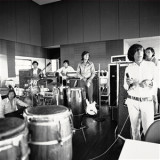
Discover the groundbreaking sound of Los Texao, a legendary Peruvian rock band that helped shape the music scene in the 1970s. Born in the culturally rich city of Arequipa, Los Texao's journey to stardom was paved with innovation, passion, and an undeniable connection to their roots. Their music fused the energy of psychedelic rock with Latin American influences, captivating audiences across their native Peru, Los Texao's psychedelic phase was marked by experimentation with new sounds and instruments. This release comprises their complete recordings, including all their singles and also covers of some of the most influential rock bands of the era, most of them previously unavailable on vinyl. Formed in 1969, the band took their name from Arequipa's emblematic flower, the nasturtium, and made an immediate impact with their debut at a local band contest. Soon after, they recorded their first 45 RPM single, which included covers of tracks by Chilean group Los Beat 4. But it was in the early 70s when Los Texao truly found their voice. With a dynamic lineup, including the talented Fernando "Feño" Humbser and Juan Núñez on guitar, Víctor Dibán on vocals and bass, and Edgar "Chito" Manrique on drums, their musical evolution began to take shape. The addition of Julio Torres, a keyboardist and guitarist from the iconic bands Los Beatniks and Los Dig It, further elevated their sound. Los Texao's psychedelic phase was marked by experimentation with new sounds and instruments. They embraced the emerging trend of playing rock in English, despite the language barrier, and incorporated cutting-edge gear. With the help of the legendary Peruvian jazz musician Jaime Delgado Aparicio, they created hypnotic tracks like 'Algún día' and 'Nunca cambias,' capturing the essence of 70s rock with swirling textures and atmospheric vibes. But it wasn't just the melodies that set them apart - their electrifying rhythms and powerful arrangements, like those heard in 'Stone' and 'La pelea del gobernador,' showcased their refined musicianship and intense dedication. Los Texao quickly became a sensation in Peru, performing in cities like Puno, Moquegua, and Arica (Chile), and sharing stages with iconic bands like Los Shain's, Traffic Sound, and Telegraph Avenue. Their infamous hit 'La pelea del gobernador' tells a tale of generational conflict and rebellious youth, captured in a live performance that still resonates with audiences today. The band's wild live shows became the stuff of legend, with fans packing into intimate venues to experience the raw energy of their loud, unapologetic rock. In addition to their 45s, Los Texao also recorded covers of some of the most influential rock bands of the era, including Cream, Steppenwolf, and The Guess Who, showcasing their versatility and love for classic rock. Unfortunately, this session remained lost for years and some of these covers have never been available on vinyl before. Despite their growing success, Los Texao eventually disbanded in 1975 due to personal and professional challenges. But their legacy never faded.
il devrait être publié sur 02.05.2025

Vinyl Only!
Prepare to embark on a transcendental musical journey with Vick Lavender's latest album, "BEYOND". This release showcases Lavender's unparalleled ability to blend genres and create a rich tapestry of sound that defies boundaries. Teaming up with the talented Justin Dillard, who serves as music director and contributes his skills on organ and keys, Lavender delivers an album that is both innovative and deeply soulful.
From the deep house grooves of "Midnight Hour" and "Overdrive" to the jazzy house vibes of "Beyond" and "Knights", each track on this album is a testament to Lavender's versatility and mastery of his craft. The hip hop tracks "The Project" and "Good Timing" (featuring Big Mel) add a fresh and dynamic element, while the soulful house tracks "Experimental" (featuring Brian 'Smokey' Williams) and "Get Here" (featuring Angel-A) provide a lush, emotive experience.
The album also features contributions from a stellar lineup of musicians, including Simon Sims on bass, Joe McCoy on organ, Jackie Shepard on guitar, and Charles Roland on woodwinds. Special respect is given to Aundre Miller, Vick's mentor, whose influence is felt throughout the album.
"BEYOND" is more than just an album; it's a sonic journey that pushes the boundaries of genre and takes listeners on an unforgettable ride. Whether you're a fan of deep house, hip hop, jazz funk, or soulful house, this album has something for everyone. Don't miss out on this must-have collection from one of the most innovative producers in the game.
Commandez maintenant et nous commanderons l'article pour vous chez notre fournisseur.

Oilix’s latest album, Dissolved, is a mesmerizing journey through the vibe of ’90s trip hop and downtempo, updated and realized in an exciting new way. Released on Cold Busted, this 13-track odyssey follows up on the Kazakhstan-born producer’s previous EP, Nothing But Summer, and showcases his unique “sunhop” style, blending bright melodies with undeniable grooves.
Drawing inspiration from downtempo music of the ’90s, Oilix’s music strays from stereotypical styles, instead embracing lounge, trip-hop, and electronic influences that lay the foundation for his head-nod-inducing tracks. Dissolved showcases his ability to craft memorable melodies that linger long after the final note has faded.
With appearances on popular playlists like Jazz Vibes and releases on labels such as Vinyl Digital, Hip Dozer, and Bluewerks, Oilix is poised for even greater success. Dissolved is an essential addition to any downtempo lover’s collection, offering a refreshing and captivating take on the trip-hop genre.
il devrait être publié sur 02.05.2025

Macht Euch bereit für die Magie von "LOVE", dem neuen Studioalbum der schwedischen Prog-Rock-Legende The Flower Kings, die auf eine über 30-jährige Karriere zurückblicken. Als The Flower Kings am 20. August 1993 ihr allererstes Konzert in Schweden gaben, ahnten sie wahrscheinlich noch nicht, dass sie im Begriff waren, Prog-Rock-Geschichte zu schreiben. Mit nunmehr 17 Studioalben, unzähligen Live-Aufnahmen, welt-weiten Tourneen und Festivalauftritten hat die Band ein Vermächtnis geschaffen, das nur von wenigen Bands übertroffen werden kann - und sich als Pioniere der Wiedergeburt des Prog-Rock erwiesen. Das Line-Up besteht aus den drei Originalmitgliedern Roine Stolt, Hasse Fröberg und Michael Stolt sowie den später hinzuge-kommenen Mitgliedern Mirko DeMaio und Lalle Larsson. Gemeinsam haben sie ein Album geschaffen, das den wahren Geist dessen einfängt, was Progressive Rock immer sein sollte: eine kreative Revolution, frei von den Zwängen kommerzieller Hitfor-meln. "LOVE" erinnert an die goldene Ära der späten 60er und frühen 70er Jahre und strotzt nur so vor Vintage-Vibes, epischen Kompositionen und einer reichen Mischung an Einflüssen - von Klassik und Jazz bis hin zu elektronischer Musik und Filmsound-tracks.Auf "LOVE" bieten The Flower Kings über 70 Minuten klangliche Erkundung in 12 Tracks, die von ausgedehnten 12-Minuten-Epen bis hin zu prägnanten 3-Minuten-Perlen reichen. Das Album verwebt Themen zu einem kohärenten Ganzen, das man am besten als eine zusammenhängende Reise erlebt: zugängliche Melodien gepaart mit experimentellen Momenten, wilden Gitar-rensoli und virtuoser Synthesizerarbeit, die an ihre frühen Werke erinnern. Mit neuem Selbstbewusstsein und neuer Kreativität beweisen die Flower Kings einmal mehr, warum sie die Könige des Progres-sive Rock sind. Zur Erinnerung: Krieg ist nur Angst und Versagen, Angst, die sich in kleinen Leuten mit zweifelhaften politischen oder religiösen Absichten manifestiert - LIEBE ist immer der Sieger.
il devrait être publié sur 02.05.2025

Commandez maintenant et nous commanderons l'article pour vous chez notre fournisseur.

Amber Run is a British indie rock band from Nottingham. The band have released three albums and four EPs. They played Reading and Leeds festivals, enjoyed national radio support and had a strong press reaction: "Their vast sound has Coldplay stadium ambitions" (Independent); "Epic tunes that sound destined for arenas" (Daily Star); and "Incredibly effective" (The Sun).
Amber Run recorded their debut album throughout January and February 2014 with Sam Winfield and Brit Award-winning record producer Mike Crossey, who previously produced albums for Arctic Monkeys, The 1975, Twenty One Pilots, Walk the Moon, Foals, Keane, Jake Bugg and Yungblud. With Noah’s Mumford & Sons-like vocal melodies and the wisps of Bastille’s fist-pumping pop on single “Just My Soul Responding”, Amber Run maintains a legitimising rockstar edge.
There are comparisons with Coldplay on the single “I Found”, while the title track has London Grammar’s mellow trip-hop vibes.
To celebrate the 10th anniversary of 5 AM, Music On Vinyl in cooperation with Amber Run and Sony Music present a limited, individually numbered 10th anniversary edition on yellow & black marbled vinyl. The package includes an insert with lyrics.
il devrait être publié sur 18.04.2025

First-ever vinyl release of the instrumentals! RSD25
Groove to the sounds of the Free Nationals like never before! Their self-titled album, Free Nationals, is finally getting an exclusive instrumental vinyl release. Fans can experience the full sonic landscape of their signature funk, soul, and R&B fusion with no distractions—just pure, smooth vibes and great music.
Pressed on 180g heavyweight black vinyl, this limited edition release offers pristine audio quality that showcases the musicianship and craftsmanship behind the album’s beloved soundscapes. Whether you’re a fan of their work with Anderson .Paak or just a lover of rhythm and soul, this release is a collector’s dream—an essential for DJs, audiophiles, and anyone who craves the instrumental heartbeat of this incredible record.
il devrait être publié sur 12.04.2025

Every so often an album of such deceptive genius, of such aesthetic clarity, comes across our desk and transfixes us. Thought Leadership's III Of Pentacles is one such work of art. It's an instant classic and glides into the pantheon of timeless guitar-soul totems. Originally out on cassette only, we present the first ever vinyl issue. It's a hideously limited pressing of 300 for the world, so don't sleep on this.
Thought Leadership has already garnered big support from such tastemakers as Ruf Dug, Jason Boardman, Nathan Gregory Wilkins, J Walk, Evan Woodward, Justin Robertson and Heavenly's Jeff Barrett. The first time we heard III Of Pentacles, we nearly wept at the thought that something so beautiful, so bursting with real hope, could even exist in this brutal world. To quote the Quietus, "imagine if Stockport was situated somewhere along the Pacific Coast Highway rather than the M60, and you’ll have some idea of the coordinates to the post-industrial, sunburnt dream space opened up here."
So, who is Thought Leadership? What do we know about them? They reside in Stockport and are obsessed with ethereal guitar records. That’s about it. That and these X ideas shared with you, the listener.
Captured on a multitrack recorder in a terraced house in Stockport, this is as DIY as it gets. Glaringly obvious is a love for classic Factory and early 4AD. Perhaps it is the proximity to the River Mersey where the ideas arrived, and there being but three miles between where this and the Durutti Column’s classic “LC” was recorded, as the two operate across a familiar aural plain. Be it geographic or otherwise, limited by a true economy of means, namely guitar, pedals and drum machine, the fruit borne from these humble tools has been indelibly shaped by the perma-gloom that hangs low over the Manchester and Stockport environs.
Ushered in on 808 kicks, “I” opens the record as a beautiful Sketch for Stockport; a chiming maj7 chord dripping in chorus and delay sets us on our way. The Vini Reilly comparisons are unavoidable. “II” is all John McGeoch, with its trippy goth-psyche arpeggiated pattern cascading across the stereo image. Do those drums swing? But goths don’t swing?! They do here. We’re treated to a bit of crunch on the lead guitar part and some really lush reverb. We even step forth into shoegaze territory, albeit briefly, for the middle eight. “III”, a firm Be With favourite, continues the dreamy psyche leanings of the previous track, with an even bigger melody this time. We’re hearing The Teardrop Explodes on quaaludes here. A proto-dream pop cut soaked in melancholy. But watch out! The coda finds Johnny Marr has gotten into the ‘ludes and gatecrashed the final bars with some incredibly ignorant B minor pentatonic noodling.
“IV” ditches the drum machine for the first in a suite of three beatless electric guitar duets. The first of these semi-improvised rubato ideas is a striking departure from the earlier playful pieces, coming over emo and moody. Greyscale sulking for Stratocaster. Sign us up. “V” contains some really lyrical phrasing; a gorgeous conversation between two guitars. Real Stopfordian Primitive; meditative, crude, rain-soaked. We cycle through the same feels, then end on an alluring chord that breaks the pattern. Sometimes thoughts are like this. “VI” creeps in all plaintive, then a huge reverberating descending guitar line comes tumbling in like something off those classic Dif Juz 12”s. There’s some Maurice Deebank in there too, for sure, and the coda nods to early Meat Puppets.
“VII” rounds out the A Side, and succinctly presents a summary of all ideas explored thus far on our journey. The drum machine is back, this time with some wispy delay, before both guitars enter together playing interlocking lines. As we start, we end, with the delayed 808 guiding us out.
Opening Side B, “VIII” sees us embark on the other side of our journey as we slow down and space out. The drum machine is here, but the guitars are different now. Think Sensations Fix or Göttsching at his most peeled out. Drones, ambient drifts of broken chords and distorted lead lines all swirl round the mix. Side B is one for headphones for sure. “IX” is almost too exquisite for words. A New Age Mixolydian voyage through the cosmos. If you’re unmoved by the end you’ve probably got no pulse. We were left blunted ineffable by this one, such is the smudged elegance radiating from this idea. All hail the Thought Leader.
“X” is a full circle moment, and a fitting end. If you’ve not already elsewhere across the platter, you will be getting heavy Robin Guthrie vibes from this piece. Like the rest of Side B, this improvised jam sticks within a framework of related chords but the celestial energies channelled might invite us to wander “outside”, especially when the Tubescreamer is engaged.
RIYL Durutti Coulmn, Cocteau Twins, Dif Juz, Sensations Fix, Spike and adjacent guitar musicks – but, ultimately, this is just its own thing; such is the strength of ideas presented. "It’s good music to chill out to." (??)
Be With is honoured to present the first ever vinyl release of III Of Pentacles, carefully remastered by Be With's engineer Simon Francisco to ensure it sounds better than ever after its initial tape release. Cicely Balston's expert skills have made sure nothing is lost in the cut whilst the records have been pressed to the highest possible standard at Record Industry, in Holland. The original tape cover artwork, so crucial to Thought Leadership's striking visual aesthetic, has been rejigged for vinyl issue here at Be With. Its stark presentation befits the music contained within. They inform us that they shuffled their tarot deck to ask what the album should be called and the card you see on the cover popped out. The III Of Pentacles tarot card represents teamwork, shared vision and the ability to achieve goals through collaboration. We like to think Thought Leadership and Be With have nailed this one.
Commandez maintenant et nous commanderons l'article pour vous chez notre fournisseur.
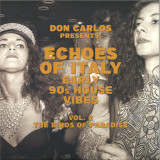
Googling “paradise house”, the first results to pop up are an endless list of European b&b’s with whitewashed lime façades, all of them promising “…an unmatched travel experience a few steps from the sea”. Next, a little further down, are the institutional websites of a few select semi-luxury retirement homes (no photos shown, but lots of stock images of smiling nurses with reassuring looks). To find the “paradise house” we’re after, we have to scroll even further down. Much further down.
It feels like yesterday, and at the same time it seems like a million years ago. The Eighties had just ended, and it was still unclear what to expect from the Nineties. Mobile phones that were not the size of a briefcase and did not cost as much as a car? A frightening economic crisis? The guitar-rock revival?! Certainly, the best place to observe that moment of transition was the dancefloor. Truly epochal transformations were happening there. From America, within a short distance one from the other, two revolutionary new musical styles had arrived: the first one sounded a bit like an “on a budget” version of the best Seventies disco-music – Philly sound made with a set of piano-bar keyboards! – the other was even more sparse, futuristic and extraterrestrial. It was a music with a quite distinct “physical” component, which at the same time, to be fully grasped, seemed to call for the knotty theories of certain French post-modern philosophers: Gilles Deleuze, Félix Guattari, Paul Virilio... Both those genres – we would learn shortly after – were born in the black communities of Chicago and Detroit, although listening to those vinyl 12” (often wrapped in generic white covers, and with little indication in the label) you could not easily guess whether behind them there was a black boy from somewhere in the Usa, or a girl from Berlin, or a pale kid from a Cornish coastal town.
Quickly, similar sounds began to show up from all corners of Europe. A thousand variations of the same intuition: leaner, less lean, happier, slightly less intoxicated, more broken, slower, faster, much faster... Boom! From the dancefloors – the London ones at least, whose chronicles we eagerly read every month in the pages of The Face and i-D – came tales of a new generation of clubbers who had completely stopped “dressing up” to go dancing; of hot tempered hooligans bursting into tears and hugging everyone under the strobe lights as the notes of Strings of Life rose up through the fumes of dry ice (certain “smiling” pills were also involved, sure). At this point, however, we must move on to Switzerland.
In Switzerland, in the quiet and diligent town of Lugano, between the 1980s and 1990s there was a club called “Morandi”. Its hot night was on Wednesdays, when the audience also came from Milan, Como, Varese and Zurich. Legend goes that, one night, none less than Prince and Sheila E were spotted hiding among the sofas, on a day-off of the Italian dates of the Nude Tour… The Wednesday resident and superstar was an Italian dj with an exotic name: Don Carlos. The soundtrack he devised was a mixture of Chicago, Detroit, the most progressive R&B and certain forgotten classics of old disco music: practically, what the Paradise Garage in New York might have sounded like had it not closed in 1987. In between, Don Carlos also managed to squeeze in some tracks he had worked on in his studio on Lago Maggiore. One in particular: a track that was rather slow compared to the BPM in fashion at the time, but which was a perfect bridge between house and R&B. The title was Alone: Don Carlos would explain years later that it had to be intended both in the English meaning of “by itself” and like the Italian word meaning “halo”. That wasn’t the only double entendre about the song, anyway. Its own very deep nature was, indeed, double. On the one hand, Alone was built around an angelic keyboard pattern and a romantic piano riff that took you straight to heaven; on the other, it showcased enough electronic squelches (plus a sax part that sounded like it had been dissolved by acid rain) to pigeonhole the tune into the “junk modernity” section, aka the hallmark of all the most innovative sounds of the time: music that sounded like it was hand-crafted from the scraps of glittering overground pop.
No one knows who was the first to call it “paradise house”, nor when it happened. Alternative definitions on the same topic one happened to hear included “ambient house”, “dream house”, “Mediterranean progressive”… but of course none were as good (and alluring) as “paradise house”. What is certain is that such inclination for sounds that were in equal measure angelic and neurotic, romantic and unaffective, quickly became the trademark of the second generation of Italian house. Music that seemed shyly equidistant from all the rhythmic and electronic revolutions that had happened up to that moment (“Music perfectly adept at going nowhere slowly” as noted by English journalist Craig McLean in a legendary field report for Blah Blah Blah magazine). Music that to a inattentive ear might have sounded as anonymous as a snapshot of a random group of passers-by at 10AM in the centre of any major city, but perfectly described the (slow) awakening in the real world after the universal love binge of the so-called Second Summer of Love.
For a brief but unforgettable season, in Italy “paradise house” was the official soundtrack of interminable weekends spent inside the car, darting from one club to another, cutting the peninsula from North to centre, from East to West coast in pursuit of the latest after-hours disco, trading kilometres per hour with beats per minute: practically, a new New Year’s Eve every Friday and Saturday night. This too was no small transformation, as well as a shock for an adult Italy that was encountering for the first time – thanks to its sons and daughters – the wild side of industrial modernity. The clubbers of the so-called “fuoriorario” scene were the balls gone mad in the pinball machine most feared by newspapers, magazines and TV pundits. What they did each and every weekend, apart from going crazy to the sound of the current white labels, was linking distant geographical points and non-places (thank you Marc Augé!) – old dance halls, farmhouses and business centres – transformed for one night into house music heaven. As Marco D’Eramo wrote in his 1995 essay on Chicago, Il maiale e il grattacielo: “Four-wheeled capitalism distorts our age-old image of the city, it allows the suburbs to be connected to each other, whereas before they were connected only by the centre (…) It makes possible a metropolitan area without a metropolis, without a city centre, without downtown. The periphery is no longer a periphery of any centre, but is self-centred”.
“Paradise house” perfectly understood all of this and turned it into a sort of cyber-blues that didn’t even need words, and unexpectedly brought back a drop of melancholic (post?)-humanity within a world that by then – as we would wholly realise in the decades to come – was fully inhuman and heartless. A world where we were all alone, and surrounded by a sinister yellowish halo, like a neon at the end of its life cycle. But, for one night at least, happy."
Commandez maintenant et nous commanderons l'article pour vous chez notre fournisseur.

Cactus Lee ist texanische Musik in ihrem Kern, eine Mischung aus Austin-Nachtclub-Vibes und staubiger Dancefloor-Energie. Cactus Lee ist ein Projekt des Austiner Songwriters Kevin Dehan und spiegelt eine tiefe Liebe zu texanischen Country-Songwritern wider, die mit dem kühnen Geist von Outlaw- und Outsider-Einflüssen verwoben ist. Mit einem Sound, der gleichzeitig kindlich, verträumt und scharfsinnig ist und an Ikonen wie John Prine und Tom T. Hall erinnert, hat sich Cactus Lee seit seiner Gründung 2019 eine unverwechselbare Nische in der Musikwelt geschaffen. Über sechs Alben, darunter zwei Veröffentlichungen im Jahr 2023, ein Live-Album und mehrere EPs, waren Dehans Songwriting und seine auf vier Spuren selbst aufgenommenen Bemühungen die Grundlage für ein sich ständig weiterentwickelndes Projekt. Auf dem neuen, selbstbetitelten Album Cactus Lee beschäftigen sich die Songs mit Themen wie Liebe, Verlust, Familie und Selbstfindung und bieten flüchtige Momentaufnahmen von Charakteren und Momenten, die von einem einladenden texanischen Charme durchdrungen sind. Das Eröffnungsstück "Rabbit" stellt einen verliebten, aber schwer fassbaren Protagonisten vor, der durch Bukka Allens Akkordeon und Adam Amrams ansteckenden Rhythmus zum Leben erweckt wird. "Sister" ist ein zartes Versprechen auf bessere Zeiten und gemeinsame Momente, perfekt für offene Straßen und luftige Tage. Roll Maggie" mit seinem Zusammenspiel von Saxophon und Steel-Gitarre erforscht das Glücksspiel der Liebe als ein aufregendes Glücksspiel. "Got A Heart Like Rainwater Blues" zelebriert die unnachgiebigen Bande einer Familie auf der Flucht, durchdrungen von einer bluesigen Unverwüstlichkeit. "Lorelei" zeichnet das rätselhafte Porträt einer fesselnden Figur, untermalt von Doo-Wop-Harmonien. "The Fiddler" fängt die hypnotische Magie einer Tanzfläche ein, untermalt von einem eindringlichen Bratschensolo. "Twenty Dollars", das das Album abschließt, ist eine zutiefst persönliche Ode an Dehans Tochter Jolene. Das selbstbetitelte Album von Cactus Lee unterstreicht die Fähigkeit von Kevin Dehan, die Essenz des texanischen Twang in Songs zu destillieren, die weit über den Lone Star State hinaus Anklang finden, und zwar durch eindrucksvolle Texte und eine durchdachte Instrumentierung.
il devrait être publié sur 28.03.2025

Laurin Rinder & W. Michael Lewis's Seven Deadly Sins is a hugely influential, synth-powered, atmospheric space-disco masterpiece. It's arguably the best American Disco LP ever made. It's certainly one of the most important albums in the history of dance music. And, like its innovative producers, it's absolute genius.
During the mid to late seventies the production team of Laurin Rinder and W. Michael Lewis helped to define the Disco sound that was coming out of Los Angeles with studio projects such as El Coco, Saint Tropez, Le Pamplemousse (with vocals from The Jones Girls), In Search Of Orchestra and many others.
Like all of their work, Seven Deadly Sins comprises beautifully arranged and incredibly well produced deep disco that is revered by aficionados. A seven track, largely instrumental concept album covering each of the sins, it was recorded for AVI in 1977. It's a brilliantly conceived, groove-fuelled album that layers moogy keys and druggy synths over club-ready rhythms. The idea that this record is celebrating rather than condemning the sins is said to be another factor that made the record a big one in the underground clubs.
Opening sin “Lust” is an intense, swelling, seven minute blockbuster synth journey. An ethereal Loft/Garage classic, it's a sprawling, brooding slice of epic dancefloor dynamite that remains a firm favourite of discerning disco heads like Harvey. So ahead of its time, it still sounds ridiculously fresh today, drifting through a multitude of melodies over a smooth, lightly percussive mid-tempo beat. A slow-mo sexy killer.
Up next, the sprightly-manic “Sloth” is nothing like its title. A driving, swaggering instrumental incorporating the same Euro-disco elements as our Daft Parisian friends did a few decades on, it's certainly not for the faint-hearted.
A clear highlight, the cosmic, throbbing proto-techno of “Gluttony” gets things firmly back on track. Pure industrial vibes with dark synth bass punctuated by uplifting melodic sequences that brilliantly utilise guitar and horns, is this the sound of Wax! Trax being born? You won't be able to get enough of this.
Opening up the B-Side, “Pride” is a breezy slice of classic late seventies jazz/funk with deft Hammond and clavinet grooves and expansive horn sections. It's absolutely fantastic. The wicked leftfield vocal cut “Envy” provides more disco pump with squelchy acid synth flourishes, funky guitar and neck-snapping percussive breaks.
The dark proto-techno/house cut “Anger” is a fully on top tour de force of drums. With heavy African percussion throughout and a short Afrobeat section towards the end, it was sampled by Carl Craig and Laurent Garnier for their Tres Demented project and was also a massive Ron Hardy / Music Box favourite. The album is rounded out by the hard-grooving “Covetousness”, another driving jazz-funk workout par excellence with liberal use of the syndrum.
As Laurin Rinder recalled in an interview with Dream Chimney, the duo essentially lived in the studio: “we really had cots, beds and the whole thing, we were just pumpin’ them out. 7 days a week, 3 different projects at the same time. I played drums on everything but had to play a little differently. I had to ask the engineer ‘What’s the name of this group?‘”.
Evidently, their prolific output was the result of a crazy cocaine-fuelled production schedule: “The amount of coke we did, to do all this, you can’t even imagine. $300 a day. I had to have plastic inserts in my nose so I could do more.” Looking at the frankly terrifying cover, you'd have never known!
Be With is beyond delighted to present the first ever legit vinyl reissue of Seven Deadly Sins, carefully remastered by Be With's engineer Simon Francisco to ensure it sounds better than ever. Cicely Balston's expert skills have made sure nothing is lost in the cut whilst the records have been pressed to the highest possible standard at Record Industry in Holland. The unforgettable cover artwork has been reproduced here at Be With - dare you stare back at it for too long?
Commandez maintenant et nous commanderons l'article pour vous chez notre fournisseur.

Celebrating 40th anniversary of Yves Deruyter's musical career with this 10 x 12" Vinyl Box Set. Including tracks from F.U.S.E. vs LFO, Tronikhouse, Robert Armani, L.S.G., Edge Of Motion, Plastikman, The Prodigy, Ecstasy Club, and the master himselfYves Deruyter.
Yves Deruyter - 40 Years at the Pinnacle of the Night
Forty years. A rollercoaster of a musical career, meandering through five decades, leaving timeless marks on the collective dancefloor memory. Yves Deruyter is the exception that proves the rule. An icon behind the decks, celebrated far beyond national borders for his legendary sets, impeccable musical choices, and the anthems released under his name. The result of collective effort, where Yves, with his vision and unique touch, consistently left his mark-transforming good tracks into inescapable bombs that still resonate through time.
If you've spent forty years living to the pulse of music, the night is in your DNA. Yves Deruyter, a DJ to the core-the real deal. The man who bent the night to his will, dragging weekend vibes into the workweek like a warrior, a true master behind the turntables who made his people dance. His beats: the oxygen that generations lived on.
Yves sharpened his musical weapons in the early '90s within the iconic afterparty scene of Barocci and The Globe-places that became sanctuaries in Belgium's endless night. Here, die-hard dancefloor warriors, cutting-edge music lovers, and night owls from the four corners of the globe gathered. They willingly followed Yves' masterful mixing and his razor-sharp set construction. Clubs with a more conventional timeframe were the next step, with the iconic Cherrymoon as his home base for years-alongside endless guest DJ spots and global gigs. From there, the underground pulsed through Yves' hands and crates, reaching ever-larger crowds-without ever compromising for commercial or crossover sounds. Yves stayed true to his choices, lifting his audience to euphoric heights like a craftsman, armed with his hits, hidden gems, and freshly unearthed nuggets.
From the pounding energy of Rave City to the flippy, epic flashes of Calling Earth-tracks that not only captured the spirit of the times but conquered dancefloors worldwide. This isn't just music; it's a time capsule-a connection between generations and a reminder of the energy from a golden era.
With musical partners like Roel Butzen, Frederico Santini, M.I.K.E. Push, and more recently, Insider, Yves forged a sound that etched its place into rave and dance history. From The Rebel to The House of House, parts of Yves' musical taste have become immortal pillars of dance music heritage. In the early rave days, he topped Belgium's DJ rankings year after year, elevating every club he played to the highest echelons of popularity. The same held true for the records where his name appeared like a badge of honor.
From The Globe to the globe itself-it seemed almost written in the stars. Yves, thestar DJ, became one of the instigators of the electronic music storm that put Belgium on the global map-a storm that never subsided. Festivals like Love Parade, Mayday, I Love Techno, Nature One, and Tomorrowland saw Yves as a trusted force, effortlessly commanding crowds and turning dancefloors inside out. Forty years later, that storm still ignites partygoers, vibrates through dancefloors, and keeps entire generations moving.
Even today, Yves still holds a steady residency with Yves Deruyter and Friends at Club Moustache, where his concept always sells out. Here, both fresh talent and seasoned DJs deliver a killer blend of modern electronic dance music and timeless classics, creating an atmosphere that hooks the crowd every single time.
Because partying doesn't need an excuse. But forty years? That deserves the spotlight-not as a mere milestone, but as a showcase of timelessness. Music mutates, reinvents itself for new generations, yet retains the same impact as that very first time. Yves proves that forty is just a number, and relevance isn't about trends-it's about vision, energy, and an unmistakable touch. His sets? Indestructible. His sound? A heartbeat echoing through time.
And Yves? He doesn't live in the past. Today, Yves distills those four decades into a compilation capturing the essence of his career. Belgian beats, interpreted and refined into a sound that powered raves around the world. Ten vinyls featuring not just a fiercely curated selection that contextualizes the magic of his early days, but also new versions of three unbeatable anthems-potent hits designed to turn dancefloors upside down in wonder, without losing a shred of their soul. Yves remains a beacon in the night, a searchlight for that one perfect beat-always relevant, always chasing that magical moment.
Yves Deruyter-a name spoken in the same breath as the greats of the scene. A ten-vinyl compilation is more than a celebration; it's a well-earned trophy. As unique, indestructible, and uncompromising as the man himself.
Commandez maintenant et nous commanderons l'article pour vous chez notre fournisseur.

DJ Support: Erol Alkan, Kenneth Bager, Leo Mas, FFan, Sean Johnston (ALFOS), Max Essa, Coyote, Ban Ban Ton Ton, Chris Coco
Hell Yeah series File Under Balearic Gabba continues its mission to bring some vital, previously digital-only Balearic Gabba weaponry to vinyl for the first time. This second volume has artwork by Planet Luke and features Wallace next to new school stars SIRS and Pedro Bertho.
Tartan Records label head and British talent Wallace opens up with a remix of Sewell And The Gong's 'Better Words' that has been a real summer hit for label head Marco Gallerani.
The original came on Jason Boardman's fine Before I Die label and is one of those jams that transcends genre and wins over techno heads, Adriatic beach groovers and festival main stages alike. It is 'proper Balearic Gabba' says Marco with its tropical percussion, humid pads and watery droplets all adding lush atmosphere to the dubby drums. The chords and reedy leads are beautifully delicate but get floors in a blissed-out, loved-up trance.
SIRS is an artist on fire right now and already impressed on this label with his remix of Aura Safari which is one of the year's standout Balearic house jams. He has a new single on the way for Hell Yeah but first flips label mate My Friend Dario's 'Tellaro' into a wobbly, psyched-out dub disco and breakbeat chugger. The zippy synths and shimmering keys are underpinned with a taught bassline and playful vocals that bring great fun and irresistible party vibes to any set.
Hell Yeah mainstay Verdo then has his 'Boulevardier' remixed by Pedro Bertho, a rising talent from Brazil with a steamy South American style. This one is a modern beach classic that unites both young and old heads with its frayed analogue drums and snappy percussion joining the dots between 80s Chicago house, new age and Balearic with its big piano chords and phased bass all getting hands the air.
Commandez maintenant et nous commanderons l'article pour vous chez notre fournisseur.

Cut-Line Records proudly unveils its inaugural release, featuring a collection of euphoric, minimal, and
breaky tracks that resonate deeply within the realm of house music. Launched by lifelong mates and
production partners Maják and Diego Knows, this label aims to capture the essence of dancefloor
energy while pushing creative boundaries across an endless soundscape of alien vibes.
Setting the stage, Pedro Goya’s “Celeste” opens the EP with a euphoric minimal groove that perfectly
encapsulates the magic of house, taking you on an emotional journey that sweeps you away into
sound. Next, we dive headfirst into "Alien Vision" by Francula & St. Xose—a gritty, breaky banger
loaded with gnarly vocals and a tight groove, punctuated by an uplifting euphoric break that keeps the
energy flowing on the dancefloor.
At the heart of this release lies the highly anticipated "Warning Bells" from Digital Pimps, which opens
the B-side. This classic '90s break track, once long lost and now reborn, roars back to life thanks to a
brilliant remaster that is sure to evoke nostalgia. Collaborating with the original artist, New York local
Fonseca 72, we’ve breathed new life into this beloved classic, ensuring it grooves on vinyl for a whole
new generation of listeners.
To round off this sonic journey, our label heads deliver their own signature flavor on B2. Expect pure
pumping grooves with a dash of funk, wrapped in their iconic psychedelic minimal vibe that will keep
you hooked. With this debut, Cut-Line Records invites you to embark on a journey filled with rich
textures, infectious rhythms, and the vibrant spirit of house music. This EP is an absolute must-have!
Grab it before it's gone!
Commandez maintenant et nous commanderons l'article pour vous chez notre fournisseur.

Sub Oscillator AKA Russ Gabriel has been part of the UK dance music scene since 1992, spanning everything from Breakbeat, Hardcore, Techno, Electro, House, Acid, Broken Beat and Ambient. But his first releases were under the guise of Sub Oscillator, releasing 3 EPs during 1992.
This is EP 2 that was originally released on Stu J’s Adrenalin Recordings out of Southampton and was dropped frequently at the legendary Madisons club in Bournemouth, where Stu was the resident DJ.
The most collectable of the 3 EPs under this name, it brings together the sounds of the hardcore rave scene, breakbeat and even some proper hardstyle Euro techno vibes too.
Commandez maintenant et nous commanderons l'article pour vous chez notre fournisseur.

Black vinyl / 505mcn paper / 30 x 60 cm Insert with full interview to Khan Jamal II + extended liner notes printed on 300 gram Büttenpapierfabrik Gmund "No Color No Bleach" paper with exclusive pictures & much more!
Personnel:
Khan Jamal - Vibraphone, Marimba
Clint Jackson III - Trumpet
Hassan Rashid - Drums
Notes:
It's quite simple, if you have a good connection with music, to find things that should be reissued due to their exceptional quality, but, like a diviner, being able to unravel the problems related to the licensing of a record, well, that's much more difficult. Finding someone is Sherlock's job! After 4 years, Khan Jamal II (son of Khan Jamal) delighted us with a "Let's go my guy".
Khan Jamal doesn't need much introduction: Born Warren Robert Cheeseboro, he was a jazz vibraphone and marimba player from Philly. He founded the band Sounds of Liberation in 1970 with Byard Lancaster. In 1974, during one of his many trips to the old continent, he recorded this album in France at Jeff Gilson's Palm studio. It is a delicate game of lucid and intense contrasts between Christian Vander's drums provides a rock oriented touch, the marimba and the vibes with influences from the lands of the rising sun of Jamal and the composed trumpet of Clint Jackson III which anchor "Give the vibes Some" in a sort of Space Age Jazz era.
In the end, you know what? This album is a transcendent journey into yourself, like an intense session of meditation...even if "35.007 Feet Up" could easily be played by Jeff MiIls in his DJ Set!
Commandez maintenant et nous commanderons l'article pour vous chez notre fournisseur.

Yellow & Black Vinyl. "The first three are innocent in a way, because we didn't have an audience when we were making them," Oberst says. "But from Lifted on, I was definitely aware of an audience. Lifted was well-received right away, and then everything happened with Wide Awake and Digital Ash." Those two albums came out simultaneously. And their lead singles - "Take It Easy (Love Nothing)," from the austere, remote Digital Ash, and "Lua," from the warm, folky Wide Awake - debuted in the top two slots on the Billboard Hot 100. "First Day of My Life," also from Wide Awake, would later be voted the Number One love song of all time by NPR Music's reader's poll.Bright Eyes had officially broken through. It was a heady, exciting time, but also fraught and tense, both because of the band's careening new fame, and because of the state of the world. When Bright Eyes made their Tonight Show debut in 2006, they chose to perform none of their shiny new hits, instead delivering a searing, harrowing rendition of their caustic anti-Bush anthem, "When The President Talks To God."These days, Oberst is still amusing himself by messing with the extremes Bright Eyes baked into this era's releases, extremes that reflected the polar, with-us-or-against-us, fractious feel of the times. The reworked Digital Ash tracks, originally so clean and elegant, are, on the companion EP, full of "harmonica and mandolins - folky vibes," Oberst says. While the analogue sweetness of the Wide Awake songs have been put through a detached nihilism filter.
il devrait être publié sur 28.02.2025

As the new year kicks off its time to return to the party bangers and who better to invite for than the awesome Crash Party. After releasing his debut album Everything Happens for a reason on his own Big Beat Sunday label – we were able to convince the busy producer to return for a 2-track party drop for our infamous Toxic-Funk series.
Kicking off things with instant intoxicating classic break with some timeless "wonder"-ful groove with an equally legendary rap-flows. Now what does that mean? Instant party classic A-side named Tribe Called Wonder!
On the flip-side Crash Party slows down the beats a bit but leaves it equally toxic with some big grooves on the Break On jam. Like the A-Side this jam features some legendary rap hooks which goes smoothly with the oldskool vibes.
Breakbeat Paradise Recording delivers yet another belter for the crate for the funky DJs keeping it real and keeping it vinyl!
Commandez maintenant et nous commanderons l'article pour vous chez notre fournisseur.

We’re thrilled to announce the first-ever vinyl release of "Panko Day" by Sébastien Léger and Roy Rosenfeld, a track that has been a favorite among fans and selectors alike. The duo's signature blend of deep, melodic grooves, intricate percussion, and hypnotic energy has made this track a standout on the dancefloor, and now it’s ready to take its place in your vinyl collection.
In addition to "Panko Day," this release features an exclusive vinyl-only track, "Milka," another stunning collaboration between Sébastien Léger and Roy Rosenfeld. The track delivers the same mesmerizing vibes and intricate textures, making it a perfect companion to the lead release.
Don’t miss out on adding these exceptional tracks to your collection. Be sure to grab your copy before it’s gone!
Commandez maintenant et nous commanderons l'article pour vous chez notre fournisseur.

Volume 1 of this expertly curated project of 90s Italian House - put together by Don Carlos.
If Paradise was half as nice… by Fabio De Luca.
Googling “paradise house”, the first results to pop up are an endless list of European b&b’s with whitewashed lime façades, all of them promising “…an unmatched travel experience a few steps from the sea”. Next, a little further down, are the institutional websites of a few select semi-luxury retirement homes (no photos shown, but lots of stock images of smiling nurses with reassuring looks). To find the “paradise house” we’re after, we have to scroll even further down. Much further down.
It feels like yesterday, and at the same time it seems like a million years ago. The Eighties had just ended, and it was still unclear what to expect from the Nineties. Mobile phones that were not the size of a briefcase and did not cost as much as a car? A frightening economic crisis? The guitar-rock revival?! Certainly, the best place to observe that moment of transition was the dancefloor. Truly epochal transformations were happening there. From America, within a short distance one from the other, two revolutionary new musical styles had arrived: the first one sounded a bit like an “on a budget” version of the best Seventies disco-music – Philly sound made with a set of piano-bar keyboards! – the other was even more sparse, futuristic and extraterrestrial. It was a music with a quite distinct “physical” component, which at the same time, to be fully grasped, seemed to call for the knotty theories of certain French post-modern philosophers: Gilles Deleuze, Félix Guattari, Paul Virilio... Both those genres – we would learn shortly after – were born in the black communities of Chicago and Detroit, although listening to those vinyl 12” (often wrapped in generic white covers, and with little indication in the label) you could not easily guess whether behind them there was a black boy from somewhere in the Usa, or a girl from Berlin, or a pale kid from a Cornish coastal town.
Quickly, similar sounds began to show up from all corners of Europe. A thousand variations of the same intuition: leaner, less lean, happier, slightly less intoxicated, more broken, slower, faster, much faster... Boom! From the dancefloors – the London ones at least, whose chronicles we eagerly read every month in the pages of The Face and i-D – came tales of a new generation of clubbers who had completely stopped “dressing up” to go dancing; of hot tempered hooligans bursting into tears and hugging everyone under the strobe lights as the notes of Strings of Life rose up through the fumes of dry ice (certain “smiling” pills were also involved, sure). At this point, however, we must move on to Switzerland.
In Switzerland, in the quiet and diligent town of Lugano, between the 1980s and 1990s there was a club called “Morandi”. Its hot night was on Wednesdays, when the audience also came from Milan, Como, Varese and Zurich. Legend goes that, one night, none less than Prince and Sheila E were spotted hiding among the sofas, on a day-off of the Italian dates of the Nude Tour… The Wednesday resident and superstar was an Italian dj with an exotic name: Don Carlos. The soundtrack he devised was a mixture of Chicago, Detroit, the most progressive R&B and certain forgotten classics of old disco music: practically, what the Paradise Garage in New York might have sounded like had it not closed in 1987. In between, Don Carlos also managed to squeeze in some tracks he had worked on in his studio on Lago Maggiore. One in particular: a track that was rather slow compared to the BPM in fashion at the time, but which was a perfect bridge between house and R&B. The title was Alone: Don Carlos would explain years later that it had to be intended both in the English meaning of “by itself” and like the Italian word meaning “halo”. That wasn’t the only double entendre about the song, anyway. Its own very deep nature was, indeed, double. On the one hand, Alone was built around an angelic keyboard pattern and a romantic piano riff that took you straight to heaven; on the other, it showcased enough electronic squelches (plus a sax part that sounded like it had been dissolved by acid rain) to pigeonhole the tune into the “junk modernity” section, aka the hallmark of all the most innovative sounds of the time: music that sounded like it was hand-crafted from the scraps of glittering overground pop.
No one knows who was the first to call it “paradise house”, nor when it happened. Alternative definitions on the same topic one happened to hear included “ambient house”, “dream house”, “Mediterranean progressive”… but of course none were as good (and alluring) as “paradise house”. What is certain is that such inclination for sounds that were in equal measure angelic and neurotic, romantic and unaffective, quickly became the trademark of the second generation of Italian house. Music that seemed shyly equidistant from all the rhythmic and electronic revolutions that had happened up to that moment (“Music perfectly adept at going nowhere slowly” as noted by English journalist Craig McLean in a legendary field report for Blah Blah Blah magazine). Music that to a inattentive ear might have sounded as anonymous as a snapshot of a random group of passers-by at 10AM in the centre of any major city, but perfectly described the (slow) awakening in the real world after the universal love binge of the so-called Second Summer of Love.
For a brief but unforgettable season, in Italy “paradise house” was the official soundtrack of interminable weekends spent inside the car, darting from one club to another, cutting the peninsula from North to centre, from East to West coast in pursuit of the latest after-hours disco, trading kilometres per hour with beats per minute: practically, a new New Year’s Eve every Friday and Saturday night. This too was no small transformation, as well as a shock for an adult Italy that was encountering for the first time – thanks to its sons and daughters – the wild side of industrial modernity. The clubbers of the so-called “fuoriorario” scene were the balls gone mad in the pinball machine most feared by newspapers, magazines and TV pundits. What they did each and every weekend, apart from going crazy to the sound of the current white labels, was linking distant geographical points and non-places (thank you Marc Augé!) – old dance halls, farmhouses and business centres – transformed for one night into house music heaven. As Marco D’Eramo wrote in his 1995 essay on Chicago, Il maiale e il grattacielo: “Four-wheeled capitalism distorts our age-old image of the city, it allows the suburbs to be connected to each other, whereas before they were connected only by the centre (…) It makes possible a metropolitan area without a metropolis, without a city centre, without downtown. The periphery is no longer a periphery of any centre, but is self-centred”.
“Paradise house” perfectly understood all of this and turned it into a sort of cyber-blues that didn’t even need words, and unexpectedly brought back a drop of melancholic (post?)-humanity within a world that by then – as we would wholly realise in the decades to come – was fully inhuman and heartless. A world where we were all alone, and surrounded by a sinister yellowish halo, like a neon at the end of its life cycle. But, for one night at least, happy.
Commandez maintenant et nous commanderons l'article pour vous chez notre fournisseur.
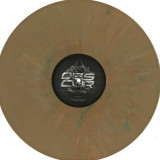
10 years after the original release we bring back the 5th and final release on the Belgian Subcom label, in collaboration with Obscur Records. From deep and dark acid electro vibes to pumping acid core. Colored vinyl, varying from bright yellow to pink to blue, no 2 copies are identical. A-side for Subcom by G303, one of the few releases under his Stroman alias B-side by Collision for Obscur.
Commandez maintenant et nous commanderons l'article pour vous chez notre fournisseur.

Erste remasterte Reissue des Black Uhuru-Klassikers BRUTAL von 1986, gleichzeitig die erste Vinylreissue überhaupt. Das Album entstand in einer Traumbesetzung mit u.a. Sly & Robbie, Junior Reid und Tyrone Downie (Roots Radics), wurde von Arthur Baker co-produziert und von RAS Records-Engineer Jim Fox co-gemischt. Es enthält die Kultsingle 'Great Train Robbery' und war als Best Reggae Recording für den Grammy 1987 nominiert.
Commandez maintenant et nous commanderons l'article pour vous chez notre fournisseur.

As we journey Fred P continues to go further into his singular sonic landscape with long player Bliss Filled Passages. Depth and emotive intensity of Uplifted Vibes keeps the energy flowing with what has been a stable of Private Society vinyl arm, trippy fusionhouse. Rounding the proceedings with laid back roller Smooth and Real.
Another ace outing by the futurist Fred P.
Commandez maintenant et nous commanderons l'article pour vous chez notre fournisseur.

Repress!
Defected’s vinyl series continues to commit the label’s biggest digital releases to wax, delivering the best house music previously unavailable on vinyl, and this nineteenth edition collates four unmissable releases from 2023’s incredible summer season. Opening the compilation, British house favourite Jansons delivers old skool vibes with ‘Hypnotic’, championed by 90s hip-hop and RnB inspired vocal vocals courtesy of Dope Earth Alien. Next up, LP Giobbi’s long-awaited Defected debut came in the form of ‘Giodisco’, a joyful, vibrant club cut that showcased the live musician and producer’s disco-adjacent sound. On the B-Side, the First Lady of Defected Sam Divine presents her long-awaited dancefloor release ‘Take My Hand’ featuring Josh Barry on vocals. After teasing the track for nearly a year in her live sets, the heavenly house release did not disappoint. Closing out this esteemed collection is the addictive collaboration between Parisian underground favourites and London singer-songwriter Camden Cox, ‘Lady Love’, which dominated the summer season with its undeniable energy and earworm vocal.
Commandez maintenant et nous commanderons l'article pour vous chez notre fournisseur.

2025 marks the vinyl release of Changes 2, the pioneering album by legendary vocalist, keys player and composer Mike Lindup.
A remarkably engaging body of work with wide ranging elements, Changes 2 plots a course through upfront soul, deep funk, jazz riffs and disco vibes, tied together with the melodic magic and engaging vocals for which Mike Lindup is widely known.
As an internationally renowned musician with decades of achievements and accolades, Mike Lindup's outstanding career has taken him on a unique journey. With the band Level 42, he consolidated a place in music history with some of the greatest hits of the era, gaining a dedicated fanbase that see the band still touring to this day. As a soloist, the first Changes album and a notable release on Naim records, as well as his work with UK/Brazilian outfit Da Lata, have all allowed further development of a burgeoning creativity, now ultimately culminating in Changes 2 - an enthralling representation of where Mike Lindup is today.
Changes 2 features various excellent guest artists that demonstrate the diverse nature of the album, including the stellar vocals of Omar and Tony Momrelle, bass magic from Yolanda Charles and even an appearance from the comedian and impressionist Jon Culshaw! The album has also inspired two funk- fuelled dance remixes from Dave Lee and the inimitable Louis Vega. All of these talented individuals enhance the project greatly, making valuable contributions to Mike Lindup's distinguished work.
Speaking about the album, Mike Lindup says: "Changes - so many since I began recording this album, and as the saying goes, the one thing you can be sure of in this life. During the four years of making this album I've been reflecting on the world as I see it, the actors and actions on this grand stage of life, love, death, prejudice, politics, separation, longing, hopes and dreams. Musically, many of the seeds of these songs took hold a while ago and wouldn't let go, but to be fulfilled they needed input and inspiration from my producers Toni and Mike, and the talents of the singers and musicians that are featured within. My wish is that some of these themes will resonate with you."
With Gilles Peterson, undoubtedly one of the UK's most influential DJ's and tastemakers describing Mike Lindup as "one of his all-time favourite vocalists" and high praise from many other leading music broadcasters and writers, Changes 2 destined to be enjoyed by a multitude of discerning music and vinyl lovers the world over.
il devrait être publié sur 31.01.2025

Coincidental five year anniversary vinyl edition of Helado Negro's landmark 2019 album This Is How You Smile featuring new artwork and a high count of smile-inducing vibes. Helado Negro's This Is How You Smile, freely flickers between clarity and obscurity, past and present geographies, bright and unhurried seasons. A landmark release, This Is How You Smile embraces a personal and universal exploration of aura - seen, felt, and emitted - and showcases Roberto Carlos Lange's breezy, beautiful songwriting at its absolute best.
Commandez maintenant et nous commanderons l'article pour vous chez notre fournisseur.

Cet article n'a pas encore été publié. Vous pouvez pré-commander le produit maintenant.

Jack Adkins, the creative force behind the moniker Jamin’ Jack, has a multifaceted musical journey that began in the mid-'60s in Cincinnati. Initially cutting his musical teeth in garage bands like the Coachmen, Adkins would later embark on a decade-long journey as Jamin’ Jack, the One Man Band, from 1983 to 1993. A pivotal moment unfolded in the early '80s when, at the age of 36, Adkins walked into London Music studio in Tampa to record his debut LP, 'American Sunset.' This album, distinguished by its evocative portrayal of the West's decline, emerged as a defining piece in Adkins's musical repertoire. Its sonic landscape, characterized by guitars and drum machines, resonates with a familiar and poignant atmosphere. The subsequent decade witnessed Adkins assuming the persona of Jamin’ Jack, the One Man Band, embarking on an extensive ten-year tour. Adapting to a corporate presentation style, he not only refined his musical craft but also mastered the art of bantering and entertaining, overcoming his initial shyness. During this nomadic period, Adkins carried the master tapes of 'American Sunset' with him on the road. In a poetic expression of his transient lifestyle, he pressed LPs and tapes in Houston, selling them directly at various venues. The album, at its zenith, serves as a sonic backdrop to the lonesome and transient life on the road, encapsulating the essence of a nation seemingly heading into the sunset. 'American Sunset' stands as a must-listen for enthusiasts of Trans-era Neil Young and the dystopian vibes reminiscent of Repo Man, offering a captivating musical narrative that echoes the spirit of its time. Neofolk electronica? we're not sure, but its just amazing! Only 500 units of this 'sunset' coloured vinyl will ever exist. You waited 40 years for this anniversary meeting, so don't blow it, buy it!
Commandez maintenant et nous commanderons l'article pour vous chez notre fournisseur.

In 1969, producer and boogaloo godfather Bobby Marin conceived this undeservedly obscure funky, psychedelic Latin soul gem. Released on Ralph Lew’s short-lived Dorado label and engineered by Jon Fausty, Bobby was backed by a top-notch studio band that included Ricardo Marrero, Joey Pastrana, Bernard Purdie, Louie Ramirez, Orlando Marin and Ozzie Torrens. Includes liner notes by genre expert Pablo Yglesias telling the story behind the music. 180g vinyl. Generally, when discussing the first wave of Latin soul and boogaloo, it’s the bands and their leaders, the singers and the songs that get all the recognition. But what of the producers, composers, and arrangers? One of the top old-school New York Latin music producers, Bobby Marin, was behind the scenes for some of the best independently produced boogaloo and salsa of the ‘60s and ‘70s. “Saboreando - Pot Full Of Soul”, is the album Bobby created in 1969 for his friend Ralph Lew’s newly launched Dorado label. Fifty-five years later, Bobby confirms that he commemorated his humble Barrio beginnings playing stickball on West 107th Street and singing doo-wop while some kids played percussion on junkyard drums, by christening the band The 107th Street Stickball Team. The 107th Street Stickball Team was basically the same pool of friends as Ricardo Marrero’s group (Bernard Purdie on drums, Mike Viñas on guitar, Ricardo Marrero on vibes), with the addition of Louie Ramirez playing piano and organ, Orlando Marin, Joey Pastrana and Ozzie Torrens on percussion, Mike Viñas handling the electric bass, and Butch Johnson and Danny Agosto on lead vocals for a few numbers. At that time, soul music was seen by the present Latin generation, indeed the youth market in general, as something that was different, that broke with tradition. The record, with Bobby singing several of the best tunes including ‘Mojo Shingaling’ and ‘Rhythm and Soul’, highlights an affinity or connection between African American and Cuban music in a convincing blend that was emblematic of the scene and allowed the young generation to feel they had a fresh kind of music all their own. No wonder the LP notes boast The 107th Stickball Team is “a bunch of groovy youngsters.” We are now happy to make this undeservedly obscure funky, psychedelic Latin soul gem available again!
il devrait être publié sur 20.12.2024
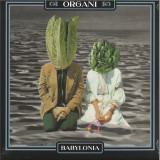
Well-versed in vintage vernaculars, Oakland-based producer/musician Mike Walti is about to return with his sophomore offering under the Organi moniker – as new album “Babylonia” follows 2020’s “Parlez-vous Français?,” a landmark in vibe acquisition ever since.
Wyldwood Studios is a portal. It’s a secret gateway to analog spheres. Cross the threshold and you’ll feel the difference: you can pick any ol’ time, any place, any tongue or vibe, in fact. Hit the dancefloor in 1967, feel that plushy loveseat in the early 70s. It’s a welcoming place where better, saner vibes are still within reach. Fueled, at least in part, by those long-classic 12”s on the walls – just imagine the sepia-tinted countenance of Melody Nelson alongside actual Birkin sans wig, right next to Shadow’s immortal crate diggers, forever blurred –, and channeled through ancient time travel devices such as the MCI 416B only to arrive on classic 2-inch tape (MM1000 aka Ol’ Bessy), it’s a haven for all things organic, for all things imbued with that warm élan. Built and run by Oakland’s own Mike Walti, countless artists from many different genres have felt that flair, creating sonic spheres and moving back and forth along the malleable axis that is space-time. Capturing magic.
Emerging from this unique portal back in 2020, Walti’s aka Organi’s first studio album was a stunning answer to its titular question – “Parlez-vous Français?” It was a soothing, somewhat psychedelic trip so magnétique and alluring that it immediately brought back those bits of Franglais you never knew you remembered. Whereas the debut LP indeed felt like a spontané voyage to the French Riviera ca. 1968, its follow-up “Babylonia” is so much more than linguistic confusion and ancient Akkadian Rhythms. Using that hidden portal near Alameda’s finest port to access all kinds of remote regions and sonic spheres, it’s super tight and feels, well, decent, even though, just like the ol’ Babylon, it’s full of surprising tongues and dreams, schemes and melodies.
“Where do we go from here?,” someone asks in opening “Organii-“ – all majestically cinematic boom bap, buoyant bass, sick strings. A fittingly massive opener that feels like cracking open a cold one after long weeks at work (that ecstatic “ahhhh”), it perfectly sets the tone for another half hour of pure time traveling, globe-spanning bliss. Whereas that certain prédilection pour all things French makes “La Rockette” so tempting and tantalizing (think MalMalNonBien), the sophomore album’s Berlin-based guest singer Nana Lacrima soon takes us elsewhere: title track “Babylonia” spins ever so softly, like a magic lantern, with images of dreamier Stones Throw funksters or Savath y Savalas looming over the steady flow of an arrangement that washes you clean like an ancient, unpolluted River Euphrates or Brazil’s actual Amazon. A sexy Portuguese-flavored anthem, occasional guest singer Alix Koliha also enters the scene to add yet another layer of French chic to this Brazilian landscape. Next, we’re back at the Riviera, but the “Italiano” version of it, splendido sunsets and bell towers in the distance, the ragazze laughing and shaking it up, perhaps even some Portofino Gin so you can really feel that “me ne batto il belin,” as your fingers align form some half-serious “ma che vuoi?”
Tim Maia-penned “Padre Cicero” (1970) deals with the stunning transformation of the titular hero – “De reverendo a lutador,” and what a soaring, sensual hook –, and Organi’s take on Elephant Memory’s “Old Man Willow” (now an “Old Man Waltz”) perfectly underlines what Walti’s Wyldwood endeavor is all about: Easy-Going Experimental Dream Pop, fueled by Gainsbourg, Broadcast, Stereolab, etc.
Later on, even though something seems to be tres complique in “Remembering Anna,” it all sounds carefree like a spontaneous Friday afternoon with a bottle of fine wine. Right before the outro, key album guest Yea-Ming Chen (of Yea-Ming & The Rumors) returns to the mic, adding her dark and dusky trademark timbre to melancholy anthem “Pictures Of Your Face”. Reminiscent of Nico and Trish (rip & rip), it’s a track that’s both dark and strangely propelling, hypnotic and hip-shaking.
A third generation Bay Area native, Mike Walti aka Organi has been running Wyldwood Studios in Oakland CA for some 15+ years (recording artists like Tommy Guerrero, Spelling, Why?, Latyrx, Del, Dan The Automator, and Big Freedia, to name but a few). A multi-instrumentalist who’s obviously in love with the 60s/70s, he loves to work with analog equipment (“We just love us some analog!” “Just listen to those relays purr…”). Recorded and mixed by Mike Walti at Wyldwood, “Babylonia” will be released on vinyl/digital by Alien Transistor.
Commandez maintenant et nous commanderons l'article pour vous chez notre fournisseur.

To celebrate the 30th anniversary of bob sinclar"s iconic label, Yellow Productions, step into the catchy world of the french touch with an exceptional and limited boxset with 3 LP vinyl records plus a poster. Discover hits, unreleased nuggets and rare tracks ranging from house to trip-hop, jazz and hip-hop. Discover some of the biggest names on the electronic music scene : Like Dimitri From Paris, Dj Gregory, Kid Loco, Martin Solveig and David Guetta!
Commandez maintenant et nous commanderons l'article pour vous chez notre fournisseur.

Get ready to sail into the vibrant rhythms of Romperayo with their new single, "La canoa del soldado," now available on Little Beat More!.
Romperayo brings a fresh take on Colombian tropical music by blending traditional coastal sounds with essential electronic elements and mixing nostalgic tropical vibes with modern beats.
The single also features a remix by Captain Planet with his fusion of global roots music adding a unique danceable twist to the original track.
Let’s paddle on Romperayo’s eclectic sounds and get your hands on the limited 7-inch vinyl that will carry you through sun-drenched landscapes and the bursting stream of millennial water flows.
Pedro Ojeda: Drums, percusion, composition, mixing.
Ivan Medellín: Accordion
Marco Fajardo: Clarinet
Nicolas Eckardt: Bass
Juan Manuel Toro: Synth
Recorded by Daniel Michel at MamboNegro Studios, Bogotá, 2023
Remix produced and mixed by Captain Planet
Master by Simone Squillario
Artwork by Michael Boulton
Commandez maintenant et nous commanderons l'article pour vous chez notre fournisseur.

Cinthie steps up to Aus Music's 200 series with Rave Baby EP.
The popular underground mainstay offers three effective and emotive house weapons Cinthie has been at the heart of the European underground for many years. The Berlin-based artist heads up her cultured 803 Crystal Grooves label and the well-respected Elevate.Berlin recordstore. She has a vast vinyl collection and a deep understanding of house that makes her a favourite all around the world. She has long been a key part of the Aus family and has recently branched out into playing live, all while continuing to serve up timeless sounds that range from rave-ready to deep and driving.
This EP is the third in a run of four releases from different artists to mark the 200th outing of Will
Saul's influential Aus Music. It is an era-defining label that has platformed some of the scene's
brightest stars way before they broke out. Since launching in 2006, the label has remained dedicated to releasing club-ready music with a cultured edge from deep and melodic house to the earliest bass-driven post-dubstep fusions.
Cinthie pushes herself into a more ravey fast-paced direction with her lead single 'Rave Baby'. The well swung kicks are full of warmth as a nimble bassline phrase gets hands in the air and crisp percussion cuts up the beats. It's peak-time fun that completely takes off with the raved-up piano stabs and a steamy female vocal. 'I Warned You Baby' sinks into a deeper groove that harks back to 90s New Jersey with diffuse chords, Nu Groove style vocals and punchy drum programming full of good vibes. Closer 'What's Poppin'' is passionate house music with depth and drive. Raw percussion, turbo-charged retro stabs and another standout bassline make it a high-class weapon.
Commandez maintenant et nous commanderons l'article pour vous chez notre fournisseur.

World Seven is a record label brought to you by the Paris & London based Africa Seven crew . We have joined forces with a collective of label heads, music freaks & crusty crate diggers to expand our musical quest - to search the world for sounds, vibes & scenes which cross musical genres and geographical borders. It's all about the music brothers and sisters.
Michel Sardaby was born in Fort de France, Martinique in the French West Indies in 1935. As a child he was surrounded by music in his dad's brasserie. He became a child prodigy on the piano and went on to study art at the Boulle School in Paris before deciding to concentrate on a career as a jazz pianist. Throughout the 60's, he played piano with blues musicians like Sonny Boy Williamson and T-Bone Walker, at the same time beginning to release more jazz-focused solo albums.
The record was recorded in New York in 1975 and the personnel on record is formidable. Billy Hart (McCoy Tyner alumni) is on drums, Richard Davis on bass and Leopold Flemming on Percussion. Michel himself is on keys and delivers a Rhodes master class.
The album itself has been remastered specially for vinyl and pressed (at the request of Michel himself) on heavy weight vinyl.
Commandez maintenant et nous commanderons l'article pour vous chez notre fournisseur.
