Cerca:vincent

Generi
Tutto
Vincent Vidal - Vincent Vidal - Remixed

Vincent Vidal is back on our catalog with style, this is a Remix work of two key artists of our generation, 0(Phase) deliver a total wild work full of intricate Sonic domination, while Antigone presents a total immersion into his mind, the wax is completed with a stunning original track from Vicent himself, I/ZER 3000 is a futuristic way of perceiving things.

non in magazzino

Ordina ora e ordineremo l'articolo per te presso il nostro fornitore.


Last In: 8 years ago
Vincent Vedat - Hustle

Vincent Vedat

Hustle

12inchSGOLEP001
S.G.O.L
11.12.2015

Vincent Vedat comes along with his first ep for S.G.O.L. He has tried to unite a Sick-sound with classical house elements. On the A side Worries & All The Same come with deep vocals and extreme sleaziness. Bashful and As Soft As Velvet are the OverSoft Husle on the B side.

non in magazzino

Ordina ora e ordineremo l'articolo per te presso il nostro fornitore.


Last In: 6 years ago
Stefan Vincent - Elephant's Foot

Label-resident Stefan Vincent drops his first vinyl for Dynamic Reflection. And what an EP 'Elephant's Foot' is; three mesmerizing originals and an outstanding Linzatti remix on top.

Stefan's shedding his 'upcoming' status more and more and turning himself into an artist to watch. This EP is another solid step in that direction.

non in magazzino

Ordina ora e ordineremo l'articolo per te presso il nostro fornitore.


Last In: 23 days ago
Various - Night Drive EP

The Australian Nightime Drama Label Hits Release Number Ten With A Various Artists Ep. It Features A Mix Of Returning Artists And New Signings, With Hiver, Stefan Vincent, Artefakt, Eric Cloutier & Trinity All Featuring On A Release That Once Again Mixes Styles From The Past With A Forward Thinking Vision.


First Up Is Dutchman Stefan Vincent With His First On The Label After Releasing Tracks On The Likes Of Anagram And Dynamic Reflection. It's A Deep Techno Voyage With Far Sighted Synths And Colourful Pads All Bristling Away To Bring A Sense Of Energy Yet Serenity To The Track. Curle And Let Recordings' Hiver Duo Then Go Even Deeper, With Warm, Elastic And Rubbery Basslines And Icy Hi Hats Softened With Broad Synths That Stretch Off To Infinity.

A Gentle Acid Line Finishes Things Off Before Another Duo, This Time Artefakt From Delsin And Field Records, Serves Up The Beautiful Ambient Techno Of Faces Of Others, Which Has Soft Pads Suspending You In The Cosmos As Subtle Rippling Rhythms Drive Things Along. Last Of All, Eric Cloutier Collaborates With Label Regular Trinity On 'hidden Places', A Patient Bit Of Early Evening Dub Techno That Exudes Warmth And Soul.

In Stock

Disponibile in Stock e pronto per la spedizione

Apparat - Dj-kicks (2x12")

Apparat

Dj-kicks (2x12")

2x12inchKLP727040
!K7 Records
12.11.2025

Sascha Ring aka Apparat’s work as a producer, artist, musician, live act and DJ has always been in a constant state of metamorphosis, while simultaneoulsy always managing to stay true to his trademark musical sound.

There is a unique spirit that lives within his projects and productions or rather they all have this special vision of music which becomes more distinctive with every release and spans his ‘Multifunktionsebene’ and ‘Walls’ albums on Shitkatapult, his ‘Moderat’ album made together with the boys from Modeselektor on Bpitch Control and his DJ-Kicks mix for !K7.

Following on from Kode9 and his friend James Holden, Apparat offers a wonderful mix and insight into the tracks that have influenced and roused his passion for club productions over the years as well as his current favourites in his box.

The mix includes an exclusive track ‘Sayulita’. Together with this mix, it also symbolises a nice reference point in an important chapter in Apparat’s own history – club music. This is a chapter that is by no means finished, for the more he succeeds in re-writing the narrow parameters of techno music, the more important it remains as the driving force in his life.

non in magazzino

Ordina ora e ordineremo l'articolo per te presso il nostro fornitore.


Last In: 3 months ago
Various - DEVIANT DISCO RECORD #3 EP

On this third release, Deviant Disco keeps on digging up lesser known gems of various origins and delivers a hot batch of four brand new edits. The French label sticks to its peculiar aesthetics and welcomes you once again to an enthralling musical trip — starting with Tchamy Patterson's groovy & percussive afrobeat only to spiral into Barnes' and Ygalove's hypnotic The Mongol Raid slow-mo trance edit, and steering from La Decadanse's tropical and sensual rework of Yves Simon vintage hit Amazoniaque all the way down to Eric Vincent's obscure 80s French erotica.

non in magazzino

Ordina ora e ordineremo l'articolo per te presso il nostro fornitore.


Last In: 3 months ago
Fredfades & Eikrem - Jazz Cats

Repress with new cover art & self adhesive vinyl sticker
Fredfades: SP-1200 / Eikrem: Trumpet
Remastered 300 copies
Ft. Ivan Ave, Azon Blaze, Skyblew, Lindsey Whittington
Cover by Even Suseg
For fans of J Dilla, Madlib, Mndgsn, Ivan Ave
Fredfades on the SP:1200 & Eikrem on the trumpet = "Jazz Cats". New cover art and remastered.

Fredfades is making his name in hip-hop circles worldwide as one of the most jazzy producers around. He's joined up with the gifted jazz trumpeter Kristoffer Eikrem for a full "Jazz Cats" LP. Needless to say, the project lives up to its title. The two enlist several other jazz musicians on this innovative LP, as well as rappers like Ivan Ave.

non in magazzino

Ordina ora e ordineremo l'articolo per te presso il nostro fornitore.


Last In: 7 years ago
Andrew Soul Feat Robert Owens - Slipping Into Darkness Ep

Vibraphone Records continues to deepen its contemporary repertoire by inviting Andrew Soul into the fold with a vocal contribution from house music legend Robert Owens. "Slipping Into Darkness" is a beautifully rendered deep house gem with expressive piano work, rubbery bass synth tones, but in some ways the minimalism of Vincent Floyd's remix gives Owens' vocals a chance to take centre stage. "As You Are" is a crooked, broken beat exploration on the fringes of deep house, and Owens' voice sounds resplendent in the more experimental surroundings before Nick Anthony Simoncino comes on board with a 90s flavoured, darkside remix of the highest order.

non in magazzino

Ordina ora e ordineremo l'articolo per te presso il nostro fornitore.


Last In: 6 years ago
Various - Lifesaver Compilation 3

Some try it with mouth-to-mouth insufflation and cardiac massage. Others with
psychopharmaceuticals or group therapy. Still others with divorce. By going cold turkey. With a new profile pic and a matching hairstyle. Seen it all at Robert Johnson, already endorsed everything - at least as long as it helps: as a lifesaving measure.
But since the year dot, the Offenbach-based club with its affiliated label recommends to all which are undecided or have doubts particularly one thing: Music. And dance.
Every two years, when life newly blossoms during spring, Live At Robert Johnson opens its windows widely, lets new music out and fresh air into the house. The beguiling scent of nature and aviation fuel blends with the scent of sweat and dry ice fog - and causes sundry healing confusion. As soon as the first tone of the Lifesaver Compilation 3 is heard, the swelling grunt of Vincent Feit's 'X04', the scenery of the dancefloor right at the Main river appears before one's eyes.
On Saint Monday Iconoclasts rebel against the age of self-optimization. A crack goes through the parquet of the dance floor (or the dancing party itself). The post-unambiguities era is beginning. The images become blurred. Bass case. Alternative facts. Resonance hole. No reception. And then it's only the queue answering the club emergency hotline. Finally there is a buzz on the line. 'Just drop the images!', it says.

'It's all not that tragic.' This helps.
The Lifesaver 3 Compilation, the yet most comprehensive package of the lifesaver history, sounds like electro, sharp-edged like the vault in a Hague bunker (Lauer), provides data pop with piano crescendo (Fort Romeau), brings the style characteristics of German Schlager music to the breakdance mat (Rolande Garros), lets the bulky lily-of-the-valley bells clang and sends the reverb tails away with the wind (Benedikt Frey). There are several new names to discover: Felix Strahd, Benjamin Milz, Vincent Feit; and of course there a many old acquaintances: Massimiliano Pagliara, Orson Wells, TCB, Chinaski. Roman Flügel brings us 'Good News', however: 'From Another Planet.' And Fort Romeau feels 'Lost, Again', but in such somnambulistically beautiful manner that you want to get lost with him instantly and jointly find the great joy.
Again and again there are mysterious chants. It's not required to decipher the specific words in order to get the message: Salvation is near. Salvation is here:


[)] e1 | Roman Fügel - Chang

non in magazzino

Ordina ora e ordineremo l'articolo per te presso il nostro fornitore.


Last In: 5 years ago
Mudd & Pollard - N7 Odyssey 2x12"

Mudd&Pollard

N7 Odyssey 2x12"

2x12inchC56LP010
Claremont 56
27.02.2017

It was the spring of 2007 when Paul 'Mudd' Murphy and Kevin Pollard announced the arrival of the former's Claremont 56 label with Villa Stavros', a magical frst collaborative 12'. It
seems somewhat ftting, then, that Claremont 56's fnal release of its' frst decade will be N7 Odyssey, the frst collaborative album from Mudd & Pollard. By the time Villa Stavros' came out, the pair had already been regular studio buddies for a couple of years. Initially, Murphy had recruited Pollard - a hugely talented keyboardist and composer - to play on tracks he was working on for Rong Music. One thing naturally led to another, and soon they were joining forces to make music as Murphy's home studio in
Holloway, North London. As the years rolled by, further acclaimed singles followed Villa Stavros' - the bubbly, Rhodes-laden Balearic disco shuffe of Vincent', and the lilting, intergalactic dub disco of Scaffold', most notably - before the duo's other musical commitments began to take precedence. Murphy had his hands full running the Claremont 56 and Leng labels, while Pollard carved out a successful career as a soundtrack composer for both flm and television. Now, the album they set out to make all those years ago is fnally fnished and ready to be
released. N7 Odyssey - titled in tribute to the Holloway studio they recorded in for many years before Murphy moved - draws together freshly re-mastered versions of their previously released singles with a clutch of previously unheard tracks. Built around the duo's own fne musicianship, with Pollard handling synths, keyboards and electric piano, and Murphy guitar, bass and percussion, the album's ten tracks offer a musical journey through their shared love of shuffing grooves, sun-kissed soundscapes and
gentle positivity. Highlights come thick and fast. There's the swirling strings, futtering futes, jammed-out electric pianos and heady female vocals of Far Away', the enchanting new age ambience of December', and the rush-inducing Balearic disco breeze of Mawson's Walk', a former single blessed with sublime horn solos and rising, cinematic strings. Check, too, the head-
nodding beats, fuid electric piano solos and jazzy guitars of Inatin', the gentle Eastern mysticism and vintage ambient house aesthetics of Anura', and the ultra-deep house pulse of N7 Odyssey'. The album fttingly fnishes with a sublime ambient interpretation of Scaffold', arguably the duo's most celebrated track. It may have taken a decade to emerge, fully formed, but Murphy and Pollard have delivered an album that's beguiling, magical, and hugely comforting. Clearly, it's an odyssey worth
taking.

non in magazzino

Ordina ora e ordineremo l'articolo per te presso il nostro fornitore.


Last In: 3 years ago
Marcel Dettmann - Dj-kicks 2x12"

Marcel Dettmann has mixed the latest edition of the highly respected DJ-Kicks compilation series.
Whilst Dettmann is well-known for his incendiary sets at his residency at Berghain, his DJ-Kicks mix is crafted for listening, and displays a more reflective side of the DJ and producer. The mix explores a wide array of selections from various subgenres; ranging from the a new vocal-led Strictly Rhythm release, to rapping on Clarence G's 1991 release 'Cause I Said It Right', recently reissued by Clone Records.
Over the course of its 1hr 14 duration, Dettmann reveals multiple new original productions; most notably a collaboration with Levon Vincent, 'Can You See It'. The pair have collaborated once in the past, releasing 'Vengeance' on Levon's own Novel Sound label towards the end of 2015 to critical acclaim. 'Can You See It' sees the duo venture into darker territory; a stripped back, sub-bass laden affair, the quality of this production immediately stands out in the early stages of the mix.
Dettmann also collaborates with MDR affiliate Wincent Kunth on 'Possible Step'. In addition to five brand new original Dettmann remixes and edits, there's an unreleased remix of Marcel's 'Let's Do It' from Ostgut Ton labelmate Rolando.
Designed to be enjoyed by both the critics and more casual listeners, this mix is the latest in a long series of lifetime achievements over the course of Dettmann's career - and with so many new unreleased original Marcel Dettmann productions included, this is a landmark release for the producer

non in magazzino

Ordina ora e ordineremo l'articolo per te presso il nostro fornitore.


Last In: 2 years ago
Kygo - Cloud Nine

Kygo

Cloud Nine

2x12inch88985319301
Sony Music
30.06.2016

Nachdem er 2015 die Marke von einer Milliarde Streams schneller erreicht hat als jemals ein Küns
tler vor ihm, schickt 2016
sich sogar an, für Kyrre Gørvell Dahl aka KYGO noch größer zu werden: Hier sind die Details seines Debütalbums 'Cloud
Nine'.
Das Album ist seit 18 Monaten in Arbeit und wurde den Fans erstmals im Februar angeteased, jetzt gibt d
ie norwegische
Dance
-Sensation ein bestätigtes Release-Datum für 'Cloud Nine' bekannt, enthüllt das exklusive Artwork von niemand
Geringerem als Mr. Brainwash und veröffentlicht seine brandneuen Tracks 'Fragile' featuring Labrinth 'Raging' feat. Kodaline
u
nd all das kann ab sofort vorbestellt werden.
'Cloud Nine', dessen komplettes Tracklisting demnächst bekanntgegeben wird, erscheint am 13. Mai 2016 auf Sony Music
International/Ultra Music/B1 Recordings.
Nach über acht Millionen verkauften Tonträgern sei
t dem Originalrelease von 'Firestone' in 2014, hat Kygo ein Who-
is-Who
der Kollaborateure zusammengebracht, die ihn auf einem der am sehnlichsten erwarteten Alben 2016 unterstützen werden


G b4 | I'm in Love (feat. James Vincent McMorrow)

non in magazzino

Ordina ora e ordineremo l'articolo per te presso il nostro fornitore.


Last In: 3 years ago
Chebran - French Boogie 1981-1985
 
6

This is France in the Mitterrand years: fashions fleet as fast as governments. In the early eighties, the happy-go-lucky gather the nectar of each and every new release.
Believing in a bright future for videotex, and loosened up by the sexy talks broadcasted on the budding pirate radios, the new generation dreams of dance floors and holiday clubs. French Boogie, which preserves the spirit of these years of boodle and bunkum, is the ideal soundtrack to their dreams.

What the web now refers to as French Boogie is some synthetic funk reflecting the spirit of those days when nothing was impossible, or so it seemed. Its syncopated flow heralded the dawning of French rap. Often considered as some kind of post-disco, inspired as much by black music as by new wave, this carefree pop music with bawdy lyrics indulged in simple pleasures: holidays, swank and sun were recurrent themes. Totally in tune with its time, it incidentally glorified luxury, success, and a certain consumerism embodied, for instance, in Bernard Tapie.

In popular clubs such as La Main Bleue in Montreuil, or L'Echappatoire in Clichy-sous-Bois - where Micky Milan could be seen behind the decks - an enthusiastic audience discovered this new sonic wave, influenced as much by French pop as by Sugar Hill Gang or Kurtis Blow. The artists who first launched the movement engaged in it wholeheartedly, but as often the case with new music trends in France, humour and casualness quickly became a decoy to impose a new style. This explosive mixture, in which startling and typically Frenchy French lyrics go along New-York-style tunes, is sometimes reminiscent of the kinky comedies directed by Max Pécas or Claude Zidi. On this prolific scene, partly originating from the Jewish community, everybody was looking for success, trying to hit the jackpot with what was to hand. Famous media personalities, one-hit wonders or John Does in quest of fame, all had a go at French Boogie - more or less successfully. Apart from « Vacances j'oublie tout » by Elégance, « Un fait divers et rien de plus » by Le Club, or « Chacun fait ce qui lui plaît » by Chagrin d'amour (produced by Patrick Bruel), very few songs became hits: the story of funk in France is that of a half-baked robbery.

In this myriad of new musicians, the very young François Feldman and Phil Barney pioneered a fresh and hybrid style. Other well-known artists like Gérard Blanc from Martin Circus (Attaché Case), Richard de Bordeaux (Ich), or Jean-Pierre Massiera (Anisette, Pirate Scratch Band, Mandrake, Scratch Man...) added an eccentric touch to this sound-wave, making it often entertaining, and sometimes showy.

Capture d'écran 2015-10-26 à 12.55.43Singers like Agathe (the author of 'La Fourmi' and of the hit song 'Je ne veux pas rentrer chez moi seule') were far more than just window dressing. They even tried to give an ironic and subversive twist to this rather harmless genre. The very vindictive rebel Gérard Vincent shared in this spirit, but as a whole, French Boogie became associated with nonchalance and sauciness. Thus, Stéphane Collaro, Gérard Jugnot, Alain Gillot Pétré and other TV clowns would clumsily contribute to this French variation on funky sounds. In a few but intense years, French Boogie gave all the tips to party with style.

If some hits made it possible for the happy few to get a real house under truly exotic palm trees, the wave actually ebbed away very quickly, leaving quite a few musicians stranded on the shore. Whether they were sincerely motivated, or simply opportunistic, they had failed. In 1984, French Boogie was already breathless, and got merged with other genres: on the one hand, rap and breakdance adapted its flow to a more urban world, especially with Sydney's show, H.I.P.H.O.P, and Dee Nasty's broadcasts on Radio Nova; on the other, italo, new beat and house began to rule over dance floors, even more strongly asserting the will to develop music for clubs.

Squeezed in between the age of disco and that of modern electronic music, French Boogie was a transitional phase, but it remains an amazingly refreshing testimony to the intermingling of pop and underground cultures. The genre was hastily categorized as anecdotal in spite of its pioneering synthetic groove and matchless bass lines. An attentive ear will discover the poetry of the ephemeral beyond the eccentricities of the genre, as well as a certain unexpected avant-gardism. At the origin of major music trends, always cheerful and catchy, French Boogie is what you need to party.

non in magazzino

Ordina ora e ordineremo l'articolo per te presso il nostro fornitore.


Last In: 10 years ago
John Beltran Presents.. - Music For Machines, Part 2

Celebrated ambient artist John Beltran jointly release not one but two vinyl compilations on Delsin Records in association with his own Dado label. The compilations, named Music For Machines Part 1 and Part 2, will take the form of two vinyl LPs released apart, with both releases complied together onto one CD available at a later date. Michigan born producer Beltran, of course, has released countless legendary EPs and LPs on labels like Peacefrog, Carl Craig's Retroactive and Belgium's R&S. His music has been licensed to high profile HBO TV series and a number of films, and pulls together elements of jazz, world music, organic soundscapes and electronic textures into compelling listening experiences. Most recently this came in the form of his Amazing Things album in 2013, whilst his career spanning Ambient Selections from 2011 is still a vital listen. Part 1 of the compilation pulls together new and exclusive tracks from the likes of Winter Flags, Blair French, David Elpezs and John himself, whilst part two focuses on the likes of Natalie Beridze, Kirk Degiorgio and Vincent Volt. Part 1 opens up with the found sound lushness of 'Winterfall Winds' before naturally unfolding through Reinehr's wintry harmonics and the crowning glory of Beltran's own titular track, which is a moving bit of textured modern classical music that sooths your mind, body and soul. As for Part 2, it is riddled with sumptuous sonic delights like Greg Chin's icy and alpine 'Dashboard Angels' and Mick Chillage's beautifully suspended 'Only In My Dreams'. Vincent Volt keeps things beautifully beachy with his 'Subway Arp' and A2B2C2's 'Stereometry' is a suitably sombre affair that closes the compilation down in style.

non in magazzino

Ordina ora e ordineremo l'articolo per te presso il nostro fornitore.


Last In: 11 years ago
Solvent - New Ways

Solvent

New Ways

12inchSUCTION025LP
Suction Records
27.02.2014

Music from the documentary "I Dream Of Wires" f/several large-format modulars as well as his own Eurorack system. It doesn't revel in classicist synthpop motifs or vocoder-pop of recent years but focusses on making strange sounds sing.

non in magazzino

Ordina ora e ordineremo l'articolo per te presso il nostro fornitore.


Last In: 10 years ago
Bim Sherman - Ghetto Dub LP

The long-overdue revival of Bim Sherman’s catalog begins here. These essential recordings will become widely available again for the first time in decades, opening a new chapter in the appreciation of one of Jamaica’s most distinctive voices and representing a major moment for reggae and dub aficionados around the world. This reissue series will not only preserve his legacy but will also offer listeners the chance to experience the depth and timeless resonance of Sherman’s work in its full glory.

Bim Sherman—born Jarret Lloyd Vincent, in Westmoreland, Jamaica—holds a unique place in reggae history. Emerging in the mid 70s, his ethereal, haunting vocal style quickly set him apart from his contemporaries. He was soon collaborating with the top producers and musicians of the era, including Adrian Sherwood and the On-U Sound collective, bridging the gap between roots reggae and experimental dub and laying the groundwork for the fusion of Jamaican sounds with the vibrant underground scene in the UK. His career, from Kingston to London to Mumbai, was marked by an artistic daring and spiritual intensity that has earned him enduring respect across generations.

The centerpiece of this reissue campaign is Ghetto Dub from 1988, a record that distills Sherman’s artistry into its most potent form. Originally released in a limited number, the album embodies the stark yet soulful beauty of dub production. With its reverb-drenched drums, cavernous basslines, and echo-laden atmospherics, Ghetto Dub transforms Sherman’s various tracks into spectral presences that drift in and out of the mix. The arrangement and production—minimal yet profoundly textured—captures both the raw urgency of Jamaican street culture and the forward-looking experimentation of the UK dub scene. Each track unfolds like a meditation, balancing grit with grace, density with space. Ghetto Dub is more than an album; it is an immersive soundscape that reaffirms Bim Sherman as one of reggae’s most otherworldly and visionary figures.

pre-ordina ora27.03.2026

dovrebbe essere pubblicato su 27.03.2026


Last In: 2026 years ago
MARKET EAST - FRENCH STREET
  • Angel From The Sky
  • Meditations On Mother Earth
  • Circles Of Time
  • Echoes Of My Heart
  • Everyday, Springtime
  • In The Delta
  • The Castles Of Our Minds
  • Roses
  • Italian Market Wine
  • French Street
  • St. Rita
  • So Hard To Say Goodbye
disponibile anche

PAISLEY PEACH VINYL


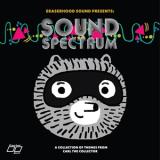
Market East teilt endlich seine wichtigste Botschaft mit der Welt in Form seines Debütalbums ,French Street". Die Band, bestehend aus Kurt Cain (Gesang), Vincent John (Gesang, Bass, Gitarre und Keyboard) und Maxwell Perla (Gesang, Schlagzeug und Percussion), liefert ihre charakteristischen himmlischen dreistimmigen Harmonien über Arrangements, die noch nie so reichhaltig und fesselnd geklungen haben. ,French Street" ist extrem gefühlvoll und die Vocals sind üppig, als hätten die Zombies in Muscle Shoals aufgenommen. Die Texte sind poetisch und nostalgisch, da die Band Songs über ihre vergangenen ,goldenen" Jahre geschrieben hat. Damals hatten die Jungs nicht viel außer einander und ihrer gemeinsamen Liebe zur Musik. Sänger Kurt Cain lebte in einem kleinen Reihenhaus in North Philadelphia in einer fast verlassenen Gasse namens French Street. Hier trafen sich Cain, John und Perla jede Woche, um der Realität zu entfliehen und sich gemeinsam an der Musik zu berauschen. Sie entwickelten eine tiefe Wertschätzung für alles aus den 60er- und 70er-Jahren, von Simon & Garfunkel bis The Moments und allem, was dazwischen liegt. All diese Jahre später hat Market East ein eigenes klassisches Album geschaffen. Vom Barock-Pop des Titelsongs und dem mitreißenden Soul von ,Roses" bis hin zu den lateinamerikanischen Klängen von ,Echoes of My Heart" und den orchestralen Klängen von ,Everyday, Springtime" zeigt Market East ihre beeindruckende Bandbreite. Die Platte wurde in Philadelphia auf Analogband aufgenommen und von Market East und Eraserhood Sound produziert. Hol dir noch heute dein Exemplar dieses zeitlosen Klassikers.

pre-ordina ora03.04.2026

dovrebbe essere pubblicato su 03.04.2026


Last In: 2026 years ago
MARKET EAST - FRENCH STREET

MARKET EAST

FRENCH STREET

12inchEHSLPC1114
ERASERHOOD SOUND
03.04.2026

Market East teilt endlich seine wichtigste Botschaft mit der Welt in Form seines Debütalbums ,French Street". Die Band, bestehend aus Kurt Cain (Gesang), Vincent John (Gesang, Bass, Gitarre und Keyboard) und Maxwell Perla (Gesang, Schlagzeug und Percussion), liefert ihre charakteristischen himmlischen dreistimmigen Harmonien über Arrangements, die noch nie so reichhaltig und fesselnd geklungen haben. ,French Street" ist extrem gefühlvoll und die Vocals sind üppig, als hätten die Zombies in Muscle Shoals aufgenommen. Die Texte sind poetisch und nostalgisch, da die Band Songs über ihre vergangenen ,goldenen" Jahre geschrieben hat. Damals hatten die Jungs nicht viel außer einander und ihrer gemeinsamen Liebe zur Musik. Sänger Kurt Cain lebte in einem kleinen Reihenhaus in North Philadelphia in einer fast verlassenen Gasse namens French Street. Hier trafen sich Cain, John und Perla jede Woche, um der Realität zu entfliehen und sich gemeinsam an der Musik zu berauschen. Sie entwickelten eine tiefe Wertschätzung für alles aus den 60er- und 70er-Jahren, von Simon & Garfunkel bis The Moments und allem, was dazwischen liegt. All diese Jahre später hat Market East ein eigenes klassisches Album geschaffen. Vom Barock-Pop des Titelsongs und dem mitreißenden Soul von ,Roses" bis hin zu den lateinamerikanischen Klängen von ,Echoes of My Heart" und den orchestralen Klängen von ,Everyday, Springtime" zeigt Market East ihre beeindruckende Bandbreite. Die Platte wurde in Philadelphia auf Analogband aufgenommen und von Market East und Eraserhood Sound produziert. Hol dir noch heute dein Exemplar dieses zeitlosen Klassikers.

pre-ordina ora03.04.2026

dovrebbe essere pubblicato su 03.04.2026


Last In: 2026 years ago
Wetsuit - First Dip

Wetsuit

First Dip

12inchWU009
WE OR US
12.03.2026

New 12” from WEorUS Records, catalog number WU009, is titled "First Dip" by Wetsuit. The record is written and produced by Vincent Lemieux and Ohm Hourani, two acclaimed figures known for their contributions to forward-thinking electronic music. This fresh EP features three tracks: “It’s OK” on one side, with “Believe it” and “Papapi Papapa” on the other, promising a genre-blurring journey ideal for discerning selectors. Jazz infusion and eclectic electronic production is the best way to identify this masterpiece.
Mastering is handled by Cristobal Urbina, ensuring high-fidelity audio.

In Stock

Disponibile in Stock e pronto per la spedizione

Ill Considered - Live in Jura LP 2x12"

We Release JAZZ is very happy to announce the limited vinyl edition of Ill Considered's transcendent new live album Live in Jura, an expansive document of the trio's 2023 performance at Spiegelberg Festival - now available as a double LP with a bonus D-side, housed in a heavyweight sleeve with obi and an original artwork by Vincent de Boer.
Captured in the heights of Saignelégier, Switzerland, in the middle of a pasture overlooking the Jura mountains, Live in Jura bottles the singular Ill Considered live experience at its most open, responsive, and elemental. From Idris Rahman (sax, flute), Liran Donin (bass), and Emre Ramazanoglu (drums), this is deep free improv built from intuition and heart - an ever-evolving conversation of groove, texture, and spirit. Whispered motifs bloom into towering climaxes; earthy bass surges meet shimmering cymbal work; woodwind lines move from meditative invocation to ecstatic release. It is music shaped by the audience, the environment, and the moment : alive, unrepeatable, and deeply organic.
The bonus D-side extends the album's world with a unique ambient composition made from field-recorded organic sounds of the forest surrounding the concert area. Re-composed into a drifting, luminous piece, it features The Voices of the Alpenglow, blurring the boundary between performance and landscape, human gesture and elemental presence.
Ill Considered - known for forging improvised music around simple themes or spontaneously created structures - here reach a new level of sensitivity and power. Live in Jura follows We Release JAZZ's release of Shoals by Ill Considered members Earth and Bones, continuing a line of exploratory, heart-forward music grounded in profound listening and spontaneous creation.

In Stock

Disponibile in Stock e pronto per la spedizione

Various - Tchic Tchic: French Bossa Nova 1963-1974  Colored Edition LP 2x12"
  • A1: Les Masques - Il Faut Tenir (1969)
  • A2: Isabelle Aubret - Casa Forte (1971)
  • A3: Christianne Legrand - Hlm Et Ciné Roman (1972)
  • A4: Jean Constantin - Pas Tant D'chichi Ponpon (1972)
  • A5: Billy Nencioli & Baden Powell - Si Rien Ne Va (1969)
  • B1-: Marpessa Dawn - Le Petit Cuica (1963)
  • B2: Jean-Pierre Sabar - Vai Vai (1974)
  • B3: Sophia Loren - De Jour En Jour (1963)
  • B4: Isabelle - Jusqu’à La Tombée Du Jour (1969)
  • B5: Sylvia Fels - Corto Maltesse (1974)
  • C1: Frank Gérard - Comme Une Samba (1972)
  • C2: Ann Sorel - La Poupée Des Favellas (1971)
  • C3: Charles Level - Un Enfant Café Au Lait (1971)
  • C4: Andrea Parisy - Les Mains Qui Font Du Bien (1970)
  • C5: Audrey Arno - Quand Jean-Paul Rentrera (1969)
  • C6: Aldo Frank - T’as Vu Ce Printemps (1970)
  • D1: Christianne Legrand - Cent Mille Poissons Dans Ton Filet (1972)
  • D2: Clarinha - Lemenja (1970)
  • D3: Hit Parade Des Enfants - Aquarela (1976)
  • D4: Jean-Pierre Lang - Tendresse (1965)
  • D5: Magalie Noël - Une Énorme Samba (1970)
  • D6: Françoise Legrand - La Lune

Ever since the late 1950s bossa-nova revolution, Brazil’s influence on French music has been undeniable. Pierre Barouh, Georges Moustaki and a vast array of lesser known artists, all made the Musica Popular Brasileira (MPB) an axis of promotion at the service of a cool and metaphysical, modern and mixed Brazilian lifestyle. Some were seduced by the poetic languors of the bossa, some were looking for fun, and others just loved the American hybridization of jazz-bossa, jazz-samba.


What is bossa nova? One of its creators, Joao Gilberto said: "Its style, cadence, everything is samba. At the very start, we didn't call it bossa nova, we sang a little samba made up of a single note - Samba de uma nota so .... The discussion around the origins of bossa nova is therefore useless”. It is nevertheless useful to remember that these magnificent Brazilian songs, which the guitarist describes as samba, were shifted and balanced around improbable chords. "I like things that lean, the in-betweens that limp with grace," said Pierre Barrouh, quoting Jean Cocteau.


With emotion, arrangements for violin and supple guitar licks, bossa nova rapidly changed. A transformation that can be heard in the Tchic, tchic, French Bossa Nova 1963-1974 compilation, the result of a cultural reappropriation, which traveled through the United States and supplemented itself in France.

A musical revolution that has remained significant, bossa nova was born in Rio. From 1956 to 1961, Brazil lived through its golden years. In five years, the country had invented its modernist style. Elected president in 1956, Juscelino Kubitschek de Oliveira, an elegant man with a broad forehead, brandished a promising slogan: "Fifty years of progress in five years". He quickly got to work. Not worried about increasing debt, he launched the project for a new federal capital, Brasilia, designed by the communist architect Oscar Niemeyer. Volkswagen opened state-of-the-art factories and created the “fusquinha”, the Beetle. In Rio, the Vespa made its first appearance. The Arpoador Surf Club crew run into the “girl” from Ipanema, Helô Pinheiro - the tanned garota ("chick"), between a flower and mermaid, who at 17 walked by the Veloso bar, where the fiery author and composer, Tom Jobim and Vinicius de Moraes, were getting drunk on whiskey. From then on, bossa symbolized cool.

In 1958, Joao Gilberto recorded Chega de Saudade, which the directors of Philips denied, calling it "music for fagots". The marketing director, who believed in it, secretly pressed 3000 78-inch vinyls and distributed them at schools around Rio, creating a tidal wave.

American jazzmen then took over. In particular, trumpeter Dizzy Gillespie and guitarist Charlie Byrd. In November 1962, the Brazilian Ministry of Foreign Affairs funded a "Bossa-Nova" concert at Carnegie Hall in New York, inviting the genre’s pioneers. Unprepared, the show soon turned to disaster. But the troupe was invited to the White House by Jackie Kennedy. The first lady loved "the new beat" and in particular Maria Ninguem, a song by Carlos Lyra, later covered by Brigitte Bardot.

In Brazil, the 1964 military coup quickly ended this euphoria. The destructive atmosphere that ensued pushed many Brazilian musicians to leave, if not to exile. Thus, Tom Jobim, Sergio Mendes and Joao Gilberto arrived to the United States. In New York, Joao Gilberto met saxophonist Stan Getz. At the time, he was married to the Bahianese Astrud Weinert Gilberto, who had a German father. She had never sung before, but she knew how to speak English. Getz therefore asked her to replace her husband on The Girl From Ipanema. The Getz/Gilberto record with Tom Jobim on piano, was released in March 1964. Phil Ramone, the "pope of pop" was in charge of sound.

Bossa nova arrived in Paris through the classic “guitar-voice” channel (Pierre Barouh, Baden Powell, Moustaki…) But France loved jazz and Paris had already welcomed its American contributors. All these good people were to pass through Saint-Germain-des-Prés. The cabaret l'Escale became the Mecca of Latin American sound where one could find Pierre Barrouh and his friends, such as the Camara Trio, samba-jazz aces, whose only record was published by the Saravah label. With a band strangely called Les Masques (a band that included Nicole Croisille and Pierre Vassiliu, among others), the Camara Trio recorded an interesting Brazilian Sound, including the track Il faut tenir which is present on this tasty compilation of rarities.

Other enlightened musicians can also be found on the compilation, such as Jean-Pierre Sabar (songwriter for Hardy, Auffray, Leforestier ...) and the French pop rock organist Balthazar. In 1975, Sabar recorded Aurinkoinen Musiikkimatka on a Finnish label, which featured the crazy Vai, Vai, included on this record. We are now following the footsteps of Brazilian electronic musicians such as Sergio Mendes, Eumir Deodato or Marcos Valle who created funk and disco sounds on their keyboards and synthesizers. A style that influenced Véronique Sanson when she wrote Jusqu’à la Tombée de la nuit in 1969 for Isabelle de Funès, the niece of Louis and a great friend of Michel Berger - Sanson did end up singing this track on her 1992 Sans Regret record.


The pinnacle of exoticism and travel, Sylvia Fels’ Corto Maltese includes bongos, sea mist and ocean sounds. The title was taken from Jacky Chalard’s concept album written in 1974, Je suis vivant, mais j’ai peur (I am alive, but I am scared), based on Gilbert Deflez’s science fiction novel.


However, bossa nova extended the scope of popularity. "In the 1970s, I was a fan of Sergio Mendes, Getz / Gilberto. I fell in love with this music that I knew because I had been an orchestral singer, " explained Isabelle Aubret, who in 1971 delivered a composite record of covers by the very funky Jorge Ben, Orfeu Negro, Tom Jobim, Vinicius de Morais and Jean Ferrat. "I recorded this album for Meys Records in Paris, far from Brazil, with wonderful musicians, François Raubert, Roland Vincent, Alain Goraguer...". The latter wrote the arrangements for Casa Forte, a very percussive title borrowed from Edu Lobo, one of the initiators of the bossa who spent time in California. "Jazz and bossa came together and produced very rhythmic music. I love singing, it allows me to dream, to have fun, to feel a high on stage, and these songs brought me joy, made me swing, my singing felt like a dance.”


The world tours of French singers and their desire for the tropics, often brought them to Rio with its hills, forests, caipirinhas and tanned bodies. There are surprises though, like this Iemenja (Iemenja is the goddess of the sea in the Afro-Brazilian candomblé religion). Not unlike the composer and musician Jean-Pierre Lang, based in Sao Paulo, Claire Chevalier taught Brazil to Brazil. In 1970, the singer and painter published a 45-inch vinyl, Mon mari et mes amants (My husband and my lovers), under the improbable pseudonym of Clarinha (little Claire). She was then living in Rio, with her husband, Joël Leibovitz, who founded a band called Azimuth, and who owned a record label specialized in "sambas enredos" songs for samba school parades.


For its B side, she asked Pierre Perret to come up with lyrics for a song composed by Carlos Imperial: "Oh goddess of the sea, o goddess Iemenja, I bring a white rose to adorn your long hair ..." . "Perret came to see us, and we had fun, remembers Joël Leibovitz. We wrote Lemenja for fun, we recorded it at the Havaí studio, behind the Central do Brasil the central station. Erlon Chaves, the arranger who worked with Elis Regina, joined us" adding his share of Afro-Brazilian percussions and funky brass to the mix.

There is a common misunderstanding in Franco-Brazilian history: that bossa, admittedly hedonistic, is perceived as funny, even though the poets who wrote the texts are often philosophizing on the human condition. Its French interpreters pull it towards a carnival inspired universe, far removed from its fundamental essence. Thus, Jean Constantin covered the famous Samba da minha terra, an ode to the art of samba written by the classic Bahian composer Dorival Caymmi, renaming it with the enticing title of Pas tant de tchi tchi pompon: "On your pier there is no tchi tchi / when you arch your back, you know everything is alright ”(lyrics by Gérard Calvi). This expedited bossa aims for the absurd, but retains a certain elegance.

Indeed, Jean Constantin was not an idiot, the rather large man had a huge mustache and liked fantasy, (Les pantoufles à papa, Le pacha, inspired by cha-cha-cha-cha, salsa and jazz) but he was also the lyricist of Mon manège à moi interpreted by Edith Piaf, the composer of Mon Truc en plume by Zizi Jeanmaire and the soundtrack of François Truffaut’s 400 Blows. Le Poulpe, published in 1970, from which this bossa is extract, was arranged by Jean-Claude Vannier, an accomplice of Serge Gainsbourg’s Melody Nelson. In short: "There is enough of samba / By looking at the parasol / Because my poor cabeza / Is going to die in the sun".

Even the American actress Marpessa Down, who was at the heart of the bossa nova revolution with her role as Euridyce in Marcel Camus’ film Orfeu Negro, winner of the 1959 Cannes Palme d'or, fed the clichée with Je voudrais parler au petit cuica - "Tell me how you manage to always make people want to dance / It's true, I must admit that I cannot resist your magic" - in consequence, once can hear the cuica, a little drum inherited from the Bantu.


But bossa nova had many angles. Societal, of course, pushing actresses who were symbols of women's liberation like Brigitte Bardot, Jeanne Moreau, or Sophia Loren to engage in the exercise of accelerated bossa. In February of 1963, Sophia Loren made a record in French in Rome, Je ne t'aime plus, featuring the song De jour en jour, a bossa written by two Italians, Armando Trovajoli and Tino Fornai, which was released a little later by Barclay. Bossa accompanied the 1960s, a decade of moral liberation. Ann Sorel, who interpreted La Poupée des favellas, caused a sensation with L’amour à plusieurs, a provocative song written by Frédéric Bottom and Jean-Claude Vannier. As for the actress Andrea Parisy, she displayed her bourgeois cheekiness in Marcel Carné's Les Tricheurs before interpreting Les mains qui font du bien. And Magalie Noël, the friend of Boris Vian, who sung Johnny fais-moi mal, was hired to sing Une énorme Samba, composed by Alain Goraguer (arranger to Gainsbourg, Bobby Lapointe and Jean Ferrat) with lyrics by Frédéric Botton.

But in the end, of what wood is bossa nova made of? The answer is given by Christianne Legrand, daughter of Raymond the conductor, and sister to Michel the composer: "With me, with jà" - jà means "immediately" in Portuguese. In 1972, the singer, an expert in vocal jazz and a member of the Double Six, published Le Brésil de Christianne Legrand. Two songs included on the Tchic Tchic compilation that demonstrate how bossa, jazz, funk, rock, etc. work like a swiss army knife: the music is used to denounce broken systems, or miracles, HLM et ciné roman, Cent mille poissons dans ton filet, two songs from the O Cafona soundtrack, a successful telenovela broadcast, at the time in black and white, on TV Globo. The first was adapted in French by the fighter and friend of the Legrand tribe, Agnès Varda. The second is content with a play on words, jostling them into a summer fun.


Véronique Mortaigne

pre-ordina ora17.04.2026

dovrebbe essere pubblicato su 17.04.2026


Last In: 2026 years ago
Pouf Pouf Pantoufle - Pouf Pouf Pantoufle

Behind the name Pouf Pouf Pantoufle lie six musicians from Nancy, graduates of the Lillebonne music school: Vincent Petit on double bass, Gabriel Lambert on bass, Guillaume Schwab on keyboards, Tom Colombain on trombone, Gaspard Petitnicolas on flute, and Solal Piquand on drums.

In 2022, they founded the APC (Appellation Pantouflarde Contrôlée) association and started organizing concerts at the legendary MJC Lillebonne, often alongside BMM and RPT. Thanks to their eclectic and avant-garde line-ups, these events have become unmissable for fans of hybrid music, electronic curiosities, and off-format performances.

Through a form of free, improvised, and chaotic jazz, the band Pouf Pouf Pantoufle echoes the local scene that they federate. The sextet now presents its first eponymous studio album, a genuine laboratory of improvisation and experimentation with different materials and sound textures, mixing acoustic and electronic elements in an intense and exhilarating jumble.

In Stock

Disponibile in Stock e pronto per la spedizione

DE AUGUSTINE, ANGELO - ANGEL IN PLAINCLOTHES
  • 1: Empty Shell
  • 2: Pet Cemetery
  • 3: Spirit Of The Unknown
  • 4: The Cure
  • 5: Mirror Mirror
  • 6: Cosmic Ride
  • 7: The Universe Was Our Mother
  • 8: With A Love So Kind
  • 9: Pictures On My Wall
  • 10: Goodbye Baby Blue

Angelo De Augustine kehrt mit ,Angel in Plainclothes" zurück, seinem fünften Album und bisher inspiriertesten Werk - eine tief empfundene Darstellung seiner mehrjährigen Reise der Heilung und Erneuerung. Das Album präsentiert De Augustines kraftvolle Melodien und ergreifende Texte in Titeln wie der eindringlichen Elegie ,Empty Shell", dem hoffnungsvollen ,Spirit of the Unknown" und dem herausragenden psychedelischen Country-Stück ,Mirror Mirror". Die Themen befassen sich mit der Zerbrechlichkeit des Lebens, zweiten Chancen und dem Wiederaufbauen seines Lebens, nachdem eine nicht diagnostizierte Krankheit ihn zwang, grundlegende Fähigkeiten neu zu erlernen: ,Ich versuche herauszufinden, wer ich jetzt bin", sagt De Augustine. ,Ich habe das Gefühl, dass mir eine zweite Chance im Leben gegeben wurde, und ich möchte sie leben." Das Album wurde vom Künstler in seinem Aufnahmestudio ,A Secret Place" in Südkalifornien geschrieben, aufgenommen, arrangiert, produziert und gemischt. Es ist das erste Mal seit Jahren, dass er wieder mit anderen Künstlern zusammengearbeitet hat, darunter der Streicharrangeur Oliver Hill (Kevin Morby, Helado Negro), den Harfenisten Leng Bian, die Backgroundsängerin/Percussionistin Wendy Fraser, den Produzenten Thomas Bartlett (der De Augustines ,Tomb" sowie St. Vincent und Bebel Gilberto produziert hat) und den Co-Produzenten Jonathan Wilson (Angel Oisen, Father John Misty) bei ,The Cure". Das Ergebnis ist ein kraftvolles Statement der Hoffnung: ,Eine der größten Hilfen, die mich am Leben gehalten haben, waren die Menschen in meinem Leben, die mir gesagt haben, dass letztendlich alles gut werden würde. Ich hoffe, dass diese Songs die gleiche Wirkung auf die Menschen da draußen haben und ihnen helfen zu erkennen, dass Wunder möglich sind."

pre-ordina ora24.04.2026

dovrebbe essere pubblicato su 24.04.2026


Last In: 2026 years ago
HRISHIKESH HIRWAY - IN THE LAST HOUR OF LIGHT
  • 1: Stray Dogs (With Iron & Wine)
  • 2: Dark Circles (With Fenne Lily)
  • 3: Rollercoaster
  • 4: Things Change, Even Now
  • 5: The Ocean (With Uwade)
  • 6: Big Sky (With Ken Pomeroy)
  • 7: Charlie, Short For Charlotte
  • 8: When I Look At You
  • 9: Your Voice (With Ken Pomeroy)
  • 10: Swimming Pool
  • 11: Home Movies

Hrishikesh Hirway, Musiker, Komponist und Podcast-Ersteller, bekannt für seinen preisgekrönten Podcast und die Netflix-Serie ,Song Exploder" sowie Kompositionen für Film und Fernsehen, darunter ,Companion", Save The Date, Our Nixon und Everything Sucks!, begann sein eigenes Musikprojekt unter dem Namen One AM Radio und änderte seinen Namen mit der Veröffentlichung von To Call My Own EP im Jahr 2022. Produziert vom Grammy-Gewinner Philip Weinrobe (Big Thief, Adrienne Lenker, Theo Katzman, Cass McCombs), In the Last Hour of Light ist eine Erinnerung daran, loszulassen - von Menschen, von Erinnerungen, vom Wunsch, die Zeit davon abzuhalten, zu schnell zu vergehen. Die Songs entstanden nach dem Tod von Hrishikeshs Mutter, als die Jahre sie immer weiter in die Vergangenheit drängten; in den Momenten, in denen er in seinem Krankenhauszimmer darauf wartete, dass sich sein Vater erholte; in dem Traum von einer Tochter, die er nie haben wird. Es gibt auch Liebeslieder - aber es ist die Art von Liebe, die die Patina eines langen gemeinsamen Lebens trägt, in dem man ebenso viel Zeit hinter sich hat wie vor sich. Die Band von Hrishikesh bestand aus Shahzad Ismaily (Feist, Arooj Aftab), Ken Pomeroy, Mike Haldeman (Moses Sumney, Dawn Richards) und Joshua Crumbly. Zur Besetzung von Hrishikeshs Band gehörten Shahzad Ismaily (Feist, Arooj Aftab), Ken Pomeroy, Mike Haldeman (Moses Sumney, Dawn Richards), Joshua Crumbly (Leon Bridges, Kamasi Washington), Oliver Hill (Kevin Morby, Broken Bells, Vagabon), Sean Mullins (Sam Evian) und Cole Kamen-Green (Beyoncé, Taylor Swift); mit Gastauftritten von Iron & Wine, Fenne Lily, Ken Pomeroy und Uwade Hart (St. Vincent), Zosha Warpeha (L'Rain) und Dustin O'Halloran.

pre-ordina ora24.04.2026

dovrebbe essere pubblicato su 24.04.2026


Last In: 2026 years ago
Good Kid - Can We Hang Out Sometime? (LP)
  • Rift
  • Eastside
  • Coffee
  • Cicada
  • Tea Leaves
  • Alone With Me
  • Ghost Keeper
  • Tornado
  • Wall
  • Ginger Lemonade

Good Kid ist keine typische Rockband; sie sind wahrscheinlich der größte Indie-Act, von dem du noch nie gehört hast. Was als Projekt von fünf kanadischen Informatikstudenten begann, die sich von ihren Aufgaben ablenkten – Nick Frosst (voc), Jon Kereliuk (drums), Michael Kozakov (bass), David Wood (git) und Jacob Tsafatinos (git) –, entwickelte sich rasant zu etwas viel Größerem und einer riesigen globalen Community, die Menschen willkommen heißt, sich so zu zeigen, wie sie sind. Mit vier erfolgreichen EPs im Gepäck liefert Good Kids Debütalbum "Can We Hang Out Sometime?" die energiegeladenen Hooks und innovativen Riffs, die zu ihrem Markenzeichen geworden sind, und wagt sich gleichzeitig mutig in neue Gefilde vor. Langjährige Fans finden hier die typischen Good-Kid-Kracher, die sie lieben, aber auch die Band, die in ihrem bisher rauesten Werk neue Soundfarben, Rhythmen und Wendungen erkundet. Produziert von Grammy-Preisträger John Congleton (St. Vincent, Wallows, Lana Del Rey) in Los Angeles.

pre-ordina ora30.04.2026

dovrebbe essere pubblicato su 30.04.2026


Last In: 2026 years ago
Good Kid - Can We Hang Out Sometime? (LP)

Good Kid ist keine typische Rockband; sie sind wahrscheinlich der größte Indie-Act, von dem du noch nie gehört hast. Was als Projekt von fünf kanadischen Informatikstudenten begann, die sich von ihren Aufgaben ablenkten – Nick Frosst (voc), Jon Kereliuk (drums), Michael Kozakov (bass), David Wood (git) und Jacob Tsafatinos (git) –, entwickelte sich rasant zu etwas viel Größerem und einer riesigen globalen Community, die Menschen willkommen heißt, sich so zu zeigen, wie sie sind. Mit vier erfolgreichen EPs im Gepäck liefert Good Kids Debütalbum "Can We Hang Out Sometime?" die energiegeladenen Hooks und innovativen Riffs, die zu ihrem Markenzeichen geworden sind, und wagt sich gleichzeitig mutig in neue Gefilde vor. Langjährige Fans finden hier die typischen Good-Kid-Kracher, die sie lieben, aber auch die Band, die in ihrem bisher rauesten Werk neue Soundfarben, Rhythmen und Wendungen erkundet. Produziert von Grammy-Preisträger John Congleton (St. Vincent, Wallows, Lana Del Rey) in Los Angeles.

pre-ordina ora30.04.2026

dovrebbe essere pubblicato su 30.04.2026


Last In: 2026 years ago
Euphonic Alliances Ltd. - Peace is it in You ?

First release from Euphonic Alliances Ltd. on Femacosmé – Désiré Bonaventure (Rue des Garderies) and Vincent Ferrari (Cosi e Cosi); here they present Peace Is It In You, a 4-track EP born at the crossroads of their respective psychedelias.


Between house, IDM, breaks, and ambient, this piece could be the post-Balearic soundtrack to an unknown shore – a vast liquid expanse, twisted by random tides under a multicolored sky from a day without night.


Peace Is It In You unfolds in four versions – Original, Instrumental, Acapella & Dub; Euphonic Alliances Ltd draw inspiration from the 90s and invite you to a great celebration of swirling dreams.

In Stock

Disponibile in Stock e pronto per la spedizione

Guilty Razors - Complete Recordings 1977 - 1978
  • A1: Hurts And Noises
  • A2: Wake Up
  • A3: I Don't Wanna Be A Rich
  • A4: Terrorist Bad Heart
  • A5: Provocate
  • A6: Lucifer Sam (Pink Floyd)
  • B1: Happy!?
  • B2: So Lazy
  • B3: I Feel Down
  • B4: Stupido
  • B5: Guilty
  • B6: Caroline Says (Loo Reed)

UILTY RAZORS, BONA FIDE PUNKS.


Writings on the topic that go off in all directions, mind-numbing lectures given by academics, and testimonies, most of them heavily doctored, from those who “lived through that era”: so many people today fantasize about the early days of punk in our country… This blessed moment when no one had yet thought of flaunting a ridiculous green mohawk, taking Sid Vicious as a hero, or – even worse – making the so-called alternative scene both festive and boorish. There was no such thing in 1976 or 1977, when it wasn’t easy to get hold of the first 45s by the Pistols or the Clash. Few people were aware of what was happening on the fringes of the fringes at the time. Malcolm McLaren was virtually unknown, and having short hair made you seem strange. Who knew then that rock music, which had taken a very bad turn since the early 1970s, would once again become an essential element of liberation? That, thanks to short and fast songs, it would once again rediscover that primitive, social side that was so hated by older generations? Who knew that, besides a few loners who read the music press (it was even better if they read it in English) and frequented the right record stores? Many of these formed bands, because it was impossible to do otherwise. We quickly went from listening to the Velvet Underground to trying to play the Stooges’ intros. It’s a somewhat collective story, even though there weren’t many people to start it.
The Guilty Razors were among those who took part in this initial upheaval in Paris. They were far from being the worst. They had something special and even released a single that was well above the national average. They also had enough songs to fill an album, the one you’re holding. In everyone’s opinion, they were definitely not among the punk impostors that followed in their wake. They were, at least, genuine and credible.

Guilty Razors, Parisian punk band (1975-1978). To understand something about their somewhat linear but very energetic sound, we might need to talk about the context in which it was born and, more broadly, recall the boredom (a theme that would become capital in punk songs) coupled with the desire to blow everything off, which were the basis for the formation of bands playing a rejuvenated rock music ; about the passion for a few records by the Kinks or the early Who, by the Stooges, by the Velvet mostly, which set you apart from the crowd.
And of course, we should remember this new wave, which was promoted by a few articles in the specialized press and some cutting-edge record stores, coming from New York or London, whose small but powerful influence could be felt in Paris and in a handful of isolated places in the provinces, lulled to sleep by so many appalling things, from Tangerine Dream to President Giscard d’Estaing...
In 1975-76, French music was, as almost always, in a sorry state ; it was still dominated by Johnny Hallyday and Sylvie Vartan. Local rock music was also rather bleak, apart from Bijou and Little Bob who tried to revive this small scene with poorly sound-engineered gigs played to almost no one.
In the working class suburbs at the time, it was mainly hard rock music played to 11 that helped people forget about their gruelling shifts at the factory. Here and there, on the outskirts of major cities, you still could find a few rockers with sideburns wearing black armbands since the death of Gene Vincent, but it wasn’t a proper mass movement, just a source of real danger to anyone they came across who wasn't like them. In August 1976, a festival unlike any other took place in Mont-de-Marsan – the First European Punk Festival as the poster said – with almost as many people on stage as in the audience. Yet, on that day, a quasi historical event happened, when, under the blazing afternoon sun, a band of unknowns called The Damned made an unprecedented noise in the arena, reminiscent of the chaotic Stooges in their early adolescence. They were the first genuine punk band to perform in our country: from then on, anything was possible, almost anything seemed permissible.

It makes sense that the four+1 members of Guilty Razors, who initially amplified acoustic guitars with crappy tape recorder microphones, would adopt punk music (pronounced paink in French) naturally and instinctively, since it combines liberating noise with speed of execution and – crucially – a very healthy sense of rebellion (the protesters of May 1968 proclaimed, and it was even a slogan, that they weren’t against old people, but against what had made them grow old. In the mid-1970s, it seemed normal and obvious that old people should now ALSO be targeted!!!).
At the time, the desire to fight back, and break down authority and apathy, was either red or black, often taking the form of leafleting, tumultuous general assemblies in the schoolyard, and massive or shabby demonstrations, most of the time overflowing with an exciting vitality that sometimes turned into fights with the riot police. Indeed, soon after the end of the Vietnam War and following Pinochet’s coup in Chile, all over France, Trotskyist and anarcho-libertarian fervour was firmly entrenched among parts of the educated youth population, who were equally rebellious and troublemakers whenever they had the chance. It should also be noted that when the single "Anarchy in the UK" was first heard, even though not many of us had access to it, both the title and its explosive sound immediately resonated with some of those troublemakers crying out for ANARCHY!!! Meanwhile, the left-wing majority still equated punks with reckless young neo-Nazis. Of course, the widely circulated photos in the mainstream press of Siouxsie Sioux with her swastikas didn’t necessarily help to win over the theorists of the Great Revolution. It took Joe Strummer to introduce The Clash as an anti-racist, anti-fascist and anti-ignorance band for the rejection of old-school revolutionaries to fade a little.

The Lycée Jean-Baptiste Say at Porte d’Auteuil, despite being located in the very posh and very exclusive 16th arrondissement of Paris, didn’t escape these "committed" upheavals, which doubled as the perfect outlet for the less timid members of this generation.
“Back then, politics were fun,” says Tristam Nada, who studied there and went on to become Guilty Razors’ frontman. “Jean-Baptiste was the leftist high-school in the neighbourhood. When the far right guys from the GUD came down there, the Communist League guys from elsewhere helped us fight them off.”
Anything that could challenge authority was fair game and of course, strikes for just about any reason would lead to increasingly frequent truancy (with a definitive farewell to education that would soon follow). Tristam Nada spent his 10th and 11th unfinished grades with José Perez, who had come from Spain, where his father, a janitor, had been sentenced to death by Franco. “José steered my tastes towards solid acts such as The Who. Like most teenagers, I had previously absorbed just about everything that came my way, from Yes to Led Zeppelin to Genesis. I was exploring… And then one day, he told me that he and his brother Carlos wanted to start a rock band.” The Perez brothers already played guitar. “Of course, they were Spanish!”, jokes their singer. “Then, somewhat reluctantly, José took up the bass and we were soon joined by Jano – who called himself Jano Homicid – who took up the rhythm guitar.” Several drummers would later join this core of not easily intimidated young guys who didn’t let adversity get the better of them.

The first rehearsals of the newly named Guilty Razors took place in the bedroom of a Perez aunt. There, the three rookies tried to cover a few standards, songs that often were an integral part of their lives. During a first, short gig, in front of a bewildered audience of tough old-school rockers, they launched into a clunky version of the Velvet Underground's “Heroin”. Challenge or recklessness? A bit of both, probably… And then, step by step, their limited repertoire expanded as they decided to write their own songs, sung in a not always very accurate or academic English, but who cared about proper grammar or the right vocabulary, since what truly mattered was to make the words sound as good as possible while playing very, very fast music? And spitting out those words in a language that left no doubt as to what it conveyed mattered as well.
Trying their hand a the kind of rock music disliked by most of the neighbourhood, making noise, being fiercely provocative: they still belonged to a tiny clique who, at this very moment, had chosen to impose this difference. And there were very few places in France or elsewhere, where one could witness the first stirrings of something that wasn’t a trend yet, let alone a movement.

In the provinces, in late 1976 or early 1977, there couldn’t be more than thirty record stores that were a bit more discerning than average, where you could hear this new kind of short-haired rock music called “punk”. The old clientele, who previously had no problem coming in to buy the latest McCartney or Aerosmith LP, now felt a little less comfortable there…
In Paris, these enlightened places were quite rare and often located nex to what would become the Forum des Halles, a big shopping mall. Between three aging sex workers, a couple of second-hand clothes shops, sellers of hippie paraphernalia and small fashion designers, the good word was loudly spread in two pioneering places – propagators of what was still only a new underground movement. Historically, the first one was the Open Market, a kind of poorly, but tastefully stocked cave. Speakers blasted out the sound of sixties garage bands from the Nuggets compilation (a crucial reference for José Perez) or the badly dressed English kids of Eddie and the Hot Rods. This black-painted den was opened a few years earlier by Marc Zermati, a character who wasn’t always in a sunny disposition, but always quite radical in his (good) choices and his opinions. He founded the independent label Skydog and was one of the promoters of the Mont-de-Marsan punk festivals. Not far from there was Harry Cover, another store more in tune with the new New York scene, which was amply covered in the house fanzine, Rock News (even though it was in it that the photos of the Sex Pistols were first published in France).
It was a favorite hang-out of the Perez brothers and Tristam Nada, as the latter explained. “It’s at Harry Cover’s that we first heard the Pistols and Clash’s 45s, and after that, we decided to start writing our first songs. If they could do it, so could we!”
The sonic shocks that were “Anarchy in the UK”, “White Riot” or the Buzzcocks’s EP, “Spiral Scratch” – which Guilty Razors' sound is reminiscent of – were soon to be amplified by an unparalleled visual shock. In April 1977, right after the release of their first LP, The Clash performed at the Palais des Glaces in Paris, during a punk night organised by Marc Zermati. For many who were there, it was the gig of a lifetime…
Of course, Guilty Razors and Tristam were in the audience: “That concert was fabulous… We Parisian punks were almost all dressed in black and white, with white shirts, skinny leather ties, bikers jackets or light jackets, etc. The Clash, on the other hand, wore colourful clothes. Well, the next day, at the Gibus, you’d spot everyone who had been at this concert, but they weren’t wearing anything black, they were all wearing colours.”

It makes sense to mention the Gibus club, as Guilty Razors often played there (sometimes in front of a hostile audience). It was also the only place in Paris that regularly scheduled new Parisian or Anglo-Saxon acts, such as Generation X, Siouxsie and the Banshees, the Slits, and Johnny Thunders who would become a kind of messed-up mascot for the venue. A little later, in 1978, the Rose Bonbon – formerly the Nashville – also attracted nightly owls in search of electric thrills… In 1977, the iconic but not necessarily excellent Asphalt Jungle often played at the Gibus, sometimes sharing the bill with Metal Urbain, the only band whose aura would later transcend the French borders (“I saw them as the French Sex Pistols,” said Geoff Travis, head of their British label Rough Trade). Already established in this small scene, Metal Urbain helped the young and restless Guilty Razors who had just arrived. Guitarist for Metal Urbain Hermann Schwartz remembers it: “They were younger than us, we were a bit like their mentors even if it’s too strong a word… At least they were credible. We thought they were good, and they had good songs which reminded of the Buzzcocks that I liked a lot. But at some point, they started hanging out with the Hells Angels. That’s when we stopped following them.”

The break-up was mutual, since, Guilty Razors, for their part, were shocked when they saw a fringe element of the audience at Metal Urbain concerts who repeatedly shouted “Sieg Heil” and gave Nazi salutes. These provocations, even still minor (the bulk of the skinhead crowd would later make their presence felt during concerts), weren’t really to the liking of the Perez brothers, whose anti-fascist convictions were firmly rooted. Some things are non-negotiable.
A few months earlier (in July 1978), Guilty Razors had nevertheless opened very successfully for Metal Urbain at the Bus Palladium, a more traditonally old-school rock night-club. But, as was sometimes the case back then, the night turned into a mass brawl when suburban rockers came to “beat up punks”.

Back then, Parisian nights weren’t always sweet and serene.

So, after opening as best as they could for The Jam (their sound having been ruined by the PA system), our local heroes were – once again – met outside by a horde of greasers out to get them. “Thankfully,” says Tristam, “we were with our roadies, motorless bikers who acted as a protective barrier. We were chased in the neighbouring streets and the whole thing ended in front of a bar, with the owner coming out with a rifle…”
Although Tristam and the Perez brothers narrowly escaped various, potentially bloody, incidents, they weren’t completely innocent of wrongdoing either. They still find amusing their mugging of two strangers in the street for example (“We were broke and we simply wanted to buy tickets for the Heartbreakers concert that night,” says Tristam). It so happened that their victims were two key figures in the rock business at the time: radio presenter Alain Manneval and music publisher Philippe Constantin. They filed a complaint and sought monetary compensation, but somehow the band’s manager, the skilful but very controversial Alexis, managed to get the complaint withdrawn and Guilty Razors ended up signing with Constantin with a substantial advance.

They also signed with Polydor and the label released in 1978 their only three-track 45, featuring “I Don't Wanna be A Rich”, “Hurts and Noises” and “Provocate” (songs that exuded perpetual rebellion and an unquenchable desire for “class” confrontation). It was a very good record, but due to a lack of promotion (radio stations didn’t play French artists singing in English), it didn’t sell very well. Only 800 copies were allegedly sold and the rest of the stock was pulped… Initially, the three tracks were to be included on a LP that never came to be, since they were dropped by Polydor (“Let’s say we sometimes caused a ruckus in their offices!” laughs Tristam.) In order to perfect the long-awaited LP, the band recorded demos of other tracks. There was a cover of Pink Floyd's “Lucifer Sam” from the Syd Barrett era – proof of an enduring love for the sixties’ greats –, “Wake Up” a hangover tale and “Bad Heart” about the Baader-Meinhof gang, whose actions had a profound impact on the era and on a generation seeking extreme dissent... On the album you’re now discovering, you can also hear five previously unreleased tracks recorded a bit later during an extended and freezing stay in Madrid, in a makeshift studio with the invaluable help of a drummer also acting as sound engineer. He was both an enthusiastic old hippie and a proper whizz at sound engineering. Here too, certain influences from the fifties and sixties (Link Wray, the Troggs) are more than obvious in the band’s music.

Shortly after a final stormy and rather barbaric (on the audience’s side) “Punk night” at the Olympia in June 1978, Tristam left the band ; his bandmates continued without him for a short while.

But like most pioneering punk bands of the era, Guilty Razors eventually split up for good after three years (besides once in Spain, they’d only played in Paris). The reason for ceasing business activities were more or less the same for everyone: there were no venues outside one’s small circuit to play this kind of rock music, which was still frightening, unknown, or of little interest to most people. The chances of recording an LP were virtually null, since major labels were only signing unoriginal but reassuring sub-Téléphone clones, and the smaller ones were only interested in progressive rock or French chanson for youth clubs. And what about self-production? No one in our small safety-pinned world had thought about it yet. There wasn’t enough money to embark on that sort of venture anyway.

So yes, the early days of punk in France were truly No Future!

pre-ordina ora22.05.2026

dovrebbe essere pubblicato su 22.05.2026


Last In: 2026 years ago
BRAINCHILD - SYMMETRY C

(12” black vinyl) The legendary 1999 trance classic “Symmetry C” by Brainchild is back on vinyl! This special reissue includes the original mix and three iconic remixes, featuring the highly sought-after extended Lange Remix - a true gem for trance DJs and collectors. Don't forget that the original track is the much sought after trance classic, which was released already in 1995 on the iconic compilation "Fact" from Carl Cox. Don’t miss your chance to own a piece of trance history, limited stock available.

In Stock

Disponibile in Stock e pronto per la spedizione

Hydroplane - A Place In My Memory Is All I Have To Claim (LP)

A Place In My Memory Is All I Have To Claim is the new album by Australian atmospheric pop trio Hydroplane, the storied 'offshoot' formed by three quarters of independent pop group, The Cat's Miaow. On this, their first music after two decades plus of radio silence, Andrew Withycombe, Kerrie Bolton and Bart Cummings return to the gentle, close-quarters musical world they shared around the turn of the century.

Recorded during 2024 in Melbourne and Ballarat, A Place In My Memory… picks up the thread Hydroplane set down with its precursor, 2001's The Sound Of Changing Places, though you can hear echoes of their other releases, too, with Withycombe noting a through-line from the group's 1998 "Failed Adventure" single. There's little quite like A Place In My Memory…, then or now, though. Maybe you can draw some connections between Hydroplane and their sister group, The Cat's Miaow, while fellow travellers might include Empress, The Ah Club, and further back, Young Marble Giants, Veronique Vincent (the muffled, ticking drum machine also makes me think of Robin Gibb's Robin's Reign).

There's also an umbilical to the bedroom-crafted electronica doing the rounds in the late nineties and early noughties. Hydroplane hint at this through their approach to songwriting, which often builds creatively around loops as structural devices. Through all this, the trio achieve an effortless, organic weightlessness across these nine lovely songs. Many feature Bolton's clear singing voice, drifting along, while guitars, keyboards, drum machines and loops tickertape away. The constituent parts fit together, but they also have a curiously detached quality - think of abstract cloud formations sharing the same sky.

Hydroplane and The Cat's Miaow often dealt in emotional ambiguity and uncertainty, and the uncertainty of the nostalgic. This was always one of the most appealing facets of their music, and A Place In My Memory… is thus named perfectly. I couldn't dream up a better title for the album and its reflections on history, lived experience, and the inevitable tangle between these two phenomena. These reflections variously address such concerns as human cruelty, flight, space travel, adventurism and spiritualism. There's also "To the Lighthouse", not a direct reference to the Virginia Woolf book, but a great title, nonetheless. (They've always had excellent titles, often borrowed, for songs and albums.)

A beautiful collection of drowsy, sleepy pop, humble and quiet, but resolute in its craft, A Place In My Memory Is All I Have To Claim is dream work in practice; a lovely reintroduction. Welcome back, then.

In Stock

Disponibile in Stock e pronto per la spedizione

MAURICE POTO DOUDONGO - THE LOST ALBUM

Unearthed from the Crammed Discs vaults after nearly four decades (Originally recorded in 1987), a hidden gem finally sees the light. Maurice Poto Doudongo’s The Lost Album arrives on vinyl for the first time—limited to 500 copies, with printed inner sleeve featuring release notes and photographs.

Back in the hazy margins of late-’80s Brussels, where boundary-blurring sounds were seeping through the cracks of pop music, a young autodidact named Maurice Poto Doudongo was crafting music that didn’t quite belong to any scene. Born in Kinshasa and growing up in Belgium, Maurice was a sonic nomad—raised on Franco, Miriam Makeba, and Tabu Ley Rochereau, transfixed by James Brown and Prince, and shaped by the fertile collision between African music and experimental electronics occurring all around him.

Leaving school at 16 to concentrate on music full-time, he began recording on borrowed 4-tracks, using cardboard boxes for percussion, and absorbing whatever sounds the airwaves served him: “Music has no frontier,” he says. “You take what you like. Prince, Fela, Papa Wemba—there is no contradiction. It’s all part of the sound.”

The result? A record that’s equal parts analog drum machine funk, homegrown Afro-pop futurism, and new wave R&B-informed synth poetry. Marc Hollander, founder of Crammed Discs, met Maurice through his friend and associate, musician/producer Vincent Kenis and quickly recognized the spark. The two began working in earnest, preparing tracks intended for a full-length release that, for reasons lost to time and memory, never materialized—until now.

Marc remembers: “The album was never completely finished. “Bolingo” was the only track that came out on a Crammed compilation at that time… and the rest sat on the shelf for decades until we started opening the Crammed vaults.”

Maurice recalls the session as being, “like an unstoppable current”. Listening now, the Lost Album feels both of its time and well beyond it. While tracks like “Momo” sound not a million miles away from the slinky and sophisticated Balearic pop ambience of Wally Badarou’s Echoes album, "Passport Train" shakes itself loose of any genre boundaries, veering into free-form Afro-electronica and tough electronic rhythm. Others pulse with a sweet and soulful groove that suggests dance floors dreamed of but never reached.

In decades hence, Maurice never left music, and the music never left him. Now working mainly as an arranger, he describes his job as being like that of a musical psychologist: “Someone comes to me with their sound, and before anything I have to understand their mind and heart,” he explains. That same intuitive fluency can be heard across this entire album—music that listens before it speaks, that absorbs before it asserts.

This reissue is more than a remastering. It’s a second breath. Sourced from cassette roughs and 24-track demos, carefully restored with Maurice’s blessing, and released as a complete album on vinyl for the very first time, The Lost Album isn’t lost anymore.

It just took nearly 40 years to find its way to you. - Editions de Lux

In Stock

Disponibile in Stock e pronto per la spedizione

Flabbergast - Weirdo Active

Montreal duo Flabbergast—aka Guillaume Coutu Dumont and Vincent Lemieux—return to Circus Company, the label where it all began with their debut EP in 2015. Now seasoned veterans of leftfield club experimentation, they deliver Weirdo Active, a two-track vinyl release that distills their signature
blend of groove, absurdity, and refined weirdness.
On the A-side, “Timecrowave” is a swung, syncopated burner built around fragmented drum programming, warbled synth textures, and subtly detuned atmospheres. It's a tool that thrives in the inbetween moments of a set—unpredictable yet fluid.
On the B-side “Serpentoute,” a slinky groove laced with dubwise processing and modular squelch, maintaining tension through micro-edits and playful FX. Perfect for after-hours transitions or more openminded floors.
Following standout releases on Yoyaku, Copier/Coller, and Chapelle XVI, Flabbergast continue to offer up dance music that’s deeply heady, subtly unhinged, and always full of intent. A finely sculpted dose of dancefloor surrealism—just the way Flabbergast likes it.

In Stock

Disponibile in Stock e pronto per la spedizione

Articoli per pagina:
N/ABPM
Vinyl