Поиск:the chi sound orchestra

Стили
Все
Flaer - Preludes LP

Flaer

Preludes LP

12inchODA01FT
ODDA Recordings
24.04.2026

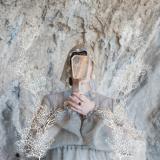
Artist and multi-instrumentalist Flaer looks to the landscape to explore pastoral melancholy on debut release, Preludes. It is released in a second edition black vinyl, with an alternate cover artwork.

Ensconced in his family home in rural Leicestershire in the early months of 2020, painter and musician Realf Heygate (b. 1994) picked up his childhood cello for the first time in several years and began to play. Setting himself parameters to only record onto 4-track tape with acoustic instruments – cello, piano and acoustic guitar – he assembled a suite of instrumental compositions that form the basis of Preludes, his debut album as Flaer and the inaugural release on Odda Recordings.

Channelling the tension and unease between the pastoral idyll of the English countryside and the darkness which lurks beneath the surface, the mini-album draws inspiration from the analogue aesthetic of 1970s folk horror films, weaving field recordings of birdsong, church bells and the natural environment into chimerical melodies that reflect on Heygate’s childhood experiences of rural England.

“It was really important not to isolate the sound from its environment,” he explains, describing the compositional and recording process as “site-specific”. Developed over a series of intuitive musical enquiries, the mini-album’s uncanny quality emerges from combining raw demo takes with overdubs of almost orchestral grandeur.

Heygate points to the final track as indicative of the work as a whole: “‘Follow’ really is the mantra for the release and embodies the practical approach I was taking to music making: not to force the music but see where it takes you.”

As a painter, Heygate’s practice takes artefacts through sequences of reproduction that embrace the fluctuating materiality of the copy. Since obtaining a degree in Fine Art from Central Saint Martins in 2017, he has exhibited solo at Peter von Kant and Springseason galleries in London, and has participated in group shows at Saatchi Gallery, Cob Gallery and Senesi Contemporanea.

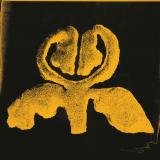
Describing his artistic practice as one of self-erasure, music instead provides Heygate with a more personal and autobiographical outlet. Where the two worlds combine is on Preludes’ striking artwork, which features paintings of 13th century stone carvings from the font of the church in the town where he grew up.

Speaking to a time where people were connected to the land in a more profound way, each symbol is assigned to a track on the album, which Heygate likens to giving them a title.

“To add that one juxtaposition might open a whole new interpretation or language that might be hard to find otherwise,” he explains.“Over time it might reveal itself to you, which is why I'm excited about it being released. To throw them out there and see what comes of it.”

Сделать предзаказ24.04.2026

он должен быть опубликован на 24.04.2026

South Shore Commission - South Shore Commission LP

LP Transparent Purple Vinyl in Picture Sleeve

The essential debut album from Chicago’s disco-funk pioneers, featuring the timeless “Free Man,” returns fully remastered from the tapes of Tom Moulton for RSD 2026. Produced by Philly soul legends Bunny Sigler and Bruce Hawes, this record bridges Chicago’s raw energy with Philly’s orchestral elegance. Essential for any collector serious about the roots of disco and dancefloor culture — an all-killer, no-filler LP that sounds fresher than ever today. Remastered and Redesigned labels and sleeve, Transparent Purple Vinyl.

Сделать предзаказ24.04.2026

он должен быть опубликован на 24.04.2026

Tommy Guerrero - Soul Food Taqueria 2x12"

2026 Repress

It’s rare that a certain sound is entirely an artist’s own. Although undeniably a stew of impeccable influences – from blues to folk to Latin to dusty funk, soul and hip-hop – one cannot hear a Tommy Guerrero song without immediately recognising it as his - and his only.
The cult skater from San Francisco is globally renowned as one of the original members of the legendary “Bones Brigade” team. And as an accomplished multi-instrumentalist, his laid-back soul is beloved by all who’ve basked in its blissful glow.
There’s something elemental about this music that really stirs the soul. Strikingly beautiful and instantly addictive, it’s a kind of funk-fuelled, melody-driven, groove-based magic. There’s a serenity and heart in the playing that radiates warmth and splendour, as if crafted for endless sunsets. His albums that surfaced on Mo Wax at the turn of the century have been treasured since their release and it’s two of his most vital LPs that we’re honoured to reintroduce.
The originals were quietly pressed on to a single piece of vinyl so we’ve worked closely with Tommy this year to bring you these fresh, limited editions. They have been lovingly remastered, cut nice and loud on to heavyweight double vinyl and presented in deluxe gatefold jackets.
Soul Food Taqueria continued Guerrero’s guitar soul but represented a step forward with its polished production and greater complexity of instrumentation. Denied the promotion it deserved upon release, it flew under the radar. It is now the most wanted record of his wondrous back catalogue.
Guerrero’s atmospheric touch and subtle guitar provide lush, glimmering pieces of musical texture. Within his spacious compositions, uniquely arranged instruments flourish alongside each other to create a languid soundtrack for halcyon days.
As ever, the diversity on display is beguiling. From bossa nova, samba and cumbia rhythms to understated folk, funk and soul grooves, this is another exotic set of mellow gold; perfectly represented by ESPO’s memorable artwork. Furthermore, the title’s hybridity reflects the intoxicating sweep of stylistic flavours served up, reminding us that, however tricky it is to categorise Guerrero’s special blend, it’s always a pleasure to indulge in something so creative and adventurous.
Dubby, bass-heavy instrumentals give way to moody folk-soul – witness “It Gets Heavy”, featuring melancholic vocals from Gresham Taylor – whilst “Thank You MK” is a gentle ode to the tropics, featuring ethereal instrumentation, bright bass and warm, jazzy guitars. The second half in particular contains a number of stunning ambient tracks – check “Lost Unfound”, “Another Brother Gone” and “Broken Blood” - built around minimalist, laid-back grooves and detailed guitar orchestrations which wouldn’t be out of place on the latest Jonny Nash release.
Guerrero closes this flawless set with a moment of true beauty. Restrained and graceful, “Falling Awake” is a pared back piece containing meditative guitar melodies set against melancholic piano arrangements. It brings proceedings to the most peaceful close. Seductively good, it reminds you just how great simplicity can sound.

Сделать предзаказ24.04.2026

он должен быть опубликован на 24.04.2026


Последний логин: 5 мес. назад
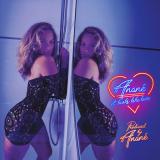
Anané - It Looks Like Love

Anané’s colourful life in music has seen her do everything from singing at the famous pre-game show at Super Bowl XLI as part of the group Elements of Life, DJ at hotspots like Hi Ibiza, Pacha NYC and Ushuaïa to name a few, while also curating her own monthly residency Nulu Movement, now ten years strong at Le Bain NYC, release unique blends of Afro, house, and pop on labels like Vega Records, and head up her own imprints, Nulu Music and Nulu Electronic. The Cape Verdean-born DJ, producer, vocalist, and songwriter has had countless club hits and has released acclaimed albums like ‘Ananésworld’ and ‘Chapters Of Becoming’, often with a lush, live, and orchestrated style that is truly unique.

With this release, Anané steps forward with her first solo production to date. Here she serves up the sumptuous ‘It Looks Like Love’, a poised, elegant house sound with her own smoking, soulful vocals and classy strings bringing colour to an Afro groove packed with infectious bounce. Neat guitar riffs and silky synths all enrich this most sophisticated sound. The first mix sees Anané link up with veteran Italian Christian Mantini, who has hosted Sunset Ritual parties with Anané and Louie Vega since 2013. Their dub is rooted in warm, rubbery drums that are even deeper and more immersive than the original.

Manda Moor & Sirus Hood are a red-hot contemporary pair who run the Mood label and are defining the contemporary underground. Their remix is more driving, but it retains the soulful vibe with breezy pads and jazzy motifs drifting in and out above the swaggering groove.

Rotterdam-based Chicagoan Jamie 3:26 is a master at blending disco, soul, and house into timeless sounds, and here he delivers a loopy rework that pairs deep drive and sun-kissed vibes with funky, Chic-style bass guitar motifs.

Сделать предзаказ24.04.2026

он должен быть опубликован на 24.04.2026

Jolanda Moletta - Oceanine

Jolanda Moletta

Oceanine

12inchBNSD098
Beacon Sound
01.05.2026

Oceanine, Jolanda Moletta’s third album and her first for Beacon Sound, is a powerful and ethereal statement of artistic community. Expanding on her previous work, each track represents a collaboration with a different female vocalist, with the foundational elements being generated entirely by her own voice. By turns haunting, enchanting, and inspiring, you won’t want to come up for air once you’ve been pulled under. Representing a
musical practice that is distinctly feminist, this is an album with a longer view in mind, to an age when the altars were to goddesses and women were centered as powerful beings representing the earth’s cycles of regeneration and renewal. Oceanine then, in all its beauty, can be viewed as an album of survival. It is deeply transportive, accessing something that lies within all of us. As the late, great Lithuanian folklorist and archaeologist Marija Gimbutas noted, “We must refocus our collective memory. The necessity for this has never been greater as we discover that the path of 'progress' is extinguishing the very conditions for life on earth.”

Jolanda Moletta is a multimedia artist and one-woman electronic choir. She creates wordless compositions through extended vocal techniques, integrating wearable-controlled live processing, alongside symbolic visuals. Moletta considers her performances to be a collective ritual and creates her Sonic & Visual Spells following the cycles of nature and the moon. Jolanda's 2022 critically acclaimed album Nine Spells was released on the Ambientologist label, followed by Night Caves on Whitelabrecs in 2025. Moletta’s artistic practice is a radical and spiritual journey through sound art, ritual, and the symbolic archaeology of the feminine.

Oceanine is inspired by sirens, water nymphs, and the timeless call of the sea. At its core lies Jolanda’s deep, lifelong connection to the Mediterranean Sea and to the ancient and modern myths and folklore that have emerged from its waters. Growing up by the Mar Ligure, Jolanda was surrounded by stories carried by salt, wind, and waves: legends of sirens, echoes of ancient voices, and the sea as both origin and oracle. This intimate relationship with the Mediterranean is not merely a backdrop, but a living source that shapes Oceanine’s emotional, symbolic, and sonic world.

Each track features a different female vocalist, creating a rich tapestry of voices, styles, and perspectives. This artistic choice not only broadens the album’s sonic palette, but also deepens its narrative core: celebrating the power, beauty, and mystique of feminine energy through myth, history, and sound.

The entire album is built exclusively from the human voice, processed and layered, yet always remaining voice, and nothing else. For each piece, Jolanda invited every vocalist involved to contribute a raw stem: a short, unedited melodic fragment of just a few seconds, inspired by the album’s themes. These intimate vocal seeds became the foundation of each track: the guest artists’ voices appear as brief, melodic stems, while the entire surrounding “orchestral” fabric is created solely from Jolanda’s own layered and processed voice. In this way, Jolanda’s voice becomes the Ocean itself, embracing, absorbing, and carrying the sirens’ calls within a vast, immersive soundscape. Every song is a unique expression of the feminine experience, revealing its depth, complexity, and emotional range, echoing the call of the sea and the many faces of the siren archetype.

The figure of the siren has transformed across centuries. In myths of Ancient Greece and Rome, sirens were hybrid beings, part woman, part bird, whose irresistible songs lured sailors to their doom. During the Middle Ages, the image shifted toward the half-woman, half-fish figure, often associated with temptation and danger. Historically, the voice of women has often been feared. Sirens were considered harbingers of misfortune not simply because they seduced or destroyed, but because they were powerful liminal beings.

In Ancient Greek, sirens functioned as psychopomps: figures who existed between worlds and guided souls, especially between life and death. Their songs were believed to carry forbidden knowledge, including prophetic insight and the ability to reveal truths about fate and the future. The danger of the sirens lay in what they revealed: knowledge that humans were not meant, or ready, to hear.

Oceanine confronts this legacy head-on. The voices heard throughout the album are not merely beautiful: they are dark and luminous, wild and enchanting, magical, soothing, dreamy, and at times fractured or distorted. They whisper, lament, beckon, and enchant. Like sirens, they skim the surface of the water and sink into its depths, hovering on the edge between tenderness and danger, vulnerability and power. They rise toward the sky, dissolve into mist, and return as echoes charged with raw, elemental emotion: voices that seduce, warn, mourn, and remember. They refuse to be reduced to decoration.

Alongside the album’s release in May, Oceanine will also unfold as a visual and performative work through a short art film. The film includes a live session recorded inside a sea cave facing the Mar Ligure, the very coastline where Jolanda spent her childhood, dreaming of sirens and listening to the sea as if it were speaking directly to her. This site-specific performance reconnects the music to its place of origin, allowing the voice to resonate within stone, water, and air, and transforming the cave into both a sanctuary and a threshold between myth and reality.

What if the sirens’ songs were considered dangerous because they carried another truth, an ancient truth long forgotten?

Oceanine embraces the idea that we are still deeply woven into myth. Though we may see ourselves as rational and modern beings, our world is saturated with ancient symbols and archetypes, often distorted, simplified, or stripped of their original meaning. And if those symbols are allowed to shift, if the mirror once held by the siren becomes an invitation to look beyond appearances and into what has been obscured, then we may finally uncover a deeper truth and reclaim the voice that was always ours.

Oceanine is not just an album. It is a reclamation, a spell, and a call from the depths.

Сделать предзаказ01.05.2026

он должен быть опубликован на 01.05.2026

Kasper Bjørke Quartet - Passages in Time LP

Passages in Time, the third album from Kasper Bjørke Quartet, traces the contours of a blend of spiritual jazz reverence and the calming grandeur of '80s ambient. Inspired by Christopher Nolan's observation that "time is the most fundamental part of our human experience," the compositions are approached as fragments of time and memory. Meditations on the elusive nature of time form the heart of the work, merging freeform jazz improvisations with cyclical synthesizer patterns that mirror its quiet undulations.
Dreamy synths intertwine with guitar, harp, trumpet, flugelhorn, saxophone, and flute, creating a spacious environment for contemplation. The music invites reflection on the choices that shape our lives and the lives of those closest to us, and on the quiet weight of our priorities within the brief span we call life on this planet. Each passage unfolds as a fleeting moment suspended in time. The subtitles hint at fragments from someone's diary, tender observations of love, parenthood, and connection. Together, the passages form a musical memoir of sorts, where memory and emotion are gently woven into the compositions.
Passages in Time does not impose structure or meaning, it reflects them, offering an open space as the instruments drift in and out of focus, tracing time's subtle rhythms and inviting the listener to infuse their own memories and meaning into these passages.
The album also marks a transformation for the Quartet project itself. Langstrakt (Claus Noreen), part of the original ensemble, continues to operate the synthesizers alongside Bjørke, while the wider constellation of contributing musicians has evolved. Strings and piano give way to flute and saxophone by Oilly Wallace, guitars by Danish ambient composer Anna Roemer, trumpet and flugelhorn by Malthe Kaptain, and cascading orchestral harp by Katie Buckley, principal harpist with the Icelandic Symphony Orchestra.
The cover painting is by American artist Marcus Leslie Singleton, courtesy of V1 Gallery, and reflects the meditative and timeless atmosphere of the music.
Passages in Time is released on Bjørke's own imprint, Sensitive Records, following the two previous Quartet albums released on Kompakt Records: The Fifty Eleven Project (2018), a debut that introduced Bjørke's ambient and neoclassical explorations, and Mother (2022), which expanded the ensemble's sound with emotive choir compositions and guest appearance by Sofie Birch (Unsound / Stroom). Together, these three albums trace a journey of artistic growth, from introspective experimentation to a fully realized, contemplative expression of time, memory, and human connection.

Сделать предзаказ08.05.2026

он должен быть опубликован на 08.05.2026

The Dining Rooms - Lost In The Spinning Sound LP

"Lost in the spinning sound" is the 12th studio album by The Dining Rooms (Stefano Ghittoni and Cesare Malfatti) who, over the years, have delved into an original style that balances cinematic atmospheres with funk, dub and ambient music. Here they have invited just one vocal guest, Chiara Castello from I'm Not a Blonde, for a collaboration that delivers a slow, nocturnal, orchestral, very minimalist album, oscillating between folk and blues, with deeply meaningful lyrics that explore the intricate nature of interpersonal relationships. The album cover, an illustration by Sara Vivan, conveys the idea of metamorphosis and invites us to dive into the sounds that surround and protect us. This is also the main message of the album: losing ourselves in order to protect ourselves a little. Drifting along and finding new, safer and more peaceful shores.

В наличии на складе

Есть у нас в наличии и готов к отправке

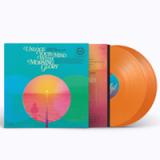
Various - Unlock Your Mind With Morning Glory – Compiled by James Endeacott (2x12")
  • A1: ) | Anuradha Paudwal – Gayatari Mantra
  • A2: ) | Baba Zula – Arsiz Saksagan (Cheeky Magpie)
  • A3: ) | Orchestra Tout Puissant Marcel Duchamp – So Many Things (To Feel Guilty About)
  • A4: ) | Christopher Martin – Playing Games With My Heart
  • B1: ) | Geir Sundstøl – C’est Vide En Ville
  • B2: ) | Brother Ah – Transcendental March (Creation Song)
  • B3: ) | Les Abranis – Therrza Rathwenza
  • B4: ) | Sparkels – That Boy Of Mine
  • C1: ) | Maximum Joy – Stretch (7” Mix)
  • C2: ) | Chillera – Schax
  • C3: ) | Elijah Minnelli – I Hope The Goats Come Back (Ze-Hood De-Sham Lichdal)
  • C4: ) | Siti Muharam – Pakistan
  • D1: ) | Muriel Grossmann – Traneing In
  • D2: ) | Catford Gyrations – Land Of 1000 Presets **
  • D3: ) | Living Daylights – Let’s Live For Today
  • D4: ) | Natalie Bergman – Shine Your Light On Me
также имеющийся в продаже

Yellow / Pink Vinyl


Crate digger and music enthusiast James Endeacott compiles ‘Unlock Your Mind With Morning Glory’ for Two-Piers Records – A glorious heady mix of the weird and wonderful eclectic music from his radio show ‘Morning Glory’

“One weekday afternoon towards the end of 2017 I sat in The Lyric pub on Great Windmill Street, Soho with my dear friend Raf. I’d just finished another of my weekly Soho Radio shows and was starting to think about the next one. Raf had been on as a guest playing some of his favourite tunes of the day. We had a few drinks, told a few stories and started to plot and scheme. It was always a dream of mine to have a daily radio show. Radio had always informed and excited me from my early teens listening to John Peel under the blanket when I should’ve been either sleeping or revising right up to the present-day musical excursions of NTS, WFMU and numerous internet based stations.

We decided to speak to Adrian and Dan who ran Soho Radio to see if they’d be up for us doing a daily morning show. To our surprise they were into the idea and within 5 minutes Adrain came up with the name Morning Glory. We all liked it. We were all excited. It was all systems go. In December 2017 Raf and myself started a daily 2 hour show. We did the show together, got guests in and the musical policy was whatever we felt like that day. After several months Raf found the mornings too much. Off he went into the distance occasionally coming back with a smile, and a bag of new music. I carried on alone and then suddenly in March 2020 the world stopped, and we went into lockdown.

We set up in my house in Catford, Southeast London and carried on. The show became 3 hours a day and I started to invite friends, record labels, record shops, bands etc.. to supply me with hour long mixes that I played every day. The show took off during this time. My musical tastes expanded as I spent all day long searching for new sounds from around the globe. People started to send me more and more music. I became obsessed with the show. The audience started to take to social media and ask for certain tracks or artists to be played. I got listeners to make me mixes to play on the show and I did several phone interviews with musicians while playing some of their favourite tunes.

I was grateful that Soho Radio left me to my own devices. They never told me what to do or what to play – they trusted ma and I trusted my instincts.

The music on this compilation is not a ‘best of’ it’s just how I felt when I compiled it at the start of 2025. Apart from a couple of tracks they are all things I’ve come across since the show started in December 2017. If I did a list of tracks now I’m sure it would be completely different. Surely that’s the point. We never stick in one place. We are always moving and searching. Always trying to unlock our minds. Put it on. Take your time and let it take you somewhere” James Endeacott 2025

В наличии на складе

Есть у нас в наличии и готов к отправке

ANiML - Unioness (Incl. DJ Sneak / Stoned Autopilot Remixes)

ANiML comprises accomplished and storied electronic artists. Their Stratasonic label has become a respected home for their freeform musical explorations, with no genre restrictions. They often call on friends and influential pioneers to collaborate on releases, and the originals they produce are defined by improvisation, creative songwriting, and intentional collisions of different moods and grooves.

'Unioness' is a tender but crisp late-night sound. Soft, jazzy melodies drift over orchestral swells with drum breaks cascading below. Abstracted vocals and serene strings further enrich this sophisticated sound, which draws on soundtracks and instrumental soul groups.

Stoned Autopilot is an alias of long-time studio magician Martin Buttrich, who is also part of Better Lost Than Stupid and has a fulsome catalogue on many of the scene's most recognisable labels. His dub rides smooth waves with aching vocals melting into the mix, and the melodies looped, smudged, and smeared in hypnotic fashion.

The second rework comes from DJ Sneak, the hugely prolific and consistent Chicago house innovator whose famously raw, tracky sound keeps him in a class of one. His fantastic Big Bawse Re-Rub brings a rolling four-four groove, a delicate sprinkling of percussion, and a loopy rhythm that locks you in and zones you out as curious melodies unfurl up top.

В наличии на складе

Есть у нас в наличии и готов к отправке

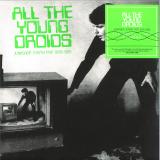
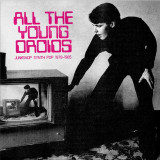
VARIOUS - ALL THE YOUNG DROIDS: JUNKSHOP SYNTH POP 1978-1985 (LP 2x12")
 
24
также имеющийся в продаже

Black Vinyl

MB Crystal Vinyl

LTD Trans Pink Vinyl


2025 REPRESS ON TRANSPARENT GREEN VINYL


Compiled by Philip King “And then came the rise of synth pop : blokes with dodgy haircuts hunched over keyboard-operated machines stuffed with wires and do-it-yourself tone oscillators making sounds like a brood of geese passing gas in a wind tunnel. Whoopee! This is the way the ‘70s ended : not with a blood-curdling bang bang but with a cheap, synthesized, emasculating whimper.” NICK KENT, NME. All The Young Droids: Junkshop Synth Pop 1978-1985 is a new compilation that charts the underbelly of the epoch-defining sound of the synthesiser in 80s popular music. Compiled by Philip King (previously seen compiling All The Young Droogs, Glitterbest and Boobs - The Junkshop Glam Discotheque), the music here connects the dots between DIY synth enthusiasts grappling with new, cheap synthesisers at the tail-end of punk and wannabe, jobbing songwriters enthral to the new music pioneered by Gary Numan, Depeche Mode and Daniel Miller’s Mute Records. Featuring rare tracks of auto-didactic progressive pop music, proto-techno punk, shoot-for-the-stars-land-in-the-gutter chart flops and heralded, underground synth classics, School Daze paints a picture of beautiful failure. Complete with extensive sleeve notes written by King and never before seen imagery, all 24 tracks were remastered by RPM in-house engineer Simon Murphy, many from vinyl copies due to lost master tapes. The story told on All The Young Droids is one of the dawning opportunity presented by both the emergence to the market of cheaper analog synthesisers and the distribution networks plus indie labels that exploded with the advent of punk music in 1976. While the music that sprouted out all over the globe in the wake of these factors was decried as fake, plastic, a refutation of punk’s guitar-led revolution, it’s telling that much of the music on All The Young Droids.. was created in bedrooms, ramshackle studios and home-made set ups with often borrowed equipment. In the era of record labels jumping to capitalise on the success of The Sex Pistols, The Clash (both on major labels, of course) these artists struggled to stand out from a new gold-rush with next to no budget or PR team. With radio and labels desperate for the new Yazoo, what resulted was a testament to necessity being the mother of invention. At the time, the synthesiser was the music of the future, a shiny new machine that could paint like an orchestra with a single finger and a 4-track. In the hands of Manchester avant-pranksters Gerry & The Holograms it’s a pulsing, sardonic weapon.. the only instrument on the Messthetics classic lampooning of New Wave fashion. In Hamburg, a 16 year old Andreas Dorau used it to write and record (with his female classmates on vocals) a global smash in Fred Vom Jupiter (later licensed to Mute Records). The hard-to-find English version (Fred From Jupiter, natch) is included here. Many artists with alreadystoried careers caught the bug and recorded synthesiser-fuelled peons to space, computers, the future and, of course, love-interests. Harry Kakoulli, late of Squeeze, recorded a solo album in 1979 that included the incredible power-synth-pop smash-that-never-smashed I’m On A Rocket. Similarly, Ian North of Neo and American Power Pop stalwarts Milk ’n’ Cookies bought a Korg MS20 and used a tape machine to record We’re Not Lonely, an absolute lost-classic of minimal synth pop. We’re Not Lonely also features on the Junkshop Synth Pop sampler 7” twinned with John Howard unreleased track You Will See, released April 12th 2025. There are plenty of compilation debuts in evidence. Sole Sister were a mysterious trio who were featured on the Scaling Triangles compilation of female-fronted, queer-adjacent post-punk / underground music that also featured The Petticoats. Selwin Image were from San Francisco and featured members of the recently defunct power pop/punk group The Pushups. Their stupidly catchy The Unknown fizzes with New Wave energy - think XTC to Sparks but remains unreleased until now. Dream Unit’s A Drop In The Ocean is an early synth wave cut, positively teaming with Joy Division instrumentation, previously only released on a long-forgotten and super rare, self-released EP. Incandescent Luminaire’s Famous Names belies an archetypal struggle of a small-town trying to make it in a cruel industry but is a thrilling New Romantic-Synth Wave cross over with a OMD gloominess that’s a joy to hear. Feminist Minimal Wave track I Am A Time Bomb by performance artist Peta Lilly and Michael Chance is a revelation destined for new found cult status. It was released on 7” and lost until now. The flipside to the subterranean, never-made-it synth pop mentioned above are the ambitious, even fruity attempts at success that have a perennial elegance to their confidence. New Jersey-ite Billy London (real name Ed Barth) tried to cash in on the synth boom with Woman, released by a major label, a lurching new wave track built on the Louie Louie rhythm and a wonderfully camp Lou Reedstyle sleazy vocal before exploding in the synthesised chorus. The song bombed but with a chorus like this, you have to wonder why? Ex-Glitter Band member John Springate’s My Life is truly epic, with doomed chord progressions and massive sounding drums turning into at least 3 different songs in the course of the track. Before you wonder what’s going on the song resolves with a glorious return to the main refrain. The dry-ice-dressed dance floor is well catered for too. Design’s Premonition and Vision’s Lucifer’s Friend are stone-cold minimal synth bangers, well loved but given a new lease of life here. The Warlord’s The Ultimate Warlord was released in 1978, a homespun proto Hi NRG banger that was later re-recorded by The Immortals in Canada who had a club hit with it. One-man- band Disco Volante’s No Motion was re-issued by Synth wave label Medical in 2012 but makes its first vinyl compilation appearance here. Close your eyes and you can imagine what Lawrence of Felt would have sounded like with some cheap Korgs a little earlier in his career. Gibraltar-based trio The Microbes imagined a computer programming people to dance - how prescient - and ended up with a propulsive, robo-funk track with splendid rubbery bass playing over a tectonic drum machine. Previously picked up by Belgian label Stroom TV, Dee Jay Bert & Eagle’s heavily Euro-accented I Am Your Master demands the listener to “come to paradise!” In a frankly terrifying manner. All The Young Droids is the first compilation to peel away from the narrative that dour, Minimal Synth and Cold Wave were the only musical children of the first rush of synth pop. Philip King and School Daze Records describe a much more complicated world: along with the austere, Brutalist children of Daniel Miller (who produced Alan Burnham’s Bowie-Low-influenced Science Fiction here) was a plethora of desperate cash-ins, accidental mainstream hits, ambitious pop dramas and major label punts that went nowhere. Crucially, the compilation blurs the line between junk and treasure. What if the two things are interchangeable. What if it’s all science fiction?

В наличии на складе

Есть у нас в наличии и готов к отправке

Various - Longing for the Shadow: Ryūkōka Recordings, 1921-1939

Emerging during the early stages of the recording industry in Japan, the ryūkōka style adopted western classical, blues & jazz elements into traditional and classical Japanese music.

This collection of 1920s & 30s ryūkōka recordings follows on from the Kouta Katsutaro tape we put out a couple of years back, and further captures the hauntingly unique sound of a cultural merging that was starting to reflect itself via popular song, ahead of the widespread influence of western pop music during post-war US occupation.

"Death Is Not The End are on a mission to expand the musical archive, with compilations of everything from Jamaican doo wop to pirate radio idents and adverts weaving new threads into the history of music. Longing For The Shadow: Ryūkōka Recordings, 1921-1939 goes back to the beginnings of the recording industry in Japan, and a style merging traditional Japanese forms with western pop and classical. Swooning orchestrations and prominent vocals capture some of the melodrama and bombast found in US and European music of the time, but beds of plucked and strummed instruments give an ordered elegance, tying it firmly to Hogaku tradition. Not much has been written about Ryūkōka, and a 2017 book by Hiromu Nagahara gives some clue as to why, arguing that although popular with the public, it was dismissed by critics both for its adoption of western sounds and its dwelling on Japanese traditional styles. Close to a century later, those are some of the qualities that make this compilation so fascinating." - The Quietus

В наличии на складе

Есть у нас в наличии и готов к отправке

RAFAEL TORAL - TRAVELING LIGHT LP 2x12"

From out of the dark, sparks of feedback birdsong signal a return to the singular sonic environments of Rafael Toral"s sound-world. A year after Spectral Evolution, his acclaimed album of electric guitar conceptions, comes the companion work Traveling Light. Sharpening his focus around a set of jazz standards, his move from abstract form to solid song elicits glints from beyond time and space, crafting a unique listening lens for deep listeners. In the early years of his practice, Toral used the guitar as a generator to create discreet texture and droning tones. Later, he abandoned the guitar entirely, focusing on self-made electronics to render his music with a post-free jazz perspective. For the music of Spectral Evolution and Traveling Light, Toral has combined his methodologies: radically expanding the space within their harmonies with his self-made machines, while engaging directly with his instrument and the chords of the material. In addition to Toral"s proxy orchestra of guitars, sine wave, feedback and bass guitar, Traveling Light features the sounds of clarinetist José Bruno Parrinha, tenor saxophonist Rodrigo Amado, flügelhorn player Yaw Tembe, flautist Clara Saleiro, who each guest on one song. In every contour of Traveling Light"s path - arrangement, improvisation and production - the spring of the old pours through the new in an unstoppable flow. The result is a listening experience of these standards that remains "in the tradition", even as the elongated harmonies seem to alter time such that, as Toral notes, "the chords become events on their own."

В наличии на складе

Есть у нас в наличии и готов к отправке

Senbeï - Rêves LP 2x12"

Senbeï

Rêves LP 2x12"

2x12inchBLAB112SENLP
Banzaï Lab
08.12.2025

An album like a film, a childhood like a journey.


With Rêves, Senbeï unveils the most intimate and ambitious work of his career. Known for his unique blend of electronic music, hip-hop, and Asian sounds, the beatmaker reinvents himself here in an orchestral and cinematic universe, a far cry from his previous albums.


Inspired by the great soundtracks of children's adventure films—The Goonies, The Neverending Story, Charlie and the Chocolate Factory—Rêves is a sonic immersion where childhood nostalgia meets the emotional power of an orchestra.


A unique symphonic production.


For the first time, Senbeï has called upon a 15-piece orchestra, recorded in conditions close to those of film music. Strings, wind instruments, and electronic textures echo each other to create a rich, evocative universe, filled with luminous melodies and magical tension. This album is not just a collection of tracks: it is an adventure to be listened to like reading a story or watching a film.

В наличии на складе

Есть у нас в наличии и готов к отправке

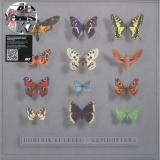
DOMINIK EULBERG - LEPIDOPTERA LP 2x12"

Lepidoptera - the scientific name for butterflies, meaning "scale-winged" - is also the title of the seventh studio album by renowned music producer, bestselling author, ecologist, and knowledge mediator Dominik Eulberg. More than just an album, Lepidoptera is an artistic manifesto: a celebration of butterfly diversity and a profound ecological statement. Set for release via !K7 Records, Lepidoptera blends his signature sound with an urgent ecological message. It marks the pinnacle of a music career spanning over three decades. Eulberg"s fascination with butterflies began in early childhood and has since become a lifelong passion. Drawing from years of experience as a producer and DJ, Eulberg presents his most technically ambitious work yet. At the heart of Lepidoptera are twelve native butterfly species, handpicked by Eulberg from the 3,700 known species in his homeland. Each track is inspired by one species, shaping the album"s structure and grounding its creative focus. The result is a richly textured and immersive journey that moves fluidly between pulsating, danceable rhythms, ambient soundscapes, and orchestral flourishes.

В наличии на складе

Есть у нас в наличии и готов к отправке

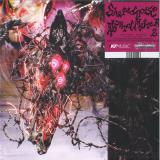
Shapednoise - Absurd Matter 2 LP

Arriving two years after the first chapter, Absurd Matter 2 isn’t just a sequel, it’s an evolution, redrawing the boundaries established by its acclaimed predecessor. The Berlin-based Italian producer tempers his confrontational sonics with rare moments of introspection, shifting seamlessly between blown-out noise, warped hip-hop, mutant club experimentation, and weightless ambience. Textures disintegrate and reassemble, rhythms flex and crumble, and every detail balances on the edge of fantasy. It’s a poetic, layered response to Nino Pedone’s changing physical reality: the gradual hearing loss and perceptual renegotiation triggered by Ménière’s disease, which struck him in 2022. At first, the experience felt like betrayal, a brutal disconnection from the very sense that had shaped his life. But over time, the disorientation turned into a strange kind of focus. The silence between sounds became as expressive as the sounds themselves.
The first Absurd Matter was a visceral reaction to trauma; the second is more reflective – an ambiguous chronicle of sensory recalibration. Pedone doesn’t represent his altered inner reality through extremes, but through depth, zooming in on illusory distortions, tense rhythmic fluctuations, and fragmented sonics. Dense, immersive, and mystical, the album mirrors Pedone’s evolving relationship with perception itself.
Tinnitus-like feedback wails and noir-ish strings introduce “Repeater”, making it immediately clear that Pedone is painting a more delicately finessed image this time around. Fleshed out by raps from cult MCs billy woods and E L U C I D, the track is marked by subtle, sophisticated contrasts: the blurred, inverted rhythms that couch Armand Hammer’s haunted back-and-forth, and the glitchy interference that offsets the lavish orchestral phrases. Backwoodz associate Fatboi Sharif lends his Lynchian drawl to “Bandage Chipped Wings”, grounding Pedone’s lysergic rhythmic distortions with syrupy, horror-inspired couplets. Pedone also invites discomfort into “Crash Landing”, with droning, metallic tones that contradict South Central rapper ICECOLDBISHOP’s elastic flow. “Bitch, I don't give a fuck about anybody,” he squawks over Pedone’s incongruous rasping textures and time-warped beats, “cash out at any party.” Working alongside London’s Loraine James on production, Pedone reunites with Moor Mother on “I Saw The Light”, blending James’ soft-focus atmospherics with soundsystem-damaging, overdriven bass hits and rusted percussive snips. Moor Mother’s assertive words hover over the wreckage, tightening Pedone’s themes of overstimulation and altered awareness as they stutter and veer off course, vanishing into the backdrop.
Contrasting his more pensive experiments, Pedone’s dancefloor deviations are more concentrated on Absurd Matter 2 than ever before. He torches a stuttering dembow structure on “X”, obfuscating the rhythm’s familiar energy with disturbing audio hallucinations. On “Splintered”, he reunites with Kenyan prodigy Slikback, mangling neon-lit trance arpeggios with dissociated trap rhythms. He sharpens his skills to a fine point on “Oblivion Step”, observing 2- step through a lens of distortion and personal abstraction, shaking blipping synth leads over neck-snapping drums and counteracting the momentum with airless sci-fi soundscapes.
Perhaps the album’s most surprising moment arrives with “Viel”, which features vocals from Los Angeles-based composer Kaitlyn Aurelia Smith. Together, Pedone and Smith chance upon their notion of dub techno, fogging synth stabs and ghostly vocal traces into eerie harmonic distortions. On some level, it’s almost pop music, a far cry from the bleak dissonance of Absurd Matter and a hopeful way to reframe turbulence as transformation. Absurd Matter 2 doesn’t simply document a process; it enacts one. It doesn’t offer clarity; it invites disorientation. It’s not a map of the labyrinth, but a foghorn piercing the darkness.

В наличии на складе

Есть у нас в наличии и готов к отправке

Lovelock - Business & Pleasure (LP)

Steve Moore reprises his beloved Lovelock guise by presenting his unique riff on the library breaks genre. Business And Pleasure contains grimy groove and sleazy, funk-laden lounge music.

This vinyl release is hyper-limited, with just 500 pressed for the world.

The LP is ushered in by the spacey synth-funk of the sleazy, woozy title track. This is that serious slo-mo cosmic-balearic head-nod shit. Laidback bass, heavy funk with dreamy synth and electric guitars. An outstanding opener. Up next, the dynamic, swaggering "Last Call" is a sophisticated, elegant stroll - sweeping, mellow strings, a smooth bassline and gorgeous percussion with urgent keys and swelling synths.

"Slinky Strut" is another spaced-out, sleazy funk groove with jazz rock by way of a heavy, heavy guitar riff, mellotron and bass breakdowns which build to brass crescendos. Gigantic. "First Class" closes out the side, and, like classic Hawkshaw / Bennett noir, it's got that mysterious and murky stretched out sleuth / detective soul with a great bassline and percussive elements, with swelling strings, ace synths and smooth Rhodes piano melodies entering the mix halfway through. Dramatic guitars and groovy percussion add extra intrigue. It's 7 minutes of funk!

Side B opens with the stretched-out psychedelic funk and jazz groove of "Stank 49". It takes its sweet time to unfurl, creating enormous - almost sensual - anticipation for the ensuing beauty but, as it does, we're left beguiled and straight-up hypnotised. Heaven-sent synth flourishes and a laidback bassline over smooth drums cement its simple, vivacious grace. "Dangerous Man" is that creeping crime funk we all love; heavy bass and fuzzy guitar riffs, mellow strings and sumptuous piano/synths. It's irresistible, it's ominous and it's pretty gargantuan. It's basically like an El-P hip-hop instrumental. We need to get some rappers over this stuff, stat!

"Stinkbug" is a dazzling and funky groove-fuelled jazz-rock workout with fizzing synth riffs joined by full percussion and drum breaks, building with strings to a strong swagger. Vigour! To close out this remarkable set, the breezy "Win Or Lose" is laidback soul-inflected funk, utilising urgent, skipping drums and galloping basslines. Just stunning.

This collection was written and recorded in Spring and Summer of ’24. Everything was tracked at Steve's home studio in Albany, NY except the drums and percussion, which were recorded by Jeff Gretz at his space in NYC. The whole collection is basically a rhythm section feature, so Steve's Rickenbacker 4003 and Fender Jazz Bass play very prominently. The bass guitar serves as lead instrument in a lot of these tracks. Also, lots of Rhodes and stringers (Solina, Logan etc) and guitar (Strat and Les Paul). He even dusted off my sax for this one, which he doesn’t do as often as he’d like!

This type of groove-oriented library music has been a steady part of Steve's diet since the late 90’s. In heavy rotation while writing this collection were the following classics: “Time Signals” by Klaus Weiss, “Tilsley Orchestral No. 10” by Reg Tilsley, and “Heavy Truckin’” by Simon Haseley. “Voyage” by Brian Bennett was also a big one.

Lovelock started as a dedicated Italo-disco project, but over the years Steve expanded it to include anything directly informed by the commercial/pop side of the music of his childhood (70s/80s). Writing and recording this album was, like a lot of Steve's music these days, basically a test to see whether or not he could do it.

The song titles, like the music, are meant to be evocative yet vague. But there is a bit of a travel theme. Steve imagined this record being the soundtrack to a sleazy salesman’s business trip. The kind of guy who, when asked if he’s traveling for business or pleasure, responds “both.” Beyond the traveling salesman comparison, the title directly relates to the creation of this album. This was something he wanted to do just for his own enjoyment. Yet, like our sleazy salesman, he still found a way to get paid.

The album’s cover was designed by Chris Stevenson, with no little direction from Steve. He knew that he wanted to go with something photography-based for this cover so, in true DIY/cheapskate spirit, Steve started by looking through his own photos. He found the cover image on his phone, taken through an almost empty bottle of beer, and it clicked. The whole album has a very boozy vibe (especially with titles like “Last Call”) so this shot seemed appropriate. We, hic, agree.

Mastering for this vinyl edition was overseen by Be With regular Simon Francis, and it was cut by the esteemed Cicely Balston at Abbey Road Studios to be pressed in the Netherlands by Record Industry.

В наличии на складе

Есть у нас в наличии и готов к отправке

ORIGINAL SOUNDTRACK - DJANGO UNCHAINED
  • A6: Anthony Hamilton & Elayna Boynton– Freedom, Acoustic Guitar – Elayna Boynton, Co-Producer – Daniel Beard, Mixed By, Mastered By – Daniel Beard, Duane Allen (2), Piano, Electric Piano
  • B7: Don Johnson And Christoph Waltz– Five-Thousand-Dollar Nigga's And Gummy-Mouth Bitches, Written-By
  • B9: Don Straud– Sneaky Schultz And The Demise Of Sharp, Written-By
  • B12: Rick Ross With Walton Goggins And Jamie Foxx– 100 Black Coffins, Engineer
  • Recorded | By
  • C14: Samuel L Jackson, Leonardo Dicaprio And Christoph Waltz– Hildi's Hot Box, Written-By
  • C17: James Brown And 2Pac With James Russo (2), Christoph Waltz And Jamie Foxx– Unchained (The Payback / Untouchable), Mixed By
  • D19: Brother Dege– Too Old To Die Young, Lyrics By, Music By – Dege Legg, Mastered By – Bruce Barielle, Mixed By – Dege Legg, Primo (9), Tony Daigle, Producer – Dege Legg, Primo (9), Tony Daigle, Recorded By – Dege Legg, Vocals, Resonator Guitar
  • D20: Samuel L Jackson And Jamie Foxx– Stephen The Poker Player, Written-By
  • D22: Samuel L Jackson And Jamie Foxx– Six Shots Two Guns, Written-By
  • D23: Annibale E I Cantori Moderni*– Trinity Titoli, Composed By – Franco Micalizzi, L Stott*, Conductor
  • A1: James Russo (2)– Winged, Written-By
  • A4: Jamie Foxx And Christoph Waltz– "In That Case Django, After You ..", Written-By
  • A2: Luis Bacalov, Rocky Roberts– Django Theme Song (English Version), Written-By – Luis Bacalov
  • A3: Ennio Morricone– The Braying Mule, Written-By – Ennio Morricone
  • A5: Luis Bacalov, Edda Dell'orso– Main Titles Theme Song (Lo Chiamavano King), Written-By – Luis Bacalov
  • B8: Luis Bacalov– La Corsa (2Nd Version), Written-By – Luis Bacalov
  • B10: Jim Croce– I Got A Name, Written-By – Charles Fox, Norman Gimbel
  • B11: Riz Ortolani– I Giorni Dell'ira, Conductor – Riz Ortolani, Written-By – Riziero Ortolani*
  • C13: Jerry Goldsmith Featuring Pat Metheny– Nicaragua, Soloist – Pat Metheny, Written-By – Jerry Goldsmith
  • C15: Ennio Morricone– Sister Sara's Theme, Written-By – Ennio Morricone
  • C16: Elisa– Ancora Qui, Written-By – Elisa Toffoli, Ennio Morricone
  • D21: Ennio Morricone– Un Monumento, Written-By – Ennio Morricone

a A1 James Russo (2)– Winged, Written-By Dialogue – Quentin Tarantino


d A4 Jamie Foxx And Christoph Waltz– "In That Case Django, After You...", Written-By [Dialogue] – Quentin Tarantino

[f] A6 Anthony Hamilton & Elayna Boynton– Freedom, Acoustic Guitar – Elayna Boynton, Co-producer – Daniel Beard, Mixed By, Mastered By – Daniel Beard, Duane Allen (2), Piano, Electric Piano [Wurlitzer], Bass, Electric Guitar, Acoustic Guitar, Programmed By, Percussion – Kelvin Wootenm, Producer – Kelvin Wooten, Recorded By – Daniel Beard, Kelvin Wooten, Vocals, Backing Vocals – Anthony Hamilton, Elayna Boynton, Written-By – Anthony Hamilton, Elayna Boynton, Kelvin Wooten
[g] B7 Don Johnson And Christoph Waltz– Five-Thousand-Dollar Nigga's And Gummy-Mouth Bitches, Written-By [Dialogue] – Quentin Tarantino

[i] B9 Don Straud– Sneaky Schultz And The Demise Of Sharp, Written-By [Dialogue] – Quentin Tarantino


[l] B12 Rick Ross With Walton Goggins And Jamie Foxx– 100 Black Coffins, Engineer [Recording Engineer] – Isaiah Pryor, Phillip "Logann" Scott III*, Guitar – Charlie Burrel*, Lyrics By – Jamie Foxx, Rick Ross, Mixed By – Jaycen Joshua, Mixed By [Assisted] – Trehy Harris, Music By – Jamie Foxx, Producer – Ainz "Brainz" Dimilo*, Jamie Foxx
[m] Recorded By [Rick Ross's Vocals] – John Rivers*, Written-By [Dialogue] – Quentin Tarantino

[o] C14 Samuel L. Jackson, Leonardo DiCaprio And Christoph Waltz– Hildi's Hot Box, Written-By [Dialogue] – Quentin Tarantino


[r] C17 James Brown And 2Pac With James Russo (2), Christoph Waltz And Jamie Foxx– Unchained (The Payback / Untouchable), Mixed By [The Payback], Edited By [The Payback] – Claudio Cueni, Voice [As Ace Speck] – James Remar, Written-By [Dialogue] – Quentin Tarantino, Written-By [The Payback] – Fred Wesley, James Brown, John Starks*, Written-By [Untouchable (Swizz Beatz Remix)] – Anthony Henderson, Bruce Washington, Kasseem Dean*, Tupac Amaru Shakur*, Yafeu Fula, D18 John Legend– Who Did That To You?, Performer [Sample] – The Mighty Hannibal, Producer – Paul Epworth, Written-By – James T. Shaw (The Mighty Hannibal)*, John Stephens (3), Paul Epworth
[s] D19 Brother Dege– Too Old To Die Young, Lyrics By, Music By – Dege Legg, Mastered By – Bruce Barielle, Mixed By – Dege Legg, Primo (9), Tony Daigle, Producer – Dege Legg, Primo (9), Tony Daigle, Recorded By – Dege Legg, Vocals, Resonator Guitar [Slide/Dobro], Body Percussion [Stomps], Handclaps [Claps] – Dege Legg
[t] D20 Samuel L. Jackson And Jamie Foxx– Stephen The Poker Player, Written-By [Dialogue] – Quentin Tarantino

[v] D22 Samuel L. Jackson And Jamie Foxx– Six Shots Two Guns, Written-By [Dialogue] – Quentin Tarantino
[w] D23 Annibale E I Cantori Moderni*– Trinity: Titoli, Composed By – Franco Micalizzi, L. Stott*, Conductor [Orchestra Directed By] – M° Gianfranco Plenizio*

[a] A1 James Russo (2)– Winged, Written-By [Dialogue] – Quentin Tarantino


[d] A4 Jamie Foxx And Christoph Waltz– "In That Case Django, After You...", Written-By [Dialogue] – Quentin Tarantino

[f] A6 Anthony Hamilton & Elayna Boynton– Freedom, Acoustic Guitar – Elayna Boynton, Co-producer – Daniel Beard, Mixed By, Mastered By – Daniel Beard, Duane Allen (2), Piano, Electric Piano [Wurlitzer], Bass, Electric Guitar, Acoustic Guitar, Programmed By, Percussion – Kelvin Wootenm, Producer – Kelvin Wooten, Recorded By – Daniel Beard, Kelvin Wooten, Vocals, Backing Vocals – Anthony Hamilton, Elayna Boynton, Written-By – Anthony Hamilton, Elayna Boynton, Kelvin Wooten
[g] B7 Don Johnson And Christoph Waltz– Five-Thousand-Dollar Nigga's And Gummy-Mouth Bitches, Written-By [Dialogue] – Quentin Tarantino

[i] B9 Don Straud– Sneaky Schultz And The Demise Of Sharp, Written-By [Dialogue] – Quentin Tarantino


[l] B12 Rick Ross With Walton Goggins And Jamie Foxx– 100 Black Coffins, Engineer [Recording Engineer] – Isaiah Pryor, Phillip "Logann" Scott III*, Guitar – Charlie Burrel*, Lyrics By – Jamie Foxx, Rick Ross, Mixed By – Jaycen Joshua, Mixed By [Assisted] – Trehy Harris, Music By – Jamie Foxx, Producer – Ainz "Brainz" Dimilo*, Jamie Foxx
[m] Recorded By [Rick Ross's Vocals] – John Rivers*, Written-By [Dialogue] – Quentin Tarantino

[o] C14 Samuel L. Jackson, Leonardo DiCaprio And Christoph Waltz– Hildi's Hot Box, Written-By [Dialogue] – Quentin Tarantino


[r] C17 James Brown And 2Pac With James Russo (2), Christoph Waltz And Jamie Foxx– Unchained (The Payback / Untouchable), Mixed By [The Payback], Edited By [The Payback] – Claudio Cueni, Voice [As Ace Speck] – James Remar, Written-By [Dialogue] – Quentin Tarantino, Written-By [The Payback] – Fred Wesley, James Brown, John Starks*, Written-By [Untouchable (Swizz Beatz Remix)] – Anthony Henderson, Bruce Washington, Kasseem Dean*, Tupac Amaru Shakur*, Yafeu Fula, D18 John Legend– Who Did That To You?, Performer [Sample] – The Mighty Hannibal, Producer – Paul Epworth, Written-By – James T. Shaw (The Mighty Hannibal)*, John Stephens (3), Paul Epworth
[s] D19 Brother Dege– Too Old To Die Young, Lyrics By, Music By – Dege Legg, Mastered By – Bruce Barielle, Mixed By – Dege Legg, Primo (9), Tony Daigle, Producer – Dege Legg, Primo (9), Tony Daigle, Recorded By – Dege Legg, Vocals, Resonator Guitar [Slide/Dobro], Body Percussion [Stomps], Handclaps [Claps] – Dege Legg
[t] D20 Samuel L. Jackson And Jamie Foxx– Stephen The Poker Player, Written-By [Dialogue] – Quentin Tarantino

[v] D22 Samuel L. Jackson And Jamie Foxx– Six Shots Two Guns, Written-By [Dialogue] – Quentin Tarantino
[w] D23 Annibale E I Cantori Moderni*– Trinity: Titoli, Composed By – Franco Micalizzi, L. Stott*, Conductor [Orchestra Directed By] – M° Gianfranco Plenizio*

[a] A1 | James Russo (2)– Winged, Written-By [Dialogue] – Quentin Tarantino


[d] A4 | Jamie Foxx And Christoph Waltz– "In That Case Django, After You ..", Written-By [Dialogue] – Quentin Tarantino

[f] A6 | Anthony Hamilton & Elayna Boynton– Freedom, Acoustic Guitar – Elayna Boynton, Co-producer – Daniel Beard, Mixed By, Mastered By – Daniel Beard, Duane Allen (2), Piano, Electric Piano [Wurlitzer], Bass, Electric Guitar, Acoustic Guitar, Programmed By, Percussion – Kelvin Wootenm, Producer – Kelvin Wooten, Recorded By – Daniel Beard, Kelvin Wooten, Vocals, Backing Vocals – Anthony Hamilton, Elayna Boynton, Written-By – Anthony Hamilton, Elayna Boynton, Kelvin Wooten
[g] B7 | Don Johnson And Christoph Waltz– Five-Thousand-Dollar Nigga's And Gummy-Mouth Bitches, Written-By [Dialogue] – Quentin Tarantino

[i] B9 | Don Straud– Sneaky Schultz And The Demise Of Sharp, Written-By [Dialogue] – Quentin Tarantino


[l] B12 | Rick Ross With Walton Goggins And Jamie Foxx– 100 Black Coffins, Engineer [Recording Engineer] – Isaiah Pryor, Phillip "Logann" Scott III*, Guitar – Charlie Burrel*, Lyrics By – Jamie Foxx, Rick Ross, Mixed By – Jaycen Joshua, Mixed By [Assisted] – Trehy Harris, Music By – Jamie Foxx, Producer – Ainz "Brainz" Dimilo*, Jamie Foxx
[m] Recorded | By [Rick Ross's Vocals] – John Rivers*, Written-By [Dialogue] – Quentin Tarantino

[o] C14 | Samuel L Jackson, Leonardo DiCaprio And Christoph Waltz– Hildi's Hot Box, Written-By [Dialogue] – Quentin Tarantino


[r] C17 | James Brown And 2Pac With James Russo (2), Christoph Waltz And Jamie Foxx– Unchained (The Payback / Untouchable), Mixed By [The Payback], Edited By [The Payback] – Claudio Cueni, Voice [As Ace Speck] – James Remar, Written-By [Dialogue] – Quentin Tarantino, Written-By [The Payback] – Fred Wesley, James Brown, John Starks*, Written-By [Untouchable (Swizz Beatz Remix)] – Anthony Henderson, Bruce Washington, Kasseem Dean*, Tupac Amaru Shakur*, Yafeu Fula, D18 John Legend– Who Did That To You?, Performer [Sample] – The Mighty Hannibal, Producer – Paul Epworth, Written-By – James T Shaw (The Mighty Hannibal)*, John Stephens (3), Paul Epworth
[s] D19 | Brother Dege– Too Old To Die Young, Lyrics By, Music By – Dege Legg, Mastered By – Bruce Barielle, Mixed By – Dege Legg, Primo (9), Tony Daigle, Producer – Dege Legg, Primo (9), Tony Daigle, Recorded By – Dege Legg, Vocals, Resonator Guitar [Slide/Dobro], Body Percussion [Stomps], Handclaps [Claps] – Dege Legg
[t] D20 | Samuel L Jackson And Jamie Foxx– Stephen The Poker Player, Written-By [Dialogue] – Quentin Tarantino

[v] D22 | Samuel L Jackson And Jamie Foxx– Six Shots Two Guns, Written-By [Dialogue] – Quentin Tarantino
[w] D23 | Annibale E I Cantori Moderni*– Trinity Titoli, Composed By – Franco Micalizzi, L Stott*, Conductor [Orchestra Directed By] – M° Gianfranco Plenizio*
[a] A1 | James Russo (2)– Winged, Written-By [Dialogue] – Quentin Tarantino


[d] A4 | Jamie Foxx And Christoph Waltz– "In That Case Django, After You ..", Written-By [Dialogue] – Quentin Tarantino

[f] A6 | Anthony Hamilton & Elayna Boynton– Freedom, Acoustic Guitar – Elayna Boynton, Co-producer – Daniel Beard, Mixed By, Mastered By – Daniel Beard, Duane Allen (2), Piano, Electric Piano [Wurlitzer], Bass, Electric Guitar, Acoustic Guitar, Programmed By, Percussion – Kelvin Wootenm, Producer – Kelvin Wooten, Recorded By – Daniel Beard, Kelvin Wooten, Vocals, Backing Vocals – Anthony Hamilton, Elayna Boynton, Written-By – Anthony Hamilton, Elayna Boynton, Kelvin Wooten
[g] B7 | Don Johnson And Christoph Waltz– Five-Thousand-Dollar Nigga's And Gummy-Mouth Bitches, Written-By [Dialogue] – Quentin Tarantino

[i] B9 | Don Straud– Sneaky Schultz And The Demise Of Sharp, Written-By [Dialogue] – Quentin Tarantino


[l] B12 | Rick Ross With Walton Goggins And Jamie Foxx– 100 Black Coffins, Engineer [Recording Engineer] – Isaiah Pryor, Phillip "Logann" Scott III*, Guitar – Charlie Burrel*, Lyrics By – Jamie Foxx, Rick Ross, Mixed By – Jaycen Joshua, Mixed By [Assisted] – Trehy Harris, Music By – Jamie Foxx, Producer – Ainz "Brainz" Dimilo*, Jamie Foxx
[m] Recorded | By [Rick Ross's Vocals] – John Rivers*, Written-By [Dialogue] – Quentin Tarantino

[o] C14 | Samuel L Jackson, Leonardo DiCaprio And Christoph Waltz– Hildi's Hot Box, Written-By [Dialogue] – Quentin Tarantino


[r] C17 | James Brown And 2Pac With James Russo (2), Christoph Waltz And Jamie Foxx– Unchained (The Payback / Untouchable), Mixed By [The Payback], Edited By [The Payback] – Claudio Cueni, Voice [As Ace Speck] – James Remar, Written-By [Dialogue] – Quentin Tarantino, Written-By [The Payback] – Fred Wesley, James Brown, John Starks*, Written-By [Untouchable (Swizz Beatz Remix)] – Anthony Henderson, Bruce Washington, Kasseem Dean*, Tupac Amaru Shakur*, Yafeu Fula, D18 John Legend– Who Did That To You?, Performer [Sample] – The Mighty Hannibal, Producer – Paul Epworth, Written-By – James T Shaw (The Mighty Hannibal)*, John Stephens (3), Paul Epworth
[s] D19 | Brother Dege– Too Old To Die Young, Lyrics By, Music By – Dege Legg, Mastered By – Bruce Barielle, Mixed By – Dege Legg, Primo (9), Tony Daigle, Producer – Dege Legg, Primo (9), Tony Daigle, Recorded By – Dege Legg, Vocals, Resonator Guitar [Slide/Dobro], Body Percussion [Stomps], Handclaps [Claps] – Dege Legg
[t] D20 | Samuel L Jackson And Jamie Foxx– Stephen The Poker Player, Written-By [Dialogue] – Quentin Tarantino

[v] D22 | Samuel L Jackson And Jamie Foxx– Six Shots Two Guns, Written-By [Dialogue] – Quentin Tarantino
[w] D23 | Annibale E I Cantori Moderni*– Trinity Titoli, Composed By – Franco Micalizzi, L Stott*, Conductor [Orchestra Directed By] – M° Gianfranco Plenizio*

В наличии на складе

Есть у нас в наличии и готов к отправке

ALFREDO PERIA - RITORNO DAL LIMBO EP

Ottagono Italian Dojo presents the second release on the Ottagono Retro outlet imprint label through South America. This special occasion marks the opening of a second Ottagono headquarters in Argentina, introducing an exclusive project that blends the essence of the Italian music family. If you’re familiar with Latin American music genres like Rock, Post Punk, Industrial, Minimal Synth, New Wave, Synth Pop, and the broader electronic music scene of the last 40 years, you’ve surely heard of iconic bands such as Virus, Soda Stereo, and Sumo. Among these bands, having in common their birth in Argentina, Alfredo Peria is another influential music pioneer and key figure in the entire Latin American underground movement. In the mid-80s, he founded the techno duo Mimilocos. Because of this, over the years, Alfredo has been renamed the “Juan Atkins de Latino America”. Later in the 90s, he joined major labels like Polygram and BGM, living between Spain and the United States. He founded another project called Limbo with Julio Moura, a member of Virus and brother of Federico Moura. In the late ’90s, he released his first solo album with Fonovisa. After spending years travelling the world, Alfredo returned to Argentina and, alongside Cecilia Olariaga, founded his own production company, Pulpería Discos. The music world once again showcases the strong connection between Argentina and Italy, evident in the heritage of artists and figures like Maestro Alfredo Peria and la familia Ottagono, including the new Latin America manager, Federico Luchetti.

A.1: Sentidos is a new wave Latin American classic! After over 30 years, it finally received its first vinyl release. Originally written in the early ’90s by Alfredo and Julio Moura, then members of Limbo, a band formed after Virus disbanded following the passing of Federico Moura, Julio’s brother, Virus frontman. This updated version, enhanced with synthesizers and additional production by tech wizard Franco Colombo , transforms the original lyrics into a retro-futuristic club anthem with 80s vibes, It captures the essence of early Depeche Mode, Nitzer Ebb, and the Chicago Warehouse scene, while also being a great fit for fans of Juan Atkins and Yellow Magic Orchestra as well.

A.2: Yo soy su Cuba – 3.0 Adicta mix is the latest version inspired by the original demo from the 80s. This mix showcases Electro Tech Synth Pop music created by Alfredo, Rudie Martínez, Joaquín Franco, Juan Pablo Bidegain, Germán Moreno, and Pablo Torterolo, collectively known as Adicta.

A.3: Castillitos de arena – original ’87 demo, it’s a classic in Argentina underground music movement, among fans and people lost in club culture, even though it never got an official release in any format. This was frequently performed during the early years of Mimilocos live shows, but it was never officially released. A few years later in Spain, a Latin pop tropical house version was released, presenting a fresh and entirely different take from the original’s obscure essence marked by minimal synth, EBM, and deep, atmospheric sounds, which thanks to Ottagono family will see the light.

B.1: Gesell – From Villa Gesell to Ibiza, from Alfredo with love to another renowned
“Argentino” known as DJ Alfredo. This is an Ottagono tribute to one of the Isla masters and the Balearic sound. Gesell feels like a fresh 90s UK track by Farley & Heller or DJ Harvey, immersed in the emotive Alfredo Peria landscape—something you could easily hear at Café del Mar during sunset, played by another maestro we all miss, José Padilla.

B.2: Yo soy su Cuba – Now available on vinyl for the very first time, featuring the original demo. There’s not much to add—just sit back and enjoy this pure 80s treasure in all its glory.

B.3: Over the past months, Claudio and Federico have listened to many unreleased
demos and tapes from Alfredo’s extensive musical career. Among them, “7 Days” stood out for its simple beauty and potential as a hit for underground enthusiasts. This track seamlessly combines post-punk, new wave, and tropical Balearic vibes. From ’95 to ’25, it has remained fresh and innovative, once again proving that the Ottagono crew understands the essence of timeless music.

В наличии на складе

Есть у нас в наличии и готов к отправке

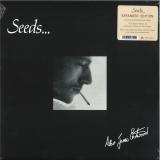
Alan James Eastwood - Seeds LP 2x12"

First time vinyl reissue, expanded and deluxe double gatefold 140g double vinyl, remastered audio with restored artwork and fresh liners written by Paul Hillery (Folk Funk & Trippy Troubadours)
Alan James Eastwood's glorious Seeds is a certified folk-funk lost-classic.

But who was Alan James Eastwood? He had never hit the big time and commercial success eluded him. By the mid-1970s, his musical career was pretty much over and he was almost unknown except among deep heads, amongst whom he would gain cult status.

Original copies of the 1971 vinyl release of Seeds exchange hands for high sums, if you can find one. This expanded 2LP contains an extra record, collecting 9 rare non-album singles and is presented in a gatefold sleeve complete with freshly commissioned liner notes courtesy of Paul Hillery (Folk Funk & Trippy Troubadours).

With the long overdue deluxe reissue of this prized artefact, we hope to finally shine a light on the unheralded genius of Alan James Eastwood. RIYL Nick Drake, Rodriguez, Richie Havens.

Alan James ‘Bugsy’ Eastwood was a renowned musician and singer who came to prominence in the late 1960s with The Exception, an unsung but excellent band from Birmingham. The Exception released many singles, the first featuring friend Robert Plant on tambourine, before an album, The Exceptional Exception. However, by this time, Bugsy was feeling constrained and restless; he left the band within weeks of the release.

Having vanished from the scene, he was honing a deeper, introspective edge to his songwriting. His demos found their way to the sound engineer and producer Mike Cooper at Pan Music Studios in Denmark Street. Loving what he heard, Eastwood soon entered a recording session with Cooper. The session was just Alan, his guitar and harmonica and - by all accounts - it was remarkable. With the songs, the voice and such an exceptional talent, it was hard to go wrong. Says Mike: "We had John Hawkins do the big string arrangements and Richard Hewson arranged the string quartet. We overdubbed the orchestrations on Alan's original session recordings, adding Chris Karan on tabla and various percussion. We considered re-recording the vocals but found that the magic on that original session was so exceptional overdubbing would not be as good as the atmospheric 'live' performance."

Mike and Alan viewed each track as a different entity, giving the album a diverse sonic palette. Assessing each song individually, they decided which would be suitable for each arranger. Top-flight session musicians were added to the roster to complete the sound, with Byron Lye Fook (father of musician Omar) on drums, bassist Mike Ward, Brian Pickles on marimba and jazz drummer Chris Karan on tabla and percussion. Recorded in a matter of days in Pan's small 8-track studio, they carefully added overdubs, rhythm sections and four string sessions arranged by Hawkins, with Hewson's arrangements recorded at Trident Studios.

Seeds was Alan James Eastwood's debut solo album – indeed, his only solo album - and was originally issued on President in 1971. It melded Eastwood’s impressive rock sensibilities with a folk thread to superb effect. His arresting voice - its deep, rough-hewn soulfulness - coupled with gorgeous string-drenched backing, make this a phenomenal listen. It really is a great 70s singer-songwriter record - with touches of acid-folk and folk-funk throughout.

It opens with "She's Getting Married In August", a mellow tune with Richard Hewson's strings arranged around Alan's straightforward guitar structure. Up next, the joyous, sun-dappled guitar and strings workout "Evenin' Rain" glides by before the fragile, accordion-enhanced "Les Papillons" breezes out of the speakers. The bluesy "Zeena" follows, featuring vocals and acoustic guitar and showcasing Eastwood's effortless harmonica. Starting out as a ballad, "Virgin Morn" builds with soaring strings and gospel-tinged backing vocals from Marilyn Powell and jazz singer Josephine Stahl. The A-side closes with the title track, "Seeds". With a chugging mid-tempo beat, soulful vocals and a beautiful Bacharach-esque string arrangement, it truly is stop-you-in-your-tracks spectacular.

Side B opens with "Crystal Blue", gilded by Lye Fook's marimba, lush gospel-esque backing vocals and handclaps. Eastwood's acoustic guitar begins "Lady Carole", which starts as a bluesy ballad and builds with more string arrangement, lifting the track to another height. A towering highlight of epic proportions, "Lotus Child" is a true masterpiece of arrangement. It opens with simple yet stunning do-do-dah vocal harmonies blended with John Hawkins's strings, bass lines and rhythmic beats, forming a vibe very much in conversation with the sounds coming from LA's Laurel Canyon. Next up, the heartwarming "Last Prayer", dedicated to Alan's first and last love, contains a melancholic vocal with a wistful string-drenched arrangement that would sit comfortably in a Federico Fellini score. Bringing the album to a close, "Hymn For Today" is a melodic raga with tabla, strings and a soft-psych feel. Eastwood's prophetic whisper - "I am real. At last, I am real" - profoundly hits home.

Kicking off the extra disc is the sparsely funky and country-tinged "Boston", released as the flip to the astonishing "Seeds". Next up are the two tracks that comprised Alan’s debut solo 7" single from 1968. The laconic, Bobby Charles-esque "Blackbird Charlie" evidences a real depth and charm in Eastwood's songwriting whilst the starkly brilliant flip, "My Sun", was a horizontal, atmospheric folk-tinged soundtracky precursor to his later work on Seeds.

In 1972, two further standalone singles followed. The first was the evergreen flute-driven folk-funk bomb, "Closer To The Truth", backed by the funky blues of "Strange News". The second, a deeply moving Havens-inspired "Moonchild" - rightly fawned over to this day - was flipped with "Red Shoe Truckin'", a groove-infused track. Eastwood also paired up with Marilyn Powell for a single produced by Powell's partner, Mike Cooper. Under the name Eastwood & Powell, they released their staggering rendition of "Beautiful", a rock-blues-pop song arranged by Ivor Raymonde and written by Carole King. Over on the flip, a funky Eastwood original "Opal Blue Sunday" lurked. This is not to be overlooked.

Over the years, Alan remained active on the music scene, but problems with alcohol and health complications from diabetes severely impacted his career. He spent his latter years living in London until his untimely death from heart failure on 25 October 2007, just one day before his 62nd birthday and without his music having received the real acclaim it so dearly deserved.

This deluxe reissue, spellbinding from beginning to end, should hopefully go some way to rectifying this tragic fact. Mastering for this special double vinyl edition was overseen by Be With regular Simon Francis and it was cut by the esteemed Cicely Balston at Abbey Road Studios to be pressed in the Netherlands by Record Industry. The original artwork has been lovingly brought back to life at Be With HQ, with the addition of passionately written liner notes specially for this landmark reissue by none other than Paul Hillery.

В наличии на складе

Есть у нас в наличии и готов к отправке

Billy Arnell - Tough Girl

Billy Arnell

Tough Girl

7"-VinylHOLLY1001
Holly Records
21.08.2025

An extremely rare Northern Soul 45 RPM single originally released in 1965 on the Holly label, Billy Arnell And The Sparkles "Tough Girl" was the product of two childhood friends that lived less than a block apart in suburban Fairlawn, New Jersey in the early 1960s - Billy Smith and Lou Hemsey.

Billy played guitar and sang; Lou played guitar and wrote songs, so they decided to form a band. They added friends Eddie Hoffman on organ and Jack Gullone on drums and began playing lots of gigs locally as Little Willie & The Sparkles. They were young, ambitious, and imagined themselves as the next Beatles. By a stroke of fate, they met Joe Martin of Apex-Martin Distributors in Newark, NJ, who caught the band's live show and was duly impressed. That meeting led to the recording session for the "Tough Girl" single. When they recorded the first version of the song, the producer wasn't happy, nor was Joe Martin - so he fired that producer and brought in the young, up and coming producer, George Kerr. Kerr didn't care much for the band, so they redid the entire thing without Hoffman and Guilone - with just Billy singing and Lou playing guitar.

The pair of old friends were buoyed by session aces Eric Gale on guitar, Bernard Purdie on drums, Bobbie Banks on organ, as well as a bass player whose name has been lost to time. In addition to those changes, they used the studio horn section that Hemsey arranged for, plus two trumpets, two saxes and two vibes players. The resulting single was an infectious amalgamation of rock and soul. Billy changed his surname to Arnell for the 45 release (because he thought it sounded more "show-biz") and the rest is pop history. Arnell later started a record company (Fire Sign Records) and purchased a recording studio (112 Greene Street Recording) in the trendy SoHo section of Manhattan with Steve Loeb.

As for the rest of The Sparkles, Hoffman became a teacher somewhere on Long Island, Guilone graduated from the Culinary Institute of America in Massachusetts and ended up living in Northern New Jersey. Hemsey became a well-known recording engineer, composer (Lou was the one who wrote "Tough Girl"), guitarist, arranger, orchestrator, editor, film director and producer for records and commercials.

В наличии на складе

Есть у нас в наличии и готов к отправке

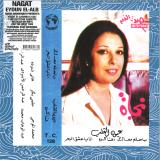
Nagat - Eyoun El Alb

Nagat

Eyoun El Alb

12inchWWSLP78
WeWantSounds
19.08.2025

FIRST-EVER VINYL RELEASE OF CULT 1980 CASSETTE-ONLY ALBUM BY EGYPTIAN SINGER NAGAT EL SAGHIRA, CURATED AND ANNOTATED BY DISCO ARABESQUO. INCLUDES PRODUCTION BY EGYPTIAN FUNK LEGEND HANY SHENOUDA

Following the highly-acclaimed "Sharayet El Disco" compilation, Wewantsounds is delighted to team up with Disco Arabesquo for the reissue of Nagat El Seghira's cult 1980 album "Eyoun El Alb"

Originally released only on cassette on the Egyptian label Soutelphan, the album has since become a sought-after classic on the Arabic groove scene and this is the first time it is released on vinyl. Consisting of four tracks, the album features two tracks produced by Hany Shenouda whose group Al Massrieen is a reference on the Arabic disco funk scene.

Remastered for vinyl by Colorsound Studio in Paris, the album features the original cassette artwork plus a two page colour insert featuring liner notes by Disco Arabesquo.

When it comes to Arabic Divas, Oum Kalthoum, Fairuz and Warda usually take the lead in the poll list. But in her native Egypt, singer Nagat Al Saghira comes very close to this triumvirate. Born in Cairo in 1938, Nagat began singing when she was still a child gaining her stage name "El-Saghira" ("the young one") at this occasion as she started giving concerts at the age of seven, pushed by her father, the famed calligrapher Muhamad Hosny (Nagat's half-sister is the renowned actress Soad Hosny).

Nagat quickly rose to fame in the late forties and became an essential part of classic period of Arabic music, interpreting songs by such titans as Mohamed Abdel Wahab, Baligh Hamdy and Kamal Al Taweel. She also sang the works of Syrian poet Nizar Qabbani whom she introduced to a mainstream audience. Nagat started singing shorter songs but then upgraded to longer ones, often performing/recording them live as it was the trend in the 60s and 70s.

One such song is "Eyoun El Alb" ("Eyes of the Heart") which makes up the whole of Side 1 of the original cassette. Written by Mohamed El Mougy and Abd al-Rahman al-Abdouni, Eyoun El Alb is a love song made up of several distinct sections enhancing Nagat's hypnotic singing, accompanied by a percussion-heavy, traditional Egyptian orchestra.

Side 2 is the "diggers" groovier side featuring two floaters,"Bahlam Ma'ak" ("I Dream with You") and "Ana Basha El Bahr" ("I Adore The Sea") produced by cult Egyptian musician and producer Hany Shenouda, whose albums with his group Al Massrieen are highly sought after on the Arabic funk and Disco scene. One Al Massrieen track features on the "Sharayet el Disco" set compiled by Disco Arabesquo who notes that "Hany Shenouda had made waves with his new musical style that weaved in western funk and disco sounds into Egyptian music"

Both tracks feature an infectious slow-burning groove and incorporate funk influences with fat bass and lines of synth and clavinet that adds a funky tone to Nagat's soft singing. The third track "Fakra" ("Do You Remember") brings the best of both world with a syncopated rhythm and arrangements that are slightly more traditional than the Shenouda-produced tracks.

Originally released in Egypt on Cassette in 1980 on the venerable Soutlephan label, the album is now making its vinyl debut on Wewantsounds annotated by Disco Arabesquo and remastered for vinyl by Colorsound Studio in Paris for the joy of Arabic funk and Global beats worldwide.

В наличии на складе

Есть у нас в наличии и готов к отправке

Various - Stars from Another Sky Pt. 2: Film Songs from the Subcontinent Before the World Was Torn Asunder, 19

Death Is Not The End release a second part collecting pre-partition film music, compiled by Gary Sullivan of Bodega Pop.

As the 1940s began, South Asian cinema entered a transformative phase. Playback singing, still a new idea in the previous decade, quickly became standard practice. Actors no longer had to sing, and singers no longer had to act, opening the door to a wave of dedicated vocal talent that redefined the sound of the industry.

Voices like Noor Jehan, Shamshad Begum, and Suraiya rose to prominence, becoming household names across the subcontinent. Behind them, composers like Naushad, Anil Biswas, and Ghulam Haider were expanding the sonic palette of film music, blending ragas with Western orchestration, folk tunes with jazz-era instrumentation. Harmoniums, sarangis, violins, accordions, and clarinets filled out increasingly complex arrangements, while ghazals and qawwalis continued to influence mood and structure.

Although the post-Partition years are often considered to be Bollywood's "Golden Age," thanks to filmmakers like Raj Kapoor, Bimal Roy, and Guru Dutt, the music started its peak just before the divide. By 1947, Naushad and others were producing some of the most emotionally rich and musically intricate work in the industry's history, compositions that would prove challenging to surpass in the decades that followed.

Yet this high point came during a time of immense upheaval. The Second World War, the Bengal famine, and the crumbling of colonial rule all loomed large. Film songs often reflected the uncertainty, sometimes mournful, sometimes romantic, sometimes defiant. And when the Partition finally came, it fractured the world that had created this music. Artists became refugees, studios were split, and careers were thrown into flux. Noor Jehan, who would go on to become Pakistan's most iconic singer, recorded many of her most beloved songs in Bombay. Khursheed, another major star, faded from public life after migrating. K.L. Saigal, a towering figure of the 1930s and '40s, died in Lahore just months before the split.

This collection spans those final years before Partition, a time of creative flowering and looming catastrophe. Like Part 1, these songs were sourced from immigrant-run music shops in New York and New Jersey. They are fragments of a vanishing world, each one a snapshot of the art, longing, and resilience that defined this extraordinary era.

В наличии на складе

Есть у нас в наличии и готов к отправке

RICARDO EDDY MARTINEZ - expreso ritmico LP
  • 01: Expreso Ritmico
  • 02: Mi Conga Es La Que Es
  • 03: Tambo Iya
  • 04: Yeya Son
  • 05: De Mis Razones
  • 01: La 132
  • 02: Este Tumbao
  • 03: Mas No Me Falta Fe
  • 04: Que La Tristeza Se Fue
  • 05: Te Quedas

Next up in our Cuban Classics series, one of the jewels of record label Areito’s extensive and sought-after catalogue. Ricardo Eddy Martinez’s Expreso Ritmico from 1978 is a prized album fusing funk, disco, and orchestrated influences with Afro-Cuban percussion, Latin breaks, and lush vocal harmonies.

Whilst maintaining its distinctive Cuban identity, Expreso Ritmico is one of the more American / Western-influenced Cuban titles of the time drawing inspiration from jazz funk, disco, and library music. The album was directed, written, and orchestrated by keyboardist and drummer Ricardo Eddy Martinez, who was also the mastermind behind the orchestration of the Los Reyes 73 album (that was recently reissued by Mr Bongo). Martinez would later go on to work with international musicians and singers such as Gloria Estefan, José Feliciano, Chick Corea, and many more, whilst also working as a sound engineer in the US.

Produced by Adolfo Pichardo, who worked on much of Areito’s output, Expreso Ritmico is packed with gold. The opening title track carries a loose, breezy Latin-disco-funk vibe that breaks into a brilliant Afro-Cuban workout. ‘Que La Tristeza Se Fue’ was expertly sampled and looped by Jazzanova on their 2008 song ‘Look What You Are Doing To Me, featuring Phonte from the hip hop group Little Brother. Elsewhere, ‘Tambo Iya’ has an Afro-funk, Soul Makossa-esque groove, while tracks such as ‘Te Quedas’, ‘Mi Conga Es La Que Es’ and ‘La 132’ run with a heavy pulsating Latin-funk sound. Head to the sultry psych funk of ‘Este Tumbao’ for a spacey journey that blends and morphs through genres.

Сделать предзаказ

Этот продукт еще не вышел. Ты можешь сделать предзаказ, как только он появится на складе, продукт будет подготовлен к пересылке.

VARIOUS - ALL THE YOUNG DROIDS: JUNKSHOP SYNTH POP 1978-1985 (LP 2x12")
 
24
также имеющийся в продаже

MB Crystal Vinyl

LTD Trans Pink Vinyl

LTD Trans Pink Vinyl


Compiled by Philip King
“And then came the rise of synth pop : blokes with dodgy haircuts hunched over keyboard-operated
machines stuffed with wires and do-it-yourself tone oscillators making sounds like a brood of geese
passing gas in a wind tunnel. Whoopee! This is the way the ‘70s ended : not with a blood-curdling bang
bang but with a cheap, synthesized, emasculating whimper.”
NICK KENT, NME.

All The Young Droids: Junkshop Synth Pop 1978-1985 is a new compilation that charts the
underbelly of the epoch-defining sound of the synthesiser in 80s popular music. Compiled by Philip
King (previously seen compiling All The Young Droogs, Glitterbest and Boobs - The Junkshop
Glam Discotheque), the music here connects the dots between DIY synth enthusiasts grappling with
new, cheap synthesisers at the tail-end of punk and wannabe, jobbing songwriters enthral to the new
music pioneered by Gary Numan, Depeche Mode and Daniel Miller’s Mute Records. Featuring rare
tracks of auto-didactic progressive pop music, proto-techno punk, shoot-for-the-stars-land-in-the-gutter
chart flops and heralded, underground synth classics, School Daze paints a picture of beautiful failure.
Complete with extensive sleeve notes written by King and never before seen imagery, all 24 tracks
were remastered by RPM in-house engineer Simon Murphy, many from vinyl copies due to lost master
tapes. The story told on All The Young Droids is one of the dawning opportunity presented by both the
emergence to the market of cheaper analog synthesisers and the distribution networks plus indie labels
that exploded with the advent of punk music in 1976. While the music that sprouted out all over the
globe in the wake of these factors was decried as fake, plastic, a refutation of punk’s guitar-led
revolution, it’s telling that much of the music on All The Young Droids.. was created in bedrooms,
ramshackle studios and home-made set ups with often borrowed equipment. In the era of record labels
jumping to capitalise on the success of The Sex Pistols, The Clash (both on major labels, of course)
these artists struggled to stand out from a new gold-rush with next to no budget or PR team. With radio
and labels desperate for the new Yazoo, what resulted was a testament to necessity being the mother
of invention.

At the time, the synthesiser was the music of the future, a shiny new machine that could paint like an
orchestra with a single finger and a 4-track. In the hands of Manchester avant-pranksters Gerry & The
Holograms it’s a pulsing, sardonic weapon.. the only instrument on the Messthetics classic lampooning
of New Wave fashion. In Hamburg, a 16 year old Andreas Dorau used it to write and record (with his
female classmates on vocals) a global smash in Fred Vom Jupiter (later licensed to Mute Records).
The hard-to-find English version (Fred From Jupiter, natch) is included here. Many artists with alreadystoried careers caught the bug and recorded synthesiser-fuelled peons to space, computers, the future
and, of course, love-interests. Harry Kakoulli, late of Squeeze, recorded a solo album in 1979 that
included the incredible power-synth-pop smash-that-never-smashed I’m On A Rocket. Similarly, Ian
North of Neo and American Power Pop stalwarts Milk ’n’ Cookies bought a Korg MS20 and used a
tape machine to record We’re Not Lonely, an absolute lost-classic of minimal synth pop. We’re Not
Lonely also features on the Junkshop Synth Pop sampler 7” twinned with John Howard unreleased
track You Will See, released April 12th 2025.

There are plenty of compilation debuts in evidence. Sole Sister were a mysterious trio who were
featured on the Scaling Triangles compilation of female-fronted, queer-adjacent post-punk /
underground music that also featured The Petticoats. Selwin Image were from San Francisco and
featured members of the recently defunct power pop/punk group The Pushups. Their stupidly catchy
The Unknown fizzes with New Wave energy - think XTC to Sparks but remains unreleased until now.
Dream Unit’s A Drop In The Ocean is an early synth wave cut, positively teaming with Joy Division
instrumentation, previously only released on a long-forgotten and super rare, self-released EP.
Incandescent Luminaire’s Famous Names belies an archetypal struggle of a small-town trying to
make it in a cruel industry but is a thrilling New Romantic-Synth Wave cross over with a OMD
gloominess that’s a joy to hear. Feminist Minimal Wave track I Am A Time Bomb by performance artist
Peta Lilly and Michael Chance is a revelation destined for new found cult status. It was released on 7”
and lost until now.

The flipside to the subterranean, never-made-it synth pop mentioned above are the ambitious, even
fruity attempts at success that have a perennial elegance to their confidence. New Jersey-ite Billy
London (real name Ed Barth) tried to cash in on the synth boom with Woman, released by a major
label, a lurching new wave track built on the Louie Louie rhythm and a wonderfully camp Lou Reedstyle sleazy vocal before exploding in the synthesised chorus. The song bombed but with a chorus like
this, you have to wonder why? Ex-Glitter Band member John Springate’s My Life is truly epic, with
doomed chord progressions and massive sounding drums turning into at least 3 different songs in the
course of the track. Before you wonder what’s going on the song resolves with a glorious return to the
main refrain.

The dry-ice-dressed dance floor is well catered for too. Design’s Premonition and Vision’s Lucifer’s
Friend are stone-cold minimal synth bangers, well loved but given a new lease of life here. The
Warlord’s The Ultimate Warlord was released in 1978, a homespun proto Hi NRG banger that was
later re-recorded by The Immortals in Canada who had a club hit with it. One-man- band Disco
Volante’s No Motion was re-issued by Synth wave label Medical in 2012 but makes its first vinyl
compilation appearance here. Close your eyes and you can imagine what Lawrence of Felt would have
sounded like with some cheap Korgs a little earlier in his career. Gibraltar-based trio The Microbes
imagined a computer programming people to dance - how prescient - and ended up with a propulsive,
robo-funk track with splendid rubbery bass playing over a tectonic drum machine. Previously picked up
by Belgian label Stroom TV, Dee Jay Bert & Eagle’s heavily Euro-accented I Am Your Master
demands the listener to “come to paradise!” In a frankly terrifying manner.
All The Young Droids is the first compilation to peel away from the narrative that dour, Minimal Synth
and Cold Wave were the only musical children of the first rush of synth pop. Philip King and School
Daze Records describe a much more complicated world: along with the austere, Brutalist children of
Daniel Miller (who produced Alan Burnham’s Bowie-Low-influenced Science Fiction here) was a
plethora of desperate cash-ins, accidental mainstream hits, ambitious pop dramas and major label
punts that went nowhere. Crucially, the compilation blurs the line between junk and treasure. What if the
two things are interchangeable. What if it’s all science fiction?

В наличии на складе

Есть у нас в наличии и готов к отправке

Various - MANGA NEW AGE SOUNDTRACKS 1984-1993

LP vinyl only release + 4 page liner notes (comes with hype sticker)

The percussive new age soundtracks of '80s and early '90s Japanese TV, anime and manga built alternative worlds and pushed boundaries in the process.

When Japanese composer Yas-Kaz left Tokyo for Bali in the mid 1970s he had little idea of how influential his trip would become. In studying the storied art of gamelan, the jazz and avant-garde percussionist opened a door to a world of sound and rhythm left behind by the West. The music he and his contemporaries made would become known as new age. It also happened to soundtrack the golden era of anime.

Awash with money and with the prerogative to entertain the burgeoning middle classes, anime in the 1980s experienced a creative and commercial boom. Not constricted by generic expectations, production houses such as the now renowned Studio Ghibli were able to experiment liberally with both form and content. And with it came the space for composers to be similarly adventurous.

TV, Anime & Manga New Age Soundtracks 1984-1993 charts this moment across eight tracks spanning classics of the genre and previously unknown rarities. The collection brings together music that found kinship in electronic and acoustic instrumentation, often combining spiritual or environmental themes with percussive, varied and highly refined syncopations of non-Western musical traditions.

Among them is ‘Kaneda’ by Geinoh Yamashirogumi, the shape-shifting group of self-styled musicians, anthropologists and computer scientists that masterminded the soundtrack to game-changing dystopian anime Akira - and with whom the sound, tuning and breakneck speed of Balinese gamelan has become indelibly entwined.

Reflecting the desires of the era to reach beyond Japan’s borders, many of the soundtracks featured were commissioned for narratives set in distant lands or alternative worlds. There’s violinist and composer Norihiro Tsuru’s ‘Farsighted Person’, written for The Heroic Legend of Arslān, set in ancient Persia; Yas-Kaz’s own ‘Hei (Theme of Shikioni)’, for period sci-fi manga & anime series Peacock King - Spirit Warrior; and two tracks - Tassili N’Ajjer and Fiesta Del Fuego - from Yoichiro Yoshikawa’s soundtrack to NHK’s proto-Planet Earth series The Miracle Planet.

Such was the variety and quality of the music produced, if there is a guiding principle to the tracks collected here it is a sense of escapism and adventure that came with the confluence of modern electronic instruments and a fascination with percussive traditions.

Elsewhere, pioneering children’s TV composer Chumei Watanabe’s ‘Fushigi Song’ (performed by a vocal group Korogi ‘72) offers a trippy and infectious groove with sonic similarities to Don Cherry’s ‘Brown Rice’; little-known jazz-funk library group Columbia Orchestra showcase the best of Tokyo’s session musicians on ‘Hearts Beats - Theme for Andrew Glasgow’; before lawyer-turned-composer Kan Ogasawara closes out the compilation with a dramatic flourish on ‘Gishin Anki’.

Following on from Time Capsule’s acclaimed deep-dive into the world of manga & anime synth-pop in 2022, this vinyl only collection is set to broaden and diversify an understanding of how soundtracks shaped the sound of new age music in Japan for a generation.

Curators: Kay Suzuki, Rintaro Sekizuka (Vinyl Delivery Service)
Artwork: Tu-yang

В наличии на складе

Есть у нас в наличии и готов к отправке

New Regency Orchestra - New Regency Orchestra LP

Announcing the debut album from one of London’s most electrifying acts, New Regency Orchestra. An 18-piece Afro-Cuban big band, inspired by the musical melting pot of NYC in the 1950s, but with the punch and power of a whole host of London’s best Latin and jazz musicians. Blowing new life into these compositions, the album is a reimagining of some of the finest music from that golden era. From early 1950s René Hernandez and Tito Puente, through to the 1970s salsa of Rafael Labasta and Orlando Marin, produced and performed with fresh fire.

NRO is the brainchild of its artistic director, and the man behind Total Refreshment Centre and Church of Sound, Lex Blondin. Through a long-held passion for jazz, Lex discovered the explosive Afro-Cuban rhythms of mid-1940s NYC via the godfather of Afro-Cuban jazz, Mario Bauzá. A time when two musical worlds collided in a fusion of creativity and energy, jazz luminaries like Dizzy Gillespie and Charlie Parker joining forces with Cuban greats like Machito and Chano Pozo. This vibrant sound was music to dance to and found a home at The New York Palladium, a formative space of freedom and expression that was key to the scene’s development.

Although dance-focussed in their makeup, those early recordings are not often heard in modern club environments and Lex dreamt of retelling their story with a contemporary dynamism. A slice of serendipity followed, as a slot at a new festival opened up and Lex jumped at the chance to make this idea a reality, an 18-piece big band breathing new life into these beloved songs.

Enlisting the expertise of some of the capital’s finest talent, Lex and co-captain Andy Wood, of Como No fame, put together a world-class line-up of talent. Bringing in Eliane Correa as musical director and bandleader, a fluid and interchanging 18-piece band was formed.

The album itself is a hand-picked selection of timeless Afro-Cuban jazz classics, reimagined with NRO’s unbridled energy. It contains ten incredible instrumental tracks including 'Pregon' with its anthemic horn stabs and the addictive head nod bounce of 'Mambo Rama', alongside two scorching vocal numbers in 'Papa Boco' and 'Labasta Llego'. Coupling a heavyweight rhythm section with a wall of horns, they provide a fresh spin on songs from Tito Puente and Chico O'Farrill, René Hernandez through to Rafael Labasta.

“Some of the tunes like Tito Puente’s ‘Mambo Rama’ and ‘Scarlet Mambo’ might sound like they went to a gym as extra drums and bass synth were added to them whilst the tune ‘Sahib & Tito’ is a mix of Tito’s ‘Mambo Buda’ and Sahib Shihab’s ‘Nus’. Our intention is to be both respectful to the innovators and inventors of this incredible music and to pay our dues, but also to add something special from London where the city’s new jazz scene connects with its Latin American musicians and the musical influences around us.”

This pure collective joy, shared experience and music you can’t help but move to.

В наличии на складе

Есть у нас в наличии и готов к отправке

KAT-TET - WOMEN

KAT-TET

WOMEN

12inchDS4
SYMBOLE RECORDS
21.03.2025

Reissue of the 3rd album of Patrick Jean-Marie recorded in 1985, Produced by Mambo Chick for Symbole Records.

Introducing “Women” by Kat-Tet, a unique musical gem straight from Guadeloupe, 1985. This rare album, the only studio-recorded masterpiece by the brilliant pianist Patrick Jean-Marie, transports us to a soundscape where every note is a journey.

It was a true opportunity for Patrick Jean-Marie and his band to showcase their talents, recorded under professional conditions, resulting in a sound of exceptional quality. The meticulous attention to orchestration is evident throughout, revealing a solidly crafted masterpiece.

Following the bold experiments with Atika and a solo album in 1983, “Women” marks a new chapter in Patrick Jean-Marie’s career. The album showcases a more structured approach that allows Kat-Tet to create a magical space for organized solos and climax. The dialogue between Patrick Jean-Marie’s piano and Luther François’s alto saxophone is constantly surprising and some powerful bridges by Patrick Jean-Marie are unforgettable.

A true classic in its genre, “Women” by Kat-Tet LP was an “hard-to-find” treasure in the vinyl world.
Today, Symbole is thrilled to bring this exceptional album back into the spotlight, sharing the beautiful and timeless music from Guadeloupe, 1985, with a high taste of Jazz !

В наличии на складе

Есть у нас в наличии и готов к отправке

Edictum - A Cosmic Scale

The album’s title deftly gestures to the sheer vastness of astronomical dimensions, while simultaneously capturing the musical breadth within, where the eight planets are imagined as the eight notes of an octave. The work draws inspiration not only from earlier compositions —most notably Gustav Holst’s The Planets—but also from the rich astronomical and cultural contexts surrounding these celestial bodies. Here, the focus transcends direct citation of melodic motifs, instead embracing an intriguing conceptual approach on a meta level, unfolding in a series of vividly contrasting soundscapes. These contrasts shape a sweeping sonic journey, one that fully embraces the album format with both arms, inviting the listener to venture into realms both strange and wondrous, feeling the immensity of the interstellar space that lies between them. Contrast, after all, is the brushstroke that enriches our world.

Embarking on an auditory voyage, "Astral Guide" establishes the sonic framework that propels us into the boundless expanses of the cosmos. Its ethereal tones evoke the vastness of space, crafting a mood ripe for exploration within the realms of sci-fi. The subsequent tracks unfold like constellations, weaving a rich tapestry of sound that seamlessly marries cinematic soundscapes with pulsating, club-oriented rhythms. This album invites listeners to traverse its immersive landscapes, whether nestled in the comfort of home or dancing under the starlit sky, each note a guide through the transcendent experience of a nocturnal journey.

"Solar Flares" draws its inspiration from the awe-inspiring expanse of solar phenomena, capturing the majestic power of the sun as it reaches into the cosmos. This track resonates with the idea that energy, while vital, can also be a force of destruction when unleashed with overwhelming intensity. The composition beautifully mirrors the sun’s duality, where brilliance and devastation coexist, inviting listeners to reflect on the delicate balance between creation and annihilation. Through its rich textures and dynamic shifts, "Solar Flares" serves as both a homage to the celestial and a poignant reminder of nature's formidable power.

"Mercury – The Winged Messenger" embodies a meticulously crafted soundscape where artistry meets astronomy. The tempo of 173.6 BPM, derived from precise astronomical data, propels the composition into a vibrant realm that resonates with cosmic energy. Synthwave sound design intertwines seamlessly with the fluid rhythms of Drum’n’Bass, imbuing the piece with an uplifting dynamism that evokes the ethereal grace of Mercury itself. In this sonic exploration, listeners are invited to ascend on wings of sound, navigating the celestial tapestry of the universe with each invigorating beat.

"Venus, The Bringer of Peace" strikes a decidedly cozy note, presenting a poignant contrast to the more tempestuous themes often found in cosmic narratives. This composition evokes a nostalgic vision of an optimistic era, one in which humanity transcended borders and embraced the infinite possibilities of space exploration, where no destination felt too distant. The dense, languid atmosphere envelops the listener, creating a tangible sense of serenity that unfolds gradually, allowing for a meditative journey through sound. Each note serves as an invitation to linger in this tranquil embrace, reflecting on the harmonious potential of our collective aspirations and the beauty of connection in a vast universe.

The central theme of „Gaia, The Bringer of Life“ —originally not part of the planetary cycle— is the profound enabler of life on Earth. The arrangement delicately mirrors the slow, tentative unfolding of this potential, marked by an initially sparse orchestration that gradually builds in momentum. This progression crescendos, embodying the explosive dynamism of the Cambrian burst of life, ultimately culminating in a euphoric fanfare—a triumphant, celebratory flourish echoing life’s victorious emergence.

"Blue Moon" unfolds as a contemplative reverie on the tranquil clarity of a night sky, now seldom glimpsed in its natural purity, unclouded by the relentless haze of urban light. The listener is drawn into the vast embrace of the star-strewn firmament, a journey that sways between euphoric awe at nature’s sublime beauty and a profound melancholy for its fragile and imperiled state. Musically, this duality finds expression in the delicate interplay of modal mixtures, while an ever-shifting triplet groove, poised at the intersection of Outrun and melodic house, lends a pulse that is both nostalgic and forward-looking—echoing the beauty and transience of a world on the brink.

Rather than replicating the original composition of „Mars, The Bringer of War“, this interpretation seeks to evoke its profound, foreboding atmosphere. Cyberpunk emerges here as an ideal genre, channeling the dark, relentless march synonymous with Mars, the ancient god of war. The piece reverberates with intensity, as distorted vocalizations rise, embodying the anguish and visceral torment that shadow war’s violent crescendo. This auditory descent into conflict captures the relentless pulse of warfare, where sound itself becomes an embodiment of suffering and fury.

Majestically, "Jupiter, the Bringer of Jollity" emerges on the celestial stage, sweeping away the somber tones with its radiant vigor. Drawing inspiration from the triumphant strains of the original, and borrowing a melodic motif in the refrain, the piece expresses joy and buoyancy through a shift to a major key and the lilting sway of a danceable 12/8 meter. Spirited and exuberant, it leaps boldly from major to minor and back again, playfully shifting time signatures to capture a mood of unbridled festivity and jollity.

Here, a more conciliatory concept is chosen than in the original inspiration. „Saturn“ aligns with the number six, being the sixth planet from the Sun and bearing the iconic hexagonal pattern at its northern pole. What, then, could be more fitting than to render this piece in a 6/8 time signature? The arrangement unfolds with a multifaceted richness, mirroring the countless stones and ice fragments that form the foundations of Saturn’s majestic rings.

„Uranus“ adopts the theme of a light-footed, dancing instrumentation, giving the impression of perpetual motion, never quite settling. This musical choice harmonizes with the planet’s own orbit, as it spins with breathtaking velocity, teetering and swaying, seemingly unable to attain rest or stability.

The chill and vastness of the cosmos find expression in „Neptune, The Mystic“. At its core, an electronic soundscape envelops a classical arrangement, its unreachability intensified by an ethereal, otherworldly choir. Hovering at the outermost boundaries of the solar system, where warmth is but a distant memory, the composition lingers in a slow, contemplative tempo, evoking a realm where space for speculation stretches wide and silence reigns supreme.

Though Pluto may have lost its planetary status, and its companion Charon never achieved one, this shift in classification subtly aligns with the cosmic scale invoked here—one that mirrors the musical tradition of an eight-note sequence. Fittingly, the album closes with „Kuiper Belt“, a composition emblematic of the turbulence and vitality of countless smaller

celestial bodies that, though diminutive, find their rightful place within the vast architecture of the solar system.

They say nature is the greatest composer, shaping the universe with a symphony of chaos and order, beauty and danger. It is this duality that fuels the artistic vision of Edictum—a producer who, armed with a doctorate in chemistry, delves as deeply into the mysteries of molecules as he does into the depths of sound. In the tension between the vastness of the cosmos and the microscopic processes that dictate life’s rhythm, Edictum creates sonic landscapes that dissolve the boundaries between science and art.

His music is a story of contrasts—a sonic tale where the raw forces of nature clash with the intricate structures of human culture. Opposites intertwine to form a harmonious whole: the primal rhythms of the earth meet the celestial melodies of the cosmos, the rigid laws of physics blend with the boundless freedom of art. Edictum explores these polarities with meticulous devotion, each composition an expedition into uncharted soundscapes—a quest to give voice to the unfathomable.

With over 20 years immersed in the realms of electronic music, Edictum has honed a keen sense for rhythm and movement. His driving beats compel both body and mind into a hypnotic flow. Yet beyond the pulse of dance lies a complex framework of conceptual thought. Today, his creative focus revolves around holistic album projects—self-contained worlds with overarching narratives that embrace contrast and complexity. Each track stands alone as a fragment of the whole, but together, they weave a cohesive tapestry, much like the chapters of a novel that guide the listener on an emotional and sonic journey.

Edictum’s distinctive musical signature has earned him international recognition. With over 150 releases, many on prestigious platforms like the iconic *NewRetroWave* label, and collaborations with artists such as Jan Johnston, Azumi Inoue, Powernerd, and Turbo Knight, he has solidified his place in the global electronic music scene. His latest work, *A Cosmic Scale*, marks his seventh vinyl album and is released under his own label, *Echoes of Expanse*. The label’s name is no coincidence—it captures the essence of his art: echoes of infinity, the vibrations of the universe distilled into a singular sonic experience that carries the listener ever further into the boundless expanse of sound and space.

В наличии на складе

Есть у нас в наличии и готов к отправке

Guido & Maurizio De Angelis - Squadra Antifurto LP

Here at Four Flies, we kind of feel we need a bigger word than 'proud', this time, to present, in collaboration with Beat Records, the first-ever release of the original soundtrack written in 1976 by Guido & Maurizio De Angelis for the legendary Squadra Antifurto, the second chapter of the comedy-infused crime saga directed by Bruno Corbucci and starring Tomas Milian as the iconic Italian Police Marshal Nico Giraldi.

The excitement in this case is nothing short of gigantic, difficult to rein in for those who, like ourselves, grew up adoring the character played by Milian as one of our cult heroes, and dreaming that the soundtracks of the first three films in the saga – the only ones composed by the De Angelis brothers – would one day be released.

Since the launch of our label, Squadra Antifurto has been at the top of the list of film scores we most wanted to release. Until a few months ago, this dream of ours seemed destined to remain just that, so strong was the conviction in all of us that the master tapes were definitively lost, that they had forever vanished into thin air. That's why their recovery, made possible by Maurizio De Angelis himself and the persistence of our friends at Beat Records, is an extraordinary feat.

Nearly 50 years after it was first heard in cinemas, the soundtrack penned by the De Angelis brothers is resurrected in its entirety and can finally shine its incredible power all over us.

Beautifully seeping through this score – like many others composed by the golden duo in the 1970s – are elements from the Italian, and especially Roman, folk tradition, for instance in the warm, heartfelt ballad sung by Alberto Griso, "E nun ce voio sta," which first plays in the opening credit sequence and is then reprised in various forms throughout the film, culminating with the soul-stirring orchestral version that closes the album's tracklist.

But as in any Italian crime film worthy of that name, a different soundscapetakes centre stage: it's the music that accompanies the countless scenes of tension, action, and pursuit that punctuate the film, and which has made us fall madly in love with this score.

The main theme is a prog-funk joyride, drawing inspiration from the traditional tarantella but elevated to irresistible energy thanks to a rock orchestration featuring psychedelic flutes, wild percussion, distorted electric guitars, piano chords, and various feedback and delay effects.

The resulting groove is just mind-blowing, and we almost can't believe it's finally available on a record, completely remastered for vinyl.

We really couldn't be prouder, and dedicate this release to all passionate fans of Italian crime films, the De Angelis brothers, and Tomas Milian aka Nico Giraldi.

Available starting April 12th on standard black vinyl and limited coloured vinyl (transparent amber, limited to 300 copies).

В наличии на складе

Есть у нас в наличии и готов к отправке

DJ Quik - Safe And Sound 2x12"

Dj Quik

Safe And Sound 2x12"

2x12inchBEWITH095LP
Be With Records
31.01.2025

2025 Repress

DJ Quik is a giant of West Coast hip-hop. With 1995’s Safe + Sound, he scaled new levels of musical magnificence with his signature new age P-Funk/laconic G-Funk. A quintessential, sun-scorched LA album, this is pretty much essential. Typical for mid-90s albums the original vinyl copies are now rare so here’s the Be With re-issue, complete with “Tanqueray”, the hidden track from the original CD release.

A preternaturally gifted producer/rapper, DJ Quik has produced scores of LA gangsta rap classics. He’s released platinum and gold records of his own, as well as helped craft them for the likes of Tupac, Snoop Dogg, and Dr Dre. Quik has always been quirkier and more interesting than his gangsta rap peers, both musically and lyrically. An old-school funk producer at heart, he’s also incredibly nice on the mic. His raps often deal in boasts, jokes and good times but also cover his beefs, his trials and his trauma. Partying and pain, all mixed up. DJing and producing hype beat tapes from age 14, Quik’s tracks blended the languid funk and rubbery synths of Zapp and George Clinton with a gangsta aesthetic, creating a more danceable foil to Compton’s more typical nihilistic hedonism. Ultimately, his records sound custom engineered to drift out over sun-soaked barbecues.

By the time of his third album DJ Quik was a household name on the West Coast - California’s premier rapper/producer not named Andre Young. Released on Profile in 1995, Safe + Sound was certified gold. Less reliant on samples and more focused on live instruments, it elevated him from producer to fully-fledged composer. This sound — the quick, winding basslines, tinny high hats, smooth instrumental solos, soulful pipes, and Roger Troutman’s talkbox — defined him. This is an album of full-blown masterpieces. Rich soundscapes and masterfully arranged orchestrations with dense layers of sounds, intricate rhythms, and well-balanced songwriting.

The first track proper, “Get At Me” samples Cameo whilst Quik takes aim at the Judases in his life, the horn-laced chorus providing a triumphant feel. On the horizontal “Diggin’ U Out”, the soulful electric piano of Warryn Campbell lays a relaxed groove for Quik to talk over about one of his favourite topics: sex. Title track “Safe + Sound” chronicles Quik’s formative years over a slick instrumental. The moody bass locks a laidback infectious groove, the hook is catchy and Quik’s delivery is in fine form. On the uber-chilled “Somethin’ 4 Tha Mood”, Quik cooks up a breezy, feel good track of sparkly keyboards, syncopated claps, shuffling hi-hats, woozy synths and a floating two-minute flute solo courtesy of Robert “Fonksta” Bacon. Analysing the highs and lows of an average day in the hood, it echoes Cube’s “It Was a Good Day”.

“It’z Your Fantasy” is a silky smooth soundtrack to Quik’s detailed retelling of a sexcapade with a young lady and whilst “Tha Ho In You” is musically perfect for that midsummer family BBQ, its lyrical content is unsurprisingly decidedly less family-friendly. A real highlight, the infamous “Dollaz + Sense” is one of the most ruthless diss tracks of all time. The brutal lyrics ride a laidback West Coast beat, flipping a sample from Young & Company’s “I Like (What You’re Doing To Me)” as Quik fires lyrical shots at his arch Compton nemesis, MC Eiht. On the loping, hazy “Let You Havit”, Quik is again in gangsta mode, with more bars of barbs aimed at Eiht, rhyming over sun-kissed synthy-rollerskate funk.

Some of the finest tracks on Safe + Sound are those designed to de-stress. The evocative “Summer Breeze” is a classic warm-weather jam, anchored by a twangy funk guitar, breezy string arrangement, and a soulful hook delivered by Dionne Knighton. Quik’s nostalgic lyrics are not far from DJ Jazzy Jeff & The Fresh Prince’s “Summertime”, reminiscing over barbecues at the park, young love, and the brevity of halcyon youth. The relaxed and jazzy “Quik’s Groove III” is another highlight, as bass, guitar, piano and flute combine to create a smooth, soulful instrumental.

The swaggering “Shack Up”-sampling “Sucka Free” features a cameo from Playa Hamm, all funky braggadocio and over much too quikly (pun thoroughly intended). The jazz-flavoured “Keep Tha ‘P’ In It”, again featuring Playa Hamm but this time extending the cameo invitations to Hi-C, 2nd II None and Kam, is pure laidback P-Funk. The deep bass and industrial drums make sure the groove hits hard.

“Tanqueray” was originally a hidden track on the CD version of the album, but it’s too good to hide. This wild party samples Brass Construction’s gigantic “Get Up To Get Down” and soars in its drunk-ebullience. An apt way to close this party-driven set.

This 2022 Be With double LP re-issue has been mastered for vinyl by Simon Francis, cut by Pete Norman and pressed at Record Industry. Unusual for the time, Safe + Sound was originally pressed as a double, so all that was missing was the CD’s hidden bonus track “Tanqueray”, so we’ve fixed that. The original vinyl release never got a picture sleeve, so we’ve recreated the original’s promo-style silver-sticker and plain black jacket. A subtle cover for a wonderfully unsubtle record.

В наличии на складе

Есть у нас в наличии и готов к отправке

Eden Ahbez - Wild Boy: The Lost Songs Of Eden Ahbez LP

“Wild Boy …” is a reissue of the well-known 2016 release curated by Brian Chidester, renowned researcher and biographer of Eden Ahbez. Especially for this album, Brian wrote an interesting text about Abi’s life, which definitely became the decoration of the release.
With the new 2020 re-release, we went a little further and kept what is commonly referred to as studio cuts. It’s a few more minutes in the studio with ahbez himself, full of emotion and life. In addition, to the delight of fans, the edition includes an additional composition Nature Boy (Mantovani Orchestra).
Especially, it is worth noting the outstanding mastering prepared from practically decomposed tapes by the Grammy-nominated Jessica Thompson, which guarantees the deepest and warmth possible sound. Jessica a huge ahbez fan and we’re highly appreciated for what she has done to save his music for the future.
Eden Ahbez is definitely at the origin of psychedelic music and this release can be taken as further proof. Over the past twenty years, the iconic figure of the world’s first hippie Eden ahbez has become famous primarily for his 1948 song “Nature Boy”, praising universal love, and his amazingly solo album from the 1960s called “Eden’s Island” – one from the first concept albums in the history of music and probably the first psychedelic music album. “Wild Boy: The Lost Songs Of Eden Ahbez” deepens understanding of the origins of the psychedelic movement in the 1950s.
The disc contains a musical selection of works by Eden ahbez himself, written by him in the period after Nature Boy. The inclusion of songs such as “Palm Springs” – Ray Anthony Orchestra and “Hey Jacques” by Erta Kitt gives the listener the chance to discover for the first time the little-known recordings of world-famous artists composed by Eden ahbez. Through “Wild Boy” and “Surfer John” you can hear the author’s handling of absurd rock and exotic experimentation, as well as sweet psychedelic pop like Monterey (with Paul Horn on flute). Overall, Wild Boy: The Lost Songs Of Eden Ahbez offers an overview of the lost works of 1949-1971 with seven unpublished recordings and eight rare singles.
If in 2020 you are missing the hallucinogenic content in Eden Ahbez, it amazingly makes up for that deficiency with simple chords, expansive arrangements, and lyrics about travel, relaxation, free love, and spirituality. Thus creating the standard of psychedelic music. Eden Ahbez’s songs weren’t only fantasy and his personal philosophy was the real thing that he lived.

reviews:

“This carefully and extensively researched compilation culls covers by top notch mainstream artists juxtaposed with unreleased Eden recordings. What might sound like a mixed bag is actually more like a chronological, musical non-fiction novel about Eden Ahbez. While Eden was writing hundreds of songs and performing live and making recordings in various styles, his songs were also being picked up by popular artists like Nat King Cole and Eartha Kitt who recorded with a more polished mainstream style. There are also some early rock n roll style recordings here. Eden’s professionally recordings often end up as Novelty Pop records such as “Child of Nature” and “The Clam Man” but if you read between the lines and listen to the lyrics it is pretty eye-opening that he is singing about Eastern-religion-style and pre-hippie philosophies about being at one with the planet Earth.
All of this is explained in the lengthy liner notes inside the lp along with a few choice photos that establish Eden as a founding father of Southern California mystic/psychedelic music.” – Tiki_News
“Eden Ahbez’s life philosophy was summed up in the lyrics of his most famous song, “Nature Boy,” a 1948 hit for Nat King Cole: the song describes a “strange enchanted boy” who wanders the world in search of truth. “The greatest thing you’ll ever learn,” he concludes, “is to love and be loved in return.” Ahbez was a pre-cursor of California’s beatniks and hippies, and an exalted icon of ex-otica via his rare 1960 album Eden’s Island. Beyond “Nature Boy” and Eden’s Island, though, there were nu-merous lesser-known Ahbez record-ings. Ahbez biographer Brian Chidester has been doing an exemplary job of archiving and documenting that catalog of work. The Exotic World of Eden Ahbez (reviewed in UT#38) appeared a few years ago, gathering together 14 Ahbez-related rarities” – Ugly Things

В наличии на складе

Есть у нас в наличии и готов к отправке

EDMUNDO ARIAS - GUEPA JE! CUMBIA, PORRO & THE SOUND OF COLOMBIA’S CARIBBEAN & PACIFIC COASTS LP 2x12"

This album takes you back to Colombia of the 50s and 60s. In those days, the tropical music of the Caribbean and Pacific coasts took over the country's mainland music scene by storm. One of the key figures during this period was Edmundo Arias. Together with Lucho Bermúdez and Pacho Galán, Arias is seen as one of the ‘big three’ composers of Colombian tropical music.

He was a rather introverted person who avoided being in the spotlight at all cost, leading to his work being less known than his contemporaries. With this album we hope to highlight the amazing legacy Edmundo Arias has left us. Think of big bands with sharp dressed musicians playing the finest cumbias, porros and other tropical sounds in fancy ballrooms on a hot evening in Medellin or Bogota.

Liner notes:

Edmundo Dante Arias Valencia was born in Tuluá, Valle del Cauca, on the 5th of November 1925. He came from a family of musicians. His father, Joaquín Arias Cardoza was a band leader and composer who taught his children to play music. Arias learned to play many instruments such as the guitar, bass, bandola (pear shaped string instrument related to the mandolin), tiple (12 string guitar), clarinet and saxophone. He proved to be a very talented musician and together with his father and his older brother Ricaurte he formed the ‘Trio Arias’. The family lived in different cities across Colombia depending on where they found work. When his father died unexpectedly in 1948, Edmundo and Ricaurte had to support their family working as musicians. In 1951, Arias decided to move to Medellín, in those days the heart of the Colombian music industry and the city where the most important record companies and the best musicians were based. It didn’t take long before Arias made a name for himself as a musician, composer, arranger and band leader for Colombia’s leading labels at the time; Zeida, Ondina, Silver and Sonolux. For the latter, he would eventually become the artistic director. Over the years, he wrote hundreds of songs, recorded many albums with his own orchestras or with the Orquesta Sonolux and collaborated with a countless number of musicians, often uncredited.

Together with Lucho Bermúdez and Pacho Galán, Edmundo Arias is seen as one of the ‘big three’ composers of the tropical music of Colombia. But despite the fact that Arias was renowned, very little is known about his personal life. He was a humble man who preferred to work in the background and avoided being in the spotlight at all cost. He declined interviews and kept away from public life. On some live performances of the orchestra that carried his name, Arias asked one of his musicians to pretend to be him, so that he wouldn’t have to come on stage. You might think that Arias was shy or anti-social, but this was not the case. Most people he worked with described him as a very jovial, good humoured person and enjoyed working with him.

His invisibility in public life belied how present he was behind the scenes. If he wasn’t working on his own productions, he was regularly collaborating with other musicians. Arias had his hand in the work of many of his colleagues and was a mentor for young artists. Some even say that in those days all the musicians in Medellín had worked with Arias in one way or the other. He had a strict working regime: composing, arranging and recording at night while sleeping during the day. He was also very productive. The story goes that on one occasion, he wrote arrangements for a 16 piece band in just a few minutes while the band was recording another song. His hard work and productiveness resulted in hundreds of compositions and many records that carry his name.

Edmundo Arias’ career ran over 6 decades until his death on the 29th of January 1993. Over the years, he left us a huge legacy. The songs on this record are a selection of his work during the 50s and 60s. Many see this period as the absolute highlight of his career. We picked out the songs we consider to be the most outstanding recordings from this period. The title of this compilation Guepa Je! is Colombian slang often used in cumbia to express joy or to celebrate. A free translation would result into something like ‘yeah’, ’let’s go’ or ‘groovy’. I guess this title says enough. Enjoy the music. Guepa Je!

В наличии на складе

Есть у нас в наличии и готов к отправке

London Odense Ensemble - Jaiyede Sessions vol.2

The second instalment from London Odense Ensemble digs deeper into the group's vision of what modern psychedelic jazz should sound like. Cut from the same sessions as Jaiyede Sessions vol. 1, released last summer, vol. 2 presents a more nuanced approach to the material. On this set the ensemble focuses on shorter, layered pieces - travelling from deep spiritual jazz grooves to gorgeous free-flowing minimalism to full-on acid jazz. There's echo-drenched flutes being absorbed into layers of analog synth pads and guitars, bossa beats and double bass sequences merging with electronics. It’s an intoxicating mélange of sounds and styles, spanning wide temporal and geographical distances. London Odense Ensemble came together when two of the finest exponents of London's flourishing jazz scene, flautist and saxofonist Tamar Osborn and keyboard specialist Al MacSween, came over to Denmark to explore new sounds with Causa Sui's Jakob Skøtt and Jonas Munk, as well as local bass player Martin Rude. For two days the group laid down grooves and ideas and experimented in the studio, and later the best segments were edited and mixed by Jonas Munk, who took a somewhat liberal approach to the mixing process, often dyeing the material with external effects and synthesizers. Jaiyede Sessions are the kinds of records that defy genre-terms, yet have its own instantly recognizable fingerprint. It carries a unique shared vision between the players of what modern psychedelic jazz sounds like. bios: Tamar Osborn: Saxophonist, composer and multi-wind instrumentalist is the creative force behind modal jazz ensemble Collocutor (On The Corner Records). She is a member of the Dele Sosimi Afrobeat Orchestra, performs and collaborates regularly with Sarathy Korwar, Jessica Lauren, Emanative, Ill Considered and DJ Khalab. Al MacSween: Keyboard player & founding member of Kefaya. Collaborations include American jazz legend Gary Bartz, Syrian qanun master Maya Youseff, London Community Gospel Choir, Palestinian jazz singer Reem Kelani & kora player Kadialy Kouyate. Martin Rude: Multi-string instrumentalist & lead singer in Sun River & Edena Gardens with members of Papir & Causa Sui. Jakob Skøtt: Drummer in Causa Sui with a slew of side projects on El Paraiso, including Chicago Odense Ensemble, as well as being responsible for the label’s visuals. Jonas Munk: Guitarist in Causa Sui & studio wizard on most releases on El Paraiso. Also works with a wide palette of electronic music.

В наличии на складе

Есть у нас в наличии и готов к отправке

Laskfar Vortok - Erbsat Esrhosc

Laskfar Vortok

Erbsat Esrhosc

12inchRAVE4EVAR008
RAVE4EVAR
19.07.2024

Los Angeles-based video artist and producer Laskfar Vortok makes his first appearance in the EVAR catalogue with "Erbsat Esrhosc." An unusual title that reflects the artist's interest in the bizarre, whether he's making music or producing videos and visuals, "Erbsat Esrhosc" bristles with erratic patterns, anarchic atmospheres and glitchy soundscapes. The Mexican-born talent explores ideas based on the hypothetical concept of a planetwide city, otherwise known as an ecumenopolis, weaving such ideas against a cinematic backdrop, nodding to his long-running love for cinema. Across the five-track EP, he also draws inspiration from the heated and hectic energy of L.A, where he's resided most of his life.

Produced in memoriam of Michael Gregory Harrison, aka Bad Timing, and following a period of introspection and creative and personal challenges, Laskfar Vortok began work on "Erbsat Esrhosc" in 2018. The EP honours Michael's brilliance as an artist and a friend;the title being an anagram of a phrase that they shared between them.

"Eclipse" opens the EP on a haunting note. A spidery melody and chilling pads punctuate the witchy soundscape before syncopated sequences collide with snafued textures, signifying a sharp left turn into breakcore. With its nebulous atmosphere, this track offers the first glimpse into the concept of an ecumenopolis. On "Hyperdrive", frenetic percussion dominates while zappy noises and a doomsday melody slink in and out of earshot. Bursts of broken wub exacerbate the uneasy mood while cinematic, almost ethereal chords twinkle in the background.

"Base" offers a moment to recover one's brain cells after the nosedive into the near future. A lugging kickdrum and broken, woody percussions swirl around the troposphere while creepy pads convey a sinister aura. "Mutation" catapults us back into chaos with claustrophobic polyrhythmic structures, smatterings of kickdrums, and a sporadic mad-scientist-type synthline, adding a jittery layer. An unexpectedly orchestral outro completes the bizarre nature of the track.

Closing out on "Send Off", Laskfar Vortok blends freezing-cold chords with snaggy synth notes and a tangle of drum constellations tied up with a gossamer melody and splattered across an eerie terrain.

Using Bitwig Studio, orcλ, TidalCycles and Renoise as his modus operandi, Laskfar Vortok produces a trip that intrigues but disturbs, serving a shimmering yet terrifying squint into a technoid-led utopia. And we're only just getting started.

В наличии на складе

Есть у нас в наличии и готов к отправке

Various - Funky Chimes: Belgian Grooves From The 70's Part 2 (2x12")

2024 Repress

2LP gatefold with liner notes, 180gr vinyl. 'Funky Chimes' is a two-hour collection of excellent and unique grooves. It contains 27 of the most interesting yet long forgotten Belgian dance tracks from the seventies.

'Funky Chimes' is a two-hour collection of excellent and unique grooves. It contains 27 of the most interesting yet long forgotten Belgian dance tracks from the seventies, when a generation of extremely gifted and versatile musicians experimented with funk, jazz, latin and other grooves.
'Funky Chimes' is in many ways the logical follow up to 2014's highly acclaimed compilation 'Funky Chicken'. Uncovering a blind spot in Belgium's musical heritage and unearthing a diverse collection of hidden treasures. 'Funky Chicken' has induced a renewed interest in Belgium's rare grooves from the seventies, which until then had never been regarded a genre worth mentioning. Having said that, this second instalment is much more than just a fast sequel or a batch of leftovers. The music's quality matches that of its predecessor, but the treasure hunt was even more adventurous, and the stories behind some of the nuggets even more gripping.

В наличии на складе

Есть у нас в наличии и готов к отправке

SEAFOOD SAM - STANDING ON GIANT SHOULDERS

Forest Green Vinyl

Seafood Sam is a futuristic artifact. If that description might sound confusing at first, it matches the eclectic dualities found in true originals. With his effortless cool and timeless style, the North Long Beach native defies convention and exact comparison. He's a virtuosic rapper, a stop-you-in-your tracks singer, and a symphonic producer. Welcome to the lavish life of a laid-back transcontinental man of mystery, rolling in old school Cadillacs, eating caviar with a blade in his pocket, and making plays in vintage Pelle Pelle gear. A blaxploitation icon for the Instagram age, blessed with the bars of a `90s legend and 23rd century swagger. Seafood Sam is a true hero of modernity. On his full-length album debut for up-and-coming label drink sum wtr (Kari Faux, Deem Spencer, Aja Monet) debut, Standing on Giant Shoulders, Sam splits the difference between Snoop Dogg and D' Angelo, Curren$y and David Ruffin. The songs reveal a forward-thinking sensibility rooted in ancestral soul. He creates spiritual hymns for the streets that tap into universal ideals and irrepressible groove. In an era plagued by short-term thinking, his ambitions reveal a crate-digging depth of music history and a meticulous ear for detail. The giant shoulders in the album's title refer to James Brown, Bobby Brown, and Miles Davis - the holy trinity who inspired Sam's process. From the Godfather of Soul, Sam took a perfectionist's rigor and focus. The example of Bobby Brown lent an unshakeable confidence and self-belief. While the constant artistic left turns of the trumpeter that birthed Ccool offered an aspirational archetype. The story starts in the glory days of Long Beach hip-hop. As a young child, the G-Funk era soundtracked rides in Sam's father's car. Some of his earliest memories are trying to memorize Snoop's verse on "Nuthin' But a "G" Thang." Beyond gangsta rap, the LBC has historically doubled as a capital of lowrider soul and carwash oldies. At any intersection, you could hear Dogg Food or Brenton Wood, Warren G or Barbara Lynn. This too was absorbed via osmosis. It also just so happened that the art of performance was always in Sam's blood. So at family functions, he and his sister supplied entertainment by singing karaoke renditions of The Isley Brothers. While his Harlem Shake remains a thing of local lore. Long Beach is a culturally diverse mecca of skate parks and gang life, street fashion and tricky dance moves. This is the place that raised Sam on a diet of Wu-Tang and Nelly Furtado, Lil Bow Wow and Allen Iverson. He was the middle ground between his two older brothers: one who gangbanged, the other who graduated with a master's degree from UC-Santa Barbara. But it wasn't until the end of high school that Sam started to take rap seriously. Alongside long-time collaborators like Huey Briss and Reaper Mook, Sam's name began to make waves on the northside of the city, but he was partially distracted by a modeling career that paid the bills and took him all to way to walk in Paris' fashion week. The first turning point arrived with 2018's "Ramsey," a self-produced, slick-talk anthem with over 10,000,000 streams across all platforms. With each subsequent release, Sam showcased his peerless consistency, building buzz both online and in the city streets. Spin hailed his "smooth and unhurried cadences and understated lyricism_ that sounds like nothing else in Long Beach." Clash raved about Sam's "evolution as an artist, cruising through nostalgic production with slick, witty rhymes." The culmination arrives with Standing on Giant Shoulders. It's the evidence of a master, a young sensei in the model of Quincy Jones. All rhymes, singing, production, and arrangements were handled by Sam - with an assist from his close Long Beach kinsman Tom Kendall from the group Soular System. It's hard-edged and lyrical enough for disciples of Larry June and Roc Marciano, but orchestral and melodic enough for fans of Anderson .Paak and H.E.R.

В наличии на складе

Есть у нас в наличии и готов к отправке

TONO Y SUS SICODELICOS - MISTER BOOGALOO LP

In 1967, Disperú commissioned trumpeter Toño Reyes to form a band and record an album with a series of songs that reflected the latest tropical music trends, in his own inimitable style. “Mister Boogaloo” combines the influences received from the likes of Mexican drummer Leo Acosta and the emerging Nuyorican boogaloo scene. First time reissue, including its original striking psychedelic artwork and remastered sound. In the few years that the Disperú record label was operative, it managed to open its doors to emerging artists, who were often ignored by the major labels but would go on to leave their mark on Peruvian popular music. In 1967, Disperú commissioned trumpeter Toño Reyes to form a band he called Toño y sus Sicodélicos. During the recording sessions for this album they performed a series of songs that reflected the latest tropical music trends, in his inimitable style. Instrumentals such as 'Mr. Boogaloo', 'El Guayacol', 'La Anticuchera', 'La Peinadora' and 'La Fiesta es Mañana' are versions that follow the lines traced by the Mexican composer and drummer Leo Acosta. In the early sixties, based in Los Angeles, Acosta played with the orchestras of Harry James, Sammy Davis Jr, Tony Bennett, Herb Alpert, and Dámaso Pérez Prado. Mid-decade, Acosta turned to the novel sounds of boogaloo, which immediately caught the attention of young South Americans. The song 'Borinque Bella' is another cover version, originally recorded by The TNT Band, based in New York. Another noteworthy influence on the album is the blind Venezuelan organist Tulio Enrique León, who performed cumbias and guarachas enhanced by his Hammond organ, as is the case of 'Chin chin'. Songs in vogue at the time complete the album. The best known is perhaps 'Es la Lluvia que cae', popularized in Spanish in 1967 by Los Iracundos. ‘Tequila' and 'No te bote', by The Champs and

Sonora Matancera, respectively, were also classics on Lima's radio stations. 'Las hojas secas', by the Mexicans Los Zignos, was so popular that it was even covered by Peruvian rock groups such as Los Steivos and Los 007. The success reaped by Toño y sus Sicodélicos took them straight to another record company, and the group’s records were also re-released in neighboring countries, always with striking psychedelic cover illustrations. First time reissue!

В наличии на складе

Есть у нас в наличии и готов к отправке

DJ Spun / Various Artists - The Beat by SPUN – West Coast Breakbeat Rave Electrofunk 1988-1994 (Volume 2) 2x12"

In the late 1980s, Disco was taking a backseat to the burgeoning psychedelic scene in San Francisco, marking a pivotal shift in musical culture. A dynamic transformation was underway as the younger generation sought a fresh auditory adventure, all while the devastating AIDS epidemic cast a somber pall over the city's nightlife. Amidst this evolving backdrop, a subtle yet distinct sonic movement quietly emerged within the confines of San Francisco’s vibrant club scene, often referred to as "The Beat." Although Hip-Hop, New Wave, Gothic, Punk, and the burgeoning Modern Rock genre held considerable sway, the pre-RAVE clubs in SF witnessed the fusion of these genres into a unique amalgam of sound that insiders dubbed “The Beat.” This musical tapestry encompassed everything from Hip-Hop and Freestyle to Industrial, New Wave, Boogie, Miami Bass, and Techno – the unifying thread being the distinctive vibe that characterised this eclectic mix.

As House, Techno, and Raving gradually gained prominence along the West Coast, a distinctive interpretation of these evolving sounds took root. Drawing inspiration from influential hubs like New York, Chicago, Detroit, Europe, and notably the UK, which saw a wave of talented young DJs migrate to California, San Francisco became the backdrop for its own version of the second Summer of Love. While the exact chronology might spark debate – some recalling '92, while others leaning towards '93 – what remains indisputable is the era spanning from 1990 to 1994, an unparalleled epoch of exuberant dancefloor revelry on the western shores.

In the face of limited backing from major labels or established independent dance music entities of the time, a grassroots movement of labels and producers emerged organically, ardently championing this distinct sound and catapulting it onto the global stage. This sonic identity was deeply influenced by “the Beat,” acting as a creative wellspring that informed the musical landscape. While the tracks compiled in these volumes might not encompass the entirety of this transformative musical epoch, they offer a vivid snapshot of the melodious tapestry that coloured San Francisco and the broader West Coast during that era. Each track featured stands as a 100% Sure Shot that was played heavily by DJ Spun back in those very heady days.

The second installment of this remarkable journey into the underground scene maintains the same profound level of depth and significance as its precursor. Showcasing tracks from Electroliners, High Lonesome Soundsystem, Single Cell Orchestra, DJ Emma, and Spun's own Central Fire project, all harmoniously enclosed within the captivating and arresting artwork by Villain Standard, this release stands shoulder to shoulder with its forerunner. Beyond a mere compilation, it's an indispensable extension of the narrative that has indelibly shaped the culture of underground American dance music within the region, embodying the era and the individuals involved. This is the authentic underground sound that reverberated across San Francisco and its surrounding environs, a truly distinctive and exceptional moment in time and space.

В наличии на складе

Есть у нас в наличии и готов к отправке

Cerys Matthews - We Come From The Sun LP

'The album is composed by Cerys Matthews with Hidden Orchestra and features 10 UK poets: MA.MOYO, Raymond Antrobus, Lemn Sissay, Liz Berry, Anthony Anaxagorou, Adam Horovitz, Cia Mangat, Imtiaz Dharker, Kim Moore and Kayo Chingonyi “We are living in extraordinary times, I wanted to respond but had the urge to offer more than one voice, more than one perspective. Not an echo chamber” – Cerys Matthews. In February 2020 Abbey Road studios welcomed each of the 10 poets to record pieces from their collections. Then lock down hit…. But remotely and with the additional help of field recordists and musicians around the world, Cerys and Joe Acheson (Hidden Orchestra) created a sound journey for these poems with the theme of: Genesis: Birth, heritage, a journey about to begin.

В наличии на складе

Есть у нас в наличии и готов к отправке

Joyce with Mauricio Maestro - Natureza LP

(Produced, Arranged and Conducted by Claus Ogerman)

Not long after the dawn of her career, as a teenager in Rio de Janeiro, Joyce was declared “one of the greatest singers” by Antonio Carlos Jobim. Yet despite reputable accolades and the fact that she has since recorded over thirty acclaimed albums, Joyce never quite achieved the international recognition of the likes of Jobim, João Gilberto and Sergio Mendes, all of whom became global stars after releasing with major labels in the US.

There was a moment when it seemed she might be on the cusp of an international breakthrough. While living in New York, Joyce was approached by the great German producer Claus Ogerman. Ogerman had already played a pivotal role in the development and popularisation of Brazilian music in the 1960s, recording with some of the all-time greats like Jobim and João Gilberto, as well as North American idols like Frank Sinatra, Billie Holiday and Bill Evans.

"I met him in New York City, in 1977”, recalls Joyce. “I was living and playing there, and João Palma, Brazilian drummer who used to play with Jobim, introduced me to Claus. We had an audition, he liked what we were doing and decided to produce an album with us.”

Featuring fellow Brazilian musicians Mauricio Maestro (who wrote/co-wrote four of the songs), Nana Vasconcelos and Tutty Moreno, and some of the most in-demand stateside players including Michael Brecker, Joe Farrell and Buster Williams, the recordings for Natureza took place at Columbia Studios and Ogerman produced the album, provided the arrangements and conducted the orchestra.

But mysteriously, Natureza was never released, and what should have been Joyce’s big moment never happened. As Joyce remembers, “I returned home, but Claus and I remained in contact, by letters and phone calls. He was very enthusiastic about the album and tried to hook me up with Michael Franks. He wanted me to go back to NYC in order to re-record the vocals in English with new lyrics, which I actually wasn’t too happy about. But then I got pregnant with my third child and could not leave Brazil. And little by little our contact became rare, until I lost track of him completely. And that was it. I never heard from him again."

While Claus was known to be something of an elusive character, the album’s disappearance might also have been a result of timing. The Brazilian craze was coming to an end, making way for disco and new wave at the end of the seventies, and Ogerman struggled to find a major label interested in a new Brazilian sensation. Additionally, as Joyce mentions, it wasn’t quite finished. Ogerman wanted to add finishing touches to the mix and to record alternative English lyrics for the US and international markets - a critical artistic difference between Joyce and Ogerman.

As the military dictatorship’s grip on Brazil began to subside in the 1980s, Joyce had a handful of hits in her home county, including a tribute to her daughters ‘Clareana’, and the iconic ‘Feminina’ - an intergenerational conversation between mother and daughter about what it means to be a woman. But already a feminist pioneer, these successes were hard fought. Joyce had caused controversy as a nineteen-year-old when she became the first in Brazil to sing from the first-person feminine perspective, and the institutional sexism she faced was worsened by the dictatorship who would often censor her music. Even once the Junta was out of the way, Joyce found herself up against the male-dominated major record companies in Brazil, who sought to dictate her career and sexualise her image, before dropping her for refusing to play along.

A few years after the success of her albums Feminina and Agua E Luz in Brazil, Joyce’s music began to find its way to the UK, Europe and Japan, and “Feminina” and “Aldeia de Ogum” became classics on the underground jazz-dance scenes of the mid to late-eighties and early-nineties.

The full-length version of “Feminina” from the Natureza sessions was first heard on a Brazilian Jazz compilation in 1999 and “Descompassadamente” was licensed for a CD compiling the work of Claus Ogerman in 2002. Following these, word began to get out about an unreleased Joyce album with Claus Ogerman and the legend of Natureza grew.

Forty-five years since it was recorded, Natureza finally sees the light of day, as Joyce intended: with her own Portuguese lyrics and vocals. Featuring the fabled 11-minute version of ‘Feminina’, as well as the never before heard ‘Coração Sonhador’ composed and performed by Mauricio Maestro, Natureza’s release is a landmark in Brazilian music history and represents a triumphant, if overdue victory for Joyce as an outspoken female artist who has consistently refused to bow to patriarchal pressure.

***Disclaimer! While “Feminina” and “Descompassadamente'' were mixed by legendary engineer Al Schmitt and mastered from the original master tapes, the remaining five tracks are unmixed. Due to significant deterioration of the master-tapes, the best audio source for these tracks was an unmixed tape copy Joyce had kept of the recordings. The best care has been taken in the restoration and mastering of this release, but the sound quality may differ from other releases on Far Out Recordings. We advise listening to sound clips before buying where possible.

В наличии на складе

Есть у нас в наличии и готов к отправке

Продуктов на странице:
N/ABPM
Vinyl