
pré-commande20.03.2026
il devrait être publié sur 20.03.2026
il devrait être publié sur 20.03.2026

il devrait être publié sur 14.11.2025

Winston Surfshirt's album Sponge Cake is a critically acclaimed and highly anticipated body of work that showcases the Australian singer-songwriter's unique blend of soul, funk, and hip-hop. The album, which was released in 2017, has been widely praised for its catchy hooks, intricate production, and thought-provoking lyrics. Now, fans of Winston Surfshirt and vinyl enthusiasts alike can purchase a physical copy of Sponge Cake on vinyl. Whether you're a longtime fan or discovering Winston Surfshirt for the first time, Sponge Cake on vinyl is an album you won't want to miss.
il devrait être publié sur 31.03.2023

Celebrate the SpongeBob SquarePants Movie with the iconic movie soundtrack. Dive into the Bikini Bottom with tracks like "Goofy Goober Rock" and "Ocean Man," and songs from Wilco, Ween, and Avril Lavigne transporting you to the whimsical world under the sea. This soundtrack is a must-have addition to any music collection. On Yellow Vinyl
il devrait être publié sur 09.10.2026

Disponible en stock et prêt pour l'expédition

Irradiated is the second LP on Appendix.files from Berlin-based sound artist and producer Kurt Reinartz Salgado. Across eight tracks, Reinartz explores the space between dub-techno lineage and ambient experimentation — what he describes as “ADHD-ambient.” Drawing from ’90s German techno and Chain Reaction-era dub, the album blends elastic 4/4 rhythms, fractured breaks, submerged bass pressure, and patient, detail-driven atmospheres.
The record moves from deep dub openings through porous rhythmic studies and warm melodic ruptures, before closing with hydrophone and geophone recordings from Berlin’s Kaulsdorfer See — grounding the LP in physical space and material listening.
Disponible en stock et prêt pour l'expédition

Introducing our latest release by Barcelona based corsican DJ and producer Groenogen, a captivating exploration of the duality between light and darkness.
This EP features four distinct tracks, each representing a unique identity within a syncretic soundscape. Dive into complex chopping and interrogative feelings, as he constructs an emotional journey inspired by the 90s progressive house. Expect electro patterns and dreamy outcomes reminiscent of iconic Italian and German Electro House tracks, all infused with tight grooves and unexpected drops that harken back to the golden era of 2000s Tech House.
Disponible en stock et prêt pour l'expédition
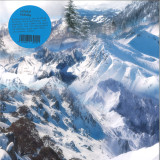
Get ready for schntzl 2.0
On their 3rd album Casper Van De Velde and Hendrik Lasure, the two SpongeBobs of Belgian jazz, enter Cortizona and take you on board of their newly discovered musical spectrum: Rollercoastin' between extreme emotions Casper and Hendrik slide through 90's Euro-optimism on synths, frantic drum rolls, lost piano sounds and sample wizardry: blending Spanish guitars, voices of singing ladies, slow mo clarinets and the patterns of a percussion robot.
'Holiday' is the result of a residency in Ravenna, Italy, in October 2021, where musique concrète, replica sounds and frenetic hyperpop textures sneaked into the musical world of schntzl. Sculpting a world of friction, hypodermic joyful changes, sad euphoria and good old plain fun.
RIYL: Matmos in a jazz mood, free vibin PC Music, Enya on XTC, improvising Valentina Magaletti, moody SOPHIE, BadBadNotGood going GoodGoodNotBad and other excellent music.
Disponible en stock et prêt pour l'expédition

The Covid Pandemic hit Germany in March 2020 and by the 15th of March all of the public life was shut down. It was the same day where my son Rio was born.
For me, this early stage of the pandemic had something very intimate and private, since I was forced to stay at home with my young family for weeks. In Mai 2020 I started to leave the house, for other occasions then just going to the shop or taking a walk and that was the time I started working on “Hotel Solaris”. It was an intense creative rush: in 8 weeks the album was written, performed and produced in one flow. I had two days every week, where I could go to the studio for 4 hours and that time the album was done. It had a corpus in a sense that I
knew I wanted a faster or a slower track at points, but the whole hotel idea came when I saw photos of the old Hotel Arkada on the Croatian island Hvar, that my extremely talented friend Marcella Zanki shot on her holidays.
They show a well preserved socialist-brutalist hotel architecture in the middle of the beautiful Adriatic and for me it was like looking at pictures from a timeless place, without knowing where and when it exactly was, totally surreal.
I liked that idea of a hote that stands as an escape symbol from the real world, which was something everyone needed when the pandemic was building stronger and stronger. I decided to call it Hotel Solaris, inspired by the novel from Stanislav Lem, where Solaris is a planet covered by an ocean which triggers our subconscious mind to
become reality. It all fit at the end and “Hotel Solaris” was done.
Disponible en stock et prêt pour l'expédition

Old-time and traditional music stay exciting for their contrasts. Exacting instrumentation honed through mentorships and late-night jams at fiddler's conventions tangles with a community-sourced inventiveness that influences variants and new sounds. Joseph Decosimo is a master of this genre for this very reason, blending deep technique with an openness and curiosity that keep his music crackling with life. A "marvelous fiddler" (No Depression) and banjo player who braids "exultation and veneration" (INDY Week) into his music, on his third solo album Fiery Gizzard Decosimo gathers a close-knit ensemble of friends from his musical career to infuse his interpretations of fiddle and banjo pieces with a contagious communal joy. As an artist working with traditional music from the South and Appalachia, Decosimo chooses songs based not only on historical significance and lineage but also his own sensory approach. For Fiery Gizzard, his ear was tuned to otherworldly tones and mystery, sourcing from field recordings such as Virginia fiddler Luther Davis' hypnotic version of "Shady Grove" while amping up the music's psychedelic potential. On the middle Tennessee banjo composition "Flowery Girls," a VHS of bluesman Abner Jay inspired Decosimo to rig up a pickup inside a fretless banjo and play it thr ough a tube amp to capture some of Jay's edge and funkiness. But to round out the sound and keep it kinetic meant galvanizing a genre-eschewing crew to jam out - and not in a "spaced-out drooly" kind of way, he laughs, but as a sort of "responsive conversation." Decosimo has always been a community-minded artist. He began playing as a seventh graderin Tennessee, fostering relationships with older players at jams and in homes, a learning mode natural to his inquisitive nature and desire for musical connection. A folklorist by intuition, he later became one by profession, studying with old-time legend Clyde Davenport, teaching in East Tennessee State University's renowned bluegrass program, and receiving his PhD at the University of North Carolina with a dissertation titled "Catching the `Wild Note': Listening, Learning, and Connoisseurship in Old-Time Music." In North Carolina, Decosimo kicked about in the verdant environment of Durham and Chapel Hill's folk and indie scenes, collaborating with artists including Alice Gerrard, Hiss Golden Messenger, and Jake Xerxes Fussell. This community has influenced his own music, including his "sublime and strangely heartening" (Bandcamp Daily) 2022 release While You Were Slumbering and Beehive Cathedral, Decosimo's 2024 "Appalachian mountain music treasury" (New Commute) trio album with Luke Richardson and Cleek Schrey for Dear Life Records. Continuing on this path, Fiery Gizzard is home base for a loose outfit of mostly Tarheel-based musicians from within and beyond traditional music. Inspired by a tour with fiddler Stephanie Coleman (Nora Brown), guitarist Jay Hammond, and synth builder and multi-instrumentalist Matthew O'Connell, Decosimo assembled studiomates based on close friendships and comfort. Coleman, O'Connell, and Hammond contribute to Fiery Gizzard, along with bassist and producer Andy Stack (Helado Negro, Wye Oak), horn player Kelly Pratt (Beirut, David Byrne), Mipso and Fust's Libby Rodenbough, Joseph O'Connell (Elephant Micah), and trad/experimental artist Cleek Schrey. Decosimo's fiddle and banjo work is virtuosic, intricate and simple simultaneously, a testament to his many years of study. On some tracks, his playing or lovely, plain-hearted singing is the centerpiece, such as on his interpretations of Texan street preacher Washington Phillips' 1929 recording "I Had a Good Father and Mother" or the Eastern Kentucky fiddle barn-burner "Glory in the Meetinghouse," famously played by Luther Strong for Alan Lomax. But there's also a trusting open-door policy, like where Southern Appalachian tune "Ida Red" relaxes into Coleman's sweet, confident fiddling and Hammond's loping guitar. As a bandleader, Decosimo's confidence and enthusiasm for the music reveal the heart of traditional music and how it can come to life through community. Fiery Gizzard is Joseph Decosimo as a powerful champion of traditional music - a sponge who soaks up as much as he squeezes out, a responsive artist who makes his genre accessible, and a magnet who can bring musicians of all sorts into his orbit with his same passion.
il devrait être publié sur 14.11.2025

Emile Sornin has a robot in his life. It's not love, but it's not friendship either, and Forever Pavot is releasing an album documenting the affair on Born Bad. After a bunch of bold pop studio albums and a small stack of soundtracks, Emile needed a break. To put an end to it, he embarked with handyman extraordinaire Jonas Euvremer on the manufacture of an automaton destined to make his musician’s life easier. Melchior, who gave his name to the record, has the face of a ventriloquist's dummy, two plastic left hands, preppy clothes and a primitive logic circuit. This goodie two-shoes cousin of Bender’s is supposed to be doing the interviews and deal with socials for Emile. The plan worked admirably : Melchior is a perfect cover-boy, and his very existence has put our man back to work.
They set a path for phat electronic ventures (and by the way, mostly english-speaking). Sub- continental bass & massive drums, heavy-footed and unabashed : as much appreciated as unexpected. The half-android shares songwriting credits and vocal parts vocoded to perfection. Not a jealous lad, Melchior makes way for a guest of choice on “UFO” and “Waiting for the sign” : Lispector. Julie Margat sings and collaborated on the lyrics for these two bangers that provide a lot of context (robot angst is real). Kumisolo, our favorite Japanese « it » girl in Paris, also sent her “Postcard”, more vapour than song, unreal musical cotton candy of arrangements.
Domotic, who mixes and co-produces, gives a nice spin to “Count to 10”, a hip-hop/kraut crossover with a BEAK> flavour. The Forever Pavot, once a big-band, will be touring as a bass/ drums/keys & vocals trio, with Melchior as guest.
Record after record, Emile Sornin has become an increasingly literate musical illiterate. When needed, his music can still become a thicket of ancient and modern finds. « Le robot gentilhomme », a skillful pastiche of baroque composer Jean-Baptiste Lully, would stand a few rounds against Wendy Carlos. His love for oldies also shines through “Skyway”, a nod to the late Pierre Arvay, France’s Colonel Sanders of library music nuggets.
Forever Pavot may have gone wild, but remains indebted vis-à-vis the golden age of film music. Forebears deluxe Ennio Morricone & François de Roubaix make Hitchcock-style cameos: discreet appearances that you’ll watch out for (those syncopated cascades of syllables at the end of « UFO », and I guess we can indulge with some clavichord/ondioline Victoria sponge). His new flirt is all but a toxic relationship. « Melchior, Vol. 1 »: the robo-bromance is not over yet.
il devrait être publié sur 07.11.2025

Old-time and traditional music stay exciting for their contrasts. Exacting instrumentation honed through mentorships and late-night jams at fiddler's conventions tangles with a community-sourced inventiveness that influences variants and new sounds. Joseph Decosimo is a master of this genre for this very reason, blending deep technique with an openness and curiosity that keep his music crackling with life. A "marvelous fiddler" (No Depression) and banjo player who braids "exultation and veneration" (INDY Week) into his music, on his third solo album Fiery Gizzard Decosimo gathers a close-knit ensemble of friends from his musical career to infuse his interpretations of fiddle and banjo pieces with a contagious communal joy. As an artist working with traditional music from the South and Appalachia, Decosimo chooses songs based not only on historical significance and lineage but also his own sensory approach. For Fiery Gizzard, his ear was tuned to otherworldly tones and mystery, sourcing from field recordings such as Virginia fiddler Luther Davis' hypnotic version of "Shady Grove" while amping up the music's psychedelic potential. On the middle Tennessee banjo composition "Flowery Girls," a VHS of bluesman Abner Jay inspired Decosimo to rig up a pickup inside a fretless banjo and play it thr ough a tube amp to capture some of Jay's edge and funkiness. But to round out the sound and keep it kinetic meant galvanizing a genre-eschewing crew to jam out - and not in a "spaced-out drooly" kind of way, he laughs, but as a sort of "responsive conversation." Decosimo has always been a community-minded artist. He began playing as a seventh graderin Tennessee, fostering relationships with older players at jams and in homes, a learning mode natural to his inquisitive nature and desire for musical connection. A folklorist by intuition, he later became one by profession, studying with old-time legend Clyde Davenport, teaching in East Tennessee State University's renowned bluegrass program, and receiving his PhD at the University of North Carolina with a dissertation titled "Catching the `Wild Note': Listening, Learning, and Connoisseurship in Old-Time Music." In North Carolina, Decosimo kicked about in the verdant environment of Durham and Chapel Hill's folk and indie scenes, collaborating with artists including Alice Gerrard, Hiss Golden Messenger, and Jake Xerxes Fussell. This community has influenced his own music, including his "sublime and strangely heartening" (Bandcamp Daily) 2022 release While You Were Slumbering and Beehive Cathedral, Decosimo's 2024 "Appalachian mountain music treasury" (New Commute) trio album with Luke Richardson and Cleek Schrey for Dear Life Records. Continuing on this path, Fiery Gizzard is home base for a loose outfit of mostly Tarheel-based musicians from within and beyond traditional music. Inspired by a tour with fiddler Stephanie Coleman (Nora Brown), guitarist Jay Hammond, and synth builder and multi-instrumentalist Matthew O'Connell, Decosimo assembled studiomates based on close friendships and comfort. Coleman, O'Connell, and Hammond contribute to Fiery Gizzard, along with bassist and producer Andy Stack (Helado Negro, Wye Oak), horn player Kelly Pratt (Beirut, David Byrne), Mipso and Fust's Libby Rodenbough, Joseph O'Connell (Elephant Micah), andtrad/experimental artist Cleek Schrey. Decosimo's fiddle and banjo work is virtuosic, intricate and simple simultaneously, a testament to his many years of study. On some tracks, his playing or lovely, plain-hearted singing is the centerpiece, such as on his interpretations of Texan street preacher Washington Phillips' 1929 recording "I Had a Good Father and Mother" or the Eastern Kentucky fiddle barn-burner "Glory in the Meetinghouse," famously played by Luther Strong for Alan Lomax. But there's also a trusting open-door policy, like where Southern Appalachian tune "Ida Red" relaxes into Coleman's sweet, confident fiddling and Hammond's loping guitar. As a bandleader, Decosimo's confidence and enthusiasm for the music reveal the heart of traditional music and how it can come to life through community. Fiery Gizzard is Joseph Decosimo as a powerful champion of traditional music - a sponge who soaks up as much as he squeezes out, a responsive artist who makes his genre accessible, and a magnet who can bring musicians of all sorts into his orbit with his same passion.
il devrait être publié sur 15.08.2025

Bret McKenzie ist ein Grammy- und Oscar-prämierter Künstler, der vor allem durch seine Band Flight of the Conchords und die gleichnamige Fernsehshow bekannt wurde. "Freak Out City" ist sein zweites Album mit geistreichen, anspruchsvollen Solosongs und baut auf den Stärken seines Debüts "Songs Without Jokes" auf (das vom FarOut Magazine als "musikalische Version eines Kurt Vonnegut-Romans" beschrieben wurde) und wird sicherlich Fans von nachdenklichen Singer-Songwritern wie Harry Nilsson, Elvis Costello, Father John Misty und klassischem Pop-Rock der 70er Jahre Freude bereiten. McKenzie ist international bekannt dafür, witzige, seltsame und einzigartige Songs zu singen und zu schreiben, vor allem für Film und Fernsehproduktionen. Bret McKenzies Lieder wurden bereits von Kermit dem Frosch, Celine Dion, Lizzo, Benedict Cumberbatch, Brittany Howard, Homer und Lisa Simpson, Fred Armisan, Miss Piggy, Amy Adams, Jason Segal, Ricky Gervais, Benee, Isabela Merced, Spongebob Schwammkopf, Tony Bennett, Mickey Rooney und vielen anderen gesungen. Das selbstbetitelte Debütalbum von Flight of the Conchords wurde 2025 mit Gold ausgezeichnet und ging prompt in einer limitierten Gold-Vinyl-Variante über den Ladentisch.
il devrait être publié sur 15.08.2025
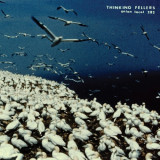
Bulbous Monocle focuses its lens further into the legacy and archives of the Thinking Fellers Union Local 282. These Things Remain Unassigned—a phrase coined by Brian Hageman, one of the band’s musical snake appendages emanating from its Medusa crown—is presented as a double LP (gatefold jacket with a twelve page libretto). It gathers together the band’s singles, compilation tracks, outtakes and never before released gems encompassing the arc of TFUL’s musical corpus. Every track has been surgically remastered by Mark Gergis (Porest / Sublime Frequencies / Mono Pause) with his signature craftsman approach. This collection is an auditory and visual feast. The extensive booklet included features band ephemera, concert flyers, photographs, and commentary about each track from Mark Davies. Beyond the rare singles and unreleased tracks from the TFUL archives, are cover versions from such disparate artists and composers as Ennio Morricone, Krzysztof Komeda, The Residents, The Shaggs, Caroliner Rainbow and Pérez Prado. “…In addition to these compilation one-offs, there were also a few studio recordings that were never quite completed or released. Throw in an alternate mix or two and the handful of singles that came out on various labels over the years, and you end up with what I feel works well as its own body of work, a bunch of adopted oddballs that somehow fit together as a family. I hope youʼll agree with me that these things are now no longer unassigned, but part of a somewhat cohesive whole, stitched together into something mysterious and glistening.” —Mark Davies (2023)
il devrait être publié sur 10.07.2025

LP 1 is Original Reissue, LP 2 is the Instrumentals. This album, originally released in 2019, was highly lauded with esteemed praise, topping many Album Of The Year lists inlcuding NPR, Pitchfork, Rolling Stone, Time Magazine. This vinyl has been out of print and in high demand, repress is restricted to limited quantities and will be out of print again in under a year. Now includes a 2nd LP featuring the never before available Hiding Places instrumentals from Kenny Segal. Fully produced by Kenny Segal, (Project Blowed, Kenstrumentals beat tape Series, Happy Little Trees). LP has unique gatefold artwork by Myra Musgrove and features custom “oakwood” coloured vinyls. Hiding Places is a collaborative album from Brooklyn-based rapper billy woods and Los Angeles beat scene veteran Kenny Segal. As a label, we at Backwoodz take a lot of pride in our physical products; in creating original artwork that will stand the test of time, and in issuing limited-pressings that stay limited. We had always resisted repressing a piece of vinyl and even when the demand for Hiding Places built to a fever pitch during 2019, we stuck to our guns. Still, by the end of the year, as the AOTY nominations kept rolling in, we knew that we needed to do something. But we also were determined not to sacrifice the uniqueness of that first pressing. So we decided to commission all-new artwork, and press up the instrumentals as well and put it all together as a GATEFOLD 2XLP. So, on top of the best album of 2019, you get Kenny’s incredible instrumentals, available on wax for the first time! On its face, it seemed an unlikely pairing; woods who moonlights as ½ of dissonant rap duo Armand Hammer is a chaotic force, the warped relic of an NY indie-rap wave that never happened. Meanwhile, Segal has been in L.A. for twenty years; from paying dues with Project Blowed to pushing the culture forward with Busdriver and Milo. All the while, his soulful, dreamlike production precariously tethered to earth by the right drums or rumbling bass. But look closer and it makes more sense. After all, Segal lent his production to a couple of songs on Paraffin, Armand Hammer’s critically-acclaimed opus, and the two artists have more than a few shared collaborators: Open Mike Eagle, ELUCID, and Hemlock Ernst amongst them. Hiding Places finds both artists deep in the labyrinth. Segal’s lush soundscapes have a new edge, woods’ writing is, paradoxically, at its most direct. Hiding Places is a child’s game: funny and cruel, as brutal as a fairy tale. The album features familiar names from both artists’ well of collaborators with ELUCID, Self-Jupiter, Blockhead and MOTHERMARY making contributions.
Commandez maintenant et nous commanderons l'article pour vous chez notre fournisseur.

Commandez maintenant et nous commanderons l'article pour vous chez notre fournisseur.

In the words of Hamlin Garland....I remember a hundred lovely lakes, and recall the fragrant breath of pine and fir and cedar and poplar trees. The trail has strung upon it, as upon a thread of silk, opalescent dawns and saffron sunsets. It has given me blessed release from care and worry and the troubled thinking of our modern day. It has been a return to the primitive and the peaceful. Whenever the pressure of our complex city life thins my blood and benumbs my brain, I seek relief in the trail; and when I hear the Coyote wailing to the yellow dawn, my cares fall from me - I am happy. Coyote wail away all your troubles. Their dub sensibilities to the fore and supported by ambient textures and chunky bounding percussive rhythms.Another unique listening experience from the IIB overlords
Commandez maintenant et nous commanderons l'article pour vous chez notre fournisseur.
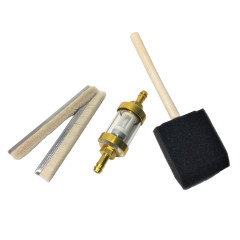
EN: Disco-Antistat Ultrasonic accessory set
handy accessory set for Disco-Antistat Ultrasonic 2.0 (1360008)
consisting of:
1x reusable replacement filter aluminium/glass
2x replacement brushes made of goat hair
1x sponge brush for cleaning and drying the tub
DE: Disco-Antistat Zubehörset Ultrasonic
praktisches Zubehör-Set für Disco-Antistat Ultrasonic 2.0 (1360008)
bestehend aus:
1x Wiederverwendbarer Ersatzfilter Alu/Glas
2x Ersatzbürsten aus Ziegenhaar
1x Schwammpinsel zur Reinigung und Trocknung der Wanne
Cet article n'a pas encore été publié. Vous pouvez pré-commander le produit maintenant.

EN: The Ultraclean set is designed to mix a total of 5 litres of cleaning fluid.
Set consisting of:
1x 200ml Disco-Antistat Ultraclean concentrate (Art. No. 1302000)
5x 1 liter Disco-Antistat BiDest (Art.No. 1302001)
free of charge:
1x Disco-Antistat mixing bottle (art. no. 1302002)
1x sponge brush for cleaning the Disco-Antistat devices
1x microfiber cloth
DE: Das Ultraclean Set ist abgestimmt um insgesamt 5 Liter Reinigungsflüssigkeit anmischen zu können.
Set bestehend aus:
1x 200ml Disco-Antistat Ultraclean Konzentrat (Art.Nr. 1302000)
5x 1 Liter Disco-Antistat BiDest (Art.Nr. 1302001)
gratis dazu erahalten Sie:
1x Disco-Antistat Mischflasche (Art.Nr. 1302002)
1x Schwammpinsel zur Reinigung der Disco-Antistat Geräte
1x Mikrofasertuch
Cet article n'a pas encore été publié. Vous pouvez pré-commander le produit maintenant.

~~~From Mississippi and Olvido Records~~~~~~ Steel-string guitar and vocals by the great Giorgos Katsaros, a mythic figure of Greek rembetiko. Our obsession with underground Greek music continues with 10 ultra-rare recordings of heartbreak and vice from rembetiko legend Giorgos Katsaros. Katsaros, who by some accounts lived to be over 100 years old, carried the old songs of Greece to the Diaspora in the United States, bridging centuries of music in one storied lifetime. Born in 1901 on the Greek island of Amorgos, Katsaros' was enchanted with the songs he picked up as a kid in the streets of Piraeus and Athens. Encouraged by his grandfather, an amateur singer, Katsaros developed a style that mirrored his upbringing - centuries-old Asia Minor songs, island rhythms of his homeland, well-known Athenian songs of the time, and anonymous `rebetiko' songs. Katsaros' songbook was vast, but he was most drawn to the street life and music of the manges of early 20th-century Greece: outcasts who dealt with the indignities of an unstable economy and an inauspicious future with the old standbys: wine, hash, and dancing. These ten tracks are remastered from Katsaros's 64 surviving early recordings, many rarely heard since their original release. Hypnotic melodies plucked over repeating thumbed basslines back his deep, mournful voice. Katsaros brought this nostalgic late-night music to smoke-filled rooms of Greek exiles in Chicago, Philly, and New York, where he emigrated in 1917. He continued to travel the country and play until his music was supplanted by more modern styles in the 1950s. He retired to the town of Tarpon Springs, FL, famous for its Greek sponge fishers, til a late-in-life revival brought him back to Greece for a few massive concerts and national accolades in the 1990s. Like many great artists, Katsaros carefully curated his own mythic backstory over the decades. He sometimes claimed he was born in 1888, making him 109 on his passing, and conflicting accounts of his birth and travels circulate to this day. Greek researchers Stavros Kourousis and Konstantinos Kopanitsanos, who also compiled these tracks, contribute groundbreaking new historical research on Katsaros' life. Lyrics, poetically translated by Tony Klein, further fill in the picture. Clean and rare 78s were remastered by Stereophonic. Katsaros has never sounded better than on this LP, pressed on heavy black vinyl, with extensive notes and lyrics.
Commandez maintenant et nous commanderons l'article pour vous chez notre fournisseur.

~~~From Mississippi and Olvido Records~~~~~~ Steel-string guitar and vocals by the great Giorgos Katsaros, a mythic figure of Greek rembetiko. Our obsession with underground Greek music continues with 10 ultra-rare recordings of heartbreak and vice from rembetiko legend Giorgos Katsaros. Katsaros, who by some accounts lived to be over 100 years old, carried the old songs of Greece to the Diaspora in the United States, bridging centuries of music in one storied lifetime. Born in 1901 on the Greek island of Amorgos, Katsaros' was enchanted with the songs he picked up as a kid in the streets of Piraeus and Athens. Encouraged by his grandfather, an amateur singer, Katsaros developed a style that mirrored his upbringing - centuries-old Asia Minor songs, island rhythms of his homeland, well-known Athenian songs of the time, and anonymous `rebetiko' songs. Katsaros' songbook was vast, but he was most drawn to the street life and music of the manges of early 20th-century Greece: outcasts who dealt with the indignities of an unstable economy and an inauspicious future with the old standbys: wine, hash, and dancing. These ten tracks are remastered from Katsaros's 64 surviving early recordings, many rarely heard since their original release. Hypnotic melodies plucked over repeating thumbed basslines back his deep, mournful voice. Katsaros brought this nostalgic late-night music to smoke-filled rooms of Greek exiles in Chicago, Philly, and New York, where he emigrated in 1917. He continued to travel the country and play until his music was supplanted by more modern styles in the 1950s. He retired to the town of Tarpon Springs, FL, famous for its Greek sponge fishers, til a late-in-life revival brought him back to Greece for a few massive concerts and national accolades in the 1990s. Like many great artists, Katsaros carefully curated his own mythic backstory over the decades. He sometimes claimed he was born in 1888, making him 109 on his passing, and conflicting accounts of his birth and travels circulate to this day. Greek researchers Stavros Kourousis and Konstantinos Kopanitsanos, who also compiled these tracks, contribute groundbreaking new historical research on Katsaros' life. Lyrics, poetically translated by Tony Klein, further fill in the picture. Clean and rare 78s were remastered by Stereophonic. Katsaros has never sounded better than on this LP, pressed on red vinyl, with extensive notes and lyrics.
il devrait être publié sur 01.11.2024

A twelve-track collection of “cassette-ified” lo-fi psych-pop, ‘Wobble’ is the eleventh studio album from Black Market Karma and their first on Fuzz Club. Hailing from London and now residing on the South Coast, BMK’s prolific output is fuelled by bandleader and
multiinstrumentalist Stanley Belton who writes, performs, records, produces and up until now self-released everything from his own live-in ‘Cocoon’ studio.
Pooling influences from 60s pop and psychedelia, crunchy hiphop break-beats and lo-fi electronica, ‘Wobble’ is the first of a
two-part album series and is due for release July 26th 2024. INDIE
ONLY! Bone coloured vinyl.
il devrait être publié sur 26.07.2024

Enjoy The Ride Records and Enjoy The Toons Records in conjunction with Nickelodeon are proud to
present Ren & Stimpy - You Eediot!, available for the first time on vinyl. Performed by legendary voice
actor Billy West (Futurama, Looney Tunes, Doug) and Bob Camp (ThunderCats, Tiny Toon
Adventures, SpongeBob SquarePants), this limited edition vinyl reissue of the 90s Ren & Stimpy
album features iconic songs "Happy, Happy, Joy, Joy", "Log Blues / Log Theme", show opening &
closing themes, along with over 15 additional tracks. Housed in a 400gsm jacket with a 4-page
songbook featuring updated artwork by Steven Wild, this is a must have for Nickelodeon fans!
il devrait être publié sur 05.07.2024

As mui zyu, Hong Kong British artist Eva Liu searches for a portal, wandering between nothing and everything in her pursuit of peace. On her second full-length album nothing or something to die for she looks outward, embracing the chaos with each tentative step. mui zyu's debut album Rotten Bun for an Eggless Century saw her explore her heritage, as she dived inward to find acceptance and healing. Now, instead of searching for answers from the inside, Liu raises her head to look at the world around her. As she attempts to understand the complexities and significance of human existence, she observes apathy alongside overwhelming chaos; the technological advancements of connection with the lack of meaningful bonds and the frustrations of upholding standards set by others. nothing or something to die for tries to decipher these juxtaposing truths, holding both the weight of those trying to destroy the world with the utter futility of it all. Working with co-producer and fellow Dama Scout band member Luciano Rossi, the sonic world of nothing or something to die for encapsulates both the fleeting tranquility of serenity and the dissonance in chasing it. After all, our reality can change in an instant. Like the psychedelic tones of Ryuichi Sakamoto's Thousand Knives, the urgent techno-pop of Miharu Koshis Parallelisme or the eerie wanderings of Angelo Badalamenti's work for Twin Peaks, nothing or something to die for expertly toes the line between disorder and clarity
il devrait être publié sur 24.05.2024

Nachdem er zig Millionen Alben verkauft, Milliarden von Streams generiert, die Charts gestürmt und Arenen und Amphitheater auf der ganzen Welt gefüllt hat, kehrt Sebastian Bach auf seinem lang erwarteten sechsten Album Child Within the Man mit neuer Musik zurück. Sebastians Rückkehr ist, gelinde gesagt, längst überfällig. Sein letztes Soloalbum, Give 'Em Hell, erschien 2014. "'Child Within the Man' klingt wie ein Album aus den 70ern in einem Video aus den 80ern im Internet im Jahr 2024", lässt er verlauten. "Es wurde von echten Musikern und einem echten Produzenten gemacht und mit echter Dynamik gemastert. Es soll groß klingen".
Mit seiner unnachahmlichen Präsenz, die so laut ist wie seine unverkennbare Stimme, hat Sebastian Bach in Musik, Theater, Film, Fernsehen und Kultur einen Abdruck in der Größenordnung der San-Andreas-Verwerfung hinterlassen. Er hat, unter anderem als Sänger von Skid Row, einige der kultigsten Hymnen der Rockgeschichte geschrieben und eingesungen mit Hits wie "18 and Life", "I Remember You", "Youth Gone Wild" und "Monkey Business". Mit seiner inzwischen legendären Rolle in Jekyll & Hyde: The Musical und seinen Hauptrollen in The Rocky Horror Picture Show und Jesus
Christ Superstar hat er Geschichte geschrieben als "der erste Heavy-Metal-Sänger am Broadway". Er hat in Dutzenden von Fernsehserien und Filmen mitgewirkt, von Trailer Park Boys und Robot Chicken bis hin zu Spongebob Schwammkopf, The Masked Singer und Hell's Kitchen. Was seine Vielseitigkeit betrifft, so ist er die seltene Naturgewalt, die mit Axl Rose im Duett singen kann und eine wiederkehrende Rolle in Gilmore Girls übernehmen kann.
il devrait être publié sur 10.05.2024

Nachdem er zig Millionen Alben verkauft, Milliarden von Streams generiert, die Charts gestürmt und Arenen und Amphitheater auf der ganzen Welt gefüllt hat, kehrt Sebastian Bach auf seinem lang erwarteten sechsten Album Child Within the Man mit neuer Musik zurück. Sebastians Rückkehr ist, gelinde gesagt, längst überfällig. Sein letztes Soloalbum, Give 'Em Hell, erschien 2014. "'Child Within the Man' klingt wie ein Album aus den 70ern in einem Video aus den 80ern im Internet im Jahr 2024", lässt er verlauten. "Es wurde von echten Musikern und einem echten Produzenten gemacht und mit echter Dynamik gemastert. Es soll groß klingen".
Mit seiner unnachahmlichen Präsenz, die so laut ist wie seine unverkennbare Stimme, hat Sebastian Bach in Musik, Theater, Film, Fernsehen und Kultur einen Abdruck in der Größenordnung der San-Andreas-Verwerfung hinterlassen. Er hat, unter anderem als Sänger von Skid Row, einige der kultigsten Hymnen der Rockgeschichte geschrieben und eingesungen mit Hits wie "18 and Life", "I Remember You", "Youth Gone Wild" und "Monkey Business". Mit seiner inzwischen legendären Rolle in Jekyll & Hyde: The Musical und seinen Hauptrollen in The Rocky Horror Picture Show und Jesus
Christ Superstar hat er Geschichte geschrieben als "der erste Heavy-Metal-Sänger am Broadway". Er hat in Dutzenden von Fernsehserien und Filmen mitgewirkt, von Trailer Park Boys und Robot Chicken bis hin zu Spongebob Schwammkopf, The Masked Singer und Hell's Kitchen. Was seine Vielseitigkeit betrifft, so ist er die seltene Naturgewalt, die mit Axl Rose im Duett singen kann und eine wiederkehrende Rolle in Gilmore Girls übernehmen kann.
il devrait être publié sur 10.05.2024

Nachdem er zig Millionen Alben verkauft, Milliarden von Streams generiert, die Charts gestürmt und Arenen und Amphitheater auf der ganzen Welt gefüllt hat, kehrt Sebastian Bach auf seinem lang erwarteten sechsten Album Child Within the Man mit neuer Musik zurück. Sebastians Rückkehr ist, gelinde gesagt, längst überfällig. Sein letztes Soloalbum, Give 'Em Hell, erschien 2014. "'Child Within the Man' klingt wie ein Album aus den 70ern in einem Video aus den 80ern im Internet im Jahr 2024", lässt er verlauten. "Es wurde von echten Musikern und einem echten Produzenten gemacht und mit echter Dynamik gemastert. Es soll groß klingen".
Mit seiner unnachahmlichen Präsenz, die so laut ist wie seine unverkennbare Stimme, hat Sebastian Bach in Musik, Theater, Film, Fernsehen und Kultur einen Abdruck in der Größenordnung der San-Andreas-Verwerfung hinterlassen. Er hat, unter anderem als Sänger von Skid Row, einige der kultigsten Hymnen der Rockgeschichte geschrieben und eingesungen mit Hits wie "18 and Life", "I Remember You", "Youth Gone Wild" und "Monkey Business". Mit seiner inzwischen legendären Rolle in Jekyll & Hyde: The Musical und seinen Hauptrollen in The Rocky Horror Picture Show und Jesus
Christ Superstar hat er Geschichte geschrieben als "der erste Heavy-Metal-Sänger am Broadway". Er hat in Dutzenden von Fernsehserien und Filmen mitgewirkt, von Trailer Park Boys und Robot Chicken bis hin zu Spongebob Schwammkopf, The Masked Singer und Hell's Kitchen. Was seine Vielseitigkeit betrifft, so ist er die seltene Naturgewalt, die mit Axl Rose im Duett singen kann und eine wiederkehrende Rolle in Gilmore Girls übernehmen kann.
il devrait être publié sur 10.05.2024

Zurich bass guitarist and composer Martina Berther is known for her delicious basslines in experimental rock outfits Ester Poly and AUL. On this solo debut, she conjures something utterly unique from her instrument.
'Bass Works' showcases Berther's talent and ingenuity across 12 startlingly varied one-take compositions. Taking root in improvisation, the collection unfolds like a playbook of strange and beautiful techniques.
Voided melodies, harmonics and surfaces that prickle and collapse in solitude and wonder; Berther's bass is a Geiger counter, etching the contours of abandoned landscapes and forgotten languages.
Recommended if you like the alien transmissions of Éliane Radigue, Mica Levi, Olivier Messiaen.
il devrait être publié sur 05.04.2024

Like the best of them, Daniel Chavez got his start immersing himself in the nightclubs, dingy basements, and record stores of Chicago. Cycling around the South Side with records and a small PA system strapped to his back, he found himself at Smartbar and eventually began slinging records at Gramaphone alongside some of the deepest heads of his generation. Before long, Daniel made the jump to Brooklyn and landed at A-1 Records, while diving further into the global deep house community and soaking up knowledge like a sponge. After sowing seeds in obscurity for many years, Daniel saw the fruits of his labor in 2023 with a debut 12” on Halo’s Muted Noise imprint.
These tracks were designed and refined over the course of a year to meet the strict specifications of the Jewel soundsystem and dancefloor. “Writing on Water” is a submersive, simmering tune that heaves and moans for eight minutes, but could probably go on for an hour. “Terras” strips away the layers to reveal a spacious, floating world supported by a fat, rolling bassline. On the flip, “Spiraling” echoes a feeling of early My Love Is Underground and the New York deep house golden era before it: a time of revolution. Finally, “67th Session” combines space and depth with a simple vibraphone riff that can go off day or night.
Commandez maintenant et nous commanderons l'article pour vous chez notre fournisseur.

Daptone Records is proud to present the debut 45 from the newest member of the Daptone family stable of stars, Jalen Ngonda! Presently residing in the UK, Jalen grew up just outside of Washington D.C.. At the tender age of 11 Jalen's father introduced him to the joys of soul music, of which he soaked up like a thirsty sponge, guiding him on the path to become the remarkable artist that he is today. With this inaugural single Jalen delivers two sides of mid-tempo magic that will make you feel his Motown roots rather than wearing them on his sleeve. 'Just Like You Used To' drops with groove and vibe in equal measure, providing the perfect foundation for Jalen's vocals to soar. 'What a Difference She Made' digs deeper with the accompaniment of a lush string arrangement and plaintive vocal Jalen makes you feel every syllable down your bones. A sure-shot single poised to propel Jalen to the front of the pack.
Commandez maintenant et nous commanderons l'article pour vous chez notre fournisseur.

Superheaven and Run For Cover Records have teamed up to commemorate the ten year anniversary of the band's breakthrough debut album JAR. After first hitting stores in Spring of 2013, this latest update to the legacy of one of Run For Cover's most important titles comes out April 28, 2023. The eastern-Pennsylvania four piece had been building anticipation for their first full-length for years, releasing multiple EPs and playing shows with local contemporaries like Tigers Jaw and Balance and Composure. Working with producer Will Yip (Turnstile, Title Fight) at Studio 4 in Conshohocken, PA, these songs showcase a talent for writing both jarringly heavy and delicately emotional songs, mixed with the size and clarity of major label grunge breakthrough records like Nirvana's Nevermind or Failure's Fantastic Planet. The revamped anniversary edition features new, updated packaging as well as two bonus tracks - "Siblings," a Jar-era one-off single and "Lucky," a vinyl-exclusive b-side from the LP sessions.
il devrait être publié sur 02.02.2024

Sign Libra's third album Hidden Beauty is an intimate voyage through feminine nature, guided by the arts of subtext, musical collage, and mysterious allusions. Elegantly arranged, enigmatic, and mischievous, Hidden Beauty seeks to "release the invisible and bring fragility to the surface." From the rainforests of Closer to the Equator (Sounds of the Dawn, 2016 / Antinote, 2018) to the surreal lunar landscape of Sea to Sea (RVNG Intl., 2020), Agata Melnikova, the Latvian musician behind the Sign Libra symbol, has developed a signature blend of evocative composition with lyricless, ethereal vocalizing. Hidden Beauty attends to a closer space than her first two albums, a playfully layered pastiche of refined references, drawing musical inspiration from the assortment of Erik Satie, the early work of Mylène Farmer and Laurent Boutonnat, and 90s R&B. The first inklings of Hidden Beauty arrived in 2019, with the basic contours of the album sculpted in 2020 and early 2021. Like Sea to Sea, Hidden Beauty was invented as a solitary creative effort, but this time under uniquely hermetic impositions. Tethered to the world only by screen, the artist sought inspiration from an unlikely array of activities: new, unorthodox approaches at composing, learning French, a virtual pedagogical practice, and plenty of jubilant dancing in her flat, sunglasses on, to 90s dance music. Hidden Beauty moves inward from the distant spaciousness of Sea to Sea in favor of a "chamber-like" sound, reflecting the intimate environs of its creation. Balancing the New Age balletic resonance of Closer to the Equator and the cosmic-dancerly tracks of Sea to Sea, Hidden Beauty combines deft, postmodern arrangements with popular, contemporary suggestions. The reverb drenching her previous recordings is sponged up in the songs of Hidden Beauty, giving the exercises contained within a feeling of presence, and closeness. And always Agata's crystalline vocal furnishings, less a lead vocal than a first instrument, the ever-returning counterpoint in a beatific swirl. The other hidden elements of this work are plenty, and perhaps best left concealed for the listener's enjoyment. Or perhaps they are hidden in plain sight and sound, depending on what the puzzle pieces reveal to your imagination. Sign Libra's Hidden Beauty will be released in vinyl, Japanese import CD, and digital editions on November 3, 2023. A portion of the proceeds from this release will benefit Coral Guardian, a non-governmental organization working internationally and with local communities to protect coral ecosystems.
Commandez maintenant et nous commanderons l'article pour vous chez notre fournisseur.

Toy Tonics going New Wave Disco with Baby’s Berserk’s self-titled debut album (to be released on 29 September).
There are many shades of funk in dance music. Berlin’s Toy Tonics label brings up artists that reflect many of these different aspects in dance music. Now the label comes up with a band! A band that is inspired by 1980ies New Wave as well as the Y2K Indie dance scene. Two guys and 2 girls from Amsterdam and Montreal called Baby’s Berserk.
Baby’s Berserk is about taking the freedom to be who you want to be, about being comfortable. Having played in all-girl punk bands since the age of 14, the bands singer Lieselot is an expert on female empowerment. “Dress like a girl and act like a boy,” is a catchphrase she lives up to every day and it clearly is a message that resonates with the band’s wild fans.
In the great tradition of Roxy Music, Throbbing Gristle and Malcolm McLaren, Baby’s Berserk is not just about the edgy music, but also about a very strong own visual style. They readily blend their sounds with underground fashion. What you see is what you get and seeing Baby’s Berserk is feeling right at home. Lieselot is a visionary when it comes to stage presence. Have you always wanted to see an electronic band with a punk attitude perform wearing a mix of haute couture and Flintstone-style rags? Look no further, it’s Baby’s Berserk.
Following on the critically acclaimed singles ‘What I Mean’ (2020) and ‘Toxic Kisses’ (2022), Baby Berserk’s highly anticipated self-titled full-length is now finally about to see the light on Berlin’s Toy Tonics records. Sonically designed for gritty rock venues as well as up-to-date edgy dance clubs, Mano’s lush compositions smoothly intertwine with the highly associative lyrics written by Puggy and Lieselot. Poets and literary addicts may think they’ve just discovered the rock & roll equivalents of Sylvia Plath, Kurt Vonnegut and Allen Ginsberg. To tell you the truth: their wild guess is pretty accurate as the works by these greats lie scattered around the Baby’s Berserk studio for inspiration.
The band was born in a laboratory back in 2019. Tired of being in bands with unruly and unpredictable humans, Mano Hollestelle set out to create a group of high precision robots to create the post-punk sound he had in mind. His outdated technology of floppy disks and cassette tapes worked well to program the androids, until one day a 90s rave mixtape was mistakenly entered into his computer. House music is a feeling and the punk bots instantly got hooked on it upon hearing it for the first time. They could never be reset to factory settings again. Mano worked tirelessly with his androids, currently known by their humanoid names of Lieselot Elzinga, Puggy Beales and Eva Wijnbergen, to fulfil his evil plan to make the rockers dance and the dancers rock. Baby’s Berserk is the fiendish extension of this plot. Beware, the band’s bass driven grooves and computerized beats have been known to cast a spell upon all within earshot.
So what do the songs on ‘Baby’s Berserk’ tell you? That it’s totally fine to have lots of fun in life! To have a boyfriend as an accessory (‘Accessories’), to get inspired by Sponge Bob (‘Dancing with the Fish’) and to blend your spirits with mixers whenever the hell you feel like it (‘Rum ‘n’ Kola’).
Baby’s Berserk member Puggy Beales on ‘Limousine’: “Decant the wine from my tip jar to yours. Soon we'll be on easy street, chauffeured home from the rat race each evening. Is it everything you'd hoped it would be?”
Check not only the debut album but also the forthcoming Remix EP with remixes by Each Other, Niklas Wandt, Sam Ruffillo, Kris Baha and Nicolini.
Commandez maintenant et nous commanderons l'article pour vous chez notre fournisseur.

il devrait être publié sur 02.06.2023

The Flaming Lips veröffentlichten 2002 "Yoshimi Battles the Pink Robots", welches das meistverkaufte Album der Band ist und in den USA mit über 700.000 verkauften Alben mit Gold ausgezeichnet wurde.
Das Album enthält einen der kultigsten Songs der Band - "Do You Realize?" - sowie die Singles Fight Test, Ego Tripping at the Gates
of Hell und den Titeltrack. Die 20th Anniversary Deluxe Edition 5 LP Vinyl Box Set enthält das Originalalbum, B-Seiten, Demos und Radiosessions sowie weitere Raritäten. Die Vinyl-Box enthält 56 Tracks, von denen über 30 bisher unveröffentlicht sind, und 40, die zum ersten Mal auf Vinyl erhältlich sein werden.
il devrait être publié sur 14.04.2023

As a self-described “sponge for club music”, London-based Bristol transplant Ian DPM has cut a singular figure in both the West Country and the capital in just a handful of years. Already situated as the tastemaker behind music curation platform Definite Party Material, co-owner of Scuffed Recordings, and Noods Radio and Rinse FM resident, Ian DPM’s emergence as a producer has marked him as an expansively curious, bass-forward figure at the bleeding edge of genre boundaries.
After retreating to his hometown of Portsmouth during lockdown to absorb the blueprints of ‘90s techno, Ian emerged with a new phase of experimentation: techno-inspired and indebted, yet eschewing loops and grids for a loose-limbed, open minded engagement of the form.
Taking inspiration from the iconic carnival rides that are inseparable from their high-octane happy hardcore soundtrack, “One For The Waltzers” begins with a distant rumble of muffled breakbeats that inch ever closer. But rather than dizzying lights and in-the-red maximalism, “One For The Waltzers” gradually reveals its knowingly deep shimmy and groove. It is a drum-heavy and rhythmic production, masterfully using negative space to showcase every contour of its slowed-down rave horns and acid house synth lines.
“KE01” inhabits the flipside of the same sonic world “One For The Waltzers”. Here, feverish percussive energy contrasts against pensive melodic synth chords. It’s a heady warehouse affair, familiar and complex, referential yet contemporary, and only adds to the momentum that Ian DPM is gathering.
Commandez maintenant et nous commanderons l'article pour vous chez notre fournisseur.

Lucrecia Dalt’s debut film score to ‘The Seed’, a sci-fi horror
film directed by Sam Walker on Shudder.
Pressed on black vinyl and housed in a deluxe spined sleeve
with printed insert with digital download card included.
“The score is heavily based on pulses that I made from tape
loops from my Copicat tape delay, using various pieces of
metal to create the sound of the horror parts by bowing them
alongside digital synths and the Korg Monologue.” - Lucrecia
Dalt
“I wanted to play with the feeling of multiple paces in it, a
voice pulse that keeps us grounded in the subjectivities of
the women who are losing their sanity, a synth line that
places us in the sci-fi side of the film,” she explains.
‘The Seed’’s release follows the Colombian artist’s
collaboration with Aaron Dilloway, Lucy & Aaron, her
acclaimed 2020 album ‘No era sólida’ (RVNG Intl), a site
specific performance for the Mies van der Rohe Pavilion in
Barcelona, plus sound installations for CTM Festival and
Medellín’s Museum of Modern Art. Often seeking inspiration
in the worlds of fiction, poetry, geology and desire,
excavating nuanced references to untangle and respond to
in her music, Dalt’s debut score is incredible stand-alone
piece of work.
In ‘The Seed’, lifelong friends Deidre (Lucy Martin / Vikings),
Heather (Sophie Vavasseur / Resident Evil: Apocalypse) and
Charlotte (Chelsea Edge / I Hate Suzie) travel to the Mojave
Desert for some time away, with the upcoming meteor
shower as the perfect social media backdrop. But what starts
out as a girls’ getaway descends into a battle for survival with
the arrival of an invasive alien force whose air of mystery
soon proves to be alluring and irresistible to them.
il devrait être publié sur 20.05.2022

This, one of the greatest radio shows ever made onto a record as it combines a Radio interview with Roky Erickson in full gloom while he is presenting the demos of tracks that may ended up on the great great The Evil One LP Earlier versions of mine mine mind, two headed dog, and click your fingers applauding the play previously released on vinyl by France's Sponge Records in 1976.. The bonuses (interviews, demos, rarities) are dandy, but the album is treasure enough. Its retro-metal chops have more kaboom than the irony-diluted pap of current poseurs, and its bent lyrics mop the floor with wannabe-kooks like Jad Fair. Some savvy touches- such as Roky's progressive pre-PC designation that the swamp monsters are 'alligator-persons'- hint that Roky was more lucid than he let on.
il devrait être publié sur 05.07.2021

With his ongoing commitment to like-minded archivist label Finders Keepers Records, industrial music pioneer Steven Stapleton further entrusts us to lift the veil and expose “the right tracks” from his uber-legendary and oft misinterpreted psych/prog/punk peculiarity shopping list known as The Nurse With Wound List.
Following the critically lauded first instalment and it’s exclusively French tracklisting both parties now combine their vinyl-vulturous penchants to bring you the next ‘Strain Crack & Break’ edition which consists of twelve lesser-known German records that played a hugely important part in the initial foundations of the list which began to unfold when Stapleton was just thirteen years old.
From the perspective of a schoolboy Amon Düül (ONE) victim, at the start of a journey that commenced before phrases like kosmische and the xeno-ignant Krautrock tag had become mag hack currency, this compendium is devoid of the tropes that united what many would accurately argue to be the greatest progressive pop bands in Europe
(namely CAN, Neu! and Kraftwerk) and rather shatters the ingredients across a ground zero landscape for both inquisitive fans and socially rehabbing musos to begin to assemble a unique self-styled identity. If Krautrock was the music that journalist told us lurked behind schlager (German pop) in the 1970s, then this record includes the music that skulked behind Krautrock and perhaps refused to polish its backhanded name belt.
Including lesser-known artists like the late Wolfgang Dauner, whose career proceeded and outlived the kosmische movement while consistently informing and outsmarting them whenever they got stuck in their metronomic ruts, or how about Fritz Müller, the man who
was to Kraftwerk what Stuart Sutcliffe was to The Beatles but had more in common with Yoko and quite rightly couldn’t give a stuff about the Fab Four’s Hamburg roots.
Elsewhere we have a plethora of German bands made for German audiences as they try and shed secondhand flower power Americanisms and feel the benefits of much harder drugs and the realisations of difficult second album budgets while Kommune 1
newsflashes wipe smiles from everybody’s faces and replace them with opioid chic or acid-sarcastic grins. Bonzo Cockettes show us their Big Muffs and drummers ask for extra mics while Conny Plank goes for parliamentary office and gives babies good firm handshakes for the camera.
‘Strain Crack & Break: Volume Two’ is the sound of Steve Stapleton’s sponge-like mind and the dividends of anyone who was brave enough to even peek inside those brick-thick gatefold covers never mind drop the needle.
Over forty years since Nurse With Wound’s first album was released, Finders Keepers Records and Steve Stapleton take connoisseurs of our kind of music back to the disused elevator shaft towards ground zero. Arriving at the same checkout from different departments, Finders Keepers and Nurse With Wound continue to sing from the same hymnal with this ongoing collaborative attempt to officially, authentically and legally compile the best tracks from Steve’s list, where many overzealous erds have faltered (or simply, got the wrong end of the stick).
After ‘Strain Crack & Break: Volume One’ merely scratched the surface of this DIY dossier of elongated punk-prog peculiarities, this second lavish metallic gatefold double vinyl compendium drives a much deeper groove which, in accordance with Steve’s wishes, focusses exclusively on individual tracks of German origin - the country whose music forged the prototype of the NWW inventory in the form of his secondary school vinyl wantlist in the early 1970s, comprised of disassembled free jazz, unshowered stoner psych, hypnotic prog, deranged monk funk and fuzzed out Deutschmark bin bonzo beats.
Commandez maintenant et nous commanderons l'article pour vous chez notre fournisseur.

Following a high-pressure drop on Sneaker Social Club in 2019, bass-toting instigator Low End Activist steps up with his most expansive release yet.
His sound is a perfect amalgam of elements from the hardcore continuum – at times a dark and malevolent brainstorm of grubby drums dragged through crusty samplers, future-weary textural scrapes, moody splashes of pads and of course bucketloads of crushing subs, lows and low mids all designed to rock you from the waist down. You'll hear spectres of culture past lurking in the shadows – a trip hop skit from a gaunt figure here, a riotous brawl of grime MCs there – and feel the decades of soundsystem absorption seeping off the platters. It's like the LEA reached capacity and these productions were what happened when the sponge got squeezed.
One voice cuts a more prominent figure up front though – the peerless Flowdan, lending some powerful bars to Game Theory. What needs to be said about the Pay As You Go / Roll Deep mastermind you don't already know? His flow is mightier than any sword you care to step with.
Speaking of platters, this particular release marks the first vinyl pressing for Seagrave since the BOA 12" Warp Purpose Vol. 1 back in 2015 (slated for a repress – don't sleep!). It's an occasion worth toasting, building on a powerful and varied catalogue of sub-heavy sonics operating well outside the mainstream in service to naught but the sound, all packaged in a full-colour sleeve. As an expansive double pack of seven sure shots, it's also a fitting document of a subversive operative bringing some devastating angles to the hardcore tradition.
- Oli Warwick.
Commandez maintenant et nous commanderons l'article pour vous chez notre fournisseur.
