Поиск:samba jazz

Стили
Все
Azymuth - Outubro

Azymuth

Outubro

12inchFARO190LP
FAR OUT RECORDINGS
30.05.2026

Following on from their seminal Light As A Feather LP, Outubro (October) was originally released in 1980 and began Azymuth's run of prolific output for Milestone Records throughout the decade. Typifying the consummate craftsmanship of the three members' performances - each with such distinct personality and together so perfectly balanced - their perfectionist attitude to sound is maintained across the production on the album, beautifully colouring the expressionist fusion of samba rhythm, jazz progression, funk attitude and psychedelic electronics.

The album hosts a wonderful mix of tempos and styles, from Alex Malheiros' earth-shaking slap-bass on 'Dear Limmertz', which was to become a hit on London's underground disco and jazz-dance club scenes alike, to the late maestro Jose Roberto Bertrami's genial melodic Rhodes excursions on the vocoder laden, samba-jazz masterpiece 'Un Amigo', while Ivan 'Mamao' Conti's signature swing on 'Maracana' exemplifies the root of Azymuth's 'samba doidoi' (crazy samba) philosophy.

The two cover versions on the album consist of the title track which was originally penned by Milton Nascimento and Chick Corea's '500 Miles High', both of which magically reimagine the originals and further demonstrate the immense virtuosity of this cult recording. This Far Out Recordings release is mixed and mastered from the original tapes and will be released on 180g vinyl and CD.

нет на складе

Закажите сейчас, и мы закажем товар для вас у нашего поставщика.


Последний логин: 9 г. назад
NOVOS BAIANOS - NOVOS BAIANOS F.C.
  • 1: Sorrir E Cantar Como Bahia
  • 2: So Se Nao For Brasileiro Nessa Hora
  • 3: Cosmos E Damiao
  • 4: O Samba Da Minha Terra
  • 5: Vagabundo Nao É Facil
  • 6: Com Qualquer Dois Mil Réis
  • 7: Os Pingos Da Chuva
  • 8: Quando Você Chegar
  • 9: Alimente
  • 10: Dagmar

Formed in Bahia in the late "60s, Novos Baianos became one of the most iconic groups in Brazilian music. Mixing samba, rock, choro, psychedelia, capoeira rhythms, and communal living, they embodied a new countercultural movement that reshaped MPB. Their albums, especially Acabou Chorare and Novos Baianos F.C., are now considered pillars of modern Brazilian music, inspiring generations of artists in Brazil and worldwide. Originally released in 1973, Novos Baianos F.C. captures the band"s communal lifestyle and fearless experimentation. After the success of Acabou Chorare, the group expanded their sound into a vibrant mix of samba, choro, folk, psychedelia, and electric street-soul. With the unmistakable chemistry of Baby Consuelo, Pepeu Gomes, Moraes Moreira, Paulinho Boca de Cantor,and Dadi, the album radiateswarmth and spontaneity. Recorded in the Baianos" legendary "football club" house, it stands as a joyful snapshot of Brazilian cultural freedom in the early "70s.

Сделать предзаказ29.05.2026

он должен быть опубликован на 29.05.2026

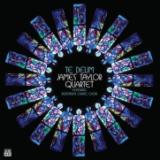
The James Taylor Quartet feat. Benenden Chapel Choir - Te Deum LP
  • 1: Have Mercy On Us
  • 2: We Praise Thee Oh God
  • 3: Save Thy People
  • 4: The Comforter
  • 5: Wildflower
  • 6: Find A Way
  • 7: Heaven And Earth
  • 8: Glory Of The Father

As keyboard maestro James Taylor arrives at his 40th year leading his Quartet, he has re-signed with his original label Acid Jazz and is embarking on a series of the most radical projects he has ever worked on. Following his first classical album ‘Shadows and Dreams’ earlier this year, he brings the Quartet together for a remarkable new album. ‘Te Deum’ sets the ancient, 4th-entury Christian text to intense jazz, funk, and Latin grooves. The music sees the James Taylor Quartet working alongside the children of the Benenden Chapel Choir, and a guest horn section and legendary Acid Jazz percussionist Snowboy. Lead track ‘Have Mercy On Us’ mixes Brazilian samba with Gregorian chants, ‘The Comforter’ sounds like a Donald Byrd with voices Blue Note Records experiment, and last year’s radio favourite ‘Wildflower’ mixes bossa nova with sunshine pop harmonies and a positive message. The JTQ is on tour throughout the year - as he always is and will be worth catching live.

Сделать предзаказ29.05.2026

он должен быть опубликован на 29.05.2026

Natalia Lafourcade - De Todas Las Flores (2x12")
  • A1: Vine Solita
  • A2: De Todas Las Flores
  • A3: Pasan Los Días
  • B1: Llévame Viento
  • B2: El Lugar Correcto
  • B3: Pajarito Colibrí
  • C1: María La Curandera
  • C2: Caminar Bonito
  • C3: Mi Manera De Querer
  • D1: Muerte
  • D2: Canta La Arena
  • D3: Que Te Vaya Bonito Nicolás

With the release of De Todas las Flores, Natalia Lafourcade returned with an album of entirely original material for the first time in seven years.

Musically, De Todas las Flores, dives into a wide variety of Latin jazz and folk genres, such as bolero, cumbia, bossa nova, and samba. Lafourcade describes the album as her musical diary, exploring themes of heartbreak, loss, and grief. She drew inspiration from nature, particularly her home garden in Xalapa, Veracruz.

Lafourcade enlisted the help of her former neighbour, Adán Jodorowsky, for production. The musical touch came from musicians such as the guitarist Marc Ribot (Tom Waits, John Zorn) and the bassist Sebastian Steinberg (Soul Coughing, Eddie Vedder, Fiona Apple).

De Todas las Flores is available as a limited edition of 2000 individually numbered copies on transparent vinyl and includes an insert and printed inner sleeves.

Сделать предзаказ29.05.2026

он должен быть опубликован на 29.05.2026

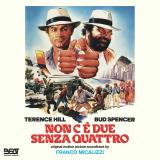
FRANCO MICALIZZI - Non C’è Due Senza Quattro (OST) LP
  • A1: What's Goin On In Brazil
  • A2: The Mysterious Man
  • A3: Flying Carousel
  • A4: Double Trouble Theme (Bossanova)
  • A5: A Guy With It's Pretty Girls
  • A6: Double Trouble Theme (Jazz)
  • B1: Hear It Tonight
  • B2: Double Trouble Theme (Samba)
  • B3: Mississipi Dream
  • B4: Quica Theme
  • B5: The Mysterious Man
  • B6: Flute Rhythm
  • B7: Double Trouble Theme

This expanded edition presents the soundtrack with previously unreleased material not included on the original vinyl release, offering a more complete overview of Micalizzi’s work. The package is further enhanced by an 8-page full-color booklet featuring original artwork, extensive liner notes on the film, direction, and score by journalist Fabio Babini, as well as a personal contribution from Franco Micalizzi himself.

Composed by Maestro Franco Micalizzi for the cult 1984 film Non C’è Due Senza Quattro, starring the iconic duo Bud Spencer & Terence Hill in a rare fourfold role, this soundtrack captures the playful spirit and global flair of the film.

Micalizzi delivers a vibrant and rhythm-driven score, infused with warm Latin influences, breezy melodies, and an unmistakable sense of lightness. The result is a richly entertaining listening experience that perfectly mirrors the film’s humor, energy, and escapist charm.

A joyful and sun-soaked addition to any collection, this release stands as both a nostalgic tribute and a testament to Micalizzi’s enduring legacy in Italian cinema soundtracks—best enjoyed, perhaps, with a well-mixed cocktail in hand.

©℗ 1984 – Beat Records Company. Reissued by Holy Basil Records under license by Beat Records.

Сделать предзаказ29.05.2026

он должен быть опубликован на 29.05.2026

Tommy Guerrero - Soul Food Taqueria 2x12"

2026 Repress

It’s rare that a certain sound is entirely an artist’s own. Although undeniably a stew of impeccable influences – from blues to folk to Latin to dusty funk, soul and hip-hop – one cannot hear a Tommy Guerrero song without immediately recognising it as his - and his only.
The cult skater from San Francisco is globally renowned as one of the original members of the legendary “Bones Brigade” team. And as an accomplished multi-instrumentalist, his laid-back soul is beloved by all who’ve basked in its blissful glow.
There’s something elemental about this music that really stirs the soul. Strikingly beautiful and instantly addictive, it’s a kind of funk-fuelled, melody-driven, groove-based magic. There’s a serenity and heart in the playing that radiates warmth and splendour, as if crafted for endless sunsets. His albums that surfaced on Mo Wax at the turn of the century have been treasured since their release and it’s two of his most vital LPs that we’re honoured to reintroduce.
The originals were quietly pressed on to a single piece of vinyl so we’ve worked closely with Tommy this year to bring you these fresh, limited editions. They have been lovingly remastered, cut nice and loud on to heavyweight double vinyl and presented in deluxe gatefold jackets.
Soul Food Taqueria continued Guerrero’s guitar soul but represented a step forward with its polished production and greater complexity of instrumentation. Denied the promotion it deserved upon release, it flew under the radar. It is now the most wanted record of his wondrous back catalogue.
Guerrero’s atmospheric touch and subtle guitar provide lush, glimmering pieces of musical texture. Within his spacious compositions, uniquely arranged instruments flourish alongside each other to create a languid soundtrack for halcyon days.
As ever, the diversity on display is beguiling. From bossa nova, samba and cumbia rhythms to understated folk, funk and soul grooves, this is another exotic set of mellow gold; perfectly represented by ESPO’s memorable artwork. Furthermore, the title’s hybridity reflects the intoxicating sweep of stylistic flavours served up, reminding us that, however tricky it is to categorise Guerrero’s special blend, it’s always a pleasure to indulge in something so creative and adventurous.
Dubby, bass-heavy instrumentals give way to moody folk-soul – witness “It Gets Heavy”, featuring melancholic vocals from Gresham Taylor – whilst “Thank You MK” is a gentle ode to the tropics, featuring ethereal instrumentation, bright bass and warm, jazzy guitars. The second half in particular contains a number of stunning ambient tracks – check “Lost Unfound”, “Another Brother Gone” and “Broken Blood” - built around minimalist, laid-back grooves and detailed guitar orchestrations which wouldn’t be out of place on the latest Jonny Nash release.
Guerrero closes this flawless set with a moment of true beauty. Restrained and graceful, “Falling Awake” is a pared back piece containing meditative guitar melodies set against melancholic piano arrangements. It brings proceedings to the most peaceful close. Seductively good, it reminds you just how great simplicity can sound.

нет на складе

Закажите сейчас, и мы закажем товар для вас у нашего поставщика.


Последний логин: 5 дн. назад
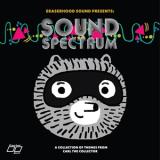
ERASERHOOD SOUND - SOUND SPECTRUM: A COLLECTION OF THEMES FROM CARL THE..

Genieße jetzt die Musik aus der Emmy-nominierten PBS-Kids-Serie ,Carl The Collector"! ,Sound Spectrum: A Collection of Themes From Carl The Collector" präsentiert die einzigartige Musik von Eraserhood Sound aus Philadelphia. Auf 34 Titeln, darunter der unvergessliche Titelsong der Serie, bekommst du einen Vorgeschmack auf Funk, Soul, Rare Groove, Jazz, Samba, R&B, New Wave und mehr - alles im typischen Synth-&-Soul-Stil von Eraserhood Sound. Die bahnbrechende Serie, die Carl, einen autistischen Waschbären, und seine Freunde begleitet, ist eine der ersten großen Serien, in denen Figuren mit Autismus vorkommen. Serienschöpfer Zachariah OHora wusste, dass er eine einzigartige Musikkomposition brauchte, um das Potenzial der Serie voll auszuschöpfen. Er wandte sich an Eraserhood Sound aufgrund ihres italienischen Library-Music-Albums ,Ribelle Di Mare" und bat um einen ähnlichen Synth-&-Soul-Ansatz. OHora sagt: ,Ich wollte keine typische Kindermusik. Ich wollte nuancierte, emotional reichhaltige Musik, die von und für Plattenliebhaber gemacht wurde." Die Musik, die vollständig von Vincent John und Maxwell Perla komponiert, produziert und eingespielt wurde, fängt die raffinierte Soulfulness von Vince Guaraldis klassischen Peanuts-Soundtracks ein und klingt dabei dennoch absolut frisch und modern. Jeder Song auf dem Album stammt direkt aus Episoden der unvergesslichen ersten Staffel von Carl The Collector. Von funkigen Fuzz-Freakouts bis hin zu düsteren, introspektiven Balladen - genieße einige von Vincents und Maxwells liebsten musikalischen Momenten aus der Serie.

нет на складе

Закажите сейчас, и мы закажем товар для вас у нашего поставщика.


Последний логин: 5 дн. назад
Various - Dom Salvador LP

Various

Dom Salvador LP

12inchJID024LP
Jazz Is Dead
26.05.2026
  • A1: Os Ancestrais
  • A2: Nao Podemos O Amor Parar
  • A3: Debaixo Da Ponte
  • A4: As Estacoes
  • B1: Musica Faz Parte De Mim
  • B2: Minha Melanina
  • B3: Safira
также имеющийся в продаже

Red Vinyl


Dom Salvador, the unassuming godfather of Brazilian soul music, has left an indelible mark through his unique fusion of jazz, soul, funk, samba, and Brazilian rhythms. His legacy continues with Dom Salvador JID024, produced by Adrian Younge and Ali Shaheed Muhammad. The album honors Salvador’s pioneering sound, continuing the vibrant dialogue between Brazilian and American music and inviting listeners to experience his rich, groundbreaking style.

нет на складе

Закажите сейчас, и мы закажем товар для вас у нашего поставщика.


Последний логин: 7 дн. назад
MIKIO MASUDA - MOON STONE (1978) LP

MIKIO MASUDA

MOON STONE (1978) LP

12inchTYO-1006
THREE BLIND MICE
22.05.2026

At the time, Mikio Masuda was frequently mentioned as a Japanese jazz musician on par with the soft-and-mellow crossover sound of artists like Bob James and Ramsey Lewis. With a supple sensibility that moves effortlessly between jazz and rock, he stands as one of the defining figures of the 1970s. Now, one of his essential masterpieces, "Moon Stone", has been confirmed for reissue as the fifth installment from SPIN THIS NOW!

Electric Piano, Organ, Clavinet, Synthesizer - Mikio Masuda
Drums - Hideo Yamaki
Electric Bass - Motohiko Hamase
Electric Guitar - Kazumi Watanabe
Electric Guitar, Vocals - Kazumasa Akiyama

Сделать предзаказ22.05.2026

он должен быть опубликован на 22.05.2026

Teleseen - The Emotional Life Of Savages

the producer, multi-instrumentalist, DJ and record collector Gabriel Cyr AKA Teleseen releases 5th album 'The Emotional Life of Savages' via French imprint Goldmin Music.

African rhythms, Latin heat and otherworldly electronics collide like neurons, processed through a New York state of mind. The pancontinental sounds are mirrored in his own life, which has oscillated back and forth between various countries.

A jazz background combined with a love for house and techno are ingrained in the grooves. Also key is the samba, baile funk and MPB that inspired him while living in Rio de Janeiro, plus the sounds he reabsorbed on returning to NYC's club scene.

This wide range of influences spanning the global underground coalesces into a rich, vital and coherent whole. Warm and soulful, but also evoking an intoxicating, heady atmosphere, the hypnotic and ultra-rhythmic tracks subtly shift and build to fever pitch, due primarily to deft polyrhythmic drums and percussion - both played and sequenced.

"Working on this record I finally found myself able to manifest a certain sound I'd been hearing in my head for years, combining the rhythmic intensity of afro-house and afro-Brazilian music with the more cosmic sounds of Detroit and deep house", explains Cyr on his musical vision.

The gentle sundowner glow of 'Myrtle Avenue' with its textured synth waves and wandering Parrish-esque keys acts as a precursor to the potent nocturnal adventure to follow: 'Espelhos' captures a similar essence to Black Science Orchestra's classic 'Save Us (The Jam)', before the heat goes up and heads go down for the eastern-tinged, autotune-laden fire of 'Khalil'.

The album then intensifies further still on the percussion-heavy, big bottomed cosmic throb of 'Jaguar', whilst Brazilian flavour meets tech house rush on 'Fundos', before the party reaches its feverish close on the wiggling batucada- meets-tribal-house of 'Temporada De Seca'.

Born in the north eastern United States, as an adult Cyr has always been nomadic. He has sought to live and immerse himself in other cultures and absorb their sounds, but eventually always succumbs to the Big Apple's magnetic pull. Back home, a key inspirational catalyst for the album was the Brooklyn-based party Africainoir, where he's a resident DJ.

Alongside cutting his teeth producing illbient/hip hop and working as an engineer, he ran his own studio for period, before starting his own label Percepts, on which to release his dub techno style debut. He has since released on 100% Silk, Boomarm Nation and Feel Up Records, and now 'The Emotional Life Of Savages' marks Teleseen's first album for Goldmin.

нет на складе

Закажите сейчас, и мы закажем товар для вас у нашего поставщика.


Последний логин: 7 г. назад
Carlos Dafé - Pra Que Vou Recordar LP

Carlos Dafé (born October 25, 1947) is a singer and songwriter from Rio de Janeiro, recognised as one of the iconic voices of the Brazilian samba-soul era. Born into a family of musicians and trained at the conservatory, he rose to prominence in the 1970s alongside Tim Maia, Cassiano, and Hyldon, shaping the sound of Rio Noir with his warm baritone voice and soulful phrasing. His 1977 album, Pra Que Vou Recordar, became a cult classic among collectors and DJs worldwide, earning him the title of "Prince of Brazilian Soul." Still active today, Carlos Dafé remains an essential reference for artists exploring the boundaries between samba, soul, and MPB (Brazilian Popular Music). Released in 1977, Pra Que Vou Recordar reveals Carlos Dafé at the peak of his art, blending samba-soul, MPB, and the warm groove of the 1970s Rio de Janeiro scene. Surrounded by some of the city's finest musicians, Dafé showcases his baritone voice in deeply melodic arrangements and a series of songs that have become fan favourites. An album imbued with soul and elegance. The sound of BrazilianBlack music at its most sincere and timeless.

нет на складе

Закажите сейчас, и мы закажем товар для вас у нашего поставщика.


Последний логин: 20 дн. назад
Nico Gomez - Soul Of Samba

Nico Gomez

Soul Of Samba

12inchMRBLP238
Mr Bongo
08.05.2026
  • A1: Aquarela
  • A2: Tristeza
  • A3: Desafinado
  • A4: Agua
  • A5: Orpheu Negro
  • A6: The Girl From Ipanema
  • B1: One Note Samba
  • B2: Saudade Do Rio
  • B3: Rio
  • B4: Little Boat
  • B5: Vôce E Eu
  • B6: Din! Din! Din!

Nico Gomez, a Belgian orchestra leader of Dutch roots, has long been a favourite with Latin fans, record diggers, DJs, and collectors alike. His blend of bossanova, latin jazz, and easy listening always turns up a few choice nuggets and surprises; what is perhaps most remarkable is that it was recorded in Europe.


Back in 2013, Mr Bongo re-issued Nico Gomez's sought-after 'Ritual' album from 1971, and now we follow it up with another jewel from his catalogue his 1972 album 'Soul Of Samba'. For this re-issue, we have opted to present it with the cover art originally used on the Trio Records version released in Japan. In the Netherlands and Belgium, the album was released with different cover art under the title 'Bossa Nova’, on Omega International and International Bestseller Company records, respectively. We loved the beautiful psychedelic design of the Japanese version and wanted to use it for this re-issue.

'Soul Of Samba' features several euro-bossa-jazz favourites such as the catchy 'Rio'; which was a firm DJ choice cut at jazz dance nights, including Brighton's 'Jazz Rooms' in the 90s. It also featured in Rainer Trüby's classic ‘Glücklich' compilation series which explored European-Brazilian-inspired music. The beguiling ‘Aquarela', with its engaging latin shuffle, entices feet to the dancefloor and is not one to miss. 'Agua’ has a lazy-quirky latin-funk feel with breathy-stoned vocals floating in the background. The album additionally features numerous breezy latin, Brazilian, and easy listening joints, some of which are ripe for sampling.

Сделать предзаказ08.05.2026

он должен быть опубликован на 08.05.2026

Marcos Valle - O Compositor e o Cantor
  • A1: Gente
  • A2: Preciso Aprender A Ser Sò?
  • A3: Seu Encanto
  • A4: Passa Por Mim
  • A5: Samba De Verão
  • A6: A Resposta
  • B1: Deus Brasileiro
  • B2: Dorme Profundo
  • B3: Vem
  • B4: Mais Amor
  • B5: Perdão
  • B6: Não Pode Ser

Marcos Valle is one of those artists you simply can’t overlook if you have even a passing interest in Brazilian music. Whether your taste leans toward bossa jazz, samba, psychedelic folk, or modern soul, Valle has surely recorded a great album for you.

By the late 1960s he had already released enough outstanding records to secure a place among the greatest Brazilian artists of all time, but fortunately his career didn’t stop there. He has continued recording fabulous albums over the following decades, right up to the present day.

This second album by Marcos Valle (1965) is one of the foundational works of bossa nova. In fact, the record includes one of the most widely heard and covered Brazilian songs in history: ‘Samba de Verão.’ In addition to his work as a composer—alongside his brother Paulo Sergio—Marcos Valle also begins to reveal himself here as a great singer, with a soft, almost fragile voice, while his acoustic guitar recreates the same intimacy of the nighttime atmosphere in which he composed most of the songs.

The arrangements were co-written with Eumir Deodato, with the participation of other renowned Brazilian musicians, and they surround Valle’s compositions with elegant string orchestrations, bossa rhythms, and jazzy touches of swing. Highlights include the sophisticated beauty of songs like ‘Preciso Aprender a Ser Só,’ the rhythmic 3/4 feel of tracks such as ‘Seu Encanto,’ and the powerful ‘Deus Brasileiro.’

First vinyl reissue in over 50 years!

Сделать предзаказ08.05.2026

он должен быть опубликован на 08.05.2026

Tony Lavrutz / Los Protos / Martem / Ferdi Ferreira - Samba Du Adidas / Chumba Lala

Scruniversal never misses, no matter what he takes aim at, be it disco, jazz, funk or whatever else. Here, label head Scru's friends are assembled to edit and remix a fine pair of jams. The first is a curious one that marries clary 80s electro and hip-hop with a hint of Latin percussion and jungle bird calls, filtered spoken word and a taught bass twang. It's body popping bait at a slow, inviting tempo. Martem & Ferdi Ferreira then step up with 'Chumba Lala,' which has muscular analogue drums and grinding bass, snappy hits and old school house chords that all add up to a colourful wedge of playful, rigid proto-breaks funk.

На складе от04.06.2026


Последний логин: 25 дн. назад
Eiji Nakayama - Aya's Samba

Eiji Nakayama

Aya's Samba

12inchSTUDIOMULE13
Studio Mule
01.05.2026

2026 Repress

johnny's disk record is an independent jazz label run by the owner of jazz cafe kaiunbashi no johnny located in rikuzentakata city in iwate prefecture, japan.

the legendary label released a string of albums of high quality but down-to-earth music, spanning from modern jazz, avant-garde jazz to left-field pop. albums such as 'farewell my johnny / left alone' and 'aya's samba' has reached cult status among fans as some of the best works to come out of the japanese jazz scene.

another japanese jazz classic, aya's samba was a debut effort by bassist eiji nakayama, who played as part of elvin jones' jazz machine and toured with don friedman.

this album is an important release in the johnny's disk catalogue, not only because it is the first ever release, but also because the owner hearing the band play was the reason why the label came to be.

'aya's samba' is a mellow jazz samba in minor key that's considered a japanese jazz classic. slow ballad 'yellow living' is drenched in melancholy with emotive keys and sax notes, while the dreamy 'sea sea town' impresses with a captivating, expressive sax solo. the 4 tracker ends with 'far-away road,' an uptempo tune with rhythmic keys.

нет на складе

Закажите сейчас, и мы закажем товар для вас у нашего поставщика.


Последний логин: 3 г. назад
Various - Tchic Tchic: French Bossa Nova 1963-1974  Colored Edition LP 2x12"
  • A1: Les Masques - Il Faut Tenir (1969)
  • A2: Isabelle Aubret - Casa Forte (1971)
  • A3: Christianne Legrand - Hlm Et Ciné Roman (1972)
  • A4: Jean Constantin - Pas Tant D'chichi Ponpon (1972)
  • A5: Billy Nencioli & Baden Powell - Si Rien Ne Va (1969)
  • B1-: Marpessa Dawn - Le Petit Cuica (1963)
  • B2: Jean-Pierre Sabar - Vai Vai (1974)
  • B3: Sophia Loren - De Jour En Jour (1963)
  • B4: Isabelle - Jusqu’à La Tombée Du Jour (1969)
  • B5: Sylvia Fels - Corto Maltesse (1974)
  • C1: Frank Gérard - Comme Une Samba (1972)
  • C2: Ann Sorel - La Poupée Des Favellas (1971)
  • C3: Charles Level - Un Enfant Café Au Lait (1971)
  • C4: Andrea Parisy - Les Mains Qui Font Du Bien (1970)
  • C5: Audrey Arno - Quand Jean-Paul Rentrera (1969)
  • C6: Aldo Frank - T’as Vu Ce Printemps (1970)
  • D1: Christianne Legrand - Cent Mille Poissons Dans Ton Filet (1972)
  • D2: Clarinha - Lemenja (1970)
  • D3: Hit Parade Des Enfants - Aquarela (1976)
  • D4: Jean-Pierre Lang - Tendresse (1965)
  • D5: Magalie Noël - Une Énorme Samba (1970)
  • D6: Françoise Legrand - La Lune

Ever since the late 1950s bossa-nova revolution, Brazil’s influence on French music has been undeniable. Pierre Barouh, Georges Moustaki and a vast array of lesser known artists, all made the Musica Popular Brasileira (MPB) an axis of promotion at the service of a cool and metaphysical, modern and mixed Brazilian lifestyle. Some were seduced by the poetic languors of the bossa, some were looking for fun, and others just loved the American hybridization of jazz-bossa, jazz-samba.


What is bossa nova? One of its creators, Joao Gilberto said: "Its style, cadence, everything is samba. At the very start, we didn't call it bossa nova, we sang a little samba made up of a single note - Samba de uma nota so .... The discussion around the origins of bossa nova is therefore useless”. It is nevertheless useful to remember that these magnificent Brazilian songs, which the guitarist describes as samba, were shifted and balanced around improbable chords. "I like things that lean, the in-betweens that limp with grace," said Pierre Barrouh, quoting Jean Cocteau.


With emotion, arrangements for violin and supple guitar licks, bossa nova rapidly changed. A transformation that can be heard in the Tchic, tchic, French Bossa Nova 1963-1974 compilation, the result of a cultural reappropriation, which traveled through the United States and supplemented itself in France.

A musical revolution that has remained significant, bossa nova was born in Rio. From 1956 to 1961, Brazil lived through its golden years. In five years, the country had invented its modernist style. Elected president in 1956, Juscelino Kubitschek de Oliveira, an elegant man with a broad forehead, brandished a promising slogan: "Fifty years of progress in five years". He quickly got to work. Not worried about increasing debt, he launched the project for a new federal capital, Brasilia, designed by the communist architect Oscar Niemeyer. Volkswagen opened state-of-the-art factories and created the “fusquinha”, the Beetle. In Rio, the Vespa made its first appearance. The Arpoador Surf Club crew run into the “girl” from Ipanema, Helô Pinheiro - the tanned garota ("chick"), between a flower and mermaid, who at 17 walked by the Veloso bar, where the fiery author and composer, Tom Jobim and Vinicius de Moraes, were getting drunk on whiskey. From then on, bossa symbolized cool.

In 1958, Joao Gilberto recorded Chega de Saudade, which the directors of Philips denied, calling it "music for fagots". The marketing director, who believed in it, secretly pressed 3000 78-inch vinyls and distributed them at schools around Rio, creating a tidal wave.

American jazzmen then took over. In particular, trumpeter Dizzy Gillespie and guitarist Charlie Byrd. In November 1962, the Brazilian Ministry of Foreign Affairs funded a "Bossa-Nova" concert at Carnegie Hall in New York, inviting the genre’s pioneers. Unprepared, the show soon turned to disaster. But the troupe was invited to the White House by Jackie Kennedy. The first lady loved "the new beat" and in particular Maria Ninguem, a song by Carlos Lyra, later covered by Brigitte Bardot.

In Brazil, the 1964 military coup quickly ended this euphoria. The destructive atmosphere that ensued pushed many Brazilian musicians to leave, if not to exile. Thus, Tom Jobim, Sergio Mendes and Joao Gilberto arrived to the United States. In New York, Joao Gilberto met saxophonist Stan Getz. At the time, he was married to the Bahianese Astrud Weinert Gilberto, who had a German father. She had never sung before, but she knew how to speak English. Getz therefore asked her to replace her husband on The Girl From Ipanema. The Getz/Gilberto record with Tom Jobim on piano, was released in March 1964. Phil Ramone, the "pope of pop" was in charge of sound.

Bossa nova arrived in Paris through the classic “guitar-voice” channel (Pierre Barouh, Baden Powell, Moustaki…) But France loved jazz and Paris had already welcomed its American contributors. All these good people were to pass through Saint-Germain-des-Prés. The cabaret l'Escale became the Mecca of Latin American sound where one could find Pierre Barrouh and his friends, such as the Camara Trio, samba-jazz aces, whose only record was published by the Saravah label. With a band strangely called Les Masques (a band that included Nicole Croisille and Pierre Vassiliu, among others), the Camara Trio recorded an interesting Brazilian Sound, including the track Il faut tenir which is present on this tasty compilation of rarities.

Other enlightened musicians can also be found on the compilation, such as Jean-Pierre Sabar (songwriter for Hardy, Auffray, Leforestier ...) and the French pop rock organist Balthazar. In 1975, Sabar recorded Aurinkoinen Musiikkimatka on a Finnish label, which featured the crazy Vai, Vai, included on this record. We are now following the footsteps of Brazilian electronic musicians such as Sergio Mendes, Eumir Deodato or Marcos Valle who created funk and disco sounds on their keyboards and synthesizers. A style that influenced Véronique Sanson when she wrote Jusqu’à la Tombée de la nuit in 1969 for Isabelle de Funès, the niece of Louis and a great friend of Michel Berger - Sanson did end up singing this track on her 1992 Sans Regret record.


The pinnacle of exoticism and travel, Sylvia Fels’ Corto Maltese includes bongos, sea mist and ocean sounds. The title was taken from Jacky Chalard’s concept album written in 1974, Je suis vivant, mais j’ai peur (I am alive, but I am scared), based on Gilbert Deflez’s science fiction novel.


However, bossa nova extended the scope of popularity. "In the 1970s, I was a fan of Sergio Mendes, Getz / Gilberto. I fell in love with this music that I knew because I had been an orchestral singer, " explained Isabelle Aubret, who in 1971 delivered a composite record of covers by the very funky Jorge Ben, Orfeu Negro, Tom Jobim, Vinicius de Morais and Jean Ferrat. "I recorded this album for Meys Records in Paris, far from Brazil, with wonderful musicians, François Raubert, Roland Vincent, Alain Goraguer...". The latter wrote the arrangements for Casa Forte, a very percussive title borrowed from Edu Lobo, one of the initiators of the bossa who spent time in California. "Jazz and bossa came together and produced very rhythmic music. I love singing, it allows me to dream, to have fun, to feel a high on stage, and these songs brought me joy, made me swing, my singing felt like a dance.”


The world tours of French singers and their desire for the tropics, often brought them to Rio with its hills, forests, caipirinhas and tanned bodies. There are surprises though, like this Iemenja (Iemenja is the goddess of the sea in the Afro-Brazilian candomblé religion). Not unlike the composer and musician Jean-Pierre Lang, based in Sao Paulo, Claire Chevalier taught Brazil to Brazil. In 1970, the singer and painter published a 45-inch vinyl, Mon mari et mes amants (My husband and my lovers), under the improbable pseudonym of Clarinha (little Claire). She was then living in Rio, with her husband, Joël Leibovitz, who founded a band called Azimuth, and who owned a record label specialized in "sambas enredos" songs for samba school parades.


For its B side, she asked Pierre Perret to come up with lyrics for a song composed by Carlos Imperial: "Oh goddess of the sea, o goddess Iemenja, I bring a white rose to adorn your long hair ..." . "Perret came to see us, and we had fun, remembers Joël Leibovitz. We wrote Lemenja for fun, we recorded it at the Havaí studio, behind the Central do Brasil the central station. Erlon Chaves, the arranger who worked with Elis Regina, joined us" adding his share of Afro-Brazilian percussions and funky brass to the mix.

There is a common misunderstanding in Franco-Brazilian history: that bossa, admittedly hedonistic, is perceived as funny, even though the poets who wrote the texts are often philosophizing on the human condition. Its French interpreters pull it towards a carnival inspired universe, far removed from its fundamental essence. Thus, Jean Constantin covered the famous Samba da minha terra, an ode to the art of samba written by the classic Bahian composer Dorival Caymmi, renaming it with the enticing title of Pas tant de tchi tchi pompon: "On your pier there is no tchi tchi / when you arch your back, you know everything is alright ”(lyrics by Gérard Calvi). This expedited bossa aims for the absurd, but retains a certain elegance.

Indeed, Jean Constantin was not an idiot, the rather large man had a huge mustache and liked fantasy, (Les pantoufles à papa, Le pacha, inspired by cha-cha-cha-cha, salsa and jazz) but he was also the lyricist of Mon manège à moi interpreted by Edith Piaf, the composer of Mon Truc en plume by Zizi Jeanmaire and the soundtrack of François Truffaut’s 400 Blows. Le Poulpe, published in 1970, from which this bossa is extract, was arranged by Jean-Claude Vannier, an accomplice of Serge Gainsbourg’s Melody Nelson. In short: "There is enough of samba / By looking at the parasol / Because my poor cabeza / Is going to die in the sun".

Even the American actress Marpessa Down, who was at the heart of the bossa nova revolution with her role as Euridyce in Marcel Camus’ film Orfeu Negro, winner of the 1959 Cannes Palme d'or, fed the clichée with Je voudrais parler au petit cuica - "Tell me how you manage to always make people want to dance / It's true, I must admit that I cannot resist your magic" - in consequence, once can hear the cuica, a little drum inherited from the Bantu.


But bossa nova had many angles. Societal, of course, pushing actresses who were symbols of women's liberation like Brigitte Bardot, Jeanne Moreau, or Sophia Loren to engage in the exercise of accelerated bossa. In February of 1963, Sophia Loren made a record in French in Rome, Je ne t'aime plus, featuring the song De jour en jour, a bossa written by two Italians, Armando Trovajoli and Tino Fornai, which was released a little later by Barclay. Bossa accompanied the 1960s, a decade of moral liberation. Ann Sorel, who interpreted La Poupée des favellas, caused a sensation with L’amour à plusieurs, a provocative song written by Frédéric Bottom and Jean-Claude Vannier. As for the actress Andrea Parisy, she displayed her bourgeois cheekiness in Marcel Carné's Les Tricheurs before interpreting Les mains qui font du bien. And Magalie Noël, the friend of Boris Vian, who sung Johnny fais-moi mal, was hired to sing Une énorme Samba, composed by Alain Goraguer (arranger to Gainsbourg, Bobby Lapointe and Jean Ferrat) with lyrics by Frédéric Botton.

But in the end, of what wood is bossa nova made of? The answer is given by Christianne Legrand, daughter of Raymond the conductor, and sister to Michel the composer: "With me, with jà" - jà means "immediately" in Portuguese. In 1972, the singer, an expert in vocal jazz and a member of the Double Six, published Le Brésil de Christianne Legrand. Two songs included on the Tchic Tchic compilation that demonstrate how bossa, jazz, funk, rock, etc. work like a swiss army knife: the music is used to denounce broken systems, or miracles, HLM et ciné roman, Cent mille poissons dans ton filet, two songs from the O Cafona soundtrack, a successful telenovela broadcast, at the time in black and white, on TV Globo. The first was adapted in French by the fighter and friend of the Legrand tribe, Agnès Varda. The second is content with a play on words, jostling them into a summer fun.


Véronique Mortaigne
Сделать предзаказ17.04.2026

он должен быть опубликован на 17.04.2026

ISAO SUZUKI - THE THING (1979)

This striking and thought-provoking album, born from the encounter between a towering jazz personality and youthful sensibilities, captures the direction of Japanese jazz in the 1980s. It will be reissued as the fourth release in the "Spin This Now!" series.

Double Bass, Acoustic Piccolo Bass, Percussion: Isao Suzuki
Drums, Congas, Percussion: Keiyu Hirayama
Electric Guitar: Takayuki Kato
Piano, Electric Piano, Synthesizer: Masayoshi Yoneda
Trumpet, Flugelhorn: Shuji Miyake

Сделать предзаказ17.04.2026

он должен быть опубликован на 17.04.2026

MARCOS VALLE - PREVISÇO DO TEMPO LP

Ten years after Marcos Valle’s debut long player (Samba Demais) introduced Brazilian music lovers to the immense talents of the Valle brothers, a new direction and backing band helped the singer expand his musical palette. Showcasing a groovy funk and jazz-fusion influence with help from then current backing band Azimuth (later known as Azymuth), synthesizers, Fender Rhodes, and electronic sounds took Valle’s samba, bossa nova, baião (a rhythmic beat from the rural northeast of Brazil), along with the inspiration of black American music and psychedelic rock from prior albums, to dimensions unheard. While not a complete departure, the vocals, grooves, and engaging songs of Previsão Do Tempo are guaranteed to make you feel free and think deep.

нет на складе

Закажите сейчас, и мы закажем товар для вас у нашего поставщика.


Последний логин: 48 дн. назад
NEVES E SILVA - LADEIRAS DE SANTA TERESA

Far Out Recordings proudly presents Ladeiras De Santa Teresa, the debut collaboration between Rio-jazz maverick Antonio Neves and carioca percussion master Thiaguinho Silva. In what could well be the first ever Brazilian jazz album centered around two drummers, Ladeiras De Santa Teresa is an uncompromisingly groove-rich recording, steeped in trad-samba roots and brass power.

Since his acclaimed 2021 album A Pegada Agora E Esssa Antonio Neves has remained a mainstay of the international facing Brazilian scene, performing both as a trombonist and drummer. His instrumental contributions to contemporary classics like Ana Frango Eletrico’s Little Electric Chicken Heart, Bruno Berle’s No Reino Dos Afetos 2, and Bala Desejo’s Sim Sim Sim will be marveled upon by future generations. His partner in crime Thiaguinho Silva happens to be the son of percussion icon Robertinho Silva, who has played on more or less every canonical Brazilian record, Arthur Verocai (1972), Clube Da Esquina (Milton Nascimento and Lo Borges, 1972), and India (Gal Costa, 1973) to name barely a few. Thiaguinho himself has worked with Marcelo D2, Gal Costa, Liniker and Alice Caymmi, and upon listening to Ladeiras De Santa Teresa, it’s clear that Thiaguinho is more than a worthy successor to carry the Silva family torch.

Some listeners may already be familiar with “Das Neves,” which appeared on Mr Bongo’s Rio De Janeiro-focused Hidden Waters compilation in 2023. The track showcases the profoundly skilled Neves brothers brass section (Antonio alongside brother Edu, who has performed with Hermeto Pascoal), the fiery elegance of pianist Luiz Otávio (Dora Morelenbaum), and Thiaguinho’s pulsating samba breaks. This synergised combo continues across the album, notably on “Fendas Vocais” with Neves doubling up on drums, exhibiting his inventive and fearless skill as an arranger. The album also features street-artist, musician and rapper Joca, adding vocalised dynamism and swagger to an otherwise entirely instrumental record on “Viagem de Trem”.

The album’s title Ladeiras De Santa Teresa (The hills of Santa Teresa) is named in tribute to Rio De Janeiro’s famed Santa Teresa neighborhood, a bohemian enclave with scenic views of the iconic cityscape. The spirit of Santa Teresa with its expansive city views and bustling energy is embodied in the album which encapsulates the jazz and samba histories felt within the neighborhood’s windy alleyways and cobbled streets.

Ladeiras De Santa Teresa by Neves E Silva is out on vinyl, CD and digital on Friday 20th March 2026.

Сделать предзаказ30.03.2026

он должен быть опубликован на 30.03.2026

45 Trio - Nebulosa / Tenorio 7"

The latest release from Jazz Room is a tribute to the legendary pianist Tenorio Jr. by Cult J-Jazzers 45 Trio, and is their tribute to the Mystery Man who spearheaded Brazilian samba jazz.

Side-A features a cover of 'Nebulosa', released in 1964 and still regarded as a pinnacle of piano jazz, approached in a manner unique to 45 Trio. With delicate touch, profound performance and arrangement, they breathe new life into this classic. It get's really Funky halfway through too, watch the Jazz Dancers take the lead on this one!

Side-A '#Tenorio' was crafted as an homage to his work. Light rhythms intertwine with sophisticated chord progressions, creating a groove that fuses jazz and samba with a contemporary Dance Floor feel.

нет на складе

Закажите сейчас, и мы закажем товар для вас у нашего поставщика.


Последний логин: 14 дн. назад
Jards Macal - Jards Macal (1972)
  • A1: Farinha Do Desprezo
  • A2: A. Vapor Barato
  • A2: B. Revendo Amigos (Volto Prá Curtir)
  • A3: Mal Secreto
  • A4: 78 Rotações
  • B1: Movimento Dos Barcos
  • B2: Meu Amor Me Agarra E Geme E Treme E Chora E Mata
  • B3: Let's Play That
  • B4: A. Farrapo Humano
  • B4: B. A Morte
  • B5: Hotel Das Estrelas

Jards Macalé’s biography is a testament to the electrifying energy of music and the unwavering spirit of artistic rebellion. Macalé has remained true to his vision, unapologetically embracing the unconventional and challenging the status quo. His music, a conduit of emotion and a mirror to society, continues to weave a sonic tapestry that resonates with the souls of listeners.

In 2022, Macalé celebrated the momentous 50th anniversary of his debut solo album, a groundbreaking masterpiece released by Philips in 1972. This iconic record gifted us timeless tracks such as “Vapor Barato”, “Mal Secreto”, “Farinha do Desprezo”, “Revendo Amigos”, and “Hotel das Estrelas”. Its sheer brilliance united the realms of Brazilian music, infusing samba and bossa nova with the fiery essence of rock, classical harmonies, and the improvisational spirit of jazz. As the years passed, a new generation of musicians and fans discovered this gem, fueling its resurgent popularity and inspiring fresh collaborations.

Last year, Jards Macalé assembled a formidable new band, igniting stages across Brazil with a tour that now sets its sights on Europe. Together with Gui Held on guitar, the Paulo Emmery on bass, and Thomas Harres on drums, Macalé conjures an exhilarating homage to his illustrious body of work. This live performance embodies the untamed spirit and boundless musical freedom that define this visionary artist, transporting audiences to a realm where the past intertwines with the present in a breathtaking display of artistic prowess.

Сделать предзаказ20.03.2026

он должен быть опубликован на 20.03.2026

Henri Texier - Healing Songs LP
  • Amazone Blues
  • Chebika Courage
  • Leila
  • Greve Revolte
  • Vent Poussiere
  • Samba Loca
  • Quand Tout S'arrete

Featuring a topflight quintet, Healing Songs includes Texier's son Sebastien on alto sax and clarinet, rising US trumpet star Hermon Mehari, plus internationally acclaimed drummer Manu Katche guesting on two tracks. Henri Texier, born in Paris in 1945, is a highly respected French double bassist and composer who has played a pivotal role in shaping modern European jazz. He began his career in the vibrant Paris jazz scene of the 1960s, quickly gaining acclaim for his work alongside vanguard musicians such as Don Cherry and Daniel Humair.

Over the decades, Texier became known for blending jazz with influences from folk, African, and Middle Eastern music, giving his sound a unique global flavour. His work has earned him several prestigious awards, including multiple 'Victoires du Jazz' (France's top jazz honour) and widespread international recognition. In the words of The Guardian newspaper, "Texier is one of Europe's consistently inspired jazz musicians, with a career that continues to inspire new generations.

Сделать предзаказ13.03.2026

он должен быть опубликован на 13.03.2026

KUNDE - LATE BLOOMER LP

KUNDE

LATE BLOOMER LP

12inchWERF282LP
DE W.E.R.F.
06.03.2026

With Late Bloomer, Belgian-Cameroonian rapper, composer and multi-instrumentalist Kunde delivers a work that is both deeply personal and socially charged. The album forms a diptych with his previous release, Dandelion(2024). In Late Bloomer, Kunde pays tribute to his mother, who largely raised him and his sister on her own, using pivotal personal moments as a mirror through which he reveals the world from his perspective.

Composed and arranged entirely by Kunde and brought to life by his live band, Late Bloomer unfolds as a rich, layered universe where jazz, R&B, hip-hop, samba and touches of psychedelic rock intersect. Whereas his first album emerged mostly from the home studio, the new work is driven by live energy, collective interplay and a broader sonic scope. The album is further enriched by guest contributions from Helena Casella, Fred Gata, Okon and Tennishu (US), frontman of the Anderson .Paak-supported jazz-fusion band Butcher Brown.

Late Bloomer cements Kunde's reputation as a storyteller, composer and musical director. The album is both intimate and expansive, rooted in personal history while offering incisive reflections on the human condition. Like his inspirations, ranging from Coltrane and J Dilla to D'Angelo, Don Blackman and Arthur Verocai Kunde crafts a distinctive sound that is at once deeply personal and universally resonant.

Сделать предзаказ06.03.2026

он должен быть опубликован на 06.03.2026

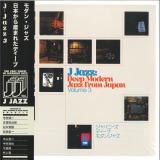
Various - J Jazz Volume 3: Deep Modern Jazz From Japan
  • A1: Song Of Island
  • A2: Morning Tide
  • A3: Kemo Sabe
  • A4: Groovy Samba
  • A5: Song For Hope
  • A6: Cumorah
  • A7: Phoebus
  • A8: ? Samba Ii
  • B1: Cumulonimbus
  • B2: Burning Cloud
  • B3: Planets
  • B4: Wolf’s Theme
  • B5: Honey Sanba
  • B6: Kirisame
  • B7: Black Nile
  • B8: Acoustic Chicken
также имеющийся в продаже

Volume 4


BBE Music presents J Jazz volume 3, the latest in its definitive compilation series exploring the finest modern jazz from Japan. Since the first volume in February 2018, the J Jazz compilation series has showcased some of the most creative, inspired and sought-after jazz recorded in Japan during a golden period spanning the 1960s to the 1980s. Illustrating the richness and versatility of the composers and musicians on this collection, the music spans a wide yet coherent range of styles: samba, funk fusion, modal, spiritual, post-bop and bossa all combine to present an aural portrait of a jazz scene that was constantly moving and shifting its multiple musical centres of gravity. Mastered at the Grammy-nominated Carvery studio in London, many of the tracks featured are reissued for the first time, including mega-rare private press cuts from the Yasuhiro Kohno Trio, Masaru Imada Trio, and Hideyasu Terakawa Quartet. There’s heavy post modal bop by J Jazz legends Kohsuke Mine and Koichi Matsukaze; samba heat from Tatsuya Nakamura, Hideo Shiraki and Seiichi Nakamura; and funky dance floor energy by Hiroshi Murakami, Ryojiro Furusawa Quartet and Shigeharu Mukai. Selected albums from which the tracks are drawn will be reissued in full as part of the acclaimed BBE Music J Jazz Masterclass Series. Released as a deluxe, heavyweight x3 vinyl set in a gatefold sleeve with obi strip and insert, the collection comes with extensive artist biographies and track information. J Jazz volume 3 is also available in a x2 CD set with three bonus tracks, and selected tracks are available across digital platforms for download and streaming. J Jazz is conceived, compiled and annotated by Tony Higgins and Mike Peden for BBE Music.

нет на складе

Закажите сейчас, и мы закажем товар для вас у нашего поставщика.


Последний логин: 3 мес. назад
Banda Black Rio - Saci Perer LP
  • Saci Perere
  • Miss Cheryl
  • Melissa
  • De Onde Vem
  • Subindo O Morro
  • Amor Natural
  • Profissionalismo E Isso Ai
  • Broto Sexy
  • Tem Que Ser Agora
  • Zumbi

Banda Black Rio is a Brazilian musical group from Rio de Janeiro that was formed in 1976. They were one of the first to undertake the fusion of Essential Brazilian Music with International Black Music. The songs are based on funk but also including samba, jazz and Brazilian rhythms. Compared to other soul-funk groups, such as Kool & the Gang and Earth, Wind and Fire, Banda Black Rio developed a particular style of instrumental soul music fusing together elements from a number of genres. With saxophonist Oberdan Magalhães, trumpet player Barrosinho, Cristovão Bastos on keyboards, Claudio Stevenson on guitars, Jamil Joanes on bass and Lucio Silva on trombone. Arrangements are from Cristovão Bastos and Claudio Stevenson. The album “Saci Pererê” was originally released in 1980.

Сделать предзаказ13.02.2026

он должен быть опубликован на 13.02.2026

TAKASHI MIZUHASHI - One Tuesday In New York LP
  • A1: Blues For Gon-San
  • A2: Samba De Negrito
  • B1: La Esmeralda
  • B2: Reaching To The Sun
  • B3: Cantalope Island

Bass: Takashi Mizuhashi, Teruo Nakamura
Drums: Bruno Carr
Piano, Electric Piano: Herbie Hancock

Recorded on February 22, 1977, in New York, this rare session captures Japan’s proud bassist Takashi Mizuhashi performing alongside Herbie Hancock.
Throughout the album, Mizuhashi’s deeply resonant bass tone and melodious phrasing shine, making this a quintessential “international” Japanese jazz classic.

Сделать предзаказ13.02.2026

он должен быть опубликован на 13.02.2026

Discogram - DGV 002

Discogram

DGV 002

12inchDGV002
DiscoGram Spain
10.02.2026

DiscoGram rolls out another tasteful EP on their own self-title label and it's all about global disco with a Brazilian touch. 'Amigo' marries lush strings and loose percussion with call and reposes vocals and MPB vocals in Portuguese that lend a natural flair. 'Disco Samba' picks up the energy and is just that - a clap-laced and speedy groove with elegant strings and expressive vocals. 'Do Grito' means more into funk with its low slung grooves but is packed with vocals, chanting, steel drum hits and horns for a fully vivacious sound. 'Queixume' with a little more light and feathery female spirit, sunny vocals and jazzy horns. Tasty stuff.

На складе от04.06.2026

GRUPO UM - NINETEEN SEVENTY SEVEN

Grupo um celebrate 50 years with release of lost dictatorship-era album nineteen seventy seven!

First time release - vinyl comes with printed innersleeves

Brazilian avant-jazz vanguardists Grupo Um celebrate their 50th anniversary, sharing a second previously lost 1970s album from the vaults. Nineteen Seventy Seven (titled after the year it was recorded) is another rip-roaring instrumental fusion treasure from the band which spawned from within Hermeto Pascoal’s famed mid-1970s São Paulo collective.

Like their debut album Starting Point, Grupo Um’s Nineteen Seventy Seven was recorded when Brazil's military dictatorship was at its most repressive. “There were no open doors to those who dreamt to be protagonists in creative instrumental music”, remembers drummer Zé Eduardo Nazario, “even popular composers and singers had to submit their songs to censors and many records were banned and confiscated from the stores.”

Just like Hermeto Pascoal's Viajando Com O Som (1977) and Grupo Um's previous album Starting Point (1975), both of which remained unreleased until the 21st century, Zé Eduardo asserts that the 1977 album was flatly 'without any chance to be released at that time."

Recorded at Rogério Duprat’s Vice-Versa Studios in São Paulo, the group were under both time and space restraints, “we chose the small Studio B,” Lelo Nazario recalls, “which had a Tascam (TE AC) 12x8 console and a 4-channel AMPEX AG 440 machine. Therefore, we had to record without overdubs, everything straight to tape.”

Expanding from a trio to a quintet, original Grupo Um members Lelo Nazario (keys), Zé Eduardo Nazario (drums), and Zeca Assumpção (bass) were joined by saxophonist Roberto Sion and percussionist Carlinhos Gonçalves. Carlinhos, Zé and Zeca had already played together in the group Mandala, while brothers Lelo and Zé had just finished a stint backing Hermeto Pascoal during his years in São Paulo.

Lelo was deeply immersed in modular synthesizer experimentation during this period, working extensively with the ARP2600 and EMS Synthi AKS. These electroacoustic explorations formed the sonic foundation for "Mobile/Stabile," one of his first compositions to merge modular synthesis with Brazilian music, a fusion that would ripple throughout the Brazilian jazz scene. The piece premiered at the first São Paulo International Jazz Festival in 1978, performed by Grupo Um with guest trumpeter Márcio Montarroyos. In a shocking moment, festival organizers interrupted the show mid-performance, sparking fierce backlash from both audience members and journalists who denounced the incident as artistic censorship during Brazil's era of political and cultural repression. The version on Nineteen Seventy Seven is the first recording of the composition.

Nineteen Seventy Seven combines Afro-Brazilian rhythm, modular synthesis and a plethora of whistles, percussion and effects pedals. Album opener “Absurdo Mudo” - so titled for the absurd difficulty it poses to the musicians performing it - starts out in a cloud of mysterious dissonance, before the haze breaks for a glorious keyboard and saxophone interplay atop an uptempo samba groove. “Cortejo dos Reis Negros (Version 2)” (Procession of the Black Kings), based on the maracatu rhythm, inverts the traditional jazz song structure by beginning with improvisations, which are followed by the theme and a final coda. “The studio also had two Parasound electronic reverb units,” Lelo notes, “and the timbre is very audible on the soprano sax and percussion.”

Grupo Um’s daring music represents a manifesto of resistance during the dictatorship years, but it’s one which remains just as relevant today. As Lelo puts it: “For me, the aesthetic issue has always been about combining contemporary avant-garde languages with Brazilian music, independent of categories and commercial interests. The result of this fusion takes music to a new level.”

Recording credits (1977)
Recorded at Vice-Versa B Studio, São Paulo, November 9, 1977
Produced by Lelo Nazario and Zé Eduardo Nazario
Engineered by Ricardo “Franja” Carvalheira


Lelo Nazario – Wurlitzer electric piano, acoustic piano, signal generator, percussion

Zé Eduardo Nazario – drums, percussion

Zeca Assumpção – electric bass

Carlinhos Gonçalves – percussion

Roberto Sion – soprano sax, clarinet

Release credits (2025)
Produced by UTOPIA Studio, São Paulo
Project Coordination in Brazil by Irati Antonio (Utopia Studio)
Tape Restoration and Digital Mastering by Lelo Nazario at Utopia Studio, July 2025
Liner Notes by Lelo Nazario and Zé Eduardo Nazario
Photography by Jorge Las Heras, Lelo Nazario, and artists' personal archives
Photo Restoration by Lelo Nazario
Artwork and Design by Alessandro Renaldin

Сделать предзаказ30.01.2026

он должен быть опубликован на 30.01.2026

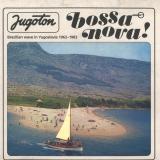
Various - Jugoton Bossa Nova  2x12"

Various

Jugoton Bossa Nova 2x12"

2x12inchEVERLAND-YU009LP
Everland
20.01.2026
 
20

Rich musical history of Yugoslavia reveals a long-lasting love for the music of Latin America.
Entwined in Afro-Cuban rhythms, ballrooms were shakin', swayin' and swingin', gathering musicians who were heavily into jazz bands and orchestras, most notably in Ljubljana, Zagreb, and Belgrade. Jazz could be heard on the streets of Split way back in 1919 when dancing became a symbol of freedom. Radio was the most loved household item, newest sheet music was in demand and collecting records was hip like today. In the aftermath of Second World War, jazz went underground but little by little, things changed and Ella, Satchmo, Dizzy and Miles came to visit, among others. Music festivals shaped the music for entertainment and variety of popular styles showed influences from all over the world. In the early sixties, one particular rhythm crashed on the coast of the Adriatic Sea: the rhythm of bossa nova!

In the whirlwind of various musical styles, Latin American music still played important part of the scene in the early sixties Yugoslavia. Beguine, tango, rhumba, samba, calypso, mambo and cha-cha-cha all found their place on the festivals inspired by famous Sanremo, festival of Italian popular song that largely shaped the musical taste of Europe. It was the era of instrumental rock, R & B and rock'n'roll - sounds of "imperialist America" now played freely on imported and hand-made electric guitars. While dancing halls had been turning into concert venues, bossa nova has come! Eydie Gorme with Blame It on the Bossa Nova and Paul Anka with Eso Besso (That Kiss!) tried to make us learn some new dance moves but it was Joao Gilberto's gentle singing and his new way of playing samba songs, along with Tom Jobim's modern dissonant harmonies and poetry of Vinicius de Moraes that created the magic. When American alto saxophonist and flautist Bud Shank visited Zagreb and Ljubljana in 1963 (with Boško Petrović in his quintet) "it was the first time we heard bossa nova!" remembers Stjepan Braco Fučkar. Jugoton, the biggest record company in Yugoslavia, released 4-track EP Bossa Nova by Bogdan Dimitrijević and his ensemble that same year! While not being fully accepted or understood completely, the archives of Jugoton reveal to us various interpretations of this new trend from their vast catalogue.

нет на складе

Закажите сейчас, и мы закажем товар для вас у нашего поставщика.


Последний логин: 4 мес. назад
45TRIO - #Tenorio / Nebulosa 7"

45TRIO

#Tenorio / Nebulosa 7"

7"-VinylBLMS-019
Bloom Japan
19.12.2025
  • Side A. #Tenorio
  • Side B. Nebulosa

The latest release from 45trio is a single dedicated to the legendary pianist Tenorio Jr., who was a leading figure in Brazilian samba jazz. Side A, "#Tenorio,"
was created as an homage to his works. With its lively rhythms and refined chord progressions, the track delivers a groove where jazz and samba intertwine,
infused with a contemporary atmosphere.

On Side B, 45trio presents their own take on "Nebulos"" a landmark of piano jazz originally released in 1964 and still celebrated to this day. With delicate touch,
rich performance, and inventive arrangement, they breathe new life into this timeless classic.

This work, filled with universal beauty and warmth, is dedicated not only to lovers of Brazilian music and jazz but to all listeners who cherish music.

Released as a strictly limited first edition.

Сделать предзаказ19.12.2025

он должен быть опубликован на 19.12.2025

ATSUKO NIINA - Play Room ~ Tawamure
  • A1: Communication (One Note Samba)
  • A2: Match Uri No Shojo (Johnny Guitar)
  • A3: Liar (Xasas Xasas Xasas)
  • A4: Mr.bojangles
  • A5: Asu Ni Kakeru Hashi (Bridge Over Troubled Water)
  • B1: Man Or Boy (Ipanema No Musume)
  • B2: Namamekashii Kankei (Besame Mucho)
  • B3: Let Me Kiss (Wave)
  • B4: Asobi (Oishii Mizu)
  • B5: Maboroshi No Te (Shiawase No Kiiroi Ribbon)

Atsuko Niina's debut album released by Teichiku in 1983. All songs are covers of Western songs, with 9 songs having Japanese lyrics and only the fifth song having
English lyrics. In recent years, its reputation among city pop and Japanese jazz fans has skyrocketed, and it is now at a premium on the used market!

The album features Japanese lyrics for such bossa nova classics as "One Note Samba" "Ipanema no Musume" "Wave" and "Oishii Mizu" as well as American popular
tunes like “MR.Bojangles” “Asu ni Kakeru Hashi”. covers of such American favorites as "Xasas Xasas Xasas" and "Besame Mucho".

Sound production was done by Jun Irie, who was active as a member of Logic System, and arrangements were shared with Hirotaka Izumi, who was also a member
of The Square at the time. The Square and guitarist Kenji Kitajima participated in the backing.

The entire album has a high quality city pop and fusion sound, with the overwhelming highlight being the high-speed samba arrangement of "Man or Boy (Ipanema no Musume).

The most overwhelming track is "Man or Boy (Ipanema no Musume)" with a high-speed samba arrangement. It is a Japanese rare groove track that can be used in
today's club jazz scene as it is!

You can enjoy her ever-changing vocals on the innovative and typical fusion sound of the time.

Liner notes: Kenji Kitajima, Hirotaka Izumi
(original liner notes of the time are reprinted)
Original release: 1983 Teichiku GM-140
Original label: TEICHIKU ENTERTAINMENT, INC.

Сделать предзаказ12.12.2025

он должен быть опубликован на 12.12.2025

Gabriel Grossi - Plural LP
  • 1: Motion (Feat. Jacob Collier & Seamus Blake)
  • 2: Nosso Amor Vadio (Feat. Zelia Duncan) / Banzo (Feat. Omar Sosa)
  • 3: Paisagem (Feat. Anat Cohen)
  • 4: Hermanos (Feat. Yamandu Costa)
  • 5: Chamego No Salao (Feat. Lenine)
  • 6: Onde Nascem As Ondas (Feat. Ed Motta)
  • 7: Botero (Feat. Eduardo Farias)
  • 8: Nossa Valsa (Feat. Leila Pinheiro)
  • 9: Catarina E Teresa (Feat. Hermeto Pascoal)

Featuring 10 of his own compositions, Grossi's renowned virtuosity flows with deep sensitivity through various genres, reflecting the solid trajectory of one of the greatest instrumentalists and most creative musicians in Brazilian music. Collaborating with prominent names from both the national and international music scenes, 'Plural' showcases Grossi's music without borders, offering the world a glimpse of his extensive career. For this celebration, outstanding guests were invited to join the musical journey. Several tracks also highlight Grossi's sensitivity as a songwriter and lyricist. In 'Onde Nascem as Ondas', Ed Motta delivers a soulful ballad carried by his distinctive timbre. Zelia Duncan, sings a unique samba in 'Nosso Amor Vadio' with a captivating cadence. 'Chamego no Salao' captures the spirit of north-eastern Brazil and is brought to life by Lenine's vibrant voice and joyful interpretation, adding a playful tone with a jazzy touch. The art of improvisation is beautifully represented by 'Catarina e Teresa', an improvised composition created in collaboration with the legendary Hermeto Pascoal and dedicated to Grossi's twin daughters. Other tracks include 'Banzo', which showcases a rhythmic dialogue featuring Cuban pianist Omar Sosa. 'Motion', with the brilliance of both Jacob Collier and Seamus Blake, merges jazz and pop in a seamless melodic conversation.

With an open mind and without boundaries, he invites us to explore a vast musical universe, embracing art with profound emotion and passion. This is what you will hear and experience in 'Plural': a deep love for the art of sound and a profound respect for musical diversity - qualities that have defined his career.

Сделать предзаказ12.12.2025

он должен быть опубликован на 12.12.2025

Colin Curtis - Jazz Dance Fusion Volume 4 (2x12") Part 1

Colin Curtis is back! with another finely curated selection of the best Jazz Dance Fusion records he could find. Volume 4 reflects a combination of new music unreleased music and tracks that have never been on vinyl before or not attained the recognition they deserve. Packed with great Jazz Dance music from the UK and all around the world. The whole purpose of these compilations is to introduce you to fantastic talent and allow you to then go and explore all their works and keep this movement moving!

With brand new & exclusive releases, extremely rare tracks and many only available on Vinyl for the first time from Brazil, Cuba, Japan, Italy, USA, UK and beyond. Showcasing another insight into Colin Curtis's world of Jazz Dance Fusion and highlighting the sheer diversity & talent on offer from Vocal Jazz, Salsa, Latin Spoken Word to Sambas & Fusion, It’s all Here!

нет на складе

Закажите сейчас, и мы закажем товар для вас у нашего поставщика.


Последний логин: 20 мес. назад
Various - Colin Curtis Presents Jazz Dance Fusion Volume 4, Pt. 2 LP (2x12")
  • 09: Chris Bangs &Amp; Nova Vida - My Only (Geemix)
  • 01: Venus Dodson - Mother Of The Future
  • 02: Jacques Schwarz-Bart - Mendé
  • 03: Guinu - Eletromandinga (Extended Version)
  • 04: Stefano Di Santis - Nova Laze
  • 05: Geew - Kyoto
  • 06: Mary Greer Mudiku &Amp; Oneness Of Juju - I Face East
  • 07: Alfredo Dias Gomes - Vaya Mulatto
  • 08: Juju - Wanting Touch (Instrumental)
  • 10: Lifetime - I&Apos;Ll Bet You Thought I&Apos;D Never Find You
  • 11: Tres-Men - Samba De-La Cruz
  • 12: Miho Nobuzane - Ponteio
  • 13: El Caballo Y Su Orquesta - Mambo De Papi

Colin Curtis Jazz Dance Fusion Vol 4

Colin Curtis is back! with another finely curated selection of the best Jazz Dance Fusion records he could find.

Volume 4 reflects a combination of new music, unreleased music, and tracks that have never been on vinyl before or have not attained the recognition they deserve. Packed with great Jazz Dance music from the UK and all around the world. The whole purpose of these compilations is to introduce you to fantastic talent and allow you to then go and explore all their works and keep this movement moving!

With brand new & exclusive releases, extremely rare tracks, and many only available on Vinyl for the first time from Brazil, Cuba, Japan, Italy, USA, UK, and beyond. Showcasing another insight into Colin Curtis's world of Jazz Dance Fusion and highlighting the sheer diversity & talent on offer from Vocal Jazz, Salsa, and Latin Spoken Word to Sambas & Fusion, It's All Here!

"Fasten your Seatbelts for a Jazztastic ride !!" - COLIN CURTIS


i 09: Chris Bangs & Nova Vida - My Only (Geemix) feat. Klei


i 09: Chris Bangs & Nova Vida - My Only (Geemix) [feat. Klei]


[i] 09: Chris Bangs & Nova Vida - My Only (Geemix) [feat. Klei]


[i] 09: Chris Bangs & Nova Vida - My Only (Geemix) [feat. Klei]

Сделать предзаказ05.12.2025

он должен быть опубликован на 05.12.2025

Mauricio Einhorn - Mauricio and Horns LP 2x12"

'Mauricio and Horns' by Bossa Nova legend and harmonica master Mauricio
Einhorn is produced by Jacques Muyal, with the Idriss Boudrioua Orechestra
arranged by Rafael Rocha and with guest artists Paquito D'Rivera and Lula
Galvao
In jazz, we all know the harmonica master, Mr. "Baron" Toots Thielemans, but we are
equaly fortunate to have our "Prince", Mauricio Einhorn. His early contributions in the
1950s to the birth of the Samba Jazz movement in Brazil played a pivotal role in the
creation of Bossa Nova, a genre that quickly became an integral part of the jazz world.
The influence of jazz on Brazilian music - exemplified by the great Carlos Lyra in
"Influencia Do Jazz" - was so profound that local musicians embraced it to forge a
new musical identity. Many of Einhorn's compositions have become timeless
standards performed worldwide since the early 1950s and '60s.
Together with another giant of the scene, alto saxophonist Idriss Boudrioua,
Mauricio's music gets an even grander presentation than ever before. This time, he
teamed up with an exceptionally talented young musician: a big band arranger and
trombonist named Rafael Rocha, who wrote all the arrangements and conducted the
recordings. Rafael's arrangements are nothing short of magical. They are never
overdone, always respecting the beauty of the original harmonies while infusing them
with his deep passion for jazz. His trombone solos recall the phrasing of Frank
Rosolino, and he modulates the pieces with swirling harmonies that evoke the very
roots of Brazilian jazz. In every track, Rafael enhances Mauricio's elegant and
expressive phrases without ever overpowering the artist, creating a "wall of sound"
that gracefully floats alongside Mauricio.

Сделать предзаказ21.11.2025

он должен быть опубликован на 21.11.2025

THE RAH BAND - GOING UP (2025 REMASTERED VERSION)

Going Up, originally released in 1983, is one of the most curious and enduring records from British studio mavericks The RAH Band. Long out of print, it now sees its first ever vinyl reissue courtesy of Shocking Music and Rush Hour.

Led by super-producer, arranger, and multi-instrumentalist Richard Anthony Hewson, The RAH Band has always existed just outside the mainstream. Blending jazz-funk, sci-fi synth pop, and cosmic lounge, their sound never quite fit the mould. That might explain the cult status they’ve held ever since. Beloved by Balearic heads, rare groove collectors, and adventurous synth diggers, Going Up is perhaps their most influential record.

At the centre of it all is the intro track “Messages From The Stars”, the band’s runaway cosmic hit. A spacey, retro-futurist groove that has become a viral favourite in recent years, it now boasts hundreds of millions of streams, with a new generation discovering it through TikTok and YouTube. But it was originally just one track on this understated 1983 album.

The rest of Going Up is just as compelling, filled with dusty drum machines, off-kilter instrumentals, woozy vocals, and that unmistakable early '80s charm. It is a snapshot of a band in transition, blurring the lines between leftfield pop, sci-fi funk, and home-brewed synth experiments.

Out of print for over 40 years, Going Up finally gets the reissue treatment it deserves. Restored and remastered, and still sounding like nothing else.

нет на складе

Закажите сейчас, и мы закажем товар для вас у нашего поставщика.


Последний логин: 5 мес. назад
MANTECA - OYE

MANTECA

OYE

12inchGR38
GROSSO RECORDINGS
07.11.2025
  • Que Pasa
  • Oye
  • Groovy Samba
  • Descarga China
  • Bomba Chévere
  • Para Pello
  • The Jody Grind
  • Como Fue
  • Descarga China (Groove Version)

Manteca’s 2014 album, first time on vinyl. Manteca, the London Latin jazz/salsa funk combo, are back with a first-time vinyl release of their brilliant digital album “Oye” from 2014. “Oye” is a collection of heavy-duty Latin music that reaches well beyond the standard salsa or Cuban dance-band style, appealing to anyone and everyone, from mambo dancers to B-boys, jazz brothers to soul sisters! Led by Colombian singer Martha Acosta and bassist Javier Fioramonti, who have played with everyone from Roberto Pla and Candela, to Alex Wilson’s groups and Salsa Celtica, as well as backing Latin legends such as Joe Bataan, Jack Costanzo, Henry Fiol and Azuquita, this band really cooks! “Que Pasa” is smoking Latin funk, this will get your head nodding and foot tapping for sure.“Oye”, a lovely mid-tempo Afrobeat/Latin jazz fusion number with punching brass and super-funky kit playing. There are three cover versions on the album: Horace Silver’s “The Jody Grind”, a 1960s Blue Note Records soul jazz classic. Manteca does it justice, taking the original and turning it into a heavy Mongo Santamaria style funky Latin soul belter. Sergio Mendes’s “Groovy Samba” is also given the 1960s Mongo “Watermelon Man” style Latin soul jazz treatment. Very hip arrangement, and some fantastic brass soloing in there too. The last one is a brave choice. It’s the timeless bolero standard “Como Fue”, which the band plays beautifully. “Para Pello” (“For Pello”), a conga-style big percussive beat that evolved from Afro-Cuban street carnivals. Secondly, “Bomba Chevere”, a blend of Puerto Rican bomba and Colombian cumbia. The big Afro-Cuban track of the album is “Descarga China”, which has two different mixes. One is a descarga funk mix with some heavyweight kit playing and smoking trumpet soloing, while the other is a more straight-ahead Latin jam with Javier’s upright bass playing underpinning the whole number in a very Cachao way. Big shouts to the whole band, which features some of the best musicians from the London Latin music scene of the last three decades. These cats are as good as you’ll get in Latin music from anywhere across the world.This London Latin music gem has been crying out for a vinyl release for over a decade. At last, it's here. Slap it on the turntable, drop the needle on track one, turn the volume up, press play and be ready to dance. Standing still is NOT an option! DJ Lubi (One Jazz / Totally Wired Radio)

Сделать предзаказ07.11.2025

он должен быть опубликован на 07.11.2025

Martin Denny - latin village
  • 1: Angelito
  • 2: On Green Dolphin Street
  • 3: Corcovado
  • 4: Without You (Tres Palabras)
  • 5: Ho-Ba-La-La
  • 6: Something Latin
  • 7: Manha De Carnaval
  • 8: Latin Village
  • 9: The Girl From Ipanema
  • 10: Malaguena
  • 11: Sugar Cane
  • 12: Flying Down To Rio

In 1964, Martin Denny looked beyond the Hawaiian and Asian influences of his previous records to find another place to plant his umbrella in the sand, as well as in your drink: the sounds of Latin America. With this new sound to hang his exciting arrangements on, Latin Village has long been considered one of Denny's high-water marks, and Jackpot is thrilled to have this long-cherished LP back in print. This is an album that rips through what was considered "The Now Sound From Overseas," a sophisticated mash-up of sambas, bossa novas, and Latin jazz. From the first track, "Angelito" (the hit song written by Réne y Réne, later to also be covered by Trini Lopez & Herb Albert), all the way through to its closer, "Flying Down To Rio" (a song which Roxy Music later referenced in their 1972 song "Virginia Plain”), the album is a hypnotic listen. Latin Village also drops in some serious jazz numbers, with respected compositions such as "On Green Dolphin Street" by Kaper & Washington (which has been covered by Miles Davis, Bill Evans & Sarah Vaughn), "Malagueña" the sixth movement in Ernesto Lecona's Suite Andalucía & "Corcovado" by Antônio Carlos Jobim (who merged samba with jazz to create bossa nova). Latin Village is comforting in its familiarity within Denny's sonic world, but steps refreshingly out of the smoke-filled Tiki bars of his previous records and straight into the sunlight where this music still strolls around in a listener's heart, soul, and mind. “Latin Village is a triumph of Martin Denny’s search for a new style, post-exotica.” – ALLMUSIC, 4 stars.

Сделать предзаказ07.11.2025

он должен быть опубликован на 07.11.2025

MORIAH PLAZA - PRóPOLIS

Moriah Plaza

PRóPOLIS

7"-VinylBTR129
Batov Records
07.11.2025
  • Propolis
  • Dizendo
  • Besos En La Playa
  • Dom Dom

With effortless cool, Moriah Plaza blend Brazilian samba, cinematic Latin jazz and psychedelic 60s pop on new EP "Propolis". Moriah Plaza"s self-titled debut album, released on Batov Records in 2023, garnered critical acclaim and widespread airplay, positioning the group as one to watch in the worlds of global pop and contemporary jazz.

Сделать предзаказ07.11.2025

он должен быть опубликован на 07.11.2025

JIRO INAGAKI & HIS SOUL MEDIA - IN THE GROOVE LP

Since its formation in 1969, Soul Media had been advocating a fusion of jazz and rock. The next step along that line was this album, “In the Groove,” recorded in 1973.

The sharpness of jazz is brought to the forefront, with rock melting in to give it an edge, and funk injected to imbue it with power and resilience. The result was a strong, sophisticated, and simply “cool music” that could not be categorized within existing genres such as jazz rock, jazz funk, or fusion.

This work is also described as a response to The Crusaders, a group that Jiro Inagaki was paying attention to at the time. His aim was right on target. With this album, Soul Media acquired a “sophisticated black feeling” and headed for their final destination, “Funky Stuff.”

Words by Yusuke Ogawa (Universounds).

нет на складе

Закажите сейчас, и мы закажем товар для вас у нашего поставщика.


Последний логин: 6 мес. назад
Продуктов на странице:
N/ABPM
Vinyl