collecting
Order now. Collecting orders for repress.
Derniere entrée: 44 jours
Order now. Collecting orders for repress.

Sixteen killer 70s reggae funk and soul cuts from the likes of John Holt, Lee Perry, Cornel Campbell, The Cimarons, The Chosen Few and more featuring superb reggae takes on songs by artists including The Jackson 5, William DeVaughn, Diana Ross and The Supremes, War, The Temptations, Roberta Flack, The Stylistics and others!
Well-documented is the influence of American black music on Jamaican styles of the 1960s – from the birth of ska music, when The Skatalites ska-ified the jump-up southern USA rhythm and blues music of Rosco Gordon, Louis Jordan and Fats Domino, through to the creation of rocksteady when Jamaican artists like The Techniques, The Paragons, Alton Ellis and The Melodians turned to the slower rhythms and soulful harmonies of groups such as The Impressions and The Drifters for inspiration.
Less-well established is that in the 1970s Jamaicans didn’t (shock!) stop listening to American black music styles, with many 70s reggae artists as invested in soul, funk and the proto-disco sounds of Philadelphia, as was the case with rhythm and blues in the previous decade. In the 1970s, while Jamaica promoted its own roots reggae styles around the world, powerhouse USA soul labels such as Motown, Philadelphia International and Stax Records were at the same time all popular on the island.
This interaction between American and Jamaican music was not limited to Jamaica. In Britain, first-generation Caribbean-émigré children in the 1960s and early 70s grew up with an equal love of both soul and reggae, which manifested itself in the home-grown arrival of lovers rock in the mid-1970s.
Soul Jazz Records’ new ‘Reggae Island Soul’ tells this story of how soul and funk-infused reggae in the 1970s united the sounds of Jamaica, USA and the UK into a highly addictive cultural hybrid of styles.
il devrait être publié sur 15.05.2026

Von Augustus Pablos bahnbrechendem „Java” bis zu Carl Malcolms UK-Pop-Crossover-Hit „Fattie Bum Bum” präsentiert Chapter Two einen Klassiker nach dem anderen von einer All-Star-Besetzung der Reggae-Größen der 70er Jahre, darunter Black Uhuru, Horace Andy, Dennis Brown, Gregory Isaacs, The Heptones und Big Youth. Wunderschön verpackt mit Innenhüllen mit seltenen Fotos und Liner Notes des Reggae-Historikers David Katz.
Disponible en stock et prêt pour l'expédition
2024 Repress
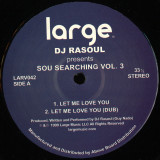
One of the defining releases on Large Music gets a special re-issue after a 16 year wait. Considered by many to be one of the top 3 packages in the early Large catalog, this EP set the trajectory for what would quickly become known as the "West Coast" sound of American House. The main vocal on side A also became a venerable classic at the Shelter in NYC and was played consistently by Timmy Regisford throughout his tenure there. The darker, more disco filtered tones on the flip side were also highly praised and played at the time by French DJs such as Daft Punk, Phil Weeks, Cassius and many others. Rasoul is often overlooked as one of the chief architects of modern Deep House, yet this release certainly secures his elite standing in the annals of House Music history. Essential!
Disponible en stock et prêt pour l'expédition
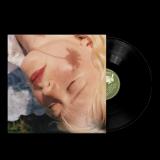
Chart topping British singer-songwriter Maisie Peters returns with much anticipated third studio album ‘Florescence’, co-produced with 2x Grammy Winner Ian Fitchuck with collaborators including Marcus Mumford and Julia Michaels. Florescence reflects on how the right love can help heal the wrong ones. It’s an album about perspective, self-realisation, healing, and ultimately, learning how to flourish. This lands as Maisie’s first new LP since she became the youngest solo British female artist in almost a decade to land a UK No.1 album with ‘The Good Witch’ back in 2023. Since then, she’s had the A-list co-signs via Phoebe Bridgers, Sam Smith and Olivia Rodrigo. She’s had a fiercely devoted fandom flock to headline tours around the world. And she’s played shows from Wembley Arena, to Glastonbury, to stadium slots with Taylor Swift and Coldplay.
“Florescence means ‘the process of flowering, of developing richly and fully’ and to me, this album describes exactly that. These 15 tracks depict a blossoming of myself from ages 23 to 25 and a blossoming of a true real love that anchors both me and this record. It tells the story of the last few long winters, with all of their villains and thorns, heartbreaks and rains, and it leads you, by the end, into a perfect English spring, into the hope and catharsis that comes when the first wildflower blooms. It’s a true representation of healing, of finding hope and peace and strength not just in somebody else, but in yourself. It is clear skies, cherry pits on the grass, windows flung open - it is Sussex country roads and London corner shop wine that leaves a stain when you kiss. It is the feeling of flying, then falling, then flying again. It is knowing that there was a point to all the sadness of before, and the point is the woman you see in this mirror now, and the person you see by her side. Love is weaved into every strand of every song on this album and for good reason - love is timeless, love is pure, love is organic and simple and effortless and real. I hope you find this album to be that as well.”
il devrait être publié sur 15.05.2026

Adeen Records hits a quarter of a century of releases with two of Italy's finest talents reimagining Collecttivo Immaginario's jazz-tinged gem 'Aperture' through a club-centric lens. Label regular Nico Lahs transforms the original into a peak-time weapon layered with stacked drums and deep basslines while smartly preserving its soulful core. On the B-side, New Digital Fidelity delivers a groove-heavy interpretation that retains the jazz essence while adding a hypnotic rhythmic drive perfect for deeper sets. Both versions manage to remain sympathetic to the original while taking it into fresh new directions that bring a contemporary edge to the classic original.
Disponible en stock et prêt pour l'expédition

Hailing from the city of Brotherly Love, Terri Wells first came to prominence as a session singer for Philadelphia International Records in the mid 1970’s following the breakup of her group City Limits. Wells soon began recording and touring as a featured vocalist with artists such as Lou Rawl, M.F.S.B., Leon Huff, Jean Carne and Dexter Wansel. In 1979, she joined the band of Roy Ayres and eventually sang on “Turn Me Loose” and co-wrote the track “Let’s Stay Together” from his 1982 album “Feeling Good”. Recruited by staff producer Nick Martinelli, Terri signed as a solo act with the Philly World Records in 1983 and released her one and only full length offering “Just Like Dreamin’” The album features the singles “You Make It Heaven” and “I’llll Be Around” which both charted in the United Kingdom. To this day her sensational debut remains a classic example of the soulful Philly sound of the the early 1980’s.
- Features the hit singles “You Make It Heaven” and “I’ll Be Around”
- Produced by Nick Martinelli (Diana Ross, Chaka Khan, Regina Belle, Phyllis Hyman, Stephanie Wells)
- Backing and arrangement fine the cream of the crop Philly Soul session aces
Disponible en stock et prêt pour l'expédition

Beginnend mit dem fröhlichen Ska von Lord Creators Unabhängigkeitshymne 'Independent Jamaica' zeigt das Chapter One Album den wahren Verlauf der jamaikanischen Musik in den 1960er Jahren mit einer virtuellen Who's Who der Reggae-Musik, darunter Bob Marley, Peter Tosh, Toots & The Maytals, Rico, Skatalites, John Holt & Alton Ellis. Wunderschön verpackt mit Innenhüllen mit seltenen Fotos und Liner Notes von Steve Barrow von Blood & Fire.
Disponible en stock et prêt pour l'expédition
Disponible en stock et prêt pour l'expédition
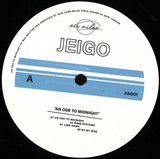
REPRESS ALERT! Long out of press and with copies regularly changing hands for close to £100 on the second-hand market, Air Miles are proud to present a limited repress of their inaugural release, “An Ode To Midnight EP’ by Jeigo.
The tone is set from the off with the eponymously named first track of the release ‘an Ode to midnight’. The tracks mellow break beat feel is met by warm rushing pads, ebbing and flowing between textures of the night before last.
Floor focussed, zero fussing ‘Wing Systems’ carries the front side at an orbital trajectory. No time for an intro, the drums jolt you into alertness, the wobbly bass perfectly counterpointed by gated, washing keys.
‘Lime Hawk’, melancholic euphoria brings the release back to the conscious. It’s structure toy-fully crescendos and builds, all while the Balearic synth peaks with the sub line keeping you grounded throughout.
Rounding off the record is ‘By My Side’ meandering the record into slightly darker territories. The shifting keys wash over, the siren call vocals penetrate and the thudding kick punches through, anchoring the track as an emotionally driven, cerebral affair.
il devrait être publié sur 15.05.2026

The creative bond between Atjazz and Fred Everything is a story decades in the making. It began in 1998 at The Bomb in Nottingham during a DiY label night—a label through which they both released music. That first encounter sparked a lasting friendship and a steady exchange of ideas that would continue for many years. While they collaborated regularly and remixed each other’s work, it wasn’t until the summer of 2022 that they committed to making a full-length album.
The project took shape during an 8-day stay at Martin’s (Atjazz) home in the Midlands of England, where they set themselves the challenge of writing one track per day. Their shared musical language allowed ideas to move quickly, with some tracks forming in under an hour. Over the next three years, the material was carefully developed alongside their respective album projects: Atjazz’s Starbase 17, Fred Everything’s JUNO Nominated Love, Care, Kindness & Hope, and All Is Well’s A Break In Time.
A final session in Montreal in 2024, coinciding with Fred’s 50th birthday, brought the album into focus. From there, the duo invited a select group of world-class collaborators, including Jorge Bezerra (The Joe Zawinul Syndicate / St Germain), Octavio N. Santos (SiR, Lupe Fiasco), Clyde Beats, Ernesto & The Basement Gospel, and Dominique Fils-Aimé.
The result is a personal, well-constructed record that draws on the spirit of 90s deep house while applying three decades of experience to a deeply rooted, forward-thinking sound. It is a sonic testament that honours their mutual love of synthesizers, beat making, and sound design.
It is a project that took 8 days to start, 3 years to finish, and 30 years to perfect.
il devrait être publié sur 15.05.2026

Sultans Ghost Ship LP was originally released on Sympathy For The Record Industry in 2000. While RFTC looked for a new drummer, Speedo (armed with an 8 track tape machine and 3 microphones) devised yet another alias as “Slasher” and concocted this primordial ooze of moped scuzz, punk rock and roll. Ghost Ship was met with enthusiasm by those seeking blistering relief from the weak, whiny, wretched and wimpy wannabes du jour.
The sound is full on, straight ahead with only starting gates and finish lines between songs. The band played some shows around California and would slightly evolve on their second LP Shipwrecked. Ghost Ship is Sultans at their most thuggish and hairiest. Taking inspiration from Australia’s Chosen Few, Ramones bootlegs, Misfits bootlegs and then challenging themselves to be as thrifty and impatient as possible, the songs are intentionally brief, similar and burly. After this was recorded these tapes lay dormant in a shed for over 20 years. When the tapes were recently unearthed it revealed unreleased songs recorded after Ghost Ship yet before the band’s follow up LP Shipwrecked. Some of these songs would later be absorbed by RFTC and re-recorded. These songs are included here as bonus tracks and offer no relief to the record’s unrelenting pace.
il devrait être publié sur 15.05.2026

Das Erste, was man hört, ist eine einsame, klare Gitarre und ein sanfter Gesang, der von "city scenes caught up in the moment" erzählt, bevor das Schlagzeug einsetzt und es losgeht! So beginnt die atemberaubende, kraftvolle Eleganz von The Spatulas neuestem Album ,A Blue Dot". The Spatulas, das sind im Wesentlichen Miranda Soileau-Pratt und wer auch immer sie rekrutiert, um ihre Vision zu verwirklichen. Alles begann in Oregon, wo frühere Veröffentlichungen wie ,March Chant" und ,Beehive Mind" mit dem Schlafzimmer-Schmerz von ,Beyond the Implode" und der wackeligen Psych-Magie von ,Garbage and the Flowers" glänzten. Doch obwohl diese Elemente nicht verschwunden sind, ist ,A Blue Dot" ein ganz anderes Kaliber. Ein Umzug nach Cambridge, Massachusetts, und eine notwendige personelle Veränderung haben das, was einst eine beständige, schimmernde Lockerheit mit voller Rockdynamik war, verwandelt. Die neue Besetzung (Gitarrist Luke Einsiedler, Bassist Elijah Bodish und Schlagzeuger Greg Witz) hat ihren Sound zu einer lauten Masse aus harter und stimmungsvoller Jangle-Explosion verdichtet. Der Post-NZ-Glory-Pop von Barbara Mannings SF Seals ist hier zu finden, ebenso wie der dichte Wirbel von Rain Parade. Fachmännisch aufgenommen im Suddenly Studio von Emily Robb, gemischt von Evan Mersky und von Sarah Register zu vollendeter Kohäsion gemastert, klingt das Ganze laut und stolz. Seit der Fertigstellung dieses wunderbaren Albums sind Miranda und Elijah nach Indiana gezogen, wo glücklicherweise eine neue Besetzung gefunden wurde. Aber ein noch glücklicheres Ende ist, dass diese spezielle Crew noch nicht fertig ist mit dem gemeinsamen Musizieren, und hoffentlich wird diese elende Welt noch lange genug existieren, um im Sommer 2026 eine Tour an der Ostküste mitzuerleben. Man kann sich im Leben wenigstens auf eine Sache freuen! - Max Milgram
il devrait être publié sur 15.05.2026

Der sudanesisch-amerikanische Künstler Dua Saleh setzt seinen unaufhaltsamen Aufstieg mit ,Of Earth & Wires" fort, einem durchweg warmherzigen, spirituellen und mitreißenden Album, das sich mit den Themen Heimat, Menschlichkeit und Erneuerung auseinandersetzt. Mit Beiträgen von Justin Vernon (Bon Iver), aja monet, Gaidaa und anderen verwebt und dekonstruiert Saleh Indie, R&B und elektronischen Pop mit Einflüssen aus sudanesischer Volksmusik, britischer Dance-Musik und elektronischer Popmusik. ,Of Earth & Wires" ist ein Album, das sich durch seine Vielseitigkeit und seine Fähigkeit auszeichnet, die Zuhörer in seinen Bann zu ziehen. Mit Beiträgen von Justin Vernon (Bon Iver), aja monet, Gaidaa und anderen verwebt und dekonstruiert Saleh Indie, R&B und elektronischen Pop mit Einflüssen aus sudanesischer Folk-Musik, UK Dance und Reggaeton - Klänge, die untrennbar mit ihrer Geschichte verbunden sind und durch eine ambitionierte, zukunftsorientierte Produktion und klare Lyrik zusammengehalten werden. Salehs gefühlvoller, kraftvoller und wandlungsfähiger Stil hat Fans von der New York Times bis zum NME überzeugt, ebenso wie ihre Durchbruchrolle in der Netflix-Serie ,Sex Education". Salehs gefühlvoller, kraftvoller und wandlungsfähiger Stil hat Fans von der New York Times bis zum NME gefunden, ebenso wie ihre Durchbruchrolle in der Netflix-Serie Sex Education, die das Debüt von Ghostly International im Jahr 2024, I SHOULD CALL THEM, zu einem echten Erfolg machte. Das mit Spannung erwartete Album ,Of Earth & Wires" ist sowohl ein Meilenstein in ihrer Karriere als auch ein dringender Dialog mit den Herausforderungen, denen man sich auf universeller Ebene gegenübersieht. Zusätzlich zu ihren musikalischen Aktivitäten ist Dua ein aufstrebender Schauspieler, der mit einer Durchbruchrolle in der beliebten Netflix-Serie ,Sex Education" bekannt wurde, in der er drei Staffeln lang die Rolle des Cal Bowman spielte.
il devrait être publié sur 15.05.2026

Two decades into his winding voyage through music, culture and creativity, Tom Trago has become part of the densely woven fabric of the Dutch electronic scene - a producer, DJ, label owner, collaborator, remixer, radio host and DJ's DJ who is renowned not only for his impressive productivity, but also the genuine depth and variety of his work. While it was Trago's distinctive DJ sets that once grabbed headlines - he famously held residencies at renowned Amsterdam institutions Trouw and De School, and for a decade spent much of his time jetting between some of the most renowned clubs in Europe - in recent years Tom has cut down on appearances. Today, he chooses to be far more selective about where (and when) he DJs or performs live, often working with a handful of cherished venues and festivals while ensuring that his travels are sustainable and inspiring. Instead of the grind of touring and hedonistic night-time activity, Trago has chosen to focus on music-making, alongside semi-regular forays into radio broadcasting (NTS, Radio Radio, BBC Radio and EchoBox). He now spends most of his days producing and remixing at his new SR-3 studio in Alkmaar and his seaside home-come-studio in Bergen aan Zee. As part of these lifestyle and career changes, Trago took time to look deeper, not only inside himself, but also for musical inspiration. Tom has always loved, and devoted time to, digging into a wide variety of production styles, using this inspiration to develop a trademark personal production style, but in recent years he has taken it even further. Fuelled by a desire to challenge himself, Tom consistently tries new things in the studio while channeling all he's learned during a career that has moved forwards at breakneck speed. Since making his debut in 2006, Trago has released six critically acclaimed albums (two of which, the eclectic, beat-focused, career-spanning, Patta-released archive dive, 18, and the dancefloor excursion, Trembala, appeared in 2022); extensively worked with Dutch electronic music institutions Rush Hour and Dekmantel; collaborated with countless friends and contemporaries (Charlie Soul Clap, Awanto 3, Maxi Mill, Steffi, San Proper, Seth Troxler, and BokBok included); remixed artists including New Order, Carl Craig, Cassius, Tiga and Erol Alkan, and championed a swathe of fellow Dutch producers via the Voyage Direct label he founded in 2009. In 2025 Tom returns to legendary Dutch label Magnetron Music, home to Fatima Yamaha, DMX Krew, Legowelt, Staygold and many other, to release his Magnus Opus; Ignorance.
Disponible en stock et prêt pour l'expédition

Repress
2x12" Clear vinyl
This new album is the product of a 2 year process. The LP reflects what I love about the diversity of drum & bass and all its sub genres as well as what I enjoy playing at clubs and festivals.
It was crucial to me that this new chapter was a step up in content, sound design and song writing which influenced the decision to include only solo material and even master it myself.
Manifest is Mefjus 2.0 Martin
Pressed on 2 x 12 coloured gatefold vinyl
Comes with a download card for the full album in 320 kbps MP3.
Artwork and typography by Rutger Prins / Regime
Logo by Philipp Meindl-Grausam
Disponible en stock et prêt pour l'expédition

Disponible en stock et prêt pour l'expédition
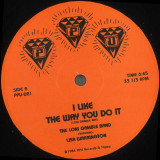
Loni Gamble stepped into the international spotlight with his 1983 debut synth funk album on Canadian imprint Tracey/Unidisc.
A year later Loni hit again but this time locally, with vocalist Lisa Warrington self-releasing "I Like The Way You Do It" on the start-up Philly imprint Sound Modification.
The record received local radio support, and some regional record shop distribution, but never really made it out of the area.
Disponible en stock et prêt pour l'expédition
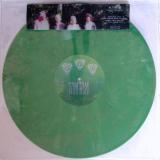
A four-piece band based in Tokyo.
Initially playing reggae/dub music, the band gradually developed into an innovative fusion of diverse musical influences, such as jazz, soul, psyche pop, new age, and exotica. A sound is based on groove and euphoria, with nostalgic melodies.
They have performed at iconic events in Japan such as Fuji Rock Festival, and also have been looking overseas since they performed in Canada(Toronto, Montreal, and Vancouver) in 2019. The new EP "Ramble In The Rainbow"(2024) is their first international release on the US label Peoples Potential Unlimited.
The work shows their musical maturity, drawing inspiration from Sun Ra, Lee "Scratch" Perry, and Yasuaki Shimizu.
Disponible en stock et prêt pour l'expédition

With Stronger, her third EP, Mira Ló continues her rapid ascent within the French electronic scene. A cathartic project born from a period of personal upheaval, this EP is both a cry of resilience and a celebration of club culture as a space for healing. The Paris-based queer producer and DJ turns pain into creative force, and the dancefloor into refuge, release, and rebirth. Across four emotionally charged tracks, Stronger traces the contours of a club where one rises through the energy of the beat, the warmth of a caring community, and the affirmation of self through sound and movement. “This EP is my response to a very dark period in my life. I chose to turn pain into strength, to stand back up through music, and to reconnect with joy, intensity, and the collective. Each track follows a movement, of a body rising, a heart beating stronger, a soul regaining its light. Stronger is also a tribute to those who carried me when I could no longer stand on my own. It's proof that even in chaos, we can rebuild together.” Mira Ló The first chapter of this inner journey, “Riser” is a house track filled with enveloping melodies, ethereal pads, and organic chords that create a suspended sonic space. Its steady pulse and warm basslines evoke a rising from within. “I wanted this track to feel like a build-up, like breathing again. It's about that moment when you feel you're ready to rise once more, even after a fall, like a gentle but powerful wave,” says Mira Ló. With its R&B textures, pop-infused touches, and radiant production, “Brighter” glows with warmth. It captures the return of inner clarity, the rediscovery of joy and ease. Made to bring people together, it’s Instagram | Youtube | TikTok | SoundCloudboth immediate and heartfelt. “It’s a song about shining again, after the dark. I wanted something full of light and simplicity, a track that speaks to the heart and makes you want to dance without thinking.” A personal and introspective nod to the French Touch, “Higher” is driven by filtered basslines and hypnotic grooves. It channels a sense of euphoria that builds gradually, almost meditatively, like a joyful vertigo. “This track is about finding euphoria again, that moment when music lifts you beyond yourself. I grew up with the French Touch, and this is my way of coming back to it with my own voice.” Closing the journey, “Louder” is the most assertive track on the EP. Inspired by the UK bassline and garage scene, it bursts with percussive, punchy energy. This is where everything comes into full light, bold, unapologetic, and free. “I wrote Louder as a statement: I’m here, I exist, and I won’t stay silent anymore. It’s about partying as self-affirmation, as a joyful, powerful scream of identity. Meant to be played loud. Very loud.” Mira Ló, born Ana Lopez, is a queer producer and DJ based in Paris. Drawing from the full spectrum of club music, her sets and productions blend melancholic emotion with a unique, high-energy, euphoric touch - inspired by artists like Disclosure, salute, and Sammy Virji. From her early days playing in Parisian bars and intimate clubs, she quickly rose to the lineups of top French venues and festivals such as Peacock Society, Marvellous Island, and Lollapalooza - extending her reach across Europe and even to Chicago. She’s carved out a strong place for herself within the new wave of the French electronic scene, leaving a lasting impression with every appearance. In 2023, she released her debut EP Memories and was featured in Apple Music’s “Women In Electronic” series. That same year, she became a resident at Sacré in Paris, before unveiling her second EP Tribute To Chicago in 2024. She returns in 2025 with her third release, Stronger - once again proving she’s one of the most promising artists shaping the future of electronic music.
Disponible en stock et prêt pour l'expédition

- 12-Zoll-Single, Custom Greensleeves Vintage, 12-Zoll-Hülle mit weißem Papier-Innencover - Michael Palmers „I’m still dancing” erhält auf der A-Seite ein tiefes und schweres Extended Workout mit den Radics in voller Wirkung - Eine weitere Greensleeves-Doppel-A-Seite mit großem Mehrwert, auf der Robert Ffrenchs Botschaft „No War” die B-Seite ausmacht. - Eine weitere preiswerte Doppelseite von Greensleeves mit Robert Ffrenchs Botschaft „No War” auf der B-Seite. - Beide Seiten gemischt von Peter Chemist bei Channel One im 12”-Murder-Stil - Original Roots Radics Drum and Bass aus der goldenen Ära des Reggae - Beide Seiten fachmännisch produziert von Jah Thomas
Disponible en stock et prêt pour l'expédition

Cristi Cons makes his Crosstown Rebels debut with his latest EP, ‘Give Me Love’.
The three-track exploration of rhythm, tension, and hypnotic club craft lands on 16th January 2026.
Damian Lazarus’ Crosstown Rebels imprint opens its 2026 release schedule with a special label debut from Romanian favourite Cristi Cons, as he delivers a magnetic three-tracker in the form of his ‘Give Me Love’ EP. Known for his precise, minimal-infl ected approach and unwavering command of groove, Cristi’s arrival onto the label brings a release that distils his signature tension-and-release architecture into some of its most direct club form yet.
The title track, ‘Give Me Love’, unfolds with subtle vocal refrains, shadowy atmospheres, and a rolling, elastic groove built for late-night momentum. On the B-side, ‘Can You Hear Me’ channels a sleeker, more hypnotic pulse, with dubby textures, restrained bass pressure, hooky vocals, and a snaking groove to keep dancers moving. Closing the EP, ‘You Ain’t Got Nothin’ brings vibrant synths, tight drum programming, and more captivating vocal use into a head-down trip that leans into Cons’s innate ability to craft late-night and early-hours journeys.
A longstanding architect of Romania’s influential underground, Cristi Cons has carved a reputation through his solo work, his collaborative SIT project with Vlad Caia, and their shared imprint, Amphia, which now stands as a true force within the minimal landscape. Alongside regular appearances across Europe’s key institutions and collaborations with revered names, including Raresh as part of their Verico project along with Caia, Cristi continues to evolve with each release - and ‘Give Me Love’ delivers yet another side to his diverse sound as he steps into the Crosstown Rebels fold to open the year.
Disponible en stock et prêt pour l'expédition

Original Gravity Records announces a deadly new 7" from Boss Foundation, the fresh alias of producer and multi-instrumentalist Neil Anderson. Previously known as Woodfield Rd Allstars for his vintage Jamaican (predominantly instrumental) output, Anderson now moves forward under the sharper, more genre-focused name Boss Foundation—a banner that reflects the heavy, stripped-down, late-’60s Boss Reggae style at the core of his sound.
Side A: The Henchman
A tough, propulsive Boss Reggae instrumental driven by a fierce groove, The Henchman comes armed with vintage-style pistol-shot effects and a pair of unmistakable Dennis Alcapone vocal drops, giving the cut the swagger and tension of a lost 1969 sound-system special. Heavy, atmospheric, and tailor-made for selectors who favour harder-edged instrumentals.
Side B: Pressure Version
An organ-led version built on the riddim Anderson created for The Pioneers’ 2025 recording of “I Feel So Bad” (the Jackie Edwards classic). Featuring Abramo Riti on Hammond organ, Pressure Version offers a warm, melodic excursion that highlights the depth and movement of the rhythm—spacious, soulful, and crafted with the sensibilities of a classic late-’60s version cut.
Pressed in a strictly limited edition, this double-sided killer marks the official debut of Boss Foundation, signalling a powerful new chapter in Original Gravity’s ongoing commitment to era-authentic Jamaican sounds.
Disponible en stock et prêt pour l'expédition

Disponible en stock et prêt pour l'expédition

UILTY RAZORS, BONA FIDE PUNKS.
Writings on the topic that go off in all directions, mind-numbing lectures given by academics, and testimonies, most of them heavily doctored, from those who “lived through that era”: so many people today fantasize about the early days of punk in our country… This blessed moment when no one had yet thought of flaunting a ridiculous green mohawk, taking Sid Vicious as a hero, or – even worse – making the so-called alternative scene both festive and boorish. There was no such thing in 1976 or 1977, when it wasn’t easy to get hold of the first 45s by the Pistols or the Clash. Few people were aware of what was happening on the fringes of the fringes at the time. Malcolm McLaren was virtually unknown, and having short hair made you seem strange. Who knew then that rock music, which had taken a very bad turn since the early 1970s, would once again become an essential element of liberation? That, thanks to short and fast songs, it would once again rediscover that primitive, social side that was so hated by older generations? Who knew that, besides a few loners who read the music press (it was even better if they read it in English) and frequented the right record stores? Many of these formed bands, because it was impossible to do otherwise. We quickly went from listening to the Velvet Underground to trying to play the Stooges’ intros. It’s a somewhat collective story, even though there weren’t many people to start it.
The Guilty Razors were among those who took part in this initial upheaval in Paris. They were far from being the worst. They had something special and even released a single that was well above the national average. They also had enough songs to fill an album, the one you’re holding. In everyone’s opinion, they were definitely not among the punk impostors that followed in their wake. They were, at least, genuine and credible.
Guilty Razors, Parisian punk band (1975-1978). To understand something about their somewhat linear but very energetic sound, we might need to talk about the context in which it was born and, more broadly, recall the boredom (a theme that would become capital in punk songs) coupled with the desire to blow everything off, which were the basis for the formation of bands playing a rejuvenated rock music ; about the passion for a few records by the Kinks or the early Who, by the Stooges, by the Velvet mostly, which set you apart from the crowd.
And of course, we should remember this new wave, which was promoted by a few articles in the specialized press and some cutting-edge record stores, coming from New York or London, whose small but powerful influence could be felt in Paris and in a handful of isolated places in the provinces, lulled to sleep by so many appalling things, from Tangerine Dream to President Giscard d’Estaing...
In 1975-76, French music was, as almost always, in a sorry state ; it was still dominated by Johnny Hallyday and Sylvie Vartan. Local rock music was also rather bleak, apart from Bijou and Little Bob who tried to revive this small scene with poorly sound-engineered gigs played to almost no one.
In the working class suburbs at the time, it was mainly hard rock music played to 11 that helped people forget about their gruelling shifts at the factory. Here and there, on the outskirts of major cities, you still could find a few rockers with sideburns wearing black armbands since the death of Gene Vincent, but it wasn’t a proper mass movement, just a source of real danger to anyone they came across who wasn't like them. In August 1976, a festival unlike any other took place in Mont-de-Marsan – the First European Punk Festival as the poster said – with almost as many people on stage as in the audience. Yet, on that day, a quasi historical event happened, when, under the blazing afternoon sun, a band of unknowns called The Damned made an unprecedented noise in the arena, reminiscent of the chaotic Stooges in their early adolescence. They were the first genuine punk band to perform in our country: from then on, anything was possible, almost anything seemed permissible.
It makes sense that the four+1 members of Guilty Razors, who initially amplified acoustic guitars with crappy tape recorder microphones, would adopt punk music (pronounced paink in French) naturally and instinctively, since it combines liberating noise with speed of execution and – crucially – a very healthy sense of rebellion (the protesters of May 1968 proclaimed, and it was even a slogan, that they weren’t against old people, but against what had made them grow old. In the mid-1970s, it seemed normal and obvious that old people should now ALSO be targeted!!!).
At the time, the desire to fight back, and break down authority and apathy, was either red or black, often taking the form of leafleting, tumultuous general assemblies in the schoolyard, and massive or shabby demonstrations, most of the time overflowing with an exciting vitality that sometimes turned into fights with the riot police. Indeed, soon after the end of the Vietnam War and following Pinochet’s coup in Chile, all over France, Trotskyist and anarcho-libertarian fervour was firmly entrenched among parts of the educated youth population, who were equally rebellious and troublemakers whenever they had the chance. It should also be noted that when the single "Anarchy in the UK" was first heard, even though not many of us had access to it, both the title and its explosive sound immediately resonated with some of those troublemakers crying out for ANARCHY!!! Meanwhile, the left-wing majority still equated punks with reckless young neo-Nazis. Of course, the widely circulated photos in the mainstream press of Siouxsie Sioux with her swastikas didn’t necessarily help to win over the theorists of the Great Revolution. It took Joe Strummer to introduce The Clash as an anti-racist, anti-fascist and anti-ignorance band for the rejection of old-school revolutionaries to fade a little.
The Lycée Jean-Baptiste Say at Porte d’Auteuil, despite being located in the very posh and very exclusive 16th arrondissement of Paris, didn’t escape these "committed" upheavals, which doubled as the perfect outlet for the less timid members of this generation.
“Back then, politics were fun,” says Tristam Nada, who studied there and went on to become Guilty Razors’ frontman. “Jean-Baptiste was the leftist high-school in the neighbourhood. When the far right guys from the GUD came down there, the Communist League guys from elsewhere helped us fight them off.”
Anything that could challenge authority was fair game and of course, strikes for just about any reason would lead to increasingly frequent truancy (with a definitive farewell to education that would soon follow). Tristam Nada spent his 10th and 11th unfinished grades with José Perez, who had come from Spain, where his father, a janitor, had been sentenced to death by Franco. “José steered my tastes towards solid acts such as The Who. Like most teenagers, I had previously absorbed just about everything that came my way, from Yes to Led Zeppelin to Genesis. I was exploring… And then one day, he told me that he and his brother Carlos wanted to start a rock band.” The Perez brothers already played guitar. “Of course, they were Spanish!”, jokes their singer. “Then, somewhat reluctantly, José took up the bass and we were soon joined by Jano – who called himself Jano Homicid – who took up the rhythm guitar.” Several drummers would later join this core of not easily intimidated young guys who didn’t let adversity get the better of them.
The first rehearsals of the newly named Guilty Razors took place in the bedroom of a Perez aunt. There, the three rookies tried to cover a few standards, songs that often were an integral part of their lives. During a first, short gig, in front of a bewildered audience of tough old-school rockers, they launched into a clunky version of the Velvet Underground's “Heroin”. Challenge or recklessness? A bit of both, probably… And then, step by step, their limited repertoire expanded as they decided to write their own songs, sung in a not always very accurate or academic English, but who cared about proper grammar or the right vocabulary, since what truly mattered was to make the words sound as good as possible while playing very, very fast music? And spitting out those words in a language that left no doubt as to what it conveyed mattered as well.
Trying their hand a the kind of rock music disliked by most of the neighbourhood, making noise, being fiercely provocative: they still belonged to a tiny clique who, at this very moment, had chosen to impose this difference. And there were very few places in France or elsewhere, where one could witness the first stirrings of something that wasn’t a trend yet, let alone a movement.
In the provinces, in late 1976 or early 1977, there couldn’t be more than thirty record stores that were a bit more discerning than average, where you could hear this new kind of short-haired rock music called “punk”. The old clientele, who previously had no problem coming in to buy the latest McCartney or Aerosmith LP, now felt a little less comfortable there…
In Paris, these enlightened places were quite rare and often located nex to what would become the Forum des Halles, a big shopping mall. Between three aging sex workers, a couple of second-hand clothes shops, sellers of hippie paraphernalia and small fashion designers, the good word was loudly spread in two pioneering places – propagators of what was still only a new underground movement. Historically, the first one was the Open Market, a kind of poorly, but tastefully stocked cave. Speakers blasted out the sound of sixties garage bands from the Nuggets compilation (a crucial reference for José Perez) or the badly dressed English kids of Eddie and the Hot Rods. This black-painted den was opened a few years earlier by Marc Zermati, a character who wasn’t always in a sunny disposition, but always quite radical in his (good) choices and his opinions. He founded the independent label Skydog and was one of the promoters of the Mont-de-Marsan punk festivals. Not far from there was Harry Cover, another store more in tune with the new New York scene, which was amply covered in the house fanzine, Rock News (even though it was in it that the photos of the Sex Pistols were first published in France).
It was a favorite hang-out of the Perez brothers and Tristam Nada, as the latter explained. “It’s at Harry Cover’s that we first heard the Pistols and Clash’s 45s, and after that, we decided to start writing our first songs. If they could do it, so could we!”
The sonic shocks that were “Anarchy in the UK”, “White Riot” or the Buzzcocks’s EP, “Spiral Scratch” – which Guilty Razors' sound is reminiscent of – were soon to be amplified by an unparalleled visual shock. In April 1977, right after the release of their first LP, The Clash performed at the Palais des Glaces in Paris, during a punk night organised by Marc Zermati. For many who were there, it was the gig of a lifetime…
Of course, Guilty Razors and Tristam were in the audience: “That concert was fabulous… We Parisian punks were almost all dressed in black and white, with white shirts, skinny leather ties, bikers jackets or light jackets, etc. The Clash, on the other hand, wore colourful clothes. Well, the next day, at the Gibus, you’d spot everyone who had been at this concert, but they weren’t wearing anything black, they were all wearing colours.”
It makes sense to mention the Gibus club, as Guilty Razors often played there (sometimes in front of a hostile audience). It was also the only place in Paris that regularly scheduled new Parisian or Anglo-Saxon acts, such as Generation X, Siouxsie and the Banshees, the Slits, and Johnny Thunders who would become a kind of messed-up mascot for the venue. A little later, in 1978, the Rose Bonbon – formerly the Nashville – also attracted nightly owls in search of electric thrills… In 1977, the iconic but not necessarily excellent Asphalt Jungle often played at the Gibus, sometimes sharing the bill with Metal Urbain, the only band whose aura would later transcend the French borders (“I saw them as the French Sex Pistols,” said Geoff Travis, head of their British label Rough Trade). Already established in this small scene, Metal Urbain helped the young and restless Guilty Razors who had just arrived. Guitarist for Metal Urbain Hermann Schwartz remembers it: “They were younger than us, we were a bit like their mentors even if it’s too strong a word… At least they were credible. We thought they were good, and they had good songs which reminded of the Buzzcocks that I liked a lot. But at some point, they started hanging out with the Hells Angels. That’s when we stopped following them.”
The break-up was mutual, since, Guilty Razors, for their part, were shocked when they saw a fringe element of the audience at Metal Urbain concerts who repeatedly shouted “Sieg Heil” and gave Nazi salutes. These provocations, even still minor (the bulk of the skinhead crowd would later make their presence felt during concerts), weren’t really to the liking of the Perez brothers, whose anti-fascist convictions were firmly rooted. Some things are non-negotiable.
A few months earlier (in July 1978), Guilty Razors had nevertheless opened very successfully for Metal Urbain at the Bus Palladium, a more traditonally old-school rock night-club. But, as was sometimes the case back then, the night turned into a mass brawl when suburban rockers came to “beat up punks”.
Back then, Parisian nights weren’t always sweet and serene.
So, after opening as best as they could for The Jam (their sound having been ruined by the PA system), our local heroes were – once again – met outside by a horde of greasers out to get them. “Thankfully,” says Tristam, “we were with our roadies, motorless bikers who acted as a protective barrier. We were chased in the neighbouring streets and the whole thing ended in front of a bar, with the owner coming out with a rifle…”
Although Tristam and the Perez brothers narrowly escaped various, potentially bloody, incidents, they weren’t completely innocent of wrongdoing either. They still find amusing their mugging of two strangers in the street for example (“We were broke and we simply wanted to buy tickets for the Heartbreakers concert that night,” says Tristam). It so happened that their victims were two key figures in the rock business at the time: radio presenter Alain Manneval and music publisher Philippe Constantin. They filed a complaint and sought monetary compensation, but somehow the band’s manager, the skilful but very controversial Alexis, managed to get the complaint withdrawn and Guilty Razors ended up signing with Constantin with a substantial advance.
They also signed with Polydor and the label released in 1978 their only three-track 45, featuring “I Don't Wanna be A Rich”, “Hurts and Noises” and “Provocate” (songs that exuded perpetual rebellion and an unquenchable desire for “class” confrontation). It was a very good record, but due to a lack of promotion (radio stations didn’t play French artists singing in English), it didn’t sell very well. Only 800 copies were allegedly sold and the rest of the stock was pulped… Initially, the three tracks were to be included on a LP that never came to be, since they were dropped by Polydor (“Let’s say we sometimes caused a ruckus in their offices!” laughs Tristam.) In order to perfect the long-awaited LP, the band recorded demos of other tracks. There was a cover of Pink Floyd's “Lucifer Sam” from the Syd Barrett era – proof of an enduring love for the sixties’ greats –, “Wake Up” a hangover tale and “Bad Heart” about the Baader-Meinhof gang, whose actions had a profound impact on the era and on a generation seeking extreme dissent... On the album you’re now discovering, you can also hear five previously unreleased tracks recorded a bit later during an extended and freezing stay in Madrid, in a makeshift studio with the invaluable help of a drummer also acting as sound engineer. He was both an enthusiastic old hippie and a proper whizz at sound engineering. Here too, certain influences from the fifties and sixties (Link Wray, the Troggs) are more than obvious in the band’s music.
Shortly after a final stormy and rather barbaric (on the audience’s side) “Punk night” at the Olympia in June 1978, Tristam left the band ; his bandmates continued without him for a short while.
But like most pioneering punk bands of the era, Guilty Razors eventually split up for good after three years (besides once in Spain, they’d only played in Paris). The reason for ceasing business activities were more or less the same for everyone: there were no venues outside one’s small circuit to play this kind of rock music, which was still frightening, unknown, or of little interest to most people. The chances of recording an LP were virtually null, since major labels were only signing unoriginal but reassuring sub-Téléphone clones, and the smaller ones were only interested in progressive rock or French chanson for youth clubs. And what about self-production? No one in our small safety-pinned world had thought about it yet. There wasn’t enough money to embark on that sort of venture anyway.
So yes, the early days of punk in France were truly No Future!
il devrait être publié sur 22.05.2026
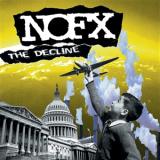
GER NOFX waren sauer (sind es möglicherweise immer noch) und wollten uns das wissen lassen! Ursprünglich 1999 veröffentlicht, war "The Decline" ein mutiges Werk und markierte einen großen Wendepunkt für NOFX. Der Song, der weithin als eines ihrer Meisterwerke gilt, ist ein 18-minütiges Punkrock-Spektakel, das die Entertainmentqualitäten, den lyrischen Witz und die Musikalität der besten Punkrockband aller Zeiten richtig zur Geltung bringt. Der Song, der den Zustand Amerikas satirisch darstellt und die gleichgültigen Massen und Politiker gleichermaßen aufs Korn nimmt, ist auch im Jahr 2026 natürlich leider noch aktuell und kritisiert somit weiterhin die Mächtigen auf eine Weise, zu der nur wenige Künstler den Mut haben. Die Vinyl-Single enthält auf der B-Seite die erste Version von "Clams Have Feelings Too" (das später auf dem Album "Pump Up The Valuum" wieder auftauchte) und ist ein Muss für jeden NOFX-Fan. Erneut auf schwarzem Vinyl wieder da und und limitiert in neuem farbigem Vinyl. Inklusive Beilage mit Texten und Bildern. NOFX were pissed off (possibly still are) and they wanted to let us know! Originally released in 1999,The Decline, was a brave release and marked a huge turning point for NOFX. Widely regarded as their magnum opus, the song is an 18-minute punk rock spectacle that showcases the showmanship, lyrical wit, and musicality of the best punk rock band of all time. Satirizing the state of America and skewering the indifferent masses & politicians alike, the song is eerily relevant in 2026 and continues to critique the powers that be in a way few artists have the courage to do. The vinyl adds first version of "Clams Have Feelings Too" (later resurfacing on the Pump Up The Valuum album) on the flip, the 12" is an essential release for any NOFX fan. Back on black and colored vinyl (ltd), includes insert with lyrics and pics.
il devrait être publié sur 22.05.2026

Die Gegenkultur-Ikone Hyd bringt ihr zweites Album raus, voll mit dynamischen, abwechslungsreichen Popsongs. Hyd holt ihre kreativen Freunde mit rein, um die Musik zu machen, darunter Hudson Mohawke, Sophie, Finn Keane (der gerade ein mega Jahr hinter sich hat als Produzent für Charli xcx), Marcus Andersson, Saint Patrick und Sophies Bruder Benny Long. Das Artwork wurde vom Fotografie-Phänomen Michael Bailey Gates aufgenommen, die Vinyl-Schallplatte wurde vom Produzenten umru gestaltet und die Musikvideos wurden vom Schauspieler Bobbi Salvor Menuez gedreht. Hayden modelt regelmäßig für Courreges, Junya Watanabe und Balenciaga und wird von der Company Gallery (NYC) für ihre visuelle Kunst vertreten. Hyd war auch der Gründer von QT, einem Performance-Kunstprojekt, das aus Hayden, Sophie und AG Cook zusammensetzt und bei XL Recordings unter Vertrag steht. Hyds neues Album beschäftigt sich damit, was es bedeutet, sich zwischen Formen zu bewegen, eine Form zu übernehmen und sich gleichzeitig in eine andere zu verwandeln; queere Ökosysteme der Fürsorge. ,Als ich 2017 mein Augenlicht verlor, begann ich, anders zu sehen. In völliger Dunkelheit wird dir klar, dass du über deinen Körper hinaus existierst. Da habe ich angefangen, dieses Material zu schreiben."
il devrait être publié sur 22.05.2026

Step into a candy box of sound: sweet Italo-infused house and tangy, bass-heavy breaks. Some tracks hit like hard candy, daring you to bite, while others are sticky and irresistible, gluing you to the dancefloor. B.Visible tasted all the sweet treats without losing a tooth, but the synths took a proper beating. On this DJ tool, you'll find a track for every part of your set, with a package that nods to '90s electronic music without losing its timeless charm.
B.Visible is a Vienna-based DJ and producer. His sets blend danceable beats with a strong musical vision - ranging from disco and house to breaks and experimental electronics, complemented by rare vinyl discoveries. Each selection is surprising, versatile, and curated with great attention to detail. His productions are just as multifaceted as his DJ sets: warm drums and organic textures meet carefully crafted electronic elements designed with the dancefloor in mind. The result is a distinctive signature style - accessible, diverse, and independent. His music is regularly featured on Austrian radio stations such as FM4 and receives international
support from BBC DJs including Gilles Peterson, Tom Ravenscroft, and Don Letts. B.Visible's music thrives on surprise and depth - whether in the studio or on stage, it always unfolds with a unique dynamic, drawing audiences in from the very first moment.
il devrait être publié sur 22.05.2026

The Doom label has been digging in the archives again to turn out some killer instrumental hip-hop beats on a land, limited 7". These are designed for maximum DJ deployment and will prove irresistible to dancers. First up is a classic blend of golden-era boom bap that's dusty and drenched in soul, with classic samples adding that hooky charm. On the flip is another one from some more icons of the game that is deeper, slower, more sensual and an evergreen party favourite with a sophisticated funk edge.
Disponible en stock et prêt pour l'expédition

Warehouse Find!
Same track on both sides.
1990 release is a testament to UK rave culture's ingenuity, w/a serious mutation of reggae's echo/delay & colossal low-end. Dream-induced, floating synth pads, unsettling cut-and-paste vocal samplings strung out over endlessly unfolding delays. One sided
Disponible en stock et prêt pour l'expédition

Veteran DJ, producer and Kyiv's K41 booker Christoph Faust showcases the diversity of House music across four tracks. From tech house to clicky minimal, mysterious deep house, and classic Chicago style, "The Window Upstairs" has it all.
On the B-side, there's a surprise remix by Berghain regular and Room Trax co-founder BLANKA, adding a dubby tech housetwist.
Disponible en stock et prêt pour l'expédition

Veteran DJ, producer and Kyiv's K41 booker Christoph Faust showcases the diversity of House music across four tracks. From tech house to clicky minimal, mysterious deep house, and classic Chicago style, "The Window Upstairs" has it all.
On the B-side, there's a surprise remix by Berghain regular and Room Trax co-founder BLANKA, adding a dubby tech housetwist.
Disponible en stock et prêt pour l'expédition

NDATL Records continues with the return of Detroit legend Reggie Dokes with his new 12", The Alkebulan EP—a deep, spiritual, and sonically adventurous record that finds Dokes fully in his element while pushing into new emotional territory.
Side A opens with “Unknown Valley,” where shimmering chords and a haunting vocoded voice glide across a hypnotic groove, setting the tone for an EP rich in warmth and mystery. Dokes follows with “Still Exist,” an excursion into his darker instincts—moody, driving, and steeped in the grit that has defined his most revered work.
Flipping the record reveals Dokes in a more expansive, jazz-inflected mindset. “Soul Searchin” stretches into expressive harmonic territory, showcasing his ear for introspective, cinematic sonics. The journey culminates with title track “Alkebulan,” both featuring longtime collaborator Skip Pruitt, whose saxophone floats and weaves through Dokes’ musical landscapes, forming a Psychostasia blend of jazz, deep house, and spiritual energy the dancer simply cannot resist.
The Alkebulan EP is both a celebration of lineage and a forward-moving statement—classic NDATL quality with Reggie Dokes’ unmistakable fingerprint.
Disponible en stock et prêt pour l'expédition

Following a hotly tipped first instalment, the Family Trip series continues with a second VA RIDE19 featuring artists from the Magic Carpet family, celebrating five years of the label. In contrast to the first record, Disc 2 steers us into deeper, clubbier territory with bold basslines, chuggy goodness and mesmerising atmospherics. True to form, there’s an understated wild card on the B2, offering a transcendent cruise to the 5th dimension. Strap in!
Disponible en stock et prêt pour l'expédition

Disponible en stock et prêt pour l'expédition

When funk music exploded onto the global pop scene in the late sixties, many of Jamaica's leading music-makers were inspired to incorporate elements of the exciting sound into their work. The result was the fascinating and compelling funky reggae style that proved immensely popular with record buyers on both sides of the Atlantic throughout the early ‘70s.
Pioneers of the sound included such celebrated producers as Lee ’Scratch’ Perry and Lloyd Charmers, whose recordings are heavily represented on both the CD and LP versions of this irresistible collection.
Collected here are some of the finest examples of the funky reggae, performed by some of reggae music’s most accomplished artists, from Ken Boothe and Lee Perry’s Upsetters to British-based acts, Greyhound and The Marvels.
il devrait être publié sur 29.05.2026

2026 REPRESS + DOWNLOAD
Years Of Denial is back on Veyl with their second LP 'Suicide Disco Vol. 2'. The follow up to 2019’s 'Suicide Disco', the duo makes a triumphant return, elevating their distinct sound which fuses dark wave, goth, newbeat, post-punk, EBM, and techno. The LP features 12 tracks all written and produced at Ark of Noise studio, located miles away from the polluted noise of social turbulences, immersed in isolation, creative indulgence, and poetic writing.
From the start, 'Art Break' provides the perfect warm-up, gently cleansing the palette and re-introducing us to Barkosina’s lustful vocals with a slow-burning pace that only marks the beginning. 'Wrong' picks things up, injecting a dose of body music for an infectious piece that bleeds into 'La Pendue' which keeps the energy rising. Next up, 'Mr. Guillotine' delivers a razor sharp edge, carving out a fresh post-punk feel which then brings us to the brooding, 'Never Satisfied'.
'Lover’s Crime' marks the halfway point of the record and one of the album’s standout tracks. Undeniably seductive with an ominous feel, the pair keep this mood going with 'City Lights' and then smash things open with 'Dancing With Demons'. After the devious message sent with 'The Letter', we are submerged in the romantic melancholia of 'Death Of A Lover' and 'Regarding the Pain of Others' before closing things out with 'Social Anxiety' which features vocals by longtime collaborator Broken English Club. The result is an immersive journey through the pair’s self described, Suicide Disco sound, and further builds on the Years of Denial form and legacy.
il devrait être publié sur 29.05.2026

Wenn Sie Joey Quiñones fragen würden, woher er die Inspiration für seine Musik bezieht, müssten Sie nicht weit von dem Ort suchen, an dem der Sohn aus East LA aufgewachsen ist. Wenn man seine Werke hört, fühlt man sich in einen Umkreis von zwei Blocks seines Viertels versetzt - vom Spirituosengeschäft zum Plattenladen ,Sign of Music" am Whittier Boulevard und zurück zum Haus eines Freundes. In diesen zwei Blocks hört man Cumbia aus den Geschäften dröhnen, Punk-Proben aus einer Garage, Oldies aus dem Garten eines Nachbarn - eine Reizüberflutung, die Sie bis nach Hause begleitet, all diese Genres, die gleichzeitig in Ihrem Kopf erklingen. Für langjährige Fans von Quiñones' Musik ist das keine Überraschung. Er hat sich als einer der führenden Interpreten seiner Generation etabliert und seine Karriere der Vermittlung seiner einzigartigen Perspektive auf das Chicano-Soul-Songbook gewidmet. Doch vor Thee Sinseers, vor den üppigen Orchestrierungen und den perfekten Harmonien, die zu seinem Markenzeichen wurden, sammelte Quiñones erste Erfahrungen als Leiter verschiedener Begleitbands für jamaikanische Ska- und Dancehall-Acts, die durch Südkalifornien tourten. Er beschreibt diese Jahre als Reggae-College, in dem er von jedem jamaikanischen Künstler, der eine Platte herausgebracht hatte, angeschrien wurde. Diese Jahre der Ausbildung in Rocksteady und Roots-Reggae prägten alles, was danach kam - und auf seinem neuen Soloalbum ,Inna Soul Steady Situation" stellt Quiñones diese Einflüsse endlich in den Vordergrund.
il devrait être publié sur 29.05.2026

Wenn Sie Joey Quiñones fragen würden, woher er die Inspiration für seine Musik bezieht, müssten Sie nicht weit von dem Ort suchen, an dem der Sohn aus East LA aufgewachsen ist. Wenn man seine Werke hört, fühlt man sich in einen Umkreis von zwei Blocks seines Viertels versetzt - vom Spirituosengeschäft zum Plattenladen ,Sign of Music" am Whittier Boulevard und zurück zum Haus eines Freundes. In diesen zwei Blocks hört man Cumbia aus den Geschäften dröhnen, Punk-Proben aus einer Garage, Oldies aus dem Garten eines Nachbarn - eine Reizüberflutung, die Sie bis nach Hause begleitet, all diese Genres, die gleichzeitig in Ihrem Kopf erklingen. Für langjährige Fans von Quiñones' Musik ist das keine Überraschung. Er hat sich als einer der führenden Interpreten seiner Generation etabliert und seine Karriere der Vermittlung seiner einzigartigen Perspektive auf das Chicano-Soul-Songbook gewidmet. Doch vor Thee Sinseers, vor den üppigen Orchestrierungen und den perfekten Harmonien, die zu seinem Markenzeichen wurden, sammelte Quiñones erste Erfahrungen als Leiter verschiedener Begleitbands für jamaikanische Ska- und Dancehall-Acts, die durch Südkalifornien tourten. Er beschreibt diese Jahre als Reggae-College, in dem er von jedem jamaikanischen Künstler, der eine Platte herausgebracht hatte, angeschrien wurde. Diese Jahre der Ausbildung in Rocksteady und Roots-Reggae prägten alles, was danach kam - und auf seinem neuen Soloalbum ,Inna Soul Steady Situation" stellt Quiñones diese Einflüsse endlich in den Vordergrund.
il devrait être publié sur 29.05.2026

Another DINTE tape curated by cult WFMU show and blogger Bodega Pop; Gary Sullivan's long-running project rooted in a passion for digging for music in bodegas and cell-phone stores across NYC's boroughs. This edition focuses in on late 1990s and early 00s hip-hop & rnb from across Southeastern Asia.
"While on a work trip to Chicago in the mid-2000s, I was craving a bowl of pho. A bit of sleuthing led me to hop on the red line "L" up to Argyle Street, ground zero of Chicago's Little Saigon. In the 1960s, Chicago restaurateur Jimmy Wong invested in property on Argyle Street with a vision to build the city's new Chinatown, a kind of mall with pagodas, trees, and reflecting pools. In 1971, the Hip Sing Association, a labor/criminal organization, established itself in the area, and along with Wong, they bought up 80% of the buildings on a three-block stretch of the street. Wong reportedly broke both hips in an accident, leaving his dream to wither; in 1979, Charlie Soo of the Asian American Small Business Association brought it back to life.
Soo expanded the area into a vibrant mix of Chinese, Vietnamese, and other Southeast Asian businesses, pushing for renovations, including an Argyle station facelift and the Taste of Argyle festival. At the time I exited the station and crossed the street to get a better look at a shop with a poster for A Vertical Ray of the Sun in the window, the area was home to some 37,000 Vietnamese residents.
Opening the door, I was gobsmacked by a cavernous Southeast Asian media store, bigger than any I'd been to in Dallas, Montreal, New York, or Seattle. I spent some time at the bins, pulling out collections by some of my then-favorite singers — Giao Linh, Khánh Ly, Phương Dung — before approaching the register to ask the young woman behind the counter if the they carried any Vietnamese rap. It was a longshot, I knew, but if such a thing existed on physical media and anyone carried it, it would be this place.
'Have you heard Vietnamese rap?' she replied, her tone of voice and facial expression betraying a comically exaggerated level of distaste. I admitted my ignorance but assured her that I had long cultivated a high threshold for cheesy pop music of all kinds and genuinely tended to like hip hop from around the world.
She rolled her eyes and pointed to an area I had missed. I walked toward a far corner of the store and knelt over a small box on the floor sparsely populated with CDs, VCDs, and cassettes. I pulled out half a dozen Vietnamese hip hop compilations and a strange-looking CD with a cavalcade of odd typefaces in a queasy multitude of colors: THAILAND RAP HIT, it boasted, with 泰國 "燒香" 勁歌金曲 below it. The information on the back provided an address in Kuala Lumpur and the titles in Thai and English translation. The first track included three simplified Chinese characters after the English-language version of the title, "The Chinese Association": 自己人.
WTF was going on here? Walking back to the register, I waved the CD, asking "What's up with this one?" She gave me a look. I placed it on the counter so she could bask in the cover's full glory. She shrugged. "I'm guessing it's Thai rap?" She looked disappointed in me when I said I'd take it.
It turned out to be a Malaysian pressing of half-Chinese Thai hip hop artist Joey Boy's third album, Fun Fun Fun from 1996, and it completely changed my sense what the genre could sound like. The rapper's self-assured, effortless, silly-but-cool rapid-fire delivery weaved in and out of the most bizarre, antic beats I'd ever heard. The six Vietnamese hip hop CDs were a mixed bag, mostly "serious" sounding mimicry of US rapping over predictable production, but the highs were very high. When I got home and listened to it all, I made a point to find as much hip hop from this part of the world as I could.
The tracks collected here provide a limited but potent reflection of the two-decade ascendency
and ultimate world-takeover of hip hop, as it displaced rock and its endless variants for millions of listeners. This not a fair and balanced overview of regional production: I've only included tracks from Cambodia, Indonesia, Myanmar, Philippines, Thailand, and Vietnam. Nor is this a biggest or most important artists collection; instead, I've tried to recapture the pure visceral thrill of that first time I heard Joey Boy, choosing bangers that sound like nothing else, from nowhere else."
—Gary Sullivan
Disponible en stock et prêt pour l'expédition
