Search:pia

Styles
All
Seth Walker - Why the Worry

In the midst of recording his 12th album 'Why The Worry', wavering in his resolve to finish what he'd started, Seth Walker came to the realization: "This does not define me; this is not who I am forever; this is just a moment" . "Distance colors compositions over the years and each album is left as merely a reflection of its own period in time." The new album finds Walker reunited with old friends and familiar names. Once again Jano Rix steps behind the boards, co-producing the album with Seth and engineer Brook Sutton. In the producer's fifth outing he's become an invaluable sounding board, the kind that knows what's missing and, just as importantly, what needs to be taken away. Oliver Wood (The Wood Brothers) lends a pen to the title track and Seth's classically trained father Scott adds strings to "I'm Getting Ready," a song penned by Walker's contemporary Michael Kiwanuka. Mostly, though, the record was shepherded into shape by Walker's trio, rounded out by longtime confidants Rhees Williams (Guitar, Piano) and Mark Raudabaugh (Drums). The three let the studio guide them, entering without agenda, set straight by the title's mantra to stop worrying where they'd end up.

pre-order now04.04.2025

expected to be published on 04.04.2025

GUSTAF LJUNGGREN / EMIL DE WAAL - MIKROKLIMA

Following the success of their 2023 release "Stockholm Kobenhavn", two of Denmark"s most celebrated musicians in multi-instrumentalist Gustaf Ljunggren and drummer Emil de Waal present their fourth collaborative album. Expanding on their growing reputation for crafting songs and sounds with masterful senses of subtlety, narrative and capacity to form meaningful connections with their collaborators and audiences alike, "Mikroklima" is set to release on February 7th on April Records. Emil de Waal has been one of Denmark"s leading drummers for three decades, best known for his work leading the band Kalaha and his collaborations with Elith "Nulle" Nykjær, as well as performing alongside most of the finest names in modern Scandinavian jazz. Gustaf Ljunggren initially studied the saxophone at the Rhythmic Conservatory of Copenhagen, where whispers spread throughout the school that he was the best saxophone player in town and yet never practiced. His career has seen him prove that he can bring grace, musicality and heart to any instrument he touches, from the pedal steel guitar, to the bass, piano, and more. "Mikroklima" is a testament to and celebration of musical growth, community, and the joy of musical gathering. One element that truly sets this album apart, is the bold move of inviting a group of 12 year old school children from a music class into the studio to record alongside Gustaf and Emil. Drawing from years of experience leading music workshops with young musicians, on Mikroklima Ljunggren and de Waal wanted to capture the sound of musicians from different generations and experiences coming together to contribute their ideas to their compositions. Showcasing Ljunggren"s colorful, comforting, folk-influenced approach to harmony and songwriting alongside de Waal"s distinctive touch on the drums, crafting simplistic yet creative grooves that feel as pleasing and refreshing as they do restrained and purposeful. As each piece unfolds, it becomes more and more apparent how present and communicative the duo are, playing only what the music needs and placing more weight on texture and feeling than soloistic flair. "Mikroklima" is an organic, generous offering that shows Gustaf Ljunggren and Emil de Waal doing what they do best: connecting with music.

pre-order now04.04.2025

expected to be published on 04.04.2025

ARTTURI RÖNKÄ / DANIELSOMMER / THOMMY ANDERSSON - LOST THREADS

Danish drummer Daniel Sommer completes his internationally acclaimed Nordic Trilogy (featured in Stereogum, Downbeat Magazine, Bandcamp"s Best of Jazz and more...) with the release of Lost Threads on March 21st, 2025, via April Records. Following As Time Passes and Sounds & Sequences, the highly anticipated third chapter features Finnish pianist Artturi Rönkä and Swedish bassist Thommy Andersson. Together, the trio embarks on a deeply introspective exploration of time, space, and their shared Nordic spirit of improvisation. Described by Sommer as "a process-oriented project prioritizing musical risk and flow," the Nordic Trilogy has sought to illuminate Nordic approaches to composition and improvisation across generational and stylistic divides. With Lost Threads, this vision culminates in a collection of music that embraces vulnerability, spontaneity, and togetherness. "Most of the music emerged as Daniel and I improvised in my living room in Helsinki," Rönkä recalls. "Later, when Thommy joined us for a couple of concerts and recording sessions... his highly personal way of playing the bass inspired Daniel and me to try to develop the music in further, unexpected directions." The result is a dynamic and emotionally resonant album, recorded live in a Helsinki studio with all three musicians in the same room, without headphones or edits whatsoever. The title track and Den ensommes dans pulse with energetic groove and rhythm, while pieces like Meditation, Silent Steps, and Forgotten Song float with a haunting, rubato lyricism. With influences ranging from Nordic folk, Western Classical music and the jazz tradition, Lost Threads continues the trilogy"s history of blurring the boundaries between composition and improvisation. The trio"s collective sound-anchored by Rönkä"s nuanced piano, Andersson"s deeply personal bass tones, and Sommer"s textural drumming-creates a sonic landscape both timeless and contemporary. As the trilogy closes, Lost Threads invites listeners into a contemplative space where silence and sound intertwine, offering a balm for the modern world"s relentless pace. True to the spirit of the Nordic Trilogy, it stands as both a conclusion and a testament to the boundless possibilities of collective improvisation.

pre-order now04.04.2025

expected to be published on 04.04.2025

Various - Brahms: Piano Quartets Nos. 2 & 3 LP 2x12"

„Ich kenne keinen anderen Komponisten, der es mit Brahms im Hinblick auf die musikalische Qualität
aufnehmen kann. Alles in Brahms’ Kammermusik ist einfach fantastisch, die Sonaten, die Trios, das Klarinettenquintett. Da gibt es nicht ein schlechtes Stück.“
Krystian Zimermans Begeisterung für Kammermusik begann bereits in seiner Kindheit und begleitet ihn
seit jeher. Er sagt: „Jeder große Komponist hat irgendein Quartett mit Klavier geschrieben. Das ist ein
unglaublicher Schatz der Musikgeschichte, der viel zu wenig Beachtung bekommt.“
Obwohl das Klavierquartett Nr. 1 in g-Moll wohl das bekannteste von Johannes Brahms drei Klavierquartetten ist, konzentriert sich Zimerman stattdessen auf die oft weniger beachteten Quartette Nr. 2 und
Nr. 3, um ihnen die Aufmerksamkeit zu schenken, die sie verdienen. „Das Dritte Quartett liebe ich ganz
besonders. Es ist ein verrücktes, kraftvolles Stück, das einen unglaublichen Drive hat“, so Zimerman.
Für diese Einspielung hat sich Krystian Zimerman mit dem Cellisten Yuya Okamoto, der Geigerin Maria
Nowak und der Bratschistin Katarzyna Budnik zusammengetan.

pre-order now04.04.2025

expected to be published on 04.04.2025

Liz Stringer - Second High

Liz Stringer has been a steadfast and captivating feature of the Australian musical landscape over a six album career. Venerated by her musical peers and devoted fanbase alike, Stringer's world-class vocals, multi-instrumental prowess, notoriously powerful live performances and story-rich, genre-defying songs place her among the most important songwriters of her era. Mirroring the scope and complexity of Stringer's sensibilities and accomplishment as an artist, The Second High draws from Stringer's wider influences of jazz, funk and soul, and takes her ability to dissect the minutiae of the human condition through song - and connect with her audience - to a new level. The album is redolent with motifs of self-actualisation, lessons learned, sharp and ever-relevant commentary on social issues, and a strong and consistent focus on justice and equality. Fuelled by keys-driven grooves ranging from poignant grand piano lamentations (When You Met Me), the Rhodes-led jazz odyssey of On the Level, hip-hop flavoured keys brightening the bottom-heavy and deeply funky The Second High, to virtuosic keys that dance between strings and soaring multi-layered vocals in To Survive, Stringer's seventh studio album is a fresh and engaging ride to a destination yet uncharted, even by Stringer's standards - thrilling, stark and transformative. If 2021's First Time Really Feeling was an excavation, The Second High is an exorcism.

pre-order now04.04.2025

expected to be published on 04.04.2025

Gianni Brezzo - Sprechiamo! (LP)

Gianni Brezzo

Sprechiamo! (LP)

12inchJAKARTA194-1
JAKARTA
03.04.2025

Gianni’s diverse profile is reflected both in his scene-hopping as well as his music. Besides producing Cologne Popbands like “Keshavara,” “Woman” and “Xul Zolar,” Gianni has released a number of EP and LP’s since 2017, culminating most recently with “Filigrani” EP in 2023 on Jakarta. Gianni’s new LP, “Sprechiamo!” is a meditation around Marvin’s relationship with Italian culture accompanied by research into Italian music such as Napoli Exchange, the Periodica label or Giuliano Sorgini. Within the album Gianni was looking less for his roots and moreover for his existing Italian bonds & vivid cultural exchange in his current habitat of Cologne, which he is rediscovering time and again by wandering through his neighborhood Ehrenfeld, Cologne. The quarter hosting a vivid scene of Italians who came in the 1950s, such as Gianni’s grandparents once did. “Sprechiamo! is a timeless release, one that would sit just as well in 1979 as it does in 2025. Vivid Italian references from composers of the 60’s / 70’s to recent Peridoica, allways mixed with a bit of Khrunagbin & Sven Wunder to give it Gianni’s own touch. Jakarta Records is ecstatic to share such a high-water mark of an album, arriving physically and digitally March 28th, 2025.

Credits:

Alt Sax: Johanna Klein & Inga Rothammel
Flute: Connie Trieder
Percussion (Hold The Wine): Gabriel Rodriguez
Piano (Chronos): Dario Bassolino
Piano (Via Xifonia): Simon Below
Percussion (Hold The Wine): Gabriel Rodriguez
Rhodes Piano: Jan Alexander
Synthesizer (Bapha): Eva Sviderski
Tenor Sax: Florian Fries
Violin (Bapha): Florian Meier
Vox (Chronos): Linda Feki

All songs written & produced by Marvin Horsch.
Fine With Me written by Simon Below & Marvin Horsch.

out of Stock

Order now and we will order the item for you at our supplier.


Last In: 10 months ago
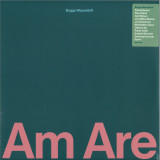
Bugge Wesseltoft - AmAre (LP 2x12")

Bugge Wesseltoft

AmAre (LP 2x12")

2x12inch2979706JZL
Jazzland
02.04.2025

Bugge Wesseltoft has long been a shaper of his own jazz idioms, through his diverse solo albums, his group projects such as New Conception of Jazz, OKWorld! and RYMDEN, and collaborations with artists such as Sidsel Endresen, Henning Kraggerud or Henrik Schwarz.

"Am Are" features special constellations of superb musicians that spans both generations and styles, and is an exploration of sonic textures, dynamic contrasts of mood and style, and ranges from sparse arrangements through to complex layers of dubs and loops and improvisational interplay.

The album begins with Bugge alone on "How?" with layers of undulating atmospheric synth, brought into focus by Bugge's piano at the forefront, creating a minimalist miniature that is both emotive and serene. For "Villrein" Bugge is joined by Elias Tafjord on drums, beginning with a santur-like synth figure, floating over ominous formant sci-fi bass synths bubbling and pulsing, and overlaid by phrenetic piano that only stops to lock into the santur figure before relaunching on its own journeys, all underpinned by Elias Tafjord's expressive drumming. "Is Anyone Listening?" demonstrate's Bugge's songcraft, layering muted percussive piano behind Rohey's distinctive and beautiful vocals punctuated by Martin Myhre Olsen's tenor saxophone, creating a soulful mood tinged with desperation.

"BAG" presents the first classic piano trio of the album - Bugge on piano and synths, Arild Andersen on bass, and Gard Nilssen on drums - announcing itself with an insistent riff, chattering drums, breaking into a progressive rock-style passage of bass and piano in unison. "Reel", the second track from this trio, is a mellow soundscape that evolves to become hazy urban downbeat jazz.

The second piano trio of Bugge (Rhodes and Korg MS20 synth), Sveinung Hovensjø (Electric Bass), and Jon Christensen (Drums and Bells) offers a completely different perspective. The first track "Render" features Bugge's Zawinul-esque Rhodes and monosynth leads, Sveinung's fuzz bass in something of a leading role, all carried with chattering gusto by Jon Christensen's dynamic drumming that brings texture and space as well as rhythm to the piece. "Vender" begins as an atmospheric piece, with reed organ-like synth washes, and octave-processed bass with a somewhat sitar-like tone, meandering until the track breaks down into drums and bass weaving around an insistent drum machine loop, dripping with synth pads and monosynth lead.

"JazzBasill" introduces the third piano trio - featuring Bugge (Piano), Jens Mikkel Madsen (Acoustic Bass) and Øyunn (Drums) - and offers a classic piano trio style with urban sophistication, that is lyrical, and interspersed with staccato cadences, giving a feeling of broken swing, slightly staggered yet driving forwards. The title track "AM ARE" is late night jazz, with baroque whispers, and distinctly melodic.

The final track, "Think Ahead" features the non-standard trio of Bugge (Piano/Organ), Oddrun Lilja (Guitar) and Sanskriti Shrestha (Tablas/Harp). Beginning with a minimalist piano figure, table, and sustained guitar, the track breaks down to a noise surge and ambient windscape, with guitar birds and abstract grinding, before returning to minimalist melodicism.

The shifting personnel across the album, as well as the three different studios in which it was recorded - Village Recording in Copenhagen, Rainbow Studios in Oslo, and his own Buggesroom Studio - creates a feeling of dynamic change and musical variety that is unified by Bugge's piano and keyboards. His playing moves between foreground, where he allows the music to elevate him, and background, where he move gently like a beneficent presence, tending to the demands of the spirit of the musical moments he has captured. It is an album powered by restless exploration and shaped by distinctive musical personalities; it is a journey through different moods, illuminated and brought into focus by Bugge's measured approach and guiding hand.

out of Stock

Order now and we will order the item for you at our supplier.


Last In: 9 months ago
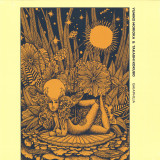
Yumiko Morioka & Takashi Kokubo - Gaiaphilia

Japanese artists Yumiko Morioka and Takashi Kokubo unite for Gaiaphilia, a journey through ambient soundscapes that seamlessly blends Morioka’s graceful piano compositions with Kokubo’s immersive field recordings and atmospheric synthesisers.

This collaboration brings together two of Japan’s most influential pioneers in ambient and new age music, each with decades of groundbreaking work. Morioka, celebrated for her 1987 album Resonance—reissued to critical acclaim by Métron Records—infuses her introspective playing with Kokubo’s vivid environmental textures, creating a dialogue between nature and melody.

After releasing Resonance, Morioka stepped away from music, moving to America to raise her family. For years, her work was quietly cherished by fans, only gaining wider recognition with its reissue in 2020. A devastating wildfire destroyed her California home seven years ago, prompting her return to Tokyo where she became a chocolatier before rediscovering her passion for the piano in recent years, playing live shows and making new recordings.

Takashi Kokubo’s legendary discography spans over 30 years, and has found wider acclaim in recent years via YouTube algorithms and bootleg uploads, wracking up tens of millions of plays. Yet he is probably best known for his sound design work, specifically the Japanese earthquake alert sound as well as credit card payment jingles - his creations are pervasive in Japanese society.

“From our love and concern for our planet, we both offer a unique sensibility and spirit of inquiry which we express through our music.”

Rooted in shared philosophical interests, Gaiaphilia reflects a profound reverence for nature’s resilience and harmony. Themes of Gaia, Mother Earth’s renewal, and the interconnectedness of life are central, with inspirations drawn from cosmology, sacred geometry, and Japan’s mystical Katakamuna tradition. The album invites listeners into a meditative space where sound mirrors the delicate balance of the natural world.

A master of sound design, Kokubo enhances this vision with his distinctive field recordings, captured using a self-made binaural microphone shaped like a crash test dummy’s head. From the jungles of Borneo to the gentle rhythm of ocean waves, Kokubo’s globe-spanning recordings transform into immersive soundscapes that perfectly complement Morioka’s introspective piano compositions.

“The title, Gaiaphilia, is a newly created word to encompass our love and respect for nature and life, this feeling is the theme we hoped to express.”

Released on Métron Records on 12/03/25 and with artwork from Ventral Is Golden, Gaiaphilia marks a remarkable new chapter for Morioka and Kokubo. Recorded at Kokubo’s log house studio named Studio Ion in Yamanashi, their collaboration offers listeners a deeply emotional and transcendent experience, rooted in the timeless beauty of Japan’s natural landscapes.

out of Stock

Order now and we will order the item for you at our supplier.


Last In: 13 months ago
Patrick Conway - Loss / Silencio

Patrick Conway crossed the threshold to find a new hope. This is his third offering for the ESP Institute. On side A, 'Loss' sets an overall melancholic tone for the record. A single repeating high note on the piano establishes a guiding element, which is eventually supported by a tear-jerking yet resolving chord progression, a trailing choir of angelic voices, and a filter-modulating synth that pads the widest zones of the mix with the occasional counter-melody. Robust in and of itself, Patrick’s melodic arrangement floats gracefully over an otherwise antagonistic rhythm section built from his signature corroded dancehall arsenal. This hornets nest of boxed live kick drums, piccolo snares, and high-pitched toms is held together by a dry veneer of saturation, sitting at safe distance from but in natural harmony with the bulbous low-frequency atmospherics. On the flip, 'Silencio' employs a similar statement at the top of each measure, this time an anthemic polyphonic synth stab as opposed to the singular piano note, however, unlike the layered melodies throughout 'Lost', here Patrick explores the narrative possibility of negative space—call and response, rhythmic dialogue, and the implied notes that leave the listener’s or dancer’s intuition to complete a phrase. In the game “musical chairs,” children run around manically until signaled to find a chair, at which point their diverse personalties must urgently synchronize, until set free to run again and repeat the process. Patrick's approach for 'Silencio' conjures said metaphor—his melody and rhythm are unleashed to meander and spasm within the confines of each respective bar, until that anticipated synth stab unifies everything “on the one”—controlling the chaos, calling on muscle memory and affirming logic. These two songs will be with you always as they always have been.

out of Stock

Order now and we will order the item for you at our supplier.


Last In: 12 months ago
Pachyman - The Return of Pachyman

‘The Return of Pachyman’ is a supernatural force
from a brave new world that’s a little bit San Juan,
a little LA, and a whole lot of Channel One in
Kingston, Jamaica. Designed to be a resurrection
of sound systems from the past through which we
can celebrate a post-Trump future, the record
shows that blasting off into reggae’s deep space
has never gone out of style.
Pachy García (aka Pachyman) is perhaps best
known as the drummer / vocalist for the LA-based
band Prettiest Eyes, a unique pop-noise project
that reflects his other formative interest, synth
punk. He thinks of ‘The Return of Pachyman’ the
same way King Tubby might - an ‘X-ray’ of reggae
music, breaking it down to its bare bones.
Originally a guitarist, he moved to Los Angeles in
the early 2010s and developed his passion for
dub. From there, he started recording bass, drums
and piano and collecting recording equipment in
his basement studio, which he calls 333 House.
With ‘The Return of Pachyman’, García wants to
show how the Caribbean flow is transnational, a
vibe that resounds from Jamaica to San Juan to
Southern California. “With this project, I was
looking to make positive music and radiate good
energy; something to kinda disconnect from the
negative things that were happening at the
moment,” Garcia explains. “I am trying to make this
project a service for humanity in the sense that I
just wanted to shine a positive light.”

out of Stock

Order now and we will order the item for you at our supplier.


Last In: 12 months ago
Israel Vibration - On The Rock LP 2x12"

ON THE ROCK is a cornerstone of the band formed by WISS, APPLE and SKELLY. Recorded and mixed at Leggo's Studio (Kingston / Jamaica) with the new version of the Roots Radics: Flabba Holt (bass), Dwight Pinkney on guitar, Carl Ayton on drums, Steve Golding on guitar and T-Bird Johnson on piano.

out of Stock

Order now and we will order the item for you at our supplier.


Last In: 12 months ago
The 7:45s - The Way that I Love You / Too Little Too Late

Manchester-based original soul collective The 7:45s release their debut single.

Named after 7-inch 45-rpm vinyl, The 7:45s write short and snappy soul singles. Their debut is a double A-side, giving you two bops for the price of one. Inspired by Charles Bradley, 'The Way that I Love You' is full of contrasts: the piano chimes and horns respond, a man calls and a woman answers. It's laidback then intense, major then minor, nostalgic then heartbroken. On the flip-side, 'Too Little Too Late' is an upbeat northern soul stomper, featuring an earworm of a vocal hook over an infectious bassline that's sure to ruffle tail feathers.

Recorded with vintage equipment at EVE Studios in Stockport, both songs feature the captivating vocals of collaborator Martin Connor. On 'The Way that I Love You', Connor's vocal rises from a crooning baritone to a fever pitch, culminating in spine-tingling ad libs. Magic moments like this are heightened by songwriter and bassist Sam Flynn's perfectionist arrangements, which feature dozens of musicians: spotlighting vocal harmonies, horns, and even strings on 'Too Little... more

credits

releases March 7, 2025

Been in UK soul chart and played on all the indie soul stations , Starpoint , solar etc

Too little Too Late was Played on BBC radio six Craig Charles Funk and soul show twice and the Way That I Love You was played on BBC radio six Craig Charles day time show

Track of the week on Simon Phillips Jazz FM

Featured in Blues and Soul and Echoes Mag

out of Stock

Order now and we will order the item for you at our supplier.


Last In: 12 months ago
Various - ECHOES OF ITALY – THE BIRDS OF PARADISE – EARLY 90S HOUSE VIBES VOL.2 (2x12")

Googling “paradise house”, the first results to pop up are an endless list of European b&b’s with whitewashed lime façades, all of them promising “…an unmatched travel experience a few steps from the sea”. Next, a little further down, are the institutional websites of a few select semi-luxury retirement homes (no photos shown, but lots of stock images of smiling nurses with reassuring looks). To find the “paradise house” we’re after, we have to scroll even further down. Much further down.

It feels like yesterday, and at the same time it seems like a million years ago. The Eighties had just ended, and it was still unclear what to expect from the Nineties. Mobile phones that were not the size of a briefcase and did not cost as much as a car? A frightening economic crisis? The guitar-rock revival?! Certainly, the best place to observe that moment of transition was the dancefloor. Truly epochal transformations were happening there. From America, within a short distance one from the other, two revolutionary new musical styles had arrived: the first one sounded a bit like an “on a budget” version of the best Seventies disco-music – Philly sound made with a set of piano-bar keyboards! – the other was even more sparse, futuristic and extraterrestrial. It was a music with a quite distinct “physical” component, which at the same time, to be fully grasped, seemed to call for the knotty theories of certain French post-modern philosophers: Gilles Deleuze, Félix Guattari, Paul Virilio... Both those genres – we would learn shortly after – were born in the black communities of Chicago and Detroit, although listening to those vinyl 12” (often wrapped in generic white covers, and with little indication in the label) you could not easily guess whether behind them there was a black boy from somewhere in the Usa, or a girl from Berlin, or a pale kid from a Cornish coastal town.

Quickly, similar sounds began to show up from all corners of Europe. A thousand variations of the same intuition: leaner, less lean, happier, slightly less intoxicated, more broken, slower, faster, much faster... Boom! From the dancefloors – the London ones at least, whose chronicles we eagerly read every month in the pages of The Face and i-D – came tales of a new generation of clubbers who had completely stopped “dressing up” to go dancing; of hot tempered hooligans bursting into tears and hugging everyone under the strobe lights as the notes of Strings of Life rose up through the fumes of dry ice (certain “smiling” pills were also involved, sure). At this point, however, we must move on to Switzerland.

In Switzerland, in the quiet and diligent town of Lugano, between the 1980s and 1990s there was a club called “Morandi”. Its hot night was on Wednesdays, when the audience also came from Milan, Como, Varese and Zurich. Legend goes that, one night, none less than Prince and Sheila E were spotted hiding among the sofas, on a day-off of the Italian dates of the Nude Tour… The Wednesday resident and superstar was an Italian dj with an exotic name: Don Carlos. The soundtrack he devised was a mixture of Chicago, Detroit, the most progressive R&B and certain forgotten classics of old disco music: practically, what the Paradise Garage in New York might have sounded like had it not closed in 1987. In between, Don Carlos also managed to squeeze in some tracks he had worked on in his studio on Lago Maggiore. One in particular: a track that was rather slow compared to the BPM in fashion at the time, but which was a perfect bridge between house and R&B. The title was Alone: Don Carlos would explain years later that it had to be intended both in the English meaning of “by itself” and like the Italian word meaning “halo”. That wasn’t the only double entendre about the song, anyway. Its own very deep nature was, indeed, double. On the one hand, Alone was built around an angelic keyboard pattern and a romantic piano riff that took you straight to heaven; on the other, it showcased enough electronic squelches (plus a sax part that sounded like it had been dissolved by acid rain) to pigeonhole the tune into the “junk modernity” section, aka the hallmark of all the most innovative sounds of the time: music that sounded like it was hand-crafted from the scraps of glittering overground pop.

No one knows who was the first to call it “paradise house”, nor when it happened. Alternative definitions on the same topic one happened to hear included “ambient house”, “dream house”, “Mediterranean progressive”… but of course none were as good (and alluring) as “paradise house”. What is certain is that such inclination for sounds that were in equal measure angelic and neurotic, romantic and unaffective, quickly became the trademark of the second generation of Italian house. Music that seemed shyly equidistant from all the rhythmic and electronic revolutions that had happened up to that moment (“Music perfectly adept at going nowhere slowly” as noted by English journalist Craig McLean in a legendary field report for Blah Blah Blah magazine). Music that to a inattentive ear might have sounded as anonymous as a snapshot of a random group of passers-by at 10AM in the centre of any major city, but perfectly described the (slow) awakening in the real world after the universal love binge of the so-called Second Summer of Love.

For a brief but unforgettable season, in Italy “paradise house” was the official soundtrack of interminable weekends spent inside the car, darting from one club to another, cutting the peninsula from North to centre, from East to West coast in pursuit of the latest after-hours disco, trading kilometres per hour with beats per minute: practically, a new New Year’s Eve every Friday and Saturday night. This too was no small transformation, as well as a shock for an adult Italy that was encountering for the first time – thanks to its sons and daughters – the wild side of industrial modernity. The clubbers of the so-called “fuoriorario” scene were the balls gone mad in the pinball machine most feared by newspapers, magazines and TV pundits. What they did each and every weekend, apart from going crazy to the sound of the current white labels, was linking distant geographical points and non-places (thank you Marc Augé!) – old dance halls, farmhouses and business centres – transformed for one night into house music heaven. As Marco D’Eramo wrote in his 1995 essay on Chicago, Il maiale e il grattacielo: “Four-wheeled capitalism distorts our age-old image of the city, it allows the suburbs to be connected to each other, whereas before they were connected only by the centre (…) It makes possible a metropolitan area without a metropolis, without a city centre, without downtown. The periphery is no longer a periphery of any centre, but is self-centred”.

“Paradise house” perfectly understood all of this and turned it into a sort of cyber-blues that didn’t even need words, and unexpectedly brought back a drop of melancholic (post?)-humanity within a world that by then – as we would wholly realise in the decades to come – was fully inhuman and heartless. A world where we were all alone, and surrounded by a sinister yellowish halo, like a neon at the end of its life cycle. But, for one night at least, happy."

out of Stock

Order now and we will order the item for you at our supplier.


Last In: 6 months ago
Fleetwood Mac - Mirage LP 2x12"
  • Love In Store
  • Can’t Go Back
  • That’s Alright
  • Book Of Love
  • Gypsy
  • Only Over You
  • Empire State
  • Straight Back
  • Hold Me
  • Oh Diane
  • Eyes Of The World
  • Wish You Were Here

If every significant artist has an underrated gem in its catalog, then Mirage is that album for Fleetwood Mac. An obvious return to relative simplicity after the dramatic tension of Rumours and experimental ambitions of Tusk, the 1982 album finds the band re-grouping after a brief hiatus and again climbing to the top of the charts. Extremely well-crafted, well-produced, and well-performed, the double-platinum effort distills the group’s hallmark strengths into a filler-free set that never runs short of addictive pop hooks or daft accents.

Sourced from the original analog master tapes, pressed at Fidelity Record Pressing in California, and housed in a Stoughton jacket, Mobile Fidelity’s numbered-edition 180g 45RPM 2LP set presents Mirage in reference sound for the first time. The efforts co-producers/engineers Ken Caillat and Richard Dashut went to capture the splintered albeit formidable band can be heard with stunning accuracy, range, depth, and detail.

Though Rumours understandably gets a permanent spot in the audiophile hall of fame, the smooth, clear, and dynamic sonics on Mirage confirm that the record that stood as Fleetwood Mac’s last effort for five years deserves a place in the same vaunted arena. The presence and imaging of Mick Fleetwood’s percussion alone on this reissue might have you wondering how this slice of soft-rock bliss has gone under-noticed for decades. Other prized aural aspects — separation, definition, impact, tonal balance — are also here in spades.

Like much surrounding Fleetwood Mac in the 1980s, arriving at Mirage was not easy. Caillat searched for studios located outside of Los Angeles on a mission to change up the vibe of the band’s prior recording sessions. Everyone settled on Le Chateau in France, where relations between some members remained icy — and cooperation with the producers strained. Battles with exhaustion, bitterness, and addiction further informed the proceedings at the 18th century complex in the French countryside, where even communal meals were allegedly eaten in silence.

Inevitably, the feelings that co-producer Lindsey Buckingham, Stevie Nicks, Christine McVie, and company harbored — as well as the situations in which they found themselves — drifted into the songwriting. In its rapid ascent to rock-star royalty status, Fleetwood Mac drifted apart, embarked on solo pursuits, and found it was lonely at the top. Emptiness, the illusion of dreams, the longing for love, the want to escape to bygone times of innocence and happiness: Such themes inform a majority of the narratives. Even if the lyrics regularly take a back seat to easygoing arrangements that allow Mirage to come on like a refreshing breeze on a sunny summer afternoon.

Home to three Top 25 singles in the U.S. and having occupied the pole position of the Top 200 album charts for five weeks, Mirage rightfully resonated with the mainstream and attracted listeners on both sides of the pond. And how, via a smart blend of sugary melodies, warm harmonies, interlaced notes, nimble rhythms, taut structures, and passionate vocals. Not to mention the presence of what arguably remains Nicks’ signature song, the biographical “Gypsy,” a meditation on the loss of her close friend Robin Anderson that teems with majesty, mystery, and mysticism — and which gets an assist from Buckingham’s shaded tack piano and richly strummed guitar chords.

Its ranking as an all-time classic aside, that No. 12 hit has plenty of company when it comes to brilliant pop turns on Mirage. On the subject of Nicks, the raspy singer gets a little bit country on “That’s Alright.” Its clip-clopping pace and two-stepping progression complement subtle vocal swells that emerge during the final verse of a tune that is ostensibly about leaving but still conveys forgiveness and grace. And what would a Fleetwood Mac record be without Nicks drawing on the tools of the supernatural — cards, dreams, wolves, and the like — on the twirling “Straight Back.”

Despite the potency of Nicks’ primary contributions, Mirage seemingly unfolds as a tight competition between Buckingham and McVie — and one that ultimately ends in a draw. Buckingham’s salvos include the contagious “Can’t Go Back,” a yearning to time-travel back to the past that’s complete with hall-of-mirrors backing vocals; “Oh Diane,” out-of- left-field ear candy sweetened with hiccupped vocals and salt-and-pepper-shaken grooves; the chiming “Eyes of the World”; and “Empire State,” a delightfully fluttering track whose high-range vocals, lap harp notes, and ringing xylophones hint at the galaxies of sound that would erupt on Tango in the Night.

Then there’s McVie. As elegant, understated, and coolheaded as she’s ever been on record, she pours her heart out on cuts that revolve around her inevitable split with Beach Boy Dennis Wilson. In the process, she punctuates Mirage with a characteristic not always associated with catchy pop music: emotional weight, and the sense of dreaded acceptance in the face of dreams deferred.

“I wish you were here/Holding me tight,” McVie sings over a delicate melody on the album-closing piano ballad “Wish You Were Here.” Though they hoped otherwise, for the members Fleetwood Mac, distance and separation were always close at hand. Believing otherwise, inviting nostalgia, and pretending everything was fine only amounts to a mirage.

pre-order now31.03.2025

expected to be published on 31.03.2025

Hank Mobley - Third Season

Recorded in 1967, Hank Mobley’s Third Season was a typically high-calibre hard bop outing by the tenor saxophonist with a 7-piece band featuring alto saxophonist James Spaulding, trumpeter Lee Morgan, guitarist Sonny Greenwich, pianist Cedar Walton, bassist Walter Booker and drummer Billy Higgins.

This stereo Tone Poet Vinyl Edition was produced by Joe Harley, mastered by Kevin Gray from the original analog master tapes, pressed on 180g vinyl at RTI, and packaged in a deluxe gatefold tip-on jacket.

out of Stock

Order now and we will order the item for you at our supplier.


Last In: 12 months ago
BAD COMPANY - Run With The Pack LP 2x12"
  • A1: Live For The Music
  • A2: Simple Man
  • A3: Honey Child
  • B1: Love Me Somebody
  • B2: Run With The Pack
  • C1: Silver, Blue & Gold
  • C2: Young Blood
  • D1: Do Right By Your Woman
  • D2: Sweet Lil' Sister
  • D3: Fade Away

Released in early 1976, the title track of Bad Company's third album Run With The Pack is, what one critic described as, "a male-bonding type of song" that frontman Paul Rodgers was inspired to write about the group's non-stop touring adventures.

"Run With The Pack" is notable for its string arrangement, which Rodgers said he had in mind from the outset. "I wrote that song on the piano, and when I played it to the guys they fell right in. In my head, strings were always part of the song."

The album was recorded in France using the Rolling Stones Mobile Truck in September 1975 with engineer Ron Nevison, and mixed in Los Angeles by Eddie Kramer.

The Run With The Pack album reached No. 5 on the Billboard 200 and No. 4 on the U.K. chart. It was also Bad Company's third consecutive platinum-selling album.

Rolling Stone, in its review, calls Run With The Pack Bad Company's third and best album, reiterating the raw, rowdy style of their debut, Bad Company.

Cut at 45 RPM, pressed on 180-gram vinyl at Quality Record Pressings, and housed in a tip-on old style gatefold double pocket jacket by Stoughton Printing.

pre-order now31.03.2025

expected to be published on 31.03.2025

Patricia Kaas - Kaas Chante Piaf LP 2x12"
  • Mon Dieu
  • Padam Padam
  • Avec Ce Soleil
  • Milord
  • The 9Th Hour
  • La Belle Histoire D'amour
  • Les Amants Merveilleux
  • T'es Beau Tu Sais
  • Hymne A L'amour
  • C'est Un Gar
  • Song For The Little Sparrow
  • La Foule
  • Mon Manege A Moi
  • La Vie En Rose
  • Non, Je Ne Regrette Rien
  • Je T'ai Dans La Peau

Patricia Kaas' 2012 album Kaas Chante Piaf is a heartfelt tribute to the legendary French singer Édith Piaf, celebrating the 50th anniversary of her passing. The album features Kaas’ interpretations of 16 iconic Piaf songs, including classics like "La Vie en Rose," "Non, Je Ne Regrette Rien," and "Hymne à l'amour." Kaas infuses each track with her own unique style, while honoring the emotional depth and power of Piaf’s timeless music. Known for her smoky voice and dramatic delivery, Kaas breathes new life into these chansons, creating a nostalgic yet contemporary homage. Kaas Chante Piaf is more than just a cover album—it’s a celebration of Piaf’s enduring legacy and an opportunity for Kaas to showcase her deep connection to French musical heritage. For fans of French chanson, this album is a must-listen, capturing the spirit of both Piaf and Kaas. Kaas Chante Piaf is available as a limited edition of 1500 numbered copies on light green coloured vinyl.

pre-order now28.03.2025

expected to be published on 28.03.2025

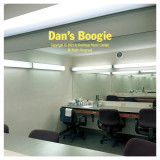
DESTROYER - DAN'S BOOGIE

Destroyer

DAN'S BOOGIE

12inchMRGLP869
Merge
28.03.2025
  • The Same Thing As Nothing At All
  • Hydroplaning Off The Edge Of The World
  • The Ignoramus Of Love
  • Dan's Boogie
  • Bologna
  • I Materialize
  • Sun Meet Snow
  • Cataract Time
  • Travel Light

Was ist ein "Boogie"? In der Umgangssprache ist es ein Tanz oder eine Gelegenheit zum Tanzen. Da es sich hier um ein Destroyer-Album handelt und nicht um den allgemeinen Sprachgebrauch, sind die Implikationen eines Titels wie "Dan's Boogie" verführerischer und gefährlicher zugleich. "Ein Boogie ist ein Täuschungsmanöver, ein Betrug, der nicht ganz funktioniert, die Bewegungen, die wir machen, wenn wir damit konfrontiert werden", erklärt Dan Bejar. "Ich denke an Spionage, Doppelagenten, die mit einem offenen Auge schlafen und die Ausgänge im Auge behalten. Aber ich denke auch an kleine Siege und Niederlagen auf der Straße und an Improvisation". Um "Dan's Boogie" aufzunehmen, musste Bejar eine Reihe von gewollten und ungewollten Hindernissen überwinden, um die Songs zu schreiben. Die Monate nach der Fertigstellung von "LABYRINTHITIS" wurden zu einem Jahr und dann zu zwei Jahren, in denen Bejar sich selbst den Neujahrsvorsatz gab, jeden Tag eine Stunde lang Klavier zu spielen. Das hat ungefähr vier Tage gedauert, aber die Songs, die Bejar als Ergebnis dieses Vorsatzes bezeichnet - darunter "Cataract Time", "Hydroplaning Off the Edge of the World", "Bologna" und "Dan's Boogie" - sind allesamt Destroyer-Songs aus dem breiten Spektrum, das Bejar und seine Mitstreiter für sich selbst geschaffen haben: Spektakuläre Pop-Epen, persönliche Piano-Balladen und schwelende Stimmungsbilder, die die Grenzen zwischen Song, Roman und Kino verschwimmen lassen, jedes voll von der Dringlichkeit eines Staatsgeheimnisses im Kopf eines gequälten Spions. Die Leadsingle "Bologna" ist der radikalste Rahmen für diese Energie, denn es ist das erste Mal, dass Bejar einen Song schreibt, in dem er sich selbst als Nebenfigur vorstellt. In der Hauptrolle ist Simone Schmidt von Fiver zu hören, deren Stimme - hart und ausdrucksstark, durchdringend durch die Düsternis der Szene - ein Sirenengesang ist, der das ganze Album durchdringt. Die Schwere ihrer Stimme ordnet "Dan's Boogie" um ein Gefühl des drohenden Untergangs herum, so wie das Versprechen einer Fatale auf das Ungewöhnliche und Ekstatische die Hauptfigur eines erotischen Thrillers zum Verhängnis wird. "Hydroplaning Off the Edge of the World" ist ein köstlicher Widerspruch, ein schwungvoller Song, der aus der Verwüstung entstand, die Bejar absichtlich mit sich selbst anrichtete. "We are now entering a new phase", intoniert Bejar und führt Schichten von Gitarren und Synthesizern ein, die die Palette erheblich verdunkeln, während er zwischen Gesang und Sprache wechselt. Der Nebel, der Bejar umgibt, wird durch die Reibung zwischen konkurrierenden Wahrheiten und Geschmäckern erhellt, etwa wenn sein Interesse an jazzigen Balladen auf das Interesse des Produzenten und Bassisten John Collins an Bands wie Led Zeppelin und Scritti Politti trifft. Als Bejar Collins erzählte, dass er an Sammy Davis Jr. dachte, entstand der Titeltrack, in dem Bejar mit fast wahnhafter Freude einen Rat Pack-Swagger vor einer verträumten Klangkulisse aus schwebenden Gitarren, üppigen Bläsern, Jazz-Drumming, spacigen Synthesizern und - vielleicht am ehesten dem Selbstverständnis Bejars entsprechend - einem klimpernden Lounge-Piano annahm. Das Herzstück von "Dan's Boogie" ist vielleicht "Cataract Time", ein achtminütiges Epos, das zu den schwersten Texten gehört, die Bejar je geschrieben hat, und eine der musikalisch komplexesten Kompositionen von Destroyer ist. Getragen von einem lässigen Groove, sind Bejars Texte verklärt, ihre Melancholie schmeckt fast widersinnig nach Hoffnung. Es ist ein intimer Song, der Destroyers übliches urbanes Fabel-Milieu gegen eine erfrischende Innerlichkeit eintauscht, aber sein beschwingter Groove lässt eine Zukunft erahnen, der Bejar und seine Band entgegenfiebern. Wo frühere Destroyer-Alben mit der Welt kämpften, tanzt "Dan's Boogie" mit ihr, und seine neun Träumereien verschmelzen zu einem einzigen langen Treiben. Dan Bejar mag die Ausgänge im Auge haben, aber er wird nicht so bald abreisen.


e 5 BOLOGNA [FEAT. FIVER]

pre-order now28.03.2025

expected to be published on 28.03.2025

DESTROYER - DAN'S BOOGIE

Destroyer

DAN'S BOOGIE

12inchMRGLPC1869
Merge
28.03.2025

Was ist ein "Boogie"? In der Umgangssprache ist es ein Tanz oder eine Gelegenheit zum Tanzen. Da es sich hier um ein Destroyer-Album handelt und nicht um den allgemeinen Sprachgebrauch, sind die Implikationen eines Titels wie "Dan's Boogie" verführerischer und gefährlicher zugleich. "Ein Boogie ist ein Täuschungsmanöver, ein Betrug, der nicht ganz funktioniert, die Bewegungen, die wir machen, wenn wir damit konfrontiert werden", erklärt Dan Bejar. "Ich denke an Spionage, Doppelagenten, die mit einem offenen Auge schlafen und die Ausgänge im Auge behalten. Aber ich denke auch an kleine Siege und Niederlagen auf der Straße und an Improvisation". Um "Dan's Boogie" aufzunehmen, musste Bejar eine Reihe von gewollten und ungewollten Hindernissen überwinden, um die Songs zu schreiben. Die Monate nach der Fertigstellung von "LABYRINTHITIS" wurden zu einem Jahr und dann zu zwei Jahren, in denen Bejar sich selbst den Neujahrsvorsatz gab, jeden Tag eine Stunde lang Klavier zu spielen. Das hat ungefähr vier Tage gedauert, aber die Songs, die Bejar als Ergebnis dieses Vorsatzes bezeichnet - darunter "Cataract Time", "Hydroplaning Off the Edge of the World", "Bologna" und "Dan's Boogie" - sind allesamt Destroyer-Songs aus dem breiten Spektrum, das Bejar und seine Mitstreiter für sich selbst geschaffen haben: Spektakuläre Pop-Epen, persönliche Piano-Balladen und schwelende Stimmungsbilder, die die Grenzen zwischen Song, Roman und Kino verschwimmen lassen, jedes voll von der Dringlichkeit eines Staatsgeheimnisses im Kopf eines gequälten Spions. Die Leadsingle "Bologna" ist der radikalste Rahmen für diese Energie, denn es ist das erste Mal, dass Bejar einen Song schreibt, in dem er sich selbst als Nebenfigur vorstellt. In der Hauptrolle ist Simone Schmidt von Fiver zu hören, deren Stimme - hart und ausdrucksstark, durchdringend durch die Düsternis der Szene - ein Sirenengesang ist, der das ganze Album durchdringt. Die Schwere ihrer Stimme ordnet "Dan's Boogie" um ein Gefühl des drohenden Untergangs herum, so wie das Versprechen einer Fatale auf das Ungewöhnliche und Ekstatische die Hauptfigur eines erotischen Thrillers zum Verhängnis wird. "Hydroplaning Off the Edge of the World" ist ein köstlicher Widerspruch, ein schwungvoller Song, der aus der Verwüstung entstand, die Bejar absichtlich mit sich selbst anrichtete. "We are now entering a new phase", intoniert Bejar und führt Schichten von Gitarren und Synthesizern ein, die die Palette erheblich verdunkeln, während er zwischen Gesang und Sprache wechselt. Der Nebel, der Bejar umgibt, wird durch die Reibung zwischen konkurrierenden Wahrheiten und Geschmäckern erhellt, etwa wenn sein Interesse an jazzigen Balladen auf das Interesse des Produzenten und Bassisten John Collins an Bands wie Led Zeppelin und Scritti Politti trifft. Als Bejar Collins erzählte, dass er an Sammy Davis Jr. dachte, entstand der Titeltrack, in dem Bejar mit fast wahnhafter Freude einen Rat Pack-Swagger vor einer verträumten Klangkulisse aus schwebenden Gitarren, üppigen Bläsern, Jazz-Drumming, spacigen Synthesizern und - vielleicht am ehesten dem Selbstverständnis Bejars entsprechend - einem klimpernden Lounge-Piano annahm. Das Herzstück von "Dan's Boogie" ist vielleicht "Cataract Time", ein achtminütiges Epos, das zu den schwersten Texten gehört, die Bejar je geschrieben hat, und eine der musikalisch komplexesten Kompositionen von Destroyer ist. Getragen von einem lässigen Groove, sind Bejars Texte verklärt, ihre Melancholie schmeckt fast widersinnig nach Hoffnung. Es ist ein intimer Song, der Destroyers übliches urbanes Fabel-Milieu gegen eine erfrischende Innerlichkeit eintauscht, aber sein beschwingter Groove lässt eine Zukunft erahnen, der Bejar und seine Band entgegenfiebern. Wo frühere Destroyer-Alben mit der Welt kämpften, tanzt "Dan's Boogie" mit ihr, und seine neun Träumereien verschmelzen zu einem einzigen langen Treiben. Dan Bejar mag die Ausgänge im Auge haben, aber er wird nicht so bald abreisen.

pre-order now28.03.2025

expected to be published on 28.03.2025

ZOMBIE ZOMBIE - FUNK KRAUT
  • No Cruise Control
  • Densite
  • Jungle The Jungle
  • Helix
  • Aurillac Accident
  • Double Z
  • Dodorian
  • Funk Kraut
  • Snare Attack
  • Magnavox Odyssey

Some record crates deserve a sub-category called 'play it again, Sam'. tracks that spin on the turntables without a push. Funk Kraut, Zombie Zombie's second LP on Born Bad, is of this kind. This well-proportioned classic is a fine example of the style the trio has been embodying: instrumental for synths and drums music played live. This time it was a quick affair, recorded by Laurent Deboisgisson in the studio of Cheveu's singer. A pretty straightforward job, and a far cry from their previous concept album. Let us praise Krikor Kouchian's mix: drums have been resampled with some restraint, and that Linn Drum kick lightens up the overall mix. It marks a notable evolution in the band's sound, and adds some dynamic. The album kicks off with 'No cruise control', a big bad sedan that effortlessly eats up the distance at 120 BPM. Kraut as can be, with a twist. And as far as funk goes, it's not Bootsy Collins, but there's a whiff. Space is structured by synth patterns, for optimized drumming : forward, straight and fluid, top-notch suspension (Cosmic Neman / Dr Scho?nberg take care of business on drums). They treat themselves to a diversion via Darmstadt to take some musique concrete on board : mechanical birds chirp, the odd atonal piano here and there. Nerds will appreciate liner notes detailing the equipment used : about twenty synths and they still describe it as minimal. With 'Densite?', we've just passed a polyphonic milestone: outright chords ! Long, suspended pads, pierced only by fat claps. Clapping hands are not far off. The band shows it has mastered concise pop formats. That same vibe can be found in 'Jungle the Jungle', paradoxical tune, catchy and moody at once. You'll get some brass riffs in 'Helix', which takes off on a synth moving from one speaker to another to herald the crash of syncopated drums to come.Zombie Zombie sounds ready to write themes for niche TV series.'Aurillac Accident' documents a haphazard soundcheck which, once in the studio, became a bitter ballad, breaking apart into dubby gravy. Live with two drummers performing, this aspect showcases in 'Snare Attack' and 'Double Z', with its jogging hi-hats and creepy little toy piano motifs. Cardio levels are high on 'Dodorian', perfect track for depraved spinning classes, with its moving filter, disco arpeggios and flashes of synthetic brass. 'Magnavox Odyssey', a nostalgic but bouncy synth lasagna, brings this album to a majestic close. The cover by Dddixie sets the tone with its 'Motorik Vibes & Stereo Grooves' sticker. Motorik, absolutely, it's autobahn time for 45 minutes. And when it comes to stereo grooving, the acoustic image is as wide as the canyons of Mars. DO NOT MISS THIS ALBUM (or the previous Vae Vobis)!

pre-order now28.03.2025

expected to be published on 28.03.2025

Ziemowit Klimek - What Is My Heart Now

180g black vinyl - limited to 200 numbered copies.

"What is my heart now"is the debut solo album by Ziemowit Klimek, known so far from bands such as Immortal Onion, Hania Rani, and Magda Kuraś Quintet. It is a cycle of five improvised compositions – "What," "Is," "My," "Heart," and "Now" – unified by a unique artistic concept, with each piece created in collaboration with a different musician.

The creative process for each of the five duets began with a conversation between Ziemowit, the guest artist, and the video team. Deconstructing the title word into its fundamental elements through questions like "What does 'What' mean? What emotions and associations does this word evoke in us? How can we capture its essence in sound and image?" became the starting point for artistic exploration.

To preserve the authenticity of the material as much as possible, both sound and image were recorded live, with no cuts or post-production editing. Equally important was the choice of spaces that corresponded to the meaning of each title word. Instead of sterile studios, the recordings took place in a variety of unique locations – "Heart" was captured in Ziemowit's most personal space, his bedroom, while "Now" was recorded inside a car during a dynamic drive, where the physical forces acting on the musicians significantly influenced their decisions while playing.

The album resonates with dialogue – not only musical but also emotional and intellectual. It is a meeting of individualities who, for Ziemowit, are not only inspirations as artists but also significant people in his life."What is my heart now"is an album about defining one's identity and capturing the moment, created in an atmosphere of honesty and trust. Ultimately, the question arises: is it even possible to definitively answer the question posed in the album's title?

"What Is My Heart Now"

Ziemowit Klimek (Double bass, Bass, Piano, Moog)

feat.

Krzysztof Hadrych - Guitar

Michał Jan Ciesielski - Saxophon, Volca

Hania Rani - Piano

Mikołaj Kostka - Violin

Jacek Prościński - Drums

pre-order now28.03.2025

expected to be published on 28.03.2025

Theo Parrish - Overyohead

2025 Repress

Don't let this one go over yo head son! The final repress from Sound Signature HQ is an essential slab of late 90s Motor City deepness from Theo, presented once again for contemporary reassessment and sounding every bit as jaw dropping 14 years on. Dropping back in 1999, title cut "Overyohead" came to be regarded as a quintessential Theo Parrish track; strings incandescent with soul and lovingly off centre Rhodes riding those heavy drum arrangements towards a sweet piano infused crescendo. Face down, "Dance Of The Drunken Drums" is a prime example of Theo's own distinct brand of cavernous beatdown.

out of Stock

Order now and we will order the item for you at our supplier.


Last In: 9 months ago
Hydroplane - Hydroplane LP

2025 Repress

"Hydroplane reinstate their formidable 1997 debut of sublime guitar atmospherics, fragile lyricism and droning incidentals with an overdue vinyl and digital reissue.

An offshoot of the now-féted The Cat’s Miaow, the trio formed after drummer Cameron Smith decamped to London, charting new territory with tape loops, manipulated samples and a borrowed Jupiter 4 in the wake of Endtroducing. Adopting a handle that Dean Wareham once considered calling Luna, Hydroplane intended to only ever release Excerpts From Forthcoming LP, a single-sided 7” sonic collage, before imploding in mystery. Their label however insisted they deliver their taunted album. From the comfort of a Brunswick flat, they continued to record soaring melodies and restrained song structures to 4-track, sculpting dramatic Radiophonic Workshop cues weighted in reverb and near-perfect dream pop lead by Kerrie Bolton’s empyrean vocals.

Bored of industry expectation and largely ignored by local audiences, the reluctant performers followed the way of The Cannanes and formed meaningful overseas alliances by mail and phone, securing releases on Michigan outpost Drive-In and Broadcast launching pad Wurlitzer Jukebox. Championed by John Peel with twenty spins on his converted Radio One slot and even polling in Festive Fifty of 1997, the humble three-piece still walked to their neighbourhood shops undetected.

out of Stock

Order now and we will order the item for you at our supplier.


Last In: 3 months ago
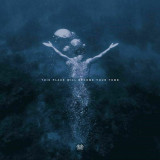
Sleep Token - This Place Will Become Your Tomb LP 2x12"
  • A1: Atlantic
  • A2: Hypnosis
  • A3: Mine
  • B1: Like That
  • B2: The Love You Want
  • B3: Fall For Me
  • C1: Alkaline
  • C2: Distraction
  • C3: Descending
  • D1: Telomeres
  • D2: High Water
  • D3: Missing Limbs

Unter dem Banner Sleep Token verbirgt sich die einzigartige, breit gefächerte Vision eines Einzelnen - anonym, schweigend, maskiert und bewaffnet mit einem atemberaubenden Stimmumfang, einem geschickten Händchen an den Keyboards und einem Live-Ansatz, der nie weniger als voll engagiert ist. Die britischen Metal-Shootingstars Sleep Token. Sleep Token begannen, alle zwei Wochen Songs zu veröffentlichen. Jeder Track hatte sein eigenes Emblem und führte das Sleep Token-Universum auf dem Debütalbum 'Sundowning' ein. Das zweite Album 'This Place Will Become Your Tomb' ist jetzt auf schwarzem Doppel-Vinyl erhältlich.

pre-order now28.03.2025

expected to be published on 28.03.2025

Great White - Steelheart LP
  • A1: Love Ain't Easy
  • A2: Can't Stop Me Lovin' You
  • A3: Like Never Before
  • A4: I'll Never Let You Go
  • A5: Everybody Loves Eileen
  • B1: Sheila
  • B2: Gimme Gimme
  • B3: Rock 'N Roll (I Just Wanna)
  • B4: She's Gone

Tauche ein in die Glam-Metal-Magie von Steelhearts Debütalbum aus 1990 - jetzt als Neuauflage auf schwarzem Vinyl, mit zeitlosen Hits wie der Ballade 'I’ll Never Let You Go', dem energiegeladenen 'Everybody Loves Eileen' und dem Hymnenklassiker 'Rock 'N Roll (I Just Wanna)'.

pre-order now28.03.2025

expected to be published on 28.03.2025

SPELLLING - PORTRAIT OF MY HEART LP
  • 01: Portrait Of My Heart
  • 02: Keep It Alive
  • 03: Alibi
  • 04: Waterfall
  • 05: Destiny Arrives
  • 06: Ammunition
  • 07: Mount Analogue
  • 08: Drain
  • 09: Satisfaction
  • 10: Love Ray Eyes
  • 11: Sometimes

Auf dem vierten Album von Chrystia Cabral als SPELLLING verwandelt die Künstlerin aus der Bay Area ihr gefeiertes Avant-Pop-Projekt in einen Spiegel. Cabrals Texte auf „Portrait of My Heart“ befassen sich mit Liebe, Intimität, Angst und Entfremdung und tauschen den allegorischen Ansatz vieler ihrer früheren Werke gegen einen Blick in ihr menschliches Herz. Die thematische Unverblümtheit des Albums spiegelt sich in den Arrangements wider und macht es zum bisher schärfsten und direktesten SPELLLING-Album. Vom düsteren Minimalismus ihrer frühesten Musik über den üppig orchestrierten Prog-Pop von „The Turning Wheel“ aus dem Jahr 2021 bis hin zu diesem neuen energiegeladenen Ausdruck ihres kreativen Geistes hat Cabral immer wieder bewiesen, dass SPELLLING alles sein kann, was sie braucht. Der Titeltrack mit seinem treibenden Drum-Groove und dem hymnischen Refrain von „I don't belong here“ ist die stärkste Verkörperung der Hinwendung des Albums zu emotionaler Direktheit. Sobald sich die Hauptmelodie herauskristallisiert hatte, nutzte Cabral den Song als Werkzeug, um ihre Ängste als Performerin zu verarbeiten, und entschied sich für eine straffere, rockigere Komposition. Diese Transformation spiegelt die allgemeine Verlagerung des Albums in Richtung Energie und Unmittelbarkeit wider, die von der Kernband Wyatt Overson (Gitarre), Patrick Shelley (Schlagzeug) und Giulio Xavier Cetto (Bass) vorangetrieben wird, deren Zusammenarbeit neue Konturen des SPELLLING-Sounds offenbart. Cabral schreibt und demontiert immer noch alleine, aber die Präsentation der Songs für „Portrait of My Heart“ vor ihren Bandkollegen hat ihr geholfen, die späteren lebendigen, organischen Formen zu entdecken. Das gilt auch für die Zusammenarbeit mit einem Produzententrio: Drew Vandenberg, der Tontechniker von „The Turning Wheel“, Rob Bisel, der mit SZA zusammenarbeitet, und Psymun, der Produzent von Yves Tumor. Wichtige Gastbeiträge prägen das Album zusätzlich. Chaz Bear (Toro y Moi) liefert SPELLLINGs erstes Duett auf „Mount Analogue“, Turnstile-Gitarrist Pat McCrory verwandelt Cabrals ursprüngliches Piano-Demo für „Alibi“ in die knackige, rifflastige Version, die auf dem Album zu hören ist, während Braxton Marcellous von Zulu „Drain“ seine schlammige Wucht verleiht. Diese Teile fügen sich nicht nur nahtlos in das Album ein, sie fühlen sich wie ein integraler Bestandteil seines Universums an. Letztendlich ist Portrait of My Heart jedoch niemandes Platte, sondern die von Cabral. Sie zieht furchtlos den Vorhang über Teile ihrer selbst zurück, die sie in SPELLLING noch nie gezeigt hat - ihre Gefühle als Außenseiterin, ihre übermäßig vorsichtige Art, die Art und Weise, wie sie sich rücksichtslos in intime Beziehungen stürzen kann, um sie dann genauso schnell wieder abzubrechen. „Es ist wie ein offenes Tagebuch all dieser Empfindungen“, sagt sie.

pre-order now28.03.2025

expected to be published on 28.03.2025

SPELLLING - PORTRAIT OF MY HEART LP

Auf dem vierten Album von Chrystia Cabral als SPELLLING verwandelt die Künstlerin aus der Bay Area ihr gefeiertes Avant-Pop-Projekt in einen Spiegel. Cabrals Texte auf „Portrait of My Heart“ befassen sich mit Liebe, Intimität, Angst und Entfremdung und tauschen den allegorischen Ansatz vieler ihrer früheren Werke gegen einen Blick in ihr menschliches Herz. Die thematische Unverblümtheit des Albums spiegelt sich in den Arrangements wider und macht es zum bisher schärfsten und direktesten SPELLLING-Album. Vom düsteren Minimalismus ihrer frühesten Musik über den üppig orchestrierten Prog-Pop von „The Turning Wheel“ aus dem Jahr 2021 bis hin zu diesem neuen energiegeladenen Ausdruck ihres kreativen Geistes hat Cabral immer wieder bewiesen, dass SPELLLING alles sein kann, was sie braucht. Der Titeltrack mit seinem treibenden Drum-Groove und dem hymnischen Refrain von „I don't belong here“ ist die stärkste Verkörperung der Hinwendung des Albums zu emotionaler Direktheit. Sobald sich die Hauptmelodie herauskristallisiert hatte, nutzte Cabral den Song als Werkzeug, um ihre Ängste als Performerin zu verarbeiten, und entschied sich für eine straffere, rockigere Komposition. Diese Transformation spiegelt die allgemeine Verlagerung des Albums in Richtung Energie und Unmittelbarkeit wider, die von der Kernband Wyatt Overson (Gitarre), Patrick Shelley (Schlagzeug) und Giulio Xavier Cetto (Bass) vorangetrieben wird, deren Zusammenarbeit neue Konturen des SPELLLING-Sounds offenbart. Cabral schreibt und demontiert immer noch alleine, aber die Präsentation der Songs für „Portrait of My Heart“ vor ihren Bandkollegen hat ihr geholfen, die späteren lebendigen, organischen Formen zu entdecken. Das gilt auch für die Zusammenarbeit mit einem Produzententrio: Drew Vandenberg, der Tontechniker von „The Turning Wheel“, Rob Bisel, der mit SZA zusammenarbeitet, und Psymun, der Produzent von Yves Tumor. Wichtige Gastbeiträge prägen das Album zusätzlich. Chaz Bear (Toro y Moi) liefert SPELLLINGs erstes Duett auf „Mount Analogue“, Turnstile-Gitarrist Pat McCrory verwandelt Cabrals ursprüngliches Piano-Demo für „Alibi“ in die knackige, rifflastige Version, die auf dem Album zu hören ist, während Braxton Marcellous von Zulu „Drain“ seine schlammige Wucht verleiht. Diese Teile fügen sich nicht nur nahtlos in das Album ein, sie fühlen sich wie ein integraler Bestandteil seines Universums an. Letztendlich ist Portrait of My Heart jedoch niemandes Platte, sondern die von Cabral. Sie zieht furchtlos den Vorhang über Teile ihrer selbst zurück, die sie in SPELLLING noch nie gezeigt hat - ihre Gefühle als Außenseiterin, ihre übermäßig vorsichtige Art, die Art und Weise, wie sie sich rücksichtslos in intime Beziehungen stürzen kann, um sie dann genauso schnell wieder abzubrechen. „Es ist wie ein offenes Tagebuch all dieser Empfindungen“, sagt sie.

pre-order now28.03.2025

expected to be published on 28.03.2025

SPELLLING - PORTRAIT OF MY HEART LP

On Chrystia Cabral's fourth album as SPELLLING, the Bay Area artist transforms her acclaimed avant-pop project into a mirror. Cabral's lyrics for Portrait of My Heart tackle love, intimacy, anxiety, and alienation, trading the allegorical approach of much of her previous work for something pointed into her human heart. The album's thematic forthrightness is echoed in its arrangements, making it the sharpest, most direct SPELLLING album to date. From the dark minimalism of her earliest music to the lavishly orchestrated prog-pop of 2021's The Turning Wheel to this newly energetic expression of her creative spirit, Cabral has proved again and again that SPELLLING can be whatever she needs it to be. The title track, with its propulsive drum groove and anthemic chorus of "I don't belong here," is the most potent embodiment of the album's turn toward emotional directness. Once the main melody emerged, Cabral used the song as a tool to process her anxiety as a performer and opted for a tighter, more rock-oriented composition. This transformation mirrors the album's broader shift toward energy and immediacy, driven by the core band of Wyatt Overson (guitar), Patrick Shelley (drums), and Giulio Xavier Cetto (bass), whose collaboration uncovers new contours of the SPELLLING sound. Cabral still writes and demos in isolation, but presenting the songs for Portrait of My Heart to her bandmates helped her discover their eventual lively, organic forms. So did working with a trio of producers_The Turning Wheel mixing engineer Drew Vandenberg, SZA collaborator Rob Bisel, and Yves Tumor producer Psymun. Key guest contributions further shape the album. Chaz Bear (Toro y Moi) delivers SPELLLING's first duet on "Mount Analogue," Turnstile guitarist Pat McCrory turns Cabral's original piano demo for "Alibi" into the crunchy, riff-y version that appears on the record, while Zulu's Braxton Marcellous gives "Drain" its sludgy heft. These parts aren't just incorporated seamlessly into the album; they feel like an integral part of its universe. Ultimately, though, Portrait of My Heart is nobody's record but Cabral's. She fearlessly draws the curtain back on parts of herself that she's never included in SPELLLING before_her feelings of being an outsider, her overly guarded nature, the way she can throw herself recklessly into intimate relationships and then cool on them just as quickly. "It's very much an open diary of all those sensations," she says.

pre-order now28.03.2025

expected to be published on 28.03.2025

Kapote - Para Mytho Disco  LP 2x12"

Toy Tonics Music Berlin presents "Para Mytho Disco". The 2nd "Kapote" album of label founder and creative director Mathias Modica.
Keyboarder, DJ, producer, music nerd, graphic designer, multi-instrumentalist, sub-culture impressario and artist (formerly known as Munk of Gomma records.)

Kapote & Toy Tonics
In the last years Kapote was in the spotlight mainly for building the Toy Tonics label with his friends. Developing a platform for new positive quality dance music with a human touch. Toy Tonics is the opposite of the dark, druggy Techno and Trance sounds of the last years.
The warm inclusive music of Toy Tonics represents a new vibe that a young generation of diverse, stylish and culturally intersted generation of dancers loves now. Kapote's Toy Tonics became the key label for that vibe. (In 2024 Toy Tonics made 150 Toy Tonics events in 18 countries. With more than 150.000 people dancing. 90 millions streams on their music.)
Toy Tonics is more than a music label: It's a audio - visual universe. A community, almost a movement.
Based on a new positive attitude and aesthetic diversity. Mixing musicianship with DJ culture, analogue music with electronic, ideas from the past with sounds from now. To create something new. Connecting dance music with graphic design, art and underground fashion.
Kapote and his gang release vinyl, posters, shirts, art fanzines and make exhibitions and partys.

Toy Tonics started in Berlin as a underground niche project. But now became the key label of the new house, wild style disco and organic dance music scene.
Probably one of Berlin's biggest electronic music phenomena along with Keinemusik and Live from Earth.

It went fast: 2020 Kapote's crew started to make small parties in Berlin's off spaces. The "Toy Tonics Jams". The parties became "talk of the town", and Berlin clubs like Griesmühle and Panorama Bar invited the crew. Then international clubs and festival called. Toy Tonics were invited to SONAR (playing the mainstage with Kaytranada and DJ Tennis), KALA festival, Montreux Jazz festival.
Now TT has a residency at Panorama Bar Berlin and sold out events in Europe leading clubs like Phonox in London, Rex Club in Paris, Tunnel in Milan.
Toy Tonics now is the reference brand of a new generation of music loving dancers. Similar to Gomma records, Kapote's former label (2003 - 2015) that was one of the key labels of the "indie dance" scene of the Y2K years (along with DFA and Output Records).

Kapote created a multi-cultural movement with graphic designers, photographers, illustrators from the Berlin scene.
They publish the Toy Tonics Pocket Poster magazine, posters and design shirts. They organize the Toy Tonics Pop Up Galleries mixing music and art. In underground venues in Berlin and in new gallery spaces and museums around Europe.
Toy Tonics has been invited by Palais de Tokio museum in Paris, Triennale Museum Berlin, Design week Milano to create events.
The new Kapote album
The 12 tracks have a very own style. Based on dance music, but going much further. "Para Mytho Disco' is a futuristic mix of sounds. It's far away from the dark monotone techno and trance music from Kapote's hometown Berlin. Instead, he creates warm friendly atmospheres full of sonic colours and little musical surprises.
Kapote's knowlege of music history and his backround as a jazz piano student and son of classic music composer is clearly inside this music. Before turning into a DJ and electronic music producer he has been playing in bands since he was 13 years old.
The album is full of emotional chord progressions played by Kapote on various keyboards. Sometimes reminding music from the past, without being retro at all. The basslines and melodies are inspired by jazz fusion from the 1970ies. And he programmed syncopated grooves that come from afro-american dance music. There are influences from Japanese electronic music (Yellow Magic Orchestra), from 1980s Synthwave and from 1990s electronica (like Squarepusher and Luke Vibert).

Kapote plays keys, bass, flutes and percussions, he plays synth solos and sings on a few tracks. The complexity of the arrangements makes this music never boring. Lot of melodies and solos that catch the listener. Colourful soundscapes that make you want to listen or dance to this album more, and discover details also after you heard it several times.

Kapote background

Before starting Toy Tonics, Kapote used to run a label called Gomma. He produced four albums under the name Munk and music for other artists.
He produced music with Peaches, Franz Ferdinand founder Nick McCarthy, with New York street art legend The Rammellzee, Italian actress Asia Argento, the first three albums of WhoMadeWho and worked with LCD Soundsystem (listen to "Kick out the chairs", the Munk song with James Murphy )
In those "Gomma days" Kapote aka Munk was also one of the main DJs for VICE magazine parties and made music for art projects and fashion brands (Margiela, Prada, Colette).
In 2015 he stopped Munk and Gomma and started Toy Tonics. He found young producers and helped to develop their sound (Coeo, Cody Currie, Gee Lane, Barbara Boeing, Sam Ruffillo). Later he founded the sublabel Kryptox to release music by Berlin based bands that make new forms of jazz or neo classical sounds.

Under the name Kapote Mathias didnt release much:
Only his Kapote debut album "What it is" (2019) and an EP called "Electric Slide" (2022) and a collabo EP with Italian producer Sam Ruffillo ("Robot Salsa").

An although his Munk and Kapote music was an underground phenomena his music has always been a favourite of many great people from the scene.
Supported by DJs like Harvey, Chromeo, Moodymann, Jennifer Cardini, Gerd Janson, MYD, Andrew Weatherall to Blessed Madonna, Justice and Laurent Garnier… to name just a few.

out of Stock

Order now and we will order the item for you at our supplier.


Last In: 8 months ago
VEGA TRAILS - SIERRA TRACKS LP 2x12"
also available

SPECIAL EDITION


Inspired by the foothills of the Sierra de Guadarrama mountains north-west of Madrid, his home since August 2022, Milo Fitzpatrick presents "Sierra Tracks" the new album from his expansive, cinematic, chamber-jazz project Vega Trails. Having cut 2022"s beautifully resonant debut album "Tremors in the Static" as a duo, alongside saxophonist Jordan Smart (Mammal Hands and Sunda Arc), Milo now substantially expands upon that blueprint with his follow-up, "Sierra Tracks", which, as the title suggests, was conceived at his new home in central Spain and adds piano, vibraphone and strings to the mix. The beautiful Spanish countryside offered inspiration too.

pre-order now28.03.2025

expected to be published on 28.03.2025

VEGA TRAILS - SIERRA TRACKS LP 2x12"

Containing a ltd 12" 300gsm artwork print! Inspired by the foothills of the Sierra de Guadarrama mountains north-west of Madrid, his home since August 2022, Milo Fitzpatrick presents "Sierra Tracks" the new album from his expansive, cinematic, chamber-jazz project Vega Trails. Having cut 2022"s beautifully resonant debut album "Tremors in the Static" as a duo, alongside saxophonist Jordan Smart (Mammal Hands and Sunda Arc), Milo now substantially expands upon that blueprint with his follow-up, "Sierra Tracks", which, as the title suggests, was conceived at his new home in central Spain and adds piano, vibraphone and strings to the mix. The beautiful Spanish countryside offered inspiration too.

out of Stock

Order now and we will order the item for you at our supplier.


Last In: 12 months ago
Georges Delerue - L'été Meurtrier
  • A1: Lello Et Son Piano
  • A2: Le Samedi Soir
  • A3: Elle
  • A4: Pin Pon Console Elle
  • A5: Nue Dans La Grange
  • A6: L Enfance
  • A7: Les Souvenirs De Cognata
  • A8: Chez L Ophtalmo
  • A9: Elle Pleure
  • B1: Le Viol
  • B2: Apres Le Viol
  • B3: La Course Cycliste
  • B4: Elle Malade
  • B5: Gabriel Et Elle
  • B6: La Determination
  • B7: L Hopital Et La Mort
  • B8: Chez Ferraldo

L'Été meurtrier is a French drama film directed by Jean Becker, based on the novel of the same name by Sébastien Japrisot, released in 1983. The film was a box office success and won four César Awards, including Best Screenplay and Best Actress. Georges Delerue composed the music for this drama by Jean Becker, who returned to directing 17 years after Tendre voyou.

pre-order now28.03.2025

expected to be published on 28.03.2025

Patricia Kaas - Kabaret

Patricia Kaas

Kabaret

12inchMOVLPT3596
Music On Vinyl
28.03.2025
  • Addicte Aux Heroines
  • La Chance Jamais Ne Dure
  • Le Jour Se Leve
  • Une Derniere Fois
  • Kabaret
  • Faites Entrer Les Clowns
  • Falling In Love Again
  • Pigalle (Interlude)
  • Solo
  • Je T Aime Encore
  • Et S Il Fallait Le Faire
  • Mon Piano Rouge

Patricia Kaas' 2008 album Kabaret is a tribute to the glamorous world of 1930s cabaret, blending elements of French chanson, jazz, and pop. The album features a mix of original songs and covers, all delivered with Kaas' signature smoky vocals and dramatic flair. Standout tracks like "Et s’il fallait le faire" and "Le jour se lève" showcase her emotional depth and ability to evoke nostalgia, while the arrangements bring a modern twist to classic sounds. Inspired by legendary performers like Marlene Dietrich, Kabaret reflects themes of love, passion, and melancholy, all set against a backdrop of sophisticated, retro-inspired melodies. With its cinematic atmosphere and elegant production, Kabaret is a must-listen for fans of Patricia Kaas and lovers of classic French music, offering a timeless journey into the cabaret era. Kabaret is available as a limited edition of 1500 individually numbered copies on turquoise coloured vinyl.

pre-order now28.03.2025

expected to be published on 28.03.2025

Sleep Token - Sundowning LP 2x12"
  • A1: The Night Does Not Belong To God
  • A2: The Offering
  • A3: Levitate
  • B1: Dark Signs
  • B2: Higher
  • B3: Take Aim
  • C1: Give
  • C2: Gods
  • C3: Sugar
  • D1: Say What You Will
  • D2: Drag Me Under
  • D3: Blood Sport

Alle 12 Songs des Sleep Token Debütalbums 'Sundowning' sind sorgfältig aufeinander abgestimmt, verfolgen damit einen emotionalen Faden, setzen gleichzeitig dabei individuelle Meilensteine. 'Sundowning', oder Sundown Syndrom, ist ein neurologisches Phänomen, das mit erhöhter Verwirrung und Unruhe bei Patienten mit Delirium oder einer Form von Demenz verbunden ist. Jetzt auf schwarzem Doppelvinyl.

pre-order now28.03.2025

expected to be published on 28.03.2025

THOMAS TRIO MAREK - FOOTPRINTS

Thomas Trio Marek

FOOTPRINTS

12inchHGBS202231
HGBSBLUE
28.03.2025
  • Searching For An Answer
  • Softly As In The Morning Sunrise / My One And Only Love
  • Movement #1
  • The River Leads To You
  • Movement #2
  • Whisper Not
  • Movement #3
  • Reflections In Your Eyes
  • Movement #4
  • Movement #5
  • Tea For Two

Bei Stepptanz denkt der Musikfreund natürlich zunächst an Gene Kelly und Fred Astaire. Auch wenn nicht mehr so populär wie in der ersten Hälfte des 20. Jahrhunderts, findet der Tapdance nach wie vor in den Shows am Broadway statt. Die perkussive Ausdrucksform mit den schnellen rhythmischen Beinbewegungen ist die Spezialität des Wiener Musiker Thomas Marek, der zu den gefragten Tapdancern in Europa zählt. Der 52jährige Choreograf und Schlagzeuger hat diese Tradition schon vor einigen Jahren aufgegriffen und zeigt seine expressive Tanzkunst in vielen Theatershows. Gemeinsam mit dem Pianisten Patrick Bebelaar und dem Bassisten Jan Roder hat Marek jetzt Tapdance, Perkussion und Schlagzeug im Rahmen einer LP-Aufnahme integriert, die sowohl ausgewählte Jazzstandards, als auch ausdrucksstarke Improvisationen beinhaltet. "Footprints" heißt die im Frühjahr 2024 in Wien aufgenommene Musik, die wir nun im Rahmen unserer Vinyl-Edition als LP präsentieren. Altbekannte Standards wie "Tea For Two" und "Softly As In The Morning Sunrise" sind ebenso zu hören, wie emotional geprägte Balladen von Bebelaar und rhythmisch vielschichtige Improvisationen von Thomas Marek. Entstanden ist mit "Footprints" ein musikalisches Kaleidoskop mit Elementen von Swing bis Free, das von drei erstklassigen Musikern eingespielte wurde. Pianist Bebelaar, hat viele Jahre mit dem Trompeter Herbert Joos und dem französischen Tubisten Michel Godard zusammengearbeitet und ist zudem ein ausdrucksstarker Komponist. Bassist Jan Roder ist fester Bestandteil der Jazzszene Berlin und Bandleader Thomas Marek ist sowohl als Drummer, wie als Tapdancer auf dieser LP zu hören.

pre-order now28.03.2025

expected to be published on 28.03.2025

Branford Marsalis - Belonging LP 2x12"

Neu bei Blue Note Records ist mit Saxofonist Branford Marsalis einer der bedeutendsten Jazzkünstler
unserer Zeit. Neben seinen Alben unter eigenem Namen hat er mit Jazz-Legenden wie Miles Davis und
Dizzy Gillespie gespielt sowie wichtige Pop-Alben mitgeprägt. Speziell seine Zusammenarbeit mit Sting ist
legendär.
Marsalis’ Blue-Note-Debüt „Belonging“ ist nicht nur, wie man es von dem Künstler kennt, ein meisterhaftes Modern-Jazz-Album geworden, sondern auch eine echte Überraschung: zusammen mit seinem
Quartett hat er eine vollständige Neuinterpretation von Keith Jarretts gleichnamigem ECM-Album von
1974 aufgenommen.
„Belonging“ ist Branford Marsalis‘ erste Neuveröffentlichung seit 2019 mit seinem Quartett mit Pianist
Joey Calderazzo, Bassist Eric Revis und Schlagzeuger Justin Faulkner. Die vier Musiker beweisen mit „Belonging“, wie die Auseinandersetzung mit einem bewunderten Werk und die Freiheit des Jazz ein neues,
ebenso eindrucksvolles Werk schaffen können.

pre-order now28.03.2025

expected to be published on 28.03.2025

Thee Sacred Souls - My Heart Is Drowning / Stuck In The Mud 7"
  • A1: My Heart Is Drowning
  • B1: My Heart Is Drowning

Zweite 7inch Auskopplung aus dem hervorragenden Thee Sacred Souls Album "Got A Story To Tell"! Das stimmungsvolle Mid-Tempo-Stück „My Heart is Drowning“ beginnt mit einem ahnungsvollen, echogetränkten Tröpfeln, das sich hinter der Geschichte des Sängers Josh Lae über eine verlassene Geliebte verbirgt, die aufgrund vergangener Fehler in Verzweiflung ertrinkt. Mit seinem grüblerischen Piano und der düsteren Bassline würde dieser Song in klassischen R&B- und Soul-Kreisen gleichermaßen gut ankommen. "Stuck in the Mud“ lehnt sich ebenfalls an einen früheren R&B-Sound an, jedoch mit einem subtilen Hauch von Gospel durch den Call-and-Response-Gesang, der diese wunderbare Komposition durchdringt. Soul Fans dürfen sich freuen!

pre-order now28.03.2025

expected to be published on 28.03.2025

Stefano Bollani & iiro Rantala - Jazz At Berlin Philharmonic XV (LP)

Dem Piano-Duo gelingt es mit dem Feingefühl der Erfahrung das Opernhafte aus der Perspektive der Improvisation zu feiern, ohne es dafür in Frage stellen zu müssen. Die Musiker schwelgen und schmunzeln musikalisch. Sie gönnen sich den Spaß, das Repertoire um Traditionen zu erweitern, die aus der Sicht eines guten Songs eigentlich schon lange dazu gehören. Es ist diese Mischung, die bezaubert. Zwei Humoristen, denen man bei dem Vergnügen zuhören kann, sich gegenseitig musikalisch zu entdecken.

pre-order now28.03.2025

expected to be published on 28.03.2025

Evgeny Grinko - Winter Moonlight/Orange Marmalade
  • Glare Of Us
  • Melting
  • Mr. Squirrel
  • Murmuration
  • Agatha's Letter
  • Evening Bell
  • Zapad Slunce
  • Ticket To The Rome
  • Outro
  • Things From The Past
  • It's Foggy Today
  • On The Waves
  • Velvet Elephant
  • See You Tomorrow
  • Grass, Dew And
  • Marmalade
  • Petrel Bird
  • Velvet Elephant (Band)
  • Tomorrow / Hunter In Love (Live)

The album was conceived as a response to his EP Winter Sunshine. The record, recorded at his home in Istanbul, finds Evgeny in a highly intimate setting. His piano and atmospherics are complemented by his long- time collaborators Iana Chekina (cello) and Pavel Mackevitch (viola, violin). The first notes of "Glare of Us" greet the listener warmly and invite her to relax into a tour through the seasons and different moments of the day.

pre-order now28.03.2025

expected to be published on 28.03.2025

Items per Page:
N/ABPM
Vinyl