Есть у нас в наличии и готов к отправке
Поиск:phase ii
Все
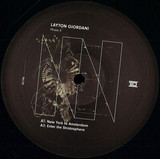
Layton Giordani steps up for his first solo EP of 2018. In terms of pedigrees, it doesn't get finer than Layton Giordani.
The Brooklyn-born DJ/producer followed up his lauded debut album of 2017, with a collaboration with Danny Tenaglia to close out the year and marked the summer of 2018 with a three-way collaboration with Adam Beyer and Green Velvet, 'Space Date'.
The period has been a big one for Layton personally, also. From humble beginnings in his native NYC as an Output resident, to being thrust into the bustle of the European club and festival circuit, he's enjoyed a stint living in Amsterdam, growing and developing over this time. All these experiences have had a fundamental influence on him and his music.
The four-track EP 'Phase II' represents a new chapter for this exciting talent. Beginning with 'New York to Amsterdam', a track that draws inspiration from the Yves Deruyter's classic 'Back To Earth', Layton's work packs a memorable punch as tough acidic undertones and brain scrambling synth effects undulate raising the intensity, making it a perfect opener for Adam Beyer when he played Berghain earlier this year. Following this, 'Enter the Stratosphere' is steely electro-tinged techno paired with atmospheric licks of melody, awhile maintaining the artist's trademark low-end chug. On the B side, 'Body Language' follows, a track written when Layton was scrubbed out of touring for a month courtesy of a shattered elbow from a skating accident. Not wasting the downtime, he's crafted a cut that's sleek, sexy and smart, with a seductive vocal and rousing melodic riff that runs throughout. Closing out the EP, 'Black Mirror', stays true to its dystopic name, a stomping rave cut that pummels dancefloors with a menacing lead synth that's purpose built for the cold months ahead. A classy conclusion to an EP from one of techno's brightest talents.
Есть у нас в наличии и готов к отправке
Jetzt, da die Welt weitgehend aus ihrem Covid-induzierten Stupor erwacht ist, freut sich Per Nilsson darauf, SCAR SYMMETRY vollständig zu reaktivieren und die dramatischen, pulverisierenden Ereignisse von Phase II unter die Leute zu bringen. Getreu ihrem ursprünglichen Masterplan sind diese Könige der himmlischen Metal-Grenze dem Spiel immer noch weit voraus.
Eine Sache, die sofort klar wird, wenn Phase II in Gang kommt, ist, dass dies die brutalste Platte ist, die Scar Symmetry je gemacht haben.
он должен быть опубликован на 09.06.2023
Последний логин: 2026 г. назад
Jetzt, da die Welt weitgehend aus ihrem Covid-induzierten Stupor erwacht ist, freut sich Per Nilsson darauf, SCAR SYMMETRY vollständig zu reaktivieren und die dramatischen, pulverisierenden Ereignisse von Phase II unter die Leute zu bringen. Getreu ihrem ursprünglichen Masterplan sind diese Könige der himmlischen Metal-Grenze dem Spiel immer noch weit voraus.
Eine Sache, die sofort klar wird, wenn Phase II in Gang kommt, ist, dass dies die brutalste Platte ist, die Scar Symmetry je gemacht haben.
он должен быть опубликован на 09.06.2023
Последний логин: 2026 г. назад
- A1: Heliopause (Dbs & Aux 88) - Electro City
- A2: Middle Men - Space Quest Ii (Earth Odyssey)
- A3: Dibu-Z - Remote View
- B1: Kalson - Global Surveyor
- B2: Anthony Rother - Matrix
- B3: Keen K - Cat In Space
- C1: Tekkazula - Enya
- C2: Patronen - Zukunft Flug
- C3: Wilx - Vengonost
- D1: Amper Clap - Desolation (Robyrt Hecht Remix)
- D2: Tyraell - Paleocontact
- D3: C*Nt - Hunter
- E1: Silicon Scally - Machine Bias
- E2: Blake Casimir - At The Outer Sector
- E3: Low Orbit Satellite - Projected Memories
- F1: N-Ter - Agram Sunrise
- F2: Obsolete Robotics Feat. Phil Klein - Walk Alone
- F3: Hardfloor - Diet Starts Monday
- G1: Energy Principle - Tempus Fugit
- G2: Fleck E.s.c. - Phase 4
- G3: Adj - Days Of Light
- H1: Pi-Xl - Disciplinary Action (Remix)
- H2: Rauschenmaschine - Nebulous Spirograph (Subatomic Mix)
- H3: Visonia - Nausicaa
Electro globalisation! The German label Dominance Electricity presents Phase 4 of the Global Surveyor various artist album series (launched in 1998).
Featuring heavy-weights of the international Electro genre such as Anthony Rother, Hardfloor, Silicon Scally aka Carl Finlow and Heliopause (a project of Germany's Dynamik Bass System & Detroit's Keith Tucker of AUX 88) and many more, this carefully selected collection includes a total of 24 productions out of 13 countries / 5 continents ranging between clubbish acid power, deep space cruiser, playful kraftwerkesk melodic downtempo and ambient synth magic.
Закажите сейчас, и мы закажем товар для вас у нашего поставщика.
Последний логин: 19 дн. назад
- 01: Maanitus &Amp; Tšiižik
- 02: Markka
- 03: Melkutus
- 04: Letška
- 05: Kuuen Parin Hoirola
- 06: Brišatka
- 07: Tšiižik
- 08: Kirkonkellot
- 09: Kirkonkellot Korkea
- 10: Hoirola, 3 Parin
- 11: Lippa
- 12: Kyngäkiža
- 13: Ristakondra
- 14: Vanha Polkka
- 15: Viistoista
- 16: Vanha Valssi
- 17: Kiberä
- 18: Maanitus Kuokan Kanteleella
- 19: Tuuti Lasta Nukkumahe
Death Is Not The End present a further volume of Arja Kastinen's eerie amalgamations of 110 year old wax cylinders with her own meticulously transcribed takes, this time focussing in on Armas Otto Väisänen's field recordings of kantele player Iivana Mišukka (b. 1861 d.1919).
"Ivana Mišukka (1861–1919) was one of the Karelian kantele players recorded by the folk music researcher Armas Otto Väisänen on wax cylinders in 1916 and 1917. In the early 20th century, the remote areas of Border Karelia were undergoing the final phase of a transformation in musical culture, with the ancient runo song tradition giving way to newer forms of music. This transition is reflected in Mišukka's repertoire and choice of instrument. The ancient small kantele, hollowed out of a single piece of wood, was already rare at the turn of the century. Mišukka's kantele was a new type of instrument with 26 strings, constructed of several parts, but he played it using the traditional plucking technique. Like other Border Karelian kantele players, his repertoire consisted of music rooted in runosong culture, as well as newer dances and songs from the east and west. Most of the recorded material falls into the latter category.
Ivan Bogdanov Mišukka was born out of wedlock in Suursara village, Suistamo, on 1 May 1861. He began playing the kantele at the age of five or six, quickly mastering the instrument. In adulthood, he was considered one of the area's best master players. Mišukka was landless for most of his life and lived in different parts of the Suistamo parish. His first wife, Tekla Markintytär, died in 1897 at the age of 40, and his second wife, Jevdokia Filipintytär Jeminen, died in 1907 at the age of 50. Seven children were born from the first marriage, two of whom died young. The third wife, Maria Ignatintytär Gurnan (Kuurnanen), was a well-known master of lamentations. Together with Maria, Iivana Mišukka worked as a tenant farmer in the village of Suursara. Mišukka suffered from rheumatism, which prevented him from participating in physical work like Maria. This was apparently partly the reason why Iivana Mišukka went to earn extra money by playing the kantele on gig trips. He often had other traditional artists from Suistamo as his travelling companions, such as the runosingers Konstantin Kuokka and Iivana Onoila. Iivana Mišukka died in Leppäsyrjä village, Suistamo, on 18 May 1919 at the age of 58, and his kantele was donated to Teppana Jänis.
Mišukka only used 14 of the 26 strings on his kantele, playing the same tunes either a fourth higher or lower. He tuned his kantele to the major scale using fifths, except for a low seventh scale degree on the upper strings, but not below the fundamental. Since he did not use the seventh note of the scale on the upper strings at all, he could use the major scale both lower and a fourth higher with this tuning. According to Mišukka, the sound of higher, or 'finer', strings is 'more beautiful', while that of lower ones is 'greater'. Among runosingers, the size of the thirds varied, ranging from major to minor to neutral. A similar phenomenon can be observed in kantele tunings, where the third, sixth and seventh scale degrees vary in a comparable way.
During a meeting, Väisänen suggested that Mišukka play the smaller kantele belonging to Konstantin Kuokka. The idea was to bring it closer to the horn to improve the recording quality. However, the kantele was completely out of tune, and now Mišukka tuned it to the Lydian scale (track 18).
Using the old plucking technique, Mišukka placed his right middle finger on the fundamental tone, his right index finger on the second scale degree, his left middle finger on the third scale degree and his left index finger on the fourth scale degree, and his right thumb on the fifth. The thumb also played the notes above the fifth note of the scale. As Mišukka remarked to Väisänen: 'Peigaloll' tuloo enemb ruadoa' (the thumb has to do more work). However, he did not use the seventh note of the scale on the upper strings at all. Below the fundamental note, he played the seventh and sixth notes of the scale with his right middle finger of and the fifth note of the scale with his right ring finger. This fifth scale degree below the fundamental is almost always used as a drone. Sometimes, when the melody required it, Mišukka, like other players, also varied the fingering. He would also occasionally strike the same string with the side of his fingernail after plucking it.
The wax cylinder recordings of Karelian kantele players are kept in the archives of the Finnish Literature Society in Helsinki, Finland. Copies were made of them onto reel-to-reel tapes in both the 1960s and 1980s. The 1960s copies are mono and the 1980s copies are stereo. However, not all kantele recordings from these decades have survived.
The sound of the kantele is difficult to hear in wax cylinder recordings due to its low volume, and it occasionally becomes completely obscured by noise. During the copying process, the cylinder sometimes rotates unevenly, resulting in breaks or jumps in the music. Additionally, the rotation speed of the cylinder in the copies does not correspond to the performance speed of the original music, which alters the pitch. However, since Väisänen's precise notes are available in the archive, it is possible to deduce the melodies, their speed, and the tuning level of the kantele in the recordings. Of the copies of the original recordings from the 1960s and 1980s, I have selected the one that best met the requirements of this publication and adjusted the speed of the recording to align with Väisänen's notes. To enhance the listening experience, I have replayed the songs, which now partly overlap the old recordings on this release."
— Arja Kastinen
он должен быть опубликован на 27.03.2026
Последний логин: 2026 г. назад
- 01: Maanitus &Amp; Tšiižik
- 02: Markka
- 03: Melkutus
- 04: Letška
- 05: Kuuen Parin Hoirola
- 06: Brišatka
- 07: Tšiižik
- 08: Kirkonkellot
- 09: Kirkonkellot Korkea
- 10: Hoirola, 3 Parin
- 11: Lippa
- 12: Kyngäkiža
- 13: Ristakondra
- 14: Vanha Polkka
- 15: Viistoista
- 16: Vanha Valssi
- 17: Kiberä
- 18: Maanitus Kuokan Kanteleella
- 19: Tuuti Lasta Nukkumahe
Death Is Not The End present a further volume of Arja Kastinen's eerie amalgamations of 110 year old wax cylinders with her own meticulously transcribed takes, this time focussing in on Armas Otto Väisänen's field recordings of kantele player Iivana Mišukka (b. 1861 d.1919).
"Ivana Mišukka (1861–1919) was one of the Karelian kantele players recorded by the folk music researcher Armas Otto Väisänen on wax cylinders in 1916 and 1917. In the early 20th century, the remote areas of Border Karelia were undergoing the final phase of a transformation in musical culture, with the ancient runo song tradition giving way to newer forms of music. This transition is reflected in Mišukka's repertoire and choice of instrument. The ancient small kantele, hollowed out of a single piece of wood, was already rare at the turn of the century. Mišukka's kantele was a new type of instrument with 26 strings, constructed of several parts, but he played it using the traditional plucking technique. Like other Border Karelian kantele players, his repertoire consisted of music rooted in runosong culture, as well as newer dances and songs from the east and west. Most of the recorded material falls into the latter category.
Ivan Bogdanov Mišukka was born out of wedlock in Suursara village, Suistamo, on 1 May 1861. He began playing the kantele at the age of five or six, quickly mastering the instrument. In adulthood, he was considered one of the area's best master players. Mišukka was landless for most of his life and lived in different parts of the Suistamo parish. His first wife, Tekla Markintytär, died in 1897 at the age of 40, and his second wife, Jevdokia Filipintytär Jeminen, died in 1907 at the age of 50. Seven children were born from the first marriage, two of whom died young. The third wife, Maria Ignatintytär Gurnan (Kuurnanen), was a well-known master of lamentations. Together with Maria, Iivana Mišukka worked as a tenant farmer in the village of Suursara. Mišukka suffered from rheumatism, which prevented him from participating in physical work like Maria. This was apparently partly the reason why Iivana Mišukka went to earn extra money by playing the kantele on gig trips. He often had other traditional artists from Suistamo as his travelling companions, such as the runosingers Konstantin Kuokka and Iivana Onoila. Iivana Mišukka died in Leppäsyrjä village, Suistamo, on 18 May 1919 at the age of 58, and his kantele was donated to Teppana Jänis.
Mišukka only used 14 of the 26 strings on his kantele, playing the same tunes either a fourth higher or lower. He tuned his kantele to the major scale using fifths, except for a low seventh scale degree on the upper strings, but not below the fundamental. Since he did not use the seventh note of the scale on the upper strings at all, he could use the major scale both lower and a fourth higher with this tuning. According to Mišukka, the sound of higher, or 'finer', strings is 'more beautiful', while that of lower ones is 'greater'. Among runosingers, the size of the thirds varied, ranging from major to minor to neutral. A similar phenomenon can be observed in kantele tunings, where the third, sixth and seventh scale degrees vary in a comparable way.
During a meeting, Väisänen suggested that Mišukka play the smaller kantele belonging to Konstantin Kuokka. The idea was to bring it closer to the horn to improve the recording quality. However, the kantele was completely out of tune, and now Mišukka tuned it to the Lydian scale (track 18).
Using the old plucking technique, Mišukka placed his right middle finger on the fundamental tone, his right index finger on the second scale degree, his left middle finger on the third scale degree and his left index finger on the fourth scale degree, and his right thumb on the fifth. The thumb also played the notes above the fifth note of the scale. As Mišukka remarked to Väisänen: 'Peigaloll' tuloo enemb ruadoa' (the thumb has to do more work). However, he did not use the seventh note of the scale on the upper strings at all. Below the fundamental note, he played the seventh and sixth notes of the scale with his right middle finger of and the fifth note of the scale with his right ring finger. This fifth scale degree below the fundamental is almost always used as a drone. Sometimes, when the melody required it, Mišukka, like other players, also varied the fingering. He would also occasionally strike the same string with the side of his fingernail after plucking it.
The wax cylinder recordings of Karelian kantele players are kept in the archives of the Finnish Literature Society in Helsinki, Finland. Copies were made of them onto reel-to-reel tapes in both the 1960s and 1980s. The 1960s copies are mono and the 1980s copies are stereo. However, not all kantele recordings from these decades have survived.
The sound of the kantele is difficult to hear in wax cylinder recordings due to its low volume, and it occasionally becomes completely obscured by noise. During the copying process, the cylinder sometimes rotates unevenly, resulting in breaks or jumps in the music. Additionally, the rotation speed of the cylinder in the copies does not correspond to the performance speed of the original music, which alters the pitch. However, since Väisänen's precise notes are available in the archive, it is possible to deduce the melodies, their speed, and the tuning level of the kantele in the recordings. Of the copies of the original recordings from the 1960s and 1980s, I have selected the one that best met the requirements of this publication and adjusted the speed of the recording to align with Väisänen's notes. To enhance the listening experience, I have replayed the songs, which now partly overlap the old recordings on this release."
— Arja Kastinen
он должен быть опубликован на 27.03.2026
Последний логин: 2026 г. назад
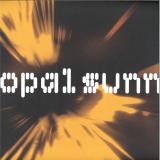
DJ Support: Ben UFO, Palms Trax and more…
Alex Kassian reunites with Hiroaki Oba as Opal Sunn. Following on from their massive 2024 hit Elastic this latest offering ‘Liquid’ is the second in a trilogy of releases on the ‘buy on sight’ Test Pressing Records. Having taken their live set to the world finest clubs & with Elastic being an end of night anthem for DJ’s such as Palms Trax and Ben UFO. This highly anticipated new release builds on their sound and is sure to be another hit with DJ’s and record buyers alike
Товар уже находится на пути к нам и, как ожидается, будет доставлен из 27.03.2026.
Due to overwhelming demand for our 5LP boxset which sold out on the day of release, here are the first ever official individual re-issues of all five of the iconic Lansdowne recording sessions by the legendary UK jazz combo, the Don Rendell/Ian Carr Quintet.
The five albums; Shades Of Blues (1965), Dusk Fire (1966), Phase III (1968), Change Is (1969) and Live (1969), have reached almost mythical status in the collector's world. Regarded as holy grail artefacts for even the seasoned aficionado, the collective second hand market value comes to an astonishing £6000.
The complete Don Rendell & Ian Carr Lansdowne recording sessions are now available as individual LPs. We located and acquired the original analogue master tapes from the Universal vaults and created masters at Abbey Road Studios to produce audiophile quality 180g pressings replete with replica artwork - shape, design, and even paper stock. No stone has been left unturned to deliver this absolute labour of love to the highest possible standard! Inside is a link to a printable online pdf which contains never before seen photographs, interviews with the remaining living band members and liner notes from BBC Radio 3 presenter and award-winning jazz writer Alyn Shipton.
The band played together for seven years and during this fruitful time they made a plethora of deeply melodic, post-bop British jazz compositions that later on took influences from Indo and more spiritually guided jazz. Produced by the influential Denis Preston and recorded at his Lansdowne Studios in London, the band was primarily made up of saxophonist Don Rendell, trumpeter/composer Ian Carr, and pianist/composer Michael Garrick. This is UK jazz at its absolute finest and is a treasure not to be missed.
он должен быть опубликован на 27.03.2026
Последний логин: 6 г. назад
- Ripples
- Driving To Austin
- Rewind
- Waiting For Sleep
- Fancy Free
- Water Montage
- Wake / The City / Sleep
- On Glass Ii
- In Motion
- Fancy Finish
- A Late Start
- Leaving Again
- Dazzling Showroom / Future City
- Winter Wave
- Swarm
- On Glass I
- Dap
- Ice Planet (Alt)
- Song From A Bedroom In Podunk Indiana
- Exiting
- Hi And Lo
- Sea Level
- Sequencer Sway
- Moonplay
- Aquarium
Connecters Vol. 1: Original Recordings, 1992-1999 ist die erste Veröffentlichung von Larrison, dem Pseudonym des bildenden Künstlers und Musikers Larrison Seidle aus dem Mittleren Westen. Larrison komponierte, programmierte und nahm alles komplett auf einem Casio CZ-5000 auf, während der guten alten Zeit der selbstgemachten Experimente und Entdeckungen in den frühen 90ern. Er lebte in einer Traumwelt, die er selbst erfunden hatte, mit Soundtracks aus Space-Age-Pop-Vignetten, gespickt mit hypnotischen, überschwänglichen, vielschichtigen Synthesizer-Melodien. Mit 26 Tracks, die alle neu restauriert und aus den Originalquellen gemastert wurden, erfindet sich Connecters Vol. 1 Song für Song neu, überwindet die Zeit und trotzt der vorbestimmten Vergessenheit dieser brillanten, diskreten Musik, die vor drei Jahrzehnten entstanden ist. Larrison Seidle wuchs in den 70er und 80er Jahren in Greenwood, Indiana, einem Arbeitervorort von Indianapolis, auf. Er stammte nicht aus einer Musikerfamilie, aber aus einem Haushalt, in dem Musikalität gefördert wurde. Sein Vater kaufte eine elektrische Orgel, in der Hoffnung, dass Larrison und sein älterer Bruder das Instrument lernen würden. ,Am Ende saß mein Vater einige Abende an der Orgel, improvisierte und spielte immer wieder dieses eine Lied, von dem ich mich noch an die ersten Takte erinnern kann", erinnert sich Larrison. Möglicherweise war es in diesem Moment, in dem es zwar keine formale Ausbildung gab, aber viel Ermutigung und Entdeckungsfreude, dass der Künstler seine ersten musikalischen Experimente machte. Diese Erlaubnis, sich auszuprobieren, sollte seine kreative Arbeit in den folgenden Jahren deutlich prägen. Während in Larrisons Elternhaus klassische Rockplatten leicht zugänglich waren, lieh sich sein Vater 35-mm-Dokumentarfilme aus der Bibliothek aus, um sie im Wohnzimmer zu zeigen, die alle mit skurrilen Instrumentalstücken unterlegt waren. Als Teenager nahm er John Carpenters und Alan Howarths Endthema aus ,Die Klapperschlange" mit einem kleinen Kassettenrekorder neben dem Fernsehlautsprecher auf und liebte Tangerine Dreams Beiträge zu Ridley Scotts düsterer Fantasy ,Legend". Seine Faszination für diese weitgehend textlosen, synthesizerbasierten Kompositionen führte zu einem eigenwilligen Verständnis davon, wie Musik nicht nur das ergänzt, was wir vor uns sehen, sondern auch das, was wir in den Tiefen unseres Bewusstseins erleben. 1985, als er dreizehn Jahre alt war, überzeugte Larrison seinen Vater, ihm ein Casio CZ-5000-Keyboard zu kaufen. Wie zuvor die Orgel war auch dieses Instrument eine Neuheit im Haushalt der Seidles. Erst nach seinem Highschool-Abschluss 1991 und dem Beginn seines Studiums an der Herron School of Art in Indianapolis entdeckte er den in das Casio integrierten Sequenzer und begann, seine Kompositionen auf Band aufzunehmen. ,Das CZ-5000 und sein 8-Spur-Sequenzer sind die einzigen Musikinstrumente, die ich benutzt habe. Es hat eine fast unbegrenzte Funktion zur Erzeugung neuer Klänge", erklärte Seidle. Während seiner Zeit an der Herron School of Art freundete sich Larrison mit seinem Kommilitonen und Klangkünstler Michael Northam an, den er bei einem Konzert auf dem Campus kennengelernt hatte. Nachdem Northam Larrison für die Musik von Severed Heads, Throbbing Gristle und Roger Doyle begeistert und damit seine Zuneigung und sein Vertrauen gewonnen hatte, überredete er ihn, nach Austin, Texas, zu ziehen, das in den frühen 90er Jahren für seine lebendige Kunst- und Musikszene bekannt war. Die beiden wohnten zunächst bei Northams Freund Daniel Plunkett, dem Herausgeber und Verleger von ND, einem einflussreichen Magazin, das sich von 1982 bis 1999 mit DIY-Musik und Tape-Trading beschäftigte. In seiner Blütezeit hatte ND Tausende von Lesern, und Plunkett verschickte die Ausgaben weltweit. In den letzten Monaten des Jahres 1993 und Anfang 1994 schrieb und nahm Larrison mit begrenzten Mitteln und grenzenloser Intuition eine Reihe von Songs mit seinem CZ-5000 in einer kleinen Wohnung nördlich der Innenstadt von Austin auf, bastelte eine farbenfrohe, illustrierte Beilage, in der einige Songtitel durch Linien oder Pfeile dargestellt waren, und gab sie an Plunkett weiter, damit er sie für ND rezensieren konnte. Diese einzelne Kassette mit dem Titel Connecters sic war eine von 1200, die im Laufe des Bestehens der Publikation bei ND eingereicht wurden und die Jed Bindeman, Mitbegründer von Freedom To Spend, 2020 erworben und fast wie durch ein Wunder entdeckt hat. ,Ich hatte große Schwierigkeiten, mir die Kassetten in dieser Sammlung anzuhören", gibt Bindeman zu. ,Aber dann legte ich Larrisons Connecters ein und dachte sofort: ,Wow! Was höre ich da?' Die Kassette war von Anfang bis Ende einfach fantastisch." Mit Musik von genau dieser Kassette und anderen Aufnahmen aus Larrisons Experimenten in den 90er Jahren ist Connecters eine Übersicht über Instrumentalmusik, die sowohl durch vielfältige konzeptionelle Strategien als auch durch spielerische Neugierde geprägt ist. Seidle arbeitete unter Bedingungen, die viele Musiker als Einschränkung empfinden würden, und entwickelte technisch innovative Ansätze, um die Klänge und integrierten Effekte des CZ-5000 zu modifizieren. Das Gerät ermöglichte es ihm, die Wellenform, die Hüllkurve und die Tonart von Klängen mithilfe der Phasenverzerrungssynthese zu verändern und so im Grunde genommen Instrumente zu schaffen, während er Songs komponierte. Die Tracks zeichnen sich durch eine durchdachte impressionistische Vielfalt aus, die mal lo-fi, mal symphonisch klingt. Inmitten der Zerlegung und Verstärkung der Fähigkeiten des CZ-5000 gibt es auch einen geschmackvollen Rückgriff auf eine kindliche Interaktion und Erfahrung von Klang. Vielleicht ist es diese Erfahrungsqualität, die es so schwierig macht, Larrisons Projekt einfach als Ambient oder Elektronik zu verstehen. Sein Wille, die ihm zur Verfügung stehenden Werkzeuge zu transformieren, hebt die daraus resultierenden Kompositionen auf eine persönliche Ebene und verleiht der Musik einen bezaubernden Sinn für Mystik. Connecters ist ein Beweis für eine künstlerische Vision, die sich nicht durch Grenzen einschränken lässt und keine Angst vor Informalität hat. Diese Aufnahmen, die dreißig Jahre nach ihrer Dokumentation auf magische Weise an die Oberfläche kommen, zeigen, wie personalisierte Produktionsmittel die Zeit ausdehnen und verkürzen können. Larrison lädt die Zuhörer ein, sich auf die Wunder der auditiven Vorstellungskraft einzulassen - eine Brücke zwischen visueller Erinnerung, emotionaler Resonanz und der grenzenlosen Möglichkeit, mit den uns zur Verfügung stehenden Mitteln Musik zu machen. Larrison's Connecters Vol. 1: Original Recordings, 1992-1999 wird am 3. April 2026 von Freedom To Spend als Vinyl- und Digitalausgabe veröffentlicht.
он должен быть опубликован на 03.04.2026
Последний логин: 2026 г. назад
DISPLACES represents Fabris' most personal musical journey to date, inspired by the concept of hyperobjects and cartographic practices. The album sculpts a high-dimensional phased time-space composed of concrete materials and digital archetypes in a state of constant displacement. It delves into the symbolic and philosophical realms of mapping as one of the greatest sense-making mechanisms for life, in dialogue with object-oriented environments, superimposition and non-locality applied to cosmic, temporal, and emotional memory.
The sonic ecosystem expands on the image of navigating a path through a set of places, from the microcosm of quanta to the macro force of dark matter, from underwater depths to overland terrains, encapsulating the cyclical flow between birth and death, both in ecological and anthropological sense. The intersection of these shifting states is explored through the extensive processing of the langspil, Iceland's only traditional instrument, intertwined with manipulated field recordings of biophonies and geophonies captured across Icelandic and Venetian territories. These recordings form the backdrop for a meditative process that relocate familiar objects into unfamiliar realms, reflecting on the transformative power of self-reflection while encapsulating the fragmentation and entanglement found in nature and the human state. The record plunges the listener into a disconcerting and physical soundscape, as a “ghostly spectrality that comes in and out of phase with normalized human spacetime,” evoking sensations of suffocation and release as each layer continuously unfolds the palimpsest of the enclosed labyrinth.
“Extraction of the I” embodies a subatomic reaction—erupting as a molecular force that rises, only to re-submerge with a solitary exhale underwater. In this mutated dark space, beluga whales breathe into "Xanadu Phasing," creating a pulsating tension that releases only to unveil a frozen landscape.
In “Barricading the Ice Sheets” the glacial material morphs into a liquid tunnel of digital artifacts, building a wall of noise that shatters into scattered fragments of ice, resembling bird calls from another world.
A moment of stasis is offered with the appearance of an asymmetrical loop in Monolith I, evoking a primitive rite before an unknown force emerges.
The physical intensity of subsonic material in "A Quake in Being" interrupts the hieratic tone, detuning into polluted sonic matter sourced from relics of the First World War in the Venetian Prealps. The geography of this place reconciles with the original homeland in "The Map is the Territory," blending negative space with anthropogenic elements and exploited sounds of the langspil.
The burning density of "Wolf-Rayet" projects into the void, echoing the residual sounds of a local church as relics of fossilized religions. Wolf tones are the remains in Monolith II, introducing the final track, "Topography of Extinction," where evolving psilocin textures invite the listener to uncover deeper layers of meaning and dislocation.
он должен быть опубликован на 10.04.2026
Последний логин: 2026 г. назад
- Fleurs
- Régate
- Petit Matin
- Le Temps
- Fleuve Vii
- Fleuve Viii
- Navigation Vii
- (A Travers Les) Chablis
Die Botschaft, das Wesentliche, das sich teilen lässt, ist Licht; es ist der Samen in der Erde, der zu einer Pflanze wird und dann zu einer Blume, die in voller Blüte steht und schließlich unvermeidlich verwelkt, damit der Zyklus von Neuem beginnen kann; es ist die Suche nach Schönheit im Chaos, aus dem Harmonie entsteht, um es zu überwinden. Auf Volume III kehren Mathieu David Gagnon und sein Projekt Flore Laurentienne zurück, um die Pracht des Flusses und seiner floralen und waldreichen Umgebung zu feiern.Volume III ist zudem eine tiefere Erkundung der Verbindung von akustischen und synthetischen Elementen, die den Charakter von Flore Laurentienne ausmachen. Anders als bei den ersten drei Alben wurden die meisten Stücke gemeinsam mit den Bandmitgliedern während Residenzen und Konzerten entwickelt, bevor sie aufgenommen wurden. Dies bereicherte die Kompositionen in einer Phase, in der sie sich noch im Wandel befanden. Die Band treibt das Projekt an und inspiriert Gagnons Schreibprozess, indem sie den Klang weiterentwickelt, nährt und ihm erlaubt, neue Wege zu gehen.Dieser neue Meilenstein markiert zugleich den Abschluss einer Trilogie, die 2019 mit Volume I begann - mit dem inhärenten und parallelen Bestreben, ein drittes Volume zu erreichen, um Volume 3 von L'Infonie (einem Kultkollektiv aus Québec, das Jazz, Prog, Kunstmusik und Poesie verband) zu würdigen. Letzteres beeinflusste die Musik von Flore Laurentienne nicht direkt, sondern vielmehr das Verständnis von Freiheit in der Komposition, die Klassik und Improvisation vereint.Die Entwicklung von Volume III folgt der Evolution des Projekts: Während der erste Track ,Fleurs" dem ähnelt, was Volume II bot, gibt uns der abschließende Titel ,(A travers les) Chablis" einen Vorgeschmack darauf, wie der nächste Schritt klingen könnte. Es ist ein Album, das man zusammen mit seinen beiden Vorgängern genießen sollte - und dabei gespannt auf das Kommende blickt. Flore Laurentienne entwickelt sich ständig weiter, doch die Vision ist seit Beginn dieselbe geblieben: Musik zu schaffen, die lebendig, wahrhaftig, menschlich und kompromisslos ist.
он должен быть опубликован на 10.04.2026
Последний логин: 2026 г. назад
Die Botschaft, das Wesentliche, das sich teilen lässt, ist Licht; es ist der Samen in der Erde, der zu einer Pflanze wird und dann zu einer Blume, die in voller Blüte steht und schließlich unvermeidlich verwelkt, damit der Zyklus von Neuem beginnen kann; es ist die Suche nach Schönheit im Chaos, aus dem Harmonie entsteht, um es zu überwinden. Auf Volume III kehren Mathieu David Gagnon und sein Projekt Flore Laurentienne zurück, um die Pracht des Flusses und seiner floralen und waldreichen Umgebung zu feiern.Volume III ist zudem eine tiefere Erkundung der Verbindung von akustischen und synthetischen Elementen, die den Charakter von Flore Laurentienne ausmachen. Anders als bei den ersten drei Alben wurden die meisten Stücke gemeinsam mit den Bandmitgliedern während Residenzen und Konzerten entwickelt, bevor sie aufgenommen wurden. Dies bereicherte die Kompositionen in einer Phase, in der sie sich noch im Wandel befanden. Die Band treibt das Projekt an und inspiriert Gagnons Schreibprozess, indem sie den Klang weiterentwickelt, nährt und ihm erlaubt, neue Wege zu gehen.Dieser neue Meilenstein markiert zugleich den Abschluss einer Trilogie, die 2019 mit Volume I begann - mit dem inhärenten und parallelen Bestreben, ein drittes Volume zu erreichen, um Volume 3 von L'Infonie (einem Kultkollektiv aus Québec, das Jazz, Prog, Kunstmusik und Poesie verband) zu würdigen. Letzteres beeinflusste die Musik von Flore Laurentienne nicht direkt, sondern vielmehr das Verständnis von Freiheit in der Komposition, die Klassik und Improvisation vereint.Die Entwicklung von Volume III folgt der Evolution des Projekts: Während der erste Track ,Fleurs" dem ähnelt, was Volume II bot, gibt uns der abschließende Titel ,(A travers les) Chablis" einen Vorgeschmack darauf, wie der nächste Schritt klingen könnte. Es ist ein Album, das man zusammen mit seinen beiden Vorgängern genießen sollte - und dabei gespannt auf das Kommende blickt. Flore Laurentienne entwickelt sich ständig weiter, doch die Vision ist seit Beginn dieselbe geblieben: Musik zu schaffen, die lebendig, wahrhaftig, menschlich und kompromisslos ist.
он должен быть опубликован на 10.04.2026
Последний логин: 2026 г. назад
From 1971 to 1977, Peter Baumann was a member of the legendary Berlin band TANGERINE DREAM. The group were pioneers of the so called Berliner Schule (Berlin School) which had such a profound impact on electronic music. He produced a number of momentous albums at his Paragon Studio (by the likes of Conrad Schnitzler, Cluster, Hans-Joachim Roedelius) and also enjoyed success as a solo artist. The influence of Tangerine Dream can clearly be heard on "Romance 76", although the arrangements are comparatively minimalist-a state of affairs for which David Bowie can be held partially responsible.
Есть у нас в наличии и готов к отправке
- The Age Of Innocence
- Berceuse In A-Flat Minor, Op. 45
- Keepsake
- Untitled Ii
- One Shall Sleep
- Wishful (Draft)
- Cover Me
- Atonement
"I wanted to travel / Home into somewhere,"Ana Roxanne breathes across an eerie suspended drone on "The Age of Innocence". "I wanted to try / And go very far." These are the first words we hear on Poem 1 and reintroduce an artist who's in a conspicuously different phase of her life than she was when her debut album, Because of a Flower, sprouted nearly six years ago.
Heartbroken and reflective, Roxanne surveys the transformations that followed and displays a new-found boldness. Her voice is naked, vulnerable and alive, no longer shrouded in tape noise or looped and echoed beyond recognition beneath layered electroacoustic textures.
Throughout the course of Poem 1, Roxanne displays her skill as a singer and songwriter in the classic sense, using the limited instrumentation simply to accent her exposed tones. Muted piano phrases and plucked bass notes languidly trail her anguished siren song on "Berceuse in A-flat Minor, Op. 45", making each word count.
On "Keepsake" meanwhile, she sounds as if she's alone in an abandoned bar, stroking the dust off the piano's keys as she inventories her emotional scars. There's a smell of old whisky in the air, but Poem 1 is a remarkably sober album; never wallowing in self pity, Roxanne finds catharsis in the logic of her expressions, twisting out the edges of her memories into surreal, cinematic asides. "Untitled II", the album's pronounced, uninhibited centerpiece, delivers on the Lynchian promise that's been present since her first EP, 2019's ~~~. "
And when she interprets the Robert Schumann's lied "Stille Tränen" on "One Shall Sleep", she turns Justinus Kerner's words into a whispered echo of her own grief, narrating the 19th century poem over syrupy synthesizers and strings. There's a light emerging on the horizon, though; burying her past on the choral standout '"Cover Me", Roxanne shifts the pace and the mood on 'Atonement', lifting her voice into a gentle lilt.
он должен быть опубликован на 01.05.2026
Последний логин: 2026 г. назад
- A1: Cherry Moon Trax - Acid Dream
- A2: The Jeyênne - Xpq-21
- A3: Jamie Dill - Engine
- B1: Laurent Garnier - Wake Up
- B2: Drax Ltd. Ii - Amphetamine
- A1: 3 Phase Feat. Dr. Motte - Der Klang Der Familie
- A2: Acrid Abeyance - Dynamique Twins (Remix)
- B1: Private Productions - Looped
- B2: Marc Acardipane Aka T-Bone Castro - The Women Here (Are All So Cute)
- A1: Bradley Strider - Bradley's Beat
- A2: Suburban Knight - The Art Of Stalking (Ludovic's Favorite Mix)
- B1: Aura - Energy Transepose
- B2: District 1 - See The Light (Basi Dog Mix)
- A1: Planetary Assault Systems - Surface Noise
- A2: Dj Edge - Hold
- B1: Dj Bountyhunter - Short Circuit
- B2: Armani & Ghost - Airport
- B3: Marc Acardipane Aka Ace The Space - 9 Is A Classic
- A1: The Mod Wheel - Spiritcatcher
- A2: Belgica Wave - The Wave
- B1: Equus - Lava Flow
- B2: Aurora Borealis - Raz (Carl Mmr's Mix)
- A1: Thc - Sizzle
- A2: Dj Fred H - Won't Give Up
- B1: Dexter Moore - Pump!
- B2: Frankie Bones - The Way U Like It
- A1: Bjørn Svin - Mand Over Bord
- A2: Silvio Ecomo - No Dip
- B1: Nygel Reiss & Ghost - Fear & Loathing
- B2: The Subjective - Tremmer
- A1: Dima - Soaked
- A2: Digital Express - The Club
- B1: The High Tech Child Aka Jerome Isma-Ae - Tribal Storm
- B2: E-Dancer - World Of Deep
- A1: Sharpside - Space Cruising
- A2: Dj One Finger - One Finger
- B1: Thomas Schumacher - When I Rock (Dj Rush's Rock Da Beat Remix)
- B2: Bolz Bolz - Take A Walk (Dima Neo-Romantic Remix)
- B3: Global Concept - Beep Attraction
- A1: Umek - Gatex (Dj Tiësto Remix)
- A2: Starchild - Codec
- B1: Vitalic - La Rock 01
- B2: Definitely N.o.t. - Take A Tablet
Relive three decades of Belgian clubbing history.
We're celebrating the 35th anniversary of Cherry Moon withan essential collection of the anthems that defined a generation. Hard to find tracks, classics and sounds from the underground combined in a splendid 10x12" Vinyl Box Set.
From the first beats of 1991 to the peak of the "House of House", this is the ultimate tribute to a legendary venue.
он должен быть опубликован на 01.05.2026
Последний логин: 2026 г. назад
On a "Balearic-Jazz trip", the phenomenally hyped Thought Leadership returns with another X ideas: the deck this time chooses the Ace of Swords. In the acclaim garnered by III of Pentacles, there were many whispers of “Balearic” from those in the know. As soon as you drop the needle on XI you will be basking in turbo Balearica.
Originally out on cassette only, we present the first ever vinyl issue. It's a hideously limited pressing of 300 for the world, so don't sleep on this.
The sonic palate has been augmented by the addition of synth and bass; there are more guitar layers, more pedals and more organic drums this time – a much fuller production. Still DIY, and still recorded straight to multitrack, just ever so slightly grander in scale; think a rough-hewn, long-lost Claremont 56 cut and you’ll have some idea of how XI opens this future classic LP.
The touchstones so key to the vision of Pentacles (Cocteau Twins, Dif Juz, Durutti Column) are all still present and correct; XII could be a piece from Extractions, XIII is pure Garlands-era Guthrie and, now with the shuffling jazz drums, XV makes TL even more LC – but more disparate influences are found this time out too. ECM guitar legends John Abercrombie and Pat Metheny in the more considered melodic phrasing and harmonic structure of the ideas and a nod to the cosmic Balearic spirit in the overall vibe, means more is offered to the listener across Swords.
XVI and XVII are the biggest indicators to Thought Leaderships’ new found love of The Real Book and their grasp of jazz chords. The former sounds like if Mike Hedges had produced on a heavily sedated ECM date in the early 80s, whilst the latter is Bright Size Life condensed into a most post-punk shard of Strat conversation. The syrupy Phase 90 on the lead parts lends much weight to the guitar melodies, a beautiful tonal counterpoint to the Vox-ish chimes of the plangent chords we’ve all come to love.
The flip again treats us to three extended, improvised jams. XVIII owes as much to Canterbury as it does to Krautrock, another modal voyage through the stars. Light the incense and drift away, guided by delayed cymbals and weaving ribbons of guitar. XIX has almost a New-Wave/Sophisti-Pop energy to it in tone, if not in structure and execution. Something almost Tears for Fears-esque in the chiming chorus guitars. An interesting outlier that has already received a lot of love from those that have heard it. XX is the starkest idea, and the only piece this time with no drums. What we do get, however, is a free exploration over a two chord-vamp. It’s Harvest Time meets Planet Caravan and a fitting end to this Balearic jazz trip.
Be With is honoured to present the first ever vinyl release of Ace Of Swords, carefully remastered by Be With's engineer Simon Francis to ensure it sounds better than ever after its initial tape release. Cicely Balston's expert skills have made sure nothing is lost in the cut at Abbey Road Studios whilst the records have been pressed to the highest possible standard at Record Industry, in Holland. The original tape cover artwork, so crucial to Thought Leadership's striking visual aesthetic, has been rejigged for vinyl issue here at Be With.
The last one flew. You have been warned.
Есть у нас в наличии и готов к отправке
Gwenan Spearing, known for her perceptive, groove-oriented DJ sets, and more recently as a live performer working with hardware improvisation, launches a new imprint, Phase Space, with Degrees of Freedom, a debut album diving deep into generative electronics, modular systems, and real-time response. Composed and recorded in 2019-2020, the album treats constraint as creative fuel, floating between ambient,
sonic sculpture, and improvisation, mapping Gwenan’s path from rural Wales to Berlin’s outer zones of experimental sound.
Sync opens with a theme on a slow triangle wave, expanding the space as it evolves. Some Pluck explores generative counterpoint using LFOs and Euclidean rhythms. Generator I unfolds in an oscillating time where keyboard and bass circuits cross-modulate. Sleep Pressure is a lullaby for grown-ups, capturing that eerie threshold before sleep, followed by Loper, where time flows fluid and unstable. The closer, Generator II, holds machine heartbeats in delicate equilibrium before unraveling into graceful decay, a soft farewell. (That’s the Universe waving.) Degrees of Freedom is algorithmic music with a pulse: visceral, hand-wired, and built for deep listening.
Есть у нас в наличии и готов к отправке
A cosmic journey in 8 parts: live drums and percussion looped through analog synths and vintage effects, unfolding into lush solos, deep basslines, and otherworldly textures. Anti-Planeting is Cappellato’s most exploratory statement yet—an album born of live experimentation, pressed for deep listening.
Releasing music – or art in general – goes beyond merely showcasing one’s performance skills or pursuing fame. Often, artists feel compelled to share certain works as a way to grow and transition into the next phase of their journey. The material may not always be easily digestible, but it is within these complexities that deeper meanings and innovative ideas emerge. This is what “Anti-planeting” embodies within Cappellato’s current musical landscape: a yearning to break free from a mindset that has long influenced society on this planet. Each track on “Anti-Planeting” carries a title that contributes to the overall narrative, revealing different aspects of the artist’s personal journey. Through these subtle feelings and intuitions, the album unfolds, gradually unveiling a complete puzzle that reflects the artist’s exploration and musical growth. “Anti-Planeting” is a fully realized album consisting of 8 tracks that emerged from these live experiments. The foundation of this project revolves around the use of live drums and percussion samples, which were then processed through an Electroharmonix 45000 looper and a Kaoss Pad II.
Есть у нас в наличии и готов к отправке
Following their contribution to Y-3's historic return to runway for SS25, Solitary Dancer has collaborated once again with adidas & Yohji Yamamoto's pioneering label for their Fall/Winter 2025 Presentation-- an exploration of contrasts. Light and dark, analog and digital, real and surreal. Building upon the legacy of the recently established Y-3000 imprint, Y-3002 presents FW25's boundary-pushing runway score from the Pavillon Cambon in Paris this past January.
Есть у нас в наличии и готов к отправке
** Cassette release
""A Synonym for Repetition" weaves together a tapestry of parallels, all intricately linked to Japan. The project initiates with a collaboration with a Tokyo-based musician, which ultimately fails to materialise during Jason Kolar’s recent visit to the country.
From an original approach that has to mutate in its starting phase, the record was conceived from the beginning to embody a sincere homage to Ryuichi Sakamoto, also a Tokyo native. Shaping ideas within the context of a city with a vibrant soundscape, through an exploration where tradition and modernity intersect in an ongoing quest for correspondences.
Yet, the barriers of language and cultural disparity emerge, casting a veil over the perceived connections and rendering them more projection than reality. This dynamic delineates the space observed from an external perspective, perpetually distant from true understanding, framing it in the fields of imagination, both Japan and Sakamoto. Nonetheless, Kolar tries to pay an honest ode to the artist and its scenic background, with all the implications and contradictions of this kind of process, even with the risk of falling into clichés, pastiches, and Eurocentric bias.
Connecting it to ‘vertical listening’ rather than to an obvious tribute exercise, he has morphed his sound to a synthetic and midi approach, aiming to set an ironically fictitious stage, one that resembles something, but it’s not really it."
Есть у нас в наличии и готов к отправке
The first release to document the solo cello work of musician and composer Lucy Railton, the 40-minute composition Blue Veil recorded at Église du Saint-Esprit in Paris invites listeners into the realm of precision-tuned states of resonance: states made manifest through Railton's careful traversal of her cello's most subtle acoustic characteristics as they harmonically interlock with mind's embodied modalities of attention and imagination. Blue Veil arises out of, is sustained in and finally dissolves back into Railton's momentary presence with her intimate connection to the cello, a way of hearing that allows for a deeper engagement with harmonic resonance, one that opens a space for immediate encounters of mind and sound. Railton's exploratory practice of harmonic perception emerges from a focus on the physical qualities of intervallic and chordal sounds, their textural qualities, degrees of friction, and inner pulsations. Composing in the moment guided by resonances within the cello's body, her own, and their shared vibrational space, Railton moves through Blue Veil by giving sounds what they ask for: sounds of pure texture manifesting as a move through temporal transparency, sounds of rough texture marking regions of dimensionally dense space. Railton's creative and highly refined use of just intonation harmony deforms sound's inner movements in ways that suggest a mode of listening that actively supplies imagery of sounds implied or completely absent rather than merely savouring those fully present. This active mode of "listening-with", playfully and semi-metaphorically referred to by Railton as "sing-along music", allows listening to reflexively participate in the music's movement as it gradually passes through richly saturated domains of harmonic imagination. And just as the precision-tuned tones of Blue Veil lose their individuality when fusing multifaceted uniformity, listening's structures of reference and recognition dissolve into nameless waves of intensity, continuously unfolding themselves upon and merging with the listener. Blue Veil is the result of a deep exploration of the inner worlds of tuning, an undertaking in turn informed by and emerging out of Railton's realisations of the music of Catherine Lamb and Ellen Arkbro, her collaborative work with Kali Malone and Stephen O'Malley as well as her interpretive practice in performing the work of Maryanne Amacher, Morton Feldman and others.
Есть у нас в наличии и готов к отправке
Prepare to delve deeper into the sonic universe of the «Force Bleu» with the second installment of this EP series on Prince's Castle Records.
Building upon the foundation laid by its predecessor, this EP continues to explore the realms of serious groove, delivering electrifying rhythms and captivating basslines that will keep you entranced from start to finish.
Get ready to elevate your musical experience as we embark on the next phase of this exhilarating journey.
Есть у нас в наличии и готов к отправке
DJ Support: Alex Kassian, DJ Cosmo, Lovefingers, Sean Johnston, Laurent Garnier, Massimiliano Pagliara, Moxie, Colleen 'Cosmo' Murphy
Following Alex Kassian’s massive ‘E2–E4’, he reunites with Hiroaki Oba as Opal Sunn. Opal Sunn have played live at some of the worlds finest clubs and festivals and are tipped by many as the ones to watch. This EP is the first in a trilogy of releases. ‘Elastic’ runs from deep electronic trance inspired dancefloor driven House on the A side, to reggae-tinged dub groover and a beautiful ambient version on the B side; both with more than a nod to Kassian’s Sound and Garden of Eden tracks. Yet again, you need this in your life. Buy or cry.
Есть у нас в наличии и готов к отправке
- D6: Matalo! (Hey Gente)
- A1: Matalo! (Theme Song)
- C1: Matalo! (Theme Song)
- D1: Matalo! (Theme Song)
- A2: Matalo! (Main Titles - Stereo)
- A3: Matalo! (Mirage)
- B1: Matalo! (Old Town)
- B2: Matalo! (Chase)
- B3: Matalo! (Long Shadows)
- B4: Matalo! (Chase Pt 2)
- C2: Matalo! (Chase Pt 3)
- C3: Matalo! (Old Town Pt 2)
- C4: Matalo! (Cantina)
- C5: Matalo! (Ballata Dei Vestiti)
- C6: Matalo! (Under The Sun)
- D2: Matalo! (Solitude)
- D3: Matalo! (Main Titles - Iia Colonna)
- D4: Matalo! (Fischio)
- D5: Matalo! (Ghosts)
Calling all fans of cult soundtracks and genre-bending scores! Four Flies is thrilled to present a limited edition gatefold beauty containing the premiere vinyl release of the complete score to Matalo!, one of the most captivatingly unique Spaghetti soundtracks ever.
Matalo! is a 1970 'western crépusculaire' by Milanese director Cesare Canevari, known for his visually striking genre films, starring Swedish enfant terrible Lou Castel and Italian theatre actor Corrado Pani. Canevari adopts an experimental, atmospheric approach, relying heavily on out-of-focus effects and framing his shots unconventionally. This gives a dark and atmospheric turn to thewestern genre, with the typical dusty plains transformed into a windswept ghost town, while action sequences replace dialogues almost entirely, leaving actors with very little to say – and, therefore, putting the music center stage.
Composer Mario Migliardi – who was also a conductor, pianist, and Hammond organist – throws out the rulebook for Italian Westerns. Prepare for a wild ride of psych-rock textures, swirling electronic filters, haunting reverbs, and concrete sounds – a sonic tapestry that seamlessly blends influences ranging from Jimi Hendrix to Luciano Berio.
Migliardi masterfully combines traditional folk instruments like acoustic guitars and percussion withnon-canonical electronic processing, creating an electro-acoustic alchemy thatfeels both fresh and timeless today, probably way more than it did in the1970s. In particular, the Leslie filter, a hallmarkin the Hammond organs popular at the time, is applied to the entire soundtrack, resulting in a very distinctive and dynamic phaser effect.
The soundtrack's highlight is probably the rock song featuring vocals from Giano Ton, aka Giacomo Tosti, the only track to have found its way on vinyl prior to this LP (it wasthe B-side ofa forty-five released by RCA Italy at the time). Its 9-minute extended version, previously unavailable on vinyl, is a fantastichard-blues-rock jam à la Hendrix.
This limited-edition double vinyl LP comes in a stunning gatefold jacket with artwork by Eric Adrien Lee, who drew inspiration from the film's original posters and promo materials.
Definitely a must-have for collectors of unique soundtracks and adventurous music!
a Matalo! (Theme Song) feat. Giano Ton
h Matalo! (Theme Song) Instrumental
n Matalo! (Theme Song) [Single Version]
[s] Matalo! (Hey Gente) [feat. Corrado Pani]
[a] Matalo! (Theme Song) [feat. Giano Ton]
[h] Matalo! (Theme Song) [Instrumental]
[n] Matalo! (Theme Song) [Single Version]
[feat. Corrado Pani]
Есть у нас в наличии и готов к отправке
'Paper Man' ist eine große Entdeckung für Liebhaber der Musik von Sam Dees und des Atlanta/Birmingham-Soul-Sounds der 70er Jahre. Geschrieben und aufgenommen in dieser produktiven Zeit, wurde es gerade erst im Tresorraum der Moonsong / Clintone-Aufnahmen gefunden.
Dees ist der Sänger von 'False Alarms', einer von mehreren brillanten Dees-Kompositionen, die erstmals 1995 auf seiner Kent-CD 'Second To None' veröffentlicht wurden.
Есть у нас в наличии и готов к отправке
To Celebrate The 6th Anniversary Of The Agency, Rotate Prepared A Hefty 4xlp Compilation Featuring Its Key Artists. 'rotations Ii' Is The Seven-chapter Follow-up To rotations I' Out In 2016 And Features Tracks From Most Of The Current Music Crafters In The Rotate Family: A Collection Of Personal Musical Excursions And Peculiar Studies Of Rhythm And Sound, From Artists Full Of Wit, And Grit. 'phase Five' (a1) Is Yuzo Iwata's Debut On Rotate And, Without Surprise, Is A Showcase Of Sonic Wizardry That Sets The Tone To The Entire Compilation With Its Dreamy (and Almost Delirious) Atmosphere And Marching Organic Groove. 'aphasia' (a2) Has Anestie Gomez Shifting The Gears To A More Minimalistic Sonic Palette Of Razor-sharp Drum Programming, Sophisticated Swing, And Deep Acidic Low-ends. The Flipside 'hypnosis' (b1) Is Leiris's Debut Solo On Rotate And A True Study On Reduced Raw Grooves And Abstract Sound-design, Wrapped In Amidst Of Hypnotic Mystery. 'partenaire Particulier' (b2) Brings Back Leiris Together With Ben Vedren As "monkey Nenufar": A Spellbinding, Steady-beat Ride Full Of Joyful Chords And Filtered Echoes For Certified Euphoria. Levi Verspeek Kicks The Flip-side With 'paying 420' (c1), A Focused 4 By 4 Excursion Focused On Groove And On-point Sampling Of Minuscule Percussive Loops Teeming Around A Central Pulsating Bassline. Funky, Vibrant And Full Of Emotion, Pit Spector's 'back From Cdv' (c2) Is A Love Letter To The Esteemed Club Der Visionaere, And An Ode To The Micro-house Aficionados, Especially Those With A Soft Spot For Latin Rhythms. Denis Kaznacheev's 'poromechanics' (d) Is A 15-minute Sonic Delirium Through Startling Soundscapes, Sweltering Rhythms And Barely-sane Micro-sampling, Ultimately Setting A Hypnotic, Enigmatic Tone To The Closing Of This Compilation. "rotations Ii" Is A Versatile Comeback To This V.a. Series Where Rotate Artists Can Be Themselves, Loyal To Their Own Sound And Their Very Distinct Personalities.
Есть у нас в наличии и готов к отправке
- Phase I Organ
- Phase Ii Organ
Brandneues Album von Stephen O'Malley, dem Mitbegründer von SUNN O))), mit neuen, bisher unveröffentlichten Stücken für Pfeifenorgel. Diese Platte hat zwei lange Stücke für Orgel von Stephen O'Malley, die er auf diesen Aufnahmen zusammen mit der bekannten Organistin Kali Malone und Frederikke Hoffmeier (Puce Mary) spielt. Das Album wurde an Weihnachten 2021 in der Église Saint-François in Lausanne, Schweiz, auf Les Grandes Orgues (Scherrer (1777), Walker (1867), Kuhn (1995)) in der Église Saint-François in Lausanne, Schweiz, aufgenommen und ursprünglich von Stephen im Rahmen einer Suite mit dem Titel Les Sphères (effondrez-les), Phasen I-V, für eine Zusammenarbeit mit der bekannten belgisch-schweizerischen Choreografin Cindy Van Acker komponiert. Neben den beiden Orgelwerken auf dieser Platte umfasste die Suite auch die Phasen III und V für E-Gitarre, Verstärker und Elektronik (gespielt von Stephen O'Malley und Kali Malone) sowie die Phase IV für Percussion-Ensemble (gespielt von Eklekto). Abgemischt von Stephen O'Malley im EMS, Stockholm, und von François-Xavier Delaby und Tristan Mazire, Paris, im Februar 2022. Gemastert und geschnitten von Rashad Becker, Berlin, Juni 2025. Perfekte Pressung bei Optimal, Deutschland. Dieses Album ist eine Koproduktion mit La Becque Editions. Stephen O'Malley ist auch auf der kommenden Compilation ,XKatedral Anthology Series III" vertreten. Stephen O'Malley ist Gründungsmitglied von Sunn O))), die 2026 ausgiebig auf Tournee sind.
он должен быть опубликован на 27.02.2026
Последний логин: 2026 г. назад
- Multiphonic I
- Gurgle
- Air Hand Whistle
- Inhale Exhale
- Birds
- Multiphonic Ii
- Mouth Synthesizer
- Multiphonic Iii
- One Pitch
- Throat
- Whistle Pitch
Un-easy listening from »anti-singer« and improviser Sofia Jernberg, a celebration of the voice in its rawest, most malleable form. Jernberg was born in Ethiopia and grew up in Vietnam and Sweden, so one can only imagine these diverse languages opened up a wealth of phonetic possibilities before she entered academia to study jazz and composition. If you dive into her catalogue you’ll clock her startling range – working as a jazz soprano and as an improviser, collaborating with everyone from Stefan Schneider to Mats Gustafsson, as well as appearances on the stage and screen, most notably in Matthew Barney, Erna Ómarsdóttir, and Valdimar Jóhannsson’s »Union of the North«.
On »Voice«, Jernberg provides a ground-level entry point to her work, meticulously running through a litany of unconventional techniques (non-verbal vocalisation, split tones, toneless singing, and distortion) without any effects, just pure batshit sonics designed to show off the voice’s scope as an experimental instrument. On »Mouth Synthesizer« she purses her lips to make ratcheting pops like some analog oscillator, hoarsely mimicking the sort of blustery, Merzbow-coded distortions you might get if you patched a RAT pedal into a broken guitar amp. It isn’t an act of caricature, it’s Jernberg’s way of demonstrating that expensive modular rigs aren’t an essential tool for experimental music, before throwing a side-eye to the field recording industrial complex on »Birds«, transforming her vocal chords into a nightmare aviary. But it’s Jernberg’s startling »multiphonic« experiments that hit hardest. The album opens on »Multiphonic I«, and it’s difficult to tell that you’re listening to a human voice at first – you could just as well be on Colin Stetson’s overblown sax airstreams. Jernberg creates a captivating spiral of crooked, phased tones and hoarse, guttural croaks that she develops over three movements. On »Multiphonic II«, her voice is turned into a storm of pained shrieks, and on the third and final segment, it almost resembles Arve Henriksen or Jon Hassell’s muted brass curlicues. Each track pulls a different musical muscle, whether it’s »One Pitch« with its unsettling yodel-like quivering drones or »Gurgle«, sounding like a close mic-ed recording of a small pot gently simmering.
он должен быть опубликован на 20.02.2026
Последний логин: 2026 г. назад
- Baseball
- For Me
- Halfway
- Bullshit Fuck
- Betchu Won't
- Get To Choose
- Wait On The World
- Multizeal
- Me Before You
- Old As Sin
- When You Were A Kid
,Dirt Buyer III" fängt mit einem Song über Sport an. "Baseball/ Is somethin'/ I'll never get, but I/Sleep on it/ Wake up/ And try again", singt Joe Sutkowski zu einer zunächst langsamen, dann dröhnenden verzerrten Gitarre. Aber natürlich weiß jeder, der mit der emotionalen Tiefe der Musik von Dirt Buyer vertraut ist, dass Sutkowski nicht einfach nur über Amerikas Lieblingsfreizeitbeschäftigung singt. ,Es geht darum, mit bestimmten Erwartungen aufzuwachsen und sich an sie zu halten, nur weil man gesagt bekommt, dass man das tun soll", erklärt Sutkowski. ,Der Song handelt davon, Autonomie und Unabhängigkeit zu erlangen." Gleich zu Beginn kehrt Dirt Buyer III zu den Ursprüngen zurück, zu den in der Kindheit fest verankerten Brüchen, um ein Album zu schaffen, das von da an ein viszerales Dokument der Bewältigung derselben Prüfungen im Erwachsenenalter ist. Als ,Dirt Buyer II" 2023 erschien, hatte es bereits drei Jahre lang in der Schublade gelegen. Zu diesem Zeitpunkt hatte Sutkowski bereits alle Songs für ,Dirt Buyer III" geschrieben, während einer besonders turbulenten Phase seines Lebens. Anstatt wie früher die für ein Album notwendige Anzahl an Songs zu schreiben und dann direkt ins Studio zu gehen, hatte er hier mehr als zwei Dutzend Tracks angesammelt. Nur wenige Wochen, nachdem "II" veröffentlicht worden war, nahm Sutkowski "III" auf. ,Ich war so bereit, etwas anderes zu machen", erklärt er. Er war bereit, diese Jahre hinter sich zu lassen. Genauso wie es einen klanglichen Sprung von den selbstgemachten Aufnahmen von "Dirt Buyer" zum moderaten Studio-Polish von "Dirt Buyer II" gab, hat Sutkowskis Musik zwischen den Alben wieder eine logische, aber substanzielle Entwicklung durchlaufen. Das Grundgerüst ist dasselbe: zerklüftete Akustikgitarren, elektrische Riffs, die mal herbstlich, mal bissig und übersteuert klingen, Schlagzeug, das mit dem selben verzweifelten Tempo vorwärts taumelt, mit dem Sutkowski diese Jahre durchlebt hat. Und dann seine Stimme über allem: klagend, sich windend, manchmal brüchig und manchmal voller neuer Kraft. Getragen von den soliden Strukturen dieser Songs und einer kraftvolleren Produktion präsentiert Dirt Buyer III die bisher vollendetste und eindringlichste Version von Sutkowskis Sound. Im Oktober 2023 traf sich Sutkowski mit seinen Freunden Hayden Ticehurst und Chris Cubeta im Brooklyn Studio G. Er zeigte ihnen alle Demos, und gemeinsam wählte das Trio die ,stärksten Stücke aus der Reihe" aus, wobei sie sich auf die 11 Kompositionen konzentrierten, die auf "III" zu hören sind. ,Wir wussten, welche Songs es werden würden, und haben uns direkt an die Arbeit gemacht", sagt Sutkowski. Trotzdem nahmen sie sich Zeit, um alles genau richtig hinzubekommen, und verteilten die Aufnahmen, das Abmischen und die letzten Feinheiten über ein ganzes Jahr. Das Ergebnis ist ein Dirt Buyer-Album, auf das Sutkowski so stolz ist wie nie zuvor. Er sagt: ,Es spiegelt am besten wider, wo ich als Songwriter gerade stehe ."
он должен быть опубликован на 06.02.2026
Последний логин: 2026 г. назад
- Deathless
- Unbound
- Corridor I - The Affliction
- Sempiternal Penance
- Corridor Ii - The Descent
- Beyond The Threshold Of Flesh
- Corridor Iii - The Void
Black Vinyl
Das Album enthält Material aus allen Songwriting-Phasen der Band, einiges davon stammt aus den Zeiten von „Deprived“ und „Bringer of Drought“ sowie natürlich aus „Foreordained“, erklärt Gitarrist Samuel Dufour.
„Gateway“ wurde von dem langjährigen Mitarbeiter Xavier Berthiaume (Gevurah, Sanctvs) während derselben Session wie „Foreordained“ aufgenommen, gemischt und gemastert, wodurch die beiden Alben einen einheitlichen Klang erhalten und „Gateway“ die etablierten Erzählungen abschließen kann. „Wir betrachten es als das Ende eines Kapitels für die Band“, fährt Dufour fort. „Das heißt nicht, dass unser zukünftiges Material sich komplett von unserem bisherigen unterscheiden wird, ganz im Gegenteil, aber wir haben beschlossen, es beim nächsten Mal ein wenig anders anzugehen, indem wir neue Elemente hinzufügen, die bisher in unserer Musik noch nicht vorkamen, verschiedene Dynamiken ausprobieren und mit einer neuen Stimmung experimentieren.
Thematisch baut „Gateway“ auf Ideen auf, die erstmals auf „Foreordained“ untersucht wurden: „Der Song ‚Revival‘ aus ‚Foreordained‘ inspirierte das Thema des Albums, nämlich die Tatsache, dass Menschen seit Anbeginn der Zeit versuchen, ewig zu leben – oder ihr Leben auf unnatürliche Weise zu verlängern –, oft aus Gründen, die noch absurder sind als das Streben nach ewigem Leben selbst“, erläutert Dufour.
„Wir haben dies als Hauptthema verwendet und das Konzept weiterentwickelt, indem wir die abstoßendsten Formen der Grausamkeit untersucht haben, zu denen Menschen fähig sind – selbst wenn sie die Wissenschaft als Mittel einsetzen, um die Barbarei gegenüber ihren Feinden zu verlängern.“ Visuell setzt das Album die Zusammenarbeit von Phobocosm mit Lauri Laaksonen (Desolate Shrine, Convocation, Pestilent Hex) fort. „Auf den ersten Blick sieht man, dass es sich um ein Tor zu etwas Unheilvollem handelt, aber was dahinter liegt, bleibt dem Hörer überlassen.“ Phobocosm wird „Gateway“ mit ausgewählten Auftritten in Nordamerika unterstützen, gefolgt von Terminen in Europa im Jahr 2026.
он должен быть опубликован на 23.01.2026
Последний логин: 2026 г. назад
Wenn du zehn Jahre in die Vergangenheit reisen könntest, was würdest du deinem jüngeren Ich sagen wollen? Das war eine Frage, die sich Khruangbin selbst stellten, als sie sich dem zehnjährigen Jubiläum ihres Debütalbums näherten - dem einstigen Kultklassiker, der heute als genreprägend gilt: The Universe Smiles Upon You". Wenn wir zurückgehen und uns selbst sagen könnten, wie viel nach diesem Album auf uns zukommen würde, was würden wir feiern wollen?" fragte Laura Lee, Bassistin, Sängerin und Gründungsmitglied der Band. Stattdessen dachten sie: Lasst es uns noch einmal machen." The Universe Smiles Upon You ii" wurde vom 4. bis 6. Januar 2025 in derselben Familien-Scheune des Gitarristen Mark Speer aufgenommen, an denselben Tagen, an denen TUSUY vor zehn Jahren erstmals entstand. Obwohl die Bedingungen dieselben waren - Schmutzboden, brutal kalt, minimale Schalldämmung, alle Aufnahmen live - sind die Songs es nicht. Sie wurden neu angegangen, einige stärker verändert als andere, mit der eingefangenen Blitz-in-der-Flasche"-Energie des ursprünglichen Albums, während gleichzeitig entdeckt wurde, was diesmal einzigartig sein würde, in dieser Phase des Bandlebens. Das Ergebnis bewegt sich wie Wellen auf dem Wasser über zehn hypnotisierende Tracks, die Scheune erzeugt ein Gefühl von Weite, Gelassenheit und kreativer Freiheit, die nahegelegene Tierwelt ist hörbar (achtet auf die Vögel bei August Twelve ii"), ebenso das Knarren und Klappern der Scheune. Es ist ein Geflecht aus kleinen Bewegungen in nuancierten Arrangements, das langsam das neue Leben, die Geschichten und den Charakter von jemandem enthüllt, den man nach zehn Jahren wieder wie zum ersten Mal trifft.
Закажите сейчас, и мы закажем товар для вас у нашего поставщика.
Последний логин: 3 мес. назад
Wenn du zehn Jahre in die Vergangenheit reisen könntest, was würdest du deinem jüngeren Ich sagen wollen? Das war eine Frage, die sich Khruangbin selbst stellten, als sie sich dem zehnjährigen Jubiläum ihres Debütalbums näherten - dem einstigen Kultklassiker, der heute als genreprägend gilt: The Universe Smiles Upon You". Wenn wir zurückgehen und uns selbst sagen könnten, wie viel nach diesem Album auf uns zukommen würde, was würden wir feiern wollen?" fragte Laura Lee, Bassistin, Sängerin und Gründungsmitglied der Band. Stattdessen dachten sie: Lasst es uns noch einmal machen." The Universe Smiles Upon You ii" wurde vom 4. bis 6. Januar 2025 in derselben Familien-Scheune des Gitarristen Mark Speer aufgenommen, an denselben Tagen, an denen TUSUY vor zehn Jahren erstmals entstand. Obwohl die Bedingungen dieselben waren - Schmutzboden, brutal kalt, minimale Schalldämmung, alle Aufnahmen live - sind die Songs es nicht. Sie wurden neu angegangen, einige stärker verändert als andere, mit der eingefangenen Blitz-in-der-Flasche"-Energie des ursprünglichen Albums, während gleichzeitig entdeckt wurde, was diesmal einzigartig sein würde, in dieser Phase des Bandlebens. Das Ergebnis bewegt sich wie Wellen auf dem Wasser über zehn hypnotisierende Tracks, die Scheune erzeugt ein Gefühl von Weite, Gelassenheit und kreativer Freiheit, die nahegelegene Tierwelt ist hörbar (achtet auf die Vögel bei August Twelve ii"), ebenso das Knarren und Klappern der Scheune. Es ist ein Geflecht aus kleinen Bewegungen in nuancierten Arrangements, das langsam das neue Leben, die Geschichten und den Charakter von jemandem enthüllt, den man nach zehn Jahren wieder wie zum ersten Mal trifft.
Закажите сейчас, и мы закажем товар для вас у нашего поставщика.
Последний логин: 70 дн. назад
- The Death Of Man (Version Iii)
- Tomorrow Will Never Come
- The Wolves Of Timberline
- Last Vestige Of Old Joy
- The Lodge (Dismantled)
- A Fragment (Second Phase)
- I Am The Wooden Doors
- Odal
- The Death Of Man (Version Vi)
- 5: In The Shadow Of Our Pale Companion
он должен быть опубликован на 17.10.2025
Последний логин: 2026 г. назад
- 1: A Celebration For The Death Of Man
- 2: In The Shadow Of Our Pale Companion
- 3: Odal
- 4: I Am The Wooden Doors
- 5: The Lodge
- 6: You Were But A Ghost In My Arms
- 7: The Hawthorne Passage
- 8: And The Great Cold Death Of The Earth
- 9: A Desolation Song
- 1: The Death Of Man (Version Iii)
- 2: Tomorrow Will Never Come
- 3: The Wolves Of Timberline
- 4: Last Vestige Of Old Joy
- 5: The Lodge (Dismantled)
- 6: A Fragment (Second Phase)
- 7: I Am The Wooden Doors
- 8: Odal
- 9: The Death Of Man (Version Vi)
- 10: In The Shadow Of Our Pale Companion
он должен быть опубликован на 17.10.2025
Последний логин: 2026 г. назад
- 1: A Celebration For The Death Of Man
- 2: In The Shadow Of Our Pale Companion
- 3: Odal
- 4: I Am The Wooden Doors
- 5: The Lodge
- 6: You Were But A Ghost In My Arms
- 7: The Hawthorne Passage
- 8: And The Great Cold Death Of The Earth
- 9: A Desolation Song
- 1: The Death Of Man (Version Iii)
- 2: Tomorrow Will Never Come
- 3: The Wolves Of Timberline
- 4: Last Vestige Of Old Joy
- 5: The Lodge (Dismantled)
- 6: A Fragment (Second Phase)
- 7: I Am The Wooden Doors
- 8: Odal
- 9: The Death Of Man (Version Vi)
- 10: In The Shadow Of Our Pale Companion
он должен быть опубликован на 17.10.2025
Последний логин: 2026 г. назад
Three tracks from the more upbeat side of Coyote's sound surface on IIB side project Mega Beat Ibiza Sound. Title track 'Escape Pattern' glides on serenely, a mixture of 80s synth sheen and 90s ambient bliss, all underpinned with a shuffling, off kilter beat with plenty of open hi-hat action. 'Karma Comedian' on the flip heads on a jauntier, open-grooved path with a gorgeously rounded and thoroughly addictive bassline, while the closing tune 'Raddish Eyes' (feat Max Essa) sets phasers to stun for an epic teaser of an intro, before a nimble beat finally takes us to the run out groove. Quality gear from the Nottingham duo, as ever.
Закажите сейчас, и мы закажем товар для вас у нашего поставщика.
Последний логин: 3 мес. назад
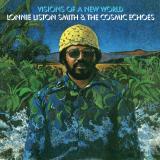
- 1: Los Conquistadores Chocolatés - Johnny Hammond
- 2: Brazilian Skies - Bill Summers
- 3: Quiet Fire - Roy Haynes
- 4: Nuther'n Like Thuther'n - Willis Jackson
- 5: Sentido En Seis (Six Feeling) - Louie Bellson & Walfredo De Los Reyes
- 6: Vera Cruz (Empty Faces) - Flora Purim
- 7: Visions Of A New World (Phase Ii) - Lonnie Liston Smith & The Cosmic Echoes
- 8: No Matter What - Pleasure
- 9: Njia Walk - Fatback Band
- 10: Gunky - Johnny Lytle
- 11: Jubilation - Patrice Rushen
- 12: Mambo Mindoro - Cal Tjader
- 13: Yatra-Tá - Tania Maria
- 14: Braun-Blek-Blu - Dom Um Romao
As time marched on, many of the DJs I had been working with such as Pete Tong, Paul Oakenfold, Trevor Fung, Simon Dunmore and Johnny Walker got involved in the world-leading UK dance scene, raking in cash by making records. I thought ‘I’ll Have some of that!’ This led to my first foray into the studio creating the proto-acid jazz classic 12”, ‘Psychedelic Jack (That’s Where It’s At)’, which cheekily sampled Frank Zappa, Soft Machine and Gong. With me and Gilles on vocals, it got us signed to Acid Jazz Records, who released in 1988 under the name of Extasis.
That was just the start and nearly 35 years later (gulp!) I’ve had a ball, producing Galliano and Paul Weller, working with Mick Talbot, Roy Ayers, Linda Clifford and Sharon Redd, remixing Will Downing, Ce Ce Rogers and Blaze. I’ve made house tunes with Faith’s Terry Farley, run the legendary Dadhouse Records label with Dave Jarvis. I also set up my own studio and released music under a variety of names, both for my own labels and Acid Jazz Records. Recent releases include my solo albums “Firebird” (2023) and “Dream World” (2024). There was also “Back To Business” with Mick Talbot, released in 2023.
он должен быть опубликован на 30.05.2025
Последний логин: 2026 г. назад
Julie in Memphis. Während Erics Trip auf Eis lag, flog die Herzogin des kanadischen Flanells im Dezember 1996 in den Süden, um ein Album mit Balladen über postpartale Depression aufzunehmen. Zusammen mit Howe Gelb von Giant Sand und David Shouse von The Grifters, fängt Loneliest In The Morning Julies blaue Phase mit zitternder Genauigkeit ein.
Закажите сейчас, и мы закажем товар для вас у нашего поставщика.
Последний логин: 10 мес. назад
Die irische Musikerin Maria Somerville kündigt ihr zweites Album "Luster" für den 25. April an. Es ist zugleich ihr Debüt bei 4AD. Mit dem Announcement erscheint die Single "Garden". Der Track taucht ihre sirenenhaften Vocals in einen Sound aus schwirrendem Feedback, luftiger Percussion und nostalgischen Gitarren, der Erinnerungen an die klassische 4AD-Phase heraufbeschwört. Bereits im letzten Jahr war der hypnotische Shoegaze-Track "Projections" erschienen, mit dem Somerville eine erste Spur in Richtung des Sounds ihres kommenden Albums gelegt hatte. Somerville wuchs im ländlichen County Galway an der bergigen und rauen irischen Westküste auf. Sie zog später nach Dublin, wo sie an ihrem Signature-Sound arbeitete: atmosphärischem Dreampop, der von der Landschaft ihrer Jugend geprägt bleibt. Die ätherischen Gitarrenklänge, spärlichen Rhythmen und elektronischen Ambient-Sounds hielt sie erstmals auf dem 2019 selbst veröffentlichten Album "All My People" fest, einem Werk, das knietief in Nostalgie und Sehnsucht watet. Erst als sie nach Connemara zurückkehrte, in ein Haus nicht weit von dem, in dem sie aufwuchs - und von wo aus man einen der größten Seen des Landes, den Lough Corrib, überblicken konnte - begann Somerville mit der Arbeit an Musik, die schließlich zum neuen Album "Luster" werden sollte. Während ihr DIY-Debüt Erinnerungen und Melancholie in nebligen Slowcore hüllte, zeigen die zwölf neuen Tracks eine Künstlerin, die sich des Weges, den sie eingeschlagen hat, viel sicherer ist. "I can see more clearly than I could before. I know now what"s true for me", singt sie passend in "Trip". Gestärkt durch die neue, alte Umgebung und ermutigt durch ihre Community, entwickelte Somerville wieder kreative Energien. Der Boden erwies sich im wahrsten Sinne als fruchtbar, als sie in lockeren Wohnzimmer-Sessions erste Demos aufnahm, die später u. a. mit J. Colleran und Ian Lynch (Lankum) ausgearbeitet und schließlich vom New Yorker Engineer Gabriel Schuman (Oneohtrix Point Never, Princess Nokia, David Byrne) gemixt wurden. Eine gewisse Popularität erreichte Somerville auch durch ihre "Early Bird Show" auf NTS Radio, wo sie seit 2021 zwei Mal die Woche ein Morgenprogramm hostet, in dem sie Musik zwischen Shoegaze und traditionellem irischen Folk vorstellt. Im selben Jahr unterschrieb sie ihren Vertrag bei 4AD, wo sie bislang zwei Compilation-Beiträge veröffentlichte und mit ihren Labelmates Dry Cleaning auf Tour ging. 2025 wird sie mit Band Shows auf der ganzen Welt spielen, darunter auch Konzerte in Deutschland.
Закажите сейчас, и мы закажем товар для вас у нашего поставщика.
Последний логин: 27 дн. назад