Suche:manni dee

Styles
Alle
  • 1
Deft & Manni Dee - Swamp Season

Two sought after artists, Deft and Manni Dee, combine their uniquely eclectic sounds on collaborative EP ‘Swamp Season’ arriving on Hooversound in March 2025.

Deft, a familiar favourite within the Hooversound family having released two EP’s on the label, is no stranger to breaking boundaries when it comes to sonic stereotypes. Enter: Manni Dee. Another equally exciting name on the London circuit who is an advocate for non-conformism. Between them they have released on Exit, 1985 Music, Critical and Fabric Originals - their style has been recognised globally and continues to grow. Both creatives bring something refreshingly new to the table, whether it’s with their amalgam style of music making, their esteemed record platforms (Silk + Steel, B4 Music) or their DJ sets - it makes perfect sense for the duo to unite on their vision.

Their latest offering combines their boundaryless artistic style of forward-thinking atmospheric production on an EP named ‘Swamp Season’. The two producers play with different elements of club music and hip hop by blurring genres and throwing the rule book out of the window. The end result highlights how Deft and Manni Dee have excelled once again across five bass-fuelled tracks which will expand your perspective on electronic music.

On their single, the duo said “‘Charged’ was the last track we wrote for the EP. Rooted in the simplicity of 00's hip hop instrumentals, on steroids, adapted with the wider electronic sphere in mind. Inspired by the past and present, facing the future.”

Deft and Manni Dee also explained how they came to collaborate; “We've always shared the same taste in hip hop and electronic music, and also share a studio together underneath FOLD in Canning Town, so it just made sense for us to make a record together. Our process was creatively free with no preconceptions, having worked together remotely and together across multiple studios around the world. The result has created a new and exciting avenue for us both, opening the floodgates to eliminate boundaries. It's Swamp Season.”

Auf Lager

Bei uns am Lager und sofort versandfertig

Manni Dee - A Low Level Love

Manni Dee

A Low Level Love

2x12inchTPTLP012
Perc Trax
18.06.2021

Manni Dee returns to Perc Trax for the release of 'A Low Level Love', his second full album following on from 'The Residue' released in 2018 by Berlin techno institution Tresor. Manni opened his Perc Trax account back in 2017 with his 'Throbs Of Discontent' 12" which featured his breakout hit 'London Isn't England' and since then he's become Perc Trax regular releasing his recent 'Everyone's Replaceable Now' 12" plus his 'Gulabi Gang' contribution to first of the 'Forever' various artists series. During this time Manni has gone from a cult UK favourite to being internationally recognised, performing all around the world.

On 'A Low Level Love' Manni expands on both his previous album and his recent run of Perc Trax releases, mixing his trademark club techno rhythms with broken beat and non-dance floor outings. 'No More Heroes' and 'You Don't Always Get What You Want' see Manni at his most melodic and introspective, whilst the storm of kick drums on 'Closer' shows a new intensity and aggression to Manni's music even when compared to the heaviest of his previous releases.

Guest slots and collaborations can often detract from the artistic vision of an album, but Manni chooses his co-conspirators well, with vocalist Sylph adding a human element to album opener 'Persist & Change' and London acid techno legend Chris Liberator providing both vocals and some of the inspiration for club hit in waiting 'London In My System'.

'A Low Level Love' will be released by Perc Trax on 17th June on 2 x 12" vinyl, CD and digital. The album was mastered by Matt Colton at Metropolis, London. The front cover photography was taken by Bruna Kazinoti and design was handled by Adult Art Club.

nicht am Lager

Bestelle jetzt und wir bestellen den Artikel für dich beim Lieferanten.


Last In: vor 3 Jahren
Manni Dee - Everything Sullied

Repress

It's An Honour For S.l.a.m. To Welcome Long Time Friend Manni Dee To The Label After His Debut Album On Tresor. Inspired By The Progression Of London's Anti-rave Direction Since Thatcher Took Office, We Present Four Original Tracks As Part Of His Contribution To The Resistance. Take Your Pick Of 4/4 On The A-side. Powerful Tools Each Creating Unique Dance Floor Tension, Hypnotic Synths And Driving Drum Work A Common Theme. The B-side Contains A Broken Beat Anthem That Has Been Doing Damage Since The Demo Was Received And The Record Is Completed With A Final Call To "comply Or Die".

nicht am Lager

Bestelle jetzt und wir bestellen den Artikel für dich beim Lieferanten.


Last In: vor 3 Jahren
Manni Dee - The Residue 2x12"

Manni Dee

The Residue 2x12"

2x12inchTRESOR304
Tresor
28.06.2018

Tresor is glad to announce the release of Manni Dee's first album 'The Residue', on June 15th.

Based in London, Manni Dee is held in high esteem by many for his spotless production and relentless DJ sets. The gleaming rendition of Manni's creative vision stuns. He knows sounds inside-out, making his studio a favorite stop for many to receive Manni's expertise.

The production of 'The Residue' was inspired by the city of London and its general living conditions. More particularly, how social cleansing, inequality and the political situation generally - and on a holistic scale - informs internal and external locus of control.

'The Residue' is disconsolate, and with such heart-wrenching tracks as 'In Communal Solitude', 'Vicarious Living' or 'Submit. Breathe.' or the mutinous 'At Mercy of the Muse' and 'Paroxysm' Manni Dee clearly cuts out his insurgent statement.
In parallel to his regular DJ schedule, Manni Dee will also take his sonic proclamation in its live PA form out to the most advanced stages starting this summer.

nicht am Lager

Bestelle jetzt und wir bestellen den Artikel für dich beim Lieferanten.


Last In: vor 6 Jahren
Manni Dee - Your Public Image Ep

Following an accomplished EP on Perc Trax & a feature on Parallels and Influence Part II, Manni Dee returns to Leyla contributing his third EP to the labels impressive discography.

Your Public Image commences with Insurrection Erection, featuring vocals by Joke Lanz of Sudden Infant (Harbinger Sound, Raubbau). The vocal contributions harness a feeling of widespread disharmony, punctuating the bullish drums and assertive atmosphere with eruptions of frustration and expressions of malcontent. While the field recorded vocals made by Lanz feature as an empowered voice and a call for upheaval, the screams and shrieks from Lanz operate as the marginalised voice of the oppressed, sharply slicing through musical elements only to disappear and become submerged.

The A2 skips along with broken beats in very British fashion, reminiscent of Manni's earlier work on Black Sun Records, with added ingenuity and percussive flare.

The application of vocals, which has become a key characteristic of Dee's recent work, is creatively exhibited on the B1 Combination Acts; a track that displays a deft percussive density unique to Dee's style, adding a frenetic touch to a steadfast substructure. The tempo ramps up on the EP closer, satirically & appropriately titled The Jingoism Stench. The distorted & frantic yet nimble foundation propels the track forward, with reverberated contact mic and vocal recordings bouncing off the stolid walls of rhythmic pressure.

An acute understanding and implementation of rhythm and sound design results in provocative dancefloor material that blurs the lines between industrial traditions and (post) punk artistry. Dee continues to flourish as one of the most innovative and exciting voices in techno today.

nicht am Lager

Bestelle jetzt und wir bestellen den Artikel für dich beim Lieferanten.


Last In: vor 2 Jahren
Manni Dee. - Pareidolia Ep

His compositions cleverly anchor stark, machine-like percussion in unprocessed field recordings and abstract noise sources, toying with the conventional boundaries between sound and music. The mixture of impromptu organic recordings and pin-sharp manmade elements simultaneously humanises and adds an air of detachment to the work; a testament to Manni Dee's command of texture and flair for sound design.

nicht am Lager

Bestelle jetzt und wir bestellen den Artikel für dich beim Lieferanten.


Last In: vor 12 Jahren
Ansome - Hells Bells And Buckets Of Blood Ep

Mindcut presents the first solo ep with no one else than London based producer Ansome.
4 heavy techno tracks with industrial influences including massive Manni Dee remix.

Early Support by: Randomer, Perc, Truss, J.Tijn, Paul Birken, Rebekah, Paul Birken, Clouds, Dave Tarrida, Kamikaze Space Programme, Myler, Wire, Interferon, Forest People. Keepsakes, Luke Creed, G-23, Axel Sohns

collecting

Bestelle jetzt. Wir sammeln aktuell Bestellungen für eine Nachpressung.


Last In: vor 9 Jahren
Daniel Avery - Song For Alpha Remixes - One

Daniel Avery broadens the exquisite sonic universe established on last year's critically-acclaimed sophomore LP Song For Alpha, presenting the collected B-sides & Remixes. Showcasing cuts from the album's writing and recording process, as well, Avery also invites a number of his contemporaries and some of the most vital underground producers in the world to rework his original material, with transformative results.

The frosty melancholy of Citizen // Nowhere is reworked by London producer Manni Dee into something altogether monstrous. Introducing itself with a kick drum powerful enough to level a warehouse, and only getting more urgent from there forward, Dee's remix blends a knowing rave glint in the eye with a nonetheless uncompromising stance.

The Copenhagen-via-Moscow producer Anastasia Kristensen immediately justifies her status as a rapidly rising talent on the scene, locking into a delicate yet no less powerful groove for her sparkling remix of Glitter. Seamlessly heightening the almost meditative qualities of Avery's original, she weaves a blissful rhythmic trip, taking in razor-sharp percussions and spectral dub techno.

A longstanding fixture on the Midwest US rave scene, Patrick Russell applies his typical grit to 'Song For Alpha's firmly dancefloor focused centrepiece, Diminuendo. In subtly shifting the focus to the track's passages of overwhelming feedback, he sculpts a black hole of snarling electro and piston-like breaks, sure to prove an inviting wormhole to those willing to surrender further, deeper and darker.

nicht am Lager

Bestelle jetzt und wir bestellen den Artikel für dich beim Lieferanten.


Last In: vor 6 Jahren
MDD - React & Explode

Canadian Duo Mdd Make Their Slam Debut Following On From Their First Release In 2018 On And Imprint Inner Surface. Unforgiving, Dark And Distorted Techno At Its Best. Somber Vocals And Murky Atmospheres Create A Wicked Tension Throughout The Ep. Manni Dee Also Features For The First Time On Slam And Gives His Contribution By Remixing Opal Fall Into A Driving Dance Floor Stomper.

nicht am Lager

Bestelle jetzt und wir bestellen den Artikel für dich beim Lieferanten.


Last In: vor 6 Jahren
Various - Parallels & Inuence Part Ii

Amsterdam based Leyla records presents part two of it's various artists compilation, this time bringing together a host of international artists, as well as a contribution from label boss Chafik Chennouf.

The four tracker commences with Insufferable People from label regular Manni Dee. Following his spectacular EP on Perc Trax, Dee delivers a dancefloor roller containing punctilious sound design integral to his work, with vocals from the artist superimposed over crunchy drums, riding the waves of submerged synths.

Track two from France's Von Grall offers a similar treat for DJs, this time with more introspective elements working in harmony with with propulsive polyrhythms. As the track creeps forward the revelation of drones and synth lines further involves the listener and contributes to a musical landscape populated by rhythmically independent segments, coalescing to form a cogent whole.

Head honcho Chafik Chennouf injects light in to the darkness on the B1 with Kosmai, redolent of EBM style funk rhythms. The stolid arpeggios function as the foundation for percussive interplay which propel the track in to new territory as it progresses. The 90s rave influence becomes apparent as the automations mould and shape the multidimensional lead.

The closer, Useless Landscape, from Japan's Katsunori Sawa immediately immerses the listener as the concrete groove is quickly overtaken by field recordings and a unique tonality emerging through layered drones and warped artefacts. Reminiscent of his work with Yuji Kondo as Steven Porter, the track unveils an intimacy through detail, while maintaing distance through evolving layers of sound creating mystery and magic.

nicht am Lager

Bestelle jetzt und wir bestellen den Artikel für dich beim Lieferanten.


Last In: vor 4 Jahren
D.C. LaRue - Ca-The-Drals - Transformation

Celebrating 50 years since the release of the iconic Cathedrals album, U.S. disco legend D.C. LaRue returns with never-before-released remixes of all four original classics—pressed on strictly limited vinyl.
Top contemporary disco producers The Reflex, Dr. Packer, and Mannix breathe new life into LaRue’s 1976 masterpiece:
The Reflex (Stevie Wonder, Cerrone) delivers dancefloor-driven edits using digitized analog multitracks.
Dr. Packer (First Choice, Loleatta Holloway) reinvents one of LaRue’s biggest hits with fresh, soulful energy.
Mannix, head of Dafia Records, adds deep, dubby textures to complete this dynamic remix package.
Each track is respectfully reimagined—maintaining the emotional depth of the originals while enhancing clarity, rhythm, and relevance with modern production.
Bonus: Includes two standout remixes from LaRue’s second LP The Tea Dance—"Overture" (The Reflex) and "O Ba Ba" (Mannix).
These remixes aren’t just nostalgic—they’re timeless. Essential for collectors, DJs, and anyone who lives for disco.
Grab your copy before it’s gone.

Auf Lager

Bei uns am Lager und sofort versandfertig

Various - Boys Noize presents ONES and ZEROS LP 3x12"

Boys Noize presents ONES and ZEROS OAZ, a new experimental record label with the mission of breaking open the space of possibilities for techno and beyond. Reflecting new modes of subcultural circulation and integrating music,
objects, and a pluralistic network of artists, OAZ debuts with the 22-track Bo compilation, including two Boys Noize solo tracks, one of them “Bvrning” (Vinyl Only), as well as tracks by Locked Club, Safety Trance & umru, DJ Babatr, Slim Soledad, Schacke, KFR, TINKERHELL, David Löhlein, MarcelDune, and more.

Auf Lager

Bei uns am Lager und sofort versandfertig

Suburban Architecture - Architecture Dub

Suburban Architecture are pleased to announce the fourth in their 'Architecture Dubs' series of limited edition 10" vinyl releases, which sees some of the most revered names active during the mid 90s golden era of Drum & Bass deliver remixes of Suburban Architecture material in homage to that most innovative of periods.

Following on from the now sold out release of Architecture Dub #001 (featuring remixes from Peshay and DJ Trax), #002 (featuring Blame and DJ Trace), and #003 (featuring Nookie and DJ Crystl), edition #004 enlists two further legendary names to put their stamp on the duo's material.

Ray Keith is a DJ and producer who requires little introduction. From his beginnings in the Acid House scene of the late 80s through to the present day via Hardcore and, of course, Jungle, Ray's output has been a steady presence in UK dance music for over 3 decades. From manning the counters of legendary record stores including London's infamous Black Market Records to masterminding bonafide dancefloor hits such as 'Terrorist' and 'Dark Soldier', Ray has touched every corner of the scene. For this remix, Ray brings some of his trademark Dread flavour to 'The Drifter' injecting some tough Amen and Bassline energy to the track.

DJ Harmony is another DJ who cut his teeth behind the counters of some of the scene's pivotal record stores, having worked in Lucky Spin and Section 5, while releasing music on some of the most important imprints in the genre, notably including Moving Shadow. Today Harmony is best known as the driving force behind the brilliant Deep Jungle imprint which delivers classic, new and unreleased music from Jungle's heaviest hitters. Recent releases have come from names including Adam F, Dilinja, DJ Trace and, naturally, Harmony himself. Harmony's remix of 'The Believer' takes cues from classic Jungle with a half time break down, giving way to a smashing Amen workout accompanied by the rousing vocal refrain of the original.

Pressed on 10" vinyl and housed in brown Kraft paper sleeves, the series makes visual reference to the exclusive dubplate pressings which introduced so many classic cuts to the UK's dancefloors in the 90s.

Auf Lager

Bei uns am Lager und sofort versandfertig

Ansome - Penny & Pound Ep

Ansome

Penny & Pound Ep

12inchMORD010
Mord Records
22.05.2024

Repress

I lean upon this,
I lean on all of this
and I know
her dress upon my arm
but
they will not
give her back to me.
Early support: Truss, Tommy Four Seven, Truncate, Marcel Dettmann, Psyk, AnD, Pfirter, Eomac, Perc, Rebekah, Svreca, Paula Temple, Dax J, Joseph Capriati, Joachim Spieth, Henning Baer, Lag, Takaaki Itoh, Go Hiyama, D. Carbone, Par Grindvik, Max M, Wire, Paul Mac, Kriz, Octave, Drvg Cvltvre, Dimi Angelis, Joe Farr, Ryuji Takeuchi, Slam, Rivet, Gary Beck, Nuno dos Santos, Manni Dee, Luis Ruiz, Mark Morris, Mattias Woot, Mike Darkfloor, Erphun, Radial, Exium, P.E.A.R.L., Mr. Jones, Joseph Mcgeechan, Joton, UVB, Juho Kusti, Aiken, Operator, Jeff Rushin, Martyn Hare, Inigo Kennedy, Sebastian Kokow, Roberto, Shards, L.A.W, Ricardo Garduno, Space DJz, Operator, Blank Code, Patrick DSP...

Auf Lager

Bei uns am Lager und sofort versandfertig

Uvb - Life

Uvb

Life

3x12inchMORDLP001
Mord Records
20.11.2015

Early support by: Marcel Dettmann, Takaaki Itoh, Gary Beck, DVS1, Adam Beyer, Randomer, Jeroen Search, Speedy J, Jonas Kopp, Tommy Four Seven,Slam, Mosca, Psyk, Paul Mac, NX1, Manni Dee, Progression, Scalameriya, Thomas Hessler, Juho Kusti, Ryuji Takeuchi, Mr Jones, ANFS, Dustin Zahn, Kyle Geiger, Joton, Paul Birken, Hector Oaks, Charlton, Dario Zenker, Kwartz, Dimi Angelis, Drvg Cvltvre, Stranger, Mikael Jonasson, Arnaud le Textier, Dax J, Jerome Hill, 3.14, Pfirter, Echologist, Darko Esser, Tripeo, Endlec, Stenny, Clouds, I/Y, Rivet, Henning Baer, Dave Tarrida, Rolf Mulder, W.I.R.E, SHDW, Pacou, Patrick DSP, Ansome, Sebastian Krenzlin, Rebekah, Gareth Wild, Domenico Crisci, Perc, Setaoc Mass, J.Tijn, Radial, Aiken, The Black Dog, Ness, Developer, Exium, Sawf, Joseph Capriati, Svreca, Shards, Truss, Truncate, Myler, Inigo Kennedy, Advanced Human, Operator

Auf Lager

Bei uns am Lager und sofort versandfertig

Malka Family - Planète Claire LP 2x12"

Since their reunion in 2015, Malka Family has been enchanting stages once again and releasing fabulous albums. Le Retour Du Kif (2018) and SuperLune (2022), featuring almost all of the original musicians, have marked their comeback.
Today, Planète Claire, a 16 tracks album, is undoubtedly one of Malka Family’s best works.
It was urgent for the great Funk families to return and give the new generations a lesson of kif…
Back to the Roots

In 1987, after organizing the Chez Roger Boîte Funk parties with Dee Nasty and Actuel/Radio Nova, Joseph Mannix and Isaac Ben Araz (then guitarist and trombonist of the group Human Spirit) decided to create a French-style Funk band.
The group quickly became one of the most spectacular live sensations of the 1990s.
Their self-produced debut album, Malka On The Beach, was released in 1991. Both the press and the public went crazy for these little funkateers, leading to a series of non-stop tours. Their concerts—wild, costumed performances—drew massive crowds. Warner France took notice and signed them.

Their second album, Tous Des Ouf (WEA), a true Space Opera P-Funk featuring guests like Sidney (Hip-Hop), Dee Nasty, Marco Prince (FFF), Juan Rozoff, and more, was released in 1992.

After touring the world multiple times, the band became independent again in 1995 and recorded an EP for Big Cheese Records: Fricassé De Funk.

By the late ‘90s, the rise of DJs and electronic music signaled the decline of large live bands. Due to its logistical weight—the band had over 14 members on their last tour—Malka Family was forced to part ways in 1997 after touring for their album Fotoukonkass (RCA/BMG).

But that was without counting on the resilience and extraordinary freshness of these Funk performers…

nicht am Lager

Bestelle jetzt und wir bestellen den Artikel für dich beim Lieferanten.


Last In: vor 3 Monaten
FUST - BIG UGLY

Fust

BIG UGLY

12inchDLRLP60
Dear Life Records
07.03.2025
  • Spangled
  • Gateleg
  • Doghole
  • Mountain Language
  • Sister
  • Bleached
  • Goat House Blues
  • What's His Name
  • Jody
  • Big Ugly
  • Heart Song

Fust--the lyrical powerhouse Southern rock band from Durham, North Carolina--announce their new album Big Ugly, out March 7th on Dear Life Records, the record label that launched the careers of MJ Lenderman and Florry and that has become a haven for contemporary songwriters. Big Ugly arrives after the release of 2024's Songs of the Rail--"one of the best alt-country compilations_in a long, long time" (Paste) -- and 2023's standout Genevieve, which unassumingly introduced new listeners to Fust's unmistakable blend of "small-town poetry" (Mojo) with a familiar yet probing "country-tinged folk-rock" (KEXP) that made it "one of the most fun rock records of the year" (Pitchfork). Genevieve was their studio debut, recorded with producer Alex Farrar (Manning Fireworks, Rat Saw God, Tomorrow's Fire) in Asheville, North Carolina. The reception was far better than the band expected, stirring them to immediately start working on Big Ugly, their second collaboration with Farrar. Recorded over ten days in June of 2024, Big Ugly is the explosive sound of Fust uncovering a freedom within their sincere form of loose and fried guitar rock, realizing more than ever before an intimacy within bigness. The members -- Aaron Dowdy, Avery Sullivan, Frank Meadows, John Wallace, Justin Morris, Libby Rodenbough, Oliver Child-Lanning--weave their voices alongside guests like Merce Lemon, Dave Hartley (The War on Drugs), and John James Tourville (The Deslondes) to form a music that sounds like a conversation between old friends. And that's exactly what it is. At its heart, Big Ugly is a story cycle, following tough-skinned characters who seem to inhabit a shared and fictional small town--Big Ugly--that in reality gets its name from a lowly populated and unincorporated area in southern West Virginia around where Dowdy's family has deep roots. The album cover_a mural from the Big Ugly Community Center just off the Big Ugly Creek--was painted by locals for a 2004 play performed by the children that interpreted their elders' stories. In a way, Fust's Big Ugly does something similar as it takes the same area as its backdrop and reimagines a life depicted in the mural between the bars, gas stations, general stores, and double-wides. Throughout the album, we join the characters in finding history and meaning in the banal theater of their own private jerkwater.The songs on Big Ugly are hearteningly varied, moving from beer-fisted radio country to elegiac drones to deconstructed ballads. Songs like "Spangled" take up the theme of past traumas and present desensitizations colliding, of the small and cosmic coinciding in the life of a heedless protagonist. "Bleached" finds the soul-searching narrator recalling the feeling of inner vacancy in their childhood: thoughtless, speechless, herded around like cattle in backseats. And "Mountain Language" laments the poverties of Southern life at the same time that it promotes a higher poverty, a country utopia that's just out of grasp, where we could live if we could only "make it up the mountain again." The mystical hermeticism and the dime-store everyday are two sides of every insignificant thing in the town of Big Ugly.

vorbestellen07.03.2025

erscheint voraussichtlich am 07.03.2025


Last In: vor 2026 Jahren
Lenny Mac Dowell - Vinyl Experience LP

Die Musikzeitschriften "Audio" und "Stereo Play" betitelten Lenny Mac Dowell als "Rockflötist Nummer eins in Deutschland".
Lenny Mac Dowell hatte unzählige Tourneen mit Musikern wie Manni von Bohr, Horst Stachelhaus (Birth Control), Peter Oehler, Mike Herting, Bodo Schopf (Michael Schenker Group) oder Zeus B. Held (Guru Guru), Clemens Winterhalter, Alex Grünwald und immer wieder Großproduktionen mit Musikern wie Pete York (Spencer Davis Group) und Wolfgang Schmid (Passport).
Eine Ära des musikalischen Experimentierens setzte sich unter eigener Produktion fort. Nach "Flying Torso" folgt "Balance Of Power", das mehr in die esoterischen Gefilde geht - feinste Meditationsmusik mit Ambient-Elementen. Auch das Album "The Farthest Shore" spiegelt die meditativen und esoterischen Klänge wider. 1987 veröffentlichte Lenny Mac Dowell in einem Gemeinschaftsprojekt mit Christoph Spendel "Autumn Breath" oder "Landscapes" (2015) und in den 90er Jahren bis heute "The Lost Paradise", "Echnatons Return", "Launch Control", "Get Ready", "Retrospective", "Lenny Goes India", "Look Of Love" und "Raja Yoga" Produktionen unter eigener Flagge.
"Vinyl Experience" eignet sich auch hervorragend als Referenz oder zum Testen Ihres Soundsystems, von der Plattenspieleranlage bis zu den Lautsprechern.

vorbestellen25.10.2024

erscheint voraussichtlich am 25.10.2024


Last In: vor 2026 Jahren
Salome - Hacker

Salome

Hacker

12inchHSN04
Herrensauna
20.06.2024

The five-track EP features three original productions by SALOME and two remixes by Manni Dee and Umwelt, ready to short-circuit your system.SALOME masterfully blends delicate melodies with thunderous breakbeats, mirroring the tumultuous nature of love. «Hacker» (A1) pulsates with the mantra «You hacked my mind,» a stark reminder that falling head over heels often means surrendering control. «Romance Malfunction» (A2) paints a vivid picture of the exhilarating highs and crashing lows of a rollercoaster relationship, ultimately leading to the introspective «Love Leaked» (A3).Seeking diverse interpretations, SALOME enlisted two of her most admired artists, Manni Dee (B1) and Umwelt (B2), to deliver their unique takes on «Hacker,» further enriching the emotional landscape of the eponymous EP.

nicht am Lager

Bestelle jetzt und wir bestellen den Artikel für dich beim Lieferanten.


Last In: vor 3 Monaten
HAAI - DJ-KICKS 2X12"

Haai

DJ-KICKS 2X12"

2x12inchKLP7419
!K7 Records
10.11.2023

London-based, Australian-born Teneil Throssell, aka HAAi, is known for a strain of sonic psychedelia that metabolises precise sound design, melodic techno, electronic pop and thundering beats. Following the release of her acclaimed 2022 album, Baby, We"re Ascending, HAAi has reached what she calls "another career milestone" - an invitation to steer the next edition of !K7 Records" acclaimed DJ-Kicks series.

nicht am Lager

Bestelle jetzt und wir bestellen den Artikel für dich beim Lieferanten.


Last In: vor 20 Monaten
sjush - Danger Dance

A relatively new name in the world of hard edged techno, Irish DJ & producer sjush made his presence felt with a string of selfreleased EPs and an appearance on SPEED'S free download series in 2021. The young up and comers' taste for raw, bewitching techno combined with a penchant for rave has left listeners in hypnotic euphoria, making him one to watch and gaining support from Manni Dee, Yasmin Gardezi, Pelin Vedis, Riot Code & more. Now on his first vinyl release, sjush produces four relentless and brooding cuts of late-night techno on TITDM.

'Aura' sets pace with an array of pounding kick drums and its commanding sensibility; inducing primal states through carefully selected grooves and propelling synths. 'Burner' then enters the fray with bone crushing percussion, also underlining sjush's solid grasp of mixing both aggressive techno with a 90s sheen. 'Cataclysm' feels more detached and spacey, still engrossed in powerful low end and foreboding pads, before the EP comes to a cinematic close with 'Grain Feeder'. Marching kick drums meet with equally relentless leads, while percussion that could easily replicate the noises from predator form to create a mindexpanding, sensory experience best heard under the cover of darkness.

nicht am Lager

Bestelle jetzt und wir bestellen den Artikel für dich beim Lieferanten.


Last In: vor 2 Jahren
ATMOSPHERE - SOUTHSIDERS

Vinyl come packaged in a custom printed plastic casing, gatefold jacket, full color printed sleeves, metallic silver color double vinyl, 8-page LP lyric booklet, and free digital download card. While Southsiders is a celebration of the group's fortitude, it is also a deeply introspective, and sometimes conflicted, work. "It's a natural progression from the last record,The Family Sign, which was about growing my family," says Slug, now a father to three, who finds himself contemplating mortality. "I'm starting to think, 'What is post-family man? What am I supposed to rap about now?' I'm sticking to my roots, rapping about what I'm doing, what I think about. This record is, much like the other ones, a very detailed look at my life."

vorbestellen18.11.2022

erscheint voraussichtlich am 18.11.2022


Last In: vor 2026 Jahren
Lee Tracy & Isaac Manning - Is it What You Want

As the sun sets on a quaint East Nashville house, a young man bares a piece of his soul. Facing the camera, sporting a silky suit jacket/shirt/slacks/fingerless gloves ensemble that announces "singer" before he's even opened his mouth, Lee Tracy Johnson settles onto his stage, the front yard. He sways to the dirge-like drum machine pulse of a synth-soaked slow jam, extends his arms as if gaining his balance, and croons in affecting, fragile earnest, "I need your love… oh baby…"

Dogs in the yard next door begin barking. A mysterious cardboard robot figure, beamed in from galaxies unknown and affixed to a tree, is less vocal. Lee doesn't acknowledge either's presence. He's busy feeling it, arms and hands gesticulating. His voice rises in falsetto over the now-quiet dogs, over the ambient noise from the street that seeps into the handheld camcorder's microphone, over the recording of his own voice played back from a boombox off-camera. After six minutes the single, continuous shot ends. In this intimate creative universe there are no re-takes. There are many more music videos to shoot, and as Lee later puts it, "The first time you do it is actually the best. Because you can never get that again. You expressing yourself from within."

"I Need Your Love" dates from a lost heyday. From some time in the '80s or early '90s, when Lee Tracy (as he was known in performance) and his music partner/producer/manager Isaac Manning committed hours upon hours of their sonic and visual ideas to tape. Embracing drum machines and synthesizers – electronics that made their personal futurism palpable – they recorded exclusively at home, live in a room into a simple cassette deck. Soul, funk, electro and new wave informed their songs, yet Lee and Isaac eschewed the confinement of conventional categories and genres, preferring to let experimentation guide them.

"Anytime somebody put out a new record they had the same instruments or the same sound," explains Isaac. "So I basically wanted to find something that's really gonna stand out away from all of the rest of 'em." Their ethos meant that every idea they came up with was at least worth trying: echoed out half-rapped exhortations over frantic techno-style beats, gospel synth soul, modal electro-funk, oddball pop reinterpretations, emo AOR balladry, nods to Prince and the Fat Boys, or arrangements that might collapse mid-song into a mess of arcade game-ish blips before rallying to reach the finish line. All of it conjoined by consistent tape hiss, and most vitally, Lee's chameleonic voice, which managed to wildly shape shift and still evoke something sincere – whether toggling between falsetto and tenor exalting Jesus's return, or punctuating a melismatic romantic adlib with a succinct, "We all know how it feels to be alone."

"People think we went to a studio," says Isaac derisively. "We never went to no studio. We didn't have the money to go to no studio! We did this stuff at home. I shot videos in my front yard with whatever we could to get things together." Sometimes Isaac would just put on an instrumental record, be it "Planet Rock" or "Don't Cry For Me Argentina" (from Evita), press "record," and let Lee improvise over it, yielding peculiar love songs, would-be patriotic anthems, or Elvis Presley or Marilyn Monroe tributes. Technical limitations and a lack of professional polish never dissuaded them. They believed they were onto something.

"That struggle," Isaac says, "made that sound sound good to me."

In the parlance of modern music criticism Lee and Isaac's dizzying DIY efforts would inevitably be described as "outsider." But "outsider" carries the burden of untold additional layers of meaning if you're Black and from the South, creating on a budget, and trying to get someone, anyone within the country music capital of the world to take your vision seriously. "What category should we put it in?" Isaac asks rhetorically. "I don't know. All I know is feeling. I ain't gonna name it nothing. It's music. If it grabs your soul and touch your heart that's what it basically is supposed to do."

=

Born in 1963, the baby boy of nine siblings, Lee Tracy spent his earliest years living amidst the shotgun houses on Nashville's south side. "We was poor, man!" he says, recalling the outhouse his family used for a bathroom and the blocks of ice they kept in the kitchen to chill perishables. "But I actually don't think I really realized I was in poverty until I got grown and started thinking about it." Lee's mom worked at the Holiday Inn; his dad did whatever he had to do, from selling fruit from a horse drawn cart to bootlegging. "We didn't have much," Lee continues, "but my mother and my father got us the things we needed, the clothes on our back." By the end of the decade with the city's urban renewal programs razing entire neighborhoods to accommodate construction of the Interstate, the family moved to Edgehill Projects. Lee remembers music and art as a constant source of inspiration for he and his brothers and sisters – especially after seeing the Jackson 5 perform on Ed Sullivan. "As a small child I just knew that was what I wanted to do."

His older brother Don began musically mentoring him, introducing Lee to a variety of instruments and sounds. "He would never play one particular type of music, like R&B," says Lee. "I was surrounded by jazz, hard rock and roll, easy listening, gospel, reggae, country music; I mean I was a sponge absorbing all of that." Lee taught himself to play drums by beating on cardboard boxes, gaining a rep around the way for his timekeeping, and his singing voice. Emulating his favorites, Earth Wind & Fire and Cameo, he formed groups with other kids with era-evocative band names like Concept and TNT Connection, and emerged as the leader of disciplined rehearsals. "I made them practice," says Lee. "We practiced and practiced and practiced. Because I wanted that perfection." By high school the most accomplished of these bands would take top prize in a prominent local talent show. It was a big moment for Lee, and he felt ready to take things to the next level. But his band-mates had other ideas.

"I don't know what happened," he says, still miffed at the memory. "It must have blew they mind after we won and people started showing notice, because it's like everybody quit! I was like, where the hell did everybody go?" Lee had always made a point of interrogating prospective musicians about their intentions before joining his groups: were they really serious or just looking for a way to pick up girls? Now he understood even more the importance of finding a collaborator just as committed to the music as he was.

=

Isaac Manning had spent much of his life immersed in music and the arts – singing in the church choir with his family on Nashville's north side, writing, painting, dancing, and working various gigs within the entertainment industry. After serving in the armed forces, in the early '70s he ran The Teenage Place, a music and performance venue that catered to the local youth. But he was forced out of town when word of one of his recreational routines created a stir beyond the safe haven of his bohemian circles.

"I was growing marijuana," Isaac explains. "It wasn't no business, I was smoking it myself… I would put marijuana in scrambled eggs, cornbread and stuff." His weed use originated as a form of self-medication to combat severe tooth pain. But when he began sharing it with some of the other young people he hung out with, some of who just so happened to be the kids of Nashville politicians, the cops came calling. "When I got busted," he remembers, "they were talking about how they were gonna get rid of me because they didn't want me saying nothing about they children because of the politics and stuff. So I got my family, took two raggedy cars, and left Nashville and went to Vegas."

Out in the desert, Isaac happened to meet Chubby Checker of "The Twist" fame while the singer was gigging at The Flamingo. Impressed by Isaac's zeal, Checker invited him to go on the road with him as his tour manager/roadie/valet. The experience gave Isaac a window into a part of the entertainment world he'd never encountered – a glimpse of what a true pop act's audience looked like. "Chubby Checker, none of his shows were played for Black folks," he remembers. "All his gigs were done at high-class white people areas." Returning home after a few years with Chubby, Isaac was properly motivated to make it in Music City. He began writing songs and scouting around Nashville for local talent anywhere he could find it with an expressed goal: "Find someone who can deliver your songs the way you want 'em delivered and make people feel what you want them to feel."

One day while walking through Edgehill Projects Isaac heard someone playing the drums in a way that made him stop and take notice. "The music was so tight, just the drums made me feel like, oh I'm-a find this person," he recalls. "So I circled through the projects until I found who it was.

"That's how I met him – Lee Tracy. When I found him and he started singing and stuff, I said, ohhh, this is somebody different."

=

Theirs was a true complementary partnership: young Lee possessed the raw talent, the older Isaac the belief. "He's really the only one besides my brother and my family that really seen the potential in me," says Lee. "He made me see that I could do it."

Isaac long being a night owl, his house also made for a fertile collaborative environment – a space where there always seemed to be a new piece of his visual art on display: paintings, illustrations, and dolls and figures (including an enigmatic cardboard robot). Lee and Issac would hang out together and talk, listen to music, conjure ideas, and smoke the herb Isaac had resumed growing in his yard. "It got to where I could trust him, he could trust me," Isaac says of their bond. They also worked together for hours on drawings, spreading larges rolls of paper on the walls and sketching faces with abstract patterns and imagery: alien-like beings, tri-horned horse heads, inverted Janus-like characters where one visage blurred into the other.

Soon it became apparent that they didn't need other collaborators; self-sufficiency was the natural way forward. At Isaac's behest Lee, already fed up with dealing with band musicians, began playing around with a poly-sonic Yamaha keyboard at the local music store. "It had everything on it – trumpet, bass, drums, organ," remembers Lee. "And that's when I started recording my own stuff."

The technology afforded Lee the flexibility and independence he craved, setting him on a path other bedroom musicians and producers around the world were simultaneously following through the '80s into the early '90s. Saving up money from day jobs, he eventually supplemented the Yamaha Isaac had gotten him with Roland and Casio drum machines and a Moog. Lee was living in an apartment in Hillside at that point caring for his dad, who'd been partially paralyzed since early in life. In the evenings up in his second floor room, the music put him in a zone where he could tune out everything and lose himself in his ideas.

"Oh I loved it," he recalls. "I would really experiment with the instruments and use a lot of different sound effects. I was looking for something nobody else had. I wanted something totally different. And once I found the sound I was looking for, I would just smoke me a good joint and just let it go, hit the record button." More potent a creative stimulant than even Isaac's weed was the holistic flow and spontaneity of recording. Between sessions at Isaac's place and Lee's apartment, their volume of output quickly ballooned.

"We was always recording," says Lee. "That's why we have so much music. Even when I went to Isaac's and we start creating, I get home, my mind is racing, I gotta start creating, creating, creating. I remember there were times when I took a 90-minute tape from front to back and just filled it up."

"We never practiced," says Isaac. "See, that was just so odd about the whole thing. I could relate to him, and tell him about the songs I had ideas for and everything and stuff. And then he would bring it back or whatever, and we'd get together and put it down." Once the taskmaster hell bent on rehearsing, Lee had flipped a full 180. Perfection was no longer an aspiration, but the enemy of inspiration.

"I seen where practicing and practicing got me," says Lee. "A lot of musicians you get to playing and they gotta stop, they have to analyze the music. But while you analyzing you losing a lot of the greatness of what you creating. Stop analyzing what you play, just play! And it'll all take shape."

=

"I hope you understood the beginning of the record because this was invented from a dream I had today… (You tell me, I'll tell you, we'll figure it out together)" – Lee Tracy and Isaac Manning, "Hope You Understand"

Lee lets loose a maniacal cackle when he acknowledges that the material that he and Isaac recorded was by anyone's estimation pretty out there. It's the same laugh that commences "Hope You Understand" – a chaotic transmission that encapsulates the duality at the heart of their music: a stated desire to reach people and a compulsion to go as leftfield as they saw fit.

"We just did it," says Lee. "We cut the music on and cut loose. I don't sit around and write. I do it by listening, get a feeling, play the music, and the lyrics and stuff just come out of me."

The approach proved adaptable to interpreting other artists' material. While recording a cover of Whitney Houston's pop ballad "Saving All My Love For You," Lee played Whitney's version in his headphones as he laid down his own vocals – partially following the lyrics, partially using them as a departure point. The end result is barely recognizable compared with the original, Lee and Isaac having switched up the time signature and reinvented the melody along the way towards morphing a slick mainstream radio standard into something that sounds solely their own.

"I really used that song to get me started," says Lee. "Then I said, well I need something else, something is missing. Something just came over me. That's when I came up with 'Is It What You Want.'"

The song would become the centerpiece of Lee and Isaac's repertoire. Pushed along by a percolating metronomic Rhythm King style beat somewhere between a military march and a samba, "Is It What You Want" finds Lee pleading the sincerity of his commitment to a potential love interest embellished by vocal tics and hiccups subtlely reminiscent of his childhood hero MJ. Absent chord changes, only synth riffs gliding in and out like apparitions, the song achieves a lingering lo-fi power that leaves you feeling like it's still playing, somewhere, even after the fade out.

"I don't know, it's like a real spiritual song," Lee reflects. "But it's not just spiritual. To me the more I listen to it it's like about everything that you do in your everyday life, period. Is it what you want? Do you want a car or you don't want a car? Do you want Jesus or do you want the Devil? It's basically asking you the question. Can't nobody answer the question but you yourself."

In 1989 Lee won a lawsuit stemming from injuries sustained from a fight he'd gotten into. He took part of the settlement money and with Isaac pressed up "Saving All My Love For You" b/w "Is It What You Want" as a 45 single. Isaac christened the label One Chance Records. "Because that's all we wanted," he says with a laugh, "one chance."

Isaac sent the record out to radio stations and major labels, hoping for it to make enough noise to get picked up nationally. But the response he and Lee were hoping for never materialized. According to Isaac the closest the single got to getting played on the radio is when a disk jock from a local station made a highly unusual announcement on air: "The dude said on the radio, 107.5 – 'We are not gonna play 'Is It What You Want.' We cracked up! Wow, that's deep.

"It was a whole racist thing that was going on," he reflects. "So we just looked over and kept on going. That was it. That was about the way it goes… If you were Black and you were living in Nashville and stuff, that's the way you got treated." Isaac already knew as much from all the times he'd brought he and Lee's tapes (even their cache of country music tunes) over to Music Row to try to drum up interest to no avail.

"Isaac, he really worked his ass off," says Lee. "He probably been to every record place down on Music Row." Nashville's famed recording and music business corridor wasn't but a few blocks from where Lee grew up. Close enough, he remembers, for him to ride his bike along its back alleys and stumble upon the occasional random treasure, like a discarded box of harmonicas. Getting in through the front door, however, still felt a world away.

"I just don't think at the time our music fell into a category for them," he concedes. "It was before its time."

=

Lee stopped making music some time in the latter part of the '90s, around the time his mom passed away and life became increasingly tough to manage. "When my mother died I had a nervous breakdown," he says, "So I shut down for a long time. I was in such a sadness frame of mind. That's why nobody seen me. I had just disappeared off the map." He fell out of touch with Isaac, and in an indication of just how bad things had gotten for him, lost track of all the recordings they'd made together. Music became a distant memory.

Fortunately, Isaac kept the faith. In a self-published collection of his poetry – paeans to some of his favorite entertainment and public figures entitled Friends and Dick Clark – he'd written that he believed "music has a life of its own." But his prescience and presence of mind were truly manifested in the fact that he kept an archive of he and Lee's work. As perfectly imperfect as "Is It What You Want" now sounds in a post-Personal Space world, Lee and Isaac's lone official release was in fact just a taste. The bulk of the Is It What You Want album is culled from the pair's essentially unheard home recordings – complete songs, half-realized experiments, Isaac's blue monologues and pronouncements et al – compiled, mixed and programmed in the loose and impulsive creative spirit of their regular get-togethers from decades ago. The rest of us, it seems, may have finally caught up to them.

On the prospect of at long last reaching a wider audience, Isaac says simply, "I been trying for a long time, it feels good." Ever the survivor, he adds, "The only way I know how to make it to the top is to keep climbing. If one leg break on the ladder, hey, you gotta fix it and keep on going… That's where I be at. I'll kill death to make it out there."

For Lee it all feels akin to a personal resurrection: "It's like I was in a tomb and the tomb was opened and I'm back… Man, it feels so great. I feel like I'm gonna jump out of my skin." Success at this stage of his life, he realizes, probably means something different than what it did back when he was singing and dancing in Isaac's front yard. "What I really mean by 'making it,'" he explains isn't just the music being heard but, "the story being told."

Occasionally Lee will pull up "Is It What You Want" on YouTube on his phone, put on his headphones, and listen. He remembers the first time he heard his recorded voice. How surreal it was, how he thought to himself, "Is that really me?" What would he say to that younger version of himself now?

"I would probably tell myself, hang in there, don't give up. Keep striving for the goal. And everything will work out."

Despite what's printed on the record label, sometimes you do get more than one chance.

nicht am Lager

Bestelle jetzt und wir bestellen den Artikel für dich beim Lieferanten.

Last In: vor 3 Jahren
Lee Tracy & Isaac Manning - Is it What You Want LP

As the sun sets on a quaint East Nashville house, a young man bares a piece of his soul. Facing the camera, sporting a silky suit jacket/shirt/slacks/fingerless gloves ensemble that announces "singer" before he's even opened his mouth, Lee Tracy Johnson settles onto his stage, the front yard. He sways to the dirge-like drum machine pulse of a synth-soaked slow jam, extends his arms as if gaining his balance, and croons in affecting, fragile earnest, "I need your love… oh baby…"

Dogs in the yard next door begin barking. A mysterious cardboard robot figure, beamed in from galaxies unknown and affixed to a tree, is less vocal. Lee doesn't acknowledge either's presence. He's busy feeling it, arms and hands gesticulating. His voice rises in falsetto over the now-quiet dogs, over the ambient noise from the street that seeps into the handheld camcorder's microphone, over the recording of his own voice played back from a boombox off-camera. After six minutes the single, continuous shot ends. In this intimate creative universe there are no re-takes. There are many more music videos to shoot, and as Lee later puts it, "The first time you do it is actually the best. Because you can never get that again. You expressing yourself from within."

"I Need Your Love" dates from a lost heyday. From some time in the '80s or early '90s, when Lee Tracy (as he was known in performance) and his music partner/producer/manager Isaac Manning committed hours upon hours of their sonic and visual ideas to tape. Embracing drum machines and synthesizers – electronics that made their personal futurism palpable – they recorded exclusively at home, live in a room into a simple cassette deck. Soul, funk, electro and new wave informed their songs, yet Lee and Isaac eschewed the confinement of conventional categories and genres, preferring to let experimentation guide them.

"Anytime somebody put out a new record they had the same instruments or the same sound," explains Isaac. "So I basically wanted to find something that's really gonna stand out away from all of the rest of 'em." Their ethos meant that every idea they came up with was at least worth trying: echoed out half-rapped exhortations over frantic techno-style beats, gospel synth soul, modal electro-funk, oddball pop reinterpretations, emo AOR balladry, nods to Prince and the Fat Boys, or arrangements that might collapse mid-song into a mess of arcade game-ish blips before rallying to reach the finish line. All of it conjoined by consistent tape hiss, and most vitally, Lee's chameleonic voice, which managed to wildly shape shift and still evoke something sincere – whether toggling between falsetto and tenor exalting Jesus's return, or punctuating a melismatic romantic adlib with a succinct, "We all know how it feels to be alone."

"People think we went to a studio," says Isaac derisively. "We never went to no studio. We didn't have the money to go to no studio! We did this stuff at home. I shot videos in my front yard with whatever we could to get things together." Sometimes Isaac would just put on an instrumental record, be it "Planet Rock" or "Don't Cry For Me Argentina" (from Evita), press "record," and let Lee improvise over it, yielding peculiar love songs, would-be patriotic anthems, or Elvis Presley or Marilyn Monroe tributes. Technical limitations and a lack of professional polish never dissuaded them. They believed they were onto something.

"That struggle," Isaac says, "made that sound sound good to me."

In the parlance of modern music criticism Lee and Isaac's dizzying DIY efforts would inevitably be described as "outsider." But "outsider" carries the burden of untold additional layers of meaning if you're Black and from the South, creating on a budget, and trying to get someone, anyone within the country music capital of the world to take your vision seriously. "What category should we put it in?" Isaac asks rhetorically. "I don't know. All I know is feeling. I ain't gonna name it nothing. It's music. If it grabs your soul and touch your heart that's what it basically is supposed to do."

=

Born in 1963, the baby boy of nine siblings, Lee Tracy spent his earliest years living amidst the shotgun houses on Nashville's south side. "We was poor, man!" he says, recalling the outhouse his family used for a bathroom and the blocks of ice they kept in the kitchen to chill perishables. "But I actually don't think I really realized I was in poverty until I got grown and started thinking about it." Lee's mom worked at the Holiday Inn; his dad did whatever he had to do, from selling fruit from a horse drawn cart to bootlegging. "We didn't have much," Lee continues, "but my mother and my father got us the things we needed, the clothes on our back." By the end of the decade with the city's urban renewal programs razing entire neighborhoods to accommodate construction of the Interstate, the family moved to Edgehill Projects. Lee remembers music and art as a constant source of inspiration for he and his brothers and sisters – especially after seeing the Jackson 5 perform on Ed Sullivan. "As a small child I just knew that was what I wanted to do."

His older brother Don began musically mentoring him, introducing Lee to a variety of instruments and sounds. "He would never play one particular type of music, like R&B," says Lee. "I was surrounded by jazz, hard rock and roll, easy listening, gospel, reggae, country music; I mean I was a sponge absorbing all of that." Lee taught himself to play drums by beating on cardboard boxes, gaining a rep around the way for his timekeeping, and his singing voice. Emulating his favorites, Earth Wind & Fire and Cameo, he formed groups with other kids with era-evocative band names like Concept and TNT Connection, and emerged as the leader of disciplined rehearsals. "I made them practice," says Lee. "We practiced and practiced and practiced. Because I wanted that perfection." By high school the most accomplished of these bands would take top prize in a prominent local talent show. It was a big moment for Lee, and he felt ready to take things to the next level. But his band-mates had other ideas.

"I don't know what happened," he says, still miffed at the memory. "It must have blew they mind after we won and people started showing notice, because it's like everybody quit! I was like, where the hell did everybody go?" Lee had always made a point of interrogating prospective musicians about their intentions before joining his groups: were they really serious or just looking for a way to pick up girls? Now he understood even more the importance of finding a collaborator just as committed to the music as he was.

=

Isaac Manning had spent much of his life immersed in music and the arts – singing in the church choir with his family on Nashville's north side, writing, painting, dancing, and working various gigs within the entertainment industry. After serving in the armed forces, in the early '70s he ran The Teenage Place, a music and performance venue that catered to the local youth. But he was forced out of town when word of one of his recreational routines created a stir beyond the safe haven of his bohemian circles.

"I was growing marijuana," Isaac explains. "It wasn't no business, I was smoking it myself… I would put marijuana in scrambled eggs, cornbread and stuff." His weed use originated as a form of self-medication to combat severe tooth pain. But when he began sharing it with some of the other young people he hung out with, some of who just so happened to be the kids of Nashville politicians, the cops came calling. "When I got busted," he remembers, "they were talking about how they were gonna get rid of me because they didn't want me saying nothing about they children because of the politics and stuff. So I got my family, took two raggedy cars, and left Nashville and went to Vegas."

Out in the desert, Isaac happened to meet Chubby Checker of "The Twist" fame while the singer was gigging at The Flamingo. Impressed by Isaac's zeal, Checker invited him to go on the road with him as his tour manager/roadie/valet. The experience gave Isaac a window into a part of the entertainment world he'd never encountered – a glimpse of what a true pop act's audience looked like. "Chubby Checker, none of his shows were played for Black folks," he remembers. "All his gigs were done at high-class white people areas." Returning home after a few years with Chubby, Isaac was properly motivated to make it in Music City. He began writing songs and scouting around Nashville for local talent anywhere he could find it with an expressed goal: "Find someone who can deliver your songs the way you want 'em delivered and make people feel what you want them to feel."

One day while walking through Edgehill Projects Isaac heard someone playing the drums in a way that made him stop and take notice. "The music was so tight, just the drums made me feel like, oh I'm-a find this person," he recalls. "So I circled through the projects until I found who it was.

"That's how I met him – Lee Tracy. When I found him and he started singing and stuff, I said, ohhh, this is somebody different."

=

Theirs was a true complementary partnership: young Lee possessed the raw talent, the older Isaac the belief. "He's really the only one besides my brother and my family that really seen the potential in me," says Lee. "He made me see that I could do it."

Isaac long being a night owl, his house also made for a fertile collaborative environment – a space where there always seemed to be a new piece of his visual art on display: paintings, illustrations, and dolls and figures (including an enigmatic cardboard robot). Lee and Issac would hang out together and talk, listen to music, conjure ideas, and smoke the herb Isaac had resumed growing in his yard. "It got to where I could trust him, he could trust me," Isaac says of their bond. They also worked together for hours on drawings, spreading larges rolls of paper on the walls and sketching faces with abstract patterns and imagery: alien-like beings, tri-horned horse heads, inverted Janus-like characters where one visage blurred into the other.

Soon it became apparent that they didn't need other collaborators; self-sufficiency was the natural way forward. At Isaac's behest Lee, already fed up with dealing with band musicians, began playing around with a poly-sonic Yamaha keyboard at the local music store. "It had everything on it – trumpet, bass, drums, organ," remembers Lee. "And that's when I started recording my own stuff."

The technology afforded Lee the flexibility and independence he craved, setting him on a path other bedroom musicians and producers around the world were simultaneously following through the '80s into the early '90s. Saving up money from day jobs, he eventually supplemented the Yamaha Isaac had gotten him with Roland and Casio drum machines and a Moog. Lee was living in an apartment in Hillside at that point caring for his dad, who'd been partially paralyzed since early in life. In the evenings up in his second floor room, the music put him in a zone where he could tune out everything and lose himself in his ideas.

"Oh I loved it," he recalls. "I would really experiment with the instruments and use a lot of different sound effects. I was looking for something nobody else had. I wanted something totally different. And once I found the sound I was looking for, I would just smoke me a good joint and just let it go, hit the record button." More potent a creative stimulant than even Isaac's weed was the holistic flow and spontaneity of recording. Between sessions at Isaac's place and Lee's apartment, their volume of output quickly ballooned.

"We was always recording," says Lee. "That's why we have so much music. Even when I went to Isaac's and we start creating, I get home, my mind is racing, I gotta start creating, creating, creating. I remember there were times when I took a 90-minute tape from front to back and just filled it up."

"We never practiced," says Isaac. "See, that was just so odd about the whole thing. I could relate to him, and tell him about the songs I had ideas for and everything and stuff. And then he would bring it back or whatever, and we'd get together and put it down." Once the taskmaster hell bent on rehearsing, Lee had flipped a full 180. Perfection was no longer an aspiration, but the enemy of inspiration.

"I seen where practicing and practicing got me," says Lee. "A lot of musicians you get to playing and they gotta stop, they have to analyze the music. But while you analyzing you losing a lot of the greatness of what you creating. Stop analyzing what you play, just play! And it'll all take shape."

=

"I hope you understood the beginning of the record because this was invented from a dream I had today… (You tell me, I'll tell you, we'll figure it out together)" – Lee Tracy and Isaac Manning, "Hope You Understand"

Lee lets loose a maniacal cackle when he acknowledges that the material that he and Isaac recorded was by anyone's estimation pretty out there. It's the same laugh that commences "Hope You Understand" – a chaotic transmission that encapsulates the duality at the heart of their music: a stated desire to reach people and a compulsion to go as leftfield as they saw fit.

"We just did it," says Lee. "We cut the music on and cut loose. I don't sit around and write. I do it by listening, get a feeling, play the music, and the lyrics and stuff just come out of me."

The approach proved adaptable to interpreting other artists' material. While recording a cover of Whitney Houston's pop ballad "Saving All My Love For You," Lee played Whitney's version in his headphones as he laid down his own vocals – partially following the lyrics, partially using them as a departure point. The end result is barely recognizable compared with the original, Lee and Isaac having switched up the time signature and reinvented the melody along the way towards morphing a slick mainstream radio standard into something that sounds solely their own.

"I really used that song to get me started," says Lee. "Then I said, well I need something else, something is missing. Something just came over me. That's when I came up with 'Is It What You Want.'"

The song would become the centerpiece of Lee and Isaac's repertoire. Pushed along by a percolating metronomic Rhythm King style beat somewhere between a military march and a samba, "Is It What You Want" finds Lee pleading the sincerity of his commitment to a potential love interest embellished by vocal tics and hiccups subtlely reminiscent of his childhood hero MJ. Absent chord changes, only synth riffs gliding in and out like apparitions, the song achieves a lingering lo-fi power that leaves you feeling like it's still playing, somewhere, even after the fade out.

"I don't know, it's like a real spiritual song," Lee reflects. "But it's not just spiritual. To me the more I listen to it it's like about everything that you do in your everyday life, period. Is it what you want? Do you want a car or you don't want a car? Do you want Jesus or do you want the Devil? It's basically asking you the question. Can't nobody answer the question but you yourself."

In 1989 Lee won a lawsuit stemming from injuries sustained from a fight he'd gotten into. He took part of the settlement money and with Isaac pressed up "Saving All My Love For You" b/w "Is It What You Want" as a 45 single. Isaac christened the label One Chance Records. "Because that's all we wanted," he says with a laugh, "one chance."

Isaac sent the record out to radio stations and major labels, hoping for it to make enough noise to get picked up nationally. But the response he and Lee were hoping for never materialized. According to Isaac the closest the single got to getting played on the radio is when a disk jock from a local station made a highly unusual announcement on air: "The dude said on the radio, 107.5 – 'We are not gonna play 'Is It What You Want.' We cracked up! Wow, that's deep.

"It was a whole racist thing that was going on," he reflects. "So we just looked over and kept on going. That was it. That was about the way it goes… If you were Black and you were living in Nashville and stuff, that's the way you got treated." Isaac already knew as much from all the times he'd brought he and Lee's tapes (even their cache of country music tunes) over to Music Row to try to drum up interest to no avail.

"Isaac, he really worked his ass off," says Lee. "He probably been to every record place down on Music Row." Nashville's famed recording and music business corridor wasn't but a few blocks from where Lee grew up. Close enough, he remembers, for him to ride his bike along its back alleys and stumble upon the occasional random treasure, like a discarded box of harmonicas. Getting in through the front door, however, still felt a world away.

"I just don't think at the time our music fell into a category for them," he concedes. "It was before its time."

=

Lee stopped making music some time in the latter part of the '90s, around the time his mom passed away and life became increasingly tough to manage. "When my mother died I had a nervous breakdown," he says, "So I shut down for a long time. I was in such a sadness frame of mind. That's why nobody seen me. I had just disappeared off the map." He fell out of touch with Isaac, and in an indication of just how bad things had gotten for him, lost track of all the recordings they'd made together. Music became a distant memory.

Fortunately, Isaac kept the faith. In a self-published collection of his poetry – paeans to some of his favorite entertainment and public figures entitled Friends and Dick Clark – he'd written that he believed "music has a life of its own." But his prescience and presence of mind were truly manifested in the fact that he kept an archive of he and Lee's work. As perfectly imperfect as "Is It What You Want" now sounds in a post-Personal Space world, Lee and Isaac's lone official release was in fact just a taste. The bulk of the Is It What You Want album is culled from the pair's essentially unheard home recordings – complete songs, half-realized experiments, Isaac's blue monologues and pronouncements et al – compiled, mixed and programmed in the loose and impulsive creative spirit of their regular get-togethers from decades ago. The rest of us, it seems, may have finally caught up to them.

On the prospect of at long last reaching a wider audience, Isaac says simply, "I been trying for a long time, it feels good." Ever the survivor, he adds, "The only way I know how to make it to the top is to keep climbing. If one leg break on the ladder, hey, you gotta fix it and keep on going… That's where I be at. I'll kill death to make it out there."

For Lee it all feels akin to a personal resurrection: "It's like I was in a tomb and the tomb was opened and I'm back… Man, it feels so great. I feel like I'm gonna jump out of my skin." Success at this stage of his life, he realizes, probably means something different than what it did back when he was singing and dancing in Isaac's front yard. "What I really mean by 'making it,'" he explains isn't just the music being heard but, "the story being told."

Occasionally Lee will pull up "Is It What You Want" on YouTube on his phone, put on his headphones, and listen. He remembers the first time he heard his recorded voice. How surreal it was, how he thought to himself, "Is that really me?" What would he say to that younger version of himself now?

"I would probably tell myself, hang in there, don't give up. Keep striving for the goal. And everything will work out."

Despite what's printed on the record label, sometimes you do get more than one chance.

nicht am Lager

Bestelle jetzt und wir bestellen den Artikel für dich beim Lieferanten.


Last In: vor 3 Jahren
Mickey Nox - Chrome Horse Diplomat EP

Berlin’s Pure Hate drop their 5th release ‘Chrome Horse Diplomat EP’ by Mickey Nox. Having previously remixed MDD on PH003, this time he takes both sides of the record and delivers 4 heavy hitting original signature hammer tracks. Mickey spawned out of the cracks of the Melbourne club scene in 2007. Which led to several residencies & festivals around Australia. In 2013 he launched his label & brand ‘Green Fetish Records’ which has since gone from strength to strength cementing its position in the Techno scene worldwide. Outside of Australia & GFR he has played clubs such as Tresor, Moog, Basis, Jaded to name a few and has released music on labels such as Perc Trax, Mind Cut Music & South London Analog Material, having been remixed by the likes of Ansome, Ayarcana, Myler & Manni Dee along the way. Mastering by Joe Farr. Artwork by Slave To Society.

nicht am Lager

Bestelle jetzt und wir bestellen den Artikel für dich beim Lieferanten.


Last In: vor 22 Monaten
Freakons - Freakons LP

Mekons + Freakwater = FREAKONS.Freakwater and the Mekons have
joined forces to sing songs about coal mining
FREAKONS, the eponymously-titled album on Fluff & Gravy Records , is the first
fruit of this visionary musical union.The Mekons and Freakwater have been
friends for decades, forged in the punk rock/ art school crucibles of late '70s
Leeds and mid '80s Louisville respectively. Both bands mined British folk and
American classic country music for three- chord songs whose lyrics fit the
nihilism or political rage or outlandish joy of the moment. Many of these songs
were about coal mining. Traditional songs about heroic union organizers, deadly
mine disasters, wailing orphans, or mining's grim history of economic and
ecological devastation fit seamlessly alongside each band's original material.
And so it is with FREAKONS.
Deep pit mines, strip mines, mountaintop removal, collapsing slag heaps. Deadly
work, poisoned water, and fantastic songs. Always fantastic songs. This is where
the FREAKONS were born, from the very bowels of the earth.
The Mekons' Jon Langford & Sally Timms and Freakwater's Janet Bean &
Catherine Irwin are joined here by the stellar string and vocal harmonies of Jean
Cook (Ida, Tara Jane O'Neil, Skull Orchard) and Anna Krippenstapel (The Other
Years, Joan Shelley, Freakwater), along with special guest, the beloved guitar
genius Jim Elkington (Jeff Tweedy, Richard Thompson, Eleventh Dream Day,
Horse's Ha, Skull Orchard, Freakwater, The Zincs).
Belgian painter Jo Clauwaert created the album's intricate gatefold cover. Images
from song lyrics and related history emerge and recede again in this gorgeously
illustrated artistic fever dream.The story of coal mining is one of ongoing pillage
and ecological devastation. It is also a story of heroic workers, struggling in
blighted circumstances to feed their families. The songs and the culture that have
risen from the mines deserve our attention. A portion of the profits from the
FREAKONS record will go to Kentuckians For The Commonwealth, a grassroots
organization dedicated to creating a better future for the Appalachian region.
Kentuckians For The Commonwealth (KFTC.ORG) works to end mountaintopremoval coal mining, and to promote political candidates who care about social,
environmental and economic justice and the transition to clean, renewable
resources

vorbestellen30.06.2022

erscheint voraussichtlich am 30.06.2022


Last In: vor 2026 Jahren
New Frames - Dread Materialized

New Frames

Dread Materialized

12inchHVN013
Haven
17.06.2022

HAVEN return with another killer EP from Berlin duo New Frames - Mathis Mootz (aka The Panacea) and David Frisch. There's no messing around in their second release on the imprint, with the A1 track 'Clownhouse Reality' designed pummelling bodies with it's driving 4-4 rhythms, spiky synths and perfect techno sound design. The A2 continues this formula with 'Variation Is A Feature Not A Flaw' - where the huge pounding drums and rolling break samples interplay with wailing sound effects and a lively side-chained mid-range synth in another dance-floor burner.

The tempos increase on the flip with the B1 track, 'Proton Isospace', leading the charge with its sinister melodic stabs, rolling drum patterns, and creeping washes of mid-bass guaranteed to get feet moving. The B2 ends the record with a massive Manni Dee remix of New Frames modern classic 'Scatter' released on the first Sardonic Tonality compilation back in 2019. The UK producer proves his mettle in this re-imagining with colossal drum work, a monster rap line, and a cheeky half-time build up to close out another hefty offering from the HAVEN camp.

nicht am Lager

Bestelle jetzt und wir bestellen den Artikel für dich beim Lieferanten.


Last In: vor 2 Jahren
Muddy Waters - Hard Again

Muddy Waters

Hard Again

12inchMOVLP565C
Music On Vinyl
28.01.2022

In 1976 the Chicago based blues artist Muddy Waters started recording his album Hard Again. It is the first album that was produced by Johnny Winter. Its official release date is set in 1977. Waters opens up the album with the one song that cemented Muddy’s place in Rock & Roll heaven: “Mannish Boy”, on which Winter’s ecstatic ‘Yeah!’s can be heard on. Hard Again features Muddy Waters’ trademark blues sound: rugged, raw and full of energy. The album was very well received and to this day, is seen as one of Waters’ best efforts. Hard Again peaked at #143 on the Billboard 200, which was his first chart appearance since Fathers and Sons in 1969. It also won the Grammy Award for Best Ethnic or Traditional Folk Recording.

vorbestellen28.01.2022

erscheint voraussichtlich am 28.01.2022


Last In: vor 2026 Jahren
CATARTSIS & ŌTONE - MECHANICAL GESTURE

Originally released digitally in August 2020 and supported by DJ Stingray, Martin Gore (Depeche Mode), Manni Dee, Rommek and Tapefeed, OBSCUUR is thrilled to present the vinyl issue of Catartsis & Ōtone's split EP "Mechanical Gesture". Catartsis and Ōtone explore, both in their collaborative and respective work, a wide spectrum of electronic and electroacoustic music with the practices of field recording and attentive listening at the core of their creative process. Inspired by musique concrete and electroacoustic sonic manipulations, they combine and alter sounds from the real, from their surroundings and from found (mainly metallic) objects. Stemming from this approach, they engage in rhythmical and textural research to elaborate a - peculiar, acousmatic and almost tangible - percussive and club-oriented music. With "Mechanical Gesture" Catartsis & Ōtone bring us an EP that is the very definition of the word "groove" while investigating rhythms and timbres from various mechanical apparatuses. Press, slice and carve your way through this assortment, it's guaranteed to get you moving.

nicht am Lager

Bestelle jetzt und wir bestellen den Artikel für dich beim Lieferanten.


Last In: vor 4 Jahren
Marcus L - 292513 = STORM Remix EP

Orange Marbled Vinyl

In the past few years, Korean labels and artists in the far east have begun to stand out. One label is Ameniia, led by Marcus L. The owner of Faust, an indispensable pioneer club in Asia, has been presenting EPs of various styles in recent years. Released in April 2019, 292513 = STORM EP is back with a remix version that includes promising four artists armed with intense beats and wild sound.

nicht am Lager

Bestelle jetzt und wir bestellen den Artikel für dich beim Lieferanten.


Last In: vor 5 Jahren
Jasmine Azarian - Egalitarian EP

Jasmine Azarian caught my ear with a DJ set a while back so I asked her to send some tracks over. The first two she sent were stunning - raw, emotive, warehouse anthems (no Hard Wax you may not steal my description). If that doesn't float your mojito we have none other than Manni Dee and Ossian remixing each track just to add a shit ton more sizzle to the party.

nicht am Lager

Bestelle jetzt und wir bestellen den Artikel für dich beim Lieferanten.


Last In: vor 3 Jahren
Alex Chilton - It Isn’t Always That Easy

We adore Big Star and Alex Chilton more than words can express. Being able to present two of Alex’s staggeringly beautiful demos on vinyl for the first time (on a cute picture sleeve 7", no less) is an absolute honour for us at Be With.

“It Isn’t Always That Easy” and “If You Would Marry Me” both sound like templates for some of Alex’s best-known Big Star numbers. These demos come from the transitional recording sessions he made with Terry Manning at the Ardent studio in 1969, but were missing from the vinyl version of the wonderful Free Again compilation that was released in 2012.

Caught between the end of the Box Tops and the birth of Big Star Alex’s song-craft was already remarkable - as these demos prove - and this release represents a fascinating, exploratory period in the career of one of pop’s most enigmatic talents.

“It Isn’t Always That Easy” is the real knockout. A tender, acoustic ballad that, stylistically, could have appeared Big Star’s “#1 Record”. Yes, it really is that good. A deeply affecting, ruminative lament that explores the ravages of Alex’s short career to date, it is also one of the sweetest and most delicate melodies he ever wrote. A song this stunning shouldn’t just be kept for the Big Star completists.

Over on the flip, “If You Would Marry Me” finds Alex in earnestly romantic mode. It’s just him and a piano, albeit one that is played in a poppy, uplifting fashion to complement the optimistic mood: “I could make you feel so glad inside and so alive” he confidently declares. It’s quite the gem. It really should be mandatory for this to be played at every wedding.

Unfortunately there seem to be no photographs of Alex from around the time he was making these recordings. But luckily we were put in touch with Pat Rainer who was photographing the Memphis music scene that Alex was still part of a few years later.

Happy to be described as “a friend with a camera who was hanging around”, Pat’s candid pictures of Alex included one of him asleep on the floor of the Ardent studio. Even though the photograph was taken 9 years after the demos were recorded, we think this intimate portrait makes a fitting cover for these equally intimate songs.

nicht am Lager

Bestelle jetzt und wir bestellen den Artikel für dich beim Lieferanten.


Last In: vor 6 Jahren
Snts - Scene Iii

Snts

Scene Iii

12inchSNTS006
SNTS
28.06.2019

repressed !

SNTS presents the last part of his double trilogy, this time called SCENE III. SNTS wanted to obtain a different view of one of the tracks of this release, and, in order to achieve that, he introduced a big star of the techno scene to this story, that artist is SHIFTED. Anonymity remains the centerpiece of SNTS. To convey feelings and sensations without a face reference or a name is the key point of this mysterious artist. This time the titles of the tracks refer to dates. You may never discover what events those dates belong to, but perhaps we can decipher something through sounds and their path. 20.01.1944 It reminds us of a battle in an eerie and desolate terrain in which each sound makes you move, observing what is happening around you. 20.01.1944 The version from SHIFTED is the story told from the outside of the bipolar world where is SNTS. 07.09.1981 It is a step in the course of a life that accompanies an atmosphere that breathes, but is not noticeable by other senses. 15.04.1946 Destruction, desolation and despair is reflected in this track. It definitely meets all the conditions to describe SNTS' sound.

Played & Supported by:
Planetary Assault Systems, Paula Temple, Svreca, Takaaki Itoh, James Ruskin, Tommy Four Seven, Ryuj Takeuchi, Giorgio Gligli, Speedy J, Ancient Methods, Terence Fixmer, Cio D'or , Eomac, Milton Bradley, Samuli Kemppi, Dj Emerson, Chris Liebing, Par Grindvik, Ø Phase, Kr!z Token, Zadig, Marcel Dettmann, Answer Code Request, Slam, Norman Nodge, Dave Miller, Deepbass, Nihad Tule, Truncate, Dj Hyperactive, Angel Molina, Ben Gibson, Juho Kusti, Claudio PRC, Bas Mooy, J. Tijn, Manni Dee, Donor, Rebekah, Go Hiyama, Francois X, Adriana Lopez, Electric Indigo, Bleak, Inigo Kennedy, Pfirter, Alex.Do, Eric Cloutier.

nicht am Lager

Bestelle jetzt und wir bestellen den Artikel für dich beim Lieferanten.


Last In: vor 3 Monaten
Los Angeles - Baby

Los Angeles

Baby

7"-VinylFM008/PM010.7
Pauls Musique/Freeride Milleni
05.03.2018

The next collaborative release between Freeride Millenium and Pauls Musique is a terrific two-tracker from Manchester artist Joseph Louis Harland Manning under his new alias Los Angeles with the 7 vinyl release artwork designed by Daniel Rajcsanyi as part of his 'BABY' exhibition in Austria. Joseph Louis Harland Manning was the drummer of the band Wu Lyf and is involved in projects like Los Porcos, the Mancunian boyband Menage a Trois and Dream Lovers. Under his other aliases he released on Aficionado, Cracki, Ocean Records and Is It Balearic sub label Uber as well as having made music videos for Molly Nilsson. Here he is fine form across a pair of delicate and moving synth tracks. Opener 'L'amour' is a gentle cut that starts with celestial chords and wide-open expanses of synth before a buried deep groove slowly comes to the fore. Breathy vocals also add to the loved-up, dreamy feel and the whole thing carries you away in a majestic reverie that shifts from ambience to new age house. The track features the artists own field recordings from the streets of Berlin, twisting up sounds from the sidewalk into percussive notes that give an organic feel. The perfectly soothing second offering is 'I Wanna Go To Heaven' is a gorgeous synth piece that suspends you in a crystal clear blue sky on a warm summer's day. Chords are smeared and stretched whilst angelic, wordless vocals drift by. It is the sound of a blissful passage to the afterlife and will leave you feeling cleansed. This is a truly emotive package of music that marks another first rate release on this ever evolving label

nicht am Lager

Bestelle jetzt und wir bestellen den Artikel für dich beim Lieferanten.


Last In: vor 8 Jahren
Nuances - Murmurs Of A Heavy Heart

Following on from a run of releases on Bastakiya Tapes and Total Black, Manni Dee's Nuances project joins the label with a mini-album recognising splendor in feelings of somberness and isolation.

nicht am Lager

Bestelle jetzt und wir bestellen den Artikel für dich beim Lieferanten.


Last In: vor 8 Jahren
Johnny Winter, Muddy Waters & James Cotton - Wbcn-fm Boston Music Hall 26-02-77

At a point in time when Johnny Winter had only recently recovered from past addictions and blues giant Muddy Waters had faced a decline in his career with illness and the collapse of Chess records in 1975, it was Steve Paul of Blue Sky records who would appear as saviour to both musicians. The results of his investment soon paid off and Winter's childhood dream to play alongside his hero Muddy waters was soon realised. Waters' comeback album was a return to his original Chicago sound. Its raw, expressive feel harked back to his Chess Records days, and the outstanding musicianship and intimate exuberance exceeded all expectations, earning Waters a Grammy in the process.
The Hard Again tour combined the respected powerhouse of Waters, Winter and Cotton with musicians from the Hard Again sessions. Hard Again cast a further four albums with Blue Sky before Waters would leave in 1983. Although this particular collaboration was short-lived, it has provided blues fans a rare opportunity to indulge in the work of two hugely important musical figures whose respect for each other is evidently unflinching.

nicht am Lager

Bestelle jetzt und wir bestellen den Artikel für dich beim Lieferanten.
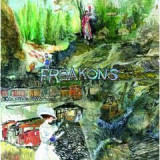

Last In: vor 8 Jahren
  • 1
Artikel pro Seite:
N/ABPM
Vinyl
