This time we go back to 1978. Why
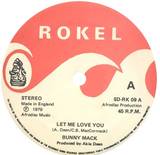
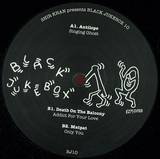
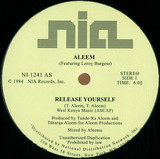
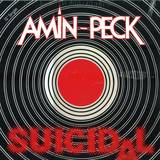
Antilope's and Death On The Balcony's edits both are based around originals that were released in 1978 - stretched and sped up for the club. Matpat, on the other hand, selected a drum and piano loop from a Maxi Version of one of the first disco-rap records from 1980.
A1)
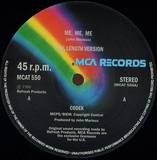
When the original of this club edit was released in 1978, it was already an edit, as it used poetry recordings of the band's singer who was by then dead for 7 years. With the overdubbing of music to pre-existing poetry recital tapes by the surviving band members, it marks the beginning of the creation of something new for the band. Right in this spirit, Antilope has created a club version that stays true to the original but makes it suitable for after-hours and late night venues.
B1)
Death On The Balcony's edit is all about the groove. Think Paul Humphrey, Ed Greene, Earl Palmer and the god-father of that 16th-note groove James Gadson. Death On The Balcony replayed some parts & added a more modern bass to mirror, compliment existing parts in the original track used. The hook of the vocal was made as an art of the verse of the beginning.
B2)
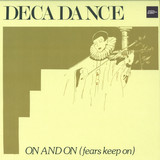
Matpat used a Piano-loop from one of the first disco rap records ever made and transformed it into a jackin house swinger. No more words needed, just enjoy it.
About ANTILOPE
A film buff from an early age, Balthazar Pinto, aka Antilope, cites cinematography as the main inspiration for the songs he creates (as one could hear on his Exploited debut ‚Body Trouble'). His discovery of electronic music occurred in the early 90's, and he quickly fell in love with the scene and decided to become a part of it. Despite beginning to produce in 2000, he has only used the Antilope moniker for the past three years. With this project, he aims to "create music that breathes like a soundtrack, but in a more edgy, club kind of way.' (Earmilk)
About DEATH ON THE BALCONY
Leeds-born duo Death On The Balcony's distinctive brand of emotive house music has steadily grown to become one of the genre's most sought-after sounds. From edits for Soul Clap's free download series to releases on All I Day I Dream, SUOL, Pets Records, Culprit and Silver Network, they have graced many of underground house's most acclaimed labels and this is their first mark on Exploited.
About MATPAT
At a young age, Matthew Patrick Dodd was introduced to an eclectic mix of music from his family that would later be inspiration for his own burgeoning take on Electronic Music. By seven, his brother had him standing on milk crates so he could reach his first set of tables and by thirteen, he had already started playing classic records like Kraftwerk's "Tour De France" and Hard Drive's "Deep Inside." Matpat's sound is influenced by the producers that came before him. Detroit Techno, Chicago House and Disco from Philadelphia & New York (as well as his own productions) fill his DJ sets and have begun to distinguished him as a House Music Maven. His "Crush" EP was picked up by Terry Farley, the man behind Junior Boys Own. Mat's release on Stretch Armstrong's New York Dance Label, Plant Music received a 4/5 on Resident Advisor. Then he signed to Derrick Carter's label Persnickety for "The Chicago-Philly Combo" (which reached the Juno Records Top 5 Singles Chart). All this helped solidify Matpat as a house music DJ and Producer with a promising future. By the end of 2013, he released his track "Feel Your Body" on Samo Sound Boy & Jerome LOL's label Body High, as well as throwing invite-only parties at his loft in the "Eraserhood" area of Philadelphia. Now this is his second contribution to Exploited's Disco edit label Black Jukebox.