Сделать предзаказ23.10.2026
он должен быть опубликован на 23.10.2026
он должен быть опубликован на 23.10.2026

он должен быть опубликован на 08.05.2026

он должен быть опубликован на 26.09.2025

он должен быть опубликован на 04.10.2024

он должен быть опубликован на 04.10.2024

он должен быть опубликован на 04.10.2024

Есть у нас в наличии и готов к отправке

ADULT. kooperiert nicht. Seit über 25 Jahren verkörpert die dystopische Detroit-Synth-Punk-Institution, gegründet von Nicola Kuperus und Adam Lee Miller, unbeirrbare Frustration, Misstrauen und Beklemmung. Man könnte erwarten, dass sich die Kanten mit der Zeit abschleifen, doch ADULT. hat kein Interesse am Komfort eines Vermächtnisses. Noch nie klang die Musik des Duos so unmittelbar, so dringlich und so unverhohlen wütend wie auf dem abschließenden, kompromisslosen Kissing Luck Goodbye.Mit aufgerüstetem Equipment und einer neuen Klangbibliothek gebaut, ist das Material erdrückend dynamisch, lauter - und zugleich klarer. Kuperus' dominante Darbietung rückt im Mix stärker in den Vordergrund und skizziert ein Arsenal aus lebhaften, ätzenden Rufen, Sprechchören und Gedankensplittern. Lachen - ob in den Texten oder als besessene Präsenz - fungiert als Leitmotiv und verweist auf die bedrohliche Absurdität der modernen Zeit.,THE CHAOS IS WHAT THEY WANT", singt sie in ,R U 4 $ALE" - zugleich eine Absichtserklärung: einer brennenden Welt aus Gier und Unordnung mit trotzigem, meisterhaft zusammengebautem Chaos zu begegnen. ,Du hast in dieser Höllenlandschaft, in der wir gerade leben, zwei Möglichkeiten: kämpfen oder depressiv sein", sagt Miller. ,Beides ist okay. Aber, na ja, die Entscheidung war einfach."ADULT. ist bekannt für hochriskante Katharsis auf der Bühne und griff kürzlich auf seinen Backkatalog an Bassgitarren-Songs aus den 2000ern zurück, wobei sie die vorausschauende Anxiety Always-Ära erneut nachzeichneten - teils aus Notwendigkeit angesichts der heutigen politischen und technologischen Angsttemperatur. Die Reaktion war sofort spürbar: ,Wir waren in Paris, und die Kids sind von der Bühne gesprungen. Und ich dachte nur: Das ist großartig. Das ist irgendwie die Energie, in die ich wieder zurückwill", sagt Kuperus.Diese Erkenntnis fiel mit einer Reihe von Rückschlägen zusammen - Kuperus' Anfällen von chronischem Schwindel, dem Verlust ihres engen Freundes und Kollaborateurs Douglas McCarthy von Nitzer Ebb, dem das Album gewidmet ist - alles unter dem drohenden Regime noch einmal erheblich verschärft. ,Wir dachten nur: Alles zerbricht. Wir zerbrechen. Wir sind kaputt." Dieses Gefühl hielt jedoch nicht an, denn letztlich waren sie viel zu sehr von Wut aufgeladen, um stillzuhalten. Die Stimmung vor Kissing Luck Goodbye waren vier Mittelfinger, die kerzengerade nach oben zeigten.Anstatt sich zurückzuziehen, konzentrierten sie sich auf den Prozess und überarbeiteten ihr Setup - inklusive der ersten neuen Mikrofone seit 20 Jahren. Hält man das Album an irgendeiner Stelle an, zählt man wahrscheinlich ein Dutzend Dinge, die gleichzeitig passieren, in seltsamer, schwindelerregender und dissonanter Harmonie. ,No One Is Coming" attackiert Untätigkeit angesichts des Faschismus - ,NO ONE IS COMING TO YOUR RESCUE". ,None of It's Fun" feuert mit atemloser Dringlichkeit, rasenden Glissandi und pointierten Zeilen wie: ,OH I AM TEARING MY GUTS OUT / LOOK AT ME_ DO YOU THINK THAT THIS IS AMUSING?"Eine geradlinige Basslinie und Kickdrum prallen im Abschlusstrack ,Destroyers" auf pulsierende Mantras, werden dann vollständig gesättigt und kakophonisch. Ihre jüngeren Ichs hätten den Song vielleicht sich selbst zerstören lassen, doch hier gelang es ihnen, die Lautstärke durch alle Extreme hindurch zu stabilisieren und Raum für ein eindringliches, abschließendes A-cappella zu schaffen: WE PAY THE PRICE FOR THOSE IN POWER EXPLOITING YOU EXPLOITING ME CONSUMING YOU CONSUMING ME SICK SICK SICK SICKENING IT IS US THAT ARE DEVOURED BY EVERYTHING I WILL EAT YOUR HATE
он должен быть опубликован на 16.10.2026
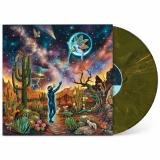
Mit ihren ersten beiden Alben verwandelten Dream Unending die vertraute Architektur des Death Doom in einen eigenen Ort. Eine Sprache, in der tiefste Schwere mit Progressive Rock, Ambient-Musik, jazzinspirierter Improvisation und unverblümter emotionaler Offenheit koexistieren konnte.
Auf dem neuen Album 'Certain Uncertainties' bleibt dieser Ausdruck intakt, doch der Blick hat sich verändert. Wo frühere Werke oft nach oben und außen zu greifen schienen, kehrt dieses auf die Erde zurück: schlanker im Aufbau, rauere Kanten und von einer ausgeprägt nächtlichen Atmosphäre geprägt. Man könnte es vielleicht 'Adult Contemporary Doom' nennen; Musik von erheblichem Gewicht, die dennoch gelernt hat, wie viel gesagt werden kann, indem man bestimmte Dinge ungesagt lässt.
Aufgenommen mit weniger Schichten und einem bewusst unmittelbaren instrumentalen Ansatz, gibt 'Certain Uncertainties' den einzelnen Darbietungen Raum zum Atmen. Derrick Vellas Gitarren bewegen sich mit ungewohnter Freiheit durch Blues-, Jazz- und Progressive-Vokabular und tragen zuweilen den offen geführten Charakter amerikanischer Roots-Musik in Gefilde, die man im Doom selten antrifft. Justin DeTores Schlagzeug ist durchgehend präsent, verleiht dem Album eine physischere Dynamik und hilft den Kompositionen, ihre Ziele mit größerer Sparsamkeit zu erreichen. Dennoch hat die Prägnanz die Vorliebe von Dream Unending für Entladung nicht geschmälert: Insbesondere das Eröffnungs- und das Schlussstück steuern auf enorme Druckpunkte zu, während die Zwischenräume Vellas Spiel zum Wandern, Reagieren und gelegentlichen Unvollkommenheiten einladen. Jeder Song funktioniert als eigene Vignette – teils Wüsten-Träumerei, teils After-Hours-Noir – durchzogen von Spuren westlicher Landschaften, dämmrigen Räumen und leeren Straßen.
Diese erdgebundene Qualität passt zu einem Album, das sich im Kern mit Instabilität und Wiederaufbau beschäftigt. Entstanden in einer Phase, in der Vella sein eigenes Vertrauen ins Risikoeingehen neu aufbaute, trägt 'Certain Uncertainties' Zweifel in sich, ohne der Verzweiflung zu verfallen. Die versehrte Balladenhaftigkeit von 'I Carry Your Burden' (mit Gastgesang von Brendan Radigan), die improvisatorische Offenheit des Titeltracks und die hässlicheren Ausbrüche des Death Doom gehören alle zum selben emotionalen Terrain: Schönheit und Unbehagen dürfen denselben Rahmen einnehmen. Wenn das frühere Werk von Dream Unending eine andere Welt jenseits der Grenzen schwerer Musik imaginierte, findet 'Certain Uncertainties' etwas ebenso Seltsames in der Welt unter unseren Füßen. Ein Album voller trockener Luft, langer Schatten, ungelöster Fragen und dem sturen Impuls, sich weiter durch sie hindurchzubewegen.
он должен быть опубликован на 30.10.2026

,Settle Down City" war 2006 das Debütalbum von Young Widows und markierte den Neubeginn der Musiker nach dem Ende der Hardcore-Band Breather Resist. Die Gruppe aus Louisville entwickelte darauf ihren charakteristischen Stil aus Post-Hardcore, Noise Rock und düsterem Post-Punk, geprägt von schweren, basslastigen Grooves, kantigen Gitarren und einer intensiven, oft beklemmenden Atmosphäre. Einflüsse von Bands wie Fugazi, Hoover, The Jesus Lizard und den Melvins sind deutlich hörbar, werden jedoch zu einem eigenständigen Sound verarbeitet. Im Zentrum stehen das kreative Gitarrenspiel von Sänger Evan Patterson sowie das kraftvolle Zusammenspiel der Rhythmussektion mit Nick Thieneman und dem damaligen Schlagzeuger Geoff Paton. Die Songs verbinden rohe Energie mit ungewöhnlichen Songstrukturen und legten den Grundstein für die spätere Entwicklung der Band zu einer der wichtigsten Noise-Rock-Formationen ihrer Generation. Zum 20-jährigen Jubiläum erscheint ,Settle Down City - Anniversary Edition" in einer umfassend überarbeiteten Fassung. Das Album wurde von James Plotkin neu remastert, mit restauriertem Original-Artwork versehen und um den bislang unveröffentlichten Bonus-Track ,White Water" erweitert, der bereits während der ursprünglichen Aufnahmesessions entstand. Die limitierte Neuauflage auf opak-gelbem Vinyl bietet damit die definitive Version eines Albums, das den Beginn der inzwischen zwei Jahrzehnte andauernden Karriere von Young Widows dokumentiert.
он должен быть опубликован на 06.11.2026
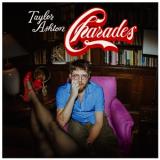
Taylor Ashton kehrt mit Charades" zurück, seinem dritten Solo-Album, das am 6. November 2026 bei Birthday Cake Records erscheint. Produziert und mitgeschrieben von Benjamin Lazar Davis (Cuddle Magic, Okkervil River, Maya Hawke), abgemischt von Jacob Blumberg und gemastert von Philip Shaw Bova, bettet das Album Ashtons warmen Bariton und sein einfallsreiches Clawhammer-Banjo in kantigen experimentellen Pop und klassische Harmonien ein: atmosphärische Kurzgeschichten über Treue, Freundschaft, Schicksal und Selbsttäuschung. Die Gästeliste liest sich wie ein Gipfeltreffen der Brooklyn-Folk-Szene: Maya Hawke, Theo Katzman (Vulfpeck), Aoife O'Donovan und Ashtons Frau Rachael Price (Lake Street Dive) singen alle auf dem Album mit. "Ich habe Taylor Ashtons Stimme als sehr ehrlich erlebt wie Balsam, ganz ohne Künstlichkeit", sagt Leslie Feist.
он должен быть опубликован на 06.11.2026

,PROUD OF ME" ist ein sehr persönliches neues Album, an dem ALA.NI - die geheimnisvolle britische Sängerin, Songwriterin und Musikerin, deren Stimme jenseits der Zeit zu schweben scheint - und der Komponist Adrian Younge fast ein Jahrzehnt lang gearbeitet haben. Das Album fängt einen tagebuchartigen Schnappschuss aus ALA.NIs Leben über mehrere Jahre hinweg ein und zeichnet Liebe, Sehnsucht, Trauer und Selbstfindung vor dem Hintergrund von Los Angeles nach. Auf ,Proud of Me" schreibt ALA.NI offen über Sehnsucht, Trauer, Intimität und Selbstbeherrschung und lässt dabei oft die emotionalen Ecken und Kanten offen liegen. Von der gedämpften Intimität von ,Face in the Evening" bis zur verträumten Romantik von ,Middle of Nowhere" zeichnet das Album die Geschichte einer Frau nach, die lernt, ihrer eigenen Stimme und ihren Erfahrungen zu vertrauen.
он должен быть опубликован на 13.11.2026
Kora Koumakan, or Word of the Kora, is a boundary-pushing Afro-Manding group from Conakry, Guinea. Led by master kora player and composer Sekouna Conte, Kora Koumakan channels Guinea's rich musical heritage into modern compositions, creating a sound that is both deeply rooted and forward-looking. Inspired by Guinea's iconic Ballets Africains and legendary artists like Bembeya Jazz National and Mory Kante, the band masterfully blends contemporary instrumentation with traditional West African instruments - handmade by the band themselves - including the kora, djembe, and balafon. Since 2018, they have been touring extensively across West Africa, honing their sound and earning a nomination for Best Band at the 2025 Guinea Music Awards.
This inaugural limited edition vinyl release on Jambulance Movement Records features two standout remixes by London's Tigerbalm and Ben Gomori, which transform the band's original Afro grooves into hypnotic house tracks already making waves on dancefloors worldwide. Tigerbalm's remix expertly layers the original percussion around a driving 4/4 beat, with the ethereal kora and powerful vocals weaving through the rhythm to create compelling dancefloor energy. Ben Gomori's remix takes a more atmospheric route, anchored by a groovy bassline loop with layered guitar and keyboard melodies that add depth and movement, gradually building into immersive moments of tension and release. The record also includes instrumental versions of these remixes, with the band's EP of original tracks set to drop in early 2026.
Jambulance Movement Records is a social enterprise record label and recording studio based in Guinea. Their mission is to empower the next generation of emerging African artists by providing free professional recording services. Operating a solar-powered mobile studio and a static studio in Conakry, the label discovers new talent through casting events across the country. Selected artists receive comprehensive training and mentorship, with the overall aim to foster sustainable careers for young African artists.
Этот продукт еще не вышел. Ты можешь сделать предзаказ, как только он появится на складе, продукт будет подготовлен к пересылке.

New Jon Savage Compilation release alert! Jon Savage's SF Sike 1966-72 (Double Vinyl) Limited Edition. Heavyweight Luxury Gauge Sleeve-Stock & Inners.
The real sound of San Francisco 1966-72." It was the new gold rush, but with drugs, music and freedom the goal. " (Jon Savage -The Guardian August 2012)
A limited edition double vinyl 18 track album celebrating the great pop music and idealism of that time & featuring Moby Grape, Skip Spence, Ron Nagle, Country Joe & The Fish & much more
Full contextual & track-by-track sleeve notes by Jon Savage. Ephemera & archive material from the period.
Есть у нас в наличии и готов к отправке

Nach ihrer gemeinsamen Interpretation von I See A Darkness mit Perfume Genius kündigt Anna Calvi die neue EP Is This All There Is? an, die am 20. März erscheint. Die vier Songs versammeln Kollaborationen mit Perfume Genius, Iggy Pop, Laurie Anderson und Matt Berninger.
Eröffnet wird die EP von God’s Lonely Man, in dem Calvi Iggy Pop die Stimme eines zerstörerischen inneren Monologs überlässt. Der Song ist von nervöser Energie getragen: kantige Gitarren, antreibende Drums, eine direkte Konfrontation mit emotionaler Stagnation. Pop verkörpert dabei genau jene rohe Präsenz, die Calvi für die Erzählung suchte.
Seht und hört "God´s Lonely Man" HIER.
Is This All There Is? bildet den ersten Teil einer geplanten Trilogie, die Identität als etwas Veränderliches begreift, geformt durch Nähe, Liebe und biografische Brüche. Ausgangspunkt ist Calvis eigene Erfahrung des Mutterwerdens, die ihren Blick auf Sicherheit, Verantwortung und Möglichkeiten verschoben hat. Die EP kreist um grundlegende Fragen moderner Existenz: Wie lässt sich Intimität neu denken? Was bedeutet es, sich wirklich verbunden zu fühlen? Und wann fühlt man sich wach?
Neben dem bereits veröffentlichten I See A Darkness interpretiert Calvi gemeinsam mit Laurie Anderson Kraftwerks Computer Love neu. Mit Andersons Stimme im Zentrum und choralen Arrangements entsteht ein Stück über digitale Nähe und emotionale Distanz. In ihrer Gesamtheit wirkt die EP wie ein zusammenhängender filmischer Bogen – vier Songs, vier Perspektiven, eine fortlaufende Erzählung.
Is This All There Is? versteht Kollaboration nicht als Zusatz, sondern als Strukturprinzip: Die Stimmen der Beteiligten werden zu Figuren innerhalb eines gemeinsamen Klangraums, in dem Fragen offen bleiben dürfen.
Есть у нас в наличии и готов к отправке

The music of Foreign Material carries an invisible veil: at first glance this is great, potent and highly functional contemporary Techno. But for those willing to see, behind the veil there's more than meets the eye. An old, wise Baba-DJ once claimed that we are merely "redefining the ancient tribal ritual for the 21st century". Titles like "Kantae Niskae" and "Drums Of Kaltjär" alludes to that specific, long forgotten past that we all still carry deep within. The blissful and etheric A-side, contrasted by the caveman mania of "Kaltjär", represent the dualistic nature of our scene, our sound and our aim as a label, and encapsulates everything we love with Foreign Material's unique approach to Dance Music.
On remix duty we have none other than Stockholm based "Deep" pioneer Evigt Mörker. Expertly withdrawn, edited and added, he's created a groovy, yet atmospheric, DJ-tool for the ages. Expect to notice it in a wide array of DJ-sets in the near future.
Есть у нас в наличии и готов к отправке
Electronic artist Saine graces Special Species Records with a tender release of soft, pensive ambient jazz incorporating the traditional Finnish instrument the Kantele. Six songs of delicately orchestrated movements that land like slowly falling snow. An immersive and beautiful listen.
Есть у нас в наличии и готов к отправке

FNS007 — a collaborative EP by Oslo-based producer and founder of Boring Crew Records Anders Hajem and Berlin-based Ukrainian Koloah, founder of Salon Imaginalis delivering a cinematic, dubbed-out club record charged with Electro arp’s breaks and basslines.
A meeting point between Anders’s bold rhythmic palette and Koloah’s intense precussions.
Mastering : Incision Mastering
Artwork : Wrongmeow & Mariam Kantaria
Есть у нас в наличии и готов к отправке

It was the 90s. Paris had the blues, French rap was beginning its slow rise, and a new musical genre was emerging: Acid Jazz. Imported from England by DJ Gilles Peterson, this groovy style blended 70s funk with a certain idea of jazz tailored for the dancefloor. Its heroes were Galliano, Brand New Heavies, Incognito, and the James Taylor Quartet. Jamiroquai topped the charts, MC Solaar recorded with Urban Species, and suddenly, France was swept up in the swing whirlwind. Starting in 1993, Parisian clubs embraced this union of jazz and groove, and in 1994, a compilation was released: Paris Groove Up. Around ten groups delivered the French version of this British style: Mellowman, Mad In Paris, Vercoquin, Ready Made... and Dis Bonjour À La Dame. The band wasn’t new—their roots went back to the late 80s, when bassist Marc Israël brought together a brass section and some seasoned musicians. But the real beginning of DBALD came in 1992 with the arrival of singer Sital. "Christophe Denis joined on guitar and songwriting. In 1993, we opened for Jamiroquai and Maceo Parker, and that’s when the major labels interested in the acid jazz market started noticing us," recalls Marc. Their track Chris’tal, the centerpiece of the compilation, was released as a single, and Dis Bonjour À La Dame's album began production in late 1994 in London, at Roundhouse Studio. “We must’ve been among the last sessions there—it was demolished shortly after. It was a very 70s studio, with old gear, a Fender Rhodes, everything was vintage! We recorded for a month, all playing together live, then added the brass and finally Sital’s vocals. We were lucky to have two exceptional backing singers, Sarah Brown and Mark Anthoni, who worked with Incognito and Urban Species.” The self-titled album came out in early 1995, and it had all the ingredients of a hidden funky gem from the 90s: Hey Mama with its ironclad groove, the irresistible instrumental Sheherazade Groove opening the record, Soul Body with its R\&B sensuality... The hip-hop touch came courtesy of Lee Rick’s, the MC from Mellowman, who laid down rhymes on Hall Blues. The brass section was on fire, the bass went wild, and Sital added a sensual spark to the whole thing. In short, a solid album produced by Fred Versailles (producer of NTM’s first album) and mixed by Paul Borg (Urban Species, UFO, -M-, Mory Kanté), a testament to a time when big funky bands made Paris groove—with Dis Bonjour À La Dame leading the charge. Nearly thirty years later, it’s time to (re)discover DBALD.
Есть у нас в наличии и готов к отправке

Есть у нас в наличии и готов к отправке

The sixth release on Fear No System: our first vinyl release by New Zealand-based musician, synth warper, and drum creator Go Nuclear, delivering an EP filled with nasty booty beats, featuring renowned producer and beat creator Detroit's Filthiest (AKA DJ Nasty).
The four-track EP includes remixes from Raw Takes, the creator of the NO SERVICE label, straight from LA; acid master Wheez-ie; and DJ/Producer Aura T-09, co-owner of Evar Records.
Artwork: Bazukka & Mariam Kantaria
Mastering: Incision Mastering
Есть у нас в наличии и готов к отправке

Temporize focuses on putting out diverse and leftfield electronic music with no real boundaries. The label is based in Palermo, Italy and is run by Scottish native Maiú DJ. Mastering: Martin Maischein Artwork painting: Janne Räisänen Photography: Jussi Jääskeläinen Design: Juha Puuperä Gruth: Black arts, misanthropy & abhorrence KuJo: Original violin, cello and kantele recordings Igor Souza: Throat singing on track 6
Есть у нас в наличии и готов к отправке

Есть у нас в наличии и готов к отправке

A collection of music for the various films and theatre plays by Mirko Krsticevic, Croatian and Yugoslavian composer and musician active since 1970s. All and Nothing at All (Film and Theatre Music 1978 - 1988) focuses on his work for the underground and avantgarde cinema from the era: directors Ivan Martinac, Svemir Pavic, Lordan Zafranovic, Aleksandar F. Stasenko and Vanca Kljakovic are all part of the Split Cinema Club association; their work explores art, death, sexuality and eroticism. Pavic's portrait of surrealist painter Ljuba Popovic, made in the same year as its counterpart by Walerian Borowczyk, features scenes form Beaubourg Gallery in Paris and Udo Kier as a guest. Side B of the record is all about theatre: plays by Sam Shepard, Rainer Werner Fassbinder and Jean Giraudoux were all produced in Sarajevo and Split in the 1980s, with the rare electronic takes by Mirko Krsticevic and his subtle minimalist soundings of the themes from the Cold War era. This unique and diverse compositions by founder of the rock band Metak and sound studio Tetrapak from Split, are document of the time that is, especially in the closing Chernobyl theme, relevant again. Composer, musician and musical arranger Mirko Krsticevic was born in 1948 in Sibenik. He graduated in music theory at the Pedagogical Academy in Split and then at the Music Academy in Sarajevo. He studied composition with Josip Magdic, Mladen Pozajic and Miroslav Spiler. He is the co-founder of the Tetrapak music studio in Split, where numerous performers and musicians have recorded (Animatori, D'Boys, Haustor, Oliver Mandic, Gibonni, Srdjan Marjanovic, Stil, Trotakt Projekt and others). The first group he founded was the rock group Che, which performed his own songs, in which he played bass guitar. It was founded in the summer of 1969. Together with Ranko Boban and Momcilo Popadic, he founded the Metak group in the spring of 1978 in Prigradica on Korcula. In the group, he is the author of songs and lyrics, and he also plays the bass guitar. "Da mi je biti morski pas" is the group's most successful single, which in 1980 became one of the most played songs on radio and television. Metak performed in Belgrade in front of 70,000 people, and the media declared them the best group along with Macedonian Leb i sol. In compositional work and arrangements for other pop and rock artists, Krsticevic had high commercial success with Tutti Frutti Balkan Band, Biljana Petrovic, Seid Memic Vajta, Pepel in kri, Osmi putnik, Oliver Dragojevic , Djordji Peruzovic, Henda and others. Parallel to his pop and rock career, Krsticevic composed stage and film music for 45 films, mostly collaborating with the circle of experimental and amateur directors of the Split Cinema Club (Kino klub Split) as well as the rest of the local underground scene. He is the author of stage music for 130 theatre plays, and also records his own compositions in the field of contemporary music. He wrote over 30 works for solo instruments, chamber and symphonic music. At the end of 2007, he founded the Split society for contemporary music and the contemporary music ensemble Splithesis. In 2015, he founded his own orchestra The Highway to Well Family, composed of fourteen musicians and three singers. In 2021, he founded Arthesis, an artistic organization for contemporary music and visual arts. He is the author of four operas: "Krvava svadba" (1997), "Halugica" (1999), "Atlantida - Legenda o Dan'zoru" (2018) i "Atlantida II - Lu'blis Kaoamos" (2020). He is the winner of numerous awards, lives and works in Split. Gatefold LP with extensive liner notes, Direct Metal Mastering (DMM) from original tapes, pressed at Record Industry. File under: Soundtrack, Stage, Electronica
Есть у нас в наличии и готов к отправке

Die norwegischen Pioniere des Avantgarde/Progressive Black Metal BORKNAGAR kehren mit ihrem monumentalen 12. Studioalbum "Fall" zurück, das 8 majestätische Tracks mit 54 epischen Minuten Spielzeit enthält und erneut von Jens Bogren / Fascination Street Studios (Opeth, Amon Amarth, Kreator) brillant gemischt wurde. "Fall" ist der Nachfolger des hochgelobten Studioalbums "True North" aus dem Jahr 2019, kommt mit atemberaubendem Cover-Artwork von Eliran Kantor (Testament, My Dying Bride, Sodom).
Есть у нас в наличии и готов к отправке

SULPHUR AEONs neuestes Werk ist gesegnet mit Kontrasten, klanglicher Ebbe und Flut. Ein Taifun kantiger Riffs und wilder Blastbeats, raffinierte Melodieschichten, dichte Atmosphäre und triumphal gesungene Refrains reißen dich mit. Ätherische Akustikgitarren, subtile Synthesizer, einen Hauch von Gothic ('The Yearning Abyss Devours Us'), satte Leads, E-Bow-Parts, heftige Aggression ('Arcane Cambrian Sorcery'), monumentale Schwere, die in hypnotische Gesangsmuster übergeht ('Seven Crowns And Seven Seals'), und ein großes Finale ('Beneath The Ziqqurrats') - "Seven Crowns And Seven Seals" überschreitet Genres; es wütet und zerstört, lullt dich im nächsten Moment in gefährlich täuschende Ruhe, nur um dich unwiderbringlich in den dunklen Strudel des Ozeans zu reißen. SULPHUR AEON meistern ihren durchdringenden Cinematic Death Metal der Extraklasse, gehen über sich hinaus und klingen dabei doch unverkennbar kohärent - perfekt eingefangen und verfeinert von den langjährigen Mitarbeitern Simon Werner und Michael Zech (Secrets Of The Moon, Bølzer etc.), während das Mastering von V. Santura (Triptykon, Dark Fortress) übernommen wurde. Was das Artwork betrifft, so haben SULPHUR AEON diesmal mit der Tradition gebrochen, wieder mit Ola Larsson zu arbeiten, und sich mit dem Italiener Paolo Girardi zusammengetan, um eine Lovecraft'sche Apokalypse darzustellen, die der Opulenz und Dynamik des Albums einen raueren Stil entgegensetzt.
Есть у нас в наличии и готов к отправке

Welcome to the future, welcome to the year 2020 and at the same time to the end of the 80ies!
With Phoenix EP and ND001 NEXT Door rises from the ashes.
After 16 years of creative break SECTOR8 (formerly known as Lars Peet, Peter Sal, Polytechnique on Salpeter Records) is back in the studio and supplies analogue old school style 4 acid tracks.
The way of production is based on former live acts in various epic “Polytechnique” locations (e.g. Tresor Berlin, K2 Preschen, Triebwerk Dresden, SMS Saalburg, Kantine Erfurt, Parkhaus Sonneberg, …) but it also ties in new structures.
We are very excited to see what’s next!
Enjoy ND001!
Willkommen zurück in der Zukunft, willkommen in 2020 und gleichzeitig Ende der 80er!
Mit der Phoenix EP kommt Next Door mit der ND001 sprichwörtlich aus der Asche.
Nach ca. 16 Jahren Schaffenspause ist SECTOR8 (früher Lars Peet, Peter Sal, Polytechnique auf Salpeter Records) zurück ins Studio und bringt hier im analogen oldschoolstyle 4 Acid Tracks an den Start. Die Produktionsweise der Tracks geht aus den damaligen Liveacts in verschiedenen Kultlocations von „Polytechnique“(Tresor Berlin, K2 Preschen, Triebwerk Dresden, SMS Saalburg, Kantine Erfurt, Parkhaus Sonneberg etc…) hervor und knüpft neben neuen Strukturen daran an. Wir sind sehr gespannt was da jetzt alles noch kommt!
Viel Spass mit der ND001!!
Есть у нас в наличии и готов к отправке

The Go-Betweens zählen zu den beliebtesten und einflussreichsten australischen Bands aller Zeiten und galten als die Kultband schlechthin. Während ihrer vielfach gefeierten Karriere bewahrten sie eine außergewöhnliche künstlerische Konstanz und schufen Jahr für Jahr Musik auf dem Niveau der besten zeitgenössischen Künstler. Gegründet wurde die Band 1978 in Brisbane von Grant McLennan und Robert Forster, zwei Studenten der University of Queensland mit einer Leidenschaft für Filme, Bob Dylan der mittleren Sechzigerjahre und die New Yorker Punk-Szene. Beide sangen, spielten Gitarre und schrieben Songs. Die Konstellation mit zwei eigenständigen Singer-Songwritern an der Spitze war ungewöhnlich, funktionierte hier jedoch hervorragend. Roberts kantige, düster-romantische Kompositionen wurden perfekt ergänzt durch Grants hochmelodische, poetische Popsongs. Für ihr fünftes Album holte die Band die Multiinstrumentalistin Amanda Brown hinzu, die den Klang der Gruppe erweiterte und ihm mehr Dramatik verlieh. Das Album nimmt eine Schlüsselstellung in ihrer Diskografie ein und bildet die Brücke zwischen ihrer frühen Phase und den opulenter arrangierten späteren Werken. Das Paste Magazine führte das Album in seiner Liste der besten New-Wave-Alben und hob hervor, dass es "mehrere Schlüsselwerke der beiden Hauptsongwriter enthält, insbesondere McLennans mitreißende, zu Unrecht unterschätzte Songs 'Right Here" und 'Bye Bye Pride" sowie charakteristisch kantige Forster-Kompositionen wie 'House That Jack Kerouac Built" und 'The Clarke Sisters", eine eindringliche Charakterstudie über unverheiratete Schwestern, die den Blick ihres Autors für Details perfekt einfängt."
он должен быть опубликован на 25.09.2026

The works of Kansanturvamusiikkikomissio, the predecessor of Radiopuhelimet, reissued on vinyl in September Kansanturvamusiikkikomissio—better known as KTMK—was a hardcore punk band from Oulu, founded in the fall of 1983 by guitarist Jarno Mällinen, drummer Jyrki Raatikainen, bassist Pekka Salonsaari, and vocalist Antti Penttilä. The band managed to only play a handful of shows before their first five songs were released in the fall of 1984 on the praised Finnish Hardcore compilation Yalta Hi-Life, released by Barabbas Records. After the 1985 debut album 666, internal conflicts within the band began to drive Kansanturvamusiikkikomissio into a dead end, which was resolved by bringing in Jukka Kangas as the second guitarist. Spurred by this renewed enthusiasm, KTMK recorded a six-song EP titled Seitsemäs pasuuna in early 1986 for Dekadenz’s Fuck label, featuring the underground hits Jeesus oli venäläinen kantoraketti and Boogie-mies. Now reissued for the first time ever, the EP includes five KTMK tracks originally released on the Yalta Hi-Life compilation as bonus material. The band’s final concert took place at Mimmiteekki in Muhos, Finland on March 1st, 1986. Just a few weeks later, Mällinen, Raatikainen, and Kangas formed Radiopuhelimet, who have also played some concerts consisting entirely of KTMK songs during their career. One of these shows took place on February 18th, 2006, at the Vastavirta club in Tampere, Finland and was later released on DVD that same year under the title Radiopuhelimet Plays Kansanturvamusiikkikomissio.
он должен быть опубликован на 25.09.2026

Als Dublins Gurriers 2024 ihr Debütalbum Come And See veröffentlichten, bewiesen sie eindrucksvoll, dass sie eine der drängendsten und unüberhörbaren neuen Stimmen der boomenden irischen Punk-Szene sind. Seitdem haben sie sich mit knochenerschütternden, moshpit-tauglichen Live-Shows einen stetig wachsenden Ruf erarbeitet. Come And See stellte dabei auch ihre lyrische Stärke und ihren neugierigen, gesellschaftskritischen Blick in den Vordergrund – mit Songs über digitale Verlorenheit und die ganz realen Schrecken der modernen Welt.
Das grandiose zweite Album des Quintetts heißt Nobody's Coming To Save You – könnte aber ebenso gut den Untertitel „härter, besser, schneller, stärker" tragen. Es wird am 25. September auf Play It Again Sam veröffentlicht.
Aufgenommen in Donegals Attica Studios und den Holy Mountain Studios in London, produziert von Mark Bowen (Idles) und Loren Humphrey (Geese, Cameron Winter), engineered von Chris Fullard (Idles, Sunn O)))) und gemixt vom weltbekannten John Congleton (St. Vincent, Modest Mouse, Swans) – allein das Team, das sich für LP2 zusammengefunden hat, spricht Bände. Gurriers nehmen alles, was sie von Anfang an großartig gemacht hat – die musikalische Chemie, den klugen, analytischen Blick auf die Welt – und schrauben es konsequent auf das nächste Level.
Von der vibrierenden Spannung der ersten Takte des Titeltracks, die sich in einem kakophonischen, kathartischen Finale entlädt, bis zum Ende: Nobody's Coming To Save You überführt den Geist des schwitzenden Kellerclubs in Stadiondimensionen. Das Album ist nicht nur laut – es ist dynamisch. „Shades" schickt industrielle, kantige Gitarrensplitter in einen brachial-rohen Hardcore-Chorus; „Drones" ist ein druckvolles, langsames Aufbäumen mit einem Drop, der jeden Moshpit zum Kollabieren bringt. „Pins" zeigt eine lässigere, melodischere Seite – irgendwo zwischen Grunge und Trip-Hop –, während „Party Lines" pure, unersättliche Dance-Punk-Ekstase ist. Wer sich fragt, ob die Band ihr Ziel erreicht hat, das Album „wie eine Ohrfeige" wirken zu lassen: Ja, die sitzt.
Mit Nobody's Coming To Save You haben Gurriers ihre Ambitionen in neue Höhen getrieben – und liefern dabei auf ganzer Linie.
он должен быть опубликован на 25.09.2026

Als Dublins Gurriers 2024 ihr Debütalbum Come And See veröffentlichten, bewiesen sie eindrucksvoll, dass sie eine der drängendsten und unüberhörbaren neuen Stimmen der boomenden irischen Punk-Szene sind. Seitdem haben sie sich mit knochenerschütternden, moshpit-tauglichen Live-Shows einen stetig wachsenden Ruf erarbeitet. Come And See stellte dabei auch ihre lyrische Stärke und ihren neugierigen, gesellschaftskritischen Blick in den Vordergrund – mit Songs über digitale Verlorenheit und die ganz realen Schrecken der modernen Welt.
Das grandiose zweite Album des Quintetts heißt Nobody's Coming To Save You – könnte aber ebenso gut den Untertitel „härter, besser, schneller, stärker" tragen. Es wird am 25. September auf Play It Again Sam veröffentlicht.
Aufgenommen in Donegals Attica Studios und den Holy Mountain Studios in London, produziert von Mark Bowen (Idles) und Loren Humphrey (Geese, Cameron Winter), engineered von Chris Fullard (Idles, Sunn O)))) und gemixt vom weltbekannten John Congleton (St. Vincent, Modest Mouse, Swans) – allein das Team, das sich für LP2 zusammengefunden hat, spricht Bände. Gurriers nehmen alles, was sie von Anfang an großartig gemacht hat – die musikalische Chemie, den klugen, analytischen Blick auf die Welt – und schrauben es konsequent auf das nächste Level.
Von der vibrierenden Spannung der ersten Takte des Titeltracks, die sich in einem kakophonischen, kathartischen Finale entlädt, bis zum Ende: Nobody's Coming To Save You überführt den Geist des schwitzenden Kellerclubs in Stadiondimensionen. Das Album ist nicht nur laut – es ist dynamisch. „Shades" schickt industrielle, kantige Gitarrensplitter in einen brachial-rohen Hardcore-Chorus; „Drones" ist ein druckvolles, langsames Aufbäumen mit einem Drop, der jeden Moshpit zum Kollabieren bringt. „Pins" zeigt eine lässigere, melodischere Seite – irgendwo zwischen Grunge und Trip-Hop –, während „Party Lines" pure, unersättliche Dance-Punk-Ekstase ist. Wer sich fragt, ob die Band ihr Ziel erreicht hat, das Album „wie eine Ohrfeige" wirken zu lassen: Ja, die sitzt.
Mit Nobody's Coming To Save You haben Gurriers ihre Ambitionen in neue Höhen getrieben – und liefern dabei auf ganzer Linie.
он должен быть опубликован на 25.09.2026

Zwischen jamaikanischem Ska, Reggae, Two Tone, kölschem Charme und politischer Kante. Mal swingend, mal bissig, mal melancholisch - aber immer Offbeat. Es scheppert, brazzt und twangt wieder: Kapelle #3 melden sich mit ihrem neuen Album ,Momentaufnahme" zurück. Die Kölner Offbeat-Veteranen servieren auf elf Songs eine Mischung aus jamaikanischem Ska, Reggae, Two Tone und charmant schrägem Großstadtblick. Zwischen tanzbarer Leichtigkeit und klarer Haltung entstehen Songs über Umwege, Alltagsfluchten, Köln, antifaschistische Erinnerungskultur - und über politische Figuren, die förmlich nach einem Ska-Song verlangen. ,Momentaufnahme" ist kein nostalgischer Rückblick, sondern ein lebendiges Stück Gegenwart: direkt, warm, bissig und voller Liebe zum Offbeat. Mit über zwanzig Jahren Bandgeschichte und unzähligen Konzerten bleibt die Kapelle #3 eine feste Größe der Kölner Subkultur - jetzt auf allen Streamingplattformen und endlich auch auf Vinyl! 11 Track LP, 300 Stück 180 gr. schwarzes Vinyl, handnummeriert, bedruckte Innenhülle.
он должен быть опубликован на 25.09.2026

The Go-Betweens zählen zu den beliebtesten und einflussreichsten australischen Bands aller Zeiten und galten als die Kultband schlechthin. Während ihrer vielfach gefeierten Karriere bewahrten sie eine außergewöhnliche künstlerische Konstanz und schufen Jahr für Jahr Musik auf dem Niveau der besten zeitgenössischen Künstler. Gegründet wurde die Band 1978 in Brisbane von Grant McLennan und Robert Forster, zwei Studenten der University of Queensland mit einer Leidenschaft für Filme, Bob Dylan der mittleren Sechzigerjahre und die New Yorker Punk-Szene. Beide sangen, spielten Gitarre und schrieben Songs. Die Konstellation mit zwei eigenständigen Singer-Songwritern an der Spitze war ungewöhnlich, funktionierte hier jedoch hervorragend. Roberts kantige, düster-romantische Kompositionen wurden perfekt ergänzt durch Grants hochmelodische, poetische Popsongs. Dieses beeindruckende Live-Album wurde im Mai 1987 professionell aufgenommen, unmittelbar vor der Veröffentlichung von Tallulah. Uncut schrieb darüber, dass es "detailliert die wachsende Selbstsicherheit der Band und ihr stetig verfeinertes Songwriting dokumentiert".
он должен быть опубликован на 25.09.2026

…Wenn der Sturm die Stille zerreißt…
Drei Jahre sind vergangen seit dem Doppel-Release Kapitel 10: Wilde Augen und Kapitel 11: Barrikaden. Drei Jahre, in denen die Welt nicht stillstand und die Band die Zeit nutzte, um einen Wirbelwind zu brauen, der nun mit voller Wucht losbricht: »Sturm zieh auf«.
Ein atmosphärischer Energieaustausch
Ein Sturm ist mehr als nur Wind. Er ist eine rohe, unkontrollierbare Kraft. Er bringt Zerstörung, ja – aber er schafft den zwingend notwendigen Platz für Neues. Er ist der atmosphärische Energieaustausch, der Altes wegfegt, um Raum für Veränderung zu geben. Kärbholz vertonen auf ihrem neuen Album genau diesen Moment der Transformation.
Mit 13 Titeln voller Leidenschaft und Emotion fängt die Band die gesamte Bandbreite eines Sturms ein: von der bedrückenden »Ruhe davor« über die Angst und Unruhe bis hin zur grenzenlosen Freiheit, die entsteht, wenn der Druck nachlässt.
Authentisch, kantig, kompromisslos
»Sturm zieh auf« schert sich nicht um Konventionen oder Kompatibilität. Das Album nährt sich aus den härteren Spielarten der Bandgeschichte und erschafft einen in sich geschlossenen Kosmos, der nicht um jeden Preis gefallen will – und vielleicht gerade deshalb so tief berührt. Es ist ein Werk für jene, die bereit sind, ihre Hörgewohnheiten infrage zu stellen.
• Kein Jammern, kein Fingerzeig: Kärbholz prangern nicht die äußeren Umstände an.
• Das eigene Ich im Fokus: Es geht um die Macht des Individuums, sich über das Gegebene hinwegzusetzen.
• Unbändige Positivität: Inmitten des Chaos findet die Band das Glück in den kleinen, wesentlichen Dingen des Lebens.
Das »Wozu« bestimmt das »Wie«
Frei nach Nietzsche transportiert das Album eine klare Botschaft: »Wenn ich ein Wozu kenne, dann kann ich fast jedes Wie ertragen.« »Sturm zieh auf« ist der Soundtrack für diesen Weg. Es ist die musikalische Manifestation der Resilienz – eine Einladung, sich dem Sturm entgegenzustellen, ihn zu genießen und gestärkt aus ihm hervorzugehen.
Kärbholz sind zurück. Lauter, härter und reflektierter als je zuvor.
он должен быть опубликован на 18.09.2026

…Wenn der Sturm die Stille zerreißt…
Drei Jahre sind vergangen seit dem Doppel-Release Kapitel 10: Wilde Augen und Kapitel 11: Barrikaden. Drei Jahre, in denen die Welt nicht stillstand und die Band die Zeit nutzte, um einen Wirbelwind zu brauen, der nun mit voller Wucht losbricht: »Sturm zieh auf«.
Ein atmosphärischer Energieaustausch
Ein Sturm ist mehr als nur Wind. Er ist eine rohe, unkontrollierbare Kraft. Er bringt Zerstörung, ja – aber er schafft den zwingend notwendigen Platz für Neues. Er ist der atmosphärische Energieaustausch, der Altes wegfegt, um Raum für Veränderung zu geben. Kärbholz vertonen auf ihrem neuen Album genau diesen Moment der Transformation.
Mit 13 Titeln voller Leidenschaft und Emotion fängt die Band die gesamte Bandbreite eines Sturms ein: von der bedrückenden »Ruhe davor« über die Angst und Unruhe bis hin zur grenzenlosen Freiheit, die entsteht, wenn der Druck nachlässt.
Authentisch, kantig, kompromisslos
»Sturm zieh auf« schert sich nicht um Konventionen oder Kompatibilität. Das Album nährt sich aus den härteren Spielarten der Bandgeschichte und erschafft einen in sich geschlossenen Kosmos, der nicht um jeden Preis gefallen will – und vielleicht gerade deshalb so tief berührt. Es ist ein Werk für jene, die bereit sind, ihre Hörgewohnheiten infrage zu stellen.
• Kein Jammern, kein Fingerzeig: Kärbholz prangern nicht die äußeren Umstände an.
• Das eigene Ich im Fokus: Es geht um die Macht des Individuums, sich über das Gegebene hinwegzusetzen.
• Unbändige Positivität: Inmitten des Chaos findet die Band das Glück in den kleinen, wesentlichen Dingen des Lebens.
Das »Wozu« bestimmt das »Wie«
Frei nach Nietzsche transportiert das Album eine klare Botschaft: »Wenn ich ein Wozu kenne, dann kann ich fast jedes Wie ertragen.« »Sturm zieh auf« ist der Soundtrack für diesen Weg. Es ist die musikalische Manifestation der Resilienz – eine Einladung, sich dem Sturm entgegenzustellen, ihn zu genießen und gestärkt aus ihm hervorzugehen.
Kärbholz sind zurück. Lauter, härter und reflektierter als je zuvor.
он должен быть опубликован на 18.09.2026
There is a pivotal scene in “August in the Water” (dir. Sōgo Ishii, 1995) where the surface of a pool turns into a stone wall. The water that gave the protagonist's life its meaning becomes a threat. As you fall through this stone wall, you appear in a set of underwater coral-reef corridors, and one of the most beautiful musical themes begins to play: Aquatic Ambience, composed by David Wise for Donkey Kong Country (1994). It's a theme that represents the weightless vibe of your new deep-sea life, where you go about your mundane errands, collecting bananas while driving on a swordfish, or, as HerzMayhem put it: "Poor monkey... always swimming, never going anywhere..."
Synthetic Water Music is the second of three compilations, following Synthetic Bird Music and timed to mappa's 10th anniversary. As with the birds, it gathers friends of the label, artists who have released with mappa or played our shows. Most of the music is new, made to measure for this compilation, much of it from Central and Eastern European hands. Birds and water mix well, so please feel invited to play them together, creating your own environments.
Where the birds were in one flock, water is dispersed across four chapters. You live your life as a droppity drop: vapour in the heavens, condensing in clouds, falling into a swamp, trickling into the deepest sea.
Tlālōcān (Cassette 1, Side A)
A place of eternal spring, of aquatic energy that nourishes everything and allows all things to bloom. Bubbly and splishy-sploshy, it is full of dripping sounds and moist caverns (“Emerald Pool” by Pauline Anna Strom), a landscape filled with living fountains (“Oh, to be a Fountain” by Eva Sajanová) and winding streams that flow through the area, forming part of its organic architecture. It is also a paradise reserved for those whose deaths were water-related, where the aquatic and terrestrial beings live in symbiosis and perspectives shift rapidly, from observing a single droplet (Shakali, Lau Nau) to dew (Feronia Wennborg & Lucy Duncombe) and on to flowing currents (Visible Cloaks) that gradually transform into river music (Ursula K. Le Guin & Todd Barton).
Nephelora (Cassette 1, Side B)
A celestial anti-gravity sound world made of evaporation, steam and the formation of clouds, as if looking at “The Sky At The Bottom of the Well” (by Natalia Beylis) or at “The Cloud That Never Rains” (by Henrique Vaz).
If a cloud never rains,
it is not a cloud at all, but a veil that parches the earth with its gaze.
It generates only its own shadow —
a looming mass of suspended longing,
a sky that hoards but never yields,
a reservoir that swallows every river and returns nothing but echoes.
The water in this world is often invisible but sometimes all the more present, as Bint Mbareh describes it: “Recently been obsessed with invisible waters because I come from a place where you have to imagine the water is there even though you cannot see a river, a sea, usually no rain, so water is in the air, the voice and the imaginal realm, drought is imagined to be negotiable.”
Žaboglach Zha-bo-glahch (Cassette 2, Side A)
A fusion of Scottish lochs and Slovak ponds: a misty, foul-smelling, swampy realm, the kind of place that swallowed Artax from The NeverEnding Story. Stagnant waters full of decay become a blooming habitat for sirens (“thereby losing the weightless delight of being swept along with it” by Adam Badí Donoval) and beings straddling the line between fauna and flora, inventing their own communication systems (“Water-lily phase” by Action Pyramid).
R'lyeh (Cassette 2, Side B)
A brooding sunken city at the bottom of the ocean. It’s a journey to get there. Let this chapter guide you, from the shore down to the depths, to the gates of an unexplored world that is inherently dark, unfathomable, and beyond the limits of human perception: starting with seasickness ("Seasick" by Nikolaienko), passing through a classic Poe-esque maelstrom ("Flurry at the Whirl-pull" by Atte Elias Kantonen), a gateway into the darkness and emptiness of the ocean floor, and finally traversing the city itself (“last waves of 2025” by Jules Reidy).
But what is pulling you to a place like this that only a few explore and even fewer leave? Maybe “the darkness that water can contain, the expanse of things we don't know and that can trigger fear instincts even as we try to rationalise them and think we are in control of the rest of nature” (“supercritical fluids” by Diane Barbé).
Dive in and surface wherever you like. Always swimming, never going anywhere. Just don’t forget to take water breaks.
P.S. Birds, then water, can you guess what comes next? Synthetic Soil Music, an elegy for insects and worms? Synthetic Glaciers, or maybe Pollinators? Which sounds would you miss the most if they disappeared? Or what if the third one never comes at all, and somebody, or something, makes Synthetic mappa Music instead. Don't you worry, with the right training data, it can all be replicated, better than the real thing.
он должен быть опубликован на 11.09.2026
Entstanden aus nächtlichen Harmonien, geteilten Sprachmemos und einer langjährigen Freundschaft, die auf gegenseitiger Bewunderung basiert, haben Haley Blais und Sam Lynch die Supergroup True Mountain Laurel gegründet. Ihr Debütalbum ,Angel So Bad" ist eine zarte, staubige Erkundung all der Gefühle, die durch die Maschen fallen. Das Projekt, das zu gleichen Teilen aus folkiger Träumerei und countryhafter Sehnsucht besteht, schöpft aus ihren jeweiligen Solokarrieren. Sams poetische Selbstreflexion und Haleys messerscharfe, intime Texte verschmelzen zu etwas Sanfterem, Seltsamerem und ganz Eigenem. Beeinflusst von Künstlern wie Gillian Welch, Lucinda Williams und kanadischen Singer-Songwritern der frühen 2000er geht es bei dem Projekt weniger um das Genre als vielmehr um das Gefühl. Akustikgitarren, mit Besen gespielte Drums, Pedal Steel und gelegentlich klirrendes Klavier untermalen Texte, die wie Tagebucheinträge wirken, ohne bekenntnishaft zu sein: Sie fangen den Schmerz des Älterwerdens ein, das seltsame Gefühl, immer noch mehr zu wollen, und die Freude, in der Stimme eines anderen ein Zuhause zu finden. Diese Songs haben eine Lässigkeit, die bewusst wirkt. Während Sams Solowerke eher filmisch und atmosphärisch sind und Haleys eher clever und orchestral, treffen sie sich hier in der Mitte: warm, minimalistisch und ein bisschen rau an den Kanten. Live nimmt das Projekt eine noch intimere Form an - ohne Setlists oder starre Arrangements. Einfach zwei Freunde, die die Wahrheit singen, so wie sie sie an diesem Abend empfinden.
он должен быть опубликован на 11.09.2026
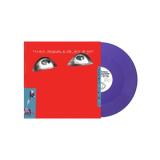
Purple Vinyl, inkl. Poster. The Black Wizards, das in Porto beheimatete Trio bestehend aus Joana Brito (Gitarre/Gesang), José Gomes (Bass/Gesang) und Helena Peixoto (Schlagzeug), kündigt sein neues Album ,Force Majeure & The Acts of God" an, das am 4. September über Hassle Records erscheinen wird. Force Majeure & The Acts of God ist von einem dunklen Humor geprägt. Der Titel bezieht sich auf den juristischen Begriff für unkontrollierbare oder nicht beeinflussbare Umstände und spiegelt damit das Chaos wider, das die Entstehung des Albums begleitet hat. Gleichzeitig deutet er auf den verschmitzten, widerständigen Geist der Band hin.Das Album entstand in einer Zeit, in der politische Landschaften weltweit zunehmend ins Chaos abzugleiten schienen. Es kanalisiert Frustration und Dringlichkeit, ohne dabei in Hoffnungslosigkeit zu verfallen. Für die Texte ließ sich Frontfrau Joana Brito von Büchern über Politik, Geschlechterrollen und toxische Männlichkeit inspirieren. Diese Themen finden sich in Songs wieder, die sich kritisch mit leerer Führung und gesellschaftlicher Spaltung auseinandersetzen. Besonders ,Killing The Buzz" durchschneidet das politische Spektakel mit scharfem Humor und energiegeladenem Punk-Spirit. Musikalisch markiert Force Majeure & The Acts of God einen deutlichen Wendepunkt für die Band. Anstatt den ausufernden Klangnebeln ihres früheren Heavy-Psych-Sounds zu folgen, setzen The Black Wizards nun auf einen kompakteren, raueren und direkteren Ansatz. Das Album vereint die Attitüde des Garage Rock, die nervöse Spannung des Proto-Punk und einen unaufhaltsamen rhythmischen Antrieb. Getragen wird dies von Britos kantigem und durchsetzungsstarkem Gesang, den rauen Gesangsantworten von José Gomes sowie dem kraftvollen Schlagzeugspiel von Helena Peixoto. Aufgenommen wurde das Album während einer intensiven fünftägigen Session mit Cooper Crain in Porto. Das Ergebnis lebt von Dringlichkeit, ungeschliffenen Kanten und einer explosiven Live-Energie.
он должен быть опубликован на 04.09.2026
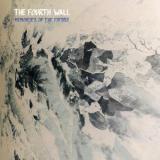
Mit ihrem fünften Album Memories of the Future entwerfen The Fourth Wall ein eindringliches Klangbild einer Zukunft in der Krise. Inspiriert von Denkern wie Mark Fisher und Frederic Jameson thematisieren die neun Songs die schwindende Fähigkeit, sich eine lebenswerte Zukunft vorzustellen - und die psychologischen Spannungen, die daraus entstehen. Aufgenommen im urbanen Umbruchgebiet Portlands, spiegelt das Album die Atmosphäre zwischen Verfall und Neuanfang wider: verlassene Industriebauten treffen auf beginnende Gentrifizierung. Diese Kulisse prägt den Sound - eine Mischung aus distanzierten Klangräumen, körnigen Gitarren und kantigen Synths. Die Songs bewegen sich zwischen Nostalgie und Eskapismus: Während City Lights Receding die Sehnsucht nach einer verlorenen Vergangenheit einfängt, erzählt Kármán Line von radikalem Ausbruchswillen und der Suche nach Bedeutung im Spektakel. The Fourth Wall verbinden auf Memories of the Future Indie-Rock mit konzeptueller Tiefe - ein atmosphärisches Album über Stillstand, Überreizung und die Frage, was von unseren Zukunftsträumen bleibt.
он должен быть опубликован на 28.08.2026

Der finnische Sänger Bobby Oroza veröffentlicht sein Debütalbum This Love bei Big Crown Records. Das Label aus New York City ist bereits Heimat von Bands wie Lee Fields & The Expressions, The Shacks und El Michels Affair. Bobby ist in Helsinki geboren und in einer Musiker- und Künstlerfamilie aufgewachsen. Zu Bobbys Glück hatten seine Eltern eine große Plattensammlung mit frühem Jazz, Blues, Motown-Hits, Gospelchören und Doo-Wop-Gruppen wie The Drifters und The Clovers, aber auch Alben aus Brasilien und Afrika, Folksongs aus Nord- und Südamerika von Bobbys Mutter und Salsa-Musik aus New York. All diese Einflüsse sind heute in Bobbys Musik hör- und spürbar. Auf Kuba studierte er monatelang intensiv Schlagzeug und Gesang. Mit Cold Diamond & Mink, der Hausband von Timmion Records, bestehend aus Bandleader Jukka Sarapää, Sami Kantelinen und Gitarrist/Komponist Seppo Salmi, bildet er ein brillantes Quartett, mit dem er seine Vision in Musik umsetzt. CD&M liefern mit ihren LoFi-Instrumentals die perfekte Untermalung für Bobbys verrauchte Tenorstimme, die Herzen brechen und schmelzen lässt. Der bereits 2016 als 7" Single veröffentlichte Titelsong "This Love" ist längst zum Hit in Lowrider-Kreisen geworden und wurde auf "Hat Trick" von Odd Future Rapper Earl Sweatshirt gesamplet. Der Song ist mit seinen harten Drums, den wilden Riffs, dem vergrabenen Bass und Bobbys verhaltenem, aber intensivem Gesang ein Muss für Soul-Sammler und hat sich als 7? mehr als 3.000 Mal verkauft. Der Song "Your Love Is Too Cold" ist ein Stomper, der Soul-Grooves früher Motown-Stücke mit Gitarrenriffs aus einem Funk-Soundtrack von James Brown mischt und schon jetzt weltweit auf allen Soul-Partys schwer angesagt ist. Bobby hat einiges für die Tänzer im Publikum in petto: Stücke wie "Lonely Girl" und "Falling in Love" sind Verneigungen vor dem Northern Soul, "Keep On Believing" liefert Jazz-Funk wie aus den Siebzigern. Aber "This Love" wendet sich vor allem an die Balladenliebhaber, die voller Sehnsucht in die Nacht schauen. Mit Songs wie "Alone Again", "Down On My Knees" und "Deja Vu" beschwört er eine intensive, leicht abgründige Sinnlichkeit. Eine einzigartige Spielart von Soul, made in Finland.
он должен быть опубликован на 28.08.2026
