
non in magazzino
Ordina ora e ordineremo l'articolo per te presso il nostro fornitore.
Last In: 3 years ago
Ordina ora e ordineremo l'articolo per te presso il nostro fornitore.
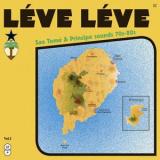
The two Portuguese-speaking African islands of Sao Tomé & Principe, located in the Gulf of Guinea, created an unique music called Puxa: a refined mixture of various musical components from both sides of the Atlantic Ocean. A blend of Semba, Merengue, Kompas, Soukouss, Coladeira patterns, often pushing forward with a voodoo-like energy, solid bass lines, delicate melodies and backing harmonies of the rich Sao Tomean melodic traditions. Very first compilation focusing on the golden age of these island"s sounds, the 16 tracks selected will surely set fire on all dance floors!
Disponibile in Stock e pronto per la spedizione

The piano recital/album sans retour forms the concluding part of Croene's 'Trilogy of Hopelessness' (Cortizona). The overarching theme is the sense of doom inherent in our responses to climate change. After the doomed indulgence in nostalgia ('cul de sac', 2019) and the doomed yearning for landscapes lost through climate change and human mismanagement ('solastalgia', 2022), he now presents 'sans retour': the doom of the inevitably failed fantasy of escape.
Six piano pieces serve as an in memoriam for six fearless aviation pioneers who ultimately lost their lives in plane crashes. The album opens with a sound recording of the communication between Yuri Gagarin and mission control one minute before the launch of the first manned space flight. At the end of Side A and the beginning of Side B, excerpts from the conversation between Richard Russell and air traffic control can be heard.
Conceived as a single, Beethovenian composition, Croene once again demonstrates the wide range of sound palettes a piano can produce. The common thread is a melody based on the 'Dies Irae', which takes six different forms to embody the in memoriam concept.
dovrebbe essere pubblicato su 05.12.2025

Debut album of heavy Colombian salsa by the obscure and short-lived El Clan Antillano. Founded in 1975 by singer Jacky Carazo and radio personality / composer Mike Char and backed by a studio orchestra comprised mostly of Fruko Y Sus Tesos band members. The record has been remastered from the original tapes, with an additional three bonus cuts taken from two rare 45 singles, including the sought after track ‘Alma’. First time reissue. 180g Vinyl.
El Clan Antillano was an obscure, short-lived salsa group started in 1975 by singer Jacky “El Caballo” Carazo, originally from Cartagena, and radio host / song composer Mike Char, from Barranquilla. The band was active only until 1977, with a mere two albums to its name. Carazo and Char, “los amigos costeños” (friends from the Caribbean coastal area) created El Clan Antillano as a fresh start after the previous group Carazo had been the lead singer for, El
Afrocombo, had become inactive.
Char primary passion was music, especially songwriting. One of his skills in this area was adapting foreign songs, often in a different language, rhythm, arrangement or genre, and refashioning the tune in an uptempo Caribbean dance mode as a salsa or cumbia. This formula, as well as his own original compositions, soon brought him success not only with costeño friends like Carazo and Vicentini, but also with Medellín’s Fruko, allowing him to make a name for himself with record labels in that city. It was at this juncture, in 1975, that El Clan Antillano was born. This is their first album and was recorded with local studio musicians. It’s been said that most on the first album were from Fruko Y Sus Tesos (the voice of Joe Arroyo can be heard on coro) as well as others involved with various groups like La Protesta (de Colombia) and Juan Piña’s La Revelación.
The album kicks off with ‘Donde ‘sta? Donde ‘sta?’, a medley of costeño lyrical phrases quoting various popular porros. Gradually changing the vibe, this is followed by Enrique Aguilar’s ‘El baile del
ratón’, a humorous cumbia that changes into a salsa halfway through. As if El Clan Antillano were not entirely confident about featuring purely salsa from the start, the same cumbia/salsa hybrid formula is used in the third piece, a faithfully rendered version of Eddie Palmieri’s ‘Mi cumbia’.
‘Estás equivocada’ rocks hard like the best Venezuelan salsa of the time. ‘Esta mañana’ is a cover version of an obscure bolero from Curaçao’s Erwin Castaneer with Super Combo Castaneer. ‘En la oscuridad’ is an interesting mashup of Puerto Rican bomba and New York style pachanga. ‘El despertar’ is a sunny sounding pop song reinvented as a Nelson y sus Estrellas style salsa/cumbia hybrid with a fantastic ‘montuno’ section.
Up next is a hard salsa jam in the ‘pregón’ (street vendor’s cry) genre, written by Fruko Y Sus Tesos percussionist Álvaro Velásquez (composer of ‘El preso’). The original album track list closes out with a fantastic rendition of Puerto Rican singer/composer Bobby Capó’s classic ‘El negro bembón’ that the world first leaned to love through Cortijo y Su Combo. Three bonus tracks have been added to the album as it was originally very short. Interestingly, there were four songs from two 45 singles cut by the band that were never included on either long play. While the ephemeral El Clan Antillano may not be as well known as the groups it’s related to, namely El Afrocombo and Fruko Y Sus Tesos, it certainly deserves credit as a worthy participant in the historical evolution of salsa colombiana.
Ordina ora e ordineremo l'articolo per te presso il nostro fornitore.

Ravanelli Disco Club is a disco house label based in Marseille that was established 2019. Over its three short years they have worked with key artists including Ron Basejam, Jimpster, JKriv, Cody Currie, Retromigration, Joe Corti, and Scruscru, with releases in the wings by Prins Thomas and Pete Herbert.
Next up on Ravanelli Disco Club comes slick French duo Palavas who hail from the sun-drenched coast of the South of France, somewhere between Montpellier and Marseille. Named after the Pavalas resort - that was once the splendid queen of Mediterranean sandy beaches - the AZZUR Records founders are the epitome of the French dolce vita! With previous releases on Toucan Sound and Future Disco, their music is an intoxicating blend of nostalgia and cosmic futurism that dazzles discerning dancefloors every weekend with their shimmering solar odyssey.
On ‘Déesse D’été’ – which poetically translates to Summer Goddess - Palavas pay homage to the vibrant and infectious sound of the 80s, blending disco, funk, and new wave with a contemporary twist. This full-length journey provides us with a perfect summer soundtrack for the sunshine season, with upbeat rhythms and warm catchy melodies designed to get sun drenched bodies moving and grooving. Composed and sung in both French and English, the duo show case their tasteful aesthetic, versatility, and artistic flair effortlessly blending their musical influences resulting in a sound that is totally unique.
From the infectious beats of ‘We Are Strong Enough’ to the soulful ballad ‘One Night is Not Enough featuring Ryan Konline' or the new wave tribute ‘You Can't Get Away’, each cut is a beauty in its own right. Guaranteed to make you feel the warmth of the sun on your face and to lift your winter spirits.
Ordina ora e ordineremo l'articolo per te presso il nostro fornitore.

From their early days hosting parties in Oxford through to the huge success of their two-part ‘Everything Not Saved Will Be Lost’ album, Foals have consistently explored their interest in dance and electronica. Now the band chart the most essential remixes from their career so far as they share the new remix package ‘Collected Reworks Vol 1’.
The tracks featured on ‘Collected Reworks’, are a compilation from an eclectic range of artists who have uncovered new angles to Foals’ discography. It includes one of their earliest remixes, from Ewan Pearson who blends Balearic bliss into ‘Olympic Airways’, as well as Solumun’s huge version of ‘Late Night’, which has been viewed over 50 million times at YouTube. Another standout moment is Hot Chip’s inventive interpretation of ‘My Number’.
‘Collected Reworks Vol. 1’ has been launched with Hot Since 82’s brand new remix of ‘Into The Surf’. The tech house producer / DJ behind ‘Buggin’’ and ‘Restless’ subverts the track from its original desolate beauty into something fresh and invigorating. The relentless driving beat maximises its energy throughout its eight minute duration, while its progressive leanings are given some unexpected throwback flavour with ‘80s style sax.
Ordina ora e ordineremo l'articolo per te presso il nostro fornitore.

"The two Portuguese-speaking African islands of Sao Tomé & Principe, located in the Gulf of Guinea, created an unique music called Puxa : a refined mixture of various musical components from both sides of the Atlantic Ocean. A blend of Semba, Merengue, Kompas, Soukouss, Coladeira patterns, often pushing forward with a voodoo-like energy, solid bass lines, delicate melodies and backing harmonies of the rich Sao Tomean melodic traditions. Very first compilation focusing on the golden age of these island’s sounds, the 16 tracks selected will surely set fire on all dance floors !
Léve-Léve is the first ever compilation devoted to music from São Tome and Principe, two small islands situated off the coast of Gabon in central Africa. The album unravels a story of liberation where the music of Africa, Europe and the Americas unify with a carefree spirit personified by a phrase the islanders use all the time: “léve, léve” (“take it easy”). With echoes of Angolan semba and merengue, of Brazilian afoxê, of coladeira from Cape Verde and dance music from the Caribbean, it is a sound fiercely proud of its island heritage, sung in local dialects and using distinctive local rhythms.
On this record you can hear the cultural and social history of São Tome and Principe, and how live music represented its beating heart. Once known as the “Chocolate Islands” (remarkably, these two tiny islands were the largest cocoa producers in the world, though now this title acts as a reminder of its colonial past), through the years leading up to independence from Portugal, music would be a fundamental voice of liberation and conviviality. Os Úntués were one of the first groups to make an impression, releasing a couple of 7 inches in Angola – the litmus test of success for any of the islands’ groups. They united unique rhythms and dances like socopé, puita and dança-congo – borne from the islands’ largely slave-descendant population – with the sound of pop music beamed in on the radio from Europe, even adding in a little bit of soukous and Brazilian instrumentation. Their main rivals were Conjunto Mindelo, who fused São Toméan rhythms with rebita, an Angolan style, to create high energy puxa, a truly original island rhythm.
From the mid-1970s, coinciding with independence from Portugal in 1975, the islands’ groups featured an even stronger African influence and nowhere was that more apparent than with Africa Negra. They would listen to the latest records from Gabon, Zaire and Cameroon, taking inspiration and trying out phrasing from the greats of Central African guitar playing, developing a devoted fan base off the islands, as well as on. A score of other bands would follow a similar musical path, with a few getting their dues overseas in Angola, Cape Verde, Portugal and across Africa.
Os Leonenses (led by the iconic Pedro Lima), Conjunto Sangazuza, Sum Alvarinho and Conjunto Ecuador were just some of the other bands that formed a lively home-grown music scene that lit up the islands’ bars and open-air shows from the 1950s through to the mid-90s. Regardless of class or age, they were responsible for keeping the population entertained come the weekend, with Sunday matinee shows the highlight of the week, the music not stopping from midday until midnight.
As a Portuguese island colony that was for many years populated with slaves brought from Africa, São Tome and Principe has much in common with other Lusophone countries and boasts a richly complex and idiosyncratic musical DNA. Whilst the musical tapestries of Angola and Cape Verde are well known, São Tome and Principe’s secrets were assigned to the islanders themselves. Until now."
Ordina ora e ordineremo l'articolo per te presso il nostro fornitore.
