Suche:jem finer

Styles
Alle
  • 1
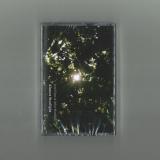
Jem Finer & John Matthias - Almost Starlight (TAPE)

Almost Starlight is the extraordinary new album by Jem Finer (hurdy-gurdy) and John Matthias (violin). Produced by Jay Auborn and recorded in a Medieval Church, deep in the Devon countryside, in the Summer of 2025, the music is suffused with light, heat and the natural acoustics of the space.

The album defies categorisation; forced to pigeon hole it the nearest approximation would be ‘modern-classical’ but this ignores its myriad influences and explorations which encompass inspiration from Arvo Pärt through Terry Riley to Can via Delius, Alice Coltrane and a subtle reimagining of electronic music played purely with acoustic instruments, bending and shaping their possibilities in surprising and unexpected directions.

Jay Auborn plays cello on a number of the compositions and his production opens up and expands the music through a skilled and imaginative use of space, paying homage to the atmosphere of the church; ‘the sound evolved… chasing the imagined acoustics of that church in my mind; a place for worshipping light with sound.’

Almost Starlight will be released on the 4th September by Touch, available as CD, vinyl, cassette and on streaming platforms.

BIOS OF THE ARTISTS

Jem Finer

Since studying computer science in the 1970s, Jem Finer has worked in various fields, including photography, film, experimental and popular music, sound recording, sculpture and installation.

Much of his work relates to systems, extended processes and extremes of scale and includes Longplayer, a musical composition repeating once every 1000 years, and the Gurdy and Hurdy stones, ancient rocks set upright in fields in East Sussex and Gloucestershire with Jimmy Cauty. Their work together includes a band, The Standing Stones, whose most recent release is Twa Sisters, featuring Iona Zajac and Daragh Lynch.

He was a founder member of The Pogues, with whom he has played, written and recorded since 1981.

Recent music revolves around a fascination with the hurdy-gurdy and includes hrdy-grdy, a cassette released by Benedict Drew’s Thanet Tape Centre. His latest collaboration, with John Matthias, Almost Starlight, will be released by Touch in September 2026.

John Matthias

Since studying Theoretical Physics in the late 1980s and 1990s, John has created music and sound in many forms, including for installation, popular music, music for film, for dance and orchestra.

Much of John’s work plays with the physics of complex systems but he is also greatly influenced by stories and song. John has collaborated with Matthew Herbert, Stanley Donwood, Jay Auborn, Radiohead, Thom Yorke, Nick Ryan and many others to create music with a variety of textures and sonorities. He is particularly interested in simplicity and form and how context informs the way music sounds.

His latest collaboration, with Jem Finer, Almost Starlight, will be released by Touch in September 2026.

nicht am Lager

Bestelle jetzt und wir bestellen den Artikel für dich beim Lieferanten.

Last In: vor 13 Tagen
Deep Earth Network - Land
 
2

“ It’s like a more psychedelic , organic KLF Chill Out with deep roots and cosmic overtones“ Richard Norris

“ A beautiful trip “ Jem Finer

D.E.N 01 LAND - Composer Danny Hammond
Land is the first in a series of earth inspired sonic journeys , part sound meditation , part immersive psychedelic nature trip. Incorporating field recordings , shack instruments and spoken words from cosmic adventurers .

It originated as an installation at the 14 Hour Technicolor Drone event in Sept 2025 whereby all listeners fell into a deep nature/dream slumber.
For fans of Pauline Olivieros ,Brian Eno , Terry Riley , Don Cherry , Barbara Hepworth , Alice Coltrane , John Betjemin and all other ambient adventurers.

D.E.N
Deep Earth Network is a long term sound project exploring deep-listening , drone and sonic adventure , all inspired by the earth in all its manifestations , land , water , space , consciousness. Initiated by Danny Hammond , D.E.N will present different sonic projects and collaborations from vinyl / audio releases to sonic installations with the aid of The Deep Earth Soundsystem and the Sonic Heads ( S.H ) a collection of sculpted head audio transmitters.

Auf Lager

Bei uns am Lager und sofort versandfertig

Last In: vor 5 Monaten
Iivana Mišukka & Arja Kastinen - Iivana Mišukka (Tape)
  • 01: Maanitus & Tšiižik
  • 02: Markka
  • 03: Melkutus
  • 04: Letška
  • 05: Kuuen parin hoirola
  • 06: Brišatka
  • 07: Tšiižik
  • 08: Kirkonkellot
  • 09: Kirkonkellot korkea
  • 10: Hoirola, 3 parin
  • 11: Lippa
  • 12: Kyngäkiža
  • 13: Ristakondra
  • 14: Vanha polkka
  • 15: Viistoista
  • 16: Vanha valssi
  • 17: Kiberä
  • 18: Maanitus Kuokan kanteleella
  • 19: Tuuti lasta nukkumahe
auch erhältlich

Vinyl


Death Is Not The End present a further volume of Arja Kastinen's eerie amalgamations of 110 year old wax cylinders with her own meticulously transcribed takes, this time focussing in on Armas Otto Väisänen's field recordings of kantele player Iivana Mišukka (b. 1861 d.1919).

"Ivana Mišukka (1861–1919) was one of the Karelian kantele players recorded by the folk music researcher Armas Otto Väisänen on wax cylinders in 1916 and 1917. In the early 20th century, the remote areas of Border Karelia were undergoing the final phase of a transformation in musical culture, with the ancient runo song tradition giving way to newer forms of music. This transition is reflected in Mišukka's repertoire and choice of instrument. The ancient small kantele, hollowed out of a single piece of wood, was already rare at the turn of the century. Mišukka's kantele was a new type of instrument with 26 strings, constructed of several parts, but he played it using the traditional plucking technique. Like other Border Karelian kantele players, his repertoire consisted of music rooted in runosong culture, as well as newer dances and songs from the east and west. Most of the recorded material falls into the latter category.

Ivan Bogdanov Mišukka was born out of wedlock in Suursara village, Suistamo, on 1 May 1861. He began playing the kantele at the age of five or six, quickly mastering the instrument. In adulthood, he was considered one of the area's best master players. Mišukka was landless for most of his life and lived in different parts of the Suistamo parish. His first wife, Tekla Markintytär, died in 1897 at the age of 40, and his second wife, Jevdokia Filipintytär Jeminen, died in 1907 at the age of 50. Seven children were born from the first marriage, two of whom died young. The third wife, Maria Ignatintytär Gurnan (Kuurnanen), was a well-known master of lamentations. Together with Maria, Iivana Mišukka worked as a tenant farmer in the village of Suursara. Mišukka suffered from rheumatism, which prevented him from participating in physical work like Maria. This was apparently partly the reason why Iivana Mišukka went to earn extra money by playing the kantele on gig trips. He often had other traditional artists from Suistamo as his travelling companions, such as the runosingers Konstantin Kuokka and Iivana Onoila. Iivana Mišukka died in Leppäsyrjä village, Suistamo, on 18 May 1919 at the age of 58, and his kantele was donated to Teppana Jänis.

Mišukka only used 14 of the 26 strings on his kantele, playing the same tunes either a fourth higher or lower. He tuned his kantele to the major scale using fifths, except for a low seventh scale degree on the upper strings, but not below the fundamental. Since he did not use the seventh note of the scale on the upper strings at all, he could use the major scale both lower and a fourth higher with this tuning. According to Mišukka, the sound of higher, or 'finer', strings is 'more beautiful', while that of lower ones is 'greater'. Among runosingers, the size of the thirds varied, ranging from major to minor to neutral. A similar phenomenon can be observed in kantele tunings, where the third, sixth and seventh scale degrees vary in a comparable way.

During a meeting, Väisänen suggested that Mišukka play the smaller kantele belonging to Konstantin Kuokka. The idea was to bring it closer to the horn to improve the recording quality. However, the kantele was completely out of tune, and now Mišukka tuned it to the Lydian scale (track 18).

Using the old plucking technique, Mišukka placed his right middle finger on the fundamental tone, his right index finger on the second scale degree, his left middle finger on the third scale degree and his left index finger on the fourth scale degree, and his right thumb on the fifth. The thumb also played the notes above the fifth note of the scale. As Mišukka remarked to Väisänen: 'Peigaloll' tuloo enemb ruadoa' (the thumb has to do more work). However, he did not use the seventh note of the scale on the upper strings at all. Below the fundamental note, he played the seventh and sixth notes of the scale with his right middle finger of and the fifth note of the scale with his right ring finger. This fifth scale degree below the fundamental is almost always used as a drone. Sometimes, when the melody required it, Mišukka, like other players, also varied the fingering. He would also occasionally strike the same string with the side of his fingernail after plucking it.

The wax cylinder recordings of Karelian kantele players are kept in the archives of the Finnish Literature Society in Helsinki, Finland. Copies were made of them onto reel-to-reel tapes in both the 1960s and 1980s. The 1960s copies are mono and the 1980s copies are stereo. However, not all kantele recordings from these decades have survived.

The sound of the kantele is difficult to hear in wax cylinder recordings due to its low volume, and it occasionally becomes completely obscured by noise. During the copying process, the cylinder sometimes rotates unevenly, resulting in breaks or jumps in the music. Additionally, the rotation speed of the cylinder in the copies does not correspond to the performance speed of the original music, which alters the pitch. However, since Väisänen's precise notes are available in the archive, it is possible to deduce the melodies, their speed, and the tuning level of the kantele in the recordings. Of the copies of the original recordings from the 1960s and 1980s, I have selected the one that best met the requirements of this publication and adjusted the speed of the recording to align with Väisänen's notes. To enhance the listening experience, I have replayed the songs, which now partly overlap the old recordings on this release."

— Arja Kastinen

vorbestellen27.03.2026

erscheint voraussichtlich am 27.03.2026

Iivana Mišukka & Arja Kastinen - Iivana Mišukka LP

Death Is Not The End present a further volume of Arja Kastinen's eerie amalgamations of 110 year old wax cylinders with her own meticulously transcribed takes, this time focussing in on Armas Otto Väisänen's field recordings of kantele player Iivana Mišukka (b. 1861 d.1919).

"Ivana Mišukka (1861–1919) was one of the Karelian kantele players recorded by the folk music researcher Armas Otto Väisänen on wax cylinders in 1916 and 1917. In the early 20th century, the remote areas of Border Karelia were undergoing the final phase of a transformation in musical culture, with the ancient runo song tradition giving way to newer forms of music. This transition is reflected in Mišukka's repertoire and choice of instrument. The ancient small kantele, hollowed out of a single piece of wood, was already rare at the turn of the century. Mišukka's kantele was a new type of instrument with 26 strings, constructed of several parts, but he played it using the traditional plucking technique. Like other Border Karelian kantele players, his repertoire consisted of music rooted in runosong culture, as well as newer dances and songs from the east and west. Most of the recorded material falls into the latter category.

Ivan Bogdanov Mišukka was born out of wedlock in Suursara village, Suistamo, on 1 May 1861. He began playing the kantele at the age of five or six, quickly mastering the instrument. In adulthood, he was considered one of the area's best master players. Mišukka was landless for most of his life and lived in different parts of the Suistamo parish. His first wife, Tekla Markintytär, died in 1897 at the age of 40, and his second wife, Jevdokia Filipintytär Jeminen, died in 1907 at the age of 50. Seven children were born from the first marriage, two of whom died young. The third wife, Maria Ignatintytär Gurnan (Kuurnanen), was a well-known master of lamentations. Together with Maria, Iivana Mišukka worked as a tenant farmer in the village of Suursara. Mišukka suffered from rheumatism, which prevented him from participating in physical work like Maria. This was apparently partly the reason why Iivana Mišukka went to earn extra money by playing the kantele on gig trips. He often had other traditional artists from Suistamo as his travelling companions, such as the runosingers Konstantin Kuokka and Iivana Onoila. Iivana Mišukka died in Leppäsyrjä village, Suistamo, on 18 May 1919 at the age of 58, and his kantele was donated to Teppana Jänis.

Mišukka only used 14 of the 26 strings on his kantele, playing the same tunes either a fourth higher or lower. He tuned his kantele to the major scale using fifths, except for a low seventh scale degree on the upper strings, but not below the fundamental. Since he did not use the seventh note of the scale on the upper strings at all, he could use the major scale both lower and a fourth higher with this tuning. According to Mišukka, the sound of higher, or 'finer', strings is 'more beautiful', while that of lower ones is 'greater'. Among runosingers, the size of the thirds varied, ranging from major to minor to neutral. A similar phenomenon can be observed in kantele tunings, where the third, sixth and seventh scale degrees vary in a comparable way.

During a meeting, Väisänen suggested that Mišukka play the smaller kantele belonging to Konstantin Kuokka. The idea was to bring it closer to the horn to improve the recording quality. However, the kantele was completely out of tune, and now Mišukka tuned it to the Lydian scale (track 18).

Using the old plucking technique, Mišukka placed his right middle finger on the fundamental tone, his right index finger on the second scale degree, his left middle finger on the third scale degree and his left index finger on the fourth scale degree, and his right thumb on the fifth. The thumb also played the notes above the fifth note of the scale. As Mišukka remarked to Väisänen: 'Peigaloll' tuloo enemb ruadoa' (the thumb has to do more work). However, he did not use the seventh note of the scale on the upper strings at all. Below the fundamental note, he played the seventh and sixth notes of the scale with his right middle finger of and the fifth note of the scale with his right ring finger. This fifth scale degree below the fundamental is almost always used as a drone. Sometimes, when the melody required it, Mišukka, like other players, also varied the fingering. He would also occasionally strike the same string with the side of his fingernail after plucking it.

The wax cylinder recordings of Karelian kantele players are kept in the archives of the Finnish Literature Society in Helsinki, Finland. Copies were made of them onto reel-to-reel tapes in both the 1960s and 1980s. The 1960s copies are mono and the 1980s copies are stereo. However, not all kantele recordings from these decades have survived.

The sound of the kantele is difficult to hear in wax cylinder recordings due to its low volume, and it occasionally becomes completely obscured by noise. During the copying process, the cylinder sometimes rotates unevenly, resulting in breaks or jumps in the music. Additionally, the rotation speed of the cylinder in the copies does not correspond to the performance speed of the original music, which alters the pitch. However, since Väisänen's precise notes are available in the archive, it is possible to deduce the melodies, their speed, and the tuning level of the kantele in the recordings. Of the copies of the original recordings from the 1960s and 1980s, I have selected the one that best met the requirements of this publication and adjusted the speed of the recording to align with Väisänen's notes. To enhance the listening experience, I have replayed the songs, which now partly overlap the old recordings on this release."

— Arja Kastinen

vorbestellen27.03.2026

erscheint voraussichtlich am 27.03.2026

  • 1
Artikel pro Seite:

Language

N/ABPM
Vinyl