Cerca:exil

Generi
Tutto
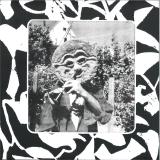
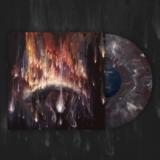
Ábris Gryllus - Nucleus of the Decay LP

Nuclear decay occurs when the nucleus of an atom is unstable and spontaneously emits energy in the form of radiation. The result is that the nucleus changes into the nucleus of one or more other elements. These daughter nuclei have a lower mass and are more stable (lower in energy) than the parent nucleus.

“Ábris Gryllus is a cross-disciplinary media artist and musician based in Budapest. He is well-known for several projects, collaborations and performative works with choreographers, sculptors, dancers and other musicians. As a tireless artist always open to new possibilities, Gryllus has worked on dance pieces, educational workshops and installations; he is one-half of the beat-oriented group FOR., and not least of all, he produces immersive electronic music under his own name. His solo materials include the frantic vocal-based ‘Canon’ (The Death of Rave) and two releases on Farbwechsel (‘Post_’, ‘A.D.’) that feature a rather focused, slowly forming approach to composition.

In Stock

Disponibile in Stock e pronto per la spedizione

AMAS - FACE II

Amas

FACE II

12inchAMAS004
Amas_Studio
11.08.2023

The EP FACE II is a continuation of the Faces EP series, of which the first EP was released in october 2022. The basis here is also a literary fixpoint with KAFKAS VER- WANDLUNG.

the examination of the urban modern man has its origin in the album JAHRE and is now explored in more detail here. What happens to us in a time of digital transparency as a glass human of the city and night.

It starts with THE VOID, which was originally intended as a poem about being lost. We go out into the night, some to search, some to forget and some to never come back as the same again. On our journey we often take substances that we expect to make this journey easier and faster. the escape from ourselves and from our relationships to the environment and humans can‘t just be skipped. a fast way is always a dangerous way and often leads to an even bigger EMPTINESS.

In THE GHOST something appears to us late at night, it is like a shadow of the previous hours, something that has followed us on the streets and accompanied us un- discovered until we reached our home. We wake up and at first it is unclear whether we are dreaming.

In half-sleep the dimensions blur together and the whole polyva- lence of the different existences gapes open. We blink into the DARKNESS and try to recognize something, the light remains far away and yet we hear this piercing sound, which in the end leaves us only with ourselves. we are the spirit of the night, trapped on an old tape in the chest of nothing.

The next section THE MOON shows us the light in the darkness. The shadows and ghosts give way for a moment and the light flows through our veins and molecules. The poem describes our unspoken longing to follow the light, in the light our fears disappear and everything blurs into an unknown familiarity. We stagger back and forget the encounters with our inner DAWN.

In the light the ghosts disappear like childhood memories left behind.
The last chapter is written by THE DAWN, a stanza from the poem of the same name as a spoken reconciliation with the world. In spite of everything, we seek harmony and connectedness. No one wants to become an exile, even if we can‘t always bring it about ourselves. We love LIFE and we hear and feel everything around us, if we let ourselves ...

ALL LOVE
AMAS_DHE / AMAS_PHI

In Stock

Disponibile in Stock e pronto per la spedizione

DAVID BYRNE & FATBOY SLIM - HERE LIES LOVE LP 2x12"
 
22

David Byrne & Fatboy Slim’s acclaimed 2010 album Here Lies Love receives its first-ever vinyl release to coincide with a new production opening on Broadway this summer. Here Lies Love is a double-disc song cycle – improbably poignant, decidedly surreal, surprisingly thought provoking – about the rise and fall of the Philippines' notorious Imelda Marcos. It was conceived by David Byrne; composed by Byrne and DJ/recording artist Fatboy Slim, AKA Norman Cook; and performed by a dream cast drawn from the worlds of indie rock, alt country, R&B and pop. Byrne's taste in collaborators is as imaginative as it is impeccable, including Cyndi Lauper (who recounts, to lighthearted disco beats, Imelda's courtship with Ferdinand Marcos), Steve Earle (as the power-hungry Ferdinand), Dap-Kings vocalist Sharon Jones (recalling Imelda's introduction into New York society) and Natalie Merchant (as spurned Imelda confidante Estrella, anticipating the onset of martial law). Along with vocals turns from such stars as Tori Amos and the B-52's Kate Pierson, Byrne works with rising indie rockers St. Vincent and My Brightest Diamond; New York chanteuses Nellie McKay and Martha Wainwright; and dance-music divas Róisín Murphy and Santigold. Byrne himself appears as the voice of imperialistic America on ‘American Troglodyte’, a send-up that wouldn't have seemed out of places in Talking Heads' True Stories.


Byrne originally envisioned this as a musical theatre piece, to be mounted in disco and nightclub settings, reflecting the globe-trotting Marcos' taste for such velvet-roped spots as Studio 54 and Regine's. In 2006, he performed work-in-progress versions to enthusiastic audiences at New York City's Carnegie Hall and the Adelaide Festival in Australia. While plans for a US theatrical production continued to evolve, he delivered this unique recording. The award-winning theatrical production eventually premiered at The Public Theater in New York in 2013, travelled to London’s National Theater for a sold-out run (2014–15), and was remounted at the Seattle Repertory Theater (2017).


Here Lies Love has an effervescent disco feel, redolent of Fatboy Slim's own dance-floor anthems, with warm undercurrents of the Latin rhythms that have percolated through Byrne's recent solo work. The sunny arrangements act in counterpoint to the reality of the Marcos' increasingly repressive regime, reflecting the imagined inner life of the glamour-obsessed Imelda. Explains Byrne, "For me, the darker side of the excesses are, for the most part, a matter of record. A lot of the audience is going to come with that knowledge already. What's more of a challenge is to get inside the head of the person who was behind all of that, and understand what made them tick." Byrne offers no judgment and avoids the obvious – there is no mention of Imelda's infamous shoe collection.


Many of Byrne's lyrics are, astonishingly enough, constructed from actual Imelda quotes, including the project's title, the words that Imelda, now returned to the Philippines from US-assisted exile in Hawaii, would like to have inscribed on her gravestone. In addition to his new liner note, Byrne illustrates the story with archival photos. In a detailed preface, he reveals what drew him to this subject and the bumpy route he took to launch the project and, ultimately, record this album. The booklet is indeed a page-turner, just as Here Lies Love is a wonderfully old-school album that rewards start-to-finish listening. Once again, Byrne – beloved as musician, thinker and bicyclist-about-town – reveals the breadth and singularity of his vision.


The new production of Here Lies Love will premiere at the Broadway Theatre in New York City. Performances begin June 17, ahead of an official opening night on July 20. Tony Award winner Alex Timbers (direction) and Olivier Award nominee Annie-B Parson (choreography) reunite with Byrne (concept, music, and lyrics) and Fatboy Slim (music) to bring Here Lies Love to Broadway, continuing a ten-plus year collaboration on the project. Tom Gandey and J Pardo contribute additional music. Here Lies Love is produced on Broadway by Hal Luftig, Patrick Catullo, Diana DiMenna for Plate Spinner Productions, Clint Ramos, and Jose Antonio Vargas. The staging at the Broadway Theatre will transform the venue’s traditional proscenium floor space into a dance club environment, where audiences will stand and move with the actors. A wide variety of standing and seating options will be available throughout the theatre’s reconstructed space. The producers of Here Lies Love said, “As a team of binational American producers – Filipinos among us – we are thrilled to bring Here Lies Love to Broadway! We welcome everyone to experience this singularly exuberant piece of theatre. The history of the Philippines is inseparable from the history of the United States, and as both evolve, we cannot think of a more appropriate time to stage this show. See you on the dance floor!”


David Byrne’s recent works include the launch of Reasons to be Cheerful, an online magazine focused on solutions-oriented stories about problems being solved all over the world (2019); Joan of Arc: Into the Fire, a theatrical exploration of the historical heroine that premiered at the Public Theater in New York (2017); The Institute Presents: NEUROSOCIETY, a series of interactive environments created in conjunction with PACE Arts + Technology that question human perception and bias (2016); Contemporary Color, an event inspired by the American folk tradition of color guard and performed at Brooklyn’s Barclays Center and Toronto’s Air Canada Centre (2015); Here Lies Love; Love This Giant, a studio album and worldwide tour created with St. Vincent (2012); and How Music Works, a book about the history, experience, and social aspects of music (2012).


Byrne curated Southbank Centre’s annual Meltdown festival in London in 2015. A co-founder of the group Talking Heads (1976–88), he has released eight studio albums as a solo artist and worked on multiple other projects, including collaborations with Brian Eno, Twyla Tharp, Robert Wilson, and Jonathan Demme, among others. He also founded the highly respected record label Luaka Bop. Recognition of Byrne’s various works include Obies, Drama Desk, Lortel, and Evening Standard awards for Here Lies Love; an Oscar, Grammy, and Golden Globe for the soundtrack to Bernardo Bertolucci’s The Last Emperor; and induction into the Rock and Roll Hall of Fame with Talking Heads. Byrne’s work as a visual artist has been published and exhibited since his college days, including photography, filmmaking, and writing. He lives in New York City. In addition to 2019’s cast album for American Utopia on Broadway, Nonesuch has released eight other David Byrne records since 2003, including 2018’s American Utopia studio album and two versions of his musical Here Lies Love.


q C6. Please Don't feat. Santi White Santigold

In Stock

Disponibile in Stock e pronto per la spedizione

Elsy Wameyo - Nilotic LP

"Nilotic is the byproduct of God’s grace in my life. What you will hear is the journey of a confident, frustrated and sad Elsy trying to claim back, fix and uproot the evil of this world. However, what you won’t see is the spiritual journey I took with my Father, where I learnt, through obedience and true faith, that alone I am a mere mortal, but with him I can do ALL things.

This EP was never the point. God, in his full grace, chose to bless me with a product I can use to showcase his works in my life." - Elsy Wameyo, Adelaide, Australia

In Stock

Disponibile in Stock e pronto per la spedizione

Phuture Assassins - Back To The Phuture EP (Splatter Vinyl)

Phuture Assassins - ‘Back To The Phuture EP’ - We are going back to the Phuture with this incredible package of exclusive 'Future Sound' mixes which has something for everyone!

The very first release, before there was Suburban Base, was a Boogie Times release which didn't even carry a label name or logo... BOOGIE 001 under the artist name 'Phuture Assassins' became the record that really did start it all. So what is more appropriate than the next release in a continued order of catalogue numbers for the whole new era of Suburban Base than a Phuture Assassins release as SUBBASE 77 to continue your collection.

Leading with the unreleased Dead Dred '95 Dubplate which was considered a 'lost DAT' until it was recently unearthed amongst the archive of masters in Sub Base storage. You can imagine how excited we were to rediscover this and were able to save and remaster it for release. This was intended as part of a remix package that never ended up being released and was only available to a selected few as a Dubplate, that is, until now.

Alongside it we have included the 2 Bad Mice remix, which is now considered not only a classic but it is also the definitive mix of 'Future Sound', for those of you that were looking for a reissue. Its been expertly remastered to superb quality.

You wanted a brand new remix? Mark XTC & Exile's 'Future Sound' 2021 Remix brings the 1992 future to the 2021 present! They have given the timeless Suburban Base classic 'Future Sound' the remix treatment, producing 'raise your lighter' moments in their inimitable style, drum and bass with deep subs, whilst still keeping to the original vibes of this classic.

And completing the package is a version from the legendary Cause4Concern, their remix of Future Sound was only ever promo'd and despite receiving critical acclaim and extensive club play it never saw a full release. Now it's being fully unleashed in beautifully re-mastered form.

This release has it all, unreleased 'lost' mixes, remastered reissues, brand new remixes, beautiful special effect vinyl for the entire pressing run, all wrapped up in one of the most stunning original Nodz artwork sleeves ever created, an Assassin from the Phuture emerging from a time travel wormhole firing Sub Base Bullets!

In Stock

Disponibile in Stock e pronto per la spedizione

Caiphus Semenya - Streams Today… Rivers Tomorrow

Caiphus Semenya, AKA Mr Letta Mbulu, is a South African legend and Streams Today… Rivers Tomorrow, his second solo LP, is perfect. A ten out-of ten album if ever we heard one. It’s also incredibly rare, especially in good condition, so Be With is delighted to present this reissue.

Now a revered composer, musician, and arranger, Caiphus left apartheid South Africa in the 60s for self-imposed exile in Southern California together with his wife, Letta Mbulu. Settling in Los Angeles he started working with the likes of Hugh Masekela and Miriam Makeba and other exiled and semi-exiled South african artists, as well as, of course, his wife Letta.

Caiphus also found himself working with and composing for a broad range of jazz and pop artists, including Lou Rawls, Nina Simone and Cannonball Adderley. His facility with both jazz and African forms served him well. His LA stay also the beginning of an ongoing collaboration with Quincy Jones, the fruits of which can be tasted in Caiphus’s African compositions for the scores to Roots and Spielberg’s adaptation of The Color Purple.

Originally released in 1984, Streams Today… Rivers Tomorrow is not just a musical masterpiece, it is also the soundtrack to the life of many South Africans - both then and now. Fusing the US-heavy sounds of boogie, disco and funk with Afrobeat and traditional African elements, it’s truly a spectacular listen. Jabu Nkosi handles keyboards on the album, with synths by Caiphus and Craig Harris. Sipho Gumede is on bass and Condry Ziqubu is on guitars.

The Afro-Cuban grooves of “Mamase” open the record. Continuing where Listen To The Wind left off, this is another horn-heavy call-and-response ode to a positive life. Life as an invitation to party, to take part, to “get involved”. But only if you’re willing to let in the transcendent power of music. “There’s gonna be a Mardi Gras, there’s gonna be a carnival; there’s gonna be a jamboree, there’s gonna be a bacchanal”. Who can resist that? Vibrations everywhere.

It’s followed by the joy of “Aida”. Gleeful, dayglow keys and synths *just* on the right side of mid-80s sleaze are accompanied by a killer bassline, slick, skipping drums and proud horns. Infectious funk.

The tempo is taken down a few notches for the powerful “Nomalanga” and the lamentations of a heartbroken man who must leave his wife Nomalanga and their children to join the fight against apartheid. It’s an emotional song, no question, but it doesn’t bring you down. The uplifting music and optimistic vocal delivery from Caiphus and his backing singers in the second half offer hope.

Breezy drums and contemplative keys act as a backdrop for the stunning backing vocal harmonies in the intro of “Moshanyana”. This gives way to stuttering beats, a bassline to die for and Caiphus giving it his all, over guitars, marimba and synth strings. Another slo-mo winner.

Side two opens with “Dial Your Number”, an uptempo English-language boogie-funk workout, complete with mid-song cutaway to a random telephone call. Whether or not this propels the song into “key track” status, we’ll let you decide.

What’s not up for debate is the brilliance of “Matswale”. This was a hit in South Africa in the mid-80s and you can still hear why. It might just be our favourite Caiphus hit. Wow. This is some damn fine breezy, beautiful, emotional pop. The restrained playing, the guitar licks and the gentle keys are out of this world. The beats? Thundering, direct and slick. The singing? It’ll give you goosebumps. As for the sentiment? This is Caiphus singing to his in-laws about their daughter’s adultery, begging them to intervene and help him save his marriage. Not your typical pop single story-telling!

The ferocious “Ndi-Kulindile” closes the set with a nod to the coming sound of the States. The hard-edged, electro-influenced drum patterns and bouncing, elastic bassline are something of a departure from the album’s predominant sound, yet one wonderful constant, Caiphus’s exceptional delivery and his sparring with his backing vocalists, is satisfyingly present and warmly deployed.

With Simon Francis handling the mastering of this Be With edition, you know it sounds as fantastic as ever. The stunning sleeve has been restored, with its painting of a dream-like cosmic vista, as a lone figure takes in a scene that’s part distant planet, part urban sprawl. One listen and you’ll be transported.


Caiphus Semenya, AKA Mr Letta Mbulu, is a South African legend and Streams Today… Rivers Tomorrow, his second solo LP, is perfect. A ten out-of ten album if ever we heard one. It’s also incredibly rare, especially in good condition, so Be With is delighted to present this reissue.

Originally released in 1984, Streams Today… Rivers Tomorrow is not just a musical masterpiece, it is also the soundtrack to the life of many South Africans - both then and now. Fusing the US-heavy sounds of boogie, disco and funk with Afrobeat and traditional African elements, it’s truly a spectacular listen. Jabu Nkosi handles keyboards on the album, with synths by Caiphus and Craig Harris. Sipho Gumede is on bass and Condry Ziqubu is on guitars.

One listen and you’ll be transported.

In Stock

Disponibile in Stock e pronto per la spedizione

Thylacine - Transsiberian LP

Thylacine

Transsiberian LP

12inchINTUITIVE005 / INT01G061LP
Intuitive
11.10.2019

After the creation of his own label and four EPs (Intuitive, Blend, Exil, Singles), here is Thylacine with a first album called Transsiberian, named after a recent trip to the other side of the world.

In the spring of 2015, William left for Russia with a video crew. The goal: to get carried away by the famous Trans-Siberian, which connects Moscow to Vladivostok, and stop at the option of fixed and impromptu meetings with local personalities. Time is divided between intense encounters and long train journeys where William locks himself in his cabin to compose. At the option of these stops which, over the days, nourish William's inspiration, he has the right to a concert offered as a welcome by the old ladies of the native village of the graffiti artist Artemiy, polyphonies in Irkutsk, a bell ringer of bells, a traditional musical trio in Kazan, surfers in Vladivostok. A shaman welcomes him in his yurt on the shores of Lake Baikal, with his two little daughters, Aikhai and Mandukhaï. All can be found on Transsiberian, a concept album that places the taste for travel and his curiosity about others at the heart of his contemplative songs. Evolving in the world of contemporary art, for which he composes regularly, William sees an album as a work where performance counts but also emotion and, above all, manner of doing things. "The process of creation matters as much as the end," he says.

In Stock

Disponibile in Stock e pronto per la spedizione

Caetano Veloso - Brazil Vinyl Series

Aufgenommen 1971 in den Chappell Recording Studios in London, während seines Exils, erschien „Transa“,
das sechste Studioalbum von Caetano Veloso, im Januar 1972. Das sieben Stücke umfassende Werk wurde
vom britischen Künstler Ralph Mace produziert; die musikalische Leitung übernahm Jards Macalé, der auf
„It’s a Long Way“ zudem Gitarre spielt.
Die Band bestand aus Áureo de Souza (Schlagzeug), Moacyr Albuquerque (Bass), Tutty Moreno (Perkussion) und Jards Macalé (akustische und elektrische Gitarre). Außerdem wirkt die damals 22-jährige Angela
Ro Ro mit, die Caetano Velosos verführerischen Schlusstitel „Nostalgia (That’s What Rock’n’Roll Is All
About)“ mit ihrem charakteristischen Mundharmonikaspiel bereichert. Diese Zusammenarbeit gab der jungen Künstlerin entscheidenden Auftrieb für ihre weitere Karriere.
Musikalisch ist das Album von einer rockigen Grundhaltung geprägt, in der zugleich Velosos zentrale
Einflüsse anklingen: die MPB (Música Popular Brasileira) sowie die Klangwelt Bahias. Dennoch bleibt eine
feine Melancholie spürbar, wie sie bereits sein erstes Londoner Album „Caetano Veloso“ (1971) kennzeichnete.
Veröffentlicht wurde das Projekt mit einem auffälligen, dreifach aufklappbaren Cover, bei dem Booklet
und Hülle eine Dreiecksform bilden. Der bahianische Schauspieler und Theaterregisseur Álvaro Guimarães
prägte dafür den Begriff „Discobjeto“; gemeinsam mit Aldo Luiz entwickelte er das markante grafische
Konzept.

pre-ordina ora08.05.2026

dovrebbe essere pubblicato su 08.05.2026

Elijah Minnelli - Clams As A Main Meal

Even in these most turbulent of times, dub musician and fatigued onlooker Elijah Minnelli remains an inexplicable stalwart on the lower rungs of the Breadminster County Council.

His latest record ‘Clams As A Main Meal’ continues his astute siphoning of council funds, this time with help from the Breadminster Board of Abstinence. As a further mark of respect, the original head of the Board, Dr. K'houldoux, graces the cover art in his infamous ‘Looming Moon of Desire’ guise.*

As fine a backdrop as any for Minneli’s off-brand dub experiments, and ‘Clams...’ is the truest representation of his varied wheelhouse yet...

We find vocal appearances from dub goliath Dennis Bovell and Welsh-language singer Carwyn Ellis. A pair of tracks which build on 2024’s acclaimed ‘Perpetual Musket’, a collection of folk songs reworked alongside reggae vocalists, released by FatCat Records. It garnered glowing reviews, with nods from The Guardian and The Quietus concluding with prominent appearances on their respective yearly round-up lists.

Elsewhere, the album finds Minnelli in a more experimental mode, all wheezing contraptions and cockeyed bass, creaking with the weight of creation, a satisfying tactility laid seam-side up.

As well as ‘Perpetual Musket’, the new album follows years of sold out 7" singles, handmade and self-released. Online, the tracks have amassed global streams numbering in the millions. His tracks have found play across an eclectic range of radio mixes and dance floors, most notably the likes of Andrew Weatherall, Batu, Optimo and Zakia Sewell (BBC6Music).

It is perhaps worth mentioning that this everbuilding interest in his work is at great odds with the growing suspicions amongst his fellow townsfolk, who see his Breadminster County Council Music Initiative as nothing more than an empty cash-grab.

Further Reading on the Breadminster Board of Abstinence

In the late 70s, Breadminster was awash with the last vestiges of the hippy era. Though the flared silhouette of the lower leg remained, the utopian ideals that had once flowed merrily around the youth's shaded ankles had begun to wane. LSD and free love had led to a sharp spike in population and a generation of children raised by air-headed psychonauts unprepared for the bleary-eyed strictures of parenthood.

Aware of the crisis, the County Council entrusted Dr. Paulinque K'houldoux to spearhead a pushback, and it was his pro-abstinence movement - a mixture of education initiatives and radical renutrition campaigns - that came to impact Breadminster's census deep into the new millennium.

Being a pseudo-archipelago Breadminster has fundamentally limited resources, however deep-seated ties to distant coastal villages meant that oysters were a regular part of the local diet. K'houldoux pinpointed this as a factor in the town's overpopulation, and believed that simply replacing these with clams (a “lesser mollusk”) would help lower the erotic urges of the people. It was his “anti-aphrodesia” movement that first championed the idea of “Clams As A Main Meal,” and the slogan “Consider Abstinence” carried the message yet further.

The Breadminster Board of Abstinence soon became involved in all cultural happenings in the area, with K'houldoux MCing at prominent festivals and performances, sometimes dressed as the “Looming Moon of Desire” - an idea of his relating to the tide, seafood, menstrual cycles, and his privately held celestial predilections.

It was in 1981 that it was revealed Dr. K'houldoux had never fully qualified as a doctor and was seeking exile in Breadminster due to a series of botched bracelet heists in which he had previously been involved. K'houldoux was subsequently extradited to Basingstoke, where he served 3 of a 12-year sentence, owing to the lunar-oriented prisoner health campaigns he helped implement.

It has been a strange twist of bureaucratic fate that the Breadminster Board of Abstinence has never stopped receiving public funding, despite its lack of clear utility. And while its roots are tied to a rose-tinted past, the Board continues to sponsor cultural events and projects to this day.

An extract from: Eugeniq Schooner's article in Sydney Parishioner: “Clams, Breadminster and Countercultural Abstinence Trends” (2008)

non in magazzino

Ordina ora e ordineremo l'articolo per te presso il nostro fornitore.


Last In: 5 months ago
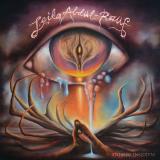
Leila Abdul-Rauf - Andros Insidium LP
  • 1: Descent Into Kur
  • 2: Stripped Before The Eye Of Death
  • 3: Eros Anima
  • 4: Senex Rule
  • 5: Fractured Body
  • 6: Andros Insidium
  • 7: A Requiem For Ishtar
  • 8: Return To Anu

Through her work across five Vastum albums, Leila Abdul-Rauf has been a sonorous contributor to 20 Buck Spin’s discography for more than 15 years now. Concurrent to that she’s also amassed an impressive body of solo work whereby she could showcase the full range of her multi-instrumental artistic and vocal talents. We now bring that part of Leila’s output to 20 Buck Spin showcasing her darkest and most confrontational material to date with new album ‘Andros Insidium’. On ‘Andros Insidium’ Leila draws us into a ceremonial descent, through the architecture of shadow itself. Unfolding like a ritual text etched in obsidian, each movement traces the violent and sacred geometry of transformation. The presence and wisdom of the feminine divine looms throughout, as an ancient and uncompromising force, in conflict with everything buried, exiled and made monstrous by the machinery of societal pressures and unrealistic expectations. The album delves deep into the dark vastness of the psyche of woman: wild, ugly, vulnerable and powerful. Sonically ‘Andros Insidium’ is a mutation of the cinematic dark-ambient, industrial and ritual folk expressed in prior releases, now sharpened into something far darker, more narrative and intimate. Leila’s vocal work becomes a new focus with a wider variety of styles and characters, exorcising the demons of patriarchal fragmentation and revenge fantasy as lived myth. In its most potent moments, ‘Andros Insidium’ suggests that wholeness is not purity or light, but the terrifying act of reclaiming everything that was discarded, and learning to speak with its voice. * New solo album of Leila-Abdul Rauf of VASTUM (also has played in Amber Asylum, Hammers of Misfortune, and others) * Dark and heavy mix of Dark Ambient, Industrial, Ritual / Neo Folk, Electronic

* FFO: Dead Can Dance, Diamanda Galas, Arcana, Amber Asylum, Jarboe/Swans, Chelsea Wolfe, Cold Meat Industry

pre-ordina ora24.04.2026

dovrebbe essere pubblicato su 24.04.2026

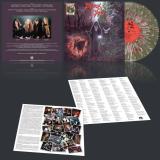
Mystic-Force - The Eternal Quest LP

Mystic Force was a progressive power metal band from Baltimore, Maryland. After releasing several demo tapes, they signed a contract with the German label Rising Sun Productions. This resulted in two albums, “The Eternal Quest” (1993) and “A Step Beyond” (1995). Their third album, “Man Vs. Machine,” followed in 2001 on Siegen Records. After Mystic Force broke up, drummer Chris Lembach and guitarist Rich Davis formed the group Shift and recorded two albums with them. Rich then started his own solo project (for which he played all the instruments and sang), before looking for suitable fellow musicians again and releasing the CD “Inside The Upside Down” in 2024. Mystic Force was originally formed in 1984 by guitarists Rich Davis and Marc Rouchard together with bassist Keith Menser. After numerous line-up changes in the early days, they finally found suitable bandmates in Chris Lembach (drums) and Bobby Hicks (vocals). In 1987, Mystic Force released their first 4-song demo, followed by “Blind Vision” a year later. After selling large quantities of self-produced cassettes (the first 4-track demo is said to have sold over 5,000 copies), it was time for their first vinyl release. In 1990, the album “Take Command” was released on the English label C.M.F.T. Records, which included the first demo and four brand new tracks: “Take Command,” “Awakened By The Dawn,” “Immortal Souls,” and “Silent But Deadly.” Later that year, the 12“ single ”Shipwrecked With The Wicked“/”Eternal Quest" was released in a limited and numbered edition by the band's own company, Pro-duction. The widespread distribution of Mystic Force's material (also via underground distributors such as Oliver Jung's “Demolition”) led to an increasing number of labels taking an interest in the band. Ultimately, the choice fell on Rising Sun Productions, who released the debut album “The Eternal Quest” in 1993, featuring tracks such as “Shipwrecked With The Wicked,” “Another World,” and “Answers Of The Mystery”—a forgotten gem of progressive power metal somewhere between Fates Warning and Hades.

pre-ordina ora24.04.2026

dovrebbe essere pubblicato su 24.04.2026

Malombo - Sangoma

Malombo

Sangoma

12inchMM131
Matsuli Music
24.04.2026

'Matsuli Music is proud to announce the first vinyl reissue of Philip Tabane’s Sangoma ("Spiritual Healer") since its 1978 release. Remastered from the original tapes with lacquers cut by Frank Merrit and pressed on 180g heavyweight vinyl at Pallas in Germany, this definitive edition re-asserts the power of one of South Africa’s landmark recordings. Featuring new liner notes by cultural critic Kwanele Sosibo and artwork restoration by Siemon Allen, Sangoma returns in full force through an extended Malombo line-up, fronted by Tabane's spellbinding guitar - ancestral, timeless, and unbound.
'Philip Tabane (1934–2018), the mercurial guitar genius of South African music, forged a sound that was as rooted in the spirit world as it was in daily life. With the Malombo Jazzmen of the 1960s, Tabane disrupted Western notions of “jazz,” bringing the resonant rhythm of cowhide malombo drums into the foreground. While outsiders and the uninitiated often reached for labels like “primitive yet sophisticated,” Tabane and his collaborators named it more truthfully: “music of the spirit.”
'By the time of Sangoma, Tabane stood at a crossroads. Fresh from a period of three years’ touring in the United States where he graced the Newport Jazz Festival, and played alongside Miles Davis, Herbie Hancock, Pharoah Sanders and others, he brushed off comparisons with characteristic self-assurance: “No, I don’t play like Miles. Miles plays like me.” Back home in South Africa, and with a newly signed international distribution deal with WEA Records, he harnessed this momentum into a larger band setting, capturing a rare intensity.
'The result was Sangoma—an album that bridges contradictions: expansive yet intimate, celebratory yet haunted by exile and return. Tracks such as “Sangoma,” “Hi Congo,” and “Keya Bereka” are not simply performances but living testaments, songs that would remain in his repertoire for decades. Unlike the moody, immersive character of much of his work, here Tabane is on the move—urgent, restless, uncontainable. As he announces on the second track, “Maskanta wa tsamaya” (“something that kicks ass”).
More than four decades on, Sangoma is both an historical document and a timeless invocation. From his home in Mamelodi to the world and back again, Tabane’s spiritual healing endures—raw, electric, and unbowed.'

non in magazzino

Ordina ora e ordineremo l'articolo per te presso il nostro fornitore.


Last In: 16 days ago
Various - Tchic Tchic: French Bossa Nova 1963-1974  Colored Edition LP 2x12"
  • A1: Les Masques - Il Faut Tenir (1969)
  • A2: Isabelle Aubret - Casa Forte (1971)
  • A3: Christianne Legrand - Hlm Et Ciné Roman (1972)
  • A4: Jean Constantin - Pas Tant D'chichi Ponpon (1972)
  • A5: Billy Nencioli & Baden Powell - Si Rien Ne Va (1969)
  • B1-: Marpessa Dawn - Le Petit Cuica (1963)
  • B2: Jean-Pierre Sabar - Vai Vai (1974)
  • B3: Sophia Loren - De Jour En Jour (1963)
  • B4: Isabelle - Jusqu’à La Tombée Du Jour (1969)
  • B5: Sylvia Fels - Corto Maltesse (1974)
  • C1: Frank Gérard - Comme Une Samba (1972)
  • C2: Ann Sorel - La Poupée Des Favellas (1971)
  • C3: Charles Level - Un Enfant Café Au Lait (1971)
  • C4: Andrea Parisy - Les Mains Qui Font Du Bien (1970)
  • C5: Audrey Arno - Quand Jean-Paul Rentrera (1969)
  • C6: Aldo Frank - T’as Vu Ce Printemps (1970)
  • D1: Christianne Legrand - Cent Mille Poissons Dans Ton Filet (1972)
  • D2: Clarinha - Lemenja (1970)
  • D3: Hit Parade Des Enfants - Aquarela (1976)
  • D4: Jean-Pierre Lang - Tendresse (1965)
  • D5: Magalie Noël - Une Énorme Samba (1970)
  • D6: Françoise Legrand - La Lune

Ever since the late 1950s bossa-nova revolution, Brazil’s influence on French music has been undeniable. Pierre Barouh, Georges Moustaki and a vast array of lesser known artists, all made the Musica Popular Brasileira (MPB) an axis of promotion at the service of a cool and metaphysical, modern and mixed Brazilian lifestyle. Some were seduced by the poetic languors of the bossa, some were looking for fun, and others just loved the American hybridization of jazz-bossa, jazz-samba.


What is bossa nova? One of its creators, Joao Gilberto said: "Its style, cadence, everything is samba. At the very start, we didn't call it bossa nova, we sang a little samba made up of a single note - Samba de uma nota so .... The discussion around the origins of bossa nova is therefore useless”. It is nevertheless useful to remember that these magnificent Brazilian songs, which the guitarist describes as samba, were shifted and balanced around improbable chords. "I like things that lean, the in-betweens that limp with grace," said Pierre Barrouh, quoting Jean Cocteau.


With emotion, arrangements for violin and supple guitar licks, bossa nova rapidly changed. A transformation that can be heard in the Tchic, tchic, French Bossa Nova 1963-1974 compilation, the result of a cultural reappropriation, which traveled through the United States and supplemented itself in France.

A musical revolution that has remained significant, bossa nova was born in Rio. From 1956 to 1961, Brazil lived through its golden years. In five years, the country had invented its modernist style. Elected president in 1956, Juscelino Kubitschek de Oliveira, an elegant man with a broad forehead, brandished a promising slogan: "Fifty years of progress in five years". He quickly got to work. Not worried about increasing debt, he launched the project for a new federal capital, Brasilia, designed by the communist architect Oscar Niemeyer. Volkswagen opened state-of-the-art factories and created the “fusquinha”, the Beetle. In Rio, the Vespa made its first appearance. The Arpoador Surf Club crew run into the “girl” from Ipanema, Helô Pinheiro - the tanned garota ("chick"), between a flower and mermaid, who at 17 walked by the Veloso bar, where the fiery author and composer, Tom Jobim and Vinicius de Moraes, were getting drunk on whiskey. From then on, bossa symbolized cool.

In 1958, Joao Gilberto recorded Chega de Saudade, which the directors of Philips denied, calling it "music for fagots". The marketing director, who believed in it, secretly pressed 3000 78-inch vinyls and distributed them at schools around Rio, creating a tidal wave.

American jazzmen then took over. In particular, trumpeter Dizzy Gillespie and guitarist Charlie Byrd. In November 1962, the Brazilian Ministry of Foreign Affairs funded a "Bossa-Nova" concert at Carnegie Hall in New York, inviting the genre’s pioneers. Unprepared, the show soon turned to disaster. But the troupe was invited to the White House by Jackie Kennedy. The first lady loved "the new beat" and in particular Maria Ninguem, a song by Carlos Lyra, later covered by Brigitte Bardot.

In Brazil, the 1964 military coup quickly ended this euphoria. The destructive atmosphere that ensued pushed many Brazilian musicians to leave, if not to exile. Thus, Tom Jobim, Sergio Mendes and Joao Gilberto arrived to the United States. In New York, Joao Gilberto met saxophonist Stan Getz. At the time, he was married to the Bahianese Astrud Weinert Gilberto, who had a German father. She had never sung before, but she knew how to speak English. Getz therefore asked her to replace her husband on The Girl From Ipanema. The Getz/Gilberto record with Tom Jobim on piano, was released in March 1964. Phil Ramone, the "pope of pop" was in charge of sound.

Bossa nova arrived in Paris through the classic “guitar-voice” channel (Pierre Barouh, Baden Powell, Moustaki…) But France loved jazz and Paris had already welcomed its American contributors. All these good people were to pass through Saint-Germain-des-Prés. The cabaret l'Escale became the Mecca of Latin American sound where one could find Pierre Barrouh and his friends, such as the Camara Trio, samba-jazz aces, whose only record was published by the Saravah label. With a band strangely called Les Masques (a band that included Nicole Croisille and Pierre Vassiliu, among others), the Camara Trio recorded an interesting Brazilian Sound, including the track Il faut tenir which is present on this tasty compilation of rarities.

Other enlightened musicians can also be found on the compilation, such as Jean-Pierre Sabar (songwriter for Hardy, Auffray, Leforestier ...) and the French pop rock organist Balthazar. In 1975, Sabar recorded Aurinkoinen Musiikkimatka on a Finnish label, which featured the crazy Vai, Vai, included on this record. We are now following the footsteps of Brazilian electronic musicians such as Sergio Mendes, Eumir Deodato or Marcos Valle who created funk and disco sounds on their keyboards and synthesizers. A style that influenced Véronique Sanson when she wrote Jusqu’à la Tombée de la nuit in 1969 for Isabelle de Funès, the niece of Louis and a great friend of Michel Berger - Sanson did end up singing this track on her 1992 Sans Regret record.


The pinnacle of exoticism and travel, Sylvia Fels’ Corto Maltese includes bongos, sea mist and ocean sounds. The title was taken from Jacky Chalard’s concept album written in 1974, Je suis vivant, mais j’ai peur (I am alive, but I am scared), based on Gilbert Deflez’s science fiction novel.


However, bossa nova extended the scope of popularity. "In the 1970s, I was a fan of Sergio Mendes, Getz / Gilberto. I fell in love with this music that I knew because I had been an orchestral singer, " explained Isabelle Aubret, who in 1971 delivered a composite record of covers by the very funky Jorge Ben, Orfeu Negro, Tom Jobim, Vinicius de Morais and Jean Ferrat. "I recorded this album for Meys Records in Paris, far from Brazil, with wonderful musicians, François Raubert, Roland Vincent, Alain Goraguer...". The latter wrote the arrangements for Casa Forte, a very percussive title borrowed from Edu Lobo, one of the initiators of the bossa who spent time in California. "Jazz and bossa came together and produced very rhythmic music. I love singing, it allows me to dream, to have fun, to feel a high on stage, and these songs brought me joy, made me swing, my singing felt like a dance.”


The world tours of French singers and their desire for the tropics, often brought them to Rio with its hills, forests, caipirinhas and tanned bodies. There are surprises though, like this Iemenja (Iemenja is the goddess of the sea in the Afro-Brazilian candomblé religion). Not unlike the composer and musician Jean-Pierre Lang, based in Sao Paulo, Claire Chevalier taught Brazil to Brazil. In 1970, the singer and painter published a 45-inch vinyl, Mon mari et mes amants (My husband and my lovers), under the improbable pseudonym of Clarinha (little Claire). She was then living in Rio, with her husband, Joël Leibovitz, who founded a band called Azimuth, and who owned a record label specialized in "sambas enredos" songs for samba school parades.


For its B side, she asked Pierre Perret to come up with lyrics for a song composed by Carlos Imperial: "Oh goddess of the sea, o goddess Iemenja, I bring a white rose to adorn your long hair ..." . "Perret came to see us, and we had fun, remembers Joël Leibovitz. We wrote Lemenja for fun, we recorded it at the Havaí studio, behind the Central do Brasil the central station. Erlon Chaves, the arranger who worked with Elis Regina, joined us" adding his share of Afro-Brazilian percussions and funky brass to the mix.

There is a common misunderstanding in Franco-Brazilian history: that bossa, admittedly hedonistic, is perceived as funny, even though the poets who wrote the texts are often philosophizing on the human condition. Its French interpreters pull it towards a carnival inspired universe, far removed from its fundamental essence. Thus, Jean Constantin covered the famous Samba da minha terra, an ode to the art of samba written by the classic Bahian composer Dorival Caymmi, renaming it with the enticing title of Pas tant de tchi tchi pompon: "On your pier there is no tchi tchi / when you arch your back, you know everything is alright ”(lyrics by Gérard Calvi). This expedited bossa aims for the absurd, but retains a certain elegance.

Indeed, Jean Constantin was not an idiot, the rather large man had a huge mustache and liked fantasy, (Les pantoufles à papa, Le pacha, inspired by cha-cha-cha-cha, salsa and jazz) but he was also the lyricist of Mon manège à moi interpreted by Edith Piaf, the composer of Mon Truc en plume by Zizi Jeanmaire and the soundtrack of François Truffaut’s 400 Blows. Le Poulpe, published in 1970, from which this bossa is extract, was arranged by Jean-Claude Vannier, an accomplice of Serge Gainsbourg’s Melody Nelson. In short: "There is enough of samba / By looking at the parasol / Because my poor cabeza / Is going to die in the sun".

Even the American actress Marpessa Down, who was at the heart of the bossa nova revolution with her role as Euridyce in Marcel Camus’ film Orfeu Negro, winner of the 1959 Cannes Palme d'or, fed the clichée with Je voudrais parler au petit cuica - "Tell me how you manage to always make people want to dance / It's true, I must admit that I cannot resist your magic" - in consequence, once can hear the cuica, a little drum inherited from the Bantu.


But bossa nova had many angles. Societal, of course, pushing actresses who were symbols of women's liberation like Brigitte Bardot, Jeanne Moreau, or Sophia Loren to engage in the exercise of accelerated bossa. In February of 1963, Sophia Loren made a record in French in Rome, Je ne t'aime plus, featuring the song De jour en jour, a bossa written by two Italians, Armando Trovajoli and Tino Fornai, which was released a little later by Barclay. Bossa accompanied the 1960s, a decade of moral liberation. Ann Sorel, who interpreted La Poupée des favellas, caused a sensation with L’amour à plusieurs, a provocative song written by Frédéric Bottom and Jean-Claude Vannier. As for the actress Andrea Parisy, she displayed her bourgeois cheekiness in Marcel Carné's Les Tricheurs before interpreting Les mains qui font du bien. And Magalie Noël, the friend of Boris Vian, who sung Johnny fais-moi mal, was hired to sing Une énorme Samba, composed by Alain Goraguer (arranger to Gainsbourg, Bobby Lapointe and Jean Ferrat) with lyrics by Frédéric Botton.

But in the end, of what wood is bossa nova made of? The answer is given by Christianne Legrand, daughter of Raymond the conductor, and sister to Michel the composer: "With me, with jà" - jà means "immediately" in Portuguese. In 1972, the singer, an expert in vocal jazz and a member of the Double Six, published Le Brésil de Christianne Legrand. Two songs included on the Tchic Tchic compilation that demonstrate how bossa, jazz, funk, rock, etc. work like a swiss army knife: the music is used to denounce broken systems, or miracles, HLM et ciné roman, Cent mille poissons dans ton filet, two songs from the O Cafona soundtrack, a successful telenovela broadcast, at the time in black and white, on TV Globo. The first was adapted in French by the fighter and friend of the Legrand tribe, Agnès Varda. The second is content with a play on words, jostling them into a summer fun.


Véronique Mortaigne

pre-ordina ora17.04.2026

dovrebbe essere pubblicato su 17.04.2026

Shūdan Sokai - Live At 八王子 Alone

First time reissue of JP free jazz rarity, pre-Seikatsu Kōjyō Iinkai group.

The single album self-released by the quartet Shūdan Sokai in 1977 is one of the most vital documents of mid-seventies Japanese free jazz, documenting Tokyo’s free scene at the precise moment when it began to shift to a handful of tiny venues on the western fringes of the city. In Free Jazz in Japan, Teruto Soejima identifies the extant venue Aketa no Mise in Nishi-Ogikubo as the pioneer of this decamping from the centre: a cramped basement beneath a rice shop, seating just 20 people. Musician-run, operated on a shoestring, these spaces offered a vital site for community, creativity, and a small measure of financial independence — “even though it was in a basement, in spirit it was a loft.”

Among the most active of the new venues was Alone in Hachiōji, nearly an hour from Shinjuku, in a district shaped by universities, lower rents, and a thriving counterculture. Originally opened in 1973 as a jazu kissa, Alone was unusually spacious and equipped with a stage, grand piano, and drum kit. Around 1974, Junji Mori and Yasuhiro Sakakibara began working there, booking free jazz players on weekends and establishing the venue as a crucial hub. Mori recalls early appearances by figures including Kazutoki Umezu, Toshinori Kondo, and others who would define the scene.

In early 1976, Umezu and pianist Yoriyuki Harada — recently returned from New York’s loft jazz environment, where they had played with musicians such as David Murray and William Parker — formed Shūdan Sokai with Mori and drummer Takashi Kikuchi. The name, meaning “mass evacuation,” pointed to their self-chosen exile in Hachiōji. With Alone as their home base, the quartet developed a music characterized by an infectious sense of enjoyment and a willingness to integrate free jazz with elements of song structure. Harada switched between piano and bass; the group experimented with rap-like vocal pieces, jabbering nursery rhymes over bass rhythms.

They returned to Alone on December 24 to record Sono zen’ya (Eve), releasing it on their own Des Chonboo Records, partially funded by advertisements from local businesses printed on the rear cover. The closing “Ballad for Seshiru,” dedicated to Harada’s newborn son, unfolds over a delicate piano melody that moves into emphatic chords as intertwining alto lines rise and spiral.

Alone closed in September 1977, and Shūdan Sokai soon dissolved, later morphing into the expanded Seikatsu Kōjyō Iinkai Orchestra. What remains is a recording rooted in a specific place and moment: a fiercely independent scene sustained by small rooms, close listening, and collective commitment.

non in magazzino

Ordina ora e ordineremo l'articolo per te presso il nostro fornitore.


Last In: 24 days ago
Jim Jones All Stars - Cat Fight LP

Having played Sold Out tours and supercharged festival appearances across the UK & Europe, It's no wonder that Jim Jones All Stars were personally selected by The Black Crowes on their 'Happiness Bastards' UK & European dates in 2024.The band also recently joined The Wildhearts on their Spring 25' tour dates.The band's debut album, 'Ain't No Peril', was released in September 2023 to universal praise. Their sophomore studio album 'Cat Fight', produced by Chris Robinson (The Black Crowes) is due on April 3rd 2026 via the Black Crowes 'Silver Arrow' Imprint. But, not ones to rest on their laurels, the band just completed a Sold Out tour of the U.K in support of their brand new Live Album 'Get Down - Get With It - Jim Jones All Stars Live (Released October 24th Via Assai Recordings) 'Get Down & Get With It! Is an unvarnished document of a deep, immersive, and mind- bending journey, a transcendent and hypnotic rock and roll experience. It highlights the band's gritty, unapologetic sound, brimming with raw authenticity and attitude. Visceral and uncompromising, it is an electrifying live performance that true believers will never forget

non in magazzino

Ordina ora e ordineremo l'articolo per te presso il nostro fornitore.


Last In: 26 days ago
AL MANFREDI - Blue Gold LP
  • A1: Of The Sea
  • A2: I Don't Live Today
  • A3: Five Six
  • A4: Blue Gold
  • A5: Foggy Night
  • A6: Empty Of Your Possession
  • B1: What A Way To Be Laughing
  • B2: Let It Alone
  • B3: Never With You (Acoustic Version)
  • B4: To Catch The Sun
  • B5: Don't Move Girl

Born into a musical family Al Manfredi started writing songs when he was child. As a teenager in 1965, he formed the Nuts & Bolts in the small beach town of San Clemente, California. Inspired by the Kinks, the Beatles and the Byrds, the group separated themselves from the pack by also performing original material written by Manfredi and band mate Mike Ingram. In late 1966 they changed their name to the Lost & Found and relocated to Phoenix, Arizona, where they cut a rare single, “Don’t Move Girl” b/w “To Catch the Sun,” which now commands high coin from ‘60s garage collectors. When they returned to San Clemente in early 1967 their music had taken a more psychedelic direction. The Lost & Found were riding high that year, until tragedy struck. Ingram was found hanged under suspicious circumstances and soon after Lost & Found drummer Mike Ryer died of cancer at the age of 19. Heartbroken, Manfredi gave up on the band scene completely and moved to Garden Grove to teach at his family’s music store. But alone, behind closed doors, he kept writing songs and working on his music, recording hours of tapes, often tracking all the instruments himself. In 1973 he chose six of his best songs, some of them written back in the Lost & Found days, and had them custom-pressed as an LP. Only a handful of copies were pressed, and most of these were sent out to various record companies in the hope of landing a deal. Despite the outstanding quality of the music, there were no takers. But decades later, collectors discovered the Al Manfredi album and hailed it a West Coast rock masterpiece. In his Acid Archives book, Patrick Lundborg called its discovery a deus ex machina and compared it to David Crosby’s first solo album and Hawaii-era Merrell Fankhauser, “not just the acutely captured mellowness, but the self-confidence and the talent.”This little-known West Coast rock masterpiece was rediscovered and celebrated by Acid Archives founder Patrick Lundborg and others around the time that Manfredi died in 1995. This version of the album, overseen by Manfredi’s son Exile, and with Manfredi’s story told by Ugly Things’ founder Mike Stax, presents the complete package of an incredible lost and found artist. Contains the album, as originally issued, on side A with unreleased music on side B.

pre-ordina ora10.04.2026

dovrebbe essere pubblicato su 10.04.2026

OLIVIER DERIVIERE - DYING LIGHT: THE BEAST (ORIGINAL GAME SOUNDTRACK) LP 2x12"
  • Kyle
  • Being A Man
  • An Angry Man
  • Mood 01
  • Fight A
  • The View
  • Rage
  • Fight B
  • Fight C
  • Safe Zone
  • Mood 02
  • Chase 03
  • Chase 04
  • Mood 03
  • Fight E
  • Chimera 01
  • Mood 04
  • The Exiles
  • Mood 05
  • Timer 01
  • Chimera 03
  • Timer 02
  • The Beast
  • Mood 06
  • Revenge
  • A Changed Man

Double LP pressed on transparent red vinyl with black marbles. In Dying Light: The Beast, you step back into Kyle Crane's skin, but he's no longer the man he once was. Years of experiments have left him torn between fragile humanity and a monstrous power that he can barely control. Every light, every shadow, every choice feels dangerous. The forests and ruins of Castor Woods don't just set the stage, they breathe, they watch, and they punish the reckless. This is survival stripped to the bone, where horror is not just outside, but inside you. Olivier Deriviere's powerful and capturing score for Dying Light: The Beast doesn't just accompany Crane's journey, it is his voice. Sometimes it whispers in empty rooms, fragile and broken, sometimes it roars with distorted rhythms and pounding drums when the Beast takes over. Between silence and sound, the music pulls you deeper into Kyle's fractured soul, making every step and every heartbeat part of the story. It's not just a soundtrack, it's the echo of a man losing, and maybe finding, himself.

pre-ordina ora20.03.2026

dovrebbe essere pubblicato su 20.03.2026

Voxtrot - Dreamers in Exile LP

"Nearly two decades after their 2007 debut and a 2010–2022 hiatus, Austin, TX’s Voxtrot return with Dreamers in Exile, a new LP that turns an underdog story into a true second act.

The band who quietly became cult heroes in the streaming era deliver a record that carries the electric rush longtime fans remember while speaking directly to the new era of youth who discovered them through playlists and word of mouth.

Musically, Dreamers in Exile folds Voxtrot’s classic DNA—C86 sparkle, Sarah Records romanticism, the pulse of The Velvet Underground, the elegance of Felt—into a sharper, more confident sound.

Guitars chime and sprint, rhythms push forward, and Ramesh Srivastava’s literate, heart-forward lyrics trace the distance between youth and maturity, exile and home, regret and renewal. Mixed by Dean Reid (Lana Del Rey, James Blake), it reads as both reintroduction and redemption.

For a band born of the 2000s blog wave alongside Vampire Weekend, The National, and Grizzly Bear, Dreamers in Exile is less nostalgia than proof of life. It’s the sound of a beloved group returning on their own terms and finding their songs resonating more widely than ever."

pre-ordina ora27.02.2026

dovrebbe essere pubblicato su 27.02.2026

Severin Black - Country Music

Written during a period of geographic and artistic transition, Country Music traces Severin Black’s movement from London to Berlin, unfolding through cycles of isolation and adaptation. Composed on the city’s periphery, the album’s material was continually dismantled and reassembled, reflecting a process of both artistic and personal reconstruction. The album marks a shift in production methodology, moving away from the immediacy of summed live takes toward a more deliberate, stratified multitrack approach. Sparse yet hypnotic, the record distills layers of sound formed by constant relocation, recurrent solitude, and a recalibration of instinct. In many ways, it echoes the experience of exile, not in a political sense but in the quieter, more insidious form of displacement that alters one’s perception of time and self. The music drifts between structure and dissolution, a reflection of existing at the threshold of different spaces—both physically and sonically.

The shedding of the previously used Nape moniker signaled a decisive sonic transformation, informed by extended time spent in the Pyrenees and a renewed engagement with folkloric material. Severin began playing the clarinet while making this record, and though its presence is minimal, it reveals itself as an interest in acoustic simulation, particularly the digital approximations of classical instruments that emerged within 1990s synthesizer technology. This interrogation of authenticity and mediation parallels the album’s thematic engagement with memory, where recollection functions not as a retrieval of fixed experience but as an iterative process of distortion and reconstruction. The relocation to Berlin reignited an affinity for grime music, evident in the syncopated brass of Pilgrim Wine and the fractured vocal layers of March, while memories of childhood in rural Wales permeate the record’s atmospheric spaces. The album includes contributions from longtime collaborator Vanessa Bedoret and Berlin-based artist Pavel Milyakov (Buttechno).

Country Music situates itself within an unresolved dialogue—between past and speculative futures, between folk lineage and digital fragmentation, between place and its embodied and sonic traces. What emerges is not a fixed statement but a process, an ongoing negotiation between what is left behind and what is brought forward. Words by Chantal Michelle

Mastered by Owen Pratt / Design by Severin Black / Center label image by Nicky Kidd / Back cover text by Alya Kanıbelli

non in magazzino

Ordina ora e ordineremo l'articolo per te presso il nostro fornitore.


Last In: 75 days ago
ASYMETRIC80 - FRENETIC HABITS EP

There is a breaking point where the mind yields and the body takes command. This is precisely the territory of Frenetic Habits EP.

Asymetric80 lands at INDUSTRIAS MEKANIKAS with an unapologetic statement: a direct immersion into the aesthetics of collapse and extreme habits. The work places you in the center of a post-apocalyptic scenario, where survival no longer relies on calm, but on your ability to endure mechanical tension.

The sound is built upon solidity and saturation. You won’t find fragility here, but rather an architecture of EBM, New Beat, and Industrial Techno designed to dominate any sound system that dares to play it.

Side A establishes the hierarchy with Frenetic Habits. Far from linear, the track unfolds a broken, demolishing rhythm, generating a devastating sonic pressure that completely envelops you. It is a piece of constant drive, an armored machine advancing over the very ground you stand on. It is followed by Exile and Unmasked, which shifts the strategy towards depth: a hypnotic immersion where industrial textures densify, creating a dark atmosphere that traps you with no escape.

On Side B, Bleak materializes the heaviness of the environment. A slow-burning, corrosive track with deep bass, which you can feel advancing with the force of concrete. To close, Dementia releases the accumulated tension with overflowing kinetic energy; a final outburst of controlled aggression that closes the cycle with maximum intensity.

Frenetic Habits EP is a record of ironclad textures and terminal atmosphere. A work that documents not defeat, but the brute force needed to remain standing when everything around has come crashing down.

In stock dal13.05.2026


Last In: 10 days ago
Joe Hisaishi - Howl’s Moving Castle
  • A1: Opening Song - Merry-Go-Round Of Life
  • A2: The Merry Light Cavalrymen
  • A3: A Walk In The Skies
  • A4: Heartbeat
  • A5: Witch Of The Waste
  • A6: Sophie In Exile
  • A7: The Magic Door
  • A8: Irremovable Spell
  • A9: Cleaning House
  • A10: To Star Lake
  • B1: Unspoken Love
  • B2: In The Rain
  • B3: Vanity And Friendship
  • B4: A Ninety-Year-Old Girl
  • B5: Saliman's Spell - Return To The Castle
  • B6: The Secret Cave
  • B7: Moving To A New House
  • B8: The Flower Garden
  • B9: Run!
  • B10: You're In Love
  • C1: Family
  • C2: Love Under Fire
  • C3: Escape
  • C4: Sophie's Castle
  • C5: The Boy Who Swallowed A Star
  • C6: Ending Song - The Promise Of The World - Merry-Go-Round Of Life

2xLP gatefold jacket (recorded in Side A, B, C, and no music recorded in back side of Side D)

Soundtracks including the scores used in the film, including the main theme “The Promise of the World” sung by Chieko Baisho who is a voice actress of the main character, Sophie.

non in magazzino

Ordina ora e ordineremo l'articolo per te presso il nostro fornitore.


Last In: 3 months ago
Js Zeiter - Context Collapse LP 2x12"

REPRESS ALERT!: Dub techno dons Lempuyang are back with the first double LP from the revered JS Zeiter, an assured artist whose early 12"s merged Chain Reaction's energy with deepchord's immersive depth and made him a modern-day great. Since then, he has spent years refining his craft into a consistently exceptional and sought-after sound across various aliases. Context Collapse marks a significant new chapter with eight expertly designed sounds that offer dub for all occasions, from those zoned out early mornings after a long night at it to more airy and uplifting dreamers like 'Interplay' via cosy, cuddly and introspective gems such as the smooth and seductive 'Open'. JS Zeiter is a true craftsman, as this double pack shows once more

non in magazzino

Ordina ora e ordineremo l'articolo per te presso il nostro fornitore.


Last In: 41 days ago
GAVIAL - THANKS, I HATE IT
  • Control
  • Koru Mindset
  • Pretender
  • Grow
  • Leviathan
  • Wandern
  • Wicked Game

GAVIAL sind zurück. Deutlicher. Verletzlicher. Größer als je zuvor. Fast drei Jahre sind vergangen, seit Gavial mit "VOR" ein kraftvolles Statement abgegeben haben. Drei Jahre voller politischer Brüche, gesellschaftlicher Abgründe und persönlicher Erschütterungen. Drei Jahre, die Spuren hinterlassen haben - hörbar, fühlbar, unausweichlich. Jetzt kehrt das Quartett aus Dresden/Leipzig/Berlin mit einem neuen Album zurück. Hier prallen Soul und Gospel auf Country, Psychedelic-Blues auf pure, unverstellte Emotion. Gavial erschaffen Klangwelten, in denen Gitarren, Bass und Stimme zu etwas Größerem verschmelzen. Melancholie, die nachhallt. Hypnose durch Klang. Energie, die nicht mehr loslässt. Mit Vehemenz präsentieren sich Gavial so roh und kompromisslos wie noch nie. Ihre Songs sind Spiegel - von allem, was brennt: Eine Welt, die sich selbst zerfrisst. Gesellschaften, die verlernt haben zuzuhören. Technologien, die uns überholen. Militarismus, der zurückkehrt. Menschenrechte, die zu Worthülsen verkommen. Institutionen, die versagen. Und Egoismus, der gedeiht. "Thanks, I Hate It" ist keine Kapitulation. Es ist ein Soundtrack zu einer Zeit, die uns täglich prüft. Gavial sind hier, um uns zu erinnern: Wir sind noch da. Wir fühlen noch. Wir hören noch zu. Und manchmal lautet die einzig ehrliche Antwort auf diese Welt: Thanks, I Hate It.

pre-ordina ora23.01.2026

dovrebbe essere pubblicato su 23.01.2026

Dark Tranquillity - Live Damage (2x12")

It's taken over two decades, but at last, the wait is over: Sevan Mater has unleashed the first- ever vinyl pressing of Live Damage , the iconic live performance by DARK TRANQUILLITY, captured during their "Damage Done" era. Pressed on Gold and Black swirl vinyl, limited to just 500 copies, and housed in a stunning gatefold cover, this reissue is nothing short of melodic death metal heaven. Originally released in 2003 as a DVD, Live Damage immortalized one of DT 's most intense and electric live shows - recorded in Krakow, Poland. Now, for the first time ever, that raw energy, that iconic Swedish aggression, and that perfectly balanced blend of melody and brutality has been etched into vinyl grooves for audiophiles and collectors alike. From the soaring leads of The Treason Wall to the punishing drive of Final Resistance, every track explodes with clarity and presence on wax.

The vinyl mastering brings new warmth and immediacy to the performance, giving fans the closest thing to being there, without the sweat and flying beer. And the packaging? Absolutely elite. Sevan Mater delivers a luxurious gatefold, featuring rare tour photos, liner notes, and an aesthetic drenched in cold, melancholic elegance. If you're a fan of At The Gates, In Flames, or if Damage Done was the soundtrack to your early 2000s fury, this release is a must-own. More than just a live album - it's a time capsule of melodic death metal at its peak.

non in magazzino

Ordina ora e ordineremo l'articolo per te presso il nostro fornitore.


Last In: 3 months ago
MULUKEN MELLESSE - MULUKEN MELLESSE WITH THE DAHLAK BAND (ETHIOPIQUES)

Swan Song

The vinyl LP at the heart of this éthiopiques 31 tracks 2 to 11 was one of the very last vinyl records ever released in Ethiopia. But above all it represents, we felt, the absolute masterpiece of the Ethiopian Groove – the Swan Song of Swinging Addis. The album leaves a clear idea for posterity of the level of sophistication and mastery that modern Ethiopian music had achieved, before being crushed under the Stalino-military heel of the Derg – as the bloody revolution that was unfolding came to be called.

Ethiopia1976.

The Revolution that broke out in February 1974 rolled on in a ruthless march. The whole of Ethiopian society was utterly stunned. The bouquets of flowers handed joyfully to the first tanks of the coup d'état were to wilt very rapidly. From September 1976 to February 1978, 18 months of Red Terror (the name given by the junta itself) spilled blood throughout the country. This fratricidal conflict took its heaviest toll among students and youth. The shift from feudalism to a cruel and primitive Stalinism left the country's citizens deeply traumatised, and snuffed out any pretence of activism, whatever the sector of society. This ice age was to last for seventeen long years.

ሙሉቀን፡መለሰ Mulukèn Mellèssè Muluqän Mälläsä

It was three tracks by Muluken that served as the opener for éthiopiques-1 more than 25 years ago. Seven more tracks appeared on éthiopiques-3 and 13, all accompanied by The Equators, which was soon to become the Dahlak Band.

The first track, Hédètch alu, also the very first piece that Muluken ever recorded, left audiences both unsettled and amazed. Reflecting the singer's extremely young age (he was just 17 at the time), this angelic voice mystified many, who thought they were in fact listening to a feminine voice. He was not yet 22 when he released his last vinyl record in 1976 with Kaifa Records (KF 39LP), one of the very last to be issued in Ethiopia, before the cassette tape became the dominant medium for music distribution – and before the new revolutionary regime put a stop to all independent musical life, via an unspeakable barrage of prohibitions and other persecutions.

Mulu qèn, literally, “A well filled day”. This tender maternal intention wasn't enough to ward off the cruelty of fate. His mother's premature death drove Muluken to leave his native Godjam, in northeast Ethiopia, to live with an uncle in Addis Ababa. Born Muluken Tamer, he took his uncle's last name – Mèllèssè.

The spelling Muluken appeared in his administrative records. Transcription of Amharic to the Latin alphabet, both in Ethiopia and for scholars, gives rise to controversies and quibbles that can never be neatly settled. French allows for a closer approximation of the original pronunciation, thanks to its battery of accent marks, confusing as they may be to anglophones.

Between rather accommodating administrative record-keepers and the various versions that pop up in interviews given by the artist, Muluken's year of birth oscillates between 1953 and 1955…

1954? One thing is certain: the artist's talent made itself known very early indeed, because he got his start in 1966-67, at the age of 13 or 14. Photos from the period attest to his extreme youth. It's a strange sort of initiation for a very young teenager to become a sensation in the heart of Addis's nightlife at the time, Woubé Bèrèha – the Wilds of Woubé. And what's more, in the club of the Queen of the Night, the Godjamé Assègèdètch Alamrèw herself, the very same that was portrayed by Sebhat Guèbrè-Egziabhér in his novel-memoir Les Nuits d’Addis Abeba2… The legendary female club owner who is remembered to this day by the capital's ageing boomers.

Muluken first tried his hand at the drums, before he grabbed the microphone. He emigrated briefly to the Zula Club, across the street from the old Addis Post Office, one of the ground-breaking bars of the burgeoning musical scene, before joining the Second Police Band in 1968, for around three years. He spent a few months with the short-lived Blue Nile Band founded by saxophonist Besrat Tammènè. As the musical scene grew increasingly successful, and pulled slowly but decisively away from its institutional ties, Muluken released his first 45rpm single in February 1972 (Amha Records AE 440). It was included in two LP Ethiopian Hit Parade compilation albums in September of the same year. All in all, Muluken released eight two-track 45s and the same number of original cassette tapes between February 1972 and 1984, the year that he departed for permanent exile in the USA. After converting to Pentecostalism in 1980, Muluken gradually abandoned all secular musical activity. In 1985, at the end of a concert in Philadelphia, he decided to quit concerts and recording for good. Mèlakè Gèbré, the historic bass player from the Walias band who was playing with him that night, recalls that everything appeared so irredeemably diabolical in Muluken's eyes, that it was to be the end of his contribution to Ethiopian Groove.

The end of the story, the beginning of a legend.

Dahlak Band, forgotten by History

Aside from his personal history and vocal talents, it must be remembered that Muluken Mèllèssè was one of the biggest names in the musical innovations that marked the end of the imperial period. These éthiopiques aim to convince those who are just discovering this hidden gem... As for Ethiopians themselves, they are to this day captivated by this singular and atypical figure in the Abyssinian pop landscape – even though he withdrew from public life some 40 years ago. Incorrigible devotees of poetic twists, of more or less hidden meanings, Ethiopians appreciate above all the care Muluken took in choosing his lyrics and the writers who penned them, such as Feqerte Haylou, Alemtsehay Wodajo and, here, Shewalul Mengistu (1944-1977). Love songs, written by women, a far cry from the conventional drivel that pleases sappy sentimentalists.

Muluken is equally acclaimed for his perfectionism when it came to music, the opposite of the overly casual approach that is all too common. He remained a faithful partner of musicians who came from a lineage that borrowed from several inventive and pioneering bands (Venus, Equators, Dahlak). Amongst them were certain artists who began their musical lives with Nersès Nalbandian at the Haile Sellassie Theatre and who come of age in around 1973 – at just the wrong time, you might say. Among them were the pillars Shimèlis Bèyènè (trumpet), Dawit Yifru (keyboards) and Tilayé Gèbrè (sax & flute). Most notably Tilayé Gèbrè, certainly one of the most important musicians, composers and arrangers of his generation, of the end of the imperial era, and of the early years of the Derg.

It was only in 1981 that a miraculous opportunity arose for Tilayé to escape the Stalinist paradise of the dictator Menguistou Haylè-Maryam. Once again it was Amha Eshèté (1946-2021) who provided a solution. The spirited and courageous producer, who had been in exile in Washington since 1975, succeeded, thanks to his incredible perseverence, in bringing the Walias Band to the USA. It was, in fact an extended Walias Band comprising ten musicians3, six of whom chose to slip away after a few concerts and the recording of an LP (The Best of Walias, WRS 100). Tilayé Gèbrè was one of these. He has been living in the USA ever since. There he joined the then-nascent Ethiopian diaspora, which lived largely unto itself, and was making only very modest headway in the American musical market. It seems unfair that Tilayé Gèbrè and the Dahlak Band were not able to benefit earlier from the public recognition that they do deserve.

A similar draining away of the top-rate talents would lead to the reorganization of the major groups of the “Derg Time”. The remaining artists spread themselves around between Ibex Band (renamed Roha Band), Ethio Star Band and a remodeled Walias Band. That spelled the end of the Dahlak Band.

With this record, produced by the essential Ali Abdella Kaifa a.k.a. Ali Tango, we can appreciate everything that the Derg not only destroyed, but also prevented from flourishing. This gem of Ethiopian-style afrobeat came out in 1976 (and, by way of a parenthesis, before the FESTAC 1977 in Lagos, which was attended by an impressive delegation of Ethiopian musicians — although Fela was already personna non grata in his own country). Despite everything that might distinguish this ethio-groove from Fela’s music – no colonial axe to grind, no question of political confrontation with the authorities, no claims to negritude or Africanism for the Ethiopian musicians, and less extrovertion! –, this LP fits beautifully into the saga of intense and electrified soul of the new “African” groove that Fela and Manu Dibango embodied so well from that point onwards.

In restoring this record to its place in the afrobeat epic, it can be seen that, if nothing else, the timeline bestows a legitimate pedigree and a historical primacy to works that had no international impact when they were originally released.

Warning! Masterpiece!

non in magazzino

Ordina ora e ordineremo l'articolo per te presso il nostro fornitore.


Last In: 3 months ago
BONBON VODOU - ÉPOPÉE MÉTÈQUE

Bonbon Vodou’s third album (Épopée métèque), created by Oriane Lacaille and JereM Boucris, follows the paths of exile with lush orchestration and lyrics in French, Creole, and Gascon.

The bonbon piment (a spicy Réunionese fritter) is deceptive. Beneath its harmless appearance lies a fiery kick that can jolt you into clarity. Bonbon Vodou operates the same way. While the duo's musical influences sway between the Indian Ocean and the Mediterranean Sea, a sharp edge cuts through the tenderness of their graceful songs, often carried by the rhythms of maloya. This contrast gives depth to their third album, Épopée métèque, which takes us on journeys of exile—both across land and sea.
Oriane Lacaille is the daughter of accordionist René Lacaille, a key figure in the revival of Réunionese music in the 1970s, who has lived in mainland France for five decades. JereM Boucris’s father, from a Tunisian Jewish family, was 14 when he arrived in France at the end of the colonial protectorate. Their lives are interwoven with these paternal exiles, which they continue to explore and unravel, alongside the broader, universal stories of migrants fleeing poverty, persecution, and war.
The duo is now joined by a vibrant trio—Piment Piment (Juliette Minvielle, Roland Seilhes, and Yann-Lou Bertrand)—bringing a rich orchestration featuring guitars, flutes, brass, roulèr, kayamb, jaw harp… all set to lyrics in French, Creole, and Gascon. Their voices are joined by numerous guests, including Mouss and Hakim, Rosemary Standley, and Bernard Lavilliers. This playful yet poignant album explores themes of life and death—radiant but aware—seemingly echoing Camus: “There is no sun without shadow, and one must know the night.”

pre-ordina ora

Questo articolo non è stato ancora rilasciato. È possibile pre-ordinare il prodotto ora.

Capcom Sound Team - ‘Mega Man Zero/ZX: The Collection’ (5x12")
  • Side A
  • Theme Of Zero (From Mega Man X)
  • Intermission
  • Express Ug
  • Deadzone
  • Scorching Desert
  • Hell Plant
  • Infiltration
  • Side B
  • Crash
  • Result Of Mission
  • Neo Arcadia
  • X, The Legend
  • Fake
  • For Endless Fight
  • End Title
  • Area Of Zero / Main Theme Of Zero
  • Cyberelf
  • LP2: ‘Music From Mega Man Zero 2’
  • Side A
  • Title Ii
  • For Endless Fight Ii
  • Departure
  • Instructions
  • Ice Brain
  • Platinum
  • Gravity
  • Sand Triangle
  • Power Bom
  • Side B
  • Passionate
  • Cool Hearted Fellow
  • The Cloudy Stone
  • Silver Wolf - Yggr-Drasill
  • Supreme Ruler
  • The Last - The Wish Punished
  • In Mother's Light
  • Awakening Will
  • LP3: ‘Music From Mega Man Zero 3’
  • Side A
  • Title Iii
  • Break Out
  • Exiled One -Omegacurse Of Vile
  • Prismatic
  • Volcano
  • Old Life Space
  • Final Count Down
  • For Endless Fight Iii
  • Cold Smile
  • LP3: ‘Music From Mega Man Zero 3’ (Cont.)
  • Side B
  • Trail On Powdery Snow
  • Submerged Memory
  • High-Speed Lift
  • Hell's Gate Open
  • Judgement Day
  • Cannon Ball
  • I, 0 Your Fellow
  • Everlasting Red
  • Labo - System-A-Ciel
  • LP4: ‘Music From Mega Man Zero 4’
  • Side A
  • Title Iv
  • Caravan - Hope For Freedom
  • Nothing Beats
  • Holy Land
  • Esperanto
  • Kraft
  • Max Heat
  • Queen Of The Hurt
  • Side B
  • Cage Of Tyrant
  • Straight Ahead
  • Crossover Station
  • Cyber Space
  • Falling Down
  • Ciel D'aube
  • Promise - Next New World
  • LP5:
  • Side A ‘Music From Mega Man Zx’
  • Green Grass Gradation
  • En-Trance Code
  • Wonder Panorama
  • Misty Rain
  • Onslaught
  • Black Burn
  • Snake Eyes
  • Cannon Ball
  • Side B ‘Music From Mega Man Zx Advent’
  • In The Wind
  • Overloaded
  • Path To The Truth
  • Trap Phantasm
  • Drifting Floe
  • Whisper Of Relics
  • Mirai E Tsuzuku Kaze
  • Green Grass Gradation (Mega Man A Ver)

Capcom and Laced Records invite you to return to a world of Reploids and cyber-elves, betrayal and Bio-Metals...

Thoughtfully sequenced with a disc covering each of the Mega Man Zero games, and a fifth covering ZX and ZX Advent, this box set will allow fans to fully ensconce themselves in the series.

ultimatemaverickx returns as sleeve artist, producing lore-faithful, vibrantly colorful panels depicting memorable story moments and highlighting major characters in iconic poses.

The Mega Man Zero/ZX soundtracks' glorious mix of urgent acid house, ambient, face-melting metal, and even soaring pop feel downright prophetic in the modern music landscape. Transported from their '00s hardware origins to your turntable come the sounds of our present, broadcast from the past - and it rips.

pre-ordina ora15.12.2025

dovrebbe essere pubblicato su 15.12.2025

Pete Fij - Love's Coming Back (7")
  • A1: Love's Coming Back
  • B1: Houston (7" Exclusive)

Slinging back on the electric guitar, ditching the job, upping the BPMs, and falling in love again has resulted in Pete embracing his fuzzed up dream- pop past but also throwing in elements of pop and electronica.

The first fruits of this new-found labour is a brand new single "LOVE'S COMING BACK" which sums up the ethos for his new project all squeezed into 136 amp-frying seconds. Pete first burst onto the scene in the early 90s as the frontman and guitarist of postshoegaze / pre- Britpop band Adorable, whose 1993 album Against Perfection, released on Creation Records, is regularly referred to as a lost indie classic, with the band picking up multiple 'Single of the Week' awards in the NME, and topping the Indie charts. Noel Gallagher once told Creation Records' Alan McGhee that dropping Adorable from the label was one of his biggest mistakes, whilst other artists such as Ash, Slowdive and Brian Jonestown Massacre amongst others have all expressed their admiration for the band. Following this he joined up with his brother Krzys to form One Little Indian band Polak (Swansongs 2000 / Rubbernecking 2002) which took in influences from the likes of Sparklehorse, Radiohead and dEUS, and led The Independent to call him "the most gifted lyricist since Jarvis Cocker last put pen to paper".

There then followed a musical exile, after having what Pete now describes as 'a musical breakdown' before re-emerging alongside celebrated House of Love guitarist Terry Bickers to release two critically acclaimed albums as Pete Fij / Terry Bickers on 2014's Broken Heart Surgery, and 2017's We Are Millionaires, winning the Roundtable 'Single of The Week' on Steve Lamacq's BBC 6Music show - "Beautiful" (MOJO) "Unfailingly lovely" (UNCUT) "Stunning" (OHM) "Beautifully constructed" (Q). Adorable then reformed for a few weeks in 2019 for a series of one off dates that sold out in record time, playing bigger venues than they did in their heyday - and then broke up again.

pre-ordina ora12.12.2025

dovrebbe essere pubblicato su 12.12.2025

THE SAINTS - LONG MARCH THROUGH THE JAZZ AGE
  • Empires (Sometimes We Fall)
  • Break Away
  • Judas
  • Vikings
  • Bruises
  • Gasoline
  • The Key
  • Resurrection Day
  • Carnivore (Long March Through The Jazz Age)
  • Will You Still Be There

Das letzte von Chris Bailey mit The Saints eingespielte Material! "Long March Through the Jazz Age" ist das letzte Album von Chris Bailey und The Saints. Es ist ein bewegender Abschied - ein Zeugnis eines rastlosen, kompromisslosen Künstlers, der immer vorwärts ging, einer der großen Texter und doch unglücklicher Musiker. Aufgenommen Ende 2018 in den Church Street Studios in Sydney, flogen Bailey und der langjährige Saints-Schlagzeuger Pete Wilkinson aus Europa ein, um sich mit Gitarrist/Toningenieur Sean Carey, der zuvor mit der Band getourt und aufgenommen hatte, gemeinsam an dieses letzte Kapitel von Bailey's Saints zu begegeben . Zu ihnen gesellten sich Davey Lane (You Am I) an der Gitarre sowie ein handverlesenes Ensemble junger Musiker*innen Sydneys. Aus Baileys groben Demos entwickelte sich "Long March Through the Jazz Age" zu einer zutiefst menschlichen Momentaufnahme mit Strahlkraft."Empires (Sometimes We Fall)" ist der hymnische Opener des Albums, getragen von Gitarren und untermalt von Baileys schmerzhaften Texten: ,Sometimes we rise, sometimes we fall". Es ist der perfekte Auftakt für ein Album, das Baileys angeborenen Punk-Spirit versprüht und gleichzeitig frei in einer großzügigen Produktion fließt. Eine 12-saitige Gitarre verleiht dem streicherlastigen "Judas" Harmonie und Wärme, es ist ein herrlich melancholisches Stück, "Gasoline" erinnert an den Country-Sound der Stones auf Exile On Main Street, während "Bruises" eine ehrliche Erinnerung daran ist, wie dieser gefeierte Troubadour dorthin gekommen ist, wo er heute steht. Es gibt Momente von Dylan-artiger Erhabenheit, wenn klangvolle Gitarren und Streicher das Panorama erweitern, während der Titelsong eine eindringliche, poetische Intensität vermittelt, dessen trauriger Trompetenbreak so erschauern lässt wie kaum etwas anderes. Long March Through the Jazz Age markiert das Ende der bemerkenswerten Reise von Chris Bailey und The Saints - die üblichen Wege ignorierend, über vier Jahrzehnte Musik gelebt. Limitiertes blaues Vinyl mit Glanzlack-Cover, Linernotes & DLC oder Digisleeve CD. "One of the most sporadically brilliant, frustratingly uneven and most undeniably important bands Australia has ever produced" - The Guardian

pre-ordina ora28.11.2025

dovrebbe essere pubblicato su 28.11.2025

FESSUS - Subcutaneous tomb LP
  • A1: Pointless Anguish
  • A2: Asphyxiate In Exile
  • A3: Cries From The Ether
  • A4:
  • B1: The Depths Of Lividity
  • B2: Yizkor
  • B3: Living Funeral
disponibile anche

Galaxy Pink Green Vinyl


ROTTEN, FOUL, DERANGED!

Around the end of the 1980s and the first years of the 1990s bands like PUNGENT STENCH, DISHARMONIC ORCHESTRA, DISASTROUS MURMUR or MIASMA made a name for themselves by putting out some classic albums. "Been Caught Buttering", "Changes" or "Expositionsprophylaxe" were records spawned by Austrian hordes which were globally hailed by devotees of Death Metal. As fertile a soil Austria once seemed to be, throughout the last 30 years not one single Death Metal album was put out that would match the quality of the pioneers.

Apparently, it took Brenton, an Australian settling in Vienna, to eventually put Austria on the map again. After having founded FESSUS with 3 other members in 2023, the quartet put out their first demo "Pilgrims of Morbidity" in the same year.

Now, two years after the very promising demo, FESSUS return with their first full-length. Cryptically entitled "Subcutaneous Tomb" the album's six lengthy songs stylistically continue where the demo left off. Whereas other bands focus on hyper-speed, over-technicality and brutality, FESSUS' brand of Death Metal is mostly played in moderate tempi with outbursts of speed and aggression scattered throughout the album. The songs are foremost characterized by memorable compositions and groove. Every song literally oozes with morbidity and conjures a dense macabre atmosphere. Brenton's vocals which are partly reminiscent of NECROPHAGIA's Killjoy are one of the highlights of the album. With his performance being equal parts versatile and deranged, Brenton spews vile bile and brimstone like not many lunatics before him. Although there are hints of other bands like AUTOPSY or PURTENANCE found on the album, FESSUS actually managed to come up with a sound that’s distinctly their own.

"Subcutaneous Tomb" is a perfectly produced album that those worshipping at the altar of morbid, rotten Death Metal can't afford to miss out on.

Recording, mixing, mastering: Thomas Taube (Five Lakes Studio)

pre-ordina ora28.11.2025

dovrebbe essere pubblicato su 28.11.2025

Dark Tranquillity - Live Damage (2x12")
  • 1: Intro
  • 2: The Wonders At Your Feet
  • 3: The Treason Wall
  • 4: Hedon
  • 5: White Noise
  • 6: Black Silence
  • 7: Haven
  • 8: Punish My Heaven
  • 9: Monochromatic Stains
  • 10: Undo Control
  • 11: Indifferent Suns
  • 12: Format C: For Cortex
  • 13: Insanity's Crescendo
  • 14: Hours Passed In Exile
  • 15: The Sun Fired Blanks
  • 16: Damage Done
  • 17: Lethe
  • 18: Not Built To Last
  • 19: Therein
  • 20: Zodijackyl Light
  • 21: Final Resistance
  • 22: Outro - Ex Nihilo
disponibile anche

Black Vinyl


It's taken over two decades, but at last, the wait is over: Sevan Mater has unleashed the first- ever vinyl pressing of Live Damage , the iconic live performance by DARK TRANQUILLITY, captured during their "Damage Done" era. Pressed on Gold and Black swirl vinyl, limited to just 500 copies, and housed in a stunning gatefold cover, this reissue is nothing short of melodic death metal heaven. Originally released in 2003 as a DVD, Live Damage immortalized one of DT 's most intense and electric live shows - recorded in Krakow, Poland. Now, for the first time ever, that raw energy, that iconic Swedish aggression, and that perfectly balanced blend of melody and brutality has been etched into vinyl grooves for audiophiles and collectors alike. From the soaring leads of The Treason Wall to the punishing drive of Final Resistance, every track explodes with clarity and presence on wax.

The vinyl mastering brings new warmth and immediacy to the performance, giving fans the closest thing to being there, without the sweat and flying beer. And the packaging? Absolutely elite. Sevan Mater delivers a luxurious gatefold, featuring rare tour photos, liner notes, and an aesthetic drenched in cold, melancholic elegance. If you're a fan of At The Gates, In Flames, or if Damage Done was the soundtrack to your early 2000s fury, this release is a must-own. More than just a live album - it's a time capsule of melodic death metal at its peak.

pre-ordina ora28.11.2025

dovrebbe essere pubblicato su 28.11.2025

Js Zeiter - Context Collapse LP 2x12"

Dub techno dons Lempuyang are back with the first double LP from the revered JS Zeiter, an assured artist whose early 12"s merged Chain Reaction's energy with deepchord's immersive depth and made him a modern-day great. Since then, he has spent years refining his craft into a consistently exceptional and sought-after sound across various aliases. Context Collapse marks a significant new chapter with eight expertly designed sounds that offer dub for all occasions, from those zoned out early mornings after a long night at it to more airy and uplifting dreamers like 'Interplay' via cosy, cuddly and introspective gems such as the smooth and seductive 'Open'. JS Zeiter is a true craftsman, as this double pack shows once more.

non in magazzino

Ordina ora e ordineremo l'articolo per te presso il nostro fornitore.


Last In: 5 months ago
Mal Waldron - Candy Girl LP

Mal Waldron

Candy Girl LP

12inchSTRUTLP295
STRUT
03.11.2025

An electrified meeting of minds, Candy Girl is a lost 1975 session by jazz pianist Mal Waldron, recorded in Paris with core members of the mighty Lafayette Afro Rock Band, the American funk unit who had made France their home and whose deep grooves would later be mined by generations of hip-hop producers.

By 1975, Waldron was a decade into his self-imposed exile from the United States—a transformed musician who had reassembled his sound in Europe and Japan after a devastating breakdown in the early '60s. His post-1969 output had stripped jazz down to its core elements: modal intensity, locked grooves, and hypnotic repetition. Candy Girl doesn’t interrupt this trajectory—it extends it, wrapping Waldron’s minimalist mantras around the funked-up chassis of the Lafayette rhythm section.

Originally released in microscopic quantities on the Calumet label and long shrouded in obscurity, Candy Girl was recorded spontaneously in the studio of French producer Pierre Jaubert, whose Paris HQ had become the workshop for both avant-garde jazz (Archie Shepp, Art Ensemble of Chicago, Steve Lacy) and psychedelic funk (Lafayette Afro Rock Band AKA Ice). This session finds Waldron jamming freely with bassist Lafayette Hudson, drummer Donny Donable, and keyboardist Frank Abel on clavinet, Moog and more—laying down raw, unfiltered instrumental funk with an experimental edge.

Highlights include the low-slung vamp of “Home Again”, the crisp, break-laden groove of “Red Match Box”, and the mesmeric swirl of the title track “Candy Girl” —a minor-key electric piano waltz with hints of cosmic soul. There's even a deep cut for the crate diggers: the somber yet meditative “Dedication to Brahms”, where Waldron deconstructs the Romantic composer’s third symphony into a sparse jazz reverie.

Unlike his polished sessions for Japanese labels or the avant-garde swing of his earlier Prestige work, Candy Girl feels more spontaneous, even accidental — and that’s part of its power. It’s a document of Waldron as bandleader, collaborator, and explorer, captured in the midst of a vibrant, cross-cultural scene in mid-70s Paris. Never officially issued with a cover and barely released at all, Candy Girl is a rare convergence of two underground traditions: Waldron’s Euro-exile electric jazz and the raw, sampled-future funk of the Lafayette Afro Rock Band. Now finally resurfaced, it deserves its rightful place in both stories.

non in magazzino

Ordina ora e ordineremo l'articolo per te presso il nostro fornitore.


Last In: 6 months ago
Gabor Szabo - The Complete Gabor Szabo in Budapest LP 2x12"
  • 1: Magical Connection 08:6
  • 2: My Foolish Heart / Fly Me To The Moon 1:04
  • 3: Az Eso Es En 08:48
  • 4: Sombrero Sam 07:35
  • 5: Django 00:48
  • 6: Thirteen 08:48
  • 7: My Love 06:04
  • 8: Reinhardt 05:40
  • 9: Concorde (Nightflight) 11:02
  • 10: Magic Mystic Faces 09:11
  • 11: Django 03:57
  • 12: Stormy 06:09
  • 13: Killing Me Softly With His Song 04:55
  • 14: The Last Song 05:52
  • 15: The Biz 04:43
  • 16: From A Dream 05:07

For the first time in full, a unique anthology of Hungarian TV and radio recordings by the legendary guitarist Gábor Szabó, captured during his return visits to Budapest in 1974, 1978, and 1981. This historic collection documents the deeply personal reconnection of an exiled artist with his homeland, bridging musical worlds and emotional landscapes.


The first disc features both studio and concert recordings with some of Hungary’s top jazz players of the era, including the legendary double bassist Aladár Pege and renowned vocalist Kati Kovács. The second disc includes a rare televised concert from the Hilton Hotel (1978) and Szabó’s final known performance — a moving rendition of “From a Dream” recorded in 1981.


The music collected here captures a poignant duality: Szabó as both American and Hungarian, outsider and homecomer. This is one of the most intimate and emotionally charged chapters of his career and a musical homecoming, rich in atmosphere and soul.


As always with Ebalunga!!!, Gábor Szabó’s legacy is treated with great care and passion. This edition features a 2LP gatefold vinyl release, complete with an in-depth essay by Szabó’s official biographer Douglas Payne — a fascinating piece of cultural and musical research in its own right.
The visual design is the work of artist and industrial designer Anton Bogdanov. With no use of AI tools — just handwork, imagination, and deep respect for the material — the artwork invites the listener to spend long evenings in its layered atmosphere.


Mastering is by Grammy-nominated engineer Jessica Thompson, whose work has revived dozens of legendary archival recordings — including the previous four Szabó releases on Ebalunga!!!.


This album is also available as a 2CD set in an elegant 6-panel digipak, crafted with the same care and attention as the vinyl edition.


Two hours of sublime music, stunning sound, and timeless packaging — a true gift for fans of Szabó and those who cherish deep, living jazz traditions.

pre-ordina ora24.10.2025

dovrebbe essere pubblicato su 24.10.2025

STRUNG OUT - EXILE IN OBLIVION
  • Analog
  • Blueprint Of The Fall
  • Katatonia
  • Her Name In Blood
  • Angeldust
  • Lucifermotorcade
  • Vampires
  • No Voice Of Mine
  • Anna Lee
  • Never Speak Again
  • Skeletondanse
  • Scarlet
  • Swan Dive
  • The Misanthropic Principle
  • Glass Houses (Bonus Track)

Jubiläums-Ausgabe: Neu abgemischt und remastered. Enthält den neuen Song "Glass Houses". Mit neuem Artwork, kommt in O-Card-Schuber. Strung Out feiern im Jahr 2025 zwei wichtige Meilensteine: ihr 35-jähriges Bandjubiläum und das 20-jährige Jubiläum ihres bahnbrechenden Albums ,Exile in Oblivion". Dieses Album, das weithin als unverzichtbarer Punk-Hardcore-Klassiker gilt, wurde zu diesem Anlass neu abgemischt und remastered. Zur Feier des Tages hat die Band mit Hilfe von Kyle Black und Rob Ramos "Glass Houses" fertiggestellt, einen unvollendeten Song aus den ursprünglichen Aufnahmesessions. Exile in Oblivion zeigt Strung Out's charakteristische Mischung aus melodischem Punk, Hardcore und Metal-Elementen, die jetzt besser klingt als je zuvor. Während frühere Alben ihr technisches Können andeuteten, zeichnet sich Exile in Oblivion durch disziplinierte Gitarrenarbeit und schnelles Schlagzeugspiel aus, das immer dem Kern des Songs dient. Das Album wurde durchweg für sein kraftvolles Songwriting, die komplexe Musik und den dunkleren, aggressiveren Ton gelobt und festigte seinen Ruf als bedeutende Veröffentlichung sowohl in der Diskografie der Band als auch in der breiteren Melodic Punk/Hardcore-Szene. Indie-Handel exklusives Red & Yellow Swirl Vinyl!

pre-ordina ora17.10.2025

dovrebbe essere pubblicato su 17.10.2025

Articoli per pagina:
N/ABPM
Vinyl