Haga su pedido ahora y le encargaremos el artículo en nuestro proveedor.
Ültimo hace: 8 Meses
Haga su pedido ahora y le encargaremos el artículo en nuestro proveedor.
Forest Swords' debut album 'Engravings' is back in print on vinyl and CD for the first time in years, newly remastered by Rashad Becker with previously unheard bonus tracks exclusive to this edition.
Created by electronic producer and composer Matthew Barnes, and originally released via Tri Angle Records, 'Engravings' received instant acclaim from the likes of Resident Advisor, Pitchfork, The Guardian and saw Barnes take his hypnotic live show across festivals like Sonar, Glastonbury, Unsound and Le Guess Who.
While much of British electronica is defined by its inner cities, 'Engravings' was recorded in Barnes' hometown on the banks of an ancient river in Merseyside, the album's earthy, organic soundscape reflected the landscape and climate: all silt and sandstone, woodlands and wind, with the ghosts of Liverpool's pop music and clubbing history echoing in the near distance.
The album was a prototype for a sonic vocabulary Barnes has expanded on over the next few years: in critically acclaimed studio albums ('Compassion' and 'Bolted' via Ninja Tune), collaborations with Massive Attack and Neneh Cherry, remixes for the likes of Bjork, as well as commissions for video games, ballet and film scores - of which he has carved a career as an in-demand composer and sound designer.
'Engravings' is a snapshot of an artist confidently defining their own language: a piece of work that distills influences like dub, ambient, rave, post-rock and psychedelia into an ancient-futurist musical vision that feels timeless and vital.
debe ser publicado en 27.03.2026
For more than 25 years, Black Label Society has stood as one of heavy music’s most unshakeable pillars, delivering album after album of blues-soaked grooves, hard-hitting riffs, and soul-baring ballads. “Engines of Demolition” makes no exception to the steady rule of unrelenting commitment to pure, uncompromising, hard rock.
In 2022, Wylde was invited to honor his fallen brothers, the late great Dimebag Darrell Abbott and his brother Vinnie Paul, as part of Pantera Celebration. Writing and recording with Black Label Society over these last four years is when Engines of Demolition was born. Engines of Demolition follows the release of four singles, “The Gallows” (2024), "Lord Humungus" (2025), “Broken and Blind” (2025) and “Name In Blood” (2026), and marks the first full-length album release since Doom Crew Inc. (2021).
Black Label Society is the pure expression of the paradox of Zakk Wylde’s darkest, loudest riffs and softest soul crushing ballads. BLS is a relentless heavy, bluesy, unhinged hard-rock-metal circus quartet summoning caffeine-fueled cacophony on records and the stage. BLS songs are odes to celebration and mourning from the darkest depths to the highest of highs.
A charismatic hard rock and metal marauder recognized as a living legend and guitar icon, Wylde rose to prominence when Ozzy Osbourne chose him as his loyal axe man. Multi platinum albums, countless guitar magazine covers, Worldwide sold out tours, his own guitar and coffee brands add to Wylde’s ever-growing legacy. He gets as much joy from fronting his Black Label Society as he did playing on stage with his hero, Ozzy Osbourne, to his Black Sabbath cover band, Zakk Sabbath.
Seit mehr als 25 Jahren ist Black Label Society eine der unerschütterlichsten Säulen der Heavy-Musik und liefert Album um Album bluesgetränkte Grooves, knallharte Riffs und gefühlvolle Balladen. „Engines of Demolition“ fügt sich nahtlos ein in das unerbittliche Bekenntnis der Band zu purem, kompromisslosem Hardrock.
Im Jahr 2022 wurde Wylde eingeladen, im Rahmen der Pantera Celebration seine verstorbenen Brüder, den großartigen Dimebag Darrell Abbott und seinen Bruder Vinnie Paul, zu ehren. Während er in den letzten vier Jahren mit Black Label Society Songs schrieb und aufnahm, entstand „Engines of Demolition“. Das Album folgt auf die Veröffentlichung von vier Singles, „The Gallows“ (2024), „Lord Humungus“ (2025), „Broken and Blind“ (2025) und „Name In Blood“ (2026) - und ist das erste Studio-Album seit Doom Crew Inc. (2021).
Black Label Society ist der pure Ausdruck des Paradoxons von Zakk Wyldes dunkelsten, lautesten Riffs und sanftesten, herzzerreißenden Balladen. BLS ist ein unerbittliches, bluesiges, verstörendes Hardrock-Metal-Zirkusquartett, das auf Platten und auf der Bühne eine koffeinhaltige Kakophonie hervorruft. BLS-Songs sind Oden an das Feiern und Trauern, von den dunkelsten Tiefen bis zu den höchsten Höhen.
Wylde, ein charismatischer Hardrock- und Metal-Musiker, der als lebende Legende und Gitarrenikone gilt, wurde bekannt, als Ozzy Osbourne ihn zu seinem treuen Gitarristen machte. Multi-Platin-Alben, unzählige Titelseiten von Gitarrenmagazinen, weltweit ausverkaufte Tourneen, seine eigene Gitarren- und Kaffeemarke tragen zu Wyldes ständig wachsendem Vermächtnis bei. Er hat genauso viel Freude daran, seine Black Label Society zu leiten, wie er sie hatte, als er mit seinem Helden Ozzy Osbourne auf der Bühne stand oder mit seiner Black Sabbath-Coverband Zakk Sabbath spielte.
debe ser publicado en 27.03.2026
For more than 25 years, Black Label Society has stood as one of heavy music’s most unshakeable pillars, delivering album after album of blues-soaked grooves, hard-hitting riffs, and soul-baring ballads. “Engines of Demolition” makes no exception to the steady rule of unrelenting commitment to pure, uncompromising, hard rock.
In 2022, Wylde was invited to honor his fallen brothers, the late great Dimebag Darrell Abbott and his brother Vinnie Paul, as part of Pantera Celebration. Writing and recording with Black Label Society over these last four years is when Engines of Demolition was born. Engines of Demolition follows the release of four singles, “The Gallows” (2024), "Lord Humungus" (2025), “Broken and Blind” (2025) and “Name In Blood” (2026), and marks the first full-length album release since Doom Crew Inc. (2021).
Black Label Society is the pure expression of the paradox of Zakk Wylde’s darkest, loudest riffs and softest soul crushing ballads. BLS is a relentless heavy, bluesy, unhinged hard-rock-metal circus quartet summoning caffeine-fueled cacophony on records and the stage. BLS songs are odes to celebration and mourning from the darkest depths to the highest of highs.
A charismatic hard rock and metal marauder recognized as a living legend and guitar icon, Wylde rose to prominence when Ozzy Osbourne chose him as his loyal axe man. Multi platinum albums, countless guitar magazine covers, Worldwide sold out tours, his own guitar and coffee brands add to Wylde’s ever-growing legacy. He gets as much joy from fronting his Black Label Society as he did playing on stage with his hero, Ozzy Osbourne, to his Black Sabbath cover band, Zakk Sabbath.
Seit mehr als 25 Jahren ist Black Label Society eine der unerschütterlichsten Säulen der Heavy-Musik und liefert Album um Album bluesgetränkte Grooves, knallharte Riffs und gefühlvolle Balladen. „Engines of Demolition“ fügt sich nahtlos ein in das unerbittliche Bekenntnis der Band zu purem, kompromisslosem Hardrock.
Im Jahr 2022 wurde Wylde eingeladen, im Rahmen der Pantera Celebration seine verstorbenen Brüder, den großartigen Dimebag Darrell Abbott und seinen Bruder Vinnie Paul, zu ehren. Während er in den letzten vier Jahren mit Black Label Society Songs schrieb und aufnahm, entstand „Engines of Demolition“. Das Album folgt auf die Veröffentlichung von vier Singles, „The Gallows“ (2024), „Lord Humungus“ (2025), „Broken and Blind“ (2025) und „Name In Blood“ (2026) - und ist das erste Studio-Album seit Doom Crew Inc. (2021).
Black Label Society ist der pure Ausdruck des Paradoxons von Zakk Wyldes dunkelsten, lautesten Riffs und sanftesten, herzzerreißenden Balladen. BLS ist ein unerbittliches, bluesiges, verstörendes Hardrock-Metal-Zirkusquartett, das auf Platten und auf der Bühne eine koffeinhaltige Kakophonie hervorruft. BLS-Songs sind Oden an das Feiern und Trauern, von den dunkelsten Tiefen bis zu den höchsten Höhen.
Wylde, ein charismatischer Hardrock- und Metal-Musiker, der als lebende Legende und Gitarrenikone gilt, wurde bekannt, als Ozzy Osbourne ihn zu seinem treuen Gitarristen machte. Multi-Platin-Alben, unzählige Titelseiten von Gitarrenmagazinen, weltweit ausverkaufte Tourneen, seine eigene Gitarren- und Kaffeemarke tragen zu Wyldes ständig wachsendem Vermächtnis bei. Er hat genauso viel Freude daran, seine Black Label Society zu leiten, wie er sie hatte, als er mit seinem Helden Ozzy Osbourne auf der Bühne stand oder mit seiner Black Sabbath-Coverband Zakk Sabbath spielte.
debe ser publicado en 27.03.2026
Diversion Ends EP highlights the classic sound of chicago acid house, whilst yet emerging into a much deeper and experimental lane of electronica. With three original tracks and an intellectual yet pumping remix from Berlin’s Cinthie, the EP is prepared for the most exciting club playing DJ’s - those who love a curveball yet appreciate a strong, consistent groove.
Lulah Francs has played some of the most respected venues and festivals in electronic music. Her DJ sets have spanned iconic institutions like fabric London, where she’s shared lineups with leading international talent, and she’s played at major events such as Gottwood, Lost Village, and La Terrrazza Barcelona. In addition, Lulah champions grassroots culture through her own event series sub:terra, a collective and club night inspired by the spirit of early acid house, having invited selectors such as Niks, Jaye Ward, etc and taken over strong institutional rooms such as Fabric Room 3.
El artículo ya está en camino a nosotros y se espera que sea enviado desde 27.03.2026.
Death Is Not The End follow up their early 2020 tape The Sun Is Setting on the World with a further collection of hardcore rebetika recordings from the 1930s through to late '50s. More songs of sorrow, poverty, loss and the end of the world.
debe ser publicado en 27.03.2026
Death Is Not The End present the first volume in a survey of a form of Brazilian country music known as música caipira ("hillbilly music") - a stripped-back forerunner to música sertaneja, the Brazilian equivalent to US country & western which in it's contemporary form has come to dominate the domestic music industry in recent decades. This collection covers some of the earliest recordings made by the pioneering folklorist Cornélio Pires at the end of the 1920s, through to records from the 30s, 40s & 50s and the beginning of the 60s.
Somewhat rooted in Portuguese troubadour folk traditions, música caipira is typically performed by a duo singing in parallel thirds and sixths, drawing upon a Portuguese-Brazilian style known as moda de viola - with the viola being the viola caipira, a Brazilian-style ten-string guitar that is the core instrument of the music. Born out of the "outback"-style region in north-eastern Brazil, these songs tell stories of pain, love, loss & betrayal - often backed by homemade guitars using invented tunings. Away from the polished pop country & western-stylings of the sertaneja, these recordings could be viewed as the Brazilian equivalent to the roots music of the American dustbowl or Appalachia.
debe ser publicado en 27.03.2026
Efficient Space publication ENTHUSIASMS revives with Issue #03. 92 pages covering Aotea-roa DIY folk proliferator Maxine Funke, the vocal magick of Cucina Povera, Australian devo-tional jazz mystery Singing Dust, Osaka portal EM Records, unsung dub specialist Sheriff Lin-do and the living practice of e fishpool. View post-punk trailblazers through the lens of Rotter-dam polaroid photographer Peter Graute, while Swiss artist Elise Gagnebin-de Bons exhibits her series of collages purposed for Ghost Riders. The issue also boasts imaginary mixtapes from Gavsborg, Greg Davis and Jefre Cantu-Ledesma, Mikey Young, Sonic Boom and Troth. Perfect bound and illuminated by designer Steele Bonus.
debe ser publicado en 27.03.2026
For vinyl enthusiasts and music lovers alike, this 7" release is an inspired pairing that bridges generations and genres. The A-side is Rock & Smooth’s masterful blend of soulful production and heartfelt lyricism. The iconic saxophone sample and poignant verses have solidified it as a timeless classic. On the flip we have The Beginning of the End's 1971 “When She Made Me Promise”, a vibrant funk track that exudes a breezy, carefree vibe. Its infectious groove and lively melody have made it a favourite for sampling by various hip-hop artists over the years
debe ser publicado en 27.03.2026
Tone Dropout Records kick off the new year in emphatic style with a brand-new 6-track vinyl EP that stays true to the label’s unmistakable dancefloor-driven sound.
Packed with heavyweight grooves, acid lines, breaks, and bleeps, this release delivers six high-impact tracks designed for late-night systems and packed floors. The EP also marks an exciting moment for the label, welcoming two new artists into the Tone Dropout family while celebrating the return of long-standing contributors.
Joining the roster for the first time are KWAKE and Harry Light, both making a powerful debut on the label. They sit alongside Tone Dropout regulars SkyWave Transmissions and XOTR, while label co-owners DAWL and SWEEN reunite once again, delivering an acid-fuelled opener and a special bonus breaks track on Side B.
As always, the EP is overflowing with breaks, bleeps, acid, and raw rave energy.
Side A – The Head Side
Side A opens strong with DAWL and SWEEN at the helm, laying down a driving four-to-the-floor acid groover that would warm up any dancefloor with ease. It’s a statement opener — and a sign of much more to come from the duo throughout the year.
Next up, SkyWave Transmissions brings his trademark experience and finesse, delivering a tightly produced acid-bleep track that showcases depth, quality, and character. Following seamlessly is long-time collaborator XOTR, who rounds out the side with a pure slice of northern bleep excellence — unmistakably Sheffield in style and sound.
Side B
Side B introduces the first of the new Tone Dropout members, KWAKE. A long-time friend of the label, this marks his first official appearance, and he doesn’t disappoint. His track is a full-force breaks banger, capturing authentic rave energy and guaranteed to ignite the floor.
Next comes Harry Light, making an immediate impact with a pounding house-and-breaks hybrid. Impeccably produced and relentless in energy, the track lives up to its name perfectly — “POWER HOUSE.” Both newcomers arrive firing on all cylinders, delivering two massive dancefloor weapons back-to-back.
Closing out the EP, DAWL and SWEEN return with Tones Breaks 5, a three-minute breaks workout and the latest installment in the label’s breaks series. This track also serves as a respectful nod to one of their musical heroes, Frankie Bones, rounding off the release on a high.
Six tracks. All killers. No fillers.
In challenging times, this EP delivers exceptional value — a complete package of club-ready music pressed to vinyl and built for real dancefloors.
Another quality release from Tone Dropout Records.
debe ser publicado en 27.03.2026
The second volume in a survey of the modern jazz & hard-bop scenes that emerged in the new cultural melting pot of post war London, with recordings from the end of the 1940s through to the early 1960s.
Featuring representations from players whose roots lay in the East-End's jewish community alongside a wealth of talent of Caribbean and African descent playing and recording in post war London during this period.
Made in partnership with the Barbican to coincide with the exhibition Postwar Modern: New Art in Britain 1945-1965.
debe ser publicado en 27.03.2026
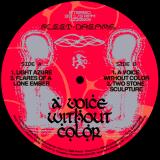
Death Is Not The End collaborate with Uzbek label Maqom Soul to deliver an LP counterpart to last year's mixtape of the same title, compiling specially picked & fully licensed individual belters from the ex-soviet studios of Central Asian republics between 1978 and 1989 - incl. Uzbek, Tajik, Kurdish & Uyghur artists pulling traditional folk motifs together with pop & rock and psych elements.
"These recordings do not form a smooth or coherent history. They feel more like a sequence of discoveries made at different moments and in different circumstances. Songs and instrumental pieces that once lived inside specific contexts radio broadcasts, philharmonic programs, touring routes now sit side by side, revealing hidden connections as well as clear fractures between them.
Nasiba Abdullaeva appears here as a voice from the end of an era. Trained within a conservatory system, she worked inside the format of the Soviet pop song while filling it with melodic logic that did not come from Moscow or Leningrad. Her voice is soft and sustained, shaped by Eastern melisma, and it never functions as decoration. Even in tightly structured songs there is a sense of resistance, an effort to preserve a musical language rooted in Uzbek tradition rather than fully adapted to an all Union standard.
The ensemble Sintez, later renamed Navo, represents a different path. Beginning as a student rock group, the band was gradually absorbed into the official VIA system with all its limitations and compromises. Yet it was precisely within those boundaries that Sintez and Navo developed a recognizable sound. Electric guitars and jazz rock harmonies do not overpower the folk material but remain in tension with it. Their recordings feel like negotiations between what the musicians wanted to play and what they were allowed to perform.
The Tajik ensemble Gulshan reflects an institutional approach carried to a high professional level. Formed under television and radio structures, the group treated folk material almost as a written score. Carefully constructed arrangements, close attention to orchestration, and restrained use of pop techniques define their sound. There is less spontaneity here, but a strong sense of discipline and structure, where national melody becomes part of a carefully controlled sonic framework.
Koma Wetan occupies a very different space. Formed in the 1970s, this Kurdish rock group approached poetry and folklore as tools of cultural assertion. Their psychedelic rock never feels like a stylistic borrowing. Instead it functions as a contemporary vessel for language and themes that might otherwise have remained unheard. Even today these recordings sound fragile and stubborn at the same time.
The Uyghur ensemble Yashlik, closely connected to a musical drama theatre, operated somewhere between stage performance and popular music. Their songs are built on folk melodies but shaped for wide audiences. What emerges is a constant attempt to preserve the recognizability of Uyghur musical identity without freezing it in a folkloric frame. Yashlik's music exists in a state of balance between representation and development.
Digging Central Asia does not attempt to establish hierarchies or offer a single wayof listening. Names and dates matter less than the sound itself. Tape noise, abrupt transitions, and unexpected timbres remain part of the material rather than flaws to be corrected. This music existed at the crossroads of multiple routes geographic, cultural, and ideological. Heard today in a new context, it no longer feels peripheral. Instead it stands as a reminder that the history of popular music is far more fragmented, layered, and polyphonic than it is usually allowed to be."
debe ser publicado en 27.03.2026
Audaciously innovative sound designer/producer/live artist Enrico Sangiuliano reaches #0 in his countdown from ‘NINETOZERO’ on his eponymous ephemeral imprint, triggering its built-in autodestruct by the release of provocative 3-track EP ‘Absence’, out March 19th on vinyl & digital. The digital EP will also feature an Edit of ‘Step Into The End’.
The Italian tech maestro and artistic pioneer eschews populism, yet still storms charts & wins hearts – notably/recently in his unsettling, compelling manifesto x battle cry ‘The Techno Code’. Says Enrico of his label, ‘NINETOZERO is a cycle of listening, making, and letting go. Born from silence, shaped by space, directed by reflection, altered by change, revealed by glitch, unified through interconnection, lifted toward transcendence, refined by discipline, clarified by chaos, and finally returned to absence.’
On his ‘Absence’ EP: ‘With ‘Absence’ we come full circle, back to the womb of nothingness but charged with the echo of everything we have experienced. It is an ending, yes, but also an invitation. A new kind of silence is born, shaped by the memory of every frequency we unleashed.’ Enrico Sangiuliano can thrill listeners with his music, but dares to challenge, to trust them.
Main track ‘Step Into The End’: a full-on barrage of trustworthy techno danceability & energy, bookended by soulful violin, high horns & sirens, with spoken incantations as if summoning to a sacred rite. A ten-minute timeless dance track as ‘all we’ve learned converges into a single point where presence & silence merge.’
Title track ‘Absence’: The (Techno Code-esque) Voice speaks of sound, space, absence, trace... the track’s background noise is the almost- silence of his studio ‘through a magnifying glass’.. His breathing can just be heard in the recording. Melodic, beautiful, free-form chords in the middle section act like a breakdown in reverse. ‘A provocation, a track of silence, incidental noise. A tale of a story that just finished, but also a background for a story to be shaped. No one is intentionally performing for us. Here, the responsibility and work of listening is on you, to figure out what you can hear and what to make of it, to craft your own soundtrack based on the sounds that surround you, beyond the track. You can perform your own version yourself. Close your eyes and just listen. Engage with your environment. Be present. Expand your senses. Enjoy absence.’
‘The Aftermath’: a 40-second provocative coda. A snatch of stirring conversation signing off the EP and label alike. What will be launched post-zero by Enrico Sangiuliano? Watch this space, this absence.
debe ser publicado en 27.03.2026
We Welcome Ed Longo And His Studio Project The Applied Arts Ensemble Debut On Early Sounds With the Other Fantasy', The Result Of Many Recording Sessions That Took Place In Different Places Around Europe.
Conceived With A Strong Jazz-funk, Fusion And Boogie Sound It Has Been Conceptualized Around The Idea That The Schizophrenia Of The Internet-age, The Visions Of Otherness (the Undiscovered Lands, The Primitive Happiness, The Impossible Love) Permeate The Collective Consciousness And The Idealized "other" Loses Any Correspondence With The Physical World.
debe ser publicado en 27.03.2026
“Danny Elfman’s musical score was to die for, and
it was incorporated into ‘Wednesday’’s joyfully
bleak coming-of-age story so brilliantly.” -
Double LP on Purple Goth with Smoky Shadow
vinyl, with full colour gatefold sleeve and inner
sleeves.
Composed by four-time Oscar nominee, two-time
Emmy winner Danny Elfman (‘Milk’, ‘Big Fish’,
‘Men in Black’, ‘Good Will Hunting’, ‘Live from
Lincoln Center’, ‘Desperate Housewives’, ‘The
Simpsons’) and three-time Emmy nominee Chris
Bacon (‘The Tick’, ‘Bates Motel’, ‘Smash’,
‘Gnomeo & Juliet’, ‘Sherlock Gnomes’,
‘Immanence’).
Elfman also composed music for Tim Burton’s
‘Beetlejuice’, ‘Batman and Batman Returns’, ‘The
Nightmare Before Christmas’, ‘Mars Attacks!’, ‘Big
Fish’ (for which Elfman earned one of his four
career Oscar nods) and ‘Alice in Wonderland’,
among others.
Chris Bacon is a protege of the great James
Newton Howard, and won an HMMA for ‘Gnomeo
& Juliet’, which he shared with James and Bernie
Taupin (Elton John).
Online - Promoted through all Lakeshore Records social
media.
debe ser publicado en 27.03.2026
Despite its tragic breakup, Yugoslavia as a political, social and cultural phenomenon still inspires generations, especially those who were born or lived at the time of this utopian land of South Slavs. Those who didn’t enjoy the privilege are still amazed by its 1970s and ’80s music scene and the number of very modern, high quality acts that were so often ahead of their time. Two such acts were Data and The Master Scratch Band, both founded by Zoran Jevtic and Zoran Vracevic, who introduced synth-pop, breakbeat, and hip-hop music in Yugoslavia in 1984 with their releases: SP Neka Ti Se Dese Prave Stvari/Ne Zovi To Ljubavlju and miniLP Deogut (Jugoton). Our latest release, “It Was Ridiculous, It Was Amazing!” gathers their earliest unreleased material from 1981-1983, showcasing a broader range of genres – alongside synth-pop and breakbeat/hip-hop, they also experimented with industrial, EBM, minimal synth, and electro-funk!
The whole record is divided into two parts: on A side there are 7 previously unpublished songs by group DATA, and on B side there are 4 previously unreleased recordings by The Master Scratch Band.
The Data side opens with two unexpected “shocker” tracks: Ja Nisam Kao Ti” (eng. I am Not Like You) and “Izumi” (eng. “Inventions”) from 1981, where they sound like early Deutsch-Amerikanische Freundschaft with unusual vocal pan sound effects on Serbian lyrics and uncompromising synth-based sound. Equally unpredictable are the next two songs: atmospheric “España” and dusty “Damage In My Head,” where Zoran Jevtić boldly steps into the lead vocal role. But the surprises don’t end there. The next two songs, France and Strahovi (eng. “Fears”), bring a mysterious and nostalgic atmosphere, elevated by the irreplaceable sound of the modular Roland System-100M. At the end comes the greatest surprise of all: Data covers YMO-Ballet in a song called Ne Zelim Da Tako Zive (eng, I Don’t Want Them Living Like That) and puts some extra energy in rhythm without losing the original song’s sensibility. Like in the original, the lyrics are tender and yet mysterious and provocative.
The Master Scratch Band side contains the very first versions of the songs Break War, Jailbreak, and Computer Break, originally recorded in studio Druga Maca in Belgrade in 1983. These versions were not released on their mini-LP album Dégout (Jugoton, 1984), and they are actually the first ever hip-hop/Breakbeat recordings in Yugoslavia. With great enthusiasm, every sound was uniquely crafted from scratch using the finest analog gear available in the early ’80s. The two young artists, aiming for international success, chose to write their lyrics in English. The album’s final track, “Mad Scratch,” showcases their talent for creating impressive sound effects, which would be a delight for contemporary DJs and producers who specialize in sampling and scratching old-school hip-hop.
This release is truly a “100% digger’s gem” – 11 previously unreleased tracks from legendary pioneers of electronic, hip-hop, and breakbeat. A collection to discover, enjoy, play, and treasure forever!
debe ser publicado en 27.03.2026
Crypt of the Wizard is proud to present Scimitar – Scimitarium I on vinyl and digital formats. Formed in 2024 by veterans of Copenhagen’s underground music scene—including members of Slaegt, Endless Glory, and Shaam Larein—Scimitar arrives as a fully formed force of nature. In their raucous wake lies Scimitarium I, a frenzied, whirling dervish of black occult rock. For those familiar with the members' previous efforts, this should come as no surprise. This piece of musical alchemy is a perfect knife-edge dance, seamlessly blending elements of black metal, post-punk, and occult rock. Dark and serpentine, onyx black, scaled and sacred, Scimitarium I unfurls itself like an endless snake wrapped tight around the world. With a dark heart and a head full of fever dreams, this is an album of breathless intensity. Shaam A.’s constant presence provides an abundance of rich, overflowing lyrics, delivered in her distinctive and haunting voice—written as if hurriedly scrawled in feverish reverie—and reinforced by winding, twisted narratives played out on violent yet harmonic duelling guitars, alongside a rhythm section of unyielding intensity. Scimitar has quickly become an indelible part of the city's fertile and ever-evolving metal scene—a place where stalwarts continue to push boundaries and break moulds with seemingly effortless zeal. This is an album of forged perfection, honed and sharpened like a curved blade—shimmering with lethal precision—driven straight into the heart of all matters
debe ser publicado en 27.03.2026
Konami Digital Entertainment und Laced Records tauchen in den Nebel, um den fesselnden und eindringlichen Soundtrack von SILENT HILL 2 (2024) auf Vinyl zu bringen.
Diese 6-LP-Box enthält den kompletten Soundtrack, der vom langjährigen Komponisten der Serie, Akira Yamaoka, komponiert und sorgfältig arrangiert wurde. Besonderes Augenmerk wurde auch auf die Verpackung gelegt, die Gedanken des Komponisten in einem Buch mit Linernotes enthält.
Yamaoka hat den Soundtrack für das von der Kritik gefeierte Remake von Bloober Team komplett überarbeitet. Brandneue, neu eingespielte Cues für SILENT HILL 2 aus dem Jahr 2024 fangen die unheimliche Atmosphäre der titelgebenden Stadt perfekt ein, indem sie Elemente von Trip-Hop und Industrial Rock mit düsterer Atmosphäre und Musique Concrète verbinden. Für Fans der beliebten Survival-Horror-Serie ist der neue Soundtrack vertraut und neu zugleich.
Der Score führt Yamaokas unnachahmliches Sounddesign und seine ätherischen Arrangements zu neuen Höhen und zeigt seine kreative Entwicklung seit der Veröffentlichung des Originalspiels im Jahr 2001. Die Musik geht über die funktionale Rolle eines Videospiel-Scores hinaus und ist sowohl ein wesentlicher Bestandteil der Atmosphäre der SILENT HILL-Spiele als auch ein eigenständiges Werk, das eine Reise durch die dunklen Tiefen der menschlichen Psyche unternimmt.
debe ser publicado en 27.03.2026
WRWTFWW Records presents an ultra limited (100 copies !) vinyl edition of Meemo Comma’s Decimation Of I album, originally released digitally in 2024 on Mike Paradinas' Planet Mu label. The collector’s pressing is housed in a heavyweight sleeve.
Decimation Of I is the fifth album by Brighton-based electronic musician Meemo Comma. It's a work based on the Strugatsky brothers‘ 1971 novel Roadside Picnic, a book that was also turned into the Russian cult classic Stalker by Andrei Tarkovsky. The inspiration came from reading the book alongside the backdrop of global climate disasters where an environment is rapidly becoming less habitable, all while powerful nations occupy and commit genocide.
The rough story of both film and novel is about a select group of characters exploring a land that has been transformed by alien visitors. We never meet the extraterrestrials, nor is it important to, we only have the artefacts left behind. The environment itself becomes the character, neither wholly Earth-like nor alien, but a surreal blend of both, inviting introspection on our insignificance amidst profound change. Within this land’s rebirth, our characters confront ego death, a necessary step towards the profound revelation, the discovery of one's true desire in the absence of ego.
The album opens with the innocent flutes of ’They, spoke,‘ and the disorienting electronica of ‘The Soldier‘ building towards the Terry Riley like undulating clarinets of ‘The Poet’, whose intertwining synth organ drones set the scene. Nods to the seventies electronica of Wendy Carlos and Eduard Artemyev can be heard with the use of Bach melodies in ‘P3Alpha Exotoxin‘ and ‘Area X,‘ however each of these songs draw the listener to primal noise undercurrents, their disintegrating melodies hinting at humanity's gradual dissolution, unveiling profound revelations beyond our comprehension.
As the album reaches its midpoint, ‘Spectral Alignment‘ paints a hazy morning prairie scene with Aaron Copland style French horn, restful woodwinds, spatial arpeggios and a warm drone culminating in an emotional pitstop as the soldiers wake in the dewy morning of this alien landscape, unaware the last of their humanity remains.
The last sentence in Roadside Picnic “HAPPINESS FOR EVERYBODY, FREE, AND MAY NO ONE BE LEFT BEHIND!” is the inspiration for ‘As It Is Written.’ We can either take from this the total annihilation of self has been filled with propaganda from their homeland, or the epiphany of their own autonomy in the war against a land and its inhabitants.
debe ser publicado en 27.03.2026
Baka G follows a string of releases on the likes of Happiness Therapy with a fresh new cut on Plastik People. It's another breezy blend of house styles with authentic soul. 'G Stands For Groove' rolls on a knotted bassline that Louie Vega would love, while 'Jack's Jam' is livelier without losing the buttery smooth bass and vibey chord work. 'Mama Lava' then ups the energy with some heftier kicks and timeless piano chords, which dance next to sultry Spanish vocals. 'Maracaipe' then shuts down with some wispier cosmic energy and lush instrumentation to bring summer warmth to winter dancefloors.
debe ser publicado en 27.03.2026
For his new full-length on Second End Records, Lyon-based artist Jonnnah turns deeply inward. Conceived as a form of therapy, as much as a reflection and a testimony, the record retraces a process of introspection and confrontation with one’s own history, looking back at origins, DNA, and the invisible ties that connect us to our ancestors, while opening paths toward new connections.
The double-sided structure of the album makes this journey tangible. The first side lingers in uncertainty : opaque atmospheres, fragmented rhythms, and restless textures mirror the doubts, questions, and fragile states of self-analysis. The second side, in contrast, embraces clarity and resolution, dense yet luminous soundscapes where reconciliation and acceptance take shape, culminating in The Blue Comet, a piece charged with finality and revelation.
Opening with the multipart suite N-zero, symbolizing the beginning of therapy, and closing with O-one, evoking the soul’s original purity, the record traces a complete emotional and spiritual cycle. Between them, the third edition of Insomnia Never Ends once again portrays the struggle between sleep and the irresistible pull of musical distraction, a fragile tension that runs through the album as a whole.
The record condenses Jonnnah’s language into something rawer and more direct. Layers of dub and dub sonic resonate against ethereal ambient passages, while techno impulses maintain tension and forward motion. Each piece feels at once intimate and expansive, designed as much for solitary listening as for collective experience.
A new chapter in Jonnnah’s trajectory, the album is a document of transformation : from shadow to light, from questioning to acceptance.
debe ser publicado en 27.03.2026
Hurts Like Hell ist Charlotte Cornfields sechstes Album und das erste, das sie seit der Geburt ihrer Tochter aufgenommen hat - ein Wendepunkt für sie als Mensch und Künstlerin. Die wiederkehrenden Themen des Albums - persönliche Entwicklung und Erneuerung, die Beständigkeit der Liebe trotz Schwierigkeiten, Scham und Unbeholfenheit - haben dort ihren Ursprung. ,Diese Erfahrung hat mich aus mir selbst herausgeholt und mir eine andere Sichtweise auf die Dinge gegeben", sagt sie. ,Die Verletzlichkeit, Zerbrechlichkeit und Wildheit des Ganzen haben dazu geführt, dass ich mich weniger auf mich selbst konzentriere und mehr Abstand gewinne." Hurts Like Hell ist das offenste und stimmgewaltigste Album ihrer Karriere und auch dasjenige, an dem am meisten mitgearbeitet wurde. Cornfield zog sich in Philip Weinrobes Sugar Mountain Studio in Brooklyn zurück und wurde von einer kompletten Begleitband unterstützt, darunter El Kempner von Palehound, Bridget Kearney von Lake Street Dive, Adam Brisbin und Sean Mullins, mit wichtigen Beiträgen von Núria Graham und Daniel Pencer. Cornfield holte dann Feist, Buck Meek, Christian Lee Hutson und Maia Friedman als Gastsänger für das Album dazu. Das Ergebnis dieses Prozesses wird sofort in der Lead-Single ,Hurts Like Hell" deutlich, einem von Country-Klängen durchdrungenen Sehnsuchtslied, das Cornfield als ,eine Liebesgeschichte schüchterner Menschen" bezeichnet, wobei die Band Cornfields eigenwilligen Flow aufnimmt, als wolle sie das Herz ihrer Protagonistin wiegen. Dass der Song so verletzlich und so lebendig ist, ist eine Frage des Vertrauens zwischen Cornfield und ihren Bandkollegen, untereinander und in ihr Bauchgefühl. Ihr Sound liegt irgendwo zwischen Nashville Skyline und Harvest - eine warme, reichhaltige Antwort auf ihren verletzten, aber suchenden Ruf. Ein Großteil der Magie von Hurts Like Hell entsteht in dem Raum, den Cornfield für Harmonie schafft. Von Meek oder Hutson aufgegriffen, werden die Charaktere wie mit einem Pinselstrich zum Leben erweckt. Wenn Kempner oder Kearney hinzukommen, entsteht eine schillernde Facette der natürlichen, blitzartigen Chemie ihrer Band. In ,Kitchen" spiegelt Friedman Cornfields Erstaunen darüber wider, dass sie sich verliebt hat, und bringt die Emotion auf ihren ätherischen Höhepunkt. In ,Living With It" wird sie von Feist begleitet, die Cornfield über einen Gruppenchat für Mütter, die als Musikerinnen auf Tournee sind, kennengelernt hat. Cornfield ist mit den Narben ihrer Vergangenheit und der Hoffnung für die Zukunft zu diesem Album gekommen. Sie hat sich selbst von außen betrachtet und überlegt, was sie mit ihrer Musik nach der Geburt ihres Kindes erreichen will. Dabei war sie mutig genug, um Freiraum, Zeit und Hilfe von vertrauten und unerwarteten Quellen zu bitten - einem Gruppenchat, Songwritern, die sie bewundert, aber nicht persönlich kennt, Freunden, deren längst vergessener Song ihr den Refrain für einen neuen Song geliefert hat. Jedes ,Ja", jede Sprachmemo, jede geteilte Datei, jede offene Tür führte zu diesem Moment in Charlotte Cornfields Karriere. Nenn diesen Moment, wie du willst - eine Erweiterung, eine Wiedergeburt, ein Durchbruch - Hurts Like Hell ist groß genug, um ihm gerecht zu werden, und hat nichts von Cornfields Charme, Witz oder Dringlichkeit verloren. Es ist gleichzeitig eine Bestätigung ihrer Stellung unter den großen Singer-Songwritern ihrer Generation und die erste Formulierung ihrer Zukunft, egal welche Unsicherheiten und welche Liebe sie mit sich bringen mag.
debe ser publicado en 27.03.2026
Hurts Like Hell ist Charlotte Cornfields sechstes Album und das erste, das sie seit der Geburt ihrer Tochter aufgenommen hat - ein Wendepunkt für sie als Mensch und Künstlerin. Die wiederkehrenden Themen des Albums - persönliche Entwicklung und Erneuerung, die Beständigkeit der Liebe trotz Schwierigkeiten, Scham und Unbeholfenheit - haben dort ihren Ursprung. ,Diese Erfahrung hat mich aus mir selbst herausgeholt und mir eine andere Sichtweise auf die Dinge gegeben", sagt sie. ,Die Verletzlichkeit, Zerbrechlichkeit und Wildheit des Ganzen haben dazu geführt, dass ich mich weniger auf mich selbst konzentriere und mehr Abstand gewinne." Hurts Like Hell ist das offenste und stimmgewaltigste Album ihrer Karriere und auch dasjenige, an dem am meisten mitgearbeitet wurde. Cornfield zog sich in Philip Weinrobes Sugar Mountain Studio in Brooklyn zurück und wurde von einer kompletten Begleitband unterstützt, darunter El Kempner von Palehound, Bridget Kearney von Lake Street Dive, Adam Brisbin und Sean Mullins, mit wichtigen Beiträgen von Núria Graham und Daniel Pencer. Cornfield holte dann Feist, Buck Meek, Christian Lee Hutson und Maia Friedman als Gastsänger für das Album dazu. Das Ergebnis dieses Prozesses wird sofort in der Lead-Single ,Hurts Like Hell" deutlich, einem von Country-Klängen durchdrungenen Sehnsuchtslied, das Cornfield als ,eine Liebesgeschichte schüchterner Menschen" bezeichnet, wobei die Band Cornfields eigenwilligen Flow aufnimmt, als wolle sie das Herz ihrer Protagonistin wiegen. Dass der Song so verletzlich und so lebendig ist, ist eine Frage des Vertrauens zwischen Cornfield und ihren Bandkollegen, untereinander und in ihr Bauchgefühl. Ihr Sound liegt irgendwo zwischen Nashville Skyline und Harvest - eine warme, reichhaltige Antwort auf ihren verletzten, aber suchenden Ruf. Ein Großteil der Magie von Hurts Like Hell entsteht in dem Raum, den Cornfield für Harmonie schafft. Von Meek oder Hutson aufgegriffen, werden die Charaktere wie mit einem Pinselstrich zum Leben erweckt. Wenn Kempner oder Kearney hinzukommen, entsteht eine schillernde Facette der natürlichen, blitzartigen Chemie ihrer Band. In ,Kitchen" spiegelt Friedman Cornfields Erstaunen darüber wider, dass sie sich verliebt hat, und bringt die Emotion auf ihren ätherischen Höhepunkt. In ,Living With It" wird sie von Feist begleitet, die Cornfield über einen Gruppenchat für Mütter, die als Musikerinnen auf Tournee sind, kennengelernt hat. Cornfield ist mit den Narben ihrer Vergangenheit und der Hoffnung für die Zukunft zu diesem Album gekommen. Sie hat sich selbst von außen betrachtet und überlegt, was sie mit ihrer Musik nach der Geburt ihres Kindes erreichen will. Dabei war sie mutig genug, um Freiraum, Zeit und Hilfe von vertrauten und unerwarteten Quellen zu bitten - einem Gruppenchat, Songwritern, die sie bewundert, aber nicht persönlich kennt, Freunden, deren längst vergessener Song ihr den Refrain für einen neuen Song geliefert hat. Jedes ,Ja", jede Sprachmemo, jede geteilte Datei, jede offene Tür führte zu diesem Moment in Charlotte Cornfields Karriere. Nenn diesen Moment, wie du willst - eine Erweiterung, eine Wiedergeburt, ein Durchbruch - Hurts Like Hell ist groß genug, um ihm gerecht zu werden, und hat nichts von Cornfields Charme, Witz oder Dringlichkeit verloren. Es ist gleichzeitig eine Bestätigung ihrer Stellung unter den großen Singer-Songwritern ihrer Generation und die erste Formulierung ihrer Zukunft, egal welche Unsicherheiten und welche Liebe sie mit sich bringen mag.
debe ser publicado en 27.03.2026
There are two versions of the vinyl edition: classic 140g black record or limited (Universe Edition) 140g black + 7" black vinyl with two bonus tracks.
WE ARE THE BIOBOTS is an album by Michal Baj (DJ Eprom), who has ties to Silesia. It will be released on 21th January 2026, by the legendary Polish label JuNouMi Records (est. 2002). WE ARE THE BIOBOTS is an album that not only talks about technological progress, but also touches on the digitization of human consciousness in the 21st century. Although it discusses the dangers of AI development, no artificial intelligence was used in its creation.
The album features legendary hip hop DJs, including the art of scratching. The album will feature the most outstanding DJs from Poland, England, the USA, and Japan. Thanks to this, the album has a chance to gain a broader, international context. Eprom's professional experience to date has allowed him to bring together such a wide range of artists and bring them together on the album, including:
DJ D-Styles – a legend of scratching from the USA. A pioneer of the genre. Member of groups such as The Beat Junkies and Invisibl Skratch Piklz, creator of many scratching techniques still used today.
DJ Prime Cuts – founder of the legendary Scratch Perverts from London, multiple world champion and creator of unique scratching techniques.
DJ Flip Flop, Prolifix – representatives of the DJ community from the US coast.
DJ Tigerstyle – a leading representative of the DJ community in England, multiple world champion in scratching.
DJ IQ – the most successful scratching champion in the world.
DJ Miyajima – the unrivaled master and creator of the Japanese school of scratching.
DJ Melo-d – co-founder of The Beat Junkies collective, multiple DJ champion hosting a legendary show on Radio HOT 97 in the US.
DJ Ben, Krootki – co-founders of the Modulators group from Poland, World Champions in scratching.
Daniel Drumz – Polish DJ and music producer known worldwide.
Mr Krime – pioneer of DJing and turntablism in Poland.
Michal Baj is a multi-talented musician, artist, and music producer born in Jastrzebie-Zdroj, as well as the owner of the analog Eprom Sounds Studio, where tracks based on mixing and mastering are produced and gain worldwide recognition.
The inspiration for the album is Eprom's connection to Silesia. His work at the KWK Borynia mine, surrounded by heavy equipment and mining technology, became a direct inspiration for creating a musical story about people, machines, as well as the directions of technological development and the impact they have on society.
The album is released by JuNouMi Records, a label specializing in vinyl records, founded in 2002. Your wax supplier.
debe ser publicado en 27.03.2026
Chris Liebing's first full solo techno LP, 'Evolver' is released on 27th March 2026, via his own CLR imprint. The German techno don's LP features a host of collaborators across music, images, and artwork. Luke Slater, Charlotte De Witte, Speedy J, The Advent, Terence Fixmer, Pascal Gabriel, Daniel Miller contribute to the music, while long-time collaborators Studio Bergfors deliver design, and legendary photographer Anton Corbijn shot Liebing for the project.
The Evolver LP is the sum total of Chris Liebing's three decades at the beating heart of techno. It's the record only someone whose first break as a techno DJ was playing five hours at Sven Väth's infamous Omen in Frankfurt - and who has ridden out every twist and turn of life and subcultures since, while remaining rooted in the true school, dark, sweaty techno sweat pits of the world - could have made. It's the result of deep introspection, but it's about utter immediacy. It's the sound of someone previously driven along by compulsion and happenstance at last finding the confidence to be utterly intentional about their practice, allowing them to take the most classic, familiar, proven elements from the past and render them completely new.
Evolver is also Liebing's first completely solo album. There are collaborations, yes: with old friends from the OG techno generation, Luke Slater, Speedy J, and The Advent, all on uncompromising form, and with new generation figurehead Charlotte De Witte, who provides a thrilling narration of total surrender to the moment on acid clarion call "Symphonie des Seins". But unlike all Liebing's albums to date, there's no co-pilot. Every structure, every mixdown, every choice serves his singular vision of how his untold immersion in the surging currents of the world's greatest clubs should sound. The elements are all those forged in the white heat of Omen and Tresor in the mid 90s - brutal repetition, titanium kick drums, industrial atmospherics, but also dark rave euphoria, ever present surging acid lines just on the cusp of trance, and just enough human voices to remind you of bodies on the dance floor - but rendered with all the extraordinary accumulated skill and technological developments since then.
It's Chris's vision entirely, his musings on sound, technology, and life birthing tracks like "Roy Batty." Inspired by thoughts of AI becoming sentient and hungering for more life like Rutger Hauer's titular Blade Runner character, it was one of the first tracks to emerge and a foundation stone for the album. And in pursuit of that vision, it's built like a "proper album". The anticipation and menace of intro "Unfold" tip over into the glowing hot high drama psychedelia of "Symphonie…" then the breathless headlong rush of The Advent collab and on through an unfolding narrative that goes deep, goes dark, opens out into grand vistas, takes strange turns before finally landing on the alien landscape of… well… "Endtrack".
Not everything is pummelling on Evolver - the dazzling title track feels like you've been welcomed into the courtly dance of a higher dimension civilisation, and the audacious Speedy J collab "Shaping Frequencies" is a beatless flow that tests the boundaries between signal and noise. But for all its complexity, conceptualism, and stylistic branching out, every last part unmistakably powered by that dark techno-cavern energy above all else. All of it positively radiates the qualities of Liebing's greatest work and sets to date - but somehow even more so than before. Whether you're listening for aesthetic inspiration, cerebral stimulation or just that raw physical power, this album will sweep you up into its momentum and won't let go of you until it's done.
debe ser publicado en 27.03.2026
Black Truffle is pleased to present Radis, the first recording by the Oslo-based trio of Andrea Giordano (voice and organetto), Kalle Moberg (accordion) and Jo David Meyer Lysne (guitar and snare drum). Now based in Norway, Giordano is a native of Cuneo, in the Piedmont region in the north-west of Italy and her exploration of the Piedmontese language provides the starting point and conceptual anchor of the trio improvisations heard on Radis, which make use of the words of 20th century Piedmontese poets Nino Costa, Bianca Dorato and Oreste Gallina. As the musicians explain, the project is an attempt to preserve the beauty and singularity of a language at risk of extinction.
Fittingly, the first sound we hear on the opening piece ‘Fiorìa’ is Giordano’s unaccompanied voice. She sings a poem from Oreste Gallina as a kind of floating cadenza, the accompanying silence sensitizing the listener to the pellucid quality of Giordano’s voice and the unique sound of the Piedmontese language. The voice dies away and into the silence swells a single tone, sounded by Moberg’s accordion and—special guest on this opening piece—the alto saxophone of Mario Gabola. Extended techniques and preparations create unexpected timbres from the acoustic instruments: Gabola’s saxophone is augmented with tin cans and springs and Moberg’s unorthodox techniques allow the accordion to generate wheezing, buzzing textures and patterns of microtonal beating. Giordano’s voice returns, picking up the thread of the languorous opening melody, coexisting for a while with the shifting drone before the piece takes an unexpected yet organic left-turn into a delicate saxophone solo of sorts.
Recorded in several locations across Italy and Norway over the course of three years, Radis documents an ensemble who have developed both a distinctive sound-world and a remarkably sensitive group dynamic. Moving from folkish duets between accordion and Giordano’s organetto (the small accordion used in Italian folk music) to episodes of metallic guitar scraping from Meyer Lysne, the music is both quietly contemplative and gently chaotic. Ensemble roles shift with disarming ease. If on ‘Profij dëspers’ Meyer Lysne’s prepared guitar adds a haywire noise element to a lyrical episode of organetto and accordion, the next piece, ‘D’antorn a lor’, is grounded in chiming guitar chords of stunning beauty; once Giordano’s joins, the result calls up the most spacious moments of Maria Monti’s Il Bestiario. Throughout the seven pieces, the trio explore countless possibilities of group interaction and the margin between conventional euphony and pure abstraction: at times the voice floats against silence or seems almost disconnected from the gentle clatter of the instruments (sometimes reminiscent of Nikiforas Rotas’ haunting settings of Cavafy), while at other points the instruments touch on conventional harmonic accompaniment. What is perhaps most striking of all is the way that voice and instruments relate to each other, the extended technique reframing the voice as a kind of abstract sound object, while the melodic beauty of Giordano’s voice lends a contemplative, almost melancholic air to the wheezing and scraping of accordion and guitar.
Captured in gorgeously intimate recordings, Jim O’Rourke’s careful and beautifully spacious mix highlights the wealth of textural detail in each element. Accompanied by notes, session photos and the text of the Piedmontese poems, Radis is a work of stunning beauty that demonstrates the vitality of exploratory music in Norway today.
El artículo ya está en camino a nosotros y se espera que sea enviado desde 27.03.2026.
Available for the first time on any format, the soundtrack of Pier Paolo Pasolini's controversial 1975 vision of the Marquis De Sade's 120 Days Of Sodom, featuring beautiful and discordant classical compositions, in stark contrast to the shocking and cruel events unfolding onscreen.
Three weeks before the scandalous release of "Salò, or The 120 Days Of Sodom", Pasolini was brutally murdered in Ostia, Italy. In the wake of the tragedy, legendary composer Ennio Morricone wrote 'Addio a Pier Paolo Pasolini' (Goodbye to Pier Paolo Pasolini) for the late filmmaker, included in the final edit.
Following the narrative of one of Pasolini's defining cinematic moments, the soundtrack opens with Ennio Morricone's "Son Tanto Triste", descends into the melancholic minor chords of Bach, Chopin, Orff, Puccini, and Graziosi, incorporates sinister renditions by the cast, and includes Morricone's own sombre tribute to the director.
Disgusted by the flood of crass sexploitation movies which filled the space opened up by his "Trilogy Of Life", Pasolini turned to the most nihilistic thinker in European history for what became his final film. His version of De Sade's 120 Days Of Sodom, amplified with motifs from Dante's Inferno, confronts the ultimate implications of fascism in a series of sexual and moral atrocities. "The only true anarchy is power".
The LP / CD will be released on Friday 13th February 2026, exactly 249 years since the Marquis de Sade was arrested and imprisoned in the dungeon of the Vincennes fortress for charges of "debauchery and immoderate libertinage" that scandalised his contemporaries.
debe ser publicado en 27.03.2026
‘Soul Psychédélique’, released on Two-Piers, takes you on a journey into the world of Psychedelic Soul & Funk, from its early beginnings in the 1960s and 1970s to the current crop of artists championing the more Psychedelic, Trippy end of the Soul sound today.
‘Soul Psychédélique’ brings together legends of the Soul Psych scene, such as Curtis Mayfield, The Chambers Brothers, Marlena Shaw, The Temptations, and the brilliant ‘Sugar Man’ by Rodriguez. Place alongside Soul Titans like Isaac Hayes, Bobby Womack, Chairman of the Board, Terry Callier all delivering stunning Psychedelic Nuggets for your Listening pleasure. Throw in some covers like ‘Dear Prudence’ by The Five Stairsteps, ‘Hard to Handle’ by Patti Drew and ‘California Dreamin’’ Bobby Womack and finish with some brilliant modern-day exponents of the scene like Khruangbin, Gabriels and Michael Kiwanuka. The result is a crazy ride through the world of Psychedelic Soul and Funk. If you ain’t dancing and smiling by the end - what the hell is wrong with you!
‘Soul Psychédélique (The Best of Lounge & Exotica 1954-2022)’ is the fourth instalment in the ‘Psychédélique’ Compilation series on Two-Piers, following the critically acclaimed ‘Pop Psychédélique (The Best of French Psychedelic Pop 1964-2019)’, ‘Garage Psychédélique (The Best of Garage Psych and Pzyk Rock 1965-2019)’ and ‘Lounge Psychédélique (The Best of Lounge & Exotica 1954-2022)’ and is available on 2LP Coloured Vinyl
debe ser publicado en 27.03.2026
Two original house cuts. One statement. Soulbound / Abracadabra lands as a double-header single as part of our new XPRESS Singles Series, bridging gritty South London soul with slick Franco-American house energy - a release designed for the salubrious moments on the dance floor.
“Soulbound” sees Bustin’ Loose deliver cutting-edge disco-soul infused house music straight from the concrete textures of South London. Sung and produced by Bustin’ Loose himself, the track rides a pumping, elastic bassline with warm strings and raw vocal emotion - modern house with classic soul DNA. Capturing the energy of London's expansive music culture, Soulbound is both uplifting, euphoric and street-wise. Inspired by the music of Fatboy Slim, rappers like JME and Ghetts and the club culture of London.
On the flip side, “Abracadabra” from Magnolia & Sam Karlson featuring LA wordsmith Relaye drips with French house sensibilities, blending glossy filters, catchy wah guitar and punchy grooves with razor-sharp rap vocals. Imagine Music Sounds Better With You colliding with the cool charisma of Q-Tip - hypnotic, stylish, and irresistibly repeatable.
The remix package pushes the release deeper into club territory:
• Dam Swindle transform Soulbound into a deep, bumping underground roller, rich in groove and late-night atmosphere.
• Phil Weeks delivers a signature Ghetto Mix of Abracadabra, crafted with his beloved MPC sampler - raw drums, stripped-back funk, and a pure nod to house music’s roots.
• La Felix closes the circle with a nostalgic, early-2010s-tinged deep remix of Abracadabra, balancing modern polish with timeless dance-floor warmth.
El artículo ya está en camino a nosotros y se espera que sea enviado desde 27.03.2026.
In Joe Meek's last months, he produced some of his best, hard-edged mod and proto-psychedelic records - like this one. But still he clung on to the name of the Tornados, like a touchstone, reminding him of his greatest success with the 1962 hit single ‘Telstar’.
This Tornados in 1966 was very different to the original line-up, based around an entirely different group called the Saxons, and had an entirely different sound. ‘No More You And Me’ has blistering guitar lines, and an intense soulful vocal; it's a British popsike monster that drives along like the Eyes or Wimple Winch. On the flip, ‘You Always Did What You Wanted’ is British blue-eyed soul, a terrific beat ballad with hypnotic swirling piano.
Both point to directions Meek could have headed in had he lived, and are A-grade 60s beat. It's the first time on vinyl for both tracks. And it's another brace of dancefloor-friendly tracks from Bob Stanley's Measured Mile label.
debe ser publicado en 27.03.2026
Death Is Not The End present a further volume of Arja Kastinen's eerie amalgamations of 110 year old wax cylinders with her own meticulously transcribed takes, this time focussing in on Armas Otto Väisänen's field recordings of kantele player Iivana Mišukka (b. 1861 d.1919).
"Ivana Mišukka (1861–1919) was one of the Karelian kantele players recorded by the folk music researcher Armas Otto Väisänen on wax cylinders in 1916 and 1917. In the early 20th century, the remote areas of Border Karelia were undergoing the final phase of a transformation in musical culture, with the ancient runo song tradition giving way to newer forms of music. This transition is reflected in Mišukka's repertoire and choice of instrument. The ancient small kantele, hollowed out of a single piece of wood, was already rare at the turn of the century. Mišukka's kantele was a new type of instrument with 26 strings, constructed of several parts, but he played it using the traditional plucking technique. Like other Border Karelian kantele players, his repertoire consisted of music rooted in runosong culture, as well as newer dances and songs from the east and west. Most of the recorded material falls into the latter category.
Ivan Bogdanov Mišukka was born out of wedlock in Suursara village, Suistamo, on 1 May 1861. He began playing the kantele at the age of five or six, quickly mastering the instrument. In adulthood, he was considered one of the area's best master players. Mišukka was landless for most of his life and lived in different parts of the Suistamo parish. His first wife, Tekla Markintytär, died in 1897 at the age of 40, and his second wife, Jevdokia Filipintytär Jeminen, died in 1907 at the age of 50. Seven children were born from the first marriage, two of whom died young. The third wife, Maria Ignatintytär Gurnan (Kuurnanen), was a well-known master of lamentations. Together with Maria, Iivana Mišukka worked as a tenant farmer in the village of Suursara. Mišukka suffered from rheumatism, which prevented him from participating in physical work like Maria. This was apparently partly the reason why Iivana Mišukka went to earn extra money by playing the kantele on gig trips. He often had other traditional artists from Suistamo as his travelling companions, such as the runosingers Konstantin Kuokka and Iivana Onoila. Iivana Mišukka died in Leppäsyrjä village, Suistamo, on 18 May 1919 at the age of 58, and his kantele was donated to Teppana Jänis.
Mišukka only used 14 of the 26 strings on his kantele, playing the same tunes either a fourth higher or lower. He tuned his kantele to the major scale using fifths, except for a low seventh scale degree on the upper strings, but not below the fundamental. Since he did not use the seventh note of the scale on the upper strings at all, he could use the major scale both lower and a fourth higher with this tuning. According to Mišukka, the sound of higher, or 'finer', strings is 'more beautiful', while that of lower ones is 'greater'. Among runosingers, the size of the thirds varied, ranging from major to minor to neutral. A similar phenomenon can be observed in kantele tunings, where the third, sixth and seventh scale degrees vary in a comparable way.
During a meeting, Väisänen suggested that Mišukka play the smaller kantele belonging to Konstantin Kuokka. The idea was to bring it closer to the horn to improve the recording quality. However, the kantele was completely out of tune, and now Mišukka tuned it to the Lydian scale (track 18).
Using the old plucking technique, Mišukka placed his right middle finger on the fundamental tone, his right index finger on the second scale degree, his left middle finger on the third scale degree and his left index finger on the fourth scale degree, and his right thumb on the fifth. The thumb also played the notes above the fifth note of the scale. As Mišukka remarked to Väisänen: 'Peigaloll' tuloo enemb ruadoa' (the thumb has to do more work). However, he did not use the seventh note of the scale on the upper strings at all. Below the fundamental note, he played the seventh and sixth notes of the scale with his right middle finger of and the fifth note of the scale with his right ring finger. This fifth scale degree below the fundamental is almost always used as a drone. Sometimes, when the melody required it, Mišukka, like other players, also varied the fingering. He would also occasionally strike the same string with the side of his fingernail after plucking it.
The wax cylinder recordings of Karelian kantele players are kept in the archives of the Finnish Literature Society in Helsinki, Finland. Copies were made of them onto reel-to-reel tapes in both the 1960s and 1980s. The 1960s copies are mono and the 1980s copies are stereo. However, not all kantele recordings from these decades have survived.
The sound of the kantele is difficult to hear in wax cylinder recordings due to its low volume, and it occasionally becomes completely obscured by noise. During the copying process, the cylinder sometimes rotates unevenly, resulting in breaks or jumps in the music. Additionally, the rotation speed of the cylinder in the copies does not correspond to the performance speed of the original music, which alters the pitch. However, since Väisänen's precise notes are available in the archive, it is possible to deduce the melodies, their speed, and the tuning level of the kantele in the recordings. Of the copies of the original recordings from the 1960s and 1980s, I have selected the one that best met the requirements of this publication and adjusted the speed of the recording to align with Väisänen's notes. To enhance the listening experience, I have replayed the songs, which now partly overlap the old recordings on this release."
— Arja Kastinen
debe ser publicado en 27.03.2026
Death Is Not The End present a further volume of Arja Kastinen's eerie amalgamations of 110 year old wax cylinders with her own meticulously transcribed takes, this time focussing in on Armas Otto Väisänen's field recordings of kantele player Iivana Mišukka (b. 1861 d.1919).
"Ivana Mišukka (1861–1919) was one of the Karelian kantele players recorded by the folk music researcher Armas Otto Väisänen on wax cylinders in 1916 and 1917. In the early 20th century, the remote areas of Border Karelia were undergoing the final phase of a transformation in musical culture, with the ancient runo song tradition giving way to newer forms of music. This transition is reflected in Mišukka's repertoire and choice of instrument. The ancient small kantele, hollowed out of a single piece of wood, was already rare at the turn of the century. Mišukka's kantele was a new type of instrument with 26 strings, constructed of several parts, but he played it using the traditional plucking technique. Like other Border Karelian kantele players, his repertoire consisted of music rooted in runosong culture, as well as newer dances and songs from the east and west. Most of the recorded material falls into the latter category.
Ivan Bogdanov Mišukka was born out of wedlock in Suursara village, Suistamo, on 1 May 1861. He began playing the kantele at the age of five or six, quickly mastering the instrument. In adulthood, he was considered one of the area's best master players. Mišukka was landless for most of his life and lived in different parts of the Suistamo parish. His first wife, Tekla Markintytär, died in 1897 at the age of 40, and his second wife, Jevdokia Filipintytär Jeminen, died in 1907 at the age of 50. Seven children were born from the first marriage, two of whom died young. The third wife, Maria Ignatintytär Gurnan (Kuurnanen), was a well-known master of lamentations. Together with Maria, Iivana Mišukka worked as a tenant farmer in the village of Suursara. Mišukka suffered from rheumatism, which prevented him from participating in physical work like Maria. This was apparently partly the reason why Iivana Mišukka went to earn extra money by playing the kantele on gig trips. He often had other traditional artists from Suistamo as his travelling companions, such as the runosingers Konstantin Kuokka and Iivana Onoila. Iivana Mišukka died in Leppäsyrjä village, Suistamo, on 18 May 1919 at the age of 58, and his kantele was donated to Teppana Jänis.
Mišukka only used 14 of the 26 strings on his kantele, playing the same tunes either a fourth higher or lower. He tuned his kantele to the major scale using fifths, except for a low seventh scale degree on the upper strings, but not below the fundamental. Since he did not use the seventh note of the scale on the upper strings at all, he could use the major scale both lower and a fourth higher with this tuning. According to Mišukka, the sound of higher, or 'finer', strings is 'more beautiful', while that of lower ones is 'greater'. Among runosingers, the size of the thirds varied, ranging from major to minor to neutral. A similar phenomenon can be observed in kantele tunings, where the third, sixth and seventh scale degrees vary in a comparable way.
During a meeting, Väisänen suggested that Mišukka play the smaller kantele belonging to Konstantin Kuokka. The idea was to bring it closer to the horn to improve the recording quality. However, the kantele was completely out of tune, and now Mišukka tuned it to the Lydian scale (track 18).
Using the old plucking technique, Mišukka placed his right middle finger on the fundamental tone, his right index finger on the second scale degree, his left middle finger on the third scale degree and his left index finger on the fourth scale degree, and his right thumb on the fifth. The thumb also played the notes above the fifth note of the scale. As Mišukka remarked to Väisänen: 'Peigaloll' tuloo enemb ruadoa' (the thumb has to do more work). However, he did not use the seventh note of the scale on the upper strings at all. Below the fundamental note, he played the seventh and sixth notes of the scale with his right middle finger of and the fifth note of the scale with his right ring finger. This fifth scale degree below the fundamental is almost always used as a drone. Sometimes, when the melody required it, Mišukka, like other players, also varied the fingering. He would also occasionally strike the same string with the side of his fingernail after plucking it.
The wax cylinder recordings of Karelian kantele players are kept in the archives of the Finnish Literature Society in Helsinki, Finland. Copies were made of them onto reel-to-reel tapes in both the 1960s and 1980s. The 1960s copies are mono and the 1980s copies are stereo. However, not all kantele recordings from these decades have survived.
The sound of the kantele is difficult to hear in wax cylinder recordings due to its low volume, and it occasionally becomes completely obscured by noise. During the copying process, the cylinder sometimes rotates unevenly, resulting in breaks or jumps in the music. Additionally, the rotation speed of the cylinder in the copies does not correspond to the performance speed of the original music, which alters the pitch. However, since Väisänen's precise notes are available in the archive, it is possible to deduce the melodies, their speed, and the tuning level of the kantele in the recordings. Of the copies of the original recordings from the 1960s and 1980s, I have selected the one that best met the requirements of this publication and adjusted the speed of the recording to align with Väisänen's notes. To enhance the listening experience, I have replayed the songs, which now partly overlap the old recordings on this release."
— Arja Kastinen
debe ser publicado en 27.03.2026
long content, you may need to expand row to see all... Mutant freut sich, in Zusammenarbeit mit Milan Records das offizielle Soundtrack-Album zu Edgar Wrights Sci-Fi-Action-Thriller The Running Man zu veröffentlichen.Das Album enthält die Original-Filmmusik des Oscar-Preisträgers Steven Price (Gravity, Last Night in Soho, Baby Driver). The Running Man, bei dem Wright als Co-Autor und Regisseur fungierte, handelt von einem Vater aus der Arbeiterklasse, der alles daran setzt, seine kranke Tochter zu retten. Er nimmt an einer tödlichen TV-Gameshow teil, in der die Kandidaten 30 Tage lang überleben müssen, während sie von Profikillern gejagt werden. Durch seinen Instinkt, seinen Widerstand und seine Entschlossenheit wird er zum unerwarteten Publikumsliebling – und zu einer Bedrohung für das gesamte System.Wir sind große Fans von Edgar und Steven und freuen uns sehr, dass sie uns erneut ein fantastisches Kinoerlebnis bescheren. Steven Prices Score für The Running Man ist eine schillernde Mischung aus treibenden Beats, brodelnden Synthesizern und traditionellen orchestralen Elementen, die vor Einfallsreichtum und Stil nur so sprühen. Das Hauptthema besitzt eine elegante, zeitlose Qualität mit üppigen, beruhigenden Streichern, die eine hypnotische Melodie weben. Im Gegensatz dazu stehen die Titel der Gameshow-Sequenzen, die wirklich unterhaltsam, bombastisch und im Retro-Stil gehalten sind – was wiederum einen Kontrast zu den düstereren, dystopischen Stücken bildet, die im gesamten Werk verteilt sind. Im Film wirkt die Musik wie ein weiterer Charakter, der die Geschichte vorantreibt. Als eigenständiges Hörerlebnis ist sie fesselnd, dynamisch, macht großen Spaß und fängt die vielen Facetten und Stimmungen des Films perfekt ein.Die Vinyl-Edition mit dem Artwork von Luke Preece ist auf zwei farbige 140g-LPs gepresst. Sie enthält ein „The Truth“-Zine als Replika aus dem Film mit exklusiven Liner Notes von Edgar Wright und Komponist Steven Price.Ebenfalls auf CD erhältlich.
debe ser publicado en 27.03.2026
FROM THE HEART OF STAR TREK – 60 YEARS
From the Archives – Vol. 1 Vinyl Box
60 Jahre Star Trek Jubiläum! Das feiern wir mit einer zweiteiligen Vinyl-Box-Edition. Hier ist Box 1, die mit gleich zwei Highlights aufwartet: erstmals der Soundtrack zur Serie Star Trek: Voyager regulär als Vinyl-Edition – und dazu eine exklusive Vinyl-Compilation direkt aus dem Herzen der Star Trek: The Next Generation-Kinofilme.
Die sorgfältig kuratierte Box versammelt zentrale musikalische Meilensteine der Fernsehgeschichte dieses besonderen Science-Fiction-Serienkosmos: von den klassischen Motiven der Original Series über den charakteristischen Auftakt von The Next Generation („Encounter at Farpoint“) bis zu den prägenden Klangwelten von Deep Space Nine. Ein weiterer Fokus liegt auf Voyager: Die atmosphärischen, oft cineastischen Kompositionen erscheinen erstmals regulär als Vinyl-Edition und machen diese Box zu einem echten Sammlerstück.
Ergänzt wird die Auswahl durch The Next Generation – THE MOTION PICTURE ERA HIGHLIGHTS: eine eigens zusammengestellte Vinyl-Compilation mit den ikonischsten Stücken aus den Kinofilmen der TNG-Ära – Musik, die für viele Fans bis heute einen emotionalen Kern von Star Trek bildet.
Zusätzlich liegt jeder Box ein exklusives Poster bei – ein hochwertiger Kunstdruck, eigens anlässlich des 60-jährigen Jubiläums gestaltet.
Enthaltene Vinyls:
· Star Trek – Volume Two: Original Television Soundtrack
· Star Trek: The Next Generation – Encounter at Farpoint
· Star Trek: Deep Space Nine – The Emissary (Music from the Original Television Soundtrack)
· Star Trek: Voyager – Music from the Original Television Soundtrack (neue Vinyl-Edition)
· Jubiläums-Compilation: The Next Generation – THE MOTION PICTURE ERA HIGHLIGHTS
From the Archives – Vol. 1 ist eine 60-Jahre-GeburtstagsEdition für Vinyl-Liebhaber und Trekkies gleichermaßen – ein Stück Star Trek-Geschichte zum Auflegen.
debe ser publicado en 27.03.2026
Christian Fetish - Aura Nera
DE
Mit "Aura Nera" kehrt Christian Fuchs zu seinen düsteren musikalischen Wurzeln zurück. Inspiriert von Dantes Inferno und dem kosmischen Pessimismus des Philosophen Eugene Thacker steht die "schwarze Luft" als Metapher für eine spürbare gesellschaftliche, politische und persönliche Verdunkelung.
Nach Jahren mit Projekten wie Fetish 69, Bunny Lake, Die Buben im Pelz und dem Black Palms Orchestra reaktiviert Fuchs sein Alter Ego CHRISTIAN FETISH. Aus einer Phase persönlicher Krisen heraus entsteht ein Album, das harte Gitarren wieder mit Elektronik verbindet - jedoch ohne Nostalgie, sondern mit neuen Perspektiven, dekonstruierten Haltungen und existenzieller Dringlichkeit.
Gemeinsam mit langjährigen Weggefährt:innen und markanten Stimmen der österreichischen Musikszene entsteht ein intensives Werk zwischen Industrial, Postpunk und düsterem Pop. "Aura Nera" thematisiert Nihilismus, Schlaflosigkeit, Untergangsängste und fiebrige Leidenschaften - ein kompromissloses Statement in dunklen Zeiten.
feat. Members of Fetish 69, Bunny Lake, Sofa Surfers, Baits, While Miles, BZFOS, Der kleine Tod
debe ser publicado en 27.03.2026
Liva K and OVEOUS unite for transcendent new single, ‘Blessings’, on Crosstown Rebels. Out on 27th March 2026, the Greek producer and NYC-based artist deliver a hypnotic journey of spiritual rhythm and soulful energy.
A groove-driven journey arrives on Crosstown Rebels on 27th March, with Greek DJ/producer Liva K and New York DJ/producer and vocalist OVEOUS guiding the way. Their label debut, ‘Blessings’, emerges as a meeting of instinct and intention. Crafted from Liva K’s fusion of sounds and textures, the track flows with captivating suspense, while OVEOUS’ voice carries a magnetic, ritualistic weight. The result is a record that exists in both body and mind, designed to move crowds while resonating on a deeper, spiritual plane.
Liva K has quietly carved his own path since emerging onto the international scene, weaving melodic house and techno, and Afro-infused rhythms into sets and productions that pulse with movement and depth. From his debut album ‘1994’ to recent material on Defected, Black Book Records, and When Stars Align, he balances studio craftsmanship with spontaneity while creating moments across venues from Hï Ibiza to Miami’s Factory Town. Meanwhile, OVEOUS brings his HYPER SOUL and Hyper Ancestral sound to every stage and recording, merging house, afro-soul, and ritualistic energy. As a DJ, producer, and poet, his voice and presence cut through tracks with spiritual weight, turning grooves into experiences that are simultaneously sensual, reflective, and kinetic. providing moments that resonate long after the lights come up.
debe ser publicado en 27.03.2026
“The spirit moves us to sing these fight songs”, schreiben die Irreversible Entanglements in einem Statement
zu ihrem von Fans heiß erwarteten zweiten Album auf Impulse! Records. Seit zehn Jahren mischt die Band
mit spektakulären Live-Auftritten und abenteuerlichen Alben nun schon die internationale Jazzszene auf.
Das Quintett um die Spoken-Word-Künstlerin Camae Ayewa (a.k.a. Moor Mother), die als “Internationale
Künstlerin des Jahres” mit dem Deutschen Jazzpreis 2023 ausgezeichnet wurde, ist in der Vergangenheit
schon mit John und Alice Coltrane, Pharoah Sanders, aber auch der Schroffheit des Punk und aktuellen
Zeitgenossen wie Shabaka Hutchings und Makaya McCraven verglichen worden.
Sein zweites Impulse!-Album ”Future Present Past“ hat das Quintett erneut im legendären Rudy Van
Gelder Studio aufgenommen, in dem auch der Coltrane-Klassiker ”A Love Supreme“ entstand. Mit dem
Album wollen die fünf Musiker einmal mehr dynamischen Jazz, globale Musiktraditionen, Spoken Word
und klare politische Standpunkte verbinden. Als Gäste sind erstmals die beiden Künstler MOTHERBOARD
und Helado Negro dabei.
debe ser publicado en 27.03.2026
Stan Getz‘ Albumklassiker “Jazz Samba“ war ein derartiger Welterfolg, dass 1963 mit ”Jazz Samba Encore!” eine Fortsetzung folgte, allerdings diesmal nicht mit Gitarrist Charlie Byrd sondern dem legendären
Luiz Bonfá. Als Gäste glänzen hier Antônio Carlos Jobim und die Sängerin Maria Toledo, zu hören sind nicht
nur Titel aus Bonfás Feder, sondern auch drei Jobim-Klassiker, darunter ”Só Danço Samba” und ”Insensatez”. Die Wiederveröffentlichung dieser Latin-Jazz-Perle innerhalb der audiophilen Acoustic Sounds Serie
von Verve lässt den Hörer die musikalischen und aufnahmetechnischen Finessen des Albums perfekt erleben.
debe ser publicado en 27.03.2026
Celebrating the 30th anniversary of Enlace Funk magazine, they present the world's first Flamenco-Jazz compilation, featuring 16 tracks from between 1978 to 2025, released on vinyl for the first time. A musical dialogue between Flamenco and Jazz, unique in the world, a journey through some of the most important artists of this style, starting with the seminal work of the group Dolores in 1978, and continuing to examples of the current sound of this exciting fusion. Includes tracks never before released on vinyl by artists such as Jorge Pardo, Chano Dominguez, Pedro Ojesto, and Marc Miralta. The first volume of Flamenco-Jazz aims to showcase this unique style that has proven to be a bridge of communication and dialogue between flamenco and jazz musicians, creating an inimitable sound that is constantly evolving and transcending barriers. We take as our starting point a 1978 recording by Dolores, featuring Paco de Lucía, which later led to the formation of her legendary sextet with musicians who had participated in this recording. Of course, this first volume wouldn't be complete without other masters like Josemi Carmona, Pedro Ojesto, and Marc Miralta. And of course, a new generation of names that have elevated the genre to its current status, such as flautists Trinidad Jiménez and Sergio De Lope, Juanfe Pérez and Juan Pérez Rodríguez from Huelva, Pablo Martín Caminero from Vitoria, and Miquel Alvarez from Valencia. Not forgetting innovators like Antonio Lizana and Enriquito, who are crossing borders and sharing their unique style. Ltd ed.classic black vinyl double LP in gatefold sleeve
debe ser publicado en 27.03.2026