
non in magazzino
Ordina ora e ordineremo l'articolo per te presso il nostro fornitore.
Last In: 5 years ago
Ordina ora e ordineremo l'articolo per te presso il nostro fornitore.

Born in Marseille, Bonnie Li grew up in Hong Kong, began her adult life in
Paris and is now based in Berlin
She writes, composes and sings her melancholic and touching ‘Trip Pop’ in three
languages (English, French & Chinese Mandarin), giving her music a multi-lingual
cinematic experience.Described as "smoky Portishead-esque glittery Trip Hop" by
The Line of Best Fits and “Dark and Fascinating” by Rolling Stone Magazine.
dovrebbe essere pubblicato su 05.06.2022

With a magnificent compilation Dial Records celebrate their 15th anniversary! ALL offers a collection of exclusive works by long related label artists and friends. Part 1 of the Viny 12Inch Edition features contributions by Stefan Tcherepnin, Dj Richard, Christian Naukoks, Pantha Du Prince and Queens.
Ordina ora e ordineremo l'articolo per te presso il nostro fornitore.

The unconscious element to the conscious process.
The practice of dub techno and its tendrils is a fundamental for me, both aesthetically and from an engineering perspective.
I start every recording session with a dub inspired jam, the first piece I ever recorded in 1996 was an effort to recreate Phylyps Trak with only a Korg X3 and an Ibanez PUE5 (borrowed from Gary Howell). It was an awesome introduction to jamming, and the footing stones of noise, delay and saturation were explored with my foot hard on the enthusiasm pedal.
These practice jams are in some sense cathartic, the first step taken again & again, which helps me move forwards each session and additionally helps to 'warm the circuits' both of myself and the machines.
After realising the genius of Basic Channel is akin to the genius of peasant food, using every ingredient with nothing left to waste, (up to and including the oft maligned working noise of the machines themselves), this was a watershed moment for my own subjective progression. No longer tied to just emulation of something inspiring, but taking these learned tools into other areas of music helped to break free from a strong current of influence and also to progress into other areas with the new toolbox.
Dub:
The importance of the dub pioneers should never be understated, in modern music and my own practice. Yet with my initial inspiration being two german dudes issuing extreme techno variants with obscured label designs, who then signposted their listeners to their own inspirations (via their Wackies re-issues or nodded to on their Rhythm & Sound/Burial Mix sub-labels), meant that I started late and travelled backwards.
Learning to notice the live mixing of Mikey Dread or Lee Perry when the faders are bleeding through even when turned down, (echoed in BC's Quadrant Dub), or the brash send effects literally thrown into the mix also taught me that 'rough' mixing can inject a recording with life, uniqueness and the most right wrongness. Looking back Basic Channels very few elements helped me realise that the rules to be understood, are also the best ones to be broken.
Push the mixer into the red.
Amp that noise up from the tape delay cos it sounds sick.
Pseudo side-chain effects cos the kicks are way too loud and the mixer can't sum it nicely.
Spam the send knob into the delay units now, now and now.
Carelessness.
Noise:
Once I wrapped my head around the intrinsic 'noise' element that set those records apart, this became a torchlight into the alt noise movements which I was tentatively exploring at the time, and also is evidently a connection or thread into them.
Whether the Industrial/Post Punk UK scene (This Heat, TG, A Tent, F.E.) or the prolific output of the US Noise scene (Wolf Eyes, Live & Shave in LA, and subsequently following the lineage all the way back to Chrome's Alien Soundtracks), I had finally discovered a connection from techno to this 'free for all' corner of music.
This input from the Noise arena of sound is, in my experience, an all important step for a sonic artist, taking it's roots and extending out from Stockhausen/Pierre Henry and utilised/warped/mangled by thousands of adventurous pioneers ever since, I now see the line separating the high brow and the low brow is actually an artery carrying information from the head to the heart.
Vault is a selection of these jams that precede each of my solo recording sessions, for 30 years I've recorded hundreds of these 'workouts'. They are never intended as serious statements, just moments of naive enjoyment, yet most importantly they are time & space captured as practice.
The objective is always a warm up exercise, but sometimes those exercises turn a different corner, with a certain focus or direction dependent on what random samples are left in my machines from the previous session, instead of conscious choices, these unconscious elements can facilitate those 'positive mistakes' that make a piece of sound retain a different feel or colour and thus become special, or at least special to the creator.
I am quite conscious that the 'record everything' aspect of my ethos has been invaluable in cataloguing and saving these jams, while the attitude of carelessness during this process (after all, it's only a warm up jam) invites more enjoyment than seriousness ever could. Even if you don't feel the piece at the time, record it, because some years later it may well fit, or become relevant in a way you never intended.
-Miles
dovrebbe essere pubblicato su 30.09.2026

Dark Entries is ecstatic to announce Terminal Fascination, a retrospective release of the music of Camille O’Grady, subversive artist, leather witch, punk poet, and gender saboteur. O’Grady cut her teeth in New York’s burgeoning punk scene at clubs like CBGB’s, where her band Leather Secrets would share the stage with acts like Television. She became one of the few women to be welcomed into the Mineshaft, Wally Wallace’s legendary Manhattan gay BDSM club. Towards the end of the 70s, she would trek west to San Francisco to be with her partner, performance artist and gallerist Robert Opel, who was tragically killed in 1979. O’Grady would pass away from COVID in 2020, with her voluminous works across various media - text, image, and sound - having been unpublished during her lifetime.
Working with O’Grady’s estate, Dark Entries has assembled thirteen of her finest recordings, including instant classics like “James Dean to the Rescue,” “Tourniquet,” and, of course, “Toilet Kiss.” Two songs, “Angel with a Key” and “Love Comes Like a Cutthroat,” were recorded at a studio in Los Angeles for a 7” release that never materialized, while the rest of the material was recorded live in 1979 at The Ambush, a San Francisco leather club. O’Grady’s songs, often written from the perspective of a gay man, explode like a genderfuck version of Patti Smith, like Buffy St. Marie in leather, like the hedonic utopianism of the 1960s dragged (blissfully) through the broken glass of the 1970s. The release of Terminal Fascination coincides with the publication of ‘A Cross-Worlds Angel,’ a 300-page book of O’Grady’s work by Phillip Zimmerman. The record includes an insert featuring liner notes, lyrics, and photographs. Celebrate Camille O’Grady, the artist Jack Fritscher described as an “earth mother, a leather lioness of the arts.”
dovrebbe essere pubblicato su 30.09.2026
Rooted in raw, minimal, dubby and emotional music, the Amsterdam-based Label Delver focuses on expressive recordings rather than polished productions, with releases that wander across genres.
The label’s first vinyl EP grew out of a shared passion for hardware jams between three friends, who regularly come together for live performances. Recorded in the afterglow of the summer of 2025, Delve Deeper Vol.1 brings together four tracks that combine from deep and hypnotic to more ambient and experimental territories.
Vand joins the roster with a collaboration with Holotropic, adding his singular interpretation of techno to the record. Each artist brings their perspective and while dub techno is the common ground here, the record explores a variety of its expressions.
Holotropic opens with “Sabra”, a patient, raw dub techno cut with subtle traces of the deeper Vril catalogue. Sasemoi’s “Those Who Seek” heads into more ethereal territory, its rhythm gradually surrounded by layers of sound that seem to pull the track upwards. “Binary” goes further into Sasemoi’s more experimental side, with broken rhythms and a heavier dub presence. Closing the record, Vantropic’s “Rift” shifts towards ambient and IDM, built from textured sounds and open space rather than a conventional dancefloor structure.
Born from a summer of shared sessions, Delve Deeper Vol.1 carries something of that time with it: the closeness of playing together, the freedom of improvisation, and a shared love of dub techno.
dovrebbe essere pubblicato su 30.09.2026
Healing Patterns is the debut full-length release on Appendix.files from Clima, following 2025's Transient State EP. Written between 2025 and 2026 during a period of chronic illness, the seven-track LP translates physical restriction into deep, spacious electronic compositions. Using palatial pads, slow-decaying echoes, and bodily low-end, Clima reminisces over residual club ambience and shared listening experiences with friends.
The record moves from the gradual, dub-heavy pressure of "Weight" through ASMR-like vocal glitter and tight rhythmic clusters, before dissolving into the quiet introspection of the title track's theme. Healing Patterns is a patient study in focus, repetition, and the spaces left behind.
Artist Info: Clima is an experimental electronic music project exploring spatial sound, texture, rhythm and the emotional residue of club culture. Their work moves between ambient environments, dub-weighted rhythm and abstract electronic composition, with a focus on deep listening and subtle shifts in perception.
dovrebbe essere pubblicato su 30.09.2026

Hara Discs is proud to present the first EP from Sheffield-based DJ Harry Shackleton, co-owner of Grub Records and one half of DJ duo Wow & Flutter. This release draws influence from their longstanding residency at underground electro party Control., melding together sounds which have made this one of the North of England’s best kept secrets for the past 7 years. In an extremely long-winded and uncertain move, he has finally donned his rather fetching production hat and completely self generated the alias Hypno Disc with which he aims to unleash some music that is 100% OK.
The EP and alias are a homage to the late 90s and early 00s TV show Robot Wars. The title track combines the carnage of Craig Charles with something a bit UK and tribal. The remaining tracks bear the names of robots which took part in the wars. These are written from the perspective of the robots and as such are internal monologues of what each robot was thinking. The concept comes from an early fascination with this show and how it made the artist feel as someone growing up in the UK around 2000.
We hope you enjoy this release. Complaints will be tolerated.
CEASE!!!
dovrebbe essere pubblicato su 30.09.2026
Introducing Relik.
A new sub-division from Earth Dog Records, reissuing overlooked gems from the North American underground
The ‘90s to early 2000s saw US dance music experience a uniquely innovative gold rush. Records from that period narrate a burgeoning rave-obsessed sub culture, experimenting with the psychedelic sounds of tech house and progressive, with further flirtations with trance, breaks and beyond.
Many of those era’s artefacts have been increasingly difficult to find, and even rarer to hear out in the contexts they were constructed for. Relik exists as a means to preserve the legacy of this formative era, honouring the artists and labels that helped shape an ethos and sound unique to North America, and pivotal to the Earth Dog vision, while exposing this music to a new generation of listeners.
Each reissue will be released with permission and in collaboration with the original artists.
R001: The Vortex Archives
Volume one shines a light on Gainesville’s legendary Vortex Records.
Founded in 1996 by Boyd Westerman and Kyle Hogan, lifelong underground innovators (with Boyd remaining the undisputed king of the Discogs comment section). Vortex was home to a catalog of sounds that helped define a unique tech house and progressive flavoured corner of the North American underground.
Vortex Archives compiles four of our favourite cuts from the label’s discography, that for our money showcases their unmistakable sound best; a seamless fusion of progressive house, tech house, trance and breaks.
Nearly three decades on, these tracks (and the label from where they came) are as timeless and prescient than ever. We’re honored to certify their legacy by bringing them back into circulation.
A huge thank you to Boyd for trusting us with this release and helping to bring a sample of the Vortex catalog back into the world.
Endless respect to all the OGs who archived their catalogues, continued to make incredible music and subsequently paved the way for future generations. We wouldn’t be here without you.
dovrebbe essere pubblicato su 30.09.2026

Lunfardo presents Heroica, the fifth chapter in its conceptual series, inspired by the Three Defences of Paysandú, events that remain embedded in the city’s memory and the history of Uruguay.
Among them, the Heroic Defence of Paysandú (1864–1865) stands as the most enduring symbol: a weeks-long resistance led by Leandro Gómez against overwhelming forces during the Brazilian intervention and allied advance. Across generations, these events have come to embody resistance, sacrifice and permanence.
Heroica is Lunfardo’s tribute to Paysandú, the city where the label was born.
The release explores this narrative through the work of Andrew Lagowski, one of experimental electronic music’s enduring figures. Active since the early 1980s, Lagowski has released more than 60 albums and over 10 vinyl singles, leaving a lasting mark across electronic, experimental and techno music.
For Heroica, Lunfardo revisits selected works from Lagowski’s 1995–2000 CD era, presented on vinyl for the first time, alongside a contemporary composition produced in September 2024.
Bridging archival electronics and contemporary vision, Heroica unfolds through themes of resistance, memory and permanence.
Artwork by @estudio.polar
For more info @Lunfardo.records
dovrebbe essere pubblicato su 30.09.2026

'Bim Sherman’s seminal second album from 1978 returns in true showcase style, complete with both vocal and dub versions.
'Recorded at Randy's and Channel One, the record features the legendary mixing touch of King Tubby's Studio, with Jammy at the controls. Rhythms are delivered by top-tier musicians from the Roots Radics and Soul Syndicate.
'Back in print with its original Jamaican album artwork!'
dovrebbe essere pubblicato su 30.09.2026
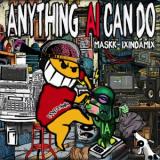
For Don’t Panik 8 the duo find themselves in-between rappers and unwilling to take up the mic themselves they turn to the internet for vocal inspiration, tackling subjects from Artificial intelligence, Bassline noises and Synthesiser Science all firmly embedded into their signature Pumping Funky sound.
dovrebbe essere pubblicato su 30.09.2026
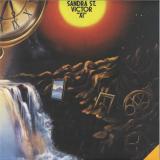
Powerhouse vocalist Sandra St. Victor returns with Eleven, her eleventh studio
album and first solo release in over a decade. From her years with The Family
Stand to collaborations with Roy Ayers, Curtis Mayfield, Chaka Khan, Prince and
Lalah Hathaway, Sandra has built a remarkable career that has consistently
blurred the lines between soul, funk, jazz and gospel.
Executive produced by Sandra St. Victor and Patrick Gibin for Mother Tongue,
Eleven brings together Sandra's longtime collaborators alongside the Mother
Tongue family, bridging her rich musical legacy with a fresh, forward-looking
sound rooted in soul, jazz, boogie and soulful dance music.
The album combines brand new compositions with inspired reinterpretations,
from Kaidi Tatham's stunning reimagining of Captain Sky's Moonchild and his
masterful reinvention of the Leon Ware/Syreeta underground gem Tiki Tiki
Donga, to a beautifully understated new version of Sandra's own Dizzy,
originally released on Gemini: Both Sides in 2001 featuring Questlove, Roy
Ayers and Donald Byrd, here reimagined by Mark de Clive-Lowe. Along the way,
the lo-fi soul of Black Ice, the timeless duet No More Water featuring Lalah
Hathaway, and the straight-up funk of Makes Me Wanna Fall In Love Again and
What Would Miles Do showcase an artist continuing to evolve while remaining
true to her artistic voice.
Rooted in experience yet driven by curiosity, Eleven bridges Sandra's
remarkable musical legacy with the creative vision of Mother Tongue, resulting
in an album that feels both timeless and unmistakably
L'articolo è già in viaggio verso di noi e dovrebbe essere spedito da 30.09.2026.
We are in-between again: FELT founder Fergus Jones surfaces on his own label for the first time with this dreamy, dubby pair of introspective tracks featuring the hazy, elegiac vocals of Thomas Bush, back on FELT after 2023's split cassette with Princess Diana of Wales. The results of a three-day studio bender in Copenhagen, Bush's entrancing vocals gesture towards the unchangeable past and unknowable future, creating a vital, pumping circulatory system of sound, further supported by the saxophone of Italian-Danish artist Francesca Buratelli and the (vinyl debut) of New York's Yumi with a notable interjection on "Untitled (Mix 1)”.
Written, produced and mixed by Fergus Jones & Thomas Bush
Saxophone on Untitled (Mix 1) by Francesca Burattelli
Additional vocals on Untitled (Mix 1) by Yumiko Mannarelli
Mastered by Amir Shoat
L'articolo è già in viaggio verso di noi e dovrebbe essere spedito da 30.09.2026.
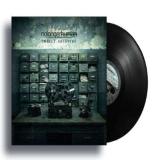
Ein spannender Mix aus Terrortekk, Electro und Dark Ambient.
Vier klassische nolongerhuman-Tracks in definitiven Versionen (Stand 2026)
Komplett neu abgemischt aus den Original-Session-Dateien, inklusive neu aufgenommenem Gesang
Erste Vinyl-Veröffentlichung dieses Materials
Weltweit streng auf 300 Exemplare limitiert
Klassisches schwarzes Vinyl, passend zum Artwork ausgewählt
Artwork und Konzept von Vlad McNeally
Etablierte Fanbasis in den Dark-Electro-, Industrial- und Aggrotech-Szenen
RIYL Suicide Commando, Hocico, Grendel, Combichrist, Aesthetic Perfection, Tactical Sekt, God Module, Psyclon
Nine, Velvet Acid Christ, Unter Null
Unterstützt durch Promotion in deutschen Medien, Charts, Clubs und sozialen Netzwerken sowie durch DJ-Support
dovrebbe essere pubblicato su 01.10.2026

Italian sound artist Giulio Aldinucci returns with his 5th album on Karlrecords: "Materia" is unsurprisingly a truly masterfully composed and sound-designed ambient masterpiece that adds perfectly to a series of critically acclaimed albums like “Disappearing In A Mirror” (2018) or “Shards Of Distant Times” – some of which made it onto several year’s best lists.
Giulio Aldinucci is an Italian composer and sound artist from Siena, Italy. His work focuses on ambient and experimental music, blending field recordings, electronic processing, and acoustic elements. Active since the early 2000s, he has released several solo albums on international labels including Karlrecords, Home Normal, and 99chants. His compositions often explore themes of memory, perception, and the relationship between sound and place.
Aldinucci's music is characterized by immersive, multilayered textures and meticulous attention to sonic detail. He constructs expansive soundscapes by integrating processed environmental recordings, choral elements, instrumental timbres, and subtle harmonic shifts. His style draws from both the aesthetics of contemporary ambient and the techniques of electroacoustic music, resulting in works that are at once atmospheric and conceptually grounded. The interplay between organic and synthetic sound sources is central to his approach, blurring the boundaries between the natural world and the constructed sonic environment.
His works have been presented at international festivals. He has also created art installations and multidisciplinary performances. In addition to his solo output, Aldinucci has collaborated with a wide range of musicians and artists, developing projects that intersect sound art, composition, and performance.
Aldinucci about "Materia": "Materia focuses on the idea of sound as a matter, which can be shaped into complex forms by removing excess material from the sound mass.The album originates from the dichotomy between accumulation and subtraction, creating compositions out of frequency-dense audio material in order to unearth what is “hidden” inside the raw sound mass. Unlike sculpture, in music time can be matter too by shattering sounds into milliseconds andrecompose them with a different fragments order, going beyond the traditional notions of rhythm and duration.“
L'articolo è già in viaggio verso di noi e dovrebbe essere spedito da 01.10.2026.

Zwei wahre cineastische Juwelen auf einer 7"-Single. Eine Auskopplung aus der beliebten Vinyl-Compilation-Reihe "The Tape Masters", die laufend seltene Rare Groove-Schätze und unveröffentlichte Aufnahmen aus den Archiven des Filmkomponisten Peter Thomas zutage fördert. Exklusiv auf dieser Single – und überhaupt zum ersten Mal auf Vinyl erhältlich – ist die rare deutschsprachige Version des Tracks "Black Power", gesungen von einer gewissen Donna Gaines. Später natürlich weltberühmt geworden als Donna Summer, markiert dieser Song ihre allererste Aufnahme als Solokünstlerin im Alter von gerade einmal 20 Jahren. Zugleich war es ihr erster Auftritt vor der Kamera – prominent platziert im ZDF-Krimi-Dreiteiler "11 Uhr 20" (1969). Sowohl der Film als auch bisherige Sampler verwendeten die englischsprachige Version; der Mono-Mix der deutschen Fassung wurde erst vor Kurzem in Peter Thomas’ Bandarchiv wiederentdeckt. Ein weiteres vokales Highlight aus einer deutschen Krimi-Trilogie ist Senta Bergers frech-laszives "Vergiss mich, wenn du kannst" (aus dem ZDF-Krimi-Dreiteiler "Babeck", 1968). Das Lied basiert auf dem Titelthema der Serie und wird von der Sängerin in ihrer Rolle als geheimnisvolle, vamp-artige Barchefin interpretiert. Unter Liebhabern europäischer Filmmusik hat sich der Titel längst zum Kultstück entwickelt und wurde bereits mehrfach gecovert. Das Original feiert nun endlich hier seine Vinyl-Premiere. Achtung: Ein absoluter Doppelseiter!
a a1: Black Power (German version) feat. Donna Summer
a a1: Black Power (German version) feat. Donna Summer
a a1: Black Power (German version) feat. Donna Summer
[a] a1: Black Power (German version) [feat. Donna Summer]
[a] a1: Black Power (German version) [feat. Donna Summer]
[a] a1: Black Power (German version) [feat. Donna Summer]
[a] a1: Black Power (German version) [feat. Donna Summer]
dovrebbe essere pubblicato su 01.10.2026

After a quarter-century hiatus, the legendary jungle artist M-Beat has resurfaced with Mekatune, his newly established label. Mekatune serves as a platform for unveiling not only his extensive back catalog but also fresh, innovative material from himself and other luminaries of the jungle music scene.
This exclusive boxset comprises five vinyl records, each elegantly housed in a black paper sleeve ensconced within a high-quality, 3mm-spined card housebag. Renowned DJ Mag designer Martin Brown has lent his artistic touch to each housebag, featuring a captivating montage of M-Beat's illustrious history spanning three decades. The reverse side of these housebags reveals an in-depth interview conducted by Dave Jenkins, delving into M-Beat's origins, his prolific career, and the enigmatic disappearance that kept fans in suspense for so long. The five housebags nestle snugly within a beautifully crafted card slipcase, forming a stunning piece of jungle and drum & bass history.
Moreover, each track in this boxset has undergone meticulous remastering by Dapz at Compound Audio and precision vinyl cutting by Beau at Ten Eight Seven Mastering, ensuring an unparalleled audio experience. These 20 handpicked gems represent the pinnacle of M-Beat's discography, each highly sought after and commanding a premium on Discogs. With a limited run of just 500 units, the majority of which have already been claimed through pre-sale, this is a rare opportunity to own a piece of music history. Once sold out, there are no plans for a repress, making it an essential addition for collectors and jungle music enthusiasts alike.
Disponibile in Stock e pronto per la spedizione

DJ DIE SOON is the apocalyptic alter-ego Daisuke Imamura, whose performances of masked malice have been a fixture in the Berlin underground for the past decade. His latest record My Brothel The Wind takes inspiration from Sun Ra at his most grotesque, conjuring a distorted phantasmagoria with an eclectic crew of compatriots like Rully Shabara, Sara Persico, and longtime collaborator Kiki Hitomi. Film director Hiroo Tanaka’s visual contributions in the album art, poster, and music video complete the album’s narrative, telling a story not of villainy but of phantom caprice in a dying world.
My Brothel The Wind shows DJ DIE SOON as an alchemist of distortion, transmuting the club-forward beats of his 2020 debut Kappa Slap and the seething horrorscapes of DIEMAJIN, his 2022 collaboration with Tokyo vocalist MA. Imamura’s obsession with noise stems from his upbringing in Tokyo, where he grew up hearing the deafening roar of trains every day. “The buildings were really tall, so the sounds reflected so much and it was so loud that you couldn’t even have a conversation on the phone. Hearing this noise every minute when living in this flat, it became a normal thing,” he says. While most would content themselves with avoiding loudness, DJ DIE SOON seeks to unpack its visceral potential.
DJ DIE SOON’s subterranean productions form a monstrous gestalt with the eclectic contributions of his network of co-conspirators. “Unfinished” and “Directions” are pulsating chimeras that highlight animalistic vocalizations from Hitomi and Shabara; Italian MC Franco Franco’s verses snake underneath the noisy onslaught. The tectonic textures of “Dandelion Crackers” are courtesy of multi-instrumentalist Laure Boer’s handmade stone synth. Sara Persico’s mangled vocables hang as fleshy reminders of human fragility on “SAQ4IME”; in the Hiroo Tanaka-directed music video, the track’s sonic uncanniness is made cinematic, with an ambient dread that references Hiroshi Teshigahara’s 1964 psychological thriller Woman in the Dunes.
While Sun Ra’s intergalactic Moog reached for the stars, DJ DIE SOON plunges into the depths of hell. “Everybody, Shake Your Body, We Chill At Party” feels like the sonic equivalent of a wax museum burning to the ground, rigid smiles melting into the fire. Rather than a vision of the future, My Brothel The Wind is a laugh-cry of despair in the face of a Hadean present. DJ DIE SOON confronts the world with a new hand-made mask, reborn in the ashes.
L'articolo è già in viaggio verso di noi e dovrebbe essere spedito da 01.10.2026.

Balvanera is the project of Agustina Vizcarra and Lucas Palavecino from Buenos Aires, Argentina.
Since 2016, the duo has been building a sonic narrative that moves between the corporeal and the spectral, exploring waves and minimal synth as well as more intense and rhythmic directions closer to Body music, all while sharing the stage with artists such as Clan of Xymox, Boy Harsher, Die Selektion, Kontravoid, NNHMN and Ashcode.
New album Hasta tocar el fondo vacío del lenguaje arrives as an attempt to push expression to the limit, focused on language and sound as expressive forms.
With all tracks sung in Spanish, the album is a declaration of identity and at the same time an exercise with Spanish itself: how to play with a language that sometimes feels baroque and turn it into something stark while retaining its richness. Musically direct, the album occasionally returns to some minimalism reminiscent of the band’s early releases while preserving the intensity and club-oriented feel of their later work. At times intensifying in speed, the record brings the energy of their live performances to visibility, while other tracks feel like an unsettlingly dreamlike atmosphere. The title – meaning Until Touching the Empty Bottom of Language – borrowed from a fragment of Arturo Carrera’s poem Escrito con un nictógrafo, offers a clue to Balvanera’s nocturnal sensibility: those thoughts and images that can only emerge in the sleepless hours of the night, when they reach their most revealing edge.
Hasta tocar el fondo vacío del lenguajen explores death as something hidden within language while allowing each track to find its own form rather than adhering to genre conventions.
Split released with DKA. Out October 1st, 2026 on aquamarine vinyl LP limited to 500 with lyrics insert.
dovrebbe essere pubblicato su 01.10.2026

PRAANA unveil their highly anticipated album Insight Out on Colorize, a deeply immersive body of work that explores reflection, connection and emotional growth through the duo’s signature cinematic lens.
Built around themes of reflection, presence and human connection, Insight Out creates a rich sonic landscape where atmospheric textures, subtle rhythms and emotive songwriting coexist with effortless grace. Featuring collaborations with Susie Ledge, Tina Parol, Freddie Elmberg and Courtney Storm, the album showcases PRAANA’s ability to create music that feels both intimate and expansive. An alias of Tritonal, PRAANA have amassed over 30 million streams, earned sustained support on SiriusXM Chill and recently completed U.S. tour dates in Chicago, Denver and a sold-out Elsewhere Rooftop show in Brooklyn.
Insight Out stands as a fully realised artistic statement, offering a space for stillness, reflection and meaningful escape through sound.
dovrebbe essere pubblicato su 01.10.2026

opo’s 666ridims (2020 - 2026), compiled by J.TRIPP, brings together tracks from his 666ridims netlabel, reflecting on the singular sound worlds of some of his solo work. Like a discovery made by neutrino sensors, opo’s tracks research the transformation of rhythm, swing, and structure, aiming for a new grid. Sketchy and raw, processing emotions and experiences, regaling stories, and asking questions, opo relates in trance verse. All tracks here breathe his focus on improvisation, experimentation, and collaboration. Some of the beats featured on 666ridims (2020 - 2026) are outlines for freestyles and songwriting ideas, a practice formed during a long-distance music conversation with illustrator, printmaker, painter, designer, and maker Billy Bigwood. Other tracks are more club-oriented, like speculative genres programmed in odd meters. Japanese Barcelona-based DJ Hanakito contributes to one track, using samples and chops sourced from her vinyl imports.
Through Afroelectronic experimentation and diasporic narratives, opo encodes his soul's past and future through his music. Encoded, activated, returned. Initiate only when you receive permission from all your mental fragments. Keep transmissions in mind and dislodge and follow the command cluster's trail. Strongly influenced by sci-fi, ancestral afro musics, jazz, performance art, and food, as musical lines and shards of meaning cascade, 666ridims (2020 - 2026) is a minimalist dive into strange meters, polyrhythm, and the transcendence of ideas. Fast, slow. Exhilarating. We don’t discover physical laws; we just collaborate on them.
dovrebbe essere pubblicato su 01.10.2026

UK Garage has ridden a new wave of hype and exposure over the last few years. Artists like Sammy Virji and Interplanetary Criminal have crossed over to the mainstream, while dancefloors across the world have shaken to a switched-up version of the sound that defined the UK underground either side of the millenium.
Hidden beneath a pink balaclava, the mysterious DJ Jackum has lurked this rejuvenated scene while dropping some of the most defining bangers of the period. Often surfacing in the form of moody edits released on Soundcloud, Jackum productions inevitably demolish dancefloors whenever dropped, as they frequently are in the sets of Virji and the other big guns.
Landing on Hotflush, a storied label of UK underground music, ‘Context’ is his most substantial work to date. Six tracks covering the full spectrum of the Jackum sound, from 4/4 heaters to dubstep-adjacent eyes-down bass pressure.
And in the form of opening track ‘Floo’, Jackum spreads his wings into a place that transcends the narrow confines of genre definition. From the UKG building blocks of bass, drive, cut-up vocals, and melody, the track emerges as something both familiar and wholly unexpected - the mark of a producer at the peak of their powers.
‘Clip Empty’ is another highlight of this standout EP. Showing a flair for the cinematic, a breakdown of militaristic snares gives way to a trademark rolling bassline and earworm vocals.
Away from the 4/4 bangers, ‘Take Your Body Higher’ is a guaranteed half-step rewind, while ‘Step Up’ recalls memories of smokey Plastic People sessions of the mid-2000s.
L'articolo è già in viaggio verso di noi e dovrebbe essere spedito da 01.10.2026.
Mutual Rytm's Versus sub-label returns with a dark, absorbing new EP from contemporary techno innovators Kameliia and BLANKA. Kameliia and BLANKA both previously appeared on Federation of Rytm IV and now step forward with their long-awaited debut EPs. It is another standout for Mutual Rytm's Versus series, which has already made an impact with two previous EPs from Regent and Chontane and Klint and Hemka. This third release subtly evolves the sound into more hypnotic and atmospheric worlds that bring fresh perspectives to the series. Bulgarian-born, Norway-based Kameliia’s music is rooted in cinematic, melancholic and hypnotic sounds. She translates deep emotions into immersive sonic landscapes inspired by nature, particularly the moon, the sky and their atmospheric qualities. Along with Berlin-based Spaniard BLANKA, she has released on labels such as SK_Eleven, while BLANKA also co-founded Room Trax and draws heavily on the human voice, which she considers one of the most personal and intimate instruments. She uses it to create an emotional, direct connection with the dance floor, with a clean, minimal, timeless style rich in emotion. Kameliia opens up with the weighty kicks and eerie atmospheres of 'Bird In A Cage' before 'Red Sky' layers taut kicks and icy synths into a hypnotic forward charge full of depth and darkness, then 'Lightness' has an unsettling and paranoid lead hanging in the air next to vocal fragments and haunting pads. BLANKA’s offering begins with tightly wound kicks and bass on the dubby 'Say It With Me'; 'Self Pleasure' is an immersive and rubbery rhythm with cosmic synth work, and 'Rabbit Habits' brings funky synth lines that radiate a sense of subtle light and hope amidst the darkness of the groove. Two digital bonus cuts from each artist follow: Kameliia's unsettling, dystopian soundscape 'No Longer A Desire' and the backlit suspense of 'Vivere', and BLANKA's gritty, loopy 'Dream VST' and the deep-space odyssey that is 'Gone For Good'.
Disponibile in Stock e pronto per la spedizione

Enlazando el número de referencia (el vol8) con la caja de ritmos mítica y clásica de Roland la Tr808,.. qué puede salir mal? 6 Cortes, 6 Artistas, 6 ideas, 6 visiones de este nuestro amado estilo que llamamos Electro.
Vema-Diodes_ Victory lap:
Contundencia y elegancia, ritmos rápidos, pads ambientales que cuentan una historia futurista. Resumiendo, un rompe pistas como ya nos tiene acostumbrado nuestro macarra favorito del Llobregat.
Dark Vektor_ Haciendo el Robot:
Pues esta vez el tito Vektor se ha puesto el chándal de 1984 (de Emilio tutsy ya que es un vanidoso) y nos trae una muy buena producción al estilo old school homenajeando a los mismísimos Dynamik Bass System y EPG.
Univac_Artic Defender:
Qué decir de uno de los mas grandes del electro de nuestro país, oscuridad, contundencia y sonidaco…electro rozando lo industrial rozando lo hipnótico rozando lo mas profundo de nuestro ser.
Multiplexors_Kill Circuitcenter:
Un Honor poder editar su primera referencia de este dúo formado por Sentex y AM/ALF dos friks de las máquinas y del bass, nos traen un corte muy purista super sintético con alma analógica, vocoders y 808 y lo mas importante: intención.
Calagad13_Cosmic Sailor:
Un honor tener a un grande del electro, un pionero del bass en nuestra tierra, temarrako al mas puro estilo Miami bass con una producción exquisita… un revienta pistas.
Negocius Man_Flying on Vega:
El gran Nego, que decir el Man Machine de Madroit, nos entrega un corte contundente, de culto, sonido oscuro y mental donde entras en su mundo percusivo te atrapa y ya no te deja salir hasta que el quiera.
dovrebbe essere pubblicato su 01.10.2026
![Denise Motto - I M N X T C (Jack Your Body To The Beat) [JD Twitch Remixes]](https://www.deejay.de/images/l/4/8/1232548.jpg)
We are heartbroken to announce this very special release — a tribute to the genius of Keith McIvor aka JD Twitch (Optimo), who sadly left us on September 19, 2025. Over 20 years ago, when Skylax had no money and was just starting out, Keith was among the very first to believe in us. He delivered four unforgettable remixes of Denise Motto – I M N X T C, sharp, uncompromising cuts that defined the true spirit of underground dance music. At the time, due to limited means, only one made it to vinyl. Now, for the first time, we are proud to present the complete set: four remixes — the unreleased acid mix, blackrabbit whorehouse mix, industrial mix, and alternative mix , all cut loud and mastered with love. This release is more than a record; it is a homage to Twitch, a true pioneer and tastemaker, our generation’s John Peel. His art of digging, his fearless intelligence in music choices, his no-compromise vision — all of it stands in stark contrast to the disposable culture of today’s Instagram DJs. What we celebrate here is the real thing: edgy, sharp, timeless. A piece of history, pressed in vinyl forever. Featuring a stunning artwork by H5 (Daft Punk, Air, Logorama), specially designed to pay homage to the legend. Ultra-limited, no repress.
Disponibile in Stock e pronto per la spedizione

After Caposile, at the peak of his growth, now consacrate as one of the most sought and removed clubs in the Italian and world undergoing circuit, is back to release high level music, returning to pressing on vinyl in its acclaimed label the second volume of “The Sound of Garden”.
Spring 2024 deserved a release made by an exceptional cast, it will be always divided in to parts, both 12”, and it will include an incredible team of artists led by the visionary and immortal master Alex Neri, the local phenomenon known for his productions in Slow Life and Altered Circuits: Paolo Mosca, our family members and residents Twineffect and Maggio, the duo Francesco Maddalena and Manuel De Lorenzi, Lee Burton, Jamahr, Franko Lopez and Matteo Point.
A perfect mix of artists who strongly believe in the club and in what we transmit as an experience to live, these tracks are explosiveness, elegance, magnetism, each with a different facet of house music: progressive, balearic, electro, acid, this double vinyl contains everything that the dancefloor requires and it is a transposition into music of the current vibe that can be felt at After Caposile’s garden.
The first volume begins with the mastery of the multifaceted and always prolific artist Alex Neri who never makes a mistake, and even after years continues to release masterpieces, like this one: "H-Arp Odyssey", which already from the title we can imagine as an instrument takes the lead in the construction of the piece, a rush of adrenaline that immediately makes it clear what awaits us.
“Unreleased”, the track by Francesco Maddalena and Manuel De Lorenzi, is a clear representation of their way of playing that characterizes them and brings them together, and that always makes us dance, a direct groove, old school, tech-house in its most pure.
If the first two tracks get straight to the point, in side B we start with a bang with Paolo Mosca and his "Landscape", where with a maniacal arrangement, worthy of his now established name as a producer, he teleports us into a progressive world of the 90s, in Balearic style where floating pads, organs, melodies and sequenced vocals are linked to the complex and rhythmic percussive groove and the more aggressive synths.
Thus the first chapter ends with "Visions Of Disco" by Twineffect, a track where a more direct house part elegantly contrasts, which presupposes the more dance part of the piece, to then take you and envelop you in a long drop made up of a main piano and vocals that are perfect for a truly exciting moment to experience on the track.
After Caposile thus confirms itself once again in constant evolution, with an output full of new talents and sacred monsters and a European tour that continues to expand their party concept in the most important clubbing realities and the biggest festivals.
Both the first and second volumes will be released this May, ready to bring us a breath of joy and madness this summer.
Disponibile in Stock e pronto per la spedizione

* 2026 REPRESS *
Ashanti Selah – Musician & Dub Producer hailing from the UK, is the eldest son of the world-renowned soundman, Aba Shanti-I. Ashanti's musical journey began at a tender young age, during his formative years of soundsystem exposure through his father's musical infrastructure he learned the art of the Dub. His education continued as he attended his father’s long-standing annual sessions at the Notting Hill Carnival and traveled the globe as a crew member and diligent student. Via his Steppas Records imprint, Alpha Steppa, son and nephew of pioneering dub-duo Alpha & Omega presents a unique collaboration between two second generation Dub / Reggae producers. 'Ashanti Selah Meets Alpha Steppa' is a testament to their teachers and the product of a life spent in dub. Steppas Records delivers four unique cuts of the long-time Aba Shanti-I exclusive 'Violin Step', featuring the uplifting and transcendental strings of Ras Divarius. New generation soundsystem music with a deep roots foundation.
dovrebbe essere pubblicato su 02.10.2026

The latest release from Rainbow Disco Club’s label imprint, Beyond Space And Time, is the debut compilation from The Melting Hours, a live project by Wata Igarashi and Kuniyuki. WataIgarashi continues to make his mark on the history of techno, whilst Kuniyuki has long been revered as one of Sapporo’s greatest treasures. The two artists, who have long held mutual respect for one another, met whilst performing at the Draaimolen Festival 2025, and this encounter gave rise to The Melting Hours.
‘Blue Sun’ is imbued with a freshness reminiscent of the ambient jazz masterpieces released by prestigious labels such as ECM and Windham Hill. ‘Liquid Dunes’ sees the organic tones of the flute and percussion melt into over ten minutes of abstract sound textures, whilst the breathtaking ‘Cloud Touch’ awakens amidst a swirling vortex of pulsating downbeats and arpeggios. It is said that ‘Blue Sun’ was created by reconstructing studio rehearsal recordings, whilst ‘Liquid Dunes’ and ‘Cloud Touch’ were crafted from live recordings at Draaimolen 2025. The essence of these works—and indeed of the project The Melting Hours itself—lies at the heart of their improvisational nature.
It brings to mind the Rainbow Disco Club event back in 2026, where they wove their sounds amidst fresh greenery and surrounded by listeners under a clear blue sky. It felt as though the pulsating energy was spreading across the dance floor, guided by a session from The Melting Hours that seemed almost like a living creature. The organic breath one senses in this work not only evokes precisely that scene but also allows us to feel the unique, ephemeral nature inherent in this project—and, consequently, the boundless possibilities that stem from it.
Rainbow Disco Club のレーベル・ライン'Beyond Space And Time'から放たれる最新作は、Wata IgarashiとKuniyukiによるライブ・プロジェクト、The Melting Hoursによる初の音源集だ。テクノ史に残る実績を現在進行形で刻み続けているWata Igarashi、長きに渡り札幌の至宝として尊敬を集めてきたKuniyuki。兼ねてよりリスペクトを送り合ってきた両名がDraaimolen Festival 2025への出演を契機に邂逅し、始動したプロジェクトがThe Melting Hoursである。
ECMやWindham Hillといった名門レーベルのアンビエント・ジャズ傑作群を彷彿とさせる瑞々しさを湛えた"Blue Sun"。10分以上に渡るアブストラクトなサウンド・テクスチャーの中にフルートや鳴り物のオーガニックな音色が溶ける"Liquid Dunes"と、そして鳴動するダウンビートとアルペジオの渦に覚醒する圧巻の"Cloud Touch"。"Blue Sun"はスタジオでのリハーサル音源を、"Liquid Dunes"と"Cloud Touch"はDraaimolen 2025のライヴ音源を、それぞれ再構築し楽曲化したものだという。これらの作品、ひいてはThe Melting Hoursというプロジェクト自体のエッセンスは、その即興性を核としている。
WataとKuniyukiがゼロから音を立ち上げ、お互いのエレクトロニクス/生楽器を操る技術、それぞれエレクトロニック・ミュージック以前にフリージャズやニューウェイヴ/インダストリアル等に傾倒した時期を含む、音楽家としての半生を持ち出し合う感覚。そこに、例えばDraaimolen出演時に降り出した雨や、リハーサル時にスタジオに迷い込んだ蜂のような、外的かつ偶発的な要因、感情やムードの起伏までもが絡み合う様相。互いの予想を越えるスリルの中で曲が形づくられるプロセスこそが、この作品とプロジェクトを特別なものとしているのだという。
快晴の元で新緑とリスナーに囲まれ音を紡いでいった、去る2026年のRainbow Disco Clubを思い出す。まるで、生き物のようなThe Melting Hoursによるセッションに導かれ、脈動するエネルギーがフロアに伝播していたようだった。この作品から感じられる有機的な息遣いは、まさにそんな情景を思い起こすものであると同時に...このプロジェクトが宿すその場/その時限りの唯一無二性と、それ故に広がっていく限りない可能性をも感じさせてくれる。
dovrebbe essere pubblicato su 02.10.2026

Murder tbs is back with a special three-part vinyl series, paying homage to the genres that have influenced the label since its inception. The first various artists release is dedicated to ELECTRO & WAVE, while Parts II and III will focus on TECHNO and EBM. Written & produced by various artists: L.F.T., Le Syndicat Electronique, The Exaltics, Electro Nation, Leroy Se Meurt, and Charlou. Mastered by Daniele Antezza at Dadub Studios. B1 mastered by Thomas P. Heckmann. Artwork by ZIMMMERIT. Curated by Davit Japaridze. Dedicated to Juan Mendez (Silent Servant) and Simone Ling. Murder tbs © 2026. All rights reserved MURDERCH01
dovrebbe essere pubblicato su 02.10.2026

Repress
Introversion, one of our most prominent discoveries, joins the golden side of the label with a stunning release that confirms his great skills. He vigorously continues to deliver this very unique 90's rave sound melted to some modern aspects of hip-hop and Techno with 3 Original cuts, on the flip side the debut of a duo that doesn't need much of an introduction, Obscure Shape & SHDW remixes Onryo, taking this already amazing record to a bigger and wider space.
L'articolo è già in viaggio verso di noi e dovrebbe essere spedito da 02.10.2026.

A six track remix compilation born from serendipity and a creative bond between its featured artists - thee Angel 6 Suite features Mark Grusane, Daniella DeLuna, S4M23 and Vesolo.
The release reimagines Angel 6, written and performed by Daniella DeLuna and produced by Grusane - a sensual and haunting composition steeped in industrial textures.
The compilation expands Angel 6 into multiple directions: an extended edit from Grusane and DeLuna rooted in industrial body driven tension; a new beat inspired acid reinterpretation from S4M23; and an avante garde early electro dreamscape from Vesolo. The release is rounded out by an off-axis B-side from DeLuna and Grusane that pushes the project into their personal brand of dissonant grit.
Across all versions, thee Angel 6 Suite moves between dark wave atmospheres, new beat influence and acid driven club structures.
A six track remix compilation born from serendipity and a true creative bond between its featured artists - thee Angel 6 Suite features Mark Grusane, Daniella DeLuna, S4M23 and Vesolo.
The release reimagines Angel 6, written and performed by Daniella DeLuna and produced by Grusane - a sensual and haunting composition steeped in industrial textures, marking the beginning of their creative partnership.
The compilation expands Angel 6 into multiple directions: an extended edit from Grusane and DeLuna rooted in industrial body driven tension; a new beat inspired acid reinterpretation from S4M23; and an avante garde early electro dreamscape from Vesolo. The release is rounded out by an off-axis B-side from DeLuna and Grusane that pushes the project into their personal brand of dissonant grit.
Across all versions, thee Angel 6 Suite moves between dark wave atmospheres, new beat influence and acid driven club structures.
dovrebbe essere pubblicato su 02.10.2026

dovrebbe essere pubblicato su 02.10.2026

LA native The Koreatown Oddity returns for his fourth album on Stones Throw. Purdy is the proving ground for an avant-garde rapper tackling being a father and partner with the boundless confidence of a child’s imagination.
Purdy sees Koreatown soundtrack a knight’s first battle, document the cultivation of a beautiful lawn and contemplate if anyone really means it when they say "have a great weekend" – all while realising that he's now part of something bigger.
Purdy paints the complete portrait of the man Dominique Purdy and artist The Koreatown Oddity together: musician, father, and peddler of the absurd.
dovrebbe essere pubblicato su 02.10.2026

Coming off his first two years as a solo artist, Nick Schilder paused for a moment of contemplation. How do you keep growing as an artist, and continue making music without falling into routine? Returning to his artistic foundation—guitar on his lap, hours behind the piano—the Dutch singer-songwriter let intuition guide him, leading to his brand-new EP, Reflections.
After a summer jam-packed with festivals, Reflections provides contrast—the tracks harness a more organic sound, hitting closer to the heart, drawing from folk and pop while leaving space for the echoes of his foray into electronic music to resonate. From ‘Made For You’ to focus track ‘Die For You’ and ‘A Little More Like Me’ marking the turning point, this EP offers a sonic snapshot that bridges two seasons, a creative reset born of reflection.
Reflections is available as a limited edition on transparent vinyl. The package contains an insert with lyrics.
dovrebbe essere pubblicato su 02.10.2026
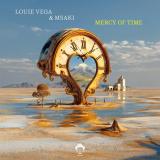
Vega Records proudly presents "Mercy Of Time," a breathtaking new collaboration between Grammy Award-winning producer, DJ, and songwriter Louie Vega and acclaimed South African composer, singer, songwriter, and multidisciplinary artist Msaki.
Widely regarded as one of Africa's most powerful and influential musical voices, Msaki has earned international recognition through her award-winning solo work and celebrated collaborations with Black Coffee, Sun-El Musician, and Prince Kaybee, including the multi-platinum anthem "Fetch Your Life." A South African Music Award winner, recipient of the prestigious 2022 Standard Bank Young Artist Award for Music, and Basadi in Music Songwriter of the Year, Msaki's artistry has resonated with audiences around the world. Her songwriting and vocal contributions to Black Coffee's Grammy Award-winning album further cemented her place among the continent's most revered contemporary artists.
Born from a creative meeting of musical minds, "Mercy Of Time" brings together the extraordinary talents of Msaki, Louie Vega, and renowned Cuban pianist, composer, and producer Axel Tosca. Written by Msaki, with music composed by Louie Vega and Axel Tosca, the song is elevated by the unmistakable rhythmic touch of internationally respected producer and dj Manoo, whose infectious drums provide the heartbeat of the record.
At its core, "Mercy Of Time" is a deeply moving and uplifting composition that blends deep songwriting, rich musicianship, and powerful rhythms into a timeless musical journey. Msaki's evocative lyrics and captivating vocal performance intertwine seamlessly with Axel Tosca's virtuoso musicianship and Louie Vega's signature production style, creating a sound that transcends borders, cultures, and genres.
Rooted in soul and infused with African Electronic and global influences, "Mercy Of Time" speaks to resilience, hope, healing, and the wisdom that comes with life's journey. The song beautifully captures the spirit of collaboration between artists from different corners of the world, united by a shared commitment to authenticity, artistry, and musical excellence.
With all forces combined, "Mercy Of Time" is poised to resonate with audiences across dance floors, airwaves, and listening spaces worldwide. A powerful fusion of soulful expression, world-class musicianship, and timeless rhythm, the release stands as a testament to the creative magic that happens when visionary artists come together.
dovrebbe essere pubblicato su 02.10.2026

Although best-known these days for serving up blissful Balearic beats, Chris Coco's Coco, Steel & Lovebomb project started life as a platform for his early 90s house productions. Pleasingly, the veteran British producer is now making house again, in this instance in cahoots with long-serving Italian artist DJ Rocca. On side A, they both deliver their own pass on 'Echoes In My Mind', with Rocca's fluid, warm and organic Italian dream house-meets-Balearic house pass being followed by Coco's hybrid deep house/nu-disco take. They jointly explore their love of African musical culture on languid, hazy and mid-tempo B-side 'Mama Sol Mama Africa', where fluttering flutes, warm Rhodes keys and layered percussion catch the ear. That comes backed with a lovely alternative 'dub' full of effects-laden musical details and ear-catching percussion hits.
dovrebbe essere pubblicato su 02.10.2026

the iconic project returns late September with its milestone 10th studio album, ‘I Wrote You A Letter’.
Twenty-five years after his debut, M83 (Anthony Gonzalez) stands as a genuinely era-defining electronic act, renowned for pushing indie-electronic into the mainstream while maintaining absolute critical credibility. With a massive catalog compounding billions of streams—anchored by the timeless “MIDNIGHT CITY” (1.5B streams)—the iconic project returns late September with its milestone 10th studio album, I WROTE YOU A LETTER’.
Recorded between Los Angeles and Paris alongside BENOIT DE VILLENEUVE, this new record follows the highly acclaimed ‘FANTASY’ (2023) and features striking artwork by celebrated Australian photographer BILL HENSON. This release marks a historic chapter, encapsulating a quarter-century of sonic evolution.
Commercially, M83’s power lies in an unmatched ability to transcend generations. Synonymous with cinematic emotion, nostalgia, and immense scale, M83’s sound is virtually a genre of its own, heavily sought after for film, TV, and sync. Live, the act holds top-tier global status, proven by headlining slots at major festivals like Coachella, Glastonbury, and Primavera.
‘I WROTE YOU A LETTER’ delivers exactly what M83 does best: big emotional scale, breathtaking cinematic atmospheres, and sharp hooks, all pushed into a fresh, modern palette.
Fünfundzwanzig Jahre nach seinem Debüt gilt M83 (Anthony Gonzalez) als ein wahrhaft epochaler Elektro-Künstler, der dafür bekannt ist, Indie-Elektro in den Mainstream zu bringen. Mit einem riesigen Repertoire, das Milliarden von Streams umfasst – angeführt von dem zeitlosen „MIDNIGHT CITY“ (1,5 Milliarden Streams) – kehrt das ikonische Projekt Ende September mit seinem wegweisenden zehnten Studioalbum „I WROTE YOU A LETTER“ zurück.
Das neue Album, das gemeinsam mit BENOIT DE VILLENEUVE in Los Angeles und Paris aufgenommen wurde, knüpft an das hochgelobte „FANTASY“ (2023) an und besticht durch ein eindrucksvolles Cover des gefeierten australischen Fotografen BILL HENSON.
Diese Veröffentlichung markiert ein historisches Kapitel und fasst ein Vierteljahrhundert klanglicher Entwicklung zusammen.
Kommerziell liegt die Stärke von M83 in der unübertroffenen Fähigkeit, Generationen zu verbinden.
Als Synonym für filmische Emotionen, Nostalgie und immense Größe ist der Sound von M83 praktisch ein eigenes Genre, das für Film, Fernsehen und Synchronisation sehr gefragt ist.
Live genießt die Band weltweit Spitzenstatus, was durch Headliner-Auftritte bei großen Festivals wie Coachella, Glastonbury und Primavera unter Beweis gestellt wird.
„I WROTE YOU A LETTER“ liefert genau das, was M83 am besten kann: große emotionale Bandbreite, atemberaubende filmische Atmosphären und eingängige Hooks, alles verpackt in einer
frischen, modernen Klangpalette.
dovrebbe essere pubblicato su 02.10.2026

For ten years Spike Fuck has existed more as a messy myth than an art- ist; sporadic works forever poised on the precipice of triumph, rumours of death or insanity and so on. Spike’s mission is to distill the sacred and profane, balancing the melancholy and humour of life; “to be alive is to be traumatised.” Luckily, the devotion to his music persevered, some- what bolstered by his inconsistency and inaccessibility. This inexplicable goodwill towards his artistry is perhaps partly due to Spike’s timeless, pained and confessional lyricism, though more pointedly, the fragility of a life mired in addiction. His being or works does not question the virtue of life, but simply addresses the numb, pragmatic and far more immediate matter of surviving another day, an almost ineffable senti- ment only justified by his distinct, poetic audaciousness. Free from his arresting thoughts, evidence, the long anticipated debut album, is a bra- zen proof of life statement. Convicted by the outlandish idea of evidenc- ing a ‘you had to be there’ mentality, the record honours the presence in body, a record to be felt, never to be rationalized.
The material on evidence touches on elements of new wave, glam, soul and doo-wop, citing Pere Ubu, New York Dolls, The Temptations and Bettye Swan as key influences. Melodically it emits the energy of a down- and-out CBGBs band who cashes in by recording a lucrative Christmas album.
Spike frequently uses sonic and lyrical juxtapositions to perform comic twists of sincerity, a reflection of society's obsession with ‘getting a rise’. On “Bored to Death,” a scuzzy, laidback and soulful tune, paired with morbid ragebait lyrics that payoff as a stand up joke “when I look up at the sun it makes me so happy cause I know one day it’s gonna kill me, and it’ll kill you too!” Lead single “All By Myself” carries on in this fashion; with feelgood, family-friendly punk doo-wop production, Spike is misleading on if his joy comes from the pride in solitude, or from lone- liness and a ‘give me everything’ mentality in the act of shooting heroin. The vocal performances oscillate between being blasé, vulnerable and manic; “Sweet Release” meets power-ballad criteria solely due to Spike’s deteriorating cries into the void, the jittery delivery on “Getting Sober” embodies religious fanaticism while sounding like a pop song written by Suicide for a David Lynch film.
evidence is an album that lives outside the limits of discourse; its purpose is eponymous and self-evident. It is what it is, and is subject to interpretation. There is no point in interrogating attachments, virtue or value. The only rightful way to live is to be.
a 01. CAN'T GET IT UP 4:38
b 02. HAD YOUR WAY 4:04
[c] 03. SWEET RELEASE [3:27]
[d] 04. BORED TO DEATH [3:31]
[e] 05. ALL BY MYSELF [2:38]
[f] 06. GETTING SOBER [3:33]
[g] 07. BLUELIGHT[4:35]
[h] 08. HATE ME [7:44]
[a] 01. CAN'T GET IT UP [4:38]
[b] 02. HAD YOUR WAY [4:04]
[c] 03. SWEET RELEASE [3:27]
[d] 04. BORED TO DEATH [3:31]
[e] 05. ALL BY MYSELF [2:38]
[f] 06. GETTING SOBER [3:33]
[g] 07. BLUELIGHT[4:35]
[h] 08. HATE ME [7:44]
[a] 01. CAN'T GET IT UP [4:38]
[b] 02. HAD YOUR WAY [4:04]
[c] 03. SWEET RELEASE [3:27]
[d] 04. BORED TO DEATH [3:31]
[e] 05. ALL BY MYSELF [2:38]
[f] 06. GETTING SOBER [3:33]
[g] 07. BLUELIGHT[4:35]
[h] 08. HATE ME [7:44]
[a] 01. CAN'T GET IT UP [4:38]
[b] 02. HAD YOUR WAY [4:04]
[c] 03. SWEET RELEASE [3:27]
[d] 04. BORED TO DEATH [3:31]
[e] 05. ALL BY MYSELF [2:38]
[f] 06. GETTING SOBER [3:33]
[g] 07. BLUELIGHT[4:35]
[h] 08. HATE ME [7:44]
[a] 01. CAN'T GET IT UP [4:38]
[b] 02. HAD YOUR WAY [4:04]
[c] 03. SWEET RELEASE [3:27]
[d] 04. BORED TO DEATH [3:31]
[e] 05. ALL BY MYSELF [2:38]
[f] 06. GETTING SOBER [3:33]
[g] 07. BLUELIGHT[4:35]
[h] 08. HATE ME [7:44]
dovrebbe essere pubblicato su 02.10.2026

,Memoria", das neueste Album von Carmen Villain auf Smalltown Supersound, beginnt wie ein geöffnetes Ventil; ausatmende Flötenakkorde füllen langsam eine weite Klanglandschaft und laden den Zuhörer dazu ein, das Tempo zu drosseln und in einen Zustand des tiefen Zuhörens einzutreten. Es ist eine Einleitung, die gekonnt in ein Album aus verlangsamten, spektralen Dub-Klängen führt, die schimmern, knurren und über die narrativ geordneten sieben Titel hinweg ausklingen. In dieser Hinsicht knüpft ,Memoria" dort an, wo Villain mit ihrem 2022 erschienenen Album ,Only Love from Now On" aufgehört hatte, auch wenn der Schwerpunkt des aktuellen Albums auf Klang als Erinnerung liegt - und auf Erinnerungen als sich wandelnde, nicht statische Unvollkommenheiten. Wiederholung fungiert als neu erzählte Erinnerung; die Bearbeitung zersetzt und formt den Klang neu, und Abstraktion ermöglicht eine Art Freiheit von Linearität. Inspiriert von Pauline Oliveros' Schriften über innerlich abrufbare Klänge, die für andere unhörbar sind, sowie von Apichatpong Weerasethakuls Film ,Memoria" aus dem Jahr 2021, betrachtet Villain die Erinnerung sowohl als kognitive Fähigkeit als auch als Form der Komposition und formt Samples aus ihrem eigenen Archiv zu einer kosmischen Selbstbeobachtung - wenn auch zu einer, die das Gegenteil von Solipsismus ist. Der nach innen gerichtete Blick des Albums lässt sich vom tiefen Zuhören als Form der Empathie inspirieren, das uns gleichzeitig mit uns selbst und unserer Umgebung verbindet. Die Arbeit der letzten Jahre an Kompositionen für zeitgenössischen Tanz und Installationen - darunter Kooperationen mit der Choreografin Eszter Salamon und ein Aufenthalt am IRCAM, bei dem sie erstmals ambisonische Räumlichmachung erforschte - prägt ebenfalls die verstärkte Aufmerksamkeit, die ,Memoria" dem Klang als physischem Raum und immersiver Umgebung widmet. Ein Großteil von ,Memoria" basiert auf einer Kombination aus neuen Aufnahmen und älterem Archivmaterial: Aufnahmesessions mit der häufigen Mitwirkenden Johanna Orellana (Flöten) sowie Eivind Lonning (Trompete) werden neben Villains eigenen Klarinettenaufnahmen zerlegt und zu einer dichten, aber luftigen Sample-Bank neu zusammengesetzt. Die viszerale menschliche Präsenz (Atem, Wind, die Körperlichkeit der Luft, die durch Instrumente strömt) und harmonische Stränge des Free Jazz treten durch mehrere Bearbeitungsschichten hindurch zutage, als hörte man sie aus der Ferne - oder durch die Zeit hindurch. Rhythmen und Texturen lösen sich auf. Der Klang erodiert. Erinnerungen werden neu gestaltet. Und Melodien sind, anders als auf Villains früheren Veröffentlichungen, weniger deutlich und weichen anderen musikalischen Leitmotiven. Es lässt sich eine Tradition zurückverfolgen, die zu Rhythm & Sound, Clicks-and-Cuts, Pharoah Sanders, Jon Hassell, Actress und Ricardo Villalobos führt - wenn auch oft in abstrakten Formen: Kleine Klänge werden groß, während große in einen feinkörnigen Rhythmus zurücktreten. Minimalismus ist der Schlüssel, um die Details wahrzunehmen: knisternde Elektronik, Einatmen und Seufzer hallen in weiten Räumen nach und ruhen auf einem Fundament aus Rhythmus. Diese Zurückhaltung unterstreicht Villains Neigung, Klänge und ihre geisterhaften Klanggedächtnis-Doppelgänger nach Frequenzen chirurgisch voneinander zu trennen. Paradoxerweise lässt sich jedes Artefakt als Annäherung an eine Erinnerung mit äußerster Präzision hören. Für Villain scheint die Erinnerung im Klang bequem hinter dem Mischpult eines Dub-Labors Platz zu nehmen und dort gekonnt und unvorhersehbar Lautstärken, Texturen, Filter und alle anderen Parameter - bekannte wie unbekannte - in einer sich ständig wandelnden Erinnerung zu steuern.
dovrebbe essere pubblicato su 02.10.2026
