Search:del

Styles
All
ASSAILANTS - The Art of Rolling EP

Ben Sims and Truncate return under their ASSAILANTS guise and drop the long awaited follow up to 2018's 'Chase Sequences' EP on the jointly run 'Obscurity is Infinite' imprint. Original Hardgroove flavours blended with tough Machine Funk, showcasing the sounds they're both individually celebrated for and delivering some unique fusions on this all thriller, no filler EP

pre-order now

This item has not yet been released. You can pre-order the product now.

Eagles Prey - Tonto’s Drum

Eagles Prey

Tonto’s Drum

12inchGEMS004
GEMS
17.04.2026

Gems return with another superb signing from the 90’s the mighty Eagles Prey. The release reworks a 1992 underground classic, originally produced by John Kennedy (Apple Records) alongside Lee Grainge (Fat Cat Records) and Paul Coleman (Rocket Science , Rehab/Offshoot , Zoom Records) — a lineage deeply rooted in UK electronic history.

On remix duties, the Circulation Mix delves deep and hypnotic already receiving heavyweight support from Laurent Garnier and John Digweed, underlining its club and tastemaker appeal.

Jim Rivers, a proven serial producer and DJ, adds his signature depth and precision, balancing modern floor functionality with timeless underground sensibility.

Rounding out the package Ranj Kaler continues his standout run, currently omnipresent across production, remixes, and DJ sets, delivering contemporary drive while respecting the original’s DNA.

A release that bridges heritage and forward momentum, built for discerning DJs, specialist radio, and late-night systems.

stock from25.04.2026


Last In: 8 days ago
Various - Tchic Tchic: French Bossa Nova 1963-1974  Colored Edition LP 2x12"
  • A1: Les Masques - Il Faut Tenir (1969)
  • A2: Isabelle Aubret - Casa Forte (1971)
  • A3: Christianne Legrand - Hlm Et Ciné Roman (1972)
  • A4: Jean Constantin - Pas Tant D'chichi Ponpon (1972)
  • A5: Billy Nencioli & Baden Powell - Si Rien Ne Va (1969)
  • B1-: Marpessa Dawn - Le Petit Cuica (1963)
  • B2: Jean-Pierre Sabar - Vai Vai (1974)
  • B3: Sophia Loren - De Jour En Jour (1963)
  • B4: Isabelle - Jusqu’à La Tombée Du Jour (1969)
  • B5: Sylvia Fels - Corto Maltesse (1974)
  • C1: Frank Gérard - Comme Une Samba (1972)
  • C2: Ann Sorel - La Poupée Des Favellas (1971)
  • C3: Charles Level - Un Enfant Café Au Lait (1971)
  • C4: Andrea Parisy - Les Mains Qui Font Du Bien (1970)
  • C5: Audrey Arno - Quand Jean-Paul Rentrera (1969)
  • C6: Aldo Frank - T’as Vu Ce Printemps (1970)
  • D1: Christianne Legrand - Cent Mille Poissons Dans Ton Filet (1972)
  • D2: Clarinha - Lemenja (1970)
  • D3: Hit Parade Des Enfants - Aquarela (1976)
  • D4: Jean-Pierre Lang - Tendresse (1965)
  • D5: Magalie Noël - Une Énorme Samba (1970)
  • D6: Françoise Legrand - La Lune

Ever since the late 1950s bossa-nova revolution, Brazil’s influence on French music has been undeniable. Pierre Barouh, Georges Moustaki and a vast array of lesser known artists, all made the Musica Popular Brasileira (MPB) an axis of promotion at the service of a cool and metaphysical, modern and mixed Brazilian lifestyle. Some were seduced by the poetic languors of the bossa, some were looking for fun, and others just loved the American hybridization of jazz-bossa, jazz-samba.


What is bossa nova? One of its creators, Joao Gilberto said: "Its style, cadence, everything is samba. At the very start, we didn't call it bossa nova, we sang a little samba made up of a single note - Samba de uma nota so .... The discussion around the origins of bossa nova is therefore useless”. It is nevertheless useful to remember that these magnificent Brazilian songs, which the guitarist describes as samba, were shifted and balanced around improbable chords. "I like things that lean, the in-betweens that limp with grace," said Pierre Barrouh, quoting Jean Cocteau.


With emotion, arrangements for violin and supple guitar licks, bossa nova rapidly changed. A transformation that can be heard in the Tchic, tchic, French Bossa Nova 1963-1974 compilation, the result of a cultural reappropriation, which traveled through the United States and supplemented itself in France.

A musical revolution that has remained significant, bossa nova was born in Rio. From 1956 to 1961, Brazil lived through its golden years. In five years, the country had invented its modernist style. Elected president in 1956, Juscelino Kubitschek de Oliveira, an elegant man with a broad forehead, brandished a promising slogan: "Fifty years of progress in five years". He quickly got to work. Not worried about increasing debt, he launched the project for a new federal capital, Brasilia, designed by the communist architect Oscar Niemeyer. Volkswagen opened state-of-the-art factories and created the “fusquinha”, the Beetle. In Rio, the Vespa made its first appearance. The Arpoador Surf Club crew run into the “girl” from Ipanema, Helô Pinheiro - the tanned garota ("chick"), between a flower and mermaid, who at 17 walked by the Veloso bar, where the fiery author and composer, Tom Jobim and Vinicius de Moraes, were getting drunk on whiskey. From then on, bossa symbolized cool.

In 1958, Joao Gilberto recorded Chega de Saudade, which the directors of Philips denied, calling it "music for fagots". The marketing director, who believed in it, secretly pressed 3000 78-inch vinyls and distributed them at schools around Rio, creating a tidal wave.

American jazzmen then took over. In particular, trumpeter Dizzy Gillespie and guitarist Charlie Byrd. In November 1962, the Brazilian Ministry of Foreign Affairs funded a "Bossa-Nova" concert at Carnegie Hall in New York, inviting the genre’s pioneers. Unprepared, the show soon turned to disaster. But the troupe was invited to the White House by Jackie Kennedy. The first lady loved "the new beat" and in particular Maria Ninguem, a song by Carlos Lyra, later covered by Brigitte Bardot.

In Brazil, the 1964 military coup quickly ended this euphoria. The destructive atmosphere that ensued pushed many Brazilian musicians to leave, if not to exile. Thus, Tom Jobim, Sergio Mendes and Joao Gilberto arrived to the United States. In New York, Joao Gilberto met saxophonist Stan Getz. At the time, he was married to the Bahianese Astrud Weinert Gilberto, who had a German father. She had never sung before, but she knew how to speak English. Getz therefore asked her to replace her husband on The Girl From Ipanema. The Getz/Gilberto record with Tom Jobim on piano, was released in March 1964. Phil Ramone, the "pope of pop" was in charge of sound.

Bossa nova arrived in Paris through the classic “guitar-voice” channel (Pierre Barouh, Baden Powell, Moustaki…) But France loved jazz and Paris had already welcomed its American contributors. All these good people were to pass through Saint-Germain-des-Prés. The cabaret l'Escale became the Mecca of Latin American sound where one could find Pierre Barrouh and his friends, such as the Camara Trio, samba-jazz aces, whose only record was published by the Saravah label. With a band strangely called Les Masques (a band that included Nicole Croisille and Pierre Vassiliu, among others), the Camara Trio recorded an interesting Brazilian Sound, including the track Il faut tenir which is present on this tasty compilation of rarities.

Other enlightened musicians can also be found on the compilation, such as Jean-Pierre Sabar (songwriter for Hardy, Auffray, Leforestier ...) and the French pop rock organist Balthazar. In 1975, Sabar recorded Aurinkoinen Musiikkimatka on a Finnish label, which featured the crazy Vai, Vai, included on this record. We are now following the footsteps of Brazilian electronic musicians such as Sergio Mendes, Eumir Deodato or Marcos Valle who created funk and disco sounds on their keyboards and synthesizers. A style that influenced Véronique Sanson when she wrote Jusqu’à la Tombée de la nuit in 1969 for Isabelle de Funès, the niece of Louis and a great friend of Michel Berger - Sanson did end up singing this track on her 1992 Sans Regret record.


The pinnacle of exoticism and travel, Sylvia Fels’ Corto Maltese includes bongos, sea mist and ocean sounds. The title was taken from Jacky Chalard’s concept album written in 1974, Je suis vivant, mais j’ai peur (I am alive, but I am scared), based on Gilbert Deflez’s science fiction novel.


However, bossa nova extended the scope of popularity. "In the 1970s, I was a fan of Sergio Mendes, Getz / Gilberto. I fell in love with this music that I knew because I had been an orchestral singer, " explained Isabelle Aubret, who in 1971 delivered a composite record of covers by the very funky Jorge Ben, Orfeu Negro, Tom Jobim, Vinicius de Morais and Jean Ferrat. "I recorded this album for Meys Records in Paris, far from Brazil, with wonderful musicians, François Raubert, Roland Vincent, Alain Goraguer...". The latter wrote the arrangements for Casa Forte, a very percussive title borrowed from Edu Lobo, one of the initiators of the bossa who spent time in California. "Jazz and bossa came together and produced very rhythmic music. I love singing, it allows me to dream, to have fun, to feel a high on stage, and these songs brought me joy, made me swing, my singing felt like a dance.”


The world tours of French singers and their desire for the tropics, often brought them to Rio with its hills, forests, caipirinhas and tanned bodies. There are surprises though, like this Iemenja (Iemenja is the goddess of the sea in the Afro-Brazilian candomblé religion). Not unlike the composer and musician Jean-Pierre Lang, based in Sao Paulo, Claire Chevalier taught Brazil to Brazil. In 1970, the singer and painter published a 45-inch vinyl, Mon mari et mes amants (My husband and my lovers), under the improbable pseudonym of Clarinha (little Claire). She was then living in Rio, with her husband, Joël Leibovitz, who founded a band called Azimuth, and who owned a record label specialized in "sambas enredos" songs for samba school parades.


For its B side, she asked Pierre Perret to come up with lyrics for a song composed by Carlos Imperial: "Oh goddess of the sea, o goddess Iemenja, I bring a white rose to adorn your long hair ..." . "Perret came to see us, and we had fun, remembers Joël Leibovitz. We wrote Lemenja for fun, we recorded it at the Havaí studio, behind the Central do Brasil the central station. Erlon Chaves, the arranger who worked with Elis Regina, joined us" adding his share of Afro-Brazilian percussions and funky brass to the mix.

There is a common misunderstanding in Franco-Brazilian history: that bossa, admittedly hedonistic, is perceived as funny, even though the poets who wrote the texts are often philosophizing on the human condition. Its French interpreters pull it towards a carnival inspired universe, far removed from its fundamental essence. Thus, Jean Constantin covered the famous Samba da minha terra, an ode to the art of samba written by the classic Bahian composer Dorival Caymmi, renaming it with the enticing title of Pas tant de tchi tchi pompon: "On your pier there is no tchi tchi / when you arch your back, you know everything is alright ”(lyrics by Gérard Calvi). This expedited bossa aims for the absurd, but retains a certain elegance.

Indeed, Jean Constantin was not an idiot, the rather large man had a huge mustache and liked fantasy, (Les pantoufles à papa, Le pacha, inspired by cha-cha-cha-cha, salsa and jazz) but he was also the lyricist of Mon manège à moi interpreted by Edith Piaf, the composer of Mon Truc en plume by Zizi Jeanmaire and the soundtrack of François Truffaut’s 400 Blows. Le Poulpe, published in 1970, from which this bossa is extract, was arranged by Jean-Claude Vannier, an accomplice of Serge Gainsbourg’s Melody Nelson. In short: "There is enough of samba / By looking at the parasol / Because my poor cabeza / Is going to die in the sun".

Even the American actress Marpessa Down, who was at the heart of the bossa nova revolution with her role as Euridyce in Marcel Camus’ film Orfeu Negro, winner of the 1959 Cannes Palme d'or, fed the clichée with Je voudrais parler au petit cuica - "Tell me how you manage to always make people want to dance / It's true, I must admit that I cannot resist your magic" - in consequence, once can hear the cuica, a little drum inherited from the Bantu.


But bossa nova had many angles. Societal, of course, pushing actresses who were symbols of women's liberation like Brigitte Bardot, Jeanne Moreau, or Sophia Loren to engage in the exercise of accelerated bossa. In February of 1963, Sophia Loren made a record in French in Rome, Je ne t'aime plus, featuring the song De jour en jour, a bossa written by two Italians, Armando Trovajoli and Tino Fornai, which was released a little later by Barclay. Bossa accompanied the 1960s, a decade of moral liberation. Ann Sorel, who interpreted La Poupée des favellas, caused a sensation with L’amour à plusieurs, a provocative song written by Frédéric Bottom and Jean-Claude Vannier. As for the actress Andrea Parisy, she displayed her bourgeois cheekiness in Marcel Carné's Les Tricheurs before interpreting Les mains qui font du bien. And Magalie Noël, the friend of Boris Vian, who sung Johnny fais-moi mal, was hired to sing Une énorme Samba, composed by Alain Goraguer (arranger to Gainsbourg, Bobby Lapointe and Jean Ferrat) with lyrics by Frédéric Botton.

But in the end, of what wood is bossa nova made of? The answer is given by Christianne Legrand, daughter of Raymond the conductor, and sister to Michel the composer: "With me, with jà" - jà means "immediately" in Portuguese. In 1972, the singer, an expert in vocal jazz and a member of the Double Six, published Le Brésil de Christianne Legrand. Two songs included on the Tchic Tchic compilation that demonstrate how bossa, jazz, funk, rock, etc. work like a swiss army knife: the music is used to denounce broken systems, or miracles, HLM et ciné roman, Cent mille poissons dans ton filet, two songs from the O Cafona soundtrack, a successful telenovela broadcast, at the time in black and white, on TV Globo. The first was adapted in French by the fighter and friend of the Legrand tribe, Agnès Varda. The second is content with a play on words, jostling them into a summer fun.


Véronique Mortaigne

pre-order now17.04.2026

expected to be published on 17.04.2026

Cousin Feo & Dre Mendoza - Provoleta - 5th Anniversary’ LP

BLUE & WHITE COLOUR IN COLOUR VINYL

In the culinary arts, it’s easy to overcomplicate the final product. Theme, presentation, texture…they’re important but should work to complement the raison d'etre of any food. At the end of cooking a dish, it should taste good and feed people. Some dishes, like barbeque or provoleta, resist the tendency towards hollow showmanship. One of their expressions can be more or less aesthetic, but the first purpose is to be simple and tasteful. Argentinian provoleta goes so far as to blur the line between ingredient and dish. It relies on the inherent flavor of provolone being heated at the right speed for the perfect amount of time. You can add garlic or chives or red pepper to the slice, but ultimately they serve to bring out an essence that’s already there.

Los Angeles’ Cousin Feo has developed his rapping acumen in the five years since releasing Provoleta, but returning to the project today shows that he always had the penmanship, grit and delivery that christens an emcee worthy of remembrance. Like the bubbles rising up in the appetizer that is the album’s namesake, Feo showed that true profundity is found in the simple gestures.

Since dropping the project in 2019, Cousin Feo has expanded his vision of a world where hip-hop and football, two proletarian art forms, mingle in creative and compelling ways. He has collaborated across multiple continents, chronicled football histories, aided in canonizing legends, kept the flames high in age-old rivalries and constantly forced his audience to search for the last time they heard bars this hard. In anyone else’s hands it would be too great a task.

The maturity he showed on Provoleta wasn’t nascent, it was an inherent quality forcing itself to the surface. The songs refract his experience as a working class Angeleno through the archetypes of Argentinian football legends. The kernel that unites the two worlds is hustle. When Feo was coming up, missteps had greater consequences than crashing out in the group stage and street deals had the weight of a Boca-River Plate match.

Each track uses slightly different ingredients to let Feo’s underlying talent shine. “Maradona” feels salvific, fitting for a football legend canonized from the Andes to the Alps and a Los Angeles rapper looking to inspire similar hope in the neighborhoods that raised him. On “Di Stefano” Feo massages the instrumental with the same composure of the late forward, until he pierces through the headphones like one of Di Stefano’s arrows. It’s also refreshing to hear a song celebrating Messi before his meme-ification, focusing on the universal truths contained in his footballing talent instead of using number 10 as a stand-in to make a point in a fruitless argument. And he still finds space to show deference to Batistuta, Kempes and other members of the Argentinian pantheon who’ve been erased from the popular imagination by the national team's contemporary success.

Real ones know that true players, true rappers, and true artists will always stand the attacks of time and consensus. In Provoleta’s first verse, Cousin Feo says he moves with the hand of God. Maybe one day he’ll tell the whole truth and let us know how he was able to wrestle the pen away too. Limited edition of 300 hand-numbered copies.

pre-order now17.04.2026

expected to be published on 17.04.2026

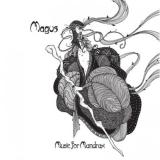
MAGUS - MUSIC FOR MANDRAX LP
  • 1: Through Darkened Glass
  • 2: Very Heavy Greening
  • 3: Wet Skull
  • 4: The Magus
  • 5: Exodus
  • 6: Music For Mandrax
  • 7: Return To Earth
  • 8: The Middle Way

A magus is a wizard…a sorcerer. Magus, the band, is certainly interested in such things (who isn’t), but the name is especially apt due to the band’s approach to alchemy, the blending of rock, gothic, proto metal, and psychedelic styles to create a sound that is, ultimately, unique. Part of that uniqueness comes from the instrumentation. While guitar is often a dominant instrument of the rock oeuvre, the Fender Rhodes generally plays a supportive role. Not so here, where Jessica Weeks’ deft use of the keyboard dovetails with Greg Weeks’ more standard six-string approach. Not standard is the band’s sound. Doomy yet inspirational, dour yet vibrant, the duo’s tunes map sinister realms whose subjects span metaphysical creatures to enigmatic portals. You know, the typical stuff that rubs elbows with a magus.

Formed in late 2024, Magus sprung from a desire by both artists to experiment with darker, heavier sounds. Long enamored of artists like Flower Travelling Band,, Black Sabbath, and Deep Purple, the duo delved deeply into trance like riffs and euphoric solos to create the backbone of what has become their debut album, Music for Mandrax. This thirteenth Language of Stone offering features grounded, metronomic grooves, organic, lugubrious synth lines, and tandem vocals (supplied by both Weekses) that, in total, weave a heavy, trancelike spell sure to entice fans of bands as disparate as Sabbath is to Pink Floyd. Recorded at Weeks’ Hexham Head studio (to analog tape, of course), the band enlisted long-time counterparts Jesse Sparhawk (bass) and Ben McConnell (drums) to round out their sound and lock down the grooves that propel the album.

Mixed by Brian McTear and Amy Morrisey at Miner Street in Philadelphia, the band’s fully realized vision came to fruition, which left only the album art to contemplate. The band, wishing to further the gothic aesthetic of their sound, enlisted fashion designer and artist extraordinaire Hogan McLaughlin (Game of Thrones) to create the starkly beautiful line drawings of the front and back covers. The duo travelled to Salem, MA to complete the package with Courtney Brooke Hall, who shot the moody and evocative photographs that grace the gatefold release’s inner panels.

pre-order now17.04.2026

expected to be published on 17.04.2026

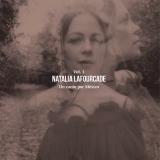
Natalia Lafourcade - Un Canto Por Mexico Vol.1 (2x12")
  • A1: El Balajú / Serenata Huasteca
  • A2: Mexicana Hermosa
  • A3: Veracruz
  • B1: Una Vida
  • B2: Hasta La Raíz
  • B3: Ya No Vivo Por Vivir
  • C1: Mi Religión
  • C2: Para Qué Sufrir
  • C3: Nunca Es Suficiente
  • C4: Sembrando Flores
  • D1: Lo Que Construimos
  • D2: Un Derecho De Nacimiento
  • D3: Mi Tierra Veracruzana
also available

VOL. 1 black vinyl


Un Canto por México, Vol. 1 is the eighth studio album by Natalia Lafourcade. The album was part of a project destined for the reconstruction of the Centro de Documentatión del Son Jarocho at Jáltipan de Morelos, a cultural building that was damaged after 2017 Puebla earthquake on 19 September 2017.

The album was a great success and gave Lafourcade three Latin Grammy Awards and the album also won the Best Regional Mexican Music Album at the 63rd Annual Grammy Awards.

Un Canto por México, Vol. 1 is available as a limited edition of 2000 individually numbered copies on yellow vinyl, packaged in a gatefold sleeve, with printed inner sleeves

pre-order now17.04.2026

expected to be published on 17.04.2026

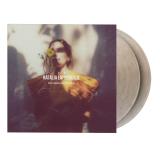
Natalia Lafourcade - Un Canto Por Mexico Vol.2 (2x12")

Un Canto por México, Vol. 2 is Natalia Lafourcade's second album dedicated to the reconstruction of the Centro de Docementación del Son Jarocho, a cultural building that was damaged after the 2017 Puebla earthquake. The album features unique new interpretations of her earlier songs, as well as collaborations with artists such as Caetano Veloso and Silvana Estrada. This album really showcases the enduring strength of her songs, which remain powerful in any form.

The album was very positively received by fans and critics. It even got nominated for multiple Latin Grammy Awards (Album of the Year, Best Engineered Album) and Grammy Awards (Best Regional Mexican Music Album).

Un Canto por México, Vol. 2 is available as a limited edition of 2000 individually numbered copies on smokey marble vinyl, packaged in a gatefold sleeve, with printed inner sleeves.

pre-order now17.04.2026

expected to be published on 17.04.2026

I Am An Instrument - Vol. 2 & 3

The recordings on Volume II were captured in Copenhagen, Denmark on January 18, 2020. Guided as much by human instinct as by musical intention, the ensemble moved through the evening with a shared sensitivity…listening, responding, and trusting the moment as it unfolded. Though Morten McCoy admits to having felt quite ill that evening, nothing in the music suggests restraint. Instead, what remains is a vivid, playful exchange, where McCoy and Johannes Wamberg carry both Part I and Part II as a flowing conversation, speaking through sound rather than words.

Part I begins abruptly, almost throwing the listener back in time to the exact moment the improvisation was born. Jonathan Bremer steps to the forefront, providing a solid, melodic bassline as Kristoffer and Eliel, perfectly in sync, lay down a steady foundation for whichever voice chooses to rise above the rhythm.

This is also one of the few I Am An Instrument recordings to feature two guitarists. Johannes Wamberg leads the way, shaping the harmonic direction, while Steven Jess Borth II adds subtle rhythmic textures through muted palm work, deepening the groove without ever stepping into the foreground.

Part II unfolds with Morten McCoy on his Moog One, delivering a beautiful, expansive solo. Using a carefully chosen patch, the sound pulses through the rhythm, moving with the groove rather than above it, riding the beat like a wave through the ocean.
Shaped by trust, presence, and collective improvisation, Volume II captures a group deeply attuned to one another, allowing intuition and momentum to guide the unfolding form.
——
Volume III was recorded in Copenhagen on March 5, 2020. Little did anyone know that only days later, the world would be placed on pause for years. Captured just before that moment of global stillness, this session carries a heightened sense of presence, a final gathering before silence reshaped everything. Recorded in a space more commonly associated with a club atmosphere, the music draws on a different kind of energy and immediacy. With Eliel Lazo unable to attend, the group invited Victor Dybbroe of Girls In Airports to join on percussion, subtly reshaping the ensemble while preserving its core spirit. Part I opens with Steven Jess Borth II calling out on tenor saxophone, answered by Morten McCoy on Wurlitzer electric piano. The piece gradually unfolds into a meditative groove, patient and expansive, carrying the listener through an eight-minute journey of layered rhythm and restraint.

Part II begins with Jonathan Bremer on stand up bass, slowly joined by the rest of the ensemble as each voice enters with intention. Midway through, an unexpected vocal melody from Borth emerges, drenched in reverb and delay, later reappearing as a melodic line on the tenor saxophone.

Part III is led by Morten McCoy on Wurlitzer electric piano. His signature melodic language sets the direction, guiding the ensemble while leaving ample space for the music to breathe and evolve through collective improvisation. Reprise returns to the closing moments of Part II, its title reflecting its origin. The familiar groove reappears, transformed into a distinctly Jamaican-influenced rhythm, over which Borth delivers a final tenor saxophone solo, bringing the conversation to rest.

Any questions about any of these products feel free to get in touch and we'll help you out!

[a] a1. Part I [Vol.2]
[b] a2. Part II [Vol.2]
[c] a3. Part I [Vol.3]
[d] b1. Part II [Vol.3]
[e] b2. Part III [Vol.3]
[f] b3. Reprise [Vol.3]

pre-order now17.04.2026

expected to be published on 17.04.2026

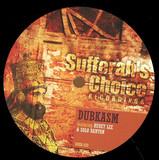
Dubkasm Ft Rudey Lee & Solo Ba - Emotion / Are You Ready

For their first musical outing of 2012, Dubkasm take a walk down the avenues of digital 80s reggae, showcasing the fresh vocals of Rudey Lee and Solo Banton. 8 bit sounds meet tough JA riddims, with shades of Jammy's, Gussie Clarke and Steely & Cleevie, expertly mixed by UK veteran Nick Manasseh with razor-sharp precision. A key figure in Bristol's reggae ancestry, Rudey Lee helped connect the Bristol Sound with its dub origins through collaborations with legendary pioneers Smith & Mighty during the 90's. On his first outing since his appearance on Pinch's debut album 'Underwater Dancehall', Rudey takes us back to his reggae roots with 'Emotion', a soulful dancefloor bubbler with a conscious edge. Solo Banton, ever powerful in his hard-hitting delivery, proceeds to nail the message home with 'Are You Ready', a no-compromise deejay version taking things to a higher level. This cut guarantees a rewind in any dancehall, building on Solo's hit-after-hit track record, proven through his work with Jahtari, Maffi and Reality Shock.

out of Stock

Order now and we will order the item for you at our supplier.


Last In: 13 years ago
JUNGLE ROT - FUELED BY HATE

JUNGLE ROT

FUELED BY HATE

Pict-VinylBOBVLP123
Back on Black
17.04.2026

Coloured vinyl reissue of Jungle Rot's fourth studio album, Fueled By Hate, delivering a solid slab of mid-paced death metal that prioritizes crushing rhythm over fret-shredding histrionics.

pre-order now17.04.2026

expected to be published on 17.04.2026

Roxette - Baladas En Español (2x12")

Roxette

Baladas En Español (2x12")

12inch5026854652610
Parlophone
17.04.2026
  • A1: Un Dia Sin Ti (Spending My Time)
  • A2: Crash! Boom! Bang! (Spanish Version)
  • A3: Directamente A Ti (Run To You)
  • A4: Alguien (Anyone)
  • B1: No Sé Si Es Amor (It Must Have Been Love)
  • B2: Quisiera Volar (Wish I Could Fly)
  • B3: Como La Lluiva En El Cristal (Watercolours In The Rain)
  • B4: Cuánto Lo Siento (I´m Sorry)
  • C1: Habla El Corazòn (Listen To Your Heart
  • C2: Tímida (Vulnerable)
  • C3: El Día Del Amor (Perfect Day)
  • C4: Quiero Ser Como Tu (I Don´t Want To Get Hurt)
  • D1: Soy Una Mujer (Fading Like A Flower, Every Time You Leave)
  • D2: Lo Siento (Salvation)
  • D3: Tu No Me Comprendes (You Don´t Understand Me)
  • D4: Una Reina Va Detrás De Un Rey (Queen Of Rain)
also available

Red Vinyl


For the first time ever, Roxette release ‘Baladas En Español’ on vinyl. The relationship between Roxette and Spanish-speaking audiences has been a love story since the early ‘90s and this release celebrates that special relationship. The release is timed with Roxette’s 40th anniversary and their return to South America for live shows in April. The album will be available on vinyl and CD, featuring 4 bonus tracks compared to the original release. The vinyl will be released in both a limited coloured edition and standard black.

Roxette have some exciting plans to celebrate their 40th Anniversary this year, including extensive touring, further anniversary re-releases, video upgrades, contemporary remixes and much more!

pre-order now17.04.2026

expected to be published on 17.04.2026

Hardline - Shout

Hardline

Shout

12inch266441
Steamhammer
17.04.2026
  • 1: Shout
  • 2: Rise Up
  • 3: It Owns You
  • 4: When You Came Into My Life
  • 5: Mother Love
  • 6: Rise Above No Fear
  • 7: Candy Love
  • 8: I’m Leaning On It
  • 9: Welcome To The Thunder
  • 10: Glow

The new HARDLINE album ‘Shout’ sees the band helmed by American vocalist Johnny Gioeli (Axel Rudi Pell, Crush 40) and his Italian team mates, keyboardist Alessandro Del Vecchio, guitarist Luca Princiotta, bassist Anna Portalupi and drummer Marco Di Salvia, take up where their 1992 Melodic Rock masterpiece "Total Eclipse" left off.

pre-order now17.04.2026

expected to be published on 17.04.2026

LOS FELCAS - SABOR A FELCAS

LOS FELCAS

SABOR A FELCAS

12inchVAMPI348
Vampisoul
17.04.2026
  • 1: Un Go Go Para Ti
  • 2: Dame Un Besito
  • 3: El Son De Los Ros
  • 4: El Ayayero
  • 5: Tu Bello Cuerpo
  • 6: La Cuzqueñita
  • 7: Santa Rosa De Lima
  • 8: El Leoncito
  • 9: Sabor A Felca
  • 10: La Maconita
  • 11: Duérmete Mi Niña
  • 12: La Chusquita
  • 13: Manzanita Coloradita
  • 14: Mi Per

Los Felcas were one of the best bands to come out of Peru during the golden years of the cumbia and tropical sounds explosion. This compilation brings together their finest recordings, taking from albums and obscure 45s, blending a wide range of influences-from psychedelic vibes to rhythms closer to guaracha and chicha-and now being reissued for the first time. In Lima, founding member, guitarist Florentino "Tino" León, quickly joined the Peruvian cumbia tropical movement led by electric guitarists Enrique Delgado (Los Destellos) and Berardo Hernández "Manzanita". This new style was soon practiced by other groups from Lima, such as Los Ecos, Los Beta 5, Los Diablos Rojos, and, a bit later, by bands from the rest of the country. This movement became a massive phenomenon. Nelson Ferreyra and the multifaceted singer Pablo Villanueva Branda "Melcochita", who had become fans, introduced them to the MAG record label. In mid-1973, they recorded their first 45 RPM singles, with 'Sabor a Felcas' being their most popular release. They recorded several albums during the late 70s and 80s, mostly on MAG: "La Blanquiñosa", "Tu bello cuerpo", "La cusqueñita" y "Manzanita coloradita". In the early 1990s, chicha music became popular in Argentina, especially in the north, where 'Boquita perfumada' by Los Felcas was a hit.

pre-order now17.04.2026

expected to be published on 17.04.2026

MUDDY WATERS - SCREAMIN' AND CRYIN'(EARLY MUDDY WATERS)
  • 1: Gypsy Woman
  • 2: Little Anna Mae
  • 3: I Can't Be Satisfied
  • 4: I Feel Like Going Home
  • 5: Train Fare Home
  • 6: Sittin' Here And Drinkin
  • 7: You're Gonna Miss Me (When I'm Dead And Gone)
  • 8: Mean Red Spider
  • 9: Streamline Woman
  • 10: Muddy Jumps One
  • 11: Little Geneva
  • 12: Canary Bird
  • 13: Screamin' And Cryin
  • 14: Where's My Woman Been
  • 15: Rollin' And Tumblin' Part 1
  • 16: Rollin' And Tumblin' Part 2

The Definitive Origins of the Chicago Electric Blues. Witness the birth of a legend. This essential collection captures Muddy Waters at the most pivotal moment of his career: the transition from a Mississippi Delta traveler to the "King of Chicago Blues." Muddy Waters was an ambitious young man who saw little future in Mississippi. In 1943, he headed for the bright lights, big city of Chicago, where he soon connected with blues giant Big Bill Broonzy, who began featuring Muddy as an opening act at his club dates. Within a year, Muddy had switched to electric guitar and formed his first blues combo, quickly becoming an established figure on Chicago's club scene. In 1947, Muddy came to the attention of the fledgling Aristocrat Records, just as Leonard Chess-then running a nightclub called the Macomba Lounge-invested in the company. Working frequently with pianist Sunnyland Slim, Muddy recorded a split session with him for Aristocrat in December 1947. This collection begins there: eight Aristocrat 78 rpm releases (sixteen sides), recorded between 1948 and 1950 and presented here in chronological order of release. Just three years later, Leonard and his brother Phil Chess would buy out Aristocrat's remaining partners and rename the label Chess Records-ushering in a new era of Chicago blues that would reverberate around the world. Includes extensive liner notes by Muddy Waters expert Fred Rothwell.

pre-order now17.04.2026

expected to be published on 17.04.2026

LOS AMIGOS INVISIBLES - AREPA 3000 (REISSUE)
  • 1: Intro
  • 2: Arepa 3000
  • 3: La Vecina
  • 4: Qué Rico
  • 5: Cuchi-Cuchi
  • 6: Si Estuvieras Aquí
  • 7: Masturbation Session
  • 8: Mami Te Extraño
  • 9: Mujer Policía
  • 1: No Le Metas Mano
  • 2: Amor
  • 3: Pipi
  • 4: El Barro
  • 5: Domingo Echao
  • 6: Piazo E' Perra
  • 7: El Baile Del Sobon
  • 8: Fonnovo
  • 9: Caliente
  • 10: Llegaste Tarde

Since their ground-breaking US debut the Amigos have lived a double life. In their hometown of Caracas, Venezuela, they"ve hosted underground club nights for years (the most recent called "Super Sancocho Variety"). Then, insouciant single-entendre songs like "Sexy" and the doggy-style anthem "Ponerte En Cuatro" landed them on MTV and radio, and before long, the six young men found themselves pop idols. It wasn"t hard, but their hearts remain on the dance floor and in the clubs. AREPA 3000 is live instruments, start to finish. "Electronic music tries to simulate human sounds," says the guitarist. "It"s really easy to buy a groove box or an 808 to make us sound like techno. So we try to get those sounds from our instruments, to go the other way. Make the human sounds sound electronic. When we do our club shows, I"ll spin before our set and we"ll add live instrumentation. We can play four, five hours like that.

pre-order now

This item has not yet been released. You can pre-order the product now.

Beastie Boys - To the 5 Boroughs (3x12")
  • A1: Ch-Check It Out
  • A2: Right Right Now Now
  • A3: The Hard Way
  • A4: It Takes Time To Build
  • B1: Rhyme The Rhyme Well
  • B2: Triple Trouble
  • B3: Hey Fuck You
  • B4: Oh Word?
  • C1: That's It That's All
  • C2: All Lifestyles
  • C3: Shazam!
  • C4: An Open Letter To Nyc
  • D1: Crawlspace
  • D2: The Brouhaha
  • D3: We Got The
  • F1: Brrrr Stick Em
  • F2: And Then I
  • F3: Now Get Busy
  • F4: Ch-Check It Out (Just Blaze Remix)
  • F5: Triple Trouble (Brainpower Remix)
  • G1: Triple Trouble (J. Wizzle Remix)
  • G2: Triple Trouble (Dexter's Triple Decollte Situation)
  • G3: Triple Trouble (Graham Coxon Remix)
  • G4: Rizzle Rizzle Nizzle Nizzle
  • G5: Mtl Reppin' For The 514
  • G6: Rrnn: Straight Outta Shibuya

3LP limited deluxe edition of Beastie Boys’ platinum-selling 2004 To the 5 Boroughs album, featuring 11 bonus tracks, including remixes and B-sides., pressed on 180-gram vinyl and housed in a triple gatefold jacket with pop-up elements and an NYC map lithograph, inside a rigid slipcase.

pre-order now17.04.2026

expected to be published on 17.04.2026

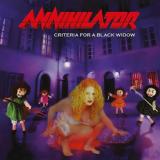
Annihilator - Criteria For A Black Widow (LP 2x12")
  • A1: Bloodbath
  • A2: Back To The Palace
  • A3: Nothing Left
  • A4: Schizos (Are Never Alone) Part Iii
  • A5: Criteria For A Black Widow
  • A6: Punctured
  • B1: Loving The Sinner
  • B2: Double Dare
  • B3: Sonic Homicide
  • B4: Mending

Criteria for a Black Widow was a love letter to old-school Annihilator fans. It hit record shops at the precise moment the delirium of the 90s cleared and metal was ready to get heavy again. From the pummeling attack of opener Bloodbath to the classic brawl of Back To The Palace and the album's searing title track – all festooned with Jeff's ability to fuse the finesse of six stringed virtuosity with the auditory effects of a hand grenade – this was more than a return to form; it was the sound of Annihilator coming full circle.

pre-order now17.04.2026

expected to be published on 17.04.2026

Natalia Lafourcade - Un Canto Por Mexico Vol.1 (2x12")

Un Canto por México, Vol. 1 is the eighth studio album by Natalia Lafourcade. The album was part of a project destined for the reconstruction of the Centro de Documentatión del Son Jarocho at Jáltipan de Morelos, a cultural building that was damaged after 2017 Puebla earthquake on 19 September 2017.

The album was a great success and gave Lafourcade three Latin Grammy Awards and the album also won the Best Regional Mexican Music Album at the 63rd Annual Grammy Awards.

Un Canto por México, Vol. 1 is available as a limited edition of 2000 individually numbered copies on yellow vinyl, packaged in a gatefold sleeve, with printed inner sleeves

pre-order now17.04.2026

expected to be published on 17.04.2026

Generation Radio - Take Two
  • 1: Montana Sky
  • 2: The Melody
  • 3: These Days
  • 4: Maybe Monday
  • 5: Grass Is Greener
  • 6: Love History
  • 7: Last Night's Whiskey
  • 8: Here I Go Again
  • 9: You're The Inspiration
  • 10: I'm Alright
  • 11: For A Soldier
  • 12: Hate This Heart

GENERATION RADIO return with "Take Two", the eagerly awaited follow-up to their acclaimed debut, delivering another masterclass in AOR/West Coast rock infused with just the right touch of the Nashville sound. Produced by founding members Jay DeMarcus (Rascal Flatts) and Jason Scheff (former Chicago), the band features an all-star lineup: Steve Ferrone (Tom Petty & the Heartbreakers, Average White Band) joins on drums, replacing the formidable Deen Castronovo (who returned to Journey as full-time member), while Tom Yankton (guitar, vocals) and Chris Rodriguez (guitar, vocals) round up the powerhouse ensemble. “Take Two” is rich with pristine harmonies, unforgettable hooks, and timeless songwriting—hallmarks of the genre delivered with class and authenticity.

Tracks like the widescreen, harmony-laden “Montana Sky,” the hook-filled “The Melody,” and the emotionally charged ballad “Hate This Heart” showcase the band’s signature blend of melodic precision and heartfelt performance. Adding depth to the album’s appeal, Generation Radio also offers reimagined versions of timeless classics that shine in their live sets: Whitesnake’s “Here I Go Again,” Chicago’s “You’re the Inspiration,” Kenny Loggins’ “I’m Alright,” and a rock version of Rascal Flatts’ classic “These Days.” With "Take Two," Generation Radio not only honors the legacy of AOR and West Coast rock—they elevate it, combining elite musicianship and genre-crossing influences into a record that’s as fresh as it is nostalgic.

pre-order now17.04.2026

expected to be published on 17.04.2026

Intercommunal Free Dance Music Orchestra - Vol. 2 Concert A Prades Le Lez

Concert at Prades-le-Lez marks the origins of the Intercommunal Free Dance Music Orchestra. In 1974, François Tusques and his companions (Michel Marre, Jo Maka, Adolf Winkler and Guem), in the spirit of Don Cherry or Chris McGregor, playfully dismantle all borders and all styles of creative music.

On this second volume, the Intercommunal builds unprecedented soundscapes around a song of revolt, a dance tune, or a burst of dissonance. The journey is unforgettable, no question about it. On repeat listening, it even becomes… lunar!

“The music that we make is primarily meant to be listened to live,” warned a leaflet from the Intercommunal Free Dance Music Orchestra. This is precisely why the (restored!) reissue of the two volumes of Concert at Prades-le-Lez, recorded on January 25 and 26, 1974 by François Tusques and his comrades, is such an important event.

In 1971, after recording a series of albums that would leave a lasting mark on French jazz (Free Jazz, of course, with Michel Portal, François Jeanneau, Bernard Vitet, Beb Guérin and Charles Saudrais, but also Le Nouveau Jazz with Barney Wilen, or the solo Piano Dazibao), François Tusques founded the Intercommunal—a grouping whose very name called for the fraternization of the various communities making up the country: Our music will help, we hope, to resolve the contradictions that exist between workers be longing to different communities, by breaking down various forms of national chauvinism, and more particularly the chauvinism of certain French people toward the cultures of Third World countries… Long live the friendship between the peoples of the whole world!

Among the great records made by the Intercommunal Free Dance Music Orchestra, the two volumes of Concert at Prades-le-Lez come first, before L’Inter Communal, Vol. 4, Le Musichien, and Après la marée noire (four titles already reissued by Souffle Continu). François Tusques and his companions (Michel Marre and Jo Maka on saxophones, Adolf Winkler on trombone, and Guem on percussion) performed on January 25 and 26, 1974 at the Moulin de Prades-le-Lez, a few kilometers from Montpellier. It was thus in the southern region of Occitanie that the first echoes of this musical vision of a borderless brotherhood were recorded.

“We’re not among the Colonels,” the Intercommunal reassures us right away, performing a stride piano tune carried by African winds that the audience cannot resist for long. The energy is already striking and it never lets up throughout these two recordings, from start to finish: jazz, blues, traditional music, minimalism, even funk… The musicians of the Intercommunal have heard a lot of great music and now delight in reinventing it by mixing it all together.

“We want the song form to take its place as a weapon in the struggle against capitalist exploitation and all those who oppress us morally and materially,” declared an Intercommunal leaflet, quoting Jean-Baptiste Clément, author of the lyrics to “Le Temps des cerises.” The struggle was therefore serious—but it did not prevent François Tusques and his group from waging it in a festive spirit: each piece on Concert at Prades-le- Lez sends out a call for love and fraternity. Fifty years later, the message remains as relevant as ever—and once again, it is François Tusques who makes it heard.

pre-order now17.04.2026

expected to be published on 17.04.2026

Intercommunal Free Dance Music Orchestra - Vol. 1 Concert A Prades Le Lez
  • On N'est Pas Chez Les Colonels
  • Intercommunal Blues
  • Mazir
  • Kan-Ha-Diskan - We Shall Over Come
  • African Rythm-N-Logy
also available

2


Concert at Prades-le-Lez marks the origins of the Intercommunal Free Dance Music Orchestra. In 1974, François Tusques and his companions (Michel Marre, Jo Maka, Adolf Winkler and Guem), in the spirit of Don Cherry or Chris McGregor, playfully dismantle all borders and all styles of creative music.

On this first volume, the Intercommunal takes its audience from New Orleans to Brittany and on to North Africa. The journey was bold, without a doubt—and its memory remains unforgettable.

“The music that we make is primarily meant to be listened to live,” warned a leaflet from the Intercommunal Free Dance Music Orchestra. This is precisely why the (restored!) reissue of the two volumes of Concert at Prades-le-Lez, recorded on January 25 and 26, 1974 by François Tusques and his comrades, is such an important event.

In 1971, after recording a series of albums that would leave a lasting mark on French jazz (Free Jazz, of course, with Michel Portal, François Jeanneau, Bernard Vitet, Beb Guérin and Charles Saudrais, but also Le Nouveau Jazz with Barney Wilen, or the solo Piano Dazibao), François Tusques founded the Intercommunal—a grouping whose very name called for the fraternization of the various communities making up the country: Our music will help, we hope, to resolve the contradictions that exist between workers be longing to different communities, by breaking down various forms of national chauvinism, and more particularly the chauvinism of certain French people toward the cultures of Third World countries… Long live the friendship between the peoples of the whole world!

Among the great records made by the Intercommunal Free Dance Music Orchestra, the two volumes of Concert at Prades-le-Lez come first, before L’Inter Communal, Vol. 4, Le Musichien, and Après la marée noire (four titles already reissued by Souffle Continu). François Tusques and his companions (Michel Marre and Jo Maka on saxophones, Adolf Winkler on trombone, and Guem on percussion) performed on January 25 and 26, 1974 at the Moulin de Prades-le-Lez, a few kilometers from Montpellier. It was thus in the southern region of Occitanie that the first echoes of this musical vision of a borderless brotherhood were recorded.

“We’re not among the Colonels,” the Intercommunal reassures us right away, performing a stride piano tune carried by African winds that the audience cannot resist for long. The energy is already striking and it never lets up throughout these two recordings, from start to finish: jazz, blues, traditional music, minimalism, even funk… The musicians of the Intercommunal have heard a lot of great music and now delight in reinventing it by mixing it all together.

“We want the song form to take its place as a weapon in the struggle against capitalist exploitation and all those who oppress us morally and materially,” declared an Intercommunal leaflet, quoting Jean-Baptiste Clément, author of the lyrics to “Le Temps des cerises.” The struggle was therefore serious—but it did not prevent François Tusques and his group from waging it in a festive spirit: each piece on Concert at Prades-le- Lez sends out a call for love and fraternity. Fifty years later, the message remains as relevant as ever—and once again, it is François Tusques who makes it heard.

pre-order now17.04.2026

expected to be published on 17.04.2026

Emalkay - Eclipse 3x12"

Emalkay

Eclipse 3x12"

3x12inchDP055
Dub Police
17.04.2026
  • A1: Flesh & Bone
  • B1: Metropolis 4 34
  • C1: Keep Moving On
  • D1: True Romance 4 52
  • E1: Space Hopper 7 00
  • F1: When I Look At You 4 32
 
1

Please Note: This format is 3×12' Vinyl in a gatefold sleeve with the full 11 track CD inside. Dub Police are proud to announce the release of their first artist album courtesy of Birmingham-based producer Emalkay, who is set to release his hotly anticipated debut LP 'Eclipse' this Spring. First making a name for himself with early releases on his own Morphic Sounds imprint, Emalkay has continued to push the boundaries of underground bass music ever since, delivering a slew of huge releases on the way. Having been an integral part of the Dub Police stable ever since his 'Explicit / Heroics' 12' for the label in 2009, Emalkay has gone from strength to strength with a series of heavyweight tracks that includes the phenomenal 'When I Look At You' and recent smash 'Crusader'. Comprised of 11 tracks, 'Eclipse' is a bold and powerful album encapsulating perfectly everything that makes Emalkay such a prodigious talent, effortlessly showcasing the depth and diversity of his sound while always remaining true to his inimitable style. As addictive as it is hard-hitting, the album doesn't just provide a collection of dancefloor tracks, but a confident and coherent artistic statement. A brilliantly confident and varied debut album, 'Eclipse' is set to cement Emalkay's place as one of the biggest and most exciting producers working in bass music today.

a Emalkay - Flesh & Bone
b Emalkay - Metropolis
c Emalkay - Keep Goin On
d Emalkay - True Romance
e Emalkay - Space Hopper
f Emalkay - When I Look At You

out of Stock

Order now and we will order the item for you at our supplier.


Last In: 6 years ago
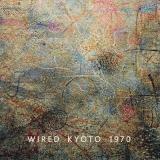
Wired - Kyoto 1970

Wired

Kyoto 1970

12inchMETAPHON028
Metaphon
17.04.2026

Wired was an ephemeral improvisational music project formed by Michael Ranta, Karl-Heinz Böttner, and Mike Lewis. On 28 April 1970, the trio recorded an extended studio session of approximately 140 minutes, in collaboration with Conny Plank, who engineered and mixed the recording in real time, incorporating elements of live electronics. This session was subsequently edited to album length and released in 1974 as part of the Free Improvisation 3LP box set issued by Deutsche Grammophon, alongside recordings by Iskra and New Phonic Art.

Owing to its exploratory electric sound world and Plank’s distinctive spatial production techniques, the Wired recording acquired a degree of underground cult status, particularly among listeners associated with krautrock and psychedelic improvisation.

Shortly after the studio session, Ranta and Böttner travelled to Japan, where they spent approximately six months performing with Karlheinz Stockhausen at Expo ’70 in Osaka. In addition to these activities, they engaged in various independent musical projects and performances.

The present release, sourced from the personal archive of Michael Ranta, documents a live duo performance by Ranta and Böttner, recorded on 27 July 1970 in an outdoor setting in Kyoto (the exact location remains unknown), before an audience of approximately 200 music teachers. The recording exhibits sonic and aesthetic characteristics closely aligned with the previously recorded studio material, retaining the distinctive “Wired” sound while situating it within a live, site-specific context.

Michael Ranta: percussion, voice, home-made instruments, tapes, tape delay, effects Karl-Heinz Böttner: guitar, organ, ocarina, voice, effects

pre-order now17.04.2026

expected to be published on 17.04.2026

The Black Watch - Varied Superstitions LP

It is with some degree of surpriseand delight that we were contacted by John Andrew Fredrick, the founder and omnipresent member of Santa Barbara’s the black watch to see if Blue Matter would be interested in putting out their newest album. Of course we were. One listen was more than enough to convince us that it would fit perfectly on to the label. Perhaps a little more indie than other albums we’ve released, but sowhat? ‘Varied Superstitions’ is an intriguing collision of Cure-style indie and trippy psych which had us buzzing right away. the black watch (lower case intentional) wasformed in 1987 by John Andrew Fredrick in Santa Barbara, California, and he has been (and still is) it’s guiding light. They have released 25 albums over the last 38 years and show no sign of ageing. With a fantastic band behind him, John has presented us with a wonderful batch of songs ranging from mesmeric psych to indie/punk. In late 2025 John paid a brief visit to the UK to see friends and also to do a couple of live acoustic performances. The Bevis Frond was lucky enough to share the bill with John at London’s Betsey Trotwood for a wonderful evening of acoustic revelry. Not only is he a hugely talented musician/songsmith, but a thoroughly decent fellow. It’s a true privilege to be able to put out ‘Varied Superstitions’ on our label.

pre-order now17.04.2026

expected to be published on 17.04.2026

Huxley - Pinball Skizzard EP

Huxley

Pinball Skizzard EP

12inchREKIDS286
Rekids
17.04.2026

UK producer and DJ Huxley return’s to Rekids with the ‘Pinball Skizzard’ EP, arriving 10th April 2026.

It follows last year’s ‘MIND G%MES’ EP, which marked his debut on Radio Slave’s label and won support from artists including Enzo Siragusa, Jennifer Loveless, Carista, and Laurent Garnier. Active for over two decades, the Dumb Safari label boss has left his mark, founding the online
R Trybe community with Ramin Rezaie/BAKKIS, while boasting label credits including Aus, 20/20 Vision, and collaborator Steve Bug’s Poker Flat.

Huxley opens the ‘Pinball Skizzard’ EP with ‘Pinball’, setting the tone with a hefty House groove, anchored by cavernous bass, and brought to life by old-school vocal touches and bright sax motifs that inject warmth and energy into the mix. ‘Heaven’ follows with a buoyant rhythm, pairing glowing chords and twinkling melodic details with deep, dubby low-end pressure designed to keep bodies locked in motion. ‘Deep Down’ shifts into a slinkier back-room groove, rich in atmosphere and soulful vocal fragments that underline its timeless house feel. Closing track ‘Felix’ rounds things out with a percussive roller built around vocal snippets and subtle tribal accents, delivering a stripped-back but effective finale that fits neatly within the Rekids aesthetic.

out of Stock

Order now and we will order the item for you at our supplier.

DIRTY CHANNELS - HARMONY FEAT. MINYESHU

Channels Of Love, the collaboration between Italian duo's Dirty Channels and Eternal Love present their first original release from Dirty Channels featuring Ethiopian-Dutch singer Minyeshu and a remix from Dionisos...

With Harmony, Dirty Channels mark the first official original release on their new imprint Channels Of Love, founded together with Italian duo Eternal Love. Born as a platform for edits and reworks, the label now evolves into a broader vision rooted in global grooves and club energy.

Featuring Ethiopian-Dutch singer Minyeshu, whose spiritual and emotive voice bridges African traditions with contemporary sounds, Harmony blends percussive drive, warm basslines and hypnotic arrangements into a powerful yet soulful peak-time record built for connection.

The release also includes a soulful remix by Dutch producer Dionisos, delivering a deeper, housy reinterpretation while preserving the essence of the original vocal.

With this debut, Channels Of Love sets the tone for its future direction: alternative club music rooted in authenticity, where edits evolve into original productions and the dancefloor becomes a space for shared energy and unity.

out of Stock

Order now and we will order the item for you at our supplier.


Last In: 5 days ago
Various - A-Sides Vol. 14 - V1

Various

A-Sides Vol. 14 - V1

12inchDC340V1
Drumcode
17.04.2026

Drumcode returns with its flagship A-Sides series, led by a huge new Adam Beyer single that highlights the 20-track compilation.

If you want a snapshot of techno in any given year, look no further than Drumcode’s annual A-Sides compilation. The release broadly charts the evolution of the genre, while giving a platform to standout demo’s Adam Beyer has received across the course of the year with many emerging artists finding their music on Drumcode for the first time. Case in point – Wehbba, Charles D and Raxon who all debuted on the label via a track on the A-Sides series and have gone on to become regular contributors to Beyer’s influential labels.

This year’s compilation features an exciting mix of established heavy-hitters, alongside a slew of new faces set to make their mark on the genre. ‘We Don’t Say Please’ – is emblematic of Adam Beyer’s sound in 2025 – fresh, experimental and thriving on cross-genre pollinations, as elements of bass music, rap and techno collide, underpinned by a distinctive UK vocal. The results are inspiring.

Elsewhere, the 20-track compilation brims with highlights. HI-LO’s ‘NYC to Amsterdam’ has inflections of New York house fused with driving techno elements. Nicole Moudaber returns to DC in cahoots with the rising ZLATA for the super-charged ‘Report to the Dancefloor’. Oscar L & Charles D mint a new collaborative partnership with the immersive, spacey cut ‘Lift Me Up’. LUSU continue their red-hot run following the recent ‘Move 2 the Groove’ EP, and craft a straight-up mind-mashing single ‘LIKE THIS’. Mark Reeve is in trademark strong form with hypnotic ‘My Mind’, which comes to life via a massive synth led. The fantastic Kaufmann shares her ‘People are Strange’, a nod to a classic vox, re-contextualised for a modern techno audience.

As is tradition, a troupe of ascendant producers land on Drumcode for the first time. They include Uruguay’s Enzo Monza, who delivers the crisp ‘Late Night’ – a favourite of Beyer’s; Mattia Saviola, whose ‘Parallel Dimension’ is a powerful cut with fantastic sound design; Romanian artist Tao Andra, who shares the celestial ‘Unity’; and long-time industry stalwart AdamK, who makes a richly deserved Drumcode debut in partnership with Vikthor feat. MC Stretch on the stunning ‘Silence + The Sound’.

stock from24.04.2026


Last In: 8 days ago
PST - Kognitiv Discodans

PST

Kognitiv Discodans

12inchKMWL015
Kontra Musik
17.04.2026

Kontra-Musik returns with the second release in our ongoing 20-year celebration. After two sold-out releases on the label, Swedish producer PST presents the five-tracker Kognitiv Discodance. The record delivers three house cuts in his unmistakable, warm, classic PST sound, alongside two faster, harder-hitting tracks that push tempo and intensity without ever losing the funk. A limited, hand-stamped, vinyl-only release for the dedicated underground.

stock from29.04.2026


Last In: 5 days ago
DeFeKT - Low Pass Reality EP

Returning to Winthorpe after a five-year hiatus, Irish electro producer DeFeKT delivers a heavyweight 12-inch packed with four cuts of his unmistakable electro-techno hybrid sound, reaffirming his status as a true underground craftsman. Opening with the low-slung bass bounce of "It's Down", before sliding into the Detroit-influenced groove of "Your Body Will Learn", from there DeFeKT turns up the tension with the twisted, menacing pulse of Overcome before closing the release in epic fashion with the widescreen synth swagger of "Always"! A confident, statement from an artist firmly back in his element.

out of Stock

Order now and we will order the item for you at our supplier.


Last In: 5 days ago
WHO CARES? - WHO CARES?

Very Limited 7” EP with printed lyric inner sleeve

Purely Physical Teeny Tapes continue to sink their teeth into the fleshy nethers of the contemporary oz
underground, plucking the self-titled ep of vivisected bedroom folk by naarm/melbourne trio Who Cares?
from the recesses of net anonymity for the greatest of good.

Upon appearing out of nowhere back in ‘24, the quartet’s debut registered (feverishly) somewhere
between immediacy & beguilement, the intervening year & change doing little to dull its aura, the
mystique only heightened by their suitably gorgeous appearance in wonderful company on a colourful
storm’s recent ‘going back to sleep…’ compilation-extravaganza. The conceit of these four tracks here is
disarmingly minimal - repetitious loner guitar strummage, oblique vox poetics as lullaby, intermittent
sunken percussion, bass the subtle melodic lugger - all recurring/revolving in delicious pirouette freefall,
un-rinseable within the mind, wayward melodies stuck like heat-warped treacle.

As with the firmest of its diy domestica ilk, there’s something ever so slightly off here, the carnivalesque
nature of this thing being the ‘what?’ that keeps pulling you in. parched ennui drip, fully zonked bacchanal
(anti-)energetics, listlessness rendered bedsit anthem, cooees in the hallway. depending on how your
head is screwed, ‘correct’ or otherwise, one might hear a charmed take on a vein of folk song fallen well
by the wayside/behind the mantle, others a seance for the spirits in the kettle, others more attuned to the
myriad wraiths swirling within the outer reaches of these songs, flights of whimsy foiled by a sticky, gluey
something or other. choose, or rather submit to your own adventure. Miaow miaow miaow.

out of Stock

Order now and we will order the item for you at our supplier.


Last In: 5 days ago
Khetzal - Nectar

Khetzal

Nectar

12inchSUNEP06
Suntrip Records
17.04.2026

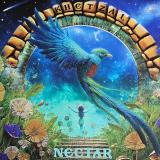
Five years after his previous album, Khetzal returns with Nectar, a brand-new digital double album accompanied by a limited physical vinyl EP. Matthieu Chamoux, a name that needs little introduction, is the creator of Corolle, still considered a milestone of 21st-century Goa-trance. With Nectar, he once again delivers his unmistakable signature: spiritual, Eastern-influenced, blissful Goa-trance. With Nectar, he dives back into his signature world of spiritual, Eastern-tinged, blissful Goa-trance. The first CD weaves a brand-new fairytale-like journey, with four standout tracks also pressed onto vinyl. Alongside these, you'll find a second bonus cd, set of unique live remixes, complete with violin, breathing fresh energy into classics like Ganesha Pramana and Listening Winds. Enjoy the journey

stock from23.04.2026


Last In: 7 days ago
Cloud Management & Vivien Goldman - Whoops Wrong Planet

Cloud Management return to Altin Village & Mine for a unique collaboration with New York writer and creative polymath Vivien Goldman.

A pairing spanning generations and geography, but with a musical overlap that is quite fitting in both process and result. Cloud Management’s jammy, improvisational approach to their dubby electronics blends well with Goldman’s idiosyncratic vocal style, which has its origins in the early days of post–punk and UK dub experimentalism. Cloud Management blend many historical aspects of German electronic music into something distinctly their own, while retaining a view well beyond those borders or any particular era. This approach fits well with Goldman’s deep multidisciplinary career, not easily defined because of its eclectic abundance across disciplines, yet always orbiting around music as its foundation.

When it comes down to it, these are great tracks created in the same way they sound: loose but refined, circling and turning inwards and outwards, back onto themselves. A dub of a dub of a dub, but never falling too far from the source — the minimalism necessary to deliver a direct, steady resolve and a gripping listen.

The B–Side of the record features three remixes by artists from across the globe, all with strong connections to the front line of dancehall, dub, and electronic music experimentalism. Longtime Equiknoxx member Time Cow from Kingston (Jamaica), delivers a version of »Quick Cover Up« that represents a major overhaul of the original. This remix strips away much of the looseness of the source material and leans into a lush yet slightly darker atmosphere, created by layered synths and a masterful use of underlying percussion and melodic stabs.

Up next are Twin Cities, Minnesota–based Feel Free Hi Fi, who take on »Judge Judge.« The duo tighten things up, overlaying weighty vintage string synths and digi–flute melodies. This version feels designed for smoky, late–night dub sound system sessions, harkening back to dub’s foundations.

Last but not least is London’s Pat Orburn. Stripped way down, the remix rides an interplay between alternating minimalism and a more lo-fi but lush exuberance, somewhat reminiscent of a bossa nova–esque minimal synth sound. This version’s lo–fi pop sensibility provides a fitting contrast and completes an eclectic yet copacetic trio of remixes for the record.

pre-order now

This item has not yet been released. You can pre-order the product now.

Flipper - Generic Flipper

Generic Flipper, the debut album by Flipper, remains the most absorbing full-length LP to emerge from the early San Francisco punk scene. A constant source of imitation for so-called "noise rock" bands, it has yet to be surpassed in its nihilistic glee.

Recorded between October 1980 and August 1981 and released in 1982 on the indispensable Subterranean Records, this album functions as a chaotic, sticky mass of individual personalities: the magma-like bass eruptions and dual vocals of Will Shatter and Bruce Loose, Ted Falconi's icy guitar scraping and the relentless beat of drummer Steve DePace. At times playful and taciturn, paranoid and absurd, Generic charts a deliberate path that willfully chances destruction.

In early '80s punk, when the hardening default was "faster-shorter-louder," Generic subverts the nascent hardcore scene with a strictly applied regimen of turgid-slower-heavier. The lyrics are bleak, yet unnervingly beautiful. "Ever" sets the tone with trademark restraint – "Ever wish the human race didn't exist? And then realize you're one too?" – while closer "Sex Bomb" is a churning, 8-minute epic with looping bass, saxophone accompaniment and electronic effects of dropping bombs.

Tons of indie bands have attempted to recreate Flipper's mix of acidic guitar, metallic bass sludge and sardonically brilliant lyricism, using the seemingly effortless template they pioneered; however, the effect usually drives listeners right back to Generic. While most of their contemporaries wilt under direct comparison, No Trend, the Butthole Surfers, feedtime and Church Police are a few who can stand the frigid heat.

out of Stock

Order now and we will order the item for you at our supplier.


Last In: 6 days ago
Shūdan Sokai - Live At 八王子 Alone

First time reissue of JP free jazz rarity, pre-Seikatsu Kōjyō Iinkai group.

The single album self-released by the quartet Shūdan Sokai in 1977 is one of the most vital documents of mid-seventies Japanese free jazz, documenting Tokyo’s free scene at the precise moment when it began to shift to a handful of tiny venues on the western fringes of the city. In Free Jazz in Japan, Teruto Soejima identifies the extant venue Aketa no Mise in Nishi-Ogikubo as the pioneer of this decamping from the centre: a cramped basement beneath a rice shop, seating just 20 people. Musician-run, operated on a shoestring, these spaces offered a vital site for community, creativity, and a small measure of financial independence — “even though it was in a basement, in spirit it was a loft.”

Among the most active of the new venues was Alone in Hachiōji, nearly an hour from Shinjuku, in a district shaped by universities, lower rents, and a thriving counterculture. Originally opened in 1973 as a jazu kissa, Alone was unusually spacious and equipped with a stage, grand piano, and drum kit. Around 1974, Junji Mori and Yasuhiro Sakakibara began working there, booking free jazz players on weekends and establishing the venue as a crucial hub. Mori recalls early appearances by figures including Kazutoki Umezu, Toshinori Kondo, and others who would define the scene.

In early 1976, Umezu and pianist Yoriyuki Harada — recently returned from New York’s loft jazz environment, where they had played with musicians such as David Murray and William Parker — formed Shūdan Sokai with Mori and drummer Takashi Kikuchi. The name, meaning “mass evacuation,” pointed to their self-chosen exile in Hachiōji. With Alone as their home base, the quartet developed a music characterized by an infectious sense of enjoyment and a willingness to integrate free jazz with elements of song structure. Harada switched between piano and bass; the group experimented with rap-like vocal pieces, jabbering nursery rhymes over bass rhythms.

They returned to Alone on December 24 to record Sono zen’ya (Eve), releasing it on their own Des Chonboo Records, partially funded by advertisements from local businesses printed on the rear cover. The closing “Ballad for Seshiru,” dedicated to Harada’s newborn son, unfolds over a delicate piano melody that moves into emphatic chords as intertwining alto lines rise and spiral.

Alone closed in September 1977, and Shūdan Sokai soon dissolved, later morphing into the expanded Seikatsu Kōjyō Iinkai Orchestra. What remains is a recording rooted in a specific place and moment: a fiercely independent scene sustained by small rooms, close listening, and collective commitment.

out of Stock

Order now and we will order the item for you at our supplier.


Last In: 6 days ago
Bleaching Agent x Miles J Paralysis - Double Vision EP

Bleaching Agent and Miles J Paralysis are two artists who operate steadily in their own lane. They collide on this release to deliver two contrasting originals, each handed to the other to be reimagined.

Both based alongside us in West Yorkshire, we are thrilled to present this shared vision in the form of the first Dream Space 12”.

Bleaching Agent’s Hollis captures the spirit of the bleeps & bass forged in the industrial north of years gone by, elevated with lush harmonies and slick vocal work. One that’s fit for late-night floors and hazy summer evenings alike.

Miles J Paralysis takes Hollis into a different space, chopping the melody into an infectious and hypnotic flow. All melded together with his signature dub-tinged, grooving percussive work.

On side two, Miles drags us into deep territory with Inhibited Orgy. Further exploring the otherworldly sound of his Paralysis moniker, that many of you will now be familiar with after a breakout year.

Bleaching Agent closes off the record with his own take, stoking the energy levels to create a stomping, anthemic chugger that is sure to ignite any dance floor.

Limited to 150 copies.

out of Stock

Order now and we will order the item for you at our supplier.


Last In: 6 days ago
FROID DUB - Positive And Natural LP

French duo Froid Dub keeps twisting its slow-motion dub DNA and hits hard with the release of Positive and Natural on Delodio— instant classic that grabs you from the very first spin with its “minimal maximal” drive. Hypnotic and raw, this eight-track manifesto glides across the holy trinity: 808, 303 and tape delays—colliding true-school dub synths, club culture and experimental twists. A masterclass of a record that flaunts its roots and stays deeply personal. Froid Dub once again proves its singular talent for pumping up a dance floor at an average of 85 BPM.

stock from28.04.2026


Last In: 6 days ago
Various - ClearAirTurbulence

Here comes a new Label of experimental and space Flashcore from Northeastern America. Introcuding us to the Art of the Heart of Core.
Discoveries of some new artists supported by solid and rare beauties.

Mastering by Gianmaria Dell'Aera.
Visuals by TLMitchel.
Logo by XX.SW9

out of Stock

Order now and we will order the item for you at our supplier.


Last In: 6 days ago
Tzii, Matt Fraktal, Fifth Era - Pinocchio Project LP 2x12"
out of Stock

Order now and we will order the item for you at our supplier.


Last In: 6 days ago
Items per Page:
N/ABPM
Vinyl