
out of Stock
Order now and we will order the item for you at our supplier.
Order now and we will order the item for you at our supplier.
Out soon. EMBILTD013 - Daniele Casa/ Carmine - Frankfurt Affairs Vol 14 (12")
Both artists delivered here 4 functional minimal house cuts - not to be missed!
On Stock and ready to ship

2026 Repress
Life is like a mirror ball! The first one in a hopefully long-lived series of disco and pop influenced Super Sound Singles on Running Back, comes courtesy of the unmistakeable Gibson Brothers. Leaving their biggest wedding hits "Cuba" and "Que Sera Mi Vida" to the side, the philanthropic and smile-forcing "Ooh, What A Life" gets an extended edit service by Shan & Gerd Janson, who cut away some of the fat and make it fit for fun on contemporary dance-floors. The flip side sees them remixing and sandpapering "Heaven" into a disco-house interbred (filters and looping mandatory). To quote John Lyndon: "Disco sucks You never heard that from me."
On Stock and ready to ship

The fifth instalment in the label’s well-established Fluid Files series, this new mosaic of sun-streaked joints summons the voices of faces old and new, sewn together with that similar Chicago-typical, laid-back attitude and a thread of unstoppable funkiness.
Diving first with a slice of velvety, looped out piano house boogie on a solid French filtered house tip, Dutch outfit Fouk lays down a proper enticing number for the late summer hours, packed with elastic bass jack, anthemic stabs and a sun-kissed shimmer straight out a blissed out coastal escape. Label alum Danou P follows up with a further bouncy number, dishing out a seriously infectious mix of acid-abraded bass and warped floor dynamics, ready to knock dancers askew with its lush, synth-flooded hooks and fun-loving, oddball swing.
More on the muscular side of things, Ben Diggins clocks in with the steroid-fueled balearic hoodoo of ‘Mascotte’ - a tune built for the undying after vibes, when the sun begins to rise and the crowd’s levels of serotonin hit a new high. Prismatic and powered-up, Diggins’ track injects any heavy-lidded engine with his own concoction of driving percussion, utopian motifs and fluttering, ambient-leaning harmonics.
Rounding off this four-part sonic journey, Colombian vibist DFRA teams up with Argentinian singer Denise Izaguirre on the heavily Latin jazz-informed, ‘Impulse’. Soulful and oneiric, the song taps in both artists’ musical heritage whilst pushing for new directions through the combined use of electronic and acoustic instruments (congas, trumpet, synths, drum machine…) - contrasting and complementary, shaping an entirely new and singular vision that is drenched in a bittersweet blend of warm melancholy and bracing hopefulness
The item is already on it's way to us and is expected to be shipped from 29.09.2026.
For its second outing, Sonum invites Matteo Point, whose Acid People EP expands the label's catalogue with four cuts navigating the space between acid house, progressive textures and analogue-driven club music.
The title track, "Acid People," sets the tone with tightly wound 303 sequences, sparse drums and a hypnotic sense of momentum, landing somewhere between functional peak-time tool and late-night trip. "Fresh Morgen" follows with a rolling low end before gradually unfolding into darker, more melodic territory, recalling the subtle tension of late-'90s European underground records.
On the B-side, "Musika Progressiva" revisits progressive house without falling into nostalgia, reshaping familiar motifs through a contemporary lens while maintaining its analogue warmth. Closing cut "Vvvaneggg" shifts towards Detroit-inspired rhythms and understated machine funk, offering a stripped-back groove built for patient selectors.
Across four tracks, Matteo Point delivers a collection that feels both immediate and enduring—club-focused without sacrificing character. With Acid People EP, Sonum continues to carve out its own space, championing records that draw equally from the past and the future of underground dance music.
The item is already on it's way to us and is expected to be shipped from 29.09.2026.
Every coastline develops its own rhythm. The Adriatic is no exception.
For decades, Italy’s eastern coast has been shaped by funk, Cosmic Disco, Balearic sounds, Italo Disco, House, Latin rhythms, Brazilian music and countless other influences. Rather than blending into a single style, these musical worlds have lived side by side, constantly inspiring new generations of DJs, musicians and dancers. For more than fifteen years, Soul Fingers and Funk Rimini have explored that landscape from different perspectives. Founded by Claudio Cavallaro in 2013, Soul Fingers grew into a vinyl-driven community where groove matters more than genre. Its philosophy has always been simple: if the groove is right, genres stop mattering. Brothers Ricky and Francesco Cardelli developed Funk Rimini into a project rooted in funk, disco, live performance and electronic production. Anima Adriatica is where these two journeys meet.
The project didn’t begin with the ambition of making an album. It began behind the turntables. As DJs, Claudio Cavallaro and Ricky Cardelli found themselves constantly searching for records capable of connecting distant musical worlds inside their sets; from Afrobeat into disco, from hip hop into Latin, from Brazilian grooves into boogie, from cosmic electronics into deep funk. Sometimes those records existed. More often, they didn’t. So they stopped searching and started writing them. Not records designed to belong to one genre, but records designed to travel between genres. That space between musical worlds became Anima Adriatica.
The music grew through spontaneous jam sessions with Ricky and Francesco Cardelli, drummer Enrico Mao Bocchini and, gradually, a wider circle of musicians, singers and longtime friends, making Anima Adriatica less a traditional band than the beginning of an open collective. Recorded at SynthPosio Studio, founded by Ricky and Francesco Cardelli inside Rimini’s iconic skyscraper, the project also carries a symbolic connection to the building itself, where many Italo Disco classics (including records by Betty Miranda, The Creatures and many others) were recorded decades earlier.
Betty Miranda returns not as a nostalgic guest, but as a bridge between generations. On the title track she performs a spoken-word text written by Claudio Cavallaro, reflecting on the invisible thread connecting the Adriatic dancefloor across time. From Baia degli Angeli to Cocoricò, from the legendary clubs of Riccione to today’s independent communities gathered around projects such as Soul Fingers and Funk Rimini, the places have changed, but the dancefloor continues to tell the same story. Much like Pier Vittorio Tondelli’s Rimini captured the Adriatic through literature, Anima Adriatica imagines its soundtrack.
Brazilian musician Daniel Plentz (Selton) expands that vision on Açúcar and Alegria, bringing another coastline into the story. Across its four tracks, the EP moves naturally between analogue funk, boogie, Brazilian music, underground disco, cosmic textures and the wider Black musical tradition, with All Down The Line paying tribute to the Paradise Garage era.
Released by Bordello A Parigi, the project found its natural home through a shared love of adventurous dance music, records and club culture. More than the title of an EP, Anima Adriatica marks the beginning of an open collective; a meeting point where musicians, DJs, producers and friends continue building bridges between genres, generations and communities.
Because Anima Adriatica doesn’t live inside a genre. It lives between genres. If soul music has always reflected the places where it was born, Anima Adriatica is simply our own Adriatic Soul.
expected to be published on 30.09.2026

Never Sleep charity spins through The City of Big Shoulders via Butlins Minehead for an electric live recording and history lesson.
Certified foe nem DJ Funk forecasts disorder with a retrospective of Booty, Ghetto and Club.. A mission statement featuring anthemic discography, lauded signature quotables and the rawest of machine funk.
Synergising live 909, 303 and 808 alongside an encyclopedic knowledge of genres that he practically invented, the mix moves at breakneck speed and does not relent for one minute. Funk keeps the crowd sweating and reminds them on the mic that this party is for now and forever. A non stop roller rink of hit after hit and delivered with such panache it would make anyone's Aunt start weighing up the dancefloor.
DJ Funk is known worldwide for his contribution to Dance musics diaspora and remains a huge influence on that the freedom of expressionism isn't to be curtailed
All proceeds go to DJ Funks family as this recording is released posthumously.
expected to be published on 30.09.2026
Powerhouse vocalist Sandra St. Victor returns with Eleven, her eleventh studio
album and first solo release in over a decade. From her years with The Family
Stand to collaborations with Roy Ayers, Curtis Mayfield, Chaka Khan, Prince and
Lalah Hathaway, Sandra has built a remarkable career that has consistently
blurred the lines between soul, funk, jazz and gospel.
Executive produced by Sandra St. Victor and Patrick Gibin for Mother Tongue,
Eleven brings together Sandra's longtime collaborators alongside the Mother
Tongue family, bridging her rich musical legacy with a fresh, forward-looking
sound rooted in soul, jazz, boogie and soulful dance music.
The album combines brand new compositions with inspired reinterpretations,
from Kaidi Tatham's stunning reimagining of Captain Sky's Moonchild and his
masterful reinvention of the Leon Ware/Syreeta underground gem Tiki Tiki
Donga, to a beautifully understated new version of Sandra's own Dizzy,
originally released on Gemini: Both Sides in 2001 featuring Questlove, Roy
Ayers and Donald Byrd, here reimagined by Mark de Clive-Lowe. Along the way,
the lo-fi soul of Black Ice, the timeless duet No More Water featuring Lalah
Hathaway, and the straight-up funk of Makes Me Wanna Fall In Love Again and
What Would Miles Do showcase an artist continuing to evolve while remaining
true to her artistic voice.
Rooted in experience yet driven by curiosity, Eleven bridges Sandra's
remarkable musical legacy with the creative vision of Mother Tongue, resulting
in an album that feels both timeless and unmistakably
The item is already on it's way to us and is expected to be shipped from 30.09.2026.

Carlos Benedetti, a Colombian house producer and live performer from Cali, has steadily become one of the standout names in today’s underground dance scene. Following multiple vinyl releases on the acclaimed German label Disco Disco, Benedetti’s productions have earned widespread praise and support from respected figures including deep house icon Cinthie.
Specialists, selectors and collectors alike have described his records with comments such as:
“fabulous 12-inch”
“This is the most wild dance record to come out this year so far”
“Cannot formulate the words to capture how this one sounds and makes me feel”
“Listen close and behold.”
With this latest EP for SUPREME STRIKER, Benedetti once again delivers a collection that feels destined to become a future underground classic.
The record opens with Nostalgia Blues, a soulful and deeply textured piece channeling the spirit of Larry Levan’s legendary dancefloor energy, somewhere between disco’s emotional golden age and modern club functionality.
On Bellavista, Benedetti dives deeper into high-energy territory, layering powerful black grooves, hypnotic rhythmic tension and rich percussive movement into something both vibrant and timeless.
Pyramid follows with soaring arpeggios and delicate melodic flourishes, recalling the euphoric sophistication of Todd Terje at his most inspired, while maintaining Benedetti’s raw dancefloor sensibility.
Closing track How High The Moon nods toward Patrick Cowley’s pioneering synth work, injecting the EP with cosmic disco pressure, futuristic funk textures and a strange late-night sensuality.
More than a simple collection of tracks, the EP unfolds as a fully coherent journey through house, disco, Italo and high-energy mutations, balancing emotional depth, machine-driven grooves and timeless dancefloor instinct with remarkable naturality.
The item is already on it's way to us and is expected to be shipped from 30.09.2026.
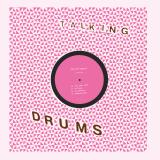
Phwoar! TD go four for the floor on Volume 9, letting loose with a set of sure-shot hits from all corners of their sonic spectrum.
A tag team match up, this action spectacular trades peak-time pump, Balearic cool, Italo thrust and dance-punk theatrics on its way to snatch the championship.
Obviously TD ooze subtlety and taste, so as we sat sipping Schnapps from our Stanley cups, we couldn't help but take a little inspo from our kitchen decor. 'Live Love Pump' - what a mantra. In musical form, this philosophy takes the shape of a capital D-isco delight, equal Pats Cowley & Adams, EQ-freaked and filtered into something dafter than a pair of chrome clad millionaires. Big room mirrorball magic if ever we've heard it.
The A2 sees the drunk AOR funk of 'Sure Line' take a leisurely stroll down the coast, a Gauloises in the gob and tattered Baldwin in the back pocket, flipping and flopping along the prom to buoyant bass, melting brass and more than a little melancholy.
Booting off the B-side, 'Un America' is a massive mid-tempo chugger replete with laser fire, synth scree and nipple high guitar. Powering along on a serious bass sequence armed with hooks-a-plenty, mostly incomprehensible lyrics and a groove which won't quit, this has all the ingredients required for an Italo all-timer.
The finale finds us in the company of some punk pioneers at their absolute silliest, bringing the kind of whacky vocal vibe, surf-centric style and off kilter groove the B-52s made a career of. Add in animal chatter and scratchy guitars and you've got the sort of secret weapon the Idjuts unleash waaaay post peak.
Limited Press - Numbered Insert - Drum Fun Guaranteed
expected to be published on 30.09.2026
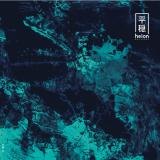
Portuguese musician and expert experimentalist Diogo steps up for Heion Records second outing. Diogo signs two originals for his Healiocentric EP, joined by a remix from legendary Wild Bunch selector and producer Milo Johnson, aka DJ Nature whose roots in New York’s late-80s underground shaped his raw blend of early house. The EP opens with "Healiocentric" unfolds as a deep atmospheric journey where modular synthesis meets live instrumentation and tuned percussion. Arpeggiated sequences glide through hovering brass-like tones and modulated pads with effortless positivity, riding a syncopated landscape of rim shots and broken beats.
"Traums" dives deeper into Diogo's intricately woven world. Monochordal spoken word samples drift sparingly across organic clicks and rich analogue textures, conjuring a jazz-like atmosphere that rewards careful listening. Lush pads echo the craft of artists like Two Lone Swordsmen or Ricardo Villalobos, but the steady thump of a 909 kick and a fluid bassline leave no doubt: this is a deep-of- night heater for the enlightened dance floor. DJ Nature closes the EP by taking "Healiocentric" on an inspired tangent into disco-techno territory. Acoustic beats anchor a minimalistic take on acid funk, while a near-naive piano line sets Chicago house against Berlin school repetition. Gated noise, field recordings, wah-wah electric piano pads and classic house organs complete the picture. Cannon fodder of the highest order.
expected to be published on 30.09.2026

Detroit techno visionary Keith Tucker returns through his acclaimed alter ego Optic Nerve with AUGMENTATIONS EP, a forward-thinking exploration of minimalist machine funk, futuristic sound design, and deep electronic movement.
Crafted with precision and unmistakable Detroit character, AUGMENTATIONS merges hypnotic analog sequences, mechanical rhythm structures, atmospheric synth textures, and driving electronic beats into a powerful sonic statement rooted in the city’s enduring techno legacy. Sparse yet immersive, the EP balances raw underground energy with cinematic futurism — designed equally for dark warehouse floors and deep headphone listening.
Pressed as a Limited Collector’s Edition Clear Vinyl 12-inch, PBX-38 captures the sleek, transparent aesthetic of the music itself: pure signal, machine emotion, and uncompromising Detroit innovation.
A1 — Augmented 1 (Optic Nerve Original Mix)
A deep, stripped down Detroit techno workout driven by pulsing drum programming, evolving synth modulation, and hypnotic minimalist sequencing. Functional futurism engineered for late-night motion.
B1 — Augmented 2 (Infinite Worlds Mix)
Built around a rolling funky bass line and eerie flowing string textures, this expansive composition moves through layers of atmospheric electronics and mechanical groove architecture. The track creates an immersive sense of drifting through endless digital landscapes while maintaining a sharp rhythmic intensity designed for the underground dance floor.
B2 — Augmented 3 (Visual Shapes Mix)
Abstract melodic fragments, and precision electronic rhythms collide to form a futuristic minimalist soundscape filled with movement, tension, and cinematic pulsed chords.
expected to be published on 30.09.2026
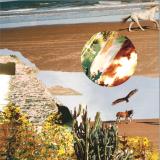
Two Thou’s Oraculu releases a full length spiritual electronics LP with tubaredefining Theon Cross, homeboy Taymour Khajah, soulful presence of D’Monk
and Division81 vibe designer Sonny Daze. The sun-inspired record sets a high
energy moment for Oraculu, blurring all the lines between the dancefloor, the
horns, Berlin, London, Chicago, and Sardinia. This record is about change. I’ve
started to be less interested in the fire of the sun, the explosion, the heat. The
consistency, the orbit, the return got my full attention. Until it clicked, that
repetition is a fundamental aspect of change.
The item is already on it's way to us and is expected to be shipped from 30.09.2026.

The A-side delivers two sublime cuts drenched in that
unmistakable Italo-Balearic magic. Warm chords, sun-kissed
melodies and effortless grooves transport you straight back to
the golden days of mid-'90s Italian house music. Eyes closed,
you're cruising along the Riviera with the top down, lost in
pure bliss.
Flip it over and the mood shifts firmly toward the dancefloor.
The B-side explores deeper territory, moving through a range
of shades while keeping things locked into a tough, clubfocused framework. There's a distinct New York stomp running
through these tracks—driving, hypnotic and full of attitude—
yet they never lose the emotional depth and musicality that
have become a Westcoast Goddess trademark.
Just when you think the journey is complete, the EP saves its
ace for last. Closing things out is a hypnotic funk groove built
around silky Rhodes, a tight rhythm section and an iconic
bassline—a fitting finale that leaves a lasting impression.
A seriously strong package from start to finish, and another
essential chapter in the ever-expanding world of D3 Elements.
The item is already on it's way to us and is expected to be shipped from 30.09.2026.

On his fourth self-released 12”, Carrier winds the rhythmic tension to breaking point with inch-tight production set in acres of negative space, in the long shadow of D&B and broken beat science.
Now three years into a generational run of inspirational plates, Carrier’s core sense of discipline and restraint continues to yield peerless reward on »Thresholds«. A lifetime’s love of, and immersion in, fwd UK dance musics has prompted him to chase a particular dragon of syncopated swerve and cavernous psychoacoustics to logical, next-level depths, diffusing that dread pressure with an adroit, tendon-twitching precision and tactility.
Carrier has been instrumental in reminding ravers what was lost when D&B went stadium and pop-chart scale over the past decades, daring to run against the grain, trust his instincts, and return a sense of mystery and bold experimentalism to what was once a thrilling paradigm. This new trio of cuts eke exquisite nuance from tweaked fundamentals, swivelling 2-step off the bone into smoky hall-of-mirrors reflections of »Cure«, and specialising in a razor’s-edge, toes-off-the-ground sorcery in a recursive, wraithlike zinger, »Scout«, that dips to the sexiest, tongue-tip breakdown, beside the tantric, anticipatory chicanery of »Black Channels«, which finishes us off with an ›all-tension-no-release‹ weapon for the ages.
expected to be published on 30.09.2026
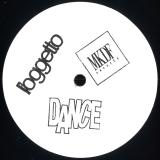
The third chapter of l’oggetto’s DANCE trilogy continues the sought-after series of instrumental DJ tools. Four new tracks, conceived as techniques to reach ecstatic states on the dancefloor through different moods, tempos, and vibes.
“Vallee,” with its infectious 12-bit groove, opens the EP with a syncopated, never-ending jazz-infused vibraphone. “Bone” takes it from there, staying midtempo and percussive while pushing funky horns into trippy, repetitive territory.
Side B turns moodier, as expected. “2600’” unfolds through digital strings of life, enabling a sense of suspension, release, and transcendence. Lastly, “Ambientale” closes the record with the ethereal, wobbly analog warmth of a downtempo drift into dawn.
On Stock and ready to ship

The fifth LP in the long history of the label comes from another Belgian producer who is ready to fly high. After San Soda, Metrobox, Uni Son and label boss Red D it is now time for Tom Smeyers to step up and take us into his universe of warm grooves and sweet house music…with a twist.
Taking in influences from around the full spectrum of electronic music these six tracks represent what Tom is about at the moment. From deepest old school inspired house to more broken beat action right into drum’n’bass territory, with an attention to detail and experienced sound design.
As if that wasn’t enough Tom also took care of the artwork to match his music. We here at WPH call that a 360 artist. Welcome to the family Tom Smeyers!
DTM Funk: Super Dope!
DJ Bone: Really great release. I love every track!
Owain K: Classy grooves for dancefloor moves.
Séa: Lovely!
Simon Caldwell: Beautiful machine house music. Takes me back and takes me forward.
Satoshi Fumi: Really love all!
Severino Panzetta: Great sound.
Ame: Thanks for these.
DJ Merci: Top release!
Red D: So good I just had to release these J
The item is already on it's way to us and is expected to be shipped from 01.10.2026.
Ruminant Records looks back at the corners of American rave music that lived on the dancefloor, in record bags, and in local clubs. Dwelling on music from the past and bringing it into the present, the label is as much about where these records can go now as where they come from.
For its first release, Ruminant celebrates the music of the late DJ Dic on the North Carolinian Hoodwink Records imprint. Filled with the untamed possibilities of the early breaks scene, the tracks’ playfulness, color, and ecstasy mix easily onto the dance floors of the present.
The A-side starts with DJ Dic’s “All A Dream,” blurring the lines between breaks and machine funk. Continually shifting and coming into focus, a narcotic vocal repeats “do you remember, I thought you were there” before the track takes a turn for the liquid, opening into something symphonic, cinematic and joyous. Just as it seems to have reached transcendent bliss, the vocal returns whispering in your ear and lulling you into euphoria.
It’s met with a new remix from Kyoto’s Stones Taro, who pulls the track around a feverish refrain and driving break, its pulsating regularity tightening the original into something dizzying, immediate, and built for the club.
If the A-side is exuberant, the B-side begins with a warning. “Hypnotize” is disciplined, tight and hard, its rhythmic coolness slowly sucking you into a vacuum without space or time. The listener is lost, but willingly so for the seduction is the point. Hypnotize indeed.
The Johnny Cage Procrastination Mix takes those same threatening undertones and lets some air back in, filling the space with bounce, drips and a playful silliness. Synth-laden and fun without losing the original’s edge, it brings some of the A-side’s exuberance back around and closes the record where it began.
expected to be published on 01.10.2026

"Surface Noise Isn’t A Crime" continues NOREPRESS’ exploration of texture, pressure, and imperfect sound as core elements of underground electronic music. Across four tracks, the release moves through Deep Tech House, Dub Techno, Electro, and Breakbeat without settling into fixed genre boundaries, balancing functionality with experimentation throughout.
A1. Tvardovsky feat. Andrey Zverev – Flute Meditation opens the record with a dense, slowly unfolding trip built on dub space, electro tension, and hypnotic Tech House movement. Organic flute phrases drift through layered percussion, evolving bass pressure, and spacious analog textures, creating a strange collision of futurism and nostalgia. The track resists obvious peak-time formulas, choosing gradual transformation over immediate impact and rewarding deeper immersion with every transition.
A2. Osman Öz – Regrets moves into softer territory without losing rhythmic weight. Warm breakbeat structures, airy melodic fragments, and fluid low-end movement give the track a calm but persistent momentum. Osman Öz keeps the arrangement restrained and precise, allowing groove and atmosphere to carry the emotional core of the composition naturally.
On the B-side, Kirill Matveev appears under his Natural Piece Of Aloe alias with two contrasting interpretations of the project’s dub-informed language.
B1. Salto Mortale is playful, unstable, and constantly mutating. Rhythms stretch and reorganize themselves around shifting tonal fragments, while the arrangement moves with the loose unpredictability of an improvisation session. Despite its complexity, the track never loses control, maintaining a strong forward pull through every unexpected turn.
Closing the record, B2. Columbo Beat, Kirill Matveev - Sundub pushes deeper into darker territory. Acid sequences slice through heavy dub atmospheres while rugged drums and saturated low-end pressure drive the track forward with raw physical energy. Distortion, space, and movement interact continuously, turning the track into a hypnotic late-night tool designed for more adventurous dancefloors.
"Surface Noise Isn’t A Crime" captures NOREPRESS at its most confident: raw textures, deep space, broken edges, and timeless club influences reconstructed into a modern dub-driven framework.
NOREPRESS is a division of MixCult Records
On Stock and ready to ship
The vinyl saga between Planet Rhythm and Derailed Records rolls on with a full album from none other than the mighty Tensal. Landing as a double 12", this release carries the unmistakable VVS signature: uncompromising, high-impact techno and a selection of heavyweight prime-time cuts made to ignite the dancefloor. We’re excited to welcome Tensal to the label, whose unmistakable sound makes this vinyl release a truly special addition to the catalogue. '' I Want VVS's More Than Ever ''
On Stock and ready to ship

Split#5 marks the fifth and final installment of the Split series on the Various Artists catalogue of Pi Electronics, pairing Spanish producer Hurtado and Greek producer Nikitas Grs. Despite their distinct approaches, Hurtado's industrial-leaning broken beat funk and Nikitas Grs' psychedelia-infused noise techno converge through a shared aesthetic of textured sound design, raw energy and dark atmospheres. On the A-side, Hurtado showcases his trademark production style through the driving cuts "Show of Force" and "Bad Company", while "The End", featuring vocals by Genevieve GV, reveals a more experimental side of his production. The B-side welcomes Nikitas Grs with two compositions that blur the boundaries between techno, trance and industrial music. The live version of "Susano" unfolds as a rolling, hypnotic dancefloor trip, while "Anoriotos" balances heavy rhythmic impact with an underlying sense of ambient nostalgia. The digital bonus track, "Pollinator 5000", reveals yet another facet of Nikitas Grs' sound palette: a relentless piece of noise-techno that rounds off the release with uncompromising intensity.
On Stock and ready to ship
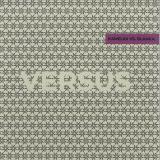
Mutual Rytm's Versus sub-label returns with a dark, absorbing new EP from contemporary techno innovators Kameliia and BLANKA. Kameliia and BLANKA both previously appeared on Federation of Rytm IV and now step forward with their long-awaited debut EPs. It is another standout for Mutual Rytm's Versus series, which has already made an impact with two previous EPs from Regent and Chontane and Klint and Hemka. This third release subtly evolves the sound into more hypnotic and atmospheric worlds that bring fresh perspectives to the series. Bulgarian-born, Norway-based Kameliia’s music is rooted in cinematic, melancholic and hypnotic sounds. She translates deep emotions into immersive sonic landscapes inspired by nature, particularly the moon, the sky and their atmospheric qualities. Along with Berlin-based Spaniard BLANKA, she has released on labels such as SK_Eleven, while BLANKA also co-founded Room Trax and draws heavily on the human voice, which she considers one of the most personal and intimate instruments. She uses it to create an emotional, direct connection with the dance floor, with a clean, minimal, timeless style rich in emotion. Kameliia opens up with the weighty kicks and eerie atmospheres of 'Bird In A Cage' before 'Red Sky' layers taut kicks and icy synths into a hypnotic forward charge full of depth and darkness, then 'Lightness' has an unsettling and paranoid lead hanging in the air next to vocal fragments and haunting pads. BLANKA’s offering begins with tightly wound kicks and bass on the dubby 'Say It With Me'; 'Self Pleasure' is an immersive and rubbery rhythm with cosmic synth work, and 'Rabbit Habits' brings funky synth lines that radiate a sense of subtle light and hope amidst the darkness of the groove. Two digital bonus cuts from each artist follow: Kameliia's unsettling, dystopian soundscape 'No Longer A Desire' and the backlit suspense of 'Vivere', and BLANKA's gritty, loopy 'Dream VST' and the deep-space odyssey that is 'Gone For Good'.
On Stock and ready to ship
Early DJ Support: Moxie, Grant Dell, and Saoirse
HUMAN is a vinyl-only electronic music label based in Manchester, focused on music, art, fashion, and culture. We press records we believe in with no shortcuts.
HUM001 is the label's debut release, featuring E-Funk / Twisty by Scarper.
Scarper is a London-based producer and DJ known for blending melodic electronica, broken rhythms and left-field club ideas into a sound that’s entirely his own. Over the past decade, a deep catalogue of albums, EPs and remixes has taken shape, alongside work in advertising, gaming, TV and short film.
‘E-Funk’ is a hybrid club weapon - part 2-step, part house, part breaks, all energy. A certified floor starter that lives in the bag and lands every time, especially when the room hits its stride.
‘Twisty’ is probably the most dancefloor-ready cut, but the solid broken grooves dancing around acid bass lines and bleeps on each of these nine thumping tracks could work any room at the right moment.
The item is already on it's way to us and is expected to be shipped from 02.10.2026.

GEORG DANZER - "JAHRESZEITEN" - Das Beste aus fünf Jahrzehnten Anlässlich des 80. Geburtstags des großen österreichischen Liedermachers GEORG DANZER veröffentlicht Sony Music eine von Georg Danzers langjährigem Wegbegleiter und Manager Franz Christian Schwarz liebevoll kompilierte Best Of mit dem Titel "Jahreszeiten". Das auf farbiger 2LP sowie auf 1CD erhältliche Album umfasst Lieder aus jeder Schaffensphase des 2007 verstorbenen Künstlers, dessen musikalisches Erbe die österreichische Musik nachhaltig prägte. Das Albumcover setzt sich aus vier Portraits Georg Danzers zusammen, die von Nina Maron, Tochter des unvergessenen Sigi Maron, gemalt wurden. Franz Christian Schwarz beschreibt die Zusammenstellung der Best Of mit folgenden Worten: "Alle meine Lieder sind wie Sonne Mond & Sterne" ist der Beginn eines Liedes auf der CD-Single "Sonne, Mond & Sterne", die anlässlich der gleichnamigen DVD-Veröffentlichung von Georg Danzer erschienen ist. Diese Liedzeile gab auch den Ausschlag, die vorliegende Doppel-LP "Jahreszeiten" zu nennen, um die Bandbreite von Danzers musikalischer Vielfalt unter Beweis zu stellen. Danzer schaffte es wie kaum ein anderer Beobachtungen, Erzählungen, Gedanken und Emotionen in Worte und Melodien zu fassen. Mit über fünfhundert veröffentlichten Liedern für sich selbst und andere Interpretinnen und Interpreten zählt Danzer zu den produktivsten Liederschreibern des Landes. Einige seiner Lieder hielten auch in Schul- und Notenheften Einzug. Die vorliegende Doppel-Vinyl und die um einen Titel verkürzte CD-Version wurden eine spezielle Zusammenstellung, auf der neben bekannten Liedern auch solche zu hören sind, die entweder bisher unbekannt oder dem Zuhörer nicht so geläufig sind, aber das musikalische Spektrum des großartigen Poppoeten widerspiegeln. Sie dient zur Auffrischung von Erinnerungen ebenso wie als Anreiz, sich mit dem Werk Danzers vertraut zu machen oder es neu zu entdecken. Der Frühling ist für viele Menschen ein Zeichen dafür, das
expected to be published on 02.10.2026
DJ Support Mark Knight, Dj Spen, Brian Tappert, David Penn, The Shapeshifters and many others.
Serge Funk’s "You Treat Me Right" EP on Groove Culture is a definitive masterclass in modern disco-house that belongs on every DJ and collector’s turntable. Impeccably curated by the Italian imprint Groove Culture, this four-track 12" vinyl balances future funk playfulness with crisp, contemporary production. It delivers high-octane dancefloor energy that rewards listeners both in a packed club and on a high-fidelity home setup.
The item is already on it's way to us and is expected to be shipped from 02.10.2026.
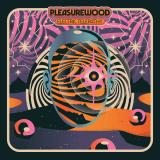
Pleasurewood return with 'Electric Telepathy', their second full-length LP offering Simla Space Funk, Psych-Library and Vintage-Cinematic Raga-Rock grooves.
This new offering from the band embraces more of their vintage Hindi Cinema soundtrack influences — "Chump Change", "The Hoverfly" and "RAMMM" could easily fit into the middle of an R.D. Burman score, each with their incongruous synthesis of different genres, infectious percussion, classical modes and funk chops.
There is also a slight sweep across a too-slow-to-disco tempo and feel with the moody Johnny Guitar Watson-esque slow burn of "Good Falcon" up to the nonchalant four-to-the-floor of "Last Dance Saloon" with its lyrical warning of digital over-saturation in our social-media saturated world and a foreboding of the mini-monoliths sat in the palms of our hands that in a Kubrickian way threaten to cosmically absorb us all as a species into their individual jet-black abysses.
And then, coming into focus like a sweet slice of disjointed, lo-fi, 8 bit space disco, "Mojave Desert" is a slacker-strut with telephone vocals dub guitars, dry cosmic synths and futurist Farfisa organ driven by an almost Acid-Jazz meets Post-Punk Bass line. The song is autobiographical in its account of an excursion along the 29 Palms Highway reflecting on an escape from the City of Angels not so far away, up into the stark psychedelic desert realm.
There is a lot to unpack in this record and yet more to discover so it will be best to allocate 40 minutes in a comfortable dimly-lit room with eyes closed and maybe a cognac in hand, to have a deep-dive into its well-travelled and esoterically funky grooves.
expected to be published on 02.10.2026

Influential UK Jazz/Funk/Disco outfit THE COOL-NOTES' biggest hit 'Spend The Night', originally released in 1985, is back on Dafia Records with a set of brand new, never before released remixes by French Disco icon DIMITRI FROM PARIS.
The original, which reached #11 in the UK Top 40 in the Spring of 1985, is regarded as a mid-tempo UK classic by many since its first appearance. Known for his luxurious, groove-driven productions and remixes, Dimitri From Paris has reworked tracks for artists including Björk, Quincy Jones, Chic and New Order, while helping define the sound of modern disco and house music in a way only he can.
When he got the chance by Dafia label head Mannix to get his hands on the original multitrack tapes, he didn't hesitate to deliver two classic DFP revisions in the making. His Main version leaves all the essential elements of the timeless Original, highlights the parts that have deserved more exposure whilst adding crisp beats and nice effects to the game. The result is a greatly updated version that surely will have many fans within the Soul/Funk/Disco scene.
On his Dub Dimitri Form Paris delivers a spaced out stripped back version with great use of vocal snippets to great effect on any dancefloor.
The item is already on it's way to us and is expected to be shipped from 02.10.2026.

Carl Cox drags Renegade Soundwave’s “The Phantom” back onto the dancefloor with a fierce, high-pressure rewire built for peak-time systems. Running at 130BPM, the mix combines pounding techno kicks, snapping breakbeats and metallic percussion with dark, rolling bass and flashes of rave-era synth energy. Chopped vocal chants and distorted samples cut through the rhythm, steadily increasing the tension before the track erupts into a relentless, warehouse-sized groove. Raw, physical and deliberately uncompromising, it preserves the original’s rebellious industrial spirit while giving it the weight, momentum and modern production power of a full-blooded Carl Cox club weapon.
Mr C breaks into Renegade Soundwave’s “Probably a Robbery” and escapes with a hypnotic, acid-soaked rewire designed for the darker reaches of the dancefloor. Opening with clipped percussion and shadowy vocal fragments, the track gradually locks into a muscular groove as a snarling 303 line twists, bubbles and mutates across the mix. Layers of machine-funk rhythm, metallic drums and psychedelic electronics steadily intensify, creating a raw tension that rarely lets up. Spacious enough to draw DJs deep into the journey but relentlessly physical when it hits full force, this is classic British electronic mischief rebuilt as a tripped-out, late-night acid workout.
expected to be published on 02.10.2026
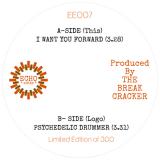
After a couple of Echo Labs 45s and an ECR release - the ECHO EDITS sub-label is back once again, with the BREAK CRACKER in 2026
After the last latin flavoured joint on the label, we head to an all out Funk and Jazz party with a couple of cover versions of dancefloor favourites, never on a vinyl 7” before - given an added makeover for a double sided 45 bomb.
“I Want You Forward” takes a big band version of the Jackson 5 monster hit originally released on an LP. After being chopped,looped and layered with sound FX plus JA hype vocals to take it to the next level - this has been a favourite dubplate to start DJ sets with a bang !
“Psychedelic Drummer” is the Horace Silver penned soul-jazz cut that spawned various other vocal and instrumental versions that have been dancefloor favourites in mod clubs and funky jazz sessions over decades. Originally a very short track on a private press LP - it was the massive drums that made this ripe for more exposure with nothing more added - just cut-up, rearranged and extended for club play.
expected to be published on 02.10.2026
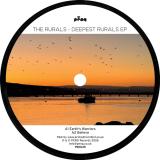
The Rurals first love is DEEP HOUSE!
Deepest Rurals E.P dives beneath the surface to explore the essence of The Rurals' unmistakable sound. Rich in soul, jazz-infused textures, and deep house sensibilities, this release delivers a collection of warm, organic grooves crafted with depth, elegance, and musical integrity.
Flowing effortlessly between atmospheric keys, fluid basslines, live instrumentation, and intricate rhythms, each track captures the timeless spirit of underground house music. The Rurals blend soulful expression with dancefloor functionality, creating moments that are equally suited to intimate listening sessions and late-night club journeys.
Here’s the first instalment of some fine examples, previously only available digitally!
expected to be published on 02.10.2026
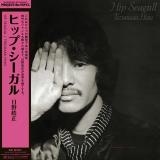
This is both a blueprint and a definitive masterpiece. Effortlessly transcending eras and genres, Terumasa Hino continues to captivate audiences around the world.
His sound and presence are truly top of the tops. Long before Japanese jazz was labeled as “Wa-Jazz”, and even before the rare groove movement emerged, Hip Seagull has been shaking dance floors, stimulating listeners, and fascinating collectors alike. Since his debut album Alone, Alone and Alone, Terumasa Hino has remained at the forefront of the scene, consistently delivering works that can be called masterpieces in every era. Among them, this 1978 recording stands out as one of his signature achievements.
From the epic title track “Hip Seagull”, which unfolds from a mystical intro into a jazz-funk journey, to the mellow and cosmic “This Planet Is Ours,” the album is filled with tracks imbued with a truly unique atmosphere.
This is both a blueprint and a completed form. Hip Seagull continues to enchant the past, present, and future alike.
expected to be published on 02.10.2026

Emerging in 2023, Die Anstalt are a Berlin-based post-punk and minimal synth trio who quickly established themselves with a blistering fusion of early EBM, synth-punk, and classic post-punk. Their sound channels the grit and tension of 1980s industrial sub cultures while feeling unmistakably contemporary. Recently signed to City Slang worldwide, the band are reissuing their independently released debut album through the label. They have also announced a UK and Ireland tour supporting A Place to Bury Strangers, alongside a hometown headline show at Berlin's legendary SO36 in November 2026.
Die Anstalt sound like no one else, even if everyone hears something different. Depending on who you ask, you'll catch traces of Malaria!, Boy Harsher, DAF, early EBM, synth-punk, or X-Mal Deutschland. Then there's the surf guitar, a detail that shouldn't work but somehow holds the whole thing together. The result is theatrical, confrontational, hypnotic, and relentlessly physical. They write slogans that stick. They're appropriately furious. Live, they're less a concert than a controlled explosion.
Their songs give voice to generational exhaustion, the dystopian absurdities of the present, warmongers, the manosphere, and the constant sense that the world is coming apart at the seams. Somehow, they also sound unmistakably like Berlin. That doesn't happen often, maybe once a decade, if we're lucky.
Most of all, Die Anstalt are proof that beneath the noise, the algorithms, and the endless churn of industry discourse, something vital still burns: rage, conviction, and hope in equal measure. At their core, they are a punk band. No posturing. No compromise. No messing around. They don't ask for permission. They burn it all down.
Die Anstalt, 2023 in Berlin gegründet, bewegen sich zwischen Post-Punk, Minimal Synth und frühem EBM. Innerhalb kürzester Zeit hat sich das Trio mit einer kompromisslosen Mischung aus Synth-Punk, klassischem Post-Punk und der rauen Energie der industriellen Subkulturen der Achtziger einen Namen gemacht – und klingt dabei nie nostalgisch, sondern entschieden gegenwärtig. Kürzlich unterschrieb die Band weltweit bei City Slang, wo nun auch ihr zunächst in Eigenregie veröffentlichtes Debütalbum neu erscheint. Im Herbst 2026 begleiten sie A Place to Bury Strangers auf deren UK- und Irland-Tour, bevor sie im November mit einer Headline-Show im legendären SO36 nach Berlin zurückkehren.Die Anstalt klingen vor allem nach sich selbst – auch wenn jede*r etwas anderes hört. Die einen denken an Malaria!, andere an Boy Harsher, DAF, frühen EBM, Synth-Punk oder X-Mal Deutschland. Und dann ist da diese Surf-Gitarre, die eigentlich nicht funktionieren dürfte und doch alles zusammenhält. Die Anstalt sind theatralisch, konfrontativ und hypnotisch. Sie schreiben Parolen, die hängen bleiben. Ihre Wut ist berechtigt. Live gleichen sie einem kontrollierten Ausbruch.Ihre Songs finden Worte für die Erschöpfung einer Generation, für die dystopischen Exzesse der Gegenwart, für Kriegstreiber, die Manosphere und die Absurditäten unserer Zeit. Irgendwie klingen sie dabei unverkennbar nach Berlin. Das passiert nicht oft – vielleicht einmal pro Jahrzehnt, wenn wir Glück haben.Vor allem aber beweisen Die Anstalt, dass unter dem Lärm, jenseits von Algorithmen, Trends und dem endlosen Gerede der Musikindustrie noch immer etwas brennt: Wut, Haltung und Hoffnung zugleich. Im Kern sind Die Anstalt eine Punkband. Kein Posieren. Keine Kompromisse. Kein Bullshit. Sie bitten nicht um Erlaubnis. Sie reißen alles nieder.
expected to be published on 02.10.2026

A Modern Revisit to a Cult Classic: A fresh "Twentysix Mix" of the 2016 underground staple In Your Body, updated for 2026 dancefloors with contemporary BPM and sharp remaster.
Ten years after defining the early sound of his own label, Berlin-based electronic explorer Cosmin TRG revisits a cornerstone of his discography. In Your Body (Twentysix Mix) sees the Romanian-born producer breathe new life into the 2016 underground anthem that helped cement the Sportiv label's reputation for high-end, functional techno.
This updated iteration retains the propulsive, hypnotic spirit of the original while sharpening the edges for a contemporary club environment. The package is rounded out by the driving, industrial-tinged cuts "Erodat" and "Iradiat," plus an exclusive digital remix by mysterious newcomers TRYL. Delivered as a classic hand-stamped white label, this release continues the Sportiv tradition of marrying stripped-back, high-impact club aesthetics with meticulous sound design.
expected to be published on 02.10.2026

Ian Pooley returns with a brand-new collection of original productions, delivering exactly what you'd expect from one of house music's true craftsmen.
Road-tested throughout his recent live shows, these tracks have already proven themselves where it matters most: on the dancefloor. Staying faithful to his unmistakable MPC-driven approach, Ian delivers groove, feel and musical restraint in equal measure. Crisp drums, warm sampling, infectious basslines and subtle arrangements come together in a way that only he can deliver.
No overproduction, no unnecessary breakdowns, no gimmicks-just pure, functional house music built for DJs. Timeless, stripped-back and effortlessly effective, this is another reminder why Ian Pooley remains one of the genre's most respected producers.
expected to be published on 02.10.2026

Flug brings his singular vision to Backspin Records with 'From My Soul', a 7-track EP that marks a powerful new chapter for both artist and label, rounded out by a remix from Kashpitzky. Moving between deep emotional techno, raw percussive functionality and high intensity, the release showcases Flug's signature precision and narrative depth while keeping things classy and never falling for overused tropes. Kashpitzky completes the package with a remix that reinterprets the source material from a darker, more straight-forward angle. ??
Opening with the title track 'From My Soul', Flug sets off on an epic 8-minute journey built on reverberating melodic layers, shimmering chord pads and a strong low endthat unfolds slowly and deliberately, balancing emotional weight with a hypnotic drive. 'Make It Loud' follows with a more stripped, functional direction, where warm low-end energy, minimal percussion and reverb-drenched sine wave synth hits create a tight, circular groove anchored by a subtle but sinister vocal presence. ??
On the flip side, 'Human Instinct' turns the energy more direct and physical, driven by a saturated kick drum, looping synth motifs and sparse vocal cuts that heighten tension without disrupting the flow. 'The Awakening' expands the emotional scope with a deep kick and tom-driven bassline, expansive droning pads and dragging percussion that build a rich, cinematic atmosphere. Kashpitzky's remix reimagines the original at a faster BPM with distorted chord stabs, off-grid hi-hats and layered synth work creating a tense, industrial atmosphere that breaks into a spacious breakdown before dropping back into a stripped,high-impact groove. ??
With the 'From My Soul' EP, Flug marks a strong first statement on Regal's Backspin Records, delivering a cohesive body of work that balances depth, emotion and dancefloor utility, reinforcing the label's dedication to innovative techno.
expected to be published on 02.10.2026

2026 repress :)
The long-awaited repress of "Baby EP" - Ricardo Villalobos's first solo single on raum...musik under the Villalobos moniker - is finally here. Featuring two tonally and energetically distinct cuts of dancefloor minimalism that are undoubtedly Ricardo. "Baby EP" sounds as cutting-edge as when it was initially released 12 years ago.
From the slightly euphoric and light-hearted atmosphere of 'hansup' (A) to the emotionally charged groove of 'Baby' (B), "Baby EP" travels through a world of intricately layered micro/macro percussions, eloquently programmed synths, and Ricardo's own vocals spread across the frequency spectrum - an added human touch to his usual machine funk. And while rhythm seems to be at centre stage here, in usual Villalobos fashion, both tracks resolve into pure jazzy melancholy. After dragging the listener into a world of (very) human feelings so uncommon in electronic dance music, "Baby EP" makes it very clear you are listening to Villalobos.
expected to be published on 02.10.2026

Rome, late afternoon, 1974. The light comes in over the colossal hills, the way it only does for an hour before the city forgives itself for the day's noise. Axefield is on an urgent quest to create cinema in the form of sound as a romantic alternative to disposable tools. He is looking for a sound so effortless he is not sure it can truly exist, but only be felt - somewhere between a film score, a heartbeat and a late night dinner at his favourite trattoria.
Ostuni Bound, NOW! is the debut album from Amsterdam-based electronic artist and composer Axefield, bringing club-heavy bass music together with the drama and romance of 70s Italian cinema. The narrative and emotions within the record stem from a romantic setting in Southern Italy that unexpectedly turned violent, forcing Axefield to flee the city after receiving the death threat "non provocare morte".
At its heart is the belief that romanticising life can lead us towards deeper human meaning, offering a different route from the hyper-capitalist pursuit of efficiency that increasingly shapes how we live and create. Throughout the album, Axefield worked through three characters representing innocence, control and destruction, using each as a framework for decisions in production, composition and mixing.
The album features Amsterdam-based rising UKG talent DANN and Johannesburg-based Kamohelo, frontman of Swedish electronic group Off The Meds. It's all starting to feel like cinematic time travel in which beauty is reintroduced in the realm of contemporary dance.
Released on Intercept alongside a beautifully crafted vinyl edition, Ostuni Bound, NOW! feels like the soundtrack to a film that was never shot. Somewhere behind him, a projector he cannot see begins to turn, playing a film for an audience that has not arrived yet.
As they arrive, he is the one who ultimately presses play.
And just like that, Ostuni Bound, NOW! Begins where Rome has always begun: beyond function and beauty and all that lingers in between.
expected to be published on 02.10.2026
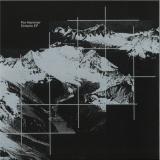
Per Hammar returns to his own Dirty Hands imprint with the four-track ‘Ontario EP’, once again showcasing his raw, robust and groove-led style.
Swedish producer and DJ Per Hammar has steadily carved out a reputation as one of the most distinctive voices in contemporary underground electronic music. As the founder of the acclaimed Dirty Hands imprint, Hammar has built a platform synonymous with deep, groove-led and uncompromising club music, while other productions have found homes on some of the scene's most respected labels including Sushitech, Kalahari Oyster Cult and Craigie Knowes. Here we see him returning to his own home and delivering stripped-back late-night tools, psychedelic excursions and deep, hypnotic dancefloor journeys. Hammar consistently balances functionality with personality, a quality that has established him as one of Europe's most respected underground talents.
Title cut ‘Ontario’ leads with Per laying down crisp, crunchy drums alongside dubby bass tones, fluttering stab sequences and intricate modulations, all delicately ebbing and flowing throughout the composition. ‘Off Disk’ follows, fusing organic percussive elements with weighty sub-bass, shifting synth flourishes and bubbling, delayed melodies that steadily unfold across the groove.
On the flip side, ‘Oops All Sixes’ shifts into more acid-tinged House territory, built around a squelchy acid bass hook and saturated drums, while sporadic, expansive delays and hypnotic reverberations drift atop the track’s raw, loopy foundation. ‘Airex’ concludes the release by diving deeper, stripping things back to oscillating percussion, a snaking low-end pulse and airy chords.
expected to be published on 02.10.2026

Grammy-nominated German producer and DJ, Mousse T is set to headline the next installment of Defected's celebrated House Masters vinyl series with a sprawling three-LP retrospective of his remix career. Spanning six sides of wax, the collection pulls together two decades of dancefloor alchemy, tracing his signature style from disco- inflected house to breakbeat- tinged funk and back again. Including four brand new "Shizzle" and "Re-Rub" productions that are exclusive to this compilation and one remix that has previously never been released on vinyl before, makes this a particularly essential release, offering vinyl access to mixes that may otherwise circulate only in DJ pools or digital crates. House Masters Mousse T. features classic and fresh takes on the likes of Dennis Ferrer, Martin Solveig, Moloko, Camelphat, Spiller, Shakedown and many more, cementing Mousse's reputation as one of house music's most versatile and prolific talents.
expected to be published on 02.10.2026

The Stockholm-based duo continues their flirtation with Chicago disco house, clearly indebted to DJ Sneak's bump-and-swerve school yet filtered through Scandinavian cool. It's affectionate without being slavish, and just irreverent enough to avoid museum-piece territory.
This EP is another testament to the soundscape Ari Bald & CJ Scott strive to showcase as a duo. Built on a deep love for digging through jazz, funk, soul, disco, and cinema, their sound captures a nostalgic vibe from the late '90s and early '00s. "Dart 2 Da Heart EP" highlights their playful approach to samples and raw, straightforward production. Produced and mixed in Sätra Studios in the southern suburbs of Stockholm, this record is made exclusively for the mobile-free dancefloor.
The item is already on it's way to us and is expected to be shipped from 02.10.2026.
