quête:christian pass

Genres
Tout
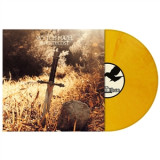
Various - Tchic Tchic: French Bossa Nova 1963-1974  Colored Edition LP 2x12"
  • A1: Les Masques - Il Faut Tenir (1969)
  • A2: Isabelle Aubret - Casa Forte (1971)
  • A3: Christianne Legrand - Hlm Et Ciné Roman (1972)
  • A4: Jean Constantin - Pas Tant D'chichi Ponpon (1972)
  • A5: Billy Nencioli & Baden Powell - Si Rien Ne Va (1969)
  • B1-: Marpessa Dawn - Le Petit Cuica (1963)
  • B2: Jean-Pierre Sabar - Vai Vai (1974)
  • B3: Sophia Loren - De Jour En Jour (1963)
  • B4: Isabelle - Jusqu’à La Tombée Du Jour (1969)
  • B5: Sylvia Fels - Corto Maltesse (1974)
  • C1: Frank Gérard - Comme Une Samba (1972)
  • C2: Ann Sorel - La Poupée Des Favellas (1971)
  • C3: Charles Level - Un Enfant Café Au Lait (1971)
  • C4: Andrea Parisy - Les Mains Qui Font Du Bien (1970)
  • C5: Audrey Arno - Quand Jean-Paul Rentrera (1969)
  • C6: Aldo Frank - T’as Vu Ce Printemps (1970)
  • D1: Christianne Legrand - Cent Mille Poissons Dans Ton Filet (1972)
  • D2: Clarinha - Lemenja (1970)
  • D3: Hit Parade Des Enfants - Aquarela (1976)
  • D4: Jean-Pierre Lang - Tendresse (1965)
  • D5: Magalie Noël - Une Énorme Samba (1970)
  • D6: Françoise Legrand - La Lune

Ever since the late 1950s bossa-nova revolution, Brazil’s influence on French music has been undeniable. Pierre Barouh, Georges Moustaki and a vast array of lesser known artists, all made the Musica Popular Brasileira (MPB) an axis of promotion at the service of a cool and metaphysical, modern and mixed Brazilian lifestyle. Some were seduced by the poetic languors of the bossa, some were looking for fun, and others just loved the American hybridization of jazz-bossa, jazz-samba.


What is bossa nova? One of its creators, Joao Gilberto said: "Its style, cadence, everything is samba. At the very start, we didn't call it bossa nova, we sang a little samba made up of a single note - Samba de uma nota so .... The discussion around the origins of bossa nova is therefore useless”. It is nevertheless useful to remember that these magnificent Brazilian songs, which the guitarist describes as samba, were shifted and balanced around improbable chords. "I like things that lean, the in-betweens that limp with grace," said Pierre Barrouh, quoting Jean Cocteau.


With emotion, arrangements for violin and supple guitar licks, bossa nova rapidly changed. A transformation that can be heard in the Tchic, tchic, French Bossa Nova 1963-1974 compilation, the result of a cultural reappropriation, which traveled through the United States and supplemented itself in France.

A musical revolution that has remained significant, bossa nova was born in Rio. From 1956 to 1961, Brazil lived through its golden years. In five years, the country had invented its modernist style. Elected president in 1956, Juscelino Kubitschek de Oliveira, an elegant man with a broad forehead, brandished a promising slogan: "Fifty years of progress in five years". He quickly got to work. Not worried about increasing debt, he launched the project for a new federal capital, Brasilia, designed by the communist architect Oscar Niemeyer. Volkswagen opened state-of-the-art factories and created the “fusquinha”, the Beetle. In Rio, the Vespa made its first appearance. The Arpoador Surf Club crew run into the “girl” from Ipanema, Helô Pinheiro - the tanned garota ("chick"), between a flower and mermaid, who at 17 walked by the Veloso bar, where the fiery author and composer, Tom Jobim and Vinicius de Moraes, were getting drunk on whiskey. From then on, bossa symbolized cool.

In 1958, Joao Gilberto recorded Chega de Saudade, which the directors of Philips denied, calling it "music for fagots". The marketing director, who believed in it, secretly pressed 3000 78-inch vinyls and distributed them at schools around Rio, creating a tidal wave.

American jazzmen then took over. In particular, trumpeter Dizzy Gillespie and guitarist Charlie Byrd. In November 1962, the Brazilian Ministry of Foreign Affairs funded a "Bossa-Nova" concert at Carnegie Hall in New York, inviting the genre’s pioneers. Unprepared, the show soon turned to disaster. But the troupe was invited to the White House by Jackie Kennedy. The first lady loved "the new beat" and in particular Maria Ninguem, a song by Carlos Lyra, later covered by Brigitte Bardot.

In Brazil, the 1964 military coup quickly ended this euphoria. The destructive atmosphere that ensued pushed many Brazilian musicians to leave, if not to exile. Thus, Tom Jobim, Sergio Mendes and Joao Gilberto arrived to the United States. In New York, Joao Gilberto met saxophonist Stan Getz. At the time, he was married to the Bahianese Astrud Weinert Gilberto, who had a German father. She had never sung before, but she knew how to speak English. Getz therefore asked her to replace her husband on The Girl From Ipanema. The Getz/Gilberto record with Tom Jobim on piano, was released in March 1964. Phil Ramone, the "pope of pop" was in charge of sound.

Bossa nova arrived in Paris through the classic “guitar-voice” channel (Pierre Barouh, Baden Powell, Moustaki…) But France loved jazz and Paris had already welcomed its American contributors. All these good people were to pass through Saint-Germain-des-Prés. The cabaret l'Escale became the Mecca of Latin American sound where one could find Pierre Barrouh and his friends, such as the Camara Trio, samba-jazz aces, whose only record was published by the Saravah label. With a band strangely called Les Masques (a band that included Nicole Croisille and Pierre Vassiliu, among others), the Camara Trio recorded an interesting Brazilian Sound, including the track Il faut tenir which is present on this tasty compilation of rarities.

Other enlightened musicians can also be found on the compilation, such as Jean-Pierre Sabar (songwriter for Hardy, Auffray, Leforestier ...) and the French pop rock organist Balthazar. In 1975, Sabar recorded Aurinkoinen Musiikkimatka on a Finnish label, which featured the crazy Vai, Vai, included on this record. We are now following the footsteps of Brazilian electronic musicians such as Sergio Mendes, Eumir Deodato or Marcos Valle who created funk and disco sounds on their keyboards and synthesizers. A style that influenced Véronique Sanson when she wrote Jusqu’à la Tombée de la nuit in 1969 for Isabelle de Funès, the niece of Louis and a great friend of Michel Berger - Sanson did end up singing this track on her 1992 Sans Regret record.


The pinnacle of exoticism and travel, Sylvia Fels’ Corto Maltese includes bongos, sea mist and ocean sounds. The title was taken from Jacky Chalard’s concept album written in 1974, Je suis vivant, mais j’ai peur (I am alive, but I am scared), based on Gilbert Deflez’s science fiction novel.


However, bossa nova extended the scope of popularity. "In the 1970s, I was a fan of Sergio Mendes, Getz / Gilberto. I fell in love with this music that I knew because I had been an orchestral singer, " explained Isabelle Aubret, who in 1971 delivered a composite record of covers by the very funky Jorge Ben, Orfeu Negro, Tom Jobim, Vinicius de Morais and Jean Ferrat. "I recorded this album for Meys Records in Paris, far from Brazil, with wonderful musicians, François Raubert, Roland Vincent, Alain Goraguer...". The latter wrote the arrangements for Casa Forte, a very percussive title borrowed from Edu Lobo, one of the initiators of the bossa who spent time in California. "Jazz and bossa came together and produced very rhythmic music. I love singing, it allows me to dream, to have fun, to feel a high on stage, and these songs brought me joy, made me swing, my singing felt like a dance.”


The world tours of French singers and their desire for the tropics, often brought them to Rio with its hills, forests, caipirinhas and tanned bodies. There are surprises though, like this Iemenja (Iemenja is the goddess of the sea in the Afro-Brazilian candomblé religion). Not unlike the composer and musician Jean-Pierre Lang, based in Sao Paulo, Claire Chevalier taught Brazil to Brazil. In 1970, the singer and painter published a 45-inch vinyl, Mon mari et mes amants (My husband and my lovers), under the improbable pseudonym of Clarinha (little Claire). She was then living in Rio, with her husband, Joël Leibovitz, who founded a band called Azimuth, and who owned a record label specialized in "sambas enredos" songs for samba school parades.


For its B side, she asked Pierre Perret to come up with lyrics for a song composed by Carlos Imperial: "Oh goddess of the sea, o goddess Iemenja, I bring a white rose to adorn your long hair ..." . "Perret came to see us, and we had fun, remembers Joël Leibovitz. We wrote Lemenja for fun, we recorded it at the Havaí studio, behind the Central do Brasil the central station. Erlon Chaves, the arranger who worked with Elis Regina, joined us" adding his share of Afro-Brazilian percussions and funky brass to the mix.

There is a common misunderstanding in Franco-Brazilian history: that bossa, admittedly hedonistic, is perceived as funny, even though the poets who wrote the texts are often philosophizing on the human condition. Its French interpreters pull it towards a carnival inspired universe, far removed from its fundamental essence. Thus, Jean Constantin covered the famous Samba da minha terra, an ode to the art of samba written by the classic Bahian composer Dorival Caymmi, renaming it with the enticing title of Pas tant de tchi tchi pompon: "On your pier there is no tchi tchi / when you arch your back, you know everything is alright ”(lyrics by Gérard Calvi). This expedited bossa aims for the absurd, but retains a certain elegance.

Indeed, Jean Constantin was not an idiot, the rather large man had a huge mustache and liked fantasy, (Les pantoufles à papa, Le pacha, inspired by cha-cha-cha-cha, salsa and jazz) but he was also the lyricist of Mon manège à moi interpreted by Edith Piaf, the composer of Mon Truc en plume by Zizi Jeanmaire and the soundtrack of François Truffaut’s 400 Blows. Le Poulpe, published in 1970, from which this bossa is extract, was arranged by Jean-Claude Vannier, an accomplice of Serge Gainsbourg’s Melody Nelson. In short: "There is enough of samba / By looking at the parasol / Because my poor cabeza / Is going to die in the sun".

Even the American actress Marpessa Down, who was at the heart of the bossa nova revolution with her role as Euridyce in Marcel Camus’ film Orfeu Negro, winner of the 1959 Cannes Palme d'or, fed the clichée with Je voudrais parler au petit cuica - "Tell me how you manage to always make people want to dance / It's true, I must admit that I cannot resist your magic" - in consequence, once can hear the cuica, a little drum inherited from the Bantu.


But bossa nova had many angles. Societal, of course, pushing actresses who were symbols of women's liberation like Brigitte Bardot, Jeanne Moreau, or Sophia Loren to engage in the exercise of accelerated bossa. In February of 1963, Sophia Loren made a record in French in Rome, Je ne t'aime plus, featuring the song De jour en jour, a bossa written by two Italians, Armando Trovajoli and Tino Fornai, which was released a little later by Barclay. Bossa accompanied the 1960s, a decade of moral liberation. Ann Sorel, who interpreted La Poupée des favellas, caused a sensation with L’amour à plusieurs, a provocative song written by Frédéric Bottom and Jean-Claude Vannier. As for the actress Andrea Parisy, she displayed her bourgeois cheekiness in Marcel Carné's Les Tricheurs before interpreting Les mains qui font du bien. And Magalie Noël, the friend of Boris Vian, who sung Johnny fais-moi mal, was hired to sing Une énorme Samba, composed by Alain Goraguer (arranger to Gainsbourg, Bobby Lapointe and Jean Ferrat) with lyrics by Frédéric Botton.

But in the end, of what wood is bossa nova made of? The answer is given by Christianne Legrand, daughter of Raymond the conductor, and sister to Michel the composer: "With me, with jà" - jà means "immediately" in Portuguese. In 1972, the singer, an expert in vocal jazz and a member of the Double Six, published Le Brésil de Christianne Legrand. Two songs included on the Tchic Tchic compilation that demonstrate how bossa, jazz, funk, rock, etc. work like a swiss army knife: the music is used to denounce broken systems, or miracles, HLM et ciné roman, Cent mille poissons dans ton filet, two songs from the O Cafona soundtrack, a successful telenovela broadcast, at the time in black and white, on TV Globo. The first was adapted in French by the fighter and friend of the Legrand tribe, Agnès Varda. The second is content with a play on words, jostling them into a summer fun.


Véronique Mortaigne

pré-commande17.04.2026

il devrait être publié sur 17.04.2026
Hánkel Bellido - A Change of Mourning

Taking place in the Paras district, Cangallo province, in the Ayacucho region of the Central-South Sierra of Peru - this is a recording of a ritual held on February 5th 2020 for the one year anniversary of the death of Mrs. Sofía Miranda de Bellido, recorded by her grandson Hánkel Bellido.

At noon the coffin of "Mamay Sofía" was presented, so that her relatives could say goodbye for the last time. Following tributes from family members, these songs dedicated to her life and her passing were sung.

The townspeople were notified of the events by the sound of bells that produce a peculiar and powerful sound, and that can be heard in the other nearby towns of Paras. It is said that these bells were greased with human fat, and brought from the Cerro de Pasco region during colonial times. The bells must be played all morning until the change of mourning takes place.

At midnight the songs of the Almakunapaq (also known as San Gregorios) mass began. These are unique to the Andean peoples - a fusion of Andean and Christian syncretic traditions - and are said to help the dead to enter the eternal Kingdom.

It was 4am when the change of mourning took place, and in accordance with traditions, the friends & family announce the presence of harp and violin players, to liven up the proceedings with songs of joy and merriment until the next day.

"Mamay Sofia, manan wañukunkichu, kawsakuchkankim sunquykupi; sichus qunqarusqaykiku, chaymi ichaqa wañukunki!"

"I have not died, I will die on the day that you forget me!"

pré-commande17.04.2026

il devrait être publié sur 17.04.2026
Christian Wallumrød Ensemble - Non Sonett

Aspen is very proud to introduce ‘Non Sonett’ by the Christian Wallumrød Ensemble. This ensemble is a pioneering Norwegian chamber group whose work on ECM and Hubro has redefined the boundaries between jazz, contemporary composition and folk music.Across seven albums, the ensemble has developed a highly distinctive l anguage built on restraint, timbral nuance and collective interplay, placing it among the most influential European ensembles of the 21st century.

Bringing together some of the finest musicians in Norway, the ensemble draws on a rare collective sensitivity, where each player contributes to a deeply integrated and texturally rich sound world.

With Non Sonett, the Christian Wallumrød Ensemble opens a new chapter that grows directly out of recent years of work in more solitary and cross-disciplinary contexts. In this period, Wallumrød has developed material for solo performance as well as for dance, allowing ideas to take shape in more fluid and exploratory formats. Some of this material now finds its way into the ensemble, where it is met by the possibilities offered by instrumentation, collective playing, and the distinct voices of the musicians. At the same time, older pieces—originating in entirely different settings— re-emerge here in new forms, reshaped by the ensemble context.

A defining aspect of Non Sonett is the way many of the pieces function less as fully determined compositions and more as open frameworks: starting points, suggestions, or “springboards” for music. These structures invite response rather than prescribe outcome, relying on the ensemble’s inherent sensitivity and capacity to realize and transform the material in performance. The result is music that feels both precise and fluid, shaped in equal measure by composition and by the interpretative presence of the players.

Central to this album is a continued deepening of Wallumrød’s long-standing interest in ambiguity and in dissolving boundaries between different musical elements and expressive worlds. By placing contrasting materials and associations side by side—sometimes subtly, sometimes more overtly—the music opens up spaces where meanings remain fluid and interconnected. On Non Sonett, this approach is taken a step further, allowing these juxtapositions to play an even more active role in shaping the music’s character and flow.

This approach connects closely with the ensemble’s broader artistic trajectory. Over time, the Christian Wallumrød Ensemble has developed a language that is immediately recognizable—marked by reduction, clarity and a deep attention to sonic detail. While each release has its own character, the underlying aesthetic remains consistent: a focus on the inner life of sound itself. Rather than foregrounding gesture or virtuosity, the music draws the listener toward the smallest elements, where meaning emerges gradually through texture, spacing and timbre.

The listening experience becomes one of concentration and proximity, where each sound carries weight, and the accumulation of detail forms a larger whole. References may be sensed—to early polyphonic music, Norwegian folk traditions, or more recent experimental practices—but these are absorbed into a singular musical language that resists categorization.

As with the ensemble’s recent work, Non Sonett also continues the integration of electronics as a fundamental part of the sound world. Each musician engages with electronic elements alongside their acoustic instruments, creating a layered and dynamic sonic environment. At times, this leads into extended, exploratory passages reminiscent of analogue musique concrète; at others, electronics operate almost imperceptibly, subtly altering and extending the acoustic textures in real time.

pré-commande08.05.2026

il devrait être publié sur 08.05.2026

Christian Wallumrød Ensemble - Non Sonett (TAPE)

Aspen is very proud to introduce ‘Non Sonett’ by the Christian Wallumrød Ensemble. This ensemble is a pioneering Norwegian chamber group whose work on ECM and Hubro has redefined the boundaries between jazz, contemporary composition and folk music.Across seven albums, the ensemble has developed a highly distinctive l anguage built on restraint, timbral nuance and collective interplay, placing it among the most influential European ensembles of the 21st century.

Bringing together some of the finest musicians in Norway, the ensemble draws on a rare collective sensitivity, where each player contributes to a deeply integrated and texturally rich sound world.

With Non Sonett, the Christian Wallumrød Ensemble opens a new chapter that grows directly out of recent years of work in more solitary and cross-disciplinary contexts. In this period, Wallumrød has developed material for solo performance as well as for dance, allowing ideas to take shape in more fluid and exploratory formats. Some of this material now finds its way into the ensemble, where it is met by the possibilities offered by instrumentation, collective playing, and the distinct voices of the musicians. At the same time, older pieces—originating in entirely different settings— re-emerge here in new forms, reshaped by the ensemble context.

A defining aspect of Non Sonett is the way many of the pieces function less as fully determined compositions and more as open frameworks: starting points, suggestions, or “springboards” for music. These structures invite response rather than prescribe outcome, relying on the ensemble’s inherent sensitivity and capacity to realize and transform the material in performance. The result is music that feels both precise and fluid, shaped in equal measure by composition and by the interpretative presence of the players.

Central to this album is a continued deepening of Wallumrød’s long-standing interest in ambiguity and in dissolving boundaries between different musical elements and expressive worlds. By placing contrasting materials and associations side by side—sometimes subtly, sometimes more overtly—the music opens up spaces where meanings remain fluid and interconnected. On Non Sonett, this approach is taken a step further, allowing these juxtapositions to play an even more active role in shaping the music’s character and flow.

This approach connects closely with the ensemble’s broader artistic trajectory. Over time, the Christian Wallumrød Ensemble has developed a language that is immediately recognizable—marked by reduction, clarity and a deep attention to sonic detail. While each release has its own character, the underlying aesthetic remains consistent: a focus on the inner life of sound itself. Rather than foregrounding gesture or virtuosity, the music draws the listener toward the smallest elements, where meaning emerges gradually through texture, spacing and timbre.

The listening experience becomes one of concentration and proximity, where each sound carries weight, and the accumulation of detail forms a larger whole. References may be sensed—to early polyphonic music, Norwegian folk traditions, or more recent experimental practices—but these are absorbed into a singular musical language that resists categorization.

As with the ensemble’s recent work, Non Sonett also continues the integration of electronics as a fundamental part of the sound world. Each musician engages with electronic elements alongside their acoustic instruments, creating a layered and dynamic sonic environment. At times, this leads into extended, exploratory passages reminiscent of analogue musique concrète; at others, electronics operate almost imperceptibly, subtly altering and extending the acoustic textures in real time.

pré-commande08.05.2026

il devrait être publié sur 08.05.2026

Soar - Soar (LP)

Soar

Soar (LP)

12inchES048
Efficient Space
21.11.2025

Reintroducing Soar - the alias of Christian Aebi, serial DIY taper and one-man orchestra from Langenthal, a fog-shrouded town in the Swiss provinces. Krautophobia, ambient lo-fi agriculture, analogue soul balm and slowspeed psych gelati-blitz cardboard pop only gesture towards the sound world he coaxed from his broken Tascam four-track recorder, in attics, churches, junkyards and at the kitchen table.

The spark for Soar was likely time and space, somewhere in the autumn of 1994. Armed with a cable salad of Sixties guitar/bass, fairground drums, mould-speckled organs and toy instruments, Aebi coaxed five albums, an unverified run of 25 cassettes, and a handful of gigs. Mostly issued through Zurich label Corazoo, the records arrived in hand-pasted sleeves, rough-cut reproductions of his teddy bear-fixated artwork that carried the same imperfect immediacy as the music. With Rudi Steiner, performances in galleries, clubs and halls bent into live sound-image happenings - part installation, part film, part flea-market-instrument theatre - invariably leaving the house engineers bewildered.

At the time of his untimely death in 2021, Aebi remained a village secret, his music passed quietly between friends and local ears. Now, Swiss graphic designer and Ghost Riders compiler Ivan Liechti has pieced together a portrait from the afterglow, gathering tangled audio formats, paintings, illustrations, photographs and notebooks with his family, former label and peers. What emerges is a first glimpse of Soar's intimate cosmos - brushing against Füxa, Spectrum, Dump, Stereolab and King Crimson, but orbiting a dimension entirely his own.

En stock

Disponible en stock et prêt pour l'expédition

Bluestaeb - GISEKE

Bluestaeb

GISEKE

12inchJAKARTA170
JAKARTA
08.01.2024

Multi-disciplinary artist Leon Giseke, known to the international hip-hop and beat scene as Bluestaeb, releases the project of a lifetime with his self-titled album “GISEKE”. The album merges iconic R&B, funk and hip-hop productions with sharp lyrical contributions by some of 2021’s most promising vocalists. The LP, featuring Mick Jenkins, Ric Wilson, Uno Hype, Jerome Thomas and JuJu Rogers among many other vocalists, instrumentalists and producers, will be released via Berlin-based Jakarta Rec.

Multi-disciplinary artist Leon Giseke - known to the international hip-hop and beat scene as Bluestaeb - releases the project of a lifetime with self-titled album “GISEKE”.

After the success of his last releases “Bluestaeb & S. Fidelity present Underground Canopy” (2020) and the collaborative “SHE” (2019) with Harleighblu that combined gained more than four million streams on Spotify alone, Bluestaeb finally returns with his self-titled album “GISEKE”, making it his fourth one to be released via Jakarta Records on July 23rd.

While musically this new album merges iconic R&B, funk and hip-hop productions with sharp lyrical contributions by some of 2021’s most promising vocalists, such as Mick Jenkins, Ric Wilson, Uno Hype, Jerome Thomas or JuJu Rogers it will be a worthy follow up to his previous Jarkarta releases, which have gained more than 20M streams and sold mor than 5k copies to this day.

The 1st single “WHOA WAIT” (feat. Ric Wilson & cay caleb.) is set out to be released on May 12 along with some stunning visuals by Bluestaeb himself. The upbeat collaboration convinces with a playful disco vibe that let´s the listener long for the summer. The song got picked up by Apple Music’s Jazz Soul Café.
The forthcoming singles TTWL/TIBBE & THAT´S OKAY are set to be released on 02.06.2021 and 23.06.2021, respectively with “MOVIN” to be published as the last single on July 7th, 2021 all singles are set off cycle to gain more attention. The album’s focustrack “THE ROSES” however comes with a full length music video shot in Paris and features UK’s shooting star Louis VI on the vocals.

Giseke developed all visual concepts, which accompany the project, too: The artworks and videos breathe his passion for the socio-utopian ideas of mid 20th century architecture and design from the likes of Perriand, Aalto and Eames. Furthermore, contemporary fine art found its way onto the cover through the painting by Minneapolis-based artist Nick Dahlen.
And while most protagonists of Europe’s hip-hop beat making scene are driven by the commercial rise of lo- hip-hop, Bluestaeb deliberately wants to emancipate himself from this bias towards the streaming market and elevator music playlists. „Music with a nutritional value“, to quote great trumpeter Christian Scott aTunde Adjuah, is what he aimed and aims for at all stages of his career.
Accordingly “GISEKE” brings all of the artist’s knowledge, skill and ambition in music and beyond on the table: Various (pop) cultural fascinations, in music and beyond, are referenced on the album .. from Steve Winwood’s synthesized soul-pop to the prolific R&B and funk of the late 70s and early 80s, from Teddy Riley’s new jack swing to today’s neo soul induced hip-hop in Los Angeles and London and all aspects of this album reflect the unification of pseudonymous Bluestaeb and private person Leon Giseke as one.
Besides online promotion the album will further be promoted by external agencies within the territories of UK, France and Italy.
________________________________________

En stock

Disponible en stock et prêt pour l'expédition

Christian Love Forum - Naked Light

Featuring music from a lost tape of devotional keyboard jams, field recordings of migrating birds, mysterious bells, meditative noise and crooked new beat/EBM, made god-knows-when and subsequently discovered in a Thessaloniki charity shop years later. It now somehow finds its way to vinyl, newly mastered by Rashad Becker, and sounding like a lost Hype Williams x Muslimgauze madness.

Originally discovered in a musty charity shop by Live Adult Entertainment, and issued in minuscule numbers on CD in ’21, Christian Love Forum’s raverential debut ‘Naked Light’ documents the fraternal post-church jams of siblings, Scott, Kiro and N•X, plus their mate Steve, who would regularly channel the light and pain of Sunday mass sermons into their ecclesiastic crud.

As previously heard on their blink ’n miss ‘Unconditional Love’ tape, the trio express their higher purpose thru ribboning microtonal keyboard jams that sound like Gurdjieff with a Casio and a knackered drum machine after too much sacramental wine. They hit the strangest, most affective seam of religious cinematic epic soundtracks, gnarled noise and clandestine Belgian new beat that seriously pushes our buttons, sounding quite unlike anything in the contemporary sphere, but eerily also echoing sentiments explored on record by James Leyland Kirby or Bryn Jones.

Now reshuffled and clad in custom artwork, ‘Naked Light’ is unveiled to believers and skeptics as a definitive article of faith. The lord works in mysterious ways within, manifest in stages of sun-bleached post-church field recordings, whirligig melodies, blown-out bouzouki and choral tape howls and a Béla Tarr soundtrack-like campanology on the A-side, before letting their passions flow in ‘Wicked City (Parts I-IV)’; a spellbinding side-long collage of slurred synths, neo-noir hardbeat rhythms and speaking-in-tongues vox recalling V/Vm’s new beat apocrypha as much as bits from Hype Williams’ hypnagogic ‘One Nation’, thee dustiest gooches of Dirk Desaever’s archive, or even aspects of Rat Heart at his cruddiest.

‘Naked Light’ rarely fails to induce uncontrolled eye movement in susceptible skulls, destined to become an occult hit with lapsed churchgoers, new beat fiends and anyone missing the enigma and ineffable flavour of ‘00s underground noise tapes in this auspicious year of AD2023.

En stock

Disponible en stock et prêt pour l'expédition

Sadar Bahar & Marc Davis - Disco Gospel Vol.2

Delivering the second sermon in their Disco Gospel series, Chicago’s Sadar Bahar & Marc Davis hand-pick and re-edit two more under-the-radar disco/gospel fusion tracks for the modern dancefloor.

Both revered selectors and producers, Marc and Sadar are integral parts of Chicago's underground music scene, sharing the city’s spirit with the world. Through his own label, Black Pegasus, and the Chi Talo series, Marc has become an in-demand DJ known for his raw and eclectic sets. He joins forces with good friend, DJ’s DJ and Soul In The Hole head Sadar Bahar, whose name regularly tops the bill at some of the finest clubs and festivals around the globe.

Digging deep once again, the pair serve up two certified secret weapons from their renowned collections. Finding that sweet spot that drew out the most uplifting, powerful, and danceable elements of both gospel and disco, they shine a light on two beauties from Myrna Summers and also The Yancy Family. Tweaked and re-edited with style and consideration, they re-work the tracks with DJs and dancers in mind.

As Robert M. Marovich of Journal of Gospel Music puts it, “The rise of contemporary gospel music in the 1970s and 1980s changed the style, if not the substance, of Black sacred music. Artists, including the Yancy Family and Myrna Summers, worked within the groovy new sound to attract the attention of a generation growing up on rock, jazz, pop, and soul. Bring them into the church through the music, the maxim goes, and they’ll stay for the sermon. Likewise, these two re-edited album tracks by Sadar Bahar and Marc Davis keep the gospel music heritage alive while encouraging a brand-new generation to dance through the church doors.”

Up first, Myrna Summers ‘So Much to Live For’ channels that straight from the heart passion and collective joy that gospel embodies. Bursting with uplifting lyrics, scintillating organ melodies, and an infectious sing-along spirit, Marc and Sadar give it a club-ready DJ edit, extending it for maximum dancefloor deliverance.

The B side sees the duo work their magic on, ‘Lifted Me Higher’. Written by Kevin Yancy and taken from the Yancy Family’s 1989 album From One Christian Family to Another, it features vocals from siblings Kevin, Judy, and Rev. Darryl Yancy, along with Lois Scott. The all-star team of Chicago musicians includes Sherwin (Butch) Yancy on organ, Michael Wade on piano and synthesizer, and Richard Gibbs (longtime accompanist for Aretha Franklin) on piano and bass. With a soulful boogie flavour, dripping in slap bass and ‘80s synthlines, Marc and Sadar rework the intro so it rides out on a section of delectable instrumental grooves, before letting the glorious vocals hit home.

pas en stock

Commandez maintenant et nous commanderons l'article pour vous chez notre fournisseur.


Derniere entrée: 6 jours
China Crisis - Difficult Shapes and Passive Rhythms LP
pas en stock

Commandez maintenant et nous commanderons l'article pour vous chez notre fournisseur.


Derniere entrée: 22 jours
Sankt Otten - Hymnen Und Helden

Alongside with the release of the new album “Tote Winkel”, Sankt Otten will be delighting us with another limited vinyl bonus release. “Hymnen und Helden” (hymns and heroes) is a collection of cover versions created over the last few years. As the album title suggests, it pays homage to self-proclaimed musical hymns and heroes from the seventies and eighties.

HYMNEN UND HELDEN – track by track: A well-known Moog sequence leads us on the way into the cover album. Giorgio Moroders 1977 disco classic “I feel love” has been tackled here. Sankt Ottens instrumental interpretation starts out familiar, but ends in a slightly disturbing disharmony of mellotron and ebow guitar.

The instrumental version of the melancholy Wipers anthem from 1983 starts with a rather unusually fast 808 beat for Sankt Otten. The 80s electronic echoes suit the punk rock earworm “Doom Towen” surprisingly well.

Without Deutsch Amerikanische Freundschaft, more unusual electronic music would hardly have been conceivable in Germany in the early 1980s. “Alles ist gut” tribute to this band and singer Gabi Delgado-Lopez, who passed away in 2020 and with whom they shared the festival stage in 2015. Gabi‘s lyrics are rendered by text- to-speech software with the voice of an unknown Claudia.

“Wishing (If I had a photograph of you)” was made famous in 1982 by A Flock of Seagulls. This record was regularly played on Stephan Ottens turntable back then. Reason enough to remember this with “Sehnen (Hät- te Ich von dir eine Fotografie)”. The recordings for this album were made in 2007 and have been updated and completed in the last year. Carsten Sandkämper, who was also featured on Sankt Ottens debut album “Eine kleine Traurigkeit”, contributed the vocals and lyrics.

The Swiss band Grauzone became famous with the NDW hit “Eisbär”. Instead of this title, they took on the B-side of this single with “Ich liebe sie”. A synthpop love song full of innocence, stylishly sung by Carsten San- kämper and refined with Kraftwerk-like choral sounds and an herbaceous motorik beat.

The band has enjoyed a personal friendship with Harald Grosskopf since their collaboration in 2013 on the album “Messias Maschine”. With “So weit, so gut”, they take on his little hit from the album “Synthesist”, which is one of the gems of the synthesizer albums of the eighties.

“Kriegsmaschinen, fahrt zur Hölle” is an anti-war song from 1974 by Günter Schickert, the Berlin master of the echo guitar. Unfortunately, the lyrics are still relevant. Oliver Klemm contributes the delay guitars and Stephan Otten puts the lyrics through a vocoder. Sankt Otten compress the 17-minute original to just under 5 minutes and move it musically from the 70s to the 80s.

Sankt Otten’s adaptation of David Bowies “Heroes” is equipped with warm Juno 106 sounds, ebow guitar and synthesizer pads. The German “Helden” version, known from the movie Christiane F. – Wir Kinder vom Bahnhof Zoo, is sung in a touching way by Carsten Sandkämper.

New York-based Rafael Anton Irisarri was responsible for mastering the record. As part of the series with graphic covers, this die-cut artwork was also created by Mexican designer Daniel Castrejon. The one time only vinyl pressing, limited to 350 copies, comes in a beautifully designed die-cut cover and colored vinyl. The Osnabrück duo Sankt Otten, founded in 1999, have been releasing on Denovali since 2009. The band has dedicated itself to the holy trinity of Krautrock, Ambient and contemporary Electronics.


d Sehnen [Haette ich von Dir eine Fotografie]

pas en stock

Commandez maintenant et nous commanderons l'article pour vous chez notre fournisseur.


Derniere entrée: 51 jours
Roudi Vagou & Lauten der Seele - Taghelle Nacht LP
  • A1: Roudi Vagou - Gleisende Lichter
  • A2: Roudi Vagou - Halb So Schwer
  • A3: Roudi Vagou - So Sueß
  • A4: Roudi Vagou - Lila Gibt Es Nicht
  • A5: Roudi Vagou - Iss Mich Ganz Auf
  • A6: Roudi Vagou - Grenzueberschreitung
  • A7: Roudi Vagou - Aufgeben Ist Kein Verzicht
  • B1: Läuten Der Seele - Komischer Anruf
  • B2: Läuten Der Seele - Punkt Mitternacht
  • B3: Läuten Der Seele - Nur Fuer Uns Zwei
  • B4: Läuten Der Seele - Mineralwasserflasche 1
  • B5: Läuten Der Seele - Glaskopf Mit Watte
  • B6: Läuten Der Seele - Rathausdach
  • B7: Läuten Der Seele - Ein Kitzeln In Den Graebern
  • B8: Läuten Der Seele - Mineralwasserflasche 2
  • B9: Läuten Der Seele - Mondraetsel

Across an extensive suite of enchanting miniatures, Matthias Kremsreiter and Christian Schoppik present the hypnagogic vision of Taghelle Nacht. Recording under their respective Roudi Vagou and Läuten der Seele aliases, Kremsreiter and Schoppik combine their distinct but equally accomplished instrumental practices into a new collaboration that weaves swooning samples amongst instrumental passages. They lead us through 16 vignettes that revel in the cognitive dissonance and seductive magic of moonlight at midnight.

Both artists have past form within the folds of contemporary experimental electronic music in Germany. Kremsreiter's work as alibikonkret has manifested on DIY tape releases created with a methodical, technically-minded approach. Debuting his Roudi Vagou pseudonym on Taghelle Nacht, he pivots to a more playful, instinctively felt method that allows the compositions to flow with a natural cadence. Schoppik has been a key figure in the celebrated dark-ambient-folk scene, not least as part of the group Brannten Schnüre. His work as Läuten der Seele includes the acclaimed 'water trilogy' of LPs between 2022 and 2024, with a greater emphasis on instrumental, atmospheric production, and a last, stunning collaborative album with Nový Sv?t's Jota Solo.

On Taghelle Nacht the precise ingredients of each piece soften at the edges as tape loops and swathes of reverb seal the joints between spellbinding melodic refrains. Opening track and lead single 'Gleisende Lichter' sets the tone with ghostly murmurs, spine-tingling string refrains and splashes of cymbal that cut through the gloom with stark clarity. A lilting romanticism stirs at the heart of the orchestral samples that populate the likes of "Grenzu?berschreitung" - old-world beauty sometimes buried in dust, elsewhere rendered with startling clarity. 'So Süß' lets buzzing, sustained drones and dissonant sweeps of extended technique glide in and out of each other. Granular processing subtly breaks apart the mellow swell on 'Komischer Anruf', and forlorn sax calls out into heavy-hearted space on 'Glaskopf Mit Watte'. At every turn a new scene is painted, distinct from the last and yet all bound up in the pervasive, pale blue light cast over the sleeping landscape Kremsreiter and Schoppik have sculpted.

Snatches of song drift by like dreamlike fragments, and achingly tender flourishes fleetingly appear and retreat - ideas and expressions momentarily caught in the light before retreating into the shadows once more. This is the evocative world of Taghelle Nacht - an unsettling depiction of the surreal blend of memories and imagination that merge into each other once the sun goes down.

pas en stock

Commandez maintenant et nous commanderons l'article pour vous chez notre fournisseur.


Derniere entrée: 63 jours
Various - Wizzz! French Psychorama Volume 5 (67-75)

The journey through French-speaking pop archives continues with this fifth volume, packed with fuzz, gimmicks, and dissent. Far from the charts, the selected tracks display a great creative freedom, often backed by corrosive humor. Welcome to the surprising, kaleidoscopic, and colorful world of the late sixties and early seventies, Wizzz!
Born in Montauban, Robert Pico stumbled into music by chance when he met René Vaneste, then artistic director at Pathé-Marconi. René brought him to Paris to record his first 45 RPM EP in 1964. A year later, Pierre Perret introduced him to Vogue, where he recorded his second album with Claude Nougaro’s orchestra. Sylvie Vartan then introduced him to RCA, where he recorded four singles, including the astonishing "Chien Fidèle," a track backed by a hair-rising fuzz guitar. Alongside his solo career, he also composed for other artists like Alain Delon (the song was recorded but remains unreleased), Magali Noël, Bourvil, and Georges Guétary. In the Paris of the sixties, he mingled with Mireille Darc, Elsa Martinelli, Marie Laforêt, France Gall, Françoise Hardy, Petula Clark, Régine, Dani, Serge Gainsbourg, Joe Dassin, Franck Fernandel, Charles Level, and Roland Vincent. Despite his efforts and winning a Grand Prix Sacem for his final record, Robert Pico didn’t achieve the expected success in show business and decided to leave Paris and return to the Southwest, where he devoted himself to writing. He is the author of 23 books (including Delon et Compagnie, Jean-Marc Savary Editions 2025, a memoir about his youth and his many encounters). Today, he is relieved to never have become a celebrity and devotes himself to his work with passion.
In 1969, the Franco-Italian movie Erotissimo was released, directed by Gérard Pirès (who later directed Taxi in 1998, written and produced by Luc Besson). This pop comedy features Annie Girardot, Jean Yanne, Francis Blanche, Serge Gainsbourg, Nicole Croisille, Jacques Martin, and Patrick Topaloff. The soundtrack was written by Michel Polnareff and William Sheller, with lyrics by Jean-Lou Dabadie. "La Femme Faux-cils," performed by Annie Girardot. It recounts the feelings of a rich CEO's wife who seeks to develop her sex appeal under the influence of advertisement and magazines. Groovy, sparkling and light, this track, with ITS lush arrangements humorously critiques consumer society and feminine beauty standards.
“Je suis l’Etat” (1967) is the flagship track of the first EP by singer-songwriter Spauv Georges, aka Georges Larriaga, better known as Jim Larriaga (1941-2022). Born into a family of bakers, the young man was initially planning to become a hairdresser when he discovered English-speaking music through Elvis Presley and the Beatles. After this revelation, he decided he would become a songwriter and gave himself five years to succeed. He recorded his first two EP’s independently for RCA under the pseudonym Spauv Georges; meaning “that poor George”, a nickname given to him by the mother of her friend Jean-Pierre Prévotat (future drummer of the Players, Triangle, or Johnny Hallyday). Portraying a depressed and eccentric young man, Spauv Georges created corrosive and amusing songs that didn’t reach a wide audience, despite a TV appearance with Jean-Christophe Averty.
Supported by his loyal friend and fellow songwriter Jean-Max Rivière, Georges Larriaga met the future singer Carlos in the early '70s, then Sylvie Vartan’s assistant. He wrote songs for Carlos, including the popular "La vie est belle," "Y’a des indiens partout," and "La cantine", which went onto become a huge hit in 1972. He also composed for Claude François (“Anne-Marie”, 1971), Charlotte Julian (“Fleur de province”, 1972), helped launch child singer Roméo (who sold 4 million records), and later wrote the hit "Pas besoin d’éducation sexuelle" (1975) for the young Julie Bataille. In 1971, Jim recorded an album for Disc'Az: “L’univers étrange et fou de Jim Larriaga”, which featured pop gems like “La maison de mon père”.
The story of the song "Zoé" began when Pierre Dorsay, artistic director at Vogue Records, asked Swiss singer and musician Pierre Alain to write a song for a new female singer. The inspiration came when he realized that Zoé (the artist's name) was also the name of France's first atomic battery, created in 1948, which consisted of uranium oxide immersed in heavy water! The lyrics reflect a bubbling energy that must be handled with caution, while the instrumentation echoes this atomic theme, notably with the use of a theremin.
Zoé’s career lasted only as long as a single 45 RPM, but it seems Christine Fontane was the vocalist behind this pseudonym, who is known for several EPs, a good "popcorn" album in 1964, and a handful of children’s singles in the '70s. Regardless, the photograph on the cover is of a different girl entirely.
Later, Pierre Alain continued his career, writing songs for himself, Marie Laforêt, Danièle Licari, Alice Dona, Arlette Zola (3rd place in Eurovision 1982), and achieving multiple gold and platinum records in Canada. Also an inventor with several patents, president of the Romande Academy, and head of the French Alliance in Geneva, he now composes atonal music, books, and poetry. Moreover, he is also the host of "Les Mardis de Pierre Alain" at "Le P'tit Music'Hohl" in Geneva.
Filled with oriental choruses and fuzz guitar, "Fou" is from Jacques Da Sylva's only EP released by Vogue in 1967. Despite the quality of this recording, all traces of this singer disappear after this first effort.
Valentin is a baroque pop singer born in Belgium. He is the songwriter and composer of most of the tracks on his three singles released in the late 60s in Canada. A legend says that he reincarnated himself as Jacky Valentin during the 1970s for a rock'n'roll revival career in Belgium, but his older brother sadly debunked this story. Valentin's first two singles were arranged by Claude Rogen, a Parisian session pianist who had come to Canada to promote the song “Mister A Gogo”, a cover of David Bowie’s “Laughing Gnome”, adapted by singer Delphine, his wife at the time. Far from his usual network, Claude Rogen arranged music for Polydor, including the arrangements for “Je suis un vagabond” in 1969, a jerk tune with string arrangements and a furious optimism.
Jacques Malia wrote, composed, and recorded his only 45 EP for Festival in 1966. “Histoire de gitan” is an incredible beat track with bohemian scat that tells the story of a gypsy musician who came to Paris to make it in the Music-Hall, to no avail. The hero of the song and its author probably shared a similar fate, as Jacques Malia faded into anonymity after this remarkable attempt.
Bernard Jamet recorded two EPs for Barclay in the late sixties and co-wrote several songs with Christine Pilzer, Pascal Danel, and prolific songwriters Michel Delancray and Mya Simile. The track “Raison Légale” (1968), his masterpiece, immerses the listener in a courtroom right when a murderer is being judged, with jerk rhythm and free arrangements. A unique, paranoid, judicial, and psychedelic oddity.
Jean-Pierre Lebrot-Millers started his career in show business in 1967 as a singer and songwriter for the Philips label. After three singles, he wrote several songs of a new kind with his friend Pierre Halioche, in the midst of the sexual liberation movement and the democratization of drugs. With provocative lyrics, “Les filles du hasard” and “Barbara au Chapeau Rose” were released on a Philips singles in 1968. The character of Barbara was inspired by a queen of Parisian nightlife during the psychedelic years: model Charlotte Martin, who dated Eric Clapton from 1965 to 1968, then Jimmy Page from 1970 to 1983. Jean-Claude Petit’s arrangements, with a table-filled intro, soul brass, and Hendrixian guitar, emphasize the flamboyance of a hedonistic and sexy character, whose dog is named Junkie because “Junkie est un nom exquis”! The track was recorded live in three takes with a full orchestra.
Upon its release, the record was censored by Europe 1 and RTL due to its references to drug use. Jean-Pierre Lebrot was then banned from the airwaves and later dismissed by his record label. He changed his artist name to Jean-Pierre Millers, while his companion Pierre Halioche became D. Dolby for a new dreamy composition, “Chilla”, which Jean-Pierre produced himself with arrangements by Jean Musy. Once again, the song was immediately censored everywhere. After this setback, he decided to stop singing and started taking on odd jobs to support his Swedish wife and their son until the day he met Jean-Pierre Martin, then production manager at Decca, who had worked with Manu Dibango. Martin offered Jean-Pierre Lebrot-Millers, then employed at Rank Xerox, the position of artistic director at Decca. He accepted and became, a year later, promotion director (radio, press, TV). He worked on Julio Iglesias’s first album for Decca, which became a massive hit and allowed him to meet Claude Carrère. The latter asked him to write new songs and find their performers, much like a “talent scout.” It’s through him that Jean-Pierre discovered Julie Pietri and Corinne Hermès. He composed “Ma Pompadour” for Ringo, Sheila’s husband, and took the microphone again for the syncope hit “Rendez-Vous” in 1982.
That same year, Jean-Pierre Lebrot-Millers tried to release a track for which he had heavily gone into debt: “Si la vie est un cadeau”. Having recorded it in London, he presented it to numerous professionals, all of whom refused to get involved. The same thing happened with Antenne 2 and the Sacem when he proposed the song as France’s entry for Eurovision. He then met Haïm Saban, who was producing cartoon soundtracks and had just launched the Goldorak theme song. Saban, having listened to the song, declared it had the potential to become a hit. He sent Jean-Pierre and Corinne Hermès to meet the CEO of the Luxembourg radio and television network. The latter received them, asked to hear a verse and chorus a cappella in his office, and immediately hired them to represent Luxembourg at Eurovision 1983. They reworked the arrangements and recorded a new version with Haïm Saban as co-producer. The song ended up winning Eurovision 1983, a great comeback for our hero. He continued producing and hung out with the band Nacash in Belgium when a couple came to introduce their daughter for an impromptu audition in a hotel room. The girl sang “Les démons de minuit” while dancing to a radio cassette. Impressed, he had her take singing lessons for a year and composed a song for her (for which he had the melody and title, but no lyrics). This required him to go on the hunt for a lyricist, who ended up being Guy Carlier. They recorded the song, which was initially a ballad, at Bernard Estardy’s CBE studio, and gave the singer a new name: Melody. They showed the song around their industry network without success. Later, Estardy called Jean-Pierre to suggest changing the rhythm and making it pop-rock. Orlando, Dalida’s brother, liked the result and decided to co-produce the track. “Y’a pas que les grands qui rêvent » became a classic hit. The song has since been covered by Juliette Armanet (as a ballad, like the original) and Valentina.

Born into an aristocratic Breton family, Hervé Mettais-Cartier worked as a DJ at Queen Kiss, a nightclub in Poitiers, where he formed the band Les Concentrés with Michel (an actor) and Christian (a radio technician). Together, they created a repertoire of whimsical songs (“Ma bique est morte”, “J’suis un salaud”, “Fils de dégénéré”...) that they performed on stage dressed in white (in homage to “concentrated milk”). They performed at Bliboquet and Olympia in 1968 for the 10th edition of the “Relais de la chanson Française” organized by L’Humanité-Dimanche and Nous les Garçons et les Filles, sponsored by Pepsi Cola. Winners in the author-composer category, alongside Danish singer Dorte, their visibility allowed them to record a 45, and appear on television in Jean-Christophe Averty’s show. The A-side of the disc features Bruno le ravageur, a casatchok dedicated to Bruno Caquatrix, the director of Olympia, nicknamed in the song “Coq Atroce” or “croque-actrices”. The B-side is dedicated to “Fils de dégénéré”, a quirky tribute to Hervé's aristocratic roots, mixing absurdity with sophisticated vocal harmonies.
After Les Concentrés, Hervé Mettais-Cartier formed the duo La Paire et sa Bêtise with his friend Olivier Robert. They performed in Parisian cabarets and toured with Pierre Vassiliu. In the late 1970s, Hervé began a solo career. He recorded two albums for the Motors label in 1978 and 1979, which did not achieve their anticipated success due to lack of promotion. In 1980, he met Bernadette, with whom he started a family and created a “Chansons à voir” (songs to see) show that he performed until his death at the end of 2024.

Publicité comes from the final EP by the Missiles (Ducretet Thomson, 1966), a disc that also includes “La (nouvelle) guerre de cent ans”, featured on Volume 4 of our Wizzz! series. Please refer to the booklet for the story of the band.

“He’s 1.82 meters tall, 28 years old, weighs 135 kg, is black and Belgian”: this is the description of singer Hegesippe on the back of his sole single (Decca, 1967). He appears on the album cover wearing a Greek toga, like a hippie gag – we are at the end of the year 1967. In “Le crédo d’Hegesippe”, this former bodyguard of Antoine and the Charlots plays the delightful card of the thick brute converted to Flower-Power and non-violence, with arrangements by Jean-Daniel Mercier, aka Paul Mille.
“Ethéro-disco” was released on a promotional record for clients of the Maréchal company (Liège, Belgium) for the New Year 1979. Over a funky rhythm, celebrity impersonations (Brigitte Bardot, Jacques Dutronc, Fernandel…) deliver an enigmatic text about pharmaceutical products like ether, bismuth, and aspartate. The track was composed by Dan Sarravah (responsible for Joanna's “Hold-up inusité” featured on Wizzz! Volume 3) and Tony Talado, who was also a singer (one 45 in 1967), songwriter (with over a dozen credits between 1964 and 1985 in various styles from surf music to disco), author (Devenez Végétarien, Dricot Editions, 1985), ad designer, and psychologist.

Décollez-les is on the A-side of Mamlouk's only single, a pseudonym for Marsel Hurten, who is known for his work on several EPs in the late sixties, as well as composing music for Hervé Vilard’s “Capri, c’est fini”, Claude Channes' “La Haine”, Annie Philippe’s “On m’a toujours dit”, and Nancy Holloway’s “Panne de Cœur”.
This strange song, with Afrobeat horns and absurd dialogues between a chef and his kitchen staff, is the result of a collaboration between Marsel Hurten and one of his neighbors, a photographer from Pavillon-sous-Bois (93), where the musician settled after returning from the Algerian War. A music video was shot to promote the record.
Marsel Hurten was born in Tourcoing (59) into a musical family. At a young age, he joined the brass band founded by his grandfather, playing the piston before studying trumpet at the conservatory, as well as teaching himself how to play the guitar. As an orchestra musician, he toured in France, Belgium, Germany, and England. He released a series of solo 45’s between 1965 and 1968 for the DMF and Az labels before stopping recording to focus on working for other artists (Gilles Olivier, Noëlle Cordier…).
“L’amour nu” (Vogue, 1971) is the work of the short-lived Belgian band Mozaïque. The track, written by singer Jacques Albin, closely resembles another of his compositions, “Carré Blanc”, which he recorded in 1969 for Disc’AZ.
Represented by the Lumi Son micro-label based in Marignane (Côte d'Azur), Jean-Marc Garrigues released two 45 RPMs in the late sixties, defending the French jerk sound. The song “Je dis Non” is a short, joyful ode to youth, pop music, and rebellion.
Songwriter and performer Jacques Penuel released three singles. The first one, “Astronef 328” (Fontana, 1969), features a dizzying series of chords punctuated by sound effects, a sci-fi story, and arrangements by Jean-Claude Vannier.

We would like to sincerely thank Pierre Alain, Moon Blaha, Marsel Hurten, Bastien Larriaga, Jean-Pierre Lebrot-Millers, Bernadette Mettais-Cartier, Robert Pico, Olivier Robert, Claude Rogen, Micky Segura.

pas en stock

Commandez maintenant et nous commanderons l'article pour vous chez notre fournisseur.


Derniere entrée: 76 jours
THE BLACK CATS EYE - DECRYPTING DREAMS OF WEIRD ANIMALS AND STRANGE OBJECTS
  • Hell Bent For Sæther
  • The Walls Of Crystal Keep
  • Unicorn
  • Sternenfels Space Gate
  • Everywhere I Rest My Head The Ground Is Shifting
  • The Magic Balloon

Clear Vinyl. Mit ihrem Debüt The Empty Space Between A Seamount And Shock Headed Julia hinterließen The Black Cat's Eye 2023 ein bemerkenswertes Echo in der Szene - ein energetisches und atmosphärisches Werk, das Psychedelic- und Postrock-Elemente auf einzigartige Weise vereinte und schnell vergriffen war. Nun, zweieinhalb Jahre später, präsentiert das Frankfurter Quintett sein neues Album Decrypting Dreams Of Weird Animals And Strange Objects. Auch diesmal lotet die Band die Grenzbereiche zwischen Psychedelic-, Kraut- und Post-Rock aus. Die Musik oszilliert zwischen hypnotischem Drive, verträumten Gitarrenflächen und dynamischen Spannungsbögen. Das Album umfasst sechs Songs, deren Spannweite von fünf- bis zehnminütigen Klangreisen reicht. Neu ist, dass diesmal zwei Bandmitglieder Kompositionen beisteuerten: Neben Gitarrist und Bandgründer Christian Blaser stammt die Hälfte des Materials von Bassist Jens Cappel. Sein kraftvoller, direkter Stil ergänzt Blasers atmosphärischen Ansatz ideal. Blaser: ,Auf dem Debütalbum stammten alle Stücke von mir. Als Gründer der Band lag mein Fokus zunächst darauf, eine musikalische Vision und Richtung vorzugeben. Jens war zu diesem Zeitpunkt noch nicht so in die kreativen Prozesse eingebunden, obwohl er ein außerordentlich talentierter und umtriebiger Musiker ist. Er veröffentlicht regelmäßig großartige neue Musik auf den Bandcamp-Seiten seiner eigenen Projekte, zum Beispiel The Black Black Paint. Als es dann an das Schreiben neuer Songs für das zweite Album ging, brachte Jens einige wirklich tolle Demos mit ein." Stilistisch verbindet das Album, wie schon der Vorgänger, klassische 70er-Einflüsse mit zeitgenössischer Rockmusik - man hört Anklänge an Can, Motorpsycho, Neu!, Indie- und Stonerrock, aber auch an David Gilmours Gitarrenästhetik. Die Musik ist instrumental, einzig im finalen Stück ,The Magic Balloon" übernimmt Jens Cappel den Gesang. Ähnlich rätselhaft wie bei der ersten Platte klingt der Albumtitel: Decrypting Dreams Of Weird Animals And Strange Objects. Blaser erklärt: ,Der Titel ist inspiriert von einem faszinierenden Aspekt der US-amerikanischen TV-Serie Westworld. Dort werden humanoiden Robotern Gefühle und Träume einprogrammiert. Doch weil diese Androiden dadurch immer menschlicher werden, geraten sie außer Kontrolle - die Programmierer suchen daraufhin den Fehler in den von ihnen geschriebenen Quellcodes, analysieren die künstlichen Gefühle, Gedanken und Träume mithilfe ihrer Computerprogramme. Übertragen auf unsere Realität ist der Titel durchaus ironisch gemeint. Unsere moderne Technik vermittelt den Eindruck, wir könnten jeden Bereich unseres Lebens vollständig steuern. Selbstoptimierung und die Kapitalisierung des eigenen Ichs werden zum obersten Prinzip. Eine trügerische Illusion, denn wir sind nur winzige Teile eines größeren, für uns unergründlichen Ganzen. Vor diesem Hintergrund stellt sich die Frage: Was kann Kunst zu unserer Wahrnehmung der Welt beitragen? Welche Bedeutung hat es, sich mit musikalischen Mitteln auszudrücken? Durch Technik, Mathematik, Physik und reine Vernunft kommen wir dem Wunder des Lebens und dem Sinn unserer Existenz nicht wirklich näher. Was uns bleibt, ist das Ritual, die Beschwörung, die Ekstase. Musik, Tanz, Malerei, Geschichten - sie offenbaren für kurze Momente den wahren Kern des Lebens, richten unser Verhältnis dazu neu aus und verbinden uns mit dem Universum." Aufgenommen hat die Band wieder im Tonstudio Bieber in Offenbach am Main. Oli Rüger, Studiobetreiber und selbst Musiker, hat langjährige Erfahrung mit dem Aufnehmen von Gitarrenbands. Innerhalb von drei Tagen spielte die Band die Basic Tracks live ein, anschließend ergänzten sie diese durch Overdubs. Rüger war auch als Co-Produzent beteiligt. Cappel: ,Oli hat das richtige Händchen für die perfekte Balance zwischen rohen, heftigen und filigranen Sounds, ohne gleichzeitig den Blick für das große Ganze zu verlieren." Das Werk wurde final von Krautrock-Legende Eroc gemastert - eine passende Wahl für eine Band, die sich nicht nur als Erben der 70er sieht, sondern diese Tradition aktiv in die Gegenwart weiterdenkt. Das monochrome Cover-Artwork unterstreicht eindrucksvoll die dunkle Atmosphäre der Musik. Es verdeutlicht den konzeptionellen Ansatz der Band, Musik nicht nur als Klang, sondern als Raum, Konzept und visionäre Erzählform zu begreifen. Das Titelbild - eine scheinbar endlose Spirale, Symbol für DNA-Strukturen und Ewigkeit - wurde vom italienischen Grafiker Daniele Stochino entworfen. Die Innenseite des Gatefolds verbindet dieses Motiv mit einer Illustration des in Berlin lebenden Grafikers und Musikers Max Emil Hurlebaus. Durch farbige Akzente eröffnet sie kontrastreich neue Perspektiven.

pré-commande17.10.2025

il devrait être publié sur 17.10.2025

PELICAN - FLICKERING RESONANCE LP 2x12"
  • Gulch
  • Evergreen
  • Indelible
  • Specific Resonance
  • Cascading Crescent
  • Pining For Ever
  • Flickering Stillness
  • Wantering Mind

Pelican has always been a band that's not just from Chicago, but distinctly of Chicago. Formed in 2000 by guitarists Trevor Shelley de Brauw and Laurent Schroeder-Lebec alongside brothers Bryan and Larry Herweg on bass and drums respectively, Pelican's foundation was built upon the rule-free, genre-agnostic scene synonymous with the Fireside Bowl. "The `90s in Chicago was a free-for-all. Everyone was just coming from a place of pure creativity," says Shelley de Brauw. With Schroeder-Lebec returning to the band following Dallas Thomas' departure in 2022, this reunified version of Pelican allowed the band to tap back into the spirit of their formative era and build something distinctly new with Flickering Resonance. While longtime Pelican fans will recognize the album as an update to the band's ethos_one that's been constantly evolving since their very first EP_their new partnership with Run For Cover Records emphasizes something that's always been implicit to the Pelican formula. These songs take as much inspiration from titanic `90s post-hardcore, space-rock, and emo as they do traditional metal, showing that though Godflesh and Goatsnake records occupied the shelves of Pelican's songwriters, so too did Quicksand, Christie Front Drive, and Hum. "A lot of people didn't hear it at first," says Schroeder-Lebec. "I was like, well, I guess the metal world is where we fit. But now, we're more willing to acknowledge all the suits we're wearing."On Flickering Resonance, Pelican doesn't attempt to reinvent itself as much as emphasize the elements that were so often overlooked. Though Pelican's thick sonic backbone remains intact, the songs on Flickering Resonance show a more humanistic side of the band. Tracks like "Evergreen" and "Indelible" tease Pelican's doom-metal roots, but these songs feel equally, ebullient and truthful, playing like Texas Is The Reason songs transmuted into a post-rock landscape. Recorded with longtime musical compatriot Sanford Parker, who recorded their first EP, Pelican begins this new chapter of their career with an album that's neither full reinvention nor back-to-roots revivalism. After so much time apart, and with so much life having been lived between the original Pelican lineup's last recording sessions together, the band approached it with renewed vigor and a more communal spirit."There was more room for openness and critique with the understanding that we're all trying to craft the best song possible and that every suggestion is valid until it's proven invalid," says Shelley de Brauw. That process allowed everyone to embrace the material with a shared vision. "We didn't move forward unless we all wanted to move forward, and that felt like real community building," says Schroeder-Lebec of this unified approach. "I went from seeing it as my art and my craft to our craft that we were shaping together."In doing so, Pelican allowed themselves to look at their music less as a means of hard-earned catharsis and more as an appreciation for the glimmers of joy that occur even in the bleakest landscapes. Songs like "Cascading Crescent" and "Indelible" don't languish in what's been lost, these tracks see the band embracing what remains in their hands instead of lamenting what's slipped through their fingers. It's a concept that's mirrored in the artwork of Christian Degn that graces the cover of Flickering Resonance. It's a piece built off the concept of flame meditation, and how the smallest flames can often bring about the biggest transformations. A song like "Flickering Stillness" exemplifies this feeling through its sonic expanse, putting the band's sonic density and hyper-focused clarity on display, but with an emphasis on the profound human connections that have kept Pelican going all these years. "When Laurent left and we were able to carry it through, there became a real sense of gratitude for the fact we still have this artistic outlet and a community of people who want to be a part of it" That feeling of deep, grounded appreciation isn't just one that's within the band members, it's expressed in every track on Flickering Resonance. Because at the very core of Pelican, are four individuals who have grown both separately and together, and always will.Like a distant light faintly glowing in the darkest night, Flickering Resonance is a reminder of all that has passed us by, but also all that is still to come.

pré-commande11.07.2025

il devrait être publié sur 11.07.2025

WYTCH HAZEL - III: PENTECOST

WYTCH HAZEL

III: PENTECOST

12inchOMENSLP23
Bad Omen
27.06.2025

Over the past near-decade, Lancashire's medieval metal phenomenon WYTCH HAZEL have been honing an uncommonly wholesome, rustic and devotional brand of timewarped hard rock that's all their own, with 2016's Prelude and 2018's II: Sojourn summoning to mind fevered images of Robin Hood and his Merry Men grooving to Jethro Tull and Thin Lizzy. Yet within moments of pressing play on their third LP, III: Pentecost, the musty mystical minstrelsy takes a back seat in favour of a rich, sumptuous, anthemic late-night drivetime vibe, passionately embracing the most high-end smash-hit classic rock and metal circa its late 1970s heyday. "I thought I put a lot into the second album, but this album has been an absolute obsession," stresses the band leader, Colin Hendra. "Every aspect had to be as good as possible. We've gone back and forth, Ed was tinkering with it for months on end. There's quadruple tracking going on with the rhythm parts, then we've doubled, tripled and quadrupled all our lead parts to get that richness and fullness of sound, all meticulously planned with pages and pages of organisational notes. It wasn't just `get in the studio and see how it goes!'" he laughs. "One day I did 14 hours of vocal recording. All vocals are double-tracked, I can't express how much hard work that is. The last album feels like a breeze compared to what we've done with this - and I don't plan on ramping it down!" Musically there are gorgeous self-professed touches of Black Sabbath, Blue Öyster Cult, AC/DC and early Scorpions_"With the soloing I was trying to go for Michael Schenker" beams Colin_while the scampering headbanger I Will Not initially took a nod from Angel Witch, who Hendra was helping out on second guitar back in 2015 when the track was composed, before studio treatment made it sound "a lot more Wytch Hazelly". But perhaps the most lateral comparison is to a band from the opposite spiritual realm, with Archangel an explicit homage to Swedish faux-Satanic devil cult Ghost. "I find them fascinating, Ghost; musically great, the songwriting is spot-on," enthuses the frontman. "We share an intrinsic connection, with Bad Omen honcho Will Palmer being the person who discovered us both. "Music is created for all, it's a common grace for everyone," he affirms, "which is why the music that shows the glory of God the most, in my opinion, is not music created by Christians. It's Black Sabbath!"

pré-commande27.06.2025

il devrait être publié sur 27.06.2025

The Cat's Table - Supernatural Soul Charade 180g

180g schwarzes Vinyl

Tom Reinbrecht (sax), die beiden PassportɞMusiker Patrick Scales (bass) und Christian Lettner (drums), und Jan Eschke (keys) Sinnliches Kopfkino, das funky und beseelt ist

pré-commande06.06.2025

il devrait être publié sur 06.06.2025

Magma - Felicite Thosz LP

Magma

Felicite Thosz LP

12inchMOVLP3908
Music On Vinyl
06.06.2025
  • 1: Ekmah
  • 2: Elss
  • 3: Dzoi
  • 4: Nums
  • 5: Teha
  • 6: Waahrz
  • 7: Duhl
  • 8: Tsai !
  • 9: Ohst
  • 10: Zahrr
  • 11: Les Hommes Sont Venus

Félicité Thösz is the eleventh studio album by French band Magma, and was originally released on the 3th of July 2012.

The album was Magma’s first studio release in 27 years to contain new material written after the band’s reformation in 1996.

“Félicité Thösz” was written during 2001-02 by Christian Vander, but only played live by the band from 2009. “Les hommes sont venus”

was written and performed in 1992 by Les Voix De Magma, and again in 1995 for the band’s 25th anniversary, then called “Tous Ensemble”.

Félicité Thösz is sung almost entirely in Magma’s constructed language Kobaïan, apart from a passage in

French named “Seule une fleur est venue au fond des bois en mon cœur (âme)”.

Félicité Thösz is now available as a remastered LP in a 3mm sleeve and contains an insert.

The record is cut at 45rpm for the ultimate audio experience.

pré-commande06.06.2025

il devrait être publié sur 06.06.2025

Various - Passion Of The Christ OST

- 180 GRAM AUDIOPHILE VINYL
- PVC PROTECTIVE SLEEVE
- SCORE BY JOHN DEBNEY
- CONTAINS A 8-PAGE BOOKLET
- LIMITED 15TH ANNIVERSARY EDITION OF 500 INDIVIDUALLY NUMBERED COPIES ON TRANSPARENT RED VINYL

Passion Of The Christ (2004), composed by John Debney, is the original score for Mel Gibson's controversial film The Passion Of The Christ. The soundtrack received an Academy Award nomination for Best Original Score and it was on the first place in both Top Christian Albums and Top Soundtracks in 2004. In 2005, the album won a Dove Award for Instrumental album of the year at the 36th GMA Dove Awards.

The soundtrack succeeds as a coherent, moving, well-executed musical statement whether or not has seen the film. The album is a combination of folk instruments, Eastern-tinged harmonics, solo, and choral voices. Debney has used the Indian master violinist and vocalist L. Shankar, and singer/double-violinist Gingger Shankar.

Debney's soundtrack is an interesting and highly recommended work. It will offer those who choose to encounter it a far-reaching and deeply affective listening experience that is as aesthetically beautiful and unsetting as it is evocatively familiar.

Available as a limited 15th anniversary edition of 500 individually numbered copies on transparent red vinyl.

pas en stock

Commandez maintenant et nous commanderons l'article pour vous chez notre fournisseur.


Last In: 12 months ago
John Debney - Passion of the Christ
  • The Olive Garden / Night Sky
  • Bearing The Cross
  • Jesus Arrested
  • Peter Denies Jesus
  • The Stoning
  • Song Of Complaint
  • Simon Is Dismissed
  • Flagellation / Dark Choir / Disciples
  • Mary Goes To Jesus
  • Peaceful But Primitive / Procession
  • Crucifixion
  • Raising The Cross
  • It Is Done
  • Jesus Is Carried Down
  • Resurrection

The Passion of the Christ is a 2004 biblical drama film by Mel Gibson with music composed by John Debney. The soundtrack received an Academy Award nomination for Best Original Score and it was on the first place in both Top Christian Albums and Top Soundtracks in 2004. In 2005, the album won a Dove Award for Instrumental album of the year at the 36th GMA Dove Awards. The soundtrack succeeds as a coherent, moving, well-executed musical statement whether or not one has seen the film. The album is a combination of folk instruments, Eastern-tinged harmonics, solo, and choral voices. Debney worked together with Indian master violinist and vocalist L. Shankar, and singer/double-violinist Gingger Shankar. The Passion of the Christ is available as a limited edition of 750 numbered copies on gold coloured vinyl and includes a 4-page booklet.

pré-commande04.04.2025

il devrait être publié sur 04.04.2025

China Crisis - The Complete Sessions 1982-1983

China Crisis BBC Sessions have been compiled onto vinyl by Scottish label Last Night From Glasgow, released in early 2025. The release features the band's two John Peel sessions recorded with the BBC in March 1982 and January 1983, now remastered and available on vinyl and CD. The album includes the BBC session recording of hit single Wishful Thinking. The Complete Sessions follows on from recent album China Greatness released in May 2024, a collection of the band's best tracks now newly arranged and mixed. China Crisis remain one of the UK's most beloved pop bands. Formed in Merseyside in 1979, the core duo of Gary Daly and Eddie Lundon remains unchanged 45 years on. They rose to fame in the early 80s with chart success single Christian and single Wishful Thinking, album Difficult Shapes & Passive Rhythms reached No.21 in the UK album charts in 1982. China Crisis continue to tour extensively and boast over 325,000 monthly listeners on Spotify.

pré-commande28.02.2025

il devrait être publié sur 28.02.2025

Mariah Carey - Merry Christmas LP

Mariah Carey

Merry Christmas LP

12inchLMF33UD1S1-060
Sony Music
15.12.2024

The Holiday Album That Turned Mariah Carey into the Queen of Christmas: Featuring the Standard “All I Want for Christmas Is You,” the Singer’s Blockbuster Merry Christmas Exudes Joy, Spirituality, and Conviction
Sourced from the Original Master Tapes, Presented in Audiophile Sound for the First Time, and Strictly Limited to 3,000 Numbered Copies:

Mobile Fidelity’s UltraDisc One-Step 180g 33RPM LP Set Plays with Superb Detail, Openness, and Definition
1/2" / 30 IPS / Dolby SR analogue master to DSD 256 to analogue console to lathe

Mariah Carey didn’t become the Queen of Christmas just because of her fervent love of the holiday. Or as the result of a brilliant marketing plan. The iconic singer earned her title by way of her blockbuster Merry Christmas, a 1994 album that quickly joined the likes of Bing Crosby’s White Christmas, A Jolly Christmas from Frank Sinatra, and Nat King Cole’s The Christmas Song as an all-time holiday vocal classic. Featuring a balanced mix of inspired originals and well-chosen covers, Carey’s fourth studio record has only grown in stature as new generations discover its magic. Mobile Fidelity’s 30th anniversary edition reissue of Merry Christmas makes her spellbinding performances and upper-tier register come alive like never before.

Sourced from the original master tapes, pressed at Fidelity Record Pressing, and strictly limited to 3,000 numbered copies, the pioneering label’s UltraDisc One-Step 180g 33RPM LP set of Merry Christmas plays with superb detail, depth, and dimensionality. Available in audiophile quality for the first time since its original release three decades ago, and featuring the bonus track “God Rest Ye Merry, Gentlemen,” the nine-times-platinum set breathes with a newfound openness and transparency that enhance the spirituality, passion, and festive tenor of Carey’s singing.

Benefitting from superb groove definition, a nearly inaudible noise floor, and dead-quiet vinyl surfaces, the music takes on a heightened energy and anticipatory emotion synonymous with the holiday season. Carey’s signature vocals explode with liveliness and dynamics, the full scope of her acrobatic range presented in clear, transparent sound that practically places her on a small stage in your listening room. This collectible version also breathes with the kind of warmth, intimacy, and coziness you want from a landmark vocal album.

Recorded when Carey helped put “diva” back into everyone’s vocabulary, Merry Christmas gave the New York native another smash right out of the box. What nobody knew at the time was the degree of the album’s staying power — and how, many years removed from its initial promotion cycle, its legend would still grow and even spark a 2010 sequel. Having re-entered the Top 200 charts every year since 2019, Merry Christmas ranks as one of the three most commercially successful holiday LPs ever made and, in due time, will likely earn the top distinction in that class. A global blockbuster, it seamlessly ties together Christian, gospel, and secular threads and speaks to a boundless audience, independent of denomination.

Most obviously, the record remains inescapably connected to “All I Want for Christmas Is You,” an uptempo anthem that towers as a holiday standard and one of the biggest-selling singles in history. Punctuated with celesta chimes, sleigh bells, springy keyboards, and joyous beats, the song echoes the simple albeit engaging melodies and doo-wop style of beloved holiday classics of yore — and blends such elements with contagious dance-pop rhythms to create an atmosphere rich in joy, wonder, and excitement. Radiant with golden soulfulness and sincere conviction, Carey’s exuberant singing and on-point phrasing put it all over the top. And how.

The song stands as the only effort in Billboard history to top the Hot 100 chart during at least three separate runs. Carey’s blockbuster has already hit No. 1 during five runs, spanning every year between 2019 and 2024. That’s just one of the many records the singer holds — and only one of the multiple highlights from Merry Christmas, which includes two other Carey-penned originals, “Miss You Most (At Christmas Time)” and “Jesus Born on This Day.”

Though slightly lesser known, Carey’s remarkable rendition of Darlene Love’s “Christmas (Baby Please Come Home)” further links her album with the big, lush, Wall of Sound heritage that helped inspire its production. Carey’s heartfelt take and transformation of the traditional “Santa Claus Is Coming to Town” into an animated tune that even adults can believe, as well as her clairon reading of “Joy to the World” — cleverly augmented with bits of Three Dog Night’s 1971 hit of the same name — further reinforce her status as Queen of Christmas.

At the peak of her powers, Carey finds equivalent success when tapping more spiritual veins. Witness the reverence she brings to the timeless carol “Silent Night,” the piousness she invests in “Jesus Oh What a Wonderful Child,” and the sacred feeling she conveys throughout “O Holy Night.” You’ll also never think of “Hark! The Herald Angels Sing” and “Gloria (In Excelsis Deo)” the same way again after hearing Mimi pour her heart and soul into them, and pair the songs together.

Indeed, it’s Carey’s pliable voice, melismatic technique, and five-octave range — on display here in definitive fashion — coupled with her undeniable love for Christmas and understanding of the religious significance of the season that make Merry Christmas a must-have holiday staple. And on Mobile Fidelity’s LP, something you better add to your wish list.

pré-commande15.12.2024

il devrait être publié sur 15.12.2024

Sussan Deyhim & Richard Horowitz - The Invisible Road: Original Recordings, 1985–1990 LP

The Invisible Road: Original Recordings, 1985–1990 compiles an unheard, previously unreleased body of recordings by Sussan Deyhim and Richard Horowitz, dissidents from diametric backgrounds who met during the heady days of Downtown New York in the 1980s. This collection reveals the creative and life partners’ radical shared vision of avant-garde pop in all of its boundary pushing freedom, combining Deyhim’s singular approach to vocalization, Horowitz’s invention of new musical languages, and touchstones of traditional music from around the world, creating a new music that ultimately retains a voice entirely its own. Despite their difference in backgrounds and respective journeys, at the time of their meeting in the early 1980s in New York City, Sussan Deyhim and Richard Horowitz were both products of the search for freedom and understanding (and resultant awakenings) that swept the globe and helped culturally define the late 1960s and 70s. Deyhim, born and raised in Tehran, spent her teens dancing with Iran’s Pars National Ballet company, performing weekly on Iranian national television, and travelling her home country studying with master folk musicians and dancers, before relocating to Belgium and joining Maurice Béjart’s prestigious Béjart Ballet of the 20th Century. Horowitz, born and raised in Buffalo, New York, had spent much of the decade before abroad, first departing for Paris under the shadows of the Vietnam War, where he studied piano, Eastern philosophy, and became entrenched the city’s free jazz scene, playing with the likes of Steve Lacy, Anthony Braxton, and Alan Silva, before embarking south to Morocco where his friendship with Paul Bowles helped cultivate a deep passion for the country’s musical traditions and a shift in his musical practice.


The pair met by chance sometime in 1981 at Noise New York, a small studio on West 34th Street founded by the musician and recording engineer, Frank Eaton, as a utopian creative laboratory that beckoned artists and bands like Arthur Russell, Christian Marclay, Liquid Liquid and Butthole Surfers into its orbit. Both artists had recently relocated to the city, Horowitz having recently released his debut album, Oblique Sequences (Solo Nai Improvisations), on the legendary Paris based imprint Shandar, and fallen in with members of New York avant-garde like La Monte Young, Jon Hassell, David Byrne, and Brian Eno, and Deyhim having begun to more actively incorporate singing into her practice, notably recording a vocal score for choreography she was doing at La MaMa Experimental Theatre.


Initially bonding over a cassette tape of field recordings made by Paul Bowles that had been given to mutual friend and writer Brian Cullman (seeking answers for Ornette Coleman’s question “what is the sound of sound”), their earliest collaboration was documented on Horowitz’s 1981 album, Eros In Arabia, with Deyhim contributing vocals to the track “Queen Of Saba.” Over the coming years, their deep connection would routinely gravitate them into the studio, culminating in the body of recordings that would appear on their 1986 album for Crammed Discs, Desert Equations: Azax Attra. Unknown to nearly all but the artists, laying in wait over the decades on numerous multi-track and stereo reels, DAT tapes, and reference cassettes, were a vast array of recordings made by Deyhim and Horowitz bookending Desert Equations. The 13 pieces represented on The Invisible Road: Original Recordings, 1985–1990 were recorded largely between Noise New York and Daylight Studio in Brussels, during a period that Deyhim describes the partnership between herself and Horowitz’s as seeking a music “free of any specific cultural reference, with a personal musical signature,” blossoming into a body of sonority that embraced the energy of contemporary boundary pushing pop and the avant garde, filtered through their mutual love and study of various musical traditions from across the globe and deep engagement with the ideas and tactics of experimental music.


Undeniably rooted in Horowitz’s study of the North Africa ney and the music of the Berber and Gnawa cultures during his time in Morocco, Deyhim’s deep engagement with the folk traditions of Iran, and the couple’s immersion in the interconnected Downtown underground music scenes, each piece on The Invisible Road offers its own vision creative and cultural hybridity. Deyhim sings in both English and Farsi, as well as a composite tongue that she developed by drawing upon numerous indigenous vocal techniques from around the world, intuitively responding to Horowitz’s simultaneous sound syntax forming and combining a wide range synthetic and acoustic instrumentation, and experimental tape techniques, within a visionary series of free-standing expressions.

pas en stock

Commandez maintenant et nous commanderons l'article pour vous chez notre fournisseur.


Last In: 13 months ago
ANDERS MALTA AMOST BIG BAND - INTRODUCING

As a young conservatory student back in 2016, Danish trumpeter Anders Malta was invited to participate in a reunion concert with the legendary Ernie Wilkins Almost Big Band. He was so taken with the band and the music, that on the spot he decided that he wanted to form his own. In 2020, Anders Malta Almost Big Band played its first concert, going on to play a monthly residency at Christiania Jazz Club in Copenhagen for the past two years. Their debut album Introducing is set to release on August 23rd on April Records. Since the early days of jazz, the broad sound pallet and dynamic range of the big band has proven irresistible to composers and arrangers. However, the traditional big band, with its 16 16-19 individual moving parts, can also at times, and for different reasons, be an unwieldy machine to maneuver. Malta s 13 13-piece made up of Denmark s finest young soloists is agile like a small group, retaining the powerful force of the larger orchestra. Belonging to a new generation of musicians with a deep love and knowledge of the jazz tradition, Introducing " sees the band pay tribute to the timeless Hardbop sound of the 50" s and 60" s through the three movement suite Hardbop Conversations "", whilst offering a contemporary European perspective on the classic large ensemble format through Ouverture, Interludium and Epilog ". Intricate arrangements, rich harmony, soaring trumpet & flugelhorn improvisations and a diverse array of feel and grooves showcase the impressive stylistic and artistic breadth Malta has to offer as a bandleader, arranger, composer and instrumentalist. From the high high-energy swing and powerful tutti chords one craves from a Big Band to the more intimate textures of solo instrumental passages, the ensemble s sophisticated, complex, and joyous debut proves once again that Denmark s jazz scene is among the world s most prolific and exciting.

pré-commande08.11.2024

il devrait être publié sur 08.11.2024

TEHO TEARDO & BLIXA BARGELD - CHRISTIAN & MAURO

Teho Teardo & Blixa Bargeld are back with their third album, nearly eight years after "Nerissimo", but time collapses and expands like an accordion. Especially those two stolen years that have disappeared from our accounts without a trace during the pandemic. The new album is titled "Christian & Mauro" and their real names on the header hint to a more personal landscape who allows them to go through elements of the past like "Bisogna Morire", an incredible passacaglia, a dance of death from 1600 that"s been reinvented from a contemporary perspective. Since their musical roots belongs also to the future, another consideration comes after a book by astrophysicist Carlo Rovelli, it opens up for a different look at the universe. It"s not always possible to discover new territories without consenting to lose sight of the shore for quite a good amount of time, so across these new ten songs Teho and Blixa allow themselves various detours playing a large array of instruments, using a mythological keyboard who can play with ciphers, letters, characters, sounds and noises. Using sounds transversely provides the cue to new possibilities to move forward in music. The album has been produced by Teho Teardo, Blixa Bargeld and Boris Wilsdorf both in Roma at Basement Recordings and at andereBaustelle in Berlin. This music joins again the sky between Roma and Berlin and the tour that will follow its release will take place from November 19th right in Roma and will take them all over Europe. Teho and Blixa will tour with Laura Bisceglia on cello and Gabriele Coen on bass clarinet, there will be on stage also a string quartet on each show.

pré-commande25.10.2024

il devrait être publié sur 25.10.2024

Lenny Mac Dowell - Vinyl Experience LP

Die Musikzeitschriften "Audio" und "Stereo Play" betitelten Lenny Mac Dowell als "Rockflötist Nummer eins in Deutschland".
Lenny Mac Dowell hatte unzählige Tourneen mit Musikern wie Manni von Bohr, Horst Stachelhaus (Birth Control), Peter Oehler, Mike Herting, Bodo Schopf (Michael Schenker Group) oder Zeus B. Held (Guru Guru), Clemens Winterhalter, Alex Grünwald und immer wieder Großproduktionen mit Musikern wie Pete York (Spencer Davis Group) und Wolfgang Schmid (Passport).
Eine Ära des musikalischen Experimentierens setzte sich unter eigener Produktion fort. Nach "Flying Torso" folgt "Balance Of Power", das mehr in die esoterischen Gefilde geht - feinste Meditationsmusik mit Ambient-Elementen. Auch das Album "The Farthest Shore" spiegelt die meditativen und esoterischen Klänge wider. 1987 veröffentlichte Lenny Mac Dowell in einem Gemeinschaftsprojekt mit Christoph Spendel "Autumn Breath" oder "Landscapes" (2015) und in den 90er Jahren bis heute "The Lost Paradise", "Echnatons Return", "Launch Control", "Get Ready", "Retrospective", "Lenny Goes India", "Look Of Love" und "Raja Yoga" Produktionen unter eigener Flagge.
"Vinyl Experience" eignet sich auch hervorragend als Referenz oder zum Testen Ihres Soundsystems, von der Plattenspieleranlage bis zu den Lautsprechern.

pré-commande25.10.2024

il devrait être publié sur 25.10.2024

Georg Danzer - Der Tätowierer und die Mondprinzessin LP

1974 erscheint Georg Danzers Konzeptalbum "Der Tätowierer und die Mondprinzessin", begleitet von einem Buch mit Texten und Illustrationen von Georg Danzer. Die zehn darauf enthaltenen tiefsinnigen Lieder, die unter anderem unter der Mitwirkung von Willi Resetarits und seinen "Schmetterlingen" sowie Robert Ponger, Christian Kolonovits und "Supermax" Kurt Hauenstein entstanden, haben bis heute Relevanz. Georg Danzers Manager und guter Freund, Franz Christian "Blacky" Schwarz, initiierte und leitete die Wiederveröffentlichung dieses künstlerischen Schatzes.Für die Neuauflage wurden die Original-Mischbänder aus dem Jahr 1974 verwendet und von Othmar Eichinger von TON Eichinger, Wien aufwändig restauriert, digitalisiert und gemastert. Die Reihenfolge der Lieder stimmt nicht mit der Original-LP überein, sondern wurde dem Ablauf der Geschichte angepasst. Die Liedtexte wurden auf die tatsächlich gesungenen Versionen umgeschrieben. Die Geschichte selbst ist die Originalversion. Franz Christian Schwarz über die Entstehung des Albums:Es war 1974, es war Februar und es war kalt. In Peter Müllers Tonstudio herrschte reger Betrieb. Georg Danzer saß auf einem Sessel und klimperte auf der Gitarre und sang leise den Text dazu. Vor sich auf einem schon in die Jahre gekommen Tisch lagen einige mit Maschine beschriebene Blätter. Ab und zu hielt er beim Spielen inne und korrigierte den zur Melodie passenden Text. Zwischendurch machte er auch kleine Zeichnungen mit Wachskreide, die das gleichnamige Buch illustrieren sollten. Nach und nach waren die Musiker wie vereinbart mit ihren Instrumenten gekommen. Es herrschte eine fast familiäre Stimmung. Es wurde Kaffee getrunken, geplaudert, gescherzt und gelacht. Peter mahnte zu Disziplin und wies den Herren - denn die Schmetterlinge, der Chor mit Dame, waren erst für den nächsten Tag eingeplant - ihre Plätze zu. Das Klavier hatte seinen fixen Platz und rundherum wurde nun postiert. Peter hatte einen genauen Plan, wer wo stehen sollte und aus tontechnischen Gründen auch musste. Das Schlagzeug kam in ein abgeschirmtes Kammerl mit einem Glasfenster, der Bass mit Verstärker kam nach links hinten, gegenüber wurde das Gitarren-Set ebenfalls mit Verstärker aufgebaut. Die Orgel musste auch noch Platz finden und die Percussion wurde hinter einem halbhohen Paravent platziert, damit der Musiker Sichtkontakt mit den Kollegen und dem Tontechniker halten konnte. Jetzt noch Mikrofone aufstellen, verkabeln, justieren und dann Tonproben. Nun war alles bereit. So in etwa hat Georg gerne vom ersten Studiotag zu den Aufnahmen für die nun in einer Spezialversion zum 50 Jahre-Jubiläum vorliegenden Vinyl-Schallplatte erzählt. Und er war sehr stolz auf sein erstes Konzeptalbum.Georg Danzer - "Der Tätowierer und die Mondprinzessin"Ab 18.10. als LP im Gatefold mit 12seitigem Booklet

pas en stock

Commandez maintenant et nous commanderons l'article pour vous chez notre fournisseur.


Last In: 17 months ago
DIAMANDA GALAS - SAINT OF THE PIT

Saint of the Pit, Diamanda Galás" fifth studio album and the second in her trilogy, The Masque of the Red Death, is an urgent record. Its theme is essentially passion, in the sense of suffering, although here, and unlike the passion of Christianity, there is little to offer solace. Re-released on Galás" own Intravenal Sound Operations (ISO) after its initial release on Mute in November 1986, Saint of the Pit is a masterpiece of witness - ing, forged from grief and fury during the HIV-AIDS epidemic. While its precursor, The Divine Punishment (originally via Mute, now ISO), released only five months before in June 1986, invoked Old Testament laws around the clean and the unclean, as a way of raging against the inhumanity of systemic neglect of people with HIV-AIDS, this album is focussed on a more interior response.

pré-commande11.10.2024

il devrait être publié sur 11.10.2024

Phlebotomized - Immense Intense Suspense

"Immense Intense Suspense" war und ist immer noch ein Meilenstein des Death Metal, heute noch genauso relevant wie 1994!Was erhält man, wenn
man Demilich, das erste Album/EP von At The Gates und Nocturnus in einen Mixer gibt, um sie in ein gewaltiges, abscheuliches Monster zu
verwandeln, das die Majorsciences zum Weinen bringt und sie sich fragen lässt, warum man etwas erschaffen hat, das sie so herausfordert? Nun...
dies. In der Tat scheint dies das Einzige zu sein, was einer auditiven Form von Cthulhu nahe kommt... Das Full-Length-Debüt dieser
Doom/Avantgarde-Metal-Band bietet sowohl Originalität als auch Integrität und wird als klassisches Album angesehen.Phlebotomized begannen als
Grindcore-ähnliche DeathMetal-Band und veröffentlichten ihre frühen Demos, die so klangen. Irgendwann beschloss die Band, ihren Stil zu ändern,
denn "Immense, Intense, Suspense" legt Wert auf Melodien und symphonische Passagen. Das tat der bösen, bedrückenden Stimmung, die sich durch
die Musik zieht, keinen Abbruch. Das Album nimmt auf, was Demilich auf "Nespithe" geschrieben hat und baut darauf auf.

pré-commande11.10.2024

il devrait être publié sur 11.10.2024

The Omega Swarm - Crimson Demise LP

THE OMEGA SWARM, eine atmosphärische Death-Metal-Band aus Deutschland, begann im Jahr 2022, sehr bescheiden, sehr zurückgezogen. T., der bereits vier großartige Alben mit Sulphur Aeon veröffentlicht hat, hatte keinen vollwertigen Live-Act im Sinn, als er frühe Demos komponierte und das Skelett seiner - damals noch namenlosen - neuen Kreatur formte. Im Herzen ein wahrer Schöpfer, umarmt T. die akribische Arbeit an Riffs, Tönen, Klängen, den abenteuerlichen Geist des Aufbaus und der Verwirklichung von Ideen, das Experimentieren mit seinen geliebten Gitarren und Synthesizern, um erstaunliche Vibes und Songs zu produzieren, die bedeutungsvoll und doch extrem, melodisch und doch hart sind und sich in THE OMEGA SWARMs Debütalbum vereinen, einer Platte, einem Zeugnis, das der Essenz der Kunst selbst gewidmet ist.

So bodenständig T. auch ist, er ist nicht der Typ Mensch, der sich an eine Klangformel hält, er sucht nach "etwas mehr", "etwas anderem". Nachdem Sulphur Aeon mit dem monumentalen "Seven Crowns and Seven Seals" von 2023 vorerst abgeschlossen haben, was sie ausdrücken wollten, sind THE OMEGA SWARM jetzt sein Hauptaugenmerk, und das Line-up der Band, das von Sänger Christian Schettler (bekannt durch seine Arbeit bei den Labelkollegen Wound) und Schlagzeuger Max Scheefeldt (ex Misanthrope Monarch) komplettiert wird, passt perfekt zusammen. Musikalisch entstanden THE OMEGA SWARM aus T.s Experimenten mit rhythmischen Mustern, übereinanderliegenden Synthesizern, ausgefeilten Leads und etwas technischeren Riffingstrukturen.

Die wohl einzigen offensichtlichen Parallelen zu Sulphur Aeon sind die Betonung einer dichten, fesselnden Atmosphäre, epische Elemente und eine übergreifende Dunkelheit sowie die Erkenntnis nach der Fertigstellung der ersten Aufnahmen, dass auch THE OMEGA SWARM die Qualität besitzen, mehr als nur ein 'Schlafzimmerprojekt' zu sein.
Aufgenommen in den Studios von Feire Records und s/w records, gemischt und produziert von Langzeitpartner Simon Werner, wurde V. Santura (Triptykon, Dark Fortress) für das Mastering angeheuert und sorgte für den letzten Schliff von "Crimson Demise", einem Album, das stolz und mühelos zwischen Death und Black Metal changiert und von einer herausragenden Gesangsleistung abgerundet wird, bei der Chris eine ähnliche Bandbreite an Growls, Screams und cleanen Parts erreicht wie Peter Tägtgren in seinen besten Zeiten.

Vom Konzept her verzichtet die Gruppe auf uralte Lovecraft'sche Schrecken und wendet sich stattdessen geradlinigen apokalyptischen Themen zu. Ob Viren, bösartige Bakterien, verrückte Diktatoren, Klimawandel, religiöse und politische Ideologien, korrupte Technologie, Terrorismus oder Krieg, die Menschheit hat sich selbst für den Untergang gezeichnet - in leuchtenden Neonfarben, damit selbst eine außerirdische Spezies, die Galaxien entfernt ist, erkennen kann, was für Narren wir wirklich sind. "Die Menschheit kann sich nicht auf eine gemeinsame Wahrheit einigen, geschweige denn auf eine Strategie zur Lösung ihrer mannigfaltigen Probleme", erklärt Chris, "und bildet somit überhaupt keine Einheit. Der einzige gemeinsame Nenner, der uns alle eint, ist unsere Zerstörungswut, die irgendwann die gesamte Existenz der Menschheit gefährden könnte. Die Utopie wurde durch dystopische Szenarien ersetzt. Welche Formen des negativen menschlichen Verhaltens uns und die Gesellschaft derzeit beeinflussen und letztlich in eine zukünftige Endzeit führen, ist Teil des lyrischen Konzepts von THE OMEGA SWARM."
Aber keine Angst, bevor die Weltuntergangsuhr zum letzten Mal schlägt, soll euch das Vergnügen vergönnt sein, ein abwechslungsreiches, intensives und fesselndes Stück Metal zu erleben, das das neu formierte Trio aus dem Schlafzimmer auf die Bühne bringen will!

pré-commande27.09.2024

il devrait être publié sur 27.09.2024

Christopher Chaplin - Door 1 Door 2 (Ltd. LP)
  • A1: The Feathered Girl
  • A2: Nineveh
  • B1: Hashem
  • B2: The Isle Of Apples

" The myths of our Western tradition have often captivated me, whether they be Greek, Roman, or Judeo-Christian. Myths are a transcendent collective narrative; a buried memory, not intellectual but spiritual, alive to all the senses of another world. These stories often describe forbidding passages guarded by terrifying monster-like creatures, which, if conquered, give access to other planes. 'Door 1 - Door 2' are two of these planes, opening to prophecy and kingship." (Christopher Chaplin)

Following the release of his powerful and dark album trilogy "Je suis le Ténébreux", "Paradise Lost" and "M", British avant-garde composer Christopher James Chaplin has unveiled his latest project in 2021: "Patriarchs", released to critical acclaim. This project is a musical exploration of the Antediluvian patriarchs, from Adam to Noah, and is another captivating and daring work of art that straddles experimental electronic music and the avant-garde. Chaplin has also been wowing audiences with his live performances, releasing the concert album "Patriarchs Live" to shorten the wait for his new studio album "Door 1 Door 2", which will be released on September 20, 2024.

It is another powerful work of art, located between electronic music and avant-garde. Once again, Christopher Chaplin breaks genre boundaries and manages to condense experimental and colorful electronics in chamber music in a unique way, transporting the listener into mental and spatiotemporal intermediate states. A completely unique musical microcosm that can also be experienced in his impressive solo live performances.

pré-commande20.09.2024

il devrait être publié sur 20.09.2024

Aswad - Live In London LP

Aswad

Live In London LP

12inchSMCRX001LP
PROPER RECORDS
30.08.2024

Due to popular demand "Live In London," the highly anticipated release from legendary British Reggae group Aswad is now in physical form! This album marks a new era for the band, their first feature release in over a decade, making it a poignant moment in their storied career. With the passing of the late great Angus "Drummie Zeb" Gaye, this album stands as a powerful tribute to his memory, indomitable spirit and will for the work to continue. Passionately produced by principal members Tony Gad and Soloman, recorded in the heart of London at the iconic Jazz Cafe, this electrifying album captures the essence of the British-born reggae movement at its finest. Mixed by Christian Cowlin of The Wailers and mastered by Mark Gittins at Sensound Studios, each track from "Babylon" to "Just A Little Herb" shines a beacon on the band's unparalleled musicianship and electrifying stage presence. Don't miss your chance to be part of reggae history and experience the power of Aswad like never before! Exclusively from SMC Records, a division of The Spaine Music Company.

pré-commande30.08.2024

il devrait être publié sur 30.08.2024

Vulvodynia - Entabeni LP

Vulvodynia

Entabeni LP

12inch198391866074
Unique Leader Records
05.07.2024

The 6th Full Length studio album from South African Death Metal Bulldozers VULVODYNIA is upon us! As the first album featuring Lwandile Prusent on vocals (previously on guitar), 'ENTABENI' harks back to the band's earlier brutal roots, with lyrical concepts themed on African folklore, with a huge production from Christian Donaldson (Cryptopsy, Ingested, Despised Icon) and artwork by Shindy Reehal (Viscera, The Zenith Passage, Bound in Fear).

pré-commande05.07.2024

il devrait être publié sur 05.07.2024

The Omega Swarm - Crimson Demise LP

THE OMEGA SWARM, eine atmosphärische Death-Metal-Band aus Deutschland, begann im Jahr 2022, sehr bescheiden, sehr zurückgezogen. T., der bereits vier großartige Alben mit Sulphur Aeon veröffentlicht hat, hatte keinen vollwertigen Live-Act im Sinn, als er frühe Demos komponierte und das Skelett seiner - damals noch namenlosen - neuen Kreatur formte. Im Herzen ein wahrer Schöpfer, umarmt T. die akribische Arbeit an Riffs, Tönen, Klängen, den abenteuerlichen Geist des Aufbaus und der Verwirklichung von Ideen, das Experimentieren mit seinen geliebten Gitarren und Synthesizern, um erstaunliche Vibes und Songs zu produzieren, die bedeutungsvoll und doch extrem, melodisch und doch hart sind und sich in THE OMEGA SWARMs Debütalbum vereinen, einer Platte, einem Zeugnis, das der Essenz der Kunst selbst gewidmet ist.

So bodenständig T. auch ist, er ist nicht der Typ Mensch, der sich an eine Klangformel hält, er sucht nach "etwas mehr", "etwas anderem". Nachdem Sulphur Aeon mit dem monumentalen "Seven Crowns and Seven Seals" von 2023 vorerst abgeschlossen haben, was sie ausdrücken wollten, sind THE OMEGA SWARM jetzt sein Hauptaugenmerk, und das Line-up der Band, das von Sänger Christian Schettler (bekannt durch seine Arbeit bei den Labelkollegen Wound) und Schlagzeuger Max Scheefeldt (ex Misanthrope Monarch) komplettiert wird, passt perfekt zusammen. Musikalisch entstanden THE OMEGA SWARM aus T.s Experimenten mit rhythmischen Mustern, übereinanderliegenden Synthesizern, ausgefeilten Leads und etwas technischeren Riffingstrukturen.

Die wohl einzigen offensichtlichen Parallelen zu Sulphur Aeon sind die Betonung einer dichten, fesselnden Atmosphäre, epische Elemente und eine übergreifende Dunkelheit sowie die Erkenntnis nach der Fertigstellung der ersten Aufnahmen, dass auch THE OMEGA SWARM die Qualität besitzen, mehr als nur ein 'Schlafzimmerprojekt' zu sein.
Aufgenommen in den Studios von Feire Records und s/w records, gemischt und produziert von Langzeitpartner Simon Werner, wurde V. Santura (Triptykon, Dark Fortress) für das Mastering angeheuert und sorgte für den letzten Schliff von "Crimson Demise", einem Album, das stolz und mühelos zwischen Death und Black Metal changiert und von einer herausragenden Gesangsleistung abgerundet wird, bei der Chris eine ähnliche Bandbreite an Growls, Screams und cleanen Parts erreicht wie Peter Tägtgren in seinen besten Zeiten.

Vom Konzept her verzichtet die Gruppe auf uralte Lovecraft'sche Schrecken und wendet sich stattdessen geradlinigen apokalyptischen Themen zu. Ob Viren, bösartige Bakterien, verrückte Diktatoren, Klimawandel, religiöse und politische Ideologien, korrupte Technologie, Terrorismus oder Krieg, die Menschheit hat sich selbst für den Untergang gezeichnet - in leuchtenden Neonfarben, damit selbst eine außerirdische Spezies, die Galaxien entfernt ist, erkennen kann, was für Narren wir wirklich sind. "Die Menschheit kann sich nicht auf eine gemeinsame Wahrheit einigen, geschweige denn auf eine Strategie zur Lösung ihrer mannigfaltigen Probleme", erklärt Chris, "und bildet somit überhaupt keine Einheit. Der einzige gemeinsame Nenner, der uns alle eint, ist unsere Zerstörungswut, die irgendwann die gesamte Existenz der Menschheit gefährden könnte. Die Utopie wurde durch dystopische Szenarien ersetzt. Welche Formen des negativen menschlichen Verhaltens uns und die Gesellschaft derzeit beeinflussen und letztlich in eine zukünftige Endzeit führen, ist Teil des lyrischen Konzepts von THE OMEGA SWARM."
Aber keine Angst, bevor die Weltuntergangsuhr zum letzten Mal schlägt, soll euch das Vergnügen vergönnt sein, ein abwechslungsreiches, intensives und fesselndes Stück Metal zu erleben, das das neu formierte Trio aus dem Schlafzimmer auf die Bühne bringen will!

pré-commande28.06.2024

il devrait être publié sur 28.06.2024

YELKA - For

Yelka

For

12inchKALK135LP
Karaoke Kalk
28.06.2024

Through the folded sky to America

Ten albums in three years. That's still the cosmic mission of the Berlin post-kraut trio YELKA with Daniel Meteo, Christian Obermaier, and the namesake Yelka Wehmeier.

With the album "For," there was a Label change. After releasing three albums in 2023 with Maurice Summen, head of Fun In The Church they passed the label responsibilities to Karaoke Kalk. Karaoke Kalk is a friendly label founded in Cologne known for establishing the Berlin post-wende scene (fall of the wall scene).

The trio's fourth album was also created with Arne Berger at Popschutz Studio, and the team is definitely well-rehearsed. Instead of recording the planned tracks, the band decided to improvise the session, and all tracks, except for the krauty Doors cover "The Crystal Ship," were created in 5 days in the studio, mostly on the first or second take, but with significantly more overdubs - keyboards, backing vocals, second and third guitars, percussion, and piano. The sound of "For" has become warmer, and the album begins with a kind of 60s-Kinks feeling. Overall, the current record has become much more exuberant - like Alice in Wonderland, YELKA seem to want to restore innocence to things in the opener "Smile (Into Skies)," resulting in an uplifting hiking song for experimental outdoor bohemians.

The follow-up piece "The Boar" speaks to everyone from the north, south, west, and east and here YELKA encounter a horde of wild boars on their travels, before the vocals become hardly understandable and ghostly spooled in reverse, suddenly sounding like Damo Suzuki from CAN at the height of Tago-Mago times.

Finally, YELKA‘s "Crystal Ship," simply sails away with the wild boars into remote 4D worlds between the Cocteau Twins and X-Mal Deutschland.

In the first instrumental of the album "Is this enough?", the band reverse tracks like Jimi Hendrix in his Electric Ladyland, and we dive deeper and deeper into the endless sky until YELKA finally arrive on newly trodden sound paths with "MM" to their beginnings on their debut album "Nowhere Jive." At the popular intersection of post-rock and jazz, where guest singer Bela Hagel also likes to linger for a moment: "Sie wissen" (They know), he knows that too! Surely Rolf-Ulrich Kaiser would have had a lot of fun with his shamanistic singing on his "Kosmische Kuriere" label. The guitars sound like a desert, and the reverb reminds us of the expansive space in the opening track "Skies."

Finally, we land in Amerika, or rather, YELKA ponder the melancholic question of whether anyone still wants to travel to America with them, to the land of unlimited possibilities, the haven for artist souls all over the world. "Do you wanna dance?" Yelka Wehmeier finally asks, while a chorus in the best Sun Ra manner mantra-like repeats "Cold dogs, cool cats." The whole band sings. Everything sounds good.

pré-commande28.06.2024

il devrait être publié sur 28.06.2024

Dune Pilot - Magnetic

Dune Pilot

Magnetic

12inchREX2323LPB
Argonauta Records
14.06.2024

Third studio album by the Munich-based band Dune Pilot. Fuzzy stoner/desert rock at its finest! Founding members Andris Friedrich on vocals and Christian Schmidt on guitar are focusing again on earthy stoner roots rock with a ‘fat fuzz’. Munich scene veterans Veit Schlembach on drums (ex-Password Monkey) and Konst Fischer on bass (ex-Smoke The Sky) brought freshness into the team, enriching the sound and songwriting of the band in a multi-layered and positive way. The gods of desert rock - read Kyuss - are duly honoured here. The new album "Magnetic" has been completely recorded live in the studio by the well-rehearsed musicians. The four-piece ensemble has already done many live-shows, mainly in Germany, and has shared stages with scene greats such as Karma To Burn, Orange Goblin, Greenleaf, Colour Haze and Rotor.

pré-commande14.06.2024

il devrait être publié sur 14.06.2024

Brannten Schnüre - Aprilnacht LP

Originally released on tape by SicSic in 2014, Aprilnacht commemorates a decade of music from Brannten Schnüre and marked the spring in a tetralogy of albums about the four seasons when it came out. Back then the Würzburg-based project consisted solely of Christian Schoppik, who later welcomed Katie Rich to take over the vocals. He used to perform as Agnes Beil, but dropped the name when, while making this album realized his music was becoming "much gentler and more fragile". Aprilnacht already captured the particular musical ideas that Schoppik would thoroughly keep exploring, delving deeper and deeper into the use and manipulation of samplers from sources so diverging as to wander between the five continents to post-war German family television and cult cinema. Heir of the ritualistic intensity of Coil, of the intricate sampler assemblies of Ghédalia Tazartès', and of the dusty, dismal old ballads from around the world, Brannten Schnüre manages to make these paths cross in a territory that is as inherent as it is uncanny; sieged by the past and intimate as a hearth. An organic approach to folk, ambient, and sound collage, where ethereal yet thoroughly textured pieces coalesce in enthralling, delicate, and innermost musical rituals.

The album cover paintings reveal the temper: dreary old towns where shadows come to dim the slow passage of crepuscular colors, a soft area of reanimation where wind and light come close and foresee the night of spring. Aprilnacht was inspired by the stories of German philosopher and writer Friedrich Alfred Schmid Noerr, whose work exhaustively examines the conflict between paganism and Christianity, safeguarding myth in a way that Schoppik describes as boldly modern, humorous and unpredictable in its variations of the Germanic folklore motifs. "I wanted to do the same with the music," he states, and the music here could as well be suitable for a night when household deities welcome wandering will-o'-the-wisps, water nymphs, and gyrovagues to discuss Perchta's leadership of The Wild Hunt, but this album is not a folk tale, it's not an elegy to worlds already gone, hidden in years; it's an intersection of routes that open mysteriously before our ears like a congregation of vapors. Aprilnacht is a gathering of voices; "There are too many children, and none of them keeps quiet," reads the last verse of «Requiem für eine Ringelnatter.»

Sensuality drips over the music to celebrate both the voluptuousness and tragic quality of nature; "It's raining on me, urine from your flowers," Schoppik sings in «Urin deiner Blüten» and later on, faced with a snake's erotic features, as if he wanted to be embraced by it: "Your quick, sharp tongue and your warm venom; that's what the pond is missing." Orality is where this profusion of contents thrives. When the voices get closer and condense, the words reveal the saliva employed to pronounce them; we feel the mouth and the tongue, but when breath envelops them in sorrow and softens their edges, they sound distant, diffused in the atmosphere, letting go of the body that held them. These two vocal facets oscillate permanently and interact naturally with the fertile assembly of samplers and instruments that develop throughout the album, which condense and disperse impersonating each other, interweaving to search for a specific syntax. Tangled whisperings of enigmatic phrases, timid voices that stick out to check the scene but hide away quickly, shivering trance chants and monastic ambiances, distant screams and clamors in between chaos and warfare swirl until bursting into subtle songs where even Mother Mary comes forth softly. Soothed by foggy atmospheres and crackling punctuations, these voices shape a vulnerable crowd, an occasion of fragility. Along this swarm of songs thrown into thin air, accordions sound like heavy-breathing lungs; clarinets sigh like curtains shaking; violin solos wander around like bees; Gjallarhorns cries distend like fleeing cattle; glockenspiels evoke remote music boxes and inherited toys; backward emanations emerge like slender waves retreating. On the banks of stretching loops and ember textures is where the songs slowly nest, collecting the words to find their tone.

A poem by Jorge Teillier says, "To talk with the dead you have to choose words that they recognize as easily as their hands recognized the fur of their dogs in the dark. To talk with the dead you have to know how to wait: they are fearful like the first steps of a child. But if we are patient one day they will answer us with a flame that suddenly revives in the fireplace." This may be Brannten Schnüre's main purpose: To find the voice to speak to those of whom we were a vision. Not in mourning, but acknowledging the obscure and volatile nature of spring's regenerative force, searching for the treasure of balance, as evidenced in the lyrics of «Requiem für ein Schwalbennest,» "Its nest was destroyed so many times before it was finished, and despite that, the shallow builds as if it is infatuated." The same idea is here in the words of Schmid Noerr, who made poetry an act of resistance to the horror of Nazism; "Since having seen the ability of a brilliant spirit to die, with a calm mouth that everyone saw, health is true again and we affirm it, even if rivers of blood flow." And as we call for the dusk's kindness, waiting to return home and eat with our kin by the stove, our ears become used to the games of the night. We feel like we're rowing on wetlands, while the "moon musick" keeps us vigilant against the slightest movement of water or sweet moan because eeriness here is imperative for survival. Do not succumb to the insipid howl of death, for nothing may last but mutability. You see, the rock has moved a little during the night; the rest is just wind fleeing from the void.

pas en stock

Commandez maintenant et nous commanderons l'article pour vous chez notre fournisseur.


Last In: 22 months ago
Romano Nervoso - From Villarosa To Rotherham LP

After releasing "The Return of The Rocking Dead" during the pandemic, Romano Nervoso, the godfather of Spaghetti-Rock, is back with a 5th album called "From Villarosa To Rotherham". This new opus is divided into two parts ... first Villarosa (the hometown of his sicilian origins) with 8 tracks sung in italian and then Rotherham (the english hometown of his wife's origins) with 6 tracks in english. Different from the previous record, Romano Nervoso decided to return to the origin of punk and what he loves most : short, direct, spontaneous and agressive songs. The latter was written and recorded in less than 4 weeks The official release of "From Villarosa To Rotherham" is scheduled for March 8 via the belgian label Mottowsoundz.

"From Villarosa to Rotherham" by Romano Nervoso includes the following tracks: "Non Ti Scordare Del Passato", "Invisibile/Invicibile", "Per Scaramanzia", "It's Halloween" and more.

pré-commande19.04.2024

il devrait être publié sur 19.04.2024

KITE - DON'T TAKE THE LIGHT AWAY / REMEMBER ME

Transparent Yellow w/ Black Splatter Vinyl. Since founding Swedish synthpop duo KITE in 2008, singer Nicklas Stenemo and keyboardist Christian Hutchinson Berg's brooding fusion of cinematic electronics and anthemic pop has steadily elevated into a spectacle of passion, atmosphere, and communion. Their debut double-A vinyl single for Dais Records, Don't take the light away / Remember me captures KITE at their most urgent, thrilling and apocalyptic."Don't take the light away" is a song about "the war between energies," with singer Stenemo's wounded croon leading a rising tide of stabbing strings, pulsing percussion, and looming bass orchestrated by keyboardist Hutchinson Berg, surging to a mass-chanted chorus both desperate and triumphant ("dance, let them dance into me / people versus people can't see / hands should be holding hands"). "Remember me" was written following the band's 2017 US tour, capturing the intense feelings of burnout and exhaustion. "Remember me, Won't you remember me, Promise you'll remember me."Words only tell half of the story; smoke spills across the stage, and the melodies become a battle cry. Our worst fears eventually boil over, turning into hope and resilience. Like the best of KITE's music, "Don't take the light away" and "Remember me" fuse theater and catharsis into anthems of universal yearning, born of "the struggle to keep a flickering candle lit in a very dark space."

pré-commande05.04.2024

il devrait être publié sur 05.04.2024

Black Angels - Directions To See A Ghost LP 3x12"

- The Black Angels' classic sophomore album - Special color edition pressed on Metallic Silver Wax. - Triple LP housed in a Stoughton tri-fold gatefold jacket // "The Black Angels bring the aura of mid-1966 the drilling guitars of early Velvet Underground shows, the raga inflections of late-show Fillmore jams, the acid-prayer stomp of Austin avatars the 13th Floor Elevators everywhere they go, including the levitations on their second album, Directions to See a Ghost. Mid-Eighties echoes of Spacemen 3 and the Jesus and Mary Chain also roll through the scoured-guitar sustain and Alex Maas' rocker-monk incantations. But he knows what time it is. 'You say the Beatles stopped the war," Maas sings in `Never/Ever.' `They might've helped to find a cure/But it's still not over.' Even so, this medicine works wonders." - David Fricke, Rolling Stone Last time we met The Black Angels, they were staring into the desert sun somewhere outside of Austin, Texas. Two years later, night has fallen and the spirits have come out. It's time for The Black Angels to provide Directions On How To See A Ghost. If you're familiar with Passover, the band's 2006 debut, you'll know that The Black Angels's music alone is enough to invoke spirits. There's a name for the band's sound; they call it `hypno-drone 'n roll'. It's the sound of long nights on peyote, of dreams of a new world order, and of half-invented memories of the seamy side of '60s psychedelia. While the Iraq war is still a major influence on the band's lyrics, there are new forces at work here, including Eugene Zamyatin's dystopian novel We and in Christian Bland's words "psychic information from the past and future." See, The Black Angels really are in contact with ghosts. "Civil War battlefields are prime spots for seeing ghosts," says Bland. "One time at Kennesaw mountain in Georgia, I was climbing the mountain in the middle of June and it must have been close to 100 degrees, but in this one particular spot it was very cold. The hairs on my neck stood up and I knew something strange was happening. Then the wind whispered something like `retreat,' and I did. I later learned that the spot where I was on the battlefield was known as `the dead angle', the place where the fiercest fighting took place. The confederates ended up retreating from the mountain towards Peachtree Creek." The Black Angels formed in Austin, Texas, in 2004, comprising from six people (now five) from very different backgrounds. Singer/vocalist Christian Bland is the son of a Presbyterian Pastor and was raised in a devoutly religious household. Bassist / guitarist Nate Ryan was born on a cult compound and drummer Stephanie Bailey claims she's a descendent of Davy Crocket. She and Alex Maas (vocals/guitar) believe a little girl in a red linen dress haunts the group's home. The band released Passover in 2006 to critical acclaim for both the album and the song "The First Vietnamese War". Most of all, Passover established The Black Angels as a band with brains, balls and a strong message. And this time around, the message is there to read in a 16-page booklet that comes with the album. "Our central theme is that people need to open up their minds and let everything come through, and to learn from past mistakes," says Christian. "Only then will we understand the reality of this world and progress beyond where we are now as humans. We've built upon that theme with Directions to See a Ghost. We want people to study the booklet we are providing with the album in hopes that they will be able to relate each song to something in their life." _"War is Peace. Freedom is Slavery. Ignorance is Strength. Keep Music Evil."_

pré-commande23.02.2024

il devrait être publié sur 23.02.2024

KLEZ.E - ERREGUNG

Klez.e

ERREGUNG

12inchWLP1B5023525
WINDIG
23.02.2024

"Klez.e sind zurück! Im Jahr 2016 überraschten sie mit "Desintegration". Das war eine Überdosis The Cure, die ganz toll war. Nun sind sie mit ihrem neuen Album ,Erregung' wieder bei sich selbst angekommen. Der autobiographische Titeltrack ist ein bewegendes Zeugnis davon, wie Außenseitertum Menschen wie uns in die Liebe zur Musik treibt. In "Tortur" singt Tobias Siebert: ,Wir sind wie die Welt nicht mehr zu retten / Meine Lippen auf Deinen'. Der Blick von Klez.e auf die Welt ist romantisch, tieftraurig und politisch. In der Musik liegt Schmerz, aber auch Wut auf die Umstände, in denen wir gefangen sind. Ich empfehle euch, tief in ihren Songs zu versinken!" - Jan Müller (Tocotronic) "Anders gesagt, in stürmischen Zeiten braucht man manchmal irgendwen oder irgendwas zum Anlehnen. Zum Beispiel einen Sound, der einem vertraut ist. Aus der Kindheit oder Jugend. Der aber so zeitgemäß ist, dass nichts Verstaubtes an ihm haftet. In stürmischen Zeiten braucht man manchmal was zum Nachdenken, das über die Frage hinausgeht, wo man den nächsten Kaffee trinken, das nächste Konzert erleben oder den anstehenden Urlaub verbringen möchte. Für die, die gut zuhören können, auch Songtexte. Und die dürfen gerne das aktuelle Geschehen aufgreifen. Aber sie müssen einem nicht zwingend mit belehrendem Zeigefinger kommen, für den sich irgendwer eventuell nicht mal vom eigenen Schreibtisch oder Sofa wegbewegt hat, um der Welt da draußen zu erklären, was zu tun ist und was zu lassen, sobald irgendetwas passiert. Und es passiert ja immer irgendetwas, und deswegen kommt das neue Album der Band Klez.e genau richtig. Während viele andere Bands, die aktuell New Wave oder Post Punk spielen, gut aber bemüht klingen, wirkt die Musik bei Klez.e leichtfüßig gespielt und dennoch mit enormer Dringlichkeit aufgeladen. Sie klingt mächtig und selbstbewusst, dabei wärmend und umarmend - und sie erscheint nun auf einem neuen Album, das den ambivalenten Titel "Erregung" trägt." - Christiane Falk (RBB Radio Eins)

pré-commande23.02.2024

il devrait être publié sur 23.02.2024

Articles par page:
N/ABPM
Vinyl