
En stock
Disponible en stock et prêt pour l'expédition
Last In: 2 years ago
Disponible en stock et prêt pour l'expédition

repressed !
Some people are just not destined to have enough sleep.When you don't sleep enough the world appears to be a different place, compared to the way it is when the mind is fully rested. In such cases very different scenarios may occur.
Starting with a dreamy melody of Roma Zuckerman's 'Sleep not found', which inspired the entire 008 album, and ending with a thirteen minute live recording by a_000, the side project of Alex Backdrop, the entire record has a dreamy and tripped out flow. 008 continues the tradition of gatefold double EPs as conceptual album.All tracks are selected around a particular story, a trip, and presented as a continuous sonic landscape.All tracks are structured in a way that they can be mixed one with another an endless amount of times making a continuous loop, a trip, that needs only end when the party stops. Kraviz works without release dates or deadlines, enabling her to achieve a certain sound bank to shape the story, unmasking the thoughts and unravelling like a dream. A1. Roma Zuckerman - Sleep Not found (North Edit) Apart form the fact that he leaves in Krasnoyarsk in the middle of Russia, very little is known about Roma (short version of the name Roman). But listening to his music and engaging in random short conversations late at night makes it clear that there are really a lot of things going on Romas mind... Minimalistic yet emotionally complex, his music always stands out with it's murkiness and signature moodiness that Roma creates like nobody else.
A2. Deniro - G Deniro continues the record's journey with his new live cut that like pretty much everything he did so far is a beautiful sparse atmospheric groover. He says he wanted it to be angry and it its done with triggering synths from the tr909 and tr808.
B1. Maayan Nidam - Infinite Rattle
Maayan was born in Tel-Aviv. She does not like computers and prefers to record her music live using hardware only. In order to do so she built her incredible studio in Berlin where she recorded "Infinite Rattle'.There is much more to come from Maayan on
B2. Bbbbbb - Prins Polo Caramel milkshake.
Side project by Bjarki-bbbbbb. Like any other normal Icelander, Bjarki really likes ice cream. In Iceland they are absolutely crazy about it.They walk the streets, ice cream in hand, even when its freezing cold outside. But even more than that Icelanders like Milkshakes with all sorts of added cookies and candies. Bjarki's favourite is called Prince Polo after the name of a chocolate bar. He always believed Prins Polo was an Icelandic brand but a couple of months ago somebody proved him wrong.
C1. Exos- dub jazz
In Iceland Exos is a legend. Everybody knows him there. He's been playing incredibly powerful and technically advanced techno sets since the late 90s and releasing delicious dub techno on Icelandic label Thule. Nina always appreciated his subtler, dubbier side, and this short recording a the continuation of it.
C2. Maaayn Nidam - Justice for some
This second live recording was a perfect fit for this album. Maayan has managed to create a particular mysterious night time dreamer here. Sound wise it's even more unique. It took a few times to get the master right, because we wanted to keep the original breathing of the machine that has captured a seriously freaky vibe. Maayan has always been one of Nina's favourite DJs as they share a similar attitude towards music. But after this tune she has also reserved a place in Nina's collective of favourite producers. D1. A_000
This is a side project of Italian native Alessio Meneghello (Alan Backdrop) & Enrico Voltan. . A beautiful 13-minute sonic journey.
Disponible en stock et prêt pour l'expédition

Disponible en stock et prêt pour l'expédition

After a two year hiatus, DJ Spinna and Kai Alce return to BBE Music with the 5th instalment of their 7” vinyl series ‘Foundations’, this time showcasing Ralphi Rosario &Xaviera Gold’s undisputed club classic: ‘You Used To Hold Me’. With global interest in ‘45s on the rise, ‘Foundations’ aims to fill those frustrating gaps in all our collections by releasing specially crafted edits of classic house tracks on 7” vinyl for the very first time.
The youngest member chosen for Chicago’s ‘Hot Mix 5’ on WBMX back in 1981, Ralphi Rosario is nothing less than House Music royalty, and 1987 smash ‘You Used To Hold Me’ is surely his most enduring hit. Featuring fellow WBMX DJ and vocalist Xaviera Gold, the song has seen several cover versions, remixes and reissues over the years, but has surprisingly never before appeared on ’45. Spinna and Alce have chosen to create special edits of the ’87 ‘Riviera’ version and the ‘(You Used To Beat Me Black and Blue) Bonus Beats’ for this double-sided slice of Dance Music history.
“This is the blueprint to vocal House music and how it should be delivered” says Kai Alce, “and to have the opportunity to present it on 7" for the first time with Ralphi's blessing is overwhelmingly gratifying!”
“You Used To Hold Me seems like one of those anthemic jams that you pretty much heard everywhere- it was massive” recalls DJ Spinna. “I remember hearing it at the Paradise Garage in 1987, but it may have already been a hit on NY radio by that time. It’s one of those classic vocal tracks that impacted the House world as hard as Ten City ‘Devotion’ and ‘Move Your Body’ by Marshall Jefferson. The Bonus Beats on the 12” was a great tool for the DJ. You often heard it used in blends with other tracks.”
Disponible en stock et prêt pour l'expédition

Charlotte de Witte continues her fantastic year with brand new EP, Asura, on her KNTXT label. All three of the tracks on this release will be exclusively included in her BBC Radio 1 Essential Mix, which is scheduled to be broadcasted on 18th of September.
As well as being back on the road and serving up her high-intensity DJ sets at the world's best clubs and festivals, Charlotte has also been busy in other areas. She has forged a new alliance with Apple Music and is now curating multiple exclusive mix series including a monthly KNTXT Residency Mix and KNTXT Active, which sees the Belgian artist and her label further investigate the connections between high-performance music, sports and BPMs. She has recently remixed the hugely influential trance classic 'The Age Of Love' by Age Of Love' alongside Enrico Sangiuliano and continues to A&R essential new tunes for the label.
Says Charlotte of this EP, "with Asura EP I’m trying to give you a little insight into my musical influences by going back to my roots. We’re speaking about a young Charlotte who, about 12 / 13 years ago, got indulged in the world of electronic music by going to her first underground clubs and raves. From electro and techno to acid core and hardcore to psytrance. This EP flirts with the soundscapes of the latter."
This EP finds Charlotte delve deep into her own past in electronic music with plenty of psychedelic influences. Opener Asura is a brightly lit techno track with big chords that bring the colour. They are sleek and metallic and sure to get hands in the air, with acid sounds and rumbling bass all adding extra weight and depth to this fantastic opener. 'Soma' is another dramatic and psychedelic track with hard-edged drums pounding away beneath celestial chords. They are mysterious and emotive and bring colour to the darkness. Last of all comes another big, psytrance-tinged and emotional roller coaster in 'Stigma' with its all-consuming techno groove and bass that sounds like it's fired from a machine gun. After an acidic breakdown, the drums roll again and even the biggest festival crowd is sure to be swept away.
Charlotte de Witte leads from the front once more with her standout new Asura EP.
Disponible en stock et prêt pour l'expédition

Twookie aka the baddest talking tucan around, is here to bring the funk back! Gerald Mitchell and his L'lambourghini Crew return on Mother Tongue with another funk-fuelled project. A real who's who of Detroit finest players including Pirahnahead, Billy Love, Duminie Deporres, Mark Anthony and the Mitchell brothers are here jamming and bringing you that classic "D" Parliament sound. The A side sees the epic story of Twookie Wonder Brown, while on the flipside it's time for a revamped/re-thought version of "Celebrity Bbq Sauce".
A real taste of Detroit's finest bbq sauce!
Disponible en stock et prêt pour l'expédition

Repress!
A MAJOR EXPLORATION OF TOKYO'S CUTTING EDGE 80S SOUND THROUGH THE MUSIC OF CULT JAPANESE LABEL NIPPON COLUMBIA AND ITS BETTER DAYS IMPRINT, SELECTED BY BRITISH RADIO PRESENTER AND DJ NICK LUSCOMBE.
‘Tokyo Dreaming’ is a superb selection picked from the highly collectible Nippon Columbia label and its Better Days sub-label. For the occasion, we’ve teamed up with journalist and Japanese music expert Nick Luscombe who was granted rare access to the much-guarded Nippon Columbia's vaults for a masterful selection encapsulating the fascinating sound of Tokyo in the late 70s and 80s. The selection mixes electro, synth-pop, funk and ambient and features such artists as Ryuichi Sakamoto, Mariah, Shigeo Sekito, Juicy Fruits, Hitomi "Penny" Tohyama and Yumi Murata. The tracklist includes many sought-after rarities and hidden gems which have never been released outside of Japan and the set has been newly remastered by Nippon Columbia. The album has been designed by famed London-based designer Optigram and is annotated by Nick.
Nippon Columbia, one of Japan's oldest music labels is also one of its most collectible thanks to its sub-label Better Days which, in the late 70s, became a hotbed for Tokyo's new generation of pop artists eager to experiment with ambient, electro and funk. Armed with a string of new Japanese-made synthesizers and drum machines that would soon take the world by storm, they made cutting-edge music, which has since become highly sought-after by a new generation of Japanese music lovers. Nick Luscombe, who has long been a leading advocate of Japanese music from this era, has handpicked a selection of some of the sharpest music released on these labels at the time.
According to Nick, “Tokyo Dreaming is a look back to an incredible era of Japanese music, that still sounds and feels like the future. It was a moment when brand-new music tech from Japan helped forge new ideas and experiments that permeated pop, soul and jazz and helped create new forms of music including electro and techno. The perfect meeting point that would help create a new soundtrack for modern living.“
?The selection starts with "The End of Asia" by Ryuichi Sakamoto from his 1978 ground-breaking debut "Thousand Knives Of" (reissued last year by Wewantsounds). The track became a staple of Sakamoto's and YMO's live shows and was even re-recorded by the group for their 1980 album 'X Multiplies'. The track is followed by Mariah's cult Armenian folk flavoured synth pop classic "Shinzo No Tobira" (1983), which first spread outside of Japan when the Scottish DJ duo Optimo started playing the track regularly at their shows.
?Chika Asamoto's "Self Control" (1988) and Jun Fukamachi's "Treasure Hunter" (1985) are perfect songs in the synth-pop canon, while Yumi Murata's rendition of Akiko Yano's "Watashi No Bus" and Hitomi "Penny" Tohyama's "Rainy Driver" both from 1981, move closer towards the slicker, funkier sound of City Pop.
?'Tokyo Dreaming' superbly showcases the breadth of 80s Japanese music and the way electro pop was a playing ground for musicians to experiment with many styles, as showcased by Akira Sakata's dub-enfused "Room" from 1980, Kazumi Watanabe's discoid "Tokyo Joe" (1980) and Juicy Fruits' "kawai" robotic Techno pop song "Jenie Gets Angry".
?The selection flows effortlessly between many shades of synth and ends with two cult classics in the form of Yasuaki Shimizu's "Semi Tori No Hi" and Shigeo Sekito's ambient-jazz masterpiece "The Word II" from his highly sought-after album "Kareinaru Electone (The Word) Vol.2" which, although recorded in 1975, perfectly announces the synth revolution to come. Tokyo Dreaming showcases the groundbreaking sounds of a city turned giant sonic lab which was restlessly inventing the music of the future.
Nick Luscombe is a highly respected and in-demand music influencer who discovers great music from all over the world and shares it internationally through his many radio shows and DJ sets. He has been in charge of music selection for various radio programs since 1999, and from 2010 - 2019, was the DJ for the popular BBC Radio music program "Late Junction”. He has also curated and presented music shows for Monocle and British Airways radio stations. He has worked as both Chief Music Editor at iTunes and Director of Music at London’s Institute of Contemporary Art, and is the founder of MSCTY.
Disponible en stock et prêt pour l'expédition

Italian Duo Souldynamic have been turning the heat up considerably over the last couple of years. Releasing a steady stream of original track, remixes and their well loved disco reworks they have popped up on some of the most respected labels out there from King Street and Tribe to BBE. Consequently their remixes have adorned the releases of some of the most legendary performers from across the electronic scene including Louie Vega and Dennis Ferrer.
Their latest release the ‘West Side of Afrika’ EP see’s them land on the irrepressible Samosa Records. They are having a glorious couple of years with one sell out chart topping release after another so it’s a well made match.
Comprising four tracks of afro centric house music it’s a wonderfully warm and inviting release if you love your percussive African disco.
Lead track Guinée fuses easy going percussion with an effervescent bassline and a wonderfully expressive vocal. It’s a track which is easy to get lost in, one for those communal loved up dancefloor moments.
Faranah is a more laid back affair again leading off with layers of percussion its swirling dual vocals and brass stabs give it tons of feel-good zest
Over on the flip Bamako is the deepest cut on the release. It’s pounding bassline cuts through the speakers, creating immeasurable straight to the dancefloor energy. Wonderfully succinct playing and a ridiculously hooky vocal top matters off perfectly..
Final track Beyla is the perfect way to see the release out. Energetic brass stabs power the track. Couple those with some brilliant looped up percussion and it’s a track which will fit a variety of situations from the more laid back to the peak time. Indeed the percussive break down midway through is worth buying two copies for.
Another powerful release from the Samosa stable!
Disponible en stock et prêt pour l'expédition

2026 Repress
Four standout remixes to celebrate the 20th anniversary of iconic Australian duo Madison Avenue’s classic, ‘Don’t Call Me Baby’ from Patrick Topping, Spencer Parker, Mousse T and Super Disco Club. Be prepared as one of the world’s most prominent vocal tracks just got bigger.
Australia’s Madison Avenue continue to celebrate their 20th anniversary of ‘Don’t Call Me Baby’ a certified UK, European and US Billboard hit that returned late 2019 to cement no.1 positions across Aria Charts, Beatport and Traxsource. Now Patrick Topping, Spencer Parker, Mousse T and Super Disco Club take it to a higher level that’ll see it dominating clubs for many years to come!
A tale of two halves the A side see’s man of the moment Patrick Topping and veteran of the scene Spencer Parker provide two tech-y interpretations, the former an acid tweaked destructive whirlwind and the later a looped-up dub stomper. On the flip it’s nu disco at its best with a pair of remixes from Mousse T and Super Disco Club.
On Patrick Topping / Spencer Parker remixes:
Ben UFO - Very Nice Acid Mix
Danny Howard (BBC Radio 1) - Absolutely ripped it to shreds and turned into an absolute club weapon for 2020 (Patrick Topping’s Remix)
Annie Nightingale BBC R1 - Great reworks!
Black Madonna - Nice! | Change Underground - Premiere
Hannah Wants - Both bangaaaaaaaas. nice packageeeeeee
Disponible en stock et prêt pour l'expédition

‘Oh, baby, this is where it gets good.’ - Zaphod
The last ever BBC radio series of The Hitchhiker’s Guide to the Galaxy makes its vinyl debut! Materialising in the lavish packaging style of the preceding five series (Primary Phase, Secondary Phase, Tertiary Phase, Quandary Phase and Quintessential Phase) the Hexagonal Phase will make its presence known to all humanity on heavyweight Neon Geen vinyl! First broadcast in 2018, the Hexagonal Phase is based on Eoin Colfer’s And Another Thing…, the first - and, to date, only – official sequel to Douglas Adams’s original book series. This is also the first ever publication of the original radio edits of the Hexagonal Phase, as heard on their original Radio 4 broadcast. Arthur Dent and friends are thrown back into the Whole General Mish Mash in a rattling adventure featuring Viking Gods and Irish confidence tricksters, taking in a rare glimpse of Eccenrica Gallumbits and a brief but memorable moment with The Ravenous Bugblatter Beast of Traal.
Starring John Lloyd as The Book, with Simon Jones as Arthur Dent, Geoff McGivern as Ford Prefect, Mark Wing-Davey as Zaphod, Sandra Dickinson as Trillian/Tricia McMillan, Samantha Béart as Random and Jim Broadbent as Marvin, with a guest cast including Jane Horrocks, Lenny Henry, Jon Culshaw, Mitch Benn, Ed Byrne, Toby Longworth, Professor Stephen Hawking and many more, with music by Philip Pope. Adapted, Directed and Co Produced by Dirk Maggs, based on the novel And Another Thing… by Eoin Colfer, with additional material by Douglas Adams.
Presented on 3 x 180g heavyweight neon green vinyl, and
presented in illustrated wallets inside a rigid, bound 20 page book,
including a perspective sleeve note by Geoff McGivern and a
concluding overview of the series’ development by Jem Roberts,
Adams’s official biograph
You’re home just in time for tea.’ - Fenchurch
Disponible en stock et prêt pour l'expédition

SOULHOUSE MUSIC headed by writer/Producer/DJ BRIAN POWER releases its first 7" vinyl single. BRIAN POWER feat MARC EVANS - FALLING BACK INTO LOVE has been the most successful single so far in the labels' very short history. Playlisted and featured by all the UK soul radio stations - including Tony Blackburn and other local BBC soul shows - clocking up a total of 1500 plays (and still getting 40+ per week)
This killer cut is featured on side A. The AA side features the previously unreleased DJ Spen remix and is exclusive to this 7" vinyl. This version also takes the single further into the Soulful House dance floor appeal.
Disponible en stock et prêt pour l'expédition

Disponible en stock et prêt pour l'expédition
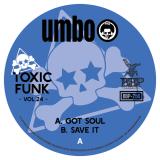
Breakbeat Paradise Recordings welcomes back Umbo for another heavyweight installment of the Toxic Funk series. One of the original pioneers of the Nu Funk movement, Umbo once again delivers two dancefloor-ready cuts packed with soulful samples, infectious breaks and unmistakable funky vibes.
Having released music on respected labels such as Good Groove Records and Timewarp, Umbo has built a reputation for crafting timeless party weapons that blend classic funk with modern breakbeat production. His previous appearances on Breakbeat Paradise have become fan favorites, and Toxic Funk Vol. 24 raises the bar once again.
Leading the release is Got Soul, a groove-laden funk workout driven by punchy drums, irresistible basslines and uplifting soul energy that's destined to ignite dancefloors. On the flip side, Save It delivers another dose of vintage funk attitude, combining tight breaks, funky rhythms and cleverly chopped vocals into an irresistible DJ weapon.
Whether you're spinning funk, breaks, nu disco or party edits, these two cuts are built to keep the energy high. Toxic Funk Vol. 24 is another essential addition to the Breakbeat Paradise catalogue and proof that Umbo continues to be one of the scene's most consistent producers.
Commandez maintenant et nous commanderons l'article pour vous chez notre fournisseur.
After the acclaimed Bar Mediterraneo, Massimo Di Lena and Lucio Aquilina return with People Of The Moon, expanding their sound into a space of creative freedom. The “People of the Moon” are not fictional, but a dimension within us all: a deeply personal yet universal force, an alternative mindset that emerges when freed from social constraints.
Under moonlight, the album explores anxieties and aspirations through groove and rhythm, expressed in Neapolitan, Arabic, English, Spanish, and Portuguese. It moves fluidly from Afro-Cuban influences in “Celavì” to Anatolian textures in “Ma Tu Che Bbuò”, blending highlife guitars with Nu Genea’s signature mandolins-new rhythms filtered through an Italian lens.
The first single “Sciallà” (2025) introduced this direction: dance as catharsis, not escape. The title track reflects a quiet resilience-persistent rather than triumphant. “Onenon”, featuring Tom Misch, channels Mediterranean brit-funk, while “Acelera”, with María José Llergo, evokes a flamenco-tinged pursuit of the unattainable.
“Puleza” recalls Nuova Napoli with driving energy and vintage synths, while “Shway Shway”, sung by Celinatique, captures the album’s orbital flow-measured, rich, and rhythmically complex, echoing afrobeat explorations with Tony Allen.
Melody remains central, as in “Carè”. Across ten tracks, falling, flying, and dancing merge in a suspended groove. Gabriel Prado’s “Ondas Do Mar” embodies this pull: a cyclical motion, like the tides—irresistible, transformative, and alive within us.
Commandez maintenant et nous commanderons l'article pour vous chez notre fournisseur.

The Allergies are making 2026 their own with a string of hot singles leading up to their next studio album in October. Opening singles This Feeling and Dig It Up have received heavy BBC 6 music support where the band have previously been A Listed as well as press support from Dummy Mag, Wordplay, DMC and Monkey Boxing. Future single Resistance has already been synced to a TV advert and this album looks set to take the band to the next level.
il devrait être publié sur 25.09.2026
Over the years, Faust has become many things, distinct as fingers, yet united as the hand that forms the fist. This series of new LPs on Bureau B sees each living member of the legendary 1971-1974 line up present their own interpretation of the Faustian myth, working alone or with collaborators to create new material that reflects their contemporary vision of what Faust can be.
il devrait être publié sur 25.09.2026
Over the years, Faust has become many things, distinct as fingers, yet united as the hand that forms the fist. This series of new LPs on Bureau B sees each living member of the legendary 1971-1974 line up present their own interpretation of the Faustian myth, working alone or with collaborators to create new material that reflects their contemporary vision of what Faust can be.
il devrait être publié sur 25.09.2026
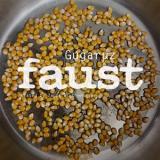
Over the years, Faust has become many things, distinct as fingers, yet united as the hand that forms the fist. This series of new LPs on Bureau B sees each living member of the legendary 1971-1974 line up present their own interpretation of the Faustian myth, working alone or with collaborators to create new material that reflects their contemporary vision of what Faust can be.
il devrait être publié sur 25.09.2026
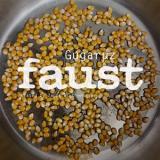
Over the years, Faust has become many things, distinct as fingers, yet united as the hand that forms the fist. This series of new LPs on Bureau B sees each living member of the legendary 1971-1974 line up present their own interpretation of the Faustian myth, working alone or with collaborators to create new material that reflects their contemporary vision of what Faust can be.
il devrait être publié sur 25.09.2026
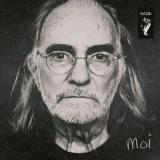
Over the years, Faust has become many things, distinct as fingers, yet united as the hand that forms the fist. This series of new LPs on Bureau B sees each living member of the legendary 1971-1974 line up present their own interpretation of the Faustian myth, working alone or with collaborators to create new material that reflects their contemporary vision of what Faust can be.
il devrait être publié sur 25.09.2026
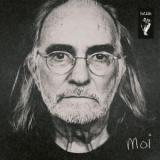
Over the years, Faust has become many things, distinct as fingers, yet united as the hand that forms the fist. This series of new LPs on Bureau B sees each living member of the legendary 1971-1974 line up present their own interpretation of the Faustian myth, working alone or with collaborators to create new material that reflects their contemporary vision of what Faust can be.
il devrait être publié sur 25.09.2026

Over the years, Faust has become many things, distinct as fingers, yet united as the hand that forms the fist. This series of new LPs on Bureau B sees each living member of the legendary 1971-1974 line up present their own interpretation of the Faustian myth, working alone or with collaborators to create new material that reflects their contemporary vision of what Faust can be.
il devrait être publié sur 25.09.2026
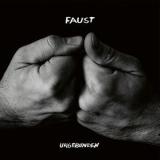
Over the years, Faust has become many things, distinct as fingers, yet united as the hand that forms the fist. This series of new LPs on Bureau B sees each living member of the legendary 1971-1974 line up present their own interpretation of the Faustian myth, working alone or with collaborators to create new material that reflects their contemporary vision of what Faust can be.
il devrait être publié sur 25.09.2026
il devrait être publié sur 25.09.2026

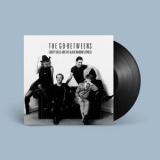
The Go-Betweens zählen zu den beliebtesten und einflussreichsten australischen Bands aller Zeiten und galten als die Kultband schlechthin. Während ihrer vielfach gefeierten Karriere bewahrten sie eine außergewöhnliche künstlerische Konstanz und schufen Jahr für Jahr Musik auf dem Niveau der besten zeitgenössischen Künstler. Gegründet wurde die Band 1978 in Brisbane von Grant McLennan und Robert Forster, zwei Studenten der University of Queensland mit einer Leidenschaft für Filme, Bob Dylan der mittleren Sechzigerjahre und die New Yorker Punk-Szene. Beide sangen, spielten Gitarre und schrieben Songs. Die Konstellation mit zwei eigenständigen Singer-Songwritern an der Spitze war ungewöhnlich, funktionierte hier jedoch hervorragend. Roberts kantige, düster-romantische Kompositionen wurden perfekt ergänzt durch Grants hochmelodische, poetische Popsongs. Für ihr fünftes Album holte die Band die Multiinstrumentalistin Amanda Brown hinzu, die den Klang der Gruppe erweiterte und ihm mehr Dramatik verlieh. Das Album nimmt eine Schlüsselstellung in ihrer Diskografie ein und bildet die Brücke zwischen ihrer frühen Phase und den opulenter arrangierten späteren Werken. Das Paste Magazine führte das Album in seiner Liste der besten New-Wave-Alben und hob hervor, dass es "mehrere Schlüsselwerke der beiden Hauptsongwriter enthält, insbesondere McLennans mitreißende, zu Unrecht unterschätzte Songs 'Right Here" und 'Bye Bye Pride" sowie charakteristisch kantige Forster-Kompositionen wie 'House That Jack Kerouac Built" und 'The Clarke Sisters", eine eindringliche Charakterstudie über unverheiratete Schwestern, die den Blick ihres Autors für Details perfekt einfängt."
il devrait être publié sur 25.09.2026

The Go-Betweens zählen zu den beliebtesten und einflussreichsten australischen Bands aller Zeiten und galten als die Kultband schlechthin. Während ihrer vielfach gefeierten Karriere bewahrten sie eine außergewöhnliche künstlerische Konstanz und schufen Jahr für Jahr Musik auf dem Niveau der besten zeitgenössischen Künstler. Dies war das sechste Album der Band. Laut Record Collector gilt es "nahezu einhellig als die Sternstunde von The Go-Betweens" und wurde sogar als das "Indie-Rumours" bezeichnet. Die zehn wunderschönen Stücke des Albums sind allesamt Liebeslieder; das Werk wurde als Beispiel "romantischer Kunstfertigkeit" beschrieben. Der legendäre Musikkritiker Robert Christgau nannte es: "die geradlinigste und eingängigste Sammlung von Liebesliedern, die sie jemals hervorgebracht haben". Das Album wurde außerdem in das Buch 1001 Albums You Must Hear Before You Die aufgenommen. Robert Forster beschrieb es als: "die perfekte Verbindung aus Londoner Melancholie und Sydneyer Sonnenschein."
il devrait être publié sur 25.09.2026

The Go-Betweens zählen zu den beliebtesten und einflussreichsten australischen Bands aller Zeiten und galten als die Kultband schlechthin. Während ihrer vielfach gefeierten Karriere bewahrten sie eine außergewöhnliche künstlerische Konstanz und schufen Jahr für Jahr Musik auf dem Niveau der besten zeitgenössischen Künstler. Gegründet wurde die Band 1978 in Brisbane von Grant McLennan und Robert Forster, zwei Studenten der University of Queensland mit einer Leidenschaft für Filme, Bob Dylan der mittleren Sechzigerjahre und die New Yorker Punk-Szene. Beide sangen, spielten Gitarre und schrieben Songs. Die Konstellation mit zwei eigenständigen Singer-Songwritern an der Spitze war ungewöhnlich, funktionierte hier jedoch hervorragend. Roberts kantige, düster-romantische Kompositionen wurden perfekt ergänzt durch Grants hochmelodische, poetische Popsongs. Dieses beeindruckende Live-Album wurde im Mai 1987 professionell aufgenommen, unmittelbar vor der Veröffentlichung von Tallulah. Uncut schrieb darüber, dass es "detailliert die wachsende Selbstsicherheit der Band und ihr stetig verfeinertes Songwriting dokumentiert".
il devrait être publié sur 25.09.2026

At the outset of the project, Jupp assembled a palette of instruments and sounds which evoke a moment in musical history when digital studio technology just started to take over from analogue. Eschewing Belbury Poly’s earlier mid 70s obsessions, to focus on that period around 1983, when artists who could afford it started to experiment with samplers. It was a musical moment dominated by the sounds of Prophet 5, DX7 & PPG synthesizers, Fairlight & Synclavier music computers, TR808 drum machine & Simmons Drums (those ubiquitous hexagonal drum pads) and of course the much-maligned fretless bass.
It’s also an era that’s now seen as something of a golden age for fantasy, sci-fi, comics, book, TV, movies and games (particularly in Britain where it was often fuelled by a post punk reaction to Thatcher’s regime). In Jupp’s memory these things go hand in hand; as a child his nerdy fandom was soundtracked not as it was for most by Heavy Metal, but by the electronic pop of Bill Nelson, Yellow Magic Orchestra, Japan, and Frank Chickens. Also, by otherworldly TV soundtracks & production music of the era: Elizabeth Parker and Paddy Kingsland at the BBC, The Parry Music Library, Rod Argent’s new age library albums and even Clannad’s Robin of Sherwood score.
il devrait être publié sur 25.09.2026
Cet article n'a pas encore été publié. Vous pouvez pré-commander le produit maintenant.
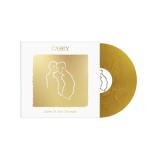
10th Anniversary Edition auf metallic goldenem Vinyl. Mit neuem Artwork und A2 Lyric/Poster Insert. Casey (South Wales) drücken dem Hardcore aus UK ihren eigenen Stempel auf . Mit berechtigten Vorschusslorbeeren (1. Single bereits auf Heavy Rotation bei BBC1) geht die Band Ende September mit ihrem Debüt-Album an den Start und im November auch gleich mit guter Begleitung (Being As An Ocean & Capsize) auf Deutschland Tour. Ihr Sound hat Punk von LA DISPUTE, Hardcore von TOUCHE AMORE und das Feeling von LETLIVE verinnerlicht!
il devrait être publié sur 25.09.2026
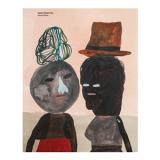
Mit "Almost There", liefert der Pianist und Komponist ESPEN ERIKSEN nach einer äußerst erfolgreichen Reihe von sieben Alben in 16 Jahren, darunter zwei mit dem bekannten britischen Saxophonisten ANDY SHEPPARD, ein weiteres melodisches Meisterwerk ab. Fesselnd und lyrisch, stets melodisch, aber gleichzeitig auch melancholisch und erhebend, handelt es sich um wahrlich ergreifende Kompositionen. "Music with a rich sense of melody coupled with a poignant lyricism that is infectious". - All About Jazz "A wonderfully plaintive jazz record, abandoned to the lost art of melodic minimalism, stripped back and beautifully near bare. No smoke and mirrors, just the graceful chemistry of superb musicians at the top of their game". - BBC Erwähnt werden muss die atemberaubende Klangqualität des Albums. "Almost There" überzeugt mit einem detailreichen und dynamischen Klang, der insbesondere durch seine organische Natürlichkeit hervorsticht. Die Kompositionen wurden in ESPENs bevorzugtem Studio Propeller Music in Oslo aufgenommen und abgemischt. Dort hatte er sich bereits für seine letzten fünf Alben eingefunden, welche aufgrund ihrer außerordentlichen Aufnahmequalität auch häufig in Tests verwendet und in HiFi-Kreisen hervorgehoben werden. Das ESPEN ERIKSEN TRIO wurde im Jahr 2007 gegründet und veröffentlichte 2010 sein Debüt-Album. Als zunehmend beliebte Live-Band tourte das Trio, bestehend aus ESPEN ERIKSEN (Klavier), LARS TORMOD JENSET (Kontrabass) und ANDREAS BYE (Schlagzeug), bereits auf vier Kontinenten und verfügt über ein reichhaltiges Repertoire. Die Musik zeichnet sich durch äußerst melodische und lyrische Instrumentalstücke aus, manchmal versehen mit nordischem Einschlag, sowie durch einen "Weniger ist mehr"-Ansatz, der von der internationalen Presse oft als einzigartiger Beitrag zur heutigen Jazzszene gewürdigt wird. Alle drei Musiker verfügen über einen vielseitigen musikalischen Hintergrund, der von Pop bis Jazz reicht, und haben bereits mit Musikern wie Bugge Wesseltoft, John Scofield, Joshua Redman, Dhafer Yousef, John Taylor, Vince Mendoza, Eivind Aarset, Knut Reisersrud, Mathias Eick, Nils Petter Molvær, Thomas Stronen, Odd Nordstoga, Håkon Kornstad, Jarle Bernhoft und Bendik Hofseth zusammengearbeitet.
il devrait être publié sur 25.09.2026
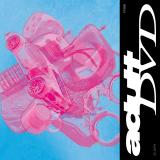
Leeds six piece, Adult DVD, announced their signing to Fat Possum this year, with standalone single ‘Real Tree Lee’, which landed the band on the BBC 6 Music A-List along with ‘Ones To Watch’ attention from the likes of The Rolling Stone, The Line Of Best Fit and more. On September 25th they release their much anticipated debut, self-titled album. Recorded and produced by the band at hometown The Nave Studios, the new album fuses Adult DVD’s love of hook laden indie, with pulsing groove, 90's acid house influence and an undeniable humour in their songwriting. Known for their electric live show, including their recent sold out London residency plus debut USA and Japan tours, Adult DVD is a festival favourite; hailed ‘Best Of SXSW’ (Rolling Stone), 'Best Of The Great Escape' (The Sunday Times, DIY and Dork). The band are continuously on the road with routing booked through to 2027, across UK/EU/US/JP.
il devrait être publié sur 25.09.2026
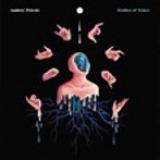
In 2024, Audrey Powne emerged as a compelling new voice in contemporary jazz with the release of her acclaimed debut album From the Fire; a self-produced and self-composed work celebrated for its lush string arrangements, soaring trumpet performances, and emotionally rich songwriting. Now, two years later, Powne returns with Bodies of Water, a bold and deeply introspective follow-up that continues her elemental exploration: from fire to water. An exploration of what it means to exist alongside others in an increasingly unstable world, Bodies of Water reflects on vulnerability, responsibility, and human interconnectedness. The album’s title and conceptual foundation were inspired by a passage from Caleb Azumah Nelson’s novel Small Worlds: “...to make himself a body, like water, a still surface, but beneath this, a ripple, and beneath this, an ebbing tide, and beneath that, a violent, constant tow…” Throughout the record, lyrics ruminate on the idea that like all bodies of water, we are vulnerable to disruption and catastrophe. Unlike inanimate bodies of water, however, we are conscious participants in both the damage and the repair. That tension between what we are made of and what we are responsible for became a grounding and harmonious thought. This album is a meditation on that idea, both in my personal life and in a broader, collective sense. Swollen, Broken Record, and Karma, reflect on moments of cruelty and error including her own that felt unbearable. Viewing them instead as forces moving through the landscape of a life, violent but temporary to survive their immediate impact. More socially conscious tracks Stay Awake, Creeds, RYV, and Two Sides confront frustration with political polarisation and the emptiness of language unaccompanied by action. The title and final track Bodies of Water brings these ideas together, reimagining both personal and societal upheaval as events shaped by bodies of water moving through the world destructive at times, transformative at others, and always in motion. Blending traditional jazz with Afrobeat rhythms, Dilla-inspired grooves, ambient textures, and expansive arrangements, Bodies of Water reveals the breadth of Powne’s artistic vision. The record moves fluidly between spiritual jazz, warped soul and rhythm-driven experimentation, while layered interludes and meticulous production thread its disparate influences into a unified and immersive sonic world.
il devrait être publié sur 25.09.2026
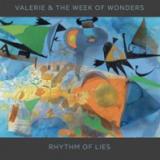
Burns with brothers Brian and Ewan Mcfie at Glasgow School of Art in the early 1980s. Drawing comparisons to Simple Minds, U2 and R.E.M, their post-punk sound attracted attention from John Peel who aired their single Too Late in 1984. The band signed to A&M and released Real Surprise in 1985 which became a BBC Radio 1 Single of the Week. However, like many bands of the time, their recording deal collapsed. For decades, all that remained were those two singles and a box of unreleased demos. During lockdown, the band revisited the tapes, finally bringing a remarkable lost chapter of Scottish post- punk back to life. In 2025 the band decamped to Beetroot Studios in Airdrie with producer Stuart MacLeod to work on new material. Rhythm of Lies is released by Last Night From Glasgow on blue vinyl and CD. This album is a must have for new and returning fans alike.
il devrait être publié sur 25.09.2026
The method is instability.
— Violeta Garcia & Hora Lunga
Violeta García & Hora Lunga return with 4ever, their second album and the follow-up to I’ll Wait For You In The Car Park. Released in 2025 on -ous, their debut received airplay on BBC and NTS and was selected for Bandcamp’s Best Experimental Music year-end list. 4ever picks up where that record left off: in ordinary moments, small scenes and the strange emotional weight of being somewhere between places. But here, these moments are stretched across a much larger, darker screen. A night flight, a terminal, a bad connection. When too many feelings are carried from one place to another, everyday situations begin to feel epic, empty, or apocalyptic.
Built from García’s cello and Hora Lunga’s synths, samples and field recordings, the album pushes further into emotion, letting fragile melodies, orchestral cello gestures, heavy low-end and compressed noise melt into something both dystopian and strangely familiar. Its warmth is not meant to be an escape from this world, but something that appears within it. Acoustically, the album lives through the closeness of the materials, the way sounds stay with each other, and in the feeling that even the most unstable moments are being carried together. The album presents itself in scenes that fade into each other: quiet melodic fragments that are interrupted and restarted, unpredictable changes of direction, held together by an inevitable melody, a bright synth harmony unfolding into an almost orchestral cello arrangement. Later, a broken organ-like sample turning in circles, cello melodies appearing as if they were trying to remember a song that never belonged to one voice alone. An endless loop that is placed under changing lights, briefly opening into emotional chords, then slipping back into emptiness.
It is this instability that Violeta García and Hora Lunga place at the center of their collaboration. They do not decorate the cello with production, or place electronics around an acoustic centre. They explain: “On 4ever, we become part of the same unstable surface. What holds the record together is not resolution, but the trust in staying together as things distort, overload, disappear and return.”
Violeta García, an Argentinian cellist known for her solo work and for her role in the punk band Blanco Teta, brings the instrument close to the body, as melody, pressure, texture, noise and sudden emotional weight. García has brought her distinct musical voice to KEXP, Rewire, Le Guess Who?, Bad Bonn Kilbi, Silent Green, TransMusicales, Roskilde and more.
Hora Lunga, a Zurich-based producer and composer working across unstable song forms, treats electronics less as a frame than as a weather system: something that can hold a scene together, distort it or make it disappear. In recent years, his compositions have ranged from experimental song forms, sound performances, ensemble compositions and film music. His ensemble WIRREN consists of up to fifteen performers.
il devrait être publié sur 25.09.2026
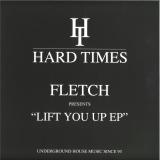
For his debut on Hard Times Records, Manchester's FLETCH delivers 'Lift Me Up’ - a four-track EP rooted in rolling grooves, warm musicality and a refined dancefloor energy.
The release follows a busy run for FLETCH, with releases on Circoloco, Three Six Zero, MVSON and ANOTR's No Art, where his Play House EP reached the top of the download charts. His connection with Hard Times began behind the decks at the label's sold-out Miami Winter Music Conference showcase, where a shared appreciation for the music soon developed into plans for a release.
"After playing for the Hard Times crew in Miami, I told them how I'd been a fan of the label for years and that i’d love to release something with them one day," says FLETCH. "I sent over some tracks that I felt were a natural fit and the guys signed them on the spot. The rest, as they say, is history!"
The title track sets the tone for the EP with rolling drums, elastic basslines and understated vocal hooks, while 'Stand Up’ leans into swung percussion and classic chord stabs. On the B-side, 'Touch Me' shifts into deeper territory with stripped-back, late-night groove, before '1000 Years' closes the EP with dusty scratches, crisp hats and an understated sense of drive.
Since its digital release, lead track "Lift You Up" has received strong support on BBC R1, plus heavy DJ support from the likes of TSHA, Hilit Kolet, Laurent Garnier, Jamie Jones, Groove Armada, Riva Starr, and more.
FLETCH's sound continues to evolve while remaining firmly rooted in the traditions of house, making 'Lift Me Up' the perfect debut on Hard Times.
Commandez maintenant et nous commanderons l'article pour vous chez notre fournisseur.
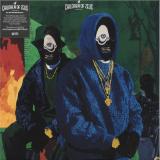
Children of Zeus return with their third studio album ‘As The World Burns…’
Five years on from their highly-acclaimed sophomore album ‘Balance’, Manchester’s kings of hip hop soul, Tyler Daley and Konny Kon, bring us a brand new 16-track opus.
Sonically the duo continue their story where they left off; crafting an amalgamation of street soul, alternative r&b and boom bap hip hop, with a sprinkle of flavours taken from their original multi-genre pirate radio influences, and a dash of forward-thinking new sounds, ensuring all tracks are destined to become future classics.
The features are sparing but powerful, enlisting the talents of revered UK rapper Knucks (‘Before We Drown’), Colorado-native Young Old Soul (‘Dopamine’), MCR family K S R (‘Do You Want To Get High’, & Australian/Mauritian up & comer Anieszka (‘Water & Vibes’).
As with previous projects, this album is largely produced by the duo themselves, though there are guest productions from previous collaborators too, including Grammy Award-winner Beat Butcha, Grammy-nominated Teo, and broken beat pioneer K15, along with an assortment of new players making moves in the underground neo-soul & beats circuit.
Conceptually, this project continues on with the story to date. An eternal search for sunsets and soulfood, as a respite to the anxieties of the modern world; personally, professionally and globally. Assertive swagger is matched with brutal but sincere candidity. As ever, it encapsulates the rough with the smooth, with reflections on where they’ve been, where they’re at and where they’re headed. There’s no preaching to be found here; just an acceptance of things as they are, an embrace of the environment and people they were nurtured by, and a celebration of some of the finer things in life; slow jams, weed & rum, water & vibes. Raps for listeners, blunt heads, fly ladies and prisoners. All packaged together as another perfect sonic love letter to sound system culture. 50 minutes of big people music.
Since the release of their anthemic debut single ‘Still Standing’ a decade ago, to the subsequent EP ‘The Story So Far’, and their critically-lauded debut album ‘Travel Light’, the duo have received numerous accolades, including nominations for AIM Awards & Worldwide Awards both, along with tons of ‘Album of the Year’ nods care of Clash Magazine, Bandcamp, Complex, Wordplay and many more. This along with huge swathes of support from DJs, radio stations, press outlets, tastemakers, luminaries & fellow artists across the globe.
Children of Zeus have performed sessions for COLORS, Soulection (Apple Music), DJ AG, Boiler Room, BBC 6 Music and at the infamous Maida Vale studios for BBC 1Xtra as well as touring across Europe, Australia and South Africa. This is in addition to collaborating & touring with Mercury Award Winner’s Ezra Collective, including a Wembley Arena show. Other collaborations over the years have included Shy FX, Juls, Goldie, Black Milk, Kofi Stone and the late great Lenzman.
From the Broke ’n’ English / Hoodman-era, to the present day, Children of Zeus have been omnipresent in the fabric of British black music. Proud ambassadors of Manchester music, and of UK soul, it really is “Zeus to the world”.
Children of Zeus have been adorned with plenty of flowers over their career. The unbridled quality and poignance of the music and the message on display throughout this project will see the algorithmic needle move some more. It’s undoubtedly set to be a Zeus Summer. As the world burns…
Available on all digital platforms and physical formats, Friday September 4th 2026.
t 07: Do You Want To Get High? (feat. K S R ) - Children of Zeus03:26
t 07: Do You Want To Get High? (feat. [ K S R ]) - Children of Zeus03:26
[t] 07: Do You Want To Get High? (feat. [ K S R ]) - Children of Zeus03:26
[g] B3 | Do You Want To Get High? (feat [ K S R ]) - Children of Zeus03:26
Commandez maintenant et nous commanderons l'article pour vous chez notre fournisseur.

Sun Ra is better known to most as a musician than a poet, but he identified equally as both. My Words Are Music provides direct access to the sentiments of a poet who never called Earth home. The spoken word album hosts an inspired array of artists who personally chose their favorite Sun Ra poems to recite. Freed from the page, his poetry acquires an unexpected simplicity and poignance it possessed all along.
This all-star and intergenerational lineup of artists conjure wisdom from his words: spoken word elder Abiodun Oweyole of The Last Poets; rapper, and singer-songwriter Saul Williams; jazz experimentalist Melanie Charles; British-Trinidadian poet, novelist and musician Anthony Joseph; poet Mahogany L. Browne; poet, playwright, and conceptual artist Carl Hancock Rux; musician/digital composer L’Rain; singer, actor, and director Tunde Adibempe of TV on the Radio singer; British DJ and BBC radio host Zakia Sewell; ballistic hip-hop poet Jive Poetic; and longtime members of the Sun Ra Arkestra, Marshall Allen, Knoel Scott, and Tara Middleton.
Punctuated by impish electronic interludes composed and played by Marshall Allen, these voices bless Sun Ra’s poetry with new life My Words Are Music offers the opportunity to follow Sun Ra into a
better future. “Prepare for the journey,” he writes in his poem “The Cosmic Age”, “You have a rendezvous / With the living wisdom.” My Words Are Music is a project developed in conjunction with Living Sky, the all-instrumental Sun Ra Arkestra album released on Omni Sound in 2022
il devrait être publié sur 21.09.2026
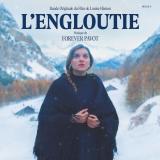
Composed by Forever Pavot for the film *L'Engloutie*, this soundtrack for Louise Hemon's film reveals a more intimate and cinematic side of Forever Pavot's universe.
Between hypnotic melodies, ethereal Morricone-esque choirs, delicate orchestrations, and psychedelic textures, these tracks accompany the images with a unique elegance. Both contemplative and mysterious, this music extends the film's enigmatic charm far beyond the screen.
Limited edition of only 300 copies
il devrait être publié sur 18.09.2026
A recent signee to Chess Club Records, Jo Geller aka jo from school, finds herself among the independent label’s pedigree of homegrown artists who have gone on to attain major success. Alumni such as Billie Marten, an artist long admired by Jo, as well as Wolf Alice, are just a couple of names who found their initial support through Chess Club.
At 22-years-old, jo from school’s graceful, carefully crafted but devastatingly delivered songs hit with an air of maturity that lands far beyond her years. An embrace for spontaneity and imperfection gives her material its character; primarily as an artist focussed on doing things her own way.
Writing on the piano since the tender age of nine, Jo self-taught herself guitar as a teenager during lockdown, joining the illustrious Brit School: “I was the only musician in my world until I went to Brit School, then I was the worst musician there,” she says. “It gave me a kick. I went from thinking that it was cooler to not care about anything, to realising the more you cared, the cooler and more individual it made you.”
Largely produced by Rich Cooper (CMAT, Billie Marten), so far both singles from the EP have been supported by BBC Radio 1, Radio 2 & 6Music. Huw Stephen's has invited Jo to feature in his Huw You Are segment airing on 6Music on 29th July, and Jess Iszatt has already had Jo as her Introducing featured artist on BBC Radio London. Rolling Stone UK featured jo as their Play Next artist last month, along with CLASH who just confirmed a Next Wave feature to run on EP release. Outlets like Line of Best Fit, DORK, DIY and Wonderland have all came to the table to champion jo too. We've also seen impressive audience growth in just 2 months – with jo adding more than 3k new followers across platforms since her debut single 'Chicken' was released on 6th May.
On the live front, jo was invited by Dirty Hit's Skullcrusher to support on her UK + European headline tour in June, with past supports also including TTSSFU, Daffo, Esme Emerson. Jo has been booked for Night Currents festival in Portsmouth and invited to support 1000 Rabbits, both in October, and will be Playing Estrella Soundhood Festival in London in September too.
il devrait être publié sur 18.09.2026
