
pre-order now10.10.2025
expected to be published on 10.10.2025
expected to be published on 10.10.2025

expected to be published on 10.10.2025

Spidergawd sind klassischer Heavy Rock mit gigantischem Melodieverständnis, das teils poppige Züge annimmt. Twin-Gitarren zelebrieren dieses Melodieverständnis exzessiv, duellieren sich und feuern es an und alles steht auf einem solide klassischen NWOBHM Fundament. Für ihr achtes Album in elf Jahren Band-Geschichte haben SPIDERGAWD einen überraschenden Titel gewählt: "From Eight to Infinity" oder "From 8 to _êP". Damit beendet die Band die Verwendung römischer Titel, die sie für ihre vorherigen sieben Alben verwendet hatte. Ansonsten scheint vieles vertraut, wenn sie mit ihrem unverkennbaren SPIDERGAWD-Sound, doppelten Gitarren, dreifachen Gesang und Bariton Saxophon in gewohnt aufwändigem Album Artwork stets wiedererkennbar bleiben. Natürlich bleiben die wichtigsten Referenzen wie Thin Lizzy und Motorhead offensichtlich. Aber während "VII" sich ein wenig an 80er-Jahre-Bands wie Rush, Adrian Smith und Boston anlehnen konnte, ist "From Eight to Infinity" in seinen Referenzen eher bei AC/DC und Cheap Trick auf der einen Seite und Metallica und Black Sabbath auf der anderen. Es gibt scheinbar immer noch keine Anzeichen dafür, dass Spidergawd einen Gang zurückschalten und die Band verspricht nicht nur im Titel eine große Zukunft. All das scheint vielversprechend für die anstehende Tour. Man konnte dies aber auch schon deutlich spüren bei den Support Shows für Judas Priest, ein Band-Traum, der in Erfüllung ging.
expected to be published on 10.10.2025
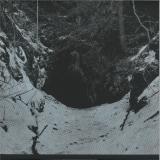
Erik K Skodvin summons his alter ego Svarte Greiner for a dive into the dark, wintery Swedish forest with the score to the psychological thriller/horror film “From Darkness” (orig: Ur Mörkret).
The film is director Philip W. Da Silva's debut and is set largely at night, deep in a Swedish nature reserve where mining used to take place. Loss, mental health and Nordic mythology come together in a story that revolves around the search for a missing woman. The score follows an eclectic and atmospherical path throughout the narrative with an uneasy underlaying vibe; although one with occasional points of refuge in the otherwise vast darkness. There is a gloomy, barely tangible sound of Nordic folk tradition buried in the music, even if it comes across in a different, more abstract way, where the various instruments are often used more as sound sources that are improvised (and abused) into becoming their own element. Skodvin performed and recorded the majority himself. In addition, he commissioned free improviser Axel Dörner to participate with his unique, custom-built electro-acoustic interface, which, along with Claudio Puntin's processed reeds and additional electronics, has been built into the elaborate backdrops to create an entire world that balances on the border between the approachable and the elusive - not unlike the journey of the protagonists. Skodvin's partner in Deaf Center, Otto A Totland, appears on piano in the stand out piece “What have you become?”.
The result is a harrowing yet deeply melancholic journey through the human psyche. One that echoes through the dark forests, cabins and lost mines of the desolate Swedish woodlands.
“It is presumed that as humans mined ore in the 1800s, they had many mishaps and dug too deep, leading them to assume they had unleashed some evil spirit that was guarding the ore. She was referred to as "Cave Wraith". It was said that she employed darkness to lure miners to their deaths. They prohibited villagers from visiting during the darkest months of the year. Some used sacrifices to subdue the evil entity.”
The vinyl is released in an edition of 150 numbered copies, with screenprinted artwork on black cardboard inside a screenprinted PVC sleeve, incl. Riso-printed insert with liner notes by Mike Lazarev, 180g vinyl.
Order now and we will order the item for you at our supplier.

Ska was the name given to the music that came out of Jamaica between 1961/66.Based on the American R&B and Doo Wop records that the Sound Systems in Kingston Town used to play.But the American records style started to mellow out while the Jamaicans preferred a more upbeat sound.So the Sound System boss's became record producers to cater for this demand.Sir 'Coxonne'Dodd and Duke Reid led the way putting the top musicians on the island in the studio to make music,its subtle twist that had an emphasis placed on the offbeat made the music unmistakably Jamaican.
W.I.R.L Records(West India Records Limited) was set up by the Jamaican politician Edward Seaga in the late 1950's.He had supervised the recording of an album of Ethnic Jamaican music and needed an outlet for its eventual release.In 1962 the year of Jamaican Independence ,Seaga became a member of Parliament, representing the Jamaican Labour Party and then decided to sell the label to Bryon Lee,the sale led to a name change from W.I.R.L to Dynamic Sounds.
We have compiled some of the best SCORCHING SKA SOUNDS that came out of W.I.R.L vaults...and it still sounds as fresh today as the day it was recorded...hope you enjoy the set
expected to be published on 10.10.2025

Im Zuge der Louisville-via-Chicago-Post-Rock-Explosion des späten Millenniums kam Mercury Program mit einem Vibraphon in der Hand in einer amorphen ,Szene" im Umbruch an. Von The Vapors of Gasoline - ihrem 2000er Album für Tiger Style - war keineswegs ein Einbruch, sondern zehn intellektuelle und dissonante Jams, die verschämt die nie gestellte Frage beantworteten: Was wäre, wenn New Age und Posthardcore ein Haus in der Vorstadt kaufen würden? Diese Remaster-Version zum 25-jährigen Jubiläum offenbart das Genie eines übersehenen Triumphs in erstaunlich lebendigen Details und bietet atmosphärische Farbe für ehemalige Reptilien- und Periodensystem-Fans gleichermaßen.
expected to be published on 10.10.2025

expected to be published on 06.10.2025

expected to be published on 03.10.2025

Mit „From Dust to Darkness“ liefert Sparzanza ihr bisher heaviestes, düsterstes und ambitioniertestes Album ab. Die Band ist bekannt für ihre knallharten Riffs, unvergesslichen Refrains und gnadenlosen Live-Shows. Sie tourte durch ganz Europa und hat sich in Finnland, Deutschland, Großbritannien und darüber hinaus eine Kult-Anhängerschaft aufgebaut. Mit Millionen von Streams, ausverkauften Venues und einer treuen Fangemeinde, die sie sich über zwei Jahrzehnte hinweg aufgebaut haben, wird ihre Rückkehr nicht nur erwartet, sondern geradezu gefordert.
expected to be published on 03.10.2025

This is one of the “historical records” linked to the techno and progressive movement of the nineties; it was one of the most used records as the “last record” in the most important Italian clubs and included in all the sets of the most important European DJs. Available in original print and in a rare limited edition blue vinyl version.
Order now and we will order the item for you at our supplier.

expected to be published on 26.09.2025

expected to be published on 26.09.2025

expected to be published on 26.09.2025

expected to be published on 26.09.2025

Order now and we will order the item for you at our supplier.

if we think about what's the best italo disco label considering the number of release and success, Hole Records would be on the top three of each italo disco lover. Aimed by Mikki Chieregato and Roberto Turatti, every single release on the label is a gem. Joe Yellow, Den Harrow or Stylóo started an succesfull carreer on the label but also Fred Ventura. He was the vocalist of Flexxy-Ball. Produced by Chieregato and Turatti and bring it to light at the Manlio Cangelli studio Love Theme From Flexxy-Ball, Love Theme from Flexxy-Ball is a record that can be missed in any italo shelf.
Order now and we will order the item for you at our supplier.

if we think about what's the best italo disco label considering the number of release and success, Hole Records would be on the top three of each italo disco lover. Aimed by Mikki Chieregato and Roberto Turatti, every single release on the label is a gem. Joe Yellow, Den Harrow or Stylóo started an succesfull carreer on the label but also Fred Ventura. He was the vocalist of Flexxy-Ball. Produced by Chieregato and Turatti and bring it to light at the Manlio Cangelli studio Love Theme From Flexxy-Ball, Love Theme from Flexxy-Ball is a record that can be missed in any italo shelf.
Order now and we will order the item for you at our supplier.

A guitar player, writer, producer, and composer, Stevie Salas has recorded on over 70 different albums with artists as diverse as George Clinton, Justin Timberlake, Buddy Miles, T.I., Mick Jagger, and Rod Stewart. Having sold over two million solo albums around the world, Stevie has been cited as one of the top 50 guitarists of all time. Dreaming of a career in music, Stevie left the small town of Oceanside, California in 1985. Eight months later he was discovered by funk music legend George Clinton as the lead guitarist for Clinton's albums. Stevie received his first major label producer credit with Was (Not Was) when he co-produced the UK hit "Out Come the Freaks" from the album "What up Dog?" Rolling Stone Magazine listed "What up Dog?" as one of the top 100 records of the decade. With an extensive solo career, Stevie has now teamed up with Deko Entertainment to reissue some of these albums starting with the 30th Anniversary of "Back From The Living (Deluxe Edition)"
k MUCH ADO ABOUT BUTTIN' [SUCKERMANGRUBBY MOUTH MIX]
[q] TELL YOUR STORY WALKIN' [MUG MASHER REMIX]
[r] CRACK KILLED APPLE JACK [GRAVY BOOTY REMIX)
[k] MUCH ADO ABOUT BUTTIN' [SUCKERMANGRUBBY MOUTH MIX]
[q] TELL YOUR STORY WALKIN' [MUG MASHER REMIX]
[r] CRACK KILLED APPLE JACK [GRAVY BOOTY REMIX)
expected to be published on 19.09.2025

Exklusive Vinyl-Sammlung mit Demos, Skizzen und Outtakes vom neuen Album "Season Of The Peach" von Black Lips. Mit einem Feature von King Khan sowie alternativen Versionen und Mixen und exklusiven Songs aus den Sessions. Gleichzeitig mit ihrem richtigem neuen Album "Season Of The Peach" wird die Outtakes-Sammlung "Bebop Armageddon (Detours & Offcuts From Season Of The Peach)" veröffentlicht, ein wildes, limitiertes Kompendium: Demos, alternativen Versionen und klingende Missgeschicke der jüngsten Sessions zum neuen Album, für echte Fans auf Vinyl gebannt. Wenn "Season Of The Peach" eine farbenfrohe Halluzination ist - teils Garagenrock-Fantasie, teils verbranntes Americana-Land - dann ist "Bebop Armageddon" sein zerfetzter, magnetischer Schatten. Diese 14 Tracks nehmen einen orientierungslosen Weg durch dasselbe Terrain und bieten mutierte Skizzen, wunderschöne Trümmer und freakige Umwege, die vor rohem Charme und chaotischer Erfindungsgabe nur so strotzen. Es gibt alternative Mixe (,Kassandra"), Demoversionen (,Judas Pig", ,Zulu Saints") und schwindelerregende Neuinterpretationen wie ,The Illusion Pt. 1 (dream mix)". Das Exklusive ,Colt 44" (mit King Khan) rattert wie ein Güterzug, der zu entgleisen droht, während ,Satan" und ,Back To Kiev" gleichermaßen versengten Psych, Saloon-Gospel und gespenstische Front-Porch-Melodien bieten. Alle Tracks wurden auf Analogband im Sound At Manor Studio von Oakley Munson in den Catskills aufgenommen. Bebop Armageddon fängt den Geist der Sessions in roher, ungekünstelter Form ein. Keine sauberen Linien. Keine Wiederholungen. Kein Glanz. Das ist das Chaos unter der polierten Oberfläche des Mutteralbums - die Black Lips, die sich nicht benehmen wollten. Limitiertes klassisch schwarzes Vinyl (1000 Stück weltweit) mit DLC dabei.
expected to be published on 19.09.2025

expected to be published on 19.09.2025

expected to be published on 19.09.2025

LP-Box mit fünf Original-Studioalben von 1965.
(AAA) Remastered und direkt von den originalen analogen Mono-Bändern von Kevin Gray geschnitten.
Fünf Original-Studioalben, aufgenommen in einer Woche im August 1965 in New York City: Boppin', Smokin', Groovin', Comin' On, Cool Burnin' sind zum ersten Mal seit über 50 Jahren wieder auf Vinyl erhältlich. Für diese Aufnahmen, die einen Wendepunkt in seiner Karriere markieren, hat Chet Baker eine Band der Superlative um sich geschart: George Coleman, Kirk Lightsey, Herman Wright und Roy Brooks spielen alle auf diesen aufregenden Sets, die ursprünglich bei Prestige Recordings erschienen sind.
New Land hatte vollen Zugang zu den originalen analogen Monobändern, und Kevin Gray hat sie neu gemastert und geschnitten (AAA), um ihnen eine frische Klangfarbe zu verleihen. Das Herzstück dieser Box ist ein Buch mit einem unglaublich detaillierten Essay von GRAMMY® Nominee James Gavin, der die wahre Geschichte hinter diesen Aufnahmen mit Interviews der Beteiligten verbindet. Illustriert mit seltenen Fotos und Ephemera ist dies der bisher tiefste Einblick in diese Aufnahmen.
Chet Bakers Prestige-Aufnahmen aus dem Jahr 1965 markieren eine Übergangsphase - seine Rückkehr in die USA nach einer Zeit in Europa und einer Auseinandersetzung mit dem Rechtssystem. Diese Sessions zeigen ihn in einem raueren, expressiveren Ton, der aber immer noch von seiner charakteristischen lyrischen Schönheit durchdrungen ist. Die Aufnahmen entstanden auf dem Höhepunkt der Hard-Bop-Renaissance von Prestige Records und zeigen Baker zusammen mit dem Saxophon-Titanen George Coleman, der gerade mit Miles Davis auf Tournee war. Das Ergebnis ist ein rauer, swingender Quintett-Sound, direkt, gefühlvoll und ungeschminkt.
Nach Jahren des Umherziehens in Europa und scheinbar endlosen persönlichen Turbulenzen kehrte Chet in die USA zurück, um diese Sessions aufzunehmen. Ohne die jugendliche Unschuld seiner frühen Tage an der Westküste spielt Baker mit einer dunkleren, introspektiven Note - sein Horn singt immer noch, aber jetzt seufzt es auch.
Zusammen mit einer starken Rhythmusgruppe aus New York verbinden diese Aufnahmen die Eleganz des Cool Jazz mit der rauen Direktheit des Hard Bop der Ostküste. Baker zeigt sich hier von seiner menschlichsten Seite - zerbrechlich, lyrisch, ungefiltert.
Dies sind nicht einfach nur Aufnahmen aus Chets Spätzeit - sie sind ein Dokument seiner Neuerfindung. Für Sammler schließen sie eine wichtige Lücke zwischen seiner ikonischen Cool Jazz Ära der 1950er Jahre und seinen düsteren europäischen Sessions der 1970er Jahre.
expected to be published on 12.09.2025

expected to be published on 12.09.2025

expected to be published on 12.09.2025

Die frühen Achtzigerjahre waren für den härteren Rock aus Deutschland eine ganz besondere Zeit. Der ausufernde Progressive Rock und der sogenannte Krautrock waren am Ausklingen, der Punk musste dem New Wave weichen und der Heavy Metal begann Fahrt aufzunehmen.
Einige Bands saßen zwischen 1980 und 1983 zwischen den Stühlen und können gar als „das fehlende Glied“ bezeichnet werden. In diesem Boxset
befinden sich gleich drei Schmuckstücke und Geheimtipps, die heute sogar aufregender klingen als damals. REQUIEM kamen aus Stuttgart
und lieferten auf ihrer einzigen LP einen Mix aus Hardrock, Pomprock und Progressive Rock. Gitarrist Tommy Clauss wurde später mit Bands wie ZAR
berühmt, bei denen auch ex-Uriah Heep Sänger John Lawton dabei war.
SPHINX ist eine andere Geschichte, denn hier haben ein paar italienische Gastarbeitersöhne im Raum Stuttgart eine Band gegründet. So wurde
das Debüt „Here We Are“ vom Label als „Made In Italy“ verkauft, was natürlich nur eine Verkaufsstrategie war. SPHINX nehmen das voraus,
was uns Jahre später unter Anderem Dream Theater lieferten. Eine frühe Version des Prog Metal, oder ein Vorläufer davon. Das gleiche Album wurde
von einem anderen Label 1985 als „Burning Lights“ erneut ins Rennen geschickt; dieses Mal mit einem Heavy Metal-tauglichem Coverartwork.
LIMERICK aus Saarbrücken haben als Schülerband 1980 eine heute sehr rare Single aufgenommen. Das einzige Album erschien dann 1983 – mit
deutschen Texten! Regional war der kräftige Rock mit Dialekt im Gesang sehr erfolgreich und spielte Shows mit Kim Wilde und Climax Blues Band.
Die Gruppe ist heute wieder aktiv und wurde kürzlich im Magazin Rock Hard gefeatured
expected to be published on 12.09.2025

expected to be published on 12.09.2025
expected to be published on 12.09.2025
expected to be published on 12.09.2025
expected to be published on 12.09.2025

„From The Beginning“ umfasst vier Jahrzehnte Crüe-Hymnen, angefangen mit ihrer ersten globalen Single
und dem MTV-Video „Live Wire“ bis hin zum Top-5-Rock-Hit „Dogs Of War“ aus dem Jahr 2024. Dazwischen liegen die Hits und Fan-Favoriten, die das Rock-Genre und eine ganze Generation geprägt haben,
darunter „Kickstart My Heart“, „Dr. Feelgood“, „Girls, Girls, Girls“, „Shout at the Devil“, „Smokin’ In
The Boys Room“, „Wild Side“ und viele mehr. Enthält eine atemberaubende Neufassung des beliebten
Klassikers „Home Sweet Home“, neu interpretiert als gefühlvolles Duett mit niemand Geringerem als dem
weltweit beliebten Superstar Dolly Parton.
expected to be published on 12.09.2025

In Guadeloupe, many people think that jazz and ka music are like a ring and a finger. To some extent, the same could be said about so called Latin music and the music played in the French West Indies.
Both aesthetics were born in the Caribbean and bear so many connections that they can easily be considered cousins. In constant dialogue, there are lots of examples of their fruitful alliance and have been for a while. The English country dance that used to be practiced in European lounges came to be called kadrille in Martinique and contradanza in Cuba. They both featured additional percussion instruments inherited from the transatlantic deportation. Drawing from shared feelings about the same traumatized identity – later to be creolized – it would be hard not to assume that they were meant to inspire each other. The golden age of the orchestras that graced the Pigalle nights during the interwar period further proves the point. As soon as the 1930s, Havana-born Don Barreto naturally mixed danzón and biguine music in a combo based at Melody's Bar. In the following decade, Félix Valvert, a conductor who was born and raised in Basse-Terre in Guadelupe, also worked wonders in Montparnasse with La Coupole, which was an orchestra made up of eclectic musicians. Afro- Caribbean performers of various origins were often hired on rhythm and brass sections in jazz bands, which used to enliven the typical French balls of the capital. In the 1930s and onwards, Rico’s Creole Band was one of them.
Martinican violinist-clarinettist Ernest Léardée, who would become the king of biguine music as well as the main figure of French Uncle Ben's TV commercials (a dark stigma of post-colonial stereotypes), had musicians from the whole Caribbean sphere play at his Bal Blomet – and they all enchanted "ces Zazous-là" (according the words of Léardée's biguine-calypso piece). In les Antilles (French for French West Indies), music history started to speed up in the 1950s, when trade expanded and radio stations grew bigger. The Guadelupean and Martiniquais youth tuned in their old galena radio sets to South American and Caribbean music. As for the women traders, les pacotilleuses, they bought and sold goods across different islands (the "passing of items through various hands" was thought to be most pleasurable) and brought back countless sounds in their luggage. Such was the case of Madame Balthazar, who once returned from Puerto Rico with the first 45rpm and 33rpm to ever enter Martinique.
Out of this adventure was created the famous Martinican label La Maison des Merengues, a music business she opened and undertook with her husband and which proved to be a major landmark. At the end of the 1950s, in Puerto Rico, Marius Cultier competed in the Piano International Contest playing a version of Monk's Round 'Midnight. He won the first prize and this distinction foreshadowed everything that was to come. Cultier, the heretic Monk of jazz, was quickly praised for writing superb melodies, always tinged with a twist that conferred a unique sound to his music. It didn't take long for the gifted self-taught musician to get to play with Los Cubanos, making a name for himself thanks to his impressive maestria on merengues.
The rest is history. Besides, in the late 1950s, Frantz Charles-Denis, born into the upper middle class in Saint-Pierre and better known by his first name Francisco, went back home after working at La Cabane Cubaine – a club located rue Fontaine where he had caught the Latin fever. Francisco's music was therefore heavily marked by his Cuban cousins' influence, which gave the combos he led a specific style and also led to renewal. Things were swinging hard in La Savane, located in the main square in Fort-de-France. He set up the Shango club close by and tested out the biguine lélé there, a new music formula spiced up with Latin rhythms. Soon afterwards, fate had him fly to Puerto Rico and Venezuela.
As for percussionist Henri Guédon (percussions were only a part of his many talents), he was born in Fort-de-France in May 22nd 1944, the day marking the celebration of the abolition of slavery. As an old man, he could remember that in " his father's Teppaz, a lot of hectic 6/8 music was constantly playing...". In the opening lines of his Lettre à Dizzy, a small illustrated collection of writings published by Del Arco, he highlighted the huge impact that cubop had on him as a teenage boy, around 1960. He eventually turned out to be the lider maximo in La Contesta, a big band steeped in Latin jazz. He was also the one who originated the word zouk to describe music which brought the sound of the New York barrio to Paris. It was the culmination of a journey that started in Sainte-Marie: "a mythical place for bélé, the equivalent of Cuban guaguancó". In the early 1960s, the tertiary economy developed to the detriment of agriculture. Yet rural life was where roots music emerged in Martinique and in Guadeloupe.
Record companies played a major part in the process of Latin versions sweeping across the islands – before reaching everywhere else. Producer Célini, boss of the great Aux Ondes label, and Marcel Mavounzy, both the head of Émeraude records - a firm which was founded in 1953 - as well as the brother of famous saxophonist Robert Mavounzy, were big names to bear in mind. Although there were many of them - all of whom are featured on this record - Henri Debs was definitely the major figure in the recording adventure. He proved to be so influential that he even got compared to Berry Gordy. In the mid 1950s, when he acquired his first Teppaz, he worked on his first compositions: a bolero and a chachacha. Then, he became the one man who made people discover Caribbean music, from calypso to merengue. He was among the first ones to rush out to San Juan, Puerto Rico, to buy records and distribute them through a store run by one of his brothers in Fort-de-France. He had members of the Fania All Star come and perform there, which he was madly proud about. He was also the first one to pay attention to Haitian music, such as compas direct and various other rhythms which would soon flood the market. As a result, many of the combos hitting his legendary studio would end up boosted by widespread "Afro-Latin" rhythms. However, he never denied his identity: gwo ka drums were given a major role, although they were instruments which had long been banned from the "official" music spheres. The present selection bears witness to such a creative swarming. Here are fourteen tracks of untimely yet unprecedented cross-fertilization: all types of music rooted in the Creole archipelago have found their way, whatsoever, to the tracklisting. Whether originating from the city or being more rural, they all go back to what Edouard Glissant, in an interview about the place of West Indian music in the Afro-American scope, called "the trace of singing, the one which got erased by slavery." "It is so in jazz, but also in reggae, calypso, biguine, salsa... This trace also manifests through the drums, whether Guadelupean, Dominican, Jamaican or Cuban... None of them being quite the same. They all point to the idea of a trace, seeking it out and connecting to each other through it. This is the hallmark of the African diaspora: its ability to create something new, in relation to itself, out of a trace. It may be the memory of a rhythm, the crafting of a drum, a means of expression which doesn't resort to an old language but to the modalities of it." The opening track features one of the emblematic orchestras of this aesthetic identity, criscrossing many music types from the archipelago. The 1974 Ray Barretto guajira – Ray Barretto was a major New York drummer influenced by Charlie Parker and Chano Pozzo – is magnificently performed by Malavoi, a legendary Fayolais group (i.e from Fort-de-France). Additionally, the compilation ends on a piece by Los Martiniqueños de Francisco. It symbolically closes the circle as it is a genuine potomitan of Martinique culture which also functions as a tireless campaigner for Afro-Caribbean music. Practicing the danmyé rounds (a kind of capoeiria) to the rhythm of the bèlè drum, it delivers a terrific Caterete, a kind of champeta of Afro- Colombian obedience which was originally composed by Colombian Fabián Ramón Veloz Fernández for the group Wgenda Kenya. The icing on the cake is Brazilian Marku Ribas, who found refuge in Martinique in the early 1970s, bringing his singing to the last trance-inducing track. These two "versions" convey the whole tone of a selection composed of rarities and classics of the tropicalized genre, swarming with tonic accents and convoluted rhythms. It is the sort of cocktail that the West Indians never failed to spice up with their own ingredients. For instance, the Los Caraïbes cover of Dónde, a famous Cuban theme composed by producer Ernesto Duarte Brito, has a typical violin and features renowned Martinique singer Joby Valente and his piquant voice.
The track used to be – or so we think – their only existing 45rpm. The meaningful Amor en chachachá by L'Ensemble Tropicana, a band which included Haitian musicians among whom was composer and leader Michel Desgrotte, also recalls how Latin music was pervasive in the tropics in the mid-1960s. They were the ones keeping people dancing at Le Cocoteraie in Guadelupe and La Bananeraie in Martinique. Around the same time, another "foreign" band, Congolese Freddy Mars N'Kounkou's Ryco Jazz, achieved some success on both islands by covering Latin jazz classics – such as their adaptation of Wachi Wara, a "soul sauce" by Dizzy Gillespie and Chano Pozo whose interweaving of strings and percussions can have anyone hit the dancefloor. How can you resist Dap Pinian indeed, a powerful guaguancó by Eugene Balthazar, performed by the Tropicana Orchestra and published by the Martinique-founded La Maison des Merengues? It also acts as a symbol of the maelstrom at work. Going by the name Paco et L'orchestre Cachunga, Roger Jaffory used to play guaguancó too: his Fania-inspired Oye mi consejo is one example of his style. Baila!!!!! Dancing was also one of the Kings' focus points. Oriza is a Puerto Rican bomba and a "classic" originally composed by Nuevayorquino trumpeter Ernie Agosto, which reserves major space for brasses, giving it a special sheen.
Emerging from the New York barrios crucible was also La Perfecta, a Martinique group originating from Trinidad, whose name directly references the totemic Eddie Palmieri figure as well as his own band, also called La Perfecta. Here they borrow Toumbadora from Colombian producer and composer Efraín Lancheros and interpret it by emphasizing percussions, which set fire to the track even more than the wind instruments. The same goes for Martinique's Super Jaguars, who use Tatalibaba – a composition by Cuban guitarist Florencio "Picolo" Santana which was made famous by Celia Cruz & La Sonora Matencera – as a pretext for sending their cadences into a frenzy. In a more typically salsa vein, the Super Combo, a famous Guadelupean orchestra from Pointe-Noire that was formed around the Desplan family and had Roger Plonquitte and Elie Bianay on board, adapt Serana, a theme by Roberto Angleró Pepín, a Puerto Rican composer, singer and musician also known for his song Soy Boricua. Here again, their vision comes close to surpassing the original. In the 1970s, L'Ensemble Abricot provided a handful of tracks of different syles, hence reaching the pinnacle of the art of achieving variety and giving pleasure. They played boleros, biguines, compas direct, guaguancó and even a good old boogaloo - the type they wanted to keep close to their hearts for ever, "pour toujours", as they sang along together in one of their songs. Léon Bertide's Martinican ensemble excelled at the boogaloo which had been composed by Puerto Rican saxophonist Hector Santos for the legendary El Gran Combo.
Three years later, in 1972, Henri Guédon, with the help of Paul Rosine on the vibraphone, tackled the Bilongo made famous by Eddie Palmieri. Such a classic!!!!! And so were the Aiglons, the band from Guadelupe: choosing to execute Pensando en tí, a composition by Dominican Aniceto Batista, on a cooler tempo than the original, they noticeably used a wonderfully (un)tuned keyboard in place of the accordion. On the high-value collectible single – the first one released by Les Aiglons under the Duli Disc label – there is a sticker classifying the track under the generic name "Afro". Now that is what we call a symbol. Jacques Denis
Order now and we will order the item for you at our supplier.

Do you ever wish to wish, to wish away the pain, to wish away some sort of pleasure? All these
feelings that we cary, all these things that burden us. Over time the weight drags us down and
one day we want to explode. Time to explode is now. Throw it all away. Maara is back on her
classic b*ll sh*t, or proverbial horse riding high on latest EP ‘Revenge from the Penthouse’.
Gracing us from her ivory penthouse, Maara throws down 5 club ready bangers in her signature
style. She ain’t played with…
Order now and we will order the item for you at our supplier.

expected to be published on 08.09.2025

expected to be published on 08.09.2025

expected to be published on 08.09.2025

20,000 fans were there for The Beatles’ first appearance in Canada at the open-air Empire Stadium, Vancouver. The boys’ set lasted just under half an hour and they forgot to play ‘I Want To Hold Your Hand’. The show was broadcast live by local radio station CKWX and the engineer only got the balance right on the fourth song, the vocals on the previous songs had too much distortion. It almost didn’t happen as the airline pilot didn’t have the correct paperwork for entering Canada, and the group only got to the venue at 9.15pm. The fans loved it but the critics were less impressed. “Seldom in Vancouver’s entertainment history have so many paid so much for so little” said Jack Wasserman, covering for Owl Prowl radio show.
expected to be published on 05.09.2025
expected to be published on 05.09.2025
expected to be published on 05.09.2025

Les Dunes is an alternative band from Haugesund, Norway. Consisting of members from bands like The Low Frequency in Stereo, Undergrünnen, Lumen Drones, Helldorado and Action & Tension & Space. The band consists of Per Andreas Haftorsen on guitar, Morten Jackman on drums and Per Steinar Lie on bass. The result reminds of the fantastic slow-core era bands of the 90ies, like Codeine who create their own version of Explosions In The Sky songs or like Per Steinar Lie claims "it feels like the vibe of the early days of The Low Frequency in Stereo". The music is rooted in a thought of a long freeway drive at night where time stops and the mind flows.
expected to be published on 05.09.2025

In South London members Alan Lancaster (bass) and Francis Rossi (guitar) were the original members and founders of Status Quo. _x000d__x000a_Formerly known as The Spectres and later renamed to Traffic or Traffic Jam they settled for Status Quo as their band name in 1967. _x000d__x000a_The following years they were joined by John Coghlan (drums), Roy Lynes (keyboard) and Rick Parfitt (guitar)._x000d__x000a_Status Quo’s first hit record "Pictures of Matchstick Men" was released in 1968 .The single reached #7 in the UK, and remains the band's only major hit single in the US, where it reached #12. Their debut Picturesque Matchstickable Messages from the Status Quo soon followed. It features several covers, including "Green Tambourine" by The Lemon Pipers and "Spicks and Specks” by The Bee Gees. _x000d__x000a_Another highlight from the album is their second single, "Ice in the Sun." Even if this is not the most representative album from Status Quo, it is a good psychedelic pop exercise ._x000d__x000a__x000d__x000a_Picturesque Matchstickable Messages from the Status Quo is now available as a numbered limited edition of 1000 copies on turquoise coloured vinyl_x0009_
expected to be published on 05.09.2025
