
Reservar13.05.2025
debe ser publicado en 13.05.2025
debe ser publicado en 13.05.2025

Thom Yorke is soundtracks Luca Guadagnino's reimagining of the 1977 Dario Argento horror flick, the
soundtrack is a mix of score work, interludes and songs featuring Thom singing.
Haga su pedido ahora y le encargaremos el artículo en nuestro proveedor.
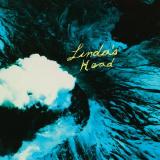
Linda’s Head is the first new album in over a decade by the Pacific Northwest trio of Liz Harris (guitar, vocals), Scott Simmons (bass), and Jed Bindeman (drums) .
Like its predecessor, 2015’s The Original Faces, the album maps a uniquely intimate and potent vision of bedroom dream pop. Theirs is a shoegaze of half-light and silhouettes, attuned to the shadowplay of melody, melancholy, and undertow.
The record’s title is a refraction of meanings: a head in the clouds, a severance, a fictitious landform jutting into the sea. The music is similarly layered, both yearning and weathered, its edges blurred by years in the wild. Lyrics of waves, storms, and escape further shade the songs in subcurrents of desperation and beauty, tinged in the palette of the New Zealand pop underground. But at its core Helen’s chemistry is one of warmth and release, powered by the kinship of old friends in dark times.
debe ser publicado en 02.10.2026

2026 Repress
Macedonia's own Stojche is Fuse's next guest for the club's freshly made imprint. The long standing DJ and producer has been known to keep Detroit's playfully hybrid style as the focus of his work and 'Metaphor' is the case in point. His four tracks bounce through a nostalgic balance of techno, house, and more with a modern crisp. A refreshing take on club music, Stojche keeps techno's sometimes nonchalant attitude at arms length with a charismatic record that hits its mark with every measure.
The record's first track 'Counterpunch' features heavily lined percussion but still brews up a storm far and wide with resonant dub stabs and open hi hats. The drum machine boasts a full spectrum, rolling through a light show of melodic flashes, perfect for a room compressing soundsystem. The maximalist, vintage detail that Stojche brings to his compositions blurs the lines between classic genres in a time of hasty hybridization, which gives it a sort of authenticity that can't be taken for granted. 'Chordal Tribe', on the other hand, raises the general euphoria of the EP. Luring in the listener with bright pads and full-on drums, Stochje's work is reliable main slot material that adds color to any mix while providing a persuasive low end. Shimmering hi hats give it an ethereal quality making it an appropriate interlude for almost any context. Moving on to the B side, the producer sharpens up his rhythm and emphasizes the hardgroove influence in 'Signal Drive'. Softening the pace of his drums with free use of melodic chord stabs, Stojche opens up his dance floor for a crowd bonding record once again, complete with filter transitions and pummeling toms. As the final contribution, his title track 'Metaphor' begins with a more obscure opening to conclude his EP for Fuse. Leaning more to a techno cut, the record remains flamboyant as ever with open hats and rides shuffling through his arrangement. A muted main synth becomes apparent to focus the energy of the track while allowing for liveset-like drum flickering to take shape beneath, claiming the immortality of old club records with the technical precision of a seasoned modern producer.
En el almacen y preparando para el envío
![Maher Shalal Hash Baz - Faux Départ [LP]](https://www.deejay.de/images/l/6/9/1252969.jpg)
Welcome Tori Kudo back to A Colourful Storm with a new edition of Maher Shalal Hash Baz's Faux Départ, a document of a stateside tour that culminated in a recording session at the legendary Dub Narcotic Studio with a one-time ensemble of Greg Saunier and Chris Cohen (Deerhoof), Andrew Maxwell, McCloud Zicmuse, Arrington de Dionyso, Takashi Ueno, Saya Ueno, Naoki Otani, Akiko Hotaka, Masaaki Endo and Naoki Otani. Always spontaneous, never rehearsed. Music in and of this world, seemingly teetering on the verge of collapse.
"We flew to the US for a show with Red Crayola in Los Angeles and initially stayed at Rick Potts' house. There, I met up with The Curtains and hit the road in their car. We headed north, writing down every melody that came to mind. I slept in the gap between the wall and the sofa and got interrupted by a herd of cows along the way, but I finally arrived in Olympia and recorded all the melodies I'd written down, which became Faux Depart. There, I found McCloud, a noble beggar who was sleeping in the studio and playing the bassoon on the street." - Tori Kudo, 2026
"Chris Cohen, who played in Deerhoof from 2001-2006 or so, was an obsessive Maher fan. When our other band, The Curtains, was given a chance to support Maher on a West Coast tour, we got to see up close how Tori leads - often by not leading. He is an unpredictable, wild musical genius and card-carrying eccentric." - Greg Saunier, 2026
debe ser publicado en 16.10.2026

Ibiza-based Jazz N Palms is back with more musical dispatches from the calmer side of the island that follow on from his Ses Rodes album in 2022. That record was focused on a double album assembled, as if over a Cartesian grid of space-time. While one record was about space/the environment, the other was following the times of the day. This 7" expands that with more music inspired by magical island spaces.
These tracks were recorded in Magrana Studio in Ibiza with three new musicians and, after the post-production, the mixing was made with the help of Ben Westbeech and his beautiful Unfairchild II, an amazing Californian reproduction of the holy grail of tube compressor that has been present in Abbey Road studios since the 60s.
Opener 'El Valle' ('the valley') captures the different shades of light that pass over Ibiza, from early spring light to the arrival of looming clouds and the first thunders of a summer storm. It is the organ which serves as the main character to convey those sensations and the passing from light to dark as a live, loose and dusty groove bounces below. On the flip side, 'La Costa' simulates cruising on the open sea, riding choppy swells as waves lap at the boat and you gaze at the passing landscapes. Only drums and bass have been used to convey the feeling, and the result is a wonderfully uneven, ever-evolving and funky groove full of life.
debe ser publicado en 23.10.2026

2025 Repress
For the second installment of its renewed imprint, Fuse's own in-house resident and one of Belgium's proudest exports Phara takes the reins for a deep dive into thick percussion and vibrant club landscapes. 'The Wall' puts current dance music under a microscope with a brush of truly vintage spontaneity, merging techno's confrontational nature with house's harmonic genuineness. This duality is reflected through Phara's own relationship with his home base Fuse and the complementary contrast between its two rooms.
The EP's title track serves as a hypnotic introduction for the A1, imposing a bass-heavy rhythm and a persistently oscillating synthline. A dense production full of energy, 'The Wall' inspires intrigue throughout its duration, revealing its true intentions through a capable sound system. Sharing the first side of the press is 'Blaes 208', a name that Fuse club goers will likely recognise, that guides the listener from effect into embrace. With lush keys echoing past a comforting drum sequence fit for a close-eyed dancefloor experience, Phara's impactful tendencies meet his affinity for the melodic through a blissful six minutes of crowd to selector connection. Switching sides, a return to a cold cold aesthetic is quickly apparent through 'Hush Now 206'. A pummeling, saturated bass competes with a kick of equal effect, rolling through a storm of metallic stabs. Mastering the message of urgency, Phara presents a lightshow of resonating percussive work, defining his space just to cut right through it. To close out with a lasting impression, the producer mutes the acoustics of his work through razor-sharp sound design dotting along playful snares, a duality reminiscent of the dynamism of Detroit electro. 'Motion Steps', referring to the stairs that ascend from Fuse's main room to its more left-field counterpart, captures the atmosphere of the almost shimmering music that can be expected to be played there; a place where Phara and many others have been known to explore the extremities of their music. He swiftly throws in melodic elements to recontextualize an otherwise pressing composition, and after three chapters of considerable weight, he concludes his record with infectious groove that flaunts technical ability.
debe ser publicado en 23.10.2026
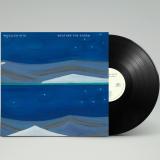
Fourteen years have passed since Woollen Kits released two albums in a single year (Woollen Kits and Four Girls, both 2012), but Melbourne/Naarm’s beloved Kits are back to remind us what we’ve been missing all this time.
Weather the Storm still draws from the same deck of cards, but opens the door to some more classically renowned influences like The Velvet Underground, Television Personalities, Beat Happening ,Marine Girls, Bob Dylan, Van Morrison, et al.
Across ten tracks it’s clear just how well they can write a hook, a verse, a chorus, a song; bringing together themes of everyday life, love and sincerity with aphorisms, stories and the classic sound we know and love.
Woollen Kits’ approach is almost as minimal and primitive as it was back in 2007, when singer/guitarist Tom Hardisty first sent a few channels into the red on an old Tascam tape machine. Simple chords, strong melodies, witty lyrics and a clear message. It’s a hell of a combination when it’s done well, and one they would only refine from there.
Tom (Hardisty) recruited a second Tom (Ridgewell, drums) and a Leon (Applebee, guitar) to help guide his new Cramps/Half Japanese- worship bedroom project into a real-life band, playing their first gig on NYE ’08 before launching into 2009 to record their first canon release, the Teenage Love 7”.
Yes, much time has passed since the band’s last record, Four Girls, came out in late 2012, but in the interim members have released plenty of other music across numerous projects, including Constant Mongrel, Nun, Canine Apathy, The UV Race, TB Ridge as The Director, Calamari Girls & more.
debe ser publicado en 20.11.2026

Kid Katana Records collaborated with the incredible teams at KOEI TECMO GAMES, Team NINJA, PlatinumGames and Xbox Games Studios to bring you the NINJA GAIDEN 4 OST on physical format for the first time.
This release is composed of three premium editions:
4LP Vinyl Slipcase - Limited Edition (No Repress) - no consignment, 25 units minimum order
Limited “blood splatter” vinyls with a unique “splatter” effect: handmade vinyl effect with transparent red base and white splatter. Each vinyl has a unique pattern that evokes Yakumo & Ryu combat style. This edition will not be repressed.
Handpicked curation of the game music, mastered for this specific vinyl edition. Includes “Infinite Gale“ DLC track as bonus.
Matte 4LP slipcase with a glossy effect on the game’s logo.
4 printed sleeves with “Bloodbath” design, alternating between Yakumo and Ryu execution animations.
4LP Vinyl Slipcase - Standard Edition
4 classic black vinyls.
Handpicked curation of the game music, mastered for this specific vinyl edition. Includes “Infinite Gale“ DLC track as bonus.
Matte 4LP slipcase with a glossy effect on the game’s logo.
4 printed sleeves with “Bloodbath” design, alternating between Yakumo and Ryu execution animations.
3CD Boxset
3 printed CDs with “Bloodbath” design, alternating between Yakumo and Ryu execution animations.
Handpicked curation of the game music, mastered for this specific CD edition. Includes 4 DLC tracks and 4 instrumental versions.
Crystal Jewelbox 3CD Boxset vintage packaging.
4-pages booklet featuring tracklist, credits and concept art from PlatinumGames Sound Team.
Kid Katana Record produced this album with supervision from NINJA GAIDEN4 Sound Team, who composed the original game music.
debe ser publicado en 18.12.2026

Kid Katana Records collaborated with the incredible teams at KOEI TECMO GAMES, Team NINJA, PlatinumGames and Xbox Games Studios to bring you the NINJA GAIDEN 4 OST on physical format for the first time.
This release is composed of three premium editions:
4LP Vinyl Slipcase - Limited Edition (No Repress) - no consignment, 25 units minimum order
Limited “blood splatter” vinyls with a unique “splatter” effect: handmade vinyl effect with transparent red base and white splatter. Each vinyl has a unique pattern that evokes Yakumo & Ryu combat style. This edition will not be repressed.
Handpicked curation of the game music, mastered for this specific vinyl edition. Includes “Infinite Gale“ DLC track as bonus.
Matte 4LP slipcase with a glossy effect on the game’s logo.
4 printed sleeves with “Bloodbath” design, alternating between Yakumo and Ryu execution animations.
4LP Vinyl Slipcase - Standard Edition
4 classic black vinyls.
Handpicked curation of the game music, mastered for this specific vinyl edition. Includes “Infinite Gale“ DLC track as bonus.
Matte 4LP slipcase with a glossy effect on the game’s logo.
4 printed sleeves with “Bloodbath” design, alternating between Yakumo and Ryu execution animations.
3CD Boxset
3 printed CDs with “Bloodbath” design, alternating between Yakumo and Ryu execution animations.
Handpicked curation of the game music, mastered for this specific CD edition. Includes 4 DLC tracks and 4 instrumental versions.
Crystal Jewelbox 3CD Boxset vintage packaging.
4-pages booklet featuring tracklist, credits and concept art from PlatinumGames Sound Team.
Kid Katana Record produced this album with supervision from NINJA GAIDEN4 Sound Team, who composed the original game music.
debe ser publicado en 18.12.2026

2027 Repress
With Panorama, Frank Maston pays homage to the classic era of library records and Italian soundtracks of the 70s. A blissed-out, grooving collection of filmic cues, it continues the unique brilliance of Tulips and Darkland. Elegant and easy, subtle and stylish, breezy and beautiful; this is his Maston-piece. Commissioned by legendary label KPM, Panorama cements Maston as a master of modern classics and the most mesmeric of contemporary composers.
In early 2020, Be With suggested to Frank that he should make a KPM record. He wasn't aware that they were still putting out new library records - but he was super keen: "It was completely surreal and it still hasn't fully sank in that I have a record in that catalog, sitting alongside those incredible albums that were so influential to me."
Frank was visiting family in his hometown of LA in March 2020 when the world ground to a halt so the KPM project arrived at a fortuitous moment. Having fantasised about committing to a record with no distractions, with a proper budget, access to his gear and space to work in - to really dig in and try to write and arrange the best work he could possibly make - it was a real "be careful what you wish for" moment. But, as Frank explained, "it completely saved my year and sanity to have something to focus on and get excited about. It was my lifeline." He spent seven months on it, working almost every day.
Maston had already been making library-influenced music so when KPM outlined the criteria for the tracks it was exactly what he had been doing all along. He thought the best approach would be to make a follow-up to Tulips that had a parallel life as a KPM record. Enjoying complete creative freedom, “gave me the drive to power through and dig in deep. I'm not sure if I could have kept myself on such a rigorous recording schedule under my own steam, and I think the momentum I had writing and recording it is part of the strength of this record."
Maston’s sleek retro-groove instrumentals emulate the classic KPM “Greensleeve” reel-to-reel recordings that provided mood-setting music for mid-century cinema, television, and radio programs. Apparently in close conversation with the John Cameron-Keith Mansfield KPM pastoral masterclass Voices In Harmony, Maston's Panorama could be heard as that record's funky follow-up. Yes, it's *that good*. Another reference point from the hallowed library would be Francis Coppieter's wonderful Piano Viberations.
Opener "First Class" is a blissed-out groove, featuring the soothing vocals of Molly Lewis and a glistening harp over drums, a two-note bass motif (from Eli Ghersinu of L'Eclair) and an assemblage of guitars, synths, French horn and glowing vibraphone. Acid Lounge, anyone? The irresistibly funky "Easy Money" is a gorgeous cut led by more of Molly's vocals, pastoral flute and Rhodes, underpinned by drums and percussion, grooving bass, chilled guitars and synth strings. Kicking the tempo up, the percussive "Storm" is a vibin' filmic-fusion jam where psychedelic guitars (courtesy of Pedrum of Allah Las/Paint) organ, jazzy flute, Rhodes and vibes all compete for a place in the sun, over drums and walking bassline.
The heavenly "You Shouldn't Have" is a delicate, melancholic wonder; a dreamy instrumental where the melody is shared by a whistle, harpsichord and celeste, over a cyclical piano chord sequence and bass, synths, guitars, organ and distant French horn. The tempo rises again with the passionate, sticky "Fling", a summery, nostalgic groove with skipping drums and percussion, warm bass and electric guitar, yearning flute and synth strings. The brilliantly titled "Fool Moon" has that Voices In Harmony sound down pat. A romantic slow-mo dreamscape of Rhodes and harpsichord, piano, light drums and softly strummed acoustic guitar.
Side B opens with "Medusa", a hopeful, mellowed-out track with shuffling drums, feel-good flute, muted horns, glowing Rhodes and synth strings. The soft and gentle "Morning Paper" is an elegant way to start the day; a beatless blend of flute, guitar, percussion, ambient synths and vibes. The upbeat head-nod jam "Scenic" has that widescreen car-chase feel, uptempo drums and percussion, grooving bass, piano, synths and ambient electric guitar. "Adieu" is a smooth summer vibe, relaxing with brushed drums, Rhodes, flutes and horns. Molly Lewis's gorgeous vocals steal the show, alongside vibes, jamming organ and synth strings.
"Hydra" is another laid-back 70s-sounding retro cinema cue with light drums and percussion, walking bass, spacey synths, clavinet, glowing vibraphone, vintage organ and electric guitar. Closer "Jet Lag" is a laconic bow out; bass-driven drum machine soul, featuring hand percussion, Rhodes, vibes, synths and organ.
Multi-instrumentalist Frank played a bit of everything across Panorama. Yet, humble as ever, he believes the time, energy, and enthusiasm of all of the musicians invited to the sessions helped him realise his vision: "There were two Italian flautists who really understood what I was going for. Two french horn players, cor anglais, a vibraphonist and a flügel horn player. I've never involved this many people in my projects before, and yet the result is the most "me" record I've ever made."
Musically, a strong Italian theme runs through the record. Frank is fascinated by ancient Rome and both his parents are Italian (Maston was originally Mastrantonio before anglicisation). So, it felt natural to fully embrace these strands and tie everything together with the striking artwork. The Romans were influenced by Greek culture, emulating their art and architecture, which, in turn, influenced Renaissance era artists. Frank acknowledged this tradition when reflecting on his place in the lineage of library and soundtrack composers. He then asked his friend Mattea Perrotta, a painter and sculptor, for some sketches. What he received was exactly what he had in mind: "Especially the theater mask, which really captures the range of moods on the album". Frank arranged them as per the cover and it soon felt right: "I wanted to make a cover that was reminiscent of the classic KPM albums without making it too pastiche - so it has its own identity and looks at home alongside other library records, while still fitting in nicely in the KPM catalogue." The last step was for us to introduce Frank to Be With-KPM’s Rich Robinson, who helped put together the back and centre labels and align it all within the KPM standard.
Panorama is a perfect title for the album. With no opportunity to travel for tours or recording projects, Frank arranged postcards from his collection on his desk with beautiful views of the mediterranean coast, the Roman Colosseum and Cinque Terre. These also served as visual prompts: "That was part of the sonic concept - imagining myself driving down the mediterranean coast with this music on, with the top down." Additionally, the range of moods and vibes - "I tried to make each song very different from the previous one in terms of tempo and arrangement and feeling" - speaks to the idea of a Panorama of music and sounds and emotions. The last track was originally called Panorama, but KPM already had that title in their catalogue so it was changed to "Jet Lag", which, as Frank notes, "is perhaps even more fitting, since the trip is over".
debe ser publicado en 22.01.2027

Brown Spirits are a super-heavy psychedelic three-piece band who play raw energetic super-charged psych rock heavily influenced by krautrock, freejazz and deep funk music from the 1970s that gives them a truly unique and highly addictive sound. The group record and mix their own music to ¼-
inch analogue tape at home maintaining a strictly DIY-ethic.
Brown Spirits are Tim Wold, Agostino Soldati and Ash Buscombe. The group are from the suburbs of Melbourne, Australia, home to an ever-growing
music scene that includes Amyl and the Sniffers, King Gizzard and The Lizard Wizard, Surprise Chef, Tropical Fuck Storm and more.
The group have already released two superb critically-acclaimed album on Soul Jazz Records – ‘Cosmic Seeds’ and Solitary Transmissions’.
Soul Jazz Records are releasing three new albums from the Australian group on one day. All three albums are super-limited one-off special coloured
vinyl pressings of just 500 copies each that will all be deleted on the day of release.
These three albums were originally released (between 2017-2020) in long-deleted very short run-editions - either self-released in Australia or on an
indie German psych label. No copies of Brown Spirits #2 or Brown Spirits #3 are currently available anywhere in the world. Both of Brown Spirits two
earlier releases for Soul Jazz Records are also sold out on vinyl and these three super-limited special edition LPs will also sell out.
En el almacen y preparando para el envío
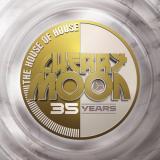
Relive three decades of Belgian clubbing history.
We're celebrating the 35th anniversary of Cherry Moon withan essential collection of the anthems that defined a generation. Hard to find tracks, classics and sounds from the underground combined in a splendid 10x12" Vinyl Box Set.
From the first beats of 1991 to the peak of the "House of House", this is the ultimate tribute to a legendary venue.
En el almacen y preparando para el envío

After a quiet year in the shadows, Mithra rises once more, offering four tributes to the sun. Opening the ritual, Titino’s “Sole Nero” radiates with dark-wave tension and Italo-synth euphoria, a storm of emotion forged for the twilight hours. Riccardo’s “Neosun” follows as a luminous, left-field Euro-pop surge to an ecstatic sunrise in motion. On the flip, Sweater’s “Talk to Me” drifts into warm organic grooves, a perfect hymn for open-air dusk and introspective transitions. Finally, Ewan Jansen’s “Kuseni Yayo” closes the circle with lush pads and earthy resonance, echoing the spirit of dawn breaking through the forest. Together, these four offerings form the first light of our next journey, an initiation toward the mountain peaks that lie ahead.
En el almacen y preparando para el envío

As promised, Playfool was always meant to be about inviting other artists to join the fun.
For this first collaboration, Occibel teams up with Light Blue File, a friend he met recently in Paris.
After sharing some beers, ideas started flowing and the vibe instantly clicked — no choice but to turn it into something real for you guys.
These tracks mark the beginning of a new series of collabs under Playfool Records, where creativity meets spontaneity under the summer sun.
Enjoy and play it loud!
En el almacen y preparando para el envío

A gateway to the scene’s halcyon days, “Assembled Vol. 1” is a curated compendium of never-before-released private rarities, edits, and reworks by modern masters of the craft. Of unknown origins, unlisted, and in true underground spirit, “Assembled Vol. 1” embodies the creative and unbridled ethos of a scene built on reinvention, revamping cornerstone classics under a different kind of light, ushering them into an exciting new realm.
En el almacen y preparando para el envío

Building on the foundations of his Braindance Records label (2017–2020), Korean musician Go Dam now presents the second release on Stellar Systems. The Digifuga Series: Stellar EP finds him in interplanetary hyperdrive, charting trails blazed by pioneers from Hashim to Mad Mike to Gerard Hanson.
The four tracks were written in the studio Go Dam built with his own hands in Eulji-ro — once Seoul’s printing district, now a hive of small businesses. That same meticulous, artisanal approach runs through all of his work, whether composing film scores, producing K-Pop for online personalities, or fine-tuning sound systems around the city. The EP opens with the irrepressible electro funk of 'Fevernova', its slapping beat driving growling bass and wide-eyed synths. 'Dream Powder' is a stormy banger, surfing waves of filtered acid and noise before breaking into light. 'Chrono Flux' sustains the high energy, like the soundtrack to an anime motorbike chase at sunset, while 'Quasiverve' drifts into deepest night, its sinuous leads creeping over a stalking bassline.
Blending heavyweight vintage hardware with sharp digital tools, Go Dam conjures an epic widescreen sound that nods both to the sci-fi optimism of early electro and techno and to today’s fractured, machine-mediated music economy.
En el almacen y preparando para el envío
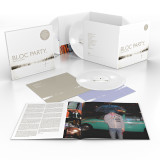
Ltd. Boxset White Vinyl
Zum 20-jährigen Jubiläum ihres ikonischen Debütalbums Silent Alarm veröffentlichen Bloc Party drei limitierte Jubiläumsformate: eine 2LP auf weißem Vinyl mit dem original Album, eine 2CD Edition mit dem original Album und Bonus Discs, welche Demos, B-Sides und eine BBC Peel Session beinhalten. Außerdem ist ein 12-seitiges Booklet inkl. Lines Notes und einem Vorwort von Produzent Paul Epworth. Die Deluxe-Box umfasst alle oben erwähnte als 4LP Set. 2LP für das original Album und 2LP für die Bonustracks und Raritäten sowie Demos und Sessions. Wobei es hier ein 24-seitiges Booklet mit noch nie veröffentlichten Fotos der Band und exklusive Liner-Notes gibt. Ein Muss für Fans und Sammler gleichermaßen.
White Vinyl
u b2 She’s Hearing Voices Original Version
En el almacen y preparando para el envío

Bart Skils and Weska extend their musical partnership, linking for the superb ‘Torn Clouds’. The duo shares a special sonic kinship, collaborating regularly for outstanding results. From ‘Shades of Summer’, to ‘Polarize’ and ‘Something More’, the duo balance rhythmic flair with timeless melodies for euphoric results. Their fourth offering is no less memorable. ‘Torn Clouds’ rides on a wave of rolling grooves and uplifting melodic tension, capturing the moment the storm clears and euphoria rushes in. It’s accompaniment ‘Dusk till Dawn’ is a late-night anthem built for the long haul — hypnotic, wandering, and made to move the night into light. Together, the tracks showcase the duo’s unmistakable synergy: plump, percussive foundations wrapped in crisp synthwork and immersive vocal layers that have ignited dancefloors including Awakenings, Ultra Resistance, Space Miami, Avant Gardner, Amnesia, Factory93.
En el almacen y preparando para el envío

Celebrating 40th anniversary of Yves Deruyter's musical career with this 10 x 12" Vinyl Box Set. Including tracks from F.U.S.E. vs LFO, Tronikhouse, Robert Armani, L.S.G., Edge Of Motion, Plastikman, The Prodigy, Ecstasy Club, and the master himselfYves Deruyter.
Yves Deruyter - 40 Years at the Pinnacle of the Night
Forty years. A rollercoaster of a musical career, meandering through five decades, leaving timeless marks on the collective dancefloor memory. Yves Deruyter is the exception that proves the rule. An icon behind the decks, celebrated far beyond national borders for his legendary sets, impeccable musical choices, and the anthems released under his name. The result of collective effort, where Yves, with his vision and unique touch, consistently left his mark-transforming good tracks into inescapable bombs that still resonate through time.
If you've spent forty years living to the pulse of music, the night is in your DNA. Yves Deruyter, a DJ to the core-the real deal. The man who bent the night to his will, dragging weekend vibes into the workweek like a warrior, a true master behind the turntables who made his people dance. His beats: the oxygen that generations lived on.
Yves sharpened his musical weapons in the early '90s within the iconic afterparty scene of Barocci and The Globe-places that became sanctuaries in Belgium's endless night. Here, die-hard dancefloor warriors, cutting-edge music lovers, and night owls from the four corners of the globe gathered. They willingly followed Yves' masterful mixing and his razor-sharp set construction. Clubs with a more conventional timeframe were the next step, with the iconic Cherrymoon as his home base for years-alongside endless guest DJ spots and global gigs. From there, the underground pulsed through Yves' hands and crates, reaching ever-larger crowds-without ever compromising for commercial or crossover sounds. Yves stayed true to his choices, lifting his audience to euphoric heights like a craftsman, armed with his hits, hidden gems, and freshly unearthed nuggets.
From the pounding energy of Rave City to the flippy, epic flashes of Calling Earth-tracks that not only captured the spirit of the times but conquered dancefloors worldwide. This isn't just music; it's a time capsule-a connection between generations and a reminder of the energy from a golden era.
With musical partners like Roel Butzen, Frederico Santini, M.I.K.E. Push, and more recently, Insider, Yves forged a sound that etched its place into rave and dance history. From The Rebel to The House of House, parts of Yves' musical taste have become immortal pillars of dance music heritage. In the early rave days, he topped Belgium's DJ rankings year after year, elevating every club he played to the highest echelons of popularity. The same held true for the records where his name appeared like a badge of honor.
From The Globe to the globe itself-it seemed almost written in the stars. Yves, thestar DJ, became one of the instigators of the electronic music storm that put Belgium on the global map-a storm that never subsided. Festivals like Love Parade, Mayday, I Love Techno, Nature One, and Tomorrowland saw Yves as a trusted force, effortlessly commanding crowds and turning dancefloors inside out. Forty years later, that storm still ignites partygoers, vibrates through dancefloors, and keeps entire generations moving.
Even today, Yves still holds a steady residency with Yves Deruyter and Friends at Club Moustache, where his concept always sells out. Here, both fresh talent and seasoned DJs deliver a killer blend of modern electronic dance music and timeless classics, creating an atmosphere that hooks the crowd every single time.
Because partying doesn't need an excuse. But forty years? That deserves the spotlight-not as a mere milestone, but as a showcase of timelessness. Music mutates, reinvents itself for new generations, yet retains the same impact as that very first time. Yves proves that forty is just a number, and relevance isn't about trends-it's about vision, energy, and an unmistakable touch. His sets? Indestructible. His sound? A heartbeat echoing through time.
And Yves? He doesn't live in the past. Today, Yves distills those four decades into a compilation capturing the essence of his career. Belgian beats, interpreted and refined into a sound that powered raves around the world. Ten vinyls featuring not just a fiercely curated selection that contextualizes the magic of his early days, but also new versions of three unbeatable anthems-potent hits designed to turn dancefloors upside down in wonder, without losing a shred of their soul. Yves remains a beacon in the night, a searchlight for that one perfect beat-always relevant, always chasing that magical moment.
Yves Deruyter-a name spoken in the same breath as the greats of the scene. A ten-vinyl compilation is more than a celebration; it's a well-earned trophy. As unique, indestructible, and uncompromising as the man himself.
En el almacen y preparando para el envío

In May, fans were treated to the first new music from Trentemøller since 2022. A new single, "A Different Light," showcased a stunning blend of prismatic space rock and folk. For anyone wondering if it foreshadowed the release of a full-length, Dreamweaver will drop in September, on Friday the 13th.
Featuring 10 tracks that traverse Trentemøller's many musical strengths, Dreamweaver also represents an obvious artistic leap, treading new ground while retaining the overall plot. Tracks featuring vocals come courtesy of of Iceland's Disa, who has been in Trentemøller's fold since the Memoria tour.
Dreamweaver's nylon string-led opening track, and first single from the album, "A Different Light," contains many of Trentemøller's trademarks: exploring dichotomies, musical shadowplay, Nordic frigidity, and warm waves. It opens the door for the steady, hypnotic "Nightfall," with its tetherless vocal, wistful guitars, and early morning desert chill. The third track in the opening trifecta, "Dreamweavers" finds its footing with a percussive soft trot, which starts after what feels like a shortwave radio scan in search of the right chords, eventually dialing in a weightless voice. Ostensibly keeping a ruminative pace with the previous two tracks, the song and, by extension, album soon opens up as the rest of the elements drop into place with a grand, luxurious burst.
Dreamweaver is about to enter its next phase. With the hatch blown off of the portal, the noisy "I Give My Tears," driven by its glissed and fuzzy bass line, pours into the void. It's followed by its sibling, the most chaotic track on Dreamweaver, "Behind My Eyes." Arriving as a piece of noise rock pandemonium, "Behind My Eyes," can't be contained in its plush vault. A whip-crack snare and convulsing guitars smash against each other in the song's verse chamber. The tension builds, as the particles collide, pushing past the point of critical mass, kicking off the chain reaction which is the chorus. At times it harkens back to the proto-gaze tracks that gave birth to dream pop, at others it newly defines what that is. There's no time to contemplate it, though, as the song disintegrates in a microphonic feedback instant.
A respite follows with the somnambulistic pair of "Hollow" and "Empty Beaches." Then, a moment of intensity returns as the soaring textures and tribal drum bursts of "In A Storm" take control, before being taken out with the ambient slo-core of "Winter's Ghost" and "Closure." This diptych wraps up an album which certainly feels on-script for Trentemøller, but is also much more psychedelic than previous offerings.
Dreamweaver will be released on Trentemøller's own In My Room label. It is an exceedingly immersive experience, bound to release any dormant hallucinations you may be harboring.
En el almacen y preparando para el envío

Waves of Distortion (The Best of Shoegaze 1990-2022) is a superbly curated trip through the genre from the good folks at Two_piers, who have served up similarly excellent collections focussed on everything from French psychedelic pop to garage psych. This serves as both a fine intro and a great retrospective for existing fans that will take you down a rabbit hole and leave you wanting more. Some of the scene's original pioneers feature and there are many a timeless tune here that help to document the subtle evolution of the genre throughout the decades.
En el almacen y preparando para el envío

2025 Repress
SHDW & Obscure Shape invite Invexis for his first 12" in almost 20 years as the German live act and producer returns to Mutual Rytm for his impactful EP, 'Odyssey'.
With an ethos of merging the past with the present and future, harnessing classic techno influences and shaping them into the sounds of tomorrow, SHDW & Obscure Shape's Mutual Rytm imprint has become an exciting home for rising talents of note and established artists to shine a spotlight on the genre. However, the next release on the label welcomes a long-awaited return from Georg Kohler, aka Invexis. Known for releases such as 'Kalibreur' on Salpeter Records and 'Chiffre' on Planet Rhythm Records, with further releases via Compound and Kazumi, the German talent crafted and shaped his own sound within the techno landscape in the early 2000s. Returning with his first EP release in close to two decades, late December welcomes a return to Mutual Rytm, following on from the inclusion of his track 'Elektronenwind' on the label's 'Federation Of Rytm I' release, as he delivers a selection of dynamic, melodic and driving techno offerings across 'Odyssey'.
'Silhouette' opens the package with authority as spirited drums and spiralling synths take hold of a twisting and turning lead effort, with 'Non Return To Zero' building a spiralling groove via frantic yet measured percussion, sweeping melodies and funky stabs. 'Red Storm' opens the B-side with a more up-front production combining harsher metallic tones with relentless drive and crashing hats, while 'Body Impulse' utilises dubby stabs and eerie atmospherics to balance light and dark. The title track 'Odyssey' closes the vinyl offering, with a euphoric and rapturous production harnessing resonant chords, looping drum grooves and elated leads to bring things to an impressive crescendo and deliver a record that will remain in the ears of listeners for a long time. As always with the label, digital purchasers are treated to an exclusive track as Kohler combines zig-zagging grooves, refined synths and off-kilter glitches and bleeps across digital exclusive 'Transition'.
En el almacen y preparando para el envío
A group of friends go sailing and one disappears. The others start
searching for her. But it gradually becomes apparent that she won’t
be found. So the friends return home one by one. Only the missing
girl’s lover and her best friend remain.They have begun an affair.
As the lovers come together the girl’s disappearance is all but
forgotten.
From Michelangelo Antonioni — “Auteur of eerie angst”
(L’Avventura) by Richard Skinner from Vade Mecum Essays,
Reviews & Interviews (Zero books, 2015).
En el almacen y preparando para el envío

Originally released in Canada in 2006, and worldwide by 2007, Patrick Watson's breakthrough album has sold over 100,000 copies. Winner of Canada's Polaris Prize in 2007, it has received critical praise across the globe and continues to sell as the band's profile increases. Features the single The Great Escape.' A six-panel digipak with accordion foldout, the album is now available via original label Secret City Records.
Deluxe gatefold 2LP edition with bonus track Interference From the Sky'. MP3 download included.
There was always something sexy about Purgatory. No one wants to hang out in Hell, but was Heaven ever really that appealing either How does that Talking Head song go Heaven is a place where nothing ever happens...' Close to Paradise is one of those rare gems of an album that can stand as a gateway to wherever you want it to take you.
En el almacen y preparando para el envío

At long last, hi-tek whizz-kid Metrist returns to Timedance with the third addition to the ‘Pollen’ series and brings his epic trilogy started in 2019 to a breath-catching end.
Elevating an already unique approach of sonic craftsmanship to whole new levels, the London based producer delivers some of his wildest and most dramatic compositions to date while pushing further his signature blend of 22nd century dancefloor pyrotechnics.
From the angelic vocal cascades of opener « Leven Lever Liver Love » to the heart-wrenching heights of « Bullet Time », a playful and intricate display of cross-pollinated emotions shines through this collection of boundary pushing tracks, giving them a life of their own while bringing a stormy cycle of auditory experiments into human nature to completion
As thunderstorms form, pollen grains often ascend into clouds, soaking up humidity to a point they inevitably burst out, liberating innumerable particles that tumultuous winds send back to ground-levels.
With a false sense of distance and safety, we sit back and watch the lightning strike in complete awe, unaware of pollen slowly descending from the skies, making its way through our lungs and deep into our bodies ; the storm may be over, but Pollen has now fully become a part of us.
En el almacen y preparando para el envío

Ava Max is ready to take her already extraordinary rise to the pinnacle of pop success to even greater heights with her first new single of 2022, “Maybe You’re The Problem,” and her upcoming album DIAMONDS AND DANCEFLOORS. With over 11B worldwide streams, an array of smash collaborations, and multiple RIAA gold and platinum certifications in the US alone, the first-generation Albanian American artist has fast proven a true pop superstar, hailed for her seismic voice, idiosyncratic high fashion mindset, and undeniable knack for cinematic, theatrical popcraft. 2018 saw Max make her explosive arrival with the blockbuster success of the RIAA 3x-platinum certified hit, “Sweet but Psycho.” Currently boasting more than 3.5B global streams, the track took the world by storm, spending three weeks in the top 10 on Billboard’s “Hot 100” while reaching #1 in more than 20 countries around the world and earning diamond certification in Brazil, France, Poland, as well as multi-platinum certification in Australia (5x), Austria (3x), Belgium (2x), Canada (6x), Denmark (3x), Germany (2x), Italy (3x), the Netherlands (2x), New Zealand, Norway (9x), Portugal (2x), Spain, Switzerland (4x), and the United Kingdom (3x). Joined by an official video that has now garnered over 770M views, “Sweet But Psycho” further earned Max a long string of international honors, including the 2019 MTV Europe Music Awards’ coveted “Best Push Artist” award, “Best New Artist” nominations at both the 2019 MTV Video Music Awards and the 2019 MTV Europe Music Awards, and an iHeartRadio Titanium Award marking over 1B spins in 2020 alone.
Max kept up the pace with a series of smash singles, including the RIAA gold certified “So Am I,” “Salt,” and “My Head & My Heart,” as well as the platinum certified title track to her acclaimed full-length debut, Heaven & Hell. The RIAA gold certified album made spectacular chart debuts around the globe, earning over 11B worldwide streams and gold, platinum, and multi-platinum certifications in over a dozen countries. 2021 saw Max unveil “EveryTime I Cry,” declared by PAPER as “an undeniably uplifting banger.” What’s more, Tiësto & Ava Max’s worldwide hit anthem, “The Motto,” has proven an undeniable international blockbuster since its November 2021 release, reaching the top 5 on Billboard’s “Dance/Electronic Songs” chart while earning close to 500M worldwide streams thus far.
Named to Forbes’ prestigious “30 Under 30” list in 2021, Ava has been feted with a wide range of media attention from such high profile outlets as VOGUE, Rolling Stone, Vanity Fair, Billboard, PAPER, to name but a few, while also delivering a long run of show-stopping performances on CBS’s The Late Late Show with James Corden, NBC’s TODAY, ABC’s Jimmy Kimmel Live!, Good Morning America, and Dick Clark’s New Year’s Rockin’ Eve with Ryan Seacrest 2020, the MTV Europe Video Music Awards, and more. A truly international artist, Max has teamed up with a stunning assortment of diverse musicians around the world, spanning Norwegian DJ/producer Alan Walker and Spanish superstar Pablo Alborán to David Guetta, Jason Derulo, AJ Mitchell (for the RIAA gold certified “Slow Dance”), and country stars Thomas Rhett & Kane Brown (the RIAA gold certified “On Me”). Now, on “Maybe You’re The Problem” – and more exhilarating new music to come – Ava Max is poised to push pop even further, setting a direct course toward the top and beyond with her newly announced upcoming album DIAMONDS AND DANCEFLOORS, out January 27th2023.
En el almacen y preparando para el envío
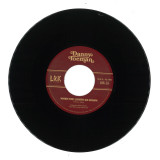
A vibrant and powerful performer, Danny Toeman seamlessly blends the classic vibes of Funk and Soul's golden age with his own inimitable London edge that modernises his work, giving it a fresh 'neo-vintage' flavour.
His gravel tones combined with an altitude-defying falsetto set him apart, creating a sound oozing with character and emotion. With his backing band 'The Love Explosion', Danny Toeman stages an electrifying show filled to the brim with feel-good funky soul, designed to make everyone get on up! Born in London, Danny was well acquainted with the Soul, Funk, and Rhythm and Blues of artists such as James Brown, Aretha Franklin, and Ray Charles from an early age, before graduating onto the hard hitting Souther Soul of artists like Wilson Pickett and Bobby Womack, and the refined uptown Philly Soul of artists like the O'Jays and the Spinners. A guitarist since the age of seven, and a singer before that, he grabbed any opportunity to perform his songs on stage for an audience. Danny Toeman truly set out to on his musical career after graduating University (where he won the regions official Battle of the Bands contest). Soon after, he was in demand as a supporting act for a number of great Soul artists, including Charles Bradley of Daptone, Michael Kiwanuka, Queen of Rare Groove Betty Wright, and 4-time Grammy winner Robert Cray. Around the same time, Danny's music reached a worldwide audience when a song of his was discovered on Soundcloud by scouts, and placed on the in-store playlists of Abercrombie & Fitch. Since then, his music has appeared in film and television shows around the world, most notably Saturday Night Live (NBC). Danny continued to perform nonstop around the UK, occasionally travelling to continental Europe for appearances. From 2019-2021, he hosted and promoted a series of headline shows at the famous Pizza Express Jazz Club, which garnered sold out crowds every night. The pinnacle of the support slots came in 2019, when Danny was chosen as the primary support act for Kool and the Gang at their o2 Arena show in London, in front of 10,000 spectators.
In Mid-2020, as the world was shutting down, Danny was approached by LRK Records to release his track 'She's Got Something About Her' on vinyl.
Within 3 months of release, the disc completely sold out due to demand, taking the European Soul Scene by storm. It garnered multiple radio plays, including from BBC 6 Music's Craig Charles, and veteran BBC DJ Robert Elms pronounced it 'his new favourite song'.
In 2022, Danny received his first spin on BBC Radio 2 for the single, 'Shake the Blues Outta Your Shoes', and was chosen out of thousands of competitors by industry professionals to act as the opening act for the legendary Diana Ross at one of her rare UK performances!
As the world starts to open up, Danny looks forward to releasing more new music, and taking his show across Europe and around the World.
Limited edition 45. Only 300 copies pressed.
En el almacen y preparando para el envío

Through a sleet storm of bunkered kicks and arpeggiation arrives the rushing EP 'No Rest Among Angels' from Free The ID. Best recognised as Internazionale, and for directing the label Janushoved, the principal transmission under this new sign presents a collection of tracks as spartan as they are romantic, contorting the noisiest impulses into a sleek toolset.
En el almacen y preparando para el envío
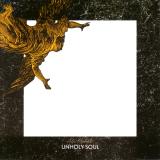
*Limited edition (500) reissue of The Orchids second album – originally released on Sarah Records in 1991- remastered with the 7” and E.P tracks from the time. Translucent pink*
“The Orchids have a lightness of touch, an autumnal and mellow fruitfulness, a clear-eyed pop nous. Imagine some nexus that takes in Felt, Orange Juice, The Beach Boys and The Go-Betweens”
-Stuart Maconie
“The Orchids can come on like esoteric angels high on Felt and Massive Attack”
– John Mulvey, NME
The early summer bloom of 1992 felt like it had been pollinated by a lot of sunshine-loving records from the year before, optimistic headrushes that embraced hedonistic bliss or at least a sweeter ride. There was still an element of bedroom wistfulness to singles like Higher Than The Sun, Nothing Can Stop Us and even Paris Angels’ Perfume but there was no denying the appeal that techno, rave and Bleep held, especially when it was microdosed. Bands were more willing to experiment with technology and producers, if not necessarily going for all whistles-blazing club bangers.
The Orchids, hailing from the suburbs of Glasgow were unlikely to ever emerge from their hood as contenders for a deal on Soma Records (which had begun in 1991 in that city) but they evidently wanted to stretch their boundaries beyond their introverted debut. Unholy Soul is somewhat breezier than Lyceum. It’s still laced with a Scottish melancholy but there’s more breathing space within the production. They’d hinted as much on their 12” ‘Penetration’ EP from 1991 and lovelorn songs such as Waiting For The Storm and Peaches are now spiked by absent-minded cherubs with an ear for the 3.a.m comedown.
As lead singer James Hackett says today: “Unholy Soul was the first time we had spent more than a couple of days in the studio, doing so after work. It was a thrilling period of creativity and we had most of the songs written but not enough. We didn’t worry about that too much though because with Ian Carmichael there was a new opportunity for studio generation. Also this was the first time we had heard Pauline (Hynds) singing with One Dove so we asked her to sing on some of the songs. We were obviously influenced by a lot of the music of the time but you can still hear it’s The Orchids at heart”.
The next year of course One Dove (with Carmichael programming) released their debut album - produced by Andrew Weatherall - on the Boy’s Own label. It felt like there was a lot of ideas being spun back and forth between artists and producers in the early 90s. If some of the records also sound very much of that time that’s no bad thing either. There was a lot of loved-up nostalgia for the 60s then so it’s no surprise that many of the records have a youthful exuberance coupled to a technological innocence, that’s the charm.
debe ser publicado en 25.09.2026

It’s as sure as night follows day, one of the last truly reliable things in these uncertain times, a rock in the storm of information overload, and still one of the best things you can make from PVC: The new TOTAL compilation is here!
The cheerful opener “Xtasy” comes from the up-and-coming Cologne-based DJ H0TLINE. If it says ‘Ecstasy’ on the label, that’s exactly what’s inside. The term ‘legend’ is all too often bandied about lightly. In the case of ORLANDO VOORN, it’s almost an understatement. His ‘So Deep Remix’ is a goosebumps-inducing masterpiece in its purest form. Simply wow. FRANKEY & SANDRINO haven’t visited us for a while, but their key still fits the lock. Watch out – “Disruption” might expand your consciousness! Ah, nobody grapples so beautifully with life’s big questions as TEE MANGO, but what would the world be without melancholy? A Disneyland of triviality! TEAM 85E, newly formed around JÖRG BURGER, takes on a classic from the German songbook by Ton, Steine, Scherben and opens hearts with the same ease as others open tins of beer. Speaking of hearts, MICHAEL MAYER pays tribute to the successful Artemis 2 lunar mission, as a small thank-you for reminding us that it should really always be about love. SOG, aka WOLFGANG VOIGT, agrees wholeheartedly. Sometimes all it takes is a bass drum, eight notes and a bit of love for total satisfaction. ROBAG WRUHME does what he does best: luring us down the proverbial rabbit hole like the White Rabbit, just not quite so frantically. JÜRGEN PAAPE, together with FENJA LUDWIG, doesn’t pull a rabbit out of the hat, but rather a modern dub-techno hit. We watch in amazement as a new genre takes shape. Finally, it’s time to sit back and relax with REINHARD VOIGT and just let things be. Cocktail or beer? The main thing is: it’s cold.
Haga su pedido ahora y le encargaremos el artículo en nuestro proveedor.

After nearly two years, Okonski returns with Entrance Music — an album that finds the trio at the height of their improvisational prowess and celebrating the spontaneous and meditative. On the heels of 2023’s debut Magnolia, pianist and leader Steve Okonski has reconvened long-time musical collaborators (Durand Jones and the Indications bandmate Aaron Frazer on drums and bassist Michael Isvara “Ish” Montgomery) for another session in the spirit of artists like the Bad Plus, Gerald Clayton, and The Breathing Effect. Ultimately Entrance Music serves as an invitation to early hours, where songs linger in the doorway, announcing their presence before returning to the air, in a meticulous drift into the next.
Recorded over a five day session, Entrance Music was one of the first albums committed to tape at Portage Lounge, Terry Cole’s studio in Loveland, OH. “It was a new setup, but with Terry behind the dials it was very familiar,” says Okonski. “I can’t emphasize enough how much Terry feels like a fourth member of the band because of the space he’s curating, the energy he is bringing, and the production ideas.” The energy and sound created with the Colemine labelhead at the helm makes for a listening experience equally at home with ECM or Stones Throw catalogs.
From the rippling notes of the pastoral opener, “October,” Entrance Music is lush with anticipation, both band and listener feeling the tension in the tranquility — where the interplay of jazz improvisation and boom bap beats never shortchanges the musicianship but the talent is ever in service of the song.
While the band does not play together as often as they would like, not much time is needed for the three to lock in. Montgomery’s bass opening to “Passing Through” bends and moves with a singular meditative grace before piano and percussion joins the daylight filling a room with breath and light. If Magnolia resonated with last calls and late nights, Entrance Music counters with early mornings and first cups of coffee.
Whereas much of the debut resonates with his time in New York, Entrance Music “feels a little less ‘on the streets at 2 A.M.’ and a little more nature-based…a little more ethereal,” says Okonski. “It’s definitely age, environment, and family — all of that does come through in the music.”
debe ser publicado en 18.09.2026
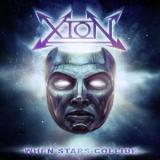
Swedish speed/thrash metal newcomers XION are set to release their second album, *When Stars Collide*, on 11 September via Fireflash Records. XION’s fresh blend of speed and thrash metal sounds unique, and you can clearly sense the power, dedication, boundless energy and ambition of this young band.
The quintet was formed in 2022, when some of the members were still under 18, yet they were already playing with the same precision and energy as more established metal bands. Since then, the band from Falun – the hometown of acts such as SABATON, BROTHERS OF METAL, TWILIGHT FORCE and others – has taken the world by storm. The combination of the members’ young age and their extremely precise and virtuosic musical skills has made XION one of the most interesting and promising newcomers on the Swedish metal scene in many years.
debe ser publicado en 11.09.2026
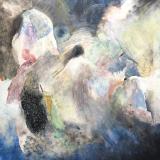
Wondrous ethereal folk songs by a reclusive pen pal of Maxine Funke, first introduced to A Colourful Storm by Funke while sharing music and ideas during her Australian tour. Ghost faced pansies. A moth coloured cat. Cauliflowers, cabbages undying. I hear the spine of the dictionary crack. Is what they call a creature who only wakes at dusk. And turning backs. My afternoon has turned pitch black. For a trace. For a shape. I wipe the steam from the window like the bloom on a grape. Ghost faced pansies. A moth coloured cat. Light of stars long since died.
Haga su pedido ahora y le encargaremos el artículo en nuestro proveedor.
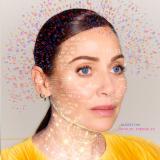
Natalie Imbruglia ist Millionen von Menschen mit ihrem weltweiten Hit "Torn" bekannt, einer der bis heute prägendsten Songs der Neunziger. Damit begann eine außergewöhnliche Erfolgsserie, die u.a. 2 BRIT Awards, 3 Grammy-Nominierungen, 8 ARIA Awards und 7 Mio. verkaufte Exemplare ihres Debütalbums "Left Of The Middle" umfasst. In jüngerer Zeit stand sie durch Auftritte an der Seite von Olivia Rodrigo erneut im Rampenlicht. Jetzt ist der perfekte Moment für ein neues Kapitel: ihr neues Album Algorithm mit der Lead-Single "Upside Down".
Algorithm zeigt Natalie Imbruglia in einer neuen Ära – geprägt von Selbstermächtigung, Freiheit und kreativer Erfüllung. Das erste Album der australisch-britischen Pop-Ikone seit fünf Jahren ist eine echte Tour de Force: ein zutiefst persönliches Werk, das eindrucksvoll daran erinnert, warum wir uns ursprünglich in ihre Musik verliebt haben. Es erscheint in einer Zeit, in der sich der kulturelle Zeitgeist wandelt und Popmusik wieder stärker zur Tanzfläche tendiert – mit einer Ausrichtung, die sich an den eleganten Pop-, Disco- und House-Elementen von Robyn orientiert.
Nach dem UK-Top-10-Comeback mit Firebird (2021) meldet sich Natalie Imbruglia auf Algorithm voller Energie und Tatendrang zurück. Sie ist Co-Produzentin und -Autorin jedes Songs, neben namhaften Kollaborateur:innen wie MyRiot (London Grammar), David Sneddon (Lana Del Rey), Fraser T Smith (Adele, Stormzy, Sam Smith), Gary Lightbody von Snow Patrol, Anu Pillai (Lewis Capaldi), Tobie Tripp (George Ezra), Mark Crew (Bastille, James Arthur) und Dan Priddy (Rag’n’Bone Man, Bastille). Im Anschluss an die Veröffentlichung des Albums wird Natalie Imbruglia ausgewählte Festivaltermine spielen und auf Tour gehen.
debe ser publicado en 04.09.2026
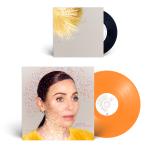
Natalie Imbruglia ist Millionen von Menschen mit ihrem weltweiten Hit "Torn" bekannt, einer der bis heute prägendsten Songs der Neunziger. Damit begann eine außergewöhnliche Erfolgsserie, die u.a. 2 BRIT Awards, 3 Grammy-Nominierungen, 8 ARIA Awards und 7 Mio. verkaufte Exemplare ihres Debütalbums "Left Of The Middle" umfasst. In jüngerer Zeit stand sie durch Auftritte an der Seite von Olivia Rodrigo erneut im Rampenlicht. Jetzt ist der perfekte Moment für ein neues Kapitel: ihr neues Album Algorithm mit der Lead-Single "Upside Down".
Algorithm zeigt Natalie Imbruglia in einer neuen Ära – geprägt von Selbstermächtigung, Freiheit und kreativer Erfüllung. Das erste Album der australisch-britischen Pop-Ikone seit fünf Jahren ist eine echte Tour de Force: ein zutiefst persönliches Werk, das eindrucksvoll daran erinnert, warum wir uns ursprünglich in ihre Musik verliebt haben. Es erscheint in einer Zeit, in der sich der kulturelle Zeitgeist wandelt und Popmusik wieder stärker zur Tanzfläche tendiert – mit einer Ausrichtung, die sich an den eleganten Pop-, Disco- und House-Elementen von Robyn orientiert.
Nach dem UK-Top-10-Comeback mit Firebird (2021) meldet sich Natalie Imbruglia auf Algorithm voller Energie und Tatendrang zurück. Sie ist Co-Produzentin und -Autorin jedes Songs, neben namhaften Kollaborateur:innen wie MyRiot (London Grammar), David Sneddon (Lana Del Rey), Fraser T Smith (Adele, Stormzy, Sam Smith), Gary Lightbody von Snow Patrol, Anu Pillai (Lewis Capaldi), Tobie Tripp (George Ezra), Mark Crew (Bastille, James Arthur) und Dan Priddy (Rag’n’Bone Man, Bastille). Im Anschluss an die Veröffentlichung des Albums wird Natalie Imbruglia ausgewählte Festivaltermine spielen und auf Tour gehen.
debe ser publicado en 04.09.2026

“As always the darkest moments of human existence
have a shadow of sheer light
But it’s never to be found while sitting still
even when we want to
It’s to be found in scraping ourselves up and doing . . .
Not overthinking about
Just doing
Just making a permanent mark
Leaving a permanent reminder
for our future selves to revisit and learn from when the times right
If that’s ever comes
So many milestones . . . ?”

Studio Kosmische duo Dom Keen and Jonathan Parkes collaborate with Russian saxophonist Ivan Bursov to create rolling waves of hymns to supine meditation. The gorgeous 'In Search Of Magick' and 'Eternal Dream Musick' conjure free-form sax and psychedelic ambience over undulating bass. "As Above, So Below' finds swelling guitars celebrating a distant storm, while 'Golden Dunes' offers a shimmering sound bath. 'Esoteric Modulation' breaks the spell with echoed sax and thundering synth. Beautiful
MJ - ELECTRONIC SOUND MAG
Like all Studio Kosmische records, Electronic Meditation for Inner Space Travel is less a collection of tracks than a single, unbroken experience. It flows with purpose, every note a step in a silent procession toward understanding.
There’s no urgency, no climax, just a graceful surrender to the unknown. When it ends, the world feels quieter, your thoughts slower, the air lighter. This one’s a record to play deep into the night, when the sky outside your window looks almost purple and the world feels bigger than you remember. Drop the needle, close your eyes, and let the music lead you through the dunes.
Somewhere out there, the sorcerers are still gathering, still searching, still dreaming.
debe ser publicado en 19.06.2026

A mix of metallic doomgaze, epic gothic soundscapes and post punk attitude. Loud and crushing, yet sharp enough to stick in your head for days. There are two kinds of heavy bands: the ones that make a lot of noise and the ones that drag you somewhere you didn't know you needed to go. Cwfen (pronounced 'Coven') are the latter, and Sorrows is a record that doesn't just crush - it haunts long after the final note. The allure of Cwfen's sound lies in contrasts: the glacial ferocity of Amenra, with the velvet-and-razor vocals of King Woman, and the rotting grandeur of Type O Negative. It's as hypnotic as it is harrowing, but somehow even better than the sum of those parts. Since emerging from Glasgow's underground just 18 months ago, Cwfen's reputation is growing, selling out shows and pulling growing audiences into their doom-laden fever dream. Released in October, the band's debut single 'Reliks' was a hit with fans and critics, landing a spot on Kerrang!'s release of the week playlist. And rightly so. Their sound devours and delights in equal measure. "Cwfen have emerged from the darkest depths of the Caledonian underground with a beguiling blend of doom metal and gothic post-punk for those who like to live deliciously." Kerrang! Sorrows lives in the space around doom where the weight of the riffs is matched by the weight in your chest, where the lyrics and the songwriting are as important as the music itself. Loud and crushing, yet sharp enough to stick in your head for days. It builds, burns, collapses, resurrects. Big on riffs, bigger on feeling. The kind of songs you carry with you. Singer and rhythm guitarist Agnes Alder bears her claws one minute, then whispers the next, as the band follows like a storm front, rising, breaking, drowning you in the weight of it. From the guttural Penance to the lush Whispers, to the feral Wolfsbane and the insurrectionist Rite. It includes a long reworking of Embers and Bodies, the two self-recorded demos that launched them into the scene with a bang and their growing legion of fans already adore. Intricate vocal arrangements, heavy and harsh guitars, a mix of atmosphere and heft, it undoubtedly punches above its weight for a debut. As Agnes says: "When we stopped trying to fit into any one space, what came out was this beautiful mix of dark and light. Something visceral and cathartic." This is a band that sits right in the boundaries between the heavy genres, pulling in everyone from the young goths and to the die-hard metalheads alike and 'Sorrows' truly does deliver in spades. Make no mistake, Cwfen are set to be one of the names to watch in 2025. FFO: Chelsea Wolfe, Zetra, King Woman, Type O Negative, Alcest, Faetooth, Liturgy. Limited vinyl pressing, 500 copies in transparent red vinyl. Full colour Gatefold outer sleeve, with a full colour printed inner sleeve, Full download included as well.
debe ser publicado en 12.06.2026

Quartier Celeste is a unique project in today’s landscape: here’s Premier Voyage, an album that goes beyond music to offer a complete universe, almost an autonomous mythology, which unfolds through music, lyrics, videos, and a collection of visual artifacts.
It all began with a revelation: the discovery of NASA’s sound archives, recordings collected during space missions to the outer
reaches of the solar system. What can be heard as we approach the Sun? What sound does a black hole produce when its electromagnetic activity is translated into audible frequencies? What does Jupiter's fifth moon whisper through the instruments of
a probe?
From track to track, we drift through an immense space — sometimes calm, almost meditative, sometimes shaken by cosmic storms. We encounter supernovas, cosmic rays, magnetic fields, stellar winds, and clouds of antimatter. The infinitely large rubs shoulders with the infinitely intimate: the fragile, close voice offers a human counterpoint to these titanic forces. The whole is mystical, contemplative, punctuated by bursts of noise, areas of shadow, and flashes of light amid vast areas of darkness.
debe ser publicado en 12.06.2026
