out of Stock
Order now and we will order the item for you at our supplier.
Last In: 10 days ago
Order now and we will order the item for you at our supplier.
Order now and we will order the item for you at our supplier.
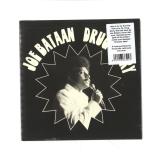
Joe Bataan's extensive discography was expanded in 2022 with the release of some old recordings from the King of Latin Soul that had never been previously published. After the success of his album "Riot!" (1968), Bataan had easy access to a studio whenever inspiration struck to record a new song sketch or even a complete track. Sometimes, he would finish the recording entirely and offer it in its final version to Fania for release. This usually worked, although on some occasions, the song was rejected. In the case of 'Drug Story,' the track was recorded without a clear final purpose, even though Bataan hoped it would become part of an album. When the Fania executives heard the result, they immediately rejected it, thinking it promoted drug use. The tapes were filed away and lost in oblivion until they ended up in a thrift store in New York. From there, they were rescued by a Latin music specialist and later sold, eventually making their way to the Vampisoul archives. The song was finally released in its entirety in 2022 on the LP "Drug Story" by Now Again. It features a long, slow vocal intro that evolves into a more uptempo track with two very distinct parts, to the point that it almost feels like two different songs. It transports us to the best moment of Joe Bataan's career, with all of his classic ingredients, delivering a track as good as his most famous songs. Bataan himself takes on the lead vocals and piano, Bobby Rodríguez handles the flute, sax, and bass, Pete 'Choki' Quintero plays the drums, and William Howes Jr. plays the electric guitar with wah-wah effects. Vampisoul strongly believes that the song deserved to be released as a single as well, and that its structure was perfect for each side to have a separate identity. So here it is, for the first time on a 45, 'Drug Story,', parts one & two, the long lost track by Joe Bataan. Pure Latin soul, recorded at the peak of the artist's career!
On Stock and ready to ship
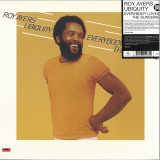
Mit "Everybody Loves the Sunshine" (1976) vermischt Roy Ayers nahtlos die Genres Soul, Funk & Jazz und erschafft einen zeitlosen Sound, der Musiker und DJs auf der ganzen Welt noch immer beeinflusst, mit dem Vibraphon als zentrales Instrument, ein Ansatz, der Ayers einzigartigen Stil definiert. Im Jahr 1976 veröffentlichte der legendäre Musiker und Komponist Roy Ayers mit ELTS eines der bedeutesten Alben seiner Karriere. Dieses Album festigte nicht nur Ayers' Stellung als Schlüsselfigur in der Welt des Jazz, sondern markierte auch einen Meilenstein in der Soulmusik und im zeitgenössischen Jazz-Funk. Es zeichnet sich durch eine raffinierte Mischung aus unwiderstehlichen Grooves, sanften Melodien und einem einzigartigen Sound aus, der über die Jahre hinweg nicht verblaaste und für mehrere Generationen von Musikern und Hörern zu einer Referenz wurde. Mitte der 70er Jahre hatte sich Ayers bereits mit seiner Band Roy Ayers Ubiquity und seinem unverwechselbaren Einsatz des Vibraphons, das zu seinem persönlichen Markenzeichen wurde, einen Namen gemacht. Und mit ELTS wagte sich Ayers an einen noch zugänglicheren Sound, auch als Reaktion auf den Aufstieg von Disco und das wachsende Interesse an Musik afro-amerikanischer Prägung überhaupt. In den zehn Tracks des Albums schafft Ayers eine Klangatmosphäre, die sowohl die Wärme des Sommers als auch die Raffinesse des Jazz jener Zeit heraufbeschwört, alles vor dem Hintergrund des modernen Soul. Produziert von Ayers selbst zusammen mit seinem Engineer und Freund David R. Williams zeichnet sich ELTS durch den wunderbaren Klang des Fender Rhodes Pianos von Phillip Woo sowie die kraftvolle Energie der restlichen Band aus, wodurch eine unverwechselbare Authentizität und Frische erreicht wird. Zu den bekanntesten Songs gehören der Titeltrack, "The Golden Rod" und "The Third Eye", die schnell zu Klassikern des Jazz-Funk und Soul wurden. Dieses Album ist für Roy Ayers' Karriere von entscheidender Bedeutung, da es seine Fähigkeit unter Beweis stellt, in einer sich ständig verändernden Musikindustrie relevant und kreativ zu bleiben. Im Laufe der Jahre wurde "Everybody Loves the Sunshine" zu einem Kultalbum, das häufig in DJ-Sets von Künstlern wie Gilles Peterson, Theo Parrish und Lefto gespielt Verwendung findet. Der Sommer-Soul-Klassiker jetzt wieder auf klassischem schwarzem 180g-Vinyl!
Order now and we will order the item for you at our supplier.
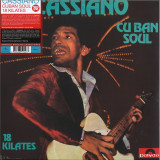
"Cuban Soul-18 Kilates" is Cassiano's third studio album, released in 1976, and stands as a milestone in Brazilian soul music. It combines Brazilian rhythms with classic American soul elements, creating a unique fusion. Cassiano's smooth, soulful vocal style and the album’s larger-than-life arrangements, reminiscent of Tim Maia's sound, give it a rich, deep feel.
The standout track, ‘Onda,’ is a relaxing anthem evoking beach vibes that has become a DJ’s favorite in recent years and also made it into several compilations. "Cuban Soul-18 Kilates" has earned cult status over the years, securing its place as one of the most coveted Brazilian records of all time. Remastered from the original tapes and pressed on 180g vinyl. This release is part of a new reissue series that will include many other outstanding Brazilian classics like Evinha “Cartão Postal” or Gerson King Combo.
"Cuban Soul-18 Kilates" is Cassiano's third studio album, released in 1976, and stands as a milestone in Brazilian soul music. Influenced by artists like Otis Redding, Eddie Kendricks, Stevie Wonder, and others, it combines Brazilian rhythms with classic American soul elements, creating a unique fusion. The album features 9 tracks, with ‘A Lua e Eu’ becoming a major commercial hit and the theme song for the soap opera “O Grito”. Cassiano's smooth, soulful vocal style and the album’s larger-than-life arrangements, reminiscent of Tim Maia's sound, give it a rich, deep feel. The standout track, ‘Onda,’ is a relaxing anthem evoking beach vibes, with its captivating bassline, subtle percussion, and natural sounds of the sea, making it perfect for moments of relaxation. This song, along with the album’s other tracks, showcases Cassiano's mastery of Brazilian soul, making “Cuban Soul-18 Kilates” a definitive and cherished record in the genre. This album has earned cult status over the years, securing its place as one of the most coveted Brazilian records of all time. Once incredibly rare and expensive, it's now at the top of every serious collector's wishlist. After not being available outside of Brazil for years, it’s finally been reissued – don’t miss your chance to own this legendary piece of music history.
Order now and we will order the item for you at our supplier.

In 1966, Oscar Agudelo recorded this elusive and lesser-known collector's gem called "Pa' mi muñeca" for Discos Fuentes. It is a rarity where the artist took an unexpected musical turn and performed several porros, paseaitos, gaitas, and cumbias, evoking the swaying motion and rolling waves of Colombia's Caribbean sound. It resonates with the echoes of a romantic minstrel laced with an unexpected richness of nuance, a hallmark of the cumbia sound. It's exactly the kind of music that lights up a tambó or a fandango circle on carnival night. A dozen tracks, none of them new, but suffused with a consciousness that can be understood within the context of their time and with the personality of the artist bold enough to bring them to life. 'Madre cumbia' opens the album with a festive, nostalgic mood, infused with the simple beauty and the electrifying beat of the tropics that immediately makes you want to get up and dance. It's a fantastic example of how to perform a song with passion and make the listener fall instantly in love with an album. 'Pa' mi muñeca', the title track, is a fast-paced paseaito that explores new paths that took a shortcut to the dance halls. A showstopper on the dance floor. 'Está como mango' is a porro-cumbia that charms with a rich tapestry of compliments, the calling card of many old-school tropical songs. 'Cumbia de recuerdo', 'Cumbia suave', 'Cumbia de Santa Marta', are back-to-back cumbias. This is an album devoted to recreating the strength of a musical genre that's been the soundtrack of Colombian life for decades. It's a record dedicated to capturing good times, filled with simple dreams, steeped in joyful energy, and shining with the uninhibited flair, or better said, the quality of the sixties. This album represents a milestone on the route cumbia had taken, both for Discos Fuentes and maestro Agudelo. First time reissue. Includes liner notes by genre expert Don Alirio.
expected to be published on 20.06.2025
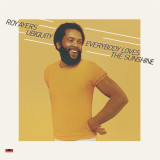
In "Everybody Loves the Sunshine" (1976), Roy Ayers seamlessly blends genres, creating a timeless sound that continues to influence musicians and DJs around the world. He makes the vibraphone the central instrument, a jazz-funk approach that defines his unique style. Over time, the album has remained an essential reference in Roy Ayers' discography and in the history of 70s Black music. Summertime soul classic! 180g vinyl.
In 1976, legendary musician and composer Roy Ayers released one of the most iconic albums of his career: "Everybody Loves the Sunshine." This album not only solidified Ayers as a key figure in the world of jazz-funk but also marked a milestone in soul music and contemporary jazz. It features a sophisticated blend of irresistible grooves, smooth melodies, and a unique sound that has endured over the years, becoming a reference for multiple generations of musicians and listeners.
By the mid-70s, Ayers had already established his reputation with his band, Roy Ayers Ubiquity, and his distinctive use of the vibraphone, which became his personal trademark. However, with this album, Ayers ventured into a smoother, more accessible sound, partly in response to the rise of disco music and the growing interest in more experimental sounds within the music scene. Throughout its ten tracks, Ayers managed to create a sonic atmosphere that evoked both the warmth of summer and the sophistication of jazz from that era, set against a backdrop of modern soul. The production was carried out by Ayers himself, along with his producer and friend, David R. Williams, and features the wonderful sound of Phillip Woo's Fender Rhodes and the powerful energy of the rest of the band, achieving an unmistakable authenticity and freshness. Some of its most well-known songs include the title track, ‘Everybody Loves the Sunshine,’ ‘The Golden Rod,’ and ‘The Third Eye,’ which quickly became classics of jazz-funk and soul. This album is crucial in Roy Ayers' career, as it demonstrates his ability to remain relevant and creative in an ever-changing music industry. Over the years, "Everybody Loves the Sunshine" has become a cult album, frequently featured in DJ sets by artists like Gilles Peterson, Theo Parrish, and Lefto. Summertime soul classic!
expected to be published on 06.06.2025

Marcos Valle is one of the few artists you cannot miss if you have the slightest interest in Brazilian music. Whether your taste is focused on bossa jazz, samba, psych folk or soul, Valle has surely recorded a great album for you. His much sought-after and stunning self-titled album from 1970 includes ‘Ele E Ela’, as sampled on Jay-Z’s ‘Thank You’, as well as some of his most popular songs like ‘Freio Aerodinamico’ and ‘Os Grilos’, swinging between sophistication and groove… Remastered from the original tapes and pressed on 180g vinyl. This release is part of our new reissue series that comprises many other outstanding Brazilian classics by the likes of Evinha, Cassiano, Gerson King Combo, Hyldon... Marcos Valle is one of the few artists you cannot miss if you have the slightest interest in Brazilian music. Whether your taste is focused on bossa jazz, samba, psych folk or soul, Valle has surely recorded a great album for you. By the late 60s he had already put out enough quality records to secure a place within the top Brazilian songwriters of all time, but his career luckily did not stop there and he continued releasing amazing music over the following decades until this day. By the dawn of the 1970s, the multi-talented Valle was entering a new era, ready to test the government censors (Brazil was under strict military rule since a coup d’état in 1964) and express a socially aware stance and a playful hodge-podge of musical styles including samba, bossa nova, baião (a rhythmic beat from the rural northeast of Brazil), black American music, and rock. “Marcos Valle” was originally released in 1970 and features a dynamic musical backing from some of Brazil’s most gifted players. Hip-hop fans may even recognize the opening horn blasts of ‘Ele E Ela,’ sampled to great effect on Jay-Z’s “Thank You.” It includes some of his most popular songs like ‘Freio Aerodinamico’ and ‘Os Grilos’, swinging between sophistication and groove…
On Stock and ready to ship

Marcos Valle is one of the few artists you cannot miss if you have the slightest interest in Brazilian music. Whether your taste is focused on bossa jazz, samba, psych folk or soul, Valle has surely recorded a great album for you. “Garra” was originally released in 1971 and brought us Valle’s classics such as ‘Com Mais De 30’, ‘O Cafona’, ‘Vinte E Seis Anos De Vida Normal’ and the rare groove classic ‘Wanda Vidal.’ Remastered from the original tapes and pressed on 180g vinyl. This release is part of our new reissue series that comprises many other outstanding Brazilian classics by the likes of Evinha, Cassiano, Gerson King Combo, Hyldon... By the late 60s he had already put out enough quality records to secure a place within the top Brazilian songwriters of all time, but his career luckily did not stop there and he continued releasing amazing music over the following decades until this day. By the dawn of the 1970s, the multi-talented Valle was entering a new era, ready to test the government censors (Brazil was under strict military rule since a coup d’état in 1964) and express a socially aware stance and a playful hodge-podge of musical styles including samba, bossa nova, baião (a rhythmic beat from the rural northeast of Brazil), black American music, and rock. “Garra” was originally released in 1971 and maintains the same socially conscious content as in his previous album while also combining diverse musical styles and influences. Recorded amongst sessions for a steady stream of popular TV soap opera soundtracks, it brought us Valle’s classics such as ‘Com Mais De 30’, ‘O Cafona’, ‘Vinte E Seis Anos De Vida Normal’ and the rare groove classic ‘Wanda Vidal.’
On Stock and ready to ship

Jonathan Richman’s classic 'Egyptian Reggae' has been responsible for setting thousands of discerning dance floors on fire. After getting the obvious Jah twist on a few occasions, so we thought it was about time for the Richman’s song to receive a fun yet respectful cumbia treatment! This cumbia candy has been recorded in Lima by no other than Pancho Acosta, founder and guitarist of Compay Quinto, and one of the greatest cumbia guitar players in Peru. On the flip side we find one of Acosta´s own original songs, 'Carnaval de Jujuy', recorded by Austin-based future-cumbia group Money Chicha.
expected to be published on 30.05.2025
Prepare yourself to be amazed by these two stunning Peruvian cumbias by two central figures of the Amazonian music scene: Ranil y su Conjunto Tropical and Los Wembler’s de Iquitos. Their recordings of the classic ‘Sonido Amazónico’ are packed with psychedelic guitars and hard-hitting percussions. First time 45 reissue. Raúl Llerena, aka Ranil, was one of the central figures of the Amazonian music scene. Based in Iquitos, he founded his own record label –Producciones Llerena– and shaped what is now known as the psychedelic sound of Amazonian cumbia. The few LPs and 45s released on his label are legendarily hard to find, let alone the condition… Some of them were issued under the name Ranil y su Conjunto Tropical. They recorded this hypnotic and percussive version of ‘Sonido amazónico’ that was released as an LP-only track. We're now pleased to release it for the first time as a 45, to the delight of DJs and 7”s collectors. On the flipside we find Los Wembler’s de Iquitos, responsible for some of the most popular songs of the psychedelic cumbia genre, including the outstanding ‘Sonido Amazónico’. Prepare yourself to be amazed by these two stunning Peruvian cumbias packed with psychedelic guitars and hard-hitting percussions. First time 45 reissue.
expected to be published on 23.05.2025

We are pleased to present again this wonderful and highly sought-after album, born from a promotional campaign by the U.S. Army to encourage recruitment. The recording perfectly captures the spirit of young America through songs written by Sly Stone, Curtis Mayfield, Funkadelic, and Burt Bacharach (via Isaac Hayes, of course). High-level soul and funk performed by brilliant anonymous musicians. Virtually impossible to find in its original edition, we are now reissuing it once again thanks to a collaboration with Now Again. Pressed on 180g vinyl. Often, the most prized records by collectors hold unexpected stories. When they also feature incredibly high musical quality and only a few original copies are available, they become the holy grails of collecting. This is the case with this album, recorded by American soldiers stationed in Germany in the early 70s. During the Vietnam War, the U.S. Army organized a band competition among its soldiers. The winners would record a promotional album that would be distributed for free to encourage enlistment during such a turbulent time. The result was a double LP shared between the bands SOAP and East of Underground. Although East of Underground's repertoire consists of covers of soul and funk hits, the quality is surprisingly high: raw guitars, crushing drums, brilliant vocal harmonies... The result perfectly captures the spirit of young America through songs written by Sly Stone, Curtis Mayfield, Funkadelic, and Burt Bacharach (via Isaac Hayes, of course). High-level soul and funk performed by anonymous musicians whose final fate has yet to be confirmed. When the label Now Again tried to reconstruct the story of East of Underground, they only managed to contact one of its members after digging through documents in the New York Library and collaborating with the U.S. Army. We are now pleased to present this wonderful and highly sought-after album once again, a surprising case where the covers rival the originals, creating a unique recording that justifies its immense appeal among collectors.
expected to be published on 23.05.2025

"Dame café", originally released on Discos Fuentes in 1965 to meet the tropical music demand of the time, features a mix of traditional rhythms like vallenato and cumbia, alongside more experimental beats. The vibrant musical scene of the 1960s in Colombia owes much to a group of versatile accordionists who blended genres such as cumbia, charanga, guaracha, vallenato, and Cuban-influenced rhythms. This group included notable figures like Andrés Landero, Aníbal Velásquez, Lisandro Meza, and Alfredo Gutiérrez, among others. A prime example of their diverse musical styles is the album "Dame café", released in November 1965, which features a mix of traditional rhythms like vallenato and cumbia, alongside more experimental beats such as paseaíto and pasaje. The album includes six previously released singles composed by José Castro, Policarpo Calle, and others. The album highlights the commercial strategy of Discos Fuentes, which often created short-lived studio bands to meet the tropical music demand of the time. Los Gavilanes de la Costa, the band behind "Dame café", had a brief existence but left a lasting impact, especially in Mexico's sonidero scene. The group's creation was driven by the high demand for tropical music in the 1960s, with many musicians adjusting to market trends. Most of the members, including composers Campillo and Castro, vanished from the scene, while others, like Calle and Zambrano, went on to have notable careers in music. Calle, in particular, became a cumbia legend, later settling in Mexico City. The album "Dame café" has gained cult status due to its rarity and the intrigue surrounding its origins. The album features a remarkable contribution from Colombian jazz legend Justo Almario, who, at just 16 years old, played tenor sax on the track 'Pues no da pa' más'. Over the years, pirate editions and elusive original copies have made it a highly sought-after collector's item. The album's lively sound, combining accordion melodies, deep bass, and vibrant guacharaca rhythms, continues to resonate in the tropical music scene.
On Stock and ready to ship

Reissued here for the first time, "Cartão Postal" is one of the best and most sought-after Brazilian funk-soul albums from the early ’70s. It includes some outstanding uptempo gems like Marcos and Paulo Sergio Valle’s ‘Que bandeira’, and the stellar ‘Esperar Prá Ver’, co-written by Evinha’s brother Renato Corrêa who also happened to be a member of the Golden Boys. This is a classic Brazilian soul-funk title, right up there with all the greatest albums of the genre. Remastered from the original tapes and pressed on 180g vinyl. This release is part of a new reissue series that will include many other outstanding Brazilian classics. "Cartão Postal" was originally released on Odeon Brazil in 1971, a few years after Evinha started her solo career. From 1961 to 1968 she was a member of Trio Esperança, alongside her brothers Mário and Regina. In 1969 Evinha won first prize at the Festival Internacional da Cançao Popular and her discography for Odeon took off. "Cartão Postal", her third solo album, comprises some outstanding gems. Songs like ‘Que bandeira’, by Marcos Valle, Paulo Sérgio Valle and Mariozinho Rocha, that moves between funk/soul and bossa/MPB grooves; the stellar ‘Esperar Prá Ver’, co-written by Evinha’s brother Renato Corrêa who also happened to be a member of the Golden Boys, is a mid-tempo funk soul number that features stunning arrangements and an epic bassline that is hard to be forgotten… ‘Só Quero’ emanates samba soul sounds while songs like ‘Por Mera Coincidência’ or ‘Rico Sem Dinheiro’ resemble what Trio Esperança was doing at the time: vocal-driven groovy jams spiced with celestial strings arrangements and heavy-duty drums and basslines, which is not surprising since they both worked with the same producers and arrangers, as they were all Odeon artists. Ridiculously rare and expensive now, and at the top of many collectors’ wants lists for decades, it’s finally reissued here after years unavailable.
Order now and we will order the item for you at our supplier.

“Salsa con charanga” is really a feast for all salsa music lovers, a true jewel, which deserved much better when it originally came out in 1978. It comprises eight great, solid tracks; some, new interpretations from other albums in which Mike Guagenti participated with his handsome and captivating voice - a crooner with a salsero soul -, that, at times, could remind us of the late Tito Rodríguez, and even Ray Ramos.
It In addition to being a great salsa album, has the distinction that was released on Orfeon, a Mexican record label, due to the diligent work of the extraordinary producer Bobby Marin, and which miraculously received air play when powerhouse Fania label and few others ruled radio in the salsa music world. It comprises eight great, solid tracks; some, new interpretations from other albums in which Mike Guagenti participated with his handsome and captivating voice - a crooner with a salsero soul -, that, at times, could remind us of the late Tito Rodríguez, and even Ray Ramos. "The Mike Guagenti album," as indicated by Marin, "is a compilation of recordings by other artists. Originally a salsa album, I brought in Cuban Pupi Legarreta (violin and flute) and Panamanian Mauricio Smith (flute) to give it a charanga sound." With the exception of the cut ‘Salsa con charanga,’ which is an instrumental, the rest feature vocals by Guagenti. “Salsa con charanga” has developed a cult following, and finding a copy of the original could be quite expensive. Luckily, this officially licensed and restored edition will fill that void.
expected to be published on 28.03.2025

After digging deep into the overwhelming archives of Discos Fuentes and Codiscos in our previous volumes, this third instalment in the series "Cumbia Cumbia Cumbia!!!" comprises a selection of 28 Peruvian cumbia bangers for the dance floor from the deep vaults of Discos MAG, all of them originally released between 1964 and 1987. "Cumbia Cumbia Cumbia!!!" combines well-known classics and rarities that are difficult to find in their original formats. An invitation to enjoy and be amazed, above and beyond ethnographic and academic concerns. The historical origins of cumbia are nebulous and imprecise. The mythology surrounding it suggests an ancient past when Amerindian, African and European musical sounds were mixed together. MAG had released porros since the label was set up, and by 1957 it was already selling records by the Colombian Lucho Bermúdez, a leading figure in porro and cumbia in orchestra format, from Buenos Aires. Colombian cumbia has come a long way in Peru since those years and put down its own roots, just as it has in other Latin American countries. This third volume of the series "Cumbia, cumbia, cumbia" demonstrates how the rhythm has persisted over three decades of Peruvian recordings, ranging from versions by orchestras and ensembles to original cumbias with electric guitars, with lingering echoes of Caracas-born Hugo Blanco, Tulio Enrique León, Los Teen Agers and Amparito Jiménez. These records were played nonstop in the Peruvian coast, mountains and jungle to the cry of "¡que sigue la cumbia!". Double vinyl LP!
Order now and we will order the item for you at our supplier.

These two vinyl records showcase the legacy left by the boogaloo movement in Peru between 1966 and 1975. They comprise twenty-two songs by seventeen artists who recorded on the remarkable local label MAG more than five decades ago and now invite today’s new generations to dance body and soul to these re-releases. You will find outstanding tracks by the likes of Tito Chicoma, Melcochita, Los Kintos, Otto Rojas, Coco Lagos among many others. MAG was one of the most important and prolific labels in Peru and, though it also was involved in releasing a lot of other types of music, its specialty was the tropical variety, which coincidentally, DJs and collectors seem to crave most. Peru developed a major boogaloo scene in the mid-60s, far from the genre’s place of origin, New York, where iconic songs like 'Bang Bang' and 'El Pito', fused soul and funk with Latin sounds, conquering dance halls and winning extensive radio airplay. The music trend soon spread to Caribbean countries and from there made the geographical leap to the city of Lima. 'El Pito', the collective creation of the Joe Cuba Sextet, was particularly popular. Shorn of overelaborate arrangements, the improvisation and spontaneity of the song resonated with the young generation who were avid for new music after the U.S. placed an embargo on the distribution of Cuban music. In July 1966, Rebeca Llave´s label, Disperú, released the 45 RPM of 'El Pito' (and Joe Cuba's LP), promoting the single in the most prestigious newspaper in the country: El Comercio. The press information stated that the record had sold seventy thousand copies in New York and fifty thousand in Los Angeles. That same year local dance versions by the bands of Alfredo Linares (MAG) and Lucho Macedo (El Virrey) were released, followed by another by the band of the Argentinean musician Enrique Lynch who was based in Peru (Sono Radio). These records were a hit with a new generation that embraced Lucho Macedo's band and the garage rock of Los York's with equal enthusiasm. Although Joe Bataan claimed that boogaloo was killed off at the end of the sixties by the labels and their veteran musicians (who conspired against the new generation of singers), Pete Rodriguez, Richie Ray and the Lebrón Brothers continued to release boogaloo records in Peru, but salsa music soon took over.
Order now and we will order the item for you at our supplier.

"Las últimas composiciones de Violeta Parra" as originally released in 1966, with remastered sound from the original tapes artwork. This is the best Chilean album of all time according to Rolling Stone magazine. It contains the latest compositions by Violeta Parra, including her global hit 'Gracias a la vida'. It was recorded for RCA Víctor at the end of 1966, despite the artist had signed a deal with EMI Odeon and released her previous albums on this label. After spending some time in Europe, Violeta Parra was back in Chile and wanted to record her most recent songs, filled with lyrics inspired by personal life's disappointments and social topics. The album contains great songs such as 'Run Run se fue pa'l Norte', 'Maldigo del alto cielo', 'Rin del angelito' and the global hit 'Gracias a la vida'. This is the very last album released while Violeta Parra was still alive as she would kill herself only four months later, in February 1967. In 1974 a new version of the album was released featuring string arrangements by Chilean composer Nino García and new artwork, a full-color illustration based on the black and white photo of the original album cover. This became the most popular version of the album available in decades. The ownership of the original master tapes has been the subject of judicial disputes since the late 1990s and until very recent times, which explains the difficulty in having access to the original work, as originally conceived, throughout this period.
expected to be published on 28.02.2025

Order now and we will order the item for you at our supplier.

Brooklyn Sounds legendary second album from 1972, full of heavy Nuyorican underground salsa dura propelled by raw trombones, off-kilter piano and in-your-face percussion. A perfect blend of barrio attitude and Caribbean swing, the album proves Brooklyn has sabor y salsa! Pressed on 180 g vinyl, our reissue includes liner notes featuring never-before seen photos. “Libre – Free” is the now legendary second album by the short-lived Brooklyn Sounds and is arguably even better than their self-titled debut, displaying a more mature and practiced sound, no doubt honed by their experiences playing more gigs in support of their first record. Brooklyn Sounds were one of a handful of garage salsa bands from the independent scene that was gathering steam in the early 1970s in the New York boroughs, despite little support or exposure in the mainstream Latin music industry from more dominant labels like Fania, Mericana, Cotique and Alegre. As with many others, Brooklyn Sounds briefly fluoresced in a burst of creativity and defiance, yet flamed out shortly thereafter, dying like a flower among the ruins of burned-out apartment blocks in the barrios of its home city. Though the band only cut two LPs and a couple singles in their brief half-decade of existence, and never really broke out of the cuchifrito circuit in the tri-state area of New York, New Jersey and Connecticut, their music gradually spread far and wide, eventually becoming a sought-after global commodity by the late 1990s. In contrast to the first album “Libre – Free” is uptempo and ebullient, with fewer slow songs and more confident, creative arrangements, full of heavy Nuyorican underground salsa dura propelled by raw trombones, off-kilter piano and in-your-face percussion. Standout tracks include the uplifting, anthemic ‘Libre soy’, and ‘Ha llegado el momento’, with its minor key ‘Moliendo café’ quote at the
beginning—both of which have become dance floor anthems over the years. Another mid-tempo killer is ‘Guaguancó tropical’, a favorite in Colombia since the 1970s. A perfect blend of barrio attitude and Caribbean swing, the album proves Brooklyn has sabor y salsa!
expected to be published on 24.01.2025

Gerson King Combo's 1977 album is a masterpiece of Brazilian soul, emerged within the Black Rio movement, which was recorded with União Black as the backing band. It features the kind of full-on funky sound you'd only expect to hear from a rare few American groups of the time. Its ten songs mix political statements, which primarily address issues of racial pride, and dancefloor-oriented music. The album has achieved cult status over the years, becoming one of the most sought-after Brazilian funk records of all times. Remastered from the original tapes and pressed on 180g vinyl in a gatefold sleeve. This release is part of a new reissue series that will include many other outstanding Brazilian classics
expected to be published on 17.01.2025

Welcome to the psychedelic vibes of this weed-inspired double sider where Colombian salsa and Peruvian cumbia meet!
Cannabis is a killer organ-driven salsa song recorded by Colombian music legend Fruko while Marihuana by Los Darlings de Huanuco was conceived as an effort to combine rock and cumbia sounds resulting a perfectly balanced mix of both worlds.
First time 7" reissue of these extremely hard to find records!
Order now and we will order the item for you at our supplier.

In 1969, producer and boogaloo godfather Bobby Marin conceived this undeservedly obscure funky, psychedelic Latin soul gem. Released on Ralph Lew’s short-lived Dorado label and engineered by Jon Fausty, Bobby was backed by a top-notch studio band that included Ricardo Marrero, Joey Pastrana, Bernard Purdie, Louie Ramirez, Orlando Marin and Ozzie Torrens. Includes liner notes by genre expert Pablo Yglesias telling the story behind the music. 180g vinyl. Generally, when discussing the first wave of Latin soul and boogaloo, it’s the bands and their leaders, the singers and the songs that get all the recognition. But what of the producers, composers, and arrangers? One of the top old-school New York Latin music producers, Bobby Marin, was behind the scenes for some of the best independently produced boogaloo and salsa of the ‘60s and ‘70s. “Saboreando - Pot Full Of Soul”, is the album Bobby created in 1969 for his friend Ralph Lew’s newly launched Dorado label. Fifty-five years later, Bobby confirms that he commemorated his humble Barrio beginnings playing stickball on West 107th Street and singing doo-wop while some kids played percussion on junkyard drums, by christening the band The 107th Street Stickball Team. The 107th Street Stickball Team was basically the same pool of friends as Ricardo Marrero’s group (Bernard Purdie on drums, Mike Viñas on guitar, Ricardo Marrero on vibes), with the addition of Louie Ramirez playing piano and organ, Orlando Marin, Joey Pastrana and Ozzie Torrens on percussion, Mike Viñas handling the electric bass, and Butch Johnson and Danny Agosto on lead vocals for a few numbers. At that time, soul music was seen by the present Latin generation, indeed the youth market in general, as something that was different, that broke with tradition. The record, with Bobby singing several of the best tunes including ‘Mojo Shingaling’ and ‘Rhythm and Soul’, highlights an affinity or connection between African American and Cuban music in a convincing blend that was emblematic of the scene and allowed the young generation to feel they had a fresh kind of music all their own. No wonder the LP notes boast The 107th Stickball Team is “a bunch of groovy youngsters.” We are now happy to make this undeservedly obscure funky, psychedelic Latin soul gem available again!
expected to be published on 20.12.2024

First time 7” reissue of this mega-rare Bobby Marin produced Latin funk gem.
‘Together People (Pamoja Watu)’ sounds like a cross between James Brown’s ‘It’s A New Day’ and Manu Dibango’s ‘Soul Makossa’, while 'It's Your Thing' is a heavy Latin funk instrumental version of the Isley Brothers classic, featuring screaming Hammond organ. Both are DJ favorites and the original 45 fetches large sums, if you can find a copy.
DESCRIPTION
Generally, when discussing the first wave of Latin soul and boogaloo, it’s the bands and their leaders, the singers and the songs that get all the recognition. But what of the producers, composers, and arrangers?
One of the top old-school New York Latin music producers, Bobby Marin, was behind the scenes for some of the best independently produced boogaloo and salsa of the ‘60s and ‘70s. One of his best and most obscure productions was credited to Los Africanos, a studio project featuring Chico Mendoza and New Jersey-based band Ocho.
‘Together People (Pamoja Watu)’ sounds like a cross between James Brown’s ‘It’s A New Day’ and Manu Dibango’s ‘Soul Makossa’ and was originally released in 1974 on Tito Rodriguez’s label TR Records. On the B side, 'It's Your Thing' is a heavy Latin funk instrumental version of the Isley Brothers classic, featuring screaming Hammond organ.
Both are DJ favorites and the original 45 fetches large sums, if you can find a copy. First time 7” reissue.
Order now and we will order the item for you at our supplier.

This is one of Ray Pérez’s most highly sought-after albums, not only for its strong salsa dura anthems and funky boogaloo numbers but also for its brave, quirky eclecticism and youthful, rebellious spirit, all of which are reflections of “El Loco” Ray’s unique genius, making him a beloved figure in rare record collector circles everywhere.
The original is not that easy to find today and carries a hefty price. Thankfully, it has been remastered from the original tapes, fully licensed, with the original artwork, preserving and presenting the legacy of this great Venezuelan music for today’s generation.
DESCRIPTION
The late 1960s was a very busy time when Pérez was juggling several different studio bands: Los Dementes, Los Calvos and Los Kenya.
The daring experiment Pérez created with Los Calvos laid the basis for Los Kenya, an actual working band that released six albums between 1968 and 1972. Despite being titled “Los Kenya, Vol. 2” because it was the second released by Discomoda, the record actually represents Los Kenya’s third album, and is perhaps the most mature, well-rounded venture in the lot.
In February 1969, on Discomoda, came “Los Kenya, Vol. 2” focused on the upcoming carnival season and was calculated to compete with rival bands Federico Y Su Combo Latino and Sexteto Juventud for the plethora of gigs offered at that time of year.
The album, like all Ray Pérez releases of the time, is short and powerful, with five tracks per side, showcasing a variety of singers, genres, rhythms, influences and arrangements, making this one of his more eccentric and interesting efforts. 1960s California “sunshine pop” rock (often referred to as ‘surf’ on Los Kenya records), guajiras, boogaloos, descargas and even Mexican mariachi corridos are all added to the pot of salsa cooked up by “El Loco Ray” and his band.
The album has been rescued from obscurity and lovingly restored, remastered from the original tapes, fully licensed, with its original artwork intact, preserving and presenting the legacy of this great Venezuelan music for today’s generation of global salsa dura fans.
Order now and we will order the item for you at our supplier.

Order now and we will order the item for you at our supplier.

In 1969, singer and police lieutenant Pedro Gregorio López started recording a series of instrumental tracks and songs on the MAG record label in Peru, ranging from guaracha to cumbia, all cooked with musical eclecticism and simmered to appeal to a wide audience. Many of these musical ingredients combined on the 1971 album entitled "Cocinando", in reference to the similarities between Peruvian cooking and tropical music. López began his career as a singer and orchestra conductor many years earlier, when he joined the backing singers for Lucho Macedo's Sonora. After completing his police training, he adopted the stage name Martín López, in order to preserve the anonymity his job required. Between 1969 and 1971 Martín López y sus Estrellas recorded all the tracks comprised on this album, including salsa, guarachas, rumbas, chichas and boleros, proving their knowledge and mastery of the tropical music lexicon. It is not surprising since the orchestra was made up of the most talented label’s session stars: including the double bassist Joe di Roma, singer Pablo Villanueva "Melcochita", percussionists Ñiko Estrada and Coco Lagos, and trumpeter Tito Chicoma. "Cocinando" is an epic historical treasure that captures the explosive impact of the tropical music movement on Peruvian culture.
On Stock and ready to ship

Rare Afro Latin gem recorded by Argentine actress, dancer and singer Egle Martin.
Originally released in 1970 on Music Hall in Argentina, this 7” has become an elusive and sought-after record over the years, at the top of many collectors wants list due to its amazing dance floor energy.
First time 7” reissue.
On Stock and ready to ship

Those in the know are well aware of Bobby Marin's work, and the fact that he was behind the scenes for some of the best boogaloo and salsa of the '60s and '70s. Yet, until now, no one has explicitly put Bobby's name in the headline and given him his due on the cover of a properly credited Latin soul compilation. This compilation comprises twenty four essential boogaloo, Latin funk, rock and afro disco gems, each one bearing the mark of quality: "A Bobby Marin Production", including songs by Ricardo Marrero, the Ghetto Brothers, Ocho, Louie Ramírez_ A freshly curated overview of his fascinatingly complex back catalog in these genres. Since the late 1980s there have been numerous Latin soul and boogaloo compilations, and certainly much has been written about the history of the music too and an an excellent documentary (We Like It Like That, by Mathew Ramírez Warren) have brought the music to a broader audience. Generally, when discussing the "first wave" of Latin soul and boogaloo, it's the bands and their leaders, the singers and the songs that get all the recognition. But what of the producers, composers, and arrangers behind the music? Over the years, one of the best old-school New York Latin music producers, Bobby Marin, has occasionally been given some well-deserved credit and popped up sporadically in articles or liner notes (Wax Poetics, Fania, Gladys Palmera). However, to the casual public, he is not a household name, even among some fans of boogaloo. There are even some contemporary Latin soul compilations that contain mostly material licensed, produced and / or written by Bobby (or his brother, Richard), and a tip of the hat must go to Bobby's friend Dean Rudland for all his work in this area, as well as to Rocafort Records for digging up the long-lost Nitty Gritty Sextet album. Yet, until now, no one has explicitly put Bobby's name in the headline and given him his due on the cover of a properly credited Latin soul compilation. This collection aims to change that and give the man his Latin soul "props" for the first time on a freshly curated overview of his fascinatingly complex back catalog in this genre.
expected to be published on 04.10.2024

Egle Martin enjoyed a long career as a dancer, actress, singer and played an important role in the promotion of Afro roots in Rio de la Plata and in reclaiming Afro-Argentine culture. Her performances were fresh and powerful, showcasing diversity and, later on in her career, her desire to diffuse Afro-Latin American culture. By the time this single was recorded, Egle Martin had already performed in several plays and films; she had already sung with Dizzy Gillespie and the Berlin Symphony Orchestra; she had already released an album with composer and bandoneon player Astor Piazzolla. And she was already beginning to frequent the Casa Suiza, with its gatherings and carnivals in the neighborhoods of San Telmo and San Nicolás in the beautiful Buenos Aires of the 1960s, teeming with happenings and avant-garde galleries. Egle sings in Spanish and her voice dazzles with a very distinctive sound and texture as she performs these rhythms; you can clearly appreciate the freedom and power in her vocals. In 'El Dombe' tenderness permeates the lyrics as she tells the world what this dance and its cadenced rhythm is all about. 'Dombe Bariló' is bolder and more sweeping in scope: the ritual and empowering message is uplifting... Roberto Montiel's arrangements are a prime example of the brilliant fusion of soul, funk and Latin American music, all linked through Afro roots. Originally released in 1970 on Music Hall in Argentina, it has become an elusive and sought-after record over the years, at the top of many collectors wants list due to its amazing dance floor energy. First time 7” reissue. TRACKLIST Side A EL DOMBE Side B DOMBE BARILO
expected to be published on 30.09.2024

A thrilling double-sider, a delight for DJs because of the funky dancefloor cuts that have never been available on a 45 before.
Two outstanding funky gems from Piper Pimienta and Columna de Fuego, among the most innovative Colombian artists of the ‘70s.
DESCRIPTION
Early Fruko collaborator and member of Discos Fuentes’ supergroup The Latin Brothers, Piper Pimienta was a renowned salsa singer and composer (and talented dancer!). Following his Fuentes period, he released several records on Venezuela’s Discomoda label. ‘Pensamiento’ is a killer Latin funk cut that was included on the 1979 album “La Fuente” by Piper Pimienta y su Orquesta and has never been available on a 45 before.
The flipside features one of the most innovative groups on the Colombian musical circuit in 1973: Columna de Fuego. They forged its sound by creatively and organically mixing elements of heavy rock with rhythms rooted in the music of the Pacific and Caribbean coasts and also funk and soul, keeping a fast pace from start to finish. ‘Iñot’ is an outstanding funky gem for the dancefloor taken from their only LP.
Order now and we will order the item for you at our supplier.

A selection of 24 Colombian cumbia bangers for the dance floor from the deep vaults of Discos Fuentes, the most emblematic and best remembered label in the golden age of the genre. An invitation to enjoy and be amazed, above and beyond ethnographic and academic concerns. Double LP. The historical origins of cumbia in Colombia are nebulous and imprecise. The mythology surrounding it suggests an ancient past when Amerindian, African and European musical sounds were mixed together. The main record companies in Colombia such as Discos Fuentes, Discos Tropical, Sonolux, Zeida-Codiscos, Silver, Ondina, Discos Atlantic, Vergara and Curro were created between Barranquilla, Medellín, Cartagena and Bogotá from 1936 to 1954. All of them, without exception, recorded Colombian tropical music that over the years was given different names such as porro, gaita, fandango, paseaito, merecumbé, mapalé, bullerengue or, of course, cumbia. This first volume in the series “Cumbia Cumbia Cumbia!!!” comprises 24 Colombian cumbia bangers for the dance floor from the deep vaults of Discos Fuentes, the most emblematic and best remembered label in the golden age of the genre. This is complemented by a selection of cumbias recorded by the label Discos Tropical, which sold most of its catalog to Discos Fuentes in 1990. Discos Fuentes concentrated on recording cumbias played on the accordion and by orchestras and ensembles. The label produced a prodigious number of albums devoted to cumbias between 1962 and 1979, which served to define ambiguous stereotypes, rooted as much in authenticity and modernity as in demure sensuality and joyful nostalgia. “Cumbia Cumbia Cumbia!!!” combines well-known classics and rarities that are difficult to find in their original formats. An invitation to enjoy and be amazed, above and beyond ethnographic and academic concerns.
Order now and we will order the item for you at our supplier.

This is the quartet's second LP, recorded in 1971, and contains mostly Peruvian songs with a strong Cuban flavor where Pancho Acosta’s electric guitar reaches vertiginous heights and is combined with outstanding conga and timbales playing. Extremely rare and hard to find in its original issue, this is the first-time reissue. Remastered from the original tapes. The guitarist Francisco "Pancho" Acosta Angeles (1946) played a significant role in spreading love for Cuban rhythms across Peru, those sunshine beats breaking through the cloudiness that hangs over Lima most of the year, as the city bears a closer resemblance weather wise to London than to Havana. In 1967, after making a name for himself with his six-stringed skill, he made his vinyl debut with Compay Quinto. Shortly after Pancho left Company Quinto, he joined Los Kintos. When Los Kintos disbanded, Pancho Acosta swiftly moved on to his next project for MAG: the Cuarteto Yemayá, formed by tumba drummer and singer Miguel Montoya, bassist Máximo Pecho and timba drummer José Luis Fiallega, all under Pancho's direction and arrangements. The quartet's debut album, "Ecos del Trio Matamoros", was a tribute to the Cuban trio of the title and comprised cover versions as well as a couple of their own songs. This is the quartet's second LP, recorded between July and August 1971. "El Tic Tac" contains mostly Peruvian songs. The foreign versions on the album include the classic 'Compay Gallo', written by Miguel Matamoros; 'Toribio carambola' and 'El Tic Tac', from the repertoire of the Cuban Trio Servando Diaz; and 'Sandunguéate', best known in Celia Cruz’s version. ‘Oye Mi Son' and 'Oye Mi Guitarra' were composed by the album's lead vocalist, Miguel Montoya. Percussionist Jorge Mariazza (Los Pachas, Manzanita y su Conjunto) co-wrote 'Descarga Yemayá' with Pancho, which features outstanding conga and timbales playing. Pancho also composed tracks on his own: 'Me Voy a Monsefú', 'Mi Provinciana', 'Yo Me Voy de Aquí' and 'Flaca y Fea', the latter
with a Beatle-like intro where his Japanese electric guitar reaches vertiginous heights (he never used sound effects in his recordings). Cuarteto Yemayá released one more album for MAG. In 1973 Los Kintos reformed, with the addition of the bass, percussionist and guitarist from Cuarteto Yemayá. Pancho Acosta has continued his career as a composer and arranger to this day
Order now and we will order the item for you at our supplier.

Amazing compilation of Litto Nebbia's recordings from 1971-1988, a magical and prolific time in the career of the Argentine artist and in the history of his record label, Discos Melopea, including different sounds, from jazz to Brazilian rhythms or experimental textures. Hip-hop artists and producers such as The Alchemist, Jay Electronica and DJs such as Gilles Peterson have openly declared their admiration for Nebbia, generating great interest in his records among collectors around the world. This double-LP compilation, first one ever released in Europe, comprises twenty one recordings taken from some of his best-known albums and also rarities, tracks previously unavailable on vinyl and songs taken from his most obscure albums, the vast majority never reissued on vinyl before. This compilation, the first to be released in Europe, is a subjective look into his fascinating work. It has no historical biographical pretensions or completist aspirations. The selection includes forays into different sounds, from jazz to Brazilian rhythms or experimental textures, which show the rich variety present in Litto Nebbia's vast discography. This collection of songs extends throughout the period 1971-1988, a magical and prolific time in the career of Litto Nebbia and in the history of his record label, Discos Melopea. It comprises twenty one recordings taken from some of his best-known albums, "Bazar de los milagros", "Canciones para cada uno", "Toda canción será plegaria" and also rarities, tracks previously unavailable on vinyl and songs taken from his most obscure albums, the vast majority never reissued on vinyl before.
expected to be published on 30.08.2024

First time reissue of “Quiero…” by Peruvian-Cuban singer and composer Króffer Jiménez, leader of Poppy y sus Pirañas, one of the key figures in Peruvian tropical music.Recorded in 1969 but not released until 1972, this album comprises guarachas and cumbias that were ahead of their time, mostly original compositions. Unfortunately the album went almost unnoticed back in the day, becoming a sought-after collector’s item in recent times. Quintets such as Compay Quinto, Pedro Miguel y sus Maracaibos and Los Totos were the stars of the Peruvian tropical scene at that time, winning over listeners with their powerful rhythm section and fast-paced melodies. In contrast, the dozen guarachas and cumbias on "Quiero..." are slower and more relaxed, where the elegant intonation displays Króffer’s Cuban roots, with the Pirañas contributing during the more festive moments. The cumbia 'Mala mujer' and the guarachas 'Amar en el mar' and 'El sortilegio' were ahead of their time, as the singing style adopted would only become fashionable from 1971 onwards. 180g vinyl.
Order now and we will order the item for you at our supplier.

Unknown spiritual jazz gem recorded in Argentina in the 80s, under the influence of Pharoah Sanders, Don Cherry, Archie Shepp_, and originally released on Litto Nebbia's label Melopea. Already supported by Gilles Peterson on his radio show, this mind-blowing album combines ethno-free jazz passages and deep progressive compositions led by saxophonist Marcelo Peralta resulting a very impressive ode to the legacy of Coltrane. First time reissue. Includes extensive notes and many previously unpublished photos. 180g vinyl. DESCRIPTION Unknown spiritual jazz gem recorded in Argentina in the late 80s, under the influence of Pharoah Sanders, Don Cherry, Archie Shepp_, and originally released on Litto Nebbia's label Melopea. This is the first and only album ever released by this band, Grupo de Improvisación Tercer Mundo (Third World Improvisation Group), formed by a quartet of young musicians based in Buenos Aires accompanied by drummer Norberto Minchillo (López Fürst, Fernando Gelbard, Jorge Navarro_) and Litto Nebbia himself during the recording sessions. They would also organize weekly jam sessions in public spaces in Buenos Aires, getting visual artists, poets and even passersby involved in these communal actions that aimed to promote self-expression in an environment of total freedom. After the gigs they'd gather again for intense listening sessions of deep jazz for hours_ Already supported by Gilles Peterson on his radio show, this mind-blowing album combines ethno-free jazz passages and deep progressive compositions led by saxophonist Marcelo Peralta resulting a very impressive ode to the legacy of Coltrane and a very accomplished work of jazz improvisation. 'Almas Liberadas' and 'Un Hilo de Luz' sound as a clear tribute to Pharoah Sanders, as the subtitle of the latter openly states. First time reissue. Includes extensive notes and many previously unpublished photos.
expected to be published on 12.07.2024

The self-titled “Orquesta Olivieri” was originally released in 1972, just when the Fania Records revolution and the explosion of salsa music, was reaching its peak. Very few copies were distributed at the time. Produced by boogaloo-don Bobby Marin, the album comprises a variety of Latin rhythms, including the much in-demand vocal harmonies-led ‘There is No Other Girl,’ a lowrider soul gem. Side A opens with the slow-paced Latin soul song ‘There is No Other Girl’, that style-wise connects to their previous LP, released when the boogaloo trend was still around. In fact, this song had been previously released two years earlier on a 45 and was then overdubbed (adding an organ on top) for this LP version. The song is very much in demand these days in the lowrider soul scene due to the breath-taking vocal harmonies and appealing production. The album also comprises spicy guaguancós on ‘Cuando llegué a Borinquen’, the classic ‘Los Muchachos de Belén’ and ‘Tabaritiando’. There is also room for a cha-cha-chá, ‘María Isabel, and a guaracha ‘Perrito sabueso’, and the album closes with the Latin soul ballad ‘Preferí perderte,’ interpreted in Spanish. First time official reissue.
Order now and we will order the item for you at our supplier.

This single comprises two stand out tracks from “Power-Fuerza” (1972), one of the best Latin funk albums ever recorded, with all the right ingredients to shake dance floors worldwide. Produced by boogaloo-don Bobby Marin, these tracks are a vibrant tapestry, weaving together the raw energy of the South Bronx streets and the soulful melodies born from the band's Puerto Rican heritage. The Bronx in the 1970s, marked by the presence of notorious gangs, presented a complex and challenging urban landscape reflected in abandoned buildings and neglected public spaces. The prevalence of street gangs, such as the Ghetto Brothers, contributed to an atmosphere of heightened tension and occasional violence. The Ghetto Brothers, originating from the Melendez family who moved from Puerto Rico to the South Bronx in the 1950s, faced challenges involving violence and crime. Despite this, Benjy Melendez, a key figure, directed the group towards community improvement. The Ghetto Brothers embraced music, crafting a potent, NYC-flavored musical fusion that caught the attention of record mogul Ismael Maisonave (Salsa Records). Their collaboration resulted in the recording of eight tracks in a single electrifying day at Manhattan's Fine Tone Studios, skillfully produced by Latin studio maestro Bobby Marin (Harvey Averne, La Lupe, Brooklyn Sounds…) This musical odyssey showcases the band's ability to seamlessly blend genres, creating a NYC-flavored stew that captivates listeners with its authenticity.
Order now and we will order the item for you at our supplier.

Brooklyn Sounds legendary 1971 debut album, full of heavy Nuyorican underground salsa dura propelled by raw trombones and in-your-face percussion, born of the barrio streets and the band’s Caribbean heritage.
Fully authorized by producer Bobby Marin, with liner notes detailing the Brooklyn Sounds story, featuring never-before seen photos and pressed on 180g vinyl.
Order now and we will order the item for you at our supplier.

This 7” single features two outstanding cumbias published on MAG in the 60s that have never been available on a 45 release before.
Dance floor oriented tropical music at its best!
MAG has been, since its foundation in 1953, a pivotal label in Peruvian music, allowing the development of the careers of both tropical artists and musicians of other genres such as rock, pop and jazz. At the head was Don Manuel Antonio Guerrero, its founder, and the name of the record company is nothing more than an acronym formed from its own name. (M.A.G.).
This 7” single features two outstanding cumbias published on MAG in the 60s that have never been available on a 45 release before.
Carlos Pickling was a legendary MAG artist who led the orchestra that accompanied Benny del Solar, Lita Branda and Melcochita in the tropicalized version of Spanish rumba, when the beats of Iberian rumba were still exotic in South America, and he also played countless cumbias, mambos and guarachas. The distinctive sound of his Hammond organ can be heard on this recording, ‘Cumbia Morena’, as it became his signature sound.
Los Demonios de Corocochay were one of the first Andean cumbia bands in Peru and sported an unique sound spiced up with the textures of a playful organ, as can be heard on this superb ‘Cumbia en Dominante’.
Order now and we will order the item for you at our supplier.
