Cerca:bah samba

Generi
Tutto
  • 1
Various - Tchic Tchic: French Bossa Nova 1963-1974  Colored Edition LP 2x12"
  • A1: Les Masques - Il Faut Tenir (1969)
  • A2: Isabelle Aubret - Casa Forte (1971)
  • A3: Christianne Legrand - Hlm Et Ciné Roman (1972)
  • A4: Jean Constantin - Pas Tant D'chichi Ponpon (1972)
  • A5: Billy Nencioli & Baden Powell - Si Rien Ne Va (1969)
  • B1-: Marpessa Dawn - Le Petit Cuica (1963)
  • B2: Jean-Pierre Sabar - Vai Vai (1974)
  • B3: Sophia Loren - De Jour En Jour (1963)
  • B4: Isabelle - Jusqu’à La Tombée Du Jour (1969)
  • B5: Sylvia Fels - Corto Maltesse (1974)
  • C1: Frank Gérard - Comme Une Samba (1972)
  • C2: Ann Sorel - La Poupée Des Favellas (1971)
  • C3: Charles Level - Un Enfant Café Au Lait (1971)
  • C4: Andrea Parisy - Les Mains Qui Font Du Bien (1970)
  • C5: Audrey Arno - Quand Jean-Paul Rentrera (1969)
  • C6: Aldo Frank - T’as Vu Ce Printemps (1970)
  • D1: Christianne Legrand - Cent Mille Poissons Dans Ton Filet (1972)
  • D2: Clarinha - Lemenja (1970)
  • D3: Hit Parade Des Enfants - Aquarela (1976)
  • D4: Jean-Pierre Lang - Tendresse (1965)
  • D5: Magalie Noël - Une Énorme Samba (1970)
  • D6: Françoise Legrand - La Lune

Ever since the late 1950s bossa-nova revolution, Brazil’s influence on French music has been undeniable. Pierre Barouh, Georges Moustaki and a vast array of lesser known artists, all made the Musica Popular Brasileira (MPB) an axis of promotion at the service of a cool and metaphysical, modern and mixed Brazilian lifestyle. Some were seduced by the poetic languors of the bossa, some were looking for fun, and others just loved the American hybridization of jazz-bossa, jazz-samba.


What is bossa nova? One of its creators, Joao Gilberto said: "Its style, cadence, everything is samba. At the very start, we didn't call it bossa nova, we sang a little samba made up of a single note - Samba de uma nota so .... The discussion around the origins of bossa nova is therefore useless”. It is nevertheless useful to remember that these magnificent Brazilian songs, which the guitarist describes as samba, were shifted and balanced around improbable chords. "I like things that lean, the in-betweens that limp with grace," said Pierre Barrouh, quoting Jean Cocteau.


With emotion, arrangements for violin and supple guitar licks, bossa nova rapidly changed. A transformation that can be heard in the Tchic, tchic, French Bossa Nova 1963-1974 compilation, the result of a cultural reappropriation, which traveled through the United States and supplemented itself in France.

A musical revolution that has remained significant, bossa nova was born in Rio. From 1956 to 1961, Brazil lived through its golden years. In five years, the country had invented its modernist style. Elected president in 1956, Juscelino Kubitschek de Oliveira, an elegant man with a broad forehead, brandished a promising slogan: "Fifty years of progress in five years". He quickly got to work. Not worried about increasing debt, he launched the project for a new federal capital, Brasilia, designed by the communist architect Oscar Niemeyer. Volkswagen opened state-of-the-art factories and created the “fusquinha”, the Beetle. In Rio, the Vespa made its first appearance. The Arpoador Surf Club crew run into the “girl” from Ipanema, Helô Pinheiro - the tanned garota ("chick"), between a flower and mermaid, who at 17 walked by the Veloso bar, where the fiery author and composer, Tom Jobim and Vinicius de Moraes, were getting drunk on whiskey. From then on, bossa symbolized cool.

In 1958, Joao Gilberto recorded Chega de Saudade, which the directors of Philips denied, calling it "music for fagots". The marketing director, who believed in it, secretly pressed 3000 78-inch vinyls and distributed them at schools around Rio, creating a tidal wave.

American jazzmen then took over. In particular, trumpeter Dizzy Gillespie and guitarist Charlie Byrd. In November 1962, the Brazilian Ministry of Foreign Affairs funded a "Bossa-Nova" concert at Carnegie Hall in New York, inviting the genre’s pioneers. Unprepared, the show soon turned to disaster. But the troupe was invited to the White House by Jackie Kennedy. The first lady loved "the new beat" and in particular Maria Ninguem, a song by Carlos Lyra, later covered by Brigitte Bardot.

In Brazil, the 1964 military coup quickly ended this euphoria. The destructive atmosphere that ensued pushed many Brazilian musicians to leave, if not to exile. Thus, Tom Jobim, Sergio Mendes and Joao Gilberto arrived to the United States. In New York, Joao Gilberto met saxophonist Stan Getz. At the time, he was married to the Bahianese Astrud Weinert Gilberto, who had a German father. She had never sung before, but she knew how to speak English. Getz therefore asked her to replace her husband on The Girl From Ipanema. The Getz/Gilberto record with Tom Jobim on piano, was released in March 1964. Phil Ramone, the "pope of pop" was in charge of sound.

Bossa nova arrived in Paris through the classic “guitar-voice” channel (Pierre Barouh, Baden Powell, Moustaki…) But France loved jazz and Paris had already welcomed its American contributors. All these good people were to pass through Saint-Germain-des-Prés. The cabaret l'Escale became the Mecca of Latin American sound where one could find Pierre Barrouh and his friends, such as the Camara Trio, samba-jazz aces, whose only record was published by the Saravah label. With a band strangely called Les Masques (a band that included Nicole Croisille and Pierre Vassiliu, among others), the Camara Trio recorded an interesting Brazilian Sound, including the track Il faut tenir which is present on this tasty compilation of rarities.

Other enlightened musicians can also be found on the compilation, such as Jean-Pierre Sabar (songwriter for Hardy, Auffray, Leforestier ...) and the French pop rock organist Balthazar. In 1975, Sabar recorded Aurinkoinen Musiikkimatka on a Finnish label, which featured the crazy Vai, Vai, included on this record. We are now following the footsteps of Brazilian electronic musicians such as Sergio Mendes, Eumir Deodato or Marcos Valle who created funk and disco sounds on their keyboards and synthesizers. A style that influenced Véronique Sanson when she wrote Jusqu’à la Tombée de la nuit in 1969 for Isabelle de Funès, the niece of Louis and a great friend of Michel Berger - Sanson did end up singing this track on her 1992 Sans Regret record.


The pinnacle of exoticism and travel, Sylvia Fels’ Corto Maltese includes bongos, sea mist and ocean sounds. The title was taken from Jacky Chalard’s concept album written in 1974, Je suis vivant, mais j’ai peur (I am alive, but I am scared), based on Gilbert Deflez’s science fiction novel.


However, bossa nova extended the scope of popularity. "In the 1970s, I was a fan of Sergio Mendes, Getz / Gilberto. I fell in love with this music that I knew because I had been an orchestral singer, " explained Isabelle Aubret, who in 1971 delivered a composite record of covers by the very funky Jorge Ben, Orfeu Negro, Tom Jobim, Vinicius de Morais and Jean Ferrat. "I recorded this album for Meys Records in Paris, far from Brazil, with wonderful musicians, François Raubert, Roland Vincent, Alain Goraguer...". The latter wrote the arrangements for Casa Forte, a very percussive title borrowed from Edu Lobo, one of the initiators of the bossa who spent time in California. "Jazz and bossa came together and produced very rhythmic music. I love singing, it allows me to dream, to have fun, to feel a high on stage, and these songs brought me joy, made me swing, my singing felt like a dance.”


The world tours of French singers and their desire for the tropics, often brought them to Rio with its hills, forests, caipirinhas and tanned bodies. There are surprises though, like this Iemenja (Iemenja is the goddess of the sea in the Afro-Brazilian candomblé religion). Not unlike the composer and musician Jean-Pierre Lang, based in Sao Paulo, Claire Chevalier taught Brazil to Brazil. In 1970, the singer and painter published a 45-inch vinyl, Mon mari et mes amants (My husband and my lovers), under the improbable pseudonym of Clarinha (little Claire). She was then living in Rio, with her husband, Joël Leibovitz, who founded a band called Azimuth, and who owned a record label specialized in "sambas enredos" songs for samba school parades.


For its B side, she asked Pierre Perret to come up with lyrics for a song composed by Carlos Imperial: "Oh goddess of the sea, o goddess Iemenja, I bring a white rose to adorn your long hair ..." . "Perret came to see us, and we had fun, remembers Joël Leibovitz. We wrote Lemenja for fun, we recorded it at the Havaí studio, behind the Central do Brasil the central station. Erlon Chaves, the arranger who worked with Elis Regina, joined us" adding his share of Afro-Brazilian percussions and funky brass to the mix.

There is a common misunderstanding in Franco-Brazilian history: that bossa, admittedly hedonistic, is perceived as funny, even though the poets who wrote the texts are often philosophizing on the human condition. Its French interpreters pull it towards a carnival inspired universe, far removed from its fundamental essence. Thus, Jean Constantin covered the famous Samba da minha terra, an ode to the art of samba written by the classic Bahian composer Dorival Caymmi, renaming it with the enticing title of Pas tant de tchi tchi pompon: "On your pier there is no tchi tchi / when you arch your back, you know everything is alright ”(lyrics by Gérard Calvi). This expedited bossa aims for the absurd, but retains a certain elegance.

Indeed, Jean Constantin was not an idiot, the rather large man had a huge mustache and liked fantasy, (Les pantoufles à papa, Le pacha, inspired by cha-cha-cha-cha, salsa and jazz) but he was also the lyricist of Mon manège à moi interpreted by Edith Piaf, the composer of Mon Truc en plume by Zizi Jeanmaire and the soundtrack of François Truffaut’s 400 Blows. Le Poulpe, published in 1970, from which this bossa is extract, was arranged by Jean-Claude Vannier, an accomplice of Serge Gainsbourg’s Melody Nelson. In short: "There is enough of samba / By looking at the parasol / Because my poor cabeza / Is going to die in the sun".

Even the American actress Marpessa Down, who was at the heart of the bossa nova revolution with her role as Euridyce in Marcel Camus’ film Orfeu Negro, winner of the 1959 Cannes Palme d'or, fed the clichée with Je voudrais parler au petit cuica - "Tell me how you manage to always make people want to dance / It's true, I must admit that I cannot resist your magic" - in consequence, once can hear the cuica, a little drum inherited from the Bantu.


But bossa nova had many angles. Societal, of course, pushing actresses who were symbols of women's liberation like Brigitte Bardot, Jeanne Moreau, or Sophia Loren to engage in the exercise of accelerated bossa. In February of 1963, Sophia Loren made a record in French in Rome, Je ne t'aime plus, featuring the song De jour en jour, a bossa written by two Italians, Armando Trovajoli and Tino Fornai, which was released a little later by Barclay. Bossa accompanied the 1960s, a decade of moral liberation. Ann Sorel, who interpreted La Poupée des favellas, caused a sensation with L’amour à plusieurs, a provocative song written by Frédéric Bottom and Jean-Claude Vannier. As for the actress Andrea Parisy, she displayed her bourgeois cheekiness in Marcel Carné's Les Tricheurs before interpreting Les mains qui font du bien. And Magalie Noël, the friend of Boris Vian, who sung Johnny fais-moi mal, was hired to sing Une énorme Samba, composed by Alain Goraguer (arranger to Gainsbourg, Bobby Lapointe and Jean Ferrat) with lyrics by Frédéric Botton.

But in the end, of what wood is bossa nova made of? The answer is given by Christianne Legrand, daughter of Raymond the conductor, and sister to Michel the composer: "With me, with jà" - jà means "immediately" in Portuguese. In 1972, the singer, an expert in vocal jazz and a member of the Double Six, published Le Brésil de Christianne Legrand. Two songs included on the Tchic Tchic compilation that demonstrate how bossa, jazz, funk, rock, etc. work like a swiss army knife: the music is used to denounce broken systems, or miracles, HLM et ciné roman, Cent mille poissons dans ton filet, two songs from the O Cafona soundtrack, a successful telenovela broadcast, at the time in black and white, on TV Globo. The first was adapted in French by the fighter and friend of the Legrand tribe, Agnès Varda. The second is content with a play on words, jostling them into a summer fun.


Véronique Mortaigne

pre-ordina ora17.04.2026

dovrebbe essere pubblicato su 17.04.2026


Last In: 2026 years ago
Various - DOM SALVADOR JID024

Various

DOM SALVADOR JID024

12inchJIDLPC124
Jazz Is Dead
11.07.2025

Dom Salvador, der unscheinbare Pate der brasilianischen Soulmusik, hat mit seiner einzigartigen Fusion aus Jazz, Soul, Funk, Samba und brasilianischen Rhythmen unauslöschliche Spuren hinterlassen. Sein Vermächtnis wird mit Dom Salvador JIDO24 fortgesetzt, das von Adrian Younge und Ali Shaheed Muhammad produziert wurde. Das Album ehrt Salvadors bahnbrechenden Sound, setzt den lebendigen Dialog zwischen brasilianischer und amerikanischer Musik fort und lädt die Hörer ein, seinen reichen, bahnbrechenden Stil zu erleben.

In Stock

Disponibile in Stock e pronto per la spedizione

TOM ZE - GRANDE LIQUIDAÇÃO LP

In 1968 Tom Zé; moved from Salvador Bahia to Sao Paulo where he hung out and wrote with his friends Gilberto Gil and Caetano Veloso. Although initially part of theTropicalia movement, Zé was so independent he was determined to forge his own musical path. He started by recording Grande Liquidacao, a hyperactive pop album backed up by two incredible psychedelic rockbands: Os Brazoes and Os Versateis. Tom Zé's material on this album includes traditional Brazilian Tropicalia laced with crazy vocal melodies and samples a multitude of genres from funk to psychedelic rock and bossa nova creating in the process a sort of unheard pop exotica. This is especially apparent on the track šGloria› with its changing tempos, bubbling instrumentation and off-the-wall harmonies. The pace of the album, considering it was the 60™s, is brutal so Zé takes a break between songs to address the listener before resuming his zigzag trajectory. The album also includes the fantastic šParque Industrial› which was later recorded by Gal Costa, Gilberto Gil and Caetano Veloso on the Tropicalia: Panis et Circenses album. Tom Zé was also arguably the creator of the first sampler. In the mid 1980's David Byrne pulled one of his albums out of the samba section of a Rio de Janeiro record store which led him to bringing Zé to worldwide attention by releasing numerous albums on the Luaka Bop label.

In Stock

Disponibile in Stock e pronto per la spedizione

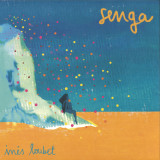
Ines Loubet - Senga LP

Ines Loubet

Senga LP

12inchALBFLP018
Albert's Favourites
28.05.2024

avigating vibrant influences of Latin-jazz, Tropicália and joyful grooves; multi-instrumentalist, songwriter, singer and producer Inês Loubet presents her utterly gorgeous debut album ‘Senga’. The album covers Inês’ experiences over the past five years, originating in Portugal, travelling through Brazil, before finding home in London.

Previously, Inês co-wrote and performed on Caravela’s album 'Orla' on None More Records, which was praised by the likes of Gilles Peterson and The Line of Best Fit. Her music has been played on Jazz FM, BBC 6 Music, BBC Radio 3, NTS and Soho Radio. A relentless live performer, she’s played alongside Brazilian legends Gilberto Gil & João Bosco, graced the stage of The Royal Albert Hall, Union Chapel, and O2 Shepherds Bush, around UK and international tours.

The album explores a range of profound themes including nature, travel, grief, unconditional love, separation, family dynamics, and the nuanced experience of womanhood in contemporary society. Dedications to the music, philosophy and revolutionary history of samba (‘Sambo Mesmo Sem’), everyday observations of joy (‘Guri’), and motivating generational change for the better (‘Sab Sabim’); glide across romantic harmonies and the Brazilian rhythms at the melodic heart of the album.

“I started writing whilst living in Salvador da Bahia, Brazil, in February 2020”, says Inês. “I was shy and hadn't written fully composed tracks before then. During lockdown I received support from The Arts Council’s DYCP, started making demos, gained confidence and started playing them live”. In October 2022 Inês was presented with the Drake YoLanda award and went to Giant Wafer studio in Wales for three days, before recording the final vocals at her home studio and mixing and mastering in Porto, Portugal.

Inês is joined on the album by a band of close friends. Percussionist and long-time collaborator Jansen Santana from Salvador da Bahia brings the soul of the drums, the tambor. “I always have the Bahia drums present in my mind when I write a new composition. I studied Latin percussion at University and then lived in Salvador absorbing all that heritage and knowledge”. Playing four different stringed instruments on the album, Greg Sanders is a long-time friend and collaborator from London “I met him in a samba band in 2015 and he was the first person I ever showed my songs to and played with”. The band is completed by Ruta Sipola on flute, Jake Burgess on tenor sax, Peu Meurray who recorded a lot of the percussion and lead vocals, and bassist Julio de Castro from Sao Paulo. “I was blown away by his bass playing, his swing and creativity, his ton of experience and professionalism but also his voice - he's an amazing singer and I believe that adds a lot to the magic”.

Inês concludes, “Last year, I had a show in London and I asked everyone in the audience to write down what they felt when they listened to the music. These are some of the things they wrote: wholesome, refreshing, lifted, moving, joyful, happy, nostalgic, warmth, force, goosebumps, emotional, togetherness, transported, rooted”. ‘Senga’ captures all of these feelings and more in a memorable first impression from a highly talented musician.

In Stock

Disponibile in Stock e pronto per la spedizione

Joao Gilberto - Luz de Corcovado LP
  • Corcovado
  • Chega De Saudade
  • Samba De Uma Nota So
  • Saudade Da Bahia
  • Insensatez
  • Meditacao
  • Brigas, Nunca Mais
  • Se E Tarde Me Perdoa
  • Trevo De Quatro Folhas
  • O Pato
  • Desafinado
  • Outra Vez
  • Coisa Mais Linda
  • Voce E Eu
  • Rosa Morena
  • Samba Da Minha Terra
  • O Nosso Amor
  • A Felicidade
  • Bim Bom
  • Morena Boca De Ouro
  • Discussao

Gathering his most iconic early recordings, this collection captures the pure essence of the man who laid the foundations of Bossa Nova. From the tender intimacy of "Corcovado" and "Chega de Saudade" to the gentle swing of "Desafinado" and "Bim Bom", widely considered the very first Bossa Nova song, every track radiates Gilberto's unmatched grace and rhythmic subtlety. Pressed on high- quality vinyl, Luz de Corcovado invites you to rediscover the soft pulse and poetic warmth that changed Brazilian music forever.

pre-ordina ora13.03.2026

dovrebbe essere pubblicato su 13.03.2026


Last In: 2026 years ago
Various Artists - Brazil Greastest Hits LP 2x12"
  • Joao Gilberto - Bim Bom
  • Elizete Cardoso - Outra Vez
  • Luiz Bonfa - Copacabana
  • Antônio Carlos Jobim & Roberto Paiva - Eu E O Meu Amor
  • Joao Donato - Tim-Dom-Dom
  • Carlos Lyra - Você E Eu (You And Me)
  • Baden Powell - Improviso Em Bossa Nova
  • Salinas - Tenha Fé, Pois Amanha Um Lindo Dia Vai Nascer
  • Stan Getz & Charlie Byrd - Desafinado
  • Sérgio Mendes - Oba-La-La
  • Pery Ribeiro - Garota De Ipanema
  • Orlandivo - Onde Anda O Meu Amor
  • Shorty Rogers & His Giants - Chega De Saudade (No More
  • Sylvia Telles - Corcovado
  • Grant Green - Brazil
  • Maysa - Agua De Beber
  • Quincy Jones & His Orchestra - Soul Bossa Nova
  • Trio Mocoto - Nao Adianta
  • David K (Feat. Rolando Faria) - Mas Que Nada (David K R
  • Tom & Joy - Para Bailar
  • Seu Jorge - Carolina
  • Salome De Bahia - Outro Lugar (Edit)
  • Carlinhos Brown - Brasil Brasil (Ole Ole)
  • Caetano Veloso - Hino Da Bahia
  • Suba (Feat. Cibelle) - Felicidade
  • Marcelinho Da Lua (Feat. Seu Jorge) - Cotidiano (Buzzin
  • Bebel Gilberto - August Day Song
  • Negrocan - Cada Vez (Grant Nelson Vocal Mix Edit)

Mit Brazil Greatest Hits veröffentlicht Wagram eine musikalische Reise durch die farbenfrohe Welt Brasiliens - von zeitlosen Bossa-Nova-Klassikern bis zu modernen Latin-Grooves. Auf zwei sorgfältig zusammengestellten Vinyl-LPs versammeln sich legendäre Aufnahmen und internationale Club-Favorites, die den Spirit von Rio, die Leichtigkeit des Samba und den warmen Sound des Tropenlands einfangen. Die erste LP präsentiert ikonische Stimmen und Instrumentalstücke der goldenen Bossa-Nova-Ära - voller Eleganz, Rhythmus und Melodie. Auf LP 2 geht es moderner und tanzbarer weiter: brasilianische Funk-Einflüsse, Remix-Perlen und energiegeladene Tracks zeigen, wie lebendig und vielfältig die Musikszene Brasiliens bis heute ist.

pre-ordina ora27.02.2026

dovrebbe essere pubblicato su 27.02.2026


Last In: 2026 years ago
Various - DOM SALVADOR JID024

Dom Salvador, der unscheinbare Pate der brasilianischen Soulmusik, hat mit seiner einzigartigen Fusion aus Jazz, Soul, Funk, Samba und brasilianischen Rhythmen unauslöschliche Spuren hinterlassen. Sein Vermächtnis wird mit Dom Salvador JIDO24 fortgesetzt, das von Adrian Younge und Ali Shaheed Muhammad produziert wurde. Das Album ehrt Salvadors bahnbrechenden Sound, setzt den lebendigen Dialog zwischen brasilianischer und amerikanischer Musik fort und lädt die Hörer ein, seinen reichen, bahnbrechenden Stil zu erleben.

non in magazzino

Ordina ora e ordineremo l'articolo per te presso il nostro fornitore.


Last In: 8 months ago
Brylho - Brylho LP

Brylho

Brylho LP

12inchJB5
Jazzybelle
04.07.2025

A true embodiment of Brazilian Boogie, this is the first official reissue of Brylho's album, founded in Rio de Janeiro in 1978 as Brylho da Cidade. The group was influenced by the Black Rio movement of Tim Maia, Cassiano, and others. Members included Arnaldo Brandão (vocals/bass), Paulo Roquette (guitar), Cláudio Zoli (guitar/vocals), Robério Rafael (drums), Bolão (percussion), and Ricardo Cristaldi (keyboard). Claudio Zoli stands out as an important funk artist of the 1980s, during a time when Pop Rock bands dominated the Brazilian music scene. This album features one of the biggest hits of 1983: the soulful reggae groove "Noite do Prazer." Often described as Rio de Janeiro's answer to George Benson's "Give Me the Night," it's a timeless classic that bridges funk, soul, and Brazilian grooves. On "Se Você For a Salvador," a sun-soaked, feel-good boogie track, younger generations have embraced a new term to describe the sound: Brazilian City Pop. The record also delivers dancefloor heat like the stomping "Jóia Rara," the vibrant soul-reggae fusion "Destrava Maria," the ahead-of-its- time rap-funk hybrid "Cheque Sem Fundo," and the electrifying samba-reggae "Pé de Guerra," rich with Bahian rhythms and energy. Closing out the album are two under-the-radar jazz-funk gems: "Meditando" and "171." Though often lumped into the boogie category, these tracks lean more toward the sleek 1980s jazz-funk sound, reminiscent of UK acts like Level 42.

non in magazzino

Ordina ora e ordineremo l'articolo per te presso il nostro fornitore.


Last In: 27 days ago
Abaete - Abaete LP

Abaete

Abaete LP

12inchJB3
Jazzybelle
23.05.2025
  • O Rei Do Calango (Calangotango)
  • Baton Cereja
  • Canto Sul
  • A Barca É Uma So
  • Pisa No Taboado
  • Ascensao De Um Lavrador
  • Sete Boia
  • Toca Nicanor
  • Por Uma Razao De Amor
  • Noves Fora
  • Musa Caipira
  • O Maestro E O Arquiteto
  • Joga A Terra Por Cima

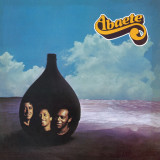
Abaeté, a vocal trio from Bahia, made a remarkable debut with masterfully crafted jazz-funk sambas, at a time when Bahian musicians were true masters of the genre. There"s virtually no information about the band, apart from the music itself, which seems to be limitedto two releases: a single and that much-loved 1977 self- titled album, now a cult classic. A collection of killer tunes, funky samba, synthesizer sounds and free rhythms with a North Brazilian flavour. The band also wrote songs for Clara Nunes and Elza Soares in the 70s. Mixed by Waldir Lombardo Pinheiro (Tom Ze, Zeca Do Trombone...).

pre-ordina ora23.05.2025

dovrebbe essere pubblicato su 23.05.2025


Last In: 2026 years ago
Midan - Letter To Brazil LP
 
4

Midan’s new album pays homage to the beautiful music of Brasil. The young producer, DJ and digger from Cologne channels his deep love for Bossa Nova, Samba and MPB (Música Popular Brasileira) into a 17 track strong album entitled “Letter To Brasil”. Accompanied by his good friends FloFilz, Saib, Mr.Käfer and Lesky. Artwork by Sao Palo-based illustrator André Cast.
Born and raised in Paris, the half German-half Algerian producer is one the most exciting new jacks on the German beatmaker scene. At the age of 23 Midan has already released a bunch of albums for renowned labels like Casual Low Grind, Mutombo Recods and Beat Jazz International.

pre-ordina ora21.03.2025

dovrebbe essere pubblicato su 21.03.2025


Last In: 2026 years ago
Gerardo Frisina & Toco feat. Luzia Dvorek - Deixa Passar / Ilê

Introduced by the digital single ‘Deixa Passar’, this 12” EP concretises on physical support the renewed collaboration between the two Schema Records artists Gerardo Frisina and Tomaz ”Toco” Di Cunto, working together again five years after the release of the EP “Frisina Meets Toco” (SCEP 487): the two unreleased songs here included, the aforementioned “Deixa Passar” and “Ilê”, are featured both in their original and reworked versions, and represent an excellent blend of samba jazz and Brazilian popular music. In both tracks, the music composed and arranged by Gerardo backs up the Portuguese language lyrics and melodic lines of Toco, who duets with Luzia Dvorek in an almost surprising contrast between serious and graceful sounds. The instrumental department features Gianluca Petrella on trombone, Eduardo Taufic on piano (Deixa Passar) and Fender Rhodes (Ilê), and Edu Moreno on flute (Ilê), in an excellent ‘union of opposites’, between popular music and modern sounds, between acoustic instruments and electronics, with mystical influences that envelop the songs with a mysterious and attractive aura. Not only musically, but also visually and lyrically, this EP is a tribute to the Brazilian culture and lands, already from a cover that re-imagines the iconic shapes of the famous Copacabana pavement in Rio De Janeiro: while “Deixa Passar” celebrates Rio’s carnival as an opportunity to momentarily free oneself from the burdens of life, “Ilê” recalls the traditions of Salvador De Bahia’s historic ‘bloco afro’ quarter called Ilê Aiyê.

non in magazzino

Ordina ora e ordineremo l'articolo per te presso il nostro fornitore.


Last In: 23 days ago
Joao Selva - Onda LP

Joao Selva

Onda LP

12inchUR846291
Underdog Records
23.01.2025

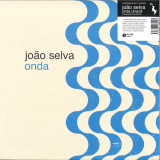
A sunny and flamboyant spirit, the brazilian João Selva carries us away with his new wave album “Onda” - Underdog Records /2025.

Navegar (“to sail”) in 2021, Passarinho (“lit-tle bird”) in 2023... through the titles of these last two albums, João Selva will have displayed his ambitions and ideals: to fluidly and swiftly connect the musical components of a Black Atlantic that would extend from Brazilian samba to Angolan Semba, from Cape Verdean funaná to Caribbean zouk via Congolese rumba and American funk. His new album Onda continues to ride this same wave, crowning a luminous transatlantic artwork, imbued with sensuality and joie de vivre.

non in magazzino

Ordina ora e ordineremo l'articolo per te presso il nostro fornitore.


Last In: 10 months ago
Marcos Valle - Nova Bossa Nova LP

Marking sixty years of Bossa Nova, and twenty years since Marcos Valle’s first release for Far Out Recordings, what better time to bring back this era-defining classic from the Brazilian master composer?

Throughout his astounding six-decade career, infiltrating pop, bossa nova, samba, delicate psychedelia, jazz and funk, Marcos Valle has consistently shown a dogged determination to transcend the traditions and structures of bossa nova, whilst never veering away from the movement’s inherent, fundamental spirit. To some extent, his epithet ‘the original Rio beach boy’ is a handy one: it reflects the origin and character of his often sun-soaked sound, but expounding his importance in the lineage of Brazilian music, he is more discerningly known as ‘the renaissance man of Brazilian pop’. He is indeed one the very greatest and most important composers, arrangers, writers and performers in Brazil.

Up until Nova Bossa Nova, Marcos Valle hadn’t released an album for well over a decade. After 1983, he resented the way the music industry had changed with commercialisation and new demands curtailing his creative freedom. This was until 1994 when Marcos met Far Out boss Joe Davis and they recorded a track for Far Out’s first Friends From Rio album. This new collaborative partnership resulted in a new solo album, which commenced recording in 1996.

Nova Bossa Nova brought Marcos bouncing back into the 90s, slotting nicely in place alongside the acid jazz movement as well as a voracious new demand for Brazilian music on dancefloors from London to Tokyo. It was witnessing the London club scene’s growing appetite for Brazilian music, as well as a lack of new sounds coming out of Brazil at the time, that a young Joe Davis put in a proposal to record a new album with one of his musical idols. Joe wanted to facilitate an album which would combine the latest technologies and production techniques, with live to analogue tape recording: a Marcos Valle album tailor-made for London’s clubs. Always open to modern influences and possibilities, Marcos agreed to the project, and Joe and his production partner Roc Hunter flew to Rio in ‘96. The record wasn’t released until ’98, as the original ½ inch tapes were stolen from Far Out’s London studio, meaning parts of the album had to be re-recorded.

Nova Bossa Nova was unveiled at the peak of the of the Brazilian movement, the record would also prove to be something of a revolution, inspiring a new generation of artists like Bebel Gilberto, Sabrina Malheiros, Da Lata and Bossacucanova, who continued to fuse Brazilian influences with modern electronic sounds.

non in magazzino

Ordina ora e ordineremo l'articolo per te presso il nostro fornitore.


Last In: 19 months ago
Novos Baianos - Futebol Clube (1973) LP

2024 Restock

(180 gram pressing) A great 70s album by Os Novos Baianos - a wonderfully youthful group that was one of the bright spots in Brazilian music after the Tropicalia years. Titles include "Sorrir E Cantar Como Bahia", "Dagmar", "Vagabundo Nao E Facil", "Cosmos E Damiao", "Com Qualquer Dois Mil Reis", and "Os Pingo Da Chuva".

A great 70s album by Os Novos Baianos - a wonderfully youthful group that was one of the bright spots in Brazilian music after the Tropicalia years. The band had a style that mixed folksy percussion with honest personal songwriting, plus occasional touches of elements gleaned from the larger influences in Brazilian rock at the time. The album has a sound that's a lot more intimate than later work, with some especially great work on guitar and bandolim, and great production on the band's vocals. Titles include "Sorrir E Cantar Como Bahia", "Dagmar", "Vagabundo Nao E Facil", "Cosmos E Damiao", "Com Qualquer Dois Mil Reis", and "Os Pingo Da Chuva".

non in magazzino

Ordina ora e ordineremo l'articolo per te presso il nostro fornitore.


Last In: 19 months ago
BAIANASYSTEM - BATUKEBOX LP

2024 Restock

BaianaSystem are from Bahia, the state with the strongest African cultural heritage in the country and a motherlode for Brazilian music. BaianaSystem manifest and champion the sound of the Black Atlantic, deep and future connections between Africa, Brazil and the Caribbean, from the roots of samba to global bass culture.

pre-ordina ora19.07.2024

dovrebbe essere pubblicato su 19.07.2024


Last In: 2026 years ago
Toco - Riviera LP

Toco

Riviera LP

12inchSCLP533
Schema Records
22.04.2024

Schema Records presents “Riviera”, the new album by Toco, one of the Milan-based label’s top artists with over 100 million digital streams, is finally released on 19 April 2024. “Riviera” pays tribute to the places where Toco grew up, and is the aesthetic synthesis of Toco’s varied songwriting, able to create true musical mosaics that mix pop lightness, poetic lyricism, desire, joy and pain. Mainly inspired by the tradition of samba and bossa nova, and contaminated with jazz, funk, pop and rock, the album alternates light and shadow in a balanced chiaroscuro enriched by friend and musical partner Stefano “S-Tone Inc.”


Tirone’s production. Anticipated by a series of singles that outlined its various facets and musical influences, Toco’s new album “Riviera” is finally released on 19 April 2024; ten years have passed since “Memoria”, filled with various collaborations and dedicated to this record itself, carefully curated in production and arrangements down to the smallest detail; this has been made possible thanks also to the presence of a large lineup of guests, including Toco’s labelmate Gianluca Petrella for the first time ever. The album’s title is a tribute to two places very dear to Toco: Riviera is the neighborhood in São Paulo where he spent his childhood, while Riviera Ligure is where he lived for a long time in Italy: two opposite shores and cultures that turned out to be fundamental in the artist’s formation.


“Riviera” is the aesthetic synthesis of Toco’s varied songwriting, able to create true musical mosaics that mix pop lightness, poetic lyricism, desire, joy and pain. Mainly inspired by the tradition of samba and bossa nova, and contaminated with jazz, funk, pop and rock, the al¬bum alternates light and shadow in a balanced chiaroscuro enriched by friend and musical partner Stefano “S-Tone Inc.” Tirone’s production. This collaboration further consolidates the duo’s fellowship that brush¬es magical sonorities on the different themes delivered. An excellent comeback!

non in magazzino

Ordina ora e ordineremo l'articolo per te presso il nostro fornitore.


Last In: 20 months ago
Vince Guaraldi Trio - Jazz Impressions Of Black Orpheus 3x12"
 
24

Diese luxuriöse 3-LP erweitert das bahnbrechende Werk des Vince Guaraldi Trios, zu dem auch der Grammy®-gekrönte Hit ”Cast Your Fate to the Wind” gehört, erweitert um 16 Bonustracks, darunter
alternative Takes und bisher unveröffentlichte Musik und neue Linernotes.
Die Aufnahmen wurden von Plangent Processes übertragen und von Paul Blakemore neu gemastert. Die Sammlung enthält außerdem
neue, ausführliche Liner Notes des Jazz-Autors Andrew Gilbert (San Francisco Chronicle, San Jose Mercury News, KQED Arts).

Auch ohne sein Lied ”Cast Your Fate to the Wind”, ein echter und allzu seltener Instrumentalhit, war Guaraldis Album ”Jazz Impressions of Black Orpheus” von 1962 ein Meilenstein, der ein Trio mit einem
einzigartig verführerischen Sound vorstellte. Die Kombination aus geschliffener Lyrik, rhythmischer Subtilität und exquisiter dynamischer Kalibrierung zeichnete es aus, aber die Wirkung der Gruppe ergab sich auch aus ihrem Repertoire.

Guaraldi war nicht der erste amerikanische Jazzkünstler, der sich mit dem brasilianischen Liedgut auseinandersetzte.
Aber Jazz Impressions war ein früher Vorbote der allgegenwärtigen, beispiellosen und dauerhaften Übernahme des Bossa Nova (was auf Portugiesisch ”neue Sache” oder ”neue Welle” bedeutet) durch die Jazzszene.

pre-ordina ora24.02.2023

dovrebbe essere pubblicato su 24.02.2023


Last In: 2026 years ago
AQUARIUS - AQUARIUS

Aquarius

AQUARIUS

12inchVAMPI273
Vampisoul
24.02.2023

First time vinyl reissue. Originally released in 1976.

"The human voice is more than just a musical instrument; it is ally to the thought. Vocal art is one of the most beautiful forms of musical expression and an endless resource. It's a shame that so few devote themselves to it in our popular music. I would therefore like to congratulate Aquarius and Continental for the release of this LP and may it be received by all with the same affection and attention than those who dedicated themselves to making it" --Paulinho Tapajos.

These notes, originally printed on the back cover of this 1976 beauty, are a perfect introduction to the vocal harmonies and arrangements and excellent guitar work that are masterfully combined creating a joyful journey that features the undisputed talent of Raymundo Bittencourt, Octávio Burnier, and Paulo Moura. An amazing bit of Brazilian samba funk that also touches on MPB, bossa nova, jazz... This sought-after gem opens with the beautiful version of Burnier & Cartier's "Só Tem Lugar Prá Você" (one of the two B&C versions included on this album, with a pitched-down "Europanema" sparkling on the B-side), building up a mellow, airy vibe that stays throughout the entire album.

pre-ordina ora24.02.2023

dovrebbe essere pubblicato su 24.02.2023


Last In: 2026 years ago
RODRIGO CAMPOS - BAHIA FANTASTICA LP

Originally released in 2012, the second album by the São Paulo-born composer Rodrigo Campos marks a turning point in both lyrical and aesthetic inspiration. “Bahia Fantástica” is the result of the absorption of a then recent influence of soul music (especially Curtis Mayfield) and is in the middle of this path marked by an unlikely geography in the lyrical part (São Mateus, Bahia, Japan) and by an expansion of sound ( from samba to the indefinable, with a passage through black American music).

The album turns ten years old in 2022 and exudes vitality. The soul reference takes on a different aroma when it passes through the filter of the composer and his band – formed by Kiko Dinucci on guitar, Marcelo Cabral on bass, Maurício Fleury on keyboards, Maurício Takara on drums and Thiago França on sax: it has Brazilian sauce, hints of afrobeat and a very particular seasoning. The lyrics bear the artist's mark: they project scenes in the listener's imagination and design the characters and environments with their own style of subjective chronicle. Bahia is both imaginary and intimate in Rodrigo Campos’s music.

non in magazzino

Ordina ora e ordineremo l'articolo per te presso il nostro fornitore.


Last In: 3 years ago
JOAO GILBERTO - Warm World Of Joao Gilberto

In summer 1958, João Gilberto -an unknown 28 year-old Brazilian guitarist and singer from Bahia- made his recording debut as a singer with two songs "Chega de Saudade" and "Bim Bom." With a new rhythmic feeling, batida, and rich harmonies he laid the basis of the modern Brazilian samba, now known as Bossa Nova. Underpinned by his insouciantly swinging guitar, Joãos seductive, vibratoless vocals caressed both ear and soul in a mesmerizing, highly addictive combination, refreshing and modern. Chega de Saudade was a hit, launching Gilbertos career and the bossa nova craze. Soon, singers and guitarists were trying to imitate him and composers were all on a Desafinado (the second Gilbertos hit) and Chega de Saudade kick. The longawaited renewal of the Brazilian samba was now a fact. Antonio Carlos Jobim said: Gilberto appeared as a light, as a big star in the firmament, in the heavens. He became a focus, because he was pulling the guitar in one way and singing the other way, which created a third thing that was profound. Yes, the guy who brought the Bossa Nova beat to the world was João Gilberto.

pre-ordina ora13.01.2023

dovrebbe essere pubblicato su 13.01.2023


Last In: 2026 years ago
Novos Baianos - RSD / Split Colour - Acabou Chorare LP

'Acabou Chorare' is the second album from Novos Baianos, a legendary band who formed in Bahia, Brazil in the 1960’s. They are considered to be one of the most important and revolutionary groups in Brazilian music.

'Acabou Chorare’ was originally released in 1972 by Som Livre after the success of their first LP 'É Ferro na Boneca’ in 1970. It was both a hit and a cultural milestone and rightly considered to be one of the most important and influential albums of all time, charting at number one in a Rolling Stone Brazil's 'Top 100 Brazilian Albums Ever’ chart.

'Preta, Pretinha’ placed 20th in the same publications list of the greatest Brazilian songs of all time. Upon release, 'Acabou Chorare' stayed near the top of the album charts for more than thirty weeks and received huge radio support across the country. It also became very popular in Europe shortly afterwards.

The unique sound of this record is a result of the fusion of samba, MPB, rock and bossa nova, and strong influences from Gilberto Gil (who frequently played with the group), as well as bossa nova legend, Joao Gilberto.

Our 50 Years Anniversary edition is a celebration of this wonderful record and features a neon yellow and transparent curaçao split vinyl, gatefold sleeve, A2 colour poster and OBI Strip.

non in magazzino

Ordina ora e ordineremo l'articolo per te presso il nostro fornitore.


Last In: 3 years ago
JOAO GILBERTO - CHEGA DE SAUDADE

Born in Juazeiro, Bahia, Brazil on June 10, 1931 (and 87 years .old at this writing), singer/song writer Joao Gilberto is a living legend of bossa nova. While Antonio Carlos Jobim set the standard for the creation of bossa nova in the mid-’50s (with songs like “The Girl from Ipanema” and “Desafinado”), it was Gilberto who brilliantly reimagined (and, arguably, defined) the genre. The first bossa nova song, titled “Bim-Bom”, was written as Gilberto watched passing
laundresses on the banks of the Sao Francisco River balance loads of clothes on their heads. In 1956 he went to Rio de Janeiro and struck up old acquaintances, most significantly Antonio Carlos Jobim, who was by then working as a composer, producer and arranger with Odeon Records. Jobim was impressed with Gilberto’s new style of guitar playing, and set about finding a suitable song to pitch the style to Odeon management. In 1959 Gilberto presented his first LP, Chega de Saudade. The title song turned into a hit, launching Gilberto’s career and the bossa nova craze. Besides a number of Jobim compositions, the album featured older sambas and popular songs from the 1940s and 1950s, all performed in Gilberto’s distinctive style. This album was followed by two more in 1960 and 1961, by which time the singer featured new songs by a younger generation of performer/composers such as Carlos Lyra and Roberto Menescal.
By 1962, bossa nova had been embraced by North American jazz musicians such as Herbie Mann, Charlie Byrd, and Stan Getz, who invited Gilberto and Jobim to collaborate on what became one of the best-selling jazz albums of all time, Getz/Gilberto. Chega de Saudade was issued in the United States as The Warm World of Jo o Gilberto.

non in magazzino

Ordina ora e ordineremo l'articolo per te presso il nostro fornitore.


Last In: 3 years ago
Joyce - Live At The Mojo Club LP

Drei Vinylpremieren und zwei Neuauflagen füllen als hochwertige 180g-Pallas-Pressungen Lücken in der LP-Sammlung.

VINYL-PREMIEREN / BISLANG NUR ALS CD ERHÄLTLICH / REMASTERT / DOPPEL-LPs:
Till Brönner “That Summer” (2004): sommerliche Jazz-Vocals und Instrumentals, smoother Funk- und

Brazil-Grooves, noch immer eines seiner beliebtesten Verve-Alben
Barbara Dennerlein “Take Off” (1995): groovende Hammond-B3-Tracks in klassischer Verve- und BlueNote-Tradition, aufgenommen in New York mit All-Star-Band aus Roy Hargrove, Mitch Watkins, Dennis
Chambers u.a., internationaler Durchbruch von Deutschlands “First Lady of Jazz” Rolf Joachim Kühn Quartett ”Lifeline” (2012): mit den Gästen John Patitucci und Brian Blade, Gipfeltreffen zweier deutscher und zweier amerikanischer Jazzlegenden, ausgezeichnet mit dem Deutschen Schallplattenpreis VERGRIFFENE KLASSIKER ENDLICH WIEDER AUF LP / REMASTERT / 1-LP:

Elis Regina und Toots Thielemans ”Elis & Toots” (1969): aufgenommen in Stockholm, klingt aber so fröhlich und heiß wie direkt unter dem Zuckerhut in Rio entstanden, ein mitreißender Klassiker des BrasilJazz “Joyce Live At The Mojo Club” (1995): brasilianische Kultmusikerin gab rares Deutschland-Konzert im
legendären Hamburger Club und begeisterte das Publikum mit heißer Samba, Bossa Nova und MPB, ein Klassiker des Rare-Groove

pre-ordina ora12.08.2022

dovrebbe essere pubblicato su 12.08.2022


Last In: 2026 years ago
Various - Brazilian Beats Brooklyn LP 2x12"

Compiled by Sean Marquand and Greg Caz, 2 DJs well-known for their epic parties at Williamsburg’s legendary Black Betty club, that sadly closed in 2009. The duo played a deep variety of strictly vintage samba, samba-rock, Tropicalia, and Brazilian funk under the banner of ‘Brazilian Beats Brooklyn’.

Sean is known as half of Embassy Sound Productions. He took his team to Brazil to help resurrect Black Rio legends Uniao Black for a new release. Greg has DJ'd at some of the hottest Brazilian parties around the globe and presents a monthly radio show ‘Warm Wave’ on Soho Radio NYC.

Featuring Noriel Vilela’s singular “16 Toneladas,” a sublime cover of the Tennessee Ernie Ford smash “16 Tons” with a spare samba groove and unbelievable baritone vocals and hot jams from Tim Maia, Erasmo Carlos, Joao Bosco, Toni Tornado.

Included in this compilation of original 60's and 70's Brazilian gems are some of Greg and Sean's favourite tracks that have been filling dancefloors for years.

non in magazzino

Ordina ora e ordineremo l'articolo per te presso il nostro fornitore.


Last In: 3 years ago
Various - Onda De Amor: Synthesized Brazilian Hits That Never Were (1984-94)

Some Crate-digging Compilations Are Often The Result Of Someone Hand-picking Their Choice Favourites From Another Country's Musical History, Perhaps Unaware Or Uninvolved With Its Cultural Lineage In The Process. On Soundway's Latest Release - A Treasure Trove Of Synth Jams, Pop, Samba Boogie, Balearic And Electro From 1980 & '90s Brazil - The Tracks Are Picked By Millos Kaiser, One Half Of The Brazilian Duo Selvagem, Who Are At The Helm Of Throwing Some Of The Country's Best Dance Parties. It's A Rare Compilation That Offers Brazilian Music Actually Picked By A Brazilian.
Whilst Names Such As Ricardo Bomba, Villa Box, Fogo Baiano, Electric Boogies And Batista Junior May Not Be Household Names, They Tell An Untold, Yet Rich And Important Part Of Musical History In Brazil. The Release Also Covers A Decade That Has Been Intentionally Forgotten And Brushed Aside By Many In The Country.
Onda De Amor Is A Release That Is Loaded With Smooth Grooves, Bubbling Bass, Glistening Synthesisers, Funk Strutting Guitar Lines And Sheen Of Production That Undeniably Marks It Of Its Time. For Kaiser This Compilation Is About Reintroducing Music During A Period Of Reappraisal, Catching A New Wave And Hoping Contemporary Listeners Will Ride It With Him. the Idea Is To Do Justice To These Songs. Songs That Combine All The Right Ingredients That Should Have Put Them On
Radio Playlists When I Was Growing Up Or At Least In The Cases Of More Adventurous Djs'.
Millos Kaiser Is A Dj, Digger, Vinyl Junkie/dealer Born In Rio De
Janeiro And Living In São Paulo For The Past 8 Years. He Launched The Dance Party/club Night Selvagem With Partner Trepanado In 2010, Bringing Thousands Of Dancers One Sunday A Month To A Public Square In The Heart Of São Paulo.

non in magazzino

Ordina ora e ordineremo l'articolo per te presso il nostro fornitore.


Last In: 2 years ago
HERMETO PASCOAL E GRUPO - PLANETÁRIO DA GÁVEA (1981) 2x12"

On a balmy Brazilian night in February, 1981, a crowd gathered in Rio de Janeiro's Gávea neighbourhood under the iconic dome of the city's Planetário (Planetarium). Alongside musicians like Helio Delmiro and Milton Nascimento (who were in the audience that night), they were there to see the great "Bruxo" (sorcerer) Hermeto Pascoal live in concert, with his new band formation which would become known simply as "O Grupo" (The Group).

Growing up on a farm in Brazil's northeastern state of Alagoas, Hermeto has always been deeply in tune with, and inspired by nature. In his youth he would make his own flutes to play call and response with the birds and frogs. He would build scrap-metal instruments in his blacksmith grandfather's forge, and sit for hours by the lake listening to the sounds of nature. On the Planetário Da Gávea recordings though, Hermeto is cast as the "sorcerer" or the "cosmic emissary" (as the great Brazilian guitarist Guinga once called him), exhibiting an intuitive sense of harmony and melody beyond that of our own world.

"Tudo e Som" (All is Sound). It's a phrase Hermeto regularly returns to, and it points to the fact that not only can music be made from anything, but also alludes to something much more profound. It's an understanding of the universe as being in a state of constant movement, forever vibrating at the quantum level, like the string of a guitar, or a saxophone's reed. "Tudo e Som" is a declaration of the mystical and spiritual power of sound, as a fundamentally vibrational force.

The series of concerts at the Planetário marked the birth of "O Grupo" which would last with the same line-up (apart from Zé Eduardo Nazário) for the next eleven years. Every member of O Grupo was a phenomenal musician in their own right. It was one of saxophonist/flautist Carlos Malta's first gigs with the group, and the concert unusually featured two drummers, Zé Eduardo Nazário and Marcio Bahia. Nazário, from São Paulo, had played with Hermeto during the mid-70s (as well as with Milton Nascimento, Egberto Gismonti and Toninho Horta, to name a few). Bahia though had just joined the group. Acclaimed keyboard player Jovino Santos Neto was on keyboards, piano and organ, and the great Itiberê Zwarg (who remains in Hermeto's band to this day), played bass. Rounding the group off was the percussionist Pernambuco. During this period (up until the early 90s) the group would rehearse for hours on end, virtually seven days a week, with a total dedication to music and Hermeto's musical vision.

Most of the compositions performed that night at the Planetário had never been recorded before, and many are unique to this album, including the wild 'Homônimo Sintróvio', the exaltant 'Samba Do Belaqua', 'Vou Pra Lá e Pra Cá' and 'Bombardino', which features Hermeto's wonderfully absurd call and response mouthpiece soliloquy. Then there's the stunning 7/4 Samba 'Jegue' which builds with inventive dissonance, before releasing yet another celestially colourful, celebratory refrain. The show also features the first recorded performances of 'Era Pra Ser e Não Foi' and 'Ilza na Feijoada' (inspired by Hermetos' wife Ilza's famed black bean and meat stew), which Hermeto later recorded on his 1984 studio album "Lagoa Da Canoa Município De Arapiraca".

Dubbed by Miles Davis as "one of the most important musicians on the planet", a Hermeto Pascoal live show was (and still is) an experience like no other. Across the recording of the Planetário concert, wild improvisation meets groovy, virtuosic vamping on progressive, extended psychedelic jams. The tracks are generally built around a beautiful, transcendent melody; instantly recognisable as being Hermeto's, and for the most part, the musicians then solo over extended two chord vamps. There's a plethora of powerfully delivered rhythms, wild solos and the performances are punctuated by Hermeto's unpredictable, at times comical sonic antics.

Over forty years since this historic happening, Far Out Recordings is overjoyed to release this magical recording of Hermeto Pascoal e Grupo Live at Planetário Da Gávea, on double vinyl LP, CD and digitally for a February 4th 2022 release.

non in magazzino

Ordina ora e ordineremo l'articolo per te presso il nostro fornitore.


Last In: 3 years ago
Jose Mauro - Obnoxius

Jose Mauro

Obnoxius

12inchFARO191LP
FAR OUT RECORDINGS
13.09.2021

Far Out Recordings presents the peerless and criminally undervalued Quartin catalogue, beginning with the reissue of Jose Mauro’s forgotten masterpiece Obnoxius. Over the course of the 60s, Roberto Quartin released more than 20 albums in Brazil on his label Forma, by artists including the likes of Eumir Deodato and Quateto Em Cy. Selling the rights of Forma to Polygram in 1969, Quartin struck out for pastures new at the dawn of the 1970s with the launch of his self-titled label. Significant works and high-water marks for Brazilian music overall followed in that decade’s first year, with Victor Assis Brasil Plays Antonio Carlos Jobim and the aforementioned Obnoxius. These singular gems in Brazilian music, difficult to categorise yet compellingly haunting, have for too long gone unheard.

Today, very little is known about Jose Mauro and as a result those searching for some kind of insight on the man behind the music must attempt to glean what they can from the music itself. One rumour claims he died in a car accident shortly before the album’s release, a fact that could have lent his brief musical career a touch of mythology were it not for how scant the details concerning any other aspects of his life are. The political turmoil from which the album emerged is significant also; recorded during an era of oppressive state censorship, the album, like all the Quartin catalogue, is the result of steadfast defiance in the face of a crushing military dictatorship. While many musicians of the era fled the country, preferring their prospects in the affluent, liberated USA, rebellious, young musicians like Mauro chose to stay and reflect their anger at the authorities through thinly veiled protest songs such as the stirring ‘Apocalipse’. Herein lies the basis for a more dramatic theory; that Mauro was in fact abducted by the military! Whatever the truth, the mystery remains unsolved, and all that remains is his bewitching music, all of which is composed by Mauro and Ana Maria Bahiana. Production on the record was cancelled after Mauro’s death and it was never sold commercially until its rerelease decades later. What appeal does Mauro’s music hold to today’s listeners, forty-something years removed from its conception? Simply put, there is very little else that sounds much like it all. Take the title track of ‘Obnoxius’. A wholly singular piece of music, blending string-drenched melancholia with orchestral pomp, sunny psychedelic strumming with propulsive percussion, topped off with Mauro’s yearning vocals. The result is indicative of Mauro’s unique blend of sounds from Latin Jazz and samba to psychedelic folk and baroque orchestration.

Today, Obnoxius retains its strange, otherworldly appeal – A firm favourite amongst a small circle of deep diggers including Madlib, Gilles Peterson, Floating Points. Jose Mauro’s mournful and melancholic vocals create a dark, brooding atmosphere that stands in contrast to the usual joyfulness and high-spirited rhythm of the more prominent Brazilian music of the era. Despite this air of foreboding, Mauro’s confident baritones, chord patterns and sumptuous arrangements have the ability to induce in the listener an almost trance-like state of ecstasy. Mauro’s long hidden masterpiece, a complex and uniquely stunning work is being offered the chance to be heard by the wider audience it has always deserved. A second Jose Mauro release, A Viagem Des Horas, compiling more incredible tracks unreleased in Mauro’s lifetime, will follow, alongside other unreleased jewels from the Quartin catalogue, from the likes of Piri and Victor Assis Brasil…

non in magazzino

Ordina ora e ordineremo l'articolo per te presso il nostro fornitore.


Last In: 4 years ago
JOAO GILBERTO - O Mito

Joao Gilberto

O Mito

12inchND026
Naked Lunch
10.08.2021

Back to the roots of one of the most influential south-american songwriter and composer. A pioneer of the musical genre of bossa nova in the late 1950s, Joao was often called "father of bossa ", while in his native Brazil he was referred to as "O Mito" ("The Legend"). This compilation investigates his early career, showing the many sides of his sophisticated art.

pre-ordina ora10.08.2021

dovrebbe essere pubblicato su 10.08.2021


Last In: 2026 years ago
JOAO GILBERTO - Joao Gilberto

Joao Gilberto

Joao Gilberto

12inchMJJ332LP
KLIMT
30.07.2021

Brazilian bossa nova legend with his much revered self titled 1973 album. ROLLING STONE called it one of the 100 best Brazilan albums in history, features Miucha on backing vocals and famous American jazz drummer Sonny Carr.

pre-ordina ora30.07.2021

dovrebbe essere pubblicato su 30.07.2021


Last In: 2026 years ago
Jorje Ben/Baby Consuelo - Waimea 55.000 / Curto De Véu E Grinalda 7"

Two giants of Brazilian music back-to-back!

Jorge Ben can do it all - vocalist,songwriter, musician, producer and to many their ‘all-round’ favourite Brazilian artist. Jorge has had an amazing career, involved in music from the early 60's through to the current day, writing countless classic songs for him and other artists.

This awesome samba-disco-funk joint 'Waimea 55.000’’ is a lesser-known production, taken off a 7” B-side released on Som Livre in 1978. This is a gem which needed to be dusted off and given the
wider audience it deserves.

Baby Consuelo with her distinctive voice is one of Mr Bongo’s favourite Brazilian singers. The only female founding member of the mythical group Os Novos Baianos, Baby is a real innovator andpioneer, changing her persona and musical styles over the years, but still staying unique.
Here we have Baby at the start in raw psychedelic hippy mode,
giving a powerful vocal delivery where she manages to sound simultaneously badass and lovable. This early song was released in 1970 on RGE records on a compacto 7” credited to Baby Consuelo and additionally featured on OsNovos Bahianos’s debut album 'É Ferro Na Boneca!’ in the same year (re-issued on Mr Bongo in 2019).

non in magazzino

Ordina ora e ordineremo l'articolo per te presso il nostro fornitore.


Last In: 4 years ago
Xenia Franca - Xenia

Xenia Franca

Xenia

12inch180GDULP03
180g x Disk Union
29.10.2019

The legendary Disk Union Japan and180gpresent the best of today's Brazilian music!

An essential album from contemporary Brazil, Xenia's first solo effort pays tribute to the sounds of the black diaspora, masterfully blending soul music with jazz, samba, r&b and electronic flavors.

Latin Grammy nominated album

180gheavy vinyl, comes with download card

Xenia França is a singer from Bahia, Brazil. She has been nominated for the 2018 Latin Grammy for this debut album Xenia, and for the song "Pra que me Chamas?", a favorite among listeners. Part of an art scene concerned with reviving and disseminating the African-Brazilian culture, the singer became a reference of female empowerment and behavior, especially among black women.

Xenia has performed at major Brazilian festivals, such as Recbeat, Coala, Coma and Queremos, among others. In 2018 she took to Central Park's SummerStage Festival in NYC, and has also performed in Philadelphia and at the Pablo Toblón Theater, in Medellin, Colombia.

Her first solo effort here, "Xenia", is an essential album from contemporary Brazil, paying tribute to the sounds of the black diaspora, masterfully blending soul music with jazz, samba, r&b and electronic flavors, now available for the first time outside of Brazil!

non in magazzino

Ordina ora e ordineremo l'articolo per te presso il nostro fornitore.


Last In: 6 years ago
OS NOVOS BAHIANOS - E Ferro Na Bonieca

Originally released by RGE in 1970 in Brazil, ‘É Ferro Na Boneca!’ features 13 songs composed by Luiz Galvão and Moraes Moreira. This record shows the roots of the group, moving through psychedelics, edgey pop, rock and Tropicália.


After writing ‘É Ferro Na Boneca!’ their music began to move towards MPB due to the influence of João Gilberto, who began working with the group. In 1972 they released their incredible ‘Acabou Chorare’ LP, which came top of Rolling Stone Magazine’s list of 100 Greatest Brazilian Records (published in 2007).

non in magazzino

Ordina ora e ordineremo l'articolo per te presso il nostro fornitore.


Last In: 6 years ago
Various - Soul Jazz Records presents Brazil USA 70 - Brazilian Music in the USA in the 1970s

All of the music featured here on this new Soul Jazz Records collection was created by Brazilian
artists in the USA in the 1970s.
In the early 1970s North American jazz musicians were eager to work with upcoming Brazilian
musicians. Miles Davis invited Airto Moreira to join his new ‘electric’ band, Dom Um Romao (part of
Sérgio Mendes’ legen
dary Brazil ‘66 in the 1960s) joined the fusion group Weather Report, Flora
Purim and Airto both became a part of Chick Corea’s new project Light As A Feather, Wayne Shorter
collaborated with Milton Nascimento, George Duke recorded Brazilian Love Affair, and so on.
With all the attention placed on them from these important jazz artists, North America became the
new musical playground for a large number of these Brazilian artists – Airto Moreira, Flora Purim,
Sérgio Mendes, Luiz Bonfá, Eumir Deodato, João Donato and many others.
Most of these musicians had already experienced success through the earlier popularity of bossa
nova in the 1960s, either at home in Brazil or in the USA. But by the end of the 1960s many
Brazilian artists had left their own country, as the military dictatorship became progressively more
authoritarian and repressive. In the USA, through their critically acclaimed work for Miles Davis,
Weather Report, Lightj As A Feather etc., all of these artists were now given reign to explore new
musical terrains away from the restrictions of both a musical genre and a state censor back in Brazil.
This collection brings together some of these finest works and comes complete with extensive notes
that explains the path these musicians took from Brazil to the USA and shows the political and
musical links between Brazil and the USA that created the conditions for this unique fusion of these
two distinct cultures, North American Jazz and Brazilian music, that occurred in the 1970s.
The album comes as a deluxe gatefold double vinyl LP, complete with download code, full sleeve
notes, exclusive photography, double inner sleeves.

non in magazzino

Ordina ora e ordineremo l'articolo per te presso il nostro fornitore.


Last In: 4 years ago
Various - ¡Desafinado! Spanish Bossa Nova (1963-1975)'

Mid last century. Commercial Music is a machine that generates dances that run each other over in the urge to reach the audiences and mark their place in time and history.

A never-ending list of choreographies co-habit: hully gully, madison, rock, limbo, twist and a long etcetera, until a new dance, bossa nova takes over the dance floors. Joao Gilberto, Tom Jobim or Vinicius de Moraes reach stardom in Brazil with this mix of samba and jazz, but the genre doesn't explode internationally until a few American jazzmen decide to import it. From there it reaches Europe, via France, thanks to Sacha Distel, the first on the continent to record an EP completely dedicated to this phenomenon.

It is 1962.

Shortly after in Spain, the number of artists including original or adapted tracks in their albums, escalate: Tony Vilaplana, Mina, Duo Dinámico, Latin Combo, Los 4 Brujos, Gina Baró, Grau Carol, Salomé or Marisol, who popularizes the new trend by recording 'Marisol rumbo a Río', a blockbuster film partially filmed in Brazil. The maestro Augusto Algueró writes the films soundtrack.

For this compilation we have consciously dug into the archives of three Barcelona based labels like Belter, Discophon and Olympo to serve Spanish sung bossa nova songs that have never, inexplicably, been released on vinyl, all songs are recorded during those two (musically speaking) prodigious decades: the twentieth centuries sixties and seventies.

non in magazzino

Ordina ora e ordineremo l'articolo per te presso il nostro fornitore.


Last In: 7 years ago
Novos Baianos - ACABOU CHORARE (1972) LP

˜Acabou Chorare™ is the second album from Novos Baianos, or ˜New Bahians,™ who formed in Bahia, Brazil, in the 1960s. They are considered to be one of the most important and revolutionary groups in Brazilian music. ˜Acabou Chorare™ ž which translates to šNo More Crying› ž was originally released in 1972 by Som Livre after the success of their first LP ˜É Ferro na Boneca™ in 1970. It charted at No. 1 in a Rolling Stone Brazil™s Top 100 Brazilian Albums Ever chart. šPreta, Pretinha› placed 20th in the same publication™s list of the greatest Brazilian songs of all time. The unique sound of this record is a result of the fusion of samba, MPB, rock ™n™ roll and bossa nova, and strong influences from Jo–o Gilberto, who frequently played with the group, and bossa nova legend Gilberto Gil.

pre-ordina ora01.04.2016

dovrebbe essere pubblicato su 01.04.2016


Last In: 2026 years ago
  • 1
Articoli per pagina:
N/ABPM
Vinyl